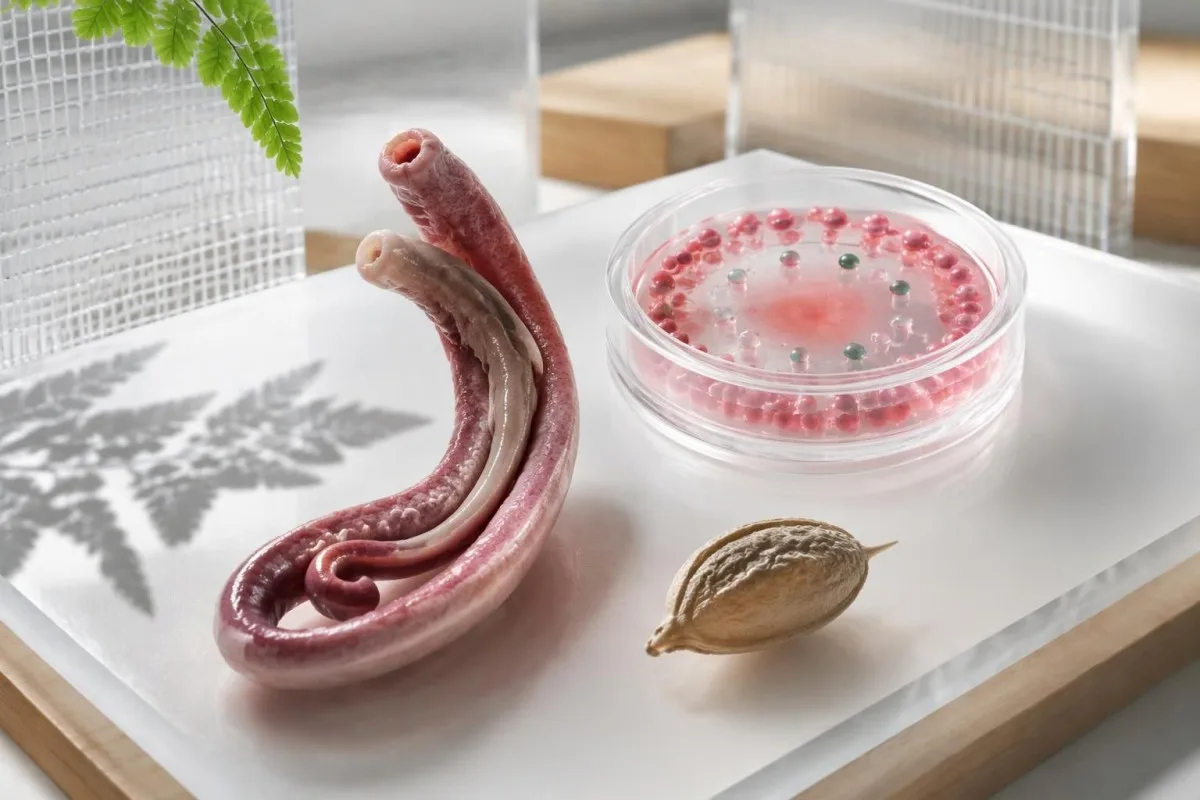
Позитиван резултат теста на антитела на Schistosoma може оправдати лечење након веродостојног излагања слаткој води ако никада нисте примили адекватну терапију, али не може доказати активну инфекцију нити потврдити излечење. Датуми излагања, претходно лечење и додатни тестови одређују следећи корак.

Кључне поруке
- Pozitivna antitela указују на имунски одговор на антигене Schistosoma; 1 позитиван резултат не може да разликује нелечену инфекцију од претходно лечене инфекције.
- Period testiranja је важно: CDC препоручује узимање узорака за тестирање на антитела најмање 6–8 недеља након сумње на нову инфекцију.
- Излагање слаткој води подразумева контакт коже са потенцијално контаминираним језерима, рекама или каналима — а не само посету земљи у којој је болест присутна.
- Микроскопски преглед је информативнији када клиничари затраже 3 узорка столице или урина прикупљена различитих дана.
- Празиквантел дозирање обично износи укупно 40 mg/kg током 1 дана за S. mansoni и S. haematobium, али прописивање зависи од врсте и клиничких околности.
- Vreme započinjanja terapije обично подразумева чекање најмање 6–8 недеља након последњег излагања слаткој води код путника чије је стање иначе стабилно, јер празиквантел најбоље делује на одрасле црве.
- Контролни микроскопски преглед може се затражити 1–2 месеца након лечења када су јаја била присутна пре лечења.
- Перзистентни IgG може остати позитиван годинама након успешног лечења; други позитиван резултат не оправдава аутоматски још један циклус терапије.
Да ли позитиван резултат теста на антитела на Schistosoma захтева лечење?
Позитиван резултат на антитела на Schistosoma не значи аутоматски да вам је потребно лечење. Клиничари често препоручују лечење када је излагање слаткој води вероватно, а нема доказа о адекватној претходној терапији, чак и ако је микроскопски преглед негативан; након документованог лечења без поновног излагања, 1 перзистентан позитиван резултат обично није довољан да оправда поновно лечење.
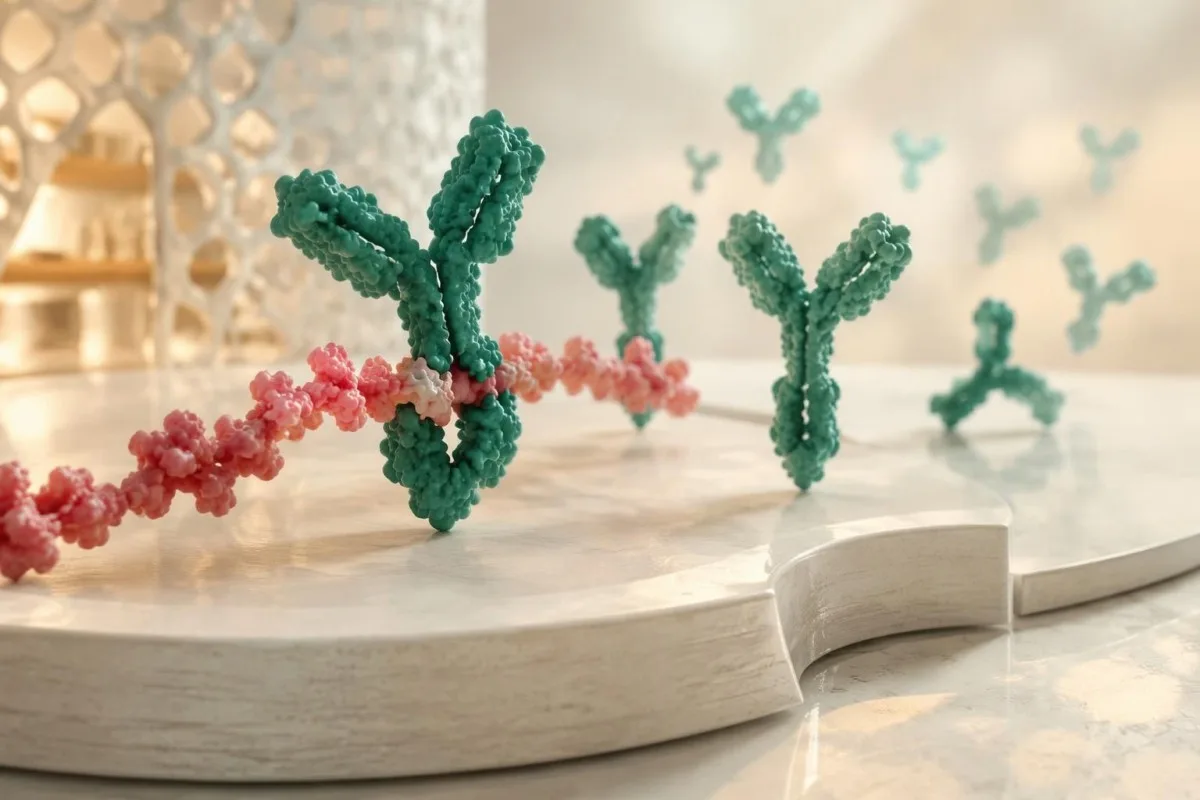
Шта значи позитиван резултат на Schistosoma IgG најбоље је схватити као доказ препознавања од стране имунског система, а не као мерење присуства живих црва. Одговор антитела може трајати годинама дуже од паразита, а 2 особе са истим пријављеним резултатом могу захтевати различиту негу — једна након нелеченог излагања, друга након успешног лечења без каснијег контакта са слатком водом.
Претходно излагање и претходно лечење су засебна питања: стара инфекција може остати нелечена, док стари позитиван тест може остати позитиван и након излечења. Пре него што 1 налаз протумачите као активну болест или безазлен податак из прошлости, проверите назив лека, дозу, датум и сваки каснији контакт са водом; наше објашњење позитивних резултата антитела разликује ове различите врсте доказа.
Kantesti је AI анализатор крвних тестова који помаже да се објасни зашто 1 позитиван резултат на Schistosoma IgG не може да утврди активну инфекцију, чак ни када је комплетна крвна слика нормална. Наша улога је објашњавање налаза — а не идентификација паразита или прописивање терапије — и наш organizacija i svrha треба разумети одвојено од одлука које доноси клиничар, а које су овде описане.
Које излагање слаткој води чини резултат уверљивијим?
Контакт коже са слатком водом у подручју преношења чини позитиван резултат клинички значајнијим. Пливање, гажење кроз воду, купање, рафтинг или прање у језерима, рекама и каналима за наводњавање могу довести до излагања; забележите 3 детаља за сваки догађај: тачну локацију, активност и датум последњег контакта.

Ларве Schistosoma које ослобађају слатководни пужеви продиру кроз кожу; није потребно прогутати воду. Чак и краткотрајно гажење кроз воду рачуна се као излагање, а одсуство осипа који сврби не искључује излагање, па би путник који је, хипотетички, ушао у језеро на 5 минута требало да наведе тај догађај, а не да забележи само дуже пливање.
Морска вода и правилно хлорисани базени нису уобичајени извори излагања шистосомијази. Контакт са слатком водом може изазвати забринутост и због других стања за која су потребни другачији тестови и лечење, укључујући лептоспирозу након излагања води; грозницу која почне 1 недељу након активности у реци не треба приписивати антителима на Schistosoma без шире процене.
Сам назив земље не може да утврди индивидуални ризик, јер се преношење разликује унутар земаља и међу воденим површинама. Реконструишите чак и 1 заборављену активност — попут прања опреме поред реке — и разликујте излагање паразитима од евиденције о вакцинацији; провере антитела за путовања одговарају на друго питање и не пружају заштиту од шистосомијазе.
Када након путовања треба обавити тестирање на шистозомијазу?
Тестирање на антитела на шистосомијазу је обично информативније најмање 6–8 недеља након сумње на нову инфекцију. Смернице CDC-а о клиничком тестирању и дијагнози шистосомијазе објашњавају да овај период омогућава развој антитела; негативан резултат добијен раније не може поуздано да искључи недавну инфекцију стечену у слаткој води.
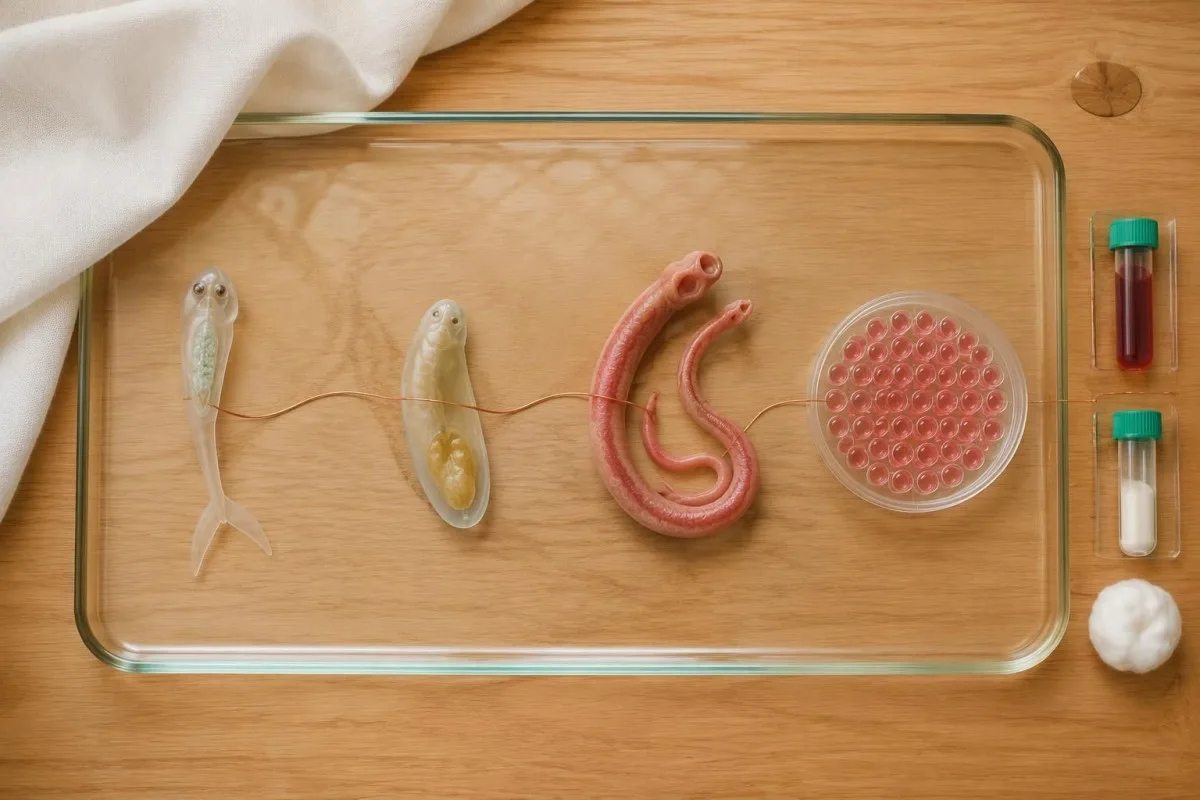
The last freshwater contact is a practical anchor when a trip involved several possible exposures. For example, a hypothetical traveler who swam on both the first and final day of a 3-week holiday should calculate the testing interval from the final swim, rather than assuming that the first exposure makes an immediate post-trip result conclusive.
Seroconversion is not identical across people or assays, so 6–8 weeks is a useful testing window rather than a guarantee of detection. When exposure is persuasive and an initial result is negative, a clinician may arrange another sample later, sometimes around 12 weeks after exposure; a second date should be agreed rather than inferred from a generic laboratory reference range.
Fever or significant symptoms after travel should be assessed without waiting for an antibody window to close, especially after a malaria-risk itinerary. At Kantesti, we encourage readers to keep 2 dates visible—last freshwater contact and sample collection—because vremenu testiranja infekcije can change the meaning of a negative report even though each organism requires its own diagnostic strategy.
Могу ли резултати теста на антитела на Schistosoma бити лажно позитивни?
Schistosoma antibody tests can produce false-positive or cross-reactive results, and their performance varies by assay. There is no universal IgG concentration or index that proves active schistosomiasis; 2 laboratories may use different antigen preparations, reporting units and thresholds, making direct numerical comparisons unreliable.
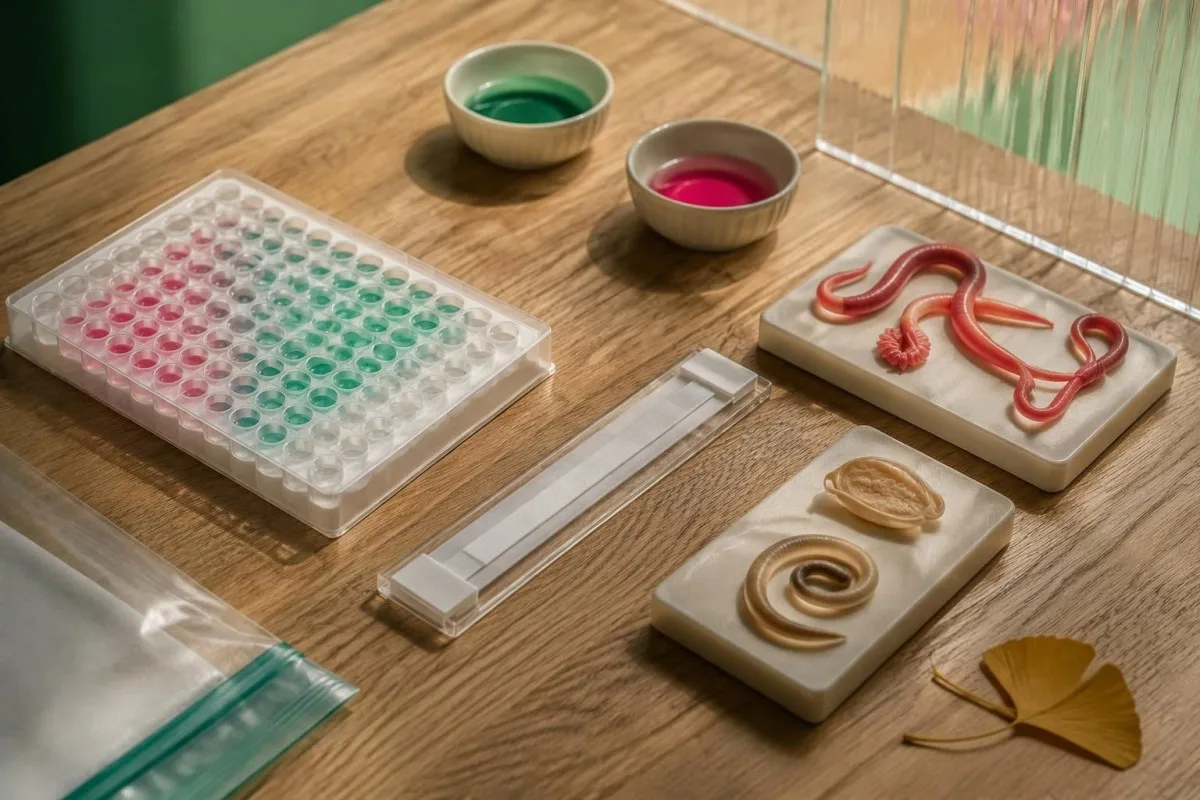
Cross-reactivity with other helminth antibodies depends on the test rather than occurring uniformly in every person. A laboratory may recommend an alternative assay or reference-laboratory review when the exposure history does not fit; 1 additional positive parasite antibody result also needs independent interpretation, as explained in our discussion of Toxocara antibody findings.
A hypothetical probability example shows why background risk matters: assume an imaginary test has 90% sensitivity and 95% specificity in 10,000 people, of whom 1% have the target infection. It would identify approximately 90 true positives and 495 false positives, so only about 15% of positive results would be true positives—these are teaching assumptions, not measured Schistosoma assay performance.
A high index should not be read as a high worm count, and a borderline index should not automatically be dismissed when exposure is strong. Ask for the assay name and the laboratory's interpretation of 1 equivocal or weakly positive result; confirmation with a different method can address assay uncertainty, but another antibody test still cannot reliably separate active infection from treated history.
Шта се може утврдити микроскопским прегледом столице и урина?
Finding characteristic Schistosoma eggs provides direct parasitological evidence, whereas negative microscopy does not exclude a light infection. CDC recommends examining 3 stool or urine samples collected on different days to improve sensitivity, because egg output can be sparse and intermittent, particularly in travelers with a low parasite burden.
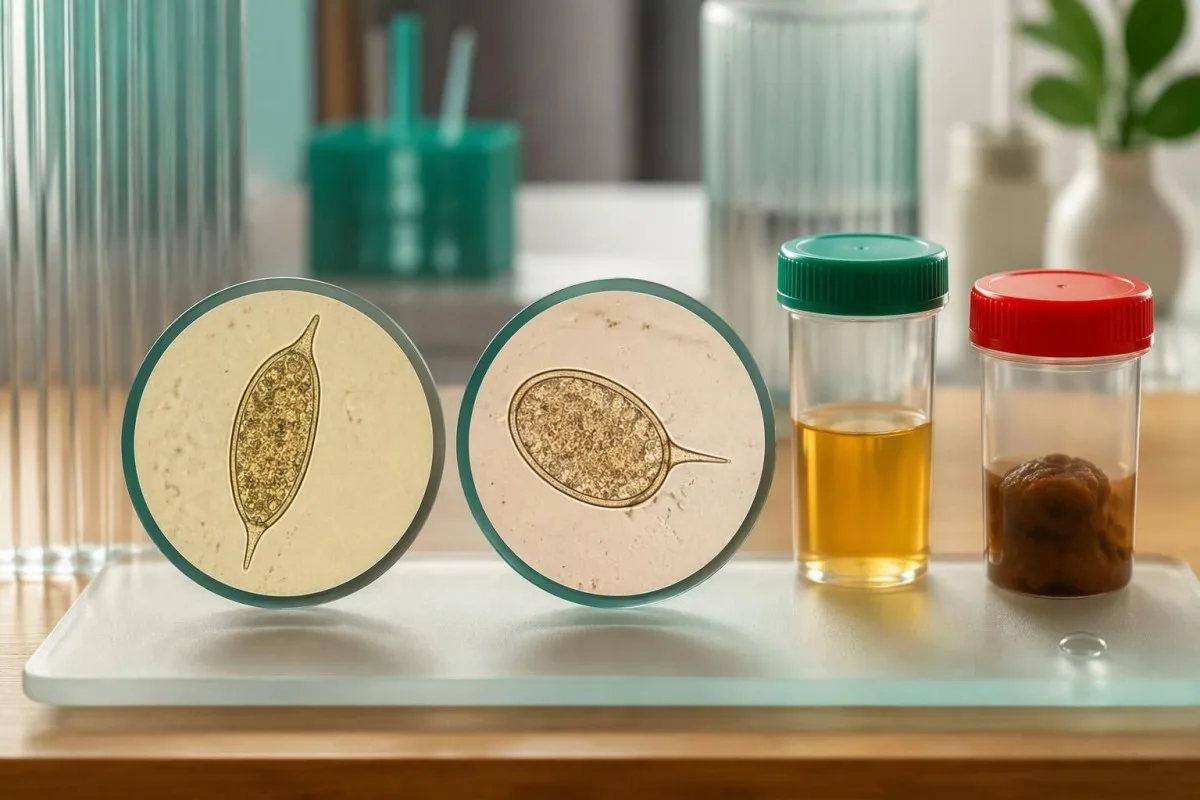
The suspected species determines specimen choice: S. mansoni and S. japonicum are usually investigated through stool, while S. haematobium is usually investigated through urine. Some exposure histories warrant both, so 1 negative stool examination does not address a possible urinary infection; interpretaciju sedimenta urina also explains why ordinary urinary findings are not equivalent to parasite identification.
Urinary egg excretion often peaks around midday, and laboratories may request a sample between approximately 12 noon and 3 pm. Urine filtration may use a measured volume such as 10 mL, but collection, transport and processing instructions vary; follow the receiving laboratory's protocol rather than improvising exercise, fluid restriction or a collection time.
Routine dipstick testing is not a substitute for a specific Schistosoma egg examination, and 1 routine stool pathogen panel may omit the parasite entirely. Check the exact tests ordered, including concentration or filtration methods when appropriate; our urinalysis method guide helps distinguish screening for cells and chemistry from targeted parasitology.
Да ли антигенски тестови или PCR јасније показују активну инфекцију?
Schistosoma antigen tests can provide evidence more closely linked to living worms than antibody tests, but access and performance differ. Circulating anodic antigen, or CAA, and circulating cathodic antigen, or CCA, are 2 distinct targets; PCR detects parasite DNA and needs interpretation according to specimen, timing and the laboratory method.
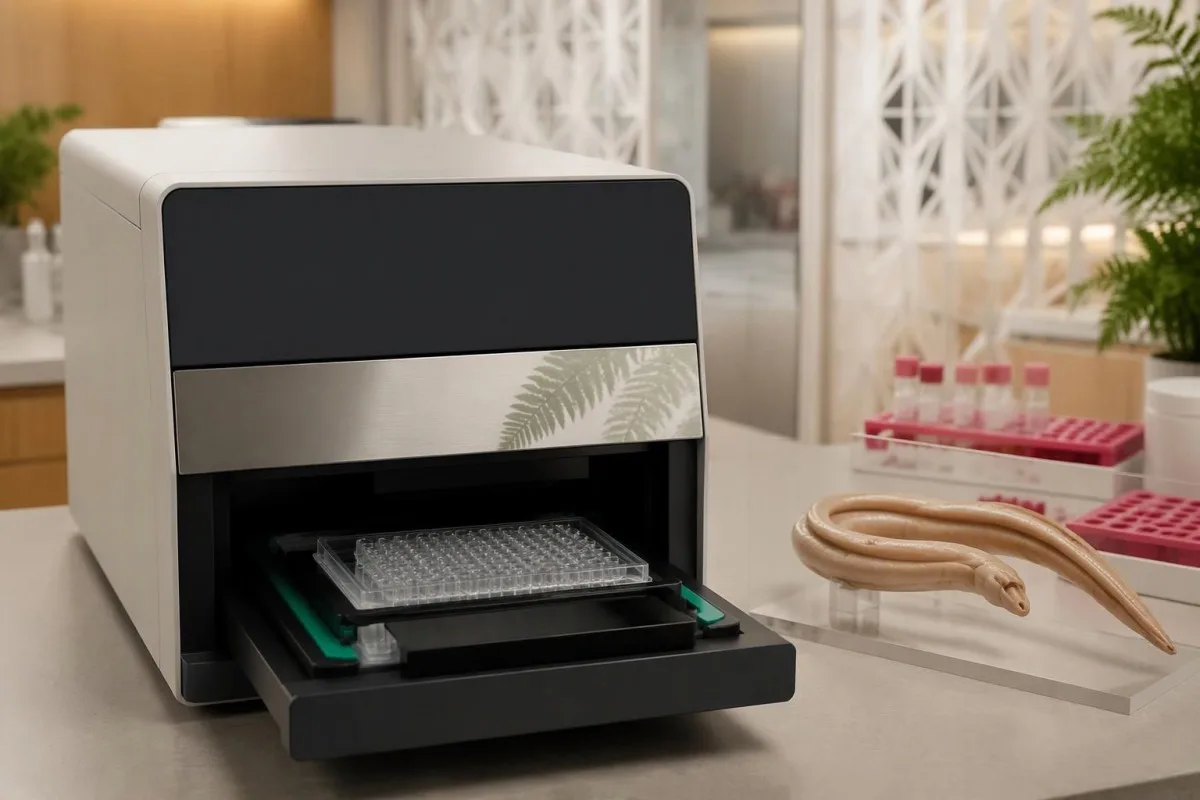
CAA assays can detect antigens released by living schistosomes, including some low-burden infections that microscopy misses. Urine CCA testing is used especially for S. mansoni, but trace readings and performance for other species complicate interpretation; 1 negative point-of-care CCA test should not be treated as a universal exclusion of urinary or intestinal schistosomiasis.
PCR may support diagnosis when microscopy is negative, but DNA detection is not identical to proving that every detected parasite component remains viable after treatment. The specimen matters—serum, stool and urine are not interchangeable—and 1 positive molecular result must be interpreted against the laboratory's validated application; antibodies versus direct detection illustrates this distinction in a different parasitic condition.
Kantesti is an AI lab test interpretation service that can explain the difference between 2 reports labeled Schistosoma IgG and Schistosoma PCR without treating them as interchangeable evidence. Our metodama interpretacije uz pomoć AI do not replace reference-laboratory expertise, and an antigen test's usefulness depends on whether the local service can obtain and validate it for your clinical question.
Који пратећи налази у крви и урину су важни?
Eosinophilia, urinary abnormalities and signs of organ involvement can strengthen the case for further assessment, but none proves schistosomiasis alone. An absolute eosinophil count above approximately 0.5 × 10⁹/L is commonly considered elevated; a normal count does not exclude infection, especially outside the early immune-response phase.
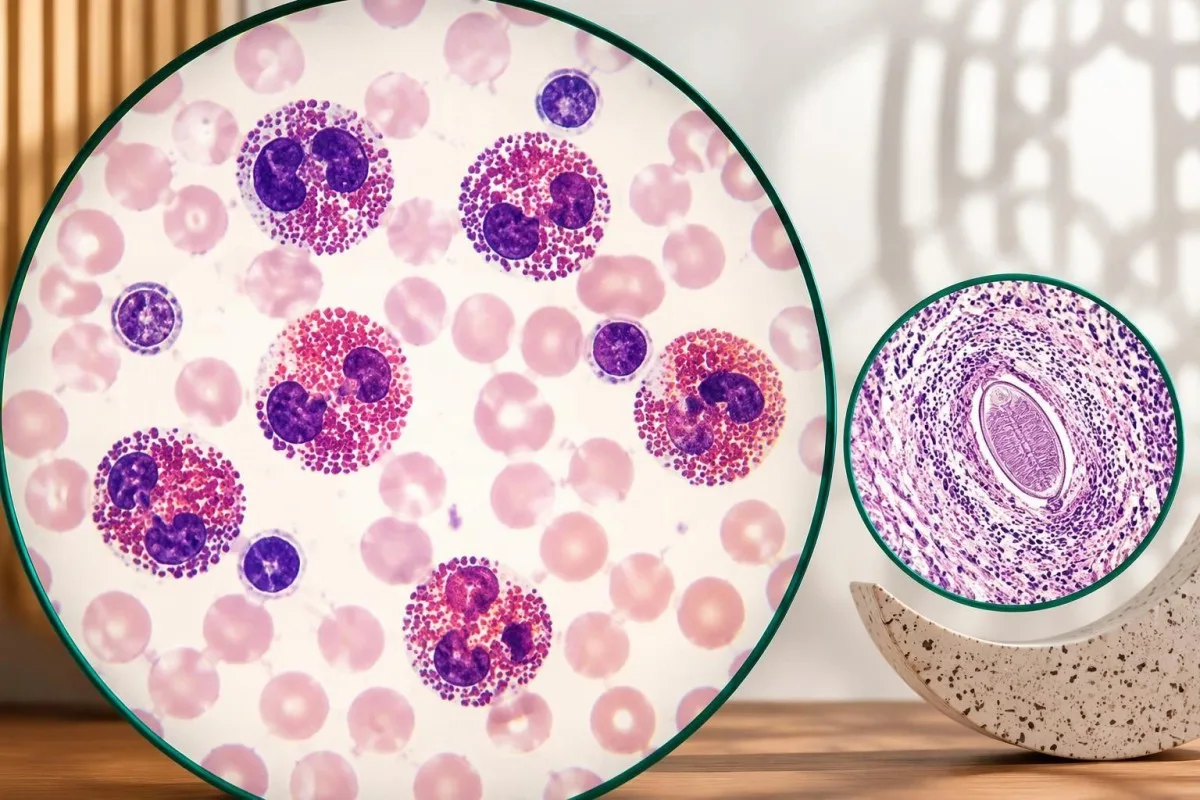
The absolute eosinophil count is usually more informative than the percentage because a percentage depends on the other white-cell populations. A hypothetical count of 0.8 × 10⁹/L may reflect schistosomiasis, another parasite, allergy or a medicine effect; persistent counts at or above 1.5 × 10⁹/L generally warrant broader evaluation, as discussed in our eosinophil count guide.
Normal liver enzymes do not reliably exclude hepatosplenic schistosomiasis because periportal fibrosis and portal hypertension can occur without the usual pattern of cirrhosis. For example, an ALT of 24 IU/L cannot overrule an enlarged spleen or suggestive ultrasound; interpretacijom panela za jetru explains why enzyme results answer different questions from structural imaging.
Blood in urine, protein in urine, persistent diarrhea or genital symptoms can change which investigations are appropriate. At Kantesti, we encourage keeping at least 3 evidence categories separate—exposure, parasite tests and organ findings—because a positive antibody result should not obscure a urinary obstruction, significant anemia or another explanation that requires its own assessment.
Зашто се лечење може понудити и када је микроскопски преглед негативан?
Clinicians may treat a seropositive person with credible exposure and no adequate treatment history despite negative microscopy. This approach recognizes that light infections can escape egg detection and untreated adult worms can persist for years; the decision balances 3 factors: exposure probability, diagnostic limitations and the person's treatment risks.
Absence of symptoms does not establish absence of infection or eliminate the potential benefit of treatment. A hypothetical traveler tested 10 weeks after a lake swim, with positive IgG and 3 negative stool examinations, may still be offered praziquantel if the exposure was credible and no earlier treatment occurred; negative microscopy lowers certainty but does not settle the question.
Documented earlier treatment changes the reasoning, particularly when no freshwater re-exposure has occurred. A person with a positive test 5 years after an appropriately timed course does not automatically need another course; the clinician should investigate whether treatment was complete, whether the initial infection was confirmed and whether any symptoms or direct tests now suggest persistence.
Visible blood in urine requires assessment even when Schistosoma antibodies are positive, because 1 parasite result does not exclude stones, other infections or cancer. Chronic urinary schistosomiasis is associated with increased bladder cancer risk, but risk is not diagnosis; our guide to bladder warning symptoms explains why persistent or recurrent urinary changes deserve separate attention.
Како се одређују доза празиквантела и време лечења?
Praziquantel is the standard medicine for schistosomiasis, but dose and timing depend on species and clinical circumstances. CDC's Clinical Care of Schistosomiasis guidance lists 40 mg/kg over 1 day in 2 divided doses for S. mansoni, S. haematobium and S. intercalatum, and 60 mg/kg in 3 divided doses for S. japonicum and S. mekongi.
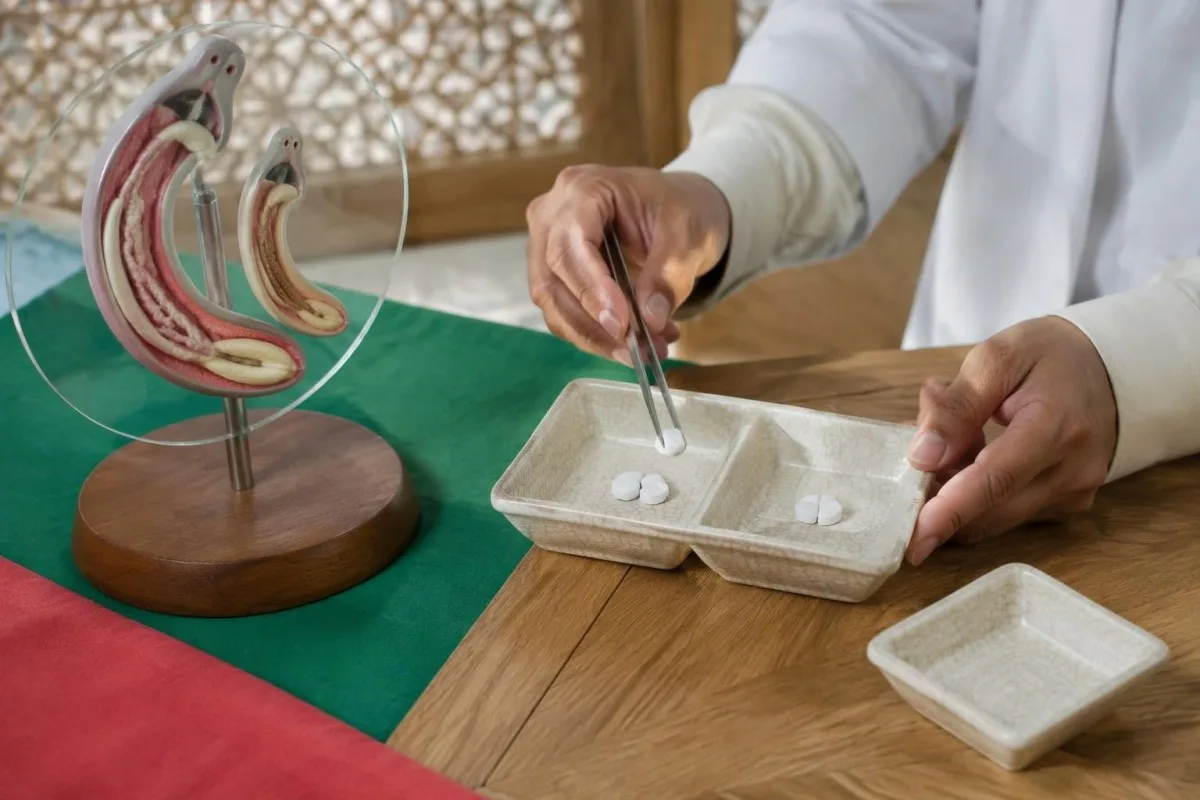
Praziquantel works best against mature worms, so otherwise stable travelers are generally treated at least 6–8 weeks after their last freshwater exposure. Taking it immediately after a swim is not reliable preventive treatment; if a course was given very early, the clinician may plan another course after maturation rather than assuming the initial prescription covered all developing worms.
A clearly hypothetical calculation illustrates a 40 mg/kg regimen: a 60 kg adult would receive 2,400 mg total over 1 day, split into 2 doses of 1,200 mg. Where 600 mg tablets are supplied, that arithmetic corresponds to 2 tablets per dose, but it is not an individual prescription—species, available formulation, rounding, swallowing ability and medical history must be checked.
Repeat treatment after 2–4 weeks may be appropriate in selected patients, especially with light infections or concerns about an incomplete response; it is not required solely because IgG remains positive. Medication review matters because rifampicin and enzyme-inducing antiseizure medicines can reduce praziquantel exposure, so patients taking carbamazepine should bring their regimen and any carbamazepine monitoring information rather than adjusting either medicine themselves.
Koji simptomi zahtevaju hitnu ili urgentnu procenu?
Fever after travel needs prompt assessment, and new weakness, seizures or bladder-control changes need emergency evaluation. Acute schistosomiasis can cause fever, cough, rash, diarrhea and eosinophilia around 2–8 weeks after exposure, but these symptoms overlap with other conditions and cannot be diagnosed from antibodies alone.
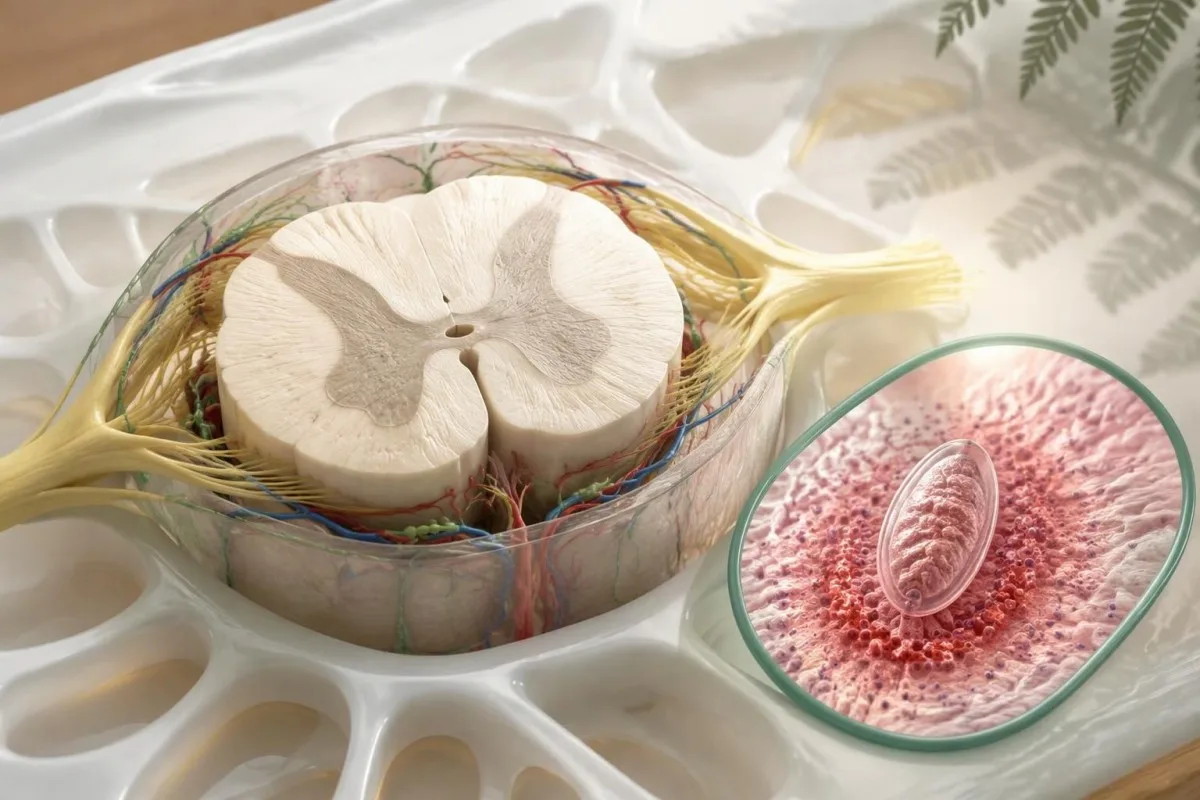
New leg weakness, difficulty walking, urinary retention or loss of bowel control can signal spinal cord involvement and should not wait for routine repeat serology. Schistosoma eggs can occasionally affect neurological tissue, but 1 positive antibody result does not establish the cause; emergency clinicians may need imaging and a broad differential diagnosis before specialist treatment is selected.
Acute systemic or neurological schistosomiasis may require specialist-directed corticosteroids alongside a carefully timed antiparasitic plan. If the exposure history also suggests Strongyloides, assess that possibility before immunosuppression when feasible, because steroids can precipitate dangerous hyperinfection; a Strongyloides IgG result needs its own management rather than assuming 1 antiparasitic medicine treats both organisms.
Fever after a malaria-risk itinerary should be assessed the same day, even if Schistosoma antibodies offer a plausible alternative explanation. Do not wait 6–8 weeks for repeat serology when there is persistent high fever, breathing difficulty, confusion, fainting, significant gastrointestinal bleeding or inability to pass urine; the immediate priority is identifying and treating the acute problem.
Како трудноћа, детињство и друга стања утичу на лечење?
Pregnancy, young age and complex illness require individualized treatment decisions rather than automatically withholding or prescribing praziquantel. The WHO guideline on control and elimination of human schistosomiasis (2022) supports preventive treatment from age 2 years and includes pregnant women after the first trimester and lactating women in eligible programs.
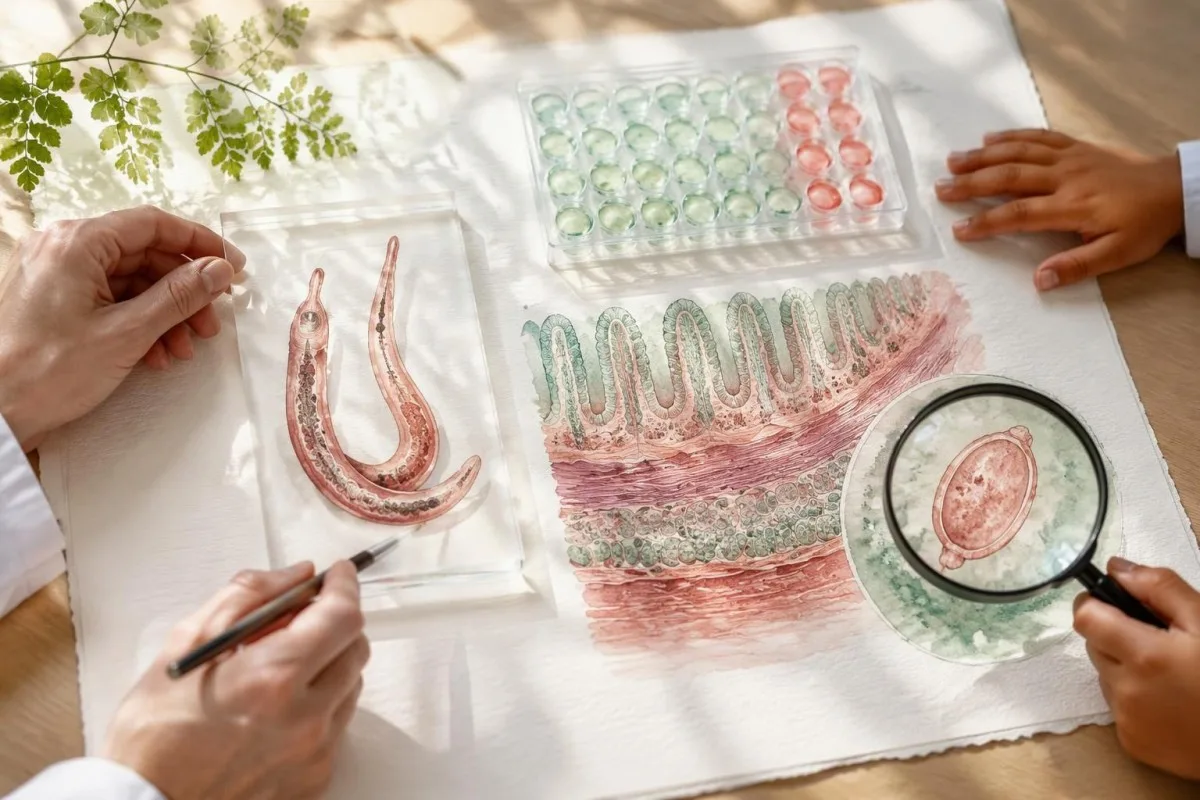
WHO program recommendations and treatment of an individual imported infection answer related but different questions. A hypothetical patient at 10 weeks of pregnancy needs a clinician-led balance of infection likelihood, severity and treatment timing; the recommendation to include pregnancy after the first trimester in preventive programs should not be turned into a blanket rule for every symptomatic patient.
Children's dosing requires an accurate weight and a formulation they can take safely; adult tablet arithmetic is not enough. WHO's inclusion of children aged 2 years and older in preventive chemotherapy does not make every product licensed for every younger age in every country, and our discussion of children's interpretation limits explains why pediatric results need age-specific clinical oversight.
A history of seizures, possible cysticercosis, significant liver disease or neurological symptoms should be reviewed before treatment. For 1 person with a straightforward travel-acquired infection, routine outpatient prescribing may be appropriate; another with possible central nervous system involvement may need specialist planning because the immune response to parasite treatment can itself affect symptoms.
Зашто IgG на Schistosoma може остати позитиван након успешног лечења?
Schistosoma IgG can remain positive for years after successful treatment and is not a reliable test of cure. CDC recommends considering repeat stool or urine examination 1–2 months after treatment when eggs were detected before treatment; follow-up must match the evidence used to establish infection and the person's subsequent clinical course.
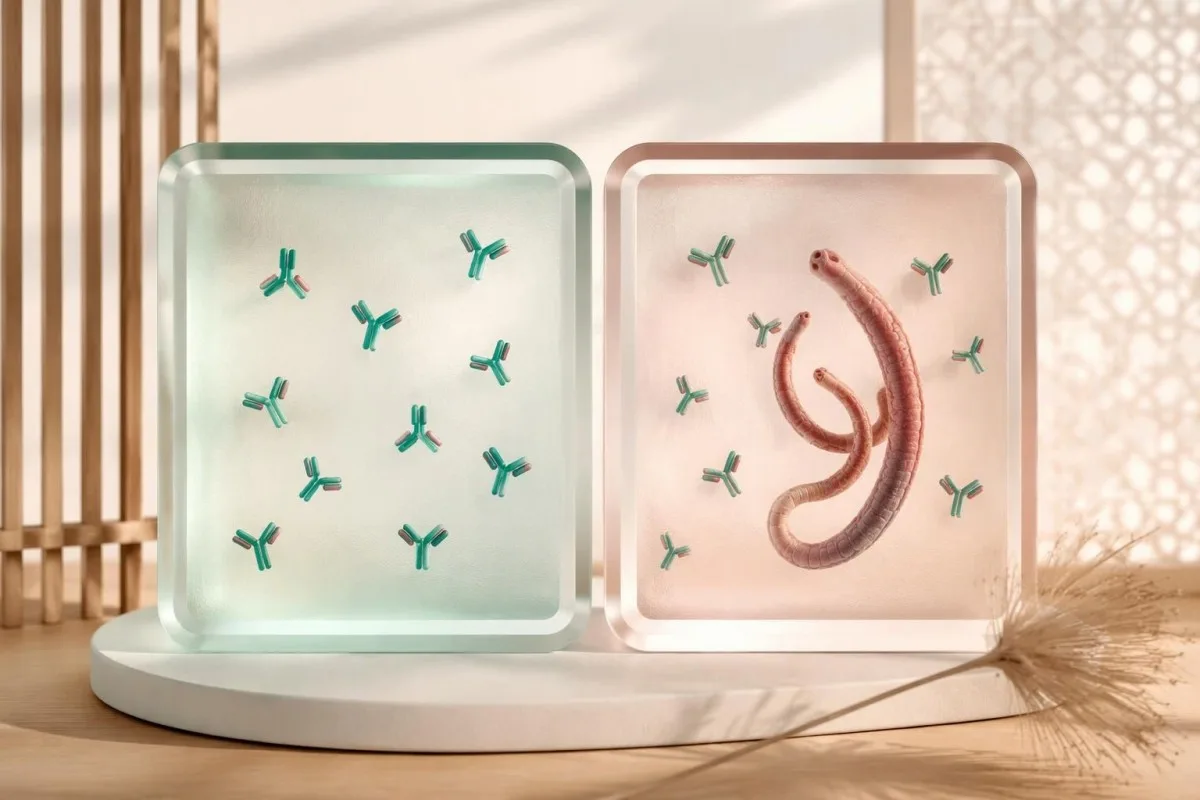
A positive IgG result 6 months after treatment does not, by itself, demonstrate treatment failure. Antibody decline varies, and a stable or temporarily higher signal cannot reliably quantify surviving worms; comparing results from 2 different laboratories adds assay differences, making numerical trend interpretation even less suitable for declaring cure.
Persistent symptoms or eosinophilia deserve reassessment, but neither automatically proves living Schistosoma remain. If eggs are still found at the 1–2 month follow-up, specialists may consider egg viability, collection details, treatment timing and whether another course is needed; PCR positivity can also require caution because detecting parasite DNA is not the same as identifying viable adult worms.
Kantesti can help organize 3 follow-up dates—treatment, specimen collection and any re-exposure—without labeling persistent IgG as treatment failure. Our vodič za analizu trendova lekova explains why trends must be matched to the right clinical endpoint; an available validated antigen assay may be more useful than serial antibodies, but its follow-up schedule belongs to the treating service.
Како исти позитиван резултат може довести до различитих одлука?
The same positive Schistosoma IgG result can lead to treatment, additional testing or observation because the surrounding evidence differs. The following 4 examples are hypothetical teaching scenarios—not patient encounters—and illustrate how exposure dates, prior therapy, assay uncertainty and organ findings can outweigh the apparent simplicity of a positive flag.
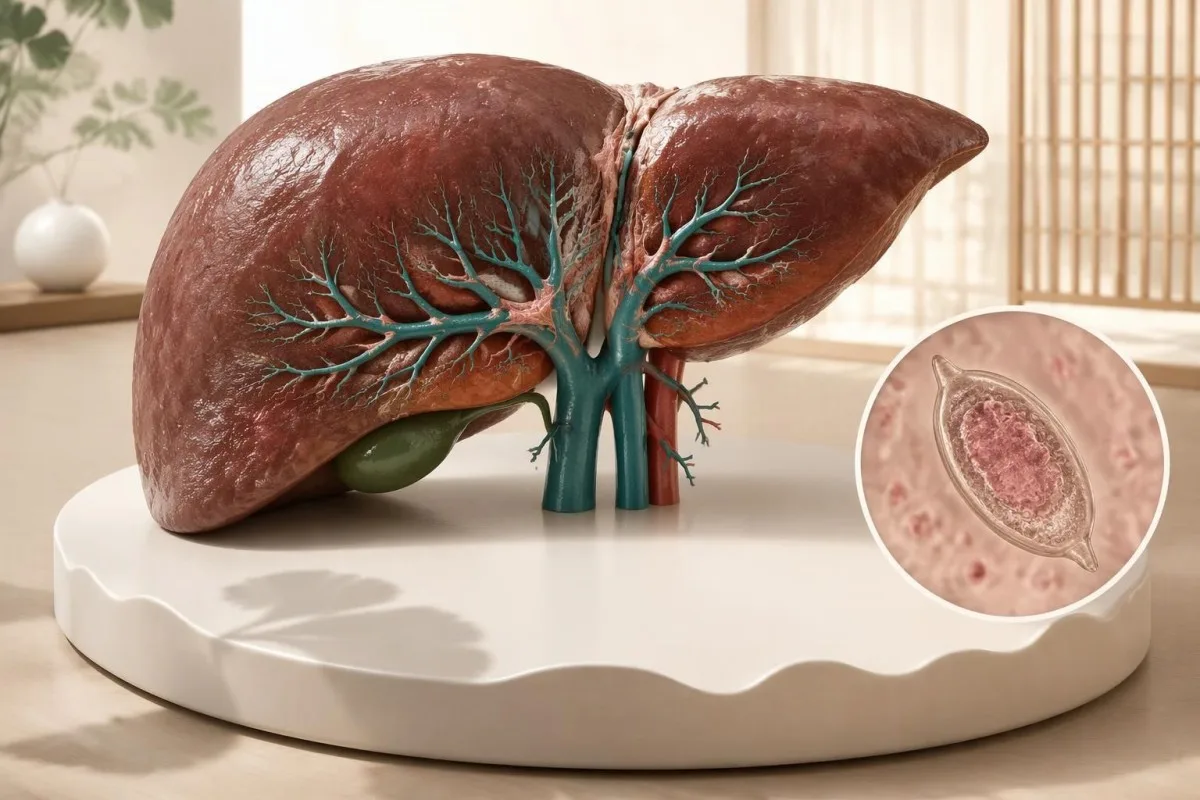
A hypothetical 28-year-old returns from a freshwater swim, tests positive 10 weeks later and has never received praziquantel; treatment may be reasonable despite negative microscopy. A hypothetical 44-year-old treated appropriately 4 years earlier, with no further exposure and no concerning findings, may not need retreatment; the timeline of laboratory results helps keep these histories distinct.
A hypothetical 35-year-old with no plausible freshwater exposure has a weakly positive screening assay and normal supporting investigations. The next step may be checking the original indication, assay and cross-reactivity rather than immediate treatment; changing a report from weak positive to strong positive on 1 repeat antibody assay still does not create a documented exposure or prove active infection.
A hypothetical 54-year-old who lived near endemic freshwater 20 years earlier has positive IgG, an enlarged spleen and an ALT of 24 IU/L within the local range. That combination merits assessment for portal and other organ disease despite normal enzymes; an old exposure is not automatically resolved, and common liver fibrosis scores should not be assumed validated for schistosomal periportal fibrosis.
Шта треба да понесете на контролни преглед и који извори подржавају лечење?
Bring your exposure history, complete laboratory report and treatment record to a clinician experienced in travel medicine, infectious diseases or tropical medicine. Prepare 3 questions: whether the result fits your exposure, which direct tests could change the decision and how treatment response will be assessed without relying on antibody disappearance.
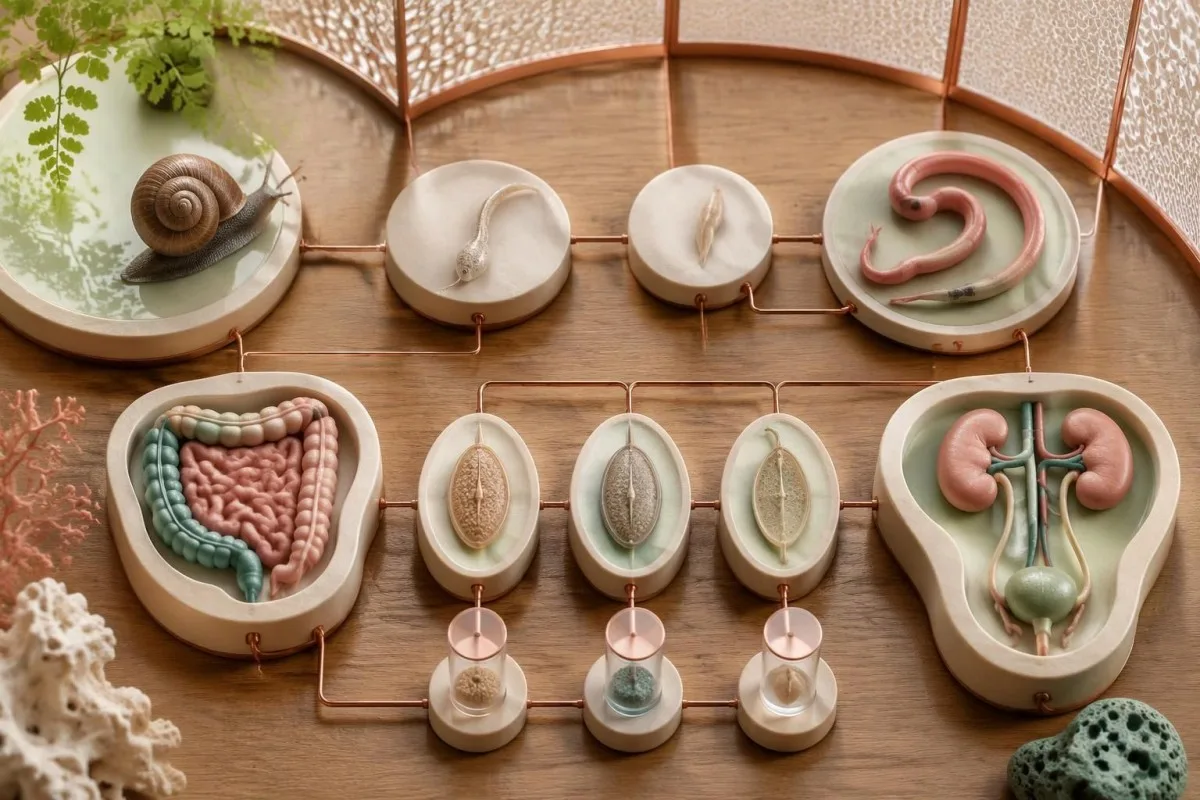
Your report should retain the assay name, units or index, reference interpretation and collection date, rather than only a cropped positive flag. Add 1 concise exposure timeline, previous praziquantel doses and dates, current medicines, pregnancy status where relevant and any urinary or neurological symptoms; this makes uncertainty visible and reduces the chance of repeating an uninformative antibody test.
Kantesti is an AI blood test interpretation platform that helps explain why 1 Schistosoma antibody result must be considered alongside exposure and treatment history, not used as a prescribing instruction. Our клинички оквир за валидацију describes methodology and oversight, while our privatnost i postupanje sa podacima information explains how to review data choices before sharing a travel or laboratory record.
The 2 Zenodo publications below describe Kantesti's validation framework and aggregate platform reporting; they are not clinical schistosomiasis guidelines and do not establish the sensitivity of a Schistosoma assay. Clinical recommendations in this article draw on CDC diagnostic and treatment guidance and the WHO guideline (2022), with our standardi medicinskog sadržaja distinguishing published evidence, hypothetical calculations and the limits of AI-supported explanation.
Često postavljana pitanja
Da li pozitivan nalaz IgG na šistozome znači da imam aktivnu infekciju?
Pozitivan rezultat Schistosoma IgG testa ne može pouzdano da razlikuje aktivnu infekciju od prethodno lečene infekcije. Antitela mogu ostati detektabilna godinama, pa se 1 pozitivan nalaz mora tumačiti u kontekstu izloženosti slatkoj vodi i istorije lečenja. Kliničari mogu koristiti mikroskopiju stolice ili urina, testiranje na antigene ili PCR, kada je to odgovarajuće, kako bi dobili neposrednije dokaze. Verodostojna izloženost bez odgovarajućeg prethodnog lečenja može opravdati lečenje čak i kada je mikroskopija negativna.
Da li mogu imati šistosomijazu ako su testovi stolice i urina negativni?
Negativan mikroskopski pregled stolice ili urina ne isključuje šistosomijazu, naročito nakon putovanja, kada opterećenje parazitima može biti nisko. CDC preporučuje pregled 3 uzorka prikupljena različitih dana jer izlučivanje jaja može biti povremeno. Sumnja na određenu vrstu takođe određuje da li treba pregledati stolicu, urin ili oboje. Lekar i dalje može preporučiti lečenje kada su antitela pozitivna, izloženost verovatna, a ne postoji dokumentacija o adekvatnoj prethodnoj terapiji.
Koliko dugo nakon izlaganja slatkoj vodi treba da se testiram?
CDC preporučuje uzimanje uzoraka za testiranje na antitela na Schistosoma najmanje 6–8 nedelja nakon sumnje na novu infekciju. Ako je tokom putovanja bilo više izlaganja, poslednji kontakt sa slatkom vodom može poslužiti kao praktična referentna tačka. Možda će biti potrebno ponoviti ranije negativne rezultate jer antitela još uvek ne moraju biti detektabilna. Temperatura ili drugi značajni simptomi zahtevaju hitnu procenu, umesto čekanja na ovaj period za testiranje.
Zašto sam i dalje pozitivan na antitela na Schistosoma nakon primene prazikvantela?
Antitela na šistozome mogu ostati pozitivna godinama nakon uspešnog lečenja prazikvantelom jer imunski odgovor traje duže od prisustva parazita. Pozitivan rezultat 6 meseci nakon lečenja sam po sebi ne dokazuje neuspeh lečenja niti opravdava novu terapiju. Kada su jajašca otkrivena pre lečenja, lekari mogu zatražiti ponovni pregled stolice ili urina 1–2 meseca nakon toga. Nova izloženost, uporni simptomi i nalazi direktnih testova informativniji su od samog perzistiranja antitela.
Koja se doza prazikvantela koristi za šistosomijazu?
0 CDC navodi prazikvantel 40 mg/kg tokom 1 dana u 2 podeljene doze za S. mansoni, S. haematobium i S. intercalatum. Navedeni režim za S. japonicum i S. mekongi iznosi 60 mg/kg tokom 1 dana u 3 podeljene doze. Putnici čije je stanje inače stabilno uglavnom se leče najmanje 6–8 nedelja nakon poslednjeg izlaganja slatkoj vodi, jer prazikvantel najbolje deluje protiv zrelih crva. Lekar mora da odabere režim i razmotri primenu drugih lekova, trudnoću, uzrast i moguće neurološko zahvatanje.
Može li pozitivan test na antitela na šistozome biti lažno pozitivan?
0 A test na antitela na Schistosoma može biti lažno pozitivan ili ukršteno reagovati sa antitelima na druge parazite, u zavisnosti od testa. Ne postoji univerzalna vrednost indeksa koja potvrđuje aktivnu infekciju, a 2 laboratorije mogu koristiti različite pripreme antigena i granične vrednosti. Slabo pozitivan rezultat bez verovatnog izlaganja slatkoj vodi može zahtevati laboratorijsku proveru ili drugu potvrdnu metodu. Ponavljanje testova na antitela samo po sebi i dalje ne može pouzdano razlikovati ranije lečenu infekciju od prisustva živih crva.
Сазнајте како да читате крвну слику
Отпремите свој лабораторијски извештај, а AI алата Kantesti ће за неколико секунди објаснити сваки биомаркер једноставним језиком. Користи га више од 2 милиона људи широм света.
Референце
- Klein, T., Mitchell, S., & Weber, H. (2026). Клинички оквир валидације v2.0 (страница за медицинску валидацију). Kantesti AI Medical Research. ДОИ
- Klein, T., Mitchell, S., & Weber, H. (2026). AI анализа крвне слике: 2,5M тестова анализирано | Global Health Report 2026. Kantesti AI Medical Research. ДОИ
- Центри за контролу и превенцију болести (2024). Clinical Testing and Diagnosis for Schistosomiasis. CDC Schistosomiasis Clinical Guidance.
- Центри за контролу и превенцију болести (2024). Clinical Care of Schistosomiasis. CDC Schistosomiasis Clinical Guidance.
- World Health Organization (2022). WHO guideline on control and elimination of human schistosomiasis. World Health Organization Guidelines.
- 2 милиона+Analizirani testovi
- 127+Земље
- 100+Језици
O medicinskom timu


Е-Е-А-Т сигнали поверења
Искуство
Клиничка ревизија процеса тумачења лабораторијских налаза коју води лекар.
Експертиза
Фокус на лабораторијску медицину: како се биомаркери понашају у клиничком контексту.
Ауторитативност
Medicinski pregledao dr Thomas Klein, uz doprinos dr Sarah Mitchell i prof. dr Hansa Webera.
Поузданост
Тумачење засновано на доказима, са јасним путевима праћења како би се смањила узнемиреност.






Medicinsko odricanje od odgovornosti
Овај чланак је само у образовне сврхе и не представља медицински савет. За одлуке о дијагнози и лечењу увек се консултујте са квалификованим здравственим радником.
Objavljeno · Kontaktirajte urednički tim
Objavio Kantesti Ltd, registrovan u Engleskoj i Velsu, broj kompanije. 17090423, London, Ujedinjeno Kraljevstvo.
