Diqja e ulët persistente meriton një vlerësim adekuat të shëndetit mendor, së bashku me kontrolle të synuara për kontribuues fizikë të kthyeshëm. Testet e gjakut mund të zbulojnë kontribuues; ato nuk diagnostikojnë depresionin.



- Siguria e para: Mendimet vetëvrasëse, psikozat, agjitimi i rëndë, ose paaftësia për të qëndruar i sigurt kërkojnë kujdes urgjent për shëndetin mendor; rezultatet laboratorike nuk duhet kurrë ta vonojnë atë.
- CBC dhe feritina: Feritina nën 30 ng/mL shpesh mbështet mungesën e hekurit, edhe para se të bjerë hemoglobina.
- Testi i tiroides: Një TSH i ngritur me T4 të lirë të ulët tregon hipotiroidizëm të plotë dhe mund të kontribuojë në lodhje, të menduar të ngadaltë dhe disponim të ulët.
- Vitamina B12: B12 nën 180 pg/mL ose 133 pmol/L zakonisht është e pamjaftueshme; rezultatet kufitare shpesh kërkojnë testin e acidit metilmalonik.
- Glukoza: Një HbA1c prej 6.5% ose më shumë arrin një prag diagnostikues të diabetit kur konfirmohet, ndërsa luhatjet e glukozës mund të përkeqësojnë energjinë dhe përqendrimin.
- Teste të veshkave dhe mëlçisë: eGFR e ulët, natrium i ulët, kalcium i lartë, ose disfunksioni i mëlçisë mund të ndikojnë në gjumin, njohjen, trajtimin e medikamenteve dhe disponimin.
- Mos testoni tepërt: Kortizoli, hormonet seksuale, panelet e gjera autoimune dhe testet gjenetike nuk janë punë rutinë gjaku për disponim të ulët, nëse simptomat nuk tregojnë drejt tyre.
- Hapi i ardhshëm praktik: Sillni simptomat, medikamentet, historinë menstruale, dietën, përdorimin e alkoolit dhe rezultatet e mëparshme te një mjek; modeli ka më shumë rëndësi se sa një vlerë e shënuar.
Çfarë mund të zbulojë në fakt një test gjaku për disponim të ulët
A analizë gjaku për disponim të ulët mund të identifikojë kushte mjekësore që imitojnë ose përkeqësojnë depresionin, veçanërisht aneminë, disfunksionin e tiroides, mungesën e vitaminave, çrregullimet e glukozës, sëmundjet e veshkave ose mëlçisë dhe çekuilibrin e elektroliteve. Nuk mund të konfirmojë ose përjashtojë depresionin, i cili mbetet një diagnozë klinike e bazuar në simptoma, kohëzgjatje, funksion dhe vlerësim të sigurisë.
Që nga 12 shtatori 2026, pyetja e dobishme nuk është “cili test provon se disponimi im është mjekësor?” por “cilët kushte të kthyeshme përputhen me simptomat dhe faktorët e mi të rrezikut?” Udhëzimet e NICE për depresionin rekomandojnë vlerësimin e shëndetit fizik, medikamenteve, përdorimit të alkoolit dhe substancave, dhe rrezikut të vetëvrasjes së bashku me simptomat e shëndetit mendor (NICE, 2022). Një panel normal nuk e bën shqetësimin më pak real; thjesht ngushton diferencën mjekësore.
Në 15 vitet e mia të praktikës klinike, kam parë pacientë të kalojnë muaj duke fajësuar veten për lodhjen që rezultoi të ishte mungesë hekuri, hipotiroidizëm ose diabet i pakontrolluar mirë. Kam parë gjithashtu rezultate krejtësisht normale te njerëzit me depresion madhor të rëndë. Të dyja situatat kërkojnë kujdes, dhe asnjëra nuk duhet minimizuar.
Kantesti është një Analizues i testeve të gjakut AI krijuar për të organizuar modelet laboratorike për diskutim me një mjek, në vend që t'i bashkëngjitësh një etiketë psikiatrike një rezultati. Filloni me Udhëzues për bioshënuesit e testeve të gjakut nëse akronimet në një raport janë të panjohura.
Kur disponimi i ulët është një urgjencë
Mendimet për vetëvrasje, një plan për të dëmtuar veten, dëgjimi i zërave, paranoia e re, konfuzioni i rëndë, ose disa ditë pa gjumë dhe energjia në rritje kërkojnë vlerësim urgjent psikiatrik në të njëjtën ditë. Telefononi shërbimet e urgjencës ose një linjë krize lokale, shkoni në një repart urgjent, ose kërkoni dikujt që i besoni të qëndrojë me ju; të pritet për analizën e gjakut për disponim të ulët nuk është e sigurt.
1. CBC dhe studimet e hekurit: lodhja para se të shfaqet anemia
Mungesa e hekurit mund të kontribuojë në lodhje, përkeqësim të përqendrimit, intolerancë ndaj ushtrimeve dhe disponim të ulët para se të zhvillohet anemia. Një analizë e plotë e gjakut, ferritinë, transferinë e ngopur dhe CRP janë testet fillestare më informative kur lodhja shoqëron disponimin e ulët.
Ferritina nën 15 ng/mL është shumë specifik për mungesën e depove të hekurit, ndërsa një vlerë nën 30 ng/mL përdoret zakonisht te të rriturit simptomatikë për të mbështetur mungesën e hekurit. Ferritina është gjithashtu një proteinë e fazës akute, kështu që një rezultat prej 60 ng/mL nuk e përjashton me besueshmëri mungesën gjatë infeksionit, obezitetit, sëmundjes inflamatore, ose ushtrimeve të forta të kohëve të fundit.
Hemoglobina nën 12.0 g/dL te gratë e rritura jo-shtatzëna ose 13.0 g/dL te burrat e rritur plotëson pragjet e zakonshme të anemisë, por hemoglobina vetëm është një tregues i vonë. Një MCV i ulët, RDW në rritje, ngopja e transferinës nën 20%, dhe ferritina e ulët formojnë një model shumë më bindës se sa hekuri në serum i marrë veçmas.
Rishikimi i Camaschella në NEJM përshkruan lodhjen dhe aftësinë funksionale të reduktuar si tipare të zakonshme të mungesës së hekurit, ku shkaku i mungesës kërkon hetim në vend të suplementimit automatik (Camaschella, 2015). Periudha të rënda, dhurimi i gjakut, dietaRestriktive, sëmundja celiake dhe humbja gastrointestinale janë rrugë të shpeshta; udhëzuesi ynë për ferritinë të ulët para anemisë shpjegon pse një “analizë e plotë e gjakut normale” mund të mashtrojë.
2. Testet e tiroides: kontrolloni TSH para se të fajësoni stresin
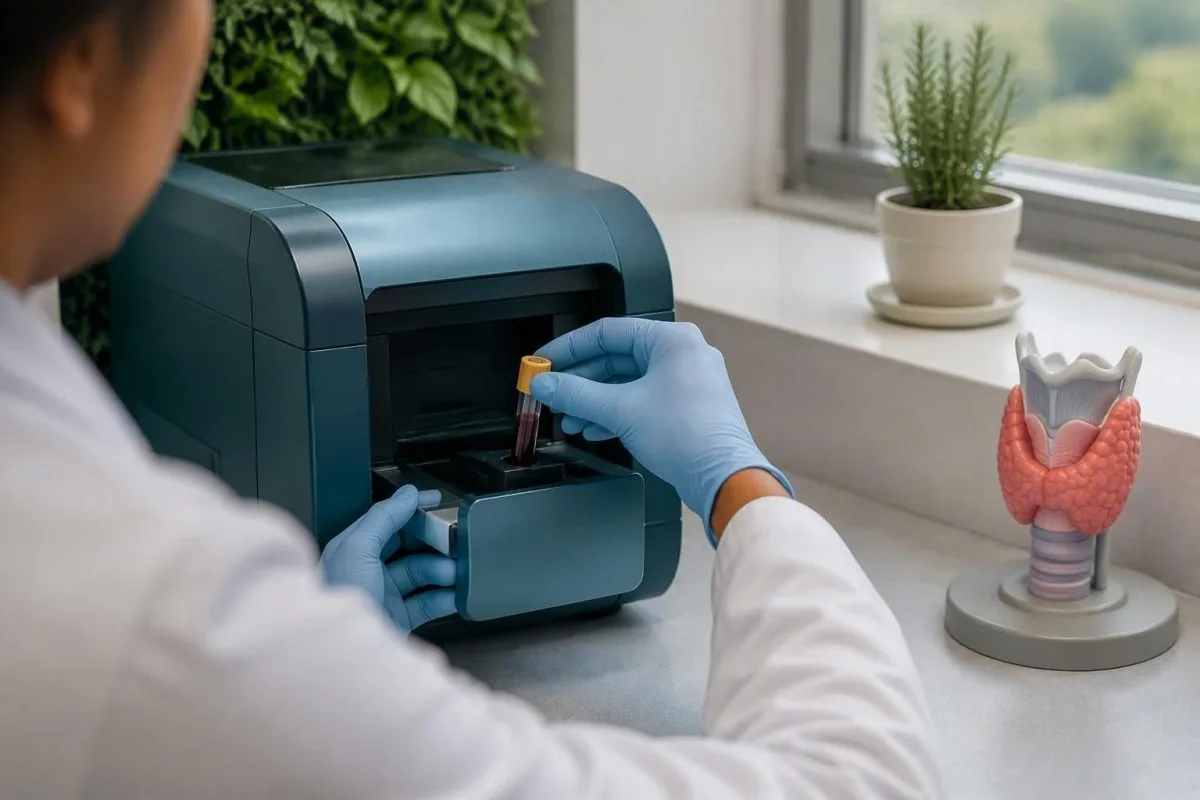
Hipotiroidizmi i dukshëm është një shkak mjekësor i njohur për humor të ulët, ngadalësim kognitiv, kapsllëk, intolerancë ndaj të ftohtit dhe lodhje. Skuadra e parë e tiroides është TSH me T4 të lirë kur TSH është jonormal ose sëmundja e hipofizës është e besueshme.

Një TSH i lartë me T4 të lirë të ulët tregon hipotiroidizëm primar të dukshëm dhe zakonisht kërkon diskutim për trajtim. Intervalet referuese ndryshojnë sipas analizës, por TSH është zakonisht rreth 0.4-4.0 mIU/L; një TSH mbi 10 mIU/L është më domethënës klinikisht se sa një rritje kufitare prej 4.5 mIU/L, veçanërisht kur përsëritet.
Hipotiroidizmi subklinik do të thotë TSH e ngritur me T4 të lirë normal. Dëshmitë se trajtimi përmirëson humorin në ngritje modeste të TSH janë ndershmërisht të përziera, veçanërisht tek të moshuarit, kështu që simptomat, antitrupat tiroide, planet e shtatëzanisë dhe testimi i përsëritur kanë rëndësi. Suplementet e biotinës mund të ulur në mënyrë të rreme TSH dhe të rrisin T4 të lirë në disa imunoanaliza; ndaloni biotinën në doza të larta për të paktën 48 orë nëse laboratori e këshillon.
Chaker et al. përshkruajnë hipotiroidizmin si një gjendje sistemike me manifestime neuropsikiatrike, megjithëse testimi i tiroides nuk duhet të bëhet një mënyrë e shkurtër rreth një vlerësimi real të depresionit (Chaker et al., 2017). Për kohën pas ndryshimeve të ilaçeve, shihni intervalet e rishikimit të tiroides.
Një rezultat që kërkon një rrugë tjetër
T4 i lirë i ulët me një TSH normal ose të ulët mund të tregojë hipotiroidizëm qendror, sëmundje të rëndë jo-tiroide, ose ndërhyrje analize; nuk duhet të përjashtohet si “tiroide normale”. Ky model meriton rishikim mjekësor, veçanërisht me dhimbje koke, ndryshim vizual, libido të ulët ose simptoma të tjera të hipofizës.
3. Vitamina B12 dhe folati: simptomat e nervave ndryshojnë urgjencën
Mungesa e vitaminës B12 mund të shkaktojë humor të ulët, probleme me kujtesën, mpirje, çekuilibër në ecje dhe lodhje edhe pa anemi. Testoni B12 me CBC dhe merrni parasysh acidin metilmalonik ose homocisteinën kur vlera e B12 është kufitare ose simptomat janë neurologjike.
Një B12 në serum nën 180 pg/mL ose 133 pmol/L zakonisht mbështet mungesën, megjithëse kufijtë lokal ndryshojnë. Rezultatet nga afërsisht 180-350 pg/mL mund të jenë të paqarta, dhe acidi metilmalonik rritet kur metabolizmi i varur nga B12 dëmtohet; funksioni i dëmtuar i veshkave gjithashtu mund të rrisë acidin metilmalonik.
Makrocitoza, zakonisht një MCV mbi 100 fL, mund të tregojë mungesë B12 ose folate, por nuk është as e nevojshme, as specifike. Përdorimi i alkoolit, sëmundjet e mëlçisë, hipotiroidizmi, retikulocitoza dhe medikamentet gjithashtu mund të rrisin MCV. Mungesa e anemisë nuk e përjashton në mënyrë të sigurt dëmtimin nervor të lidhur me B12.
Unë jam veçanërisht e kujdesshme kur dikush ka ndjesi shpimi gjilpërash, ndjeshmëri të reduktuar të dridhjeve, ndryshime në ekuilibër, përdorim të metforminës, frenim të gjatë të acidit, të ushqyerit vegan, operacion të stomakut, ose ekspozim ndaj oksidit nitroz. Mos merrni vetëm acid folik për mungesë të dyshuar të B12: mund të korrigjojë aneminë ndërsa dëmtimi neurologjik vazhdon; rishikoni testimi B12 kundrejt folatit me një mjek.
4. Vitamina D: një kontribuues, jo një shpjegim më vete
Niveli i ulët i 25-hidroksivitaminës D mund të shoqërohet me lodhje, dhimbje muskulore, aktivitet të reduktuar jashtë shtëpisë dhe humor të ulët, por rrallë mund të shpjegojë depresion të rëndë vetvetiu. Matni 25-OH vitaminën D në vend të testit aktiv 1,25-dihidroksivitaminë D për vlerësim rutinë të mungesës.
Një përqendrim i 25-OH vitaminës D nën 20 ng/mL (50 nmol/L) konsiderohet i pamjaftueshëm nga shumë autoritete, ndërsa 20-29 ng/mL shpesh përshkruhet si i pamjaftueshëm. Pragu diskutohet: grupet që fokusohen te kockat ndryshojnë nëse 20 ose 30 ng/mL duhet të jetë objektivi, dhe pragjet e trajtimit specifik për humor nuk janë përcaktuar.
Mungesa e vitaminës D është më e mundshme me pak ekspozim ndaj diellit, lëkurë më të errët në lartësi të madhe, veshje mbuluese, obezitet, malabsorbim, sëmundje veshkash dhe disa ilaçe kundër krizave. Kurthi klinik është të supozosh se një rezultat i ulët shpjegon gjithçka; mungesa e gjumit, pikëllimi, ankthi, anemia dhe depresioni shpesh bashkëekzistojnë me të.
Shumica e pacientëve zbulojnë se korrigjimi përmirëson simptomat muskulore ose energjinë e përgjithshme gradualisht gjatë javëve, jo brenda natës. Mbidoza e suplementeve mund të rrisë kalciumin; një rezultat i lartë i vitaminës D meriton vëmendje kur shfaqen të përziera, etje, konstipacion ose konfuzion.
Zëvendësimi i arsyeshëm kërkon mbikëqyrje
Për mungesën e komplikuar, mjekët përdorin zakonisht doza ditore rreth 800-2,000 IU, por regjimet e ngarkimit varen nga ashpërsia, shtatzënia, funksioni i veshkave, niveli i kalciumit dhe udhëzimet lokale. Një rezultat i 25-OH vitaminës D mbi 150 ng/mL ose 375 nmol/L ngre shqetësim për toksicitet dhe kërkon rishikim mjekësor.
5. Glukoza dhe HbA1c: rëniet e energjisë kanë modele
Diabeti dhe hipoglikemia e përsëritur mund të përkeqësojnë lodhjen, përqendrimin, gjumin dhe nervozizmin, të cilat mund të përjetohen si humor i ulët. Glukoza në agjërim dhe HbA1c janë të përshtatshme kur priten etja, urinim i shpeshtë, ndryshim peshe, pamje e mjegullt, të dridhurat ose rreziku metabolik.
Një HbA1c prej 6.5% ose më i lartë mbështet diabetin kur konfirmohet me testim përsëritës ose një test tjetër diagnostikues, ndërsa 5.7-6.4% tregon rrezik në rritje të diabetit sipas kritereve të SHBA. HbA1c pasqyron afërsisht 8-12 javë ekspozim ndaj glukozës, por anemia, varietetet e hemoglobinës, sëmundjet e veshkave dhe transfuzioni mund ta bëjnë atë mashtruese.
Një glukozë plazmatike nën 70 mg/dL (3.9 mmol/L) është hipoglikemi, megjithatë simptomat kanë rëndësi: djersitja, dridhjet, palpitacionet, konfuzioni dhe ndryshimi i sjelljes gjatë një niveli të dokumentuar të ulët kërkojnë rishikim. Te personat pa diabet, një rezultat i vetëm i ulët pas agjërimit të zgjatur nuk është i njëjtë me një çrregullim hipoglikemik spontan të verifikuar.
Kur rishikoj analizat e gjakut për humor të ulët, pyes se çfarë ndodh në orën 11 të mëngjesit, pas ushtrimeve dhe dy orë pas vakteve. Vaktet e përsëritura me karbohidrate të shumta, alkooli pa ushqim, medikamentet për diabetin dhe ushqimi i pamjaftueshëm mund të krijojnë një model të njohur; shihni shkaqet e glukozës së ulët.
Pse një glukozë agjërimi normale mund të mos e zbulojë të gjithë historinë
Glukoza agjërimi mund të mbetet normale në fazat e hershme të rezistencës ndaj insulinës, ndërsa HbA1c, trigliceridet, qarku i belit, apnea e gjumit dhe historia familjare tregojnë rrezik. Në të kundërt, HbA1c mund të nënvlerësojë ekspozimin ndaj glukozës kur qelizat e kuqe të gjakut kanë një jetëgjatësi të shkurtuar, kështu që klinicistët ndonjëherë përdorin fructosamin ose monitorim të glukozës në vend të saj.
6. Testet e veshkave, mëlçisë dhe elektroliteve: kimia e lënë pas dore
Sëmundjet e veshkave, dështimi i mëlçisë, çrregullimi i natriumit dhe çekuilibrimi i kalciumit mund të prodhojnë lodhje, ndërprerje të gjumit, ngadalësim të të menduarit ose konfuzion që mbivendosen me humor të ulët. Një panel bazë metabolik, panel mëlçie, eGFR dhe rishikimi i medikamenteve janë më të dobishme sesa testet e izoluara të “mirëqenies”.
Një eGFR nën 60 mL/min/1.73 m² për të paktën 3 muaj plotëson një kriter për sëmundjen kronike të veshkave, megjithëse një rezultat i vetëm mund të jetë i përkohshëm pas dehidrimit ose sëmundjes akute. Simptomat uremike zakonisht shfaqen në nivele shumë më të ulëta të filtrimit, por akumulimi i medikamenteve dhe anemia mund të ndikojnë në mirëqenien më herët.
Natriumi nën 130 mmol/L mund të shkaktojë dhimbje koke, të përziera, paqëndrueshmëri, konfuzion dhe lodhje të theksuar; natriumi nën 120 mmol/L shpesh është një emergjencë. Kalciumi mbi 11.0 mg/dL (2.75 mmol/L) mund të shkaktojë kapsllëk, etje, ndryshim kognitiv dhe humor të ulët, veçanërisht nëse rritet shpejt.
Kantesti është një shërbimin e interpretimit të analizave të AI që lexon rezultatet renale, hepatike, elektrolitike dhe CBC si një model, duke përfshirë rreziqet e lidhura me medikamentet. Një ndryshim i papritur i eGFR kërkon kontekst nga hidratimi dhe vlerat e mëparshme, të cilat tonat për testin e veshkave mbulon.
Efektet e medikamenteve mund të jenë çelësi që mungon
Diuretikët tiazidë mund të rrisin kalciumin dhe të ulën natriumin, SSRI mund të kontribuojnë në hiponatremisë, metformina mund të ulë B12 me kalimin e kohës dhe disa medikamente kundër krizave ndikojnë në vitaminën D. Asnjëherë mos ndaloni një medikament të përshkruar vetëm nga një rezultat laboratorik; kërkoni mjekut përshkrues të peshojë kohën, dozën dhe alternativat më të sigurta.
7. Inflamacioni, infeksioni dhe gjurmët autoimune: testoni në mënyrë selektive
CRP, ESR, testet e infeksionit dhe antitrupat autoimunë nuk janë teste rutinë skriningu për humor të ulët, por ato janë të dobishme kur shenjat fizike tregojnë për sëmundje sistemike. Shenjat e etheve, humbjes së peshës, ënjtjes së nyjeve, skuqjes, diarresë së vazhdueshme, djersitjes së natës ose simptomat fokale duhet të udhëzojnë këtë degë testimi.
CRP nën 3 mg/L shpesh konsiderohet inflamacion i ulët kardiovaskular, por laboratorët përdorin metoda dhe diapazone të ndryshme. Një CRP prej 30 mg/L mund të pasqyrojë infeksion, aktivitet autoimun, dëmtim të indeve, obezitet ose shumë kushte të tjera; nuk identifikon një shkak të humorit të ulët dhe nuk mund të diagnostikojë “inflamacion të trurit”.”
ESR rritet ngadalë dhe bie ngadalë, duke e bërë atë më pak të dobishëm për një ndryshim të papritur të simptomave. Një CRP dhe ESR normale nuk përjashtojnë çdo gjendje inflamatore, ndërsa ngritjet e izoluara të buta janë të zakonshme pas infeksioneve, sëmundjeve dentare, ushtrimeve intensive dhe peshës më të lartë trupore.
Unë shoh më shumë dëm nga panelet e panumërta të antitrupave sesa nga testimi i synuar: rezultatet pozitive të ANA me nivel të ulët janë të zakonshme dhe mund të krijojnë muaj ankthi. Nëse ferritina është papritur e lartë me ngritje të CRP, ferritinën dhe CRP së bashku janë më informuese se secili nga treguesit veçmas.
Kur një analizë e infeksionit është e arsyeshme
HIV, hepatiti, serologjia celiake, dhe teste të tjera për infeksion ose malabsorbim duhet të ndjekin ekspozimin, simptomat gastrointestinale, modelin e anemisë, rezultatet e mëlçisë, ose historinë klinike. Testimi i “gjithçkaje” pas humorit të ulët të zakonshëm shpesh prodhon rezultate false pozitive më shumë sesa përgjigje.
Një panel i parë i arsyeshëm për lodhjen dhe disponimin e ulët persistente
Për humor të ulët të vazhdueshëm me lodhje, një panel i parë i fokusuar zakonisht përfshinë CBC, ferritinë me ngopje transferine, test i tiroides, T4 të lirë kur tregohet, B12, folate kur është i pranishëm rreziku, HbA1c ose glukozë, funksioni renal, elektrolitet, teste të mëlçisë, dhe vitaminë D kur rreziku i mungesës është i lartë. Grupi i duhur është më i vogël te shumë njerëz dhe më i gjerë te të tjerët.

Mundësia e shtatzënisë ndryshon menjëherë filtrin: testimi i shtatzënisë, ferritina, testimi i tiroides, vlerësimi i glukozës, dhe rishikimi urgjent i medikamenteve mund të kenë përparësi. Te të moshuarit, humbja e peshës, ndryshimet në zorrë, anemia e re, eGFR e reduktuar, dhe efektet e medikamenteve meritojnë më shumë peshë sesa testimi i hormoneve seksuale.
Kantesti AI është një platformë e interpretimit të analizave të gjakut AI përdoret në vende 127+ për të renditur rezultatet në pyetje për një mjek, jo për të zëvendësuar marrjen e historisë ose ekzaminimin. Sistemi ynë mund të ndihmojë në identifikimin e kontekstit të munguar siç janë statusi i agjërimit, gjakderdhja menstruale, suplementet, ushtrimet fizike, ose sëmundja e kohëve të fundit; lexoni rreth si funksionon teknologjia.
Rregulli praktik i Dr. Thomas Klein është i thjeshtë: porositni një test vetëm kur një rezultat mund të ndryshojë hapin tjetër. Një panel i gjerë mund të justifikohet me simptoma multisistemike, por kortizoli rutinë, hormonet seksuale, testet e intolerancës ushqimore, metalet e rënda, dhe tumor markerët zakonisht krijojnë zhurmë në analizat e gjakut për humor të ulët.
Përgatituni që rezultati t'i përgjigjet pyetjes
Regjistroni suplementet, veçanërisht biotinën, B12, hekurin, vitaminën D, dhe kreatinën; vini re dozën e fundit dhe nëse keni agjëruar. Shmangni ushtrime jashtëzakonisht intensive dhe alkool të tepërt për 24-48 orë para testeve jo-urgjente ku është e mundur, sepse të dyja mund të ndryshojnë AST, CK, glukozën, ferritinën, dhe rezultatet e ndjeshme ndaj hidratimit.
Pse panelët e kortizolit dhe hormoneve seksuale rrallë janë vijë e parë
Kortizoli rastësor dhe panelet e gjera të hormoneve seksuale nuk e shpjegojnë zakonisht humorin e ulët të vazhdueshëm dhe nuk duhet të përdoren si teste të përgjithshme për “lodhjen e gjëndrës mbiveshkore”.” Ato bëhen të dobishme kur simptomat sugjerojnë sëmundje mbiveshkore, disfunksion menstrual, tranzicion menopauzal, hipogonadizëm, sëmundje të hipofizës, ose efekte medikamentesh.
Kortizoli ka një ritëm të fortë ditor: një mostër në mëngjes herët është normalisht shumë më e lartë se një mostër në mbrëmje, kështu që një vlerë e pa-kohëzuar ka kuptim diagnostikues të kufizuar. Mungesa e dyshuar e funksionit mbiveshkor vlerësohet me një kortizol të kohëzuar siç duhet dhe shpesh me testim stimulues, jo me një rezultat “lodhje mbiveshkore” në internet.
Testosteroni ndryshon me kohën e ditës, sëmundjen akute, gjumin, dhe proteinat lidhëse; te meshkujt, testosteroni total i mëngjesit duhet të përsëritet në të paktën dy raste para diagnostikimit të mungesës. Estrogjeni dhe progesteroni ndryshojnë gjatë ciklit menstrual, prandaj një vlerë e vetme nuk mund të shpjegojë ndryshimet e humorit pa kohëzimin e ciklit.
Simptomat që justifikojnë testime të synuara endokrine përfshijnë humbjen e re të qimeve të trupit, disfunksion erektil, amenorre, galaktore, valë të nxehta të forta, shenja strije vjollcë, mavijosje të pashpjegueshme, ose presion të ulët të gjakut. udhëzuesin tonë referues për kortizolin shpjegon pse koha e mbledhjes është pjesë e rezultati.
Menopauza është klinike para se të jetë biokimike
Për njerëzit mbi 45 vjeç me valë të nxehta tipike dhe ndryshime ciklesh, menopauza shpesh diagnostikohet klinikisht sesa nga një test FSH. Sëmundjet e tiroides, anemia, efektet e medikamenteve, dhe depresioni mund të bashkë-ekzistojnë, prandaj trajtimi i një diagnoze nuk duhet të përfundojë vlerësimin.
Rishikoni ilaçet, alkoolin, substancat dhe gjumin para se të shtoni teste
Efektet e medikamenteve, alkooli, kanabisi, stimuluesit, qetësuesit, dhe çrregullimet e gjumit janë kontribuues të zakonshëm të kthyeshëm të humorit të ulët që asnjë panel standard gjaku nuk mund t'i kapë plotësisht. Një histori medikamentesh shpesh jep më shumë sesa një provë shtesë laboratorike.
Beta-bllokuesit, izotretinoina, kortikosteroidet, disa medikamente kundër epilepsisë, terapitë me bazë interferoni, qetësuesit, dhe trajtimet hormonale mund të ndikojnë në humor te njerëzit e ndjeshëm. SSRI-të, diuretikët, dhe karbamazepina mund të ulin natriumin; inhibitorët e pompës së protonit dhe metformina mund të kontribuojnë në mungesën e B12 me kalimin e kohës.
Alkooli mund të zvogëlojë përkohësisht ankthin, por fragmenton gjumin dhe mund të rrisë GGT, MCV, trigliceridet dhe enzimat e mëlçisë. Një GGT mbi kufirin e sipërm laboratorik është jopërcaktuese: mund të pasqyrojë alkoolin, mëlçinë e yndyrshme, medikamentet ose kolestazën, prandaj nuk duhet të përdoret kurrë si provë e përdorimit të alkoolit.
Apnea e gjumit obstruktive mund të duket në mënyrë të habitshme si depresioni—gjumi jo restaurues, përqendrim i dobët, ndryshime në libdo dhe lodhje pasdite—ndërsa testet CBC dhe testet e tiroides mbeten normale. Nëse ka shqetësime, pushime të vërejtura, dhimbje koke në mëngjes ose hipertension rezistent, pyesni për vlerësimin e gjumit në vend që të kërkoni suplemente; gjumi i dobët dhe rezultatet laboratorike ofron kontekst të dobishëm.
Si e lexojnë klinicistet modelet më tepër se shenjat e kuqe
Një rezultat jashtë diapazonit rrallë shpjegon humorin e ulët; modelet koherente në të gjitha simptomat, rezultatet e përsëritura dhe biomarkerët e lidhur janë më të besueshëm. Diapazonet e referencës laboratorike përshkruajnë se ku bie 95% i një popullate reference, jo një garanci personale shëndetësore.

Një ferritinë prej 18 ng/mL me saturim të ulët të transferrinës, periudha të rënda, këmbë të shqetësuara dhe lodhje është një rast më i fortë i mungesës së hekurit sesa vetëm ferritina 18. Në të kundërt, ferritina 18 pas një sëmundjeje virale të kohëve të fundit është ende e ulët për t'u hetuar, por CRP, dieta, humbja e gjakut dhe koha e përsëritjes formojnë vendimin.
I njëjti parim vlen edhe për testin e tiroides: TSH 5.2 mIU/L pas një jave pa gjumë mund të meritojë një përsëritje, ndërsa TSH 12 mIU/L me T4 të lirë të ulët dhe kapsllëk është një sinjal shumë më i qartë. Laboratorët ndryshojnë në teste, kështu që gjurmimi i së njëjtës laborator dhe njësive redukton ndryshimin e dukshëm të rremë.
Kantesti AI krahason tendencat dhe markerët e lidhur për t'i bërë këto diskutime më pak fragmentare, por standardi ynë klinik është të sinjalizojmë pasigurinë në vend që të shpikim sigurinë. Mësoni pse një ndryshim midis testeve të gjakut mund të jetë variacion biologjik, variacion në mbledhje, ose një ndryshim real.
Një diapazon normal nuk është një objektiv trajtimi
Mos u përpiqni të shtyni çdo biomarker drejt mesit të një intervali reference. Për shembull, hekuri në dozë të lartë mund të shkaktojë dëme gastrointestinale dhe të errësojë vlerësimin e humbjes së gjakut, ndërsa vitamina D e tepërt mund të shkaktojë hiperkalcemi; trajtimi duhet të ndjekë diagnozën, simptomat dhe testet e mëtejshme.
Kur të përsëritni testet, kërkoni një rishikim te mjeku i familjes, ose merrni ndihmë urgjente
Testimi i përsëritur është i përshtatshëm kur një anomali e lehtë mund të jetë e përkohshme, por simptomat urgjente tejkalojnë një plan "prit dhe shiko". Intenca e re për vetëvrasje, deliri, dobësi e rëndë, dhimbje gjoksi, të fikët, verdhëza, jashtëqitje të zezë, ose konfuzion i lidhur me glukozën kërkojnë ndihmë mjekësore të menjëhershme.
Një TSH pak i ngritur me T4 të lirë normal shpesh përsëritet në 6-12 javë, më shpejt në shtatzëni ose me simptoma të theksuara. Koha e ndjekjes për hekurin, B12 dhe vitaminën D varet nga trajtimi dhe rëndësia bazë; klinicistët shpesh rivlerësojnë një CBC dhe markerët e hekurit pas disa javësh në vend të ditëve sepse rikuperimi i qelizave të kuqe të gjakut merr kohë.
Kërkoni rishikim brenda së njëjtës javë për hemoglobinën nën 10 g/dL, natriumi nën 130 mmol/L, kalcium mbi 11.0 mg/dL, eGFR në rënie të shpejtë, bilirubinë me verdhëz, ose glukozë agjërimi në diapazonin diabetik plus simptoma. Këto janë sinjale prioriteti, jo diagnoza, dhe shërbimet lokale mund të përdorin pragje të ndryshme.
e Kantesti thekson kontrollin e burimit, përsëritshmërinë dhe përshkallëzimin në vend të sigurisë me një klik. Dr. Thomas Klein rekomandon sjelljen e PDF-së aktuale, një listë medikamentesh dhe një ditar simptomash njëjavor në takim. qasja e validimit klinik Çfarë të shkruani para takimit.
Përfshini kur filloi humori i ulët, kohëzgjatja e gjumit, ndryshimi i oreksit ose peshës, gjakderdhja menstruale, përdorimi i alkoolit dhe substancave, historia familjare e tiroides ose diabetit, infeksionet e fundit, kufizimet dietike dhe doza e çdo medikamenti ose suplementi. Kjo informacion shpesh ndryshon se cili rezultat "abnormal" është relevant klinikisht.
Përfshini kur filloi humori i ulët, kohëzgjatja e gjumit, ndryshimi i oreksit ose peshës, gjakderdhja menstruale, përdorimi i alkoolit dhe substancave, historia familjare e tiroides ose diabetit, infeksionet e fundit, kufizimet dietike dhe doza e çdo medikamenti ose suplementi. Kjo informacion shpesh ndryshon se cili rezultat “abnormal” është relevant klinikisht.
Trajtoni disponimin e ulët ndërsa shkaqet mjekësore po kontrollohen
Mbështetja për shëndetin mendor duhet të fillojë kur humori i ulët është i vazhdueshëm ose dëmtues, edhe ndërsa analizat e gjakut janë duke pritur. Terapia psikologjike, mbështetja sociale, trajtimi i gjumit, medikamentet kur është e përshtatshme dhe planifikimi i sigurisë nuk janë opsione rezervë pas “analizave normale”; ato janë kujdes i bazuar në prova.

Depresioni zakonisht përcaktohet nga të paktën 2 weeks humor të ulët ose humbje interesi të shoqëruar me simptoma të tjera si gjumi, oreksi, energjia, përqendrimi, faji, psikomotriciteti ose ndryshimet suicidale. Rëndësia varet nga ndikimi funksional dhe siguria, jo nga nëse raporti i laboratorit ka sinjale të kuqe.
Një kontribues fizik mund të jetë real pa qenë i vetmi kontribues. Korrigjimi i mungesës së B12 mund të përmirësojë lodhjen dhe përqendrimin ndërsa terapia trajton pikëllimin, traumën, izolimin ose simptomat depresive të rrënjosura; shumica e pacientëve e gjejnë këtë kornizë të kombinuar shumë më pak fajësuese.
Kantesti funksionon me mbikëqyrje mjekësore përmes bordi këshillimor mjekësor, tonë, dhe ne inkurajojmë lexuesit të përdorin interpretimin e AI si përgatitje për – jo zëvendësim të – kujdesit klinik dhe të shëndetit mendor. Nëse nuk mund të qëndroni të sigurt sot, përdorni shërbimet emergjente ose një burim krize në vendin tuaj tani.
Pika kryesore për analizat e gjakut për humor të ulët
Testimi i synuar i gjakut mund të zbulojë shtatë kategori të vlefshme: anemi e lidhur me hekurin, disfunksion të tiroides, mungesë B12 ose folati, mungesë e vitaminës D, çrregullime të glukozës, anomali renale-hepato-elektrolite, dhe sëmundje inflamatore ose infektive e drejtuar nga simptomat. Është një pjesë e vlerësimit të dhembshur, kurrë një vendim për legjitimitetin e vuajtjes suaj.
Pyetje të Shpeshta
Cilët teste gjaku duhet t'i kërkoj nëse kam humor të ulët dhe lodhje?
Një analizë e fokusuar e gjakut për humor të ulët dhe lodhje shpesh përfshin një CBC, ferritinë me saturim transferine, TSH, B12, HbA1c ose glukozë, funksionin e veshkave, elektrolitet dhe analizat e mëlçisë. Vitamina D është e arsyeshme kur ekspozimi ndaj diellit është i kufizuar, ekziston rreziku i malabsorbimit, ose dhimbjet e muskujve bashkëjetojnë. Ferritina nën 30 ng/mL, B12 nën 180 pg/mL, dhe TSH mbi intervalin e laboratorit janë shembuj të rezultateve që kërkojnë kontekst klinik. Këto teste identifikojnë kontribues të mundshëm mjekësorë; ato nuk diagnostikojnë depresionin.
A mund ta diagnostikojë depresionin një test gjaku?
Jo, asnjë analizë gjaku nuk mund të diagnostikojë depresionin në kujdesin klinik rutinë. Depresioni diagnostikohet nga simptomat që zgjasin të paktën 2 javë, efekti i tyre në funksionin ditor, historia psikiatrike, ekzaminimi dhe një vlerësim i sigurisë. Testet si TSH, ferritinë, B12, glukozë, natrium dhe kalcium ndihmojnë në identifikimin e kushteve që mund të imitojnë ose përkeqësojnë simptomat depresive. Rezultatet normale të gjakut nuk përjashtojnë depresionin ose nuk nënkuptojnë se trajtimi është i panevojshëm.
A mundet hekuri i ulët të shkaktojë ankth dhe humor të ulët pa anemi?
Po, mungesa e hekurit mund të shkaktojë lodhje, përqendrim të dobët, këmbë të shqetësuara, tolerancë të reduktuar ndaj ushtrimeve dhe humor të ulët para se hemoglobina të bëhet e ulët sa për të plotësuar kriteret e anemisë. Ferritina nën 30 ng/mL shpesh mbështet rezervat e depërtuara të hekurit, ndërsa saturimi i transferinës nën 20% shton dëshmi të hekurit të pamjaftueshëm në dispozicion. Shkaku ka rëndësi: gjakderdhja e rëndë menstruale, humbja gastrointestinale, marrja e ulët, dhurimi i gjakut dhe malabsorbimi kërkojnë përgjigje të ndryshme. Mos filloni trajtim të zgjatur me hekur pa diskutuar rezultatin dhe shkakun me një mjek.
Cili rezultat i tiroides mund të ndikojë në humor?
Hipertiroidizmi i dukshëm, i përcaktuar nga një TSH i lartë me T4 të lirë të ulët, mund të kontribuojë në lodhje, mendim të ngadaltë, intolerancë ndaj të ftohtit, kapsllëk dhe simptoma depresive. Shumë laboratorë përdorin një interval referimi TSH rreth 0.4-4.0 mIU/L, por një rezultat mbi 10 mIU/L zakonisht ka më shumë peshë se një ngritje kufitare. Një TSH i ngritur lehtë me T4 të lirë normal shpesh kërkon testime përsëritëse në 6-12 javë në vend që të bëhen supozime të menjëhershme. Sëmundja e tiroides dhe depresioni mund të bashkëjetojnë, kështu që trajtimi i funksionit tiroide nuk zëvendëson vlerësimin e shëndetit mendor.
A duhet të testoj kortizolin për humor të ulët apo djegie?
Një analizë e rastit e kortizolit zakonisht nuk është e dobishme për humor të zakonshëm të ulët ose djegie sepse kortizoli ndryshon ndjeshëm gjatë ditës dhe me stres akut, sëmundje dhe gjumë. Testimi i synuar është i përshtatshëm kur simptomat sugjerojnë sëmundje të gjëndrës mbiveshkore, siç janë tensioni i ulët i vazhdueshëm i gjakut, humbja e pashpjegueshme e peshës, ndryshimi i pigmentimit të lëkurës, dobësia e rëndë, ose tiparet e ngjashme me Cushing. Një kortizol i mëngjesit të hershëm mund të çojë në teste konfirmuese të stimulimit kur tregohet klinikisht. Testimi komercial i “lodhjes mbiveshkore” nuk është një diagnozë e njohur në praktikën endokrine kryesore.
Kur duhet trajtuar depresioni si urgjent?
Humori i ulët kërkon vlerësim urgjent kur ka mendime suicidale me qëllim ose plan, paaftësi për të qëndruar të sigurt, psikozë, agjitacion të rëndë, konfuzion të ri, ose disa ditë gjumë të pakët me energji jashtëzakonisht të lartë ose sjellje të rrezikshme. Simptomat e rënda laboratorike gjithashtu kërkojnë kujdes urgjent, duke përfshirë natrium nën 120 mmol/L, konfuzion të lidhur me glukozën, të fikët, dhimbje gjoksi, ose dobësi që përkeqësohet me shpejtësi. Kontaktoni shërbimet emergjente, një shërbim krize ose një departament emergjence në vend që të prisni rezultatet rutinë të analizave. Kërkimi i një personi të besuar për të qëndruar me ju është një masë e arsyeshme e sigurisë së menjëhershme.
Merrni sot analizë të analizave të gjakut me AI
Bashkohuni me mbi 2 milionë përdorues në mbarë botën që i besojnë Kantesti për analizë të menjëhershme dhe të saktë të analizave laboratorike. Ngarkoni rezultatet e analizave të gjakut dhe merrni interpretim gjithëpërfshirës të biomarkerëve të 15,000+ brenda sekondash.
📚 Publikime kërkimore të cituara
Klein, T., Mitchell, S., & Weber, H. (2026). Testi i gjakut për virusin Nipah: Udhëzues për zbulimin dhe diagnostikimin e hershëm 2026. Kantesti Kërkim Mjekësor me AI.
Klein, T., Mitchell, S., & Weber, H. (2026). Udhëzues për grupin e gjakut B negativ, analizën e LDH dhe numërimin e retikulociteve. Kantesti Kërkim Mjekësor me AI.
📖 Referenca të jashtme mjekësore
Instituti Kombëtar për Shëndetin dhe Përsosmërinë në Kujdesin Shëndetësor (2022). Depresioni tek të rriturit: trajtimi dhe menaxhimi. NICE Guideline NG222.

⚕️ Mohim përgjegjësie mjekësore
Ky artikull është vetëm për qëllime edukative dhe nuk përbën këshilla mjekësore. Gjithmonë konsultohuni me një ofrues të kualifikuar të kujdesit shëndetësor për vendimet e diagnozës dhe trajtimit.
Sinjalet e Besimit E-E-A-T
Përvoja
Rishikim klinik i udhëhequr nga mjeku i flukseve të punës për interpretimin e analizave.
Ekspertizë
Fokus i mjekësisë laboratorike mbi mënyrën se si sillen biomarkerët në kontekstin klinik.
Autoritariteti
Shkruar nga Dr. Thomas Klein me rishikim nga Dr. Sarah Mitchell dhe Prof. Dr. Hans Weber.
Besueshmëria
Interpretim i bazuar në prova, me rrugë të qarta për ndjekje për të reduktuar alarmin.