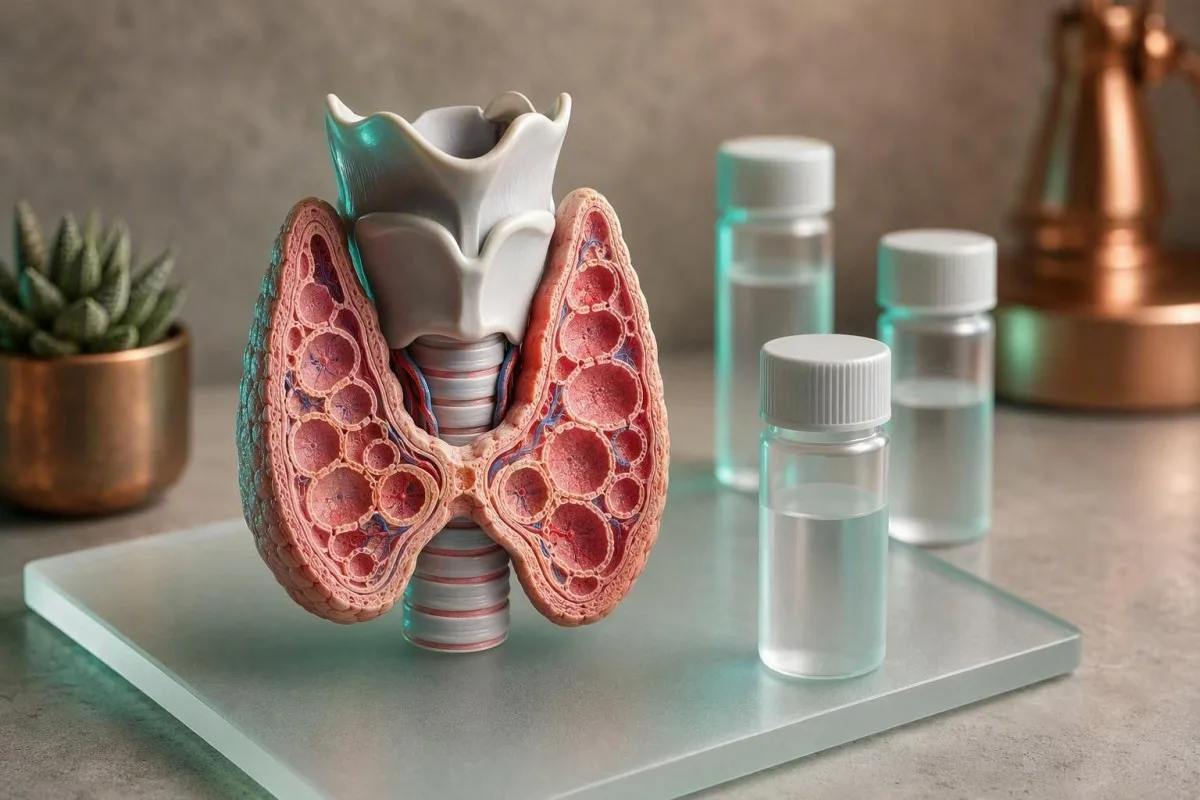
Большинству людей не требуется частое проведение анализа щитовидной железы. Правильный интервал зависит от того, является ли ваш TSH нормальным, беременны ли вы, есть ли у вас симптомы или недавно ли была изменена доза левотироксина.


- Нормальный ТТГ как правило, не требует повторения чаще, чем каждые 1-5 лет, если только не возникают симптомы, беременность, прием лекарств или новые факторы риска.
- После изменения дозы левотироксина, повторите TSH через 6-8 недель, поскольку для стабилизации обратной связи гипофиза требуется время.
- Беременность требует тестирования TSH при подтверждении и обычно каждые 4 недели до середины беременности у людей с известным гипотиреозом.
- Стабильный, поддающийся лечению гипотиреоз обычно контролируется каждые 6-12 месяцев, а не ежемесячно.
- TSH выше 10 мМЕ/л обычно требует клинической оценки и обсуждения лечения, даже когда свободный T4 остается в пределах нормы.
- добавки биотина может искажать результаты некоторых иммуноанализов щитовидной железы; прекращение приема биотина в высоких дозах как минимум за 2 дня является разумной мерой предосторожности.
- Антитела к TPO предсказывают будущий гипотиреоз, но не требуют серийных измерений для корректировки дозы левотироксина.
- Срочная оценка требуется при сильном сердцебиении, боли в груди, спутанности сознания, выраженной одышке или быстро нарастающем увеличении шеи.
График принятия решений о повторном проведении анализов щитовидной железы
Частота проверки уровня гормонов щитовидной железы зависит от клинической ситуации: каждые 1-5 лет после нормального скрининга, через 6-8 недель после изменения дозы, каждые 4 недели в начале беременности при наличии заболевания щитовидной железы, и каждые 6-12 месяцев при стабильном гипотиреозе на фоне лечения. Более раннее тестирование имеет смысл только в том случае, если результат реально может изменить тактику лечения.
Для взрослого человека без диагноза заболеваний щитовидной железы и с нормальным ТТГ, повторное исследование каждые 1-5 лет, как правило, достаточно при отсутствии новых симптомов или факторов риска. Широкий интервал отражает различные национальные стратегии скрининга; повсеместный рутинный скрининг не показал достаточных преимуществ, чтобы U.S. Preventive Services Task Force рекомендовала его для бессимптомных взрослых (USPSTF, 2015).
Практический график более полезен, чем бездумное ежегодное тестирование: повторное тестирование в течение нескольких недель после изменения медикаментозного или репродуктивного статуса, в течение нескольких месяцев после выявления отклонений и ежегодно только при активном ведении хронического заболевания. В моей практике наиболее частой ошибкой, которой можно избежать, является повторная проверка TSH через 10 дней после изменения дозы — беспокойство растет, но результат редко дает ответ на вопрос.
Кантести — это Анализатор анализа крови на основе искусственного интеллекта который сравнивает результаты анализов щитовидной железы с предыдущими данными, что помогает отличить значимую тенденцию от раннего, неинформативного повторного теста. Указывайте исходную лабораторию, время забора, дозировку, статус беременности и принимаемые добавки рядом с каждым результатом; эти детали делают временной ряд клинически интерпретируемым. См. нашу гайд по срокам сдачи анализа крови для контекста, который стоит фиксировать.
Когда следует повторить анализ при нормальном TSH
Нормальный TSH обычно не требует ежегодного повторения у взрослого человека без факторов риска заболеваний щитовидной железы; интервал в 1-5 лет является разумным. Повторить раньше, если симптомы сохраняются, планируется беременность, проводилось облучение шеи или начат прием лекарств, влияющих на функцию щитовидной железы.
Большинство лабораторий устанавливают для взрослых ТТГ примерно от 0,4 до 4,0 мМЕ/л, хотя верхние пределы варьируются примерно от 4,0 до 4,5 мМЕ/л. Значение 2,1 мМЕ/л не является по своей сути лучшим, чем 3,7 мМЕ/л; оба могут быть в пределах нормы, если свободный T4, симптомы и клинический контекст согласуются.
Я провожу повторное тестирование раньше у людей с диабетом 1 типа, целиакией, после операции на щитовидной железе, при приеме лития, амиодарона, при заболеваниях гипофиза или при сильном семейном анамнезе аутоиммунных заболеваний. Эти группы имеют более высокую предтестовую вероятность, чем у внешне здорового человека, который просто чувствует усталость в течение трудного месяца.
Нормальный TSH не исключает всех причин усталости, выпадения волос, подавленного настроения или изменения веса. Если симптоматика широкая, врачи часто оценивают CBC, ферритин, глюкозу, почечные маркеры и иногда B12, а не назначают анализы щитовидной железы каждые несколько недель; наше руководство по анализам крови при сниженной мотивации объясняет этот более широкий дифференциал.
Симптомы при нормальных результатах: когда тестирование все еще целесообразно
Повторите панель щитовидной железы через 6-12 недель, если симптомы сохраняются или развиваются, несмотря на нормальный TSH, а не повторяйте ее через несколько дней. Новый тремор, непереносимость жары, тахикардия в покое, симптомы в области шеи, нарушения менструального цикла или необъяснимое изменение веса требуют более целенаправленного обзора.
TSH может незначительно меняться в течение дня, между лабораториями и во время выздоровления от болезни. Изменение с 2,0 до 3,1 мМЕ/л может быть обычной биологической вариацией, тогда как повышение с 1,2 до 8,6 мМЕ/л заслуживает другой реакции; именно поэтому контекст тенденции важнее одного флага.
Острое заболевание может вызвать снижение T3 и иногда низкий или нормальный TSH без первичной недостаточности щитовидной железы, что часто называют нетиреоидным заболеванием. Тестирование во время госпитализации может быть необходимо, но при неострых амбулаторных симптомах я часто жду 4-8 недель после выздоровления, прежде чем интерпретировать пограничный результат как хроническое заболевание; см. наше объяснение низкий T3 при болезни.
Практическое правило доктора Томаса Кляйна просто: повторите тест, когда ответ изменит следующее клиническое решение. Нормальный TSH при стойком запоре и непереносимости холода может потребовать CBC, ферритина, обзора лекарств и свободного T4; он не должен автоматически требовать ежемесячных панелей антител.
Когда повторить TSH после изменения дозы левотироксина
Повторите TSH через 6-8 недель после начала приема левотироксина, изменения дозы или смены препарата. Левотироксин имеет долгий период полувыведения около 7 дней, а гипофизу требуется несколько недель, чтобы восстановить выработку TSH.
Типичная корректировка дозы составляет 12,5-25 микрограмм ежедневно, особенно у пожилых людей или людей с ишемической болезнью сердца, хотя лечащий врач индивидуализирует это. Проверка TSH через 2 недели иногда может помочь в необычных обстоятельствах, но это слишком рано для рутинных решений о дозировке.
Принимайте левотироксин последовательно с водой натощак, обычно за 30-60 минут до еды, или перед сном, по крайней мере, за 3-4 часа после последнего приема пищи. Кальций, железо, магний, антациды, желчные кислоты и некоторые клетчаточные продукты могут снизить всасывание при одновременном приеме; предполагаемый сбой дозы иногда является проблемой времени.
Изменение бренда или производителя может изменить эффективное воздействие на некоторых пациентов, особенно тех, у кого незначительная эндогенная функция щитовидной железы. Используйте тот же интервал повторного тестирования после смены, как указано в нашем руководстве по смене бренда левотироксина.
Как часто контролировать стабильный гипотиреоз
Люди со стабильным первичным гипотиреозом на неизменной дозе обычно нуждаются в тестировании TSH каждые 6-12 месяцев. Более частые проверки уместны после значительного изменения веса, беременности, операции на желудочно-кишечном тракте, взаимодействия с лекарствами или возвращения убедительных симптомов.
Для большинства небеременных взрослых, получающих лечение по поводу первичного гипотиреоза, целью лечения является TSH в пределах лабораторного референсного интервала, а не определенное низкое нормальное значение. Постоянно подавленный TSH ниже 0,1 мМЕ/л при заместительной терапии связан с риском фибрилляции предсердий и потери костной массы, особенно после 65 лет.
Проверка свободный T4 в сочетании с TSH полезна при заболеваниях гипофиза, центральном гипотиреозе, беременности, неопределенности соблюдения режима или при наличии противоречивых симптомов. При центральном гипотиреозе TSH может быть нормальным или низким, несмотря на недостаточное гормональное замещение, поэтому свободный T4, а не TSH, определяет дозировку.
Кантести — это Платформа для расшифровки анализа крови AI который размещает TSH, свободный T4, изменения в медикаментах и связанные с ними результаты по железу или липидам в одном продольном представлении. Это особенно полезно, поскольку низком уровне свободного Т4 при нормальном ТТГ требует другого клинического пути, чем обычный гипотиреоз Хашимото.
Пограничный высокий TSH: разумный график повторных анализов
ТТГ около 4,5-10 мМЕ/л при нормальном свободном Т4 обычно повторяют через 6-12 недель, прежде чем ставить диагноз хронического субклинического гипотиреоза. Повторяйте раньше, если ТТГ быстро повышается, есть беременность или симптомы выражены.
Преходящее повышение ТТГ может последовать за вирусным заболеванием, нарушением сна, лабораторной вариабельностью или выздоровлением от тяжелого системного заболевания. Повторный анализ через 6-12 недель предотвращает постановку диагноза многим пациентам на основании одного пограничного результата; по возможности используйте ту же лабораторию, чтобы свести к минимуму различия в анализах.
ТТГ выше 10 мМЕ/л является пороговым значением, при котором большинство рекомендаций отдают предпочтение обсуждению лечения, поскольку прогрессирование и сердечно-сосудистые ассоциации становятся более тревожными. Совместное руководство Американской тиреоидной ассоциации и Американской ассоциации клинических эндокринологов 2012 года рекомендует индивидуализировать лечение при ТТГ ниже 10 мМЕ/л в зависимости от симптомов, антител, возраста и сердечно-сосудистого контекста (Garber et al., 2012).
Антитела к ТПО могут уточнить прогноз: положительные антитела увеличивают вероятность прогрессирования субклинического гипотиреоза, но повторное определение титра антител не говорит нам, правильна ли доза левотироксина. Наш руководство по пограничному TSH охватывает факторы, которые меняют решение.
Заболевание Хашимото: что контролировать, а что пропускать
Заболевание Хашимото контролируется в основном с помощью ТТГ и, при необходимости, свободного Т4; антитела к ТПО не требуют серийного тестирования. Эутиреоидный человек с положительными антителами к ТПО обычно нуждается в проверке ТТГ примерно раз в год или раньше во время беременности.
Антитела к ТПО присутствуют у многих людей с аутоиммунным тиреоидитом и могут оставаться положительными в течение десятилетий. Снижение уровня антител не означает надежно, что железа восстановилась, а повышение уровня само по себе не оправдывает изменение лечения.
Я часто вижу пациентов, которые потратили деньги на ежемесячные тесты на антитела к ТПО, в то время как их ТТГ не менялся в течение 18 месяцев. Клинически полезный вопрос заключается в том, снижается ли выработка гормонов щитовидной железы, а не в том, колебалась ли иммунная реакция.
Если ТТГ в норме, но антитела положительны, ежегодный ТТГ является разумным стандартом; при необходимости добавьте проверку перед зачатием и раннее тестирование на беременность, если это актуально. Читайте больше о положительным антителам к TPO при нормальном TSH и используйте нашу руководство по биомаркерам чтобы понять названия лабораторий в вашем отчете.
Беременность и тестирование щитовидной железы перед зачатием
У людей с известным гипотиреозом ТТГ следует проверять сразу после подтверждения беременности и примерно каждые 4 недели до середины беременности, затем как минимум один раз около 30 недель. Потребность в левотироксине обычно возрастает в начале беременности, иногда на 20-30%.
Руководство Американской тиреоидной ассоциации по беременности 2017 года использует верхний предел референсных значений ТТГ около 4,0 мМЕ/л, когда лаборатория не имеет специфических для беременности диапазонов, вместо применения старых универсальных порогов. Предпочтительны диапазоны, специфичные для триместра и анализа, поскольку тироксинсвязывающий глобулин и ХГЧ изменяют физиологию щитовидной железы (Alexander et al., 2017).
Пациенты, уже принимающие левотироксин, должны немедленно связаться со своей командой по ведению беременности или эндокринологической командой после положительного теста, а не ждать планового приема. Некоторые клиницисты советуют немедленно эмпирически увеличить еженедельную дозу таблеток при установленном гипотиреозе, но точный план должен быть индивидуализирован, особенно при заболеваниях сердца или неясном диагнозе.
После родов потребность в тиреоидных гормонах часто возвращается к добеременной дозе в течение нескольких недель, поэтому ТТГ следует повторно проверить примерно через 6 недель после родов, если ваш врач не посоветует иное. Интерпретация результатов во время беременности также выигрывает от нашей руководства по свободному Т4 при беременности.
Как часто проводить тестирование при подозрении на гипертиреоз или его лечении
При подозрении на гипертиреоз требуется срочное тестирование ТТГ и свободного Т4, часто со свободным Т3; при леченном гипертиреозе может потребоваться измерение свободного Т4 и Т3 каждые 4-6 недель на начальном этапе. ТТГ может оставаться подавленным в течение нескольких месяцев после нормализации уровня гормонов, поэтому его не следует использовать в качестве единственного маркера на ранних этапах лечения.
Низкий ТТГ ниже 0,1 мМЕ/л с повышенным уровнем свободного Т4 или свободного Т3 указывает на явный гипертиреоз и требует своевременной консультации врача. При болезни Грейвса, леченной антитиреоидными препаратами, свободный Т4 и общий или свободный Т3 обычно используются для корректировки лечения каждые 4-6 недель.
Не используйте только анализы щитовидной железы для объяснения учащенного сердцебиения. Постоянный пульс в покое выше 120 ударов в минуту, боль в груди, обмороки, сильная одышка, лихорадка с возбуждением или спутанность сознания требуют неотложной помощи, поскольку тяжелый тиреотоксикоз может дестабилизировать сердечно-сосудистую систему.
Биотин может создавать ложное впечатление низкого ТТГ и высокого уровня свободного Т4 или Т3 на чувствительных анализах. Прекратите прием биотина в высоких дозах, часто 5-10 мг в день в составе добавок для волос, по крайней мере за 48 часов до сдачи анализа, если только врач не дал иных указаний; наша статья о ошибках анализа высокого уровня свободного Т3 объясняет почему.
Тестирование после рака щитовидной железы или операции на щитовидной железе
После тиреоидэктомии или лечения рака щитовидной железы частота анализов определяется индивидуально и может варьироваться от каждых 6-12 недель во время титрации дозы до каждых 6-12 месяцев при стабильном состоянии. Целевые уровни ТТГ могут быть намеренно ниже в отдельных группах риска рака, поэтому общие целевые уровни при гипотиреозе не всегда применимы.
После полного удаления щитовидной железы обычно требуется пожизненная заместительная терапия левотироксином, и первая оценка ТТГ проводится, как правило, через 6-8 недель после изменения дозы. Тиреоглобулин и антитела к тиреоглобулину могут быть добавлены при наблюдении за дифференцированным раком щитовидной железы, но их график зависит от патологии и риска рецидива.
Подавленный ТТГ не является автоматически ошибкой после рака щитовидной железы. У пациентов с низким риском агрессивное подавление может увеличить риск фибрилляции предсердий и переломов, поэтому эндокринологи балансируют профилактику рецидива с вредом от лечения, а не стремятся к максимально низкому уровню ТТГ.
Возьмите с собой патологические, операционные отчеты, результаты УЗИ и все предыдущие результаты анализа на тиреоглобулин для консультации со специалистом. Инструменты Kantesti для динамического наблюдения могут упорядочить историю лабораторных исследований по датам, но клиническая цель должна исходить от вашей онкологической команды и медицинских стандартов, изложенных в нашей подход к клинической валидации.
Лекарства и добавки, которые оправдывают более раннее повторное тестирование щитовидной железы
Литий, амиодарон, интерферон, ингибиторы иммунных контрольных точек, воздействие йода и биотин в высоких дозах могут влиять на анализы щитовидной железы или функцию щитовидной железы. Интервал повторного тестирования варьируется от нескольких дней при подозрении на тяжелый медикаментозно-индуцированный тиреотоксикоз до 3-6 месяцев при планах стабильного мониторинга.
Литий может снижать высвобождение гормонов щитовидной железы и обычно контролируется по уровню ТТГ перед началом лечения и с интервалами, совместно определяемыми психиатром и врачом первичного звена, часто каждые 6-12 месяцев после стабилизации состояния. Амиодарон содержит значительное количество йода и может вызывать как гипо-, так и гипертиреоз; базовое и периодическое тестирование функции щитовидной железы является стандартной клинической практикой.
Железо и кальций не изменяют функцию щитовидной железы напрямую, но могут снижать всасывание левотироксина при приеме одновременно с дозой. Разделение приемов не менее чем на 4 часа является практической отправной точкой, особенно для людей, также лечащих дефицит железа; см. наше руководство по продуктам с высоким содержанием железа.
Избегайте самолечения пограничного уровня ТТГ с помощью ламинарии или концентрированных йодных продуктов. Избыток йода может спровоцировать дисфункцию щитовидной железы у предрасположенных лиц, в то время как обычная потребность в пищевом йоде скромна; наше руководство по продуктам, содержащим йод дает более безопасный контекст, основанный на продуктах питания.
Почему слишком частое тестирование уровня гормонов щитовидной железы может вводить в заблуждение
Тестирование ТТГ каждые несколько дней или недель может создавать ложные тревоги, поскольку ТТГ имеет биологические колебания и медленно реагирует на изменение дозы. При стабильном первичном гипотиреозе более частое тестирование, чем раз в 6 месяцев, редко улучшает результаты.
Искушение понятно: человек плохо себя чувствует, видит цифру и хочет получить определенность. Однако повторные измерения создают больше возможностей для незначительных сдвигов вокруг порогового значения, особенно когда время забора, недавняя болезнь, статус голодания, добавки и лабораторный метод отличаются.
Секреция ТТГ следует циркадному ритму и имеет тенденцию быть выше ночью и ранним утром. При отслеживании тенденции, по возможности, используйте схожее время забора и не принимайте левотироксин непосредственно перед измерением свободного Т4, если только врач специально не хочет определить уровень после приема дозы.
Кантести — это Инструмент анализа результатов анализа крови с ИИ который отслеживает изменения по сравнению с предыдущими значениями, а не рассматривает каждую незначительную отметку вне диапазона как новый диагноз. Для более спокойного подхода сравните результаты бок о бок, используя принципы, изложенные в нашем руководстве по лабораторным изменениям.
Какие анализы щитовидной железы назначать при каждом последующем наблюдении
TSH является лучшим первым последующим тестом для большинства первичных нарушений щитовидной железы, в то время как свободный T4 добавляется при аномальном TSH, беременности, центральном гипотиреозе и несоответствующих симптомах. Свободный T3, антитела, тиреоглобулин и ультразвуковое исследование являются выборочными тестами, а не рутинными ежемесячными дополнениями.
TSH измеряет реакцию гипофиза, а не сам гормон щитовидной железы. Свободный T4 оценивает циркулирующий доступный тироксин, в то время как свободный T3 наиболее полезен при подозрении на гипертиреоз, поскольку у некоторых пациентов наблюдается заболевание с преобладанием T3 при нормальном уровне свободного T4.
УЗИ щитовидной железы не является скрининговым тестом только на аномальный TSH. Он наиболее полезен при пальпируемом узле, асимметричной железе, компрессионных симптомах, подозрительных лимфатических узлах или известных узлах, требующих последующего наблюдения с помощью визуализации; нормальные анализы крови не исключают структурные изменения щитовидной железы.
Одностраничный обзор результатов может предотвратить дублирование тестов и улучшить следующий прием. Наш руководство по аббревиатурам анализов щитовидной железы объясняет общие маркеры, а Медицинский консультативный совет Kantesti контролирует стандарты клинического рассмотрения для образовательной интерпретации.
Когда не следует ждать следующего планового анализа щитовидной железы
Обратитесь за неотложной медицинской помощью, а не ждите планового анализа щитовидной железы, если у вас есть боль в груди, обморок, сильная одышка, спутанность сознания, пульс в покое выше 120, высокая температура с возбуждением или быстро нарастающий отек шеи. Эти симптомы требуют клинического осмотра, оценки жизненно важных показателей, а иногда и ЭКГ или визуализации — а не только домашнего графика.
Быстрое увеличение шеи, новая охриплость голоса, затруднение глотания или шумное дыхание требуют немедленной оценки, даже если предыдущий TSH был в норме. Анализы крови описывают физиологию гормонов; они не могут надежно оценить компрессию дыхательных путей, узел щитовидной железы или растущую опухоль на шее.
При более легких, но стойких проблемах запланируйте целенаправленный осмотр у вашего врача и принесите дозы лекарств, этикетки добавок, статус беременности и датированные результаты. Доктор Томас Кляйн обнаружил, что такая базовая подготовка часто предотвращает два бесполезных крайности: игнорирование симптомов из-за нормального TSH или эскалацию каждого изолированного лабораторного отклонения.
По состоянию на 27 августа 2026 года самый безопасный график тестирования щитовидной железы остается основанным на решении: проводите тестирование, когда изменение результата может изменить лечение. Kantesti AI поддерживает организацию результатов и обучение, а не диагностику или экстренную сортировку; наша Руководство по технологии ИИ объясняет предполагаемую роль клинической поддержки.
Часто задаваемые вопросы
Как часто мне следует проверять уровень гормонов щитовидной железы, если они в норме?
Взрослым с нормальным TSH и без факторов риска заболеваний щитовидной железы обычно требуется повторный анализ щитовидной железы только каждые 1-5 лет, а не ежегодно. Повторяйте раньше, если сохраняются новые симптомы, планируется или подтверждена беременность, было облучение шеи, или вы начинаете принимать литий, амиодарон или другое лекарство, связанное с щитовидной железой. Типичный диапазон TSH для взрослых составляет около 0,4-4,0 мМЕ/л, хотя лаборатории устанавливают свои собственные пределы. Нормальный результат не исключает нещитовидных причин усталости, изменения веса или выпадения волос.
Когда следует повторно сдать ТТГ после изменения левотироксина?
ТТГ (TSH) обычно следует пересмотреть через 6-8 недель после начала приема левотироксина, изменения суточной дозы или перехода на другую лекарственную форму. Период полувыведения левотироксина составляет около 7 дней, а для достижения нового равновесия в системе обратной связи гипофиза с ТТГ (TSH) требуется несколько недель. Большинство изменений дозы составляют 12,5-25 микрограммов в сутки, хотя возраст, масса тела, анамнез заболеваний сердца и беременность изменяют план. Тестирование через 1-2 недели обычно слишком рано для рутинной коррекции.
Как часто следует контролировать гипотиреоз?
Стабильный первичный гипотиреоз, получающий лечение неизменной дозой левотироксина, обычно контролируется по уровню TSH каждые 6–12 месяцев. Исследование следует проводить раньше после изменения дозы на 12,5–25 мкг, беременности, значительного изменения веса, желудочно-кишечной хирургии или введения взаимодействующего лекарства. Уровень TSH ниже 0,1 мМЕ/л при заместительной терапии заслуживает внимания врача, поскольку длительная гиперкоррекция может повысить риск фибрилляции предсердий и потери костной массы. Свободный T4 особенно полезен при возможном заболевании гипофиза или центральном гипотиреозе.
Как часто следует проверять уровень гормонов щитовидной железы во время беременности?
Пациентки с установленным гипотиреозом должны контролировать TSH при подтверждении беременности и примерно каждые 4 недели до 16-20 недель гестации, затем не реже одного раза около 30 недель. Потребность в левотироксине обычно увеличивается на 20-30% во время ранней беременности, хотя точная корректировка должна производиться командой акушеров или эндокринологов. Когда специфический для беременности локальный диапазон недоступен, руководство Американской тиреоидной ассоциации 2017 года использует верхний предел TSH около 4,0 мМЕ/л. TSH обычно следует повторно проверить примерно через 6 недель после родов, если доза была изменена во время беременности.
Вредно ли слишком часто проверять ТТГ?
Слишком частая проверка TSH может вводить в заблуждение, поскольку уровень гормона варьируется биологически и медленно изменяется после коррекции лечения. Повторный тест через 10-14 дней после изменения дозы левотироксина может показать динамику, но не окончательный эффект лечения, который становится яснее через 6-8 недель. Стабильный гипотиреоз в стадии лечения редко выигрывает от ежемесячного тестирования TSH. Используйте одну и ту же лабораторию и схожее время забора крови при мониторинге тенденции, чтобы уменьшить неизбежные колебания.
Следует ли повторять антитела к TPO при тиреоидите Хашимото?
Уровни антител к ТПО при тиреоидите Хашимото обычно не требуют повторного тестирования, поскольку они не влияют на коррекцию дозы левотироксина. Положительный результат теста на антитела к ТПО подтверждает аутоиммунный тиреоидит и прогнозирует более высокий риск развития гипотиреоза в будущем, однако полезными маркерами для дальнейшего наблюдения являются ТСГ и иногда свободный Т4. У лиц с эутиреозом и положительными антителами к ТПО ТСГ обычно проверяется примерно раз в год. Тестирование следует проводить раньше при планировании или подтверждении беременности.
Получите анализ крови с помощью ИИ уже сегодня
Присоединяйтесь к более чем 2 миллионам пользователей по всему миру, которые доверяют Kantesti для мгновенного и точного анализа лабораторных тестов. Загрузите результаты анализа крови и получите комплексную интерпретацию биомаркеров 15,000+ за считанные секунды.
📚 Ссылки на научные публикации
Кляйн, Т., Митчелл, С., и Вебер, Х. (2026). Анализатор анализа крови с помощью ИИ: проанализировано 2,5 млн тестов | Глобальный медицинский отчёт 2026. Kantesti AI Medical Research.
Кляйн, Т., Митчелл, С., и Вебер, Х. (2026). Анализ крови RDW: полное руководство по RDW-CV, MCV и MCHC. Kantesti AI Medical Research.
📖 Внешние медицинские источники
⚕️ Медицинское предупреждение
Эта статья предназначена только для образовательных целей и не является медицинской консультацией. Всегда консультируйтесь с квалифицированным специалистом здравоохранения по вопросам диагностики и решений по лечению.
Сигналы доверия E-E-A-T
Опыт
Клинический обзор рабочих процессов интерпретации лабораторных данных под руководством врача.
Экспертиза
Акцент на лабораторной медицине: как биомаркеры ведут себя в клиническом контексте.
Авторитетность
Написано доктором Томасом Кляйном при рецензировании доктором Сарой Митчелл и профессором доктором Хансом Вебером.
Доверие
Интерпретация на основе доказательств с понятными маршрутами дальнейших действий, чтобы снизить тревожность.