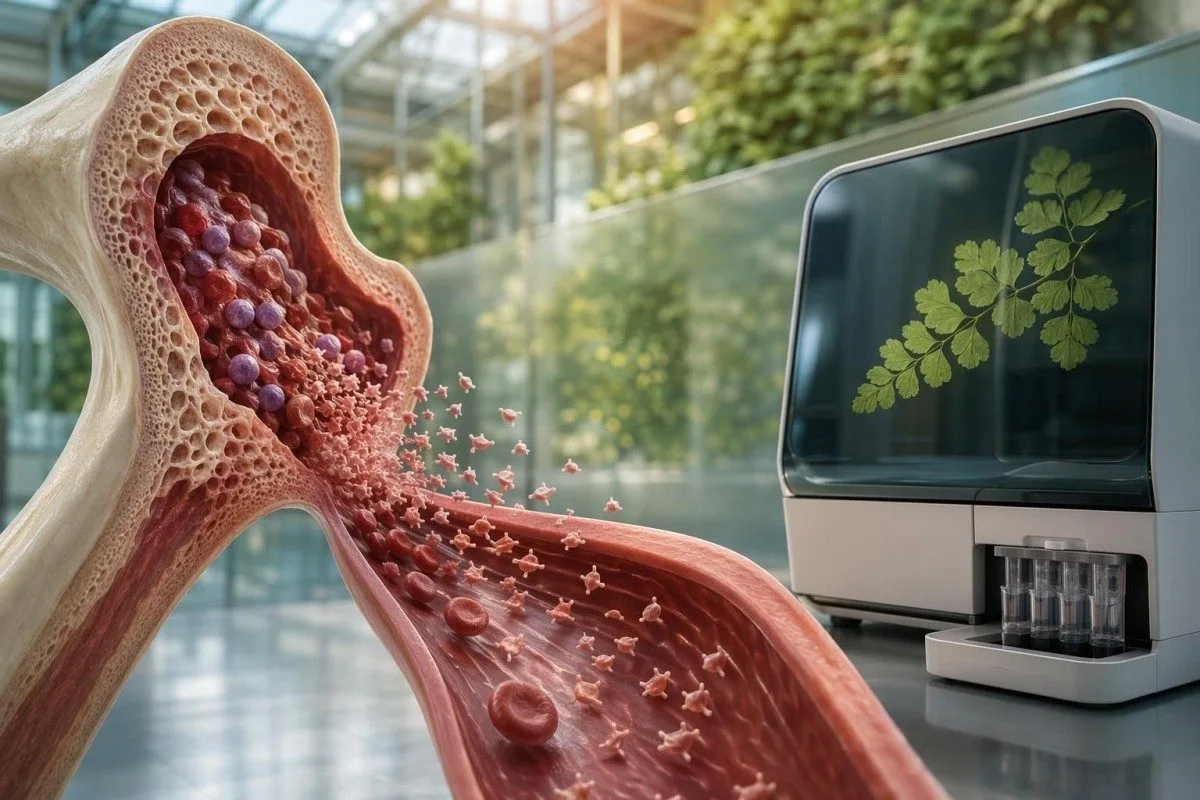
Viral illnesses can make platelet numbers dip, overshoot, or wobble for a few weeks. The pattern usually matters more than one isolated CBC flag.


- Platelet count usually returns toward baseline within 1–3 weeks after a common viral infection, though 4–6 weeks is still seen after stronger immune responses.
- Platelet normal range is usually 150–450 ×10^9/L, equal to 150,000–450,000 platelets per microliter in many lab reports.
- Low platelet count between 100–149 ×10^9/L after a virus is often transient if hemoglobin, WBC, and symptoms are otherwise reassuring.
- Urgent follow-up is needed for platelet count below 50 ×10^9/L, any new mucosal bleeding, widespread petechiae, black stools, severe headache, or neurological symptoms.
- Critical thrombocytopenia below 20 ×10^9/L carries a higher spontaneous bleeding risk and usually needs same-day clinical assessment.
- High platelet count above 450 ×10^9/L can happen during recovery because IL-6 and thrombopoietin stimulate marrow platelet production.
- Reactive rebound after infection commonly peaks around 2–4 weeks and often normalizes by 6–8 weeks if inflammation and iron stores recover.
- False low platelets can occur from EDTA-related platelet clumping, so a smear review or citrate tube repeat can prevent a misleading diagnosis.
- Trend interpretation is safer than a single number; a fall from 240 to 115 ×10^9/L after flu means something different from a stable lifelong count of 135 ×10^9/L.
What usually happens to platelets after a viral illness?
After a common viral infection, platelet count usually recovers within 1–3 weeks once fever and systemic symptoms settle; a mild dip can last 4–6 weeks. The platelet normal range is about 150–450 ×10^9/L, and a low platelet count after a cold, flu, COVID-like illness, or gastroenteritis is often temporary. Kantesti AI reads this result in context, not as a lone flag.
I see this most often in people who feel 90% better but check labs too early. A platelet count of 118 ×10^9/L ten days after influenza-like illness is a different problem from 118 ×10^9/L with nosebleeds, anemia, and falling white cells; our adult platelet range guide explains the baseline numbers.
Viruses can lower platelets by briefly slowing marrow production, increasing immune clearance, or shifting platelets into the spleen during the inflammatory phase. Platelets live about 7–10 days, so the CBC often lags behind how well the patient feels.
The practical pattern is a shallow trough followed by recovery. In our analysis of 2M+ blood tests, post-viral platelet values between 100–149 ×10^9/L usually become less interesting when the WBC differential, hemoglobin, liver enzymes, and CRP are moving in the right direction.
As of May 8, 2026, I tell patients to avoid interpreting a platelet count without the date of symptom onset. A result drawn on day 5 of fever and a result drawn 5 weeks later are clinically different events.
What platelet count range is normal, low, or high?
The usual adult platelet normal range is 150–450 ×10^9/L, although some laboratories use slightly different lower or upper limits. A platelet count below 150 ×10^9/L is thrombocytopenia, and a high platelet count above 450 ×10^9/L is thrombocytosis.
A platelet count of 130 ×10^9/L after a viral illness is usually called mild thrombocytopenia, not an emergency. A count below 50 ×10^9/L changes the conversation because trauma, procedures, and active bleeding become much more relevant; our platelet count normal range article gives a broader reference table.
Some European labs set the lower reference limit near 140 ×10^9/L, especially when the local population data support it. That matters: a healthy person who has sat at 145 ×10^9/L for 8 years is not the same as someone dropping from 310 to 145 ×10^9/L in 12 days.
Kantesti AI interprets platelet count by combining the numeric band with age, sex, prior CBCs, MPV, WBC differential, hemoglobin, inflammatory markers, and medication clues across 15,000+ biomarkers in our biomarkers guide. The trend often carries more clinical weight than the lab flag.
One small trap: platelet counts are reported as ×10^9/L in the UK and Europe, but many US reports use thousands per microliter. A count of 150 ×10^9/L is the same as 150,000/µL; the unit changed, not your biology.
Why can viruses lower platelet count?
Viruses lower platelet count through three main routes: reduced marrow production, faster immune removal, and temporary platelet pooling in an enlarged or activated spleen. The same CBC can look similar even when the mechanism is different.
Bone marrow makes platelets from megakaryocytes, and inflammatory cytokines can briefly make those cells less productive. When I review a post-viral CBC with low platelets plus low neutrophils, I think about marrow suppression first; our infection blood test guide covers how CBC patterns separate viral and bacterial clues.
Immune clearance is messier. After some infections, antibodies and activated immune cells tag platelets for removal, which is why the platelet count can keep falling after the fever has already gone.
The spleen is the quiet third actor. It normally stores roughly one-third of circulating platelets, and during EBV-like illnesses or significant systemic inflammation, more platelets may be sequestered there for a short time.
MPV can help, but not perfectly. A high MPV after a low platelet count may mean the marrow is releasing younger, larger platelets, while a low or normal MPV with several low cell lines can push the clinician to look deeper.
When does platelet count recover after infection?
Most post-viral platelet count changes begin improving within 7–14 days after symptoms peak, and many normalize by 3–4 weeks. Recovery can take 6 weeks after more intense infections, prolonged fever, or immune-mediated thrombocytopenia.
Timing matters more than people think. If the CBC is drawn on illness day 6, the platelet nadir may still be ahead; if it is drawn 3 weeks after recovery, a persistent count of 88 ×10^9/L deserves more attention. Pairing platelets with CRP after infection often clarifies whether inflammation is still active.
In COVID-19, Lippi et al. reported in Clinical Chimica Acta that thrombocytopenia was associated with roughly a fivefold higher risk of severe disease, and severe cases had platelet counts about 31 ×10^9/L lower on average than milder cases (Lippi et al., 2020). That does not mean every low count after COVID is dangerous, but it explains why context matters.
Gastrointestinal viruses can cause a double hit: inflammation plus dehydration. Dehydration may falsely concentrate other markers, while platelets may still be low or beginning to rebound, so a basic chemistry panel is useful when vomiting or diarrhea lasted more than 48 hours.
A simple rule I use: if the patient is well, the platelet count is above 100 ×10^9/L, and the rest of the CBC is stable, repeating in 2–4 weeks is often reasonable. If the count is below 100 ×10^9/L or falling, shorten the interval.
Why can platelet count rebound high after a virus?
A high platelet count after infection is usually reactive thrombocytosis, meaning the marrow is responding to inflammation rather than producing abnormal platelets. Counts above 450 ×10^9/L can appear 1–4 weeks after viral illness and often settle within 6–8 weeks.
The biology is fairly elegant. IL-6 rises during infection and can increase thrombopoietin signaling, which tells megakaryocytes to release more platelets; this is why our high platelet count guide starts with reactive causes before rare marrow disorders.
A rebound count of 520 ×10^9/L after bronchitis is often less worrying than a persistent count of 520 ×10^9/L for 4 months. Persistence changes the differential diagnosis toward iron deficiency, chronic inflammation, recent surgery, malignancy, or a myeloproliferative neoplasm.
Iron status is the sleeper variable. I have seen patients blamed on post-viral rebound when the real driver was ferritin of 9 ng/mL and heavy periods, because iron deficiency can raise platelets even when hemoglobin is still barely normal.
Our AI-powered blood test interpretation platform treats high platelets after infection as a timing question first. The same 480 ×10^9/L result means different things at week 2 after flu, month 5 after recovery, or alongside weight loss and anemia.
Which platelet patterns need urgent follow-up?
Urgent follow-up is needed when platelet count is below 50 ×10^9/L, below 100 ×10^9/L and rapidly falling, or accompanied by bleeding, neurological symptoms, black stools, severe headache, fever, confusion, or anemia. Symptoms outrank the number.
When I, Thomas Klein, MD, review a panel showing platelets of 42 ×10^9/L with new gum bleeding, I do not wait for a routine appointment. Our critical blood test values guide explains why very low platelets need action even if the patient feels oddly well.
A platelet count below 20 ×10^9/L carries a higher risk of spontaneous bleeding, especially if there are mouth blisters, nosebleeds lasting over 10 minutes, or widespread pinpoint skin spots. Below 10 ×10^9/L, many clinicians treat the situation as urgent even without obvious bleeding.
The combination of low platelets, low hemoglobin, and kidney injury is more concerning than low platelets alone. That pattern can point toward thrombotic microangiopathy, severe systemic illness, or drug-related injury, and it needs same-day medical assessment.
Do not drive yourself if there is severe headache, weakness on one side, confusion, chest pain, or black tarry stools. Those are not platelet-monitoring problems; they are emergency symptoms.
Could a low platelet count be a lab artifact?
Yes, a falsely low platelet count can happen when platelets clump in the collection tube, most often with EDTA anticoagulant. This is called pseudothrombocytopenia, and it can mimic a dangerous result on the analyzer.
EDTA-related platelet clumping is uncommon, often quoted around 0.1–0.2% of CBC samples, but every hematologist has seen it. A peripheral cell sample slide or repeat in a citrate tube usually settles the question; our manual versus automated differential guide shows why visual review still matters.
The clue is a low platelet count that does not fit the patient. Someone with platelets reported at 48 ×10^9/L but no bruising, normal prior counts, and a lab comment about clumps may not truly be thrombocytopenic.
Analyzer flags are useful but imperfect. Very large platelets, platelet satellitism around white cells, and small red cell fragments can confuse automated counters, which is why the smear note deserves to be read, not skipped.
If your report says 'platelet clumps present,' ask whether the lab can repeat the CBC using a different anticoagulant. That single step can prevent days of unnecessary worry.
What other CBC results change the meaning?
A post-viral platelet count is safest to interpret beside WBC, neutrophils, lymphocytes, hemoglobin, MCV, RDW, and MPV. A lone mild platelet dip is usually less concerning than low platelets plus anemia or abnormal white cells.
Viral illnesses often raise lymphocyte percentage while the absolute lymphocyte count remains normal. If that sentence sounds familiar, our lymphocyte percentage guide explains why percentages can mislead when total WBC shifts.
Low platelets plus low neutrophils can occur after viruses, but it should recover. If neutrophils fall below 1.0 ×10^9/L or fever returns, the risk profile changes, and our low neutrophils guide becomes relevant.
Low platelets plus low hemoglobin raises a different set of questions: bleeding, hemolysis, marrow suppression, kidney involvement, or nutritional deficiency. A reticulocyte count, bilirubin, LDH, creatinine, and smear can separate those branches quickly.
MPV is not a diagnosis. Still, an MPV of 12.5 fL with recovering platelets can suggest active marrow compensation, while a low platelet count with low MPV and low WBC makes me more cautious.
Do children, pregnancy, and older age change the timeline?
Yes, the same platelet count can mean different things in children, pregnancy, postpartum recovery, and older adults. Age, baseline platelet history, immune maturity, medications, and bleeding risk all change the follow-up plan.
Children can develop immune thrombocytopenia 1–6 weeks after a viral infection, and many cases recover within 3–6 months. A well child with platelets of 75 ×10^9/L may be observed carefully, but head injury, wet purpura in the mouth, or lethargy changes the urgency; our teen blood range guide gives age context.
During pregnancy, mild thrombocytopenia is common, especially late in gestation, but viral timing can confuse the picture. Gestational thrombocytopenia usually stays above 100 ×10^9/L; lower counts or high blood pressure need obstetric review, and our prenatal blood test guide covers related labs.
Postpartum patients can have shifting platelets, iron loss, inflammation, and medication exposures all at once. I pay close attention when low platelets appear with high liver enzymes, rising creatinine, headache, or blood pressure concerns.
Older adults deserve a lower threshold for review because they are more likely to use aspirin, anticoagulants, NSAIDs, or multiple prescriptions. A platelet count of 82 ×10^9/L is not automatically worse at age 78, but the bleeding consequences can be.
Which medicines can keep platelets low after infection?
Several medicines can lower platelet count or increase bleeding risk after infection, including quinine, trimethoprim-sulfamethoxazole, some anticonvulsants, heparin, linezolid, valproate, and rarely common antibiotics. Aspirin and NSAIDs may not lower the count, but they impair platelet function.
The medication history is often the missing piece. A patient may blame a virus when the platelet drop began 7–14 days after starting a new antibiotic; our medication monitoring timeline explains why lab timing and prescription timing should be compared.
Heparin is a special category because heparin-induced thrombocytopenia is not just a low platelet problem; it can increase clotting risk. A platelet fall of more than 50% beginning 5–10 days after heparin exposure needs prompt clinical scoring and testing.
Aspirin, ibuprofen, and naproxen can make bleeding easier even when the platelet count is only mildly low. Unless a clinician prescribed aspirin for a clear reason, many patients are told to avoid NSAIDs while platelets are below 100 ×10^9/L.
Supplements are not innocent by default. High-dose fish oil, ginkgo, garlic extracts, and turmeric can affect platelet function in some patients, especially when combined with anticoagulants.
When does post-viral low platelet count become ITP?
Post-viral immune thrombocytopenia, or ITP, is considered when platelet count remains low without another clear cause, especially below 100 ×10^9/L. ITP is usually an isolated platelet problem, meaning hemoglobin and white cells are otherwise reasonably preserved.
The 2019 American Society of Hematology guideline generally favors observation rather than corticosteroids for newly diagnosed adults with platelets at or above 30 ×10^9/L and only minor or no bleeding (Neunert et al., 2019). That threshold surprises patients, but treatment risk matters too; our low platelet count guide explains the bleeding side.
ITP is not diagnosed by one magic antibody test. Clinicians rule out pseudothrombocytopenia, medication effects, liver disease, HIV, hepatitis C, pregnancy-related causes, autoimmune disease, and marrow disorders when the story points there.
Children and adults behave differently. Children often have abrupt post-viral ITP with higher spontaneous recovery rates, while adults are more likely to have persistent or chronic disease lasting beyond 3–12 months.
Here is where judgment beats algorithms. A platelet count of 28 ×10^9/L with no bleeding may still be managed differently from 52 ×10^9/L with mouth bleeding, anticoagulant use, and planned dental work.
How often should platelet count be rechecked?
A mildly low platelet count after viral illness is commonly rechecked in 2–4 weeks if the patient is well. Counts below 100 ×10^9/L, falling trends, bleeding symptoms, or other abnormal CBC markers usually need faster follow-up.
Trend beats snapshot. A fall from 260 to 132 ×10^9/L over 10 days is more meaningful than a stable count of 132 ×10^9/L across five years; our blood test comparison guide is built around this exact problem.
For platelets 100–149 ×10^9/L after a clear viral illness, many clinicians repeat the CBC in 2–4 weeks. For 50–99 ×10^9/L, I usually want a clinician to set the interval, often days to 1 week depending on symptoms and trajectory.
Kantesti trend analysis can store old PDFs and photos so a patient does not have to remember whether their baseline was 170 or 320 ×10^9/L. Our blood test history tools are especially helpful when different labs use different units or reference intervals.
If the platelet count normalizes, one repeat may be enough. If it stays abnormal beyond 6–8 weeks, or the high platelet count remains above 450 ×10^9/L beyond 3 months, a broader workup is usually sensible.
What can you safely do while platelets recover?
While platelet count is recovering, the safest steps are avoiding unnecessary NSAIDs, limiting alcohol, preventing injuries, and following the repeat-CBC plan. No food or supplement reliably raises platelets within days after a viral infection.
If platelets are below 100 ×10^9/L, I usually advise avoiding contact sports until a clinician confirms the risk is low. Our easy bruising blood test guide explains why bruising patterns, not just platelet numbers, influence the plan.
Alcohol can suppress marrow production and irritate the stomach, so it is a poor partner for low platelets. Even 2–3 drinks nightly can slow recovery in some patients, particularly if liver enzymes are also abnormal.
Nutrition still matters, just not in the magical way social media sells it. Adequate protein, iron if deficient, folate, B12, and vitamin C support marrow function, but they do not override ITP or severe viral marrow suppression; our vitamin deficiency marker guide helps identify what is worth checking.
Call a clinician before dental extraction, colonoscopy biopsy, surgery, or starting blood thinners if your platelet count is below 100 ×10^9/L. Procedure thresholds vary, but many clinicians want platelets above 50 ×10^9/L for invasive procedures and higher for high-risk sites.
How Kantesti interprets post-viral platelet trends
Kantesti interprets platelet count by analyzing the CBC pattern, prior results, symptom timing, medications, inflammatory markers, liver and kidney markers, and unit differences. Our AI does not diagnose you; it helps organize what needs reassurance, repeat testing, or urgent care.
Kantesti's neural network looks for combinations humans use in clinic: platelets plus MPV, hemoglobin, WBC differential, CRP, ALT, AST, bilirubin, creatinine, ferritin, and medication clues. The method is described in our clinical validation benchmark, and our physician oversight is listed on the Medical Advisory Board.
A classic example is platelets of 510 ×10^9/L, CRP still high, ferritin 12 ng/mL, and hemoglobin drifting down. Thomas Klein, MD and our medical team would not call that just a post-viral rebound; iron deficiency and ongoing inflammation are both on the table.
Our organization, Kantesti, works across 127+ countries and 75+ languages, so unit conversion is not a side feature. A platelet count reported as 145 G/L, 145 ×10^9/L, or 145,000/µL should land in the same clinical bucket.
You can upload a lab PDF or photo to try free AI blood test analysis and get a structured interpretation in about 60 seconds. Bring that output to your clinician if the result is low, high, or changing quickly.
Research context and Kantesti publications
The best evidence on post-viral platelet count comes from CBC trend studies, ITP guidelines, and infection severity research rather than one universal recovery rule. Clinical standards still require symptom-based escalation when counts are very low or falling.
The Updated International Consensus Report on ITP recommends a stepwise evaluation for isolated thrombocytopenia, including smear review, medication review, infection testing when appropriate, and attention to bleeding severity rather than count alone (Provan et al., 2019). Kantesti aligns article review with our medical validation standards, not with automated flag-chasing.
Kantesti LTD. (2026). B Negative Blood Type, LDH Blood Test & Reticulocyte Count Guide. Figshare. DOI: 10.6084/m9.figshare.31333819. ResearchGate: ResearchGate. Academia.edu: Academia.edu.
Kantesti LTD. (2026). Diarrhea After Fasting, Black Specks in Stool & GI Guide 2026. Figshare. DOI: 10.6084/m9.figshare.31438111. ResearchGate: ResearchGate. Academia.edu: Academia.edu.
Bottom line: a platelet count that dips mildly after a virus and then rises is usually a recovery pattern. A platelet count below 50 ×10^9/L, persistent abnormality beyond 6–8 weeks, or any bleeding symptom deserves clinician follow-up rather than watchful waiting at home.
Frequently Asked Questions
How long does platelet count stay low after a viral infection?
Platelet count usually starts recovering within 1–3 weeks after a common viral infection, but mild thrombocytopenia can persist for 4–6 weeks. A count between 100–149 ×10^9/L is often monitored with a repeat CBC if the person feels well and has no bleeding. Counts below 100 ×10^9/L, falling counts, or abnormal hemoglobin and WBC results need closer medical review.
Is a platelet count of 120 after flu dangerous?
A platelet count of 120 ×10^9/L after flu is mildly low and is not usually dangerous by itself if there is no bleeding, anemia, or severe ongoing illness. Many clinicians repeat the CBC in 2–4 weeks to confirm recovery. The result becomes more concerning if it is dropping quickly, if prior platelets were much higher, or if bruising, nosebleeds, black stools, or severe headache occur.
Can platelets go high after a viral infection?
Yes, platelet count can rebound high after a viral infection because inflammatory signals such as IL-6 can stimulate thrombopoietin and marrow platelet production. A high platelet count is usually defined as above 450 ×10^9/L, and reactive post-infection counts often settle within 6–8 weeks. Persistent thrombocytosis beyond about 3 months should be assessed for iron deficiency, chronic inflammation, and less common marrow causes.
When should I go to urgent care for low platelet count?
Urgent care is sensible for platelet count below 50 ×10^9/L, any count below 100 ×10^9/L with active bleeding, or a rapidly falling platelet trend. A platelet count below 20 ×10^9/L usually needs same-day medical assessment because spontaneous bleeding risk rises. Severe headache, confusion, weakness, black stools, coughing blood, or prolonged nosebleeds should be treated as emergency symptoms.
Can a low platelet count be a false lab result?
Yes, platelet count can be falsely low if platelets clump in the EDTA collection tube, a situation called pseudothrombocytopenia. This artifact is uncommon, often around 0.1–0.2% of CBC samples, but it is clinically meaningful because it can mimic severe thrombocytopenia. A smear review or repeat CBC using a citrate tube can often confirm whether the platelet count is real.
What platelet count is normal after COVID?
The normal platelet count after COVID is generally the same adult range used otherwise: 150–450 ×10^9/L. Mildly low platelets can occur during or after COVID, and Lippi et al. found thrombocytopenia was associated with higher severity risk in hospitalized COVID-19 patients. A recovered person with platelets above 100 ×10^9/L and improving symptoms may only need repeat testing, but lower or falling counts need medical guidance.
Do foods or supplements raise platelets after a virus?
No food or supplement reliably raises platelet count within a few days after a viral infection. Correcting proven iron, B12, or folate deficiency can support marrow function over weeks, but it will not fix immune thrombocytopenia or severe marrow suppression quickly. Avoiding alcohol, unnecessary NSAIDs, and injury risk is usually more useful while waiting for a repeat CBC.
Can I get a flu or COVID vaccine while my platelet count is recovering?
In most cases, routine vaccination can go ahead once you feel well, but tell the vaccinator and your clinician about the low platelet count. If your count is very low, you are actively bleeding, or you previously had immune thrombocytopenia after a vaccine, ask about timing and monitoring.
Can I exercise while my platelet count is recovering after a virus?
Light walking and normal daily activity are usually fine when platelets are above 100 ×10^9/L and you have no bleeding. Avoid contact sports, heavy lifting, or high-fall-risk activities until your clinician confirms the count is safely recovering.
Get AI-Powered Blood Test Analysis Today
Join over 2 million users worldwide who trust Kantesti for instant, accurate lab test analysis. Upload your blood test results and receive comprehensive interpretation of 15,000+ biomarkers in seconds.
📚 Referenced Research Publications
Klein, T., Mitchell, S., & Weber, H. (2026). B Negative Blood Type, LDH Blood Test & Reticulocyte Count Guide. Kantesti AI Medical Research.
Klein, T., Mitchell, S., & Weber, H. (2026). Diarrhea After Fasting, Black Specks in Stool & GI Guide 2026. Kantesti AI Medical Research.
📖 External Medical References
⚕️ Medical Disclaimer
This article is for educational purposes only and does not constitute medical advice. Always consult a qualified healthcare provider for diagnosis and treatment decisions.
E-E-A-T Trust Signals
Experience
Physician-led clinical review of lab interpretation workflows.
Expertise
Laboratory medicine focus on how biomarkers behave in clinical context.
Authoritativeness
Written by Dr. Thomas Klein with review by Dr. Sarah Mitchell and Prof. Dr. Hans Weber.
Trustworthiness
Evidence-based interpretation with clear follow-up pathways to reduce alarm.