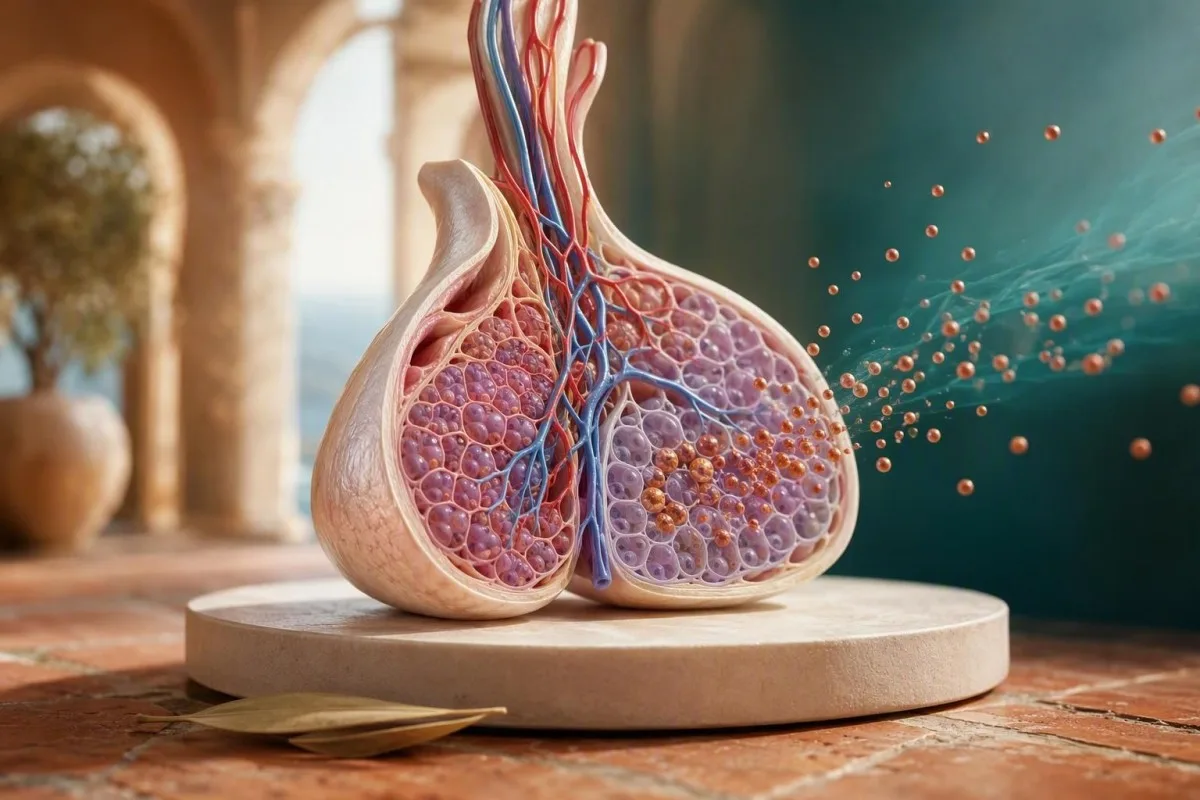
Robeža prolaktīna rezultāts bieži ir īslaicīgs, taču atkārtotas testēšanas apstākļi un simptomu modelis nosaka, vai to var droši novērot vai nepieciešama endokrinologa konsultācija.


- Viegla paaugstināšanās parasti nozīmē prolaktīna rezultātu nedaudz virs laboratorijas noteiktās augšējās robežas, bieži vien zem 50 ng/mL (aptuveni 1060 mIU/L).
- Vispirms atkārtojiet kad prolaktīns ir 20-50 ng/mL un nav redzamu simptomu, stipras galvassāpes vai nopietnas izmaiņas menstruācijās vai seksuālajā funkcijā.
- Atpūta ir svarīga jo venipunkcijas trauksme, slikts miegs, fiziskās slodzes, krūšu stimulācija un akūta slimība var īslaicīgi paaugstināt prolaktīnu.
- Medikamentu izvērtēšana ir būtiskas, jo antipsihotiskie līdzekļi, metoklopramīds, domperidons, opioīdi, daži antidepresanti un verapamils var paaugstināt prolaktīnu.
- Makroprolaktīna testēšana ir īpaši noderīga ilgstošai paaugstināšanai ar maziem vai nekādiem tipiskiem simptomiem; tā identificē bioloģiski mazāk aktīvus prolaktīna kompleksus.
- Līmenis virs 100 ng/mL prasa ātrāku endokrinologa novērtēšanu, lai gan zāles retos gadījumos var izraisīt vērtības šajā diapazonā.
- steidzama izvērtēšana ir nepieciešams jaunu stipru galvassāpes, samazinātu redzes lauka sānos, grūtniecības gadījumā ar redzes simptomiem vai pēkšņām neiroloģiskām izmaiņām.
- Konteksts pārspēj vienu ciparu: grūtniecības statuss, vairogdziedzera darbība, nieru darbība, medikamentu lietošanas laiks un iepriekšējās vērtības maina interpretāciju.
Ko parasti nozīmē robeža prolaktīna rezultāts
Nedaudz paaugstināts prolaktīna nozīme parasti ir īslaicīgs signāls, nevis hipofīzes slimības pierādījums: rezultāts zem 50 ng/mL (aptuveni zem 1 060 mIU/L) parasti prasa rūpīgi sagatavotu atkārtotu testu. Esmu Dr. Tomass Kleins, un klīniskajā apskatē precīzas vērtības, simptomu, medikamentu, grūtniecības iespējamības un paraugu ņemšanas apstākļu kombinācija ir daudz svarīgāka nekā viens sarkans laboratorijas signāls.
Lielākā daļa laboratoriju norāda nenoreaktīvas pieaugušas personas atsauces intervālu apmēram 4-23 ng/mL sievietēm un 3-15 ng/mL vīriešiem, bet metodes atšķiras. Vērtība 27 ng/mL sievietei, kuras laboratorijas augšējā robeža ir 23 ng/mL, ir robežvērtības prolaktīna rezultāts, nevis diagnoze; vienības var pārrēķināt aptuveni kā 1 ng/mL = 21,2 mIU/L.
Klīnicisti kļūst vairāk noraizējušies, kad paaugstinājums ir noturīgs, pieaugošs vai kopā ar izlaistām menstruācijām, galaktoreju, neauglību, zemu libido, erekcijas grūtībām, galvassāpēm vai mainītu perifēro redzi. Vērtība virs 200 ng/ml vairāk liecina par prolaktīnu izdalošu hipofīzes audzēju nekā vērtība 28 ng/mL, lai gan nekāds slieksnis neaizstāj klīnisko novērtējumu.
Kantesti ir AI asins analīžu analizators kas novieto prolaktīna rezultātu blakus vairogdziedzera, nieru, aknu, ar grūtniecību saistītiem un dzimumhormonu rādītājiem, nevis izturas pret izolētu signālu kā diagnozi. Lasītāji, kas nav pārliecināti par laboratorijas signāliem, var arī iepazīties ar mūsu ceļvedi ārpus normas rezultātiem.
Kāpēc laboratorijas atšķiras
Prolaktīna imūnanalīzes nav savstarpēji aizvietojamas: divas laboratorijas var uzrādīt nedaudz atšķirīgus skaitļus no viena un tā paša cilvēka tajā pašā dienā. Izmantojiet atsauces intervālu, kas drukāts blakus jūsu rezultātam, un, izsekojot tendenci, mēģiniet izmantot to pašu laboratoriju; tāpēc arī rezultātu salīdzināšana starp apmeklējumiem prasa vairāk rūpju, nekā cilvēki sagaida.
Īslaicīgi cēloņi, kas var paaugstināt prolaktīnu
Stress, miega traucējumi, fiziskās slodzes, krūtsgalu stimulācija, seksuālā aktivitāte un akūta slimība var izraisīt īslaicīgu prolaktīna paaugstināšanos. Mēreni augsta vērtība pēc apgrūtinoša brauciena vai bezmiegainas nakts var normalizēties bez ārstēšanas.
Prolaktīns tiek izdalīts pulsācijās un paaugstinās miega laikā, bieži vien pīķim sasniedzot agrīnas rīta stundas. Tādēļ paraugs, kas ņemts drīz pēc pamošanās, pēc nakts maiņas vai sāpīgas procedūras laikā, var būt mazāk reprezentatīvs nekā atpūtušies rīta paraugs.
Manā pieredzē satrauktam 31-gadīgam pacientam ar prolaktīna līmeni 34 ng/mL pēc trim miega stundām bieži vien ir normāls atkārtots rezultāts plkst. 10:00 pēc klusas sēdēšanas. 15-30 minūšu atpūta sēdus pirms parauga ņemšanas samazina akūta procedūras stresa ietekmi, un ir saprātīgi izvairīties no intensīvas slodzes 24 stundas.
Nesena drudzis, krampji, krūškurvja traumas vai pat pastāvīga krūts vai krūškurvja stimulācija var paaugstināt prolaktīnu. Ja jūsu analīze tika veikta pēc slimības, salīdziniet to ar mūsu laika noteikšanas principiem asins analīžu laika grafika ceļvedis, nevis pieņemiet, ka skaitlis atspoguļo jūsu ilgtermiņa bāzes līniju.
Kā pareizi atkārtot prolaktīna testu
Atkārtojiet prolaktīna analīzi mierīgā rītā, ideālā gadījumā 2-3 stundas pēc pamošanās un pēc 20-30 minūšu klusas sēdēšanas. Atvadīšanās nav vispārīgi nepieciešama, taču nakts gavēnis var atvieglot atkārtotas paneļa interpretāciju, ja tiek mērīts arī glikozes vai lipīdu līmenis.
Lai veiktu atkārtotu analīzi, iepriekš 24 stundas izvairieties no smagas fiziskās slodzes, seksa, krūts stimulācijas un neobligātas krūškurvja izmeklēšanas. Nepārtrauciet izrakstītās zāles pats; tā vietā pierakstiet medikamenta nosaukumu, devu, pēdējās devas laiku un iemeslu, kāpēc tās tika izrakstītas.
Praktisks pieprasījums jūsu ārstam ir: atkārtoti veikt seruma prolaktīna analīzi, grūtniecības testu, ja tas ir attiecīgs, TSH un brīvo T4, un kreatinīna vai eGFR analīzi, ja cēlonis ir neskaidrs. Vairogdziedzera analīzes ir svarīgas, jo primārais hipotiroidisms var paaugstināt tireotropīnu atbrīvojošā hormona līmeni un sekundāri palielināt prolaktīnu; skatiet mūsu vairogdziedzera atkārtoto analīžu grafiku.
Parasti atkārtotas analīzes laiks ir 1-4 nedēļas mērenam negaidītam rezultātam, kad jūtaties labi, nevis nākamajā dienā. Tendenci var skaidri fiksēt ar longitudinālai laboratorijas rādītāju izsekošanai, īpaši, ja saglabājat piezīmes par miegu, cikla dienu, slimību un medikamentiem.
Zāles, kas bieži izraisa nedaudz paaugstinātu prolaktīnu
Dopamīnu bloķējošās zāles ir starp visbiežākajiem pastāvīga vidēji viegla prolaktīna paaugstināšanās cēloņiem. Galvenie vaininieki ir antipsihotiskie līdzekļi un pretsāpju zāles, piemēram, metoklopramīds un domperidons.
Dopamīns parasti nomāc hipofīzes prolaktīna izdalīšanos, tāpēc zāles, kas bloķē dopamīna D2 receptorus, var ievērojami palielināt līmeni. Risperidons, amisulprīds, haloperidols, metoklopramīds un domperidons ir bieži sastopami piemēri; opioīdi, verapamils un daži SSRI var mazāk būtiski veicināt šo paaugstināšanos.
Ar medikamentiem saistītie līmeņi ievērojami atšķiras: risperidons var izraisīt prolaktīna līmeni virs 100 ng/mL, savukārt SSRI izraisīts paaugstinājums var būt tikai 25-40 ng/mL. Iemesls, kāpēc mēs vienkārši neapturam zāles, ir tas, ka psihozes, smagas slikta dūšas, sāpju vai depresijas recidīvs var radīt daudz lielāku tūlītēju risku.
Kantesti AI ir AI laboratorijas testa interpretācijas pakalpojumā kas uzdod jautājumu par medikamentu kontekstu, ja tiek atzīmēts hormonālās atbildes rezultāts, taču tā interpretācija nevar aizstāt ārstu, kurš zina, kāpēc medikaments tika nozīmēts. Ja ir klātesoši ar hormoniem saistīti simptomi, mūsu hormonu paneļa ceļvedis paskaidro, kurus pavadošos rezultātus parasti pārbauda klīnicisti.
Grūtniecība, zīdīšana un normāla fizioloģiskā paaugstināšanās
Grūtniecība un zīdīšana var paaugstināt prolaktīna līmeni krietni virs sieviešu, kas nav stāvoklī, atsauces diapazoniem, un tos neinterpretē, izmantojot parasto 3-23 ng/mL intervālu. Grūtniecības tests ir agrīns un būtisks solis neizskaidrojama paaugstināšanās gadījumā jebkurai personai, kas varētu būt stāvoklī.
Grūtniecības laikā prolaktīna līmenis bieži progresējoši paaugstinās līdz 100-300 ng/mL diapazonam vēlīnā grūtniecības periodā, un zīdīšana uztur periodiskus paaugstinājumus. Precīza vērtība neuzticami mēra piena daudzumu, tāpēc skaitļa dzenāšana zīdinošai personai reti ir noderīga.
Medikamenti, kas satur estrogēnu, un normāls menstruālais cikls var nedaudz ietekmēt, taču tie reti vieni paši izskaidro lielu pastāvīgu pieaugumu. Cikla laiks var arī sarežģīt saistītos hormonus, piemēram, estradiolu un progesteronu; mūsu skaidrojums par estradiola mainīgumu menopauzes laikā parāda, kāpēc viens dzimumhormona rezultāts reti visu izskaidro.
Personai, kas cenšas ieņemt bērnu, pastāvīga hiperprolaktinēmija var traucēt ovulāciju, nomācot gonadotropīnu atbrīvojošo hormonu. Tas ir klīniski nozīmīgi pat tad, ja rādītājs ir tikai 35-60 ng/mL, īpaši, ja periodi ir kļuvuši reti.
Vairogdziedzera, nieru, aknu un krūškurvja sienas cēloņi
Primārā hipotireoze, samazināta nieru klīrenss, hroniska aknu slimība un krūškurvja stimulācija var paaugstināt prolaktīna līmeni bez hipofīzes audzēja. Šos cēloņus parasti atrod, iztaujājot un veicot nelielu skaitu mērķtiecīgu laboratorijas testu pirms smadzeņu attēlveidošanas izmeklējumu apsvēršanas.
Klaja primārā hipotireoze bieži uzrāda TSH ar zemu brīvo T4, un ārstēšana ar levotiroksīnu var normalizēt prolaktīna līmeni vairāku nedēļu līdz mēnešu laikā. Centrālajai hipotireozei ir atšķirīgs modelis, tāpēc normāls TSH ne vienmēr atrisina jautājumu, ja brīvais T4 ir zems; lasiet mūsu ceļvedi par zemu brīvo T4 ar normālu TSH.
Hroniska nieru slimība var paaugstināt prolaktīna līmeni samazināta klīrensa un izmainītas dopamīna regulācijas dēļ; eGFR zem 60 mL/min/1,73 m² padara šo skaidrojumu ticamāku. Aknu slimība ir retāk sastopams atsevišķs skaidrojums, taču sintētiskās disfunkcijas un dzimumhormonu izmaiņas var veicināt.
Herpes zoster visā krūškurvī, krūškurvja operācijas, apdegumi un pastāvīga mehāniska kairinājums ir saistīti ar prolaktīna paaugstināšanos, jo sensorā nervu ievade var stimulēt refleksu ceļu. Tas ir viens iemesls, kāpēc klīnicists jautā par izsitumiem vai operāciju, kas šķiet nesaistīta ar hormona rezultātu.
Kad makroprolaktīna testēšana ir saprātīgs nākamais solis
Makroprolaktīna testēšana ir visnoderīgākā, ja prolaktīna līmenis paliek paaugstināts, bet simptomi nav vai ir neproporcionāli rezultātam. Makroprolaktīns parasti ir prolaktīns, kas saistīts ar imūnglobulīnu un kam ir mazāka bioloģiskā aktivitāte, jo tas slikti sasniedz receptorus.
Daudzi rutīnas testi uzskaita makroprolaktīnu kā prolaktīnu, radot acīmredzami augstu rezultātu personai ar regulāriem periodiem, bez galaktorejas un bez auglības vai seksuāliem simptomiem. Laboratorijas parasti veic skrīningu ar polietilēnglikola nogulsnēšanos; zema monomērā prolaktīna atgūšana atbalsta makroprolaktinēmiju.
Vadlīnijās Endokrinologu biedrība iesaka asimptomātiskas hiperprolaktinēmijas gadījumā pārbaudīt makroprolaktīnu, jo tas var novērst nevajadzīgu izmeklēšanu un ārstēšanu (Melmed et al., 2011). Publicētās izplatības aplēses ievērojami atšķiras atkarībā no testēšanas metodes un nosūtīto pacientu populācijas, taču makroprolaktīns sastopams aptuveni 10-25% cilvēkiem, kuriem tiek izmeklēts paaugstināts prolaktīna līmenis.
Makroprolaktīns nav iemesls ignorēt patiesi esošus simptomus; cilvēkam var būt gan makroprolaktīns, gan cita endokrīna problēma. Plašākas testēšanas kļūdu iespējas skaidrotas mūsu rakstā par kvalitatīvajiem pretstatā kvantitatīvajiem testiem ir noderīgs papildinājums.
Ko klīnicisti pārbauda, kad paaugstināšanās saglabājas
Pastāvīgs prolaktīna paaugstinājums jāapstiprina un jāizvērtē, veicot grūtniecības testu, ja tas ir attiecīgi, medikamentu pārskatīšanu, TSH/brīvo T4, nieru funkciju un makroprolaktīnu, pirms tiek pieņemts, ka ir hipofīzes slimība. Atkārtots rezultāts tajā pašā diapazonā ir informatīvāks nekā viens izolēts rezultāts.
Mērķtiecīga anamneze ietver jautājumus par menstruāciju laiku, piena izdalīšanos, libido, erekcijas funkciju, neauglību, redzes izmaiņām, galvassāpēm, krampjiem, krūškurvja simptomiem, kā arī par katru recepšu, bezrecepšu un rekreācijas vielu. Manā 15 gadu klīniskajā praksē medikamentu saraksts bieži ir trūkstošā atslēga, īpaši, ja laboratorijas analīzes pasūtījis ārsts, kurš nav pazīstams ar psihiatrisko vai gastrointestinālo medikamentu.
Prolaktīna līmenis 50–100 ng/mL ar normālu vairogdziedzera un nieru funkciju, bez medikamentu skaidrojuma un bez makroprolaktīna parasti pamato endokrinologa iesaisti. Klīniskās vadības pārskatā, ko veikuši Serri un kolēģi, uzsvērts fizioģenētisko un farmakoloģisko cēloņu identificēšana pirms attēlveidošanas (Serri et al., 2003).
Kantesti medicīniskās validācijas standarti atbalsta modeļu interpretāciju, taču nenormāli rezultāti jāapstiprina ar ārstu un ziņojošo laboratoriju. Īsas rezultātu hronoloģijas uzrādīšana bieži ir noderīgāka nekā liela, nenosūtīta hormonu paneļa atkārtošana.
Kad jāuztraucas par prolaktīnu un jāpieprasa steidzama konsultācija
Jauni redzes simptomi, stipras vai strauji pasliktinošās galvassāpes, neiroloģiskas izmaiņas vai ievērojami pastāvīgs prolaktīna paaugstinājums prasa tūlītēju medicīnisku novērtēšanu. MRI parasti tiek apsvērta pēc tam, kad izslēgti bieži sastopami atgriezeniski cēloņi vai kad simptomi liecina par spiedienu tuvāk redzes nerviem.
Hipofīzes MRI automātiski nav nepieciešama vienai vērtībai 29 ng/mL pēc stresa. Tas ir pamatotāk ar neizskaidrojamu pastāvīgu paaugstinājumu, prolaktīnu virs 100 ng/mL, amenoreju vai hipogonādismu, vai simptomiem, kas liecina par hipofīzes masu; vērtības virs 200 ng/ml padarot prolaktinomu ticamāku.
Meklējiet medicīnisku padomu tajā pašā dienā, ja rodas pēkšņas stipras galvassāpes ar redzes traucējumiem, vemšanu, apjukumu, vājumu vai samaņas zudumu. Šīs pazīmes ir retas parastas vieglas hiperprolaktinēmijas gadījumā, taču tās ir svarīgas, jo ir nepieciešams steidzami izslēgt hipofīzes apopleksiju un citas neiroloģiskas slimības.
Perifērās redzes zudums bieži sākas smalki, tāpēc cilvēki apraksta, ka atsitās pret durvju stabiem, nevis acīmredzamu aklumu. Mūsu detalizētais pārskats par augsta prolaktīna simptomus paskaidro, kuras simptomu kombinācijas nedrīkst gaidīt rutīnas atkārtotu testēšanu.
Mēnešreizes, auglība un kaulu veselība: kāpēc simptomi maina plānu
Viegli paaugstināts prolaktīna līmenis ir nozīmīgāks, ja tas traucē menstruācijas, ovulāciju, auglību vai estrogēna iedarbību. Hormons var nomākt reproduktīvo signalizāciju, kas nepieciešama regulārai ovulācijai, pat ja nav dramatisku piena izdalījumu.
Oligomenoreja nozīmē ciklus, kas ilgāki par 35 dienām, savukārt amenoreja nozīmē menstruāciju neesamību 3 mēnešus iepriekš regulārām sievietēm; abos gadījumos nepieciešama klīniska izmeklēšana, ja prolaktīns ir paaugstināts. Grūtniecības tests ir pirmais, jo agrīna grūtniecība ir daudz biežāka nekā hipofīzes traucējumi.
Zems estrogēnu līmenis daudzus mēnešus var samazināt kaulu blīvumu, īpaši, ja hiperprolaktinēmija izraisa amenoreju. Tūlītējs uzdevums nav sākt piedevas akli, bet gan noteikt cēloni un atjaunot atbilstošu hormonālo funkciju; sievietes, kas apsver ārstēšanu, var pārskatīt pirms HRT bāzes testiem.
Galaktoreja ir piena līdzīgs izdalījums, kas nav saistīts ar grūtniecību vai zīdīšanu, taču tas nav ne nepieciešams, ne pietiekams augstam prolaktīna līmenim. Normāls prolaktīna rezultāts neatceļ lokālu krūšu cēloni, un paaugstināts rezultāts nepadara izdalījumus automātiski bīstamus.
Nedaudz paaugstināts prolaktīns vīriešiem: ignorētās norādes
Vīriešiem pastāvīgi augsts prolaktīna līmenis var pazemināt libido, pasliktināt erekciju, samazināt testosterona līmeni un dažreiz ietekmēt auglību. Rezultāts jāinterpretē kopā ar pareizi laicīgi noteiktu rīta testosterona paneli, nevis tikai pēc prolaktīna.
Vīriešiem ar seksuāliem simptomiem ārsti bieži mēra kopējo testosteronu starp plkst. 7 un 11., ja nepieciešams, kopā ar SHBG un aprēķināto brīvo testosteronu. Prolaktīns var nomākt gonadotropīnus, izraisot zemu vai neadekvāti normālu LH un FSH kopā ar zemu testosterona līmeni.
42 gadus vecam vīrietim ar prolaktīna līmeni 31 ng/mL un robežstāvoklī zemu testosterona līmeni var būt slikts miegs, aptaukošanās, medikamentu ietekme vai hipofīzes disfunkcija — nav viena vienkārša risinājuma. Mūsu skaidrojums par zemu brīvo testosteronu parāda, kāpēc SHBG var radikāli mainīt kopējās vērtības interpretāciju.
Kantesti ir AI biomarķieru interpretācijas platforma kas var salīdzināt prolaktīnu ar testosteronu, LH, FSH, TSH un iepriekšējiem rezultātiem, taču to nekad nedrīkst izmantot, lai diagnosticētu hipofīzes bojājumu. Pastāvīgi simptomi prasa primārās aprūpes vai endokrinologa konsultāciju pat tad, ja prolaktīna paaugstinājums ir neliels.
Izmeklējumu problēmas: biotīns, āķa efekts un maldinošs rezultāts
Laboratorijas traucējumi ir reti, taču tie jāņem vērā, ja prolaktīna rādītājs ir strauji pretrunā ar simptomiem vai MRI atklājumiem. Biotīns parasti vairāk traucē dažiem citiem endokrīno imūnoanalīžu testiem nekā prolaktīnu, tomēr katrs papildinājums joprojām jāiekļauj laboratorijas pieprasījuma vēsturē.
Lielu devu āķa efekts var izraisīt nepatiesi zemu prolaktīna rezultātu, ja ļoti liels prolaktinoma rada ārkārtīgi augstas hormonu koncentrācijas, kas pārslogo divu vietu analīzi. Ja MRI parāda lielu hipofīzes masu, bet prolaktīna līmenis ir tikai nedaudz paaugstināts, laboratorija var atšķaidīt paraugu un atkārtot analīzi.
Biotīna devas 5–10 mg dienā— bieži sastopams matu un nagu kopšanas līdzekļos — var traucēt atsevišķām streptavidīna-biotīna analīzēm. Informējiet ārstu un laboratoriju par papildinājumiem un sekojiet vietējās laboratorijas ieteikumiem par to pārtraukšanu; mūsu papildinājumi pirms asins analīzēm izskaidro, kāpēc šis nav universāls noteikums.
Heterofilas antivielas ir vēl viens rets kļūdainu imūnoanalīžu rezultātu avots, īpaši, ja vērtības ir pretrunā ar klīnisko ainu. Atkārtota analīze citā laboratorijā vai alternatīvas analīzes metodes izmantošana var novērst neskaidrību, nepakļaujot pacientu nevajadzīgām skenēšanām.
Īpašas situācijas: pusaudži, menopauze un antipsihotiskā terapija
Vecums, menopauzes statuss un dopamīnu bloķējošu zāļu lietošanas iemesls maina rīcības slieksni. Tāds pats prolaktīna līmenis var nozīmēt kaut ko citu 16 gadus vecam pusaudzim ar aizkavētu pubertāti, zaimojošai mātei un 62 gadus vecam cilvēkam, kurš lieto antipsihotiskus medikamentus.
Pusaudžiem nepieciešama pediatriskā vai pusaudžu endokrinologa interpretācija, jo pubertāte, menstruāciju iestāšanās un augšana maina klīnisko kontekstu. Prolaktīna testēšana bērniem reti ir ikdienas skrīninga tests un tai jābūt saistītai ar konkrētu simptomu vai medikamentu jautājumu.
Pēc menopauzes prolaktīna paaugstināšanos nevar izskaidrot ar normālām cikla svārstībām, tāpēc pastāvīgi rādītāji prasa rūpīgu medikamentu un endokrinologa pārskatīšanu. Menopauzes simptomi var pārklāties ar vairogdziedzera un prolaktīna simptomiem; mūsu ceļvedis uz FSH pēc menopauzes palīdz atdalīt paredzamās izmaiņas no negaidītiem modeļiem.
Antipsihotiskās hiperprolaktinēmijas gadījumā ārstēšana ir jāsaskaņo ar psihiatru. Iespējas var ietvert novērošanu, devas pielāgošanu vai medikamentu maiņu, taču dopamīna agonisti, piemēram, kabergolīns, var pasliktināt psihiatriskos simptomus jutīgiem cilvēkiem un nav vienkārši papildu terapija.
Kā reģistrēt prolaktīna tendenci, ko var izmantot jūsu ārsts
Noderīgs prolaktīna tendenču ieraksts ietver rezultātu, laboratorijas diapazonu, savākšanas laiku, miega, cikla vai grūtniecības stāvokli, slimības un medikamentus. Trīs vērtības, kas savāktas dažādos apstākļos, var būt mazāk noderīgas nekā divas vērtības, kas savāktas konsekventi.
Uzrakstiet precīzas vienības, jo ng/mL un mIU/L nav tieši salīdzināmi bez konversijas, un saglabājiet laboratorijas atsauces intervālu. Atzīmējiet, vai pēdējo 24 stundu laikā esat vingrojis, gavēņojis, zīdījis, nodarbojies ar seksu, lietojis medikamentus vai slikti gulējis.
Kantesti AI, kas ar AI balstīts asins analīzes rīks, var organizēt vēsturiskos pārskatus un izcelt mainīgos rezultātus dažādos laboratorijas paneļos apmēram 60 sekunžu laikā, tomēr sākotnējais PDF un laboratorijas diapazons paliek avota ieraksts. Mūsu laboratorijas rezultātu izsekotāja kontrolsaraksts uzskaita praktiskos datus, kas novērš viltus trauksmes signālus.
Ja kopīgojat rezultātus ar ģimenes locekli vai ārstu, saglabājiet kontroli pār piekrišanu un piekļuvi. Cilvēki, kas pārvalda mājas ierakstus, var izmantot mūsu padomus par drošu ģimenes rezultātu kopīgošanu , nepārvēršot hormona rezultātu par ģimenes diagnozi.
Praktiska 2026. gada vadlīnija pēc nedaudz paaugstināta prolaktīna rezultāta
Sākot ar 2026. gada 28. augustu, praktiska pieeja ir vienu reizi standarta apstākļos apstiprināt nelielu negaidītu rezultātu, pārbaudīt atgriezeniskos cēloņus, pieprasīt makroprolaktīnu, ja paaugstināšanās saglabājas bez simptomiem, un nosūtīt ārstēšanai, ja līmenis vai simptomi to pamato. Šī pieeja novērš gan nevajadzīgus MRI skenējumus, gan nokavētas endokrīnās slimības.
Prolaktīnam zem 50 ng/mL, bez sarkanā karoga simptomiem un acīmredzama pagaidu cēloņa, atkārtojiet analīzes 1–4 nedēļu laikā pēc miega un atpūtas normalizēšanās. Lai gan ir pastāvīgi 50–100 ng/mL, pārskatiet medikamentus, grūtniecības stāvokli, TSH/brīvo T4, eGFR un makroprolaktīnu; ja vērtības pārsniedz 100 ng/mL vai ir satraucoši simptomi, organizējiet savlaicīgāku endokrīno novērtēšanu.
Dr. Tomasa Kleina praktiskais princips ir vienkāršs: nemēģiniet samazināt prolaktīnu ar uztura bagātinātājiem, pirms nezināt, kāpēc tas ir paaugstināts. Mūsu ārsti un recenzenti strādā saskaņā ar Medicīnas konsultatīvā padome, aprakstītajiem standartiem, un lasītāji var redzēt, kā darbojas modeļu interpretācija mūsu AI tehnoloģiju ceļvedis.
Lasītājiem, kas iepazīstas ar saistīto laboratorijas metodoloģiju, Kantesti publikācijas ietver Dzelzs pētījumu ceļvedis: TIBC, dzelzs piesātinājums un saistīšanās spēja un aPTT normas diapazons: D-dimērs, C proteīns, asins recēšanas ceļvedis; šīs nav prolaktīna vadlīnijas, bet tās apraksta to pašu principu laboratorijas vērtības interpretēšanai tās testēšanas kontekstā. Formālās publikāciju saites ir saglabātas zemāk, lai nodrošinātu caurspīdīgumu.
Bieži uzdotie jautājumi
Ko nozīmē robežlīniju prolaktīna līmenis?
Robeža prolaktīna līmenis parasti nozīmē, ka rezultāts ir tikai nedaudz virs jūsu laboratorijas augšējās atsauces normas, bieži vien apmēram 25–50 ng/mL. Stress, nesens vingrinājums, slikts miegs, krūšu stimulācija, akūta slimība un medikamenti var izraisīt šādu paaugstināšanos. Lielākajai daļai cilvēku ar negaidītu robežvērtības rezultātu un bez "sarkano karogu" simptomiem pirms attēlveidošanas vai ārstēšanas apsvēršanas ir jāatkārto tests rāmākos rīta apstākļos. Jāpārskata laboratorijas diapazons un vienības, parasti ng/mL vai mIU/L, kopā ar precīzo vērtību.
Vai man vajadzētu uztraukties, ja mans prolaktīna līmenis ir 30 ng/mL?
Prolaktīna līmenis 30 ng/mL daudziem grūtniecības stāvoklī neesošiem pieaugušajiem daudzos laboratoriju diapazonos ir nedaudz paaugstināts, un parasti pats par sevi nav ārkārtas situācija. Klīnicists ņems vērā grūtniecību, medikamentus, miegu, stresu, vairogdziedzera darbību, nieru darbību, simptomus un to, vai paraugs tika savākts pēc atpūtas. Rezultāta atkārtošana pēc 1-4 nedēļām bieži ir piemērota, ja nav stipras galvassāpes, redzes pārmaiņas vai ievērojama menstruālā vai seksuālā disfunkcija. Pastāvīga paaugstināšanās var attaisnot makroprolaktīna testēšanu un endokrinologa konsultāciju.
Vai trauksme var paaugstināt prolaktīnu asins analīzēs?
Jā, satraukums pirms parauga savākšanas var īslaicīgi paaugstināt prolaktīna līmeni, jo prolaktīns reaģē uz fizisku un emocionālu stresu. Sēdēšana mierā 20-30 minūtes pirms savākšanas un testēšana 2-3 stundas pēc pamošanās padara atkārtotu rezultātu reprezentatīvāku. Izvairīšanās no intensīvas fiziskās slodzes, dzimumakta un krūšu stimulācijas 24 stundas pirms tam vēl vairāk samazina novēršamas izmaiņas. Nevajadzētu pieņemt, ka vienīgi satraukums izskaidro rezultātu, kas joprojām ir paaugstināts pareizi savāktos atkārtotos paraugos.
Kad jāveic makroprolaktīna testēšana?
Makroprolaktīns jāapsver, ja prolaktīna līmenis atkārtotos testos joprojām ir paaugstināts, bet tipiski simptomi nav sastopami vai ir viegli. Makroprolaktīns sastāv no imūnglobulīnam saistīta prolaktīna, un rutīnas testos to var ieskaitīt, neskatoties uz tā zemāko bioloģisko aktivitāti. Laboratorijas bieži izmanto polietilēnglikola (CE) izgulsnēšanu, lai novērtētu aktīvo monomērisko daļu. Testēšana var novērst nevajadzīgu hipofīzes MRI vai ārstēšanu, īpaši, ja pastāvīgi vērtības ir diapazonā 25-100 ng/mL.
Kāds prolaktīna līmenis liecina par hipofīzes audzēju?
Neviens atsevišķs prolaktīna līmenis neapstiprina hipofīzes audzēju, taču pastāvīgi līmeņi, kas pārsniedz 100 ng/mL, palielina endokrinologa novērtēšanas nepieciešamību pēc medikamentu un citu cēloņu izslēgšanas. Līmeņi virs 200 ng/mL biežāk norāda uz prolaktīnu izdalošu hipofīzes adenomu, lai gan dopamīnu bloķējoši medikamenti dažkārt var izraisīt ievērojamu paaugstināšanos. Magnētiskās rezonanses (MRI) lēmumi ir atkarīgi arī no galvassāpēm, redzes simptomiem, menstruālās vai seksuālās disfunkcijas, kā arī vairogdziedzera, grūtniecības, nieru un makroprolaktīna testu rezultātiem. Līmenis 25-40 ng/mL vien ir daudz biežāk pārejošs vai sekundārs nekā liels hipofīzes audzējs.
Vai es varu nedaudz pazemināt paaugstinātu prolaktīna līmeni dabiski?
Vieglāk paaugstinātu prolaktīna līmeni nevajadzētu mēģināt ārstēt ar uztura bagātinātājiem pirms rezultāta apstiprināšanas un cēloņa noskaidrošanas. Uzlabota miega kvalitāte, intensīvas fiziskās slodzes izvairīšanās pirms atkārtotas analīzes un izvairāmā stresa samazināšana var palīdzēt novērst pagaidu paaugstināšanos, kas var kropļot testu, taču tie neārstē pastāvīgu medikamentu, vairogdziedzera, nieru vai hipofīzes izraisītu hiperprolaktinēmiju. Nepārtrauciet antipsihotisko līdzekļu, prettaukumu līdzekļu, opioīdu vai antidepresantu lietošanu bez ārstējošā klīnicista norādījuma. Drošākais nākamais solis ir pienācīgi sagatavots atkārtots tests un mērķtiecīga klīniska izmeklēšana.
Iegūstiet AI vadītu asins analīžu analīzi jau šodien
Pievienojieties vairāk nekā 2 miljoniem lietotāju visā pasaulē, kuri uzticas Kantesti tūlītējai, precīzai laboratorijas analīžu interpretācijai. Augšupielādējiet savas asins analīzes rezultātus un dažu sekunžu laikā saņemiet visaptverošu 15,000+ biomarķieru interpretāciju.
📚 Atsauces pētniecības publikācijas
Kleins, T., Mičels, S., un Vēbers, H. (2026). Dzelzs pētījumu ceļvedis: TIBC, dzelzs piesātinājums un saistīšanās spēja. Kantesti AI Medicīnas pētījumi.
Kleins, T., Mičels, S., un Vēbers, H. (2026). aPTT normas diapazons: D-dimērs, C proteīns, asins recēšanas ceļvedis. Kantesti AI Medicīnas pētījumi.
📖 Ārējās medicīniskās atsauces
Serri O et al. (2003). Hiperprolaktinēmijas diagnostika un vadība. CMAJ.
Gibney J et al. (2005). Makroprolaktīna skrīninga ietekme uz klīnisko praksi. Journal of Clinical Endocrinology & Metabolism.
⚕️ Medicīniskā atruna
Šis raksts ir paredzēts tikai izglītojošiem nolūkiem un nav medicīnisks padoms. Vienmēr konsultējieties ar kvalificētu veselības aprūpes speciālistu, lai pieņemtu lēmumus par diagnostiku un ārstēšanu.
E-E-A-T uzticēšanās signāli
Pieredze
Ārstu vadīta klīniskā laboratorijas interpretācijas darbplūsmu pārskatīšana.
Ekspertīze
Laboratorijas medicīnas fokuss uz to, kā biomarķieri uzvedas klīniskā kontekstā.
Autoritāte
Sagatavojis Dr. Thomas Klein, pārskatījusi Dr. Sarah Mitchell un prof. Dr. Hans Weber.
Uzticamība
Uz pierādījumiem balstīta interpretācija ar skaidriem turpmākās rīcības ceļiem, lai mazinātu trauksmi.