A patient-focused guide to matching symptoms with estradiol timing, life stage, medicines, and the follow-up hormone tests that actually clarify the result.



- Low estradiol symptoms commonly include hot flashes, night sweats, vaginal dryness, painful sex, sleep disruption, low mood, joint aches, and cycle changes.
- Cycle timing can make estradiol look low on day 2-5 of a menstrual cycle; one early-follicular result should not be read like a mid-cycle value.
- Postmenopause often brings estradiol below many assay detection limits, so symptoms and risk factors matter more than chasing a single number.
- Functional hypothalamic amenorrhea can cause low estradiol with low or normal LH and FSH, especially with energy deficit, stress, or rapid weight loss.
- Medication effects from GnRH analogues, aromatase inhibitors, some progestin-only regimens, chemotherapy, and high-dose opioids can lower estradiol.
- Follow-up labs often include FSH, LH, progesterone, prolactin, TSH, free T4, pregnancy testing, AMH, CBC, ferritin, vitamin D, and metabolic markers.
- Repeat timing is usually cycle day 2-5 for baseline ovarian hormones or about 7 days after ovulation for progesterone confirmation.
- Urgent review is needed for severe pelvic pain, fainting, pregnancy possibility, heavy bleeding, new neurological symptoms, or menopause-like symptoms before age 40.
What low estradiol symptoms can your lab result explain?
Low estradiol symptoms can explain hot flashes, night sweats, vaginal dryness, painful sex, missed periods, sleep fragmentation, low mood, joint aches, and lower exercise recovery. The same result can mean normal cycle timing at age 28, medication suppression at age 37, or menopause transition at age 51, so the number needs timing and context.

I am Thomas Klein, MD, and when I review an estradiol result with symptoms, I first ask 4 questions: age, cycle day, pregnancy possibility, and medication list. A result that looks low on a lab portal may be entirely expected on cycle day 3, while the same value with 6 months of no periods needs a different conversation; our deeper estradiol result guide covers the range mechanics without repeating them here.
Kantesti AI is an AI blood test interpretation platform that reads estradiol alongside FSH, LH, progesterone, prolactin, thyroid markers, iron indices, and medication timing rather than treating one hormone as a diagnosis. In our analysis of millions of uploaded reports, the commonest patient mistake is comparing an early-cycle estradiol to a mid-cycle or fertility-clinic target.
A single low estradiol value cannot diagnose menopause, infertility, pituitary disease, or ovarian failure by itself. The useful clinical move is pattern recognition: estradiol below the lab range plus FSH above 25-40 IU/L suggests ovarian underproduction, while low estradiol plus low-normal FSH and LH often points upstream to hypothalamic or pituitary suppression.
Why test timing changes estradiol interpretation
Estradiol rises and falls by cycle phase, so test timing can change the meaning more than the absolute number. In cycling women, day 2-5 estradiol is usually interpreted as a baseline value, while mid-cycle values may rise several-fold before ovulation.

The thing is, estradiol is not a flat-line biomarker like sodium. A day 3 estradiol of 25-75 pg/mL may be a quiet baseline, while a similar value around expected ovulation can suggest delayed ovulation, an anovulatory cycle, or sampling on the wrong day; this is why our perimenopause hormone timing article puts dates before ranges.
If your period started at 10 pm, most fertility clinics count the next day as cycle day 1, not the evening bleeding began. That small detail can shift a test from day 2 to day 1, which matters when FSH, LH, and estradiol are being used to judge ovarian baseline rather than symptoms.
Some European laboratories report estradiol in pmol/L, while many US labs report pg/mL; 1 pg/mL is about 3.67 pmol/L. A patient comparing 110 pmol/L with 110 pg/mL is comparing two different magnitudes, and I have seen that error create unnecessary fertility panic within 5 minutes of opening a portal.
Low estradiol in women by life stage
Low estradiol in women means different things before puberty, during reproductive years, after childbirth, in perimenopause, and after menopause. Age is not a side note; it is one of the main interpretation variables.

In a 19-year-old with 8 months of absent periods, low estradiol raises concern for hypothalamic amenorrhea, premature ovarian insufficiency, pregnancy, thyroid disease, or high prolactin. In a 54-year-old with 14 months since the last period, a low result usually fits the biology of menopause; our women by life stage checklist helps separate routine screening from symptom-driven testing.
Premature ovarian insufficiency is usually considered when menopause-like hormone patterns occur before age 40, often with FSH repeatedly in the menopausal range. Clinicians generally confirm the pattern on at least 2 tests separated by weeks, because a transient low estradiol month can happen after illness, weight change, or stopping hormonal contraception.
Perimenopause is messier than most charts admit. I have seen 48-year-old patients with estradiol above 300 pg/mL one month and below 30 pg/mL the next, which is why symptoms such as 20 hot flashes per week can coexist with a seemingly normal single lab.
Medication-related low estradiol causes patients miss
Low estradiol causes include several medicines that deliberately or indirectly suppress ovarian estrogen production. The most obvious are GnRH agonists, aromatase inhibitors, some cancer therapies, and certain hormonal contraceptive patterns.

Aromatase inhibitors can push estradiol very low because they block conversion of androgens into estrogens; that is the intended effect in selected breast cancer treatment and sometimes in fertility protocols. GnRH analogues can suppress estradiol within 2-4 weeks, often causing hot flashes, sleep disruption, and vaginal dryness even in younger patients.
Combined oral contraceptives complicate interpretation because measured endogenous estradiol may be suppressed while ethinyl estradiol or other synthetic hormones are not always captured by standard assays. If you test while taking a pill, patch, ring, implant, or injection, the lab is partly measuring medication physiology; our medication timelines guide explains why timing by drug matters.
Kantesti AI flags medication-linked patterns when estradiol is low but the submitted report or patient notes mention contraception, endocrine therapy, opioids, glucocorticoids, or chemotherapy. In clinical practice, that flag prevents a common detour: ordering a large ovarian workup before anyone checks what changed in the previous 90 days.
When low estradiol points to hypothalamic suppression
Low estradiol with low or normal FSH and LH often points to hypothalamic suppression rather than ovarian failure. This pattern is common with low energy availability, rapid weight loss, endurance training, eating disorders, severe stress, or chronic illness.

The Endocrine Society functional hypothalamic amenorrhea guideline recommends looking for stress, undernutrition, excessive exercise, and weight change when periods stop without another clear cause (Gordon et al., 2017). A runner who loses 7 kg in 3 months and develops amenorrhea may have estradiol in the postmenopausal range despite being 26 years old.
The lab pattern matters: low estradiol plus FSH 3-8 IU/L and LH 1-5 IU/L is not the same as low estradiol plus FSH 60 IU/L. The first suggests reduced brain signaling to the ovaries; the second suggests the ovaries are not responding despite strong pituitary signaling.
Patients often tell me they are eating enough because their weight is normal. I still ask about training load, protein intake, sleep, resting heart rate, and cold intolerance; the broader irregular periods panel is often more revealing than estradiol alone.
Postpartum and breastfeeding low estrogen symptoms
Low estrogen symptoms after childbirth and during breastfeeding are common because prolactin suppresses ovulation and lowers estradiol. Dryness, painful sex, lower libido, mood shifts, and night sweats can appear even when recovery is otherwise normal.
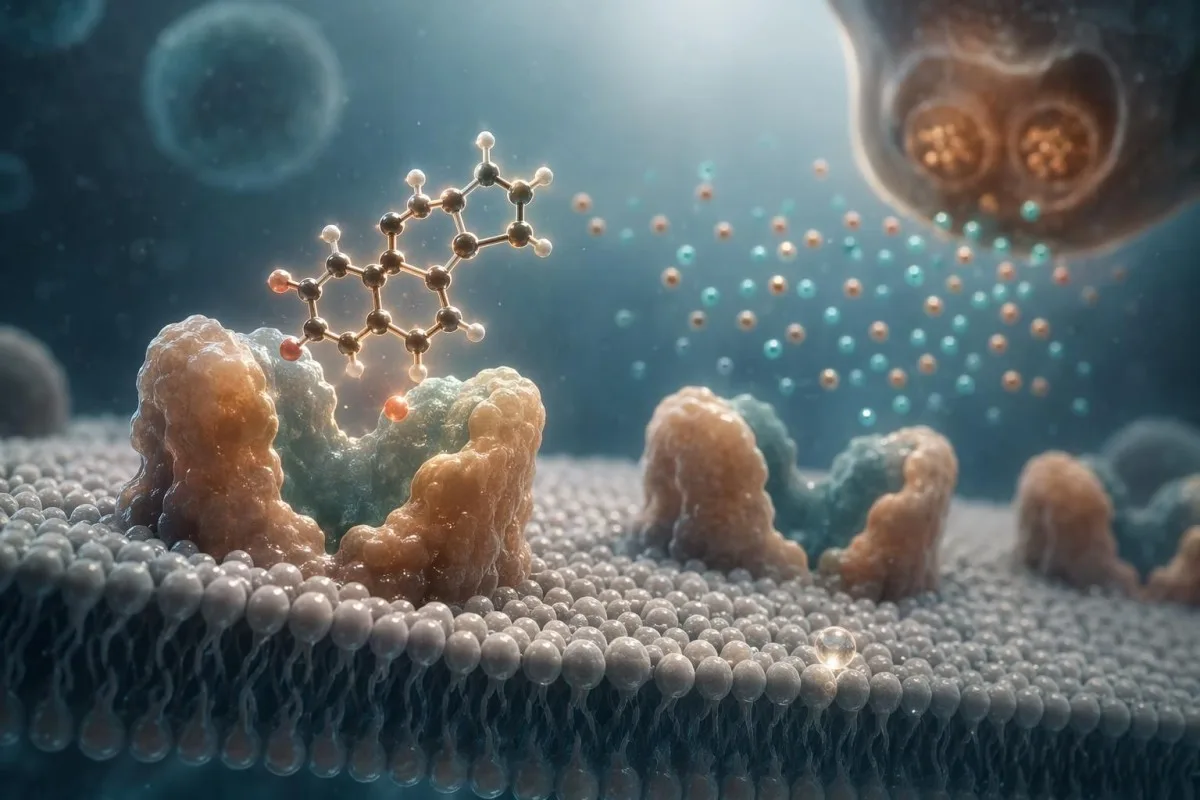
In the first 6-12 months of exclusive breastfeeding, many patients have low estradiol because ovulation is suppressed. This is not the same as menopause, but the tissue effects can feel surprisingly similar: dryness, urinary urgency, and discomfort with intimacy are frequent clinical complaints.
A postpartum estradiol result should be read with feeding pattern, sleep loss, bleeding history, thyroid status, ferritin, and mood symptoms. Postpartum thyroiditis can appear within 12 months after delivery, and iron deficiency can intensify fatigue and hair shedding; our breastfeeding labs guide lists the checks I usually consider.
One practical detail: if periods have returned, testing on cycle day 2-5 again becomes useful. If periods have not returned and breastfeeding is frequent at night, a single low estradiol result usually tells us less than the symptom pattern and recovery trajectory.
Pituitary, prolactin, and ovarian reserve clues
Low estradiol becomes more informative when paired with prolactin, FSH, LH, AMH, and sometimes pituitary imaging decisions. High prolactin can suppress estradiol, while very high FSH suggests ovarian reserve or ovarian function concerns.
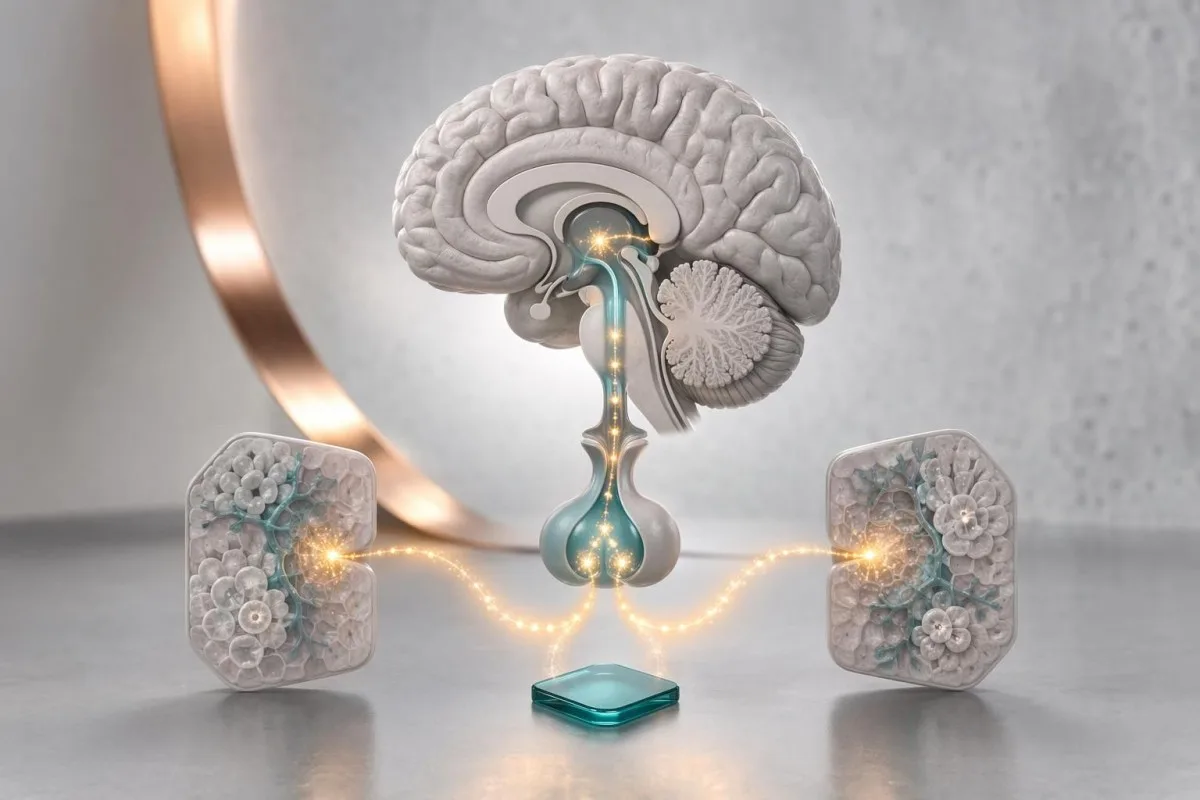
Prolactin above about 25 ng/mL in many nonpregnant adults can interfere with ovulation, though cutoffs vary by lab and stress can cause mild elevations. A prolactin result above 100 ng/mL is more concerning for a prolactin-secreting pituitary source, especially with headaches, visual symptoms, or milk production outside pregnancy.
Low prolactin is less commonly the reason for low estradiol, but it can hint at broader pituitary underfunction after severe postpartum complications, pituitary surgery, or head trauma. Our article on low prolactin clues explains why a low value matters most when other pituitary hormones are also abnormal.
AMH is useful for ovarian reserve discussions, not for diagnosing every cause of low estrogen. A low AMH with high FSH and low estradiol has a different meaning than a low AMH with normal cycles and normal day 3 hormones; context prevents overdiagnosis.
Thyroid, cortisol, and metabolic mimics of low estradiol
Several conditions mimic low estrogen symptoms even when estradiol is not the main driver. Thyroid disease, cortisol excess or suppression, iron deficiency, diabetes, low vitamin D, and sleep disorders can all produce fatigue, mood change, sweating, palpitations, or cycle disruption.

A patient with hot flashes, anxiety, insomnia, and lighter periods may assume estrogen is low, but suppressed TSH with high free T4 can produce a similar symptom cluster. The opposite can also confuse the picture: hypothyroidism may cause heavy bleeding, low mood, constipation, and high prolactin, so I rarely interpret estradiol without a thyroid panel.
Kantesti AI is an AI biomarker interpretation platform that cross-checks estradiol against TSH, free T4, ferritin, vitamin D, glucose, HbA1c, and inflammatory markers when those results appear in the same upload. That matters because 2 abnormal-but-unrelated values can look like one endocrine diagnosis if you only read the red flags.
Cortisol is another troublemaker. Long-term glucocorticoids can suppress the hypothalamic-pituitary-gonadal axis, while high physiologic stress may shift cycles by weeks; the estradiol result may be low because ovulation was delayed, not because estrogen production has permanently failed.
Symptoms that fit low estrogen and symptoms that do not
Low estrogen symptoms usually affect temperature regulation, genitourinary tissue, sleep, mood, joints, skin, and menstrual regularity. Symptoms such as severe one-sided pelvic pain, fainting, chest pain, or very heavy bleeding need separate assessment rather than being blamed on estradiol.

Symptoms that fit low estradiol include hot flashes lasting 1-5 minutes, night sweats, vaginal dryness, painful sex, recurrent urinary discomfort without infection, missed periods, and new sleep fragmentation. Joint aches are real for many patients; I hear wrist, finger, and hip stiffness particularly often during the menopause transition.
Hair thinning, fatigue, brain fog, and low mood can overlap with low estradiol, but they are not specific. Ferritin below 30 ng/mL, B12 deficiency, thyroid disease, depression, and poor sleep can look similar; our hair loss labs article shows how often iron and thyroid markers share the stage.
Red flags do not become harmless because estradiol is low. New severe headache, visual field change, pregnancy possibility, fever, syncope, or bleeding soaking a pad every hour should move the conversation away from hormone optimization and toward prompt medical review.
Follow-up hormone tests worth asking about
Useful follow-up tests for low estradiol usually include FSH, LH, progesterone, prolactin, TSH, free T4, pregnancy testing, and sometimes AMH. The best panel depends on whether the question is ovulation, menopause transition, pituitary signaling, medication effect, or fertility planning.
When I review results for Kantesti AI, I do not recommend every hormone test for every person. For a 32-year-old with missed periods, pregnancy test, FSH, LH, prolactin, TSH, free T4, and sometimes androgens are more useful than repeating estradiol 5 times.
Progesterone has a different job: it helps confirm whether ovulation happened. A mid-luteal progesterone above roughly 3 ng/mL suggests ovulation occurred, though fertility clinicians often use higher targets; our progesterone timing guide explains why the draw is usually about 7 days before the expected period.
FSH helps distinguish ovarian response from brain signaling. Persistently high FSH with low estradiol suggests ovarian underproduction, while low or normal FSH with low estradiol suggests hypothalamic or pituitary suppression; our FSH patterns article goes deeper on age and fertility context.
Menopause transition: one low result versus trend
In perimenopause, one low estradiol result is less reliable than symptoms, cycle history, and repeated hormone patterns. Estradiol can swing from very high to very low in the same person across 1-3 months.

The Endocrine Society menopause symptom guideline supports treating bothersome menopausal symptoms based on clinical assessment rather than requiring estradiol confirmation in typical midlife cases (Stuenkel et al., 2015). If a 52-year-old has 12 months without periods and classic vasomotor symptoms, the lab often adds less than the history.
The 2023 North American Menopause Society nonhormone therapy statement describes evidence-based options for vasomotor symptoms when hormone therapy is not appropriate or preferred (Faubion et al., 2023). That matters because a low estradiol result should lead to a risk-benefit discussion, not an automatic prescription.
I like trend graphs for this stage because cholesterol, HbA1c, ferritin, TSH, and liver enzymes often shift around the same years. Our menopause blood markers guide and the Kantesti Women’s Health Guide show why symptoms and cardiometabolic labs belong in the same conversation.
What low estradiol may mean for fertility and ovulation
Low estradiol can signal delayed follicle development, anovulation, ovarian under-response, or hypothalamic suppression, depending on timing and companion labs. For fertility, estradiol is most useful when interpreted with cycle day, ultrasound findings, FSH, LH, progesterone, and AMH.

On cycle day 3, estradiol that is unexpectedly high can sometimes mask an elevated FSH, while estradiol that is low may simply show a quiet baseline. During stimulation cycles, clinicians follow estradiol serially because the direction and pace can matter more than a single value.
In natural cycles, a low estradiol value near expected ovulation may mean ovulation is delayed by stress, travel, illness, calorie deficit, or polycystic ovary physiology. A later LH surge and later progesterone rise can still occur; the cycle is not automatically lost because one mid-cycle sample looked low.
For couples trying to conceive, I usually want both partners assessed rather than putting the entire explanation on estradiol. A broad fertility hormone panel may include semen analysis, TSH, prolactin, rubella immunity, HbA1c, and targeted ovarian markers, depending on age and history.
When to repeat estradiol and how to prepare
Repeat estradiol testing is most useful when the first result conflicts with symptoms, was drawn on an unknown cycle day, or was affected by medication, illness, or assay uncertainty. The repeat should be timed to the clinical question, not done randomly 48 hours later.
For baseline ovarian assessment, repeat estradiol with FSH and LH on cycle day 2-5 if cycles are present. For ovulation confirmation, do not rely on estradiol alone; repeat progesterone about 7 days before the expected period, or use ovulation tracking to refine the draw date.
Biotin can interfere with some immunoassays, though the effect depends on the platform and dose. If you take 5,000-10,000 mcg daily for hair or nails, tell the lab or clinician before endocrine testing; assay interference is one reason our test variability guide tells patients not to panic over one discordant value.
Kantesti AI is an AI-powered blood test analysis tool used across many countries and unit systems, so our platform checks whether estradiol is reported in pg/mL or pmol/L and whether the result fits nearby biomarkers. I still tell patients the same thing I tell colleagues: repeat a hormone test with a cleaner question, not just with more anxiety.
When follow-up should be prompt, not routine
Low estradiol is rarely an emergency by itself, but certain symptom combinations need prompt medical review. Seek urgent care for pregnancy possibility with pain or heavy bleeding, fainting, chest pain, severe headache, visual symptoms, fever, or bleeding that soaks 1 pad per hour.

A menopause-like pattern before age 40 should be reviewed rather than watched for years, because bone density, fertility, cardiovascular risk, and autoimmune screening may become relevant. Low estradiol for 6-12 months in a young patient can reduce bone accrual or accelerate bone loss, particularly when nutrition or training load is part of the story.
Kantesti AI can help organize the first pass: timing, units, companion hormones, medication clues, and whether the pattern looks ovarian, hypothalamic, pituitary, postpartum, or menopausal. Our clinical approach is described in our medical validation material, and complex hormone interpretations are reviewed under standards guided by our medical board.
I am Thomas Klein, MD, and my practical advice is simple: bring the lab report, cycle dates, medications, supplement doses, pregnancy status, and symptom timeline to your clinician. If you want to understand how our AI reads hormone panels before that visit, our technology guide explains the pattern-based method without replacing medical care.
Frequently Asked Questions
What are the most common low estradiol symptoms?
The most common low estradiol symptoms are hot flashes, night sweats, vaginal dryness, painful sex, sleep disruption, missed or irregular periods, low libido, mood changes, and joint aches. Symptoms can appear with menopause, breastfeeding, hypothalamic amenorrhea, or medication suppression. A single estradiol value should be interpreted with age, cycle day, FSH, LH, prolactin, thyroid tests, and pregnancy status.
Can estradiol be low and still be normal?
Yes, estradiol can be low and still be normal if the test was drawn on cycle day 2-5, after menopause, during breastfeeding, or while taking certain hormone-suppressing medications. In a cycling adult, early-follicular estradiol is expected to be much lower than the pre-ovulatory surge. The same numeric result may be reassuring at age 52 after 12 months without periods but abnormal at age 29 with 6 months of missed cycles.
When should I repeat a low estradiol blood test?
Repeat estradiol when the result does not match symptoms, the cycle day was unknown, units were confusing, or medication or supplement interference is possible. For baseline ovarian hormones, many clinicians repeat estradiol with FSH and LH on cycle day 2-5. For ovulation questions, progesterone about 7 days before the expected period is usually more helpful than repeating estradiol alone.
What labs should be checked with low estradiol?
Common follow-up labs with low estradiol include FSH, LH, progesterone, prolactin, TSH, free T4, pregnancy testing, AMH, CBC, ferritin, vitamin D, glucose, and HbA1c. High FSH with low estradiol suggests ovarian underproduction, while low or normal FSH and LH with low estradiol suggests hypothalamic or pituitary suppression. The best panel depends on age, cycle pattern, medication use, fertility goals, and symptoms.
Can stress or exercise cause low estradiol?
Yes, stress, endurance training, under-eating, rapid weight loss, and chronic illness can lower estradiol by suppressing hypothalamic signaling. This pattern often shows low estradiol with low or normal FSH and LH rather than very high FSH. The Endocrine Society guideline on functional hypothalamic amenorrhea recommends evaluating energy availability, exercise load, stress, and eating disorder risk when periods stop in this setting.
Is low estradiol dangerous?
Low estradiol is not usually dangerous over a few days or weeks, but persistent low estradiol can affect bone density, genitourinary tissue, sleep, sexual comfort, fertility, and quality of life. Menopause-related low estradiol is expected, while low estradiol before age 40 deserves medical review. Urgent care is needed if low estradiol appears alongside pregnancy possibility, severe pain, fainting, heavy bleeding, visual symptoms, or severe headache.
Can low estradiol contribute to urinary symptoms or recurrent urinary tract infections?
Yes. Lower estrogen can thin vaginal and urinary tissues, contributing to dryness, burning, urgency, and recurrent urinary infections, especially after menopause. New burning, fever, pelvic pain, or blood in the urine still needs assessment for infection or another cause.
Can a home hormone test confirm low estradiol?
Not reliably on its own. Estradiol varies across the cycle and testing methods differ, so a home result should be reviewed with your cycle dates, symptoms, medicines, and, when needed, a standard laboratory test ordered by a clinician.
Get AI-Powered Blood Test Analysis Today
Join over 2 million users worldwide who trust Kantesti for instant, accurate lab test analysis. Upload your blood test results and receive comprehensive interpretation of 15,000+ biomarkers in seconds.
📚 Referenced Research Publications
Klein, T., Mitchell, S., & Weber, H. (2026). BUN/Creatinine Ratio Explained: Kidney Function Test Guide. Kantesti AI Medical Research.
Klein, T., Mitchell, S., & Weber, H. (2026). Urobilinogen in Urine Test: Complete Urinalysis Guide 2026. Kantesti AI Medical Research.
📖 External Medical References




⚕️ Medical Disclaimer
This article is for educational purposes only and does not constitute medical advice. Always consult a qualified healthcare provider for diagnosis and treatment decisions.
E-E-A-T Trust Signals
Experience
Physician-led clinical review of lab interpretation workflows.
Expertise
Laboratory medicine focus on how biomarkers behave in clinical context.
Authoritativeness
Written by Dr. Thomas Klein with review by Dr. Sarah Mitchell and Prof. Dr. Hans Weber.
Trustworthiness
Evidence-based interpretation with clear follow-up pathways to reduce alarm.