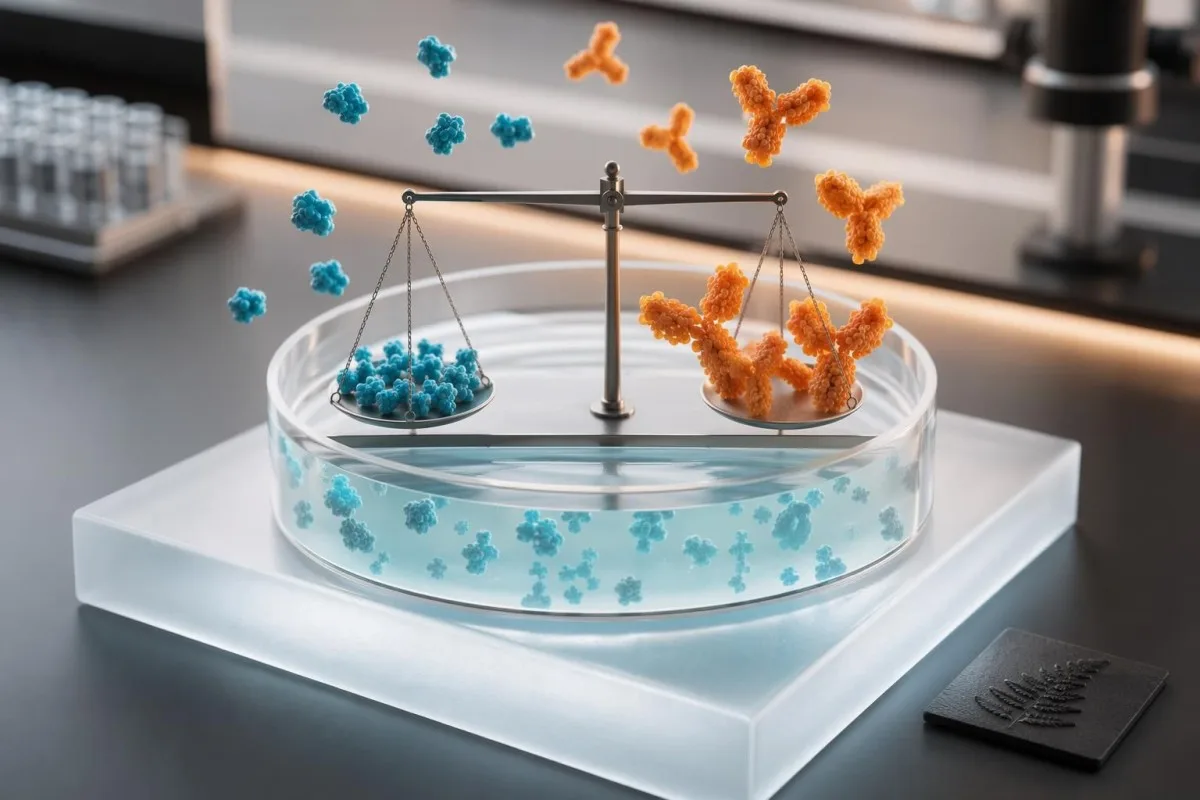
A raised globulin result is rarely interpreted alone. Doctors compare it with albumin, total protein, liver enzymes, kidney markers, inflammation tests and sometimes immunoglobulin patterns.



- Globulin is usually calculated as total protein minus albumin; many adult labs consider about 2.0-3.5 g/dL typical.
- A/G ratio commonly sits around 1.1-2.2; a ratio below 1.0 often means globulin is high, albumin is low, or both.
- Dehydration pattern usually raises albumin and globulin together, while true immune globulin excess often raises globulin more than albumin.
- High total protein causes include dehydration, chronic inflammation, liver disease, autoimmune disease and monoclonal proteins.
- Polyclonal globulin elevation usually reflects many immune proteins rising together, often from infection, inflammation, autoimmune disease or chronic liver disease.
- Monoclonal protein follow-up usually means serum protein electrophoresis, immunofixation and serum free light chains, not panic from one CMP result.
- High globulin symptoms usually come from the underlying condition, such as fatigue, fever, joint pain, night sweats, swollen glands, itching, swelling or weight loss.
- Danger level depends on pattern; globulin above about 4.5 g/dL or total protein above 9.0 g/dL deserves clinician follow-up, especially with anemia, kidney changes, high calcium or bone pain.
What high globulin means when the A/G ratio changes
High globulin causes are sorted by pattern: high albumin plus high globulin often points to dehydration, high globulin with normal or low albumin suggests inflammation, liver disease or immune activation, and a very low A/G ratio can trigger monoclonal protein follow-up. I’m Thomas Klein, MD, and I read this result as a relationship, not a single number.
Globulin is usually calculated as total protein minus albumin on a comprehensive metabolic panel. A common adult reference range is total protein 6.0-8.3 g/dL, albumin 3.5-5.0 g/dL and globulin about 2.0-3.5 g/dL, though some European labs report slightly different intervals.
The A/G ratio compares albumin to globulin, and many labs flag values below 1.0 or above 2.2. Kantesti is an AI blood test analyzer that treats high globulin as a pattern problem by checking albumin, total protein, liver markers, kidney markers and inflammation clues together.
A one-off globulin of 3.8 g/dL with albumin 4.8 g/dL after a long flight reads differently from globulin 5.2 g/dL with albumin 3.1 g/dL, anemia and an ESR of 82 mm/hr. For deeper background on the protein fractions themselves, our serum proteins guide explains the lab terminology without flattening the clinical nuance.
Confirm the globulin number before naming a disease
A high globulin result should first be confirmed mathematically and biologically. Doctors check whether globulin was directly measured or calculated, whether albumin was accurate, and whether the sample timing could explain a 0.2-0.5 g/dL shift.
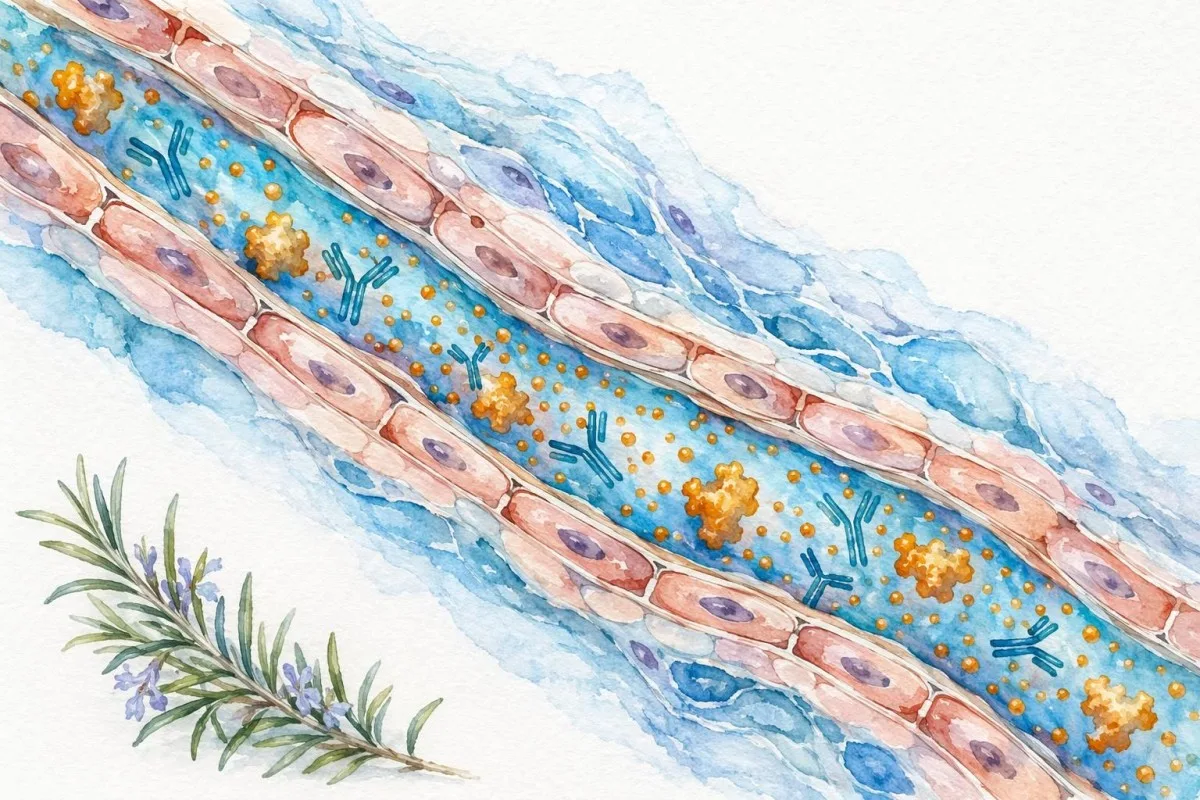
Most routine panels do not directly measure every globulin fraction. They measure total protein and albumin, then calculate globulin by subtraction; if albumin changes by 0.3 g/dL, the globulin estimate changes too.
I have seen healthy endurance athletes return with total protein 8.6 g/dL, albumin 5.1 g/dL and calculated globulin 3.5 g/dL after training in hot weather. That is not the same clinical story as albumin 3.0 g/dL and globulin 5.6 g/dL in a person with fatigue and weight loss.
A practical first step is to compare the result with hydration markers, especially BUN, creatinine, sodium and urine concentration if available. If albumin is also high, our article on high albumin patterns is a useful companion because it shows why concentration effects can mimic protein excess.
How dehydration changes total protein and globulin
Dehydration usually raises total protein by concentrating the blood, so albumin and globulin often rise together. True immune globulin excess more often raises globulin disproportionately, dropping the A/G ratio below about 1.0.
When plasma water falls, albumin, globulin, calcium and hematocrit may all look a little higher. A pattern of albumin 5.2 g/dL, globulin 3.8 g/dL and hematocrit 52% after vomiting or heavy exercise often deserves rehydration and repeat testing before extensive work-up.
The thing is, dehydration does not usually create a very low A/G ratio by itself. If albumin is 4.4 g/dL and globulin is 5.1 g/dL, the A/G ratio is 0.86; that pattern is harder to explain by fluid loss alone.
For patients who get anxious after seeing several red flags on a portal, I suggest repeating the panel after 24-48 hours of normal fluids and no heavy workout if the clinician agrees. Our guide to dehydration false highs explains why several unrelated-looking markers can rise together when the sample is concentrated.
High globulin with inflammation markers
High globulin with raised CRP, ESR, platelets or white cell changes often points toward chronic inflammation or infection. The globulin rise is usually polyclonal, meaning many immune proteins increase together rather than one abnormal protein dominating.
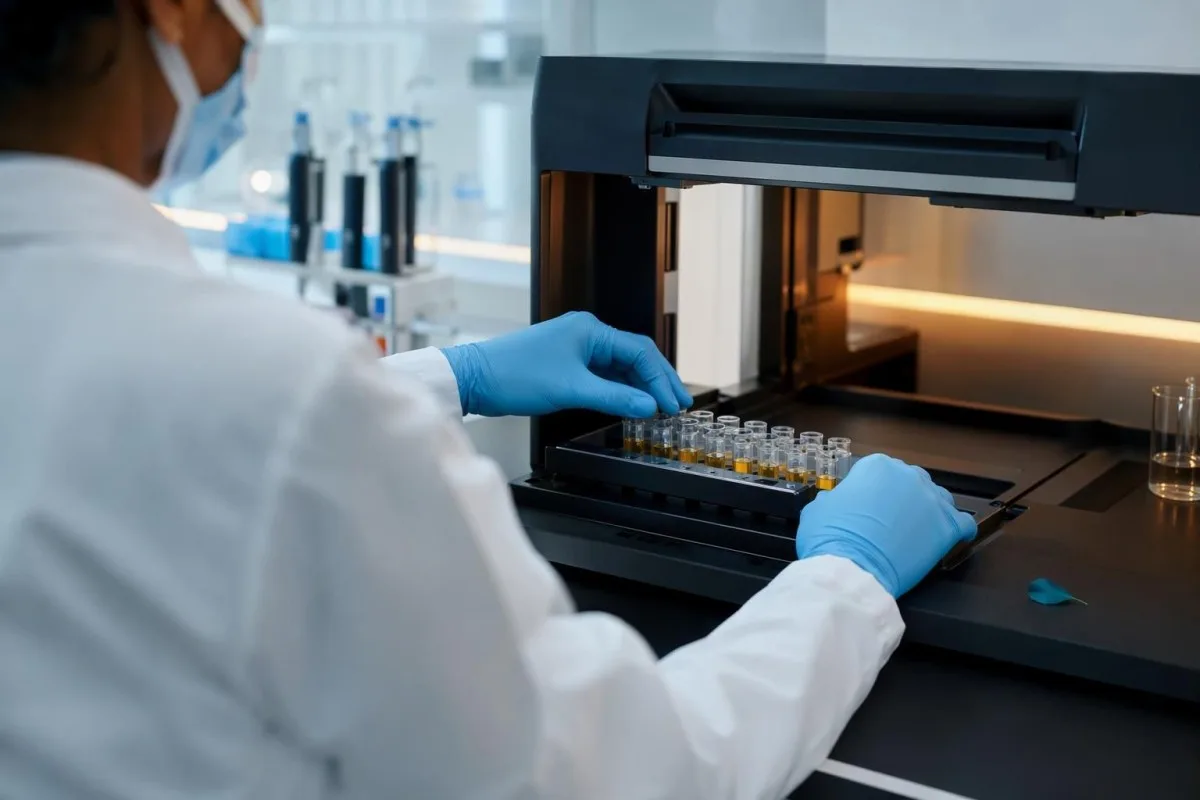
A CRP above 10 mg/L usually suggests active inflammation, although many labs call anything above 3-5 mg/L abnormal depending on the assay. ESR is slower and less specific; an ESR of 60 mm/hr can remain elevated after infection, autoimmune flares or some cancers.
In our analysis of 2M+ blood tests, the pattern I see most often is mild globulin elevation around 3.7-4.2 g/dL with fatigue, recent respiratory illness and a CRP that has not fully normalized. That is a very different pattern from globulin 5.8 g/dL with unexplained anemia.
Doctors also look for platelets above 450 x 10^9/L, lymphocyte shifts or low hemoglobin because inflammation often leaves tracks in the CBC. For a broader comparison of CRP, ESR and CBC clues, see our guide to inflammation blood tests.
Liver disease clues when albumin falls and globulin rises
Low albumin with high globulin can suggest chronic liver disease, especially when AST, ALT, bilirubin, ALP, GGT, INR or platelets are also abnormal. The liver makes albumin, while immune globulins may rise during chronic hepatic immune stimulation.
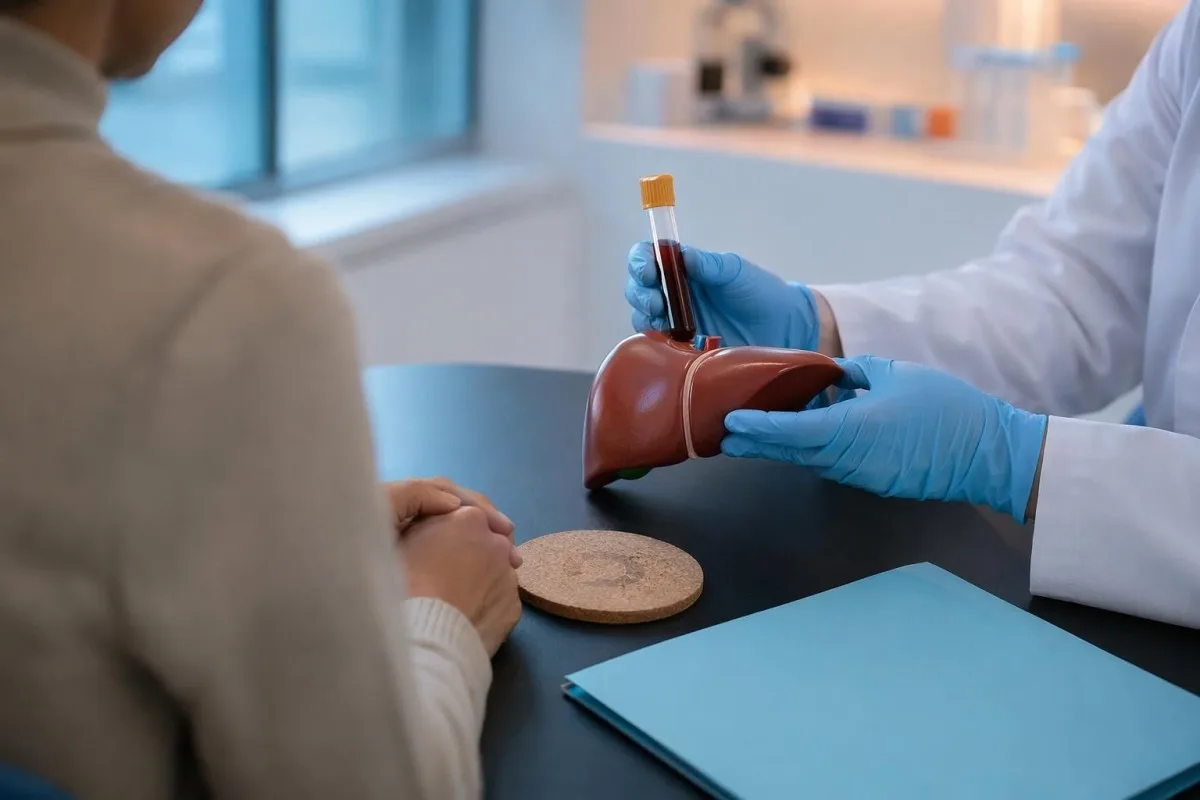
Albumin below 3.5 g/dL is not automatically liver failure; kidney loss, gut loss, inflammation and poor intake can also lower it. Still, albumin 2.9 g/dL with globulin 4.8 g/dL and platelets 95 x 10^9/L makes me look carefully at chronic liver patterns.
Autoimmune hepatitis is one liver condition where IgG can be distinctly high. The EASL 2015 autoimmune hepatitis guideline includes elevated IgG and autoantibodies among core diagnostic clues, but diagnosis still depends on the whole picture and often specialist assessment (EASL, 2015).
An AST/ALT ratio above 1 can appear in advanced fibrosis, alcohol-related liver injury and some muscle patterns, so I never read it alone. Our AST ALT ratio guide explains why a protein pattern becomes more meaningful when paired with enzymes, bilirubin and platelet count.
Autoimmune clues hidden inside the globulin fraction
Autoimmune patterns often show high globulin because immunoglobulins rise, especially IgG in several systemic and liver-related autoimmune diseases. Doctors separate this from allergy-driven IgE patterns and from monoclonal protein patterns.
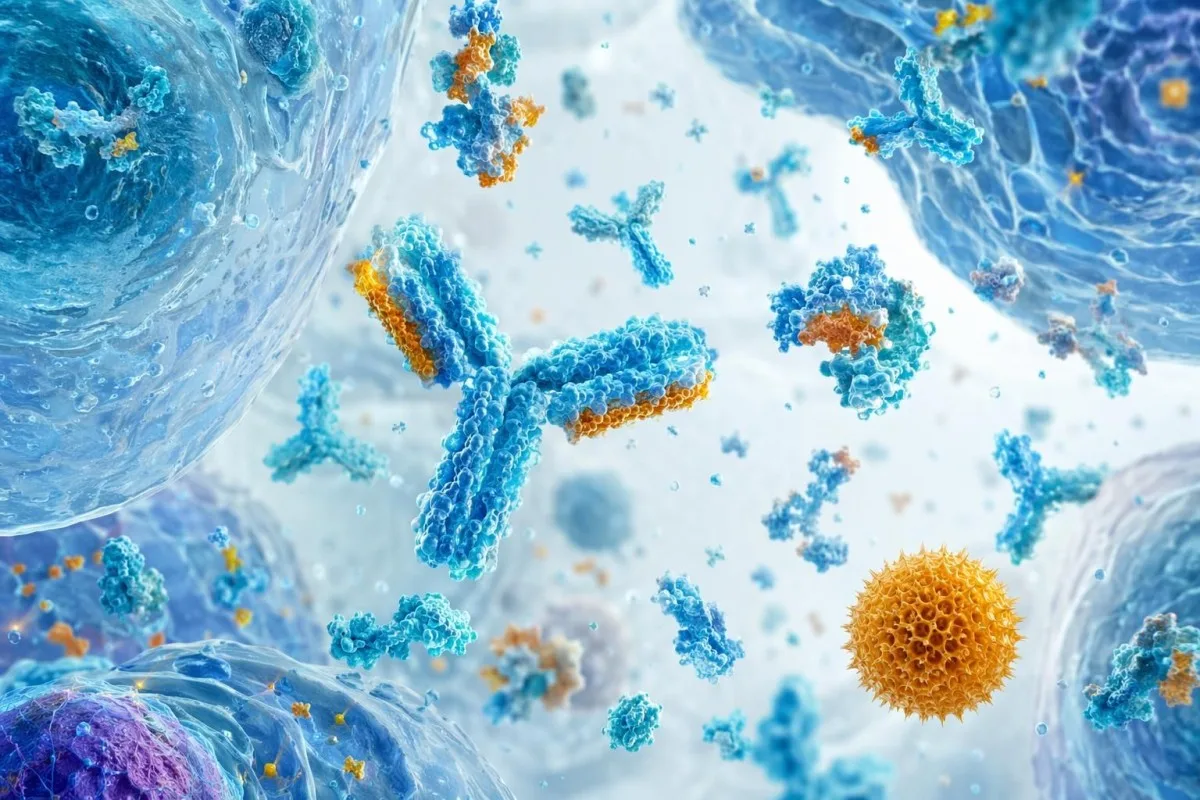
Typical adult immunoglobulin ranges are roughly IgG 700-1600 mg/dL, IgA 70-400 mg/dL and IgM 40-230 mg/dL, though reference intervals vary by method and age. IgG above the lab upper limit, especially above 1.1 times the upper limit, becomes more persuasive when ANA, ENA, RF, anti-CCP or liver autoantibodies fit the symptoms.
Kantesti is an AI biomarker interpretation platform that compares globulin with ANA status, complement C3/C4, ESR, CRP, CBC shifts and urine findings when those results are uploaded together. Low C3 or C4 with high globulin is a different clinical clue than high globulin with normal complements and normal urine.
Dry eyes, mouth dryness, joint swelling, rashes, unexplained fevers and Raynaud-type color changes are the details I ask about when the A/G ratio is low. For the specific role of complement markers and ANA patterns, our C3 C4 guide gives a more detailed autoimmune framework.
When doctors check for monoclonal proteins
Doctors consider monoclonal protein follow-up when globulin is persistently high, the A/G ratio is low, total protein is high, or symptoms suggest plasma cell or lymphoid disease. The usual next tests are SPEP, immunofixation and serum free light chains.
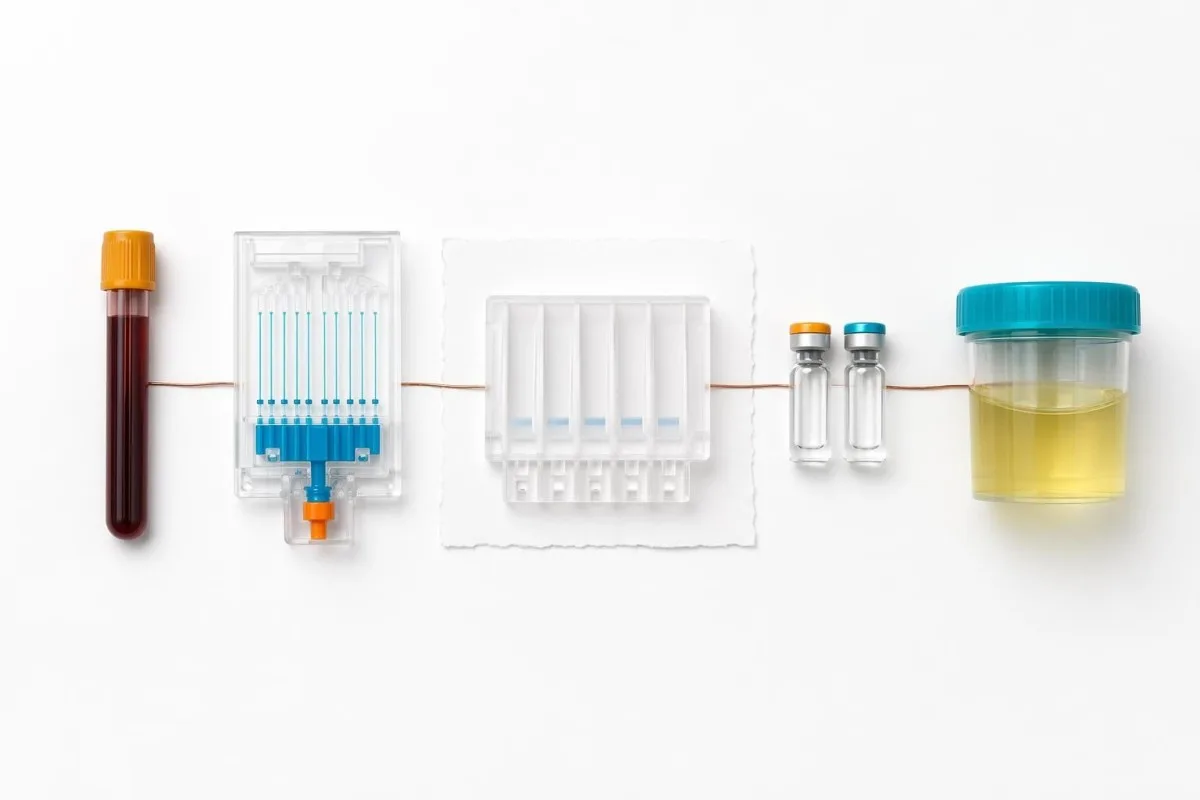
A polyclonal pattern means many antibody families are increased; chronic infection, autoimmune disease and liver disease are common explanations. A monoclonal pattern means one clone is making one dominant protein, and that can be benign, premalignant or malignant depending on the amount and organ effects.
The standard serum free light chain ratio is often reported as about 0.26-1.65 in adults, with kidney function affecting interpretation. Rajkumar’s 2022 American Journal of Hematology review emphasizes that myeloma diagnosis depends on clonal protein plus bone marrow or organ-defining criteria, not a globulin number alone (Rajkumar, 2022).
MGUS is not rare with age: Kyle et al. found a prevalence of about 3.2% among people aged 50 years or older in a large population study (Kyle et al., 2006). If your report specifically shows high IgG, our article on high IgG meaning helps separate immune, liver and monoclonal follow-up paths.
High globulin symptoms that change the risk level
High globulin symptoms usually come from the underlying condition, not from the globulin molecule itself. Fatigue, fever, night sweats, swollen glands, bone pain, joint pain, recurrent infections, itching or weight loss make the same lab number more concerning.
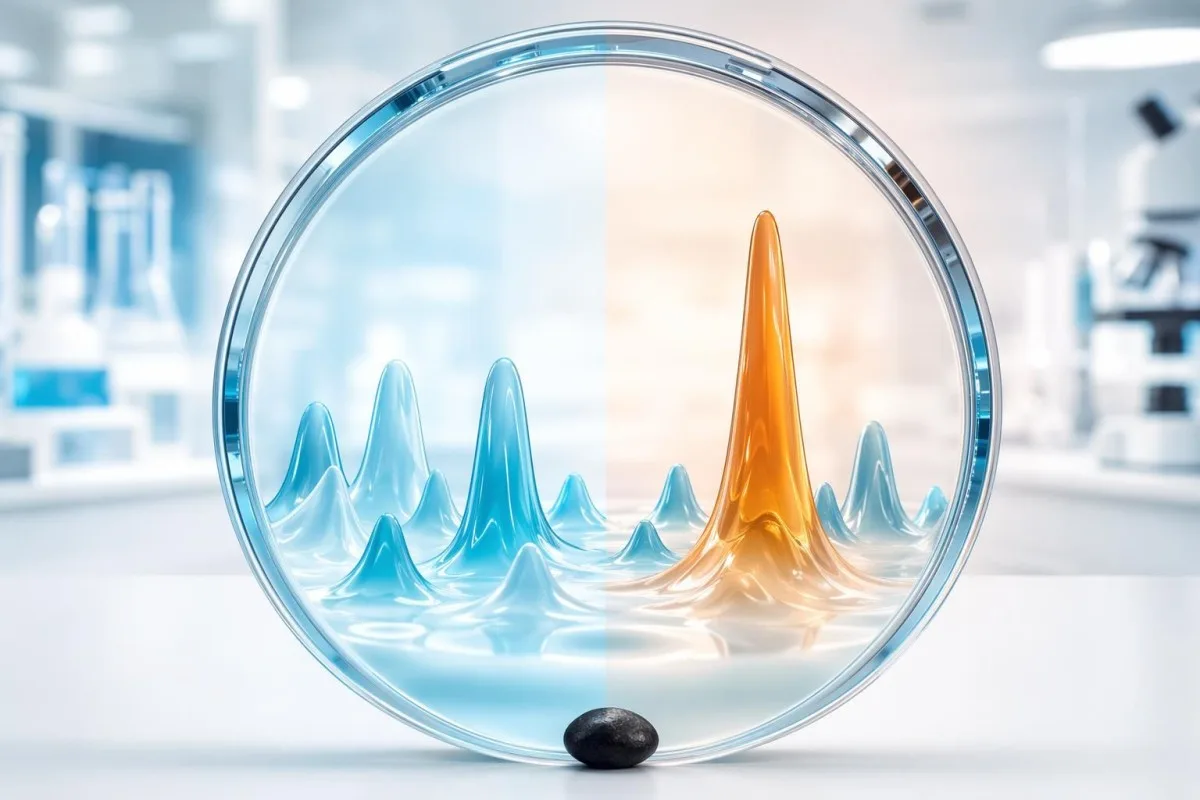
A person with globulin 4.1 g/dL, normal CBC and no symptoms may simply need a repeat panel in 2-8 weeks. The same globulin level with 6 kg unintentional weight loss, drenching night sweats or lymph nodes larger than 2 cm deserves a much faster clinical review.
Bone pain matters because monoclonal plasma cell disorders can affect bone, calcium and kidney function. High calcium above about 10.5 mg/dL, creatinine rising from baseline or hemoglobin below 10 g/dL changes the risk calculation immediately.
Swollen lymph nodes after a viral illness are common, but persistence beyond 3-4 weeks, hard texture, rapid growth or associated fevers changes the conversation. Our guide to swollen lymph node labs explains how CBC, LDH and inflammatory markers help sort benign from concerning patterns.
Kidney and urine clues doctors pair with high globulin
Kidney markers matter because high globulin can coexist with dehydration, kidney inflammation, protein loss or monoclonal light chain effects. Doctors compare creatinine, eGFR, BUN, calcium, urine albumin-creatinine ratio and sometimes urine protein electrophoresis.
A urine albumin-creatinine ratio below 30 mg/g is usually considered normal, 30-300 mg/g suggests moderately increased albuminuria, and above 300 mg/g is high. Albuminuria does not measure all light chains, so a normal ACR does not always exclude monoclonal light chain issues if the rest of the pattern is suspicious.
BUN can rise with dehydration, high protein intake, gastrointestinal bleeding and kidney impairment. A BUN/creatinine ratio above about 20:1 often nudges clinicians toward dehydration or prerenal physiology, but it is not diagnostic on its own.
When globulin is high and eGFR has fallen below 60 mL/min/1.73 m² for more than 3 months, the follow-up threshold gets lower. Our BUN creatinine guide covers the kidney side of this pattern in more detail.
Lab artifacts and repeat timing doctors consider
A mildly high globulin should often be repeated before a lifelong label is attached. Lab method, hydration, tourniquet time, recent illness, vaccination, exercise and even the reference interval can move total protein or albumin enough to alter calculated globulin.

A repeat interval of 2-8 weeks is common for a mild isolated globulin elevation, assuming there are no red flags. If total protein is above 9.0 g/dL or globulin is above 4.5 g/dL, clinicians often repeat sooner and add targeted tests rather than waiting months.
Recent vaccination or infection can raise immune proteins for several weeks, and CRP may normalize faster than ESR. I do not dismiss that history, but I also do not use it to explain globulin 5.5 g/dL without checking whether the result persists.
Different labs use bromocresol green or bromocresol purple methods for albumin, and small method differences can shift albumin by about 0.2-0.4 g/dL. Our article on blood test variability explains why trend direction is often more useful than one flagged value.
What doctors commonly order after high globulin
The usual next tests after persistent high globulin are a repeat CMP, CBC with differential, ESR, CRP, quantitative immunoglobulins and liver and kidney review. If the A/G ratio stays low or total protein remains high, SPEP, immunofixation and serum free light chains are common follow-up tests.
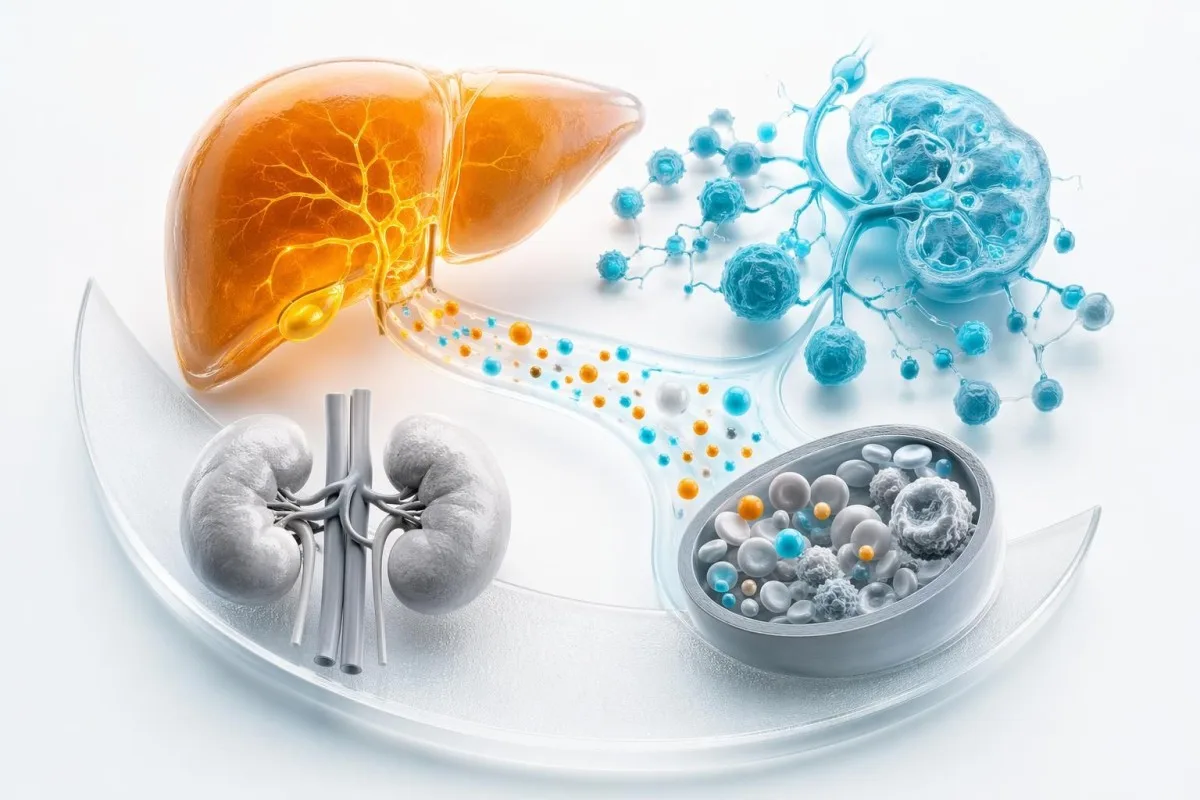
A basic follow-up bundle often includes albumin, total protein, AST, ALT, ALP, bilirubin, creatinine, calcium and CBC. If hemoglobin is below the lab range, platelets are abnormal or calcium is above 10.5 mg/dL, the follow-up becomes more urgent.
Quantitative immunoglobulins help separate IgG, IgA and IgM patterns. IgA-dominant elevation may point the clinician toward mucosal inflammation, liver disease or a specific monoclonal pattern, while IgM-dominant patterns raise a different set of questions.
Kantesti AI interprets globulin results by mapping them against more than a single CMP line item, including trends and related biomarkers when available. The biomarkers guide lists the broader marker families our system can recognize across common lab panels.
How AI pattern review helps without replacing care
AI pattern review is useful when it shows why a globulin result was flagged and what related results should be checked next. It should not diagnose myeloma, autoimmune hepatitis or chronic infection from a single calculated number.
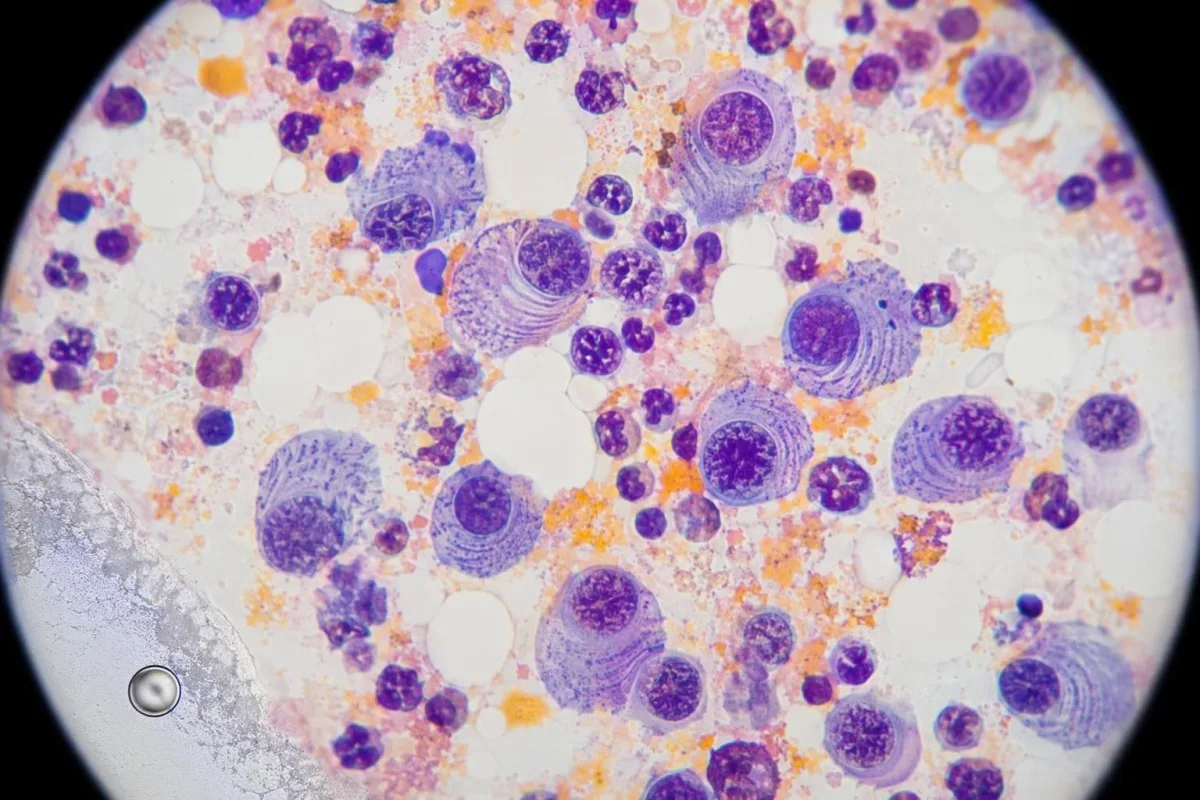
Kantesti is an AI lab test interpretation service that reads high globulin beside albumin, A/G ratio, liver enzymes, kidney function, CBC and inflammation markers. In practice, that means a globulin of 4.2 g/dL is not treated the same way in a dehydrated runner as in a patient with anemia and high calcium.
Our platform also compares current and previous reports when patients upload more than one file. A slow drift from globulin 3.2 to 4.4 g/dL over 18 months is more meaningful than a single result that returns to 3.4 g/dL on repeat testing.
The technical side matters because lab units, reference intervals and PDF layouts vary across countries. We describe the quality-control approach behind those pattern checks in our technology guide.
Is high globulin dangerous or just a flag?
Is high globulin dangerous? Sometimes, but the danger comes from the cause and the surrounding lab pattern. High globulin with normal albumin, normal CBC, normal kidney function and no symptoms is usually less urgent than high globulin with anemia, high calcium, kidney decline or systemic symptoms.

Same-day or urgent care is reasonable if high globulin appears with confusion, severe weakness, dehydration that cannot be corrected, new kidney injury or calcium clearly above range. Very high monoclonal proteins can rarely cause hyperviscosity symptoms such as headache, visual changes or nosebleeds, especially in IgM-related disorders.
A clinician should review persistent globulin above about 4.5 g/dL even if you feel well. The reason is simple: chronic inflammation, autoimmune liver disease and monoclonal gammopathy can be clinically quiet at first.
If your report also shows a critical potassium, creatinine, calcium, hemoglobin or white cell result, do not wait for a routine wellness follow-up. Our guide to critical blood values explains which lab combinations usually need faster action.
Research, medical review and limits of interpretation
High globulin interpretation is safest when medical reasoning, published evidence and transparent limits are all visible. As of June 12, 2026, my approach at Kantesti is to flag patterns that deserve follow-up while avoiding disease labels that require examination, history and sometimes specialist testing.
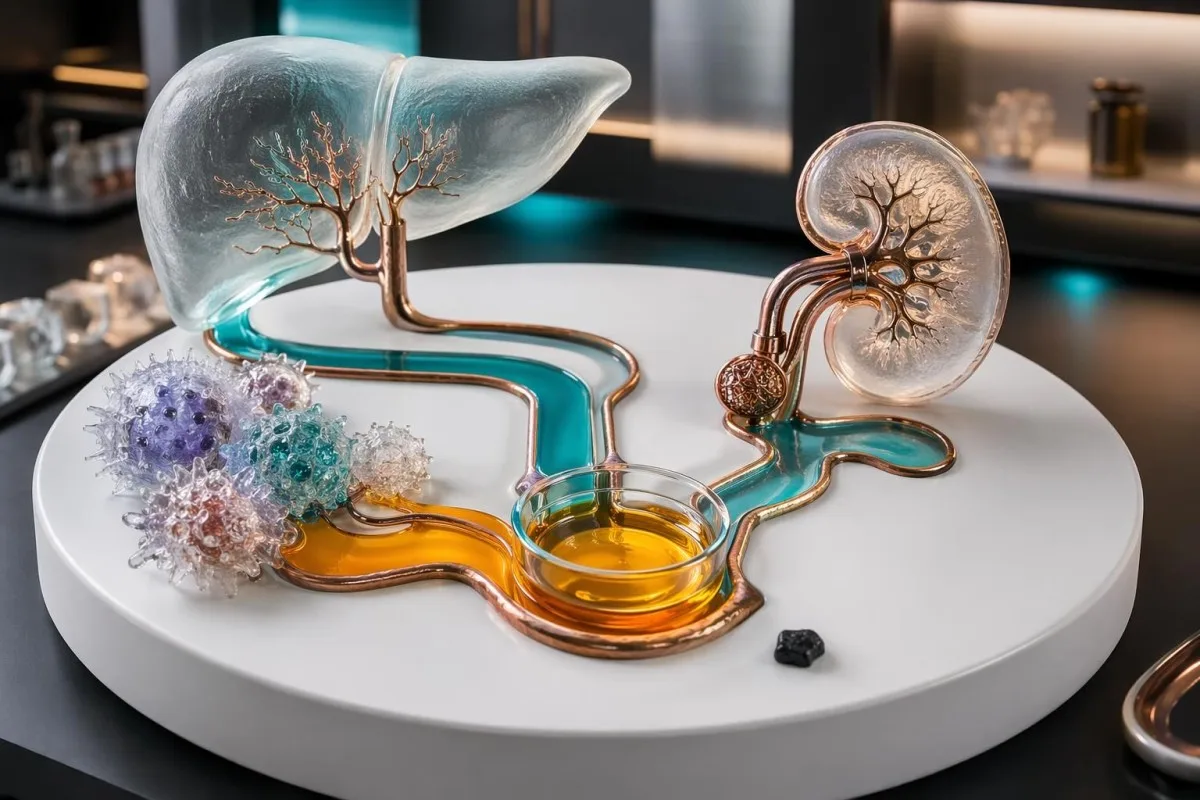
Kantesti's medical review process is led by clinicians who understand that a calculated globulin is not a diagnosis. A/G ratio interpretation is exactly the sort of area where overconfidence can harm patients, because dehydration, chronic infection, autoimmune disease, liver disease and monoclonal proteins can overlap numerically.
Our research publication section includes DOI-archived work on blood test interpretation methods, including RDW and BUN/creatinine ratio guides that show how pattern-based reasoning transfers across biomarkers. Thomas Klein, MD reviews these frameworks with the same caution I use in clinic: thresholds guide questions, not final answers.
For governance, our doctors and advisors are listed on the Medical Advisory Board. We also publish our clinical standards and benchmark approach through medical validation, because patients deserve to know where AI interpretation ends and clinician care begins.
Frequently Asked Questions
What are the most common high globulin causes?
The most common high globulin causes are dehydration, chronic inflammation, chronic infection, liver disease, autoimmune disease and monoclonal protein disorders. Doctors separate these by checking albumin, total protein, A/G ratio, CBC, CRP, ESR, liver enzymes, kidney markers and sometimes immunoglobulins. A globulin result around 3.6-4.0 g/dL is often mild, while persistent values above about 4.5 g/dL deserve more structured follow-up.
What A/G ratio is concerning?
Many adult labs consider an A/G ratio around 1.1-2.2 typical, although ranges vary. An A/G ratio below 1.0 is more concerning when it reflects high globulin, low albumin or both, especially with anemia, kidney changes, high calcium, abnormal liver tests or symptoms. A low ratio by itself does not diagnose cancer or autoimmune disease, but it is a reason to review the full pattern.
Can dehydration cause high globulin?
Yes, dehydration can cause high globulin by concentrating proteins in the blood, and albumin often rises at the same time. A dehydration-like pattern may show albumin above about 5.0 g/dL, mildly high total protein and other concentration clues such as high BUN or high hematocrit. If globulin is high while albumin is normal or low, dehydration alone becomes a less convincing explanation.
What are high globulin symptoms?
High globulin symptoms usually come from the underlying cause rather than the globulin itself. Symptoms that change the risk level include unexplained fatigue, fever, night sweats, weight loss, bone pain, joint swelling, recurrent infections, itching, swelling or lymph nodes larger than about 2 cm. A person with no symptoms and a mild one-time globulin elevation may only need repeat testing, but symptoms make follow-up more urgent.
Is high globulin dangerous?
High globulin can be harmless, temporary or clinically significant depending on the pattern. It is more concerning when globulin is persistently above about 4.5 g/dL, total protein is above 9.0 g/dL, the A/G ratio is below 1.0, or there are red flags such as anemia, high calcium, kidney decline or bone pain. The safest next step is not guessing the diagnosis, but repeating and expanding the relevant labs with a clinician.
Does high total protein mean cancer?
High total protein does not automatically mean cancer. High total protein causes include dehydration, inflammation, infection, liver disease, autoimmune disease and monoclonal proteins, and many cases are not malignant. Doctors consider serum protein electrophoresis, immunofixation and serum free light chains when high total protein persists or appears with a low A/G ratio, anemia, kidney changes or high calcium.
What tests are ordered after high globulin?
Common follow-up tests after high globulin include a repeat comprehensive metabolic panel, CBC with differential, ESR, CRP, quantitative IgG, IgA and IgM, liver enzymes, kidney function and calcium. If the A/G ratio remains low or total protein stays high, clinicians often add serum protein electrophoresis, immunofixation and serum free light chains. Urine testing may be added when kidney markers, proteinuria or light chain concerns are present.
Can protein shakes or a high-protein diet raise my globulin level?
Usually not. Eating protein-rich foods or using protein shakes does not meaningfully raise the globulin fraction; dehydration can make blood proteins appear more concentrated, so discuss a persistent abnormal result with your clinician.
Can an IVIG infusion affect my globulin result?
Yes. Intravenous immunoglobulin can temporarily increase measured globulin and total protein because it adds antibodies to the bloodstream; tell the ordering clinician the infusion date so testing can be timed and interpreted appropriately.
Get AI-Powered Blood Test Analysis Today
Join over 2 million users worldwide who trust Kantesti for instant, accurate lab test analysis. Upload your blood test results and receive comprehensive interpretation of 15,000+ biomarkers in seconds.
📚 Referenced Research Publications
Klein, T., Mitchell, S., & Weber, H. (2026). RDW Blood Test: Complete Guide to RDW-CV, MCV & MCHC. Kantesti AI Medical Research.
Klein, T., Mitchell, S., & Weber, H. (2026). BUN/Creatinine Ratio Explained: Kidney Function Test Guide. Kantesti AI Medical Research.
📖 External Medical References
Rajkumar SV (2022). Multiple myeloma: 2022 update on diagnosis, risk-stratification, and management. American Journal of Hematology.


⚕️ Medical Disclaimer
This article is for educational purposes only and does not constitute medical advice. Always consult a qualified healthcare provider for diagnosis and treatment decisions.
E-E-A-T Trust Signals
Experience
Physician-led clinical review of lab interpretation workflows.
Expertise
Laboratory medicine focus on how biomarkers behave in clinical context.
Authoritativeness
Written by Dr. Thomas Klein with review by Dr. Sarah Mitchell and Prof. Dr. Hans Weber.
Trustworthiness
Evidence-based interpretation with clear follow-up pathways to reduce alarm.