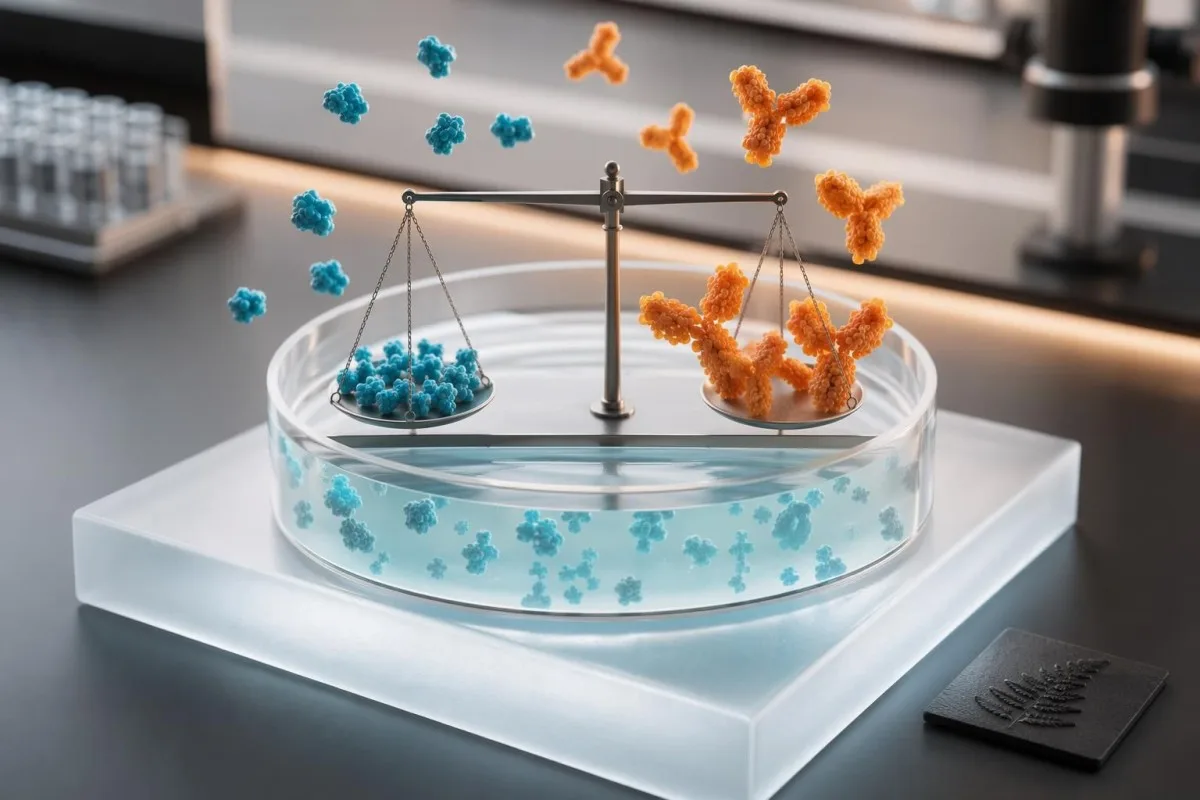
Kohonnut globuliinitulos tulkitaan harvoin yksinään. Lääkärit vertaavat sitä albumiiniin, kokonaisproteiiniin, maksaentsyymeihin, munuaismerkkiaineisiin, tulehdustesteihin ja joskus immunoglobuliinien kuvioihin.



- Globuliini lasketaan yleensä kokonaisproteiinista vähennettynä albumiinista; monissa aikuisten laboratorioissa tyypillisenä pidetään noin 2,0–3,5 g/dl.
- A/G-suhde on yleisesti noin 1,1–2,2; suhde alle 1,0 tarkoittaa usein, että globuliini on korkea, albumiini matala tai molemmat.
- Kuivumisen aiheuttama malli nostaa yleensä sekä albumiinia että globuliinia yhdessä, kun taas todellinen immuuniglobuliinien liikatuotanto nostaa usein globuliinia enemmän kuin albumiinia.
- Korkean kokonaisproteiinin syyt voivat olla kuivuminen, krooninen tulehdus, maksasairaus, autoimmuunisairaus ja monoklonaaliset proteiinit.
- Polykloonaalinen globuliinin kohoaminen viittaa yleensä siihen, että monet immuuniproteiinit nousevat yhdessä, usein infektion, tulehduksen, autoimmuunisairauden tai kroonisen maksasairauden seurauksena.
- Monoklonaalisen proteiinin jatkotutkimus tarkoittaa yleensä seerumin proteiinielektroforeesia, immunofiksaatiota ja seerumin vapaita kevytketjuja, ei paniikkia yhdestä CMP-tuloksesta.
- Korkean globuliinin oireet yleensä johtuvat perussairaudesta, kuten väsymyksestä, kuumeesta, nivelkivusta, yöhikoilusta, suurentuneista imusolmukkeista, kutinasta, turvotuksesta tai painon laskusta.
- Vaarataso riippuu kuviosta; globuliini yli noin 4,5 g/dl tai kokonaisproteiini yli 9,0 g/dl ansaitsee hoitavan lääkärin seurannan, erityisesti jos on anemiaa, munuaismuutoksia, kohonnutta kalsiumia tai luukipua.
Mitä korkea globuliini tarkoittaa, kun A/G-suhde muuttuu
Korkean globuliinin syyt on lajiteltu kuvion mukaan: korkea albumiini ja korkea globuliini viittaavat usein kuivumiseen, korkea globuliini normaalilla tai matalalla albumiinilla viittaa tulehdukseen, maksasairauteen tai immuunivasteen aktivoitumiseen, ja hyvin matala A/G-suhde voi käynnistää monoklonaalisen proteiinin jatkoselvittelyn. Olen Thomas Klein, MD, ja tulkitsen tämän tuloksen yhteytenä enkä yksittäisenä lukuna.
Globuliini lasketaan yleensä kokonaisproteiinista miinus albumiini laajassa perusverenkuvassa (comprehensive metabolic panel). Yleinen aikuisten viitealue on kokonaisproteiini 6,0–8,3 g/dl, albumiini 3,5–5,0 g/dl ja globuliini noin 2,0–3,5 g/dl, vaikka jotkin eurooppalaiset laboratoriot raportoivat hieman eri välejä.
The A/G-suhde vertaa albumiinia globuliiniin, ja monet laboratoriot merkitsevät arvot alle 1,0 tai yli 2,2. Kantesti on AI-verianalysaattori, joka käsittelee korkean globuliinin kuvio-ongelmana tarkistamalla albumiinin, kokonaisproteiinin, maksa-arvot, munuaisarvot ja tulehduksen viitteet yhdessä.
Yksittäinen globuliini 3,8 g/dl, kun albumiini on 4.8 g/dl pitkän lennon jälkeen, luetaan eri tavalla kuin globuliini 5,2 g/dl, kun albumiini on 3,1 g/dl, on anemiaa ja ESR on 82 mm/t. Jos haluat syvempää taustaa itse proteiinifraktioista, meidän seerumin proteiinien oppaasta selittää laboratorioterminologian ilman kliinisen vivahteen latistamista.
Vahvista globuliiniluku ennen sairauden nimeämistä
Korkea globuliinitulos tulisi ensin varmistaa matemaattisesti ja biologisesti. Lääkärit tarkistavat, mitattiinko globuliini suoraan vai laskettiinko se, oliko albumiini tarkka ja voiko näytteenottoajankohta selittää 0,2–0,5 g/dl:n muutoksen.
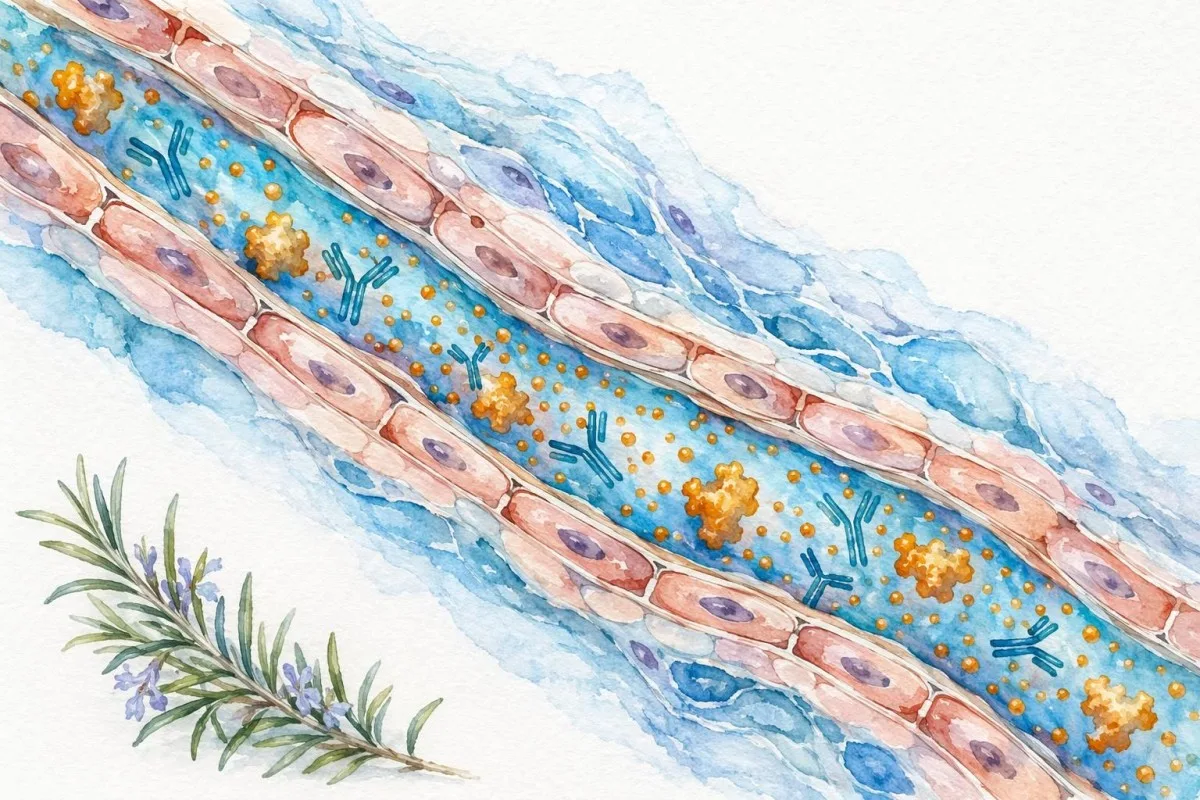
Useimmat rutiinipaneelit eivät mittaa suoraan kaikkia globuliinifraktioita. Ne mittaavat kokonaisproteiini ja albumiinin, ja laskevat sitten globuliinin vähentämällä; jos albumiini muuttuu 0,3 g/dl, myös globuliinimäärityksen arvio muuttuu.
Olen nähnyt terveiden kestävyysurheilijoiden palaavan harjoittelun jälkeen kuumassa säässä niin, että kokonaisproteiini on 8,6 g/dl, albumiini 5,1 g/dl ja laskettu globuliini 3,5 g/dl. Tämä ei ole sama kliininen tarina kuin albumiini 3,0 g/dl ja globuliini 5,6 g/dl henkilöllä, jolla on väsymystä ja painon laskua.
Käytännöllinen ensimmäinen askel on verrata tulosta nesteytyksen merkkiaineisiin, erityisesti BUN, kreatiniini, natrium ja virtsan konsentraatio, jos saatavilla. Jos albumiini on myös korkea, artikkelimme korkean albumiinin kuviot on hyödyllinen lisä, koska se näyttää, miksi konsentraatiovaikutukset voivat jäljitellä proteiinien liikamäärää.
Miten kuivuminen muuttaa kokonaisproteiinia ja globuliinia
Kuivuminen nostaa yleensä kokonaisproteiinia konsentroimalla verta, joten albumiini ja globuliini nousevat usein yhdessä. Todellinen immuuniglobuliinien liikamäärä nostaa useammin globuliinia suhteettomasti, jolloin A/G-suhde laskee alle noin 1,0:n.
Kun plasman vesimäärä laskee, albumiini, globuliini, kalsium ja hematokriitti voivat kaikki näyttää hieman korkeammilta. Kuvio albumiini 5,2 g/dl, globuliini 3,8 g/dl ja hematokriitti 52% oksentamisen tai kovan harjoittelun jälkeen ansaitsee usein nesteytyksen ja uusintatestauksen ennen laajaa jatkoselvittelyä.
Asia on se, että kuivuminen ei yleensä yksinään aiheuta kovin matalaa A/G-suhdetta. Jos albumiini on 4,4 g/dl ja globuliini 5,1 g/dl, A/G-suhde on 0,86; tätä kuviota on vaikeampi selittää pelkällä nestehukalla.
Potilaille, jotka ahdistuvat nähtyään useita punaisia lippuja portaalissa, suosittelen paneelin toistamista 24–48 tunnin normaalilla nesteytyksellä ja ilman raskasta treeniä, jos kliinikko on samaa mieltä. Oppaamme kuivumisen aiheuttamat virheelliset korkeat arvot selittää, miksi useat toisistaan riippumattoman näköiset merkkiaineet voivat nousta yhdessä, kun näyte on konsentroitu.
Korkea globuliini yhdessä tulehdusmerkkien kanssa
Korkea globuliini, johon liittyy kohonnut CRP, ESR, trombosyytit tai valkosolumuutokset, viittaa usein krooniseen tulehdukseen tai infektioon. Globuliinin nousu on yleensä polykloonaista, eli monet immuuniproteiinit lisääntyvät yhdessä sen sijaan, että yksi poikkeava proteiini dominoisi.
CRP, joka on yli 10 mg/l, viittaa yleensä aktiiviseen tulehdukseen, vaikka monet laboratoriot pitävät kaikkea yli 3–5 mg/l poikkeavana riippuen määritysmenetelmästä. ESR on hitaampi ja vähemmän spesifinen; ESR 60 mm/t voi pysyä koholla infektion, autoimmuunitaudin pahenemisvaiheiden tai joidenkin syöpien jälkeen.
Analyysissämme 2M+ verikokeista yleisin näkemäni kuvio on lievä globuliinin kohoaminen noin 3,7–4,2 g/dl, johon liittyy väsymystä, äskettäistä hengitystieinfektiota ja CRP, joka ei ole täysin normalisoitunut. Tämä on hyvin erilainen kuvio kuin globuliini 5,8 g/dl yhdessä selittämättömän anemian kanssa.
Lääkärit etsivät myös trombosyyttejä, jotka ovat yli 450 x 10^9/l, lymfosyyttimuutoksia tai matalaa hemoglobiinia, koska tulehdus jättää usein jälkiä CBC:hen. Laajempaa vertailua varten CRP:n, ESR:n ja CBC:n vihjeistä katso oppaamme tulehdusverikokeisiin.
Maksasairauden vihjeet, kun albumiini laskee ja globuliini nousee
Matala albumiini ja korkea globuliini voivat viitata krooniseen maksasairauteen, erityisesti kun AST, ALT, bilirubiini, ALP, GGT, INR tai trombosyytit ovat myös poikkeavia. Maksa tuottaa albumiinia, kun taas immuuniglobuliinit voivat nousta kroonisen maksaperäisen immuunistimulaation aikana.
Albumiini alle 3,5 g/dl ei automaattisesti tarkoita maksan vajaatoimintaa; munuaistappio, suolitappio, tulehdus ja huono ravitsemus voivat myös laskea sitä. Silti albumiini 2,9 g/dl, globuliini 4.8 g/dl ja trombosyytit 95 x 10^9/l saavat minut tarkastelemaan huolellisesti kroonisia maksakuvioita.
Autoimmuuninen hepatiitti on yksi maksasairaus, jossa IgG voi olla selvästi koholla. EASL:n vuoden 2015 autoimmuunisen hepatiitin ohje sisällyttää kohonneen IgG:n ja auto-vasta-aineet keskeisiin diagnostisiin vihjeisiin, mutta diagnoosi riippuu silti kokonaiskuvasta ja usein myös erikoislääkärin arviossa (EASL, 2015).
AST/ALT-suhde, joka on yli 1, voi esiintyä edenneessä fibroosissa, alkoholiin liittyvässä maksavauriossa ja joissakin lihaskuvioissa, joten en koskaan lue sitä yksinään. Meidän AST ALT -suhde oppaamme selittää, miksi proteiinikuviosta tulee merkityksellisempi, kun se yhdistetään entsyymeihin, bilirubiiniin ja trombosyyttien määrään.
Autoimmuunivihjeet piilossa globuliinifraktiossa
Autoimmuunikuviot näyttävät usein korkean globuliinin, koska immunoglobuliinit nousevat, erityisesti IgG useissa systeemisissä ja maksaan liittyvissä autoimmuunisairauksissa. Lääkärit erottavat tämän allergiavälitteisistä IgE-kuvioista ja monoklonaalisista proteiinikuviosta.
Tyypilliset aikuisten immunoglobuliinien viitealueet ovat karkeasti IgG 700–1600 mg/dL, IgA 70–400 mg/dL ja IgM 40–230 mg/dL, vaikka viitevälit vaihtelevat menetelmän ja iän mukaan. IgG, joka ylittää laboratorion ylärajan, erityisesti yli 1,1 kertaa ylärajan, on vakuuttavampi, kun ANA, ENA, RF, anti-CCP tai maksan autoantibodit sopivat oireisiin.
Kantesti on AI-biomarkkerien tulkinta-alusta, joka vertaa globuliinia ANA-statukseen, komplementti C3/C4:ään, ESR:ään, CRP:hen, CBC-muutoksiin ja virhelöydöksiin, kun nämä tulokset ladataan yhdessä. Matala C3 tai C4 yhdessä korkean globuliinin kanssa on eri kliininen vihje kuin korkea globuliini normaalien komplementtien ja normaalin virtsan yhteydessä.
Kuivat silmät, suun kuivuminen, nivelturvotus, ihottumat, selittämättömät kuumeet ja Raynaud-tyyppiset värimuutokset ovat yksityiskohtia, joista kysyn, kun A/G-suhde on matala. Komplementtimarkkereiden ja ANA-mallien tarkasta roolista meidän C3 C4 -opas antaa yksityiskohtaisemman autoimmuunikehyksen.
Kun lääkärit tarkistavat monoklonaalisia proteiineja
Lääkärit harkitsevat monoklonaalisen proteiinin seurantaa, kun globuliini on pysyvästi korkea, A/G-suhde on matala, kokonaisproteiini on korkea tai oireet viittaavat plasmasolun tai lymfoidiseen sairauteen. Tavalliset seuraavat tutkimukset ovat SPEP, immunofiksaatio ja seerumin vapaat kevytketjut.
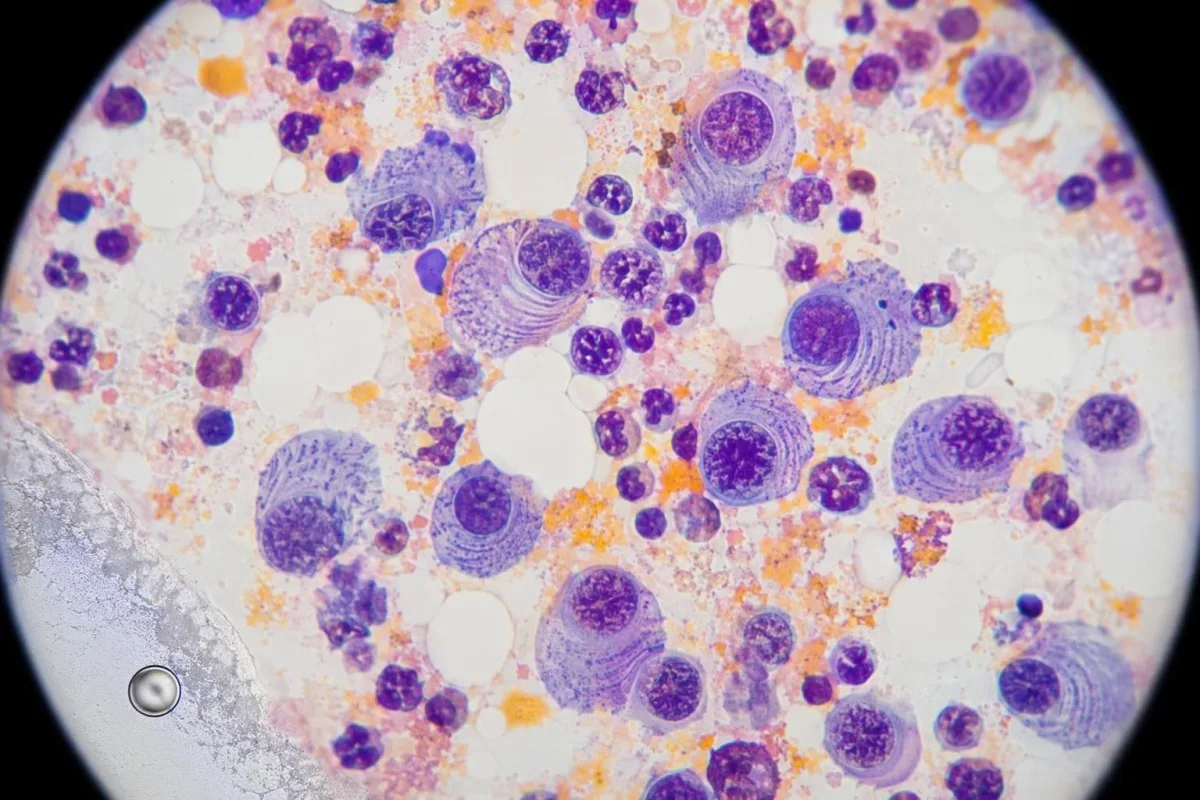
A polykonaalinen malli tarkoittaa, että monet vasta-aineryhmät ovat lisääntyneet; krooninen infektio, autoimmuunisairaus ja maksasairaus ovat yleisiä selityksiä. A monokonaalinen malli tarkoittaa, että yksi klooni tuottaa yhden hallitsevan proteiinin, ja se voi olla hyvänlaatuinen, premaligni tai maligni riippuen määrästä ja elinvaikutuksista.
Seerumin vapaiden kevytketjujen tavanomainen suhde raportoidaan usein aikuisilla noin 0,26–1,65, ja munuaisten toiminta vaikuttaa tulkintaan. Rajkumar’n vuoden 2022 American Journal of Hematology -katsaus korostaa, että myelooman diagnoosi perustuu kloonaaliseen proteiiniin plus luuytimen tai elintä määrittäviin kriteereihin, ei pelkkään globuliinilukuun (Rajkumar, 2022).
MGUS ei ole harvinainen iän myötä: Kyle ym. havaitsivat suuren väestötutkimuksen perusteella esiintyvyydeksi noin 3,2% 50-vuotiailla tai sitä vanhemmilla (Kyle ym., 2006). Jos raporttisi osoittaa nimenomaan korkean IgG:n, artikkelimme korkean IgG:n merkitys auttaa erottamaan immuuni-, maksa- ja monoklonaalisen seurannan polut.
Korkean globuliinin oireet, jotka muuttavat riskitasoa
Korkean globuliinin oireet yleensä johtuvat taustalla olevasta sairaudesta, eivät itse globuliinimolekyylistä. Väsymys, kuume, yöhikoilu, suurentuneet imusolmukkeet, luukipu, nivelkipu, toistuvat infektiot, kutina tai laihtuminen saavat saman laboratoriolöydöksen tuntumaan huolestuttavammalta.
Henkilö, jonka globuliini on 4,1 g/dl, CBC on normaali eikä hänellä ole oireita, saattaa tarvita vain uusintapaneelin 2–8 viikon kuluttua. Sama globuliinitaso, mutta 6 kg tahaton laihtuminen, hikoilua läpäisevä yöhikoilu tai yli 2 cm:n kokoiset imusolmukkeet, ansaitsee selvästi nopeamman kliinisen arvion.
Luukipu on tärkeää, koska monoklonaaliset plasmasoluhäiriöt voivat vaikuttaa luihin, veren kalsiumiin ja munuaisten toimintaan. Korkea kalsium, noin yli 10,5 mg/dl, kreatiniinin nousu lähtötasosta tai hemoglobiini alle 10 g/dl muuttaa riskilaskelman välittömästi.
Suurentuneet imusolmukkeet virusinfektion jälkeen ovat yleisiä, mutta jos ne jatkuvat yli 3–4 viikkoa, ovat kovarakenteisia, kasvavat nopeasti tai niihin liittyy kuumeita, keskustelu muuttuu. Ohjeemme suurentuneen imusolmukkeen laboratoriotutkimukset selittää, miten CBC, LDH ja tulehdusmarkkerit auttavat erottamaan hyvänlaatuiset ja huolestuttavat löydösmallit.
Munuaisten ja virtsan vihjeet, joita lääkärit yhdistävät korkeaan globuliiniin
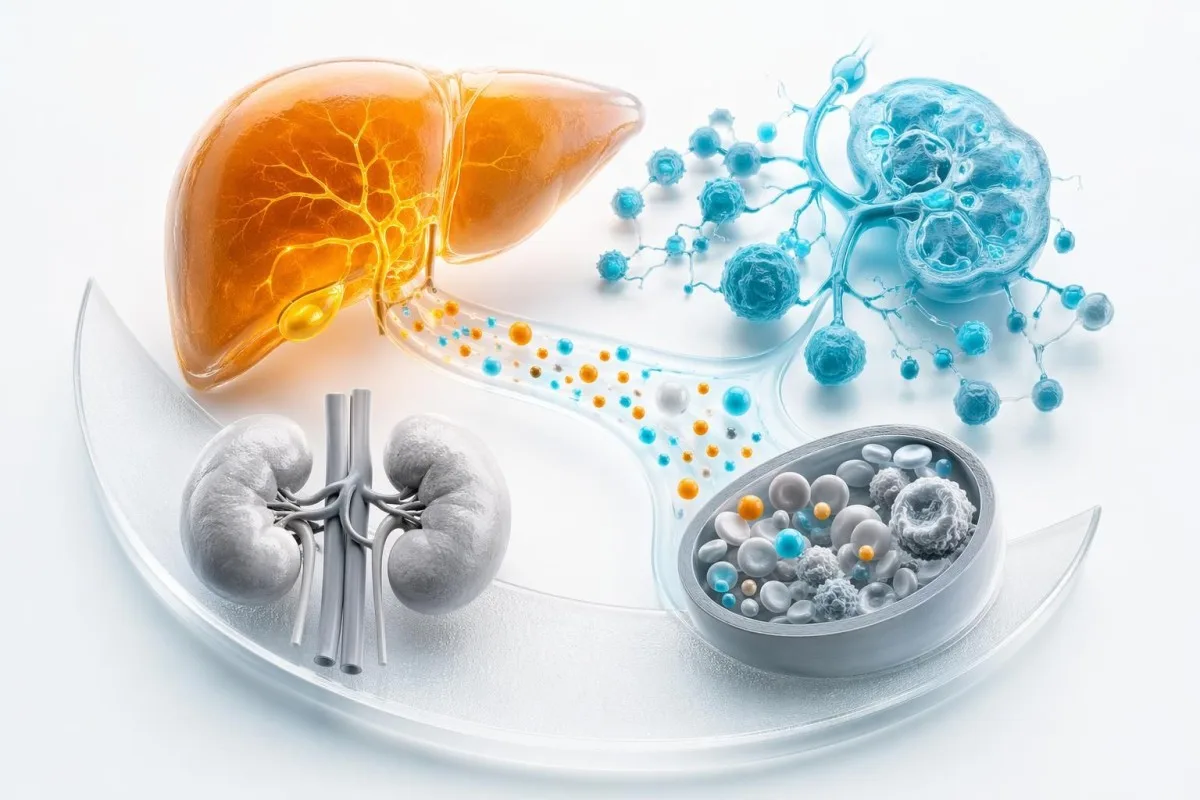
Munuaismarkkerit ovat tärkeitä, koska korkea globuliini voi esiintyä yhdessä kuivumisen, munuaisten tulehduksen, proteiinin menetyksen tai monoklonaalisten kevytketjuvaikutusten kanssa. Lääkärit vertaavat kreatiniinia, eGFR:ää, BUN:ia, kalsiumia, virtsan albumiini–kreatiniinisuhdetta ja joskus virtsan proteiinielektroforeesia.
Virtsan albumiini–kreatiniinisuhde alle 30 mg/g on yleensä normaali, 30–300 mg/g viittaa kohtalaisesti lisääntyneeseen albuminuriaan ja yli 300 mg/g on korkea. Albuminuria ei mittaa kaikkia kevytketjuja, joten normaali ACR ei aina sulje pois monoklonaalisen kevytketjun ongelmaa, jos muu löydösmalli on epäilyttävä.
BUN voi nousta kuivumisen, runsaan proteiinin saannin, ruoansulatuskanavan verenvuodon ja munuaisten heikentymisen yhteydessä. BUN/kreatiniinisuhde yli noin 20:1 ohjaa usein kliinikkoja kohti kuivumista tai prerenaalista fysiologiaa, mutta se ei yksinään ole diagnostinen.
Kun globuliini on korkea ja eGFR on laskenut alle 60 ml/min/1,73 m² yli 3 kuukauden ajaksi, jatkoseurannan kynnysarvo laskee. Meidän BUN-kreatiniiniopas käsittelee tämän kuvion munuaispuolta tarkemmin.
Laboratoriovirheet ja ajoituksen toistaminen, joita lääkärit harkitsevat
Lievästi kohonnut globuliini pitäisi usein toistaa ennen kuin siihen liitetään elinikäinen diagnoosileima. Laboratoriomenetelmä, nesteytys, kiristyssiteen käyttöaika, äskettäinen infektio, rokotus, liikunta ja jopa viiteväli voivat siirtää kokonaisproteiinia tai albumiinia sen verran, että laskettu globuliini muuttuu.

2–8 viikon uusintaväli on yleinen lievän erillisen globuliinikohoamisen yhteydessä, jos ei ole punaisia lippuja. Jos kokonaisproteiini on yli 9,0 g/dl tai globuliini yli 4,5 g/dl, kliinikot toistavat usein aiemmin ja lisäävät kohdennettuja tutkimuksia sen sijaan, että odotettaisiin kuukausia.
Äskettäinen rokotus tai infektio voi nostaa immuuniproteiineja useiden viikkojen ajan, ja CRP voi normalisoitua nopeammin kuin ESR. En vähättele tätä anamneesia, mutta en myöskään käytä sitä selittämään globuliinia 5,5 g/dl tarkistamatta, jatkuuko tulos.
Eri laboratoriot käyttävät albumiinille bromokresolivihreää tai bromokresolipurppuraa, ja pienet erot menetelmissä voivat siirtää albumiinia noin 0,2–0,4 g/dl. Artikkelimme verikokeiden vaihtelu selittää, miksi trendin suunta on usein hyödyllisempi kuin yksi yksittäinen, merkitty arvo.
Mitä lääkärit yleensä tilaavat korkean globuliinin jälkeen
Tavalliset seuraavat tutkimukset, jos globuliini pysyy korkeana, ovat uusittu CMP, CBC erittelyineen, ESR, CRP, kvantitatiiviset immunoglobuliinit sekä maksan ja munuaisten arvio. Jos A/G-suhde pysyy matalana tai kokonaisproteiini pysyy korkeana, SPEP, immunofiksaatio ja seerumin vapaat kevytketjut ovat yleisiä jatkotutkimuksia.
Perusjatkopaketti sisältää usein albumiinin, kokonaisproteiinin, AST:n, ALT:n, ALP:n, bilirubiinin, kreatiniinin, kalsiumin ja CBC:n. Jos hemoglobiini on alle laboratorioviitealueen, trombosyytit ovat poikkeavat tai kalsium on yli 10,5 mg/dl, jatkoarvio muuttuu kiireellisemmäksi.
Kvantitatiiviset immunoglobuliinit auttavat erottamaan IgG-, IgA- ja IgM-mallit. IgA-painotteinen kohoaminen voi ohjata kliinikkoa kohti limakalvotulehdusta, maksasairautta tai tiettyä monoklonaalista mallia, kun taas IgM-painotteiset mallit herättävät erilaisen kysymyssarjan.
Kantesti AI tulkitsee globuliinituloksia kartoittamalla ne useampaan kuin yhteen CMP:n yksittäiseen kohtaan, mukaan lukien trendit ja niihin liittyvät biomarkkerit, kun niitä on saatavilla. biomarkkeriopas luettelee laajemmat markkeriperheet, joita järjestelmämme voi tunnistaa tavallisissa laboratoriopaneeleissa.
Miten tekoälyn kuvioarviointi auttaa korvaamatta hoitoa
AI-mallin tarkastelu on hyödyllistä, kun se kertoo, miksi globuliinitulos on merkitty, ja mitä siihen liittyviä tuloksia tulisi tarkistaa seuraavaksi. Sitä ei tule käyttää myelooman, autoimmuunin hepatiitin tai kroonisen infektion diagnosointiin yhdestä lasketusta numerosta.
Kantesti on AI-laboratoriotulosten tulkintapalvelu, joka lukee korkean globuliinin albumiinin rinnalla, A/G-suhteen, maksaentsyymit, munuaisten toiminnan, CBC:n ja tulehdusmarkkerit. Käytännössä tämä tarkoittaa, että globuliini 4,2 g/dl ei ole samalla tavalla käsiteltävä kuivumisesta kärsivällä juoksijalla kuin potilaalla, jolla on anemia ja korkea kalsium.
Alustamme vertaa myös nykyisiä ja aiempia tutkimusraportteja, kun potilaat lataavat enemmän kuin yhden tiedoston. Hidas muutos globuliinista 3,2:sta 4,4 g/dl:ään 18 kuukauden aikana on merkityksellisempi kuin yksittäinen tulos, joka toistotutkimuksessa palautuu arvoon 3,4 g/dl.
Teknisellä puolella on merkitystä, koska laboratoriomittayksiköt, viitevälit ja PDF-asettelut vaihtelevat maittain. Kuvaamme laadunvarmistuslähestymistavan näiden mallintarkistusten taustalla meidän teknologiaopas.
Onko korkea globuliini vaarallinen vai vain merkki?
Onko korkea globuliini vaarallinen? Joskus, mutta vaara tulee syystä ja sitä ympäröivästä laboratoriomallista. Korkea globuliini normaalin albumiinin, normaalin CBC:n, normaalin munuaisten toiminnan ja ilman oireita kanssa on yleensä vähemmän kiireellinen kuin korkea globuliini anemian, korkean kalsiumin, munuaisten heikkenemisen tai yleisoireiden kanssa.

Samana päivänä tai kiireellinen hoito on perusteltua, jos korkea globuliini ilmenee sekavuuden, voimakkaan heikkouden, korjaamattoman kuivumisen, uuden munuaisvaurion tai kalsiumin selvästi viitealueen yläpuolella. Hyvin korkeat monoklonaaliset proteiinit voivat harvoin aiheuttaa hyperviskositeettioireita, kuten päänsärkyä, näkömuutoksia tai nenäverenvuotoja, erityisesti IgM:ään liittyvissä häiriöissä.
Lääkärin tulisi tarkistaa pysyvästi noin 4,5 g/dl:n yläpuolella oleva globuliini, vaikka tuntisit olosi hyväksi. Syy on yksinkertainen: krooninen tulehdus, autoimmuuninen maksasairaus ja monoklonaalinen gammopatia voivat olla kliinisesti hiljaisia aluksi.
Jos raportissasi näkyy myös kriittinen kalium-, kreatiniini-, kalsium-, hemoglobiini- tai valkosolutulos, älä odota tavanomaista hyvinvointiseurantaa. Oppaamme kriittisiin veriarvoihin selittää, mitkä laboratoriotulosten yhdistelmät yleensä vaativat nopeampaa toimintaa.
Tutkimus, lääketieteellinen arviointi ja tulkinnan rajat
Korkean globuliinin tulkinta on turvallisinta, kun lääketieteellinen päättely, julkaistu näyttö ja läpinäkyvät rajat ovat kaikki näkyvissä. 12.6.2026 alkaen lähestymistapani Kantesti:ssä on merkitä mallit, jotka ansaitsevat jatkotarkastelun, samalla kun vältän sairausnimikkeitä, jotka edellyttävät tutkimusta, anamneesia ja joskus erikoislääkärin lisätutkimuksia.
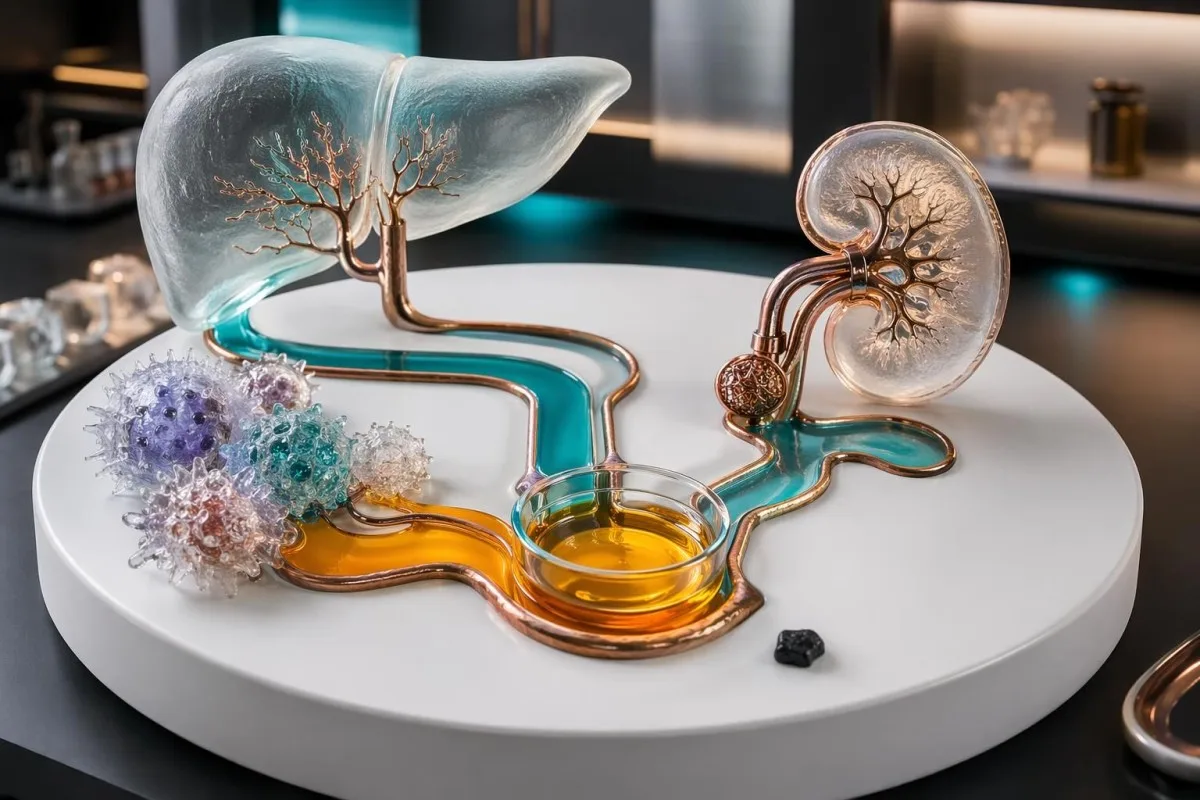
Kantesti:n lääketieteellisen tarkastelun prosessia johtavat kliinikot, jotka ymmärtävät, ettei laskettu globuliini ole diagnoosi. A/G-suhteen tulkinta on juuri sellaista aluetta, jossa liiallinen varmuus voi vahingoittaa potilaita, koska kuivuminen, krooninen infektio, autoimmuunisairaus, maksasairaus ja monoklonaaliset proteiinit voivat mennä numeerisesti päällekkäin.
Tutkimusjulkaisujen osiossamme on DOI-arkistoituja töitä verikokeiden tulkintamenetelmistä, mukaan lukien RDW ja BUN/creatinine -suhdeoppaat, jotka osoittavat, miten mallipohjainen päättely siirtyy biomarkkereiden välillä. Thomas Klein, MD tarkistaa nämä viitekehykset samalla varovaisuudella, jota käytän vastaanotolla: kynnykset ohjaavat kysymyksiä, eivät lopullisia vastauksia.
Hallintoa varten lääkärimme ja neuvonantajamme on listattu Lääketieteellinen neuvoa-antava toimikunta. Julkaisemme myös kliiniset standardimme ja vertailulähestymistapamme kautta lääketieteellinen validointi, koska potilaiden kuuluu tietää, mihin AI-tulkinta loppuu ja kliininen hoito alkaa.
Usein kysytyt kysymykset
Mitkä ovat yleisimmät syyt korkeaan globuliinipitoisuuteen?
Yleisimmät korkean globuliinin syyt ovat kuivuminen, krooninen tulehdus, krooninen infektio, maksasairaus, autoimmuunisairaus ja monoklonaaliset proteiinisairaudet. Lääkärit erottavat nämä toisistaan tarkistamalla albumiinin, kokonaisproteiinin, A/G-suhteen, CBC:n, CRP:n, ESR:n, maksaentsyymit, munuaismerkkiaineet ja joskus immunoglobuliinit. Globuliinitulos noin 3,6–4,0 g/dl on usein lievä, kun taas pysyvät arvot, jotka ovat noin 4,5 g/dl:n yläpuolella, vaativat jäsennellympää jatkoselvittelyä.
Mikä A/G-suhde on huolestuttava?
Monet aikuisten laboratoriot pitävät A/G-suhdetta noin 1,1–2,2 tyypillisenä, vaikka vaihteluvälit vaihtelevat. A/G-suhde alle 1,0 on huolestuttavampi, kun se heijastaa korkeaa globuliinia, matalaa albumiinia tai molempia, erityisesti jos taustalla on anemiaa, munuaismuutoksia, kohonnutta kalsiumia, poikkeavia maksan toimintakokeita tai oireita. Matala suhde yksinään ei diagnosoi syöpää tai autoimmuunisairautta, mutta se on syy tarkastella koko kokonaiskuvaa.
Voiko kuivuminen aiheuttaa kohonneita globuliineja?
Kyllä, kuivuminen voi aiheuttaa korkean globuliinin pitoisuuden, koska se keskittää proteiineja vereen, ja albumiini nousee usein samaan aikaan. Kuivumista muistuttava kuvio voi näkyä siten, että albumiini on yli noin 5,0 g/dl, kokonaisproteiini on lievästi koholla ja muut konsentraatioon viittaavat löydökset, kuten korkea BUN tai korkea hematokriitti. Jos globuliini on korkea mutta albumiini on normaali tai matala, pelkkä kuivuminen ei yksinään ole yhtä vakuuttava selitys.
Mitkä ovat korkean globuliinin oireet?
Korkean globuliinin oireet johtuvat yleensä taustalla olevasta syystä eikä itse globuliinista. Oireita, jotka muuttavat riskitasoa, ovat selittämätön väsymys, kuume, yöhikoilu, painon lasku, luukipu, nivelten turvotus, toistuvat infektiot, kutina, turvotus tai imusolmukkeet, jotka ovat noin 2 cm:ä suuremmat. Henkilöllä, jolla ei ole oireita ja jolla on lievä, kertaluonteinen globuliinin nousu, voi riittää pelkkä uusintatestaus, mutta oireet tekevät jatkoseurannasta kiireellisempää.
Onko korkea globuliini vaarallinen?
Korkea globuliini voi olla vaaraton, tilapäinen tai kliinisesti merkityksellinen riippuen kuvioista. Huolestuttavampaa on, kun globuliini on pysyvästi yli noin 4,5 g/dl, kokonaisproteiini on yli 9,0 g/dl, A/G-suhde on alle 1,0 tai kun on varoitusmerkkejä, kuten anemia, kohonnut kalsium, munuaisten toiminnan heikkeneminen tai luukipu. Turvallisin seuraava askel ei ole arvailla diagnoosia, vaan toistaa ja laajentaa asiaankuuluvia laboratoriokokeita yhdessä lääkärin kanssa.
Tarkoittaako korkea kokonaisproteiini syöpää?
Korkea kokonaisproteiini ei automaattisesti tarkoita syöpää. Korkean kokonaisproteiinin syitä voivat olla kuivuminen, tulehdus, infektio, maksasairaus, autoimmuunisairaus ja monoklonaaliset proteiinit, ja monet tapaukset eivät ole pahanlaatuisia. Lääkärit harkitsevat seerumin proteiinielektroforeesia, immunofiksaatiota ja seerumin vapaita kevytketjuja, kun korkea kokonaisproteiini jatkuu tai ilmenee yhdessä matalan A/G-suhteen, anemian, munuaismuutosten tai korkean kalsiumin kanssa.
Mitä tutkimuksia määrätään korkean globuliinin jälkeen?
Yleisiä jatkotutkimuksia korkean globuliinin jälkeen ovat uusintakattava metabolinen peruskoe, CBC erittelyineen, ESR, CRP, kvantitatiivinen IgG, IgA ja IgM, maksaentsyymit, munuaisten toiminta ja kalsium. Jos A/G-suhde pysyy matalana tai kokonaisproteiini pysyy korkeana, kliinikot lisäävät usein seerumin proteiinielektroforeesin, immunofiksaatioanalyysin ja seerumin vapaat kevytketjut. Virtsatutkimuksia voidaan lisätä, kun munuaismerkkiaineissa, proteinuuriassa tai kevytketjuhuolissa on viitteitä.
Voivatko proteiinipirtelöt tai runsasproteiininen ruokavalio nostaa globuliinitasoani?
Yleensä ei. Proteiinipitoisten ruokien syöminen tai proteiinipirtelöiden käyttö ei nosta merkittävästi globuliinifraktiota; kuivuminen voi saada veren proteiinit näyttämään väkevämmiltä, joten keskustele pysyvästä epänormaalista tuloksesta lääkärisi kanssa.
Voiko IVIG-infuusio vaikuttaa globuliinitulokseeni?
Kyllä. Laskimonsisäinen immunoglobuliini voi tilapäisesti nostaa mitattua globuliinia ja kokonaisproteiinia, koska se lisää vasta-aineita verenkiertoon; kerro tilaavalle lääkärille infuusion päivämäärä, jotta tutkimukset voidaan ajoittaa ja tulkita asianmukaisesti.
Hanki tekoälypohjainen verikoeanalyysi tänään
Liity yli 2 miljoonan käyttäjän joukkoon maailmanlaajuisesti, jotka luottavat Kantesti:hen saadakseen välittömän ja tarkan laboratoriotestianalyysin. Lataa verikoetuloksesi ja saat kattavan tulkinnan 15,000+-biomarkkereista sekunneissa.
📚 Viitatut tutkimusjulkaisut
Klein, T., Mitchell, S., & Weber, H. (2026). RDW-verikoe: täydellinen opas RDW-CV:hen, MCV:hen ja MCHC:hen. Kantesti AI Medical Research.
Klein, T., Mitchell, S., & Weber, H. (2026). BUN/kreatiniinisuhde selitettynä: Munuaisten toimintakokeen opas. Kantesti AI Medical Research.
📖 Ulkoiset lääketieteelliset lähteet
Rajkumar SV (2022). Multippeli myelooma: vuoden 2022 päivitys diagnoosiin, riskiluokitteluun ja hoitoon. American Journal of Hematology.
⚕️ Lääketieteellinen vastuuvapauslauseke
Tämä artikkeli on tarkoitettu vain koulutustarkoituksiin eikä se muodosta lääketieteellistä neuvontaa. Ota aina yhteyttä pätevään terveydenhuollon ammattilaiseen diagnoosi- ja hoitopäätöksiä varten.
E-E-A-T-luottamussignaalit
Kokea
Lääkärin johtama kliininen arviointi laboratoriotulkinnan työnkuluista.
Asiantuntemus
Laboratoriolääketiede keskittyy siihen, miten biomarkkerit käyttäytyvät kliinisessä kontekstissa.
Auktoriteetti
Kirjoittanut tohtori Thomas Klein, tarkistanut tohtori Sarah Mitchell ja professori tohtori Hans Weber.
Luotettavuus
Näyttöön perustuva tulkinta selkeillä jatkopoluilla, jotka vähentävät hälytystä.