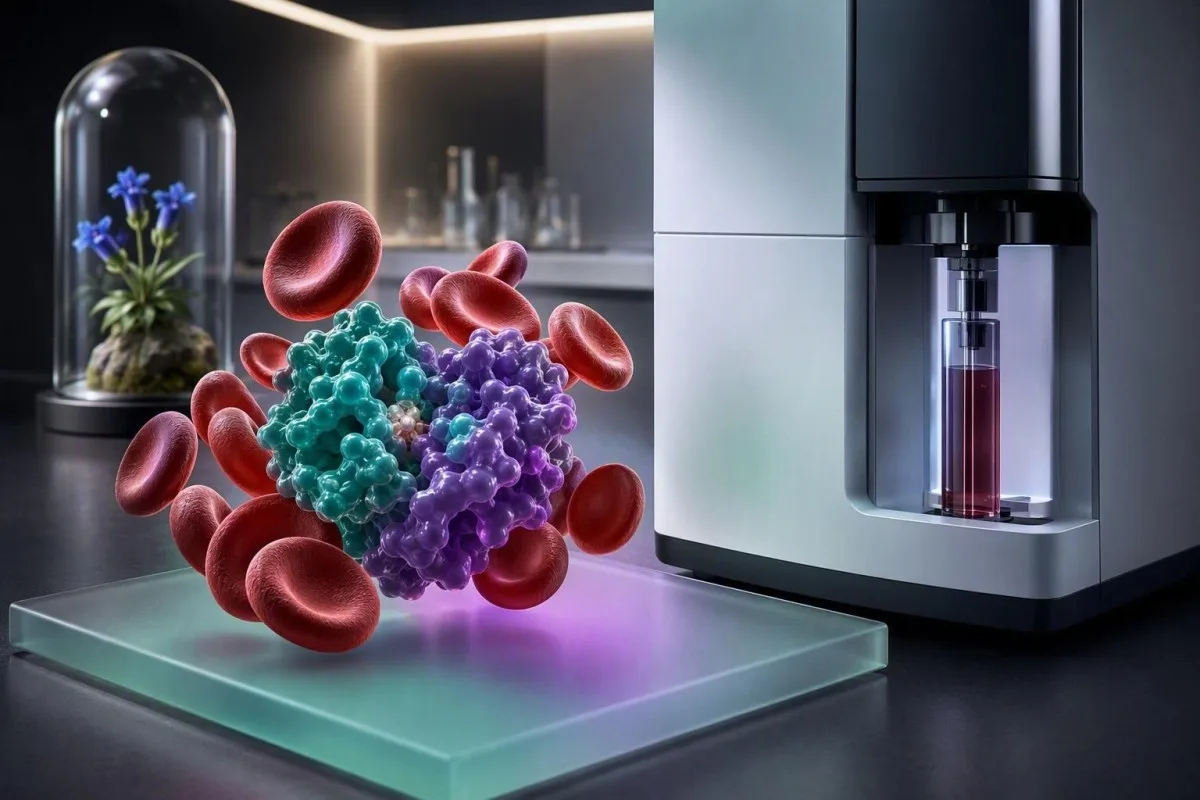
Mar as trice tha dùmhlachd àrd de haemoglobin na bhuaidh dùmhlachd, ach faodaidh toradh ath-aithris nochdadh comharra cudromach a thaobh ocsaidean, cadal, cungaidh-leigheis, no smior. Seo mar a shìola mi an toradh neo-dhiadhaidh aon uair bhon phàtran a tha airidh air ath-sgrùdadh sgiobalta.


- Ciall haemoglobin beagan àrdaichte mar as trice a' nochdadh dìth uisge, nochdadh àirde, smocadh, no ocsaidean ìosal thar oidhche an àite aillse fala.
- Crìoch Inbheach tha haemoglobin os cionn 16.5 g/dL ann an fir no 16.0 g/dL ann am boireannaich nuair a thathar a' measadh polycythemia vera a dh'fhaodadh a bhith ann.
- CBC a-rithist an dèidh uisgeachadh àbhaisteach agus 24 uairean gun eacarsaich làidir mar as trice is e a' chiad cheum as fheàrr.
- Buaidh na h-àirde faodaidh e mairsinn airson seachdainean an dèidh ùine os cionn timcheall air 2,500 m, gu sònraichte an dèidh fuireach fada.
- Comharra apnea cadail tha e na haemoglobin àrd leantainneach le dròbhan mòra, stadannan air am faicinn, ceann goirt sa mhadainn, no codal tron latha.
- Comharraidhean èiginneach cuir a-steach pian ùr sa chiste, laigse air aon taobh, call mothachaidh, call lèirsinn, no giorrad analach obann.
- Deuchainn JAK2 mar as trice air a glèidheadh airson àrdachadh leantainneach às deidh adhbharan co-cheangailte agus luchd-brosnachaidh ocsaidean ìosal a bhith air an measadh.
- Tha cudrom air an gluasad barrachd air aon àireamh bhrataiche mar gu bheil gach obair-lann a’ cleachdadh an raon iomraidh agus an dòigh anailisiche fhèin.
Dè tha Toradh Àrd Dhùbailte de Haemoglobin a' Ciallachadh Mar as Trice
Tha haemaglòbin beagan àrdaichte mar as trice a’ ciallachadh gu robh a’ phàirt lionn den sampall gu ìosal airson ùine no gu bheil an corp air atharrachadh gu ocsaidean nas ìsle; is ann ainneamh a bhios aon toradh crìche a-mhàin a’ stèidheachadh tinneas. Cunntas fala slàn a-rithist, no CBC, fo chumhachan àbhaisteach a’ sgaradh mòran àrdachaidhean sealach bho àrdachadh seasmhach ann an ceallan dearga.
Is e haemaglòbin am pròtain a tha a’ giùlan ocsaidean taobh a-staigh cheallan dearga, air aithris mar ghram gach deciliter, no g/dL. Ann an cleachdadh, tha toradh de 17.0 g/dL ann an duine a bha a’ cuir a-mach agus beag uisge na dhuilgheadas clionaigeach gu tur eadar-dhealaichte bho 17.0 g/dL air trì sampallan a tha air an uisgeachadh gu math sia mìosan bho chèile.
Tha brìgh haemaglòbin crìche an urra ris an hematocrit, àireamh nan ceallan dearga, tomhas-lìonaidh meanmhanach, eachdraidh ocsaidean, cungaidhean-leigheis, agus raon an obair-lann a tha air a chlò-bhualadh ri taobh an toraidh. Airson ath-sgrùdadh cànain shìmplidh air na tha HGB a’ riochdachadh air CBC, faic ar stiùireadh toraidh haemaglòbin.
Nuair a nì mi ath-sgrùdadh air pannal, bidh mi a’ coimhead airson cuibhreann seach clisgeadh. Tha haemaglòbin àrd le albumin àrd, pròtain iomlan àrd, agus fual dùmhail a’ comharrachadh call lionn; tha haemaglòbin àrd le comharran hydration àbhaisteach agus àireamh platelet a tha a’ sìor-dhol suas a’ brosnachadh obair nas sùimhe.
Tha Kantesti na Anailisiche deuchainn fala AI a leughas haemaglòbin còmhla ri hematocrit, clàr-innse nan ceallan dearga, comharran dubhaig, agus CBCan roimhe seach a bhith a’ làimhseachadh aon bhrat àrd mar dhearbhadh. Ar stiùireadh fiosrachaidh bith-chomharran a’ cuideachadh le mìneachadh carson a tha raon an obair-lann dìreach mar a’ chiad cheum.
Raointean Haemoglobin: Carson a tha Gnè, Àirde is an Leas-bhreac Cudromach
Tha raointean haemaglòbin inbheach aig ìre na mara mar as trice timcheall air 13.5 gu 17.5 g/dL airson fir agus 12.0 gu 15.5 g/dL airson boireannaich nach eil trom, ged a tha raointean obair-lann ionadail eadar-dhealaichte. Chan eil brat dìreach os cionn na crìche àrd gu fèin-ghluasadach cunnartach gu clionaigeach.
Chan eil frèam-obrach dearbhaidh na Buidhne Slàinte Cruinne airson anemia air a dhealbhadh gus gach crìoch haemaglòbin àrd a mhìneachadh, agus tha crìochan àrda ag atharrachadh barrachd a rèir obair-lann. Bidh cuid de dh’ obraichean-lann Eòrpach a’ cleachdadh crìoch iomraidh boireannaich àrd faisg air 15.7 g/dL, agus cuid eile a’ cleachdadh 16.0 g/dL; faodaidh an dà chuid a bhith dligheach gu teicnigeach nuair a tha iad stèidhichte air an t-sluagh ionadail agus an aithris aca.
Bidh na slatan-tomhais aig Buidheann Slàinte na Cruinne 2016 a thathas a’ cleachdadh ann am measadh neoplasm myeloproliferative a’ làimhseachadh haemaglòbin os cionn 16.5 g/dL ann an fir no 16.0 g/dL ann am boireannaich mar aon phrìomh shlat-tomhais a dh’ fhaodadh a bhith ann airson polycythemia vera, ach feumar an t-slat-tomhais sin a chur còmhla ri fianais smior, JAK2, no erythropoietin (Arber et al., 2016). Tha e na adhbhar airson reusanachadh clionaigeach, chan e dearbhadh as urrainn dhut a dhèanamh bho bhrat portal.
Bidh torrachas ag atharrachadh na seallaidhean anns an taobh eile oir tha tomhas-lìonaidh plasma a’ leudachadh gu mòr, gu tric a’ lughdachadh haemaglòbin tomhaiste 1 gu 2 g/dL. Feumaidh clann, òigearan, agus daoine a tha a’ fuireach aig àirde àrd raointean coimeas a tha sònraichte do aois agus suidheachadh; ar mìneachadh air raointean obair-lann a rèir gnè a’ còmhdach carson a dh’ fhaodadh amas uile-choitcheann a bhith meallta.
Dùmhlachd Sealach an aghaidh Fìor Àrdachadh ann an Ceallan Dearga
Tha erythrocytosis coimeasach a’ ciallachadh gu bheil hemoglobin a’ coimhead àrd air sgàth gu bheil uisge plasma air a lughdachadh, fhad ‘s a tha erythrocytosis iomlan a’ ciallachadh gu bheil tomhas iomlan de cheallan fala dearg air a mheudachadh gu fìrinneach. Tha a’ mhòr-chuid de thoraidhean crìche a chì mi nan coimeasach gus an dearbhaich deuchainn ath-aithris a chaochladh.
Faodaidh call lionn de 1 gu 2 kg bho fhiabhras, a’ bhuinneach, fallas trom, diuretics, no turas fada a bhith a’ dùmhailachadh CBC gu leòr gus crìoch obair-lann a ruighinn. Bidh hemicrit agus hemoglobin gu tric ag èirigh còmhla, fhad ‘s a dh’ fhaodadh urea no BUN èirigh gu neo-chothromach ma tha dìth uisge mòr ann.
Faodaidh toraidhean pròtain a bhith nan sgrùdadh feumail: tha àrdachadh ann an albumin no pròtain iomlan còmhla ri àrdachadh hemoglobin a’ toirt taic do hemoconcentration, ged nach eil gin de na lorgaidhean sin a’ dearbhadh e. An stiùireadh againn gu pàtrainan àrda hemicrit a’ mìneachadh carson a bu chòir an dà thomhas CBC a leughadh còmhla.
Tha erythrocytosis iomlan nas lugha cumanta agus dh’ fhaodadh e a bhith air a bhrosnachadh le dìth ocsaidean, cus erythropoietin, cungaidhean sònraichte, no suidheachadh smior. Tha tomhas iomlan de tomhas cheallan fala ann ach is ann ainneamh a tha e a’ chiad deuchainn oir mar as trice bidh CBCan sreathach, measadh ocsaidean, erythropoietin, agus deuchainn molecular a’ freagairt na ceiste clionaigeach.
Mar a Nì Thu Ullachadh airson Deuchainn Haemoglobin Ath-aithris
Dèan ath-aithris air hemoglobin a tha a’ crìochnachadh àrd nuair a tha thu fallain, air a uisgeachadh gu h-àbhaisteach, agus saor bho chall lionn luath; bidh mòran de luchd-clionaigeach a’ taghadh 2 gu 4 seachdainean airson ath-aithris cunbhalach. Na òl cus uisge gu faiceallach, oir faodaidh cus lionn a bhith a’ cruthachadh an stiùireadh mu choinneamh.
Airson 24 uairean ro làimh, òl an àireamh lionn àbhaisteach agad, seachain eacarsaich seasmhachd neo-àbhaisteach cruaidh, agus seachain sauna no nochdadh teas ma ghabhas e dèanamh. Faodaidh rèis marathon, seisean CrossFit dian, no latha obair làimhe trom gluasad tomhas plasma gu sealach; tha an aon phrionnsapal a’ mìneachadh cuid de na h-atharrachaidhean a chithear ann an deuchainnean fala lùth-chleasaichean.
Innis don neach-clionaigeach mu dheidhinn a’ bhuinneach, cur a-mach, fiabhras, siubhal air àirde o chionn ghoirid, smocadh no vaping, testosterone, diuretics, agus cungaidhean tinneas an t-siùcair SGLT2. Bidh na mion-fhiosrachadh sin ag atharrachadh mìneachadh nas motha na tha staid fastaidh a’ dèanamh, oir mar as trice chan eil fastadh riatanach airson CBC mura h-eil deuchainnean eile òrdaichte ga iarraidh.
Feuch ris an aon obair-lann agus an aon àm den latha a chleachdadh nuair a tha thu a’ leantainn atharrachadh beag mar 16.1 gu 16.7 g/dL. Tha atharrachadh bith-eòlasach agus atharrachadh anailis fìor; tha ar stiùireadh clàr-ama deuchainn fala a’ mìneachadh carson nach eil eadar-dhealachadh àireamhach an-còmhnaidh na atharrachadh bith-eòlasach.
Faodaidh Àirde Haemoglobin àrdachadh fada an dèidh turas
Tha a bhith a’ fuireach no a’ caitheamh ùine leantainneach aig àirde ag àrdachadh hemoglobin oir tha cuideam nas ìsle de ocsaidean a’ brosnachadh cinneasachadh erythropoietin anns na dubhagan. Tha an buaidh as motha ri fhaicinn os cionn timcheall air 2,500 m agus dh’ fhaodadh nach bi e a’ tilleadh gu àbhaisteach sa bhad às deidh tilleadh gu ìre na mara.
Tha turas sgithidh aig deireadh-seachdain nas lugha buailteach a mhìneachadh àrdachadh mòr na grunn sheachdainean aig àirde, ach bidh freagairt fa leth ag atharrachadh gu mòr. Nam eòlas, bidh euslaintich gu tric a’ dìochuimhneachadh iomradh a thoirt air cuairt obrach, bloc trèanaidh àrd-àirde, no gluasad o chionn ghoirid leis nach eil iad a’ faicinn siubhal mar nochdadh obair-lann.
Faodaidh luchd-còmhnaidh aig àirde àrd luachan bunaiteach a bhith aca taobh a-muigh raointean iomraidh ìre na mara gun ana-miann smior a bhith orra. Is e a’ cheist iomchaidh a bheil an luach seasmhach airson an neach sin agus a bheil comharran leithid cinn-cinn, lughdachadh fulangas eacarsaich, no briseadh cadail a’ nochdadh cus cuideam hypoxic.
Na feuch ri hemoglobin co-cheangailte ri àirde a lughdachadh le aspirin gun òrdanachadh no tabhartas fala. Bu chòir do neach-clionaigeach co-dhùnadh an-toiseach a bheil an t-àrdachadh na atharrachadh dùil; an ath-sgrùdadh fòcasach againn air hemoglobin às dèidh àirde a’ tabhann ùine ath-dheuchainn practaigeach.
Smocadh, Carbon Monoxide agus Haemoglobin Àrd
Faodaidh smocadh hemoglobin a thogail leis gu bheil carbon aon-ogsaid a’ lughdachadh solar ocsaidean èifeachdach agus a’ comharrachadh na buidhne barrachd cheallan dearga a dhèanamh. Faodaidh oximetry cuisle nochdadh mar rud àbhaisteach no àrd-mhearachdach ann an nochdadh carbon aon-ogsaid, mar sin chan eil leughadh ocsaidean dachaigh àbhaisteach a’ cur às don dòigh-obrach seo.
Is e toitean lasachaidh an adhbhar as soilleire, ach tha nochdadh gual, innealan connaidh le droch fhionnarachadh, agus cuid de dhòchannan obrach cudromach cuideachd. Mar as trice chan eil vaping a’ toirt a-mach carbon aon-ogsaid aig ìrean toitean, ge-tà tha briseadh cadail co-cheangailte ri nicotine agus cleachdadh dùbailte gu leòr is gun iarr mi air an dà chuid an àite a bhith a’ gabhail ris gu bheil aon a’ cur às don fhear eile.
Faodaidh tomhas co-oximetry venous no arterial carboxyhemoglobin a chomharrachadh nuair a tha nochdadh comasach. Mar as trice bidh carboxyhemoglobin fo 2% ann an daoine nach eil a’ smocadh agus faodaidh e ruighinn 5% gu 10% ann an daoine a tha a’ smocadh gu cunbhalach, ged a dh’ atharraicheas an ùine bhon toit mu dheireadh an toradh gu mòr.
Tha àrdachadh leantainneach às deidh stad a chur air smocadh airidh air ath-mheasadh an àite a bhith a’ gabhail ris gu casual gu bheil e fhathast co-cheangailte ri tombaca. Bu chòir giorrad analach ùr, teannachadh broilleach, no wheeze a bhith air a mheasadh gu clionaigeach; ar iùl deuchainn fala airson giorrad analach a’ mìneachadh dè na toraidhean a chuireas ris an t-suidheachadh.
Apnea Cadail: an Adhbhar Oidhche a Bhaicear gu Tric
Faodaidh apnea cadail bacach adhbhrachadh gu àrdachadh leantainneach, lag ann an hemoglobin tro dhlùthaidhean ocsaidean oidhche ath-aithris, gu sònraichte nuair a tha sgìths tron latha agus snoring àrd ann an co-shuidheachadh. Mar as trice tha an àrdachadh cuibheasach lag, mar sin cha bu chòir luach fìor àrd a bhith air a choireachadh air apnea cadail gun a bhith a’ sgrùdadh adhbharan eile.
Is e am buidheann chomharran feumail snoring gnàthach àrd, stad anail a chithear, dùsgadh gun a bhith ath-nuadhachadh, ceann goirt madainn, bruthadh-fala làidir, agus cadal fhad ‘s a tha thu a’ dràibheadh no a’ suidhe gu sàmhach. Faodaidh meud amhaich agus cuideam bodhaig cunnart a chuir ris, ach faodaidh daoine tana agus boireannaich às dèidh menopause cuideachd apnea cadail a tha cudromach gu clionaigeach a bhith aca.
Lorg ath-sgrùdadh siostamach ann an 2022 gu robh ceangal aig apnea cadail bacach ri hematocrit nas àirde, ach bha erythrocytosis cudromach gu clionaigeach tearc agus nas ceangailte ri tinneas mòr (Martelli et al., 2022). Tha an nuance sin cudromach: feumaidh hemoglobin de 18.5 g/dL measadh nas fharsainge eadhon ma tha cuideigin a’ srann.
Tha Kantesti na àrd-ùrlar mìneachaidh biomarcadairean AI a dh’ fhaodas a bhith a’ comharrachadh an t-suidheachaidh de hemoglobin àrd ath-aithris, hematocrit àrd, agus comharran metabolach no bruthadh-fala airson leantainn clionaigeach. Faodaidh droch chadal barrachd atharrachadh na tha aig CBC, mar a chaidh a dheasbad anns ar lèirmheas air cadal agus toraidhean obair-lann.
Leigheasan, Testosterone agus Leasachaidhean a dh'fhaodas Haemoglobin àrdachadh
Tha làimhseachadh testosterone na adhbhar cumanta co-cheangailte ri cungaidh-leigheis airson hemoglobin àrdaichte leis gu bheil e a’ brosnachadh erythropoiesis agus dh’ fhaodadh e hepcidin a lughdachadh, a’ meudachadh iarann ri fhaighinn. Mar as trice bidh foirmean stealladh a’ toirt a-mach mullaich nas motha na roghainnean transdermal làitheil.
Tha Comann Endocrine a’ moladh a bhith a’ sgrùdadh hematocrit aig an toiseach, às deidh 3 gu 6 mìosan de làimhseachadh testosterone, agus an uairsin gach bliadhna; hematocrit os cionn 54% mar as trice a’ cur feum air stad a chur air làimhseachadh agus measadh hypoxia no apnea cadail a tha a’ cur ris. Bu chòir an dearbh phlana ath-thòiseachadh a bhith air a phearsanachadh leis an neach-clionaigeach òrduichte.
Faodaidh luchd-dìon SGLT2 a thathas a’ cleachdadh airson tinneas an t-siùcair, fàilligeadh cridhe, agus tinneas dubhaig hematocrit àrdachadh le grunn cheudadan tro atharrachaidhean ann an tomhas-lìonaidh plasma agus dòighean co-cheangailte ri erythropoietin. Faodaidh diuretics an sampall a dhèanamh nas dùmhail, fhad ‘s a dh’ fhaodadh in-stealladh erythropoietin agus cleachdadh stuthan steroid anabolic-androgenic a bhith a’ toirt a-mach fìor àrdachadh ann an ceallan dearga.
Na cuir stad air làimhseachadh òrdaichte dìreach air sgàth aon toradh, ach thoir liosta dearbhach de chungaidh-leigheis agus stuthan ris an deach tadhal. Tha ùine cudromach gu sònraichte dha luchd-cleachdaidh hormona; faic an stiùireadh againn gu clàran-amaidh airson sgrùdadh testosterone.
Cuin a tha Feum air Cumhachan Lung, Cridhe no Duine-ghairmbeachd a Thoir an Aire
Faodaidh haemoglobin àrd leantainneach a bhith na fhreagairt air dìoladh airson dìth ocsaidean cronach bho thinneas sgamhain, cuid de thinneasan cridhe, no anail neo-ghnìomhach rè cadal. Faodaidh tinneasan dubhaig cuideachd erythropoietin àrdachadh, an hormone a tha ag innse don smior gus ceallan dearga a thoirt a-mach.
Faodaidh galar sgamhain cnap-starra cronach, tinneasan sgamhain eadar-ghnìomhach, hypoventilation obesity, agus cruthan cridhe bho dheas gu clì uile cur ris, ged a tha an eachdraidh agus tomhais ocsaidean mar as trice a’ toirt seachad comharran nas làidire na dìreach an CBC. Sàthadh ocsaidean fois fo 92% aig ìre na mara a’ feumachdainn measadh clionaigeach sgiobalta, gu sònraichte nuair a tha e ùr.
Tha ìre àrdaichte de erythropoietin buailteach taic a thoirt do dhràibhear àrd-sgoile, fhad ‘s a dh’ fhaodadh ìre ìosal de erythropoietin amharas a neartachadh airson pròiseas smior prìomh. Chan eil ìomhaigh nan dubhaig gu fèin-obrachail riatanach airson a h-uile àrdachadh beag, ach faodaidh luchd-clionaigeach beachdachadh air nuair a tha erythropoietin gu math àrd no ma tha comharraidhean dubhaig ann, mì-chofhurtachd taobh, no deuchainnean dubhaig neo-àbhaisteach.
Thoir sùil air creatinine, eGFR, urinalysis, agus bruthadh-fala còmhla ris a’ cheallan fala dearga seach na bhith fa leth. Ar iùl ìrean tinneas nan dubhagan a’ mìneachadh carson a tha feum air tomhais ath-aithris de chomharran nan dubhaig cuideachd.
Polycythemia Vera: Cuin a Bidh Adhbhar Smior a' Dol Nas àirde air an Liosta
Is e polycythemia vera pròiseas smior chronach neo-chumanta anns a bheil cinneasachadh cheallan dearga fèin-riaghlaidh, mar as trice a’ toirt a-steach mùthadh JAK2. Tha e a’ fàs nas coltaiche nuair a dh’fhanas haemoglobin no hematocrit àrd air deuchainnean ath-aithris agus tha erythropoietin ìosal.
Tha frèam 2016 WHO a’ cleachdadh haemoglobin os cionn 16.5 g/dL ann an fir no 16.0 g/dL ann am boireannaich, no hematocrit os cionn 49% agus 48% fa leth, mar stairsnean gus beachdachadh air polycythemia vera (Arber et al., 2016). Chan eil a’ mhòr-chuid de dhaoine os cionn nan stairsnean sin a’ fulang le polycythemia vera, is e sin as coireach gu bheil deuchainnean ath-aithris agus eachdraidh ocsaidean a’ tighinn an toiseach.
Tha iteach às dèidh fras teth, deargadh aghaidh, gout, cruinneachadh neo-mhìnichte, comharran leudachadh spleen, no àrd plateletan agus ceallan geala a’ dèanamh an t-suidheachadh nas draghail. Ach, tha iteach cumanta agus neo-shònraichte; Cha chleachdainn mi e gu bràth leotha fhèin gus ainm a chuir air cuideigin le galar smior.
Tha deuchainn JAK2 V617F a’ lorg a’ mhòr-chuid de chùisean polycythemia vera, agus faodaidh deuchainn JAK2 exon 12 a leantainn ma chumas amharas. Ar stiùireadh comharraidhean polycythemia a’ toirt cunntas air an t-sreath cheallan fala dearga, erythropoietin, agus molecular a thathas a’ cleachdadh ann an cleachdadh àbhaisteach.
Cuin a Bhiodh Draghan mu Haemoglobin agus a' Sireadh Taic Èiginn
Mar as trice bidh haemoglobin beagan àrd gun chomharran na chùis euslaintich a-muigh, ach tha comharraidhean neurolach, pian broilleach, anail ghann, no soidhnichean cruinneachaidh ag iarraidh measadh èiginn air an aon latha. Tha an cunnart a’ tighinn bhon làn dhealbh clionaigeach, chan ann bho aon àireamh air a chomharrachadh gu sònraichte.
Iarr cùram èiginn airson pairilis obann air aon taobh, trioblaid cainnte, fannachadh, call lèirsinn ùr, pian broilleach trom, casadaich fuil, no laogh goirt goirt le anail ghann. Faodaidh iad sin a bhith a’ comharrachadh tachartasan shoithichean fala ge bith a bheil haemoglobin 16.2 no 19.0 g/dL.
Tha ath-sgrùdadh clionaigeach sgiobalta taobh a-staigh làithean ciallach airson haemoglobin ath-aithris os cionn 18.5 g/dL ann an fir no 16.5 g/dL ann am boireannaich, no hematocrit os cionn 52% ann an fir no 48% ann am boireannaich, gu sònraichte le ceann goirt, ceann aotrom, iteach às deidh batadh, no eachdraidh cruinneachaidh. Is e puingean truaighe practaigeach a tha seo, chan e luchd-ionaid airson frèam breithneachaidh WHO.
Faodaidh AI gluasad CBC a chuir air dòigh agus soilleireachadh a dhèanamh air platelet, ceallan geal, dubhaig agus toraidhean iarainn a tha còmhla, ach tha comharran èiginneach an-còmhnaidh nas àirde na mìneachadh fèin-ghluasadach. Ma tha comharran clot mar phàirt den dragh, tha ar stiùireadh deuchainn coagulation a’ mìneachadh carson nach eil amannan fuil-dhath àbhaisteach a’ dùnadh a-mach clot.
Deuchainnean a bhios Luchd-clionaigeach a' Cleachdadh gu Cumanta an dèidh Àrdachadh Leantainneach
Mar as trice bidh a’ chiad loidhne measaidh airson haemoglobin àrdaichte leantainneach a’ toirt a-steach ath-riochdachadh CBC, measadh ocsaidean, erythropoietin serum, ath-sgrùdadh cungaidh-leigheis, agus deuchainn JAK2 a chaidh a chuimseachadh nuair a tha am pàtran a’ fìreanachadh sin. Tha an òrdugh air a dhealbhadh gus deuchainn daor a sheachnadh airson buaidh dìth uisge aon-ùine.
Faodaidh neach-clionaigeach ath-sgrùdadh sampall ceallan iomaill iarraidh nuair a tha cumadh ceallan dearg, cunntas platelet, no cunntas ceallan geal a’ coimhead neo-àbhaisteach. Faodaidh Ferritin agus ceudad-tarraing a bhith feumail leis gu bheil dìth iarainn a’ falach ìre erythrocytosis le bhith a’ cumail cheallan dearga gu neo-àbhaisteach beag; rannsaich mìneachadh sgrùdadh iarainn airson na tomhais iomchaidh.
Tha Pulse oximetry, oximetry tron oidhche, sgrùdadh cadail foirmeil, agus deuchainn carboxyhemoglobin air an taghadh stèidhichte air an eachdraidh seach a bhith air an òrdachadh gu neo-riaghailteach. Ann an neach le srann àrd agus sgàth-lìonadh tron latha àbhaisteach, bidh sgrùdadh tron oidhche gu tric a’ toirt barrachd fiosrachaidh feumail na sgan air a’ bhroilleach.
Bu chòir làn chunntas fala a leughadh mar phàtran: bidh àrdachadh platelet, neutrophils, no basophils ag atharrachadh an sgaradh, fhad ‘s a tha haemoglobin leithid sin gu math nas lugha de eagal. Tha dòigh-obrach clionaigeach Kantesti a’ leantainn inbhean dearbhaidh meidigeach le bhith a’ taisbeanadh co-theacsa taic co-dhùnaidh seach a bhith ag agairt polycythemia vera a dhearbhadh.
Ceithir Mi-thuigsean Cumanta mu Haemoglobin Àrd
Chan eil àrd haemoglobin a“ ciallachadh gu bheil do fhuil gu fèin-ghluasadach ”ro thiugh,” agus chan eil òl mòran uisge na leigheas sàbhailte. Tha dùmhlachd an urra ri hematocrit, factaran plasma, teòthachd, sruthadh, agus an adhbhar bunaiteach.
Mealladh a h-aon: tha a h-uile toradh àrd a’ ciallachadh dìth uisge. Tha dìth uisge cumanta, ach chan fhaodar àrdachadh leantainneach le albumin àbhaisteach agus eachdraidh de shrann, smocadh, no cleachdadh testosterone a chuir air falbh gun ath-riochdachadh CBC agus ath-sgrùdadh stiùirichte.
Mealladh a dhà: bidh tabhartas fala an-còmhnaidh a’ fuasgladh na trioblaid. Tha venesection teirpeach feumail ann an suidheachaidhean dearbhte taghte, ach faodaidh tabhartas tric gun stiùireadh cronach ùrachadh iarainn, sgìos, agus haemoglobin àbhaisteach meallta fhad ‘s a tha an draibhear bunaiteach fhathast gnìomhach.
Mealladh a trì: tha àireamh àbhaisteach de cheallan dearga a’ dùnadh a-mach erythrocytosis brìghmhor. Faodaidh haemoglobin agus hematocrit a bhith air an àrdachadh fhathast nuair a tha ceallan nas motha no nas beairtiche ann an haemoglobin, is e sin as coireach gu bheil mìneachadh MCV agus MCH buinidh anns an deasbad.
Mar a Nì Thu Sùil air Haemoglobin gun a bhith a' Sealg Gach Deicheamh
Tha bun-loidhne haemoglobin pearsanta nas feumail na aon bhratach obair-lann nuair a chaidh sampallan a chruinneachadh fo chumhachan coimeasach. Clàraich an ceann-latha, àirde, tinneas, uisgeachadh, eacarsaich, staid smocaidh, agus atharrachaidhean cungaidh-leigheis iomchaidh ri taobh gach CBC.
Faodaidh atharrachadh bho 15.6 gu 16.0 g/dL a bhith a’ nochdadh atharrachadh àbhaisteach bith-eòlasach agus anailis, fhad ‘s a tha àrdachadh mean-mall bho 15.2 gu 17.4 g/dL thairis air ceithir sampallan coimeasach airidh air aire eadhon ged nach robh ach beag air gach toradh a bhith air a chomharrachadh. Bidh an ìre agus an stiùireadh atharrachaidh gu tric nas cudromaiche na aon àite deicheach.
Tha Kantesti na Inneal mion-sgrùdaidh deuchainn fala le cumhachd AI a tha a’ dèanamh coimeas eadar aithisgean roimhe agus a’ comharrachadh phàtranan hematology leantainneach thairis air cruthan obair-lann. Luchd-cleachdaidh ar stiùireadh toraidh fad-ùine faodaidh iad an co-theacsa a ghleidheadh a tha furasta a chall eadar coinneamhan.
Mar an 27 Lùnastal, 2026, tha mi fhathast a’ moladh an PDF tùsail no dealbh obair-lann soilleir a thoirt leat gu tadhal meidigeach seach a bhith an urra ri toradh a chaidh a chopaigeadh le làimh. Faodaidh aonadan, raointean iomraidh, cinn-latha sampall, agus beachdan anailis an mìneachadh atharrachadh.
Plana Gnìomh practaigeach airson Toradh Beagan Àrd
Air an àrdachadh tlàth air leth, cuir air dòigh ath-dheuchainn CBC ann an 2 gu 4 seachdainean fo uisgeachadh àbhaisteach agus bruidhinn mu thoraidhean leantainneach leis an dotair agad. Dèan dlùth nas luaithe ma tha an luach gu math àrd, a’ sreap, no ma tha sèid, duilgheadas anail, no comharran nèamhach an cois.
Tha a’ chiad cheum sìmplidh: dearbhaich an toradh agus an ùine a thuirt an obair-lann, an uairsin notaich tinneas o chionn ghoirre, nochdadh teas, turasan fada, àirde, smocadh, comharran cadail, agus cungaidhean-leighis. Is e ath-dheuchainn CBC air ullachadh gu math an dàrna ceum; is e deuchainn stiùirichte an treas ceum dìreach ma dh’ fhanas an t-àrdachadh.
Dha na h-euslaintich agam, is e a“ cheist coinneimh as torraiche: ”A bheil seo a’ coimhead co-cheangailte, bun-sgoile gu ocsaidean no cungaidh-leigheis, no is dòcha prìomh-oifigeach?” Tha an fhaclan sin a’ toirt cuireadh don neach-leigheis am beachd a mhìneachadh agus a’ cuideachadh le casg a chuir air obair-lann sgaoilte. ath-sgrùdadh iomlan air pàtran CBC faodaidh e do chuideachadh le ceistean buntainneach ullachadh.
Tha Kantesti AI a’ toirt seachad mìneachadh foghlaim agus taic gluasad, chan e cùram èiginn no breithneachaidh. Thathas ag ath-sgrùdadh ar susbaint mheidigeach le beachd bhon Bòrd Comhairleachaidh Meidigeach, agus bhitheadh mi a’ brosnachadh cùram sgiobalta gu pearsanta nuair a nì comharran no luachan àrda ath-aithris an suidheachadh nas lugha na gnàthach.
Ceistean Bitheanta
Dè tha a’ ciallachadh ìre haemoglobin beagan àrdaichte?
Tha ìre hemoglobin beagan àrdaichte mar as trice a’ ciallachadh aon chruinneachadh sealach bho uisge plasma nas lugha no cinneasachadh cheallan dearga nas motha mar fhreagairt air nas lugha de ocsaidean. Mar as trice tha raointean àbhaisteach aig ìre na mara timcheall air 13.5 gu 17.5 g/dL airson fir inbheach agus 12.0 gu 15.5 g/dL airson boireannaich inbheach nach eil trom, ach tha raon an leabharlainn aithris a’ faighinn prìomhachas. Bu chòir luach aon-ùine mar 16.1 g/dL ath-aithris mar as trice fo uisgeachadh àbhaisteach mus tèid a làimhseachadh mar dhroch staid. Tha luachan leantainneach os cionn 16.5 g/dL ann an fir no 16.0 g/dL ann am boireannaich airidh air ath-sgrùdadh clionaigeach airson erythrocytosis.
An urrainnear dìth-uisge adhbharachadh hemoglobin àrd?
Seadh, faodaidh dìth uisgeachadh a bhith ag adhbhrachadh toradh hemoglobin àrd le bhith a’ lughdachadh pàirt lionn na fala agus a’ dùmhlachadh pròtainean cealla-dhearg anns gach deicheamh. Faodaidh fiabhras, a’ bhuinneach, cuir a-mach, diuretics, eacarsaich trom, cleachdadh sauna, agus itealaich fhada gluasad luach suas gu leòr gus crìoch àrd obair-lann a shàrachadh. Tha hematocrit àrd a bharrachd air albumin àrd no pròtain iomlan a’ toirt taic do hemoconcentration, ged nach eil e ga dhearbhadh. Tha ath-aithris an CBC às deidh 2 gu 4 seachdainean le gabhail a-steach lionn àbhaisteach gu tric an dòigh as sàbhailte airson sgrùdadh an lean an àrdachadh.
Cuin bu chòir dhomh a bhith draghail mu hemoglobin àrd?
Bu chòir dhut cùram meidigeach èiginneach iarraidh airson hemoglobin àrd le pian obann anns a’ bhroilleach, laigse air aon taobh, trioblaid a bhruidhinn, anabarr, call lèirsinn gu h-obann, giorrad analach dona, no cas le sèid agus pian. Airson ath-sgrùdadh neo-èiginneach, tha hemoglobin a-rithist os cionn 18.5 g/dL ann an fir no 16.5 g/dL ann am boireannaich, gu sònraichte le hematocrit àrd no comharran, a’ gealltainn measadh sgiobalta leis an dotair. Tha na h-ìrean a chleachdas a’ WHO gus polycythemia vera a dh’fhaodadh a bhith ann a sgrùdadh nas àirde na 16.5 g/dL ann an fir no 16.0 g/dL ann am boireannaich, ach tha breithneachadh ag iarraidh tuilleadh lorgan. Tha comharran agus an gluasad thar ùine nas fhiosaiche na aon bhratach.
An urrain d’ aodion cadail a bhith ag adhbhrachadh haemoglobin àrdaichte?
Faicneachadh cadail bacach (obstructive sleep apnea) faodaidh haemoglobin àrdaichte gu ìre bheag adhbhrachadh oir tha anail neo-dhòighail tron oidhche a’ brosnachadh erythropoietin agus cinneasachadh cheallan dearga. Casadaich mhòr, stad air anail a chithear, cinn-cinn sa mhadainn, cadalach tron latha, agus bruthadh-fala àrd neo-fhreagrach a’ dèanamh am mìneachadh seo nas coltaiche. Lorg meta-anailis ann an 2022 gu bheil cadalach bacach co-cheangailte ri hematocrit nas àirde, ged a tha erythrocytosis a tha cudromach gu clionaigeach neo-àbhaisteach agus a’ tachairt gu h-àraidh le tinneas nas cruaidhe. Faodaidh sgrùdadh cadail no measadh ocsaidean tron oidhche a bhith nas feumail na leughadh ocsaidean tron latha nuair a tha comharran a’ comharrachadh cadalach bacach.
A bheil smocadh a’ togail hemoglobin?
Faodaidh smocadh haemoglobin a thogail o chionn gu bheil]carbon monoxide a thèid a thoirt a-steach a' ceangal ri haemoglobin agus a' lughdachadh na tha ri fhaighinn airson ocsaidean a ghiùlan. Faodaidh luchd-smocaidh cunbhalach ìrean carboxyhaemoglobin a bhith aca timcheall air 5% gu 10%, an taca ris na luachan a tha gu tric nas ìsle na 2% ann an daoine nach eil a' smocadh, ged a dh'atharraicheas an àireamh leis an ùine nochdaidh. Faodaidh pulse oximeters a bhith a' mealladh ann an nochdadh carbon monoxide o chionn nach eil iad ag eadar-dhealachadh gu earbsach haemoglobin ocsaideanichte bho charboxyhaemoglobin. Bu chòir àrdachadh leantainneach às dèidh stad a smocadh ath-mheasadh seach a bhith air a ghabhail mar rud gun chron.
Dèuchainnean a thèid a dhèanamh airson hemoglobin àrd leantainneach?
Thathais airson haemoglobin àrd leantainneach gu tric a’ tòiseachadh le ath-aithris de CBC, measadh gnàthachaidh ocsaidean, ath-sgrùdadh cungaidh-leigheis, agus ìre erythropoietin serum. Faodaidh luchd-clionaigeach deuchainn ocsaidean thar oidhche, tomhas carboxyhemoglobin, deuchainnean dubhaig, sgrùdaidhean iarainn, agus deuchainn mùtaidh JAK2 a chuir ris nuair a tha pàtran CBC agus eachdraidh clionaigeach a’ toirt taic do na ceumannan sin. Tha erythropoietin ìosal le haemoglobin ath-aithris os cionn 16.5 g/dL ann an fir no 16.0 g/dL ann am boireannaich a’ dèanamh pròiseas smior bun-sgoile nas draghail. Bidh neach-clionaigeach a’ taghadh an t-sreath leis gum faod ìomhaighean neo-leasach agus deuchainnean moileciuil rabhaidhean meallta a chruthachadh.
Faigh Mion-sgrùdadh Deuchainn Fala le Cumhachd AI an-diugh
Thig còmhla ri còrr is 2 mhillean neach air feadh an t-saoghail a tha a’ earbsa Kantesti airson mion-sgrùdadh sa bhad, ceart air deuchainnean obair-lann. Luchdaich suas na toraidhean deuchainn fala agad agus faigh mìneachadh coileanta air biomarcair 15,000+ ann an diogan.
📚 Foillseachaidhean Rannsachaidh le Iomraidhean
Klein, T., Mitchell, S., & Weber, H. (2026). Mìneachadh air Co-mheas BUN/Creatinine: Stiùireadh airson Deuchainn Gnìomh nan Dubhagan. Rannsachadh Leigheis AI Kantesti.
Klein, T., Mitchell, S., & Weber, H. (2026). Urobilinogen ann an Deuchainn Fuaime: Stiùireadh Coileanta air Urinalysis 2026. Rannsachadh Leigheis AI Kantesti.
📖 Iomraidhean Meidigeach Taobh a-muigh
⚕️ Àicheadh Meidigeach
Tha an artaigil seo dìreach airson adhbharan foghlaim agus chan eil e a’ dèanamh comhairle mheidigeach. Cuir fios an-còmhnaidh gu solaraiche cùram slàinte teisteanasach airson co-dhùnaidhean breithneachaidh is leigheis.
Comharran earbsa E-E-A-T
Eòlas
Lèirmheas clionaigeach air a stiùireadh le lighiche air sruthan-obrach mìneachaidh obair-lann.
Eòlas
Fòcas air leigheas obair-lann air mar a bhios bith-chomharraidhean (biomarkers) a’ giùlan ann an co-theacsa clionaigeach.
Ùghdarrasachd
Air a sgrìobhadh le Dr. Thomas Klein le ath-sgrùdadh le Dr. Sarah Mitchell agus Prof. Dr. Hans Weber.
Earbsachd
Mìneachadh stèidhichte air fianais le slighean leanmhainn soilleir gus dragh a lughdachadh.