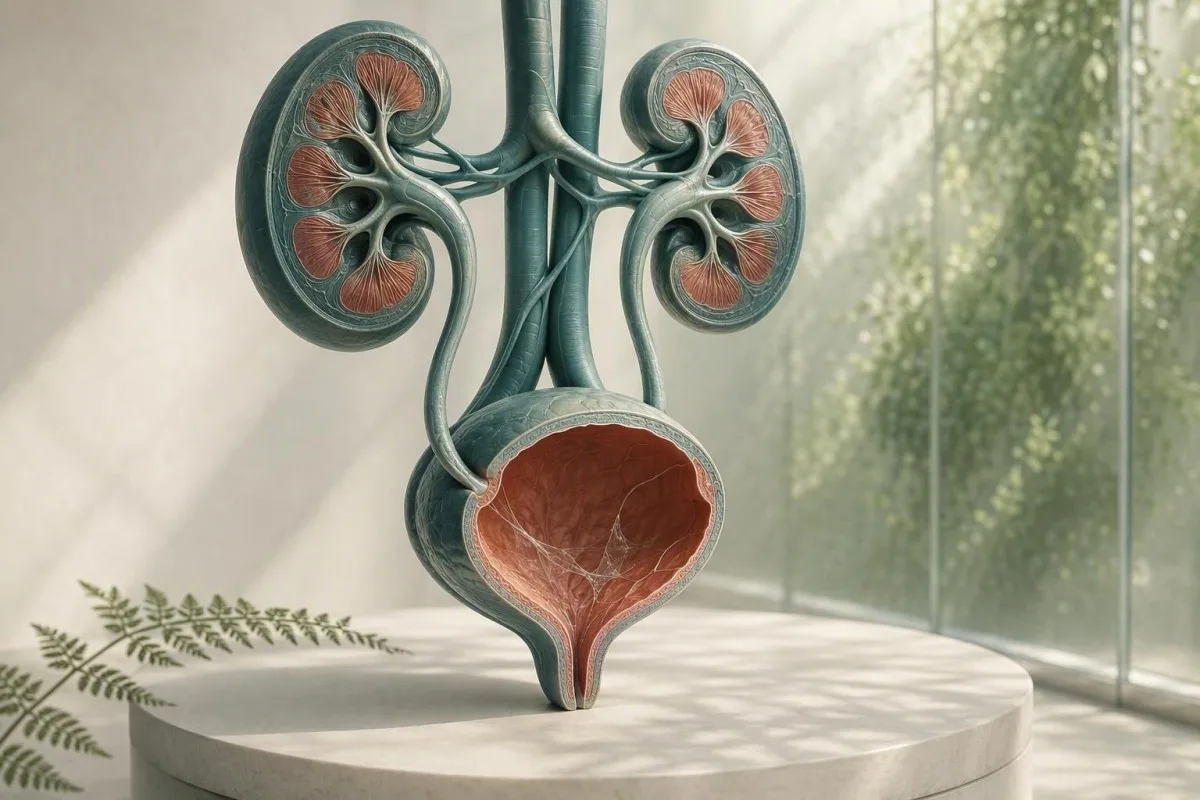
Slijm op in urine microscopy rapport is meastentiids in kolleksje probleem, gjin diagnoaze. De omsteande urinalysis befinings, symptomen en kwaliteit fan it stekproef bepale oft it opfolging nedich hat.


- Slijmdraden allinnich binne faak harmless, benammen yn in ienfâldich skjin-catch stekproef sûnder urinesymptomen.
- Pyurie drompel fan mear as 5 wite sellen per heechkrêftfjild stipet urinekt ûntstekking, mar bewiiet gjin baktearjele UTI.
- Kultuer trigger is slijm plus baarnen, urginsje, koarts, flankpine, nitrites, of signifikante wite sellen - net allinnich slijm.
- skûm sellen boppe likernôch 10 per heechkrêftfjild wize faak op genitale-hûd kontaminaasje en meitsje in urine resultaat minder betrouber.
- Sichtber bloed mei kolikse sidepine freget prompt beoardieling foar in stien, sels as slijm ek rapportearre wurdt.
- Swierens feroarje de drompel foar opfolging om't asymptomatyske bakteriurie meastentiids wurdt skreaun mei urinekultuer, net allinich mikroskopy.
- Bewolkte urine kin kristallen, konsintrearre urine, fagina-ôfskieding, sied, of sellen reflektearje; it kin gjin ynfeksje diagnostisearje troch uterlik.
- Werhelje stekproef is sinfol as slym it ienige ûngewoane fynst is en de kolleksje gjin foarsichtige midstream skjinne catch wie.
Wat slijmdraden op urinalysis meastentiids betsjutte
Slymtriedden yn urine binne meastentiids strengen fan normale beskermjende sekresje of genitale kontaminaasje, en in isolearre resultaat sinjalearret selden niersykte. It fynst wurdt betsjuttend as it ferskynt mei urine symptomen, wite sellen, baktearjes, bloed, of proteïne.
Laboratoaria identifisearje slym as wispy, trochskinende strengen sjoen ûnder mikroskopy; in protte rapporten gradearje it gewoan as seldsum, pear, matich, of in protte ynstee fan in numerike referinsjebestân tawize. Urine befettet natuerlik in lyts bedrach fan glycoprotein-ryk materiaal út it urinekanaal, en fagina of urethrale sekresjes kinne mear tafoegje tidens de kolleksje.
De wurding fan it rapport is minder alarmerend dan it klinkt. Per 26 augustus 2026, is der gjin falidearre slym-thread telling dy't in UTI, stien, kanker, of nierfalen diagnostisearret; it is in kontekstuele mikroskopyske observaasje. Foar in bredere kaart fan de oare items op in dipstick en mikroskopyske rapport, sjoch ús folsleine hantlieding foar urineanalyse.
Yn myn klinyske ûnderfining, in symptoomfrije folwoeksene mei slym markearre “matig”, 0-2 wite sellen per heech-krêftfjild, negative nitriet, en gjin bloed wurdt meastentiids it bêste betsjinne troch gerêststelling of ien goed sammele werhellingsstekproef. Dr. Thomas Klein sjocht faak nodeloze antibiotika-soargen ûntstean om't in laboratoariumflagge ferkeard wurdt foar in sykteetiket.
Kantesti is in AI bloedtest útslach platfoarm dat nier-relatearre bloedmarkers, lykas kreatinine en eGFR, neist in urineanalyse fynst kin pleatse - mar it kin gjin UTI út slym allinich diagnostisearje. In urine mikroskopy resultaat hat it klinyske ferhaal nedich dat der by kaam.
Wêrom in lab it flaget
Laboratoariumynformaasjesystemen flage slym om't it fisueel oanwêzich is, net om't it laboratoarium in gefaarlike ôfslach hat fêststeld. In flagge betsjut dêrom “waarnommen” ynstee fan “abnormale syktemarker,” in protte lykas in isolearre spoarfynst gjin behanneling fereaskje kin.
Wêr't slijm yn in urine stekproef weikomt
Slym yn urine kin ûntstean út de urethra, blaaslining, cervix of fagina, sied, of de bûtenste genitale hûd tidens kolleksje. De boarne wurdt faak ôflaat út de rest fan it mikroskopyske patroan ynstee fan út de strengen sels.
De blaas en urethra hawwe in beskermjende oerflaklaach mei mucins, ynklusyf uroplakin-assosjearre materiaal, dat friksje en mikrobiële hechting fermindert. Lytse hoemannichten kinne yn urine falle nei útdroeging, resinte seksuële aktiviteit, lichte irritaasje, of gewoan om't in konsintrearre earste-moarns stekproef strengen makliker makket om te sjen.
Foar minsken dy't menstruere of vaginale ôfskieding hawwe, kinne leukozyten en slym yn 'e beker komme sûnder út' e blaas te kommen. Mear as 10 skvamose epiteliale sellen per heech-krêftfjild makket kontaminaasje mear wierskynlik, hoewol laboratoaria ferskillende rapportearjende drompels brûke. Us gids foar epiteliale sellen yn urine ferklearret wêrom dit fertrouwen yn in resultaat feroaret.
Sied kin ek stringy materiaal of bewolking meitsje foar ferskate oeren nei ejakulaasje. Dat makket de urine net ûnfeilich, mar it kin mikroskopy ferbergje; as kultuer wurdt beskôge, advisearje ik meastentiids in nije stekproef op syn minst 24 oeren letter te sammeljen as it mooglik is.
Wêrom seks en anatomy it ferslach beynfloedzje
In urinebeker isolearret de blaas net fan tichtby lizzend weefsel. Dêrom wurdt “slijm oanwêzich” faker rapportearre yn samples mei eksterne sekresjes, wylst in katheterisearre eksimplaar soms brûkt wurdt as dokters in skjinere antwurd nedich hawwe.
Wannear't slijmdraden wize op in urinekt ynfeksje
Slijmdraden stypje in mooglike UTI allinich as se symptomen en objektive ûntstekking-relatearre befinings begeliede, benammen pyuria, nitryt-posityf, of in oertsjûgjende kweek. Slijm op himsels is gjin UTI-test.
In symptomatyske legere UTI feroarsaket faak brânen, urginsje, frekwinsje, suprapubyske pine, en soms nije urine-geur. Yn in goed sammele sample, mear as 5 wite bloedsellen per heech-krêftfjild wurdt faak pyuria neamd; it stipet ûntstekking fan 'e urinewegen, mar kin ek foarkomme by stiennen, seksueel oerdraachbere ynfeksjes, en kontaminaasje.
Nitryt is heech spesifyk as it posityf is, mar mist ynfeksjes feroarsake troch organismen dy't gjin nitraat ferminderje, en in negatyf nitrytresultaat slút in UTI net út. Leukocyt esterase detektearret wite-sellen enzymaktiviteit en kin falsk posityf wêze as fagina-sekresjes it eksimplaar kontaminearje; ús ferklearring fan leukocyte-esterase-resultaten behannelt dy faltrikken.
De IDSA-rjochtline advisearret tsjin screening of behanneling fan asimptomatyske bakteriuria by sûne net-swangere folwoeksenen, om't antibiotika skea tafoegje sûnder foardiel (Nicolle et al., 2019). Dat prinsipe is benammen relevant foar slijm: gjin brânen, gjin koarts, en gjin plande urologyske proseduere betsjut meastentiids gjin antibiotika gewoan om't in mikroskopysk fjild ûnrêstich like.
Wannear't kweek de bettere test is
Urinekweek is nuttiger dan werhelle dipstick as symptomen oanhâlde, symptomen weromkomme binnen 4 wiken, swangerskip oanwêzich is, pyelonefritis fertocht wurdt, of eardere antibiotika it resultaat kinne hawwe feroare. Mienskiplike baktearjele groei jout faak kolleksje-kontaminaasje oan ynstee fan in inkelde urinewegpatogen; sjoch urinekultuer-ynterpretaasje.
Slijm, kristallen, stiennen en mechanyske irritaasje
Slijm mei slimme golfeftige flankpine of bloed yn urine kin foarkomme mei in urinewegstien, mar slijm befêstiget of slút in stien út. Bloed, kristallen, pine patroan, ôfbylding, en nierfunksje binne wichtiger.
In stien kin de lining fan 'e urinewegen skraabje of blokkearje, wêrtroch reade sellen, wite sellen en ekstra slijm produsearre wurde. It klassike symptoom is abrupte koliekpine dy't nei de lies strielt, faak mei misselijkheid; sichtber read of tee-kleurde urine fergruttet de urginsje. Lês mear oer bloed yn urine read flags ynstee fan te oannimmen dat elke rôze sample in ienfâldige ynfeksje is.
Kalsiumoksalaten kristallen kinne foarkomme by sûne minsken, benammen yn konsintrearre soere urine, dus ien kristaltype bewize gjin aktive stien. By in persoan mei pine, weromkommende stiennen, of oanhâldende hematuria, kinne dokters ultrasound of lege-dose net-kontrast CT brûke ynstee fan allinich op sediment te fertrouwen. Us boarne oer kalsiumoxalaatkristallen details de grinzen fan kristal-ferslaggen.
In wichtige útsûndering is obstruksje mei ynfeksje: koarts fan 38.0°C of heger, flankpine, braken, en ûnfermogen om urine te passearjen rjochtfeardigje needbeoardieling. De soarch is net it slijm; it is in ynfektearre blokkearre urinewegen systeem, dat fluch slimmer wurde kin.
Irritaasje sûnder in stien
Resint kathetergebrûk, blaasprosedures, fûleindich fytsen en bekkenbestraling kinne de legere traktaat irritearje en slijm of wite sellen ferheegje. In dokter moat dizze resultaten yn relaasje ta tiid ynterpretearje, om't in sample sammele binnen 48 oeren nei ynstrumintaasje net lykweardich is oan in routine screening sample.
Troebele urine betsjutting: wat uterlik kin en net fertelle kin
Troebele urine kin feroarsake wurde troch konsintrearre sâlt, kristallen, slijm, sellen, genitale ôfskieding, of baktearjes, dus it uterlik allinich kin gjin ynfeksje diagnostisearje. Urine dy't troebel is, mar sûnder pine en fan koarte doer is faak net driuwend.
Fosfaatkristallen kinne alkaline urine dizeftich meitsje nei't it ôfkoelt, wylst uraatkristallen soere konsintrearre urine dizeftich meitsje kinne. In sample dat mear dan 2 oeren by keamertemperatuer leit, kin hieltyd turbider wurde as sellen degrêdeare en baktearjes groeie, dêrom is farske ferwurking of kuolkast wichtich.
Dizeftigens plus dysuria, urgency, en pyuria fertsjinnet testen; dizeftigens nei oefening of minne flüssige yntak ferbetteret faak mei gewoane hydraasje. Stribje nei urine dy't bleekgiel is ynstee fan oermjittige wetteryntak te twingen - hiel heldere urine betsjuttet net dat de nieren ynfeksje “waskje”. Us detaillearre resinsje fan mûre urine oarsaken skiedt fisuele oanwizings fan betroubere tests.
Kantesti is in AI bloedtestanalysator ûntwurpen om bloedmarkers yn klinyske kontekst te ynterpretearjen; in hege kreatinine of fermindere eGFR neist urinêre abnormaliteiten kin medyske resinsje rjochtfeardigje, wylst dizeftige urine allinich gjin beheinde nieren filtraasje fêststelt. In basis metabolisme paniel kin nuttige kontekst tafoegje as symptomen dehydraasje of obstruksje suggerearje.
Geur is gjin kultuer
Sterk-ruikende urine reflektearret faak konsintraasje, asperzjy metaboliten, B-vitaminen, of in kontener dy't te lang stie. In nije foul geur mei koarts of urinêre symptomen is in reden om beoardieling te sykjen, mar geur is gjin ferfanging foar mikroskopy en kultuer.
Genitale ôfskieding en seksueel oerdraachbere ynfeksjes
Urethrale of vaginale ôfskieding kin lykje op slijm yn urine, en nije ôfskieding mei urinêre baarnen hat seksueel-sûnens testen nedich, lykas in urine beoardieling. Rûtine urine kultuer kin chlamydia en gonorroe misse.
Chlamydia en gonorroe kinne dysuria en sterile pyuria feroarsaakje - wite sellen sûnder rûtine baktearjele groei - foaral nei in nije seksuele eksposysje. Nukleïnezuur amplifikaasje testen, faak mei earste-catch urine ynstee fan in midstream specimen, is de juste test om't standert kultuer rjochte is op oare organismen.
By minsken mei in fagina kinne baktearjele vaginosis, candidiasis, en servikale ûntstekking ôfskieding tafoegje oan in midstream beker; in fagina swab of ûndersyk kin mear ynformatyf wêze as it werheljen fan urine mikroskopy. By minsken mei in penis moat sichtbere urethrale ôfskieding net ôfskreaun wurde as “slijmdraden”. It praktyske ûnderskied is ôfskieding dy't bûten urine opmurken wurdt tsjin triedden dy't allinich troch it laboratoarium rapporteare wurde.
De CDC STI behanneling guideline fan 2021 riede NAAT-basearre testen oan op relevante anatomyske lokaasjes neffens eksposysje skiednis, net allinich symptomen (Workowski et al., 2021). As bekkenpine, testikulêre pine, koarts, swangerskip, of mooglike oanfal belutsen is, sykje dan deselde deis klinysk advys ynstee fan selsbehandeling mei oerbleaune antibiotika.
Wêrom antibiotika it byld betize kinne
It nimmen fan sels 1 of 2 antibiotika doses foar in kultuer kin gewoane baktearjele groei ûnderdrukke, wylst urinêre symptomen en wite sellen bliuwe. Fertel de klinikus krekt hokker medisyn, dosis, en tiid fan de lêste dosis brûkt waarden; dat detail feroaret hoe't in negative kultuer wurdt ynterpretearre.
Hoe't jo in urine stekproef sammelje dat de fraach beäntwurdet
In midstream clean-catch sample ferminderet slijm, squamous sellen, en mingde baktearjele groei better as it sammeljen fan it earste of lêste diel fan de stream. De technyk is ienfâldich, mar de earste 2 sekonden meitsje in ûnevenredich ferskil.
Waskje hannen, skied genitale hûd of lûk de foarhûd werom as it noflik is, skjinmeitsje neffens de ynstruksjes fan de kit, begjin te urinearen yn it húske, sammelje dan it middeldiel sûnder dat de beker de hûd oanrekket. In sample fan 20-30 mL is meastentiids genôch; in grutte kontener folje oant de râne ferbetteret de test net.
Jou de beker fuortendaliks ôf, ideaal binnen 1 oere; as fertraging ûnûntkomber is, kuolkast it neffens de ynstruksjes fan it laboratoarium en bring it binnen 24 oeren werom. Kuolkast fertraget baktearjele groei, mar herstelt gjin sample dat al kontaminearre wie. Dit is foaral wichtich as it fersyk kultuer omfettet ynstee fan allinich dipstick.
Kantesti is in AI-oandreaune ark foar analyse fan bloedtests brûkt yn 127+ lannen, en ús troch dokters resinsje workflows behannelje specimenkwaliteit as ûnderdiel fan ynterpretaasje ynstee fan in fuotnoot. Itselde prinsipe jildt foar elke laboratoariumwearde: in technysk min sample kin in medysk oertsjûgjend, mar misliedend resultaat jaan. Sjoch ús labgnûchtheid checklist foar fragen dy't jo stelle kinne foardat jo hannelje op in isolearre flagge.
Samelje net yn dizze situaasjes as jo wachtsje kinne
Meitsje rûtine testen te foarkommen tidens swiere menstruaasje, fuortendaliks nei geslachtsferkear, of nei it brûken fan fagina crèmes, útsein as de klinikus it spesifyk freget. As testen net wachtsje kin, fertel dan it laboratoarium of de klinikus, om't dy kontekst slijm, reade sellen, of eksterne sellen kin ferklearje.
Hoe't klinisy slijm lêze mei de rest fan urinalysis
It meast brûkbere urinalysis patroan kombinearret symptomen mei wite sellen, reade sellen, nitrit, leukocyt esterase, proteïne, glukoaze, spesifike swiertekrêft, en epiteliale sellen. Slym is in byldend bysaak yn dat patroan.
In skjin stekproef mei slym, 0-2 wite sellen per fjild mei hege fergrutting, negative nitrit en gjin bloed hat meastal gjin behanneling nedich. Slym mei mear as 5 wite sellen per fjild mei hege fergrutting en posityf leukocyt esterase fergruttet de kâns op ûntstekking; it tafoegjen fan nitrit of in ien-ynfeksjekultuer fergruttet it fertrouwen dat baktearjes ferantwurdlik binne.
Proteïne hat syn eigen paad nedich. Sporadysk proteïne nei koarts, oefening, of konsintrearre urine kin tydlik wêze, mar oanhâldend proteïne moat kwantifisearre wurde mei in albumine-to-kreatinine-ferhâlding ynstee fan taskreaun te wurden oan slym. Us gids foar proteïne yn urine leit út wêrom't dipstick-proteïne en niere-risiko net útwikselber binne.
In spesifike swiertekrêft fan 1.003 oant 1.030 komt faak foar by folwoeksenen, hoewol't referinsje-intervallen ferskille per laboratoarium. Hege spesifike swiertekrêft kin slym konsintrearje en in mear dramatysk útsjen sedimint meitsje, wylst lege spesifike swiertekrêft sellen lysis kin en mikroskopie misliedend fersljochtsje kin; ús spesifike swierte-gids lit sjen hoe't hydraasje ynfloed hat op ynterpretaasje.
De wearde fan negative fynsten
Negatyf bloed, proteïne, nitrit, en leukocyt esterase ferleget de soargen betsjuttingsfol yn in persoan sûnder symptomen, sels as slym as moderaat rapportearre wurdt. Gjin inkelde negative test is perfekt, mar dizze kluster is gerêststellender dan in slymgraad soargen opropt.
Wannear't jo de test werhelje moatte en wannear't jo in kultuer oanfreegje
Werhelje in urine stekproef as slym isolearre is, skamtsellen kontaminaasje suggerearje, of de kolleksje haastich wie; freegje om kultuer as symptomen oanhâldend, weromkommend, earnstich, of hege risiko binne. In werhelletest is net “neat dwaan”—it is faak de meast diagnostyske folgjende stap.
Foar in net-swangere folwoeksene sûnder symptomen en slym as de ienige flagge, is in werhelje skjinne-catch urinalyse binnen 1-2 wiken ridlik as gerêststelling nedich is; in protte dokters soene it hielendal net werhelje. Behannelje in laboratoariumflagge net mei antibiotika wylst jo wachtsje, útsein as in foarskriuwer in klinyske yndikaasje identifisearret.
Kultuer foar antibiotika is benammen nuttich foar koarts, flankpijn, swangerskip, ymmúnsuppresje, niertransplantaat, urinekathetergebrûk, manlike urinesymptomen, of symptomen dy't weromkomme binnen 4 wiken. De rjochtline fan Gupta et al. (2011) stipet kultuer yn fermoedlike pyelonefritis en situaasjes wêr't resistinsje of in alternative diagnoaze mear wierskynlik is.
Kultuer counts moatte wurde lêzen mei kolleksje kwaliteit. In inkele organisme op 10^5 kolonje-foarmjende ienheden per ml hat tradisjoneel bakteariüry stipe yn skjinne middenstreamurine, mar symptomatyske pasjinten kinne klinysk relevante legere tellings hawwe; “mingde flora” freget meastal om in nije stekproef ynstee fan in brede antibiotika. Ferlykje de doelen fan urineûndersyk en kweek foardat jo ien fan beiden oanfreegje.
Swangerskip fereasket in oare drompel
Swangerskip is in útsûndering, om't asymptomatic bioaktive urine it risiko op pyelonefritis en negative swangerskipútkomsten kin ferheegje. Antenatale soarch brûkt faak in screeningkultuer betiid yn de swangerskip; slym by mikroskopyske ûndersiken kin dy kultuer net ferfange.
Wannear't bloedtests nuttige nier- en ynfeksjekontekst tafoegje
Bloedûndersiken binne nuttich as der slym yn de urine is mei koarts, flankpijn, weromkommende ynfeksjes, swelling, fermindere urineútfier, of oanhâldende aaiwyt of bloed. Kreatinine en eGFR beoardielje filtraasje, wylst in CBC en C-reaktyf proteïne kinne helpe by it beoardieljen fan systemyske sykte.
In eGFR ûnder 60 mL/min/1.73 m² foar teminsten 3 moannen foldocht oan ien kritearium foar chronike niersykte, mar in inkeld legere resultaat by útdroeging of akute sykte is net genôch om dy diagnoaze te stellen. Kreatinine wurdt beynfloede troch spier massa, dieet, en guon medisinen, dus trends en urine albumine binne faak mear ynformatyf as ien sifer.
In ferhege wite bloedsellen oantal of CRP kin in ûntstekkingproses stypje, mar kin de urinektroch net as boarne identifisearje. By in koartsige persoan mei flankpijn, kinne klinisy kreatinine kontrolearje foardat se ôfbyldings of medisinen kieze, benammen as braken of obstakels de nierfunksje kinne beheine. Review poadia fan groanyske niersykte foar de eGFR en albumine kategoryen dy't kliïnys brûke.
Kantesti is in AI lab test-ynterpretaasjetsjinst dat patroanen markearret oer kreatinine, eGFR, elektrolyten, CBC, en ûntstekking markers ynstee fan in inkeld slymnotaasje as in nierdiagnoaze te behanneljen. Us metodology is ûnder foarbehâld fan klinyske falidaasje tafersjoch, mar driuwende symptomen fereaskje noch altyd direkte medyske soarch, gjin app-basearre ynterpretaasje.
In praktyske útdroegingsûnderskieding
Útdroeging kin de urine spesifike swiertekrêft ferheegje en tydlik kreatinine ferheegje, benammen nei diarree, waareksponinsje, of yntinse oefening. Oanhâldende lege urineútfier, duizeligheid, of in eGFR-daling nei rehydraasje rjochtfeardiget beoardieling troch in klinikus ynstee fan werhelle thústesten.
Dringende warskôgingsbuorden dy't net wachtsje moatte op in werhelte test
Sykje samedage urgente beoardieling foar slym yn urine mei koarts fan 38.0°C of heger, flankpijn, braken, sichtber bloed, ûnfermogen om te urineare, betizing, of swangerskip-relatearre urine symptomen. Dizze kombinaasjes binne wichtich, om't se ynfeksje fan 'e boppeste trajekt, obstakels, of oare akute tastân kinne signalearje.
Koarts plus ien-sided rêch- of flankpijn is mear soarchlik foar pyelonefritis as ienfâldige cystitis, benammen mei skodden of braken. Fertrage behanneling kin liede ta útdroeging, sepsis, of nierstress; in normaal útsjende urine stekproef thús slút it net feilich út.
Sichtber bloed moat beoardiele wurde, sels as in UTI plausibel liket, benammen nei 35 jier, by smookers, of as de bloeding trochgiet as de ynfeksjesymptomen sakje. De AUA microhematuria rjochtline riedt risiko-basearre evaluaasje oan nei't benign ferklearrings oanpakt binne (Barocas et al., 2020); oanhâldend bloed wurdt net ferklearre troch slym.
Bern, folwoeksenen boppe de 65, minsken mei diabetes, minsken dy't ymmún-ûnderdrukkende medisinen nimme, en dy mei in iennichste nier fertsjinje in legere drompel foar beoardieling. Dr. Thomas Klein syn regel yn de praktyk is ienfâldich: as symptomen eskalearje oer 6-12 oeren, wachtsje dan net op in twadde kopke foar gerêststelling.
Rop no needtsjinsten foar slimme sykte
Rop needtsjinsten foar nije betizing, flauens, slimme swakte, blauwe of grize lippen, slimme koartadem, of ûnfermogen om floeistoffen yn te hâlden mei urine symptomen. Dit binne systemyske gefaarsignalen, gjin routine UTI symptomen.
Slijm yn urine tidens swangerskip, bernetiid en letter libben
Swangerskip, bern, en âldere folwoeksenen hawwe mear foarsichtige ynterpretaasje nedich, om't kontaminaasje gewoan is, mar de gefolgen fan miste ynfeksje grutter kinne wêze. Symptomen en kwaliteit fan de kweek bliuwe weardefoller as de graad fan slym yn elke leeftydsgroep.
Yn de swangerskip kin urinefrekwinsje normaal wêze, wat symptomen minder spesifyk makket; koarts, dysury, of rêchpine moatte driuwend obstetrysk of klinysk beoardiele wurde. In screeningkweek wurdt meastal betiid yn de prenatale soarch nommen, en in werhellingskweek kin nei de behanneling brûkt wurde, ôfhinklik fan it plan fan de klinikus.
By bern is urine dy't yn in tas sammele wurdt, gefoelich foar besmetting en moat net allinnich brûkt wurde om UTI mei kweek te diagnostisearjen. In katetrisearre of foarsichtich nommen skjinne-catch stekproef kin nedich wêze as in lyts bern koarts hat sûnder dúdlike boarne; slym yn in tas stekproef is bysûnder net-spesifyk.
Op lettere leeftyd wurde bakteriury en pyury faker sûnder symptomen te feroarsaakjen. Nije delirium allinnich moat in brede medyske beoardieling triggje foar útdroging, medisinen, pine, ferstopping en ynfeksjeboarnen ynstee fan automatyske UTI-behanneling; deselde beheining dy't troch Nicolle et al. (2019) oanrikkemandearre is, jildt ek.
Menstruaasje en hormoan-relatearre feroarings
Menstruaasjebloed en servikale slym kinne de urinoanalyse ferskate dagen beynfloedzje, en postmenopausale vaginale droechte kin lokale irritaasje feroarsaakje dy't liket op urinebrânen. As resultaten en symptomen net oerienkomme, kin in klinikus genitale oarsaken beoardielje ynstee fan it foarskriuwen fan werhellings-UTI-behanneling.
Faakste flaters nei it sjen fan slijm op in labrapport
Begjin net mei oerbleaune antibiotika, reinigje yntern, of besykje slym “út te spoelen” mei ekstreme wetterinname nei ien abnormal-útsjende urinoanalyse. Dizze aksjes kinne in kweek ferbergje, de normale flora fersteure, of de juste diagnoaze fertrage.
Antibiotika nommen sûnder in kweek kinne in folgjende test falsk negatyf meitsje en kinne diarree, útslach, gist-symptomen of resistinsje feroarsaakje. As symptomen myld mar oanhâldend binne, nim dan de stekproef earst wannear't it praktysk is, folgje dan it behannelplan fan de klinikus op basis fan it hiele byld.
Krenberryprodukten kinne it risiko op weromkommende ûngemaklike UTI-risiko foar guon minsken beskatte, mar se behannelje gjin koarts, flankpine, of in befêstige ynfeksje fan it boppeste diel. Foarkom heechdosearre fitamine C as selsbehanneling: it kin guon dipstick-reaksjes feroarje en kin de oksealstêf ferheegje by minsken dy't gefoelich binne foar kalsiumoksealaat-stiennen.
Besjoch de toiletbak net werhelle op draden. Toilettewaterfezels, skjinmakresten, genitale sekreten en wetterturbulinte kinne slym neimakke; in laboratoariumstekproef sammele yn in sterile kontener is de juste plak om it te beoardieljen. Foar relatearre kleuerferoarings, ús gids foar urinekleur biedt mear betroubere fisuele kontekst.
De medisynlist is wichtich
Fenaazopyridine kin urine oranje meitsje en ynterferearje mei fisuele ynterpretaasje, wylst diuretika urine konsintrearje of ferwiderje kinne, ôfhinklik fan de timing. Nim in list mei medisinen op recept, produkten sûnder recept, en oanfollingen mei nei de ôfspraak, ynklusyf doses yn mg.
In praktysk opfolplan foar slijmdraden yn urine
De measte minsken mei slym-draden yn urine en gjin symptomen hawwe gjin behanneling nedich; in foarsichtige werhellings-urinoanalyse is ridlik as de stekproef twifelich wie. Symptomen of bykommende abnormaliteiten bepale oft kweek, STI-testing, byldfoarming, of bloedûndersiken passend binne.
Stap 1: kontrolearje op baarnen, urgency, koarts, flankpine, sichtber bloed, ôfskieding, swangerskip, resinte urine-proseduere, en nije seksuele eksposysje. Stap 2: lês it rapport foar wite sellen, nitrit, leukocyt esterase, reade sellen, proteïne, baktearjes, en skwameuze sellen—net allinnich slym.
Stap 3: as jo jo goed fiele en slym is isolearre, sammelje ien midstream skjinne-catch stekproef binnen 1-2 wiken allinnich as jo klinikus befêstiging oanrikkemandearret. Stap 4: as symptomen oanwêzich binne, freegje oft urinekweek nommen wurde moat foar behanneling en oft STI-testing relevant is; weromkommende ôfleverings fertsjinje in mear doelgerichte resinsje as in tredde empiryske antibiotika.
Kantesti kin relevante bloedresultaten trends en fragen foar in medyske ôfspraak organisearje, wylst ús Medyske Advysried klinikus-liede feiligensnoarmen stipet. It juste einpunt is net in perfekt “skjin” mikroskopyrapport—it is in ferklearring dy't past by jo symptomen, stekproefkwaliteit en risikofaktoaren.
Fragen om mei te nimmen nei jo ôfspraak
Freegje oft de stekproef skwameuze sellen hie, oft de kweek ien organisme of mingde flora groeide, en oft bloed of proteïne oanhâldend wie nei't de symptomen ferdwûnen. Dy 3 fragen produsearje faak mear brûkbere antwurden as freegjen hoefolle slym sjoen waard.
Undersykskontekst en de grinzen fan slijmrapportering
De gradearring fan slijm is net stândertisearre tusken laboratoaria, dêrom moatte dokters it brûken fan “lytse,” “matig,” of “in protte” as kategoryen foar sykte swierte fermije. Mikroskooptechnyk, de âldens fan it stekproef, en software foar rapportaazje kinne allegear de wurdkar feroarje.
Guon laboratoaria ynspektearje it sedimint mei de hân nei it sintrifugeren fan sawat 10-15 mL urine, wylst oaren gebrûk meitsje fan automatyske partikelanalyse mei hânmjittige beoardieling fan selektearre flags. Dat ferskil betsjut dat in “matig slijm” resultaat fan it iene laboratoarium net presys opnij dien wurde kin op in oar laboratoarium, sels as de sûnens fan de persoan net feroare is.
In nuttige tinkwize fan it laboratoarium is om te freegjen oft in resultaat analitysk wier, klinysk sinfol, en reprodusearber is. Dat oanpak is ek bekend fan bloedûndersyk: ús bloedbiomarker-gids ferklearret wêrom't referinsje-intervallen en pre-analytyske betingsten bepale oft in markearre markearring aksje fertsjinnet.
Kantesti AI brûkt in strukturearre laboratoariumkontekst om resultaatpatroanen oer grutte panielen út te lizzen, mar urine-mikroskopy fereasket noch altyd boarne-spesifike klinyske beoardieling. Foar lêzers dy't ynteressearre binne yn hoe't wy technyske prestaasjes en klinyske grinzen beoardielje, ús AI-technologygids beskriuwt de feiligensmaatregels efter ús ynterpretative oanpak.
Wat in goed rapport dúdlik meitsje moat
In nuttich rapport identifisearret it type stekproef, de kolleksjedaatum, mikroskopyske eleminten, en eventuele kultuerorganismen en gefoeligensresultaten as kultuer útfierd wurdt. As it rapport allinich seit “slijmdraden oanwêzich,” is it ûnfolslein foar diagnoaze, mar faak folslein genôch foar in fynst by lege risiko.
Faak stelde fragen
Binne slijmtrieds yn urine normaal?
Slijmdraden yn urine binne faak normaal of troch fersmoarging fanôf genitale sekresjes, benammen as immen gjin urineklachten hat. In ienfeint fynst mei 0–2 wite sellen per high-power fjild, negative nitryt, en gjin bloed of aaiwyt is meastentiids leech risiko. Laboratoaria brûke gjin falidearre slijmdraadnûmer om UTI of niersykte te diagnostisearjen. In werhelle midstream skjinne-catch stekproef is ridlik as de oarspronklike kolleksje hastich of sichtber fersmoarge wie.
Betsjutte slijmstrengen yn urine dat ik in URINAARWEGINFEKSJE haw?
Slijmdraden yn urine betsjutte op harsels net in URWE. In URWE wurdt mear wierskynlik as brânjen, drang, frekwinsje, koarts of suprapubyske pine foarkomt mei mear as 5 wite sellen per fjild mei hege fergrutting, posityf leukosytesterase, nitrit, of in positive kultuer. In negatyf nitrit slút in URWE net folslein út, om't net alle baktearjes nitrit produsearje. Kultuer is meastentiids ynformatyf dan slijmgraden as symptomen oanhâlde of weromkomme.
Kin úsûntwettering slijm yn urine feroarsaakje?
Droege kin slijm makliker sichtber meitsje, om't konsintrearre urine minder wetter hat om normale sekresjes en sedimint hinne. In hege urine spesifike swierte, faak nei 1.025–1.030, kin dit effekt begeliede, hoewol't it allinnich gjin droege bewiist. Normaal rehydrearjen en it werheljen fan in goed sammele stekproef kin de fynst ferdúdlikje. Ekstrem wetterynname is net nedich en kin syn eigen elektrolytriske risiko's meitsje.
Wat betsjut slym en wite bloedsellen yn urine?
Slijm plus witte bloedlichaampjes in de urine wijzen op een ontsteking van de urinewegen of geslachtsorganen, maar bewijzen geen bacteriële infectie. Meer dan 5 witte bloedlichaampjes per high-power field kunnen voorkomen bij urineweginfecties (UTI), stenen, seksueel overdraagbare aandoeningen, vaginale contaminatie of recente instrumentatie van de urinewegen. Symptomen, nitriet, epitheelcellen en kweekresultaten bepalen de volgende stap. Koorts van 38,0 °C of hoger met flankpijn vereist onmiddellijke beoordeling.
Kin fersmoarging út de fagina slym yn in urine test feroarsaakje?
Vaginale ôfflues kin yn in midstream urine sample komme en feroarsaakt faak slym, skwameuze epiteelzellen, en soms wite sellen om te ferskinen op mikroskopy. Mear as 10 skwameuze sellen per hege-krêftfjild makket kontaminaasje faak mear wierskynlik, hoewol laboratoaria ferskille yn harren rapportaazje. In foarsichtige clean-catch sample sammele bûten swiere menstruale stream kin dit probleem ferminderje. As ôfflues, jeuk, geur, of bekkenpine oanwêzich is, kin in vaginale beoardieling of swab nuttiger wêze dan werhelle urinekultueren.
Wann moat ik my soargen meitsje oer slijmdrieten en bloed yn urine?
Slijmdraden mei sichtber bloed yn urine moatte fuortendaliks beoardiele wurde, foaral as it bloed oanhâldt, der is pine yn 'e flank, klonten, koarts, of muoite mei urinearjen. In stien, UTI, blessuere, nier sykte, of minder faak in groei yn it urinekanaal kin bloed feroarsaakje; slym identifisearret net hokker oarsaak oanwêzich is. De AUA riedt risikobasearre evaluaasje oan foar oanhâldend mikroskopysk hematuria nei't tydlike oarsaken oanpakt binne. Needsaaklike beoardieling is passend by koarts, braken, slimme pine, of urine retinsje.
Krij hjoed noch AI-oandreaune bloedtest-analyse
Doch mei oan mear as 2 miljoen brûkers wrâldwiid dy’t Kantesti fertrouwe foar direkte, krekte analyse fan laboratoariumtests. Upload jo bloedtest resultaten en ûntfange wiidweidige ynterpretaasje fan 15,000+-biomarkers yn sekonden.
📚 Ferwiisde ûndersykspublikaasjes
Klein, T., Mitchell, S., & Weber, H. (2026). aPTT Normaal Berik: D-Dimer, Proteïne C Bloedstollingsgids. Kantesti AI Medysk Undersyk.
Klein, T., Mitchell, S., & Weber, H. (2026). Serumproteïnegids: Globulinen, Albumine & A/G-ferhâlding Bloedtest. Kantesti AI Medysk Undersyk.
📖 Eksterne medyske referinsjes
⚕️ Medyske disclaimer
Dit artikel is allinnich foar ûnderwiisdoelen en foarmet gjin medysk advys. Rieplachtsje altyd in kwalifisearre soarchferliener foar besluten oer diagnoaze en behanneling.
E-E-A-T fertrouwensignalen
Ûnderfining
Dokter-oandreaune klinyske resinsje fan lab-ynterpretaasje-wurkprosessen.
Ekspertize
Fokus fan laboratoariummedisyne op hoe’t biomarkers har gedrage yn in klinyske kontekst.
Autoriteit
Skreaun troch dr. Thomas Klein mei resinsje troch dr. Sarah Mitchell en prof. dr. Hans Weber.
Betrouberens
Bewiis-basearre ynterpretaasje mei dúdlike ferfolchpaadkes om alarm te ferminderjen.