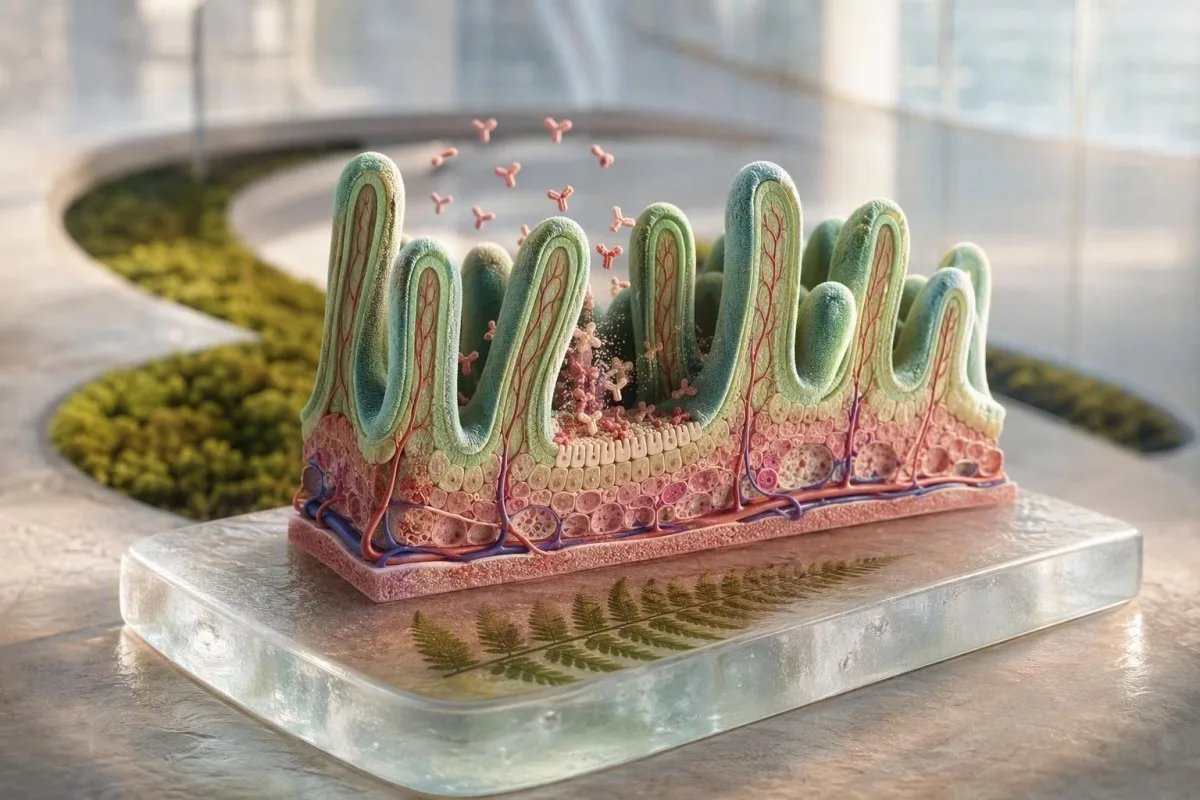
Za pouzdano testiranje krvi na celijakiju, većina odraslih osoba koje su izbjegavale gluten treba otprilike 3–6 g glutena dnevno najmanje 6 sedmica; izazov od 12 sedmica daje najjasniji odgovor kada je podnošljivo. Nemojte ponovo unositi gluten sami ako imate teške reakcije, značajan gubitak težine, zabrinutost oko trudnoće ili prethodno potvrđenu dijagnozu celijakije.


- Minimalni izazov: 3–6 g glutena dnevno, otprilike 1–2 kriške pšeničnog hljeba, je praktična ciljna vrijednost za odrasle prije ponovljene celijačne serologije.
- Preferirana trajanja: 12 sedmica dnevnog izlaganja glutenu poboljšava šansu da test krvi na celijakiju i biopsija otkriju bolest nakon izbjegavanja glutena.
- Kratki izazov: 3 g dnevno tokom 2 sedmice može izazvati promjene na biopsiji kod nekih odraslih osoba, ali negativan rezultat nakon samo 2 sedmice ne isključuje pouzdano celijakiju.
- tTG-IgA: Negativan tTG-IgA može biti lažno umirujuć kada je unos glutena nizak ili je ukupni IgA deficitaran.
- Ukupni IgA: Ukupni serumski IgA treba mjeriti zajedno sa tTG-IgA; nedostatak IgA zahtijeva testiranje bazirano na IgG.
- Nemojte se sami izazivati: Djeca, trudnice, osobe s prethodnim teškim reakcijama i osobe sa značajnom pothranjenošću trebaju planiranje vođeno od strane kliničara.
- HLA testiranje: Negativan HLA-DQ2 i HLA-DQ8 čini celijakiju vrlo malo vjerojatnom i ponekad može izbjeći izazivanje glutenom.
- Nemojte prestajati prerano: Nastavite jesti gluten dok kliničar ne potvrdi da su testiranje krvi i, ako je potrebno, endoskopija završeni.
Zašto izbjegavanje glutena može dovesti do negativnog testa krvi na celijakiju
A nalaz krvi na celijakiju može postati negativan nakon ograničenja glutena jer se imuni signal koji mjeri smanjuje kada se uklone pšenica, ječam i raž. Praktično, negativan tTG-IgA dok ste bez glutena ne isključuje celijakiju; to može jednostavno pokazati da imuni sistem više nije stimulisan.
tTG-IgA detektuje odgovor antitijela, a ne trajni otisak celijakije. Koncentracije antitijela često padaju u roku od nekoliko sedmica do mjeseci na strogoj bezglutenskoj dijeti, dok zarastanje crijeva može trajati mnogo duže. Smjernica Američkog koledža za gastroenterologiju iz 2023. navodi da dijagnostičku serologiju treba obaviti dok pacijent jede gluten (Rubio-Tapia et al., 2023).
Redovno viđam ovakav obrazac: neko ukloni gluten na 8 mjeseci, osjeća se malo bolje, zatim dobije normalan nalaz tTG-IgA i kaže mu se da je celijakija isključena. Taj zaključak je nesiguran bez poznavanja unosa glutena; lažno negativan tTG-IgA je vjerovatniji kada je izlaganje već prestalo. Naš povezani vodič o niskoj IgA i zamkama celijakije objašnjava drugi glavni razlog zašto serologija može promašiti bolest.
Kantesti je AI analizator krvi koji očitava tTG-IgA zajedno sa ukupnim IgA, hemoglobinom, feritinom, folatom, vitaminom B12 i jetrenim enzimima, umjesto da jedan negativan nalaz antitijela tretira kao konačnu dijagnozu. Nedostatak željeza ili neočekivano visok ALT može zadržati celijakiju u igri čak i kada je jedan nalaz antitijela normalan.
Mehanizam je bitan. Peptidi glutena dospiju u gornji tanko crijevo, tkivna transglutaminaza ih modificira, a podložni HLA-DQ2 ili HLA-DQ8 imuni putevi generišu antitijela; uklonite okidač i mjerljivi odgovor antitijela se može smiriti. To je biologija, a ne greška testa.
Često neshvatanje
Osjećaj poboljšanja nakon izbjegavanja hljeba nije sam po sebi dijagnostički. Simptomi se mogu poboljšati zbog manje fermentirajućih ugljikohidrata, smanjenog unosa ultraprerađene hrane, izbjegavanja alergije na pšenicu ili netolerancije na gluten koja nije celijakija; samo pravilno tempirano testiranje može razlikovati ove mogućnosti.
Koji testovi na celijakiju zahtijevaju gluten u ishrani?
tTG-IgA, EMA-IgA, antitijela na deamidizirani glijadinski peptid i duodenalna biopsija najpouzdaniji su kada se jede gluten. HLA-DQ2/DQ8 genetsko testiranje je drugačije: ono ostaje validno bez obzira da li osoba jede gluten ili ne.
tTG-IgA je uobičajeni prvi test krvi na celijakiju kod odraslih i djece uzrasta od 2 godine i starije. Mnoge laboratorije izvještavaju o vrijednostima ispod 10–15 U/mL kao negativnim, ali gornja granica normale je specifična za test, tako da referentni interval laboratorije upravlja tumačenjem. EMA-IgA je visoko specifičan i često se koristi za potvrdu jako pozitivnog tTG-IgA.
Ukupni serumski IgA treba biti na istoj uputnici kao i tTG-IgA. Selektivni nedostatak IgA javlja se kod otprilike 1 od 400 do 1 od 700 ljudi u mnogim zapadnim populacijama i može proizvesti negativan tTG-IgA uprkos celijakiji; tada je prikladno testiranje na bazi IgG DGP ili tTG. A Vodič za kvalitativno u usporedbi s kvantitativnim testiranjem mogu pomoći čitateljima da prepoznaju pruža li izvještaj izmjerenu vrijednost ili samo pozitivnu/negativnu oznaku.
Biopsija dvanaestopalačnog crijeva procjenjuje arhitekturu resica i intraepitelne limfocite, ali se sluzničke promjene također mogu poboljšati nakon isključivanja glutena. Kod odraslih, pozitivna serologija općenito dovodi do gornje endoskopije prije predanosti doživotnom ograničenju; biopsija ostaje posebno korisna kada su rezultati diskordantni.
Nemojte brkati panel za intoleranciju na hranu sa serologijom celijakije. IgG paneli za hranu ne dijagnosticiraju celijakiju, a kućni test ne može zamijeniti procjenu ukupnog IgA, validiranu analizu antitijela ili interpretaciju stručnjaka.
Testovi koji ostaju korisni kada ste bez glutena
Odsutnost HLA-DQ2 ili HLA-DQ8 ima vrlo visoku negativnu prediktivnu vrijednost jer gotovo sve osobe s celijakijom nose jedan od ovih haplotipova. Pozitivan HLA rezultat je čest i ne dijagnosticira celijakiju; otprilike 30–40% mnogih populacija nosi DQ2 ili DQ8, ali samo oko 1% razvije celijakiju.
Koliko glutena je dovoljno za izazov glutena?
Praktični izazov glutena kod odraslih je 3–6 g glutena dnevno, što je ekvivalentno otprilike 1–2 obične kriške pšeničnog kruha, za dijagnostičko testiranje. Više hrane nije nužno bolje; dosljednost je važnija od forsiranja velike doze koja tjera osobu da prestane nakon nekoliko dana.
Jedna kriška tipičnog pšeničnog kruha sadrži otprilike 2–3 g glutena, dok standardna peciva (bagel) mogu sadržavati 4–7 g, a jedna šalica kuhane obične tjestenine oko 2–4 g, ovisno o receptu i porciji. Zob nije pouzdana izazovna hrana jer certificirana zob bez glutena sadrži zanemarivu količinu glutena, a konvencionalna zob varira u kontaminaciji.
Pregled Leonarda i kolega preporučuje najmanje 3–6 g dnevno tijekom više od 12 tjedana kada se podnosi duži izazov, osobito ako je cilj samouvjereno isključiti bolest nakon mjeseci ili godina bez glutena (Leonard et al., 2023). Neki kliničari koriste 10 g dnevno, ali tu količinu je teže održavati i nije dokazano da je neophodna za svakog odraslog.
Korisna rutina je jedan obrok koji sadrži gluten za doručak i jedan za ručak, umjesto jednog velikog večernjeg obroka. Zabilježite proizvod, približnu porciju, simptome i propuštene dane; taj dnevnik pruža gastroenterologu daleko bolje informacije nego nejasno sjećanje na jedenje “nekog kruha”.”
Za širi kontekst o tome što laboratorijski markeri znače zajedno, naš referentni vodič za biomarkere objašnjava zašto se feritin i indeksi crvenih krvnih stanica često pregledavaju uz antitijela na celijakiju.
Doza je u gramima glutena, ne u težini hrane
Porcija kruha od 50 g nije 50 g glutena. Sadržaj glutena varira ovisno o brašnu, hidrataciji, receptu i obradi, zbog čega kliničari obično propisuju prehrambene ekvivalente umjesto da traže od pacijenata da važu izolirani proteinski gluten.
Koliko dugo treba trajati izazov glutena prije testiranja?
Šest tjedana je razuman minimum za mnoge odrasle, dok 12 tjedana pruža pouzdaniji izazov nakon dugotrajnog izbjegavanja glutena. Izazov od 2 tjedna može podržati dijagnozu ako testovi postanu pozitivni, ali negativan rezultat nakon samo 14 dana ne može sigurno isključiti celijakiju.
Potrebno trajanje ovisi o dobi, prethodnoj prehrani, imunološkom odgovoru i o tome planira li kliničar samo serologiju ili biopsiju. U maloj studiji na odraslima, 3 g glutena dnevno tijekom 14 dana izazvalo je dijagnostičke histološke promjene kod mnogih sudionika, ali su antitelni odgovori zaostajali; taj jaz je razlog zašto kratki protokoli mogu propustiti slučajeve.
Od 31. kolovoza 2026. općenito raspravljam o 12-tjedni plan s odraslima koji malo ili uopće ne konzumiraju gluten nekoliko mjeseci, s testiranjem krvi oko 6. tjedna i ponovno blizu 12. tjedna ako je prvi rezultat negativan. Dr. Thomas Klein, naš glavni medicinski službenik, smatra da je najizbježnije dijagnostičko kašnjenje kada pacijent ponovno uvede gluten samo za vikend prije vađenja krvi.
Ako simptomi postanu neprihvatljivi, obratite se liječniku koji je naručio pretrage, umjesto da tiho prestanete. Oni mogu pomaknuti vađenje krvi, ranije dogovoriti endoskopiju ili ponovno razmotriti može li HLA testiranje odgovoriti na pitanje bez produljene izloženosti. A vodič za vrijeme vađenja krvi pomaže u razumijevanju zašto se promjene povezane s prehranom ne pojavljuju odmah u laboratorijskim nalazima.
Nastavite s izazovom glutena do vađenja krvi, a ako je rezultat antitijela pozitivan ili je sumnja i dalje visoka, do savjeta tima za endoskopiju. Prestanak uzimanja nakon pozitivnog rezultata krvi, ali prije biopsije, može smanjiti vidljivi crijevni signal.
Realan kalendar
Tjedni 1-2 uspostavljaju dnevnu izloženost i identificiraju rane simptome. Tjedni 3-6 su kada vađenje krvi može biti korisno; tjedni 7-12 poboljšavaju osjetljivost za osobe čija antitijela rastu sporo, posebno nakon dugotrajnog ograničenja.
Izazov glutena kod djece i adolescenata zahtijeva drugačiji plan
Djeca ne bi smjela započeti izazov s glutenom bez pedijatrijskog savjeta, jer rast, prehrana, opterećenje simptomima i mogućnost dijagnoze bez biopsije mijenjaju plan. Dijete koje slabo raste ili gubi na težini treba prvo procijeniti, a ne sami sebi raditi izazov s kruhom.
Kod djece s vrlo visokim vrijednostima tTG-IgA—najmanje 10 puta veće od gornje granice normale za test—plus pozitivan EMA-IgA u drugom uzorku, ESPGHAN smjernice dopuštaju dijagnozu bez biopsije u odabranim slučajevima pod nadzorom pedijatra (Husby et al., 2020). Taj put zahtijeva aktivni unos glutena u vrijeme testiranja.
Predškolskom djetetu se ne može pretpostaviti da podnosi istu apsolutnu dozu kao odrasla osoba od 75 kg. Pedijatri često rade na osnovu uobičajenih dnevnih porcija i uobičajene prehrane djeteta, zatim prate težinu, brzinu rasta visine, hidrataciju, obrazac stolice i pohađanje škole; cilj nikada ne bi trebao biti natjecanje u izdržljivosti simptoma.
Nedostatak željeza, usporen linearni rast, ponavljajući čirevi u ustima, promjene cakline i zakašnjeli pubertet mogu biti tragovi celijakije čak i bez proljeva. Roditelji mogu pregledati širi pregled u našem vodiču za testiranje rasta djece, ali normalan skrining hormona rasta ne isključuje crijevnu malapsorpciju.
Ako je dijete već imalo uvjerljiv odgovor na prehranu bez glutena, obitelj bi trebala pitati je li HLA tipizacija ili nadzirano ponovno uvođenje najmanje ometajući put. Naučio sam ozbiljno shvatiti obiteljsku tjeskobu ovdje – obroci mogu vrlo brzo postati napeti.
Školski i dijetetski planovi
Pisani plan treba identificirati koji obroci sadrže gluten i kako će se simptomi rješavati tijekom školskih sati. Višestruko mijenjanje doze, prelazak na hranu bez glutena ili dopuštanje samo povremenog izlaganja vikendom znatno otežava tumačenje konačnog rezultata.
Šta ako ste izbjegavali gluten godinama?
Nakon godina na dijeti bez glutena, testiranje antitijela može ostati negativno osim ako izlaganje glutenu nije dovoljno dugo da ponovno aktivira imunološki odgovor. Ovo je skupina za koju je 12-tjedni izazov pod nadzorom liječnika, ili prvo HLA testiranje, obično najrazumnije.
Što je gluten duže odsutan, to je manje korisno jednokratno tTG-IgA. Neki pacijenti trebaju više od 6 tjedana prije nego što se izmjerljiva antitijela vrate, a negativan test u 6. tjednu treba tumačiti u odnosu na stvarno pojedenu dozu, a ne samo kalendar.
Celijakija može ostaviti trag u laboratorijskoj povijesti: nizak feritin, niska zasićenost transferina, nedostatak folata, povišen broj trombocita, nizak vitamin D ili neobjašnjivo blago povišenje transaminaza. Ništa od toga nije dijagnostičko samo po sebi, ali skupina povećava vjerojatnost prije testiranja; pogledajte naš detaljni Vodič za proučavanje željeza za razliku između iscrpljenih zaliha željeza i niskog serumskog željeza povezanog s upalom.
Kantesti je usluzi za tumačenje laboratorijskih testova AI koji pomaže korisnicima da usporede stare i nove panele, uključujući vrijednosti hemoglobina, MCV, feritina, albumina i antitijela. Ne može dijagnosticirati celijakiju, ali vremenska linija može pomoći kliničaru da vidi da li su nutritivne abnormalnosti prethodile prehrambenim ograničenjima.
Raniji negativan test na celijakiju ne rješava stvari ako je obavljen nakon uklanjanja glutena. Zatražite originalni nalaz, tačnu vrijednost antitijela, ukupni IgA i koliko ste glutena jeli tokom 6-12 sedmica prije uzorkovanja.
Zašto ishrana može izgledati normalno
Normalan feritin ne isključuje celijakiju. Feritin raste s upalom i oštećenjem jetre, tako da feritin od 70 µg/L može koegzistirati s ograničenom dostupnošću željeza kada je protein C-reaktivni povišen; zasićenost transferina dodaje koristan kontekst.
Kada ne biste trebali pokušati izazov glutena bez savjeta ljekara?
Nemojte ponovo započeti s glutenom na svoju ruku ako je ranije uzrokovao dehidraciju, nesvjesticu, teško povraćanje, nagli gubitak težine, komplikacije u trudnoći ili bolničko liječenje. Nadgledani plan je takođe sigurniji za djecu, osobe sa dijabetesom koje koriste inzulin i bilo koga sa poznatim ili sumnjivim povratkom poremećaja ishrane.
Sama celijakija rijetko uzrokuje trenutnu anafilaktičku reakciju, tako da brzi osip, sviranje, stezanje u grlu ili kolaps nakon pšenice sugeriraju moguću alergiju na pšenicu i zahtijevaju procjenu alergije, a ne izazivanje celijakije. Testiranje na celijakiju i testiranje na alergiju odgovaraju na različita pitanja, a njihovo brkanje može biti opasno.
Potražite hitan klinički pregled prije izazivanja ako imate više od 5% nenamjernog gubitka tjelesne težine za 1 mjesec, uporno povraćanje, crnu stolicu, jake bolove u stomaku ili simptome dehidracije kao što su vrlo malo mokrenja i vrtoglavica. Ovo nisu očekivani “dokazi” da gluten djeluje; to su razlozi za ponovnu procjenu.
Trudnoća zaslužuje zaseban pristup jer neadekvatno liječena celijakija i restriktivne dijete mogu utjecati na željezo, folat i debljanje. Kontaktirajte kliničara putem naše medicinske kontaktne staze ili vašeg tima za porođaj prije namjernog ponovnog uvođenja glutena.
Ljudi s prethodnom dijagnozom celijakije potvrđenom biopsijom obično ne trebaju izazivanje glutena da bi je ponovo dokazali. Izuzetak je istinska sumnja u staru dijagnozu, kojom se najbolje upravlja gastroenterolog koji može pregledati originalne patološke nalaze i zapise o antitijelima.
Hitni simptomi
Nova hripavost, oticanje lica, konfuzija, nemogućnost zadržavanja tečnosti 12-24 sata, nesvjestica ili znaci gastrointestinalnog krvarenja zahtijevaju hitnu medicinsku procjenu. Nemojte nastavljati sa izlaganjem prehrani “da biste završili test” kada su prisutni simptomi crvene zastavice.
Mogu li HLA genetika spriječiti nepotrebni izazov glutena?
Negativno testiranje na HLA-DQ2 i HLA-DQ8 čini celijakiju vrlo malo vjerojatnom i često može poštedjeti izazivanje glutena. Pozitivan rezultat samo pokazuje genetsku predispoziciju, tako da ne može potvrditi celijakiju niti samostalno objasniti simptome.
Više od 95% ljudi sa celijakijom nosi HLA-DQ2.5, DQ2.2 ili DQ8, iako se terminologija malo razlikuje među laboratorijama. Test je najkorisniji kada je neko već bez glutena, kada stari zapisi nisu dostupni ili kada je očekivano opterećenje ponovnim uvođenjem visoko.
Pozitivan HLA rezultat je čest: otprilike 30–40% ljudi nose kompatibilan genotip, dok samo otprilike 1% razviju celijakiju. Ta neskladnost je razlog zašto genetsko testiranje treba voditi sljedeću odluku, a ne postati dijagnoza ispisana na listi problema.
Kantesti AI koristi Platforma za tumačenje biomarkera pomoću AI pristup označavanju kada je panel antitijela prikupljen nakon izbjegavanja glutena i kada nedostaje rezultat ukupnog IgA; genetsko testiranje i dalje zahtijeva naručivanje i tumačenje od strane kliničara. Naš principima kliničke validacije objasniti zašto kontekstualne oznake nisu zamjena za dijagnostičke odluke.
Po mom iskustvu, HLA testiranje je posebno vrijedno za osobe koje su prestale unositi gluten zbog nejasnih simptoma i sada strahuju od dugog izazova. Negativan rezultat može zatvoriti tešku petlju; pozitivan rezultat jednostavno znači da se razgovor nastavlja.
Geni ne predviđaju težinu
HLA tip pouzdano ne predviđa hoće li simptomi biti blagi, hoće li postojati promjene resica ili hoće li osoba kasnije razviti celijakiju. Prvostepeni rođaci sa kompatibilnim genima i dalje mogu zahtijevati periodičnu kliničku procjenu ako se pojave simptomi ili nedostatak hranjivih tvari.
Kako dovršiti izazov bez slučajnog nedoziranja
Konzistentna dnevna izloženost glutenu je dijagnostički korisnija od povremenih velikih obroka. Odaberite dvije ili tri poznate namirnice koje sadrže pšenicu, procijenite njihov sadržaj glutena i izbjegavajte prelazak na verzije bez glutena nakon što izazov započne.
Jednostavan obrazac od 3–6 g može biti jedan tost od pšenice za doručak i mala porcija obične paste ili krekera kasnije tokom dana. Provjerite etikete na prisustvo pšenice, raži ili ječma; hljeb od kiselog tijesta od pšenice i dalje sadrži gluten, a “zanatski” hljeb nije automatski sa niskim sadržajem glutena.
Pivo, umaci, zajednički fritezi i prerađena hrana stvaraju neizvjesnost, stoga su loši primarni izvori za izmjeren izazov. Jedna predvidljiva namirnica daje čišću istoriju izloženosti i olakšava identifikaciju da li se simptomi povezuju s dozom.
Nemojte započinjati nepovezane eliminacijske dijete, probiotike, proizvode s visokim udjelom vlakana ili nove laksative u istom periodu od 6–12 sedmica ako to možete izbjeći. Oni mogu promijeniti crijevne simptome i otežati tumačenje doživljenog iskustva; naš vodič za namirnice koje mijenjaju crijevne testove pokriva ovo praktično pitanje.
Dnevnik ishrane treba da sadrži datum, hranu, približnu porciju, učestalost stolice, abdominalne simptome i propuštene doze. Ne mora biti savršen – tri jasna unosa dnevno su daleko korisnija nego pokušaj bilježenja svake mrvice.
Zob i gluten iz izazova
Sertifikovani bezglutenski ovas nije izvor glutena u dijagnostičke svrhe. Konvencionalni ovas može biti neočekivano kontaminiran, što ga čini neprikladnim za izazov dizajniran da uspostavi poznatu dozu.
Koji se simptomi očekuju i kako ih možete sigurno upravljati?
Nadutost, rijetka stolica, umor, nelagodnost u trbuhu, glavobolja i "moždana magla" mogu se ponoviti tokom izazova glutena, ali teški simptomi bi trebali potaknuti klinički pregled, a ne stoičko podnošenje. Simptomi sami po sebi niti dokazuju niti opovrgavaju celijakiju jer se preklapaju sa sindromom iritabilnog crijeva i drugim crijevnim stanjima.
Koristite potporne mjere koje ne uklanjaju gluten: redovna tečnost, oralna rehidracijska otopina za proljev, manje obroke i redovno spavanje. Lijek protiv proljeva može biti razuman za neke odrasle, ali prvo pitajte kliničara ako imate temperaturu, krv u stolici, jake bolove ili novu dijagnozu pod istragom.
Izbjegavajte tumačenje svakog simptoma kao oštećenja crijeva. Osoba sa osjetljivošću funkcionalnog crijeva može se osjećati gore u roku od nekoliko sati nakon obroka od pšenice jer se frukstani brzo fermentiraju, dok se proizvodnja tTG-IgA i promjene resica odvijaju kroz drugačiji imunološki proces. Naš vodič za krvne testove za proljev opisuje kada simptomi stolice zahtijevaju širu analizu.
Ako umor postane izražen, pregledajte hidrataciju, unos kalorija, status željeza i san, umjesto da pretpostavljate jedan uzrok. Dr. Thomas Klein je vidio pacijente koji su se nepotrebno plašili umjerenog pomaka trombocita ili ALT tokom testiranja; trendovi i cjelokupna klinička slika su važniji od jednog graničnog rezultata.
Zaustavite se i potražite savjet u slučaju uporne nesposobnosti za rad ili pohađanje škole, ponavljajuće noćne dijareje, pogoršanja vrtoglavice ili jasne dehidracije. Medicinski skraćeni izazov koji obuhvaća korisne serumske ili bioptičke dokaze bolji je od naprezanja dok se plan ne uruši.
Mijenjaju li probiotici rezultate testa?
Ne postoje pouzdani dokazi da probiotik bez recepta sprječava proizvodnju celijakijskih antitijela tijekom izazova s glutenom. Započinjanje jednog usred izazova i dalje može zbuniti praćenje simptoma, pa obično savjetujem da se dodaci prehrani održe stabilnima osim ako liječnik ne preporuči promjenu.
Kako se pripremiti za vađenje krvi na celijakiju
Test krvi na celijakiju obično ne zahtijeva gladovanje, ali zahtijeva kontinuirani unos glutena i ispravan panel antitijela. Nastavite s dogovorenom dnevnom dozom glutena kroz dan prije i, osim ako vam liječnik ne kaže drugačije, kroz jutro uzimanja uzorka.
Pitajte je li narudžba uključuje tTG-IgA i ukupni serumski IgA; EMA-IgA, DGP-IgG ili tTG-IgG mogu se dodati u odabranim slučajevima. Laboratorije koriste različite metode i jedinice, tako da se vrijednost od 18 U/mL ne može tumačiti bez gornje granice normale specifične za njihov test.
Gladovanje nije potrebno za testiranje antitijela, iako prateći panel lipida, glukoze ili željeza može imati zasebne upute za pripremu. Biotin obično ne utječe na standardnu celijakijsku serologiju na način na koji može iskriviti neke imunoeseje hormona, ali navedite sve dodatke i lijekove u zahtjevu.
Kantesti je Alat za analizu krvnih nalaza uz pomoć AI-a koji mogu pomoći čitateljima u točnom prijepisu laboratorijskog PDF-a i identificiranju nedostajućeg ukupnog IgA, ali se ne smije koristiti za samostalnu dijagnozu iz snimke zaslona. Prije učitavanja, upotrijebite naš popis za provjeru točnosti PDF-a za provjeru jedinica, datuma i referentnih raspona.
Prije termina zapišite broj tjedana izazova i uobičajeni dnevni izvor hrane. “Bez glutena godinu dana, zatim jedna kriška tosta dnevno tijekom 7 tjedana” je klinički primjenjivo; “Jela sam gluten povremeno” nije.
Bilješke o lijekovima
Nemojte prestati uzimati propisane lijekove samo radi pripreme za celijakijsku serologiju. Imunosupresivna terapija može smanjiti odgovor antitijela, stoga lijekove kao što su sistemski kortikosteroidi, biološki lijekovi ili lijekovi nakon transplantacije treba dokumentirati i raspraviti s liječnikom koji je naručio pretragu.
Kako protumačiti rezultate nakon izazova glutena
Pozitivan tTG-IgA tijekom adekvatnog izazova s glutenom snažno podupire celijakiju, dok je negativan rezultat samo umirujući ako su doza, trajanje, ukupni IgA i klinička sumnja odgovarajući. Rezultate treba protumačiti prije ponovnog povlačenja glutena.
Rezultat tTG-IgA iznad gornje laboratorijske granice nije automatski konačna dijagnoza kod odraslih jer lažno pozitivni rezultati mogu nastati kod autoimunih bolesti jetre, dijabetesa tipa 1 i drugih upalnih stanja. Potvrda EMA-IgA i biopsija dvanaesnika često razjašnjavaju sliku, posebno kod niskih pozitivnih vrijednosti.
Negativan tTG-IgA nakon samo 2 tjedna unosa 1 kriške kruha dnevno nije adekvatan test isključenja za većinu ljudi. Dokazi su iskreno podijeljeni oko jednog univerzalnog presjeka, ali 3–6 g dnevno tijekom 6–12 tjedana je puno informativnije od povremenog izlaganja.
Provjerite nutritivni kontekst. Niska razina feritina ispod 15–30 µg/L podržava iscrpljene zalihe željeza kod mnogih odraslih osoba, iako upalna stanja mogu maskirati nedostatak; naš feritin i CRP vode objašnjava zašto oba markera znače zajedno.
Kantesti AI može organizirati promjenjive rezultate antitijela i nutrijenata kronološki, ali pozitivan celijačni panel treba pregledati kliničar koji može dogovoriti potvrdu. Nemojte usvojiti trajni strogi dijetni režim isključivo na temelju neprovjerenog blago pozitivnog rezultata ako je biopsija još uvijek planirana.
Seronegativna celijačna bolest
Seronegativna celijačna bolest je rijetka, ali stvarna. Kada se atrofičnost resica, kompatibilan HLA tip, malapsorpcija i odgovor na povlačenje glutena poklope unatoč negativnim antitijelima, gastroenterolog također mora isključiti infekcije, učinke lijekova, autoimune bolesti i druge uzroke oštećenja resica.
Kada je potrebna endoskopija nakon testa krvi na celijakiju?
Većina odraslih osoba s pozitivnom celijačnom serologijom treba nastaviti unositi gluten i podvrgnuti se gornjoj endoskopiji s višestrukim biopsijama dvanaesnika prije postavljanja doživotne dijagnoze. Endoskopija je također korisna kada su antitijela negativna, ali gubitak težine, anemija ili obiteljska povijest održavaju sumnju visokom.
Pjegava bolest je jedan od razloga zašto su uzorci važni. Gastroenterolozi obično uzimaju najmanje četiri uzorka iz distalnog dvanaesnika i jedan ili dva iz žarulje, jer abnormalnosti mogu biti uočljivije na jednom mjestu nego na drugom; jedan uzorak može propustiti dijagnozu.
Nastavite s izazovom dok endoskopiist izričito ne odobri prekid. Pacijenti ponekad dobiju pozitivan rezultat antitijela, slave tako što odmah nastave s prehranom bez glutena i dođu tjednima kasnije s manje očitim promjenama sluznice – što je izbjegavajući izvor nejasnoće.
Endoskopija također može istražiti alternative kao što su upalna bolest crijeva, mikroskopski kolitis, peptička bolest ili drugi poremećaji malapsorpcije kada se simptomi ne uklapaju uredno. Ako su prisutni simptomi donjeg crijeva ili rektalno krvarenje, naš vodič za praćenje fekalnog kalprotektina objašnjava zašto se marker stolice može zatražiti odvojeno.
Normalna biopsija nakon jasno adekvatnog izazova i negativne serologije čini aktivnu celijačnu bolest malo vjerojatnom, ali konačna interpretacija ovisi o kvaliteti patologije, dokumentaciji izazova, HLA statusu i konkurentnim dijagnozama. Ovo je jedno od onih područja gdje kontekst znači više od bilo kojeg pojedinačnog broja.
Dijagnoza bez biopsije kod odraslih
Neke službe za odrasle mogu dijagnosticirati odabrane pacijente bez biopsije kada je tTG-IgA vrlo visok i EMA-IgA pozitivan, ali to nije univerzalna praksa. Lokalni protokoli, preferencije pacijenta, dob i posljedice doživotne dijagnoze – sve je važno.
Plan spreman za kliničare za vaš sljedeći termin
Ponesite pisanu dozu glutena, datum početka izazova, dnevnik simptoma, stare celijačne rezultate i obiteljsku povijest na sastanak. Ovih pet detalja omogućava kliničaru da procijeni je li vaš krvni test na celijačnu bolest bio interpretativan i treba li ponoviti test, naručiti HLA tipizaciju ili dogovoriti endoskopiju.
Postavite četiri izravna pitanja: Je li moj test obavljen nakon dovoljnog izlaganja glutenu? Je li mjeren ukupni IgA? Trebam li testiranje HLA-DQ2/DQ8? Trebam li nastaviti unositi gluten do endoskopije? Ovo izbjegava čestu, ali skupu pogrešku ostavljanja konzultacije s “negativnim” rezultatom koji nikada nije mogao isključiti bolest.
Ako se dijagnoza potvrdi, upućivanje dijetetičaru sa stručnošću za celijakiju jednako je vrijedno kao i početni recept za izbjegavanje glutena. Provjere nutrijenata često uključuju kompletna krvna slika, feritin, folat, vitamin B12, vitamin D, jetrene enzime, a ponekad cink ili bakar, na temelju simptoma i početnih deficita.
Kantesti AI pomaže korisnicima očuvati longitudinalni laboratorijski kontekst kroz dijagnostički rad, dok naš vođen od strane liječnika Medicinski savjetodavni odbor podržava kliničke standarde iza obrazovnog sadržaja. Alat je koristan za pripremu pitanja, ne za zamjenu gastroenterološke skrbi.
Zaključak: nemojte žuriti sa testom. Odmjereni dnevni izazov, obično 3–6 g glutena tokom 6–12 sedmica, daje vam najbolju šansu da dobijete odgovor kojem ćete vjerovati godinama koje dolaze.
Šta čuvati u svojoj evidenciji
Sačuvajte laboratorijske PDF-ove, patološke nalaze, endoskopske slike, bilješke dijetetičara i tačan datum kada ste prestali uzimati gluten nakon testiranja. Ovi zapisi sprječavaju ponovne izazove kasnije i posebno su korisni ako se briga mijenja u državi ili kod kliničara.
Često postavljana pitanja
Koliko glutena trebam jesti prije krvne analize na celijakiju?
Većina odraslih osoba bi trebala konzumirati oko 3–6 g glutena dnevno prije krvnog testa na celijakiju, što je otprilike 1–2 kriške običnog pšeničnog hljeba. Dosljedan dnevni izvor hrane bolji je od povremenih velikih obroka jer proizvodnja antitijela zavisi od kontinuirane izloženosti. Neki specijalisti propisuju 10 g dnevno, ali veće količine mogu pogoršati simptome i nisu potrebne za svaku osobu. Djeci je potreban individualizovani plan od pedijatrijskog kliničara.
Koliko dugo trebam jesti gluten prije testiranja na celijakiju?
Izazov sa glutenom koji traje najmanje 6 sedmica se obično koristi za krvni test na celijakiju, dok 12 sedmica nudi pouzdaniju strategiju isključenja nakon produženog izbjegavanja glutena. Izazov od 2 sedmice ponekad može učiniti nalaze biopsije pozitivnim, ali negativan test na antitijela nakon samo 14 dana ne isključuje celijakiju. Tačno trajanje ovisi o prethodnom ograničenju glutena, dnevnoj dozi, simptomima i da li je planirana endoskopija. Nastavite jesti gluten dok kliničar ne potvrdi da je testiranje završeno.
Može li ishrana bez glutena uzrokovati lažno negativan rezultat tTG-IgA testa?
Da, dijeta bez glutena može uzrokovati lažno negativan rezultat tTG-IgA jer tTG-IgA mjeri imunološki odgovor koji se smanjuje kada se dijetetski gluten ukloni. Nivoi antitijela mogu opasti u roku od nekoliko sedmica do mjeseci, tako da normalan rezultat nije pouzdan ako je unos glutena bio nizak. Ukupni serumski IgA treba provjeriti zajedno sa tTG-IgA jer nedostatak IgA također može proizvesti lažno negativan rezultat. Testiranje HLA-DQ2/DQ8 može pomoći u odlučivanju da li je izazov neophodan kada je neko već bez glutena.
Je li jedna kriška hljeba dnevno dovoljna za gluten izziv?
Jedna obična kriška pšeničnog hljeba sadrži oko 2–3 g glutena, tako da može biti blizu donje granice doze izazova, ali nije uvijek dovoljna sama po sebi. Mnogi kliničari ciljaju na 3–6 g dnevno, što se često postiže jednom kriškom hljeba plus još jednom predvidljivom pšeničnom hranom. Izazov bi obično trebao trajati 6–12 sedmica, a ne samo nekoliko dana. Vaš kliničar bi trebao prilagoditi dozu ako simptomi, starost, veličina tijela ili nutritivni rizik čine taj plan neprikladnim.
Trebam li ponovo početi unositi gluten ako već imam celijakiju potvrđenu biopsijom?
Ne, osobe sa prethodno potvrđenom biopsijom celijakije obično ne bi trebale ponovo unositi gluten samo da bi ponovile krvni test na celijakiju. Originalni patološki i serološki nalazi su obično dovoljni, a namjerno ponovno izlaganje može uzrokovati nepotrebne simptome i nutritivnu štetu. Specijalista može razmotriti nadgledanu ponovnu procjenu samo kada je originalna dijagnoza zaista neizvjesna ili zapisi nisu dostupni. Svi koji su imali teške prethodne reakcije trebaju potražiti medicinski savjet prije promjene ishrane.
Mogu li postiti prije krvnog testa na celijakiju?
Post nije potreban za tTG-IgA, EMA-IgA, ukupni IgA ili većinu testova na antitijela na celijakiju. Trebate nastaviti dogovoreni izazov sa glutenom do dana prije testiranja, a obično i na dan uzorkovanja, osim ako naručujući kliničar ne da drugačija uputstva. Ako se studije željeza, glukoza natašte ili lipidi naruče na istom pregledu, ti testovi mogu imati odvojene zahtjeve za pripremu. Ponesite detalje o vašoj dozi glutena i trajanju izazova na termin.
Nabavite analizu krvne slike uz AI već danas
Pridružite se više od 2 miliona korisnika širom svijeta koji vjeruju Kantesti-u za trenutnu i tačnu analizu laboratorijskih testova. Otpremite svoje rezultate krvne slike i dobijte sveobuhvatno tumačenje 15,000+ biomarkera za nekoliko sekundi.
📚 Referisane naučne publikacije
Klein, T., Mitchell, S., & Weber, H. (2026). Vodič za studije željeza: TIBC, zasićenost željezom i kapacitet vezivanja. Kantesti AI Medical Research.
Klein, T., Mitchell, S., & Weber, H. (2026). Normalni raspon aPTT-a: D-dimer, protein C, vodič za zgrušavanje krvi. Kantesti AI Medical Research.
📖 Eksterne medicinske reference
⚕️ Medicinska izjava o odricanju odgovornosti
Ovaj članak je samo u edukativne svrhe i ne predstavlja medicinski savjet. Za odluke o dijagnozi i liječenju uvijek se posavjetujte s kvalifikovanim zdravstvenim radnikom.
E-E-A-T signal(i) povjerenja
Iskustvo
Klinička revizija radnih tokova tumačenja laboratorijskih nalaza koju vodi ljekar.
Stručnost
Fokus laboratorijske medicine na to kako se biomarkeri ponašaju u kliničkom kontekstu.
Autoritativnost
Napisao dr. Thomas Klein, uz recenziju dr. Sarah Mitchell i prof. dr. Hans Weber.
Pouzdanost
Tumačenje zasnovano na dokazima, s jasnim sljedećim koracima kako bi se smanjila uzbuna.