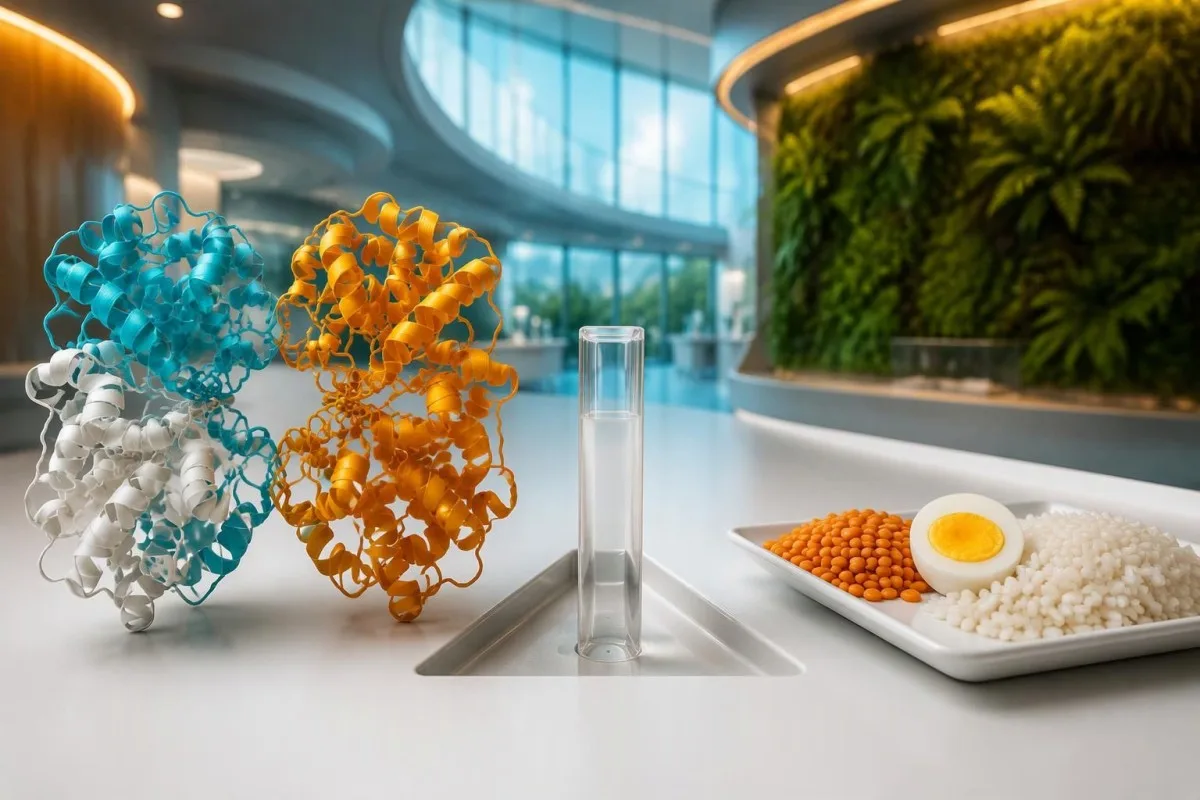
Prealbumin thấp không chứng minh tình trạng suy dinh dưỡng: viêm, chức năng gan, chức năng thận và cân bằng dịch có thể làm thay đổi kết quả độc lập với lượng thức ăn nạp vào. Việc diễn giải hữu ích cần liên hệ con số này với thay đổi cân nặng, mất khối cơ, lượng ăn thực tế và bệnh lý dẫn đến xét nghiệm.

Những điểm chính cần ghi nhớ
- Prealbumin thấp có nghĩa là nồng độ protein lưu hành thấp hơn khoảng tham chiếu của phòng xét nghiệm; kết quả 12 mg/dL không xác lập chẩn đoán suy dinh dưỡng.
- Khoảng tham chiếu bình thường của prealbumin thường xấp xỉ 20–40 mg/dL ở người trưởng thành, tương đương 0,20–0,40 g/L, nhưng các phòng xét nghiệm sử dụng những khoảng tham chiếu khác nhau.
- Viêm có thể làm giảm sản xuất prealbumin dù ăn uống đầy đủ; thời gian bán hủy khoảng 2–3 ngày khiến các thay đổi liên quan đến bệnh xuất hiện nhanh chóng.
- Bối cảnh CRP giúp giải thích prealbumin thấp, nhưng không có công thức hiệu chỉnh CRP nào đã được kiểm định để chuyển kết quả thành tình trạng dinh dưỡng.
- Chẩn đoán suy dinh dưỡng theo GLIM đòi hỏi ít nhất 1 tiêu chí kiểu hình và 1 tiêu chí căn nguyên sau khi sàng lọc nguy cơ dinh dưỡng—không chỉ dựa vào một kết quả protein thấp.
- Sụt cân lớn hơn 5% trong vòng 6 tháng là tiêu chí kiểu hình GLIM, ngay cả khi BMI vẫn cao hơn khoảng cân nặng khỏe mạnh thông thường.
- Hỗ trợ dinh dưỡng cần giải quyết các nhu cầu đã được ghi nhận và những trở ngại trong ăn uống; ước tính chung 25–35 kcal/kg/ngày của NICE không phải là mục tiêu khởi đầu phù hợp cho tất cả mọi người.
- Nguy cơ hội chứng nuôi ăn lại cần được đánh giá lâm sàng sau thời gian dài ăn rất ít; ăn rất ít hoặc không ăn trong hơn 10 ngày là một tiêu chí nguy cơ cao của NICE.
Prealbumin thấp có nghĩa là bạn bị suy dinh dưỡng không?
Prealbumin thấp có thể đi kèm suy dinh dưỡng, nhưng không thể dùng để chẩn đoán tình trạng này. Nồng độ 12 mg/dL có thể phản ánh tình trạng viêm, suy giảm khả năng sản xuất của gan, ăn uống không đầy đủ hoặc nhiều yếu tố cùng lúc; tình trạng dinh dưỡng cần được đánh giá qua cân nặng, khối cơ, lượng ăn vào và bệnh lý nền.

Cảnh báo của xét nghiệm mô tả nồng độ của một loại protein, chứ không phải lượng protein dự trữ trong cơ bắp của bạn. Tài liệu quan điểm của ASPEN năm 2021 nêu rằng albumin và prealbumin chủ yếu phản ánh tình trạng viêm hơn là tình trạng dinh dưỡng và không nên được dùng làm chỉ dấu thay thế cho protein cơ thể hoặc khối lượng cơ (Evans et al., 2021). Tuy vậy, các giá trị thấp vẫn có thể giúp xác định những người cần được theo dõi lâm sàng sát hơn.
Hãy xem xét một người trưởng thành giả định vẫn ăn các bữa như thường lệ nhưng mắc viêm phổi và có mức prealbumin là 11 mg/dL. Một người trưởng thành khác có cùng kết quả có thể đã ăn rất ít trong 3 tuần vì khó nuốt; con số giống hệt nhau không cho bác sĩ biết trường hợp nào đúng. Cả hai đều cần được đánh giá, nhưng ưu tiên điều trị khác nhau.
Kantesti là công cụ phân tích xét nghiệm máu bằng AI, giúp giải thích vì sao kết quả prealbumin 12 mg/dL cần được xem xét trong bối cảnh lâm sàng thay vì tự động gắn nhãn suy dinh dưỡng. Các và mục đích của chúng tôi bao gồm việc giúp mọi người hiểu thông tin xét nghiệm—chứ không thay thế việc thăm khám của bác sĩ hoặc đánh giá của chuyên gia dinh dưỡng. Câu hỏi hữu ích là điều gì giải thích kết quả này và bằng chứng nào xác lập độc lập vấn đề dinh dưỡng.
Khoảng tham chiếu bình thường của prealbumin là bao nhiêu?
Một khoảng tham chiếu thường dùng cho người trưởng thành về prealbumin là khoảng 20–40 mg/dL, tương đương 0.20–0.40 g/L. Khoảng tham chiếu trên phiếu kết quả của bạn được ưu tiên áp dụng vì tuổi tác, phương pháp xét nghiệm và quần thể tham chiếu của phòng xét nghiệm ảnh hưởng đến các giới hạn.
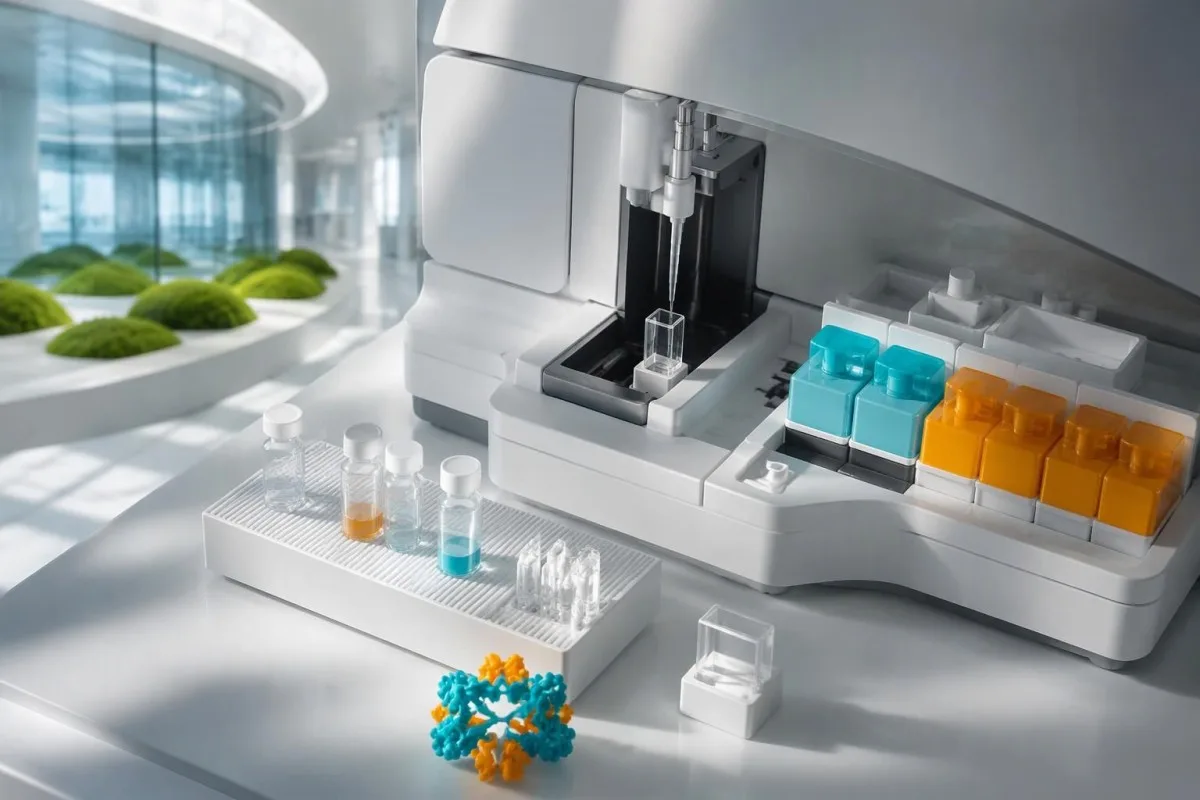
Các khoảng tham chiếu khác nhau không nhất thiết có nghĩa là một phòng xét nghiệm nào đó sai. Một số phiếu kết quả dùng khoảng 15–36 mg/dL, vì vậy giá trị giả định 18 mg/dL có thể bị một phòng xét nghiệm đánh dấu nhưng không bị phòng xét nghiệm khác đánh dấu; không cách phân loại nào trong số đó tự nó xác lập tình trạng dinh dưỡng đầy đủ. Khoảng tham chiếu mô tả một quần thể so sánh, trong khi tiêu chí chẩn đoán phải xác định tình trạng có ý nghĩa lâm sàng.
Việc chuyển đổi đơn vị có thể giúp tránh một hiểu nhầm lớn hơn nhiều so với cảnh báo giáp ranh. Prealbumin 200 mg/L tương đương 20 mg/dL và 0.20 g/L; do đó, kết quả ghi 0.18 g/L có nghĩa là 18 mg/dL, chứ không phải một nồng độ cực kỳ nhỏ. Trước khi so sánh hai phiếu kết quả, hãy đối chiếu đơn vị, khoảng tham chiếu của phòng xét nghiệm và điều kiện lấy mẫu thay vì chỉ so sánh các con số được in.
Nồng độ dưới 10 mg/dL thấp hơn đáng kể so với nhiều khoảng tham chiếu dành cho người trưởng thành, nhưng không có ngưỡng cấp cứu phổ quát chỉ dựa vào prealbumin hoặc thang mức độ nghiêm trọng đã được thẩm định cho suy dinh dưỡng. Phần hướng dẫn về albumin và protein huyết thanh giải thích vì sao các protein lưu hành trong máu không thể thay thế cho việc đánh giá dinh dưỡng. Kết quả ở trẻ em cần được diễn giải theo độ tuổi; không nên áp dụng bảng dành cho người trưởng thành bên dưới cho trẻ em.
| Mức | Khoảng | Ý nghĩa |
|---|---|---|
| Khoảng thường gặp ở người trưởng thành | 20–40 mg/dL | Nằm trong một khoảng tham chiếu thường dùng; không loại trừ suy dinh dưỡng. |
| Thấp hơn khoảng tham chiếu ví dụ này | 10–<20 mg/dL | Review inflammation, intake, liver function, kidney function, and fluid balance. |
| Markedly below this interval | <10 mg/dL | Needs clinical explanation; not a stand-alone malnutrition grade or emergency cutoff. |
| Above this example interval | >40 mg/dL | May occur with reduced renal catabolism or medication effects; does not prove excellent nutrition. |
Xét nghiệm prealbumin thực sự đo lường điều gì?
The prealbumin test measures transthyretin, a transport protein produced mainly by the liver for circulation. Its approximately 2–3-day half-life allows relatively rapid changes, but a rapid response does not make it specific to food intake.
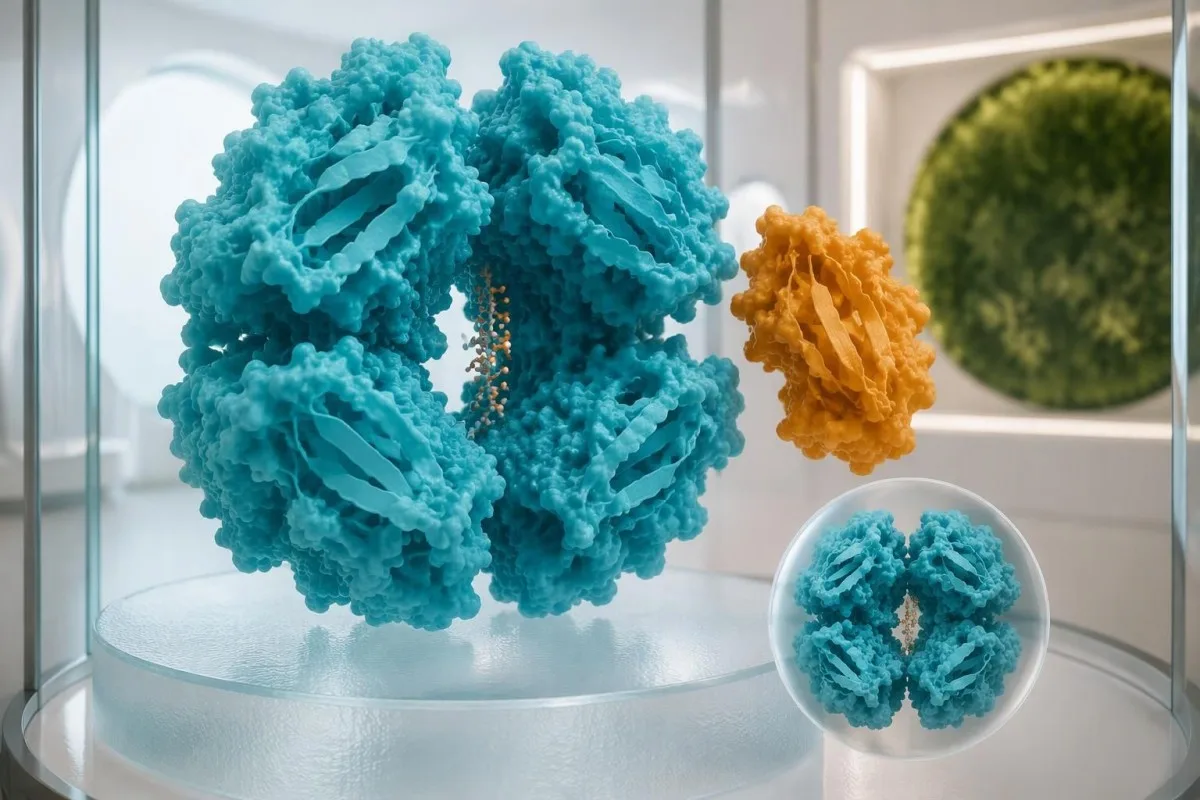
Prealbumin is not an immature form of albumin and does not turn into albumin. The name comes from its migration ahead of albumin during electrophoresis; albumin has a much longer circulating half-life, roughly 20 days, compared with about 2–3 days for prealbumin. These different turnover rates explain why the two results can move at different speeds during an illness.
Transthyretin normally forms a tetramer of 4 protein subunits and carries some circulating thyroxine, or T4. It also interacts with retinol-binding protein, which carries vitamin A; a low prealbumin concentration nevertheless does not independently diagnose either thyroid disease or vitamin A deficiency. Transport-protein concentration, hormone activity, and tissue nutrient stores answer different biological questions.
A low concentration is also different from finding a disease-associated variant in the TTR gene. A hypothetical prealbumin result of 14 mg/dL is not a genetic screening result and does not diagnose hereditary ATTR amyloidosis; that evaluation uses a separate clinical and genetic pathway. Our explanation of TTR variants and amyloidosis helps separate these easily confused meanings of the same protein name.
Tại sao tình trạng viêm làm giảm prealbumin dù vẫn ăn uống?
Prealbumin is a negative acute-phase protein: its circulating concentration often falls during inflammation as liver protein production changes. A hypothetical value of 10 mg/dL during severe illness can therefore occur even when recent calorie and protein intake have been adequate.
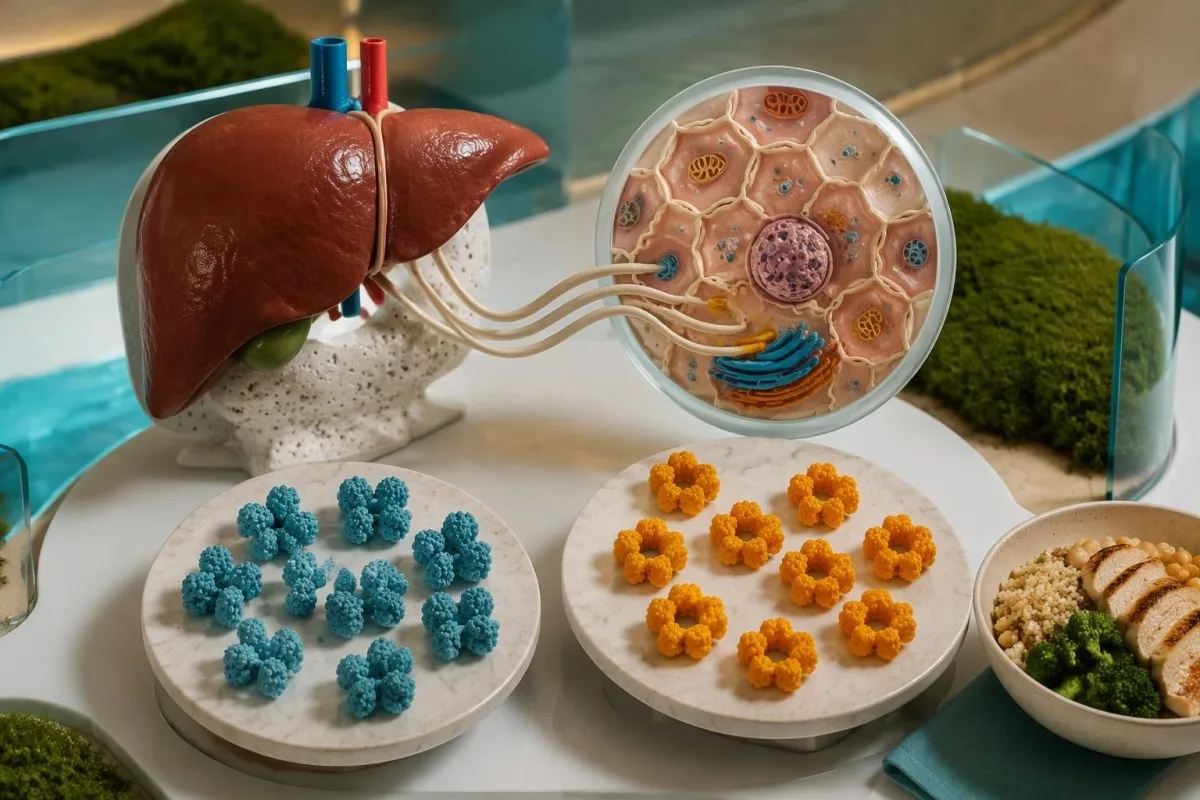
Inflammatory signaling changes what the liver produces rather than simply indicating that the patient skipped meals. Mediators including interleukin-6 promote the acute-phase response, while concentrations of proteins such as prealbumin can decline; its 2–3-day half-life makes that shift relatively quick. The IL-6 interpretation guide explains why timing and illness context matter, although IL-6 testing is not routinely needed to assess nutrition.
Inflammation can lower prealbumin independently of intake and also increase nutritional risk through appetite loss and catabolism. These are 2 overlapping processes, not competing explanations: a person may initially eat adequately yet lose muscle during prolonged illness because the body's metabolic demands and tissue breakdown have changed. Calling the result 'just inflammation' can therefore be as misleading as calling it proof of starvation.
Other negative acute-phase proteins may move in the same direction, so a combination of low prealbumin and low transferrin does not provide 2 independent confirmations of malnutrition. Their shared response to inflammation can create an apparently convincing pattern from the same underlying mechanism. Our guide to inflammation and low transferrin explains why clinicians examine the cause before interpreting several low transport proteins as dietary deficiencies.
Nên đọc kết quả prealbumin và CRP cùng nhau như thế nào?
CRP helps identify inflammatory context, but it cannot correct prealbumin into a nutrition score. A hypothetical combination of prealbumin 12 mg/dL and CRP 90 mg/L strongly raises concern that an acute-phase response is influencing the protein result.
A normal CRP reduces evidence for a substantial systemic acute-phase response at that moment, but it does not prove that low prealbumin is dietary. Many laboratories use a CRP upper limit around 5 mg/L, while others use 10 mg/L; sampling timing, localized disease, and liver disease can complicate interpretation. There is no universal CRP cutoff below which prealbumin becomes a validated malnutrition test.
Discordant inflammatory markers should lead to questions about timing, symptoms, and treatment rather than a mathematical workaround. A hypothetical patient with prealbumin 13 mg/dL, CRP 4 mg/L, and a normal white cell count still needs an intake and weight history; clinicians may also investigate liver function or persistent symptoms. Our discussion of disagreeing infection markers explains why one reassuring marker cannot settle the whole clinical picture.
Kantesti AI can help readers distinguish a prealbumin result of 12 mg/dL from a CRP result of 90 mg/L and understand what each measurement contributes. Neither a prealbumin-to-CRP ratio nor dividing one value by the other is an accepted substitute for nutritional assessment. When CRP is missing, that uncertainty should remain visible—not be replaced by a confident dietary diagnosis.
Bệnh gan và thận làm thay đổi prealbumin như thế nào?
Liver disease can reduce prealbumin production, while impaired kidney function can increase its concentration through reduced catabolism. A value of 15 mg/dL or 45 mg/dL therefore cannot be interpreted as poor or excellent nutrition without knowing the organ-function context.
Reduced hepatic synthetic capacity is different from an isolated rise in a liver enzyme. A hypothetical ALT of 80 IU/L does not quantify how much prealbumin the liver can produce; clinicians consider the broader pattern, including albumin, bilirubin, coagulation results, history, and examination. The dấu hiệu xét nghiệm của xơ gan guide explains why apparently modest enzyme changes can coexist with more significant liver dysfunction.
Kidney disease can pull the result in more than one direction because reduced catabolism may raise prealbumin while concurrent inflammation or poor intake lowers it. A hypothetical adult with eGFR 25 mL/min/1.73 m² and prealbumin 38 mg/dL may still have clinically significant weight and muscle loss. Our guide to các dấu hiệu cảnh báo eGFR thấp explains the kidney findings that deserve attention beyond this transport protein.
Protein loss in urine should be assessed directly rather than inferred from prealbumin. Urine albumin or protein measurements, serum albumin, and kidney evaluation answer questions that a prealbumin concentration of 16 mg/dL cannot resolve; nephrotic conditions do not produce a reliably predictable prealbumin pattern. The practical step is to bring renal results and liver results to the same appointment, especially before changing protein intake substantially.
Dịch, thuốc hoặc vấn đề xét nghiệm có thể làm thay đổi kết quả không?
Fluid balance, some medicines, and method-specific assay interference can change prealbumin test results. A hypothetical decline from 22 to 16 mg/dL after major fluid administration may partly reflect dilution rather than a sudden change in nutritional reserves.
Prealbumin is a concentration measurement, so the amount of circulating fluid affects how the result is expressed. Rapid fluid retention can lower measured concentrations, while dehydration can raise them; a 3 kg weight increase over several days may represent fluid rather than new tissue. Clinicians therefore distinguish weight recovery from edema and avoid interpreting a falling protein concentration in isolation after resuscitation.
Corticosteroids can increase prealbumin concentrations, although the overall result also depends on the illness being treated. A hypothetical change from 18 to 25 mg/dL after corticosteroid treatment could reflect medication effects, reduced inflammation, nutritional changes, or a mixture of all 3. Record the medicine's name, dose, and start date rather than assuming every increase means that a nutrition plan succeeded.
An unexpected isolated result deserves a check of units, specimen quality, and the laboratory's interference notes before extensive dietary changes. A hypothetical prealbumin of 9 mg/dL alongside several unexpected assay findings may justify discussion with the laboratory; interference is method-dependent, not something every patient needs repeat testing for. Our explanation of inflammation and plasma zinc also shows why several low circulating nutrients or proteins may share a non-dietary explanation.
Những tiêu chí nào thực sự chẩn đoán suy dinh dưỡng ở người trưởng thành?
GLIM diagnoses adult malnutrition using at least 1 phenotypic criterion and 1 etiologic criterion after nutritional risk screening. Phenotypic criteria include weight loss, low BMI, or reduced muscle mass; etiologic criteria include reduced intake or assimilation, or inflammation and disease burden.

The international GLIM consensus uses unintentional weight loss greater than 5% within 6 months, or greater than 10% beyond 6 months, as a phenotypic criterion (Cederholm et al., 2019). A hypothetical change from 70 to 66 kg is approximately 5.7% loss, even if the person still appears well nourished. The timing and whether the loss was intended matter as much as the arithmetic.
GLIM's commonly used non-Asian low-BMI thresholds are below 20 kg/m² for adults younger than 70 and below 22 kg/m² for adults aged 70 or older, with population-specific adaptations. These are diagnostic-framework thresholds, not universal healthy-weight boundaries; reduced muscle mass can establish a phenotype even when BMI is higher. Neither BMI nor prealbumin alone captures how much functional tissue a person has lost.
Kantesti is an AI biomarker interpretation platform that explains why prealbumin of 14 mg/dL cannot replace GLIM's clinical criteria. Specific deficiencies can coexist with malnutrition, but a low folate result is a different diagnostic question from total calorie and protein adequacy; our guide to folate deficiency causes makes that distinction. A nutrition assessment should identify the syndrome and its cause, not collect abnormal laboratory flags as a substitute.
Một đánh giá dinh dưỡng đầy đủ cần bao gồm những gì?
A useful nutrition assessment documents weight trajectory, actual intake, eating barriers, muscle changes, and disease burden. Reviewing the previous 1–6 months often reveals more than a single prealbumin concentration, particularly when fluid retention or a higher BMI hides tissue loss.

A higher BMI does not exclude malnutrition after substantial unintentional weight loss. A hypothetical adult weighing 80 kg who falls to 74 kg has lost 7.5%; at 1.65 m tall, the current BMI remains approximately 27.2 kg/m² despite that meaningful change. Clinicians ask whether clothing fits differently, strength has declined, and swelling is masking further tissue loss rather than judging nutritional status from appearance.
Reduced intake should be investigated as a symptom with a cause, not treated as a failure of motivation. Difficulty swallowing, painful eating, nausea, dental problems, limited food access, and medication effects require different solutions; a 3-day food record can help describe the pattern but does not diagnose malabsorption. Persistent swallowing problems may need evaluation such as the pathway described in our achalasia diagnostic guide.
Digestive investigations should follow symptoms and risk factors instead of being ordered because prealbumin is below 20 mg/dL. Chronic diarrhea with weight loss may warrant targeted evaluation for intestinal disease, whereas visible food fragments alone do not establish nutrient malabsorption. Our guide to stool inflammation tests explains what those tests can contribute; muscle assessment and intake history still remain necessary even when gastrointestinal testing identifies a cause.
Khi nào việc lặp lại xét nghiệm prealbumin thực sự hữu ích?
Repeating prealbumin is useful only when the result will answer a defined clinical question. Its 2–3-day half-life does not justify routine testing every few days, and an increase cannot independently prove that nutrition treatment has restored muscle or body protein.

Prealbumin can rise as inflammation resolves even when food intake has changed very little. In a hypothetical recovery, prealbumin increases from 10 to 18 mg/dL while CRP falls from 120 to 8 mg/L over 10 days; the pattern supports a changing acute-phase response but cannot quantify how much nutrition contributed. Improved concentration is not equivalent to restored strength, healed tissue, or replenished lean mass.
If a clinician chooses to repeat testing, an interval such as 1–2 weeks after a meaningful clinical change may be reasonable, but it is not a universal guideline schedule. Record the illness course, fluid status, medication changes, intake, and laboratory method at both time points. Our guide to meaningful laboratory trends explains why the circumstances surrounding each measurement determine whether comparison is informative.
Kantesti can help organize dated prealbumin measurements, but 2 results cannot reveal unrecorded food intake or establish muscle recovery. ASPEN's 2021 position paper advises against using visceral proteins as nutrition markers, so clinical outcomes and documented intake should lead monitoring rather than a target prealbumin value (Evans et al., 2021). Ask what management decision would change before arranging another measurement.
Bạn có nên tăng lượng protein để nâng prealbumin không?
Increase nutrition when an assessment identifies inadequate intake or increased needs—not simply to push prealbumin above 20 mg/dL. A low result does not specify a protein dose, and kidney disease, severe illness, fluid restrictions, and refeeding risk can change the appropriate plan.
For adults requiring nutrition support who are not severely ill and are not at refeeding risk, NICE CG32 gives general estimates of 25–35 kcal/kg/day and 0.8–1.5 g protein/kg/day (NICE, 2006). These are planning ranges with clinical exceptions, not instructions for everyone with low prealbumin. The CG32 nutrition-support guidance also addresses fluid, electrolytes, micronutrients, and the route through which nutrition is delivered.
A hypothetical 60 kg adult would have an estimated range of 1,500–2,100 kcal/day and 48–90 g protein/day under those general assumptions. The wide range reflects different needs; it is not a reason to choose the highest protein intake automatically, particularly with kidney disease. Our discussion of giới hạn an toàn trong chế độ ăn cho bệnh thận explains why an AI-generated plan still needs appropriate clinical constraints.
Food fortification or oral nutrition supplements may help when ordinary meals do not meet documented needs, but treating the eating barrier remains necessary. A hypothetical person managing only 50% of meals because of persistent nausea needs evaluation of the nausea as well as a feasible nutrition plan. There is no established prealbumin threshold that automatically requires protein powders, intravenous nutrition, or a particular supplement formulation.
Khi nào lượng ăn vào thấp và bệnh lý cần được chú ý khẩn cấp?
Urgency comes from symptoms, prolonged inadequate intake, and metabolic risk—not the prealbumin number alone. NICE identifies more than 10 days with little or no nutrition as one high-risk criterion for refeeding problems, which require supervised nutrition restoration.
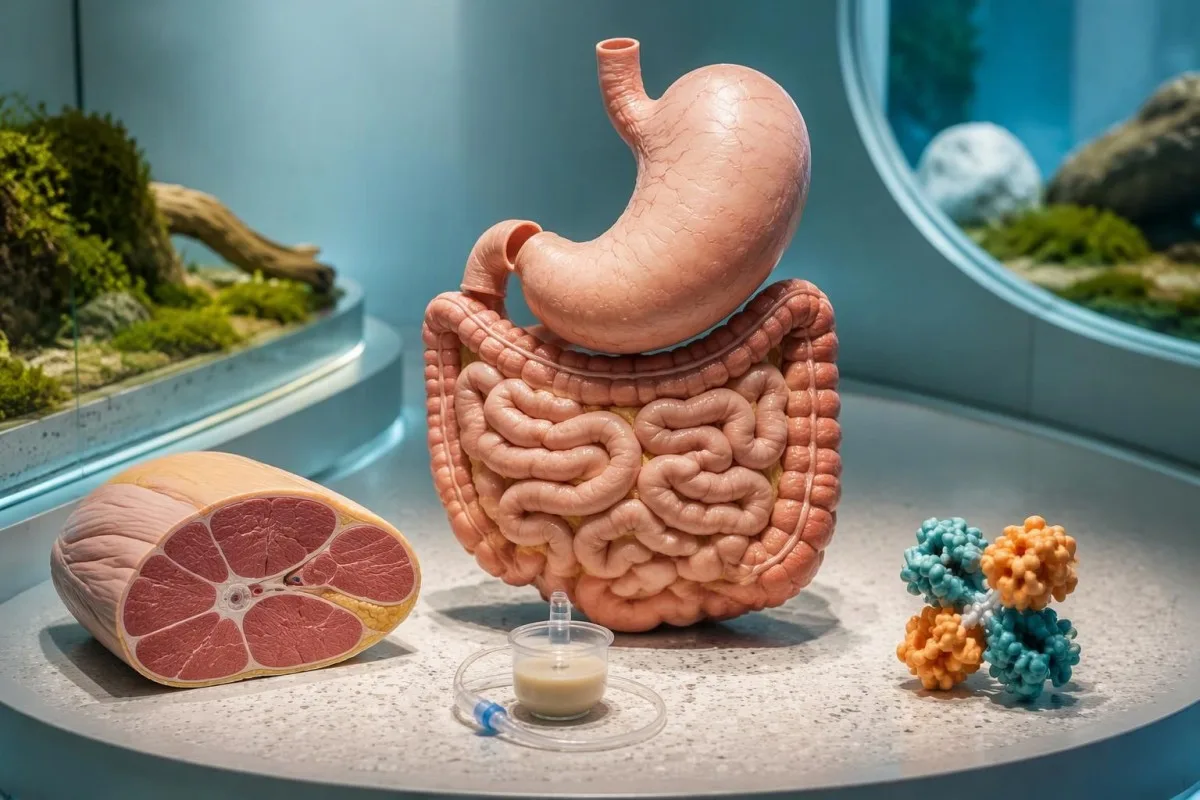
Seek urgent care for confusion, fainting, severe weakness, inability to keep fluids down, very little urine, or breathing difficulty, regardless of whether prealbumin is 8 or 28 mg/dL. Persistent vomiting or diarrhea can create dehydration and electrolyte problems before a transport-protein result becomes informative. Our digestive warning signs guide helps distinguish symptoms that need assessment rather than another nutrition-marker test.
Refeeding risk depends on history and clinical findings, not on a low prealbumin concentration. NICE lists BMI below 16 kg/m², unintentional weight loss greater than 15% over 3–6 months, more than 10 days of minimal intake, or low potassium, phosphate, or magnesium before feeding as individual high-risk criteria; combinations of less severe findings can also qualify. A normal initial electrolyte result does not guarantee that body stores are adequate.
For people who have eaten little or nothing for more than 5 days, NICE recommends initially introducing nutrition at no more than 50% of requirements for the first 2 days, with monitoring. High-risk plans may start at no more than 10 kcal/kg/day under experienced clinical supervision, with thiamine and electrolyte management (NICE, 2006). These figures explain why simply drinking several high-calorie supplements at once can be unsafe after prolonged restriction—they are not a home treatment protocol.
AI có thể giúp diễn giải prealbumin một cách an toàn như thế nào?
AI can explain prealbumin terminology, organize related results, and identify missing context; it cannot diagnose nutritional status from a laboratory report alone. A result of 12 mg/dL needs information about illness, intake, weight, medications, and organ function before its meaning becomes clearer.
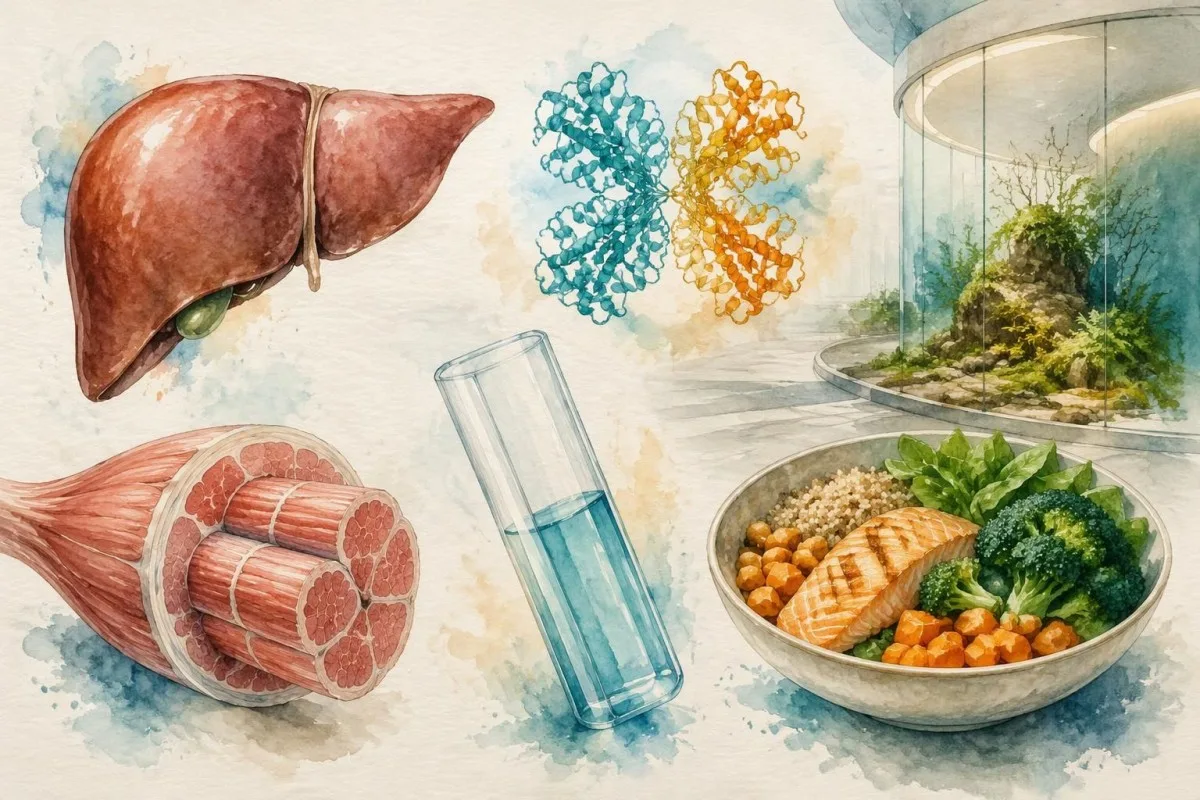
Kantesti is an AI blood test interpretation platform that helps explain why prealbumin of 12 mg/dL and CRP of 90 mg/L should be read as different measurements. Our giải thích công nghệ AI describes the interpretation workflow; the safe clinical boundary remains the same whether the explanation is generated quickly or reviewed slowly. Software cannot palpate muscle, observe swallowing, or independently verify the meals someone actually consumed.
A useful interpretation separates measured facts from missing information instead of presenting one confident diagnosis. For example, a hypothetical report containing prealbumin 12 mg/dL but no CRP or weight history should describe those gaps and suggest discussion of nutritional screening, rather than assign a malnutrition grade. Check whether the explanation preserves your laboratory's units and reference interval before using it to prepare questions for an appointment.
Clinical standards should be judged against the specific task, not a broad accuracy claim that covers every medical decision. Even a correct interpretation of 20 mg/dL cannot establish nutrition adequacy without an assessment, and no software benchmark changes that limitation. Our khung thẩm định và giám sát is relevant to evaluating methodology; decisions about nutrition support, diagnosis, or urgent care remain matters for qualified healthcare professionals.
Những ấn phẩm nào củng cố các giới hạn này trong dinh dưỡng?
The clinical conclusions here rest on nutrition guidance, not on unrelated AI publications. The 2021 ASPEN position paper, the 2019 GLIM consensus, and NICE CG32 address different questions: protein-marker limitations, malnutrition diagnosis, and safe nutrition support.
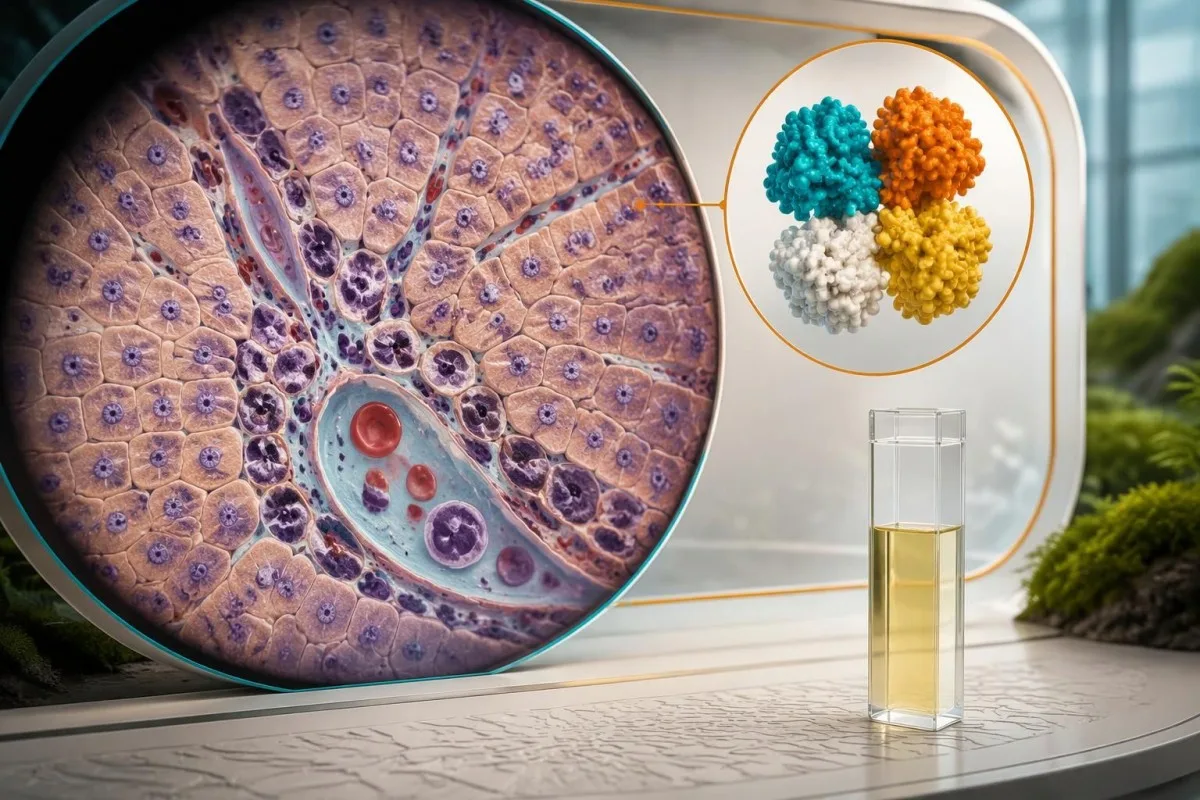
ASPEN's 2021 paper explains why low visceral proteins should not serve as nutrition markers, while GLIM's 2019 consensus specifies the clinical criteria needed to diagnose malnutrition. Neither establishes a prealbumin-only diagnostic cutoff such as 10 or 15 mg/dL; these numbers can describe laboratory abnormalities without proving their cause. NICE CG32 adds practical safety guidance for nutrition support, including the separate assessment of refeeding risk.
Shared inflammatory effects also explain why a broader laboratory panel needs careful interpretation rather than simple abnormal-result counting. A hypothetical low prealbumin of 13 mg/dL alongside low transferrin may reflect one acute-phase mechanism; ferritin can move in the opposite direction during inflammation and complicate assessment of iron stores. Our hướng dẫn giải thích các xét nghiệm sắt explains why biochemical pattern recognition must remain connected to the clinical question.
Kantesti's 2 Figshare publications listed below concern women's health education and multilingual hantavirus decision support, respectively. They are included as separate research resources, not as evidence that prealbumin diagnoses malnutrition or that an AI nutrition plan improves clinical outcomes. Our các tiêu chuẩn về nội dung y khoa explain the source-quality distinction readers should expect: a repository DOI identifies a publication, but it does not by itself establish peer review or relevance to this nutrition question.
Câu hỏi thường gặp
Prealbumin thấp có phải lúc nào cũng có nghĩa là suy dinh dưỡng không?
Prealbumin thấp không phải lúc nào cũng đồng nghĩa với suy dinh dưỡng và không thể tự nó dùng để chẩn đoán tình trạng này. Kết quả 12 mg/dL có thể phản ánh tình trạng viêm, giảm sản xuất ở gan, ăn uống không đầy đủ hoặc sự kết hợp của nhiều nguyên nhân. Đánh giá suy dinh dưỡng ở người lớn xem xét tình trạng sụt cân không chủ ý, khối lượng cơ, lượng ăn vào hoặc khả năng hấp thu, và gánh nặng bệnh tật. Khung GLIM yêu cầu ít nhất 1 tiêu chí kiểu hình và 1 tiêu chí căn nguyên sau khi sàng lọc nguy cơ dinh dưỡng.
Mức prealbumin bình thường là bao nhiêu?
Khoảng tham chiếu prealbumin thường dùng ở người lớn là khoảng 20–40 mg/dL, tương đương 0,20–0,40 g/L. Một số phòng xét nghiệm sử dụng khoảng khác, vì vậy hãy ưu tiên khoảng được ghi trên phiếu kết quả của bạn. Giá trị 200 mg/L bằng 20 mg/dL, điều này rất quan trọng khi so sánh các phiếu kết quả dùng đơn vị khác nhau. Kết quả nằm trong khoảng tham chiếu không loại trừ tình trạng suy dinh dưỡng, và kết quả ở trẻ em cần được diễn giải theo độ tuổi.
Tình trạng viêm có thể làm giảm prealbumin ngay cả khi tôi ăn đủ không?
Tình trạng viêm có thể làm giảm prealbumin ngay cả khi lượng thức ăn tiêu thụ gần đây đầy đủ, vì prealbumin là một protein pha cấp âm. Thời gian bán hủy khoảng 2–3 ngày khiến nồng độ prealbumin thay đổi tương đối nhanh khi hoạt động sản xuất protein của gan biến đổi trong quá trình mắc bệnh. CRP có thể giúp xác định bối cảnh này, nhưng chưa có công thức hiệu chỉnh CRP nào được xác thực để đánh giá tình trạng dinh dưỡng. Ăn uống đầy đủ cũng không thể ngăn hoàn toàn tình trạng mất cơ liên quan đến bệnh trong giai đoạn dị hóa kéo dài.
Nồng độ prealbumin dưới 10 mg/dL có nguy hiểm không?
Prealbumin dưới 10 mg/dL thấp hơn đáng kể so với nhiều khoảng tham chiếu ở người trưởng thành, nhưng đây không phải là ngưỡng cấp cứu độc lập hay mức độ suy dinh dưỡng đã được xác thực. Bác sĩ đánh giá bệnh lý nền, lượng thức ăn đưa vào, thay đổi cân nặng, chức năng cơ quan và các triệu chứng để xác định mức độ khẩn cấp. Lú lẫn, ngất xỉu, không thể giữ được nước uống trong dạ dày, tiểu rất ít hoặc khó thở cần được đánh giá khẩn cấp, bất kể kết quả prealbumin. Tình trạng ăn rất ít kéo dài cũng cần được đánh giá nguy cơ hội chứng nuôi ăn lại trước khi tăng nhanh lượng dinh dưỡng.
Prealbumin sẽ cải thiện nhanh đến mức nào khi dinh dưỡng được cải thiện?
Không có mốc thời gian cải thiện prealbumin đáng tin cậy nào có thể chứng minh rằng liệu pháp dinh dưỡng đang phát huy tác dụng. Mặc dù thời gian bán hủy của prealbumin vào khoảng 2–3 ngày, nồng độ chất này có thể tăng do tình trạng viêm thuyên giảm hoặc do tác động của thuốc và dịch thay đổi. Vì vậy, mức tăng giả định từ 10 lên 18 mg/dL không thể tự nó định lượng mức độ phục hồi dinh dưỡng. Việc theo dõi nên ưu tiên lượng ăn vào được ghi nhận, cân nặng được đánh giá cùng với cân bằng dịch, chức năng cơ và tình trạng lâm sàng nền.
Tôi có nên dùng thực phẩm bổ sung protein khi nồng độ prealbumin thấp không?
Chỉ riêng kết quả prealbumin thấp không đủ để xác định cần bổ sung protein hay để quyết định liều dùng an toàn. Đối với một số người trưởng thành cần hỗ trợ dinh dưỡng nhưng không mắc bệnh nặng hoặc có nguy cơ hội chứng nuôi ăn lại, NICE đưa ra mức ước tính chung để lập kế hoạch là 0,8–1,5 g protein/kg/ngày; tuy nhiên, nhu cầu và các hạn chế cụ thể khác nhau ở mỗi người. Bệnh thận, vấn đề về nuốt và tình trạng ăn uống rất ít kéo dài có thể làm thay đổi kế hoạch phù hợp. Thay vì cố tăng chỉ số xét nghiệm, hãy trao đổi với bác sĩ lâm sàng hoặc chuyên gia dinh dưỡng về lượng ăn thực tế và nguy cơ suy dinh dưỡng.
Tìm hiểu cách đọc kết quả xét nghiệm máu của bạn
Tải lên báo cáo xét nghiệm của bạn và AI của Kantesti sẽ giải thích từng dấu ấn sinh học bằng ngôn ngữ dễ hiểu chỉ trong vài giây. Được hơn 2 triệu người trên toàn thế giới sử dụng.
Tài liệu tham khảo
- Klein, T., Mitchell, S., & Weber, H. (2026). Cẩm nang Sức khỏe Phụ nữ: Rụng trứng, Mãn kinh và Các triệu chứng nội tiết tố. Nghiên cứu y khoa của Kantesti AI. DOI
- Klein, T., Mitchell, S., & Weber, H. (2026). Hỗ trợ ra quyết định lâm sàng bằng AI đa ngôn ngữ để phân loại sớm Hantavirus: Thiết kế, Thẩm định kỹ thuật và Triển khai thực tế trên 50.000 báo cáo xét nghiệm máu được diễn giải. Nghiên cứu y khoa của Kantesti AI. DOI
- Evans DC et al. (2021). The Use of Visceral Proteins as Nutrition Markers: An ASPEN Position Paper. Nutrition in Clinical Practice. DOI
- Cederholm T et al. (2019). GLIM criteria for the diagnosis of malnutrition – A consensus report from the global clinical nutrition community. Clinical Nutrition. DOI
- National Institute for Health and Care Excellence (2006). Nutrition support for adults: oral nutrition support, enteral tube feeding and parenteral nutrition. NICE Clinical Guideline CG32.
- 2 triệu+Các xét nghiệm được phân tích
- 127+Các quốc gia
- 100+Ngôn ngữ
Về đội ngũ y tế


Tín hiệu tin cậy E-E-A-T
Kinh nghiệm
Đánh giá lâm sàng do bác sĩ phụ trách đối với quy trình diễn giải kết quả xét nghiệm.
Chuyên môn
Tập trung vào y học xét nghiệm: cách các chỉ dấu sinh học (biomarker) hoạt động trong bối cảnh lâm sàng.
Tính uy quyền
Được Tiến sĩ Thomas Klein đánh giá về mặt y khoa, với sự đóng góp của Tiến sĩ Sarah Mitchell và Giáo sư, Tiến sĩ Hans Weber.
Độ tin cậy
Diễn giải dựa trên bằng chứng, kèm các lộ trình theo dõi rõ ràng để giảm mức độ báo động.


Tuyên bố miễn trừ trách nhiệm y tế
Bài viết này chỉ nhằm mục đích giáo dục và không cấu thành lời khuyên y tế. Luôn tham khảo ý kiến của nhà cung cấp dịch vụ chăm sóc sức khỏe đủ năng lực để đưa ra quyết định chẩn đoán và điều trị.
Đã xuất bản · Liên hệ với ban biên tập
Xuất bản bởi Kantesti Ltd, đăng ký tại Anh và xứ Wales, số công ty. 17090423, London, Vương quốc Anh.
