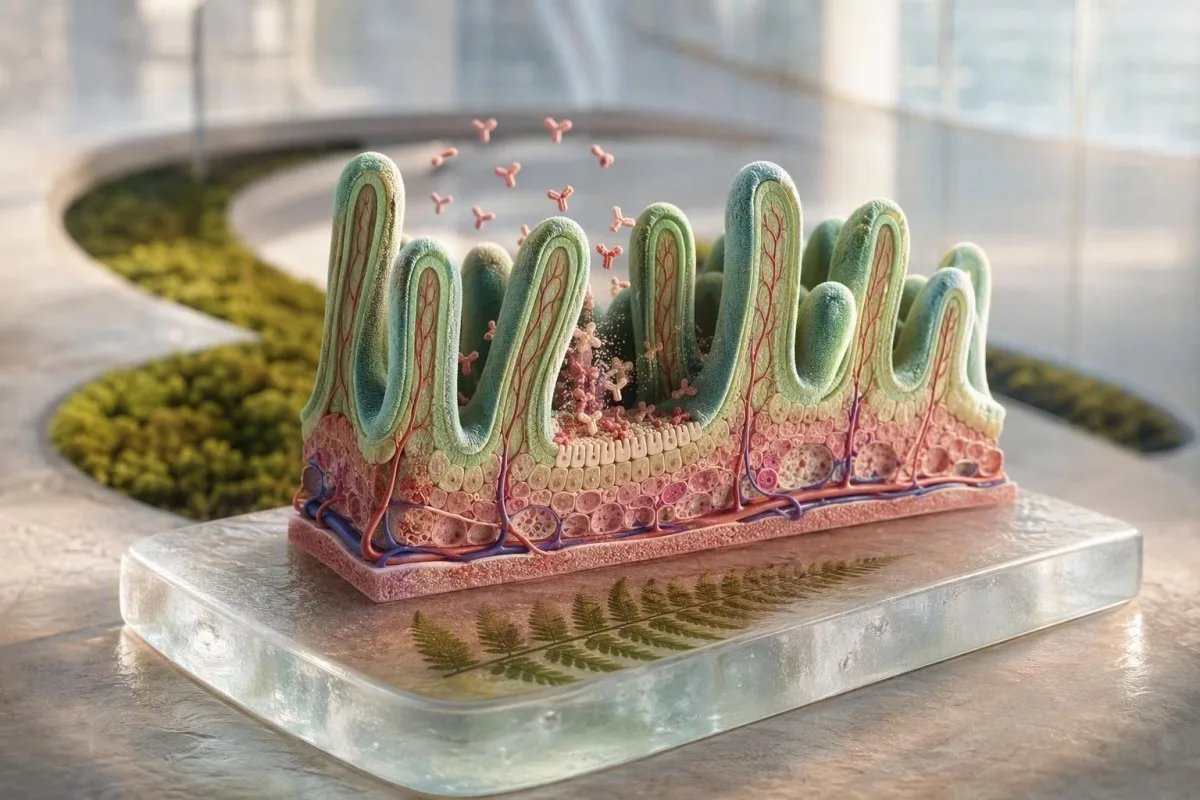
Para sa maaasahang celiac blood test, karamihan sa mga matatanda na hindi kumakain ng gluten ay nangangailangan ng humigit-kumulang 3–6 g ng gluten araw-araw sa loob ng hindi bababa sa 6 na linggo; ang 12-linggong hamon ay nagbibigay ng pinakamalinaw na sagot kapag ito ay nakakayanan. Huwag ituloy ang pag-inom ng gluten nang mag-isa kung ikaw ay may malubhang reaksyon, malaking pagbaba ng timbang, mga alalahanin sa pagbubuntis, o naunang kumpirmadong diagnosis ng celiac disease.


- Minimum na hamon: 3–6 g ng gluten araw-araw, humigit-kumulang 1–2 hiwa ng tinapay na trigo, ay isang praktikal na target para sa matatanda bago ulitin ang celiac serology.
- Mas pinipiling tagal: Ang 12 linggo ng pang-araw-araw na pagkalantad sa gluten ay nagpapataas ng tsansa na matukoy ng celiac blood test at biopsy ang sakit pagkatapos ng pag-iwas sa gluten.
- Maikling hamon: Ang 3 g araw-araw sa loob ng 2 linggo ay maaaring magdulot ng mga pagbabago sa biopsy sa ilang matatanda, ngunit ang negatibong resulta pagkatapos lamang ng 2 linggo ay hindi maaasahang nagbubukod sa celiac disease.
- tTG-IgA: Ang isang negatibong tTG-IgA ay maaaring maging maling nakakapanatag kapag mababa ang pagkonsumo ng gluten o kulang ang kabuuang IgA.
- Kabuuang IgA: Ang kabuuang serum IgA ay dapat sukatin kasama ng tTG-IgA; ang IgA deficiency ay nangangailangan ng pagsubok na batay sa IgG.
- Huwag mag-self-challenge: Ang mga bata, buntis, mga taong may naunang malubhang reaksyon, at ang mga may malaking malnutrisyon ay nangangailangan ng pagpaplanong pinangungunahan ng doktor.
- Pagsusuri sa HLA: Ang negatibong HLA-DQ2 at HLA-DQ8 ay nagpapahiwatig na hindi malamang ang sakit na celiac at kung minsan ay maaaring makaiwas sa gluten challenge.
- Huwag tumigil nang maaga: Patuloy na kumain ng gluten hanggang sa makumpirma ng doktor na kumpleto na ang pagsusuri sa dugo at, kung kinakailangan, ang endoscopy.
Bakit ang pag-iwas sa gluten ay maaaring maging sanhi ng negatibong celiac blood test
A maaaring maging negatibo ang celiac blood test pagkatapos ng paghihigpit sa gluten dahil ang signal ng immune system na sinusukat nito ay humihina kapag tinanggal ang trigo, barley, at rye. Sa praktikal na usapin, ang negatibong tTG-IgA habang walang gluten ay hindi nangangahulugang walang celiac disease; maaaring ipahiwatig lamang nito na hindi na ginagalaw ang immune system.
Ang tTG-IgA ay nakakadetect ng isang tugon sa antibody, hindi ng isang permanenteng marka ng celiac disease. Ang mga konsentrasyon ng antibody ay madalas na bumababa sa loob ng linggo hanggang buwan sa mahigpit na diet na walang gluten, habang ang paggaling ng bituka ay maaaring magpatuloy nang mas matagal. Ang 2023 American College of Gastroenterology guideline ay nagsasaad na ang diagnostic serology ay dapat isagawa habang ang pasyente ay kumakain ng gluten (Rubio-Tapia et al., 2023).
Madalas kong nakikita ang ganitong pattern: isang tao ay nagtanggal ng gluten sa loob ng 8 buwan, medyo gumagaling, pagkatapos ay nakakakuha ng normal na resulta ng tTG-IgA at sinasabihang wala siyang celiac disease. Ang konklusyon na iyon ay hindi ligtas kung hindi alam ang kanyang pagkonsumo ng gluten; mas malamang na magkaroon ng false negative na tTG-IgA kapag natigil na ang pagkakalantad. Ang aming kaugnay na gabay tungkol sa mababang IgA at mga bitag sa celiac ay nagpapaliwanag ng ikalawang pangunahing dahilan kung bakit maaaring hindi makita ng serology ang sakit.
Si Kantesti ay isang AI blood test analyzer na nagbabasa ng tTG-IgA kasama ang kabuuang IgA, hemoglobin, ferritin, folate, bitamina B12, at liver enzymes sa halip na ituring ang isang negatibong antibody bilang pangwakas na diagnosis. Ang iron deficiency o isang hindi inaasahang mataas na ALT ay maaaring magpatuloy na paghinalaan ang celiac disease kahit na normal ang isang resulta ng antibody.
Mahalaga ang mekanismo. Ang mga gluten peptides ay umaabot sa itaas na bahagi ng maliit na bituka, ang tissue transglutaminase ay binabago ang mga ito, at ang mga susceptible na HLA-DQ2 o HLA-DQ8 na immune pathways ay lumilikha ng mga antibodies; alisin ang trigger at ang nasusukat na tugon ng antibody ay maaaring humupa. Iyan ay biyolohiya, hindi pagkabigo ng test.
Ang karaniwang maling pagkaunawa
Ang paggaling pagkatapos iwasan ang tinapay ay hindi diagnostic sa sarili nito. Ang mga sintomas ay maaaring bumuti dahil sa mas mababang fermentable carbohydrates, nabawasang pagkonsumo ng ultra-processed food, pag-iwas sa wheat allergy, o non-celiac gluten sensitivity; tanging ang tamang pagtiming ng testing ang makakapagbigay-linaw sa mga posibilidad na ito.
Anong mga celiac test ang nangangailangan ng gluten sa diyeta?
Ang tTG-IgA, EMA-IgA, deamidated gliadin peptide antibodies, at duodenal biopsy ay pinaka-maaasahan kapag kumakain ng gluten. Iba ang HLA-DQ2/DQ8 genetic testing: ito ay nananatiling balido kung kumakain man ng gluten ang isang tao o hindi.
Ang tTG-IgA ang karaniwang unang linya ng celiac blood test sa mga matatanda at bata na may edad 2 taon o pataas. Maraming laboratoryo ang nag-uulat ng mga halaga na mas mababa sa 10–15 U/mL bilang negatibo, ngunit ang itaas na hangganan ng normal ay partikular sa assay, kaya ang sariling reference interval ng laboratoryo ang gumagabay sa interpretasyon. Ang EMA-IgA ay lubos na tiyak at madalas na ginagamit upang kumpirmahin ang isang malakas na positibong tTG-IgA.
Ang kabuuang serum IgA ay dapat isama sa parehong kahilingan tulad ng tTG-IgA. Ang Selective IgA deficiency ay nangyayari sa humigit-kumulang 1 sa 400 hanggang 1 sa 700 na tao sa maraming populasyon sa Kanluran at maaaring magdulot ng negatibong tTG-IgA sa kabila ng celiac disease; ang IgG-based DGP o tTG testing ay angkop. gabay sa qualitative versus quantitative test ay makakatulong sa mga mambabasa na matukoy kung ang isang ulat ay nagbibigay ng isang sinusukat na halaga o isang positibo/negatibong flag lamang.
Sinusuri ng duodenal biopsy ang istraktura ng villous at intraepithelial lymphocytes, ngunit ang mga pagbabago sa mucosa ay maaari ding bumuti pagkatapos ng pagbabawas ng gluten. Sa mga matatanda, ang positibong serology ay karaniwang humahantong sa upper endoscopy bago magkomit sa panghabambuhay na paghihigpit; ang biopsy ay nananatiling partikular na kapaki-pakinabang kapag ang mga resulta ay hindi magkatugma.
Huwag ikalito ang food-intolerance panel sa celiac serology. Hindi dinediagnose ng IgG food panels ang celiac disease, at ang home test ay hindi maaaring pumalit sa kabuuang IgA assessment, isang napatunayang antibody assay, o interpretasyon ng espesyalista.
Mga pagsusuri na nananatiling kapaki-pakinabang kapag gluten-free
Ang kawalan ng HLA-DQ2 o HLA-DQ8 ay may napakataas na negatibong predictive value dahil halos lahat ng taong may celiac disease ay nagdadala ng isa sa mga haplotype na ito. Ang positibong resulta ng HLA ay karaniwan at hindi nagdiagnose ng celiac disease; humigit-kumulang 30% ng maraming populasyon ang nagdadala ng DQ2 o DQ8 ngunit humigit-kumulang 1% lamang ang nagkakaroon ng celiac disease.
Gaano karaming gluten ang sapat para sa isang gluten challenge?
Ang isang praktikal na gluten challenge para sa matatanda ay 3–6 g ng gluten bawat araw, na katumbas ng humigit-kumulang 1–2 ordinaryong hiwa ng tinapay na trigo, para sa diagnostic testing. Ang mas maraming pagkain ay hindi kinakailangang mas mabuti; ang pagiging konsistent ay mas mahalaga kaysa sa pagpilit ng malaking dosis na nagpapahinto sa tao pagkatapos ng ilang araw.
Ang isang hiwa ng tipikal na tinapay na trigo ay naglalaman ng humigit-kumulang 2–3 g ng gluten, habang ang isang karaniwang bagel ay maaaring maglaman ng 4–7 g at isang tasa ng nilutong regular na pasta ay humigit-kumulang 2–4 g, depende sa recipe at bahagi. Ang oats ay hindi isang mapagkakatiwalaang pagkain para sa challenge dahil ang certified gluten-free oats ay naglalaman ng maliit na halaga ng gluten at ang mga karaniwang oats ay nag-iiba sa kontaminasyon.
Ang pagsusuri nina Leonard at mga kasamahan ay nagrerekomenda ng hindi bababa sa 3–6 g araw-araw sa loob ng mahigit 12 linggo kapag ang isang mas mahabang challenge ay kinaya, lalo na kung ang layunin ay kumpirmahing maalis ang sakit pagkatapos ng ilang buwan o taon na gluten-free (Leonard et al., 2023). Ang ilang mga clinician ay gumagamit ng 10 g araw-araw, ngunit ang halagang iyon ay mas mahirap panatilihin at hindi napatunayang kinakailangan para sa bawat matanda.
Ang isang kapaki-pakinabang na routine ay isang item na naglalaman ng gluten sa almusal at isa sa tanghalian, sa halip na isang malaking hapunan. Itala ang produkto, tinatayang bahagi, mga sintomas, at mga araw na namiss; ang talaarawan na iyon ay nagbibigay sa gastroenterologist ng mas mahusay na impormasyon kaysa sa malabong alaala ng pagkain ng “ilang tinapay.”
Para sa mas malawak na konteksto sa kung ano ang ibig sabihin ng mga laboratory marker nang magkakasama, ang aming gabay sa sanggunian ng biomarker ay nagpapaliwanag kung bakit madalas sinusuri ang ferritin at red-cell indices kasabay ng mga celiac antibodies.
Ang dosis ay gluten gram, hindi timbang ng pagkain
Ang 50 g na serving ng tinapay ay hindi 50 g ng gluten. Ang nilalaman ng gluten ay nag-iiba sa harina, hydration, recipe, at proseso, kaya naman ang mga clinician ay karaniwang nagrereseta ng mga katumbas ng pagkain sa halip na hilingin sa mga pasyente na timbangin ang hiwalay na protina ng gluten.
Gaano katagal dapat ang isang gluten challenge bago magpasuri?
Ang anim na linggo ay isang makatuwirang minimum para sa maraming matatanda, habang ang 12 linggo ay nagbibigay ng mas mapagkakatiwalaang challenge pagkatapos ng matagal na pag-iwas sa gluten. Ang isang 2-linggong challenge ay maaaring sumuporta sa diagnosis kung maging positibo ang mga pagsusuri, ngunit ang negatibong resulta pagkatapos lamang ng 14 na araw ay hindi ligtas na makakaalis sa celiac disease.
Ang tagal na kinakailangan ay depende sa edad, nakaraang diyeta, immune response, at kung ang clinician ay nagpaplano ng serology lamang o biopsy. Sa isang maliit na pag-aaral sa mga matatanda, ang 3 g ng gluten araw-araw sa loob ng 14 na araw ay nagdulot ng diagnostic histologic changes sa maraming kalahok, gayunpaman ang mga tugon ng antibody ay nahuli; ang puwang na iyon ay kung bakit maaaring makaligtaan ng mga maikling protocol ang mga kaso.
Sa pagtatapos ng Agosto 31, 2026, karaniwan kong tinatalakay ang isang 12-linggong plano sa mga matatanda na kumain nang kaunti o walang gluten sa loob ng ilang buwan, na may pagsusuri sa dugo bandang ika-6 na linggo at muli malapit sa ika-12 linggo kung ang unang resulta ay negatibo. Nakikita ni Dr. Thomas Klein, ang aming Chief Medical Officer, ang pinakamadaling maiwasang pagkaantala sa pag-diagnose kapag ang isang pasyente ay muling kumain ng gluten sa isang weekend lamang bago ang pagsusuri ng dugo.
Kung ang mga sintomas ay maging hindi katanggap-tanggap, makipag-ugnayan sa nag-order na clinician sa halip na tahimik na huminto. Maaari nilang ilipat ang mga pagsusuri ng dugo nang mas maaga, mag-ayos ng endoscopy nang mas maaga, o muling isaalang-alang kung ang HLA testing ay makakasagot sa tanong nang walang matagalang pagkakalantad. Ang isang gabay sa tiyempo ng blood test ay nakakatulong para sa pag-unawa kung bakit ang mga pagbabagong nauugnay sa diyeta ay hindi agad lumilitaw sa mga resulta ng laboratoryo.
Panatilihin ang gluten challenge hanggang sa pagsusuri ng dugo at, kung ang resulta ng antibody ay positibo o mataas pa rin ang hinala, hanggang sa iba pa ang payo ng endoscopy team. Ang paghinto pagkatapos ng positibong resulta ng dugo ngunit bago ang biopsy ay maaaring mabawasan ang nakikitang senyales sa bituka.
Isang makatotohanang kalendaryo
Ang mga Linggo 1–2 ay nagtatatag ng pang-araw-araw na pagkakalantad at tumutukoy ng mga unang sintomas. Ang Linggo 3–6 ay kung kailan maaaring maging kapaki-pakinabang ang paunang pagsusuri ng dugo; ang Linggo 7–12 ay nagpapabuti ng sensitivity para sa mga taong ang antibodies ay mabagal na tumataas, lalo na pagkatapos ng pangmatagalang paghihigpit.
Ang gluten challenge sa mga bata at teenager ay nangangailangan ng ibang plano
Hindi dapat magsimula ang mga bata ng gluten challenge nang walang payo ng pedyatrisyan, dahil ang paglaki, nutrisyon, bigat ng sintomas, at ang posibilidad ng isang no-biopsy diagnosis ay lahat nagpapabago sa plano. Ang isang bata na hindi maayos ang paglaki o nawawalan ng timbang ay nangangailangan muna ng pagsusuri, hindi isang do-it-yourself bread challenge.
Para sa mga bata na may napakataas na tTG-IgA values—kahit man lang 10 beses ang itaas na limitasyon ng normal ng assay—kasama ang isang positibong EMA-IgA sa pangalawang sample, pinahihintulutan ng gabay ng ESPGHAN ang diagnosis nang walang biopsy sa mga piling kaso sa ilalim ng pangangalaga ng espesyalista sa pedyatrisya (Husby et al., 2020). Ang daan na iyon ay nangangailangan ng aktibong pagkonsumo ng gluten sa oras ng pagsusuri.
Hindi maaaring ipagpalagay na ang isang batang nasa preschool ay kayang tiisin ang parehong absolutong dosis ng isang 75 kg na matatanda. Madalas na nagtatrabaho ang mga clinician sa pedyatrisya mula sa ordinaryong pang-araw-araw na bahagi at karaniwang diyeta ng bata, pagkatapos ay sinusubaybayan ang timbang, bilis ng taas, hydration, pattern ng dumi, at pagdalo sa paaralan; ang target ay hindi dapat kailanman maging isang kumpetisyon ng pagpaparaya sa sintomas.
Ang kakulangan sa iron, mabagal na linear growth, paulit-ulit na mga sugat sa bibig, pagbabago sa enamel, at pagkaantala sa pagbibinata ay maaaring mga pahiwatig ng celiac kahit na walang pagtatae. Maaaring suriin ng mga magulang ang mas malawak na pag-aaral sa aming gabay sa pagsusuri ng paglaki ng pagkabata, ngunit ang normal na growth-hormone screen ay hindi nagbubukod ng malabsorption sa bituka.
Kung ang isang bata ay nagkaroon na ng nakakukumbinsing tugon sa isang gluten-free diet, dapat tanungin ng pamilya kung ang HLA typing o supervised reintroduction ang pinakakaunting nakakagambalang daan. Natutunan kong seryosohin ang pagkabalisa ng pamilya dito—ang mga oras ng pagkain ay maaaring maging magulo nang napakabilis.
Pagpaplano ng paaralan at diyeta
Ang isang nakasulat na plano ay dapat tumukoy kung aling mga pagkain ang naglalaman ng gluten at kung paano haharapin ang mga sintomas sa oras ng klase. Ang paulit-ulit na pagbabago ng dosis, pagpapalit sa mga gluten-free na pagkain, o pagpayag lamang sa paminsan-minsang pagkakalantad sa weekend ay nagpapahirap sa pag-interpret ng huling resulta.
Paano kung taon na ang nakalipas mula noong hindi ka na kumain ng gluten?
Pagkatapos ng mga taon sa isang gluten-free diet, ang antibody testing ay maaaring manatiling negatibo maliban kung ang pagkakalantad sa gluten ay sapat na matagal upang muling buhayin ang immune response. Ito ang grupo kung saan ang isang 12-linggong clinician-supervised challenge, o HLA testing muna, ay karaniwang pinaka-makatuwiran.
Kung mas matagal nang wala ang gluten, mas hindi kapaki-pakinabang ang isang one-off tTG-IgA. Ang ilang mga pasyente ay nangangailangan ng higit sa 6 na linggo bago bumalik ang mga nasusukat na antibody, at ang isang negatibong test sa linggo 6 ay dapat bigyang-kahulugan laban sa aktwal na dosis na kinain, hindi lamang sa kalendaryo.
Ang celiac disease ay maaaring mag-iwan ng bakas sa kasaysayan ng laboratoryo: mababang ferritin, mababang transferrin saturation, kakulangan sa folate, mataas na bilang ng platelet, mababang vitamin D, o hindi maipaliwanag na banayad na pagtaas ng transaminase. Wala sa mga ito ang nag-iisa ay nakakapag-diagnose, ngunit ang kumpol ay nagpapataas ng pre-test probability; tingnan ang aming detalyadong gabay sa pag-aaral ng bakal para sa pagkakaiba sa pagitan ng mga naubos na imbakan ng bakal at mababang bakal sa serum na nauugnay sa pamamaga.
Si Kantesti ay isang serbisyo ng AI lab test interpretation na tumutulong sa mga gumagamit na ilagay ang isang luma at bagong panel nang magkatabi, kabilang ang haemoglobin, MCV, ferritin, albumin, at mga halaga ng antibody. Hindi nito maaaring ma-diagnose ang celiac disease, ngunit ang isang timeline ay makakatulong sa isang kliniko na makita kung ang mga abnormalidad sa nutrisyon ay nauna pa sa paghihigpit sa diyeta.
Ang isang naunang negatibong pagsusuri sa celiac ay hindi nagtatapos ng mga bagay kung ito ay ginawa pagkatapos ng pag-alis ng gluten. Humingi ng orihinal na ulat, ang eksaktong halaga ng antibody, kabuuang IgA, at kung gaano karaming gluten ang iyong kinakain sa loob ng 6–12 linggo bago kumuha ng sample.
Bakit maaaring mukhang normal ang nutrisyon
Ang normal na ferritin ay hindi nagbubukod sa celiac disease. Ang ferritin ay tumataas kasama ang pamamaga at pinsala sa atay, kaya ang isang ferritin na 70 µg/L ay maaaring magkasabay sa limitadong pagkakaroon ng bakal kapag ang C-reactive protein ay mataas; ang transferrin saturation ay nagdaragdag ng kapaki-pakinabang na konteksto.
Kailan hindi dapat subukan ang gluten challenge nang walang payo ng doktor?
Huwag magsimulang muli ng gluten sa iyong sarili kung ito ay dating nagdulot ng dehydration, pagkahimatay, malubhang pagsusuka, mabilis na pagbaba ng timbang, mga komplikasyon sa pagbubuntis, o pangangalaga sa ospital. Ang isang pinangangasiwaang plano ay mas ligtas din para sa mga bata, mga taong may diabetes na gumagamit ng insulin, at sinumang may kilala o pinaghihinalaang pagbabalik ng eating-disorder.
Ang celiac disease mismo ay bihirang magdulot ng agarang anaphylactic reaction, kaya ang mabilis na pantal, paghingal, paninikip ng lalamunan, o pagbagsak pagkatapos ng trigo ay nagmumungkahi ng posibleng allergy sa trigo at nangangailangan ng pagsusuri sa allergy sa halip na isang celiac challenge. Ang pagsusuri sa coeliac at pagsusuri sa allergy ay sumasagot sa iba't ibang mga tanong, at ang pagkalito sa mga ito ay maaaring mapanganib.
Humingi ng agarang pagsusuri sa klinika bago ang isang hamon kung mayroon kang higit sa 5% hindi sinasadyang pagbaba ng timbang ng katawan sa loob ng 1 buwan, patuloy na pagsusuka, maitim na dumi, matinding sakit ng tiyan, o mga sintomas ng dehydration tulad ng napakakaunting pag-ihi at pagkahilo. Ito ay hindi inaasahang “patunay” na gumagana ang gluten; ito ay mga dahilan upang muling suriin.
Ang pagbubuntis ay nangangailangan ng hiwalay na paghawak dahil ang hindi ginagamot na celiac disease at mga restriktibong diyeta ay parehong maaaring makaapekto sa bakal, folate, at pagtaas ng timbang. Makipag-ugnayan sa isang kliniko sa pamamagitan ng aming medikal na landas ng pakikipag-ugnayan o sa iyong koponan sa panganganak bago sadyang muling ipakilala ang gluten.
Ang mga taong may dating na-kumpirmahan ng biopsy na celiac diagnosis ay karaniwang hindi nangangailangan ng gluten challenge upang patunayan ito muli. Ang eksepsiyon ay ang tunay na pagdududa tungkol sa isang lumang diagnosis, na pinakamahusay na pinamamahalaan ng isang gastroenterologist na maaaring suriin ang orihinal na patolohiya at mga tala ng antibody.
Mga sintomas na nangangailangan ng agarang atensyon
Ang bagong paghingal, pamamaga ng mukha, pagkalito, kawalan ng kakayahang magtagal ng likido sa loob ng 12–24 oras, pagkahimatay, o mga senyales ng pagdurugo sa gastrointestinal ay nangangailangan ng agarang medikal na pagsusuri. Huwag ipagpatuloy ang pagkalantad sa diyeta upang “makumpleto ang pagsubok” kapag mayroong mga red-flag na sintomas.
Maaari bang pigilan ng HLA genetics ang hindi kinakailangang gluten challenge?
Ang negatibong HLA-DQ2 at HLA-DQ8 testing ay ginagawang napaka-malamang ang celiac disease at madalas na makakapagligtas ng gluten challenge. Ang positibong resulta ay nagpapakita lamang ng genetic susceptibility, kaya hindi nito maaaring kumpirmahin ang celiac disease o ipaliwanag ang mga sintomas sa sarili nito.
Mahigit sa 95% ng mga taong may celiac disease ang nagdadala ng HLA-DQ2.5, DQ2.2, o DQ8, bagaman bahagyang nagkakaiba ang terminolohiya sa pagitan ng mga laboratoryo. Ang pagsubok ay pinaka-kapaki-pakinabang kapag ang isang tao ay gluten-free na, kapag ang mga lumang tala ay hindi magagamit, o kapag ang inaasahang pasanin ng muling pagpapakilala ay mataas.
Ang positibong resulta ng HLA ay karaniwan: humigit-kumulang 30–40% ng mga tao ang nagdadala ng tugmang genotype, habang humigit-kumulang lamang 1% ang nagkakaroon ng celiac disease. Ang hindi pagtutugma na iyon ang dahilan kung bakit dapat gabayan ng genetic testing ang susunod na desisyon, hindi ito magiging diagnosis na nakalimbag sa isang problem list.
Ang Kantesti AI ay gumagamit ng platform ng interpretasyon ng biomarker ng AI pamamaraan upang markahan kung kailan nakolekta ang isang antibody panel pagkatapos ng pag-iwas sa gluten at kung kailan nawawala ang isang kabuuang resulta ng IgA; ang genetic testing ay nangangailangan pa rin ng pag-order at interpretasyon ng clinician. Ang aming mga prinsipyo ng klinikal na balidasyon paliwanag kung bakit ang mga contextual flag ay hindi kapalit para sa mga diagnostic na desisyon.
Sa aking karanasan, ang HLA testing ay lalong mahalaga para sa mga taong tumigil sa gluten dahil sa mga malabong sintomas at ngayon ay natatakot sa mahabang hamon. Ang isang negatibong resulta ay maaaring magsara ng isang mahirap na loop; ang isang positibong resulta ay nangangahulugan lamang na nagpapatuloy ang pag-uusap.
Hindi nahuhulaan ng mga gene ang kalubhaan
Ang uri ng HLA ay hindi mapagkakatiwalaang nahuhulaan kung ang mga sintomas ay magiging banayad, kung mayroong mga pagbabago sa villous, o kung ang isang tao ay magkakaroon ng celiac disease sa kalaunan. Ang mga first-degree relative na may tugmang genes ay maaaring mangailangan pa rin ng pana-panahong clinical assessment kung may lumitaw na mga sintomas o kakulangan sa nutrisyon.
Paano kumpletuhin ang hamon nang hindi nagkakamali ng kulang na dosis
Ang tuluy-tuloy na pang-araw-araw na pagkakalantad sa gluten ay mas kapaki-pakinabang sa diagnostic kaysa sa paminsan-minsang malalaking pagkain. Pumili ng dalawa o tatlong pamilyar na pagkaing naglalaman ng wheat, tantiyahin ang kanilang nilalaman ng gluten, at iwasan ang paglipat sa mga bersyon na walang gluten kapag nagsimula na ang hamon.
Ang isang simpleng pattern na 3–6 g ay maaaring isang hiwa ng wheat toast sa almusal at isang maliit na serving ng regular na pasta o crackers mamaya sa araw. Suriin ang mga label para sa wheat, rye, o barley; ang sourdough na gawa sa wheat ay naglalaman pa rin ng gluten, at ang “artisan” na tinapay ay hindi awtomatikong mababa sa gluten.
Ang beer, mga sarsa, mga shared fryer, at mga naprosesong pagkain ay lumilikha ng kawalan ng katiyakan, kaya ang mga ito ay mahihirap na pangunahing pinagmumulan para sa isang sinusukat na hamon. Ang isang solong predictable na pagkain ay nagbibigay ng mas malinaw na kasaysayan ng pagkakalantad at ginagawang mas madali ang pagtukoy kung ang mga sintomas ay tumutugma sa dosis.
Huwag magsimula ng mga hindi kaugnay na elimination diet, probiotics, high-dose fibre products, o mga bagong laxatives sa parehong 6–12 linggo na window kung maiiwasan mo ito. Maaari nilang baguhin ang mga sintomas ng bituka at gawing mahirap bigyang-kahulugan ang karanasan; ang aming gabay sa mga pagkaing nagpapabago ng mga pagsusuri sa bituka ay sumasaklaw sa praktikal na isyung ito.
Ang isang food diary ay dapat magsama ng petsa, pagkain, tinatayang bahagi, dalas ng pagdumi, mga sintomas ng tiyan, at mga napalampas na dosis. Hindi kailangan na ito ay perpekto—tatlong malinaw na entry bawat araw ay mas kapaki-pakinabang kaysa sa pagsubok na itala ang bawat mumo.
Oats at gluten challenge
Ang certified gluten-free oats ay hindi pinagmumulan ng gluten para sa diagnostic na layunin. Ang mga kumbensyonal na oats ay maaaring hindi mapagkakatiwalaang kontaminado, na ginagawa itong hindi angkop para sa isang hamon na idinisenyo upang magtatag ng isang kilalang dosis.
Anong mga sintomas ang inaasahan, at paano mo ito pamamahalaan nang ligtas?
Ang pamumulaklak, maluwag na dumi, pagkapagod, discomfort sa tiyan, sakit ng ulo, at brain fog ay maaaring maulit sa panahon ng gluten challenge, ngunit ang malubhang sintomas ay dapat mag-udyok ng clinical review kaysa sa pagtitiis. Ang mga sintomas lamang ay hindi nagpapatunay o nagpapabulaan ng celiac disease dahil ang mga ito ay nag-o-overlap sa irritable bowel syndrome at iba pang mga kondisyon ng bituka.
Gumamit ng mga sumusuportang hakbang na hindi nag-aalis ng gluten: regular na likido, oral rehydration solution para sa pagtatae, mas maliliit na pagkain, at maayos na pagtulog. Ang gamot na panlaban sa pagtatae ay maaaring makatuwiran para sa ilang mga matatanda, ngunit tanungin muna ang clinician kung mayroon kang lagnat, dugo sa dumi, matinding sakit, o isang bagong diagnosis na iniimbestigahan.
Iwasan ang pagbibigay-kahulugan sa bawat sintomas bilang pinsala sa bituka. Ang isang tao na may functional bowel sensitivity ay maaaring makaramdam ng mas masama sa loob ng ilang oras pagkatapos ng isang wheat meal dahil mabilis na nag-ferment ang mga fructan, samantalang ang produksyon ng tTG-IgA at pagbabago sa villous ay nangyayari sa pamamagitan ng ibang immune process. Ang aming gabay sa mga blood test para sa pagtatae ay nagbabalangkas kung kailan kailangan ng mas malawak na pagsusuri ang mga sintomas ng dumi.
Kung lumala ang pagkapagod, suriin ang paggamit ng likido, pagkonsumo ng calorie, estado ng bakal, at pagtulog sa halip na isipin na iisang sanhi lamang ito. Nakita ni Dr. Thomas Klein na hindi kinakailangang matakot ang mga pasyente sa bahagyang pagbabago sa platelet o ALT habang sinusubukan; ang mga takbo at ang buong larawan ng klinikal na kalagayan ay mas mahalaga kaysa sa isang resulta lamang na nasa hangganan.
Huminto at humingi ng payo kung patuloy na hindi makapagtrabaho o makapasok sa paaralan, paulit-ulit na pagtatae sa gabi, lumalalang pagkahilo, o malinaw na pagkawala ng tubig sa katawan. Mas mabuti ang isang medikal na pinaikling hamon na kumukuha ng kapaki-pakinabang na ebidensya mula sa serolohiya o biopsy kaysa sa pagpupursige hanggang sa bumagsak ang plano.
Nagbabago ba ng pagsusuri ang mga probiotic?
Walang mapagkakatiwalaang ebidensya na ang isang over-the-counter probiotic ay pumipigil sa produksyon ng antibody ng celiac sa panahon ng gluten challenge. Ang pagsisimula nito sa gitna ng hamon ay maaari pa ring makagulo sa pagsubaybay ng sintomas, kaya karaniwan kong ipinapayo na panatilihing matatag ang mga pandagdag maliban kung magrekomenda ng pagbabago ang isang kliniko.
Paano maghanda para sa pagkuha ng celiac blood
Ang pagsusuri sa dugo para sa celiac ay karaniwang hindi nangangailangan ng pag-aayuno, ngunit nangangailangan ito ng patuloy na pagkonsumo ng gluten at tamang antibody panel. Ipagpatuloy ang napagkasunduang araw-araw na dosis ng gluten sa araw bago at, maliban kung sasabihin ng iyong kliniko, hanggang sa umaga ng pagkuha ng sampol.
Itanong kung kasama sa order ang tTG-IgA at kabuuang serum IgA; Maaaring idagdag ang EMA-IgA, DGP-IgG, o tTG-IgG para sa mga piling kaso. Gumagamit ang mga laboratoryo ng iba't ibang pamamaraan at unit, kaya ang halagang 18 U/mL ay hindi maaaring bigyang-kahulugan nang walang upper limit of normal na partikular sa assay nito.
Hindi kinakailangan ang pag-aayuno para sa pagsusuri ng antibody, bagaman ang kasamang lipid, glucose, o iron panel ay maaaring may hiwalay na mga tagubilin sa paghahanda. Karaniwang hindi naaapektuhan ng biotin ang karaniwang serolohiya ng celiac sa paraang maaaring makagulo sa ilang immunoassays ng hormone, ngunit ilista ang lahat ng pandagdag at gamot sa kahilingan.
Si Kantesti ay isang AI-powered tool para sa pagsusuri ng dugo na maaaring makatulong sa mga mambabasa na tumpak na kopyahin ang isang PDF ng laboratoryo at matukoy ang nawawalang kabuuang IgA, ngunit hindi ito dapat gamitin upang mag-self-diagnose mula sa isang screenshot. Bago mag-upload, gamitin ang aming checklist ng kawastuhan ng PDF upang suriin ang mga unit, petsa, at mga saklaw ng sanggunian.
Isulat ang bilang ng mga linggo ng hamon at ang karaniwang araw-araw na pinagmulan ng pagkain bago ang appointment. “Gluten-free sa loob ng isang taon, pagkatapos ay isang hiwa ng toast araw-araw sa loob ng 7 linggo” ay kapaki-pakinabang sa klinikal; “Kumain ako ng gluten paminsan-minsan” ay hindi.
Mga tala sa gamot
Huwag itigil ang mga iniresetang gamot upang lamang makapaghanda para sa serolohiya ng celiac. Ang immunosuppressive therapy ay maaaring magpababa ng mga tugon ng antibody, kaya ang mga gamot tulad ng systemic corticosteroids, biologics, o mga gamot pagkatapos ng transplant ay dapat idokumento at talakayin sa nag-order na espesyalista.
Paano ipakahulugan ang mga resulta pagkatapos ng gluten challenge
Ang positibong tTG-IgA sa panahon ng sapat na gluten challenge ay malakas na sumusuporta sa celiac disease, habang ang negatibong resulta ay nakapagpapanatag lamang kung ang dosis, tagal, kabuuang IgA, at hinala ng klinikal ay lahat ay angkop. Ang mga resulta ay dapat bigyang-kahulugan bago muling itigil ang gluten.
Ang resulta ng tTG-IgA na mas mataas sa upper limit ng laboratoryo ay hindi awtomatikong huling diagnosis sa mga matatanda dahil ang mga false positive ay maaaring mangyari sa autoimmune liver disease, type 1 diabetes, at iba pang mga inflammatory condition. Ang kumpirmasyon ng EMA-IgA at duodenal biopsy ay madalas na naglilinaw ng larawan, lalo na para sa mga mababang positibong halaga.
Ang negatibong tTG-IgA pagkatapos lamang ng 2 linggo ng 1 hiwa ng tinapay araw-araw ay hindi sapat na exclusion test para sa karamihan ng tao. Ang ebidensya ay talagang pinaghalong tungkol sa isang unibersal na cutoff, ngunit 3–6 g araw-araw sa loob ng 6–12 linggo ay mas nagbibigay-kaalaman kaysa sa paminsan-minsang pagkakalantad.
Suriin ang konteksto ng nutrisyon. Mababang ferritin sa ibaba 15–30 µg/L ay sumusuporta sa mga nabawasang reserba ng bakal sa maraming matatanda, bagaman ang mga inflammatory state ay maaaring magtakip sa kakulangan; ang aming ang gumagabay ay nagpapaliwanag kung bakit mahalaga ang parehong marker nang magkasama.
Maaaring ayusin ng Kantesti AI ang mga nagbabagong resulta ng antibody at nutrient nang sunud-sunod, ngunit ang isang positibong celiac panel ay dapat suriin ng clinician na maaaring mag-ayos ng kumpirmasyon. Huwag gumawa ng permanenteng mahigpit na diyeta batay lamang sa isang hindi beripikadong low-positive result kung ang biopsy ay nakaplano pa.
Seronegative celiac disease
Ang seronegative celiac disease ay hindi karaniwan ngunit totoo. Kapag ang villous atrophy, tugmang HLA type, malabsorption, at tugon sa pagbawas ng gluten ay magkakasabay sa kabila ng negatibong antibodies, ang isang gastroenterologist ay dapat ding ibukod ang mga impeksyon, epekto ng gamot, mga sakit sa immune, at iba pang mga sanhi ng pinsala sa villous.
Kailan kailangan ng endoscopy pagkatapos ng celiac blood test?
Karamihan sa mga matatanda na may positibong celiac serology ay dapat magpatuloy sa gluten at sumailalim sa upper endoscopy na may maraming duodenal biopsies bago gawin ang isang panghabambuhay na diagnosis. Kapaki-pakinabang din ang endoscopy kapag negatibo ang mga antibodies ngunit ang pagbaba ng timbang, anemia, o family history ay nagpapanatili ng mataas na hinala.
Ang patchy disease ay isang dahilan kung bakit mahalaga ang sampling. Karaniwang kumukuha ang mga gastroenterologist ng hindi bababa sa apat na specimen mula sa distal duodenum at isa o dalawa mula sa bulb, dahil ang mga abnormalidad ay maaaring mas kapansin-pansin sa isang lokasyon kaysa sa iba; ang isang solong sample ay maaaring makaligtaan ang diagnosis.
Ipagpatuloy ang hamon hanggang sa partikular na pahintulutan ng endoscopist ang paghinto. Minsan ang mga pasyente ay nakakakuha ng positibong resulta ng antibody, nagdiriwang sa pamamagitan ng pagbabalik sa pagkain na walang gluten kaagad, at dumating linggo pagkatapos na may mas hindi halatang pagbabago sa mucosa—isang maiiwasang pinagmumulan ng kalituhan.
Maaari ding siyasatin ng endoscopy ang mga alternatibo tulad ng inflammatory bowel disease, microscopic colitis, peptic disease, o iba pang malabsorptive disorders kapag ang mga sintomas ay hindi akma. Kung may mga sintomas sa ibabang bituka o pagdurugo sa tumbong, ang aming gabay sa follow-up ng fecal calprotectin ay nagpapaliwanag kung bakit maaaring hilingin nang hiwalay ang isang stool marker.
Ang normal na biopsy pagkatapos ng malinaw na sapat na hamon at negatibong serology ay ginagawang hindi malamang ang aktibong celiac disease, ngunit ang huling interpretasyon ay nakasalalay sa kalidad ng patolohiya, dokumentasyon ng hamon, HLA status, at mga nakikipagkumpitensyang diagnosis. Ito ay isa sa mga lugar kung saan ang konteksto ay mas mahalaga kaysa sa anumang solong numero.
Biopsy-free diagnosis sa mga matatanda
Ang ilang adult services ay maaaring mag-diagnose ng mga napiling pasyente nang walang biopsy kapag ang tTG-IgA ay napakataas at ang EMA-IgA ay positibo, ngunit hindi ito unibersal na kasanayan. Ang mga lokal na protocol, mga kagustuhan ng pasyente, edad, at ang mga kahihinatnan ng isang panghabambuhay na diagnosis ay lahat mahalaga.
Isang planong handa para sa klinika para sa iyong susunod na appointment
Magdala ng nakasulat na dosis ng gluten, petsa ng pagsisimula ng hamon, talaan ng sintomas, lumang resulta ng celiac, at family history sa appointment. Ang limang detalyeng ito ay nagpapahintulot sa isang clinician na hatulan kung ang iyong celiac blood test ay naiintindihan at kung kailan muling susubukan, mag-order ng HLA typing, o mag-ayos ng endoscopy.
Magtanong ng apat na direktang tanong: Ginawa ba ang aking test pagkatapos ng sapat na gluten exposure? Nasukat ba ang kabuuang IgA? Kailangan ko ba ng HLA-DQ2/DQ8 testing? Dapat ko bang ipagpatuloy ang gluten hanggang sa endoscopy? Ito ay nakakaiwas sa karaniwan ngunit magastos na pagkakamali ng pag-alis sa isang konsultasyon na may “negatibong” resulta na hindi kailanman nakapagbukod ng sakit.
Kung makumpirma ang diagnosis, ang referral sa isang dietitian na may kasanayan sa celiac ay kasinghalaga ng paunang reseta upang maiwasan ang gluten. Ang mga nutrient recheck ay karaniwang nagsasama ng kumpletong blood count, ferritin, folate, vitamin B12, vitamin D, liver enzymes, at minsan zinc o copper, batay sa mga sintomas at baseline deficits.
Tinutulungan ng Kantesti AI ang mga user na mapanatili ang longitudinal laboratory context sa buong diagnostic work-up, habang ang aming physician-led Medical Advisory Board Sinusuportahan ng tool ang mga pamantayang klinikal sa likod ng nilalamang pang-edukasyon. Ang tool ay kapaki-pakinabang para sa paghahanda ng mga tanong, hindi para palitan ang pangangalaga sa gastroenterology.
Pangunahing punto: huwag magmadali sa pagsusuri. Ang isang masusukat na pang-araw-araw na hamon, karaniwang 3–6 g ng gluten sa loob ng 6–12 na linggo, ay nagbibigay sa iyo ng pinakamahusay na pagkakataon na makakuha ng sagot na mapagkakatiwalaan pa rin sa mga darating na taon.
Ano ang itatabi sa iyong mga talaan
Itabi ang mga PDF ng laboratoryo, mga ulat sa patolohiya, mga imahe ng endoscopy, mga tala ng dietitian, at ang eksaktong petsa ng paghinto ng gluten pagkatapos ng pagsubok. Pinipigilan ng mga talaang ito ang mga paulit-ulit na hamon sa hinaharap at lalong nakakatulong kung magbabago ang pangangalaga sa bansa o sa kliniko.
Mga Madalas Itanong
Gaano karaming gluten ang dapat kong kainin bago ang isang celiac blood test?
Karamihan sa mga matatanda ay dapat kumain ng humigit-kumulang 3–6 g ng gluten araw-araw bago ang isang celiac blood test, na humigit-kumulang 1–2 hiwa ng ordinaryong tinapay na trigo. Ang tuluy-tuloy na pang-araw-araw na pinagkukunan ng pagkain ay mas mabuti kaysa sa paminsan-minsang malalaking pagkain dahil ang produksyon ng antibody ay nakasalalay sa patuloy na pagkakalantad. Ang ilang espesyalista ay nagrereseta ng 10 g araw-araw, ngunit ang mas mataas na dami ay maaaring magpalala ng mga sintomas at hindi kinakailangan para sa bawat tao. Ang mga bata ay nangangailangan ng indibidwal na plano mula sa isang paediatric clinician.
Gaano katagal ko kailangang kumain ng gluten bago magpa-test para sa celiac?
Ang isang gluten challenge na tumatagal ng hindi bababa sa 6 na linggo ay karaniwang ginagamit para sa isang celiac blood test, habang ang 12 linggo ay nag-aalok ng mas maaasahang exclusion strategy pagkatapos ng matagal na pag-iwas sa gluten. Ang isang 2-linggong hamon ay minsan ay maaaring maging positibo ang mga natuklasan sa biopsy, ngunit ang isang negatibong antibody test pagkatapos lamang ng 14 na araw ay hindi makakapag-alis ng celiac disease. Ang tamang tagal ay nakasalalay sa naunang paghihigpit sa gluten, sa pang-araw-araw na dosis, mga sintomas, at kung pinaplano ang endoscopy. Patuloy na kumain ng gluten hanggang sa kumpirmahin ng clinician na kumpleto na ang pagsubok.
Ang pagiging gluten-free ba ay maaaring maging sanhi ng maling negatibong resulta sa tTG-IgA?
Oo, ang isang gluten-free diet ay maaaring magdulot ng tTG-IgA false negative dahil ang tTG-IgA ay sumusukat ng isang immune response na bumababa kapag ang dietary gluten ay tinanggal. Ang mga antas ng antibody ay maaaring bumaba sa loob ng linggo hanggang buwan, kaya ang isang normal na resulta ay hindi maaasahan kung mababa ang pagkonsumo ng gluten. Dapat suriin ang kabuuang serum IgA kasama ang tTG-IgA dahil ang kakulangan sa IgA ay maaari ding magbigay ng maling negatibong resulta. Ang HLA-DQ2/DQ8 testing ay makakatulong sa pagpapasya kung kinakailangan ang isang hamon kapag ang isang tao ay gluten-free na.
Sapat na ba ang isang hiwa ng tinapay sa isang araw para sa isang gluten challenge?
Ang isang ordinaryong hiwa ng tinapay na trigo ay nagbibigay ng humigit-kumulang 2–3 g ng gluten, kaya maaaring ito ay malapit sa mababang dulo ng isang hamon na dosis ngunit hindi palaging sapat nang mag-isa. Maraming clinician ang naglalayon para sa 3–6 g araw-araw, na madalas na nakakamit sa pamamagitan ng isang hiwa ng tinapay kasama ang isa pang nakaka-predict na pagkain ng trigo. Ang hamon ay karaniwang dapat tumagal ng 6–12 na linggo sa halip na ilang araw lamang. Ang iyong clinician ay dapat mag-adjust ng dosis kung ang mga sintomas, edad, laki ng katawan, o panganib sa nutrisyon ay gumagawa ng planong iyon na hindi angkop.
Dapat ko bang simulan muli ang gluten kung mayroon na akong biopsy-proven celiac disease?
Hindi, ang mga taong may dating biopsy-confirmed celiac diagnosis ay karaniwang hindi dapat muling kumain ng gluten upang ulitin ang isang celiac blood test. Ang orihinal na patolohiya at serology reports ay karaniwang sapat, at ang sinasadyang muling pagkakalantad ay maaaring magdulot ng hindi kinakailangang sintomas at pinsala sa nutrisyon. Maaaring isaalang-alang ng isang espesyalista ang isang pinamamahalaang muling pagsusuri lamang kapag ang orihinal na diagnosis ay tunay na hindi tiyak o ang mga talaan ay hindi magagamit. Ang sinumang may malubhang dating reaksyon ay dapat humingi ng payong medikal bago baguhin ang diyeta.
Maaari ba akong mag-ayuno bago ang isang celiac blood test?
Hindi kinakailangan ang pag-aayuno para sa tTG-IgA, EMA-IgA, kabuuang IgA, o karamihan sa mga celiac antibody test. Dapat mong ipagpatuloy ang napagkasunduang gluten challenge hanggang sa araw bago ang pagsubok at karaniwan sa araw ng sample maliban kung ang nag-uutos na clinician ay magbigay ng ibang mga tagubilin. Kung ang iron studies, fasting glucose, o lipids ay iniutos sa parehong pagbisita, ang mga pagsusuring iyon ay maaaring magkaroon ng hiwalay na mga kinakailangan sa paghahanda. Dalhin ang mga detalye ng iyong gluten dose at tagal ng hamon sa appointment.
Kumuha ng AI-Powered Blood Test Analysis Ngayon
Sumali sa mahigit 2 milyong user sa buong mundo na nagtitiwala sa Kantesti para sa agarang at tumpak na pagsusuri ng lab test. I-upload ang iyong resulta ng blood test at makakuha ng komprehensibong interpretasyon ng mga biomarker ng 15,000+ sa loob ng ilang segundo.
📚 Mga Sanggunian na Publikasyon sa Pananaliksik
Klein, T., Mitchell, S., & Weber, H. (2026). Gabay sa Pag-aaral ng Bakal: TIBC, Saturasyon ng Bakal at Kakayahang Magkabit. Kantesti AI Medical Research.
Klein, T., Mitchell, S., & Weber, H. (2026). Normal na Saklaw ng aPTT: D-Dimer, Gabay sa Pamumuo ng Dugo na may Protina C. Kantesti AI Medical Research.
📖 Mga Panlabas na Sanggunian sa Medikal
⚕️ Pagtatanggi sa Medikal
Ang artikulong ito ay para sa mga layuning pang-edukasyon lamang at hindi ito bumubuo ng medikal na payo. Palaging kumonsulta sa isang kwalipikadong tagapagbigay ng pangangalagang pangkalusugan para sa mga desisyon sa diagnosis at paggamot.
Mga Signal ng Tiwala ng E-E-A-T
Karanasan
Pinamumunuan ng manggagamot na klinikal na pagsusuri ng mga daloy ng interpretasyon ng mga pagsusuri sa laboratoryo.
Kadalubhasaan
Pokus sa laboratoryong medisina kung paano kumikilos ang mga biomarker sa kontekstong klinikal.
Pagka-awtoridad
Isinulat ni Dr. Thomas Klein na may pagsusuri ni Dr. Sarah Mitchell at Prof. Dr. Hans Weber.
Pagiging Mapagkakatiwalaan
Interpretasyong nakabatay sa ebidensya na may malinaw na mga susunod na hakbang upang mabawasan ang pag-aalarma.