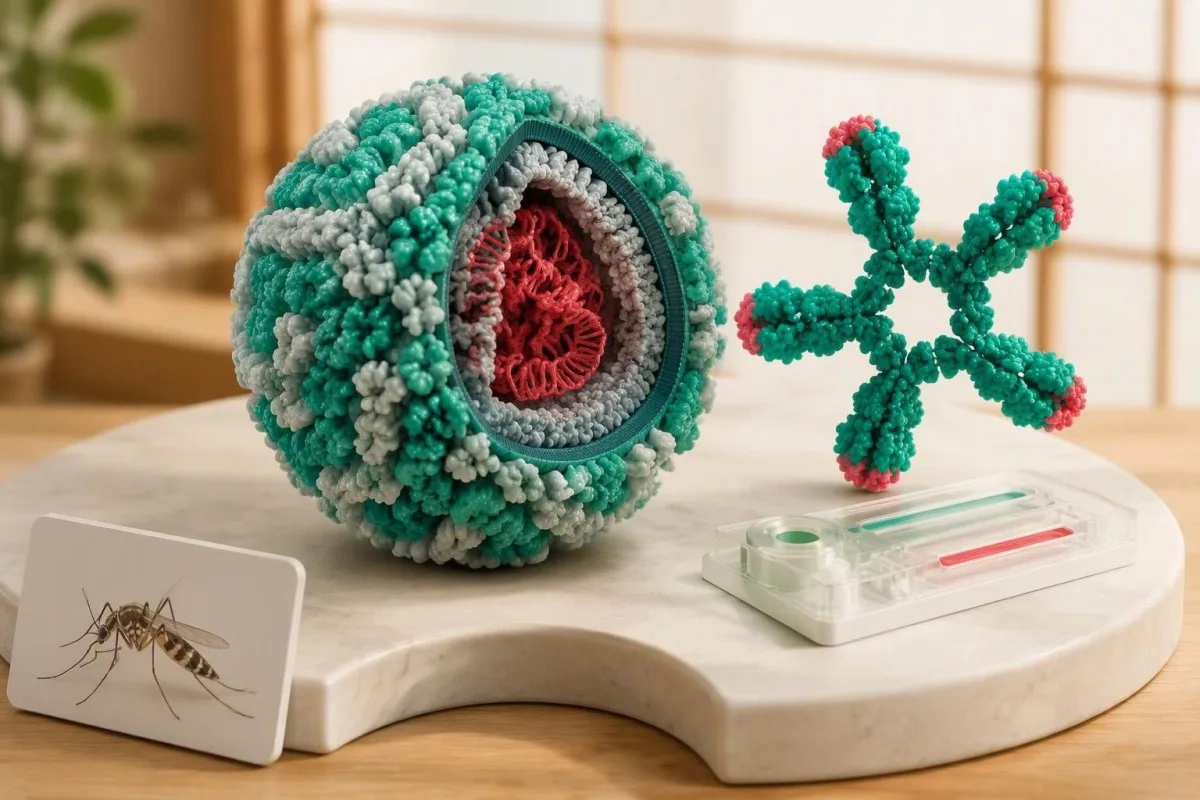
ஜிகா IgM நேர்மறை முடிவு, தொற்றை உறுதிப்படுத்தாது: டெங்குவுடன் தொடர்புடைய குறுக்கு-வினைத்திறன் அல்லது நீடித்திருக்கும் ஆன்டிபாடிகள் இதற்குக் காரணமாக இருக்கலாம். PCR முடிவு மாதிரி சேகரிக்கப்பட்ட நேரத்தைப் பொறுத்தது; கர்ப்பகாலத்தில், நோய்த்தொற்று வெளிப்பாட்டை அடிப்படையாகக் கொண்ட மருத்துவ மதிப்பீடும், தேவைப்படும்போது, குறிப்பு ஆய்வக உறுதிப்படுத்தலும் அவசியம்.

முக்கிய குறிப்புகள்
- ஜிகா IgM பொதுவாக நோயின் முதல் வாரத்தில் உருவாகி, மாதக்கணக்கில் அல்லது அதற்கும் மேலாக நீடிக்கலாம்; நேர்மறை முடிவு தொற்று ஏற்பட்ட காலத்தை நம்பகமாகக் குறிப்பிடாது.
- குறுக்குவினை டெங்குவுடனும் பிற ஃபிளாவிவைரஸ்களுடனும் ஏற்படும் குறுக்கு-வினைத்திறன், ஜிகா தொற்று உறுதிப்படுத்தப்படாமலேயே ஜிகா ஆன்டிபாடி முடிவுகள் எதிர்வினையாற்றியதாக வருவதற்குக் காரணமாகலாம்.
- PCR பரிசோதனைக்கான சரியான நேரம் கொசுக்கடி ஏற்பட்ட நேரத்தை மட்டும் அல்லாமல், அறிகுறிகள் தொடங்கிய நேரத்திலிருந்து முதன்மையாகக் கணக்கிடப்படுகிறது; அறிகுறியுள்ள கர்ப்பமில்லாத நோயாளிகளுக்கு முதல் 7 நாட்களுக்குள் சீரம் பரிசோதனைக்கு பொதுவாக முன்னுரிமை அளிக்கப்படுகிறது.
- கர்ப்ப பரிசோதனை குறிப்பிட்ட வெளிப்பாட்டு வழிமுறைகளில், அறிகுறிகள் தொடங்கிய 12 வாரங்கள் வரை மூலக்கூறு பரிசோதனை செய்யப்படலாம்; ஆனால் அந்தக் காலம் முழுவதும் தொற்றைக் கண்டறிய முடியும் என்பதற்கு இது உத்தரவாதமல்ல.
- எதிர்மறை PCR அந்த மாதிரியில் RNA கண்டறியப்படவில்லை என்பதைக் குறிக்கிறது; பரிசோதனையின் பயனுள்ள கண்டறிதல் காலக்கெடுவுக்கு வெளியே ஏற்பட்ட தொற்றை இது விலக்காது.
- PRNT உறுதிப்படுத்தல் ஆன்டிபாடி முடிவுகளைத் தெளிவுபடுத்தலாம்; ஆனால் முந்தைய ஃபிளாவிவைரஸ் வெளிப்பாடுகளால் ஜிகா மற்றும் டெங்கு நடுநிலைப்படுத்தல் பரிசோதனைகள் இரண்டுமே நேர்மறையாக இருக்கலாம்.
- தவறான-நேர்மறை நிகழ்தகவு பரிசோதனைக்கு முன் தொற்று ஏற்பட்டிருப்பதற்கான வாய்ப்பு குறைவாக இருக்கும்போது இது அதிகரிக்கும்; பரிசோதனையின் தனித்திறன் மட்டுமே உங்கள் முடிவு சரியாக இருப்பதற்கான நிகழ்தகவைக் கூறாது.
- கர்ப்பகாலத் தொடர் கண்காணிப்பு தொடர்புடைய வெளிப்பாடு இருந்து, பரிசோதனை முடிவு எதிர்வினையாற்றியதாக வந்தால், அதை உடனடியாக ஏற்பாடு செய்ய வேண்டும்; தாயின் ஆன்டிபாடி முடிவு மட்டுமே கருவுக்குத் தொற்று ஏற்பட்டதை உறுதிப்படுத்தாது.
ஜிகா பரிசோதனையில் நேர்மறை முடிவுகள் உண்மையில் எதை உறுதிப்படுத்துகின்றன?
நேர்மறையான Zika IgM முடிவு என்பது ஆன்டிபாடி வினைத்திறனுக்கான சான்றாகும்; Zika தொற்று ஏற்பட்டதைத் தானாகவே உறுதிப்படுத்துவதில்லை. சரிபார்க்கப்பட்ட நேர்மறை PCR, வைரஸ் RNA-வைக் கண்டறிவதால், இன்னும் நேரடியான சான்றை வழங்குகிறது; இந்த 2 வகைச் சோதனைகளில் எதுவுமே தனியாகக் கருவில் உள்ள தொற்றை உறுதிப்படுத்தவோ அதன் விளைவுகளைக் கணிக்கவோ முடியாது.
நேர்மறை என்ற சொல், ஒரு பரிசோதனையின் முடிவு வரம்பைக் குறிக்கிறது; முழுமையான நோயறிதலை அல்ல. சமீபத்தில் பயணம் செய்த, பொருந்தக்கூடிய அறிகுறிகளைக் கொண்ட, முன்பு டெங்கு தொற்று ஏற்படாத 1 நபருக்கு வினையாற்றும் ஆன்டிபாடி முடிவு தரும் பொருள், நம்பத்தகுந்த தொற்றுச் சாத்தியம் இல்லாத மற்றும் பலமுறை ஃபிளாவிவைரஸ் தொற்றுக்கு ஆளான ஒருவருக்கு அதே முடிவு தரும் பொருளிலிருந்து வேறுபடும்.
கண்டறியப்பட்ட மூலக்கூறு முடிவுக்குத் தொடர்ந்து மருத்துவக் கண்காணிப்பு தேவை; ஆய்வகம் அல்லது பொது சுகாதார நடைமுறை கோரும்போது சரிபார்ப்பும் இதில் அடங்கும். மாசுபாடு, மாதிரி மாற்றிக் குழப்பம், எல்லைக்கோட்டிலான பெருக்கம் ஆகியவை அரிதானவை, ஆனால் சாத்தியமானவை; வேறொரு மாதிரியிலிருந்து கிடைக்கும் எதிர்மறை முடிவு, முதல் மாதிரியிலிருந்து கிடைத்த செல்லுபடியாகும் நேர்மறை முடிவைத் தானாகவே செல்லாததாக்காது.
Kantesti என்பது, பதிவுசெய்யப்பட்ட ஆன்டிபாடி வினைத்திறனுக்கும் மூலக்கூறு கண்டறிதலுக்கும் இடையிலான வேறுபாட்டை விளக்க உதவும் AI இரத்தப் பரிசோதனை பகுப்பாய்வி; இது 1 நேர்மறைக் குறியீட்டை நோயறிதலாகக் கருதுவதில்லை. தகவல் எங்கள் நிறுவனத்தைப் பற்றி எங்கள் பங்கை விவரிக்கிறது; உறுதிப்படுத்துவது மருத்துவ மற்றும் ஆய்வகப் பொறுப்பாகவே உள்ளது.
3 விவரங்களைக் கண்டறிவதிலிருந்து தொடங்குங்கள்: பரிசோதனையின் துல்லியமான பெயர், மாதிரி வகை, சேகரிக்கப்பட்ட தேதி. எங்கள் வழிகாட்டி நேர்மறை ஆன்டிபாடி கண்டறிதல்கள் ஒரு திரையிடல் சோதனை, கடந்தகாலத் தொற்றுக்கான சான்று, தற்போதைய தொற்றுக்கான ஆதாரம் ஆகியவை ஏன் தனித்தனி வகைகள் என்பதை விளக்குகிறது.
ஜிகா IgM நேர்மறை என்பதன் பொருள்: சமீபத்திய தொற்றா அல்லது பழைய ஆன்டிபாடிகளா?
Zika IgM நேர்மறை என்பதன் பொருள், பரிசோதனை செய்யப்பட்ட நேரம், தொற்று ஏற்பட்ட சாத்தியம், பரிசோதனையின் தனித்திறன் ஆகியவற்றைப் பொறுத்தது. நோய் ஏற்பட்ட முதல் வாரத்திலேயே IgM பொதுவாகக் கண்டறியக்கூடிய அளவுக்குத் தோன்றும்; ஆனால் அது மாதங்கள் அல்லது அதற்கும் மேலாக நீடிக்கக்கூடும் என்பதால், ஒரு நேர்மறை முடிவு மட்டும் குறிப்பிட்ட கர்ப்பகாலத்தில் அல்லது கடந்த 2 வாரங்களுக்குள் தொற்று ஏற்பட்டதை நிரூபிக்காது.
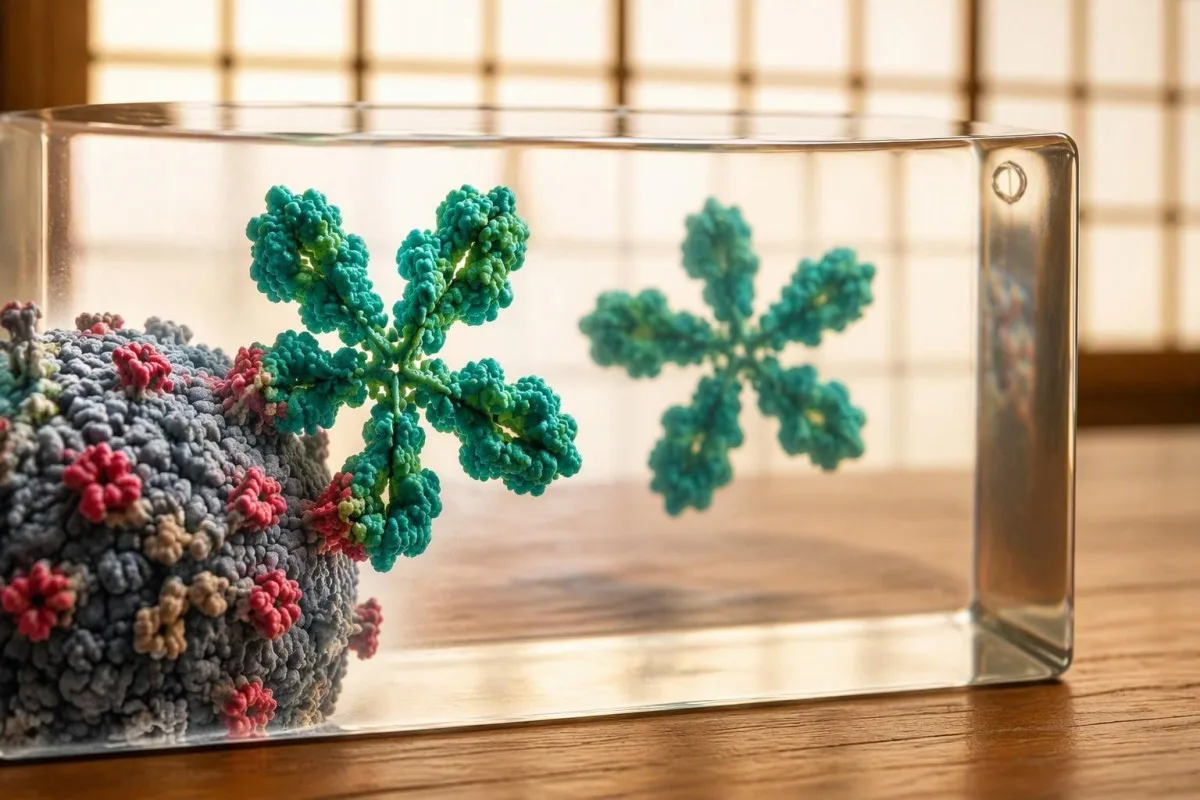
IgM பெரும்பாலும் ஆரம்பகால ஆன்டிபாடி என விவரிக்கப்படுகிறது; ஆனால் ஆரம்பத்தில் தோன்றுவது விரைவாக மறைந்துவிடும் என்று பொருளல்ல. Sharp et al. (2019) வழங்கிய நோயறிதல் வழிகாட்டுதல், Zika IgM நீண்டகாலம் கண்டறியப்படுவதை வலியுறுத்துகிறது; எனவே, பயணத்திற்குப் பிறகு 6 மாதங்களில் கிடைக்கும் முடிவை, புதிதாக ஏற்பட்ட தடிப்பு அல்லது காய்ச்சலுடன் தொடர்புபடுத்துவது கடினமாக இருக்கலாம்.
Zika-சார் IgM மற்றும் மொத்த சீரம் IgM ஆகியவை 2 வெவ்வேறு அளவீடுகள். மொத்த IgM, mg/dL அல்லது g/L-இல் தெரிவிக்கப்படலாம்; அதேவேளை Zika பரிசோதனை குறியீடு, விகிதம் அல்லது தரம்சார் விளக்கத்தைத் தெரிவிக்கலாம்; மொத்த IgM செறிவு அதிகரித்திருப்பது Zika நோயைக் கண்டறியாது; எங்கள் இம்யூனோகுளோபுலின் முடிவுகள் வழிகாட்டுகின்றன அதைப் விளக்குகிறது.
ஆன்டிபாடி குறியீடு என்பது வைரஸின் செறிவு அல்ல. கற்பனையாக, அதே பரிசோதனையில் 3.0 என்ற குறியீடு 1.5 என்பதைவிட அதிகமான பகுப்பாய்வு வினைத்திறனைக் குறிக்கலாம்; ஆனால் இரு மதிப்புகளில் எதையும் RNA copies/mL ஆகவோ, கருவில் ஏற்படும் பாதிப்புக்கான சதவீத அபாயமாகவோ, தொற்று ஏற்பட்டதிலிருந்து கடந்த நாட்களின் எண்ணிக்கையாகவோ மாற்ற முடியாது.
Zika IgG முடிவு, மேலும் ஒரு அடுக்கைச் சேர்க்கிறது; எல்லாவற்றுக்கும் பொதுவான பதிலை அல்ல. 1 மாதிரி சேகரிப்பு தேதியில் IgM மற்றும் IgG இரண்டும் வினையாற்றினாலும், குறுக்குவினைத்திறனும் முந்தைய ஃபிளாவிவைரஸ் தொற்றும் துல்லியமாகக் காலத்தைக் கணிக்கவிடாமல் செய்யலாம்; அதிக ஆன்டிபாடி எண் என்றால் நோய் மிகக் கடுமையானது எனக் கருதுவதற்குப் பதிலாக, ஆய்வகத்தின் விளக்கக் குறிப்பைப் பயன்படுத்துங்கள்.
டெங்குவும் பிற ஃபிளாவிவைரஸ்களும் ஏன் குறுக்கு-வினைத்திறனை ஏற்படுத்தலாம்
இந்த வைரஸ்கள் ஆன்டிஜன் அம்சங்களைப் பகிர்ந்துகொள்வதால், டெங்கு மற்றும் பிற ஃபிளாவிவைரஸ்களுக்கு எதிராக உருவான ஆன்டிபாடிகளுடனும் Zika ஆன்டிபாடி பரிசோதனைகள் வினையாற்றலாம். பல பயணச் சூழல்களில், மருத்துவ ரீதியாக மிகவும் பொருத்தமான ஒத்திசைவு டெங்குவாகும்; 1-க்கும் மேற்பட்ட ஃபிளாவிவைரஸுக்கு முந்தைய தொற்று ஏற்பட்டிருப்பதும், உறுதிப்படுத்தும் ஆன்டிபாடி பரிசோதனையின் வேறுபடுத்தும் திறனைக் குறைக்கலாம்.

ஆன்டிபாடி பரிசோதனைகள், தேர்ந்தெடுக்கப்பட்ட வைரஸ் ஆன்டிஜன்களுடன் ஏற்படும் பிணைப்பைக் கண்டறிகின்றன; வைரஸின் முழு அடையாளத்தை அல்ல. ஒரு ஆன்டிபாடி பொதுவான மேற்பரப்பு அம்சத்தை அடையாளம் கண்டால், டெங்குவுக்கு எதிரான 1 உண்மையான நோயெதிர்ப்பு எதிர்வினை Zika பரிசோதனையில் வினைத்திறனை ஏற்படுத்தலாம்; இது உயிரியல் குறுக்குவினைத்திறன், ஆய்வகம் மாதிரியைக் கையாள்வதில் தவறு செய்ததற்கான சான்று அல்ல.
ஆன்டிஜன் மற்றும் பரிசோதனையைப் பொறுத்து, முந்தைய மஞ்சள் காய்ச்சல் அல்லது ஜப்பானிய மூளைக்காய்ச்சல் தடுப்பூசி, சில ஃபிளாவிவைரஸ் சீராய்வுப் பரிசோதனைகளைச் சிக்கலாக்கலாம். 5 அல்லது 10 ஆண்டுகளுக்கு முன்பு போட்ட தடுப்பூசிகள் உட்பட, தடுப்பூசிகளின் பெயர்களையும் தேதிகளையும் மருத்துவரிடம் தெரிவியுங்கள்; சமீபத்திய தடுப்பூசிகள் மட்டுமே முக்கியம் என்று கருதாதீர்கள்; எந்த வரலாறு விளக்கத்தை மாற்றும் என்பதை குறிப்பு ஆய்வகம் தீர்மானிக்கும்.
வெஸ்ட் நைல் வைரஸ் அதே பரந்த வைரஸ் குடும்பத்தைச் சேர்ந்தது; சிக்குன்குனியா அக்குடும்பத்தைச் சேர்ந்ததல்ல. எங்கள் விளக்கம் வெஸ்ட் நைல் ஆன்டிபாடி உறுதிப்படுத்தல் தொடர்புடைய தெளிவின்மையை விவரிக்கிறது; ஆனால் கொசுக்களால் பரவும் 2 நோய்கள் ஒரே நேரத்தில் பரவுவது, அவற்றின் ஆன்டிபாடி பரிசோதனைகள் ஒன்றுக்கொன்று குறுக்குவினையாற்றுகின்றன என்பதை உறுதிப்படுத்தாது.
மீண்டும் மீண்டும் ஏற்படும் ஃபிளாவிவைரஸ் தொற்றுகள், நோயெதிர்ப்பு நினைவாற்றல் மூலம் நடுநிலைப்படுத்தும் ஆன்டிபாடி எதிர்வினைகளை விரிவுபடுத்தலாம். நடுநிலைப்படுத்தும் பரிசோதனைக்குப் பிறகும், முன்பு 2 முறை டெங்கு தொற்று ஏற்பட்ட ஒருவரை வகைப்படுத்துவது ஏன் கடினமாக இருக்கலாம் என்பதை Sharp et al. (2019) விவரிக்கின்றனர்; பொருத்தமான இறுதி விளக்கம், உறுதிப்படுத்தப்பட்ட Zika தொற்று என்பதற்குப் பதிலாக, வகை தெளிவற்ற ஃபிளாவிவைரஸ் தொற்றாக இருக்கலாம்.
ஜிகா பரிசோதனையில் தவறான நேர்மறை முடிவு வருவதற்கான வாய்ப்பு எவ்வளவு?
The probability that a positive Zika antibody result is false depends on both assay performance and the chance of infection before testing. There is no defensible universal percentage for every laboratory, traveler or pregnancy; even a test with 95% specificity can produce mostly false positives in a low-prevalence group.

Consider a clearly hypothetical assay with 90% sensitivity and 95% specificity used in 10,000 people, of whom 1% truly have the target condition. It would yield approximately 90 true positives and 495 false positives, so only 90 of 585 positive results, or 15.4%, would represent the target condition.
Now keep those hypothetical assay characteristics but increase the underlying prevalence to 10%. Approximately 900 true positives and 450 false positives would result, giving a positive predictive value of 66.7%; the test has not improved, but the tested population has changed.
Improving specificity also matters: at 1% prevalence, a hypothetical assay with 90% sensitivity and 99% specificity would produce 90 true positives and 99 false positives. Its positive predictive value would still be only 47.6%; none of these figures is a measured performance estimate for a particular Zika assay.
Persistent antibodies from a genuine old Zika infection are not necessarily an analytically false result, although interpreting them as a new infection would be wrong. Our discussion of reactive hepatitis A IgM illustrates a similar distinction: 1 positive antibody finding can be accurate analytically yet misleading clinically.
ஜிகா PCR பரிசோதனையின் துல்லியம் கண்டறிதல் காலக்கெடுவைப் பொறுத்தது
Zika PCR test accuracy is highest when an appropriate specimen is collected while viral RNA remains detectable. For symptomatic nonpregnant patients, serum molecular testing is commonly prioritized within the first 7 days of illness; a later negative test may reflect falling RNA rather than absence of earlier infection.
Analytical sensitivity describes how little RNA an assay can detect under validated conditions; clinical sensitivity describes how often it identifies infected people in practice. A very low detection limit cannot rescue a specimen collected 3 weeks after RNA has cleared, and there is no single clinical sensitivity percentage that applies across all collection times.
Count the molecular-testing window from symptom onset when symptoms are present, not automatically from the mosquito bite or flight home. Zika symptoms generally begin 3–14 days after exposure, so a specimen taken 7 days after a bite might fall before, during or after the most useful serum-testing period.
Some pregnancy pathways allow molecular testing up to 12 weeks after symptom onset because RNA detection can be prolonged. This is an eligibility window for selected testing strategies, not a promise of 12 weeks of reliable detection; exposure geography, symptoms, specimen choice and public-health advice determine the actual testing plan.
Urine can complement serum testing when the assay is validated for urine, but it is not a guaranteed longer-lasting specimen. The broader principle also appears in our PCR window-period guide: a negative molecular result from 1 body site cannot be interpreted without its collection timing.
PCR மற்றும் IgM முடிவுகள் முரண்படும்போது எந்தத் தேதிகள் முக்கியம்?
Discordant Zika results should be interpreted using at least 2 clocks: the exposure timeline and the symptom timeline. Add the specimen collection date to both; PCR-negative, IgM-positive findings can reflect late collection, persistent antibodies or cross-reactivity, while early PCR-positive, IgM-negative findings can precede antibody development.

In the prospective cohort reported by Paz-Bailey et al. in the New England Journal of Medicine (2018), estimated median times to loss of detectable RNA were 14 days in serum and 8 days in urine. These estimates came from a selected cohort with confirmed infection; they are not universal cutoffs for excluding infection in an individual patient.
For a hypothetical traveler tested on illness day 3, detected RNA with negative IgM can fit an early immune response. Testing both Zika and dengue through the appropriate pathway matters because the illnesses overlap; our discussion of PCR and antibody disagreement explains why discordance does not automatically indicate laboratory error.
Imagine instead that the first specimen was collected on illness day 21 and shows negative PCR with reactive IgM. That pattern cannot distinguish recent Zika from another flavivirus response or persistent antibodies without additional context; when indicated, a clinician may arrange a later specimen, often around 10–14 days after the first, using laboratory-specific instructions.
At Kantesti, we encourage recording collection dates separately from report-release dates because a 5-day reporting delay does not extend the biological detection window. Our இரத்தப் பரிசோதனை காலவரிசை வழிகாட்டி explains this distinction; ongoing exposure may also prevent assignment of a single meaningful last-exposure date.
கண்டறியப்பட்டது, தெளிவற்றது மற்றும் செல்லாதது எனக் குறிப்பிடப்பட்ட ஜிகா பரிசோதனை முடிவுகளை எவ்வாறு புரிந்துகொள்வது
Detected, not detected, equivocal and invalid are different laboratory conclusions. A detected PCR identifies RNA in the tested specimen; not detected means the signal was absent or below the assay threshold, while an invalid result means the test did not produce a usable answer and may require a second specimen.
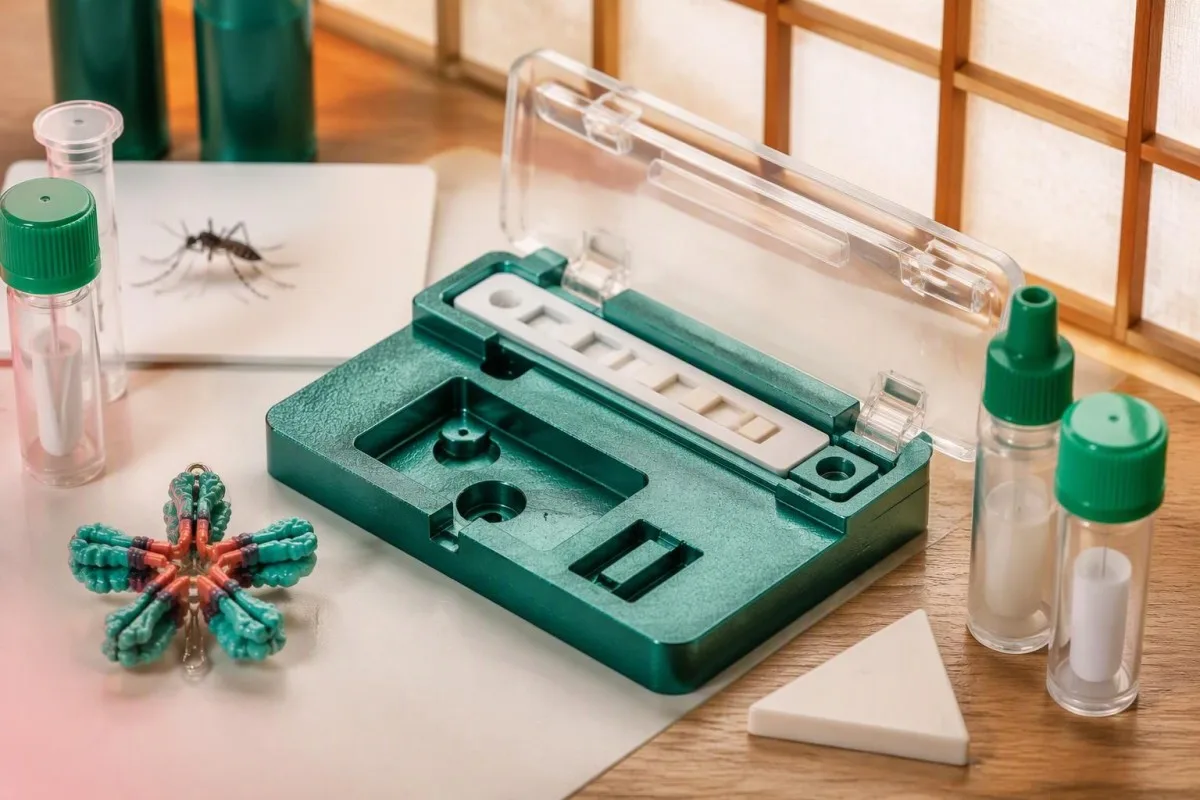
An equivocal antibody result falls into the assay's uncertainty zone, which varies by laboratory and test design. A hypothetical index of 1.0 cannot be called positive or negative without that assay's reference intervals; our guide to தரமான முடிவுகள் மற்றும் அளவீட்டு முடிவுகள் explains why a number and its interpretation must stay together.
PCR cycle threshold, when reported, describes amplification behavior rather than a standardized severity score. A hypothetical Ct of 35 on 1 instrument cannot be directly compared with Ct 35 on another assay, and it cannot reliably predict fetal effects, contagiousness or the precise day on which infection began.
An inhibited or invalid PCR is not a negative PCR. Problems involving extraction, specimen handling or amplification controls can require reprocessing or recollection; if the original specimen was collected on illness day 5, a replacement collected on day 12 must be interpreted at its own later biological time point.
Keep the complete report, including 4 often-overlooked fields: specimen source, assay name, collection date and interpretive comments. A cropped photograph showing only a red positive flag can hide a presumptive designation or a pending confirmatory test, making both clinical review and any automated explanation less reliable.
PRNT அல்லது மீண்டும் செய்யப்படும் மூலக்கூறு பரிசோதனை எப்போது உதவும்?
Confirmatory testing helps when a reactive Zika screen needs virus-specific clarification or an unexpected molecular result needs verification. Plaque reduction neutralization testing, or PRNT, measures functional neutralizing antibodies; however, responses against 2 or more flaviviruses can prevent PRNT from identifying which virus caused the original immune response.

Some reference laboratories use PRNT90, meaning the dilution that reduces plaque formation by 90%. In established CDC interpretive schemes, a Zika neutralizing titer of at least 1:10 with negative dengue neutralization can support Zika-specific classification; the complete algorithm, antibody screening result and laboratory instructions still matter.
If both Zika and dengue neutralizing titers are at least 1:10, the result may remain consistent with an unspecified flavivirus infection. A 4-fold difference between titers is not universally decisive after previous flavivirus exposures, so patients should not calculate their own confirmation rule from two numbers.
Repeating an unexpected positive NAAT may involve a new extraction from the original specimen, a second target or another specimen, depending on the assay and public-health protocol. This is not the same as simply rerunning 1 antibody screen; our antibody confirmation guide discusses why independent confirmation is more informative than repeated screening.
Kantesti is an AI lab test interpretation service that explains laboratory wording without converting 1 presumptive result into a confirmed diagnosis. Our சரிபார்ப்பு மற்றும் மேற்பார்வைத் தகவல் describes evaluation boundaries; no interpretation tool can make PRNT reliably date infection when the underlying antibody biology cannot do so.
கர்ப்பகாலத்தில் நிபுணர் மதிப்பீடு எப்போது தேவைப்படுகிறது
Pregnancy warrants prompt clinician assessment when possible Zika exposure accompanies compatible symptoms, reactive testing or concerning prenatal findings. Stable patients do not usually need emergency care solely because of 1 positive IgM result, but maternal-fetal medicine, infectious-disease or public-health input may be needed to choose testing and follow-up.

The key question is whether infection could have occurred during pregnancy, not simply whether an antibody is present today. The CDC pregnancy guidance by Oduyebo et al. (2017) explains how persistent IgM and falling transmission rates complicate screening; a reactive result at 10 weeks of pregnancy may still reflect exposure before conception.
Symptoms are not required for fetal risk assessment because maternal Zika infection can be asymptomatic. Conversely, 1 episode of fever or rash is not specific to Zika; a specialist weighs travel destination, mosquito exposure, sexual exposure, dates and alternative diagnoses rather than using symptoms alone to label the pregnancy.
Bring at least 4 dates to the appointment: the pregnancy dating estimate, travel or exposure dates, symptom onset and specimen collection. Our discussion of கர்ப்பத்தில் டாக்ஸோபிளாஸ்மா முடிவுகள் explains a shared counseling principle: maternal antibodies do not automatically prove a new infection during pregnancy.
Routine Zika IgM screening is not appropriate for every asymptomatic pregnancy, especially where pretest probability is low and antibody persistence would create ambiguity. Similar timing difficulties arise with CMV ஆன்டிபாடி வடிவங்களைப் போலல்லாமல், but the diagnostic algorithms are different; do not transfer 1 virus's avidity or confirmation rules to another.
அல்ட்ராசவுண்டும் கருவுக்கான பரிசோதனைகளும் எதை உறுதிப்படுத்த முடியும்?
Prenatal ultrasound assesses fetal development; it does not confirm or exclude maternal Zika infection. For pregnancies with confirmed or possible infection, specialist-led serial ultrasound may be considered every 3–4 weeks, while amniotic-fluid testing is individualized because a negative result cannot reliably exclude fetal infection.

A normal scan shortly after exposure does not end the assessment because some findings develop later. The 3–4-week surveillance interval discussed in CDC pregnancy guidance is intended to reassess growth and neuroanatomy over time; it is not a guarantee that every affected pregnancy will produce a visible finding at the next appointment.
Amniocentesis should not be ordered automatically for an isolated reactive IgM result. The decision depends on gestational age, imaging findings, other diagnostic indications and counseling about procedural uncertainty; there is no single post-exposure day on which a negative amniotic-fluid PCR reliably provides a 100% exclusion of fetal infection.
Concerning prenatal findings can justify specialist evaluation even when maternal PCR is negative. A specimen collected 8 weeks after symptoms may no longer detect maternal RNA, and abnormalities have alternative causes; counseling should separate what the scan shows from what the maternal laboratory result can establish.
Fever during pregnancy still needs assessment for other treatable illnesses, including conditions covered in our pregnancy fever testing guide. If maternal evidence or prenatal findings warrant newborn follow-up, a pediatric team plans examination and appropriate hearing, eye or laboratory assessment; 1 maternal IgM result alone does not diagnose the infant.
ஜிகா முடிவுகளைப் புரிந்துகொள்ளும்போது டெங்கு பரிசோதனையும் ஏன் அவசியம்
Dengue testing often belongs in the Zika workup because dengue overlaps geographically, resembles Zika clinically and can complicate Zika serology. During the first 7 days of dengue illness, NAAT or NS1 antigen testing is commonly useful; later testing relies more heavily on antibody interpretation and the clinical picture.
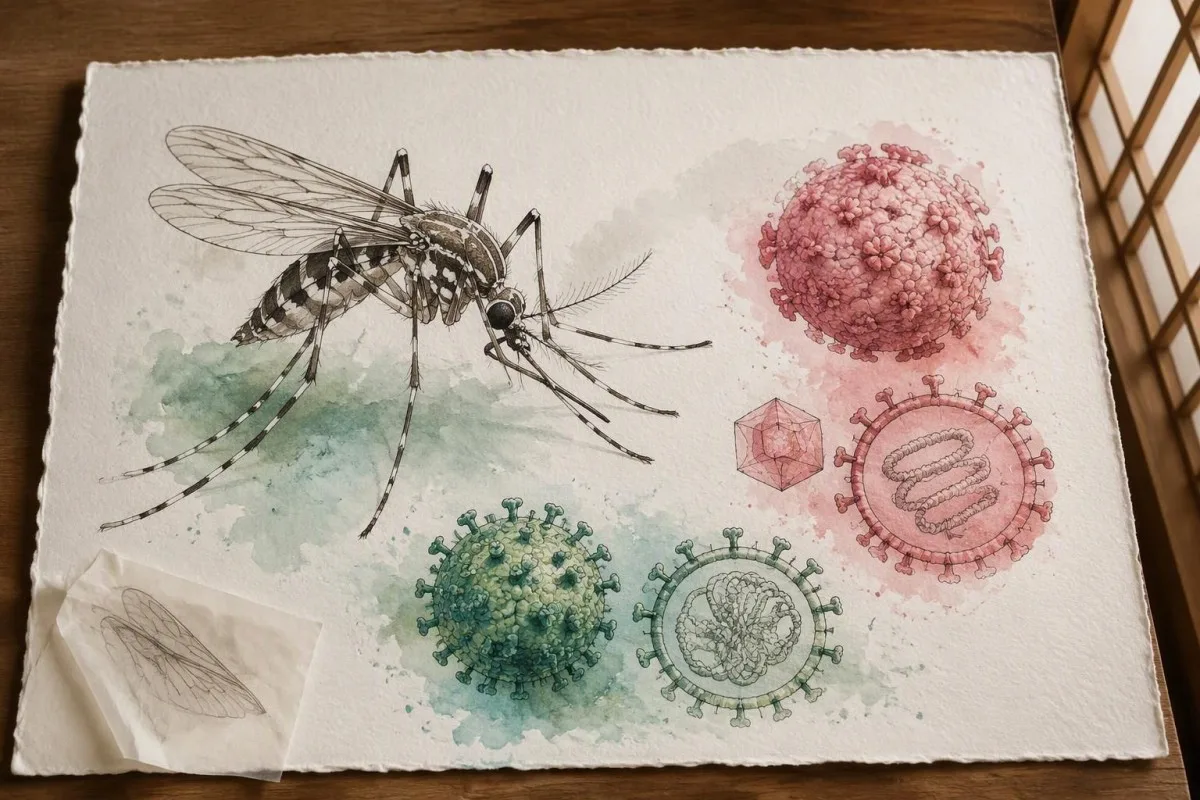
A positive dengue NAAT or NS1 result offers evidence that differs from a cross-reactive antibody screen. Our explanation of dengue NS1 timing covers the early window; a negative NS1 result after illness day 7 cannot be treated as equivalent to a negative result obtained on day 2.
Zika and dengue are not mutually exclusive diagnoses, although a dual-reactive antibody pattern commonly reflects serologic overlap rather than 2 proven infections. Sharp et al. (2019) recommend diagnostic reasoning that considers both viruses; molecular evidence, exposure timing and reference-laboratory interpretation are more informative than counting positive antibody flags.
Chikungunya can produce prominent joint symptoms after the same type of mosquito exposure, but it is an alphavirus rather than a flavivirus. Our guide to chikungunya IgM persistence explains why a reactive result also needs timing context; 3 overlapping illnesses require virus-specific tests, not interchangeable antibody assumptions.
Malaria and other travel-related illnesses remain possible when the itinerary supports them. A returned traveler with 38°C fever should not wait for a Zika confirmation result before obtaining clinical assessment; the danger of anchoring on 1 reactive test is missing a different condition with an urgent or specific treatment.
முடிவுகள் உறுதியாகாத நிலையில் எந்த அறிகுறிகளுக்கு அவசரச் சிகிச்சை தேவை?
New progressive weakness, breathing difficulty, confusion, fainting or severe dehydration require urgent assessment regardless of the Zika result. Severe abdominal pain, persistent vomiting or unusual bleeding can suggest dengue complications; 1 negative Zika PCR does not make these symptoms safe to monitor without medical advice.
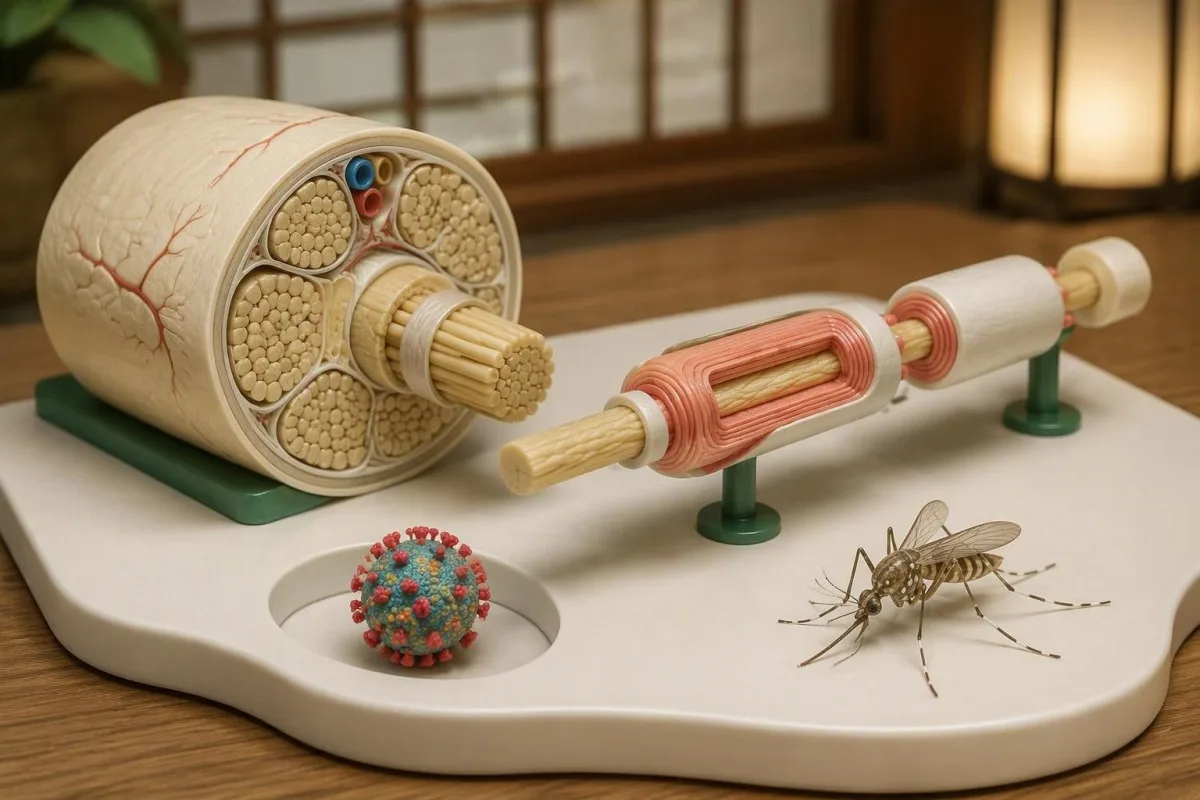
Zika is associated with Guillain-Barré syndrome, but a positive IgM result cannot diagnose that neurological condition. Weakness that progresses over 1–2 days, difficulty walking or problems swallowing needs urgent care; our தீவிரமடையும் பலவீனம் குறித்த எச்சரிக்கை வழிகாட்டியில் விவாதிக்கப்பட்ட நிலைகள் உட்பட, பல அவசர நரம்பியல் காரணங்களால் இந்த அறிகுறிகள் ஏற்படலாம் explains why symptoms outweigh reassurance from an uncertain laboratory finding.
Avoid aspirin and nonsteroidal anti-inflammatory medicines such as ibuprofen until dengue has been excluded or a clinician advises otherwise. Paracetamol, also called acetaminophen, is commonly used for fever within appropriate dosing limits; 1 negative Zika test does not exclude dengue, and significant liver disease or pregnancy may require individualized medication advice.
For people planning pregnancy after possible Zika exposure, CDC prevention advice generally uses at least 3 months for males and 2 months for females, measured from return, symptom onset or diagnosis as applicable. These prevention intervals address possible sexual transmission; neither a negative serum PCR nor a reactive IgM result serves as a reliable fertility-clearance test.
During pregnancy, use condoms consistently or avoid sex for the rest of the pregnancy when a partner has relevant possible exposure, according to public-health advice. Travelers should also prevent mosquito bites for 3 weeks after returning from a risk area; prevention decisions should not depend solely on whether 1 laboratory specimen detected RNA.
உறுதிப்படுத்தலாகத் தவறாகக் கருதாமல் AI விளக்கத்தை எவ்வாறு பயன்படுத்துவது
AI can help explain a Zika laboratory report, but it cannot verify infection, arrange confirmatory testing or determine fetal risk. The useful workflow preserves at least 3 essentials: the original laboratory wording, the collection date and the exposure history, followed by clinician review when the result could change care.

Kantesti is an AI-powered blood test analysis tool that turns laboratory reports into patient-readable explanations, not a replacement for reference-laboratory testing. Our AI தொழில்நுட்ப வழிகாட்டி explains the interpretation workflow; a report saying presumptive positive should remain presumptive in every explanation, even when the flag appears strongly abnormal.
If you choose to upload a report, our free test explanation workflow can help you understand its wording; remove unnecessary identifiers while retaining the assay name, specimen and collection date. An explanation produced in about 60 seconds is not the turnaround time of PCR, PRNT or specialist assessment, which depends on the actual laboratory and care pathway.
Kantesti AI should not be used to infer 1 missing clinical fact from another: negative PCR does not prove absence of earlier infection, high IgM does not prove recent infection and maternal reactivity does not prove fetal effects. Any explanation that converts those findings into certainty needs correction against the complete report and clinical context.
Before acting, check 4 questions: Was the test indicated, was the specimen timely, is confirmation pending and does pregnancy change follow-up? AI is most useful for preparing those questions and organizing results; avoid using its output alone to cancel specialist follow-up, change pregnancy plans or declare sexual-transmission risk resolved.
ஆராய்ச்சி வெளியீடுகள் மற்றும் ஆதாரங்களின் வரம்புகள்
Clinical Zika interpretation should rely on directly relevant diagnostic guidance and infection studies, not unrelated biomarker publications. The 3 external references below address Zika testing, RNA persistence and pregnancy management; the 2 accompanying Zenodo publications are educational resources about other laboratory measurements, not evidence validating Zika diagnosis.
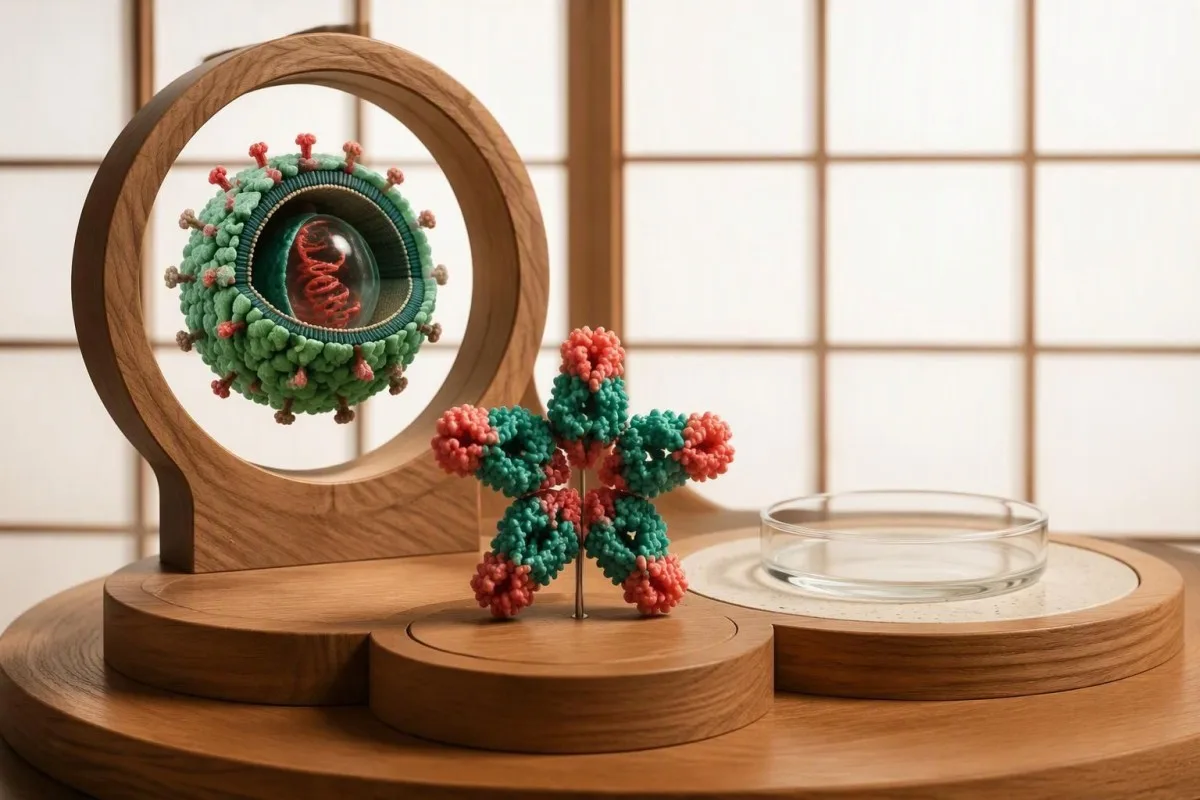
Sharp et al. (2019) provide the central framework for distinguishing molecular evidence from ambiguous flavivirus serology, while Paz-Bailey et al. (2018) quantify RNA persistence in a confirmed-infection cohort. Neither source supplies 1 universal accuracy figure for every modern assay, and their population and testing methods must remain attached to any numerical claim.
Kantesti's educational publications include an RDW and cell-index guide, archived on Zenodo under DOI 10.5281/zenodo.18202598. RDW can help explain a concurrent complete blood count, but it does not diagnose Zika, establish the date of infection or predict whether a fetus is affected.
உடன் வழங்கப்பட்டுள்ள kidney-function ratio guide is archived under DOI 10.5281/zenodo.18207872. Kidney measurements may matter in someone with dehydration or another travel-related illness, but there is no validated BUN/creatinine ratio threshold that confirms Zika; these 2 publications should not be presented as Zika diagnostic research.
Pregnancy recommendations and test availability vary with transmission patterns, jurisdiction and laboratory access, so a 2017 or 2019 algorithm should not be applied mechanically to every exposure. Our மருத்துவ உள்ளடக்கத் தரநிலைகள் support separating established facts from uncertainty; use the relevant public-health or reference-laboratory pathway for the actual decision.
அடிக்கடி கேட்கப்படும் கேள்விகள்
நேர்மறையான ஜிகா IgM பரிசோதனை என்றால், எனக்கு நிச்சயமாக ஜிகா தொற்று உள்ளது என்று அர்த்தமா?
நேர்மறையான Zika IgM பரிசோதனை, Zika தொற்றைத் திட்டவட்டமாக உறுதிப்படுத்தாது. IgM பொதுவாக நோயின் முதல் வாரத்தில் உருவாகிறது; ஆனால் இந்த எதிர்ப்பொருட்கள் மாதக்கணக்கில் அல்லது அதற்கும் மேலாக நீடிக்கலாம், மேலும் டெங்கு அல்லது பிற ஃபிளாவிவைரஸ்களுடன் குறுக்கு வினைபுரியலாம். ஒரு நேர்மறையான முடிவை மட்டும் கொண்டு தொற்று எப்போது ஏற்பட்டது என்பதை நம்பகமாகக் கண்டறியவோ, அது கர்ப்பகாலத்தில் ஏற்பட்டது என்று உறுதிப்படுத்தவோ முடியாது. அடுத்தகட்ட நடவடிக்கையைத் தீர்மானிப்பது, தொற்று வெளிப்பாட்டு வரலாறு, மாதிரி எடுக்கப்பட்ட நேரம் மற்றும் பொருத்தமான மூலக்கூறு அல்லது உறுதிப்படுத்தும் பரிசோதனை நடைமுறையாகும்.
டெங்கு, ஜிகா பரிசோதனையில் தவறான நேர்மறை முடிவை ஏற்படுத்துமா?
டெங்கு வைரஸும் ஜிகா வைரஸும் ஆன்டிஜெனிக் பண்புகளைப் பகிர்ந்துகொள்வதால், டெங்கு ஆன்டிபாடிகள் ஜிகா ஆன்டிபாடி பரிசோதனையில் எதிர்வினை முடிவை ஏற்படுத்தலாம். இந்தப் பிரச்சினை முதன்மையாக செரோலஜியைப் பாதிக்கிறது; முறையாகச் சரிபார்க்கப்பட்ட ஜிகா PCR பரிசோதனை வழக்கமாக டெங்கு RNA-வைக் கண்டறிகிறது என்பதைக் குறிக்கவில்லை. ஒன்றுக்கும் மேற்பட்ட ஃபிளாவிவைரஸ்களுக்கு முந்தைய வெளிப்பாடும் நடுநிலையாக்கப் பரிசோதனையைத் தெளிவற்றதாக்கலாம். இரட்டை-எதிர்வினை ஆன்டிபாடி முடிவுகளை இரண்டு தொற்றுகளுக்கான சான்றாகக் கருதுவதற்குப் பதிலாக, மருத்துவருக்கு டெங்கு பரிசோதனையும் குறிப்பு ஆய்வகத்தின் விளக்கமும் தேவைப்படலாம்.
வெளிப்பாட்டிற்குப் பிறகு ஜிகா PCR பரிசோதனை எவ்வளவு துல்லியமானது?
Zika PCR துல்லியம் பரிசோதனை முறை, மாதிரி மற்றும் அறிகுறிகள் தொடங்கியதிலிருந்து கடந்த காலத்தைப் பொறுத்தது; எனவே ஒவ்வொரு தொற்றுத் தொடர்புக்கும் பொருந்தும் ஒரே சதவீதம் என்று எதுவும் இல்லை. அறிகுறிகள் உள்ள கர்ப்பிணியல்லாத நோயாளிகளுக்கு, நோய் தொடங்கிய முதல் 7 நாட்களுக்குள் சீரம் மூலக்கூறு பரிசோதனைக்கு பொதுவாக முன்னுரிமை அளிக்கப்படுகிறது. தேர்ந்தெடுக்கப்பட்ட கர்ப்பகாலப் பரிசோதனை வழிமுறைகள், அறிகுறிகள் தொடங்கிய 12 வாரங்கள் வரை பரிசோதிக்க அனுமதிக்கின்றன; ஆனால் அந்தக் கால இடைவெளி முழுவதும் வைரஸைக் கண்டறிவது உறுதியல்ல. எதிர்மறை முடிவு என்பது அந்த மாதிரியில் RNA கண்டறியப்படவில்லை என்பதைக் குறிக்கிறது; அதனால் முந்தைய தொற்று தானாகவே விலக்கப்படாது.
Zika IgM நேர்மறையாகவும் PCR எதிர்மறையாகவும் இருப்பதன் பொருள் என்ன?
PCR எதிர்மறையாகவும் Zika IgM நேர்மறையாகவும் இருப்பது, RNA அளவு குறைந்த பிறகு மாதிரி எடுக்கப்பட்ட சமீபத்திய தொற்று, நீடித்த பழைய எதிர்ப்பொருட்கள் அல்லது மற்றொரு flavivirus உடனான குறுக்குவினை ஆகியவற்றைக் குறிக்கலாம். எடுத்துக்காட்டாக, நோயின் 21ஆம் நாளில் காணப்படும் இந்த முடிவுப் போக்கு, 3ஆம் நாளில் காணப்படும் அதே முடிவுப் போக்கிலிருந்து வேறுபட்ட பொருளைக் கொண்டுள்ளது. இவற்றில் எந்த முடிவும் மட்டும் தொற்று எப்போது ஏற்பட்டது என்பதை உறுதிப்படுத்தாது. பாதிப்பு அபாயம் மற்றும் கர்ப்பநிலையைப் பொறுத்து, மருத்துவர் மீண்டும் மாதிரி எடுக்கவும், டெங்கு பரிசோதனை செய்யவும் அல்லது குறிப்பு ஆய்வகத்தில் உறுதிப்படுத்தவும் கோரலாம்.
0 கர்ப்பகாலத்தில் ஜிகா பரிசோதனை நேர்மறையாக இருந்தால், நான் ஒரு நிபுணரைச் சந்திக்க வேண்டுமா?
கர்ப்பகாலத்தில் Zika தொற்று இருப்பதாகக் காட்டும் எதிர்வினை முடிவு கிடைத்தால், கர்ப்பத்தைக் கவனித்துவரும் மருத்துவரை உடனடியாகத் தொடர்புகொள்ள வேண்டும்; குறிப்பாகத் தொடர்புடைய பயணம், பாலியல் வெளிப்பாடு அல்லது அதற்குப் பொருந்தும் உடல்நலக்குறைவு இருந்தால். பரிசோதனை மேற்கொள்ள வேண்டிய காலத்தை மதிப்பிடவும், உறுதிப்படுத்தும் பரிசோதனையைத் தேர்ந்தெடுக்கவும் நிபுணர் அல்லது பொது சுகாதார ஆலோசனை தேவைப்படலாம். உறுதிப்படுத்தப்பட்ட அல்லது சாத்தியமான தொற்றுள்ள சில கர்ப்பங்களில், ஒவ்வொரு 3–4 வாரங்களுக்கும் தொடர் அல்ட்ராசவுண்ட் பரிசோதனை செய்யப்படலாம்; ஆனால் தாயின் ஒரே ஒரு IgM முடிவு மட்டும் கருவுக்குத் தொற்று இருப்பதை உறுதிப்படுத்தாது. புதிதாகத் தோன்றும் அல்லது படிப்படியாக அதிகரிக்கும் தசை பலவீனம், சுவாசிப்பதில் சிரமம் அல்லது கடுமையான உடல்நலக்குறைவு ஏற்பட்டால், திட்டமிட்ட ஆலோசனைக்காகக் காத்திருக்காமல் அவசரமாக மதிப்பீடு பெற வேண்டும்.
நான் ஸிகா நோயால் பாதிக்கப்பட்ட காலத்தை PRNT உறுதிப்படுத்துமா?
PRNT வைரஸ்-குறிப்பிட்ட நடுநிலையாக்கும் எதிர்ப்பொருட்களை மதிப்பிட உதவும், ஆனால் ஜிகா தொற்று ஏற்பட்ட தேதியை நம்பகமாக நிறுவ முடியாது. சில குறிப்பு ஆய்வகத் திட்டங்கள் விளக்கத்தின் ஒரு பகுதியாக குறைந்தது 1:10 என்ற நடுநிலையாக்கும் டைட்டரைப் பயன்படுத்துகின்றன; முழுமையான ஜிகா மற்றும் டெங்கு முறைதான் வகைப்பாட்டைத் தீர்மானிக்கிறது. இரு வைரஸ்களும் நேர்மறை நடுநிலையாக்க முடிவுகளைத் தந்தால், முந்தைய ஃபிளாவிவைரஸ் தொற்றுகள் தெளிவான வேறுபாட்டைக் கண்டறிவதைத் தடுக்கலாம். ஜிகாவுக்கே உரிய எதிர்ப்பொருள் உறுதிப்படுத்தல் கூட, தற்போதைய கர்ப்பகாலத்தில் தொற்று ஏற்பட்டது என்பதை நிரூபிக்காமல் இருக்கலாம்.
ஸீகா பரிசோதனை எதிர்மறையாக இருந்தால், கர்ப்பம் தரிக்க முயற்சிப்பது பாதுகாப்பானது என்று அர்த்தமா?
எதிர்மறையான Zika சீரம் PCR என்பது பாலியல் வழிப் பரவும் அபாயம் அல்லது கர்ப்பத் திட்டமிடலுக்கான சரிபார்க்கப்பட்ட தொற்று நீக்கப் பரிசோதனை அல்ல. CDC தடுப்பு ஆலோசனைகள், ஆண்களுக்கு சாத்தியமான தொற்றுக்கு குறைந்தது 3 மாதங்களும், பெண்களுக்கு 2 மாதங்களும் கழிந்த பிறகே பரிந்துரைக்கின்றன; தொடர்புடைய திரும்பிய தேதி, அறிகுறிகள் தொடங்கிய தேதி அல்லது நோயறிதல் தேதி முதல் இக்காலம் கணக்கிடப்படுகிறது. வைரஸ் மூலப்பொருள் உடலின் மற்றொரு பகுதியில் தொடர்ந்து உள்ளதா என்பதை சீரம் பரிசோதனை நம்பகமாகத் தீர்மானிக்காது. தொடர்ந்து தொற்று ஏற்படும் அபாயம் உள்ளவர்கள், கர்ப்பிணித் துணையைக் கொண்டவர்கள் அல்லது தேதிகள் குறித்து உறுதியில்லாதவர்கள், தங்களுக்கேற்ற பொது சுகாதார அல்லது மருத்துவ ஆலோசனையைப் பெற வேண்டும்.
உங்கள் இரத்த பரிசோதனை முடிவுகளை புரிந்துகொள்ளுங்கள்
உங்கள் ஆய்வக அறிக்கையைப் பதிவேற்றுங்கள்; Kantesti-இன் AI ஒவ்வொரு உயிர்குறியீட்டையும் சில நொடிகளில் எளிய மொழியில் விளக்குகிறது. உலகம் முழுவதும் 2 மில்லியனுக்கும் அதிகமானோர் பயன்படுத்துகின்றனர்.
குறிப்புகள்
- Klein, T., Mitchell, S., & Weber, H. (2026). RDW இரத்தப் பரிசோதனை: RDW-CV, MCV மற்றும் MCHC பற்றிய முழுமையான வழிகாட்டி. Kantesti AI மருத்துவ ஆராய்ச்சி. டி.ஓ.ஐ.
- Klein, T., Mitchell, S., & Weber, H. (2026). BUN/Creatinine விகிதம் விளக்கப்பட்டது: சிறுநீரக செயல்பாடு சோதனை வழிகாட்டி. Kantesti AI மருத்துவ ஆராய்ச்சி. டி.ஓ.ஐ.
- Sharp TM et al. (2019). Dengue and Zika Virus Diagnostic Testing for Patients with a Clinically Compatible Illness and Risk for Infection with Both Viruses. MMWR Recommendations and Reports. டி.ஓ.ஐ.
- Paz-Bailey G et al. (2018). Persistence of Zika Virus in Body Fluids — Final Report. New England Journal of Medicine. டி.ஓ.ஐ.
- Oduyebo T et al. (2017). Update: Interim Guidance for Health Care Providers Caring for Pregnant Women with Possible Zika Virus Exposure — United States (Including U.S. Territories), July 2017. MMWR Morbidity and Mortality Weekly Report. டி.ஓ.ஐ.
- 2மி+பகுப்பாய்வு செய்யப்பட்ட பரிசோதனைகள்
- 127+நாடுகள்
- 100+மொழிகள்
மருத்துவக் குழுவைப் பற்றி


E-E-A-T நம்பிக்கை சிக்னல்கள்
அனுபவம்
ஆய்வக விளக்க (lab interpretation) பணிச்சூழல்களின் மீது மருத்துவர் வழிநடத்தும் மருத்துவ மதிப்பாய்வு.
நிபுணத்துவம்
மருத்துவ சூழலில் உயிர்க்குறிகள் (biomarkers) எவ்வாறு நடக்கின்றன என்பதில் ஆய்வக மருத்துவத்தின் கவனம்.
அதிகாரம்
டாக்டர் தாமஸ் க்ளைனால் மருத்துவ ரீதியாக மதிப்பாய்வு செய்யப்பட்டது; டாக்டர் சாரா மிட்செல் மற்றும் பேராசிரியர் டாக்டர் ஹான்ஸ் வெபர் ஆகியோரின் பங்களிப்புகளுடன்.
நம்பகத்தன்மை
எச்சரிக்கையை குறைக்க தெளிவான பின்தொடர்பு பாதைகளுடன் ஆதார அடிப்படையிலான விளக்கம்.




மருத்துவ மறுப்பு அறிவிப்பு
இந்த கட்டுரை கல்வி நோக்கங்களுக்காக மட்டுமே; இது மருத்துவ ஆலோசனையாகாது. நோயறிதல் மற்றும் சிகிச்சை முடிவுகளுக்காக எப்போதும் தகுதியான சுகாதார வழங்குநரை அணுகுங்கள்.
வெளியிடப்பட்டது · ஆசிரியர் குழுவைத் தொடர்புகொள்ளவும்
Kantesti Ltd ஆல் வெளியிடப்பட்டது; இங்கிலாந்து மற்றும் வேல்ஸில் பதிவு செய்யப்பட்டது; நிறுவன எண். 17090423, லண்டன், ஐக்கிய இராச்சியம்.
