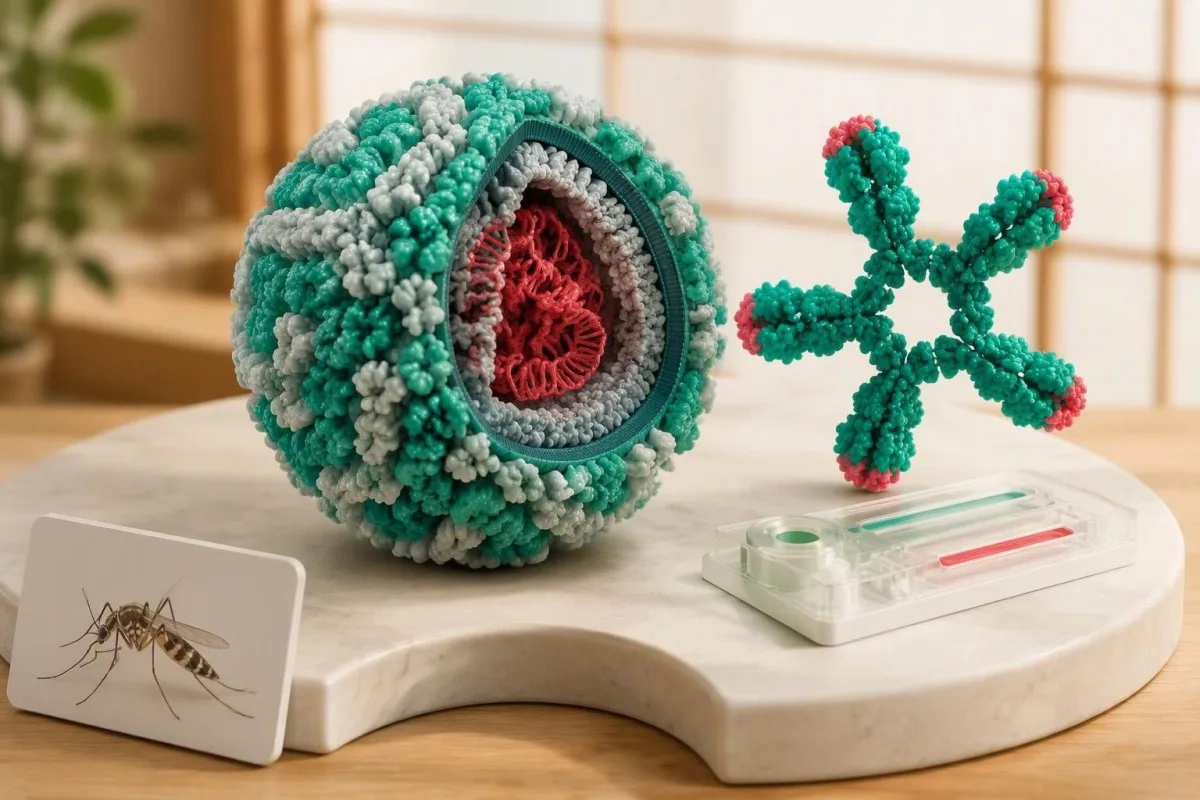
झिका IgM चा सकारात्मक निष्कर्ष संसर्गाची पुष्टी करत नाही: डेंग्यूमुळे होणारी क्रॉस-रिॲक्टिव्हिटी किंवा टिकून राहिलेल्या प्रतिपिंडांमुळे तो स्पष्ट होऊ शकतो. PCR चे निष्कर्ष नमुना कधी गोळा केला यावर अवलंबून असतात; गर्भधारणेत संपर्काचा इतिहास लक्षात घेऊन वैद्यकीय मूल्यांकन करणे आणि गरज असल्यास संदर्भ-प्रयोगशाळेत पुष्टी करणे आवश्यक असते.

मुख्य मुद्दे
- झिका IgM सहसा आजाराच्या पहिल्या आठवड्यात विकसित होते आणि अनेक महिने किंवा त्याहून अधिक काळ टिकू शकते; सकारात्मक निष्कर्षावरून संसर्गाची वेळ विश्वासार्हपणे ठरवता येत नाही.
- क्रॉस-रिॲक्टिव्हिटी डेंग्यू आणि इतर फ्लॅव्हिव्हायरससोबतची क्रॉस-रिॲक्टिव्हिटी, झिका संसर्गाची पुष्टी नसतानाही झिका प्रतिपिंडांचे प्रतिक्रियाशील निष्कर्ष देऊ शकते.
- PCR चाचणीची वेळ हे प्रामुख्याने लक्षणे सुरू झाल्यापासून मोजले जाते, केवळ डास चावल्यापासून नाही; लक्षणे असलेल्या, गर्भवती नसलेल्या रुग्णांमध्ये पहिल्या 7 दिवसांच्या आत सीरम चाचणीला सामान्यतः प्राधान्य दिले जाते.
- गर्भधारणा चाचणी निवडक संपर्क-आधारित तपासणी प्रक्रियांमध्ये लक्षणे सुरू झाल्यानंतर 12 आठवड्यांपर्यंत आण्विक चाचणीचा समावेश असू शकतो; मात्र या संपूर्ण कालावधीत विषाणू आढळेल याची हमी नसते.
- निगेटिव्ह PCR याचा अर्थ त्या नमुन्यात RNA आढळले नाही; चाचणीच्या उपयुक्त तपासणी-कालावधीबाहेरील संसर्ग नाकारला जात नाही.
- PRNT पुष्टीकरण प्रतिपिंडांचे निष्कर्ष स्पष्ट होण्यास यामुळे मदत होऊ शकते; मात्र फ्लॅव्हिव्हायरसचा पूर्वीचा संपर्क झालेला असल्यास झिका आणि डेंग्यू या दोन्हींसाठी न्यूट्रलायझेशन चाचण्या सकारात्मक येऊ शकतात.
- चुकीच्या-सकारात्मकतेची संभाव्यता चाचणीपूर्वी संसर्ग असण्याची शक्यता कमी असल्यास याची शक्यता वाढते; केवळ चाचणीची विशिष्टता तुमचा निष्कर्ष बरोबर असण्याची शक्यता सांगत नाही.
- गर्भधारणेतील पाठपुरावा संबंधित संपर्काचा इतिहास असताना निष्कर्ष प्रतिक्रियाशील आल्यास त्वरित पाठपुराव्याची व्यवस्था करावी; केवळ मातृ प्रतिपिंडांच्या निष्कर्षावरून गर्भाचा संसर्ग निश्चित करता येत नाही.
झिका चाचणीचे सकारात्मक निष्कर्ष नेमके कशाची पुष्टी करतात?
Zika IgM चा सकारात्मक निकाल हा अँटिबॉडी प्रतिक्रियाशीलतेचा पुरावा आहे; तो Zika संसर्गाची आपोआप पुष्टी करत नाही. प्रमाणित सकारात्मक PCR अधिक थेट पुरावा देते, कारण ती विषाणूचा RNA शोधते; या 2 प्रकारच्या चाचण्यांपैकी कोणतीही एक, स्वतःहून, गर्भातील संसर्ग सिद्ध करत नाही किंवा त्याचे परिणाम भाकीत करत नाही.
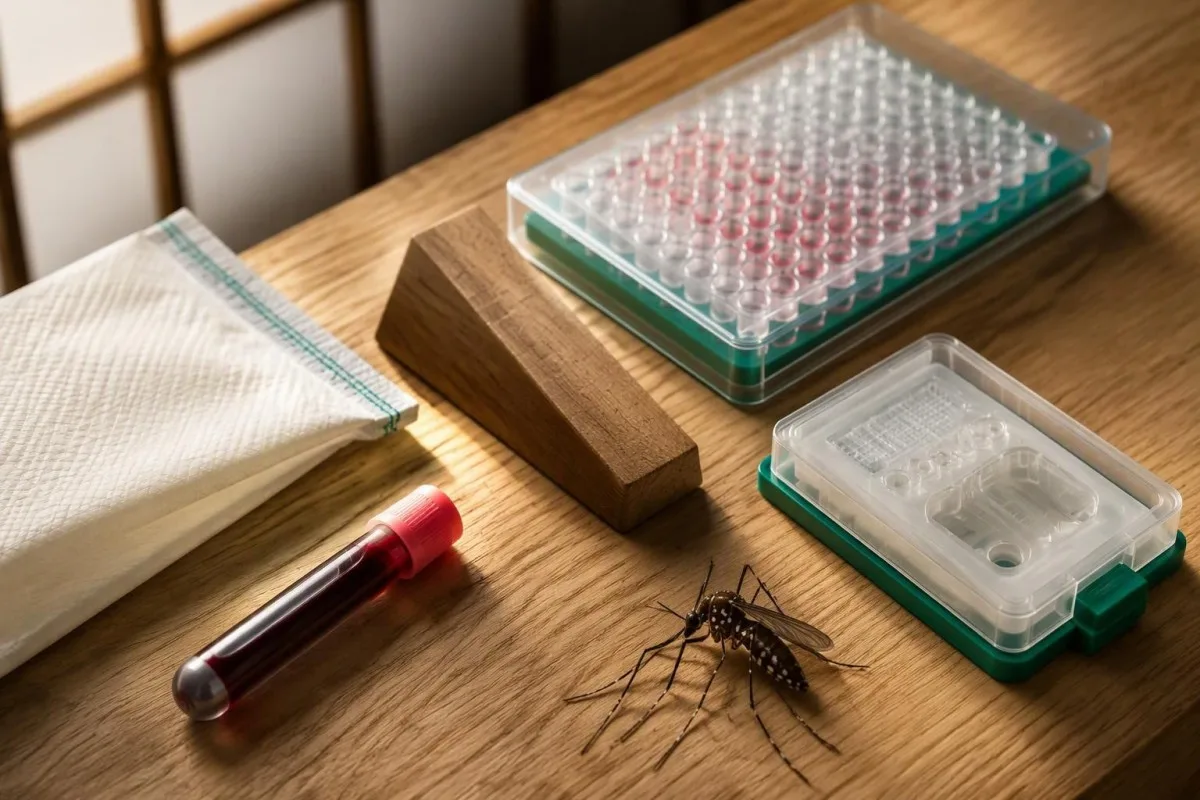
सकारात्मक हा शब्द चाचणीच्या निर्णय-सीमेचे वर्णन करतो; संपूर्ण निदानाचे नाही. अलीकडे प्रवास केलेल्या, सुसंगत लक्षणे असलेल्या आणि यापूर्वी डेंग्यूचा संपर्क नसलेल्या 1 व्यक्तीमध्ये प्रतिक्रियाशील अँटिबॉडी निकालाचा अर्थ, संभाव्य संपर्क नसलेल्या आणि फ्लॅव्हिव्हायरसचा अनेकदा पूर्वी संपर्क आलेल्या व्यक्तीतील त्याच निकालापेक्षा वेगळा असतो.
आढळलेल्या आण्विक निकालासाठी वैद्यकीय पाठपुरावा आवश्यक असतो; प्रयोगशाळेच्या किंवा सार्वजनिक आरोग्याच्या कार्यपद्धतीनुसार आवश्यक असल्यास त्याची पडताळणीही करावी. दूषितीकरण, नमुन्यांची अदलाबदल आणि सीमारेषेवरील प्रवर्धन या घटना दुर्मीळ असल्या तरी शक्य आहेत; अन्य 1 नमुन्याचा नकारात्मक निकाल पहिल्या नमुन्याच्या वैध सकारात्मक निकालाला आपोआप खोडून काढत नाही.
Kantesti हा AI रक्तचाचणी विश्लेषक आहे. तो नोंदवलेल्या अँटिबॉडी प्रतिक्रियाशीलतेमधील आणि आण्विक शोधामधील फरक समजावून सांगण्यास मदत करतो; 1 सकारात्मक संकेताला निदान मानत नाही. माहिती आमच्या संस्थेबद्दल आमच्या भूमिकेचे वर्णन करते; पुष्टी करणे ही वैद्यकीय आणि प्रयोगशाळेची जबाबदारीच राहते.
सुरुवात 3 तपशील ओळखण्यापासून करा: चाचणीचे अचूक नाव, नमुन्याचा प्रकार आणि नमुना गोळा केल्याची तारीख. याविषयीचे आमचे मार्गदर्शन प्रतिपिंडांचे सकारात्मक निष्कर्ष तपासणी, पूर्वीच्या संपर्काचा पुरावा आणि सध्याच्या संसर्गाचा पुरावा या वेगळ्या श्रेणी का आहेत, हे स्पष्ट करते.
झिका IgM सकारात्मक असण्याचा अर्थ: अलीकडील संसर्ग की जुनी प्रतिपिंडे?
Zika IgM सकारात्मक असण्याचा अर्थ वेळ, संपर्क आणि चाचणीच्या विशिष्टतेवर अवलंबून असतो. आजाराच्या पहिल्या आठवड्यात IgM सामान्यतः आढळू लागते; परंतु ते अनेक महिने किंवा त्याहून अधिक काळ टिकू शकत असल्यामुळे, एका सकारात्मक निकालावरून संसर्ग एखाद्या विशिष्ट गर्भधारणेदरम्यान किंवा गेल्या 2 आठवड्यांत झाला, असे सिद्ध होत नाही.
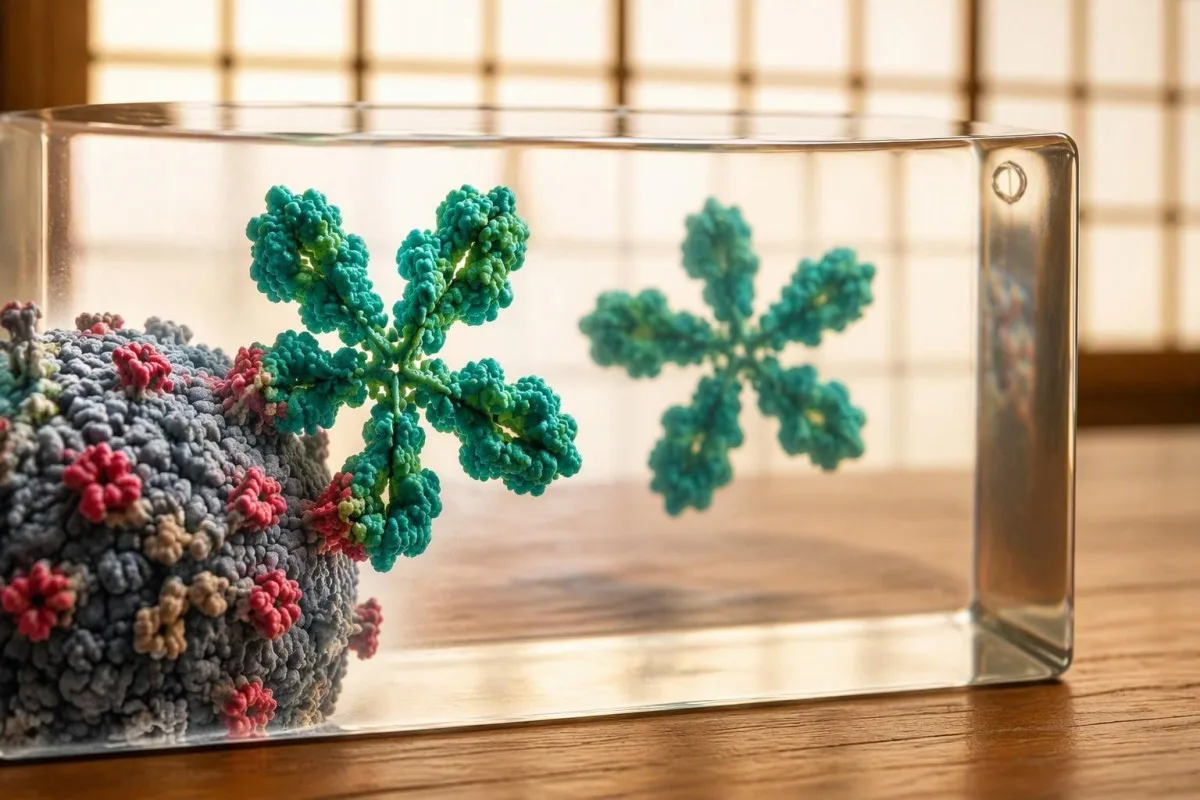
IgM चे वर्णन अनेकदा सुरुवातीची अँटिबॉडी असे केले जाते; पण लवकर दिसणे म्हणजे ती लवकर नाहीशी होईल, असा अर्थ नाही. Sharp et al. (2019) यांचे निदानविषयक मार्गदर्शन Zika IgM दीर्घकाळ आढळत राहण्यावर भर देते; त्यामुळे प्रवासानंतर 6 महिन्यांनी मिळालेला निकाल, पुरळ किंवा तापाच्या नव्या प्रसंगाशी जोडणे कठीण असू शकते.
Zika-विशिष्ट IgM आणि एकूण सीरम IgM ही 2 वेगवेगळी मोजमापे आहेत. एकूण IgM mg/dL किंवा g/L मध्ये नोंदवले जाऊ शकते, तर Zika चाचणी निर्देशांक, गुणोत्तर किंवा गुणात्मक निष्कर्ष नोंदवू शकते; एकूण IgM ची वाढलेली सांद्रता Zika चे निदान करू शकत नाही, जसे आमचे इम्युनोग्लोबुलिन परिणाम मार्गदर्शन करतात स्पष्ट करते.
अँटिबॉडी निर्देशांक म्हणजे विषाणूची सांद्रता नव्हे. काल्पनिक उदाहरणार्थ, त्याच चाचणीत 1.5 च्या तुलनेत 3.0 निर्देशांक म्हणजे विश्लेषणात्मक प्रतिक्रियाशीलता अधिक असू शकते; परंतु यांपैकी कोणतेही मूल्य RNA copies/mL, गर्भावरील परिणामांचा टक्केवारीतील धोका किंवा संपर्कानंतर गेलेल्या दिवसांच्या संख्येत रूपांतरित करता येत नाही.
Zika IgG निकालामुळे आणखी एक स्तर जोडला जातो; तो सर्व प्रश्नांची सार्वत्रिक उत्तरे देत नाही. IgM आणि IgG दोन्ही एकाच 1 नमुना-संकलनाच्या तारखेला प्रतिक्रियाशील असले, तरी परस्पर-प्रतिक्रिया आणि पूर्वीचा फ्लॅव्हिव्हायरस संपर्क यांमुळे अचूक कालावधी ठरवणे शक्य नसू शकते; अँटिबॉडीची मोठी संख्या म्हणजे अधिक गंभीर आजार, असे गृहीत धरण्याऐवजी प्रयोगशाळेची अर्थनिर्णयविषयक टिप्पणी वापरा.
डेंग्यू आणि इतर फ्लॅव्हिव्हायरसमुळे क्रॉस-रिॲक्टिव्हिटी का होऊ शकते
डेंग्यू आणि इतर फ्लॅव्हिव्हायरसविरुद्ध निर्माण झालेल्या अँटिबॉडींशी Zika अँटिबॉडी चाचण्या प्रतिक्रिया देऊ शकतात, कारण या विषाणूंमध्ये प्रतिजनविषयक वैशिष्ट्ये समान असतात. अनेक प्रवासाच्या ठिकाणी डेंग्यू ही वैद्यकीयदृष्ट्या सर्वाधिक महत्त्वाची परस्पर-साम्याची स्थिती आहे; 1 पेक्षा अधिक फ्लॅव्हिव्हायरसचा पूर्वी संपर्क आल्याने पुष्टीकारक अँटिबॉडी चाचण्यांची भेदक क्षमता कमी होऊ शकते.

अँटिबॉडी चाचण्या निवडक विषाणू प्रतिजनांना होणारे बंधन शोधतात; विषाणूची संपूर्ण ओळख नव्हे. अँटिबॉडीने पृष्ठभागावरील समान वैशिष्ट्य ओळखल्यास, डेंग्यूविरुद्धची 1 खरी प्रतिकारशक्ती प्रतिक्रिया Zika चाचणीत प्रतिक्रियाशीलता निर्माण करू शकते; ही जैविक परस्पर-प्रतिक्रिया आहे, प्रयोगशाळेने नमुना चुकीने हाताळल्याचा पुरावा नव्हे.
पिवळा ताप किंवा जपानी मेंदूज्वर यांविरुद्धचे पूर्वीचे लसीकरण, प्रतिजन आणि चाचणीवर अवलंबून, काही फ्लॅव्हिव्हायरस सिरॉलॉजी चाचण्यांचा अर्थ लावणे गुंतागुंतीचे करू शकते. केवळ अलीकडील लसीकरण महत्त्वाचे आहे असे न गृहीत धरता, 5 किंवा 10 वर्षांपूर्वीच्या लसीकरणांसह लसींची नावे आणि तारखा डॉक्टरांना सांगा; कोणत्या इतिहासामुळे अर्थ लावण्यात बदल होतो, हे संदर्भ प्रयोगशाळा ठरवते.
वेस्ट नाईल विषाणू हा त्याच व्यापक विषाणू-कुळातील आहे; चिकुनगुनिया मात्र नाही. याविषयीचे आमचे स्पष्टीकरण वेस्ट नाईल अँटिबॉडी पुष्टीकरण संबंधित संदिग्धतेचा खुलासा करते; परंतु डासांमुळे पसरणारे 2 आजार एकाच वेळी प्रसारित होत असल्याने त्यांच्या अँटिबॉडी चाचण्यांमध्ये परस्पर-प्रतिक्रिया होतेच, असे सिद्ध होत नाही.
फ्लॅव्हिव्हायरसचा वारंवार संपर्क आल्याने प्रतिकारशक्तीच्या स्मृतीमुळे न्यूट्रलायझिंग अँटिबॉडी प्रतिसादाचा आवाका वाढू शकतो. Sharp et al. (2019) स्पष्ट करतात की डेंग्यूचे 2 पूर्वीचे संसर्ग झालेलेल्या व्यक्तीचे वर्गीकरण, न्यूट्रलायझेशन चाचणीनंतरही, कठीण का राहू शकते; अंतिम योग्य अर्थनिर्णय कदाचित अनिश्चित प्रकारचा फ्लॅव्हिव्हायरस संसर्ग असा असेल—पुष्टी झालेला Zika नव्हे.
झिका चाचणीचा चुकीचा सकारात्मक निष्कर्ष येण्याची शक्यता किती आहे?
The probability that a positive Zika antibody result is false depends on both assay performance and the chance of infection before testing. There is no defensible universal percentage for every laboratory, traveler or pregnancy; even a test with 95% specificity can produce mostly false positives in a low-prevalence group.

Consider a clearly hypothetical assay with 90% sensitivity and 95% specificity used in 10,000 people, of whom 1% truly have the target condition. It would yield approximately 90 true positives and 495 false positives, so only 90 of 585 positive results, or 15.4%, would represent the target condition.
Now keep those hypothetical assay characteristics but increase the underlying prevalence to 10%. Approximately 900 true positives and 450 false positives would result, giving a positive predictive value of 66.7%; the test has not improved, but the tested population has changed.
Improving specificity also matters: at 1% prevalence, a hypothetical assay with 90% sensitivity and 99% specificity would produce 90 true positives and 99 false positives. Its positive predictive value would still be only 47.6%; none of these figures is a measured performance estimate for a particular Zika assay.
Persistent antibodies from a genuine old Zika infection are not necessarily an analytically false result, although interpreting them as a new infection would be wrong. Our discussion of reactive hepatitis A IgM illustrates a similar distinction: 1 positive antibody finding can be accurate analytically yet misleading clinically.
झिका PCR चाचणीची अचूकता तपासणीच्या कालावधीवर अवलंबून असते
Zika PCR test accuracy is highest when an appropriate specimen is collected while viral RNA remains detectable. For symptomatic nonpregnant patients, serum molecular testing is commonly prioritized within the first 7 days of illness; a later negative test may reflect falling RNA rather than absence of earlier infection.
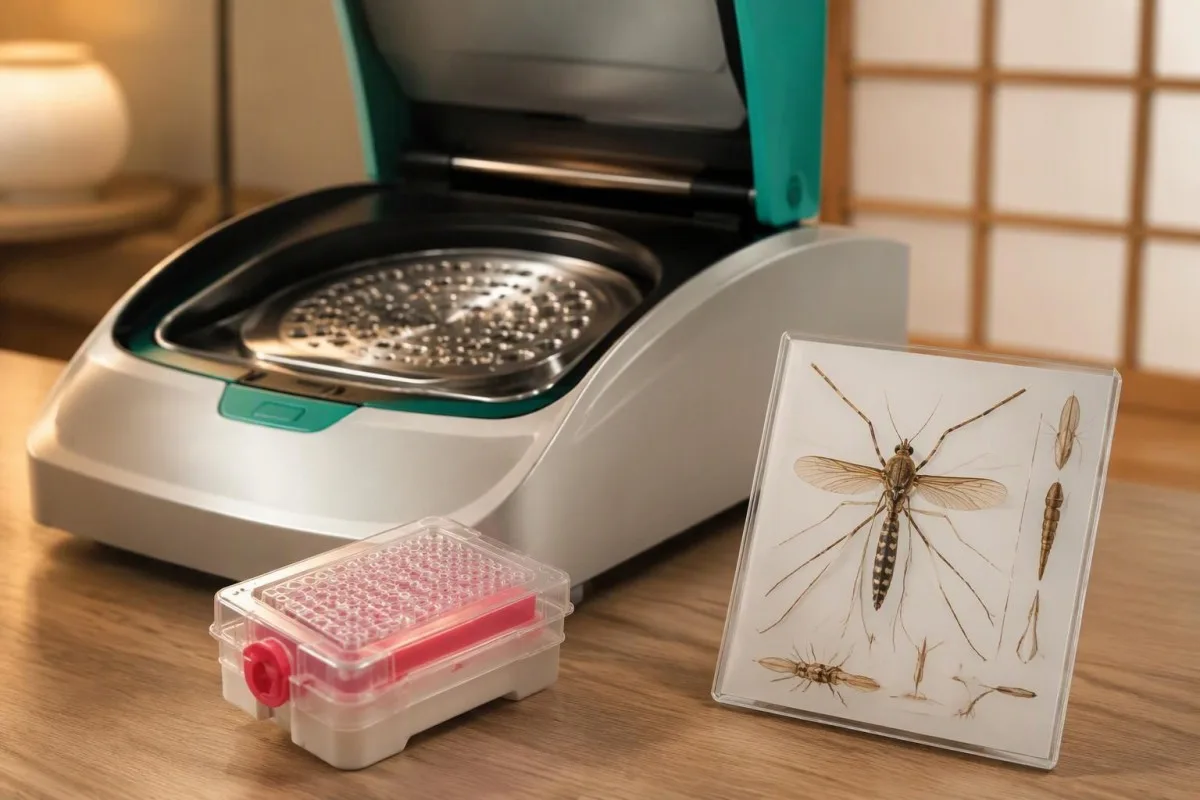
Analytical sensitivity describes how little RNA an assay can detect under validated conditions; clinical sensitivity describes how often it identifies infected people in practice. A very low detection limit cannot rescue a specimen collected 3 weeks after RNA has cleared, and there is no single clinical sensitivity percentage that applies across all collection times.
Count the molecular-testing window from symptom onset when symptoms are present, not automatically from the mosquito bite or flight home. Zika symptoms generally begin 3–14 days after exposure, so a specimen taken 7 days after a bite might fall before, during or after the most useful serum-testing period.
Some pregnancy pathways allow molecular testing up to 12 weeks after symptom onset because RNA detection can be prolonged. This is an eligibility window for selected testing strategies, not a promise of 12 weeks of reliable detection; exposure geography, symptoms, specimen choice and public-health advice determine the actual testing plan.
Urine can complement serum testing when the assay is validated for urine, but it is not a guaranteed longer-lasting specimen. The broader principle also appears in our PCR window-period guide: a negative molecular result from 1 body site cannot be interpreted without its collection timing.
PCR आणि IgM चे निष्कर्ष परस्परविरोधी असल्यास कोणत्या तारखा महत्त्वाच्या असतात?
Discordant Zika results should be interpreted using at least 2 clocks: the exposure timeline and the symptom timeline. Add the specimen collection date to both; PCR-negative, IgM-positive findings can reflect late collection, persistent antibodies or cross-reactivity, while early PCR-positive, IgM-negative findings can precede antibody development.

In the prospective cohort reported by Paz-Bailey et al. in the New England Journal of Medicine (2018), estimated median times to loss of detectable RNA were 14 days in serum and 8 days in urine. These estimates came from a selected cohort with confirmed infection; they are not universal cutoffs for excluding infection in an individual patient.
For a hypothetical traveler tested on illness day 3, detected RNA with negative IgM can fit an early immune response. Testing both Zika and dengue through the appropriate pathway matters because the illnesses overlap; our discussion of PCR and antibody disagreement explains why discordance does not automatically indicate laboratory error.
Imagine instead that the first specimen was collected on illness day 21 and shows negative PCR with reactive IgM. That pattern cannot distinguish recent Zika from another flavivirus response or persistent antibodies without additional context; when indicated, a clinician may arrange a later specimen, often around 10–14 days after the first, using laboratory-specific instructions.
At Kantesti, we encourage recording collection dates separately from report-release dates because a 5-day reporting delay does not extend the biological detection window. Our रक्त तपासणी टाइमलाइन मार्गदर्शक explains this distinction; ongoing exposure may also prevent assignment of a single meaningful last-exposure date.
झिकाचे आढळलेले, संदिग्ध आणि अवैध निष्कर्ष कसे समजून घ्यावेत
Detected, not detected, equivocal and invalid are different laboratory conclusions. A detected PCR identifies RNA in the tested specimen; not detected means the signal was absent or below the assay threshold, while an invalid result means the test did not produce a usable answer and may require a second specimen.
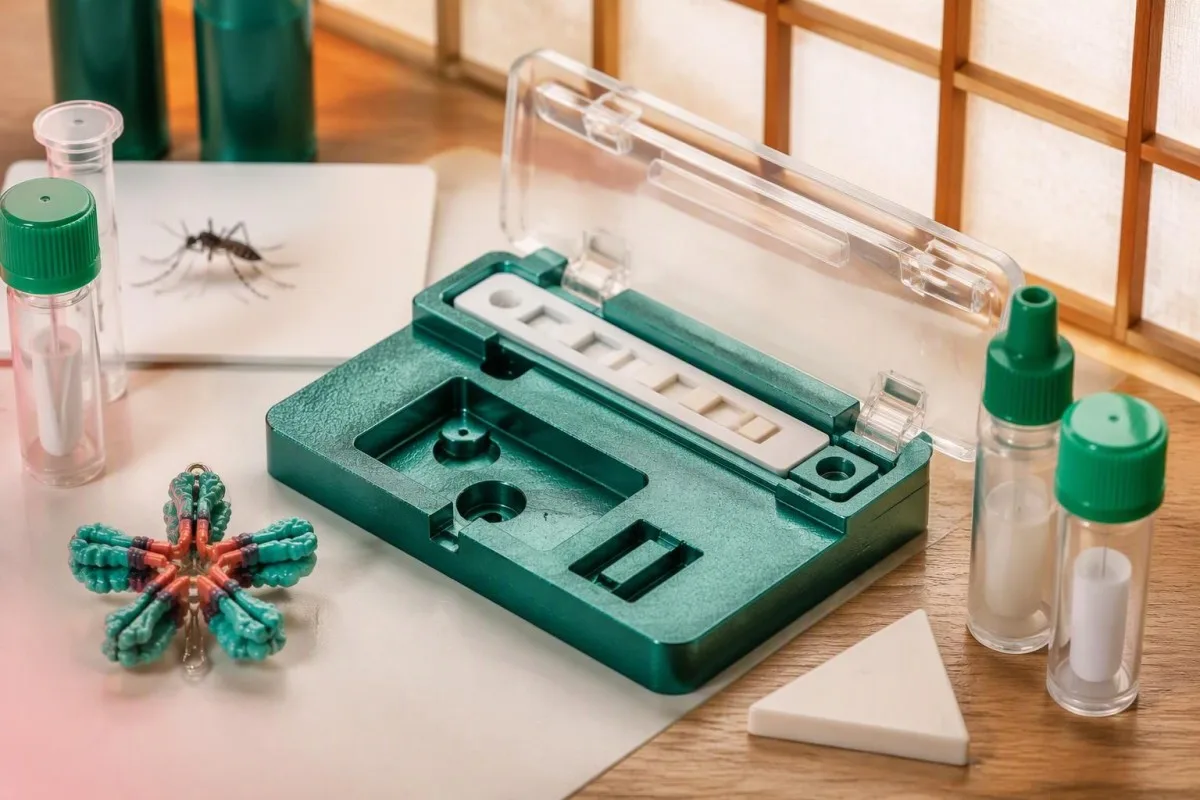
An equivocal antibody result falls into the assay's uncertainty zone, which varies by laboratory and test design. A hypothetical index of 1.0 cannot be called positive or negative without that assay's reference intervals; our guide to गुणात्मक विरूद्ध परिमाणात्मक निकाल (qualitative versus quantitative results) explains why a number and its interpretation must stay together.
PCR cycle threshold, when reported, describes amplification behavior rather than a standardized severity score. A hypothetical Ct of 35 on 1 instrument cannot be directly compared with Ct 35 on another assay, and it cannot reliably predict fetal effects, contagiousness or the precise day on which infection began.
An inhibited or invalid PCR is not a negative PCR. Problems involving extraction, specimen handling or amplification controls can require reprocessing or recollection; if the original specimen was collected on illness day 5, a replacement collected on day 12 must be interpreted at its own later biological time point.
Keep the complete report, including 4 often-overlooked fields: specimen source, assay name, collection date and interpretive comments. A cropped photograph showing only a red positive flag can hide a presumptive designation or a pending confirmatory test, making both clinical review and any automated explanation less reliable.
PRNT किंवा पुन्हा आण्विक चाचणी केव्हा उपयोगी ठरते?
Confirmatory testing helps when a reactive Zika screen needs virus-specific clarification or an unexpected molecular result needs verification. Plaque reduction neutralization testing, or PRNT, measures functional neutralizing antibodies; however, responses against 2 or more flaviviruses can prevent PRNT from identifying which virus caused the original immune response.

Some reference laboratories use PRNT90, meaning the dilution that reduces plaque formation by 90%. In established CDC interpretive schemes, a Zika neutralizing titer of at least 1:10 with negative dengue neutralization can support Zika-specific classification; the complete algorithm, antibody screening result and laboratory instructions still matter.
If both Zika and dengue neutralizing titers are at least 1:10, the result may remain consistent with an unspecified flavivirus infection. A 4-fold difference between titers is not universally decisive after previous flavivirus exposures, so patients should not calculate their own confirmation rule from two numbers.
Repeating an unexpected positive NAAT may involve a new extraction from the original specimen, a second target or another specimen, depending on the assay and public-health protocol. This is not the same as simply rerunning 1 antibody screen; our antibody confirmation guide discusses why independent confirmation is more informative than repeated screening.
Kantesti is an AI lab test interpretation service that explains laboratory wording without converting 1 presumptive result into a confirmed diagnosis. Our प्रमाणीकरण आणि देखरेखीची माहिती describes evaluation boundaries; no interpretation tool can make PRNT reliably date infection when the underlying antibody biology cannot do so.
गर्भधारणेत तज्ज्ञांकडून मूल्यांकन केव्हा आवश्यक असते
Pregnancy warrants prompt clinician assessment when possible Zika exposure accompanies compatible symptoms, reactive testing or concerning prenatal findings. Stable patients do not usually need emergency care solely because of 1 positive IgM result, but maternal-fetal medicine, infectious-disease or public-health input may be needed to choose testing and follow-up.

The key question is whether infection could have occurred during pregnancy, not simply whether an antibody is present today. The CDC pregnancy guidance by Oduyebo et al. (2017) explains how persistent IgM and falling transmission rates complicate screening; a reactive result at 10 weeks of pregnancy may still reflect exposure before conception.
Symptoms are not required for fetal risk assessment because maternal Zika infection can be asymptomatic. Conversely, 1 episode of fever or rash is not specific to Zika; a specialist weighs travel destination, mosquito exposure, sexual exposure, dates and alternative diagnoses rather than using symptoms alone to label the pregnancy.
Bring at least 4 dates to the appointment: the pregnancy dating estimate, travel or exposure dates, symptom onset and specimen collection. Our discussion of गर्भधारणेदरम्यान टॉक्सोप्लाझ्माचे निकाल explains a shared counseling principle: maternal antibodies do not automatically prove a new infection during pregnancy.
Routine Zika IgM screening is not appropriate for every asymptomatic pregnancy, especially where pretest probability is low and antibody persistence would create ambiguity. Similar timing difficulties arise with CMV अँटीबॉडी पॅटर्नच्या विपरीत, but the diagnostic algorithms are different; do not transfer 1 virus's avidity or confirmation rules to another.
अल्ट्रासाऊंड आणि गर्भाची चाचणी काय निश्चित करू शकतात?
Prenatal ultrasound assesses fetal development; it does not confirm or exclude maternal Zika infection. For pregnancies with confirmed or possible infection, specialist-led serial ultrasound may be considered every 3–4 weeks, while amniotic-fluid testing is individualized because a negative result cannot reliably exclude fetal infection.

A normal scan shortly after exposure does not end the assessment because some findings develop later. The 3–4-week surveillance interval discussed in CDC pregnancy guidance is intended to reassess growth and neuroanatomy over time; it is not a guarantee that every affected pregnancy will produce a visible finding at the next appointment.
Amniocentesis should not be ordered automatically for an isolated reactive IgM result. The decision depends on gestational age, imaging findings, other diagnostic indications and counseling about procedural uncertainty; there is no single post-exposure day on which a negative amniotic-fluid PCR reliably provides a 100% exclusion of fetal infection.
Concerning prenatal findings can justify specialist evaluation even when maternal PCR is negative. A specimen collected 8 weeks after symptoms may no longer detect maternal RNA, and abnormalities have alternative causes; counseling should separate what the scan shows from what the maternal laboratory result can establish.
Fever during pregnancy still needs assessment for other treatable illnesses, including conditions covered in our pregnancy fever testing guide. If maternal evidence or prenatal findings warrant newborn follow-up, a pediatric team plans examination and appropriate hearing, eye or laboratory assessment; 1 maternal IgM result alone does not diagnose the infant.
झिका निष्कर्षांचे विश्लेषण करताना डेंग्यूची चाचणीही का आवश्यक आहे
Dengue testing often belongs in the Zika workup because dengue overlaps geographically, resembles Zika clinically and can complicate Zika serology. During the first 7 days of dengue illness, NAAT or NS1 antigen testing is commonly useful; later testing relies more heavily on antibody interpretation and the clinical picture.

A positive dengue NAAT or NS1 result offers evidence that differs from a cross-reactive antibody screen. Our explanation of dengue NS1 timing covers the early window; a negative NS1 result after illness day 7 cannot be treated as equivalent to a negative result obtained on day 2.
Zika and dengue are not mutually exclusive diagnoses, although a dual-reactive antibody pattern commonly reflects serologic overlap rather than 2 proven infections. Sharp et al. (2019) recommend diagnostic reasoning that considers both viruses; molecular evidence, exposure timing and reference-laboratory interpretation are more informative than counting positive antibody flags.
Chikungunya can produce prominent joint symptoms after the same type of mosquito exposure, but it is an alphavirus rather than a flavivirus. Our guide to chikungunya IgM persistence explains why a reactive result also needs timing context; 3 overlapping illnesses require virus-specific tests, not interchangeable antibody assumptions.
Malaria and other travel-related illnesses remain possible when the itinerary supports them. A returned traveler with 38°C fever should not wait for a Zika confirmation result before obtaining clinical assessment; the danger of anchoring on 1 reactive test is missing a different condition with an urgent or specific treatment.
निष्कर्ष अनिश्चित असताना कोणत्या लक्षणांसाठी तातडीने उपचार घ्यावेत?
New progressive weakness, breathing difficulty, confusion, fainting or severe dehydration require urgent assessment regardless of the Zika result. Severe abdominal pain, persistent vomiting or unusual bleeding can suggest dengue complications; 1 negative Zika PCR does not make these symptoms safe to monitor without medical advice.
Zika is associated with Guillain-Barré syndrome, but a positive IgM result cannot diagnose that neurological condition. Weakness that progresses over 1–2 days, difficulty walking or problems swallowing needs urgent care; our वाढत्या अशक्तपणाविषयीच्या इशारा मार्गदर्शकात explains why symptoms outweigh reassurance from an uncertain laboratory finding.
Avoid aspirin and nonsteroidal anti-inflammatory medicines such as ibuprofen until dengue has been excluded or a clinician advises otherwise. Paracetamol, also called acetaminophen, is commonly used for fever within appropriate dosing limits; 1 negative Zika test does not exclude dengue, and significant liver disease or pregnancy may require individualized medication advice.
For people planning pregnancy after possible Zika exposure, CDC prevention advice generally uses at least 3 months for males and 2 months for females, measured from return, symptom onset or diagnosis as applicable. These prevention intervals address possible sexual transmission; neither a negative serum PCR nor a reactive IgM result serves as a reliable fertility-clearance test.
During pregnancy, use condoms consistently or avoid sex for the rest of the pregnancy when a partner has relevant possible exposure, according to public-health advice. Travelers should also prevent mosquito bites for 3 weeks after returning from a risk area; prevention decisions should not depend solely on whether 1 laboratory specimen detected RNA.
पुष्टी समजण्याची चूक न करता AI विश्लेषणाचा उपयोग कसा करावा
AI can help explain a Zika laboratory report, but it cannot verify infection, arrange confirmatory testing or determine fetal risk. The useful workflow preserves at least 3 essentials: the original laboratory wording, the collection date and the exposure history, followed by clinician review when the result could change care.

Kantesti is an AI-powered blood test analysis tool that turns laboratory reports into patient-readable explanations, not a replacement for reference-laboratory testing. Our AI तंत्रज्ञान मार्गदर्शक explains the interpretation workflow; a report saying presumptive positive should remain presumptive in every explanation, even when the flag appears strongly abnormal.
If you choose to upload a report, our free test explanation workflow can help you understand its wording; remove unnecessary identifiers while retaining the assay name, specimen and collection date. An explanation produced in about 60 seconds is not the turnaround time of PCR, PRNT or specialist assessment, which depends on the actual laboratory and care pathway.
Kantesti AI should not be used to infer 1 missing clinical fact from another: negative PCR does not prove absence of earlier infection, high IgM does not prove recent infection and maternal reactivity does not prove fetal effects. Any explanation that converts those findings into certainty needs correction against the complete report and clinical context.
Before acting, check 4 questions: Was the test indicated, was the specimen timely, is confirmation pending and does pregnancy change follow-up? AI is most useful for preparing those questions and organizing results; avoid using its output alone to cancel specialist follow-up, change pregnancy plans or declare sexual-transmission risk resolved.
संशोधन प्रकाशने (Research publications) आणि पुराव्याच्या मर्यादा (limits of the evidence)
Clinical Zika interpretation should rely on directly relevant diagnostic guidance and infection studies, not unrelated biomarker publications. The 3 external references below address Zika testing, RNA persistence and pregnancy management; the 2 accompanying Zenodo publications are educational resources about other laboratory measurements, not evidence validating Zika diagnosis.

Sharp et al. (2019) provide the central framework for distinguishing molecular evidence from ambiguous flavivirus serology, while Paz-Bailey et al. (2018) quantify RNA persistence in a confirmed-infection cohort. Neither source supplies 1 universal accuracy figure for every modern assay, and their population and testing methods must remain attached to any numerical claim.
Kantesti's educational publications include an RDW and cell-index guide, archived on Zenodo under DOI 10.5281/zenodo.18202598. RDW can help explain a concurrent complete blood count, but it does not diagnose Zika, establish the date of infection or predict whether a fetus is affected.
सोबतचे kidney-function ratio guide is archived under DOI 10.5281/zenodo.18207872. Kidney measurements may matter in someone with dehydration or another travel-related illness, but there is no validated BUN/creatinine ratio threshold that confirms Zika; these 2 publications should not be presented as Zika diagnostic research.
Pregnancy recommendations and test availability vary with transmission patterns, jurisdiction and laboratory access, so a 2017 or 2019 algorithm should not be applied mechanically to every exposure. Our वैद्यकीय सामग्री मानके support separating established facts from uncertainty; use the relevant public-health or reference-laboratory pathway for the actual decision.
वारंवार विचारले जाणारे प्रश्न
झिका IgM चाचणी पॉझिटिव्ह आल्याचा अर्थ मला निश्चितपणे झिका झाला आहे का?
झिका IgM चाचणी पॉझिटिव्ह आल्याने झिका संसर्ग निश्चितपणे सिद्ध होत नाही. IgM सामान्यतः आजाराच्या पहिल्या आठवड्यात तयार होते, परंतु प्रतिपिंडे अनेक महिने किंवा त्याहून अधिक काळ टिकू शकतात आणि डेंग्यू किंवा इतर फ्लॅव्हिव्हायरससोबत क्रॉस-रिॲक्ट होऊ शकतात. एका पॉझिटिव्ह निकालावरून संसर्गाची वेळ विश्वासार्हपणे ठरवता येत नाही किंवा तो गर्भधारणेदरम्यान झाला होता हे सिद्ध करता येत नाही. पुढील पाऊल संपर्काचा इतिहास, नमुना गोळा करण्याची वेळ आणि योग्य आण्विक किंवा पुष्टीकारक चाचणी प्रक्रियेनुसार ठरते.
डेंग्यूमुळे झिका चाचणीचा चुकीचा सकारात्मक परिणाम येऊ शकतो का?
डेंग्यूची प्रतिपिंडे प्रतिक्रियाशील झिका प्रतिपिंडांचा निकाल देऊ शकतात, कारण या विषाणूंमध्ये प्रतिजनविषयक वैशिष्ट्ये समान असतात. ही समस्या मुख्यतः सिरॉलॉजीवर परिणाम करते; याचा अर्थ असा नाही की योग्यरीत्या प्रमाणित झिका PCR चाचणीत नेहमीच डेंग्यू RNA आढळतो. एकापेक्षा अधिक फ्लॅव्हिव्हायरसचा पूर्वीचा संसर्ग झाल्यास न्यूट्रलायझेशन चाचणीचे निष्कर्षही संदिग्ध होऊ शकतात. दोन संसर्ग झाल्याचा पुरावा म्हणून दोन्हींसाठी प्रतिक्रियाशील प्रतिपिंडांचे निकाल मानण्याऐवजी, चिकित्सकाला डेंग्यूची चाचणी आणि संदर्भ प्रयोगशाळेकडून निकालांचे विश्लेषण करून घेण्याची गरज असू शकते.
संपर्कानंतर झिका पीसीआर चाचणी किती अचूक असते?
झिका PCR ची अचूकता चाचणी, नमुना आणि लक्षणे सुरू झाल्यापासून गेलेल्या वेळेवर अवलंबून असते, त्यामुळे प्रत्येक संसर्गाच्या संपर्काला लागू होणेली एकच टक्केवारी नाही. लक्षणे असलेल्या, गर्भवती नसलेल्या रुग्णांमध्ये आजाराच्या पहिल्या 7 दिवसांत सीरममधील आण्विक चाचणीला सामान्यतः प्राधान्य दिले जाते. गर्भधारणेसाठीच्या काही विशिष्ट मार्गदर्शक पद्धतींमध्ये लक्षणे सुरू झाल्यानंतर 12 आठवड्यांपर्यंत चाचणी करण्याची परवानगी असते, परंतु या संपूर्ण कालावधीत विषाणू आढळेलच याची खात्री नसते. नकारात्मक निकालाचा अर्थ त्या नमुन्यात RNA आढळले नाही असा होतो; त्यामुळे यापूर्वी झालेला संसर्ग आपोआप नाकारला जात नाही.
झिका IgM पॉझिटिव्ह पण PCR निगेटिव्ह असण्याचा अर्थ काय?
PCR नकारात्मक असताना Zika IgM सकारात्मक असणे हे RNA कमी झाल्यानंतर नमुना घेतलेल्या अलीकडील संसर्गाचे, दीर्घकाळ टिकून राहिलेल्या जुन्या प्रतिपिंडांचे किंवा दुसऱ्या फ्लॅव्हिव्हायरससह होणाऱ्या क्रॉस-रिअॅक्टिव्हिटीचे द्योतक असू शकते. उदाहरणार्थ, आजाराच्या 21व्या दिवशी दिसणाऱ्या या नमुन्याचा अर्थ, तिसऱ्या दिवशी दिसणाऱ्या त्याच नमुन्यापेक्षा वेगळा असतो. कोणताही एक परिणाम संसर्ग केव्हा झाला हे निश्चित करत नाही. संसर्गाचा संभाव्य संपर्क आणि गर्भधारणेची स्थिती यांनुसार, चिकित्सक पुन्हा नमुना घेण्याची, डेंग्यू चाचणी करण्याची किंवा संदर्भ-प्रयोगशाळेकडून पुष्टी मिळवण्याची विनंती करू शकतो.
गर्भधारणेदरम्यान झिका चाचणी पॉझिटिव्ह आल्यास मी तज्ज्ञांचा सल्ला घ्यावा का?
गर्भावस्थेदरम्यान Zika चा रिअॅक्टिव्ह निकाल आल्यास, विशेषतः संबंधित प्रवास, लैंगिक संपर्क किंवा त्याच्याशी सुसंगत आजार असल्यास, गर्भावस्थेचे व्यवस्थापन करणाऱ्या डॉक्टरांशी त्वरित संपर्क साधणे आवश्यक आहे. संसर्गाची वेळ ठरवण्यासाठी आणि पुष्टीकरण चाचणी निवडण्यासाठी तज्ज्ञ किंवा सार्वजनिक आरोग्यविषयक सल्ला आवश्यक ठरू शकतो. पुष्टी झालेला किंवा संभाव्य संसर्ग असलेल्या निवडक गर्भधारणांमध्ये दर 3–4 आठवड्यांनी क्रमिक अल्ट्रासाऊंड केले जाऊ शकते; मात्र मातेमधील IgM चा एक निकाल गर्भाला संसर्ग झाल्याचे सिद्ध करत नाही. नव्याने उद्भवलेली आणि वाढत जाणारी अशक्तता, श्वास घेण्यास त्रास किंवा गंभीर आजार असल्यास नियोजित सल्लामसलतीची वाट पाहण्याऐवजी तातडीने तपासणी करून घ्यावी.
PRNT मुळे मला झिका संसर्ग कधी झाला याची पुष्टी होऊ शकते का?
0 PRNT विषाणू-विशिष्ट उदासीन करणाऱ्या प्रतिपिंडांचे मूल्यांकन करण्यास मदत करू शकते, परंतु झिका संसर्गाची तारीख विश्वसनीयरीत्या निश्चित करू शकत नाही. काही संदर्भ-प्रयोगशाळा योजनांमध्ये अर्थ लावताना किमान 1:10 असा उदासीन करणारा टायटर वापरला जातो; झिका आणि डेंग्यूच्या संपूर्ण नमुन्यावरून वर्गीकरण ठरते. दोन्ही विषाणूंसाठी उदासीनता चाचणीचे परिणाम सकारात्मक असल्यास, फ्लॅव्हिव्हायरसचा पूर्वीचा संपर्क स्पष्ट फरक ओळखण्यात अडथळा आणू शकतो. झिका-विशिष्ट प्रतिपिंडांची पुष्टीसुद्धा संसर्ग चालू गर्भधारणेदरम्यानच झाला होता हे सिद्ध करू शकत नाही.
0 नकारात्मक झिका चाचणीमुळे गर्भधारणेसाठी प्रयत्न करणे सुरक्षित आहे, असे कळू शकते का?
नकारात्मक झिका सीरम PCR ही लैंगिक संक्रमणाचा धोका किंवा गर्भधारणेचे नियोजन यांसाठी सुरक्षिततेची पुष्टी करणारी प्रमाणित चाचणी नाही. CDC च्या प्रतिबंधविषयक सल्ल्यानुसार, पुरुषांसाठी संभाव्य संपर्कानंतर किमान 3 महिने आणि महिलांसाठी 2 महिने प्रतीक्षा करावी; हा कालावधी संबंधित परतीच्या, लक्षणे सुरू झाल्याच्या किंवा निदानाच्या तारखेपासून मोजला जातो. शरीराच्या दुसऱ्या भागात विषाणूजन्य पदार्थ टिकून आहे की नाही, हे सीरम चाचणीतून विश्वासार्हपणे ठरवता येत नाही. ज्यांचा संपर्क सुरूच आहे, ज्यांची जोडीदार गर्भवती आहे किंवा ज्यांना तारखांबाबत खात्री नाही, त्यांनी सार्वजनिक आरोग्य तज्ज्ञ किंवा डॉक्टरांचा वैयक्तिक सल्ला घ्यावा.
तुमचे रक्त तपासणी अहवाल कसे वाचावेत
तुमचा प्रयोगशाळा अहवाल अपलोड करा आणि Kantesti चे AI काही सेकंदांत प्रत्येक जैवचिन्ह सोप्या भाषेत समजावून सांगेल. जगभरातील 2 दशलक्षांहून अधिक लोक वापरतात.
संदर्भ
- Klein, T., Mitchell, S., & Weber, H. (2026). RDW रक्त चाचणी: RDW-CV, MCV आणि MCHC यांसाठी संपूर्ण मार्गदर्शक. Kantesti AI वैद्यकीय संशोधन. डीओआय
- Klein, T., Mitchell, S., & Weber, H. (2026). BUN/क्रिएटिनिन अनुपात स्पष्ट: किडनी कार्य चाचणी मार्गदर्शक. Kantesti AI वैद्यकीय संशोधन. डीओआय
- Sharp TM et al. (2019). Dengue and Zika Virus Diagnostic Testing for Patients with a Clinically Compatible Illness and Risk for Infection with Both Viruses. MMWR Recommendations and Reports. डीओआय
- Paz-Bailey G et al. (2018). Persistence of Zika Virus in Body Fluids — Final Report. New England Journal of Medicine. डीओआय
- Oduyebo T et al. (2017). Update: Interim Guidance for Health Care Providers Caring for Pregnant Women with Possible Zika Virus Exposure — United States (Including U.S. Territories), July 2017. MMWR Morbidity and Mortality Weekly Report. डीओआय
- २० लाख+विश्लेषित केलेल्या चाचण्या
- 127+देश
- 100+भाषा
वैद्यकीय पथकाविषयी


E-E-A-T विश्वास संकेत
अनुभव
प्रयोगशाळेतील अहवाल समजून घेण्याच्या कार्यप्रवाहांचे डॉक्टरांच्या नेतृत्वाखालील क्लिनिकल पुनरावलोकन.
कौशल्य
बायोमार्कर्स क्लिनिकल संदर्भात कसे वागतात यावर प्रयोगशाळा वैद्यकाचा भर.
अधिकृतता
डॉ. Thomas Klein यांनी वैद्यकीय पुनरावलोकन केले; डॉ. Sarah Mitchell आणि प्रा. डॉ. Hans Weber यांचे योगदान.
विश्वासार्हता
पुराव्यावर आधारित अर्थ लावणे, घाबरवणाऱ्या सूचना कमी करण्यासाठी स्पष्ट पुढील मार्गांसह.




वैद्यकीय अस्वीकरण
हा लेख केवळ शैक्षणिक उद्देशांसाठी आहे आणि वैद्यकीय सल्ला ठरत नाही. निदान आणि उपचार निर्णयांसाठी नेहमी पात्र आरोग्यसेवा प्रदात्याशी सल्लामसलत करा.
प्रकाशित · संपादकीय पथकाशी संपर्क साधा
Kantesti Ltd द्वारे प्रकाशित, इंग्लंड आणि वेल्समध्ये नोंदणीकृत, कंपनी क्रमांक. 17090423, लंडन, युनायटेड किंगडम.
