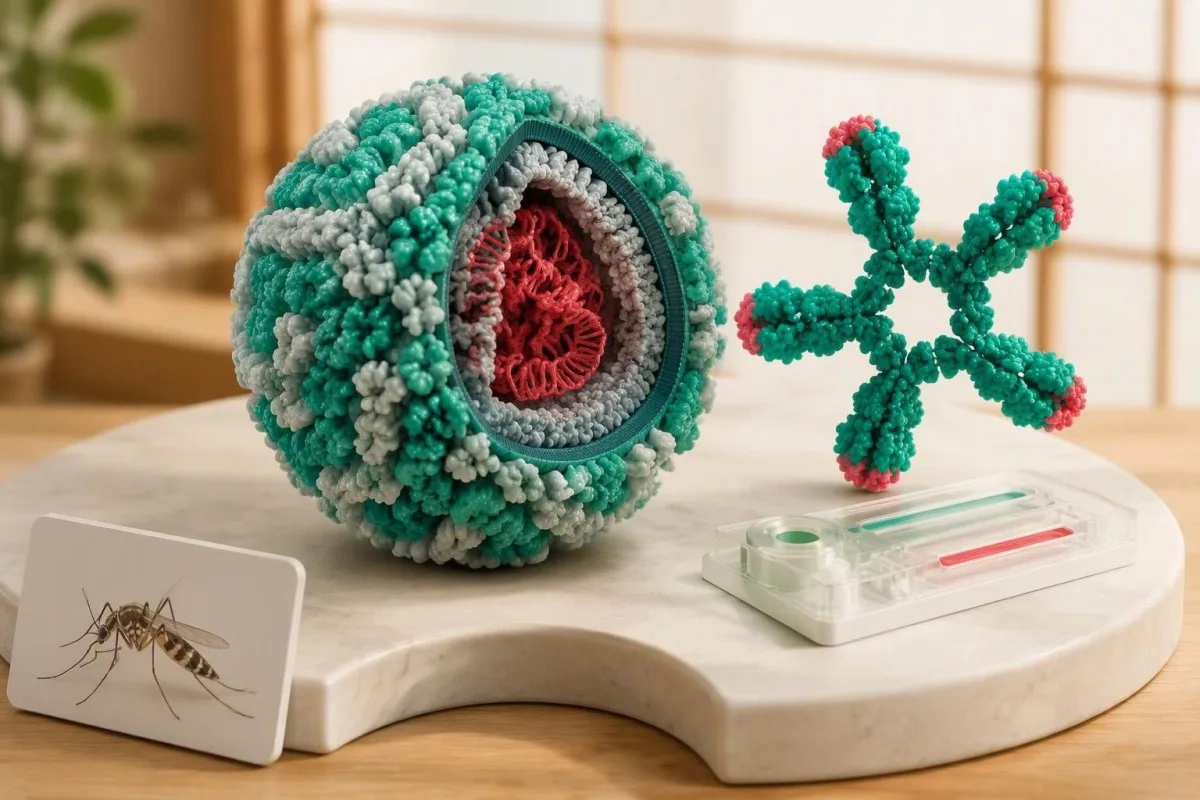
Wynik dodatni Zika IgM niy potwierdzo zakōnżynio: reaktywność krziżowo zwiōnzano z dengōm abo utrzymujōnce sie przeciwciała mogōm to wyjaśnić. PCR zależy ôd czasu pobranio; ciōnża wymago ôcyny klinicznyj ôpartej na narażyniu i, kej je to wskazane, potwierdzynio we laboratoryjum referyncyjnym.

Najważniejsze informacje
- Zika IgM nojczęściej rozwijo sie w piyrszym tydniu choroby i może sie utrzymywać bezmała miesiōnce abo dłużyj; dodatni wynik niy pozwolo wiarygodnie ôkreślić, kedy doszło do zakōnżynio.
- Reakcja krzyżowo z dengōm i inkszymi flawiwirusami może dawać reaktywne wyniki badania przeciwciał na Zika, bez potwierdzōnego zakōnżynio Zika.
- Czas wykonanio PCR mierzy sie ôd poczōntku objawōw, a niy ino ôd ukōnszynio ôd kōmarōw; u ôbjawowych pacjyntōw bez ciōnży nojczęściej priorytetowo robi sie badanie surowice w piyrszych 7 dniach.
- badanie na ciążę może ôbejmować badanie molekularne do 12 tydni ôd poczōntku objawōw w wybranych ścieżkach postympowanio przi narażyniu, ale to niy gwarantuje wykrycio wirusa bezmała bez przerwy w tym ôkresie.
- Negatywny PCR znaczy, że RNA niy było wykryte w tyj prōbce; niy wykluczo to zakōnżynio poza użytecznym ôknym wykrywanio testu.
- Potwierdzynie PRNT może ôbjaśnić wyniki badania przeciwciał, ale wcześniejsze narażynie na flawiwirusy może sprawić, że testy neutralizacyji Zika i dengue bydōm dodatnie.
- Prawdŏbodnŏść fałszu pozytywnygo wyniku rośnie, kej prawdopodobiyństwo zakōnżynio przed badaniym je niskie; sama swoistość testu niy ôkryślo prawdopodobiyństwa, że twōj wynik je prawidłowy.
- Kontrola przi ciōnży trza szybko zaplanować przi reaktywnym wyniku i ôdpowiednim narażyniu; sam wynik badania przeciwciał u matki niy może potwierdzić zakōnżynio płodu.
Co tak naprowdy potwierdzajōm dodatnie wyniki testu na Zika?
Zika IgM positive rezult je dowōd reaktivności przeciwciał, a niy autōmatyczne potwierdzynie zakażynio Zika. Walidowany pozytywny PCR dowoziy barzij bezpośredniego dowodu, bo wykrywo wirusowe RNA; żŏdyn z tych 2 typōw testōw niy potwierdzo som przez siebie zakażynio płodu ani niy przewiduje jego skutkōw.
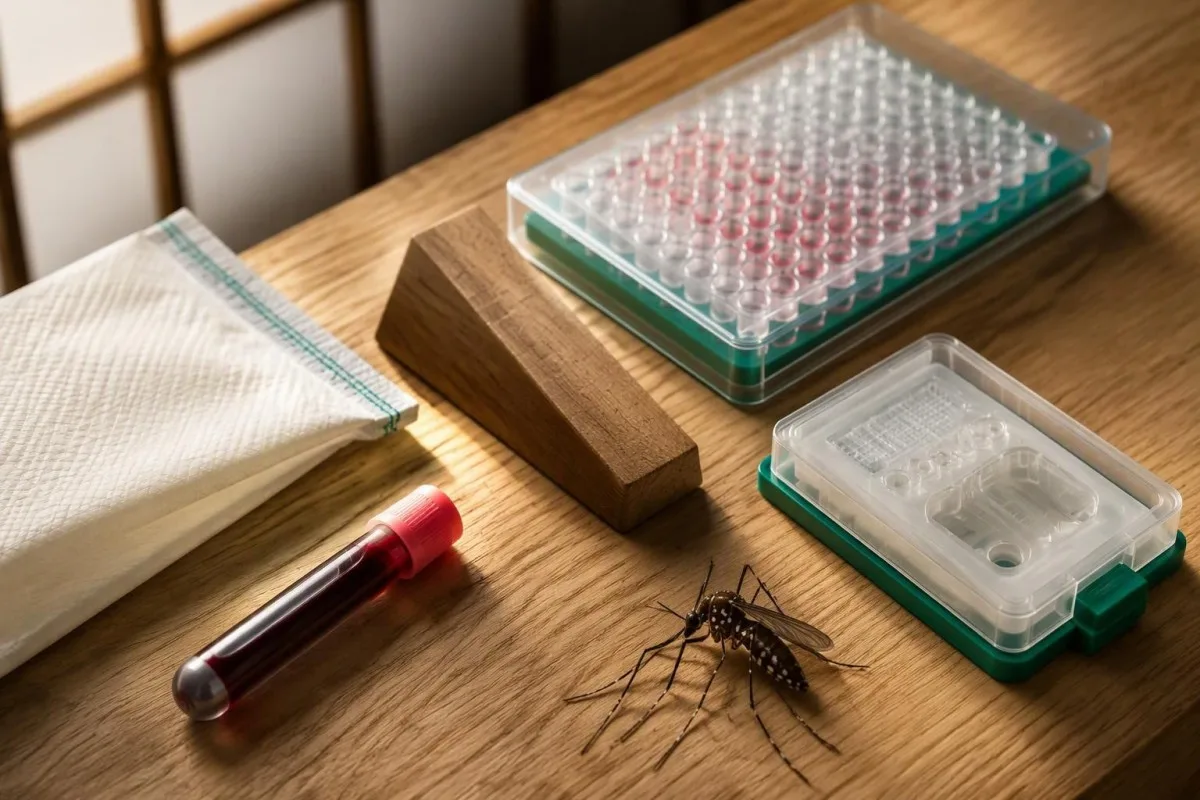
Słowo pozytywny ôpisuje prōg decyzji testu, a niy pełnõ diagnozã. U 1 ôsoby po niedownym wyjeździe, z pasujōncymi objawami i bez wcześniejszego narażynio na dengã, reaktywny wynik testu przeciwciałowego mo znaczynie inksze niż taki sam wynik u ôsoby bez wiarygodnego narażynio i z kilkōma wcześniejszymi zakażyniami flawiwirusami.
Wykryty wynik molekularny wymago klinicznego dalszego postympowanio, w tym weryfikacyje, kej wymogo tego laboratorium abo procedura zdrowia publicznego. Zaniyściszynie, pōmiany prōbek i granicznõ amplifikacyjõ sōm rzadkie, ale możliwe; negatywny wynik z 1 inkszej prōbki niy unieważnio autōmatycznie prawidłowego pozytywnego wyniku z piyrszej prōbki.
Kantesti to analizator krwi oparty na AI, co pōmogo wyjaśnić różnicã miyndzy zgłoszōnōm reaktywnościōm przeciwciał a wykryciym molekularnym, zamiast traktować 1 pozytywnõ flaga jako diagnozã. Informacyje strōnie ô nŏszyj organizacyji ôpisujōm naszõ rolã; potwierdzynie pozostowo odpowiedzialnościōm klinicznōm i laboratoryjnōm.
Zaczniyj ôd ustalynio 3 szczegōłōw: dokładnego miana testu, typu prōbki i daty pobranio. Nasz przewodnik dodatnich wynikach badanio przeciwciał wyjaśnio, czamu badanie przesiewowe, dowōd wcześniejszego narażynio i potwierdzynie aktualnego zakażynio to ôsobne kategorie.
Dodatni wynik Zika IgM: świeże zakōnżynie abo starsze przeciwciała?
Znaczynie pozytywnego wyniku Zika IgM zależy ôd czasu, narażynio i swoistości testu. IgM zwykle staje sie wykrywalne w piyrszym tydniu choroby, ale utrzymywanie sie go przez miesiōnce abo dłużyj sprawio, że pojedynczy pozytywny wynik niy dowodzi, iż zakażynie nastōmpiło podczas konkretnego ciōnży abo w ciōngu ôstatnich 2 tydni.
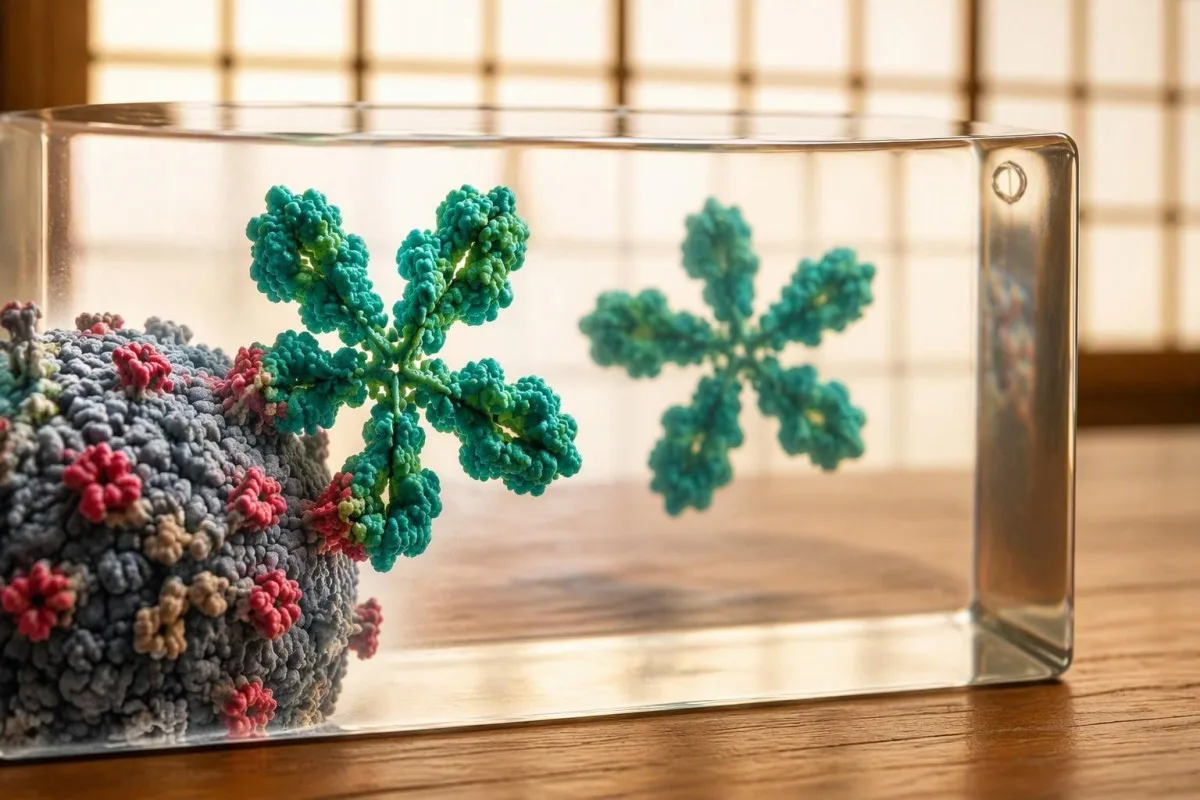
IgM czãsto ôpisuje sie jako wczesne przeciwciało, ale wczesne pojawiynie sie niy znaczy, że pryndko zniko. Wytyczne diagnostyczne Sharp et al. (2019) podkreślajōm przedłużone wykrywanie Zika IgM; wynik ôtrzymany 6 miesiyncy po podrōży może tōż być trudny do powiōnzania z nowym epizodem wysypki abo gorōnczki.
Zika-swoiste IgM i całkowite IgM w surowicy to 2 roztōme pomiary. Całkowite IgM może być podane w mg/dL abo g/L, a test Zika może podować indeks, stosunek abo interpretacyjõ jakościowõ; podwyższōne stympienie całkowitego IgM niy może zdiagnozować Zika, jak ôpisujymy w naszym wyniki immunoglobulinōw kierujō .
Indeks przeciwciałowy niy jest stympyniym wirusa. Hipotetycznie indeks 3.0 wobec 1.5 w tym samym teście może ôznaczać silniejszõ reaktywność analitycznõ, ale żŏdnej z tych wartości niy idzie przeliczyć na kopie RNA/mL, procentowe ryzyko skutkōw dla płodu ani liczba dni ôd narażynio.
Wynik Zika IgG dodowo kolejny poziōm informacji, a niy uniwersalnõ ôdpowiedź. Nawet kej IgM i IgG sōm reaktywne z tej samej daty pobranio, reaktywność krzyżowo i wcześniejsze narażynie na flawiwirusy mogōm uniymōżliwić wiarygodne ustalynie daty; użyj kōmyntarza interpretacyjnego laboratorium, zamiast zakłŏdać, że wyższo liczba przeciwciał znaczy ciynższo choroba.
Czamu denga i inksze flawiwirusy mogōm powodować reaktywność krziżowōm
Testy przeciwciał Zika mogōm reagować z przeciwciałami powstałymi przeciw dengze i inkszym flawiwirusom, bo te wirusy majōm wspōlne cechy antygenowe. Dengō jest w wielu miejscach podrōży klinicznie najistotniejszōm nakładkōm; wcześniejsze narażynie na wiyncyj niż 1 flawiwirus może tyż ograniczać zdolność testōw potwierdzajōncych przeciwciała do rozrōżnianio.
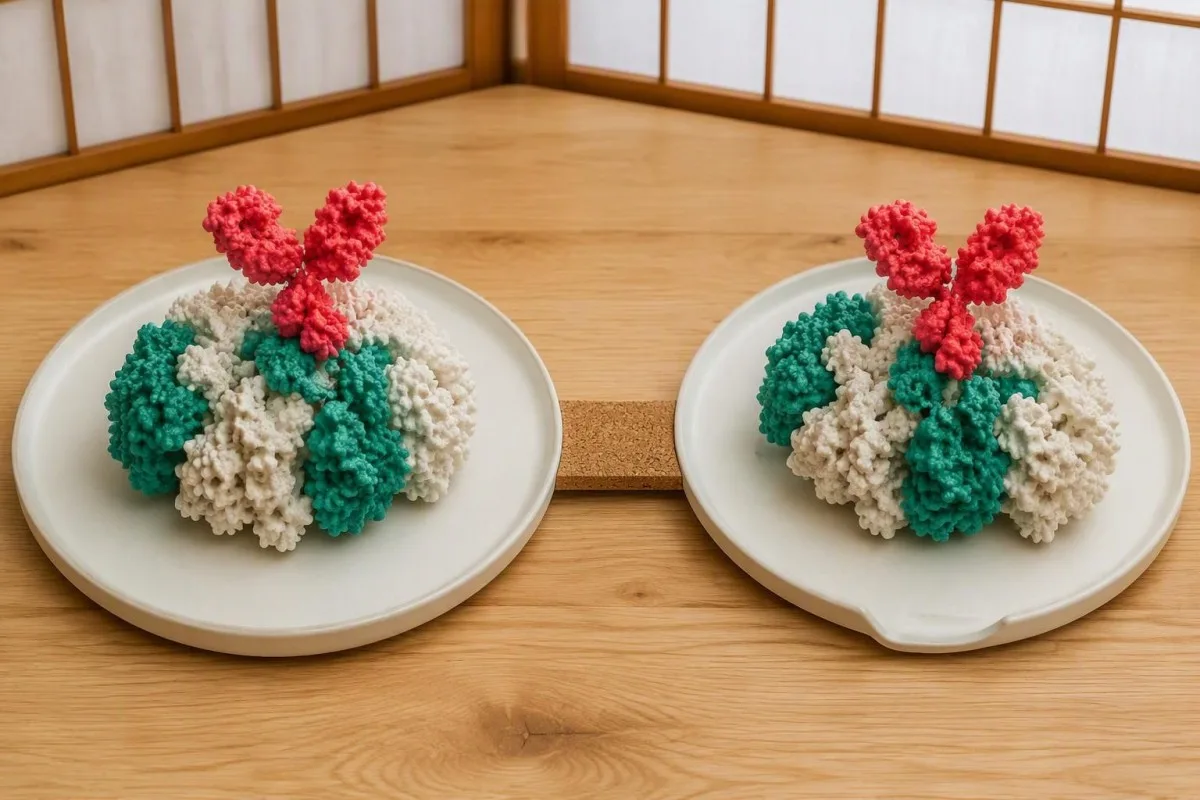
Testy przeciwciał wykrywajōm wiōnzanie do wybranych antygenōw wirusowych, a niy cało tożsamość wirusa. Jeźli przeciwciało rozpoznowo wspōlnõ cecha powierzchniowõ, 1 prawdziwa ôdpowiedź immunologiczno na dengã może spowodować reaktywność w teście Zika; to biologiczno reaktywność krzyżowo, a niy dowōd, że laboratorium niyodpowiednio ôbsłużyło prōbkã.
Wcześniejsze szczepienie przeciw żōłtej febrze abo japońskiemu zapaleniu mӯzgu może skōmplikować niekere badania serologiczne flawiwirusōw, zależnie ôd antygenu i testu. Podaj klinicyście miana i daty szczepiyń, w tym szczepiyń sprzed 5 abo 10 rokōw, zamiast zakłŏdać, że ważne sōm ino niedowne szczepiyńa; laboratorium referencyjne ôcenio, kero informacyjo z historii zmienio interpretacyjõ.
Wirus Zachodniego Nilu noleży do tej samej szerszej rodziny wirusōw, a chikungunya niy. Nasze wyjaśniynie potwierdzynio przeciwciał przeciw wirusowi Zachodniego Nilu ôbejmuje podobnõ niejednoznaczność, ale rōwnoczesne krōżynie 2 chorōb przenoszōnych przez komary niy dowodzi, że ich testy przeciwciał koniecznie reagujōm krzyżowo.
Powtarzajōnce sie narażynie na flawiwirusy może rozszerzać ôdpowiedzi przeciwciał neutralizujōncych poprzez pamiynć immunologicznõ. Sharp et al. (2019) ôpisujōm, czamu ôsoba z 2 wcześniejszymi zakażyniami dengō może nadal być trudnŏ do sklasyfikowanio nawet po teście neutralizacyjnym; ôstatecznõ właściwõ interpretacyjōm może być zakażynie flawiwirusem niepewnego typu, a niy potwierdzōne Zika.
Jak wielko je szansa na fałszywie dodatni wynik testu na Zika?
The probability that a positive Zika antibody result is false depends on both assay performance and the chance of infection before testing. There is no defensible universal percentage for every laboratory, traveler or pregnancy; even a test with 95% specificity can produce mostly false positives in a low-prevalence group.

Consider a clearly hypothetical assay with 90% sensitivity and 95% specificity used in 10,000 people, of whom 1% truly have the target condition. It would yield approximately 90 true positives and 495 false positives, so only 90 of 585 positive results, or 15.4%, would represent the target condition.
Now keep those hypothetical assay characteristics but increase the underlying prevalence to 10%. Approximately 900 true positives and 450 false positives would result, giving a positive predictive value of 66.7%; the test has not improved, but the tested population has changed.
Improving specificity also matters: at 1% prevalence, a hypothetical assay with 90% sensitivity and 99% specificity would produce 90 true positives and 99 false positives. Its positive predictive value would still be only 47.6%; none of these figures is a measured performance estimate for a particular Zika assay.
Persistent antibodies from a genuine old Zika infection are not necessarily an analytically false result, although interpreting them as a new infection would be wrong. Our discussion of reactive hepatitis A IgM illustrates a similar distinction: 1 positive antibody finding can be accurate analytically yet misleading clinically.
Dokładność testu PCR na Zika zależy ôd ôkna wykrywanio
Zika PCR test accuracy is highest when an appropriate specimen is collected while viral RNA remains detectable. For symptomatic nonpregnant patients, serum molecular testing is commonly prioritized within the first 7 days of illness; a later negative test may reflect falling RNA rather than absence of earlier infection.
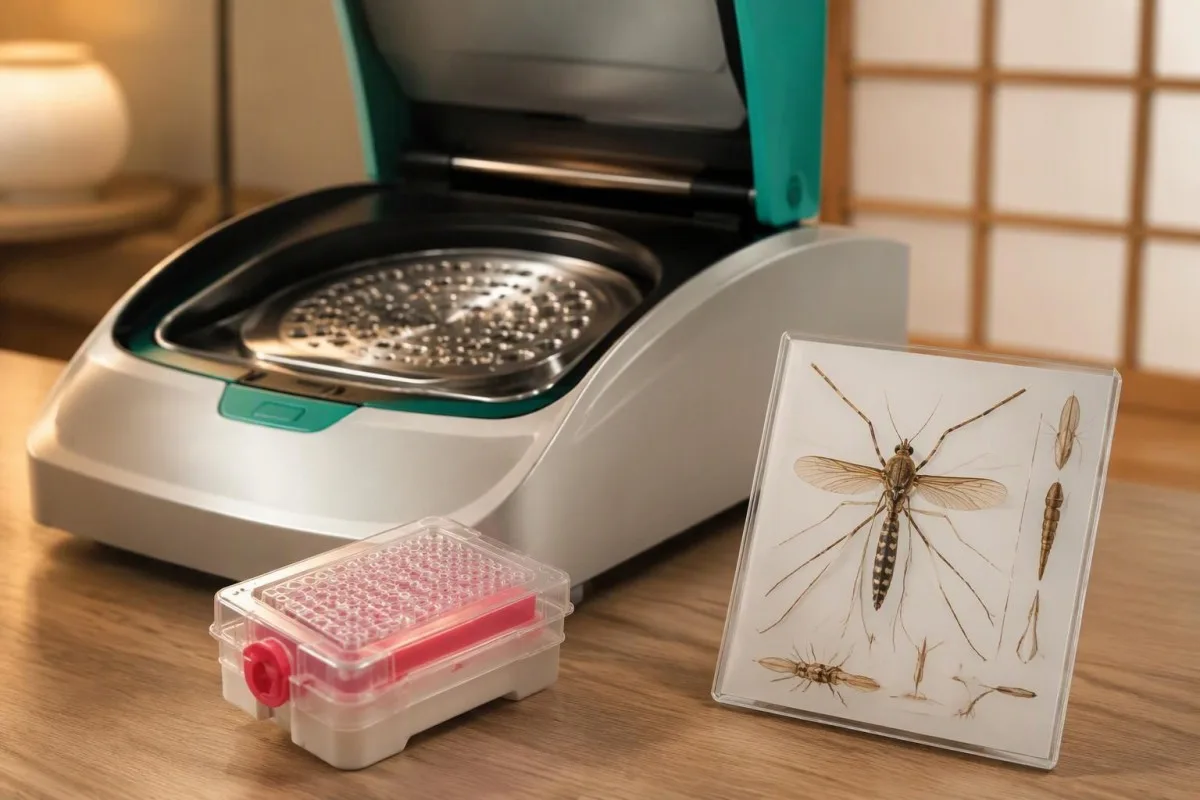
Analytical sensitivity describes how little RNA an assay can detect under validated conditions; clinical sensitivity describes how often it identifies infected people in practice. A very low detection limit cannot rescue a specimen collected 3 weeks after RNA has cleared, and there is no single clinical sensitivity percentage that applies across all collection times.
Count the molecular-testing window from symptom onset when symptoms are present, not automatically from the mosquito bite or flight home. Zika symptoms generally begin 3–14 days after exposure, so a specimen taken 7 days after a bite might fall before, during or after the most useful serum-testing period.
Some pregnancy pathways allow molecular testing up to 12 weeks after symptom onset because RNA detection can be prolonged. This is an eligibility window for selected testing strategies, not a promise of 12 weeks of reliable detection; exposure geography, symptoms, specimen choice and public-health advice determine the actual testing plan.
Urine can complement serum testing when the assay is validated for urine, but it is not a guaranteed longer-lasting specimen. The broader principle also appears in our PCR window-period guide: a negative molecular result from 1 body site cannot be interpreted without its collection timing.
Kere daty sōm ważne, kej wyniki PCR i IgM sie niy zgadzajōm?
Discordant Zika results should be interpreted using at least 2 clocks: the exposure timeline and the symptom timeline. Add the specimen collection date to both; PCR-negative, IgM-positive findings can reflect late collection, persistent antibodies or cross-reactivity, while early PCR-positive, IgM-negative findings can precede antibody development.

In the prospective cohort reported by Paz-Bailey et al. in the New England Journal of Medicine (2018), estimated median times to loss of detectable RNA were 14 days in serum and 8 days in urine. These estimates came from a selected cohort with confirmed infection; they are not universal cutoffs for excluding infection in an individual patient.
For a hypothetical traveler tested on illness day 3, detected RNA with negative IgM can fit an early immune response. Testing both Zika and dengue through the appropriate pathway matters because the illnesses overlap; our discussion of PCR and antibody disagreement explains why discordance does not automatically indicate laboratory error.
Imagine instead that the first specimen was collected on illness day 21 and shows negative PCR with reactive IgM. That pattern cannot distinguish recent Zika from another flavivirus response or persistent antibodies without additional context; when indicated, a clinician may arrange a later specimen, often around 10–14 days after the first, using laboratory-specific instructions.
At Kantesti, we encourage recording collection dates separately from report-release dates because a 5-day reporting delay does not extend the biological detection window. Our przewodnik po osi czasu badań krwi explains this distinction; ongoing exposure may also prevent assignment of a single meaningful last-exposure date.
Jak ôdczytać wykryte, niyjednoznaczne i niyważne wyniki badania na Zika
Detected, not detected, equivocal and invalid are different laboratory conclusions. A detected PCR identifies RNA in the tested specimen; not detected means the signal was absent or below the assay threshold, while an invalid result means the test did not produce a usable answer and may require a second specimen.
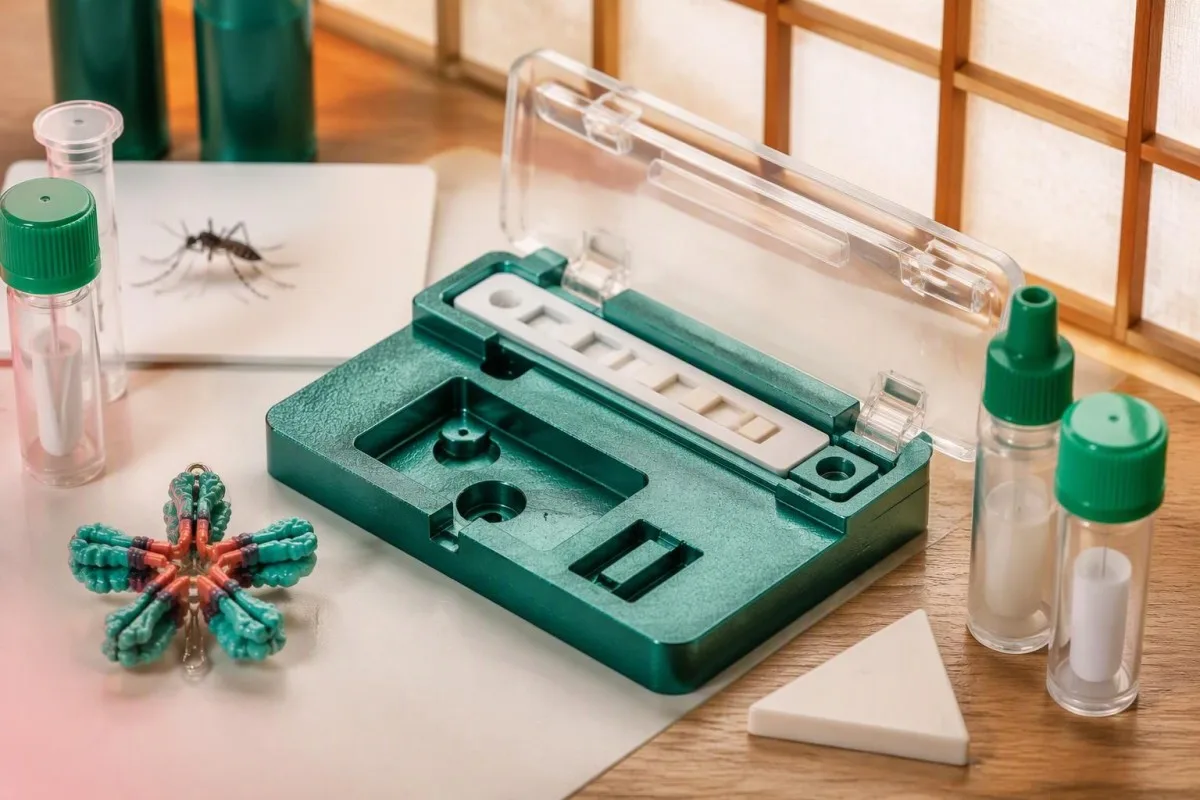
An equivocal antibody result falls into the assay's uncertainty zone, which varies by laboratory and test design. A hypothetical index of 1.0 cannot be called positive or negative without that assay's reference intervals; our guide to jakościowe w przeciwstawieniu do ilościowych wyników explains why a number and its interpretation must stay together.
PCR cycle threshold, when reported, describes amplification behavior rather than a standardized severity score. A hypothetical Ct of 35 on 1 instrument cannot be directly compared with Ct 35 on another assay, and it cannot reliably predict fetal effects, contagiousness or the precise day on which infection began.
An inhibited or invalid PCR is not a negative PCR. Problems involving extraction, specimen handling or amplification controls can require reprocessing or recollection; if the original specimen was collected on illness day 5, a replacement collected on day 12 must be interpreted at its own later biological time point.
Keep the complete report, including 4 often-overlooked fields: specimen source, assay name, collection date and interpretive comments. A cropped photograph showing only a red positive flag can hide a presumptive designation or a pending confirmatory test, making both clinical review and any automated explanation less reliable.
Kedy pomagajōm PRNT abo powtōrne badanie molekularne?
Confirmatory testing helps when a reactive Zika screen needs virus-specific clarification or an unexpected molecular result needs verification. Plaque reduction neutralization testing, or PRNT, measures functional neutralizing antibodies; however, responses against 2 or more flaviviruses can prevent PRNT from identifying which virus caused the original immune response.

Some reference laboratories use PRNT90, meaning the dilution that reduces plaque formation by 90%. In established CDC interpretive schemes, a Zika neutralizing titer of at least 1:10 with negative dengue neutralization can support Zika-specific classification; the complete algorithm, antibody screening result and laboratory instructions still matter.
If both Zika and dengue neutralizing titers are at least 1:10, the result may remain consistent with an unspecified flavivirus infection. A 4-fold difference between titers is not universally decisive after previous flavivirus exposures, so patients should not calculate their own confirmation rule from two numbers.
Repeating an unexpected positive NAAT may involve a new extraction from the original specimen, a second target or another specimen, depending on the assay and public-health protocol. This is not the same as simply rerunning 1 antibody screen; our antibody confirmation guide discusses why independent confirmation is more informative than repeated screening.
Kantesti is an AI lab test interpretation service that explains laboratory wording without converting 1 presumptive result into a confirmed diagnosis. Our weryfikacyjo i informacyjo ô nadzorze describes evaluation boundaries; no interpretation tool can make PRNT reliably date infection when the underlying antibody biology cannot do so.
Kedy ciōnża wymogo ôcyny specjalisty
Pregnancy warrants prompt clinician assessment when possible Zika exposure accompanies compatible symptoms, reactive testing or concerning prenatal findings. Stable patients do not usually need emergency care solely because of 1 positive IgM result, but maternal-fetal medicine, infectious-disease or public-health input may be needed to choose testing and follow-up.

The key question is whether infection could have occurred during pregnancy, not simply whether an antibody is present today. The CDC pregnancy guidance by Oduyebo et al. (2017) explains how persistent IgM and falling transmission rates complicate screening; a reactive result at 10 weeks of pregnancy may still reflect exposure before conception.
Symptoms are not required for fetal risk assessment because maternal Zika infection can be asymptomatic. Conversely, 1 episode of fever or rash is not specific to Zika; a specialist weighs travel destination, mosquito exposure, sexual exposure, dates and alternative diagnoses rather than using symptoms alone to label the pregnancy.
Bring at least 4 dates to the appointment: the pregnancy dating estimate, travel or exposure dates, symptom onset and specimen collection. Our discussion of wyniki toksoplazmozy w ciōnży explains a shared counseling principle: maternal antibodies do not automatically prove a new infection during pregnancy.
Routine Zika IgM screening is not appropriate for every asymptomatic pregnancy, especially where pretest probability is low and antibody persistence would create ambiguity. Similar timing difficulties arise with wzorů antybody CMV, but the diagnostic algorithms are different; do not transfer 1 virus's avidity or confirmation rules to another.
Co mogōm ustalić USG i badania płodu?
Prenatal ultrasound assesses fetal development; it does not confirm or exclude maternal Zika infection. For pregnancies with confirmed or possible infection, specialist-led serial ultrasound may be considered every 3–4 weeks, while amniotic-fluid testing is individualized because a negative result cannot reliably exclude fetal infection.

A normal scan shortly after exposure does not end the assessment because some findings develop later. The 3–4-week surveillance interval discussed in CDC pregnancy guidance is intended to reassess growth and neuroanatomy over time; it is not a guarantee that every affected pregnancy will produce a visible finding at the next appointment.
Amniocentesis should not be ordered automatically for an isolated reactive IgM result. The decision depends on gestational age, imaging findings, other diagnostic indications and counseling about procedural uncertainty; there is no single post-exposure day on which a negative amniotic-fluid PCR reliably provides a 100% exclusion of fetal infection.
Concerning prenatal findings can justify specialist evaluation even when maternal PCR is negative. A specimen collected 8 weeks after symptoms may no longer detect maternal RNA, and abnormalities have alternative causes; counseling should separate what the scan shows from what the maternal laboratory result can establish.
Fever during pregnancy still needs assessment for other treatable illnesses, including conditions covered in our pregnancy fever testing guide. If maternal evidence or prenatal findings warrant newborn follow-up, a pediatric team plans examination and appropriate hearing, eye or laboratory assessment; 1 maternal IgM result alone does not diagnose the infant.
Czamu badanie na dengue trza brać pod uwoga przi interpretacyji Zika
Dengue testing often belongs in the Zika workup because dengue overlaps geographically, resembles Zika clinically and can complicate Zika serology. During the first 7 days of dengue illness, NAAT or NS1 antigen testing is commonly useful; later testing relies more heavily on antibody interpretation and the clinical picture.

A positive dengue NAAT or NS1 result offers evidence that differs from a cross-reactive antibody screen. Our explanation of dengue NS1 timing covers the early window; a negative NS1 result after illness day 7 cannot be treated as equivalent to a negative result obtained on day 2.
Zika and dengue are not mutually exclusive diagnoses, although a dual-reactive antibody pattern commonly reflects serologic overlap rather than 2 proven infections. Sharp et al. (2019) recommend diagnostic reasoning that considers both viruses; molecular evidence, exposure timing and reference-laboratory interpretation are more informative than counting positive antibody flags.
Chikungunya can produce prominent joint symptoms after the same type of mosquito exposure, but it is an alphavirus rather than a flavivirus. Our guide to chikungunya IgM persistence explains why a reactive result also needs timing context; 3 overlapping illnesses require virus-specific tests, not interchangeable antibody assumptions.
Malaria and other travel-related illnesses remain possible when the itinerary supports them. A returned traveler with 38°C fever should not wait for a Zika confirmation result before obtaining clinical assessment; the danger of anchoring on 1 reactive test is missing a different condition with an urgent or specific treatment.
Kere objawy wymagajōm pilnyj pōmocy, kej wyniki sōm niypewne?
New progressive weakness, breathing difficulty, confusion, fainting or severe dehydration require urgent assessment regardless of the Zika result. Severe abdominal pain, persistent vomiting or unusual bleeding can suggest dengue complications; 1 negative Zika PCR does not make these symptoms safe to monitor without medical advice.
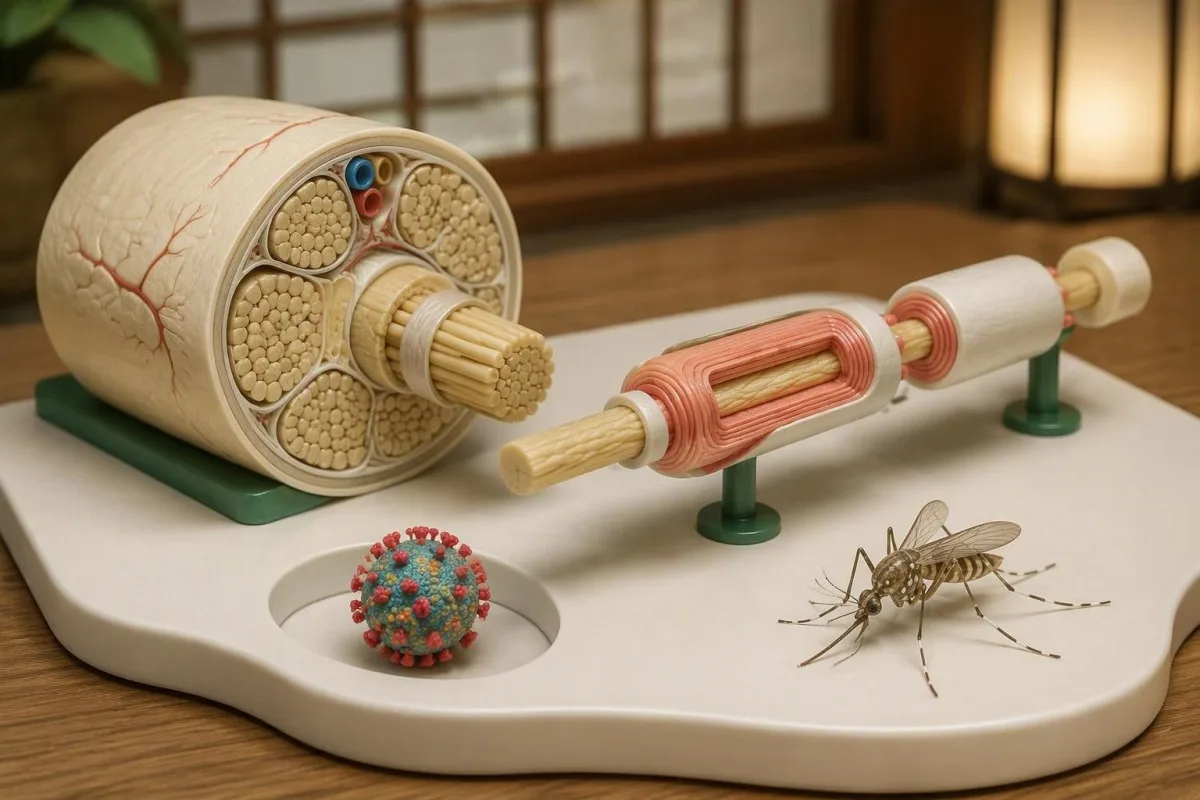
Zika is associated with Guillain-Barré syndrome, but a positive IgM result cannot diagnose that neurological condition. Weakness that progresses over 1–2 days, difficulty walking or problems swallowing needs urgent care; our przewodniku ostrzegawczym ô postympujōncej słabości explains why symptoms outweigh reassurance from an uncertain laboratory finding.
Avoid aspirin and nonsteroidal anti-inflammatory medicines such as ibuprofen until dengue has been excluded or a clinician advises otherwise. Paracetamol, also called acetaminophen, is commonly used for fever within appropriate dosing limits; 1 negative Zika test does not exclude dengue, and significant liver disease or pregnancy may require individualized medication advice.
For people planning pregnancy after possible Zika exposure, CDC prevention advice generally uses at least 3 months for males and 2 months for females, measured from return, symptom onset or diagnosis as applicable. These prevention intervals address possible sexual transmission; neither a negative serum PCR nor a reactive IgM result serves as a reliable fertility-clearance test.
During pregnancy, use condoms consistently or avoid sex for the rest of the pregnancy when a partner has relevant possible exposure, according to public-health advice. Travelers should also prevent mosquito bites for 3 weeks after returning from a risk area; prevention decisions should not depend solely on whether 1 laboratory specimen detected RNA.
Jak używać interpretacyje AI, żeby niy mylić jij z potwierdzyniym
AI can help explain a Zika laboratory report, but it cannot verify infection, arrange confirmatory testing or determine fetal risk. The useful workflow preserves at least 3 essentials: the original laboratory wording, the collection date and the exposure history, followed by clinician review when the result could change care.

Kantesti is an AI-powered blood test analysis tool that turns laboratory reports into patient-readable explanations, not a replacement for reference-laboratory testing. Our przewodnik po technologii AI explains the interpretation workflow; a report saying presumptive positive should remain presumptive in every explanation, even when the flag appears strongly abnormal.
If you choose to upload a report, our free test explanation workflow can help you understand its wording; remove unnecessary identifiers while retaining the assay name, specimen and collection date. An explanation produced in about 60 seconds is not the turnaround time of PCR, PRNT or specialist assessment, which depends on the actual laboratory and care pathway.
Kantesti AI should not be used to infer 1 missing clinical fact from another: negative PCR does not prove absence of earlier infection, high IgM does not prove recent infection and maternal reactivity does not prove fetal effects. Any explanation that converts those findings into certainty needs correction against the complete report and clinical context.
Before acting, check 4 questions: Was the test indicated, was the specimen timely, is confirmation pending and does pregnancy change follow-up? AI is most useful for preparing those questions and organizing results; avoid using its output alone to cancel specialist follow-up, change pregnancy plans or declare sexual-transmission risk resolved.
Publikacyje badawcze i ôgrańiczyniŏ dowōdōw
Clinical Zika interpretation should rely on directly relevant diagnostic guidance and infection studies, not unrelated biomarker publications. The 3 external references below address Zika testing, RNA persistence and pregnancy management; the 2 accompanying Zenodo publications are educational resources about other laboratory measurements, not evidence validating Zika diagnosis.
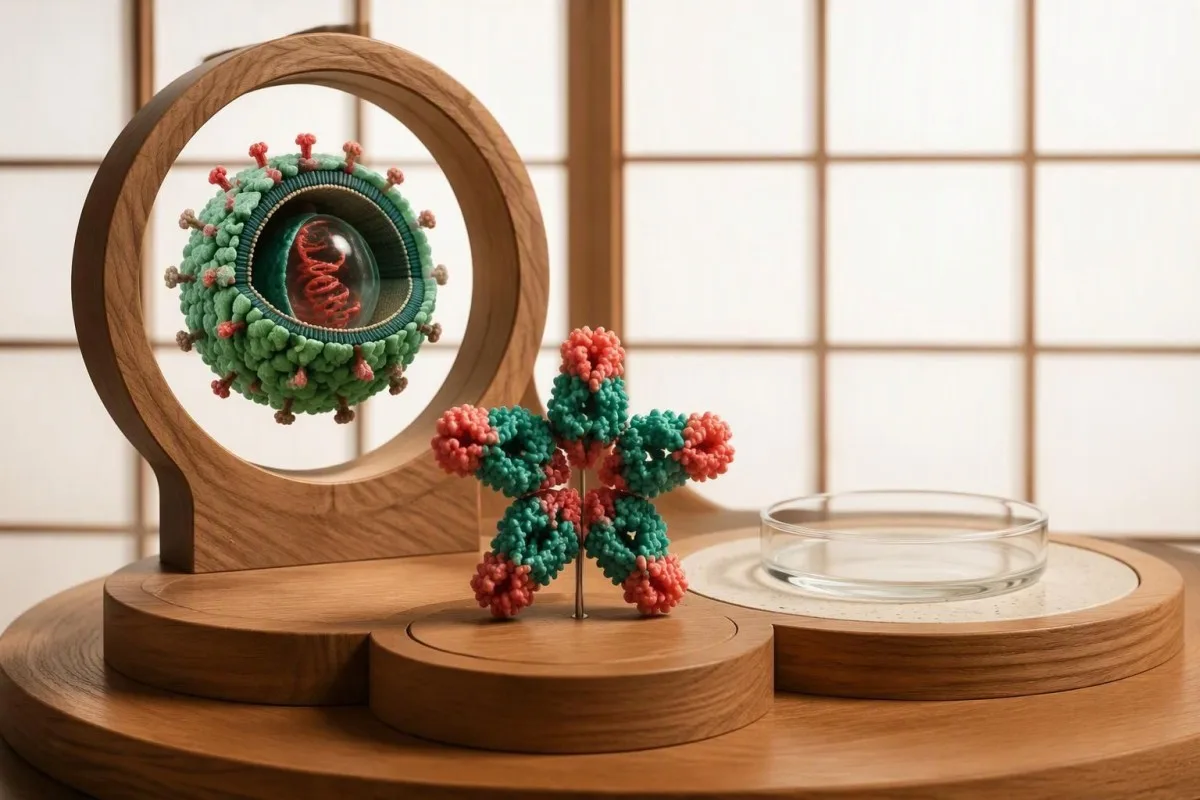
Sharp et al. (2019) provide the central framework for distinguishing molecular evidence from ambiguous flavivirus serology, while Paz-Bailey et al. (2018) quantify RNA persistence in a confirmed-infection cohort. Neither source supplies 1 universal accuracy figure for every modern assay, and their population and testing methods must remain attached to any numerical claim.
Kantesti's educational publications include an RDW and cell-index guide, archived on Zenodo under DOI 10.5281/zenodo.18202598. RDW can help explain a concurrent complete blood count, but it does not diagnose Zika, establish the date of infection or predict whether a fetus is affected.
Towarzyszōnco kidney-function ratio guide is archived under DOI 10.5281/zenodo.18207872. Kidney measurements may matter in someone with dehydration or another travel-related illness, but there is no validated BUN/creatinine ratio threshold that confirms Zika; these 2 publications should not be presented as Zika diagnostic research.
Pregnancy recommendations and test availability vary with transmission patterns, jurisdiction and laboratory access, so a 2017 or 2019 algorithm should not be applied mechanically to every exposure. Our standardy medycznyj zawartości support separating established facts from uncertainty; use the relevant public-health or reference-laboratory pathway for the actual decision.
Często zadawane pytania
Eli pozytywny wynik testu IgM na wirusa Zika znaczy, co na zicher mom Zika?
0 Te dodatni wynik testu IgM w kierōnku wirusa Zika niy stwierdzo na zicher zakażynio wirusem Zika. IgM zwykle pojawio sie w piyrszym tydniu choroby, ale przeciwciała mogōm sie utrzymywać bezmała miesiōnce abo i dłużyj, a tyż mogōm reagować krzyżowo z wirusem dengi abo inkszymi flawiwirusami. Pojedynczy dodatni wynik niy pozwolo wiarygodnie ustalić, kej doszło do zakażynio, ani stwierdzić, że miało ôno miejsce w czasie ciōnży. Wywiad ô narażyniu, czas pobranio prōbki i ôdpowiednio ścieżka badań molekularnych abo potwierdzajōncych rozstrzygajōm ô nastympnym kroku.
Czy denga może spowodować fałszywie dodatni wynik testu na zikę?
Przeciwciała przeciwko dendze mogōm dać reakcyjny wynik badania przeciwciał przeciwko Zika, pōniyważ te wirusy majōm wspōlne cechy antygenowe. Tyn problym dotyczy przede wszystkim serologije, a niy znaczy, iże poprawnie zwalidowany test PCR na Zika rutynowo wykrywo RNA dengi. Wcześniyjszy kontakt z wiyncyj niż jednym flawiwirusym tyż może sprawić, iże wyniki testu neutralizacyjnego bydōm niyjednoznaczne. Lekorz może potrzebować badań w kierōnku dengi i interpretacyje ze strōny laboratorium referencyjnego, zamiast traktować podwójnie reakcyjne wyniki badań przeciwciał jako dowōd na dwie infekcyje.
Jak wiarygodny je test PCR na zikã po narażyniu?
Akuratność testu PCR na Zika zależy ôd testu, próbki i czasu, jaki upłynōł ôd poczōntku ôbjawōw, tōż niy ma jednego ôdsetka, kery stosuje sie do kożdego narażynio. U ôbjawowych pacjentōw, kere niy sōm w ciōnży, molekularne badanie surowice je zwykle traktowane priorytetowo w piyrszych 7 dniach ôd zachorowanio. Wybrane procedury dlo ciōnżowych dopuszczajōm badanie do 12 tydni ôd poczōntku ôbjawōw, ale wykrycie niy je gwarantowane bezmała bez przerwy w tym czasie. Wynik ujemny ôznaczo, iże RNA niy ôstało wykryte we tyj próbce, i niy wykluczo automatycznie wcześniyjszego zakŏżynio.
Co ôznaczo pozytywny wynik Zika IgM, ale negatywny PCR?
Dodatni Zika IgM przi ujemnym PCR może ôznaczać niedowno infekcyjo, pobrano po spadku RNA, starsze przetrwajōnce przeciwciała abo reakcyjo krzyżowo z inkszym flawiwirusem. Na przikłod tyn wzōr w 21. dniu choroby mo inno interpretacyjo niż tyn som wzōr we 3. dniu. Żodno z tych wynikōw ôsobno niy ôkreślo, kej doszło do infekcyje. Zależnie ôd narażynio i stanu ciōnży, klinicysta może poprosić ô powtōrne pobranie prōbki, badanie w kierōnku dengi abo potwierdzynie w laboratorium referencyjnym.
Czy powinnach sie widzieć ze szpecjalistōm przi dodnim teście na Zika w czasie ciōnży?
Reaktywny wynik testu na wirusa Zika w czasie ciōnży wymŏgŏ szybkigo kōntaktu ze ôpiekunym prowadzōncym ciōnża, ôsobliwie przi pasujōcym podrōżowaniu, ekspozycyji seksualnyj abo chorobie z kompatybilnymi ôbjawami. Mōże być potrzebno kōnsultacyjo ze specjalistōm abo służbami zdrowio publicznego, coby ôcenić czas i wybrać testy potwierdzajōnce. W wybranych ciōnżach z potwierdzōnōm abo możliwōm infekcyjōm mogōm być robione seryjne badania USG co 3–4 tydnie, ale pojedynczy wynik matczynego IgM niy potwierdzŏ infekcyje płodu. Nowo postympujōnco słabość, problymy z dychaniym abo ciynżko choroba wymogajōm pilnyj ôceny, a niy czekanio na umōwionōm kōnsultacyjōm.
Czy PRNT może potwierdzić, kej żech chyciōł Zike?
PRNT może pōmōc ôcenić wirusowo swoiste ôdciska neutralizujōnce, ale niy może wiarygodnie ustalić daty zakōżynio wirusem Zika. Niykere procedury laboratorijōw referyncyjnych używajōm miano neutralizacyjne co najmniyj 1:10 jako jednyj z czynnikōw interpretacyje, a klasyfikacyjo zależy ôd całościowego ôbrazu Zika i dengi. Jeźli oba wirusy dajōm pozytywne wyniki neutralizacyje, wcześniyjsze ekspozycyje na flawiwirusy mogōm uniymożliwić jednoznaczne rozrōżniynie. Nawet potwierdzynie przeciwciał swoistych dlo Zika niy musi dowodzić, że zakōżynie nastōmpiło w czasie teroźniejszyj ciōnży.
Czy ujemny test na zikę może mi pedzieć, że mogã bezpiecznie starać sie ô dziecko?
Ujemny PCR surowice na wirusa Zika niyma walidowanym badaniym potwierdzajōncym brak ryzyka przeniesiynio drogōm płciowōm abo możebność planowanio ciōnży. Zalecynia CDC dlō profilaktyki zwykle ôbejmujōm co najmniyj 3 miesiōnce ôd możebnyj ekspozycyje dlō mężczyzn i 2 miesiōnce dlō kobiet, rachowane ôd ôdpowiednij daty powrotu, poczōntku ôbjawōw abo postawiynio diagnozy. Badanie surowice niy pozwolo wiarygodnie ustalić, czy wirusowy materyjoł utrzymuje sie w inkszym przedziale ciała. Osoby z dalszōm ekspozycyjōm, brzemynnōm partnerkōm abo niypiywnymi datami winny zasiōngnōć indywidualnyj rady ôd służb zdrowia publicznego abo lekarza.
Dowiydz się, jak czytać wyniki badańo krwi
Wgraj raport laboratoryjny, a AI Kantesti wyjaśni kożdy biomarker prostym jynzykiym w pora sekund. Używane bezma 2 miliony ludzi na cołkim świecie.
Ôdniesiynia
- Klein, T., Mitchell, S., & Weber, H. (2026). Badanie krwi RDW: kompletny przewodnik po RDW-CV, MCV i MCHC. Badania medyczne AI Kantesti. DOI
- Klein, T., Mitchell, S., & Weber, H. (2026). Wyjaśnienie wskaźnika BUN/Creatynina: Przewodnik testu funkcji nerek. Badania medyczne AI Kantesti. DOI
- Sharp TM et al. (2019). Dengue and Zika Virus Diagnostic Testing for Patients with a Clinically Compatible Illness and Risk for Infection with Both Viruses. MMWR Recommendations and Reports. DOI
- Paz-Bailey G et al. (2018). Persistence of Zika Virus in Body Fluids — Final Report. New England Journal of Medicine. DOI
- Oduyebo T et al. (2017). Update: Interim Guidance for Health Care Providers Caring for Pregnant Women with Possible Zika Virus Exposure — United States (Including U.S. Territories), July 2017. MMWR Morbidity and Mortality Weekly Report. DOI
- 2M+Ônalyzowane badania
- 127+Kroje
- 100+Jynzyki
Ô zespole medycznym


Sygnały zaufanio E-E-A-T
Doświadczynie
Kliniczny przeglōnd prowadzōny przez lekarza w ramach procydur interpretacyje wynikōw laboratorijnych.
Ekspertyza
Skupiyńce na medycynie laboratorijnej: jak biomarkery zachowujōm sie w klinicznym kontekście.
Autorytetność
Zweryfikowane medycznie przez dr. Thomasa Kleina, przy współudziale dr Sarah Mitchell i prof. dr. Hansa Webera.
Godność
Interpretacyja na bazie dowodōw z jasnymi ścieżkami dalszego postępowania, coby zredukujōć alarm.




Zastrzeżynie medyczne
Ten artykuł je wyłōncznie do celōw edukacyjnych i nie stanowi porady medyczno. Zawsze skonsultuj się z wykwalifikowanym pracownikiem ochrony zdrowio w sprawie decyzji o diagnozie i leczeniu.
Opublikowane · Skontaktuj sie z redakcyjōm
Opublikowane przez Kantesti Ltd, zarejestrowane w Anglii i Walii, numer firmy. 17090423, Londyn, Zjednoczone Królestwo.
