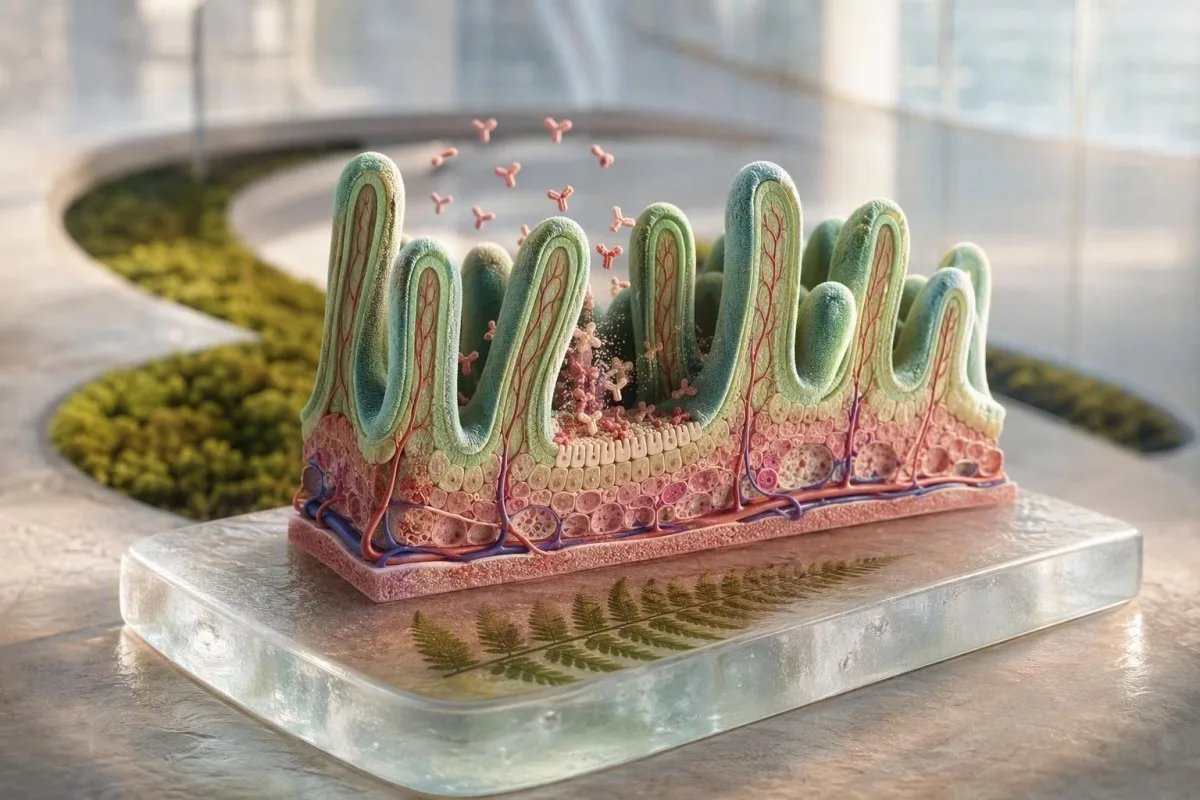
For en pålitelig cøliaki-blodprøve trenger de fleste voksne som har vært glutenfrie omtrent 3–6 g gluten daglig i minst 6 uker; en 12-ukers utfordring gir det tydeligste svaret når det tolereres. Ikke gjenoppta gluten alene hvis du har alvorlige reaksjoner, betydelig vekttap, bekymringer for graviditet eller en tidligere bekreftet diagnose av cøliaki.


- Minimum utfordring: 3–6 g gluten daglig, omtrent 1–2 skiver hvetebrød, er et praktisk mål for voksne før gjentatt cøliaki-serologi.
- Foretrukket varighet: 12 uker med daglig gluteneksponering øker sjansen for at en cøliaki-blodprøve og biopsi vil oppdage sykdom etter glutenunnlatelse.
- Kort utfordring: 3 g daglig i 2 uker kan utløse biopsiforandringer hos noen voksne, men et negativt resultat etter bare 2 uker utelukker ikke pålitelig cøliaki.
- tTG-IgA: En negativ tTG-IgA kan være falskt beroligende når gluteninntaket er lavt eller total IgA er mangelfull.
- Total IgA: Total serum IgA bør måles sammen med tTG-IgA; IgA-mangel krever IgG-basert testing.
- Ikke selv-utfordre deg: Barn, gravide, personer med tidligere alvorlige reaksjoner og personer med betydelig underernæring trenger klinisk ledet planlegging.
- HLA-testing: Negativ HLA-DQ2 og HLA-DQ8 gjør cøliaki svært usannsynlig og kan noen ganger unngå en glutenutfordring.
- Ikke stopp tidlig: Fortsett å spise gluten til legen bekrefter at blodprøver og, om nødvendig, endoskopi er fullført.
Hvorfor glutenunnlatelse kan gjøre en cøliaki-blodprøve negativ
A cøliaki-blodprøve kan bli negativ etter glutenrestriksjon fordi immunsignalet den måler svekkes når hvete, bygg og rug fjernes. I praksis utelukker ikke en negativ tTG-IgA under glutenfri diett cøliaki; den kan rett og slett vise at immunsystemet ikke lenger blir provosert.
tTG-IgA oppdager en antistoffrespons, ikke et permanent fingeravtrykk av cøliaki. Antistoffkonsentrasjoner faller ofte innen uker til måneder på en streng glutenfri diett, mens tarmheling kan fortsette mye lenger. Retningslinjene fra American College of Gastroenterology fra 2023 sier at diagnostisk serologi bør utføres mens pasienten spiser gluten (Rubio-Tapia et al., 2023).
Jeg ser dette mønsteret jevnlig: noen fjerner gluten i 8 måneder, føler seg noe bedre, får deretter et normalt tTG-IgA-resultat og får beskjed om at cøliaki er utelukket. Den konklusjonen er usikker uten å vite gluteninntaket deres; en falsk negativ tTG-IgA er mer sannsynlig når eksponeringen allerede har stoppet. Vår relaterte veiledning om lav IgA og cøliaki-fallgruver forklarer den andre hovedgrunnen til at serologi kan overse sykdom.
Kantesti er en AI-blodprøveanalysator som leser tTG-IgA sammen med total IgA, hemoglobin, ferritin, folat, vitamin B12 og leverenzymer, heller enn å behandle ett negativt antistoff som en endelig diagnose. Jernmangel eller en uventet høy ALT kan holde cøliaki på bordet selv når ett antistoffresultat er normalt.
Mekanismen betyr noe. Glutenpeptider når øvre tynntarm, vevstransglutaminase modifiserer dem, og mottakelige HLA-DQ2- eller HLA-DQ8-immunveier genererer antistoffer; fjern utløseren og den målbare antistoffresponsen kan stilne. Det er biologi, ikke testsvikt.
Den vanlige misforståelsen
Å føle seg bedre etter å ha unngått brød er ikke diagnostisk i seg selv. Symptomer kan forbedres på grunn av lavere mengde fermenterbare karbohydrater, redusert inntak av ultraprosessert mat, unngåelse av hveteallergi eller ikke-cøliakisk glutenfølsomhet; bare riktig tidsbestemt testing kan skille disse mulighetene.
Hvilke cøliaki-tester krever gluten i kosten?
tTG-IgA, EMA-IgA, antistoffer mot deamidert gliadinpeptid og duodenal biopsi er mest pålitelige når gluten spises. HLA-DQ2/DQ8 genetisk testing er annerledes: den er fortsatt gyldig enten en person spiser gluten eller ikke.
tTG-IgA er den vanlige førstelinje-blodprøven for cøliaki hos voksne og barn i alderen 2 år og eldre. Mange laboratorier rapporterer verdier under 10–15 U/mL som negative, men den øvre grensen for normal er analyse-spesifikk, så laboratoriets eget referanseintervall styrer tolkningen. EMA-IgA er svært spesifikk og brukes ofte til å bekrefte en sterkt positiv tTG-IgA.
Total serum IgA bør være på samme rekvisisjon som tTG-IgA. Selektiv IgA-mangel forekommer hos omtrent 1 av 400 til 1 av 700 personer i mange vestlige befolkninger og kan gi negativ tTG-IgA til tross for cøliaki; DGP eller tTG-testing basert på IgG er da passende. A kvalitativ kontra kvantitativ testguide kan hjelpe lesere med å se om en rapport gir en målt verdi eller bare et positivt/negativt flagg.
Duodenumbiopsi vurderer villusarkitektur og intraepiteliale lymfocytter, men slimhinneforandringer kan også forbedres etter glutenuttak. Hos voksne fører positiv serologi generelt til øvre endoskopi før man forplikter seg til livslang restriksjon; biopsi er fortsatt spesielt nyttig når resultatene er inkonsistente.
Ikke forveksle et matintoleransepanel med cøliakiserologi. IgG-matpaneler diagnostiserer ikke cøliaki, og en hjemmetest kan ikke erstatte total IgA-vurdering, en validert antistoffanalyse eller spesialisttolkning.
Tester som fortsatt er nyttige når man unngår gluten
HLA-DQ2 eller HLA-DQ8-fravær har en svært høy negativ prediktiv verdi fordi nesten alle personer med cøliaki har en av disse haplotypene. Et positivt HLA-resultat er vanlig og diagnostiserer ikke cøliaki; omtrent 30 % av mange befolkninger har DQ2 eller DQ8, men bare ca. 1 % utvikler cøliaki.
Hvor mye gluten er nok for en glutenutfordring?
En praktisk glutenprovokasjon for voksne er 3–6 g gluten per dag, tilsvarende omtrent 1–2 vanlige brødskiver, for diagnostisk testing. Mer mat er ikke nødvendigvis bedre; konsistens betyr mer enn å tvinge i seg en stor dose som gjør at personen stopper etter noen dager.
En skive typisk hvetebread inneholder omtrent 2–3 g gluten, mens en standard bagel kan inneholde 4–7 g og en kopp kokt vanlig pasta omtrent 2–4 g, avhengig av oppskrift og porsjon. Havre er ikke en pålitelig provokasjonsmat fordi sertifisert glutenfri havre inneholder ubetydelig gluten og konvensjonell havre varierer i kontaminering.
Gjennomgangen av Leonard og kolleger anbefaler minst 3–6 g daglig i mer enn 12 uker når en lengre provokasjon tolereres, spesielt hvis målet er å trygt utelukke sykdom etter måneder eller år uten gluten (Leonard et al., 2023). Noen klinikere bruker 10 g daglig, men den mengden er vanskeligere å opprettholde og har ikke vist seg å være nødvendig for alle voksne.
En nyttig rutine er én glutenholdig matvare til frokost og én til lunsj, heller enn ett stort kveldsmåltid. Noter produktet, omtrentlig porsjon, symptomer og savnede dager; den dagboken gir gastroenterologen langt bedre informasjon enn en vag erindring om å ha spist “noe brød”.”
For bredere kontekst om hva laboratoriemarkører betyr sammen, vår biomarkørreferanseguide forklarer hvorfor ferritin og erytrocyttindekser ofte gjennomgås sammen med cøliak antistoffer.
Dosen er gluten gram, ikke matvekt
En 50 g porsjon brød er ikke 50 g gluten. Gluteninnholdet varierer med mel, hydrering, oppskrift og prosessering, noe som er grunnen til at klinikere vanligvis foreskriver matekvivalenter heller enn å be pasienter om å veie isolert glutenprotein.
Hvor lenge bør en glutenutfordring vare før testing?
Seks uker er et rimelig minimum for mange voksne, mens 12 uker gir en mer pålitelig provokasjon etter langvarig glutenunnlatelse. En 2-ukers provokasjon kan støtte diagnose hvis tester blir positive, men et negativt resultat etter bare 14 dager kan ikke trygt utelukke cøliaki.
Varigheten som trengs avhenger av alder, tidligere diett, immunrespons og om klinikeren planlegger kun serologi eller biopsi. I en liten voksenstudie induserte 3 g gluten daglig i 14 dager diagnostiske histologiske endringer hos mange deltakere, men antistoffresponsen hang etter; den kløften er grunnen til at korte protokoller kan overse tilfeller.
Fra 31. august 2026 vil jeg generelt diskutere en 12-ukers plan med voksne som har spist lite eller ingen gluten i flere måneder, med blodprøver rundt uke 6 og igjen nær uke 12 hvis det første resultatet er negativt. Dr. Thomas Klein, vår sjeflege, ser den mest unngåelige diagnostiske forsinkelsen når en pasient gjenopptar gluten i bare en helg før en blodprøve.
Hvis symptomene blir uakseptable, kontakt den rekvirererende legen i stedet for å stoppe stille. De kan fremskynde blodprøver, arrangere endoskopi tidligere, eller vurdere om HLA-testing kan besvare spørsmålet uten langvarig eksponering. En veiledning for tidspunkt for blodprøve er nyttig for å forstå hvorfor kostholdsrelaterte endringer ikke vises umiddelbart i laboratorieresultater.
Fortsett glutenutfordringen frem til blodprøven og, hvis antistoffresultatet er positivt eller mistanken forblir høy, frem til endoskopiteamet gir beskjed om noe annet. Stopp etter et positivt blodresultat, men før biopsi, kan redusere det synlige tarmsignalet.
En realistisk kalender
Uke 1–2 etablerer daglig eksponering og identifiserer tidlige symptomer. Uke 3–6 er når en innledende blodprøve kan være nyttig; uke 7–12 forbedrer sensitiviteten for personer hvis antistoffer stiger sakte, spesielt etter langvarig restriksjon.
Glutenutfordring hos barn og tenåringer krever en annen plan
Barn bør ikke starte en glutenutfordring uten pediatrisk rådgivning, fordi vekst, ernæring, symptombyrde og muligheten for en diagnose uten biopsi alle endrer planen. Et barn som vokser dårlig eller går ned i vekt, trenger først en vurdering, ikke en "gjør-det-selv"-brødutfordring.
For barn med svært høye tTG-IgA-verdier — minst 10 ganger øvre normalgrense for analysen— pluss en positiv EMA-IgA i en annen prøve, tillater ESPGHAN-retningslinjene diagnose uten biopsi i utvalgte tilfeller under spesialistomsorg for barn (Husby et al., 2020). Den veien krever aktiv gluteninntak på testtidspunktet.
Et førskolebarn kan ikke antas å tåle samme absolutte dose som en voksen på 75 kg. Pediatriske klinikere jobber ofte ut fra vanlige daglige porsjoner og barnets vanlige kosthold, og overvåker deretter vekt, høydehastighet, hydrering, avføringsmønster og skolefravær; målet bør aldri være en konkurranse om symptomutholdenhet.
Jernmangel, langsom lineær vekst, tilbakevendende munnsår, emaljeforandringer og forsinket pubertet kan være cøliakitegn selv uten diaré. Foreldre kan gjennomgå den bredere utredningen i vår veiledning for testing av barndomsvekst, men en normal veksthormonscreening utelukker ikke tarmmalabsorpsjon.
Hvis et barn allerede har hatt en overbevisende respons på et glutenfritt kosthold, bør familien spørre om HLA-typing eller veiledet reintroduksjon er den minst forstyrrende veien. Jeg har lært å ta familieangst på alvor her – måltider kan bli svært anstrengende veldig raskt.
Skole- og kostholdsplanlegging
En skriftlig plan bør identifisere hvilke måltider som inneholder gluten og hvordan symptomer skal håndteres i skoletiden. Gjentatte endringer av dosen, bytte til glutenfrie matvarer, eller tillate bare sporadisk eksponering i helgene, gjør det endelige resultatet mye vanskeligere å tolke.
Hva om du har vært glutenfri i årevis?
Etter år med et glutenfritt kosthold, kan antistofftesting forbli negativ med mindre gluteneksponering opprettholdes lenge nok til å reaktivere immunresponsen. Dette er gruppen som en 12-ukers kliniker-veiledet utfordring, eller HLA-testing først, vanligvis er mest fornuftig for.
Jo lengre gluten har vært fraværende, jo mindre nyttig er en engangs tTG-IgA. Noen pasienter trenger mer enn 6 uker før målbare antistoffer kommer tilbake, og en negativ test ved uke 6 bør tolkes i lys av den faktiske dosen som ble spist, ikke bare kalenderen.
Cøliaki kan etterlate seg spor i laboratorihistorikken: lavt ferritin, lav transferrinmetning, folatmangel, forhøyet blodplatetall, lavt vitamin D, eller uforklart mild transaminaseting. Ingen av disse er diagnostiske alene, men samlingen øker pre-test sannsynligheten; se vår detaljerte jernundersøkelsesguide for forskjellen mellom uttømte jernlagre og betennelsesrelatert lavt serumjern.
Kantesti er en Tjeneste for tolkning av laboratorieprøver med AI som hjelper brukere å sette et gammelt og et nytt panel side om side, inkludert hemoglobin, MCV, ferritin, albumin og antistoffverdier. Det kan ikke diagnostisere cøliaki, men en tidslinje kan hjelpe en kliniker med å se om ernæringsmessige abnormaliteter oppsto før kostholdsrestriksjoner.
En tidligere negativ cøliakitest utelukker ikke sykdommen hvis den ble utført etter at gluten ble fjernet fra kosten. Be om den originale rapporten, den eksakte antistoffverdien, total IgA, og hvor mye gluten du spiste i løpet av 6–12 uker før prøvetaking.
Hvorfor ernæringsstatus kan se normal ut
Normalt ferritin utelukker ikke cøliaki. Ferritin stiger ved betennelse og leverskade, så et ferritin på 70 µg/L kan forekomme samtidig med redusert jernopptak når C-reaktivt protein er forhøyet; transferrinmetning gir nyttig kontekst.
Når bør du ikke forsøke en glutenutfordring uten medisinsk rådgivning?
Ikke gjenoppta gluten på egen hånd hvis det tidligere har forårsaket dehydrering, besvimelse, alvorlig oppkast, raskt vekttap, graviditetskomplikasjoner eller sykehusinnleggelse. En veiledet plan er også tryggere for barn, personer med diabetes som bruker insulin, og alle med kjent eller mistenkt tilbakefall av spiseforstyrrelse.
Cøliaki i seg selv forårsaker sjelden en umiddelbar anafylaktisk reaksjon, så raske elveblest, pipende pust, trang hals eller kollaps etter hvetekonsum tyder på mulig hveteallergi og krever allergivurdering snarere enn en cøliakiutfordring. Cøliakitesting og allergitesting besvarer forskjellige spørsmål, og forveksling av dem kan være farlig.
Søk rask klinisk vurdering før en utfordring hvis du har mer enn 5% utilsiktet kroppsvekttap på 1 måned, vedvarende oppkast, svart avføring, alvorlige magesmerter eller symptomer på dehydrering som svært lite urinproduksjon og svimmelhet. Dette er ikke forventede “bevis” på at gluten virker; de er grunner til å revurdere.
Graviditet krever egen håndtering fordi ubehandlet cøliaki og restriktive dietter begge kan påvirke jern-, folat- og vektøkning. Kontakt en kliniker via vår medisinske kontaktvei eller ditt barselsteam før du bevisst reintroduserer gluten.
Personer med en tidligere biopsibekreftet cøliakidiagnose trenger vanligvis ikke en glutenutfordring for å bevise den igjen. Unntaket er reell tvil om en gammel diagnose, som best håndteres av en gastroenterolog som kan gjennomgå original patologi og antistoffjournaler.
Akutte symptomer
Ny piping i pusten, ansiktshevelse, forvirring, manglende evne til å holde væske nede i 12–24 timer, besvimelse eller tegn på gastrointestinal blødning krever akutt medisinsk vurdering. Ikke fortsett kostholdseksponeringen for å “fullføre testen” når faresignalsymptomer er til stede.
Kan HLA-genetikk forhindre en unødvendig glutenutfordring?
Negative HLA-DQ2- og HLA-DQ8-tester gjør cøliaki svært usannsynlig og kan ofte unngå en glutenutfordring. Et positivt resultat viser bare genetisk sårbarhet, så det kan ikke bekrefte cøliaki eller forklare symptomer alene.
Mer enn 40% av personer med cøliaki bærer HLA-DQ2.5, DQ2.2 eller DQ8, selv om terminologien varierer litt mellom laboratorier. Testen er mest nyttig når noen allerede er glutenfri, når gamle journaler er utilgjengelige, eller når den forventede belastningen ved reintroduksjon er høy.
Et positivt HLA-resultat er vanlig: rundt 30–40% av befolkningen bærer en kompatibel genotype, mens bare omtrent 1% utvikler cøliaki. Denne uoverensstemmelsen er grunnen til at genetisk testing bør styre neste beslutning, ikke bli en diagnose trykt på en problemiste.
Kantesti AI bruker en AI-plattform for tolkning av biomarkører tilnærming for å markere når et antistoffpanel ble samlet inn etter glutenunngåelse og når et total-IgA-resultat mangler; genetisk testing krever fortsatt klinisk bestilling og tolkning. Våre prinsipper for klinisk validering forklarer hvorfor kontekstuelle flagg ikke er erstatninger for diagnostiske beslutninger.
Etter min erfaring er HLA-testing spesielt verdifull for personer som har sluttet med gluten på grunn av vage symptomer og nå frykter en lang utfordring. Et negativt resultat kan avslutte en vanskelig prosess; et positivt resultat betyr bare at samtalen fortsetter.
Gener forutsier ikke alvorlighetsgrad
HLA-type forutsier ikke pålitelig om symptomene vil være milde, om villøse forandringer er til stede, eller om en person vil utvikle cøliaki senere. Førstegradsslektninger med kompatible gener kan fortsatt trenge periodisk klinisk vurdering hvis symptomer eller næringsmangler oppstår.
Slik fullfører du utfordringen uten utilsiktet underdosering
Konsekvent daglig gluteneksponering er mer diagnostisk nyttig enn sporadiske store måltider. Velg to eller tre kjente hvetebaserte matvarer, anslå gluteninnholdet, og unngå å bytte til glutenfrie versjoner når utfordringen begynner.
Et enkelt mønster på 3–6 g kan være én skive hvetetoast til frokost og en liten porsjon vanlig pasta eller kjeks senere på dagen. Sjekk etiketter for hvete, rug eller bygg; surdeigsbrød laget av hvete inneholder fortsatt gluten, og “håndverksbrød” er ikke automatisk glutenfattig.
Øl, sauser, friterte matvarer tilberedt i samme frityr, og bearbeidede matvarer skaper usikkerhet, så de er dårlige primærkilder for en målt utfordring. En enkelt forutsigbar matvare gir en renere eksponeringshistorikk og gjør det lettere å identifisere om symptomer korrelerer med dose.
Ikke start relaterte eliminasjonsdietter, probiotika, høy-dose fibertilskudd eller nye avføringsmidler i samme 6–12 ukers vindu hvis du kan unngå det. De kan endre tarm-symptomer og gjøre den levde opplevelsen vanskelig å tolke; vår guide til matvarer som påvirker tarmtester dekker dette praktiske problemet.
En matdagbok bør inkludere dato, matvare, omtrentlig porsjonsstørrelse, avføringsfrekvens, magesymptomer og manglende doser. Den trenger ikke å være perfekt - tre klare oppføringer per dag er mye mer nyttig enn å forsøke å registrere hver smule.
Havre og glutenutfordring
Sertifiserte glutenfrie havregryn er ikke en glutenkilde for diagnostiske formål. Konvensjonelle havregryn kan være uforutsigbart kontaminert, noe som gjør dem uegnet for en utfordring designet for å etablere en kjent dose.
Hvilke symptomer kan forventes, og hvordan kan du håndtere dem trygt?
Oppblåsthet, løs avføring, tretthet, magesmerter, hodepine og hjerne-tåke kan gjenoppstå under en glutenutfordring, men alvorlige symptomer bør utløse klinisk vurdering snarere enn stoisisme. Symptomer alene verken beviser eller motbeviser cøliaki, fordi de overlapper med irritabel tarmsyndrom og andre tarmsykdommer.
Bruk støttetiltak som ikke fjerner gluten: regelmessig væskeinntak, oral rehydreringsløsning ved diaré, mindre måltider og forutsigbar søvn. Et middel mot diaré kan være rimelig for noen voksne, men spør legen først hvis du har feber, blod i avføringen, sterke smerter eller en ny diagnose under utredning.
Unngå å tolke hvert symptom som tarmskade. En person med funksjonell tarm-sensitivitet kan føle seg verre innen timer etter et hvetemåltid fordi fruktaer fermenteres raskt, mens tTG-IgA-produksjon og villøs endring skjer gjennom en annen immunprosess. Vår guide til blodprøver for diaré beskriver når avføringssymptomer krever en bredere utredning.
Hvis tretthet blir fremtredende, gjennomgå væskeinntak, kaloriinntak, jernstatus og søvn, i stedet for å anta én enkelt årsak. Dr. Thomas Klein har sett pasienter bli unødvendig redd for en beskjeden endring i blodplater eller ALT under testing; trender og det fulle kliniske bildet betyr mer enn et enkelt grenseverdi-resultat.
Stopp og søk råd ved vedvarende manglende evne til å jobbe eller gå på skole, gjentatt nattlig diaré, forverret svimmelhet eller tydelig dehydrering. En medisinsk forkortet utfordring som fanger opp nyttige serologiske eller biopsi-bevis, er bedre enn å presse på til planen kollapser.
Endrer probiotika testen?
Det er ingen pålitelige bevis for at et reseptfritt probiotikum forhindrer cøliak antistoffproduksjon under en glutenutfordring. Å starte en midt i utfordringen kan fortsatt forvirre symptomsporing, så jeg anbefaler vanligvis å holde kosttilskudd stabile med mindre en lege anbefaler en endring.
Slik forbereder du deg til blodprøvetaking for cøliaki
En cøliakiblodprøve krever vanligvis ikke faste, men den krever kontinuerlig gluteninntak og riktig antistoffpanel. Fortsett den avtalte daglige glutenmengden gjennom dagen før, og med mindre legen din sier noe annet, gjennom morgenen prøven tas.
Spør om rekvisisjonen inkluderer tTG-IgA og total serum IgA; EMA-IgA, DGP-IgG eller tTG-IgG kan legges til i utvalgte tilfeller. Laboratorier bruker forskjellige metoder og enheter, så en verdi på 18 U/mL kan ikke tolkes uten dens analyse-spesifikke øvre normalgrense.
Faste er unødvendig for antistofftesting, selv om et ledsagende lipid-, glukose- eller jernpanel kan ha separate forberedelsesinstruksjoner. Biotin påvirker vanligvis ikke standard cøliakiserologi på den måten det kan forvrenge noen hormonimmunoassays, men list opp alle kosttilskudd og medisiner på rekvisisjonen.
Kantesti er en Analyseverktøy for blodprøver drevet av KI som kan hjelpe leserne med å transkribere en laboratorie-PDF nøyaktig og identifisere manglende total IgA, men den bør ikke brukes til selvdiagnose fra et skjermbilde. Før opplasting, bruk vår PDF nøyaktighetsliste for å sjekke enheter, datoer og referanseområder.
Skriv ned antall uker med utfordring og den vanlige daglige matkilden før avtalen. “Glutenfri i ett år, deretter én skive toast daglig i 7 uker” er klinisk handlingsdyktig; “Jeg spiste gluten av og til” er ikke det.
Medisiner notater
Ikke slutt med foreskrevne medisiner bare for å forberede deg til cøliakiserologi. Immunsuppressiv behandling kan redusere antistoffresponser, så medisiner som systemiske kortikosteroider, biologiske legemidler eller medisiner etter transplantasjon bør dokumenteres og diskuteres med den rekvirerende spesialisten.
Slik tolker du resultater etter en glutenutfordring
En positiv tTG-IgA under en tilstrekkelig glutenutfordring støtter sterkt cøliaki, mens et negativt resultat bare er betryggende hvis dose, varighet, total IgA og klinisk mistanke er alle passende. Resultater bør tolkes før gluten trekkes tilbake igjen.
Et tTG-IgA-resultat over den øvre laboratoriegrensen er ikke automatisk en endelig diagnose hos voksne, fordi falske positiver kan forekomme ved autoimmun leversykdom, type 1 diabetes og andre inflammatoriske tilstander. EMA-IgA-bekreftelse og duodenal biopsi klargjør ofte bildet, spesielt for lav-positive verdier.
En negativ tTG-IgA etter bare 2 ukers inntak av 1 skive brød daglig er ikke en tilstrekkelig utelukkelsestest for de fleste. Bevisene er ærlig talt blandede for én universell grenseverdi, men 3–6 g daglig i 6–12 uker er mye mer informativt enn sporadisk eksponering.
Sjekk ernæringskontekst. Lav ferritin under 15–30 µg/L støtter jernlagrene hos mange voksne, selv om betennelsestilstander kan maskere mangel; vår ferritin- og CRP-veiledning forklarer hvorfor begge markørene betyr noe sammen.
Kantesti AI kan organisere endrede antistoff- og næringsresultater kronologisk, men et positivt cøliaki-panel bør gjennomgås av legen som kan arrangere bekreftelse. Ikke innfør en permanent streng diett basert kun på et uverifisert lavt-positivt resultat hvis biopsi fortsatt er planlagt.
Seronegativ cøliaki
Seronegativ cøliaki er uvanlig, men reell. Når villusatrofi, kompatibel HLA-type, malabsorpsjon og respons på glutenreduksjon stemmer overens til tross for negative antistoffer, må en gastroenterolog også utelukke infeksjoner, medikamenteffekter, immunsykdommer og andre årsaker til villusskade.
Når trengs endoskopi etter cøliaki-blodprøven?
De fleste voksne med positive cøliaki-serologitester bør fortsette med gluten og gjennomgå øvre endoskopi med flere duodenumbiopsier før en livslang diagnose stilles. Endoskopi er også nyttig når antistoffer er negative, men vekttap, anemi eller familiehistorie opprettholder mistanke.
Ujevn sykdom er en grunn til at sampling betyr noe. Gastroenterologer tar vanligvis minst fire prøver fra den distale duodenumen og en eller to fra bulben, fordi avvik kan være mer fremtredende ett sted enn et annet; en enkelt prøve kan overse diagnosen.
Fortsett utfordringen til endoskopisten spesifikt autoriserer stopp. Pasienter mottar noen ganger et positivt antistoffresultat, feirer ved å umiddelbart gå tilbake til glutenfri kost, og kommer uker senere med mindre åpenbare slimhinneforandringer – en unngåelig kilde til tvetydighet.
Endoskopi kan også undersøke alternativer som inflammatorisk tarmsykdom, mikroskopisk kolitt, magesårssykdom eller andre malabsorptive lidelser når symptomer ikke passer helt. Hvis symptomer fra nedre del av tarmen eller rektal blødning er til stede, vår guide for oppfølging av fekal kalprotektin forklarer hvorfor en avføringsmarkør kan bli forespurt separat.
En normal biopsi etter en tydelig adekvat utfordring og negativ serologi gjør aktiv cøliaki usannsynlig, men den endelige tolkningen avhenger av patologikvalitet, dokumentasjon av utfordringen, HLA-status og konkurrerende diagnoser. Dette er et av områdene der kontekst betyr mer enn noe enkelt tall.
Biopsifri diagnose hos voksne
Noen voksentjenester kan diagnostisere utvalgte pasienter uten biopsi når tTG-IgA er svært høy og EMA-IgA er positiv, men dette er ikke universell praksis. Lokale protokoller, pasientpreferanser, alder og konsekvensene av en livslang diagnose betyr alle noe.
En kliniker-klar plan for din neste avtale
Ta med et skriftlig doseringsforslag for gluten, startdato for utfordringen, symptomdagbok, gamle cøliaki-resultater og familiehistorikk til avtalen. Disse fem detaljene lar en lege vurdere om din cøliaki blodprøve var tolkbar og om det er nødvendig å teste igjen, bestille HLA-typing eller arrangere endoskopi.
Still fire direkte spørsmål: Ble testen min utført etter nok gluteneksponering? Ble total IgA målt? Trenger jeg HLA-DQ2/DQ8-testing? Bør jeg fortsette med gluten til endoskopi? Dette unngår den vanlige, men kostbare feilen å forlate en konsultasjon med et “negativt” resultat som aldri var i stand til å utelukke sykdom.
Hvis diagnosen bekreftes, er henvisning til en klinisk ernæringsfysiolog med cøliakikompetanse like verdifull som den første forskrivningen for å unngå gluten. Næringskontroller inkluderer vanligvis full blodstatus, ferritin, folat, vitamin B12, vitamin D, leverenzymer, og noen ganger sink eller kobber, basert på symptomer og grunnleggende mangler.
Kantesti AI hjelper brukere med å bevare longitudinell laboratoriekontekst gjennom en diagnostisk utredning, mens vår legeledede Medisinsk rådgivende styre støtter de kliniske standardene bak utdanningsinnhold. Verktøyet er nyttig for å forberede spørsmål, ikke for å erstatte gastroenterologisk omsorg.
Konklusjon: ikke forhast testen. En målt daglig utfordring, vanligvis 3–6 g gluten i 6–12 uker, gir deg den beste sjansen til å få et svar som fortsatt vil være pålitelig om mange år.
Hva du skal lagre i journalene dine
Ta vare på laboratorie-PDF-er, patologirapporter, endoskopibilder, notater fra ernæringsfysiolog og den nøyaktige datoen gluten ble seponert etter testing. Disse journalene forhindrer gjentatte utfordringer senere og er spesielt nyttige hvis omsorgen endres land eller behandler.
Ofte stilte spørsmål
Hvor mye gluten bør jeg spise før en cøliakiblodprøve?
De fleste voksne bør innta ca. 3–6 g gluten daglig før en cøliaki-blodprøve, noe som tilsvarer omtrent 1–2 skiver vanlig hvetbrød. En jevn daglig matkilde er bedre enn sporadiske store måltider fordi antistoffproduksjonen avhenger av vedvarende eksponering. Noen spesialister foreskriver 10 g daglig, men høyere mengder kan forverre symptomer og er ikke nødvendig for alle. Barn trenger en individualisert plan fra en pediatrisk behandler.
Hvor lenge må jeg spise gluten før cøliakitesting?
En glutenutfordring som varer i minst 6 uker brukes vanligvis for en cøliaki-blodprøve, mens 12 uker gir en mer pålitelig utelukkelsesstrategi etter langvarig glutenunnvikelse. En 2-ukers utfordring kan noen ganger gi positive biopsifunn, men en negativ antistofftest etter bare 14 dager utelukker ikke cøliaki. Riktig varighet avhenger av tidligere glutenrestriksjon, daglig dose, symptomer og om endoskopi er planlagt. Fortsett å spise gluten til behandleren bekrefter at testingen er fullført.
Kan et glutenfritt kosthold forårsake en falsk-negativ tTG-IgA?
Ja, en glutenfri diett kan forårsake en falsk negativ tTG-IgA fordi tTG-IgA måler et immunrespons som avtar når kostholdsgruven fjernes. Antistoffnivåene kan synke innen uker til måneder, så et normalt resultat er ikke pålitelig hvis gluteninntaket har vært lavt. Total serum IgA bør kontrolleres sammen med tTG-IgA fordi IgA-mangel også kan gi et falskt negativt resultat. HLA-DQ2/DQ8-testing kan bidra til å avgjøre om en utfordring er nødvendig når noen allerede er glutenfri.
Er én brødskive om dagen nok for en glutenutfordring?
Én vanlig skive hvetbrød gir ca. 2–3 g gluten, så den kan være nær den lave enden av en utfordringsdose, men er ikke alltid tilstrekkelig alene. Mange behandlere sikter mot 3–6 g daglig, ofte oppnådd med én skive brød pluss en annen forutsigbar hvetemat. Utfordringen bør vanligvis vare 6–12 uker i stedet for bare noen få dager. Behandleren din bør justere dosen hvis symptomer, alder, kroppsstørrelse eller ernæringsrisiko gjør planen uegnet.
Bør jeg gjenoppta gluten hvis jeg allerede har biopsiverifisert cøliaki?
Nei, personer med en tidligere biopsibekreftet cøliakidiagnose bør vanligvis ikke gjenoppta gluten bare for å gjenta en cøliaki-blodprøve. Opprinnelige patologi- og serologirapporter er normalt tilstrekkelige, og bevisst re-eksponering kan forårsake unødvendige symptomer og ernæringsskader. En spesialist kan vurdere en overvåket revurdering kun når den opprinnelige diagnosen er genuint usikker eller journaler er utilgjengelige. Alle med alvorlige tidligere reaksjoner bør søke medisinsk råd før de endrer kostholdet.
Kan jeg faste før en cøliakiblodprøve?
Faste er ikke nødvendig for tTG-IgA, EMA-IgA, total IgA eller de fleste cøliaki-antistofftester. Du bør fortsette den avtalte glutenutfordringen frem til dagen før testing og vanligvis på prøvedagen, med mindre den rekvirererende behandleren gir andre instruksjoner. Hvis jernstudier, fastende glukose eller lipider er rekvirert ved samme besøk, kan disse testene ha egne forberedelseskrav. Ta med detaljer om glutenosen din og varigheten av utfordringen til avtalen.
Få AI-drevet analyse av blodprøver i dag
Bli med over 2 millioner brukere over hele verden som stoler på Kantesti for øyeblikkelig, nøyaktig analyse av laboratorietester. Last opp blodprøveresultatene dine og få omfattende tolkning av 15,000+-biomarkører på sekunder.
📚 Refererte forskningspublikasjoner
Klein, T., Mitchell, S., & Weber, H. (2026). Veiledning for jernstudier: TIBC, jernmetning og bindingskapasitet. Kantesti KI medisinsk forskning.
Klein, T., Mitchell, S., & Weber, H. (2026). aPTT Normalområde: D-dimer, Protein C blodkoagulasjonsveiledning. Kantesti KI medisinsk forskning.
📖 Eksterne medisinske referanser
⚕️ Medisinsk ansvarsfraskrivelse
Denne artikkelen er kun for informasjonsformål og utgjør ikke medisinsk rådgivning. Rådfør deg alltid med en kvalifisert helsepersonell for beslutninger om diagnose og behandling.
E-E-A-T tillitssignaler
Experience
Klinisk gjennomgang ledet av lege av arbeidsflyter for laboratorietolkning.
Expertise
Fagområde laboratoriemedisin med fokus på hvordan biomarkører oppfører seg i klinisk kontekst.
Authoritativeness
Skrevet av Dr. Thomas Klein med gjennomgang av Dr. Sarah Mitchell og Prof. Dr. Hans Weber.
Trustworthiness
Evidensbasert tolkning med tydelige oppfølgingsveier for å redusere uro.