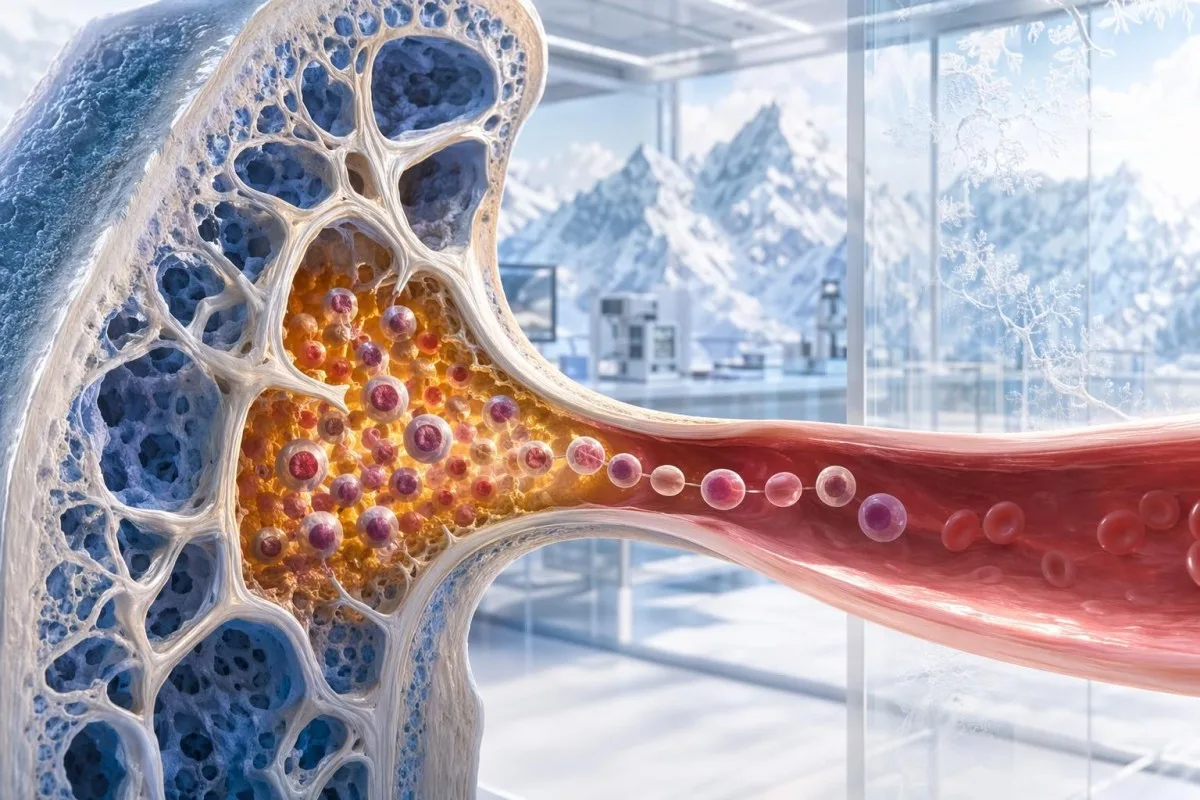
A low reticulocyte count rarely has its own symptom pattern. The result matters because it tells doctors whether the bone marrow is failing to answer anemia properly.


- Low reticulocytes symptoms are usually anemia symptoms, not unique reticulocyte symptoms: fatigue, breathlessness, dizziness, palpitations, pallor, and reduced exercise tolerance.
- Low reticulocyte count in adults is commonly below about 25 × 10^9/L, though each laboratory sets its own reference range.
- Reticulocyte percentage is usually 0.5-2.5% in adults, but the absolute reticulocyte count is more reliable when hemoglobin is low.
- Corrected reticulocyte index below 2 in anemia suggests an underactive marrow response; above 3 suggests blood loss or hemolysis is more likely.
- Anemia symptoms low reticulocytes become more concerning when hemoglobin is below 80 g/L or 8 g/dL, especially with chest pain, fainting, or breathlessness at rest.
- Low reticulocytes causes include iron deficiency, B12 or folate deficiency, chronic inflammation, kidney disease, hypothyroidism, marrow disorders, chemotherapy, and some immune or viral conditions.
- Marrow red flags include low reticulocytes plus low white cells, low platelets, blasts on smear, unexplained bruising, fever, night sweats, or weight loss.
- Next labs often include ferritin, transferrin saturation, B12, folate, CRP, ESR, creatinine/eGFR, TSH, LDH, bilirubin, haptoglobin, and a peripheral smear.
What low reticulocytes symptoms actually mean
Low reticulocytes symptoms are usually the symptoms of anemia plus a weak bone marrow response, not a separate symptom set caused by reticulocytes themselves. In practice, a low reticulocyte count tells us the marrow is not releasing enough young red cells to compensate for low hemoglobin. That clue changes the next tests: iron, B12, folate, kidney function, inflammation markers, thyroid tests, medication review, and sometimes marrow evaluation.
A reticulocyte is a young red cell, usually released from marrow about 1 day before it becomes a mature red cell. Kantesti is an AI blood test interpretation platform that reads reticulocytes alongside hemoglobin, MCV, RDW, ferritin, kidney markers, and inflammation results rather than treating the count as a lonely number.
When I review a panel showing hemoglobin 92 g/L, MCV 82 fL, ferritin 9 ng/mL, and absolute reticulocytes 18 × 10^9/L, I do not ask whether low reticulocytes caused the tiredness. I ask why the marrow has not increased production; our anemia pattern guide explains that logic better than a single normal-or-abnormal flag.
I am Thomas Klein, MD, Chief Medical Officer at Kantesti Ltd, and I see this mistake weekly: patients search for a symptom unique to reticulocytes. There usually is none. The reticulocyte result is the marrow’s reply to anemia, and a quiet reply can be clinically louder than the hemoglobin value itself.
Low reticulocyte count ranges doctors actually use
A low reticulocyte count is usually an absolute reticulocyte count below about 25 × 10^9/L in adults, but the cutoff depends on the laboratory and the degree of anemia. A normal-looking reticulocyte percentage can still be inadequate when hemoglobin is low.
Adult reticulocyte percentage is often reported around 0.5-2.5%, while the absolute count is commonly 25-100 × 10^9/L. The percentage can mislead because 1.5% of too few red cells may still represent poor production.
The corrected reticulocyte index adjusts for the severity of anemia; a value below 2 usually means the marrow response is inadequate. Tefferi’s diagnostic approach in Mayo Clinic Proceedings emphasized this production-versus-destruction split as a first branch point in adult anemia evaluation (Tefferi, 2003).
Some UK and European reports give reticulocytes as 10^9/L, while many US portals show cells per microliter, such as 25,000-100,000/µL. If your report format feels cryptic, our reticulocyte count guide walks through the unit differences without pretending every lab uses the same reference interval.
Anemia symptoms with low reticulocytes
Anemia symptoms low reticulocytes usually include fatigue, shortness of breath on exertion, dizziness, palpitations, pale skin, headaches, cold intolerance, and poor stamina. The same symptoms can occur with high reticulocytes; the low result tells us the marrow is not keeping up.
Most adults begin noticing exertional symptoms when hemoglobin falls below about 100 g/L or 10 g/dL, though athletes and older adults can notice changes earlier. A cyclist with hemoglobin 112 g/L may feel a hill before a sedentary person feels a staircase.
Dizziness, near-fainting, and a racing heart often reflect reduced oxygen delivery rather than a reticulocyte-specific effect. If dizziness is the dominant symptom, compare the CBC with glucose, sodium, and thyroid results using our dizziness lab checklist.
Pale skin, brittle nails, restless legs, and hair shedding often point me toward iron deficiency, especially when ferritin is below 15-30 ng/mL. Our low hemoglobin guide explains why the hemoglobin number alone cannot separate iron deficiency from inflammation, kidney disease, or marrow suppression.
Why a weak marrow response changes the workup
A weak marrow response matters because anemia should normally trigger increased red cell production within days. If hemoglobin is low and reticulocytes stay low, doctors look for missing raw materials, low erythropoietin, inflammatory blockade, medication toxicity, or marrow disease.
The marrow can increase red cell output roughly 2-3 times in many acute anemia states if iron, B12, folate, and erythropoietin signaling are adequate. When it cannot, the anemia is often called hypoproliferative or underproduction anemia.
Kantesti AI interprets a low reticulocyte count by checking whether hemoglobin, RBC count, MCV, MCH, RDW, platelets, WBC, and kidney markers move in a coherent pattern. That matters because a low RBC count with normal hemoglobin means something different from the mismatch described in our RBC versus hemoglobin article.
One clinical trap: a reticulocyte percentage of 1.8% can be falsely reassuring when hemoglobin is 75 g/L. In that setting, 1.8% is not a strong marrow response; it is a quiet marrow wearing a normal badge.
Low reticulocytes causes doctors check first
Low reticulocytes causes most often include iron deficiency, B12 or folate deficiency, anemia of inflammation, chronic kidney disease, hypothyroidism, alcohol toxicity, chemotherapy, immune marrow suppression, viral red-cell aplasia, and marrow disorders. The order of testing depends on CBC indices and history.
Kantesti is an AI-powered blood test analysis tool used by 2M+ people across 127+ countries, and our pattern logic treats reticulocytes as a production signal. A low count with MCV 72 fL points toward iron-restricted production; a low count with MCV 112 fL moves B12, folate, medication, liver, and marrow causes higher on the list.
Medication review is not a footnote. Methotrexate, azathioprine, hydroxyurea, linezolid, zidovudine, some antiepileptics, chemotherapy, and excess alcohol can suppress marrow, sometimes before the patient feels dramatically unwell.
The practical first-pass panel is usually CBC with differential, reticulocytes, ferritin, transferrin saturation, B12, folate, CRP or ESR, creatinine/eGFR, liver enzymes, TSH, and a smear. Our biomarkers guide covers how these markers cluster across more than 15,000 lab terms.
Iron deficiency can keep reticulocytes low
Iron deficiency can cause low or inappropriately normal reticulocytes because marrow cannot build hemoglobin without enough available iron. Ferritin below 15 ng/mL is highly suggestive of depleted iron stores in many adults, while inflammation can make ferritin look falsely normal.
Camaschella’s 2015 New England Journal of Medicine review described ferritin as the most useful single iron-store marker, but also warned that inflammation changes its interpretation (Camaschella, 2015). In my clinic, ferritin 28 ng/mL with CRP 18 mg/L does not reassure me the way ferritin 28 ng/mL with CRP 1 mg/L might.
Transferrin saturation below 16-20% supports iron-restricted erythropoiesis, especially when MCV and MCH are low. If your panel includes iron, TIBC, and saturation, our iron studies guide explains why serum iron alone swings too much across the day.
After effective iron treatment, reticulocytes often rise within 3-5 days and may peak around 7-10 days before hemoglobin climbs meaningfully. If ferritin is low without heavy periods, I also think about gastrointestinal loss, donation history, celiac disease, and diet; our low iron walkthrough goes deeper on that fork in the road.
B12, folate, MCV, and RDW clues
B12 and folate deficiency can produce low reticulocytes because DNA synthesis slows inside developing red cells. MCV above 100 fL, RDW elevation, low reticulocytes, and neurologic symptoms raise the suspicion, but normal MCV does not exclude early B12 deficiency.
A B12 result below about 200 pg/mL is often treated as deficient, while 200-350 pg/mL can be a gray zone where methylmalonic acid helps. Our MMA test guide is useful when symptoms and B12 do not line up neatly.
Folate deficiency usually affects fast-dividing marrow cells before it causes dramatic neurologic findings. Serum folate can rise after a single fortified meal, which is why red-cell folate sometimes gives better medium-term context; see our RBC folate guide if your report lists both.
RDW often rises early because the marrow releases uneven cell sizes as nutrition becomes patchy. A patient with MCV 96 fL, RDW 16.8%, B12 235 pg/mL, and low reticulocytes may still deserve a B12 workup, even though the MCV has not crossed the classic macrocytic threshold.
Kidney disease and low erythropoietin signals
Chronic kidney disease can cause low reticulocytes because damaged kidneys make less erythropoietin, the hormone that tells marrow to produce red cells. CKD-related anemia is more common when eGFR falls below 60 mL/min/1.73 m² and becomes much more frequent below 30.
KDIGO’s anemia guideline recommends evaluating anemia in CKD with CBC, reticulocytes, ferritin, transferrin saturation, B12, and folate rather than assuming all low hemoglobin is simply kidney-related (KDIGO Anemia Work Group, 2012). That is sensible because CKD and iron deficiency often travel together.
The typical CKD pattern is normocytic anemia: MCV around 80-100 fL, low or normal reticulocytes, and creatinine or cystatin-C evidence of reduced filtration. Our renal function panel explains how creatinine, urea, electrolytes, and eGFR should be read together.
Erythropoiesis-stimulating medicines are not judged by hemoglobin alone. Clinicians watch blood pressure, ferritin, transferrin saturation, and reticulocyte response because pushing hemoglobin too high in CKD has safety trade-offs.
Inflammation can hide iron from the marrow
Inflammation can lower reticulocytes by trapping iron inside storage sites and reducing marrow responsiveness to erythropoietin. This pattern is often called anemia of inflammation or anemia of chronic disease.
In this pattern, ferritin may be normal or high, sometimes 100-500 ng/mL, while transferrin saturation stays below 20%. CRP above 10 mg/L or ESR above age-adjusted expectations can explain why iron stores look present but functionally unavailable.
I see this in rheumatoid arthritis, inflammatory bowel disease, chronic infection, kidney disease, and cancer treatment follow-up. Our article on high ESR with low hemoglobin shows why the inflammation marker and CBC often need to be interpreted as one pattern.
The tricky part is that iron deficiency and inflammation can coexist. Ferritin 70 ng/mL with CRP 35 mg/L may still hide true iron deficiency, which is why transferrin saturation, soluble transferrin receptor in selected cases, and clinical context can matter more than a single ferritin cutoff.
Bone marrow red flags behind low reticulocytes
Low reticulocytes become more concerning when they appear with low white cells, low platelets, abnormal smear findings, or unexplained systemic symptoms. That combination suggests the marrow may be globally underperforming, crowded, dysplastic, or suppressed.
A platelet count below 100 × 10^9/L, ANC below 1.0 × 10^9/L, or WBC below 3.0 × 10^9/L changes the urgency of the conversation. Low reticulocytes plus two other low cell lines is not a wait-6-months finding.
Possible causes include aplastic anemia, myelodysplastic syndromes, leukemia, marrow infiltration, severe viral suppression, autoimmune marrow injury, and medication toxicity. Our blood cancer pathway outlines how CBC, smear, flow cytometry, and marrow testing fit together without jumping straight to worst-case thinking.
A 68-year-old with MCV 108 fL, hemoglobin 88 g/L, platelets 82 × 10^9/L, neutrophils 0.9 × 10^9/L, and reticulocytes 12 × 10^9/L deserves prompt hematology review. A 24-year-old with ferritin 6 ng/mL and otherwise normal counts usually needs a different, less alarming pathway.
When reticulocytes should be high instead
Reticulocytes should usually rise after bleeding, hemolysis, or successful anemia treatment if the marrow is healthy. A high reticulocyte response often points toward red cell loss or destruction rather than underproduction.
In hemolysis, doctors often see reticulocytes above 100 × 10^9/L, LDH elevated, indirect bilirubin increased, and haptoglobin low. Our haptoglobin guide explains why low haptoglobin can be a destruction clue rather than a nutrition clue.
After acute bleeding, reticulocytes may take 2-4 days to rise because marrow needs time to respond. A very early reticulocyte count can therefore underestimate the eventual response, especially if the sample was drawn within the first 24 hours.
If reticulocytes stay low after adequate iron, B12, or folate replacement, I start questioning absorption, adherence, ongoing inflammation, kidney signaling, or a marrow problem. LDH patterns can help here; our LDH explainer separates hemolysis clues from liver, muscle, and tissue injury patterns.
What doctors usually check next
Doctors usually check iron studies, B12, folate, kidney function, inflammation markers, thyroid function, medication exposures, hemolysis markers, and a smear after finding low reticulocytes with anemia. The exact order depends on MCV, RDW, other cell lines, and symptom severity.
A practical next panel includes ferritin, transferrin saturation, B12, folate, CRP, ESR, creatinine/eGFR, TSH, LDH, bilirubin, haptoglobin, and sometimes direct antiglobulin testing. Kantesti’s clinical review workflow flags combinations like hemoglobin below 100 g/L plus corrected reticulocyte index below 2 as a follow-up trigger, not as a diagnosis.
Kantesti’s methods are described in our clinical validation materials, including how pattern checks reduce false reassurance from isolated normal-range results. If a lab abnormality is mild, our repeat testing guide explains when a 2-8 week recheck is reasonable and when it is not.
The smear still matters in 2026. Automated analyzers are excellent, but a human-reviewed smear can show target cells, fragments, teardrop forms, dysplasia, nucleated red cells, or blasts that a simple reticulocyte count cannot explain.
When low reticulocytes with anemia is urgent
Low reticulocytes with anemia is urgent when symptoms suggest poor oxygen delivery or when other cell lines are dangerously low. Chest pain, fainting, breathlessness at rest, confusion, black stools, pregnancy with significant anemia, or fever with neutropenia needs same-day medical care.
Hemoglobin below 70 g/L or 7 g/dL is a common transfusion discussion threshold in stable hospitalized adults, though heart disease, bleeding, pregnancy, and symptoms can lower the action threshold. Do not use that number as permission to wait if you feel acutely unwell.
Call urgently if low reticulocytes come with platelets below 50 × 10^9/L, ANC below 0.5 × 10^9/L, new bruising, fever above 38°C, or severe shortness of breath. These combinations raise the risk of bleeding, infection, or marrow failure more than an isolated low reticulocyte result.
If you are unsure whether your result can wait, ask for review rather than guessing from a portal flag. Our second opinion guide gives a practical checklist for what to send: the CBC, reticulocyte result, symptoms, medications, pregnancy status, bleeding history, and prior labs.
How to track recovery without overreacting
Recovery is tracked by the trend in reticulocytes first, then hemoglobin, ferritin, MCV, and symptoms over weeks. A reticulocyte rise can appear within 3-10 days after effective treatment, while hemoglobin often takes 2-4 weeks to show a clear increase.
In iron deficiency, I like to see hemoglobin rise by about 10 g/L or 1 g/dL after 2-4 weeks if treatment is working and bleeding has stopped. Failure to rise does not always mean danger, but it does mean the plan deserves a careful audit.
Kantesti is an AI biomarker interpretation platform that compares new results with prior baselines, which is useful because a reticulocyte count of 28 × 10^9/L may be recovery for one person and decline for another. Our trend analysis guide explains why slopes, not just flags, often reveal the story.
As of June 27, 2026, our physician-reviewed content is overseen with input from the Medical Advisory Board and engineering standards described in the technology guide. Bottom line: low reticulocytes are not the symptom source; they are the clue that your marrow response deserves context.
Frequently Asked Questions
What symptoms do low reticulocytes cause?
Low reticulocytes usually do not cause unique symptoms by themselves. The symptoms usually come from anemia, such as fatigue, shortness of breath, dizziness, palpitations, pale skin, headaches, and reduced exercise tolerance. A low reticulocyte count matters because it shows the bone marrow is not producing enough new red cells for the level of anemia. In adults, an absolute reticulocyte count below about 25 × 10^9/L is often considered low, but lab ranges vary.
Can you have low reticulocytes without anemia?
Yes, a mildly low reticulocyte count can occur without anemia, especially if hemoglobin, MCV, RDW, white cells, and platelets are normal. In that situation, doctors often repeat the CBC and reticulocyte count rather than diagnosing a marrow disorder immediately. The result becomes more important if hemoglobin is low, the corrected reticulocyte index is below 2, or other cell lines are abnormal. Prior chemotherapy, kidney disease, inflammation, and nutritional deficiency change how quickly it should be checked.
What is the most common cause of low reticulocytes with anemia?
The most common causes of low reticulocytes with anemia are iron deficiency, chronic inflammation, kidney disease with low erythropoietin signaling, and B12 or folate deficiency. Iron deficiency often shows ferritin below 15-30 ng/mL or transferrin saturation below 16-20%, although inflammation can mask ferritin. Kidney-related anemia becomes more common when eGFR is below 60 mL/min/1.73 m² and especially below 30. CBC indices such as MCV and RDW help decide which cause is most likely.
Is a low reticulocyte count dangerous?
A low reticulocyte count is not automatically dangerous, but it can be a serious clue when anemia is present. It is more concerning when hemoglobin is below 80 g/L, the corrected reticulocyte index is below 2, or white cells and platelets are also low. Urgent symptoms include chest pain, fainting, breathlessness at rest, confusion, black stools, fever with neutropenia, or heavy ongoing bleeding. The danger comes from the cause and severity, not from the reticulocytes themselves.
How fast should reticulocytes rise after iron or B12 treatment?
Reticulocytes often rise within 3-5 days after effective iron, B12, or folate replacement and may peak around 7-10 days. Hemoglobin usually rises more slowly, often by about 10 g/L or 1 g/dL over 2-4 weeks if the treatment is absorbed and bleeding has stopped. If reticulocytes do not rise, doctors reassess adherence, absorption, the diagnosis, inflammation, kidney disease, and marrow function. A single early reticulocyte test within 24-48 hours of treatment may be too soon to judge.
What tests are done after low reticulocytes are found?
Common follow-up tests after low reticulocytes include CBC with differential, ferritin, transferrin saturation, B12, folate, CRP, ESR, creatinine/eGFR, TSH, LDH, bilirubin, haptoglobin, and a peripheral smear. If white cells or platelets are also low, hematology review may be needed sooner. If kidney disease is present, erythropoietin signaling and iron availability become central considerations. If MCV is above 100 fL, B12, folate, medications, alcohol exposure, thyroid disease, and marrow disorders move higher on the list.
Can medications lower reticulocytes even if my anemia is mild?
Yes. Chemotherapy and some medicines that suppress immune activity or affect cell production can reduce marrow output. Do not stop a prescribed medicine yourself; ask the prescriber whether the timing of your blood-count changes warrants repeat testing or an alternative treatment.
Get AI-Powered Blood Test Analysis Today
Join over 2 million users worldwide who trust Kantesti for instant, accurate lab test analysis. Upload your blood test results and receive comprehensive interpretation of 15,000+ biomarkers in seconds.
📚 Referenced Research Publications
Klein, T., Mitchell, S., & Weber, H. (2026). Clinical Validation Framework v2.0 (Medical Validation Page). Kantesti AI Medical Research.
Klein, T., Mitchell, S., & Weber, H. (2026). AI Blood Test Analyzer: 2.5M Tests Analyzed | Global Health Report 2026. Kantesti AI Medical Research.
📖 External Medical References
KDIGO Anemia Work Group (2012). KDIGO Clinical Practice Guideline for Anemia in Chronic Kidney Disease. Kidney International Supplements.
⚕️ Medical Disclaimer
This article is for educational purposes only and does not constitute medical advice. Always consult a qualified healthcare provider for diagnosis and treatment decisions.
E-E-A-T Trust Signals
Experience
Physician-led clinical review of lab interpretation workflows.
Expertise
Laboratory medicine focus on how biomarkers behave in clinical context.
Authoritativeness
Written by Dr. Thomas Klein with review by Dr. Sarah Mitchell and Prof. Dr. Hans Weber.
Trustworthiness
Evidence-based interpretation with clear follow-up pathways to reduce alarm.