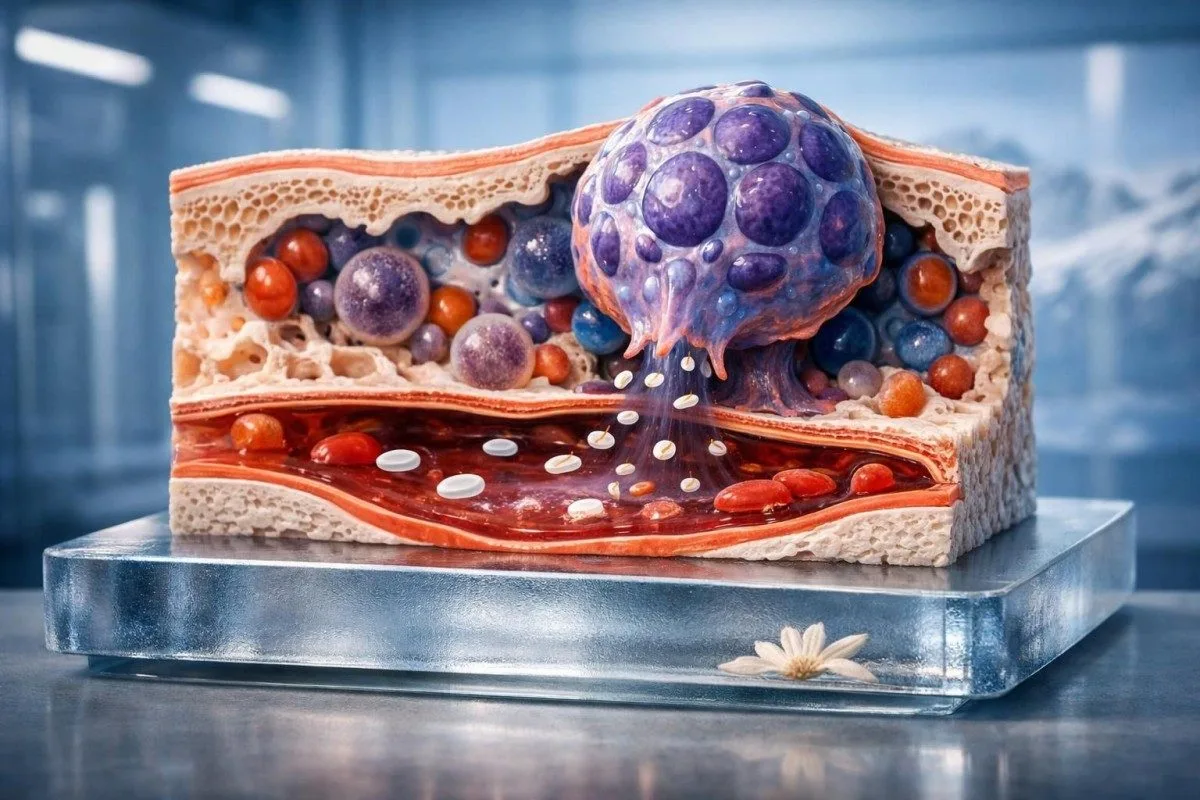
ນັບແຕ່ວັນທີ 16 ເມສາ 2026, ຈຳນວນເກັດເລືອດຕ່ຳ (platelet) ມັກຈະໝາຍເຖິງຈຳນວນໜ້ອຍກວ່າ 150 × 10^9/L ເກັດເລືອດໃນການກວດເລືອດຄົບຖ້ວນ (CBC); ການຫຼຸດລົງແບບເບົາໆ ມັກຈະເປັນຊົ່ວຄາວ ຫຼື ກ່ຽວຂ້ອງກັບຢາ, ໃນຂະນະທີ່ຈຳນວນຕ່ຳກວ່າ 50 × 10^9/L ເພີ່ມຄວາມສ່ຽງຂອງການຜ່າຕັດ/ການກະທຳหัตຖະ, ແລະ ຈຳນວນຕ່ຳກວ່າ 10-20 × 10^9/L ອາດກາຍເປັນສະພາບສຸກເສີນ. ຄວາມໝາຍທີ່ແທ້ຈິງມາຈາກແນວໂນ້ມ (trend), ອາການ, ການກວດເບິ່ງເກັດເລືອດໃນສະໄລ້ (smear), ແລະ ສ່ວນອື່ນໆຂອງ CBC—ບໍ່ແມ່ນຈຳນວນເກັດເລືອດຢ່າງດຽວ.


- ຊ່ວງປົກກະຕິ ຜູ້ໃຫຍ່ມັກວັດແທກ 150-450 × 10^9/L, ເຖິງແມ່ນວ່າບາງຫ້ອງທົດລອງໃຊ້ 140-400 × 10^9/L.
- ຈຳນວນຕ່ຳແບບເບົາ ຜົນ 100-149 × 10^9/L ມັກບໍ່ມີອາການ ແລະ ມັກເປັນຊົ່ວຄາວຫຼັງຈາກເຈັບໄຂ້ໄວຣັດ ຫຼື ການໄດ້ຮັບຢາ.
- ເກນສຳລັບການຜ່າຕັດ/ການກະທຳ ການຜ່າຕັດ/ການກະທຳທີ່ສຳຄັນສ່ວນໃຫຍ່ ມຸ່ງໝາຍໃຫ້ເກັດເລືອດສູງກວ່າ 50 × 10^9/L; ການຜ່າຕັດສະໝອງ (neurosurgery) ແລະ ການຜ່າຕັດຕາດ້ານຫຼັງ (posterior eye surgery) ມັກມຸ່ງໝາຍໃຫ້ສູງກວ່າ 100 × 10^9/L.
- ຂີດຈຳກັດທີ່ຈຳເປັນດ່ວນ ຈຳນວນຕ່ຳກວ່າ 10-20 × 10^9/L ສາມາດເຮັດໃຫ້ເລືອດອອກແບບກະທັນຫັນຈາກເຍື່ອບຸຜິວ (mucosal) ຫຼື ເລືອດພາຍໃນ ແລະ ຕ້ອງໄດ້ຮັບການທົບທວນທາງການແພດໃນມື້ດຽວກັນ.
- ຂໍ້ສັນຍານຂອງ heparin ການລົດລົງຂອງເກັດເລືອດຫຼາຍກວ່າ 50% ທີ່ເລີ່ມຕັ້ງແຕ່ 5-14 ມື້ຫຼັງຈາກ heparin ມີແນວໂນ້ມຈະຊີ້ໄປທີ່ HIT ຫຼາຍກວ່າຈຳນວນເກັດເລືອດຢ່າງດຽວ.
- ຕ່ຳຜິດ (false low) ການຈັບກຸ່ມຂອງເກັດເລືອດດ້ວຍ EDTA ສາມາດຮຽນແບບ thrombocytopenia; ການນັບຊ້ຳໃນຫຼອດທີ່ໃຊ້ citrate ອາດຈະປັບໃຫ້ຜົນກັບມາເປັນປົກກະຕິ.
- ເບາະແຍງການຖືພາ ພາວະເກັດເລືອດຕ່ຳໃນໄລຍະຖືພາມັກຈະຢູ່ເໜືອ 70-100 × 10^9/L ແລະມັກຈະດີຂຶ້ນຫຼັງຄອດ.
- ແຍກຢ່າງດຽວກັບການປະສົມ ເກັດເລືອດຕ່ຳພ້ອມຮີໂມໂກບິນປົກກະຕິ ແລະເມັດເລືອດຂາວປົກກະຕິ ມັກຈະຊີ້ໄປທາງສາເຫດທີ່ບໍ່ແມ່ນການລົ້ມເຫຼວຂອງໄຂກະດູກ ແລະໄປທາງສາເຫດດ້ານພູມຄຸ້ມກັນ, ໄວຣັດ, ຢາ, ຫຼືຄວາມຜິດພາດຈາກຫ້ອງທົດລອງ.
ວິທີອ່ານຜົນເກັດເລືອດຕ່ຳ ໂດຍບໍ່ຕື່ນຕົກເກີນໄປ
ຈຳນວນເກັດເລືອດຕ່ຳ ມັກຈະໝາຍເຖິງລະດັບເກັດເລືອດຕ່ຳກວ່າ 150 × 10^9/L, ແຕ່ຈຳນວນເກັດເລືອດຕ່ຳທີ່ວ່າງຫຼາຍລະຫວ່າງ 140 ແລະ 12. ນັບແຕ່ວັນທີ 16 ເມສາ 2026, ເມື່ອຂ້ອຍກວດ CBC ຢູ່ໃນ Kantesti AI, ຜົນທີ່ຕ່ຳແບບເປັນລະດັບອ່ອນໆແບບດຽວ ເຊັ່ນ 132 × 10^9/L ມັກຈະເປັນຊົ່ວຄາວ, ໃນຂະນະທີ່ຈຳນວນດຽວກັນນັ້ນພ້ອມກັບໂລຫິດຈາງ (anemia), ໄຂ້, ຫຼືມີຮອຍຊ້ຳ ແມ່ນຄຳຖາມອີກຄົນລະບົບ. ຖ້າທ່ານຕ້ອງການຊ່ວງພື້ນຖານຕົວມັນເອງ, ຄູ່ມື ຊ່ວງເກັດເລືອດ ຈະອະທິບາຍວ່າການກວດຕ່າງກັນແນວໃດ.
ຊ່ວງອ້າງອີງສຳລັບຜູ້ໃຫຍ່ມັກຈະແມ່ນ 150-450 × 10^9/L, ເຖິງແມ່ນວ່າບາງຫ້ອງທົດລອງໃນເອີຣົບ ແລະສະຫະລັດໃຊ້ 140-400 × 10^9/L. ແມ່ຍິງມັກຈະມີຈຳນວນເກັດເລືອດສູງກວ່າຜູ້ຊາຍເລັກນ້ອຍ, ຈຳນວນຈະຄ່ອຍໆຕ່ຳລົງຕາມອາຍຸ, ແລະຄ່າ 145 ອາດຈະຖືກມອງວ່າຕ່ຳແບບເທັກນິກໃນຫ້ອງທົດລອງໜຶ່ງ ແຕ່ປົກກະຕິໃນອີກຫ້ອງທົດລອງໜຶ່ງ.
ເກັດເລືອດແມ່ນຨษສ່ວນຂອງເຊວທີ່ຊ່ວຍອຸດຮອຍບາດເຈັບຂອງເສັ້ນເລືອດຂະໜາດນ້ອຍ, ແຕ່ມັນເປັນພຽງສ່ວນໜຶ່ງຂອງການກໍ່ຕົວຂອງລາຍເລືອດ (clotting). ໃນຄລີນິກ, ຂ້ອຍ Thomas Klein, MD ເຫັນຄົນຫຼາຍກວ່າທີ່ມີເກັດເລືອດຕ່ຳແບບອ່ອນໆ ແລະບໍ່ມີເລືອດອອກ ມາກກວ່າຄົນທີ່ມີເລືອດອອກທີ່ອັນຕະລາຍແບບກະທັນຫັນ; ຄວາມສ່ຽງນີ້ຈະເພີ່ມຂຶ້ນຢ່າງຮຸນແຮງເມື່ອຈຳນວນຕ່ຳກວ່າ 10-20 × 10^9/L ຫຼືເມື່ອເກັດເລືອດຕ່ຳພ້ອມກັບການກວດການກໍ່ຕົວຂອງລາຍເລືອດທີ່ຜິດປົກກະຕິ.
ສາຂາທຳອິດແມ່ນວ່າຜົນຕ່ຳນັ້ນເປັນແບບດຽວບໍ. ຄູສອນອາຍຸ 29 ປີທີ່ຂ້ອຍເຫັນຫຼັງເປັນໄຂ້ຫວັດ (influenza) ມີເກັດເລືອດ 128 × 10^9/L, ຮີໂມໂກບິນປົກກະຕິ, ເມັດເລືອດຂາວປົກກະຕິ, ບໍ່ມີຮອຍຊ້ຳ, ແລະຜົນຊ້ຳອີກ 9 ມື້ຕໍ່ມາກໍ່ປົກກະຕິ ນັ້ນເພາະຂ້ອຍພະຍາຍາມຢຸດບໍ່ໃຫ້ຄົນຄິດແບບຕົກໃຈກັບ CBC ທີ່ຖືກກະທົບໝາຍພຽງອັນດຽວ.
ຈຸດຕັດຂອບ (cutoffs) ທີ່ປ່ຽນຄວາມສ່ຽງການເລືອດອອກ
ຄວາມສ່ຽງການເລືອດອອກ ສ່ວນໃຫຍ່ຖືກກຳນົດໂດຍຂອບເຂດຂອງເກັດເລືອດ, ຄວາມໄວທີ່ຈຳນວນຫຼຸດລົງ, ແລະວ່າການກວດການກໍ່ຕົວຂອງລາຍເລືອດອື່ນໆຜິດປົກກະຕິບໍ. ຈຳນວນ 100-149 × 10^9/L ບໍ່ຄ່ອຍກໍ່ໃຫ້ເລືອດອອກແບບກະທັນຫັນ, 50-99 × 10^9/L ມີຄວາມສຳຄັນສຳລັບການຜ່າຕັດ ແລະການບາດເຈັບ, ແລະຈຳນວນຕ່ຳກວ່າ 10-20 × 10^9/L ຕ້ອງການປະເມີນດ່ວນໃນມື້ດຽວກັນ ເຖິງແມ່ນວ່າທ່ານຮູ້ສຶກດີເປັນສ່ວນໃຫຍ່ກໍຕາມ.
ເລືອດອອກຫຼັກແບບກະທັນຫັນແມ່ນບໍ່ຄ່ອຍເກີນປະມານ 30 × 10^9/L ຂຶ້ນໄປ ຍົກເວັ້ນຖ້າມີບັນຫາການກໍ່ຕົວຂອງລາຍເລືອດອື່ນຢູ່. ອາການທາງຜິວໜັງມັກຈະປາກົດກ່ອນ—petechiae ທີ່ຂໍ້ຕີນ, ຊ້ຳງ່າຍ, ເລືອດອອກຈາກເຫງືອກ, ຫຼືເລືອດອອກຈາກດັງ ສອດຄ່ອງກັບສະຫຼຸບທາງສະລະວິທະຍາຂອງເກັດເລືອດຕ່ຳ ດີກວ່າຄວາມເມື່ອຍລ້າທີ່ບໍ່ຊັດເຈນ.
ມີຈຸດໝາຍສຳລັບການຜ່າຕັດດ້ວຍເຫດຜົນ. ສ່ວນໃຫຍ່ຜູ້ຜ່າຕັດຕ້ອງການເກັດເລືອດສູງກວ່າ 50 × 10^9/L ສຳລັບການຜ່າຕັດຂະໜາດໃຫຍ່, ໃນຂະນະທີ່ການຜ່າຕັດສະໝອງ ແລະການຜ່າຕັດຕາດ້ານຫຼັງ ມັກຕັ້ງເປົ້າໝາຍສູງກວ່າ 100 × 10^9/L; ນັກດົມຢາສລົບມັກຈະຕ້ອງການປະມານ 70-80 × 10^9/L ກ່ອນໃສ່ສາຍສລົບທາງຫຼັງ (epidural), ແຕ່ຜູ້ໃຫ້ການດູແລບໍ່ໄດ້ເຫັນດີກັນກັບຂອບເກນນັ້ນ.
ຈຳນວນສາມາດຫຼອກທ່ານໄດ້ ເມື່ອແນວໂນ້ມຫຼຸດລົງໄວ. ຄົນເຈັບທີ່ຈຳນວນຫຼຸດຈາກ 280 ເປັນ 110 × 10^9/L ໃນ 6 ມື້ຂະນະໃຊ້ heparin ເຮັດໃຫ້ຂ້ອຍກັງວົນຫຼາຍກວ່າຈຳນວນທີ່ຄົງຢູ່ 95 ໃນ 3 ປີ, ໂດຍສະເພາະຖ້າສ່ວນທີ່ເຫຼືອ CBC differential ກຳລັງປ່ຽນແປງ.
ສີ່ກົນໄກຫຼັກຢູ່ຫຼັງສາເຫດຈຳນວນເກັດເລືອດຕ່ຳ
ຈຳນວນເກັດເລືອດຕ່ຳສາເຫດເກີດຈາກ ສາມາດແບ່ງໄດ້ເປັນ 4 ກຸ່ມ: ການຜະລິດໃນໄຂກະດູກຫຼຸດລົງ, ການທຳລາຍເພີ່ມຂຶ້ນ, ການກັກເກັບໃນມ້າມ, ແລະການເຈືອຈາງຫຼັງການໃຫ້ເລືອດປະລິມານຫຼາຍ ຫຼືການຟື້ນຟູດ້ວຍນ້ຳເຫຼືອງ. ກອບນີ້ແມ່ນວິທີທີ່ພວກເຮົາສອນ thrombocytopenia ຢູ່ໃນ Kantesti's ຄູ່ມື biomarker, ເພາະມັນປ່ຽນຜົນທີ່ເບິ່ງໜ້າຢ້ານໃຫ້ເປັນລາຍຊື່ການວິນິດໄຊສັ້ນໆ.
ການຜະລິດຫຼຸດລົງຈະເປັນໄປໄດ້ຫຼາຍເມື່ອເກັດເລືອດຕ່ຳພ້ອມກັບໂລຫິດ (anemia) ຫຼື neutropenia. ການກົດກັ້ນໄຂກະດູກຈາກຢາເຄມີ, ເຫຼົ້າ, ເຈັບໄວຣັດ, ຂາດວິຕາມິນ B12 ຫຼື folate, aplastic anemia, ຫຼື leukemia ສາມາດເຮັດແນວນີ້ໄດ້ທັງໝົດ, ແລະເຫດທີ່ພວກເຮົາກັງວົນເມື່ອເສັ້ນຈຳນວນເຊວລ່ຳຕ່ຳ 2 ຫຼື 3 ສາຍພ້ອມກັນ ແມ່ນເພາະວ່າໄຂກະດູກສ້າງທັງໝົດ.
ການທຳລາຍຢູ່ປາຍເສັ້ນເລືອດ (peripheral destruction) ມັກຈະເຮັດໃຫ້ໄຂກະດູກພະຍາຍາມຊົດເຊີຍ. ເມື່ອຈຳນວນຕ່ຳ ແລະ ຄ່າປະລິມານເກັດເລືອດສະເລ່ຍ (mean platelet volume) ຫຼື MPV ສູງ, ຂ້ອຍຄິດເຖິງ immune thrombocytopenia, ການຕິດເຊື້ອໃໝ່ໆ, ຫຼືຜົນຈາກຢາ ກ່ອນຈະສົມມຸດວ່າໄຂກະດູກລົ້ມເຫຼວ, ເຖິງແມ່ນວ່າ MPV ເປັນຂໍ້ສະໜັບສະໜູນຫຼາຍກວ່າຈະເປັນການຢືນຢັນດ້ວຍຕົວຊີ້ຂາດ.
ການກັກເກັບໃນມ້າມ (splenic sequestration) ງຽບກວ່າ. ປົກກະຕິແລ້ວ ປະມານ 1/3 ຂອງເກັດເລືອດຢູ່ໃນມ້າມ, ແລະມ້າມທີ່ໃຫຍ່ຂຶ້ນຈາກ cirrhosis ຫຼື portal hypertension ສາມາດກັກໄດ້ຫຼາຍກວ່າຫຼາຍ, ໃນຂະນະທີ່ thrombocytopenia ຈາກການເຈືອຈາງຈະປາກົດຫຼັງການໃຫ້ເລືອດປະລິມານຫຼາຍ ເມື່ອເມັດເລືອດແດງ ແລະນ້ຳທົດແທນ ມາໄວກວ່າການທົດແທນເກັດເລືອດ.
ເປັນຫຍັງ thrombocytopenia ທີ່ເກີດແບບດຽວ (isolated) ຈຶ່ງແຄບລາຍຊື່ລົງ
ຖ້າມີແຕ່ເກັດເລືອດຕ່ຳ, ລາຍຊື່ສັ້ນຈະແຄບລົງອີກ: ITP, ການກົດກັ້ນຈາກໄວຣັດ, ຜົນຈາກຢາ, ເຫຼົ້າ, thrombocytopenia ທີ່ຖ่ายทอดທາງພັນທຸກຳ, ຫຼື ຂໍ້ຜິດພາດຈາກຫ້ອງທົດລອງ (lab artifact) ຈະເປັນໄປໄດ້ຫຼາຍກວ່າໄຂກະດູກລົ້ມເຫຼວ. ທັນທີທີ່ hemoglobin ຫຼື neutrophils ຕົກລົງດ້ວຍ, ການກວດຈະປ່ຽນເກຍຣ໌.
ຢາ ແລະ ອາຫານເສີມ ທີ່ແພດກວດກ່ອນ
ຢາແມ່ນໜຶ່ງໃນສາເຫດທີ່ປັບປ່ຽນໄດ້ (reversible) ທີ່ພົບເລື້ອຍທີ່ສຸດ ຂອງຜົນເກັດເລືອດຕ່ຳ. ຈາກປະສົບການຂອງຂ້ອຍ, ລາຍຊື່ສັ້ນທີ່ຄວນກວດກ່ອນແມ່ນ heparin, quinine ຫຼື tonic water, trimethoprim-sulfamethoxazole, linezolid, valproate, ຢາເຄມີ, ແລະການໃຊ້ເຫຼົ້າຫນັກ; ພວກເຮົາ ແພລດຟອມການກວດເລືອດດ້ວຍ AI ຈະຊີ້ທິດຮູບແບບເຫຼົ່ານີ້ເມື່ອຜູ້ໃຊ້ອັບໂຫລດ CBC.
Heparin-induced thrombocytopenia, ຫຼື HIT, ມັກເລີ່ມ 5-14 ວັນຫຼັງເລີ່ມໃຫ້ heparin, ແລະຂໍ້ບອກທີ່ແຂງແຮງທີ່ສຸດແມ່ນເກັດເລືອດຕົກລົງຫຼາຍກວ່າ 50% ຈາກຄ່າເດີມ ບໍ່ແມ່ນຄ່າຕ່ຳສຸດສຸດທ້າຍ (absolute nadir). ຈຳນວນໃນ HIT ມັກຢູ່ທີ່ 20-100 × 10^9/L, ຄະແນນ 4T ທີ່ຕຽງຄົນ (bedside) ຊ່ວຍກຳນົດຄວາມເປັນໄປໄດ້, ແລະອັນຕະລາຍຕົວຈິງແມ່ນ thrombosis, ບໍ່ແມ່ນການເລືອດອອກ.
Drug-induced immune thrombocytopenia ຈາກ quinine, sulfonamides, vancomycin, ຫຼື linezolid ສາມາດເກີດຂຶ້ນແບບທັນທີ ແລະຮ້າຍແຮງ. ຂ້ອຍເຄີຍເຫັນວ່າຈຳນວນຕົກລົງຕ່ຳກວ່າ 20 × 10^9/L ພາຍໃນ 24-48 ຊົ່ວໂມງຫຼັງການໃຫ້ຢາຊ້ຳ, ເພາະສະນັ້ນຄົນເຈັບບໍ່ຄວນເລີ່ມຢາທີ່ສົງໄສວ່າເປັນສາເຫດເອງ.
Valproate ມີຄວາມຊັບຊ້ອນກວ່າເພາະຜົນກະທົບອາດຂຶ້ນກັບຂະໜາດຢາ, ແລະເຫຼົ້າສາມາດກົດການສ້າງເມັດເລືອດໃນໄຂກະດູກໄດ້ ແມ້ບໍ່ມີພາວະຕັບແຂງ (cirrhosis). ຖ້າເສັ້ນເວລາບໍ່ຊັດ, ອັບໂຫລດລາຍຊື່ຢາທັງໝົດ ແລະ CBC ຂອງທ່ານໃຫ້ພວກເຮົາ ດີໂມຟຣີ; ຜູ້ປ່ວຍສ່ວນໃຫຍ່ຈະເຫັນວ່າຮູບແບບນັ້ນມີເຫດຜົນຫຼາຍຂຶ້ນ ເມື່ອຈັດວັນທີໃຫ້ກົງກັນ.
ສັນຍານການຕິດເຊື້ອ ທີ່ຊ່ອນຢູ່ໃນ CBC ເກັດເລືອດຕ່ຳ
ການຕິດເຊື້ອສາມາດຫຼຸດເກັດເລືອດ (platelets) ຊົ່ວຄາວ ໂດຍການກົດການສ້າງໃນໄຂກະດູກ, ເພີ່ມການກັກເກັດໃນມ້າມ, ຫຼືກະຕຸ້ນການທຳລາຍແບບພູມຄຸ້ມກັນ. ພະຍາດໄວຣັສແມ່ນສາເຫດທີ່ພົບເລື້ອຍ ເມື່ອ platelets ລົງໄປຢູ່ໃນຊ່ວງ 100-140 × 10^9/L ເປັນເວລາ 1-3 ອາທິດ, ແຕ່ຖ້າມີໄຂ້ພ້ອມກັບຈຳນວນທີ່ຫຼຸດລົງໄວ ຄວນໃຫ້ຄວາມສົນໃຈໄວກວ່າທີ່ຈຳນວນຢ່າງດຽວຈະບອກ.
ເຄື່ອງຊີ້ທີ່ເປັນປະໂຫຍດແມ່ນຮູບແບບຂອງເມັດເລືອດຂາວທີ່ເຫຼືອ. platelets ຕ່ຳພ້ອມກັບ lymphocytosis ທີ່ສັດສ່ວນສູງຂຶ້ນ ອາດຕາມຫຼັງ EBV ຫຼືການຕິດເຊື້ອໄວຣັສອື່ນ, ໃນຂະນະທີ່ platelets ຕ່ຳພ້ອມ neutrophilia, CRP ທີ່ສູງຂຶ້ນ, ຫຼືຮູບແບບທີ່ປ່ຽນໄປ ຈຳນວນເມັດເລືອດຂາວ ພາຂ້ອຍໄປສູ່ການຕິດເຊື້ອແບັກທີເລຍ ຫຼື sepsis.
ປະຫວັດການເດີນທາງປ່ຽນຄວາມສຳຄັນ. ໄຂ້ເລືອດອອກເດັງ (Dengue) ມັກຈະເຮັດໃຫ້ platelets ຕ່ຳກວ່າ 100 × 10^9/L ແລະມັກຈະຕົກຕ່ຳສຸດປະມານວັນທີ 4-6 ຂອງການເຈັບປ່ວຍ, ໃນຂະນະທີ່ malaria ກໍເຮັດໄດ້ແນວນັ້ນ, ດັ່ງນັ້ນໄຂ້ຫຼັງຈາກເດີນທາງບໍ່ແມ່ນພຽງແຕ່ເປັນເລື່ອງປອບໃຈ; ຂອງພວກເຮົາ ປຽບທຽບຕົວຊີ້ວັດການອັກເສບ ອະທິບາຍວ່າເປັນຫຍັງ CRP ແລະ ferritin ບາງຄັ້ງຈຶ່ງເຮັດໃຫ້ພາບຊັດຂຶ້ນ.
ຍັງມີຮູບແບບອື່ນທີ່ແພດບາງຄົນພາດ: ຄວາມກົດດັນຕໍ່ຕັບຈາກການຕິດເຊື້ອ. platelets ທີ່ຫຼຸດລົງພ້ອມກັບ AST, ALT, ຫຼື bilirubin ອາດສະທ້ອນ hepatitis, EBV, CMV, ຫຼືການຕິດເຊື້ອທົ່ວລະບົບ, ແລະພາບປະສົມແນວນັ້ນບໍ່ໜ້າສົນໃຈເທົ່າກັບ thrombocytopenia ຫຼັງໄວຣັສຢ່າງດຽວ.
ເມື່ອເກັດເລືອດຕ່ຳຢ່າງດຽວ ຊີ້ໄປທີ່ ITP ຫຼື ພູມຕ້ານທານຕໍ່ຕົນເອງ
thrombocytopenia ທີ່ຢູ່ລະດັບຕ່ຳກວ່າ 100 × 10^9/L ແບບດຽວ ພ້ອມກັບ hemoglobin ແລະເມັດເລືອດຂາວປົກກະຕິ ມັກຈະຊີ້ໄປທີ່ immune thrombocytopenia, ຫຼື ITP, ແຕ່ ITP ແມ່ນການວິນິດໄສໂດຍການຕັດອອກ (diagnosis of exclusion). ຄວາມໝາຍຂອງ platelets ຕ່ຳຈະປ່ຽນໄປຖ້າ ANA ເປັນບວກ, ມີ hepatitis C, ຫຼືມີການໂຕຂຶ້ນໃໝ່ຂອງຕ່ອມນ້ຳເຫຼືອງ.
ITP ເກີດເມື່ອລະບົບພູມຄຸ້ມກັນເປົ້າໝາຍໄປທີ່ platelets ແລະບາງຄັ້ງກໍເປົ້າໝາຍໄປທີ່ megakaryocytes. ຜູ້ໃຫຍ່ຫຼາຍຄົນຮູ້ສຶກດີ ຍົກເວັ້ນການຊ້ຳບວມ ຫຼືເລືອດອອກຈາກເຫືອກ, ແລະ peripheral smear ມັກຈະເບິ່ງປົກກະຕິຢູ່ດີ, ນັ້ນແມ່ນເຫດຜົນທີ່ວ່າ CBC ທີ່ເບິ່ງປົກກະຕິຢ່າງສົມບູນ ຍົກເວັ້ນແຕ່ platelets ຍັງສາມາດຊ່ອນຂະບວນການພູມຄຸ້ມກັນໄວ້ໄດ້.
immune thrombocytopenia ຂັ້ນຮອງ (secondary) ມີຄວາມສຳຄັນ ເພາະການປິ່ນປົວແຕກຕ່າງ. Lupus, antiphospholipid disease, HIV, hepatitis C, ແລະບາງພະຍາດກຸ່ມ lymphoproliferative ສາມາດຢູ່ຢູ່ຫຼັງຕົວເລກນັ້ນໄດ້, ດັ່ງນັ້ນຂ້ອຍຈຶ່ງມັກຈັບຄູ່ CBC ກັບ ການທົບທວນແຜງເລືອດພູມຄຸ້ມກັນ ເມື່ອມີອາການເຊັ່ນ ເຈັບຂໍ້, ແຜໃນປາກ, ຫຼືຜື່ນ.
ນັບແຕ່ວັນທີ 16 ເມສາ 2026, ສ່ວນໃຫຍ່ຂອງຄລີນິກຍັງອີງໃສ່ກອບ ITP ຂອງ ASH ປີ 2019 ເພາະຍັງບໍ່ມີການຮັບເອົາທົ່ວໂລກສຳລັບການທົດແທນລຸ້ນໃໝ່. ຂອງພວກເຮົາ ການກວດເລືອດຂອງ lupus ຄອບຄຸມເບິ່ງສັນຍານພູມຄຸ້ມກັນທີ່ມັກຖືກພາດ. ການກຳກັບຈາກຂອງ Kantesti's ຄະນະທີ່ປຶກສາດ້ານການແພດ ຮັກສາການຈັດລຳດັບຄວາມສຳຄັນນັ້ນໃຫ້ຢູ່ກັບການປະຕິບັດທາງຄລີນິກໃນປັດຈຸບັນ, ລວມທັງຄວາມຈິງທີ່ວ່າການກວດ H. pylori ມີປະໂຫຍດຫຼາຍໃນບາງພາກພື້ນຫຼາຍກວ່າບ່ອນອື່ນ.
ຜູ້ໃດທີ່ມີ ITP ມັກຖືກສັງເກດກ່ອນ
ຜູ້ໃຫຍ່ທີ່ມີ ITP ແລະສະບາຍດີ, ມີເລືອດອອກເລັກນ້ອຍ ຫຼືບໍ່ມີເລືອດອອກ, ແລະ platelets ສູງກວ່າປະມານ 30 × 10^9/L ມັກຈະຖືກຕິດຕາມ ຫຼາຍກວ່າຈະເລີ່ມປິ່ນປົວທັນທີ. ອາຍຸ, ການໃຊ້ຢາຕ້ານການແຂງຕົວຂອງເລືອດ (anticoagulant), ພະຍາດຕັບ, ແລະປະຫວັດເລືອດອອກກ່ອນໜ້າ ສາມາດຍູ້ເພີ່ມຂອບນັ້ນໃຫ້ສູງຂຶ້ນ.
ແບບຮູບແບບຂອງຕັບ, ມ້າມ, ແລະ ໄຂກະດູກ ທີ່ປ່ຽນຄວາມໝາຍ
platelets ຕ່ຳພ້ອມກັບການກວດຕັບທີ່ຜິດປົກກະຕິ ຫຼືມ້າມທີ່ໂຕໃຫຍ່ ມັກຊີ້ໄປທາງການກັກເກັດ (sequestration) ຫຼາຍກວ່າໂລກ platelets ຂັ້ນຕົ້ນ. ຄຳຖາມທີ່ເປັນປະໂຫຍດແມ່ນວ່າ platelets ແມ່ນບັນຫາດຽວ ຫຼືເປັນພຽງສ່ວນໜຶ່ງຂອງຮູບແບບທີ່ກວ້າງກວ່າຂອງຕັບ, ໄຂກະດູກ, ຫຼືລະບົບທົ່ວລະບົບ.
ພາວະຄວາມດັນໃນພອດຕ໌ສູງ (portal hypertension) ສາມາດຫຼຸດເກັດເລືອດ (platelets) ໄດ້ຫຼາຍປີ ກ່ອນທີ່ຕັບແຂງ (cirrhosis) ຈະຊັດເຈນໃນການກວດ. ເມື່ອ platelets ລົດລົງໄປຢູ່ທີ່ 90-130 × 10^9/L ແລະ AST, ALT, GGT, bilirubin, ຫຼື albumin ກຳລັງປ່ຽນໄປໃນທາງທີ່ບໍ່ຖືກທາງ, ຂ້ອຍອ່ານຜົນນັ້ນຄຽງຄູ່ກັບ ເອນໄຊຕັບທີ່ສູງ ຈະຊີ້ນໍາ ບໍ່ແມ່ນປິ່ນປົວ thrombocytopenia ເປັນຄວາມລຶກລັບຢ່າງດຽວ.
ຄວາມຜິດປົກກະຕິຂອງໄຂກະດູກ (bone marrow disorders) ເບິ່ງແຕກຕ່າງ. platelets ຕໍ່າພ້ອມກັບ hemoglobin ຕໍ່າກວ່າປະມານ 10 g/dL, MCV ສູງກວ່າ 100 fL, ການຕິດເຊື້ອຊ້ຳໆ, blasts ໃນ smear, ເຈັບປວດກະດູກ, ຫຼື ນ້ຳໜັກຫຼຸດ ເພີ່ມຄວາມເປັນໄປໄດ້ຂອງການລຸກລາມເຂົ້າໄຂກະດູກ (marrow infiltration), myelodysplasia, ຫຼື acute leukemia, ເຖິງແມ່ນວ່າຄົນສ່ວນໃຫຍ່ທີ່ມີຜົນ platelets ຕໍ່າພຽງເລັກນ້ອຍຢ່າງດຽວບໍ່ໄດ້ເປັນມະເຮັງ.
Hemolysis ແມ່ນອີກທາງແຍກ. platelets ຕໍ່າພ້ອມກັບ LDH ສູງ, bilirubin ທາງອ້ອມ (indirect bilirubin), schistocytes, ຫຼື ການທຳລາຍຢ່າງໄວ ການນັບ reticulocyte ເຮັດໃຫ້ຂ້ອຍຄິດເຖິງ TTP, DIC, ຫຼື ຂະບວນການ microangiopathic ອື່ນໆ, ແລະສິ່ງເຫຼົ່ານັ້ນບໍ່ແມ່ນການລໍຖ້າເບິ່ງ (wait-and-see) ທີ່ຈະວິນິດໄຊ.
ການຖືພາ, ເຫຼົ້າ, ໂພຊະນາການ, ແລະ ຄຳອະທິບາຍທີ່ຖືກສືບທອດ
ການຖືພາ, ເຫຼົ້າ, ຂາດສານອາຫານ, ແລະ ຄວາມຜິດປົກກະຕິ platelets ທີ່ຖ່າຍທອດມາ ສາມາດກໍ່ໃຫ້ເກີດ thrombocytopenia ໄດ້ທັງໝົດ, ແລະ ບໍລິບົດການມັກຈະບອກເບາະແສງໃຫ້ເຫັນ. ຂ້ອຍກັງວົນໜ້ອຍກວ່າການນັບ 118 × 10^9/L ໃນອາຍຸຖືພາ 34 ອາທິດ ກວ່າຄ່າດຽວກັນນັ້ນທີ່ມີຄວາມດັນເລືອດສູງ, ເຈັບທ້ອງຂວາດ້ານເທິງ, ແລະ AST ທີ່ກຳລັງສູງຂຶ້ນ.
Gestational thrombocytopenia ເປັນພົບບໍ່ຍາກ, ມັກປາກົດຊ້າໃນການຖືພາ, ແລະ ມັກຢູ່ລະຫວ່າງ 100 ຫາ 150 × 10^9/L. ມັນບໍ່ຄ່ອຍຕົກຕ່ຳກວ່າ 70 × 10^9/L, ສະນັ້ນ ຕົວເລກຕໍ່າກວ່າ ຫຼື ມີອາການ ຄວນຊຸກຍູ້ໃຫ້ການສືບສວນໄປທາງ preeclampsia, HELLP, ITP, ຫຼື ຂະບວນການອື່ນ; ຂອງພວກເຮົາ ຜູ້ຍິງ ຊ່ວຍກຳນົດກອບເພື່ອອະທິບາຍການທັບຊ້ອນເຫຼົ່ານັ້ນ.
ໂພຊະນາການ (nutrition) ບໍ່ໄດ້ເປັນຂ່າວດັງແຕ່ກໍ່ເປັນຈິງຫຼາຍ. ຂາດວິຕາມິນ B12, ໂດຍສະເພາະຕໍ່າກວ່າປະມານ 200 pg/mL, ແລະ ຂາດ folate ສາມາດຫຼຸດ platelets ພ້ອມກັບ macrocytosis, ໃນຂະນະທີ່ເຫຼົ້າອາດກົດການຜະລິດ platelets ພາຍໃນບໍ່ກີ່ມື້ ແລະ ມັກດີຂຶ້ນຫຼັງຈາກ 3-7 ມື້ທີ່ບໍ່ດື່ມເຫຼົ້າ; ຂອງພວກເຮົາ ຄູ່ມືການກວດວິຕາມິນ B12 ເປັນປະໂຫຍດເມື່ອ MCV ກຳລັງສູງຂຶ້ນ.
thrombocytopenia ທີ່ຖ່າຍທອດມາ (Inherited thrombocytopenia) ແມ່ນອັນທີ່ຄົນເຈັບບອກຂ້ອຍກ່ອນຫຼັງຈາກຂ້ອຍຖາມຄຳຖາມທີ່ຖືກ. ຈຳນວນຕໍ່າຕະຫຼອດຊີວິດ, ຄົນໃນຄອບຄົວທີ່ມີຜົນຄ້າຍກັນ, ບັນຫາການໄດ້ຍິນ, ຄວາມຜິດປົກກະຕິຂອງໄຕ (kidney anomalies), ຫຼື platelets ຂະໜາດໃຫຍ່ (giant platelets) ໃນ smear ຊີ້ບອກເຖິງຄວາມຜິດປົກກະຕິທີ່ຖ່າຍທອດ, ແລະ ເຄື່ອງນັບ impedance ອັດຕະໂນມັດອາດອ່ານຕ່ຳເກີນໄປສຳລັບ platelets ຂະໜາດໃຫຍ່ຫຼາຍ.
ການກວດຊ້ຳ ແລະ ການກວດຄັ້ງຕໍ່ໄປຫຼັງຈາກ thrombocytopenia
ການກວດເລືອດສຳລັບ thrombocytopenia ຄວນຈະຖືກທົດລອງຊ້ຳອີກຄັ້ງກ່ອນທີ່ຈະມີໃຜໄປຕັດສິນວ່າທ່ານເປັນໂລກ, ເພາະວ່າຜົນຕໍ່າທີ່ບໍ່ແທ້ (false lows) ເກີດຂຶ້ນໄດ້. ສາເຫດຄລາສສິກແມ່ນ EDTA ທີ່ກ່ຽວຂ້ອງກັບການຈັບກຸ່ມຂອງ platelets (platelet clumping), ຊຶ່ງເຄື່ອງວິເຄາະເຫັນກຸ່ມເປັນອະນຸພາກດຽວ ຫຼື ບໍ່ສົນໃຈມັນໂດຍສິ້ນເຊີງ.
Pseudothrombocytopenia ເປັນພົບບໍ່ທົ່ວໄປ ແຕ່ບໍ່ແມ່ນສິ່ງພິເສດຫາຍາກ; ໃນການປິ່ນປົວຜູ້ເຈັບນອກ (outpatient practice) ມັນພົບປະມານ 1 ໃນ 1,000 ຂອງ CBC. ເມື່ອຂ້ອຍ, Thomas Klein, MD, ສົງໄສມັນ, ຂ້ອຍຂໍໃຫ້ກວດທົບທວນ smear ແລະ ນັບຊ້ຳໃນຫຼອດທີ່ມີ citrate, ເພາະຈຳນວນ platelets ສາມາດໂດດຈາກ 88 ເປັນ 176 × 10^9/L ໂດຍທີ່ຄົນເຈັບບໍ່ໄດ້ປ່ຽນແປງຫຍັງເລີຍ.
ການກວດຕໍ່ໄປຂຶ້ນກັບຮູບແບບ. ຖ້າມີການເລືອດອອກ, a ຄູ່ມື PT/INR ຊ່ວຍອະທິບາຍການເລືອດອອກທີ່ກ່ຽວຂ້ອງກັບ factor. ການກວດ ການກໍ່ການແຂງຂອງເລືອດ (coagulation workup) ກໍ່ສຳຄັນເຊັ່ນກັນ ເພາະວ່າ platelets ປົກກະຕິບໍ່ໄດ້ຊ່ວຍແກ້ບັນຫາການຂາດແຄນຂອງ clotting-factor ທີ່ຮ້າຍແຮງ, ແລະ platelets ຕໍ່າບໍ່ໄດ້ອະທິບາຍ INR ທີ່ຍາວອອກໄດ້ຢ່າງຄົບຖ້ວນ.
ຖ້າມີອານີເມຍ (anemia), ຕາເຫຼືອງ (jaundice), ບາດເຈັບໄຕ (kidney injury), ຫຼື ອາການທາງປະສາດ (neurologic symptoms) ເຂົ້າມາໃນເລື່ອງ, ການສືບສວນຈະຂະຫຍາຍໄວຢ່າງຮວດເລັວ: smear, fibrinogen, D-dimer, creatinine, bilirubin, haptoglobin, LDH, ການກວດ hepatitis, HIV, ແລະ ບາງຄັ້ງການປະເມີນໄຂກະດູກ (bone marrow evaluation). ຜູ້ອ່ານທີ່ຫຼົງທາງໃນຕົວຫຍໍ້ມັກຈະເຮັດໄດ້ດີຂຶ້ນຫຼັງຈາກ ການກວດເລືອດຄຳຫຍໍ້.
ເມື່ອແພດເພີ່ມການກວດໄຂກະດູກ
ການກວດໄຂກະດູກ (bone marrow examination) ບໍ່ແມ່ນການກວດປົກກະຕິສຳລັບຜົນ platelets ຕໍ່າເລັກນ້ອຍທຸກຄັ້ງ. ຂ້ອຍມັກຈະສະຫງວນໄວ້ສຳລັບ cytopenias ທີ່ບໍ່ມີສາເຫດຊັດເຈນໃນຫຼາຍສາຍຂອງເຊວ, ມີຈຸລັງຜິດປົກກະຕິໃນ smear, ອາການທົ່ວໄປທີ່ເປັນລັກສະນະທາງຮ່າງກາຍ (constitutional symptoms), ຫຼື ກໍລະນີທີ່ການຕັດສິນໃຈການປິ່ນປົວຂຶ້ນກັບການຮູ້ວ່າໄຂກະດູກກຳລັງຜະລິດ platelets ບໍ່ພຽງພໍຫຼືບໍ່.
ເມື່ອຄວາມສ່ຽງການເລືອດອອກກາຍເປັນດ່ວນ
ຄວາມສ່ຽງການເລືອດອອກຈະກາຍເປັນເລື່ອງດ່ວນ ເມື່ອ platelets ຕໍ່າກວ່າປະມານ 10-20 × 10^9/L, ເມື່ອຈຳນວນກຳລັງຫຼຸດລົງໄວ, ຫຼື ເມື່ອມີການເລືອດອອກໃນສະໝອງ, ລຳໄສ້ (gut), ປອດ, ຫຼື ທາງຍ່ຽວ (urinary tract). ໄປພົບແພດມື້ດຽວກັນ ຫຼືໂທຫາການຊ່ວຍເຫຼືອສຸກເສີນ ຖ້າມີອາຈົມດຳ, ອາເມັດເປັນເລືອດ, ປວດຫົວຮຸນແຮງທັນທີ, ສັບສົນ, ອ່ອນແອ, ຫຼື ມີການປ່ຽນແປງດ້ານການເບິ່ງເຫັນ.
ການຊ້ຳບວມຂອງຜິວໜັງເບົາໆສ່ວນໃຫຍ່ບໍ່ແມ່ນບັນຫາທີ່ຕ້ອງໂທລົດພະຍາບານ. ແຕ່ການເລືອດອອກຈາກເຍື່ອບຸກຄົນແມ່ນຕ່າງກັນ: ເລືອດກຳເລືອດຈາກດັງທີ່ກັບມາເລື້ອຍໆ, ເລືອດອອກຈາກເຫືອກທີ່ເຕັມອ່າງ, ຟອງເລືອດໃນປາກ, ຫຼື ການເລືອດປະຈຳເດືອນທີ່ແຊ່ຜ້າອະນາໄມ ຫຼື tampon ທຸກໆຊົ່ວໂມງ ເກີນ 2 ຊົ່ວໂມງ ຄວນໄດ້ຮັບການກວດຢ່າງດ່ວນຈາກແພດ.
ໃນຂະນະລໍຖ້າການດູແລ, ຢຸດຢາ aspirin ແລະ ibuprofen ຈົນກວ່າແພດຈະບອກວ່າມີເຫດຜົນທີ່ແຂງແຮງກວ່າເພື່ອສືບຕໍ່ໃຊ້, ແລະ ຫຼີກລ່ຽງກິລາສຳຜັດ ຫຼື ການດື່ມເຫຼົ້າໜັກ. ການວາງແຜນການຜ່າຕັດກໍສຳຄັນເຊັ່ນກັນ ເພາະສະນັ້ນຂໍ້ມູນຂອງພວກເຮົາ ການກວດເລືອດກ່ອນຜ່າຕັດ ອະທິບາຍຄ່າເປົ້າໝາຍຂອງເກັດເລືອດ (platelet) ທີ່ພົບບໍ່ອອກສຳລັບການຜ່າຕັດໃຫຍ່ 50 × 10^9/L ແລະ ປະມານ 100 × 10^9/L ສຳລັບການຜ່າຕັດດ້ານປະສາດ ຫຼື ດ້ານຕາ.
ການໃຫ້ເກັດເລືອດ (platelet transfusion) ບໍ່ແມ່ນວິທີແກ້ໄຂຢູ່ເຮືອນ ແລະ ບໍ່ໄດ້ໃຊ້ແນວດຽວກັນໃນທຸກການວິນິດໄຊ. ຄົນເຈັບໃນໂຮງໝໍທີ່ມີສະພາບເລືອດຄົງທີ່ມັກຈະໄດ້ຮັບການໃຫ້ເກັດເລືອດເພື່ອປ້ອງກັນທີ່ 10 × 10^9/L, ແຕ່ໃນ TTP ຫຼື HIT ມັກຈະຫຼີກລ່ຽງເກັດເລືອດ ຈົນກວ່າການເລືອດອອກຈະຮ້າຍແຮງຈົນຄຸກຄາມຊີວິດ; ຖ້າທ່ານຢາກໃຫ້ຈັດລຽງທັງແຜງຂອງທ່ານໄດ້ໄວ, ຂອງພວກເຮົາ ການຕີຄວາມໝາຍຂອງການກວດເລືອດດ້ວຍ AI ສາມາດຈັດການກວດທົດລອງກ່ອນທີ່ທ່ານຈະໄດ້ລົມກັບແພດຂອງທ່ານ.
ສັນຍານເຕືອນອັນສຳຄັນທີ່ຂ້າມການລໍຖ້າເບິ່ງ
ອາການທາງປະສາດໃໝ່, ມີເລືອດໃນອາຈົມ ຫຼື ຍ່ຽວ, ໄອອອກເປັນເລືອດ, ເກັດເລືອດຕ່ຳກວ່າ 10 × 10^9/L, ຫຼື ຈຳນວນທີ່ຫຼຸດລົງຢ່າງວ່ອງໄວຫຼັງໃຊ້ heparin ແມ່ນບັນຫາທີ່ຕ້ອງພົບແພດມື້ດຽວ. ຜູ້ປ່ວຍເຫຼົ່ານີ້ຕ້ອງໄດ້ຮັບການປະເມີນໂດຍແພດຢ່າງດ່ວນ ບໍ່ແມ່ນ CBC ນອກເວລາປົກກະຕິອີກຄັ້ງ.
Kantesti ຕີຄວາມແນວໂນ້ມຂອງເກັດເລືອດແນວໃດໃນບໍລິບົດ
ຄ່າຕ່ຳພຽງຄ່າດຽວທີ່ຕ່ຳຢ່າງດຽວ ມີຂໍ້ມູນທີ່ໜ້ອຍກວ່າຮູບແບບຕາມເວລາ. Kantesti AI ຕີຄວາມໝາຍຜົນເກັດເລືອດ (platelet) ໂດຍການປຽບທຽບເສັ້ນໂນ້ມກັບ hemoglobin, ຈຳນວນເມັດເລືອດຂາວ, MPV, ຕົວຊີ້ວັດຕັບ, ຕົວຊີ້ວັດໝາກໄຂ່ຫຼັງ, ແລະ ການກວດການກ້າມຂອງເລືອດ; ເພາະສະນັ້ນ 122 × 10^9/L ທີ່ຄົງທີ່ເປັນເວລາ 4 ປີ ຈຶ່ງອ່ານໄດ້ຕ່າງຢ່າງຫຼາຍຈາກ 220 ຫາ 78 × 10^9/L ໃນ 10 ວັນ.
ການທົບທວນແນວໂນ້ມ ປ່ຽນການຈັດການ (management) ເລື້ອຍໆຢ່າງທີ່ຄາດບໍ່ເຖິງ. ຢູ່ໃນຂອງພວກເຮົາ ຄູ່ມືການປຽບທຽບການກວດເລືອດ, ທ່ານສາມາດເຫັນວ່າ ການເຄື່ອນໄຫວຂອງເກັດເລືອດ (platelet) ຄູ່ກັບ MCV ທີ່ສູງຂຶ້ນ ຊີ້ໄປທາງຂາດແຄນ ຫຼື ຄວາມກົດດັນຂອງໄຂກະດູກ (marrow stress), ໃນຂະນະທີ່ ເກັດເລືອດທີ່ຫຼຸດລົງພ້ອມກັບ AST ແລະ bilirubin ທີ່ສູງຂຶ້ນ ຊີ້ໄປທາງພະຍາດຕັບ ຫຼື ການຕິດເຊື້ອ.
ເຄືອຂ່າຍປະສາດ (neural network) ຂອງ Kantesti ດຽວນີ້ວິເຄາະຫຼາຍກວ່າ 15,000 biomarkers, ແລະ CBC PDF ຫຼື ຮູບຖ່າຍດ້ວຍໂທລະສັບ ມັກຈະຖືກອ່ານແປງໃນປະມານ 60 ວິນາທີ ສຳລັບຜູ້ໃຊ້ໃນ 127+ ປະເທດ ຜ່ານ 75+ ພາສາ. ພວກເຮົາເຜີຍແຜ່ວິທີເຫຼົ່ານັ້ນໃນຂອງພວກເຮົາ ມາດຕະຖານການຢັ້ງຢືນທາງຄລີນິກ. . ຄະນະທີ່ປຶກສາດ້ານການແພດ ມີຢູ່ຢ່າງແນ່ນອນ ເພາະວ່າ thrombocytopenia ແມ່ນບັນຫາທີ່ຂຶ້ນກັບບໍລິບົດ (context-heavy).
ໃນຈຳນວນຜູ້ໃຊ້ຫຼາຍກວ່າ 2 ລ້ານຄົນ, ຄວາມຜິດພາດທີ່ພົບບໍ່ອອກສຳລັບສຸດ ແມ່ນອ່ານຄ່າຜິດປົກກະຕິແຖວດຽວເກີນໄປ ແລະ ອ່ານແນວໂນ້ມອ້ອມຂ້າງມັນຕ່ຳເກີນໄປ. ນັ້ນແມ່ນວິທີທີ່ຂ້ອຍ, Thomas Klein, MD, ໃຊ້ລາຍງານຂອງພວກເຮົາໃນການປະຕິບັດ—ແຍກສິ່ງທີ່ເປັນ artifact ຈາກການກວດອອກ ອອກຈາກ thrombocytopenia ທີ່ແທ້, ຈັດລຳດັບວ່າອັນໃດດ່ວນກວ່າບໍ່ດ່ວນ, ແລະ ສະແດງວ່າຜົນໃດຄວນຕ້ອງກວດຊ້ຳກ່ອນ.
ບົດຄົ້ນຄວ້າ ແລະ ວິທີການຈັດພິມ/ບັນນາທິການ
ບົດຄວາມທີ່ກ່ຽວຂ້ອງເຫຼົ່ານີ້ ສະແດງວ່າ Kantesti ຈັດໂຄງສ້າງການຕີຄວາມໝາຍ biomarkers ທີ່ອີງຕາມຫຼັກຖານ ແລະ ການຈັດເກັບ DOI archiving ແມ່ນແມ່ນຢູ່ເຖິງນອກວົງການ hematology ກໍຕາມ. ຖ້າທ່ານຢາກໄດ້ບັນບັນທຶກບັນນາທິການທີ່ກວ້າງກວ່າຢູ່ຫຼັງການອະທິບາຍຜົນກວດຂອງພວກເຮົາ, ຂອງພວກເຮົາ ກ່ຽວກັບພວກເຮົາ ໜ້ານີ້ອະທິບາຍວ່າ ແພດ ແລະ ວິສະວະກອນ ສ້າງຂະບວນການຜະລິດເນື້ອຫາ (content pipeline) ແນວໃດ.
ທີມບັນນາທິການທາງການແພດຂອງ Kantesti. (2026). ຄຳອະທິບາຍກ່ຽວກັບອັດຕາສ່ວນ BUN/Creatinine: ຄູ່ມືການທົດສອບການເຮັດວຽກຂອງໝາກໄຂ່ຫຼັງ. Zenodo. https://doi.org/10.5281/zenodo.18207872. ປະຕູຄົ້ນຄວ້າ. Academia.edu.
ທີມບັນນາທິການທາງການແພດຂອງ Kantesti. (2026). Urobilinogen ໃນການກວດຍ່ຽວ: ຄູ່ມືການກວດຍ່ຽວຄົບຖ້ວນ 2026. Zenodo. https://doi.org/10.5281/zenodo.18226379. ປະຕູຄົ້ນຄວ້າ. Academia.edu.
ພວກເຂົາບໍ່ແມ່ນບົດຄວາມກ່ຽວກັບເກັດເລືອດ (platelet) ແລະ ຂ້ອຍກໍບໍ່ໄດ້ອ້າງວ່າແນວນັ້ນ. ຂ້ອຍລວມເຂົ້າໄວ້ ເພາະວ່າ evidence model, ການຈັດການການອ້າງອີງ (citation handling), ແລະ ຮູບແບບການອະທິບາຍໃຫ້ຜູ້ປ່ວຍເຂົ້າໃຈ ແມ່ນສອດຄ່ອງກັນທົ່ວຫົວຂໍ້ກ່ຽວກັບໝາກໄຂ່ຫຼັງ, ຍ່ຽວ, ແລະ hematology, ເຊິ່ງມີຄວາມສຳຄັນເວລາຜູ້ອ່ານກຳລັງປຽບທຽບຜົນຜິດປົກກະຕິແຖວໜຶ່ງກັບອີກແຖວໜຶ່ງ.
ຄໍາຖາມທີ່ຖາມເລື້ອຍໆ
ຈຳນວນເກັດເລືອດ (platelet) 140 ຕ່ຳບໍ?
ຈຳນວນເກັດເລືອດ (platelet count) 140 × 10^9/L ແມ່ນຢູ່ໃນຂອບເຂດຕ່ຳກຳກວມຕາມຫຼາຍຫ້ອງທົດລອງ, ເຖິງວ່າບາງຫ້ອງທົດລອງໃຊ້ 140 × 10^9/L ເປັນຂີດຈຳກັດອ້າງອີງຕ່ຳສຸດ. ຖ້າສ່ວນອື່ນຂອງການກວດເລືອດຄົບຖ້ວນ (CBC) ປົກກະຕິ, ບໍ່ມີອາການຊ້ຳເຈັບແປກປະຫຼາດ, ແລະຄ່ານີ້ຄົງທີ່ເມື່ອກວດຊ້ຳ, ຜົນນີ້ມັກຈະຖືກຕິດຕາມຫຼາຍກວ່າການຮັກສາ. ປົກກະຕິຂ້ອຍມັກຈະໃສ່ໃຈຫຼາຍກວ່າກ່ຽວກັບແນວໂນ້ມ (trend) ໃນໄລຍະ 2-6 ອາທິດ ກ່ວາການເບິ່ງຄ່າດຽວທີ່ຢູ່ຕ່ຳກວ່າຊ່ວງອ້າງອີງ 10 ຈຸດ.
ຈຳນວນເກັດເລືອດ (platelet) ຕ່ຳຫຼາຍຈົນອັນຕະລາຍແມ່ນເທົ່າໃດ?
ຈຳນວນເກັດເລືອດ (platelet) ຈະເລີ່ມເປັນຫ່ວງຫຼາຍຫຼາຍຂຶ້ນ ເມື່ອຕ່ຳກວ່າ 50 × 10^9/L ສຳລັບການຜ່າຕັດ ຫຼື ການບາດເຈັບ, ແລະຈະເປັນດ່ວນ ເມື່ອຕ່ຳກວ່າ 10-20 × 10^9/L ເພາະວ່າອາດຈະເກີດເລືອດອອກຕາມເຍື່ອບຸຜິວ (mucosal) ຫຼື ເລືອດອອກພາຍໃນໄດ້ເອງ. ຈຳນວນຢ່າງດຽວບໍ່ແມ່ນທຸກຢ່າງ: ການຫຼຸດລົງຢ່າງໄວຈາກ 300 ເປັນ 80 × 10^9/L, ອາການທາງປະສາດໃໝ່ໆ, ອາຈົມດຳ (black stools), ຫຼື ການປ່ຽນແປງຂອງ PT/INR ທີ່ຍາວນານ ລ້ວນແຕ່ປ່ຽນຄວາມສ່ຽງທັນທີ. ນັ້ນແມ່ນເຫດທີ່ແພດຈະປິ່ນປົວໂດຍເບິ່ງຈຳນວນ, ແນວໂນ້ມ (trend), ແລະ ອາການ ເປັນຊຸດດຽວກັນ.
ການຕິດເຊື້ອສາມາດເຮັດໃຫ້ເກີດ thrombocytopenia ຊົ່ວຄາວໄດ້ບໍ?
ແມ່ນ. ການຕິດເຊື້ອໄວຣັສມັກຈະເຮັດໃຫ້ເກີດພາວະເກັດເລືອດຕ່ຳຊົ່ວຄາວ (thrombocytopenia) ໃນຊ່ວງ 100-140 × 10^9/L ແລະຈະດີຂຶ້ນໃນ 1-3 ອາທິດ, ໃນຂະນະທີ່ການຕິດເຊື້ອແບັກເຕຣີຢ່າງຮ້າຍແຮງສາມາດທຳໃຫ້ຈຳນວນຕ່ຳລົງໄດ້ຫຼາຍ. ມີໄຂ້ພ້ອມກັບເກັດເລືອດຕ່ຳກວ່າ 100 × 10^9/L ຫຼັງຈາກເດີນທາງໄວໆນີ້ ຈະເຮັດໃຫ້ມີຄວາມກັງວົນຕໍ່ການຕິດເຊື້ອເຊັ່ນ dengue ຫຼື malaria ແລະຈຳເປັນຕ້ອງກວດທັນທີ. ການຕິດເຊື້ອຈະໜ້າກັງວົນເປັນພິເສດເມື່ອເກັດເລືອດຕ່ຳພ້ອມກັບ CRP ສູງ, ຄ່າເອນໄຊມ໌ຕັບທີ່ສູງຂຶ້ນ, ສະບັບສົນ/ສັບສົນ, ຫຼື ຄວາມດັນເລືອດຕ່ຳ.
ຢາຊະນິດໃດທີ່ມັກຈະຫຼຸດຈຳນວນເກັດເລືອດ (platelet counts)?
ລາຍຊື່ຢາທີ່ຂ້ອຍກວດກ່ອນສະເໝີປະກອບມີ heparin, quinine ຫຼື tonic water, trimethoprim-sulfamethoxazole, linezolid, vancomycin, valproate, ການຮັກສາດ້ວຍເຄມີ (chemotherapy), ແລະການໃຊ້ເຫຼົ້າໜັກ. ໂຣກເກີດເກັດຈາກ heparin-induced thrombocytopenia ມັກເລີ່ມປະມານ 5-14 ວັນຫຼັງຈາກການສຳຜັດ ແລະຈະຖືກສົມມຸດໂດຍການທີ່ເກັດເລືອດ (platelet) ຫຼຸດລົງຫຼາຍກວ່າ 50% ຈາກຄ່າເລີ່ມຕົ້ນ. ພາວະ thrombocytopenia ທີ່ເກີດຈາກຢາແບບພູມຄຸ້ມກັນ (drug-induced immune thrombocytopenia) ສາມາດດັນໃຫ້ຄ່າຕ່ຳກວ່າ 20 × 10^9/L ແລະມັກຈະດີຂຶ້ນພຽງແຕ່ຫຼັງຈາກຢຸດສາເຫດທີ່ກ່ຽວຂ້ອງ (culprit) ແລ້ວ.
ຈຳນວນເກັດເລືອດຕ່ຳ ໝາຍຄວາມວ່າເປັນໂລກເລືອດຂາວ (leukemia) ຫຼືມະເຮັງບໍ?
ບໍ່ແມ່ນ. ຜົນເລືອດກ້າມເລືອດຕ່ຳອ່ອນໆທີ່ພົບແບບດຽວບໍ່ໄດ້ໝາຍຄວາມວ່າເປັນໂລກມະເລັງເມັດເລືອດ (leukemia), ໂດຍສະເພາະເມື່ອ hemoglobin ແລະ ເມັດເລືອດຂາວ (white cells) ຍັງປົກກະຕິ ແລະ ຈຳນວນຢູ່ລະຫວ່າງ 100 ຫາ 149 × 10^9/L. ຂ້ອຍກັງວົນຫຼາຍກວ່າກໍລະນີໂລກທີ່ກະທົບການສ້າງເມັດເລືອດໃນໄຂກະດູກ (marrow disease) ເມື່ອເກັດເລືອດຕ່ຳມາພ້ອມກັບພາວະເລືອດຈາງ (anemia), ເມັດເລືອດຂາວຊະນິດ neutrophils ຕ່ຳ (neutropenia), ພົບເມັດຜິດປົກກະຕິໃນການກວດສະໄລ້ (smear), ນ້ຳໜັກຫຼຸດ, ເຈັບກະດູກ, ຫຼື ແນວໂນ້ມທີ່ຊຸດໂຊມໄວຂຶ້ນ. ຮູບແບບຂອງຜົນກວດມີຄວາມສຳຄັນຫຼາຍກວ່າຄວາມຢ້ານທີ່ຕິດກັບຄຳວ່າ thrombocytopenia.
ການຈັບກຸ່ມຂອງເກັດເລືອດ (platelet clumping) ສາມາດເຮັດໃຫ້ຜົນອອກມາຕໍ່າຜິດພາດໄດ້ບໍ?
ແມ່ນ. ການຈັບກັນຂອງເກັດເລືອດ (platelet clumping) ທີ່ກ່ຽວຂ້ອງກັບ EDTA ສາມາດສ້າງ pseudothrombocytopenia, ເປັນຄວາມຜິດພາດຈາກຫ້ອງທົດລອງ (laboratory artifact) ທີ່ພົບເຫັນປະມານ 1 ໃນ 1,000 ຂອງການກວດເລືອດຄົບຖ້ວນ (CBC). ການກວດເບິ່ງເລືອດດ້ວຍ peripheral smear ແລະການນັບຊ້ຳໃນຫຼອດທີ່ໃຊ້ citrate ສາມາດປ່ຽນຜົນທີ່ເຫັນຄ້າຍ 90 × 10^9/L ໃຫ້ກາຍເປັນຄ່າປົກກະຕິ. ນີ້ແມ່ນໜຶ່ງໃນເຫດທີ່ພົບບໍ່ຍາກທີ່ສຸດ ທີ່ຂ້ອຍບອກໃຫ້ຄົນເຈັບບໍ່ຕ້ອງຕົກໃຈກັບການກວດ CBC ທີ່ບໍ່ຄາດຄິດພຽງຄັ້ງດຽວ.
ຂ້ອຍຄວນຫຼີກລ່ຽງຫຍັງຖ້າເກັດເລືອດ (platelets) ຂອງຂ້ອຍຕໍ່າ?
ຖ້າເກັດເລືອດ (platelets) ຂອງທ່ານຕໍ່າ, ໃຫ້ຫຼີກລ່ຽງຢາ aspirin, ibuprofen, ການດື່ມເຫຼົ້າແບບຫຼາຍ (binge drinking), ຢາສະໝຸນໄພໃໝ່ທີ່ມີຜົນກະທົບຕໍ່ການກໍ່ຕົວຂອງເລືອດ (clotting), ແລະກິລາປະເພດຕໍ່ສູ້/ປະທະຈົນກວ່າແພດຈະບອກເປັນຢ່າງອື່ນ. ຄົນສ່ວນໃຫຍ່ທີ່ມີ thrombocytopenia ເບົາໆ ຍັງສາມາດຍ່າງ, ເຮັດວຽກ, ແລະອອກກໍາລັງກາຍແບບອ່ອນໆໄດ້, ແຕ່ຄ່າຕໍ່າກວ່າ 50 × 10^9/L ຄວນໃຫ້ຄວາມລະວັງຫຼາຍຂຶ້ນໃນເລື່ອງການບາດເຈັບ (trauma) ແລະການຜ່າຕັດ/ການຮັກສາແບບທີ່ວາງແຜນໄວ້ (elective procedures). ໃຫ້ໄປຮັບການດູແລດ່ວນ (urgent care) ຖ້າມີອາຈົມສີດໍາ, ເລືອດກໍາເດັດຈາກດັງຫນັກແລະບໍ່ຢຸດຢັ້ງ, ມີຕຸ່ມເລືອດໃນປາກ, ປວດຫົວຮຸນແຮງ, ຫຼື ມີອາການສັບສົນ.
ຂ້ອຍສາມາດຂີ່ລົດໄດ້ບໍຖ້າຈໍານວນເມັດເລືອດຂອງຂ້ອຍຕ່ໍາ?
ບອກນັກທັນຕະແພດແລະທ່ານໝໍທີ່ເບິ່ງແຍງຈໍານວນເມັດເລືອດຂອງທ່ານກ່ອນການຖອນແຂ້ວຫຼືການຜ່າຕັດເຫງືອກ. ການປິ່ນປົວທາງທັນຕະกรรมທົ່ວໄປຈໍານວນຫຼາຍສາມາດດໍາເນີນການໄດ້ຢ່າງປອດໄພ, ແຕ່ແຜນການອາດຕ້ອງການມາດຕະການຄວບຄຸມເລືອດອອກໃນທ້ອງຖິ່ນ, ການປັບຢາ, ຫຼື CBC ຫຼ້າສຸດເມື່ອຈໍານວນຫຼຸດລົງຢ່າງຫຼວງຫຼາຍ.
តើការខះជាតិទឹក ឬការតមអាហារមុនពេលធ្វើតេស្តឈាម អាចធ្វើឲ្យផ្លាកែតមើលទៅទាបបានទេ?
ជាទូទៅ មិនមែនទេ។ ការមិនផឹកទឹកឲ្យគ្រប់គ្រាន់អាចធ្វើឲ្យឈាមកាន់តែប្រមូលផ្តុំបន្តិច មិនមែនធ្វើឲ្យផ្លាកែតធ្លាក់ទេ ដូចนั้นលទ្ធផលថ្មីដែលទាប ជាញឹកញាប់បណ្តាលមកពីការប្រែប្រួលធម្មតារបស់មន្ទីរពិសោធន៍ ការឆ្លងថ្មីៗ ថ្នាំ ស្រា ឬមូលហេតុវេជ្ជសាស្ត្រដែលត្រូវការបរិបទ។.
ຂ້ອຍສາມາດບິນ ຫຼື ເດີນທາງໄດ້ບໍ ຖ້າຈຳນວນເກล็ດເລືອດຕ່ຳ?
ຄົນສ່ວນໃຫຍ່ທີ່ມີ thrombocytopenia ເບົາບາງ ແລະ ຄົງທີ່ ສາມາດເດີນທາງໄດ້ປົກກະຕິ, ໂດຍສະເພາະຖ້າບໍ່ມີອາການເລືອດອອກ. ຖ້າ platelets ຕ່ຳກວ່າ 50 × 10^9/L, ລົດລົງໄວ, ຫຼື ມີຮອຍຊ້ຳໃໝ່, ເລືອດກຳເລືອດຈາກດັງ (nosebleeds), ຫຼື ອາຈົມດຳ (black stools), ໃຫ້ປຶກສາກັບແພດກ່ອນເດີນທາງ.
ຮັບການວິເຄາະຜົນກວດເລືອດດ້ວຍ AI ທັນທີ
ເຂົ້າຮ່ວມຜູ້ໃຊ້ຫຼາຍກວ່າ 2 ລ້ານຄົນທົ່ວໂລກ ທີ່ໄວ້ໃຈ Kantesti ສຳລັບການວິເຄາະການກວດເລືອດທີ່ທັນທີ ແລະຖືກຕ້ອງ. ອັບໂຫຼດຜົນກວດເລືອດຂອງທ່ານ ແລະຮັບການຕີຄວາມໝາຍຢ່າງຄົບຖ້ວນຂອງ biomarker 15,000+ ໃນວິນາທີ.
📚 ບົດຄວາມວິຈັຍທີ່ອ້າງອີງ
Klein, T., Mitchell, S., & Weber, H. (2026). ຄຳອະທິບາຍກ່ຽວກັບອັດຕາສ່ວນ BUN/Creatinine: ຄູ່ມືການທົດສອບການເຮັດວຽກຂອງໝາກໄຂ່ຫຼັງ. ການຄົ້ນຄວ້າທາງການແພດຂອງ AI Kantesti.
Klein, T., Mitchell, S., & Weber, H. (2026). Urobilinogen ໃນການກວດຍ່ຽວ: ຄູ່ມືການກວດຍ່ຽວຄົບຖ້ວນ 2026. ການຄົ້ນຄວ້າທາງການແພດຂອງ AI Kantesti.
⚕️ ຂໍ້ສັງເກດທາງການແພດ
ບົດຄວາມນີ້ມີຈຸດປະສົງເພື່ອການສຶກສາເທົ່ານັ້ນ ແລະບໍ່ແມ່ນຄຳແນະນຳທາງການແພດ. ຄວນປຶກສາຜູ້ໃຫ້ບໍລິການດ້ານສຸຂະພາບທີ່ມີຄຸນວຸດທິສະເໝີ ສຳລັບການວິນິດໄຊ ແລະ ການຕັດສິນໃຈດ້ານການຮັກສາ.
ສັນຍານຄວາມໄວ້ໃຈ E-E-A-T
ປະສົບການ
ການທົບທວນຄລີນິກຂອງແພດຜູ້ນຳພາ ກ່ຽວກັບຂັ້ນຕອນການຕີຄວາມໝາຍຜົນການກວດໃນຫ້ອງທົດລອງ.
ຄວາມຊ່ຽວຊານ
ວິຊາການແພດທົດລອງ (ການແພດທາງຫ້ອງທົດລອງ) ເນັ້ນໃສ່ວ່າຕົວຊີ້ວັດ (biomarkers) ມີພຶດຕິກຳແນວໃດໃນບັນບົດທາງຄລີນິກ.
ຄວາມເປັນອຳນາດ
ຂຽນໂດຍທ່ານດຣ. Thomas Klein ໂດຍມີການກວດທານໂດຍທ່ານດຣ. Sarah Mitchell ແລະ ສາດສະດາຈານດຣ. Hans Weber.
ຄວາມໜ້າເຊື່ອຖື
ການຕີຄວາມໝາຍອີງຕາມຫຼັກຖານດ້ວຍເສັ້ນທາງຕິດຕາມທີ່ຊັດເຈນ ເພື່ອຫຼຸດການຕົກໃຈ.