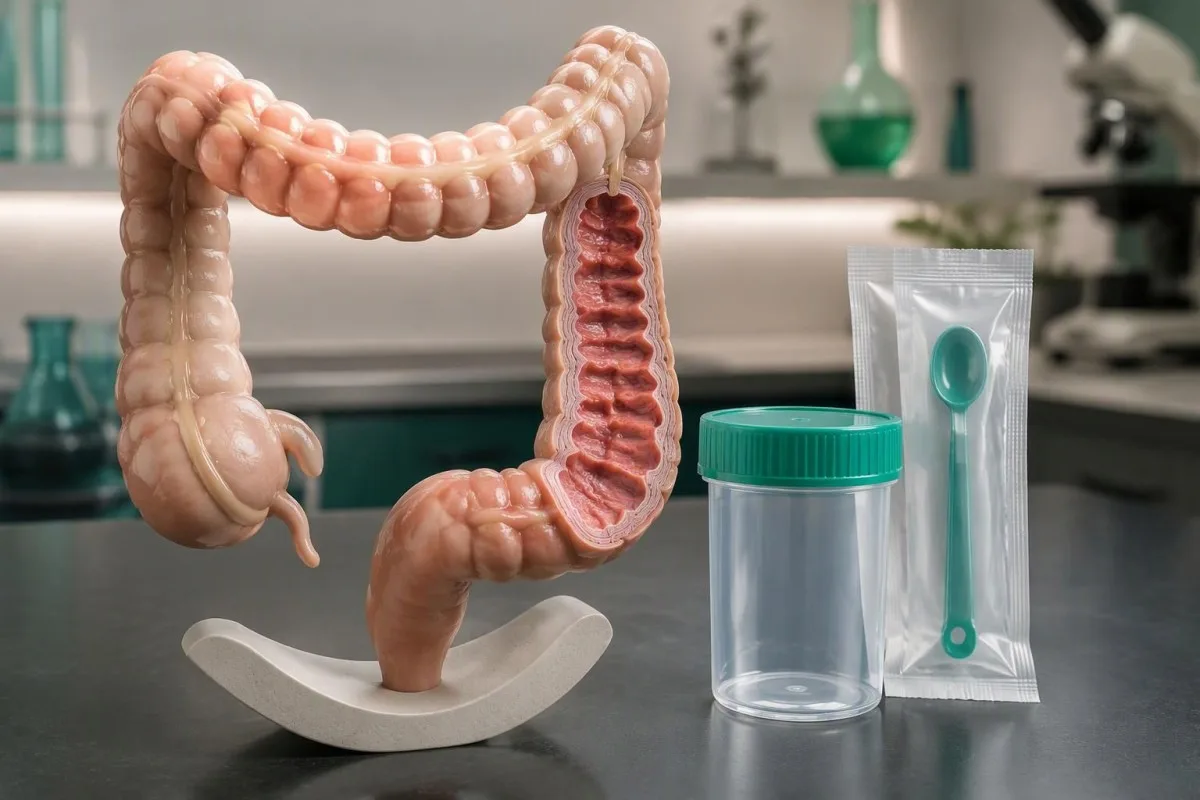
بۆ زۆربەی خەڵک، پشکنینی میکرۆبایۆمی ڕیخۆڵە بەهای ئەوە ناگەیەنێت کە بۆ دەستنیشانکردنی IBS یان هەڵبژاردنی دەرمانەکان بیکڕیت. ئەم پشکنینە DNA ی میکرۆبی لە یەک نموونەی پیساییدا باس دەکات، بەڵام ناتوانێت نمرەیەکی گشتگیری تەندروستی ڕیخۆڵە دیاری بکات یان بە شێوەیەکی جێی متمانە پێشبینی بکات کە چ چارەسەرێک یارمەتیدەر دەبێت.


- بایەخی کلینیکی پشت بەوە دەبەستێت کە ئایا ئەنجامێک چاودێری بگۆڕێت؛ پڕۆفایلکردنی میکرۆبایۆمی بەکاربەر هیچ سنوورێکی قبوڵکراوی جیهانی نییە بۆ دەستنیشانکردنی IBS.
- ڕێژەی زۆربوون پشکی دانەراوەکان دیاری دەکات: 10% مانای 10% لە هەموو بەکتریای زیندووی ناو ڕیخۆڵەت ناگەیەنێت.
- میتۆدەکانی پشکنین جیاوازن: پڕۆفایلی 16S ئامانجی جینی مارکەری بەکتریاییە، لەکاتێکدا پشکنینی shotgun DNA بە شێوەیەکی بەرفراوانتر نموونە دەکات.
- نمرەی زۆربوون پشت بە חיژاردن و پرۆسەی کارگاکە دەبەستێت؛ نمرەی 70/100 پشکنینێکی پزیشکی ستانداردکراو نییە.
- دەستنیشانکردنی IBS بە گشتی ئازاری دووبارەبووەوەی سک بە تێکڕای لایەنی کەم 1 ڕۆژ لە هەفتەیەکدا لە ماوەی 3 مانگی ڕابردوودا، لەگەڵ پێوەرە کلینیکییەکانی تردا بەکاردێت.
- Fecal calprotectin کەمتر لە 50麦克/گرام لە گەورەکاندا بە نزم دادەنرێت، بەڵام ڕێژەی تاقیگە و نیشانە هۆشدارییەکان هێشتا گرنگن.
- الاستازِ مدفوع کەمتر لە 100麦克/گرام پشتگیری ناتەواوی پەنکریاسی دەرپێدراو دەکات کاتێک لە نموونەیەکی گونجاودا دەپێورێت؛ نموونە ئاوییەکان دەتوانن ئەنجامی نزم بە هەڵە دەربکەن.
- هەڵبژاردنی زیادە ناتوانێت بە تەنها بە شێوەیەکی سەردەمی ڕیزبەندی بەکتریایی بەدواداچوون بکات؛ نیشانەکان، دیاریکردنی ناسراو، کاریگەری دەرمانەکان و کەموکوڕی نیشتراو خاڵی باشترن بۆ دەستپێکردن.
کەی پشکنینی میکرۆبایۆمی ڕیخۆڵە شایەنی پارەدانە؟
A تاقیکردنەوەی مایکرۆبایۆمی ڕیخۆڵە شایەنی پارەدانە وەک کنجکاوی یان ڕاهێنانی لێکۆڵینەوە، بەڵام بەزۆری وەک ئامرازێکی دیاریکردن یان هەڵبژاردنی چارەسەر نا. لە 30ی ئەیلوولی 2026، جیاوازییەکە لە نێوان وەسفی 1 نموونەی پیساییدا و سەلماندنی ئەوەیە کە مامەڵەکردن لەسەر ڕاپۆرتەکەی تەندروستی باشتر دەکات.
ڕاپۆرتی پاشەکەوتکردنی بەکاربەر بە دروستی IBS دیاری ناکات، هۆکاری غازات دیاری ناکات، یان پرۆبایۆتیکێکی کەسی هەڵنابژێرێت. لێدوانە هاوبەشەکانی نێودەوڵەتی لەسەر تاقیکردنەوەی مایکرۆبایۆم باس لە بەربەستی بەرچاو دەکات بۆ جێبەجێکردنی کلینیکی ئاسایی، لەوانە ستانداردکردن و سوودی کلینیکی سەلمێندراو (Porcari et al., 2025); دۆزینەوەی جیاوازییەکان لە نێوان گرووپەکاندا وەک دیاریکردنی 1 تاک جیاواز نییە.
Kantesti شیکەرەوەی تاقیکردنەوەی خوێنە بە AI، نەک خزمەتگوزاری پاشەکەوتکردنی پیسایی. من تۆماس کلاینم، بەرپرسی پزیشکی، و پێشنیاری من جیابوونەوەی 3 پرسیارە: چی پێدرا، چەند دووبارە دەبێتەوە، و ئایا وەڵامەکە چاودێری دەگۆڕێت؟ ئێمە پێشینەی کۆمپانیا تیشک دەخاتە سەر تاقیکردنەوەی خوێنمان.
خەرجیەکی خەیاڵی 180 پاوەند دەکرێت ببێتە کڕینی زۆر گەورەتر ئەگەر ڕاپۆرتەکە مانگانە 60 پاوەند زیادە و تاقیکردنەوەی دووبارە هەر 3 مانگ جارێک ڕێنمایی بکات. ئەو ژمارانە کێشەیەکی بودجە نیشان دەدەن، نەک نرخێکی بازاڕ: نرخی گرنگ هەموو ئەوانە دەگرێتەوە کە ڕاپۆرتە سەرەتاییەکە وادەکات بکڕیت.
کەسێکی پێگەیشتوو بێ نیشانە کە ژیانی بایۆلۆجی خۆشدەوێت دەتوانێت بە لۆژیکییەوە ئەو نادادپەروەرییە قبوڵ بکات. کەسێک کە 6 هەفتە قورحەی بەردەوام هەیە پێویستی بە قسەیەکی جیاوازە: هەڵسەنگاندنی پزیشکی، تاقیکردنەوەی ئامانجدار، و پلانێک کە پشت بە باشترکردنی نمرەی تەندروستی تایبەت نەبەستێت.
پشکنینی میکرۆبایۆمی پیسایی بە ڕاستی چی دەپشکنێت؟
A تاقیکردنەوەی مایکرۆبایۆمی پیسایی بە شێوەیەکی گشتی DNAی مایکرۆبی دەستکەوتووی لە نموونەیەکی بچووکی پیسایی دەپێوێت. 2 ڕێگاکەی سەرەکی - پاشەکەوتکردنی جینی RNAی ڕیبۆزۆمی 16S و پاشەکەوتکردنی میتاگینۆمیکی گشتگیر - جیاوازن لەوەی چی دەتوانن دیاری بکەن، بەڵام هیچ یەکێکیان بە ڕاستەوخۆ هەموو زیندەوەرێک یان چالاکییەکەی لە سەرانسەری ڕیخۆڵەدا ناپێون.
پاشەکەوتکردنی 16S جینی نیشاندەر دەکات کە بۆ پۆلێنکردنی بەکتیریا و، لەگەڵ ڕێگەی گونجاودا، ئارکیا بەکاردێت. ناوچەی جیاواز و پریمەرە جیاوازەکان organisms جیاواز دەستدەکەوێت؛ دیاریکردنی ئاستی جۆر نیشان نادات کە کام جۆر یان هێڵ بوونی هەیە، و بانگەشەی چارەسەری تایبەت بە هێڵ ناتوانێت بە شێوەیەکی خۆکار لە یەک ناوی جۆرەوە بێت.
پاشەکەوتکردنی گشتگیر DNA بە شێوەیەکی بەرفراوانتر نموونە دەکات و دەتوانێت جینی مایکرۆبی دیاری بکات، هەندێک جار بە ڕوونی باشتر. بەڵام، دۆزینەوەی 1 جێن کە پەیوەندی بە ڕێگای میتابۆلی هەیە نیشان نادات کە ڕێگاکە چالاکە، یان بەرهەمەکەی دەگاتە شانەکانی تۆ، یان ئەوەی گۆڕینی ئەوەندە باشتر دەکات.
پیسایی ماددەیەکە کە لە قۆڵۆن دەردەچێت، نەک لیستێکی تەواوی ئەستێرەی باریکی یان زیندەوەرە بچووکەکان کە بە ڕێژەی شێوەی ڕیخۆڵەوە نووساون. نموونەیەک کە لە یەک بەیانی کۆکراوەتەوە دەتوانێت لە ڕووی تەکنیکییەوە زانیاری بێت لە کاتێکدا شوێنی جوگرافی گرنگ بۆ پرسیاری کلینیکی لەدەست بدات - بە تایبەتی کاتێک کەسێک پرسیار لەسەر نیشانەکانی ئەستێرەی باریکی دەکات.
ڕاپۆرتێک دەتوانێت organisms، ڕێژەی پێشبینیکراو و function پێشبینیکراو تێکەڵ بکات وەک ئەوەی ئەوان پێوانەی یەکسان بن. ئەوان نا. ڕێبەرەکەی ئێمە بۆ ئەنجامە کواڵتیڤ و کواینتیڤەکان ڕووندەکاتەوە بۆچی دیاریکردنی شتێک و پێوانەکردنی بڕەکەی وەڵامی 2 پرسیاری جیاواز دەدەنەوە.
ڕێژەی زۆربوونی بەکتریایی بە ڕاستی مانای چی دەگەیەنێت؟
ڕێژەی زۆربوون ڕێژەی organismەکە لەو پاشەکەوتانەیە کە لە حساباتی تاقیگەیەکدا گیراون، نەک ژمارەیەکی ڕاستەقینەی بەکتریای زیندوو. ئەگەر 20 لە 100 خوێندنەوەی پۆلێنکراو هی یەک گرووپ بن، ڕێژەی بڵاوبوونەوەی 20% ە؛ ژمارەی ژێرەوە دیاری دەکات کە ئەو ڕێژەیە چی مانای دەدات.
ڕێژەیەک دەتوانێت دابەزێت بێ ئەوەی خۆی organismەکە کەم بێت. لە نموونەیەکی سادەکراودا، 20 خوێندنەوەی دانپێدانراو لەنێوان 100 خوێندنەوەی گشتیدا 20% ە، لە کاتێکدا 20 لەنێوان 200دا 10% ە؛ ئەنجامەکەی دووەم دەتوانێت فراوانبوونی گرووپەکانی تر نیشان بدات نەک کەمبوونەوەی یەکەم.
Absolute microbial load requires additional measurement, such as calibrated quantitative PCR, flow cytometry or a validated spike-in approach. Even then, stool water content and the reporting denominator matter: copies per gram of wet stool and copies per gram of dry stool are 2 different quantities.
A report stating that an organism is absent usually means it was not detected above that workflow’s threshold. If an organism has a true read fraction of 0.01% and only 1,000 relevant reads are sampled, missing it is unsurprising; non-detection should not trigger a diagnosis of bacterial deficiency.
The same reasoning applies when percentages distract from absolute blood-cell counts, as explained in our count versus percentage guide. For microbiome reports, ask 2 practical questions: what entered the denominator, and were unclassified reads excluded?
ئایا نمرەی زۆربوونی میکرۆبایۆم مانای تەندروستی باشترە؟
A higher microbiome diversity score does not automatically mean better digestive health. Diversity summarizes features such as richness and evenness; it does not identify whether organisms are helpful, harmful or clinically relevant, and a proprietary 0–100 score has no universal medical interpretation.
Richness counts detected categories, while evenness describes how balanced their proportions are. A sample with 100 detected species dominated by 1 species may have high richness but low evenness; sequencing depth and the taxonomic level chosen can change both calculations.
The Shannon index combines richness and evenness. Using natural logarithms, 2 equally abundant categories produce approximately 0.69 and 4 produce approximately 1.39; these are mathematical examples, not healthy-gut thresholds, and values calculated at genus level should not be compared directly with species-level values.
Bowel transit complicates the interpretation because stool consistency is associated with microbiome composition. Recording stool form for 7 days can reveal whether a score is being compared across very different bowel states; the ڕێنمایی Bristol بۆ ڕەشە provides a practical vocabulary.
A reference cohort also shapes the result: a percentile against 500 self-selected customers is not equivalent to a percentile against a carefully characterized population. Ask whether the comparator matches your age, geography, medications and bowel habits before treating an 18th-percentile result as a problem.
بۆچی دوو دابینکەری میکرۆبایۆم دەتوانن ئەنجامی جیاواز بدەن؟
Two providers can give different results from the same stool because their collection, DNA extraction, sequencing and computational workflows differ. At least 4 layers can change a report before clinical interpretation begins; disagreement does not necessarily mean that either laboratory mixed up the specimen.
DNA extraction is a major source of variation because bacterial cell walls differ in how easily they break open. Costea and colleagues demonstrated why fecal sample processing needs standardization (Costea et al., 2017); insufficient mechanical disruption can under-represent some organisms even when 2 laboratories sequence equal amounts of extracted DNA.
Transport introduces another variable: an unstabilized sample spending 48 hours at room temperature is not equivalent to a sample immediately placed in a validated preservative. The correct handling conditions are kit-specific; refrigeration is not automatically appropriate when a collection system was designed and validated for ambient shipping.
Reference databases and software versions can reassign the same sequence. One provider may report a species while another reports only its genus, and 2 health scores may use different proprietary weighting systems; apparently conflicting recommendations can arise from the scoring rules rather than the underlying biology.
A specimen problem can undermine interpretation even when the instrument works correctly, a principle illustrated by our ڕێبەری کاریگەری نموونە. If comparing results, document collection time, preservative, recent medicines and the pipeline version—not just the final percentage.
چۆن دەبێت وردبینی پشکنینی میکرۆبایۆمی ڕیخۆڵە هەڵبسەنگێنیت؟
Gut microbiome test accuracy has 3 separate meanings: analytical validity, clinical validity and clinical utility. A laboratory may accurately detect microbial DNA without accurately diagnosing a condition or proving that its recommended treatment improves outcomes; a single percentage labelled accuracy cannot resolve those distinctions.
Analytical validity asks whether the workflow measures what it claims to measure. Useful evidence includes known-composition microbial controls, extraction blanks, contamination controls, detection limits and duplicate precision; processing 1 sample twice is helpful, but it does not test every source of variation from home collection onward.
Clinical validity asks whether a result distinguishes people with and without a defined condition in relevant populations. An algorithm evaluated in 200 people already known to have severe disease may perform differently in 200 primary-care patients with overlapping symptoms; spectrum and selection bias matter.
Clinical utility asks whether using the report improves a patient outcome compared with appropriate usual care. Porcari et al. (2025) distinguish research promise from readiness for routine application; a prettier report or a change in 1 bacterial percentage is not itself evidence of less pain or better nutrition.
Yên me لاپەڕەی ئۆستانداردی کلینیکی concerns blood-result interpretation and should not be read as validation of consumer stool sequencing. For any health report, the accuracy assessment checklist helps separate technical performance from claims that require patient-outcome studies.
ئایا ڕاپۆرتی میکرۆبایۆم دەتوانێت IBS دەستنیشان بکات یان ئاوسان ڕوون بکاتەوە؟
A consumer microbiome report cannot diagnose irritable bowel syndrome, and no bacterial abundance cutoff reliably establishes IBS in routine practice. Commonly used Rome IV criteria include abdominal pain averaging at least 1 day weekly in the previous 3 months, with symptom onset at least 6 months earlier.
Rome IV also requires pain associated with at least 2 of 3 features: defecation, changed stool frequency, or changed stool form. These criteria support a positive clinical diagnosis, but warning signs and alternative explanations still require assessment; painless bloating alone does not meet the IBS pain criterion.
The ACG guideline supports a positive diagnostic strategy rather than endless exclusion testing, with celiac testing and inflammatory-marker assessment in appropriate patients with diarrhea symptoms (Lacy et al., 2021). A microbiome score is not one of those diagnostic criteria, even if a report associates 1 organism with IBS.
Consider a hypothetical 34-year-old with bloating, loose stools and low iron stores: celiac disease deserves consideration before a recommendation to remove gluten. Testing commonly includes tissue transglutaminase IgA and total IgA, because low IgA can mislead an IgA-based result.
Kantesti AI should not turn an unvalidated stool score into an IBS diagnosis or a claim of small-intestinal bacterial overgrowth. Anyone already avoiding gluten should discuss testing preparation rather than improvise a challenge; our ڕێبەری ئامادەکاری بۆ پشکنینی سیلیاک explains why duration and intake affect interpretation.
کام پشکنینی کلینیکی پیسایی وەڵامی پرسیاری بەسوودتر دەدەنەوە؟
Clinical stool diagnostics investigate defined problems, such as intestinal inflammation, pancreatic enzyme output, pathogens or occult bleeding. They are different from microbiome profiling; fecal calprotectin, for example, is commonly reported in µg/g with assay-specific interpretation, whereas a bacterial diversity score has no comparable universal diagnostic threshold.
Fecal calprotectin reflects intestinal neutrophil activity, not microbiome diversity. Many adult laboratories use below 50 µg/g as a low result, but infection, NSAID exposure and other conditions can raise it; our calprotectin and lactoferrin comparison explains their overlapping clinical roles.
An intermediate calprotectin result often needs context and sometimes a repeat after about 2–6 weeks, depending on the local pathway. Persistent symptoms or alarm features may justify earlier investigation, so our borderline calprotectin guide should not be used to postpone assessment.
Fecal elastase estimates pancreatic exocrine output: above 200 µg/g is generally reassuring, 100–200 µg/g is indeterminate, and below 100 µg/g supports insufficiency in an appropriate specimen. The stool elastase interpretation guide explains why dilution and pretest probability matter.
A provider may bundle 1 clinically established assay with several exploratory scores in the same package. That does not validate the entire package: judge each component separately, and remember that normal calprotectin does not exclude every bowel disorder or replace colorectal-cancer evaluation when indicated.
ئایا وەرگرتنی بەکاربەر دەتوانێت بە جێی متمانە دەستنیشانکردنی هەوکردنی ڕیخۆڵە ناڕاست بکاتەوە؟
Consumer microbiome sequencing cannot reliably rule out a gut infection unless the specific pathogen claim has been clinically validated. Targeted stool PCR, antigen assays, toxin testing and culture answer different questions; 3 or more new unformed stools in 24 hours may prompt assessment for C. difficile in the right clinical setting.
C. difficile testing needs symptoms and risk context because detecting a toxin gene can identify colonization as well as illness. Recent antibiotics, healthcare exposure and laxative use influence the decision; 1 positive molecular result does not automatically establish toxin-mediated disease or justify treatment.
Travel-associated diarrhea may require targeted testing for Giardia or other pathogens based on exposure and symptom duration. A report that simply lists an organism among hundreds lacks the same clinical meaning as a validated diagnostic assay, and 1 negative consumer profile cannot safely exclude it.
H. pylori stool antigen testing is an example of a directed assay with established uses. Proton pump inhibitors generally need to be withheld for 2 weeks and antibiotics or bismuth for 4 weeks before testing when clinically safe; prescribed medicines should not be stopped without advice.
Acid-suppressing medicines can also affect symptoms, microbiome composition and other laboratory results. Our PPI and gastrin guide illustrates why medication history belongs in the interpretation rather than being reduced to 1 report note about an altered bacterial community.
کام نیشانان دەبێت لەپێش پشکنینی میکرۆبایۆم جێی سەرنج بێت؟
Visible blood, black tarry stool, unexplained weight loss, anemia, persistent nighttime diarrhea or severe abdominal pain should take priority over a consumer microbiome test. A reassuring bacterial score provides no safety clearance; heavy bleeding, fainting, severe dehydration or rapidly worsening pain warrants urgent assessment.
A normal microbiome report cannot exclude colorectal cancer, inflammatory bowel disease or a clinically significant source of bleeding. Even 1 episode of black tarry stool needs assessment when gastrointestinal bleeding is plausible; our stool bleeding urgency guide distinguishes color changes from concerning patterns.
A positive FIT detects human hemoglobin in stool and requires follow-up through the relevant diagnostic pathway; repeating a microbiome kit does not answer why it is positive. The positive FIT next steps explain why a screening or symptomatic result cannot be dismissed by an unrelated score.
Risk depends on age, family history and symptom trajectory, not just a single duration cutoff. A hypothetical 62-year-old with 8 weeks of new bowel-habit change and weight loss needs prompt clinical review even if a consumer report rates diversity as excellent.
Severe diarrhea can cause kidney and electrolyte complications before its cause is known. Fewer trips to urinate, dizziness on standing or inability to keep fluids down for several hours should shift attention toward hydration and medical assessment—not toward whether 1 bacterial genus appears unusually abundant.
ئایا ئەنجامەکانی میکرۆبایۆم دەتوانن پرۆبایۆتیک یان دەرمانی کەسی هەڵبژێرن؟
A microbiome report alone cannot reliably select a personalized probiotic, prebiotic or vitamin regimen. A low bacterial percentage is not a diagnosed deficiency, and benefits depend on the indication, exact formulation and sometimes strain; 1 genus name does not establish which supplement will help.
The ACG guideline suggests against probiotics for global IBS symptoms because the evidence is very uncertain, while supporting soluble fiber (Lacy et al., 2021). That recommendation does not prove that every probiotic is ineffective; it means that confidence in routinely recommending 1 product for IBS remains limited.
A cautious soluble-fiber trial may start with about 3–5 g of psyllium daily and increase gradually according to tolerance and product instructions. Take it with adequate fluid—often at least 250 mL per dose—and seek advice for swallowing difficulty or obstruction risk; adding several fermentable products at once makes symptom attribution harder.
Vitamin or mineral needs require dietary and clinical assessment, not a microbial vitamin-production prediction. In the United States, the adult zinc upper intake level is 40 mg/day from all sources; sustained excess can cause copper deficiency, as our high zinc safety guide ڕوون دەکات.
Kantesti is an AI blood test interpretation platform that helps place measured blood results in context; microbial genes cannot establish serum B12, iron stores or magnesium status. Our evidence-based food choices can support dietary variety, but 1 restrictive plan is not appropriate for every digestive condition.
چۆن کۆکردنەوە، پشکنینی دووبارە و تایبەتی کاریگەری لەسەر بەها دادەنێت؟
Collection quality, repeat-test consistency and data handling affect whether a microbiome purchase is useful. Follow the specific kit instructions, keep a record of relevant exposures, and avoid treating a change between 2 samples as proof of improvement when collection conditions or analytical methods also changed.
Recent antibiotics, bowel preparation, acute diarrhea and major dietary changes can alter the sample’s context. There is no universal evidence-based waiting interval—such as exactly 4 weeks—that makes every microbiome test representative again; document dates and discuss the question rather than stopping a necessary treatment to improve a score.
Repeated samples are easier to interpret when provider, kit, handling and bowel state remain comparable. Keeping a 7-day record of symptoms, stool form, diet changes and medicines may be more useful than purchasing a repeat immediately; our ڕێنمای ئەلامەتی گوارشی explains common contextual clues.
Privacy questions should cover both the physical specimen and the digital data. Ask 4 things before paying: how long each is retained, whether secondary research use is optional, whether third-party sharing occurs, and whether deletion covers raw sequencing files as well as the account.
Shotgun sequencing can capture human DNA alongside microbial DNA, so human-read filtering and retention policies deserve scrutiny. A GDPR-aligned statement alone does not answer every processing question; request the actual consent terms, hosting arrangements and cross-border safeguards before sending 1 specimen that may generate extensive data.
ئەگەر ڕاپۆرتی میکرۆبایۆمت هەیە چی بکەیت؟
If you already have a microbiome report, separate established clinical assays from exploratory scores and prioritize symptoms over bacterial rankings. Write down 3 items before making changes: the problem you want to improve, the evidence for the proposed intervention, and the outcome that would justify continuing it.
The first step is to inventory the report rather than accept its overall traffic-light rating. A package containing calprotectin in µg/g, bacterial relative abundance in percent and a wellness score out of 100 contains 3 different types of information; each needs its own interpretation and evidence.
Choose 1 measurable outcome for a reasonable trial: weekly pain days, stool frequency, urgency episodes or the ability to tolerate a food. A hypothetical 4-week intervention that improves symptoms without changing a diversity score may still be useful; the reverse pattern does not establish patient benefit.
Kantesti is an AI-powered blood test analysis tool, not a substitute for a digestive diagnosis. Our ڕوونکردنەوەی تەکنەلۆژیای AI describes how blood-result interpretation works; ferritin, a CBC or electrolytes may answer specific clinical questions, but there is no validated blood panel that reveals your ideal bacterial balance.
My practical recommendation, as Thomas Klein, is to bring the original report and a 7-day symptom record to the clinician rather than a shopping list of recommended supplements. Do not add antibiotics, antifungals or restrictive diets solely because 1 organism was flagged; agree on what would trigger reassessment or specialist referral.
بڵاوکراوە توێژیندییەکان و سنوورەکانی لێکدانەوەی AI
Research on AI blood-result interpretation does not validate consumer microbiome diagnosis or personalized supplement selection. The 2 company-supplied Figshare records below concern blood-test workflows; neither title establishes that stool-sequencing recommendations improve digestive symptoms, detect IBS or identify an individual’s optimal probiotic.
Kantesti’s supplied technical benchmark is described as evaluating 100,000 synthetic test cases. Synthetic-case performance can examine defined technical behavior, but it is not equivalent to diagnostic accuracy in consecutive real patients; independent reproduction, representative clinical data and patient outcomes require separate evaluation.
The supplied hantavirus report describes engineering validation and deployment across 50,000 interpreted blood-test reports. Deployment volume does not by itself establish sensitivity, specificity or outcome benefit, and a triage workflow for 1 infectious condition cannot be generalized to microbiome profiling without new evidence.
The formal citations below use n.d. because publication dates were not supplied; their linked records should be checked for authorship, version and review status. ResearchGate and Academia.edu links are DOI search routes, not claims that 2 verified copies exist there, and repository availability should not be mistaken for journal peer review.
Clinical accountability remains separate from publication count or sample volume. Our desteya şêwirmendiya bijîşkî page describes medical governance; the decision standard remains whether a particular test answers the patient’s question, with limitations explained before purchase rather than after 1 unexpected result.
Pirsên Pir tên Pirsîn
ئایا تاقیکردنەوەکانی مایکرۆبیۆمی ڕوودە شایانی ئەوەیە؟
تاقیکردنەوەکانی مایکرۆبیۆمی ڕوودە زۆرجار شایانی کڕین نین بۆ دەستنیشانکردنی IBS یان هەڵبژاردنی پاشکۆی کەسیکراو. دەتوانن DNA ـی میکرۆبەکان لە ١ نموونەی پاشەڕۆدا وەسف بکەن، بەڵام نمرەکانی بەکارهێنەر بە گشتی ئاستی دەستنیشانکردنی سەلمێنراویان نییە و سوودی سەلمێنراویان بۆ هەڵبژاردنی چارەسەریش نییە. پێش کڕین، کۆی تێچووی کۆمەڵەکە، تاقیکردنەوە دووبارەکان و بەرهەمە پێشنیارکراوەکان لەبەرچاو بگرە. نیشانە بەردەوامەکان باشترە لە ڕێگەی هەڵسەنگاندنی کلینیکی و تاقیکردنەوەی ئامانجدارەوە چارەسەر بکرێن کە وەڵامی پرسیارێکی دیاریکراو بدەنەوە.
چەندە وردە پشکنینی میکرۆباتی گەدە؟
وردبایکی ڕیخۆڵە لەسەر ٣ پرسیاری جیاواز پشت دەبەستێت: ئایا تاقیگاکە بە دروستی DNAی میکرۆبی ئەپێوێت، ئایا ئەنجامەکە پێشبینی حاڵەتێکی کلینیکی دەکات، و ئایا کارکردن لەسەری ئەنجامەکان باشتر دەکات. کۆکردنەوە، دەرهێنانی DNA، قوڵی ڕیزبەندی و بنکەی زانیارییەکان دەتوانن گۆڕانکاری بکەن لە بڵاوبوونەوەی ڕاپۆرتکراو. ئەنجامێکی تەکنیکی دووبارە بوونەوە بە شێوەیەکی خۆکار پشتگیری دیاریکردنی دڵنیایی ناکات. داوا بکە بۆ پشتڕاستکردنەوەی بانگەشەی تایبەت بە جیاتی قبوڵکردنی یەک ڕێژەی گشتی وردبینی.
ئایا پشکنینی میکرۆبەکانی پیسی دەکرێت چارەسەری IBS بکات؟
پشکنینی مایکرۆبایۆمی ڕیخۆڵەیی لەلایەن بەکاربەرەوە ناتوانێت IBS (نیشانەکانی گرژبوونی ڕیخۆڵە) بەکارهێنانی سنوورێکی دیاریکراوی بەکتریایی دەستنیشان بکات. پێوەرە باوەکان (Rome IV) بریتیین لە ئازاری سکی دووبارەبووەوە کە بە تێکڕا لە 3 مانگی ڕابردوودا هەفتانە ڕۆژێکەمی هەبێت، دەستپێکی نیشانەکان لایەنی کەم 6 مانگ پێشتر، و گۆڕانکارییە پەیوەندیدارەکانی ڕیخۆڵە. پزیشکان هەروەها نیشانە هۆشدارییەکان هەڵدەسەنگێنن و پشکنینی ئامانجدار لەبەرچاو دەگرن، لەوانە پشکنینی سیلاک (celiac) لە نەخۆشە گونجاودا کە سکچوونیان هەیە. ناسینەوەی مایکرۆبایۆم جێگەی ئەو هەڵسەنگاندنە ناگرێتەوە.
جیاوازییەکی ئاسایی میکرۆبۆمی چییە؟
هیچ ئەژمارێکی ستانداردکراوی گشتگیری بۆ هەمەجۆریی مایکرۆبایۆمی نەخۆشێک بوونی نییە. ئەژمارێکی تایبەت بە کۆمپانیایەک کە ٧٠/١٠٠ بێت، تەنها لە چوارچێوەی ژمارەحاسمەکردن و داتاکانی providerدا مانادارە، نەک وەک دیاریکردنی چارەسەرێکی ستاندارد. چڕی، یەکسانی، قووڵی پشکنینی DNA و ئاستی پۆلێنکردنی زانستی کاریگەرییان لەسەر پێوانەکانی هەمەجۆری هەیە. هەمەجۆری زیاتر بە شێوەیەکی خۆکار باشتر نییە، و ئەژمارێکی کەم بە تەنها پاساوی وەرگرتنی دەرمان یان چارەسەر نادات.
ئایا پشکنینی مایکرۆبایۆم هەمان پشکنینی پیساییە لە لایەن پزیشکەکەمەوە؟
ڕێگاکانی ناسینەوەی میکرۆب جیاوازن لە تاقیکردنەوەی کلینیکی پیسایی بۆ نەخۆشییەکی دیاریکراو. کالپڕۆتکتینی پیسایی زۆربەی جار ژمارەی خوار 50 میکڕۆگرام/گرام بە ئەنجامێکی کەم بۆ گەورەکان دادەنرێت، لەکاتێکدا ئیلیاستێزی پیسایی خوار 100 میکڕۆگرام/گرام پشتگیری لە کەمیی دەرپێدانی ئەنزیمی پەنکریاس دەکات لە نموونەیەکی گونجاودا. تاقیکردنەوەی پاتوژنی دیاریکراو و FIT پرسیاری تر و تایبەتتر دەکەن. پاکەتێکی بازرگانی لەوانەیە هەردوو تاقیکردنەوەی دامەزراو و ئەنجامی لێکۆڵینەوەیی لەخۆبگرێت، بۆیە هەر بەشێک دەبێت بە جیا هەڵسەنگێندرێت.
ئایا ئەنجامەکانی مایکڕۆبایۆمی من دەتوانن پێم بڵێن چ پڕۆبایۆتیکێک بەکاربێنم؟
ئەنجامی مایکرۆبایوم ناتوانێت بە جێی متمانە probiotic ەکە بناسێتەوە کە زۆرترین ئەگەری یارمەتیدانی کەسێک. دۆزینەوەی ڕێژەیەکی کەم لە یەک جۆری بەکتریا نابێتە هۆی کەمبوون یان نیشان نادات کە قووتدانی ڕێکخراوێکی پەیوەندیدار چاکبوونەوەی نیشانەکان باشتر دەکات. بەڵگەی probiotic بەندە لەسەر نیشانەکان، شێوازی دروستکردن و هەندێک جار جۆری ورد. بۆ IBS، ڕێنمایی 2021 ACG دژی probioticەکانە بۆ نیشانە گشتییەکان چونکە بەڵگەی پشتگیریکەر زۆر ناڕوونە.
ئەمڕۆ AI-پاوەرد لەسەر تاقیکردنەوەی خوێن بەدەست بهێنە
بە یارمەتی زیاتر لە 2 ملیۆن بەکارهێنەر لە هەموو جیهاندا کە Kantesti دەستپێدەکەن بۆ تاقیکردنەوەی لابراتۆری ڕاست و بەهێز لە کاتێکی کەم. ڕەخنەی تاقیکردنەوەی خوێنت بنێرە و تفسیرێکی تەواو لە 15,000+ نیشانەی زیستی (biomarkers) لە ماوەی چرکەکاندا وەرگرە.
📚 توێژینەوە سەرچاوە پەیوەندیدارەکان
کلاین، ت.، میچێڵ، س.، & وێبەر، ه. (2026). پشتگیری بڕیاری کلینیکی بە یارمەتی زیرەکی دەستکردی فرەزمان بۆ فریاکەوتنی زووی هانتایی: دیزاین، پشتڕاستکردنەوەی ئەندازیاری، و جێبەجێکردنی لە واقیعدا بۆ زیاتر لە 50,000 ڕاپۆرتی پشکنینی خوێن. Kantesti توێژینەوەی پزیشکی AI.
کلاین، ت.، میچێڵ، س.، & وێبەر، ه. (2026). بەرهەمێکی پێشتۆمارکراو، بەستراو بە بنەمای ڕubric، بۆ بەهێزکردنی تەکنیکی ئۆتۆماتیک لە ئێنجینە هەڵسەنگاندنی تێستی خوێنی Kantesti لە 100,000 کەیس تێستی شێوەیی. Kantesti توێژینەوەی پزیشکی AI.
📖 سەرچاوەی پزیشکی دەرەکی
Porcari S et al. (2025). International consensus statement on microbiome testing in clinical practice. The Lancet Gastroenterology & Hepatology.
Costea PI et al. (2017). Towards standards in human fecal sample processing. Nature Biotechnology.
⚕️ Daxuyaniya Bijîşkî
ئەم مادەیە تەنها بۆ. I think I must continue but user expects all items.
سەنگەری باوەڕپێکردن E-E-A-T
Tecribe
ڕەوی پشکنینی کلینیکی لەلایەن پزیشکەوە بۆ ڕێکخستنی ڕووداوەکانی لێکدانەوەی ئازمایش.
Pisporî
گرێدانی لابراتۆرییەی پزیشکی بەوەی چۆن بایۆمارکەرەکان لە کۆنتێکستی کلینیکی دەگۆڕن.
Desthilatdarî
نووسراوە لەلایەن د. توماس کلاین بە پشکنینی لەلایەن د. سارا میچێڵ و پڕۆف. د. هانس وێبەر.
Bawerî
لێکدانەوە بە بنەمای دڵنیابوون (Evidence-based) بە ڕێڕەوی دوایینەوەی ڕوون بۆ کەمکردنەوەی هەست بە ترس/هەڵوەشاندن.