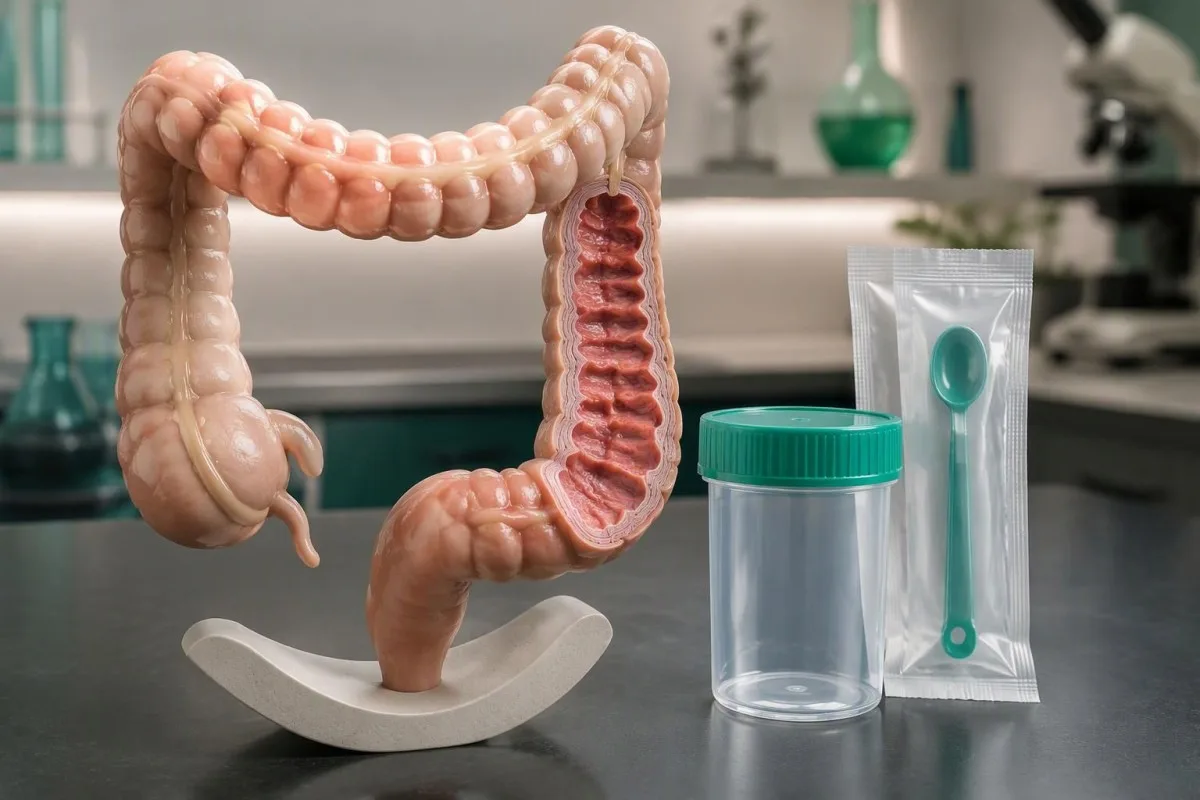
Բոլոր մարդկանց մեծ մասի համար աղիների միկրոբիոմի թեստ գնելը անիմաստ է IBS ախտորոշելու կամ հավելումներ ընտրելու համար: Այն նկարագրում է մանրէաբանական ԴՆԹ-ն մեկ աթոռի նմուշում, բայց չի կարող սահմանել առողջ աղիքի համընդհանուր միավոր կամ հուսալիորեն կանխատեսել, թե որ բուժումը կօգնի:.


- Կլինիկական արժեք կախված է նրանից, թե արդյոք արդյունքը փոխում է խնամքը. սպառողական միկրոբիոմի պրոֆիլավորումը չունի IBS-ի համար համընդհանուր ընդունված ախտորոշիչ շեմ:.
- Հարաբերական առատություն չափում է դասակարգված հաջորդականությունների մասը. 10% չի նշանակում 10% բոլոր կենդանի բակտերիաների ձեր մարսողական համակարգում:.
- Հաջորդականության մեթոդներ տարբերվում են. 16S պրոֆիլավորումը թիրախավորում է բակտերիալ մարկեր գեն, մինչդեռ shotgun sequencing-ը ավելի լայնորեն նմուշում է ԴՆԹ-ն:.
- Բազմազանության միավորներ կախված են հաշվարկից և լաբորատոր աշխատանքային հոսքից. 70/100 միավորը ստանդարտացված բժշկական չափում չէ:.
- IBS ախտորոշում սովորաբար օգտագործում է կրկնվող որովայնի ցավ, որը միջինում կազմում է առնվազն 1 օր շաբաթական վերջին 3 ամիսների ընթացքում, մյուս կլինիկական չափանիշների հետ մեկտեղ:.
- Fecal calprotectin 50 µg/գ-ից ցածր մակարդակը սովորաբար ցածր է համարվում մեծահասակների մոտ, սակայն լաբորատոր միջակայքերն ու նախազգուշացնող ախտանշանները դեռ կարևոր են:.
- Կղանքի էլաստազ 100 µg/գ-ից ցածր մակարդակը աջակցում է ենթաստամոքսային գեղձի էկզոկրին անբավարարությանը, երբ չափվում է համապատասխան նմուշի վրա. ջրային նմուշները կարող են կեղծ ցածր արդյունքներ տալ:.
- Հավելումների ընտրություն ինքնուրույն չի կարող հուսալիորեն հետևել բակտերիալ վարկանիշին. ախտանշանները, հաստատված ախտորոշումները, դեղորայքի ազդեցությունները և ցուցադրված դեֆիցիտները ավելի լավ մեկնարկային կետեր են:.
Ե՞րբ է արժե վճարել աղիների միկրոբիոմի թեստի համար:
A աղիքային միկրոբիոմի թեստ կարող է արժենալ որպես հետաքրքրություն կամ հետազոտական վարժություն, բայց սովորաբար ոչ որպես ախտորոշիչ կամ բուժման ընտրության գործիք: 2026 թվականի հոկտեմբերի 5-ի դրությամբ, հիմնավորված տարբերակումը 1 կղանքային նմուշի նկարագրության և այն փաստի միջև, որ դրա զեկույցի հիման վրա գործելը բարելավում է առողջությունը:.
Սպառողական հաջորդականության զեկույցները հուսալիորեն չեն ախտորոշում աղիքային գերգրգռվածության համախտանիշը (IBS), չեն բացահայտում փքվածության պատճառը կամ չեն ընտրում անհատականացված պրոբիոտիկ: Միկրոբիոմի թեստավորման վերաբերյալ միջազգային համաձայնության հայտարարությունը նկարագրում է զգալի խոչընդոտներ սովորական կլինիկական կիրառման համար, ներառյալ ստանդարտացումը և ցուցադրված կլինիկական օգտակարությունը (Porcari et al., 2025); խմբերի միջև տարբերությունների հայտնաբերումը նույնը չէ, ինչ 1 անհատի ախտորոշումը:.
Kantesti-ը AI արյան թեստերի վերլուծիչ է, ոչ թե կղանքային հաջորդականության ծառայություն: Ես Թոմաս Քլայնն եմ, Բժշկական գլխավոր տնօրենը, և իմ առաջարկը 3 հարցի բաժանումն է. ի՞նչն է չափվել, որքանո՞վ է այն կրկնվող, և կփոխե՞ր արդյոք պատասխանը խնամքը: Մեր ընկերության մասին տեղեկություն բացատրում է մեր արյան թեստերի վրա կենտրոնացումը:.
Հիպոթետիկ 180 ֆունտ ստերլինգի հավաքածուն կարող է դառնալ շատ ավելի մեծ գնում, եթե զեկույցը խորհուրդ տա ամսական 60 ֆունտ ստերլինգի հավելումներ և կրկնակի թեստավորում ամեն 3 ամիսը մեկ: Այս թվերը ցույց են տալիս բյուջետավորման խնդիր, ոչ թե շուկայական գնի գնահատում. իմաստալից արժեքը ներառում է այն ամենը, ինչը սկզբնական զեկույցը համոզում է ձեզ գնել:.
Ասիմպտոմ մարդը, ով սիրում է կենսաբանություն, կարող է ողջամտորեն ընդունել այդ անորոշությունը: 6 շաբաթ տևող persistent փորլուծություն ունեցող մարդուն պետք է այլ խոսակցություն. բժշկական գնահատում, թիրախային թեստավորում և ծրագիր, որը չի կախված սեփականատիրական առողջության գնահատականի բարելավումից:.
Ի՞նչ է իրականում չափում աթոռի միկրոբիոմի թեստը:
A կղանքի միկրոբիոմի թեստ սովորաբար չափում է միկրոբային ԴՆԹ-ն, որը վերականգնվել է կղանքի փոքր նմուշից: Երկու հիմնական մոտեցումները՝ 16S ռիբոսոմային ՌՆԹ գենի հաջորդականացումը և shotgun metagenomic հաջորդականացումը, տարբերվում են նրանով, թե ինչ կարող են նույնացնել, բայց ոչ մեկը ուղղակիորեն չի չափում յուրաքանչյուր կենդանի օրգանիզմը կամ նրա ակտիվությունը աղիքներում:.
16S հաջորդականացում թիրախավորում է մարկեր գեն, որն օգտագործվում է բակտերիաները դասակարգելու համար, իսկ համապատասխան մեթոդներով՝ արքեաներին: Տարբեր փոփոխական շրջաններ և պրայմերներ վերականգնում են տարբեր օրգանիզմներ; ցեղային մակարդակի նույնականացումը չի հաստատում, թե որ տեսակն է կամ շտամը ներկա, և շտամի հատուկ բուժման պահանջները չեն կարող ավտոմատ կերպով հետևել 1 ցեղի անունից:.
Shotgun հաջորդականացում ավելի լայնորեն նմուշառում է ԴՆԹ-ն և կարող է նույնացնել միկրոբային գեները, երբեմն ավելի լավ տեսակի լուծումով: Այնուամենայնիվ, մետաբոլիկ ուղու հետ կապված 1 գենի հայտնաբերումը չի ցույց տալիս, որ ուղին ակտիվ է, որ դրա արտադրանքը հասնում է ձեր հյուսվածքներին, կամ որ դրա փոփոխությունը կբարելավի ախտանշանները:.
Կղանքը ներկայացնում է հաստ աղիքից դուրս եկող նյութը, ոչ թե բարակ աղիքի կամ աղիքային լորձին կպած օրգանիզմների ամբողջական ցուցակը: Հետևաբար, 1 առավոտյան հավաքված նմուշը կարող է տեխնիկապես տեղեկատվական լինել, մինչդեռ բաց է թողնում կլինիկական հարցին համապատասխանող անատոմիական վայրը, հատկապես, երբ ինչ-որ մեկը հարցնում է բարակ աղիքի ախտանշանների մասին:.
Զեկույցը կարող է համատեղել հայտնաբերված օրգանիզմները, գնահատված մասնաբաժինները և կանխատեսված գործառույթները, կարծես դրանք համարժեք չափումներ լինեին: Դրանք չեն: Մեր ուղեցույցը որակական և քանակական արդյունքներ բացատրում է, թե ինչու ինչ-որ բան նույնացնելը և դրա քանակի չափումը պատասխանում են 2 տարբեր հարցերի:.
Ի՞նչ են իրականում նշանակում բակտերիաների առատության տոկոսադրույքները:
Հարաբերական առատություն դա լաբորատորիայի հաշվարկի մեջ ներառված հաջորդականությունների մի մասի օրգանիզմի մասնաբաժինն է, ոչ թե կենդանի բակտերիաների բացարձակ հաշիվը: Եթե 100 դասակարգված կարդերից 20-ը պատկանում է մեկ խմբի, դրա հաղորդված առատությունը 20% է. հայտարարիչը որոշում է, թե ինչ է նշանակում այդ տոկոսը:.
Տոկոսը կարող է նվազել՝ առանց ինքնին օրգանիզմի նվազելու: Պարզեցված օրինակում, 100 ընդհանուր կարդերից 20 նշված կարդեր կազմում են 20%, մինչդեռ 200-ից 20-ը կազմում է 10%. երկրորդ արդյունքը կարող է արտացոլել առաջինի նոսրացման փոխարեն այլ խմբերի ընդլայնումը:.
Absolute microbial load requires additional measurement, such as calibrated quantitative PCR, flow cytometry or a validated spike-in approach. Even then, stool water content and the reporting denominator matter: copies per gram of wet stool and copies per gram of dry stool are 2 different quantities.
A report stating that an organism is absent usually means it was not detected above that workflow’s threshold. If an organism has a true read fraction of 0.01% and only 1,000 relevant reads are sampled, missing it is unsurprising; non-detection should not trigger a diagnosis of bacterial deficiency.
The same reasoning applies when percentages distract from absolute blood-cell counts, as explained in our count versus percentage guide. For microbiome reports, ask 2 practical questions: what entered the denominator, and were unclassified reads excluded?
Արդյո՞ք միկրոբիոմի բազմազանության ավելի բարձր միավորը նշանակում է ավելի լավ առողջություն:
A higher microbiome diversity score does not automatically mean better digestive health. Diversity summarizes features such as richness and evenness; it does not identify whether organisms are helpful, harmful or clinically relevant, and a proprietary 0–100 score has no universal medical interpretation.
Richness counts detected categories, while evenness describes how balanced their proportions are. A sample with 100 detected species dominated by 1 species may have high richness but low evenness; sequencing depth and the taxonomic level chosen can change both calculations.
The Shannon index combines richness and evenness. Using natural logarithms, 2 equally abundant categories produce approximately 0.69 and 4 produce approximately 1.39; these are mathematical examples, not healthy-gut thresholds, and values calculated at genus level should not be compared directly with species-level values.
Bowel transit complicates the interpretation because stool consistency is associated with microbiome composition. Recording stool form for 7 days can reveal whether a score is being compared across very different bowel states; the Bristol-ի կղանքի աղյուսակ provides a practical vocabulary.
A reference cohort also shapes the result: a percentile against 500 self-selected customers is not equivalent to a percentile against a carefully characterized population. Ask whether the comparator matches your age, geography, medications and bowel habits before treating an 18th-percentile result as a problem.
Ինչո՞ւ են միկրոբիոմի երկու մատակարարները կարող են տարբեր արդյունքներ տալ:
Two providers can give different results from the same stool because their collection, DNA extraction, sequencing and computational workflows differ. At least 4 layers can change a report before clinical interpretation begins; disagreement does not necessarily mean that either laboratory mixed up the specimen.
DNA extraction is a major source of variation because bacterial cell walls differ in how easily they break open. Costea and colleagues demonstrated why fecal sample processing needs standardization (Costea et al., 2017); insufficient mechanical disruption can under-represent some organisms even when 2 laboratories sequence equal amounts of extracted DNA.
Transport introduces another variable: an unstabilized sample spending 48 hours at room temperature is not equivalent to a sample immediately placed in a validated preservative. The correct handling conditions are kit-specific; refrigeration is not automatically appropriate when a collection system was designed and validated for ambient shipping.
Reference databases and software versions can reassign the same sequence. One provider may report a species while another reports only its genus, and 2 health scores may use different proprietary weighting systems; apparently conflicting recommendations can arise from the scoring rules rather than the underlying biology.
A specimen problem can undermine interpretation even when the instrument works correctly, a principle illustrated by our նմուշի միջամտության ուղեցույցը. If comparing results, document collection time, preservative, recent medicines and the pipeline version—not just the final percentage.
Ինչպե՞ս պետք է գնահատել աղիների միկրոբիոմի թեստի ճշգրտությունը:
Gut microbiome test accuracy has 3 separate meanings: analytical validity, clinical validity and clinical utility. A laboratory may accurately detect microbial DNA without accurately diagnosing a condition or proving that its recommended treatment improves outcomes; a single percentage labelled accuracy cannot resolve those distinctions.
Analytical validity asks whether the workflow measures what it claims to measure. Useful evidence includes known-composition microbial controls, extraction blanks, contamination controls, detection limits and duplicate precision; processing 1 sample twice is helpful, but it does not test every source of variation from home collection onward.
Clinical validity asks whether a result distinguishes people with and without a defined condition in relevant populations. An algorithm evaluated in 200 people already known to have severe disease may perform differently in 200 primary-care patients with overlapping symptoms; spectrum and selection bias matter.
Clinical utility asks whether using the report improves a patient outcome compared with appropriate usual care. Porcari et al. (2025) distinguish research promise from readiness for routine application; a prettier report or a change in 1 bacterial percentage is not itself evidence of less pain or better nutrition.
Մեր կլինիկական ստանդարտների էջում concerns blood-result interpretation and should not be read as validation of consumer stool sequencing. For any health report, the accuracy assessment checklist helps separate technical performance from claims that require patient-outcome studies.
Արդյո՞ք միկրոբիոմի զեկույցը կարող է ախտորոշել IBS կամ բացատրել փքվածությունը:
A consumer microbiome report cannot diagnose irritable bowel syndrome, and no bacterial abundance cutoff reliably establishes IBS in routine practice. Commonly used Rome IV criteria include abdominal pain averaging at least 1 day weekly in the previous 3 months, with symptom onset at least 6 months earlier.
Rome IV also requires pain associated with at least 2 of 3 features: defecation, changed stool frequency, or changed stool form. These criteria support a positive clinical diagnosis, but warning signs and alternative explanations still require assessment; painless bloating alone does not meet the IBS pain criterion.
The ACG guideline supports a positive diagnostic strategy rather than endless exclusion testing, with celiac testing and inflammatory-marker assessment in appropriate patients with diarrhea symptoms (Lacy et al., 2021). A microbiome score is not one of those diagnostic criteria, even if a report associates 1 organism with IBS.
Consider a hypothetical 34-year-old with bloating, loose stools and low iron stores: celiac disease deserves consideration before a recommendation to remove gluten. Testing commonly includes tissue transglutaminase IgA and total IgA, because low IgA can mislead an IgA-based result.
Kantesti AI should not turn an unvalidated stool score into an IBS diagnosis or a claim of small-intestinal bacterial overgrowth. Anyone already avoiding gluten should discuss testing preparation rather than improvise a challenge; our ցելիակիայի թեստավորման նախապատրաստական ուղեցույցը explains why duration and intake affect interpretation.
Առողջապահական աթոռի ո՞ր կլինիկական թեստերը ավելի շատ օգտակար հարցերի են պատասխանում:
Clinical stool diagnostics investigate defined problems, such as intestinal inflammation, pancreatic enzyme output, pathogens or occult bleeding. They are different from microbiome profiling; fecal calprotectin, for example, is commonly reported in µg/g with assay-specific interpretation, whereas a bacterial diversity score has no comparable universal diagnostic threshold.
Fecal calprotectin reflects intestinal neutrophil activity, not microbiome diversity. Many adult laboratories use below 50 µg/g as a low result, but infection, NSAID exposure and other conditions can raise it; our calprotectin and lactoferrin comparison explains their overlapping clinical roles.
An intermediate calprotectin result often needs context and sometimes a repeat after about 2–6 weeks, depending on the local pathway. Persistent symptoms or alarm features may justify earlier investigation, so our borderline calprotectin guide should not be used to postpone assessment.
Կղանքի էլաստազ estimates pancreatic exocrine output: above 200 µg/g is generally reassuring, 100–200 µg/g is indeterminate, and below 100 µg/g supports insufficiency in an appropriate specimen. The stool elastase interpretation guide explains why dilution and pretest probability matter.
A provider may bundle 1 clinically established assay with several exploratory scores in the same package. That does not validate the entire package: judge each component separately, and remember that normal calprotectin does not exclude every bowel disorder or replace colorectal-cancer evaluation when indicated.
Արդյո՞ք սպառողական հաջորդականությունը կարող է հուսալիորեն բացառել աղիքային վարակը:
Consumer microbiome sequencing cannot reliably rule out a gut infection unless the specific pathogen claim has been clinically validated. Targeted stool PCR, antigen assays, toxin testing and culture answer different questions; 3 or more new unformed stools in 24 hours may prompt assessment for C. difficile in the right clinical setting.
C. difficile testing needs symptoms and risk context because detecting a toxin gene can identify colonization as well as illness. Recent antibiotics, healthcare exposure and laxative use influence the decision; 1 positive molecular result does not automatically establish toxin-mediated disease or justify treatment.
Travel-associated diarrhea may require targeted testing for Giardia or other pathogens based on exposure and symptom duration. A report that simply lists an organism among hundreds lacks the same clinical meaning as a validated diagnostic assay, and 1 negative consumer profile cannot safely exclude it.
H. pylori stool antigen testing is an example of a directed assay with established uses. Proton pump inhibitors generally need to be withheld for 2 weeks and antibiotics or bismuth for 4 weeks before testing when clinically safe; prescribed medicines should not be stopped without advice.
Acid-suppressing medicines can also affect symptoms, microbiome composition and other laboratory results. Our PPI and gastrin guide illustrates why medication history belongs in the interpretation rather than being reduced to 1 report note about an altered bacterial community.
Ո՞ր ախտանիշները պետք է առաջնահերթություն ունենան միկրոբիոմի թեստավորման վրա:
Visible blood, black tarry stool, unexplained weight loss, anemia, persistent nighttime diarrhea or severe abdominal pain should take priority over a consumer microbiome test. A reassuring bacterial score provides no safety clearance; heavy bleeding, fainting, severe dehydration or rapidly worsening pain warrants urgent assessment.
A normal microbiome report cannot exclude colorectal cancer, inflammatory bowel disease or a clinically significant source of bleeding. Even 1 episode of black tarry stool needs assessment when gastrointestinal bleeding is plausible; our stool bleeding urgency guide distinguishes color changes from concerning patterns.
A positive FIT detects human hemoglobin in stool and requires follow-up through the relevant diagnostic pathway; repeating a microbiome kit does not answer why it is positive. The positive FIT next steps explain why a screening or symptomatic result cannot be dismissed by an unrelated score.
Risk depends on age, family history and symptom trajectory, not just a single duration cutoff. A hypothetical 62-year-old with 8 weeks of new bowel-habit change and weight loss needs prompt clinical review even if a consumer report rates diversity as excellent.
Severe diarrhea can cause kidney and electrolyte complications before its cause is known. Fewer trips to urinate, dizziness on standing or inability to keep fluids down for several hours should shift attention toward hydration and medical assessment—not toward whether 1 bacterial genus appears unusually abundant.
Արդյո՞ք միկրոբիոմի արդյունքները կարող են ընտրել անհատականացված պրոբիոտիկներ կամ հավելումներ:
A microbiome report alone cannot reliably select a personalized probiotic, prebiotic or vitamin regimen. A low bacterial percentage is not a diagnosed deficiency, and benefits depend on the indication, exact formulation and sometimes strain; 1 genus name does not establish which supplement will help.
The ACG guideline suggests against probiotics for global IBS symptoms because the evidence is very uncertain, while supporting soluble fiber (Lacy et al., 2021). That recommendation does not prove that every probiotic is ineffective; it means that confidence in routinely recommending 1 product for IBS remains limited.
A cautious soluble-fiber trial may start with about 3–5 g of psyllium daily and increase gradually according to tolerance and product instructions. Take it with adequate fluid—often at least 250 mL per dose—and seek advice for swallowing difficulty or obstruction risk; adding several fermentable products at once makes symptom attribution harder.
Vitamin or mineral needs require dietary and clinical assessment, not a microbial vitamin-production prediction. In the United States, the adult zinc upper intake level is 40 mg/day from all sources; sustained excess can cause copper deficiency, as our high zinc safety guide է բացատրում։.
Kantesti is an AI blood test interpretation platform that helps place measured blood results in context; microbial genes cannot establish serum B12, iron stores or magnesium status. Our evidence-based food choices can support dietary variety, but 1 restrictive plan is not appropriate for every digestive condition.
Ինչպե՞ս են հավաքումը, կրկնվող թեստավորումը և գաղտնիությունը ազդում արժեքի վրա:
Collection quality, repeat-test consistency and data handling affect whether a microbiome purchase is useful. Follow the specific kit instructions, keep a record of relevant exposures, and avoid treating a change between 2 samples as proof of improvement when collection conditions or analytical methods also changed.
Recent antibiotics, bowel preparation, acute diarrhea and major dietary changes can alter the sample’s context. There is no universal evidence-based waiting interval—such as exactly 4 weeks—that makes every microbiome test representative again; document dates and discuss the question rather than stopping a necessary treatment to improve a score.
Repeated samples are easier to interpret when provider, kit, handling and bowel state remain comparable. Keeping a 7-day record of symptoms, stool form, diet changes and medicines may be more useful than purchasing a repeat immediately; our մարսողական ախտանշանների ուղեցույց explains common contextual clues.
Privacy questions should cover both the physical specimen and the digital data. Ask 4 things before paying: how long each is retained, whether secondary research use is optional, whether third-party sharing occurs, and whether deletion covers raw sequencing files as well as the account.
Shotgun sequencing can capture human DNA alongside microbial DNA, so human-read filtering and retention policies deserve scrutiny. A GDPR-aligned statement alone does not answer every processing question; request the actual consent terms, hosting arrangements and cross-border safeguards before sending 1 specimen that may generate extensive data.
Ի՞նչ պետք է անեք, եթե արդեն ունեք միկրոբիոմի զեկույց:
If you already have a microbiome report, separate established clinical assays from exploratory scores and prioritize symptoms over bacterial rankings. Write down 3 items before making changes: the problem you want to improve, the evidence for the proposed intervention, and the outcome that would justify continuing it.
The first step is to inventory the report rather than accept its overall traffic-light rating. A package containing calprotectin in µg/g, bacterial relative abundance in percent and a wellness score out of 100 contains 3 different types of information; each needs its own interpretation and evidence.
Choose 1 measurable outcome for a reasonable trial: weekly pain days, stool frequency, urgency episodes or the ability to tolerate a food. A hypothetical 4-week intervention that improves symptoms without changing a diversity score may still be useful; the reverse pattern does not establish patient benefit.
Kantesti is an AI-powered blood test analysis tool, not a substitute for a digestive diagnosis. Our AI տեխնոլոգիայի բացատրություն describes how blood-result interpretation works; ferritin, a CBC or electrolytes may answer specific clinical questions, but there is no validated blood panel that reveals your ideal bacterial balance.
My practical recommendation, as Thomas Klein, is to bring the original report and a 7-day symptom record to the clinician rather than a shopping list of recommended supplements. Do not add antibiotics, antifungals or restrictive diets solely because 1 organism was flagged; agree on what would trigger reassessment or specialist referral.
հետազոտական հրապարակումներ և AI մեկնաբանության սահմանափակումները
Research on AI blood-result interpretation does not validate consumer microbiome diagnosis or personalized supplement selection. The 2 company-supplied Figshare records below concern blood-test workflows; neither title establishes that stool-sequencing recommendations improve digestive symptoms, detect IBS or identify an individual’s optimal probiotic.
Kantesti’s supplied technical benchmark is described as evaluating 100,000 synthetic test cases. Synthetic-case performance can examine defined technical behavior, but it is not equivalent to diagnostic accuracy in consecutive real patients; independent reproduction, representative clinical data and patient outcomes require separate evaluation.
The supplied hantavirus report describes engineering validation and deployment across 50,000 interpreted blood-test reports. Deployment volume does not by itself establish sensitivity, specificity or outcome benefit, and a triage workflow for 1 infectious condition cannot be generalized to microbiome profiling without new evidence.
The formal citations below use n.d. because publication dates were not supplied; their linked records should be checked for authorship, version and review status. ResearchGate and Academia.edu links are DOI search routes, not claims that 2 verified copies exist there, and repository availability should not be mistaken for journal peer review.
Clinical accountability remains separate from publication count or sample volume. Our բժշկական խորհրդատվական խորհուրդը page describes medical governance; the decision standard remains whether a particular test answers the patient’s question, with limitations explained before purchase rather than after 1 unexpected result.
Հաճախակի տրվող հարցեր
Արժե՞ արդյոք աղիքային միկրոբիոմի թեստեր հանձնել։
Աղիքային միկրոբիոմի թեստերը սովորաբար չարժե գնել՝ ԳԴՀ-ն ախտորոշելու կամ անհատականացված հավելումներ ընտրելու համար։ Դրանք կարող են նկարագրել 1 կղանքի նմուշում առկա մանրէների ԴՆԹ-ն, սակայն սպառողական թեստերի գնահատականները, որպես կանոն, չունեն հաստատված ախտորոշիչ շեմեր և բուժման ընտրության համար ապացուցված օգտակարություն։ Գնում կատարելուց առաջ հաշվի առեք թեստային հավաքածուի, կրկնակի թեստերի և առաջարկվող արտադրանքի ամբողջական արժեքը։ Շարունակվող ախտանիշների դեպքում ավելի նպատակահարմար է դիմել կլինիկական գնահատման և կատարել նպատակային թեստեր, որոնք պատասխանում են հստակ ձևակերպված հարցի։.
Որքա՞ն ճշգրիտ է աղիքային միկրոբիոմի թեստը։
Աղիքային միկրոբիոմի թեստի ճշգրտությունը կախված է 3 առանձին հարցից՝ արդյոք լաբորատորիան ճիշտ է չափում մանրէների ԴՆԹ-ն, արդյոք արդյունքը կանխատեսում է կլինիկական վիճակը, և արդյոք դրա հիման վրա գործելը բարելավում է ելքերը։ Նմուշի հավաքումը, ԴՆԹ-ի էքստրակցիան, սեքվենավորման խորությունը և հղումային տվյալների բազաները կարող են փոխել ներկայացվող առատությունը։ Տեխնիկապես վերարտադրելի արդյունքն ինքնաբերաբար չի ապահովում հուսալի ախտորոշում։ Մեկ ընդհանուր ճշգրտության տոկոսի ընդունման փոխարեն պահանջեք տվյալ պնդման վավերացումը։.
Ուղիղաղի միկրոբիոմի թեստը կարո՞ղ է ախտորոշել IBS-ը:
Սպառողական աղիքային միկրոբիոմի թեստը չի կարող ախտորոշել IBS՝ օգտագործելով հաստատված բակտերիալ կտրվածք։ Հաճախ օգտագործվող Rome IV չափանիշները ներառում են որովայնի ցավերի կրկնությունը, որը միջինում կազմում է առնվազն 1 օր շաբաթական վերջին 3 ամիսներին, ախտանիշների սկիզբը առնվազն 6 ամիս առաջ և դրան ուղեկցող աղիքային փոփոխությունները։ Կլինիցիստները նաև գնահատում են նախազգուշացնող նշանները և դիտարկում թիրախային թեստեր, այդ թվում՝ ցելիակիայի թեստավորում համապատասխան դիարեա ունեցող հիվանդների մոտ։ Միկրոբիոմի պրոֆիլավորումը չի փոխարինում այդ գնահատումը։.
Ինչ է նորմալ միկրոբիոմի բազմազանության գնահատականը։
Չկա հիվանդի համար միկրոբիոմի բազմազանության համընդհանուր նորմալ միավոր: 70/100-ի սեփականատիրոջ միավորը իմաստ ունի միայն մատակարարի հաշվարկի և հղման բնակչության ներսում, ոչ թե որպես ստանդարտացված ախտորոշում: Հարստությունը, հավասարաչափությունը, հաջորդականության խորությունը և հարկային մակարդակը ազդում են բազմազանության չափումների վրա: Ավելի բարձր բազմազանությունը ավտոմատաբար ավելի լավ չէ, և ցածր միավորը միայնակ չի արդարացնում հավելումները կամ դեղորայքը:.
Միկրոբիոմի թեստը նույնն է, ինչ բժշկի մոտ արված ցայլքի թեստը:
ՄիկrobioME-ի պրոֆայլինգը տարբերվում է կլինիկական ֆեկալ թեստավորումից՝ որոշակի պայմանի համար: Ֆեկալ կալպրոտեկտինը սովորաբար օգտագործում է 50 µg/g-ից ցածր արդյունք՝ որպես մեծահասակների մոտ ցածր արդյունք, մինչդեռ ֆեկալ էլաստազան 100 µg/g-ից ցածր՝ աջակցում է ենթաստամոքսային գեղձի էկզոկրին անբավարարությանը՝ համապատասխան նմուշում: Ուղղորդված պաթոգենային անալիզները և FIT-ը ուսումնասիրում են այլ կոնկրետ հարցեր: Առևտրային փաթեթը կարող է ներառել ինչպես հաստատված անալիզներ, այնպես էլ հետազոտական միավորներ, ուստի յուրաքանչյուր բաղադրիչ պետք է գնահատվի առանձին:.
Կարո՞ղ են իմ միկրոբիոմի արդյունքները ցույց տալ, թե որ պրոբիոտիկն ընդունել։
Մանրէաբանական արդյունքները չեն կարող հուսալիորեն բացահայտել այն պրոբիոտիկը, որն առավել հավանական է, որ կօգնի անհատին։ Մեկ բակտերիալ ցեղի ցածր տոկոսադրույքի հայտնաբերումը չի հաստատում դեֆիցիտ կամ ցույց չի տալիս, որ հարակից օրգանիզմի կուլ տալը կբարելավի ախտանիշները։ Պրոբիոտիկ ապացույցները կախված են ցուցումից, ձևակերպումից և երբեմն ճշգրիտ շտամից։ ԲGivenIBS-ի համար 2021 թվականի ACG ուղեցույցը խորհուրդ է տալիս ձեռնպահ մնալ պրոբիոտիկներից գլոբալ ախտանիշների համար, քանի որ հիմնավորող ապացույցները շատ անորոշ են։.
Ստացեք AI-ով աշխատող արյան անալիզի վերլուծություն այսօր
Միացեք ավելի քան 2 միլիոն օգտատերերի ամբողջ աշխարհում, ովքեր վստահում են Kantesti-ին՝ լաբորատոր թեստերի ակնթարթային, ճշգրիտ վերլուծության համար։ Վերբեռնեք ձեր արյան անալիզի արդյունքները և ստացեք 15,000+ բիոմարկերների համապարփակ մեկնաբանություն վայրկյանների ընթացքում։.
📚 Հղված հետազոտական հրապարակումներ
Klein, T., Mitchell, S., & Weber, H. (2026). Բազմալեզու AI-ի օգնությամբ կլինիկական որոշում կայացնելու աջակցություն հանտավիրուսի վաղ տրիաժի համար․ նախագծում, ինժեներական վավերացում և իրական աշխարհում կիրառում 50 000 մեկնաբանված արյան թեստի հաշվետվություններում.։ Kantesti AI Medical Research.
Klein, T., Mitchell, S., & Weber, H. (2026). Kantesti Արյան թեստի մեկնաբանման շարժիչի նախապես գրանցված, ռուբրիկային վրա հիմնված ավտոմատացված տեխնիկական բենչմարկը 100,000 սինթետիկ թեստային դեպքերի վրա.։ Kantesti AI Medical Research.
📖 Արտաքին բժշկական հղումներ
Porcari S et al. (2025). International consensus statement on microbiome testing in clinical practice. The Lancet Gastroenterology & Hepatology.
Costea PI et al. (2017). Towards standards in human fecal sample processing. Nature Biotechnology.
⚕️ Բժշկական հրաժարում
Այս հոդվածը միայն կրթական նպատակների համար է և չի հանդիսանում բժշկական խորհրդատվություն։ Ախտորոշման և բուժման որոշումների համար միշտ խորհրդակցեք որակավորված բուժաշխատողի հետ։.
E-E-A-T վստահության ազդանշաններ
Փորձառություն
Բժշկի կողմից ղեկավարվող կլինիկական վերանայում՝ լաբորատոր մեկնաբանության աշխատանքային հոսքերի համար։.
Մասնագիտություն
Լաբորատոր բժշկության կենտրոնացում՝ այն բանի վրա, թե ինչպես են բիոմարկերները դրսևորվում կլինիկական համատեքստում։.
Հեղինակություն
Գրված է դոկտոր Թոմաս Քլայնի կողմից՝ դոկտոր Սառա Միթչելի և պրոֆեսոր դոկտոր Հանս Վեբերի կողմից վերանայմամբ։.
Հուսալիություն
Ապացույցների վրա հիմնված մեկնաբանություն՝ հստակ հետագա քայլերի ուղիներով՝ ահազանգերը նվազեցնելու համար։.