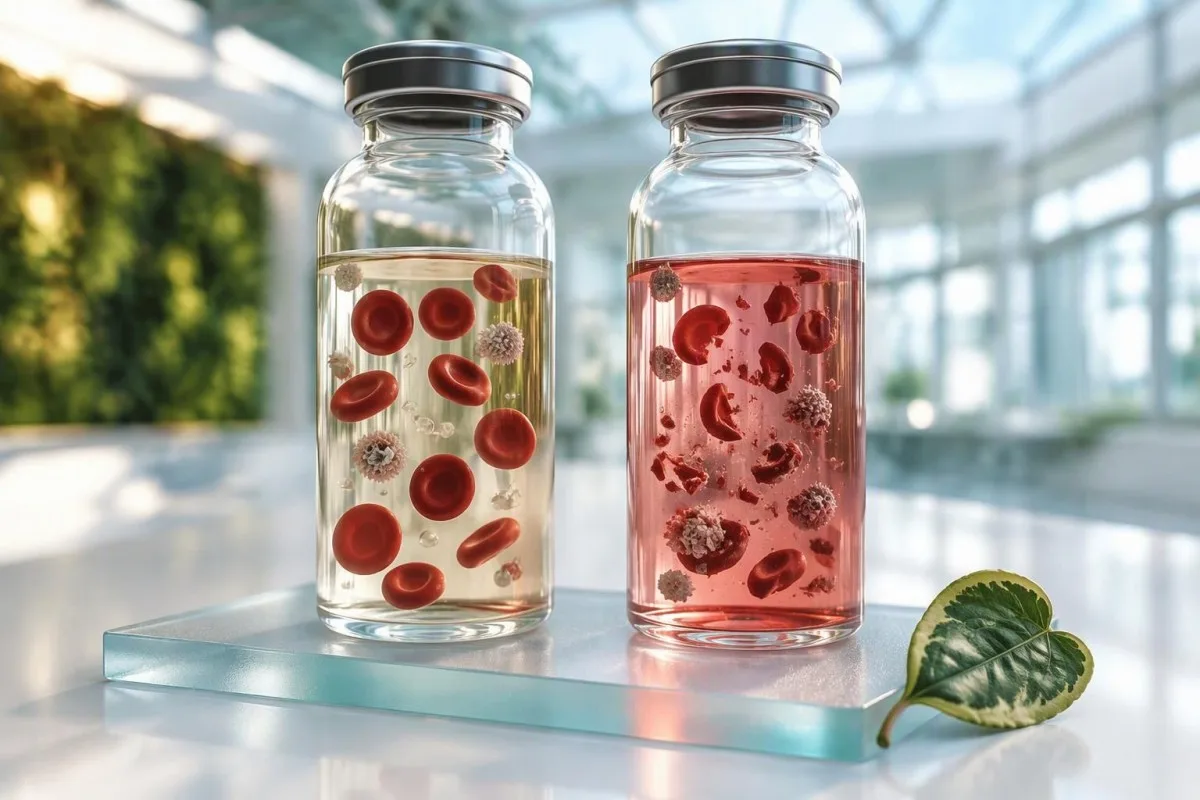
Բարձր հեմոլիզի ինդեքսը սովորաբար նկարագրում է բջիջների վնասվածքը նմուշառումից հետո, ոչ թե ձեր մոտ առկա ախտորոշումը։ Օգտակար հարցն այն է, թե որ արդյունքները մնում են վստահելի, և որոնք են անհրաժեշտ կրկնելու։.


- Բարձր հեմոլիզի ինդեքս նշանակում է, որ վերլուծիչը հայտնաբերել է ազատ հեմոգլոբին շիճուկում կամ պլազմայում, սովորաբար նմուշառման կամ տեղափոխման ժամանակ բջիջների կոտրման հետևանքով։.
- Կալիում հատկապես խոցելի է, քանի որ կարմիր բջջային տարրերը պարունակում են մոտ 100–120 մմոլ/լ կալիում, մինչդեռ պլազմայի միջակայքը 3.5–5.0 մմոլ/լ է։.
- LDH և AST կարող է զգալիորեն բարձրանալ հեմոլիզացված նմուշում; մեկուսացված անսպասելի բարձրացումը չպետք է նշվի որպես լյարդի կամ մկանների հիվանդություն՝ մինչև կրկնակի թեստավորումը։.
- Վերլուծիչի շեմեր մեթոդի վրա հիմնված են. 100 հեմոլիզի ինդեքսը մեկ վերլուծիչի վրա ծանրության կամ հեմոլիտիկ անեմիայի ախտորոշման համընդգրկուն չափ չէ։.
- Նոր նմուշառման որոշումներ կախված լաբորատոր թեստից, միջամտության աստիճանից և կլինիկական հրատապությունից՝ ոչ միայն նմուշի տեսքից։.
- Կալիումի հրատապ որոշումները պահանջում են արագ հաստատում ոչ հեմոլիզացված պլազմայի նմուշով, ամբողջական արյան գազերի չափում կամ ԷԿԳ, երբ արդյունքը բարձր է։.
- In-vivo հեմոլիզ առաջացնում է կլինիկական պատկեր, ինչպիսիք են անեմիա, ռետիկուլոցիտոզ, ցածր հապտոգլոբին և բարձրացած անուղղակի բիլիռուբին; միայն բարձր ցուցիչը չի կարող այն հաստատել։.
- Սեպտեմբերի 27, 2026թ. դրությամբ, հիվանդները պետք է հարցնեն, արդյոք լաբորատորիան ճնշել, որակել կամ վերլուծականորեն ուղղել է յուրաքանչյուր ազդված արդյունքը՝ դրանից առաջ գործելով։.
Ինչ է իրականում չափում հեմոլիզի բարձր ինդեքսը
A բարձր հեմոլիզի ցուցիչ նշանակում է, որ վերլուծիչը հայտնաբերել է ավելորդ ազատ հեմոգլոբին լաբորատորիայի նմուշի հեղուկ մասում։ Ամենից շատ դուրսպիտելի նմուշներում սա արտացոլում է բջջային կոտրվածքը հավաքագրումից հետո, այլ ոչ թե մարմնի ներսում տեղի ունեցող կարմիր բջիջների ոչնչացումը։.
Ցուցիչը սովորաբար ստեղծվում է սպեկտրաֆոտոմետրիայով. վերլուծիչը չափում է կլանման ունակությունը ալիքների երկարության վրա, որտեղ հեմոգլոբինը կլանում է լույսը, այնուհետև կիրառում է թեստի հատուկ միջամտության կանոններ։ Վարդագույնից կարմիր շիճուկային նմուշը կարող է ունենալ 50, 100 կամ 300 ցուցիչ, բայց այդ թվերը ստանդարտացված չեն արտադրողների միջև։ բժշկական վավերացման մոտեցումը մենք օգտագործում ենք լաբորատորիայի սեփական մեկնաբանությունը և թեստի դրոշմանիշները որպես առաջնային ապացույց։.
Դժվար հավաքագրումը, չափից դուրս ուժեղ թափահարված խողովակը, բջիջներից ուշացած անջատումը, ծայրահեղ ջերմաստիճանը կամ պնևմատիկ խողովակով փոխադրումը կարող են բոլորը հեմոլիզացված արյան նմուշ ստեղծել։ Իմ կլինիկական աշխատանքում ամենից հաճախ մեղավորը ոչ թե հիվանդի երակներն են, այլ տեխնիկապես բարդ արյունահավաքումը շատ փոքր հավաքագրման սարքի հետ համատեղ կամ ուժեղ փոխանցումը։ Նույնիսկ մի նմուշ, որը աչքի է ընկնում նորմալ, կարող է ունենալ բավարար ազատ հեմոգլոբին՝ զգայուն թեստի վրա ազդելու համար։.
Կանտեստին մի է AI արյան անալիզատոր որը հեմոլիզի մասին մեկնաբանությունը կարդում է որպես նմուշի որակի ազդանշան, այլ ոչ թե հիվանդության ապացույց։ Դոկտոր Թոմաս Քլայնի գործնական կանոնը պարզ է. ազդված վերլուծությունը մեկնաբանեք միայն այն բանից հետո, երբ ստուգեք, արդյոք լաբորատորիան այն նշել է որպես անհուսալի, ճնշել է, թե թողարկել է նախազգուշացմամբ։.
Ինչու գույնը կարևոր է, բայց չի որոշում գործը
Տեսանելի վարդագույն շիճուկը հաճախ համապատասխանում է զգալի ազատ հեմոգլոբինին, սակայն տեսողական զննումը բաց է թողնում թեթև հեմոլիզը և սուբյեկտիվ է։ Ժամանակակից ցուցիչները ավելի կայուն են, քան տեսողական գնահատումը, բայց դրանց կլինիկական իմաստը դեռևս տարբերվում է վերլուծիչի, ռեագենտի և թեստի մեթոդի կողմից։.
Նմուշի հեմոլիզը ընդդեմ օրգանիզմում տեղի ունեցող հեմոլիզի
Բարձր ցուցիչը սովորաբար ցույց է տալիս in-vitro հեմոլիզ, ինչը նշանակում է, որ բջջային վնասը տեղի է ունեցել խողովակում կամ մշակման ժամանակ։. In-vivo հեմոլիզ բժշկական գործընթաց է, որը պահանջում է հաստատող ախտանշաններ, CBC տվյալներ և թիրախային արյան թեստեր։.
In-vivo հեմոլիզը հաճախ ստեղծում է միասնական պատկեր. մակարդվող հեմոգլոբին, ռետիկուլոցիտոզ, անուղղակի բիլիռուբինի բարձրացում, LDH-ի ավելացում և ցածր հապտոգլոբին։ Մուգ մեզ, դեղնախտ, հոգնածություն կամ մեջքի ցավ կարող են առաջանալ, թեև քրոնիկական թեթև հեմոլիզը կարող է լինել անախտանշան։ Միայն մեկ բարձր հեմոլիզի ցուցիչ՝ մնացած CBC-ի հետ համեմատ, շատ ավելի հաճախ պրե-անալիտիկ է, քան կլինիկական։.
Այս տարբերությունը կարևոր է, քանի որ հեմոլիզացված նմուշը կարող է կեղծել այն հենց պատկերը, որն օգտագործվում է հեմոլիզի ախտորոշման համար, հատկապես բարձրացած կալիում, LDH, AST և ֆոսֆատ։ Լիպպի և այլք։ նկարագրել են հեմոլիզը որպես անպիտան նմուշների հիմնական պատճառ կլինիկական լաբորատորիաներում, հենց այն պատճառով, որ բջիջների ներսում եղած բաղադրիչները թափվում են նմուշի մեջ, և սպեկտրալ միջամտությունը ազդում է ֆոտոմետրիկ մեթոդների վրա (Lippi et al., 2008)։.
Եթե անեմիան կամ դեղնախտը իսկապես առկա են, կլինիցիստները կարող են կրկնել նմուշը և ավելացնել ռետիկուլոցիտներ, բիլիռուբինի կոտորակներ, հապտոգլոբին և ռետիկուլոցիտային մեկնաբանություն rather than relying on the index. Kantesti’s ԱԻ լաբորատոր թեստի մեկնաբանման ծառայությունում compares these linked results and flags when the pattern deserves clinician review rather than a routine redraw.
A useful clue from timing
True hemolysis persists across carefully collected samples; collection-related hemolysis usually disappears on repeat testing. That contrast is often more informative than one isolated laboratory flag.
Հեմոլիզի դեպքում որոնք են ամենաշատը փոփոխվող արյան անալիզի արդյունքները
Hemolysis most often creates falsely high potassium, LDH, AST, phosphate, magnesium, iron, and sometimes total protein results. The magnitude is assay-dependent, so a laboratory’s interference comment outweighs any universal correction formula.
Potassium is the safety-critical example. Red cellular elements contain approximately 100–120 mmol/L potassium, while normal plasma potassium is 3.5–5.0 mmol/L; even modest cellular leakage can push a normal result above 5.5 mmol/L. A reported potassium of 6.2 mmol/L with a high hemolysis index may be pseudohyperkalemia, but it still needs rapid clinical triage if symptoms, kidney disease, ECG changes, or potassium-raising medicines are present.
LDH is highly concentrated within cellular elements, and AST is also more abundant inside them than in serum. In a 52-year-old runner with AST 89 IU/L, a hemolysis warning plus normal ALT and CK changes my first step from diagnosing liver disease to repeating the panel. See our practical guide to high AST results for the non-hemolysis causes that remain relevant.
Phosphate, magnesium, and iron may rise because they are released from disrupted cells; bilirubin and some enzyme assays can be biased in either direction by optical interference. This is why a numerical result may be released but not clinically usable. A լյարդի պանելի բացատրությունը helps separate a real enzyme pattern from one compromised result.
Tests that can be falsely lower
Hemoglobin absorbance can produce negative interference in some colorimetric or enzymatic assays, including selected lipase, alkaline phosphatase, and bilirubin methods. There is no safe assumption that hemolysis only makes values high.
Բարձր կալիումը հեմոլիզի դեպքում. երբ է դա անհետաձգելի։
A potassium result of 6.0 mmol/L or higher with a hemolysis flag should be confirmed promptly, but it must not be dismissed automatically. Immediate assessment is appropriate when potassium is 6.5 mmol/L or higher, an ECG is abnormal, or weakness, palpitations, chest symptoms, or significant kidney impairment are present.
Pseudohyperkalemia is common when cellular elements rupture during collection, but genuine hyperkalemia can coexist with a difficult draw. A fresh lithium-heparin plasma specimen, carefully collected whole-blood analysis, and ECG are common confirmation routes. Do not try to lower potassium through diet or supplements before speaking with the clinician who ordered the test; that could delay necessary care.
The risk rises when a patient has eGFR below 30 mL/min/1.73 m², takes an ACE inhibitor, ARB, spironolactone, trimethoprim, or potassium supplement, or has metabolic acidosis. In those settings, a result of 5.8 mmol/L deserves more attention than the same result in a well person with normal renal function and an obviously compromised tube. Our detailed կալիումի նմուշառման սխալների ուղեցույցը explains this decision point.
A clenched fist during collection can raise potassium slightly even without visible sample hemolysis, while prolonged tourniquet use adds another source of pre-analytical variation. The thing is, neither detail can prove the result is false. Repeat testing is the safe answer when the number could alter urgent treatment.
Symptoms that override the laboratory caveat
Severe muscle weakness, fainting, new palpitations, chest discomfort, or shortness of breath need urgent assessment regardless of a hemolysis comment. Laboratory uncertainty should never be used to explain away concerning symptoms.
LDH, AST և CK. ֆերմենտների ընթերցումը հեմոլիզացված նմուշում
LDH and AST are among the least reliable results in a markedly hemolyzed specimen because both are released from disrupted cellular elements. CK is often less directly affected by red-cell leakage but can still be analytically affected depending on the laboratory method.
An isolated LDH elevation should not trigger a cancer, liver, or hemolytic-anemia work-up until specimen quality is addressed. LDH has five isoenzymes and is found in many tissues, so even a pristine high value is nonspecific. Our explanation of LDH test meaning shows why trends and companion tests matter more than a single result.
AST can rise after strenuous exercise, alcohol exposure, muscle injury, or liver injury, while ALT is more liver-focused. When AST is 90 IU/L but ALT is 22 IU/L and the sample is hemolyzed, repeating AST, ALT, CK, and bilirubin after 48–72 hours without unusual exercise often clarifies the picture. This timing is clinical convention, not a hard evidence-based rule for every patient.
Kantesti AI uses pattern logic: AST plus LDH plus a hemolysis flag is labelled potentially compromised, whereas AST plus ALT plus bilirubin elevation in a clean sample carries different weight. That distinction prevents false alarms while preserving follow-up for genuine liver or muscle disease.
Why an AST:ALT ratio may be unusable
A hemolyzed AST value can artificially inflate the AST:ALT ratio, making it unsuitable for alcohol-related liver pattern interpretation or fibrosis scores. Repeat the panel before calculating ratios that may influence a referral.
Հեմոլիզից հետո որոնք կարող են դեռ օգտագործելի լինել
Many results can remain usable despite a hemolyzed sample if the hemolysis level is below that assay’s validated interference limit. Sodium, chloride, urea, creatinine, glucose, and many immunoassays are often less affected, but “often” is not a guarantee.
Laboratories validate each test by measuring bias at increasing free-hemoglobin concentrations, then set suppression or comment thresholds. A sodium result may be reliable in a moderately hemolyzed specimen while potassium from the same tube is not. This analyte-by-analyte decision is why a blanket request to repeat an entire panel can be unnecessary.
Cardiac troponin, thyroid hormones, vitamin B12, and ferritin have assay-specific susceptibility to hemoglobin interference; no result should be assumed valid or invalid solely from the test name. If chest pain is present, troponin testing follows urgent clinical pathways regardless of a specimen flag. Read our guide to troponin result differences for why assay identity matters.
A laboratory may release a result with an HIL comment, suppress it entirely, or report that interference is not significant at the measured index. Kantesti’s neural network preserves that distinction when extracting PDF reports rather than treating every number as equally precise. The Kantesti AI բենչմարկ describes technical evaluation of this report-reading workflow.
The serum-versus-plasma detail
Serum waits for clotting before separation, whereas plasma is separated from anticoagulated whole blood. Delay before separation can increase contact between cells and liquid, but both specimen types can hemolyze during collection or transport.
Ինչու են հեմոլիզի ինդեքսի շեմերը տարբերվում լաբորատորիաների միջև
There is no universal normal range for a hemolysis index because instruments, wavelengths, sample types, and assay reagents differ. A value of 150 may be a minor flag in one laboratory and a rejection threshold in another.
The HIL system—hemolysis, icterus, and lipemia indices—usually estimates optical interference before selected chemistry assays run. It is not the same as plasma free hemoglobin measured for suspected intravascular hemolysis, which may be reported in mg/dL. Confusing these two measures is a surprisingly common source of unnecessary worry.
Laboratories choose action limits based on acceptable analytical bias, frequently aligned with a change no greater than 10% or a fraction of biological variation. Yet a 10% error is trivial for one test and consequential for potassium near 6.0 mmol/L. Clinicians disagree on the most practical cutoff because the correct threshold depends on what decision the result will drive.
Կանտեստին մի է AI արյան անալիզի մեկնաբանություն հարթակ that displays the exact printed laboratory flag and reference context instead of translating an index into a made-up universal severity grade. Readers comparing reports from different countries can use our 15,000-մարկերանոց ուղեցույցը to check units and assay names before comparing trends.
Why you should not compare index values over time
A hemolysis index of 80 in one laboratory and 80 in another may not represent the same free-hemoglobin concentration. Compare clinical analytes across laboratories cautiously unless the assay method and specimen handling are consistent.
Երբ է անհրաժեշտ նոր նմուշառում, և երբ ոչ
A redraw is usually needed when hemolysis could change a result that guides an urgent or major clinical decision. It may not be needed when the laboratory confirms negligible interference for the released tests and the result fits the clinical picture.
Redraw promptly for a high potassium, unexpectedly high LDH or AST, discrepant phosphate or magnesium, or any result the laboratory has withheld. Repeat testing also makes sense when a result conflicts sharply with a prior baseline—such as creatinine 0.8 to 2.1 mg/dL without illness, dehydration, or medication change. A delta-check-ի բացատրությունը can help frame that conversation.
A repeat may be unnecessary for a stable HbA1c, TSH, or creatinine when the lab has explicitly released it without an interference warning. Still, repeat if the number would trigger a medication change, imaging, or referral. In my experience, patients are reassured by asking one specific question: “Which individual results did the lab consider affected?”
Do not assume fasting fixes hemolysis. Better prevention is a relaxed collection, appropriate tube filling, gentle inversions rather than shaking, rapid transport, and timely centrifugation. Our repeat-test guide after hemolysis gives patients a practical checklist.
Hospital and emergency settings
In emergency care, clinicians may use a rapid whole-blood result while simultaneously sending a carefully collected confirmatory specimen. Treatment decisions are based on symptoms, ECG findings, kidney function, and repeat values—not the hemolysis index alone.
Ինչու են արյան նմուշները հեմոլիզվում նմուշառման և տեղափոխման ժամանակ
Most hemolyzed blood samples arise from mechanical stress, delayed processing, or temperature extremes rather than any fault in the patient. Prevention begins before the tube reaches the analyzer.
Drawing through an undersized device, pulling too forcefully with a vacuum device, forcing a sample through a connector, or vigorous shaking can damage cellular elements. Underfilling additive tubes creates a wrong blood-to-additive ratio, which can introduce separate errors even if hemolysis is absent. The details sound fussy, but they change real results.
Transportation matters after collection. Extended heat exposure, freezing, rough transit, and a long delay before separating serum or plasma can increase hemolysis. Samples from lines can also be misleading if collection follows infusion or if technique is difficult; a clean peripheral collection may be preferable when the result is pivotal.
Patients can help by arriving hydrated unless fluid restriction applies, keeping their arm warm, and avoiding repeated fist pumping. None of these steps guarantees a clean sample, particularly in fragile veins. A baseline draw preparation guide covers preparation without turning routine testing into an ordeal.
Exercise is a separate issue
A hard workout can genuinely raise CK, AST, and creatinine for 24–72 hours even when the specimen is pristine. Exercise may coexist with collection hemolysis, so a repeat result should ideally follow an ordinary rest day when medically appropriate.
Ինչ կարող են ձեզ պատմել CBC-ն և արյան քսուքը
A complete blood count can help distinguish a poor specimen from possible true hemolysis, but it cannot do so by itself. Falling hemoglobin, rising reticulocytes, and smear changes carry more diagnostic weight than the chemistry hemolysis index.
A true hemolytic process commonly causes reticulocytosis as marrow responds to shortened red-cell survival, although this response may be absent with iron deficiency, marrow disease, or very early onset. A reticulocyte count above the laboratory’s upper limit—often roughly 2.0%—must be converted to an absolute count and interpreted alongside hemoglobin. Percentage alone can mislead in anemia.
A peripheral cell sample slide may show schistocytes, spherocytes, bite cells, or polychromasia depending on cause. Schistocytes at 1% or more on a standardized review can support thrombotic microangiopathy in the right setting, but this is a specialist interpretation and urgent symptoms matter. Our guide to շիստոցիտների հրատապ հայտնաբերումների վերաբերյալ explains why this is not a home diagnosis.
Dr. Thomas Klein advises looking for internal consistency: high LDH plus low haptoglobin plus anemia on a clean repeat sample is meaningful; high LDH alone in a hemolyzed tube is not. The hematocrit and hemoglobin comparison is useful when CBC values seem contradictory.
A falsely high MCHC can be a clue
Markedly high MCHC can occur with sample hemolysis, lipemia, cold agglutinins, or spherocytosis. It should prompt laboratory review rather than an immediate conclusion about red-cell disease.
Հատուկ իրավիճակներ. երեխաներ, հղիություն և դժվար հասանելիություն
Hemolysis is more common when collection is technically difficult, including neonatal, pediatric, emergency, and critical-care testing. The consequences may also be greater because small electrolyte shifts can affect urgent decisions.
In newborns and young children, capillary collection and low sample volumes can increase cellular disruption, while potassium reference intervals differ by age. A potassium value that is high for an adult may be less abnormal in a newborn, yet any suspected hyperkalemia still requires prompt clinician-led confirmation. Never apply adult cutoffs to a child’s report without the laboratory’s pediatric range.
Pregnancy adds another layer: anemia is common from dilution or iron deficiency, while HELLP syndrome and other obstetric emergencies can involve real hemolysis. New headache, visual symptoms, right-upper abdominal pain, high blood pressure, or reduced fetal movement need urgent maternity assessment—not an assumption that the tube was damaged. Our HELLP laboratory pattern guide details the red flags.
For people with dialysis access, implanted lines, burns, or very difficult peripheral access, a higher rate of unsuitable samples may be unavoidable. The care team can often arrange an approach that minimizes redraws, but the test’s clinical urgency determines whether another sample is required.
Home collection kits
Finger-prick samples are not interchangeable with venous samples for every analyte, and inadequate handling can create interference. Follow kit-specific instructions and ask the provider whether a venous redraw is needed after a high hemolysis flag.
Ինչպես կարդալ հեմոլիզի մասին մեկնաբանությունը ձեր լաբորատոր հաշվետվության մեջ
A lab report may say “hemolyzed,” “hemolysis index elevated,” “interference possible,” or “result not reported.” These phrases have different implications: a suppressed result is unusable, while a released result may remain valid if interference is below the assay’s limit.
Look for a comment attached to the individual analyte, not merely a general specimen note. For example, potassium may say “not reported due to hemolysis,” while creatinine is reported without qualification. This reflects the laboratory’s validation work and is more useful than judging the tube’s color from a photograph.
If a number is marked with an H for high and also a hemolysis caveat, it can be both analytically elevated and clinically uncertain. Ask the ordering clinician whether the result fits your medications, symptoms, earlier values, and other tests. Our guide to սահմանազանցման դրոշակների explains why a flag is a prompt for context, not a diagnosis.
Kantesti AI can organize a photographed or PDF report in about 60 seconds, but it cannot inspect the physical specimen or replace a laboratory’s interference decision. Our տեխնոլոգիայի ուղեցույցը explains how we preserve qualifiers, units, and reference intervals for clinician discussion.
A question worth writing down
Ask: “Was this specific test suppressed, corrected, or released as valid despite the hemolysis index?” That single question usually gets a clearer answer than asking whether the whole panel was “bad.”
Ինչ չանել հեմոլիզացված արդյունքից հետո
Do not self-treat a possibly false result, ignore a potentially dangerous one, or assume every result in the panel is invalid. The right response is targeted confirmation based on the analyte and your clinical context.
Do not stop prescribed ACE inhibitors, diuretics, thyroid medicine, or supplements solely because one hemolyzed sample was abnormal. Potassium, thyroid, and kidney results must be interpreted against the medication list and a repeat value where needed. Sudden medication changes can be riskier than waiting a few hours for confirmation.
Avoid searching for a diagnosis from a high LDH or AST result before checking sample quality. Serious disease can cause these elevations, of course, but an unreliable first sample does not justify a frightening conclusion. For muscle-specific concerns, our high CK safety guide sets out symptoms that do need prompt care.
Likewise, do not repeatedly redraw yourself through commercial testing without sharing the original report with a clinician. Recurrent hemolysis may be a collection issue, but recurrent abnormal results in properly handled samples deserve a structured evaluation.
When to seek same-day help
Seek urgent advice for high potassium with weakness or palpitations, jaundice with dark urine, severe fatigue with breathlessness, chest pain, fainting, or rapidly worsening symptoms. A specimen-quality note cannot lower the urgency of these clinical signs.
Ինչպես ապահով համեմատել արդյունքները կրկնակի նմուշառումից հետո
A clean repeat sample is most useful when collected under comparable conditions and interpreted as a trend, not as a verdict on the first result. A large change after a hemolyzed draw often identifies interference, but biological variation still exists.
Record the draw date, fasting status, exercise in the previous 48 hours, illness, supplements, and medications. Creatinine can shift with hydration and exercise; AST and CK can shift after training; potassium may shift with kidney function and medicines. These ordinary variables matter even when the second sample has no hemolysis flag.
For potassium, a change from 6.1 mmol/L in a hemolyzed sample to 4.3 mmol/L in a clean sample strongly supports pseudohyperkalemia. For AST, a decline from 88 to 29 IU/L may reflect removal of interference, recovery after exercise, or both; timing and ALT help adjudicate. Our արյան թեստի փոփոխության ուղեցույցը explains reference change value more fully.
Կանտեստին մի է AI-ով աշխատող արյան թեստի վերլուծության գործիք that can place repeat values beside prior results while retaining specimen-quality comments. Trend displays are useful, but they must never obscure a redrawn critical result that needs immediate clinician action.
Պահպանեք բնօրինակ զեկույցը
Save the first report, including the hemolysis comment, rather than deleting it after the repeat. It documents why a value changed and prevents future clinicians from mistaking a collection artifact for sudden disease resolution.
Հարցեր, որ պետք է տաք ձեր բժշկին կամ լաբորատորիային
The best question after a high hemolysis index is not “Do I have hemolysis?” but “Which analytes were affected, how urgently should they be repeated, and what symptoms would change the plan?” A short, specific discussion avoids both false reassurance and unnecessary alarm.
Ask whether the abnormal value was suppressed, whether the lab has a validated interference threshold for that method, and whether a fresh plasma or whole-blood sample is preferable. For potassium, ask whether an ECG or same-day repeat is needed. For enzyme results, ask whether exercise, alcohol, infection, or medicines may also be contributing.
Ask whether you need a full panel or only selected tests repeated. A targeted redraw often includes potassium, AST, LDH, phosphate, magnesium, or bilirubin, whereas a CBC or HbA1c may not need repeating. This can reduce cost, discomfort, and confusing duplicate results without compromising care.
Մեր բժիշկները Բժշկական խորհրդատվական խորհուրդ review clinical-safety principles used in Kantesti content, but personal treatment decisions belong with the clinician who knows your history and can assess you. Most patients find that a precise repeat plan is far calmer than trying to interpret a colored sample image online.
Եզրակացություն
A high hemolysis index is usually a laboratory-quality warning, not a diagnosis. Respect the warning, identify the affected tests, and repeat only what could change clinical decisions.
Ինչպես է Kantesti-ն մշակում հեմոլիզի դրոշմանիշները արյան հաշվետվություններում
Kantesti identifies hemolysis flags and links them to the results most likely to be affected, but it does not replace laboratory validation or urgent clinical assessment. A flagged potassium, troponin, or critical electrolyte result always needs the laboratory and treating team’s protocol.
Kantesti AI reads the test name, value, unit, reference interval, collection context, and printed laboratory comments together. That matters because “high potassium” without the accompanying hemolysis statement is an incomplete clinical fact. Our system is designed to surface uncertainty plainly rather than conceal it behind a confident-looking score.
Կանտեստին մի է AI բիոմարկերների մեկնաբանման հարթակ used across 127+ countries, so it also avoids assuming that identical labels or index values mean identical methods. Different laboratories may use serum, plasma, direct or indirect assays, and different interference thresholds. International reports need the source laboratory’s own interpretive note preserved.
As of September 27, 2026, our safety approach is to encourage a clinician discussion for results that are critical, internally inconsistent, newly abnormal, or clearly compromised by blood test hemolysis. If you want to understand how health data are handled, our About Us էջում describes the organization and its privacy-focused approach.
The limit of any report interpretation
No report-reading system can know whether you have palpitations, jaundice, dehydration, or a new medication unless you provide that context to a clinician. The specimen flag is one piece of evidence, not a substitute for examination or urgent care.
Հաճախակի տրվող հարցեր
Ի՞նչ է նշանակում արյան թեստում հեմոլիզի բարձր ինդեքսը:
Բարձր հեմոլիզի ինդեքսը նշանակում է, որ լաբորատոր վերլուծիչը հայտնաբերել է ազատ հեմոգլոբին՝ շիճուկում կամ պլազմայում դիսկրետ կարմիր արյան բջիջների տարրերից: Հիվանդի մոտ առկա բժշկական վիճակից ավելի շատ դեպքեր առաջանում են հավաքագրման, տեղափոխման կամ մշակման ժամանակ: Ինդեքսը կարող է անհուսալի դարձնել կալիումի, LDH, AST, ֆոսֆատի, մագնիումի և երկաթի արդյունքները, սակայն ազդեցությունը կախված է վերլուծությունից: Հեմոլիզի ինդեքսը հեմոլիտիկ անեմիայի ախտորոշիչ թեստ չէ:.
Բարձր հեմոլիզի ինդեքսը կարո՞ղ է բարձր կալիում առաջացնել։
Այո, հեմոլիզի բարձր ցուցիչը կարող է առաջացնել պսևդոհիպերկալեմիա, քանի որ կարմիր արյան բջիջները պարունակում են մոտ 100–120 մմոլ/լ կալիում, մինչդեռ պլազմայի նորմալ կալիումը կազմում է 3.5–5.0 մմոլ/լ։ Անգամ բջիջների սահմանափակ խանգարումը կարող է կեղծ բարձրացնել չափված կալիումը 5.5 մմոլ/լ-ից վեր։ 6.0 մմոլ/լ կամ ավելի բարձր կալիումի արդյունքը պետք է անհապաղ հաստատվի, հատկապես երիկամային հիվանդության, կալիումը բարձրացնող դեղամիջոցների, թուլության կամ սրտխփոցի առկայության դեպքում։ Հնարավոր է անհրաժեշտ լինի էլեկտրոկարդիոգրամ (ԷԿԳ) և ուշադիր հավաքված կրկնակի նմուշ։.
Կրկնե՞լ արյան բոլոր թեստերը հեմոլիզացված նմուշից հետո։
Ոչ, հեմոլիզացված նմուշը ավտոմատ կերպով չի վավերացնում արյան բոլոր անալիզները։ Լաբորատորիաները գնահատում են միջամտությունները առանձին յուրաքանչյուր անալիզի համար, և նատրիումը, քլորիդը, կրեատինինը, գլյուկոզը և որոշ իմունոանալիզներ կարող են մնալ օգտագործելի հեմոլիզի որոշակի մակարդակում։ Կրկնել անալիզները, որոնք լաբորատորիան արգելափակել է, որակել կամ որոնք կփոխեն հրատապ որոշումը, ինչպիսիք են կալիումը կամ անսպասելի բարձր LDH և AST: Հարցրեք, թե որ կոնկրետ անալիտներն են ազդվել, մինչև ամբողջական վերաանալիզը կազմակերպելը։.
Արյան հեմոլիզացված նմուշը կարող է նշանակել, որ ունեմ հեմոլիտիկ անեմիա։
Հեմոլիզացված նմուշը ինքնին չի նշանակում, որ ունեք հեմոլիտիկ անեմիա։ Հեմոլիտիկ անեմիան հաստատվում է մի շարք ցուցանիշներով, որոնք կարող են ներառել հեմոգլոբինի նվազում, ռետիկուլոցիտների բարձր մակարդ, ոչ ուղղակի բիլիռուբինի և LDH-ի բարձրացում, ինչպես նաև հեպտոգլոբինի նվազում՝ մանրակրկիտ հավաքված նմուշում։ Ախտանշանները, ինչպիսիք են դեղնախտը, մուգ մեզը, շնչահեղձությունը կամ ուժեղ հոգնածությունը, մտահոգություն են առաջացնում, սակայն որոշ հիվանդների մոտ ախտանշանները թեթև են։ Կրկնակի մաքուր նմուշը սովորաբար առաջին միջոցն է, որով հավաքման հետ կապված հեմոլիզը տարբերվում է իրական արյան կարմիր բջիջների ոչնչացումից։.
Որքա՞ն պետք է սպասել արյան վերցումը կրկնելուց առաջ՝ հեմոլիզից հետո։
Կալիումի, էլեկտրոլիտների կարևոր բաղադրիչի, տրոպոնինի կամ այլ հրատապ արդյունքների դեպքում կրկնական հետազոտություն հաճախ կարելի է իրականացնել նույն օրը։ Չբուժված AST, CK կամ LDH շեղումների դեպքում ծանր ֆիզիկական ակտիվությունից հետո, կլինիցիստները երբեմն կրկնում են 48-72 ժամյա ոչ սովորական մարզանքից խուսափելուց հետո, քանի որ ինքնին մարզանքը կարող է բարձրացնել այս ֆերմենտները։ Բարձր հեմոլիզի ինդեքսի համար համընդհանուր սպասման ժամանակահատված չկա. համապատասխան թեստը և թեստավորման պատճառը որոշում են ժամկետները։ Լաբորատորիան կամ պատվիրող կլինիցիստը պետք է տրամադրի կոնկրետ պլան։.
Կարո՞ղ է ջրազրկումը բարձր հեմոլիզի ինդեքս առաջացնել։
Ջրազրկումն անմիջականորեն չի առաջացնում հեմոլիզի բարձր ցուցիչ, սակայն այն կարող է դժվարացնել նմուշառումը և մեծացնել տեխնիկապես դժվարին արյան վերցման հավանականությունը։ Դեպքից հետո ջերմության ազդեցությունը կամ վատ պահպանումը կարող են նաև վնասել բջջային տարրերը և բարձրացնել ցուցիչը։ Հիդրացիան կարող է օգնել երակային մուտքին այն մարդկանց համար, ովքեր ֆլուիդային սահմանափակումներ չունեն, բայց այն չի կարող շտկել հեմոլիզացված նմուշը, երբ այն արդեն հավաքվել է։ Թարմ, պատշաճ կերպով մշակված նմուշը համապատասխան հաստատումն է։.
Ստացեք AI-ով աշխատող արյան անալիզի վերլուծություն այսօր
Միացեք ավելի քան 2 միլիոն օգտատերերի ամբողջ աշխարհում, ովքեր վստահում են Kantesti-ին՝ լաբորատոր թեստերի ակնթարթային, ճշգրիտ վերլուծության համար։ Վերբեռնեք ձեր արյան անալիզի արդյունքները և ստացեք 15,000+ բիոմարկերների համապարփակ մեկնաբանություն վայրկյանների ընթացքում։.
📚 Հղված հետազոտական հրապարակումներ
Klein, T., Mitchell, S., & Weber, H. (2026). Klein, T. (2026). A Pre-Registered, Rubric-Based Automated Technical Benchmark of the Kantesti Blood-Test Interpretation Engine on 100,000 Synthetic Test Cases. Figshare. https://doi.org/10.6084/m9.figshare.32095435.։ Kantesti AI Medical Research.
Klein, T., Mitchell, S., & Weber, H. (2026). Kantesti LTD. (2026). Կլինիկական վավերացման շրջանակ v2.0 (Բժշկական վավերացման էջ)։ Zenodo. https://doi.org/10.5281/zenodo.17993721.։ Kantesti AI Medical Research.
📖 Արտաքին բժշկական հղումներ
⚕️ Բժշկական հրաժարում
Այս հոդվածը միայն կրթական նպատակների համար է և չի հանդիսանում բժշկական խորհրդատվություն։ Ախտորոշման և բուժման որոշումների համար միշտ խորհրդակցեք որակավորված բուժաշխատողի հետ։.
E-E-A-T վստահության ազդանշաններ
Փորձառություն
Բժշկի կողմից ղեկավարվող կլինիկական վերանայում՝ լաբորատոր մեկնաբանության աշխատանքային հոսքերի համար։.
Մասնագիտություն
Լաբորատոր բժշկության կենտրոնացում՝ այն բանի վրա, թե ինչպես են բիոմարկերները դրսևորվում կլինիկական համատեքստում։.
Հեղինակություն
Գրված է դոկտոր Թոմաս Քլայնի կողմից՝ դոկտոր Սառա Միթչելի և պրոֆեսոր դոկտոր Հանս Վեբերի կողմից վերանայմամբ։.
Հուսալիություն
Ապացույցների վրա հիմնված մեկնաբանություն՝ հստակ հետագա քայլերի ուղիներով՝ ահազանգերը նվազեցնելու համար։.