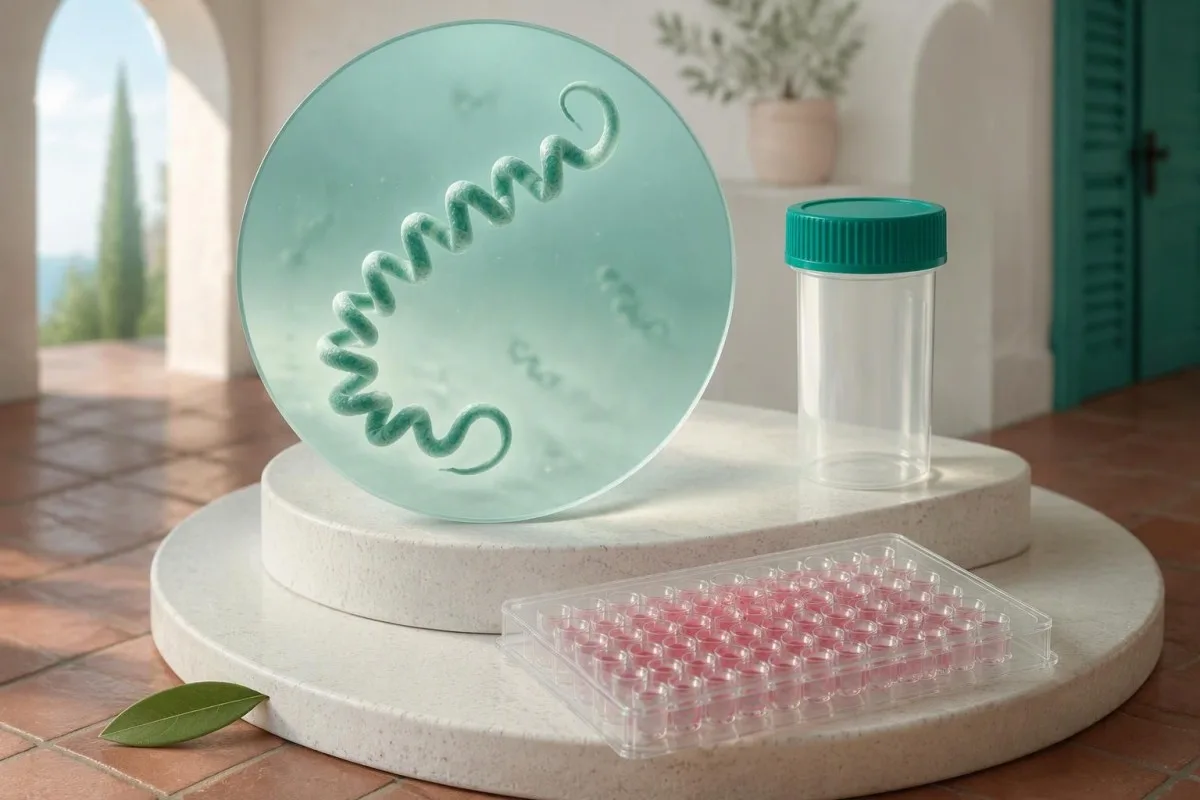
ژماردنی ماوەی پشکنین لە یەکەم ڕۆژی نیشانەکانەوە دەست پێدەکات—تەنها ڕۆژی چوونە ناو ئاوی لافاو نا. نموونەی دروست دەکرێت بگۆڕێت لەگەڵ پێشکەوتنی نەخۆشییەکە.


- PCRی خوێنی سەرەتایی بە گشتی زۆرترین سوودی هەیە لە ماوەی 7 ڕۆژی یەکەمی نیشانەکاندا؛ ئەم ماوەیە تەنها لە بەرکەوتنەوە ژمار نەکەیت.
- ماوەی تووشبوون بە شێوەیەکی گشتی 5–14 ڕۆژە، لەگەڵ ماوەیەکی ئەگەری 2–30 ڕۆژ دوای بەرکەوتن.
- پشکنینی دژەتەن سوودبەخشتر دەبێت لەگەڵ کۆتایی هاتنی هەفتەی یەکەم، لەگەڵ هەستیاری زیاتر لە ماوەی هەفتەی دووەمی نەخۆشیدا.
- ئەنجامە سەرەتاییە نەرێنییەکان لەپتۆسپیرۆسیس ناڕەوێنێتەوە، بە تایبەتی کاتێک پشکنینی دژەتەن لە ڕۆژی 2 یان 3 ی نیشانەکاندا ئەنجام دەدرێت.
- نموونە سەرمانی جووت کە بە نزیکەی 7–14 ڕۆژ لە یەکتر جیا دەکرێنەوە دەتوانن دەرکەوتنی SEROCONVERSION نیشان بدەن؛ تاقیگە ڕەنگە ماوەیەکی جیاوازتر ڕێنمایی بکات.
- لێپتۆسپایرا IgM ئەرێنی پشتگیریی diagnostics ێک دەکات بەڵام دەتوانێت ڕەنگدانەوەی دژەتەنە بەردەوامەکان یان ئەنجامی هەڵەی ئەرێنی بێت؛ پشتڕاستکردنەوە پشت بە بارودۆخی کلینیکی دەبەستێت.
- پێویستی بە بەڕێوەبردنی فورس/بەهێز نابێت چاوەڕێی PCR یان دژەتەنەکان بکرێت کاتێک هەناسەتەنگی، زەردویی، تێکچوونی هۆش، خوێنبەربوون، یان کەمبوونی ڕێژەی میز هەبێت.
- ڕێکخستنی چارەسەری لەگەڵ پزیشکێکدا، گومانلێکراوی لێپتۆسپایرۆسیس پێویستی بە دژەزیندە هەیە پێش پشتڕاستکردنەوەی تاقیگەیی.
کەی دەبێت پشکنینی خوێن بۆ لەپتۆسپیرۆسیس ئەنجام بدەیت؟
کاتێک نیشانەکان دوای بەرکەوتنی جێی متمانە دەردەکەون، پشکنین بۆ خۆت بکە. پشکنینی خوێن بۆ لێپتۆسپایرۆسیس بە شێوەیەکی گشتی بریتییە لە PCR ی خوێن لە 7 ڕۆژی یەکەمی نەخۆشیدا و پشکنینی دژەتەن لە کۆتایی هەفتەی یەکەمدا، بە تایبەتی لە هەفتەی دووەمدا. ئەنجامی نەرێنی پێشوەختە نەخۆشییەکە ناچار ناکات؛ نیشانە سەختەکان پێویستیان بە پشکنینی بەپەلە هەیە بەبێ چاوەڕوانی پشتڕاستکردنەوە.
ڕۆژی بەرکەوتن و ڕۆژی نەخۆشییەکە کاتژمێری جیاوازن. کەسێک کە 10 ڕۆژ دوای مەلەکردن لە ئاوی شیرین تووشی تا دەبێت و 2 ڕۆژ دواتر پشکنینی بۆ دەکرێت، لە ڕۆژی سێیەمی نەخۆشیدایە - نەک ڕۆژی 12ی نەخۆشی - و هێشتا لەوانەیە لە بازنەی بەسوودی PCR ی خوێندا بێت.
من تۆماس کلاینم، MD، بەرپرسی باڵای پزیشکی لە Kantesti، و ئەم جیاوازییە دەنوێنمەوە کاتێک ڕاپۆرتی نەخۆشییە گوازراوەکان ڕوون دەکەمەوە: ڕۆژی یەکەمین نیشانە تۆمار بکە پێش لێکدانەوەی ئەنجامی نەرێنی. ڕێکخراومان و ئەرکی کلینیکی ئێمە پێگەیەکیان هەیە بۆ کارە پەروەردەییەکەمان، بەڵام دەستنیشانکردنی تاقیگەیی هێشتا پێویستی بە پشکنینی گونجاو و هەڵسەنگاندنی کلینیکی هەیە. Kantesti شیکەرەوەیەکی AI ی پشکنینی خوێنە کە یارمەتی دەدات بۆ ڕوونکردنەوەی ئەوەی بۆچی ئەنجامی پشکنینی دژەتەنی نەرێنی ڕۆژی دووەم ناتوانێت بە شێوەیەکی باوەڕپێکراو لێپتۆسپایرۆسیس ناچار بکات.
پشتگیریی لێکدانەوە بریتی نییە لە دۆزینەوەی دروستکەر: ڕاپۆرتێکی بارکراو ناتوانێت جێگەی وەرگرتنی نموونەی دروست یان پشکنینی کەسێک کە بارودۆخی گۆڕاوە بگرێتەوە. ڕێنماییەکانی CDC Yellow Book 2026 بریتییە لە PCR ی خوێنی تەواو لە ماوەی هەفتەی یەکەمی نەخۆشیدا و ئاماژە بەوە دەکات کە serology لە هەفتەی دووەمدا هەستیارتر دەبێت (CDC, 2025). ئەم بازنانە هاوتەریبن، نەک گۆڕانکارییەک کە لە نیوەشەودا لە ڕۆژی 7دا کار بکات؛ پزیشکان هەندێکجار داوای هەردوو پشکنینەکە دەکەن کاتێک دەستپێک نادیارە.
نیشانەکانی لێپتۆسپایرۆسیس بە شێوەیەکی گشتی 5-14 ڕۆژ دوای بەرکەوتن دەست پێدەکەن، بەڵام ماوەی شاراوە دەتوانێت لە 2-30 ڕۆژدا بێت.
چەند ڕۆژ دوای شووتن بە ئاوی لافاو یان بەرکەوتنی گیانلەوەران نیشانەکان دەست پێدەکەن؟
ئاوی لافاو، ئاوی شیرین، خاکی تەڕ، و میز لە ئاژەڵی تووشبوو بەرکەوتنی پەیوەندیدارن؛ ڕێگای پەیوەندی زیاتر گرنگە لە تەنها نزیکبوون لە ناوچەیەکی لافاودا. مێژووی بەرکەوتنی ئاو گرنگە کاتێک تا چەند ڕۆژ دوای پەیوەندی دەردەکەوێت.
، لەوانە چاو و دەم؛ مانەوەی درێژخایەن دەتوانێت زیاد بکات بۆ هەستیاری لە ڕێگەی پێستی نەرمبوو بە ئاو. پاککردنەوەیەکی 20 خولەکی بە ئاوی پیس کە بۆ ناو چاوەکان دەشڵەقێت لەوانەیە زیاتر پەیوەندی هەبێت لە چەندین کاتژمێر لە تەنیشت ئاوی لافاو بێ پەیوەندی ڕاستەوخۆ., بۆ نموونەیەکی ڕوون، کرێکارێکی پاککەرەوە کە 8 ڕۆژ دوای گەڕان بەناو ئاوی لافاودا تووشی تا و ئازاری ماسولکەی قاچ دەبێت. ئەو مێژووە شایستەی ڕاوێژی پزیشکی هەمان ڕۆژە، تەنانەت بێ زەردویی، چونکە لێپتۆسپایرۆسی پێشوەخت دەتوانێت هاوشێوەی ئەنفلۆنزا، دێنگی، مالاریا، یان نەخۆشییەکی تری تا بێت.
swelling ی چاوان.
— چاوی سوور بێ فرمێسکی ئاسایی چاو گیرانی بەکتریایی - دەتوانێت پشتگیری لە گومانی کلینیکی بکات، بەڵام نەبوونی ئەنجامەکەی لێپتۆسپایرۆسیس ناچار ناکات. لانیکەم 3 وردەکاری بۆ کاتەکە تۆمار بکە: شوێنی بەرکەوتنەکە، چۆن پەیوەندی هەبوو، و کەی نیشانەکان بۆ یەکەمجار دەرکەوتن.تا لە ماوەی 30 ڕۆژی شاراوەدا دوای گەشتکردن لەوانەیە پێویستی بە پشکنینی هاوتەریب بێت لەبری لێپتۆسپایرۆسیس-تەنها. ڕێنماییەکەمان بۆ.
A fever within the 30-day incubation range after travel may require parallel testing rather than a leptospirosis-only approach. Our guide to fever testing after travel explains why possible malaria needs prompt assessment even when freshwater exposure seems to provide an obvious explanation.
بۆچی پشکنینی PCRی لەپتۆسپیرۆسیس لە هەفتەی یەکەمدا بەسوودە؟
A leptospirosis PCR test detects Leptospira genetic material and is generally most useful in blood during the first 7 days of symptoms. Early infection can produce circulating organisms before antibody concentrations are high enough for a reliable serological result.
Whole blood is commonly requested for early PCR, often in an EDTA container, although accepted specimen types vary by laboratory. Our explanation of سیرۆم بەرامبەر خوێنی تەواو helps decode the distinction; the laboratory's collection instructions take priority over a generic tube-color rule.
A positive result from a validated PCR assay provides strong evidence of leptospiral infection when the specimen and clinical history fit. A negative result on illness day 4 is less definitive because bacterial concentration, collection quality, assay targets, and prior antibiotics can all affect detection.
Collect a diagnostic specimen before antibiotics when practical, but do not delay treatment to arrange a perfect collection. If only 1 specimen can be obtained immediately, the clinician should choose it with the local microbiology service rather than assume every commercial PCR assay accepts the same material.
There is no single trustworthy sensitivity percentage for every leptospirosis PCR test. Haake and Levett describe how organism distribution changes during illness, which helps explain why a day-3 blood specimen and a day-12 blood specimen should not be treated as equivalent diagnostic opportunities (Haake & Levett, 2015).
کەی دژەتەنەکانی لەپتۆسپیرۆسیس دەستدەکەون؟
Leptospira antibodies commonly become detectable toward the end of the first week, and serology is more sensitive during the second week of illness. Some patients develop measurable antibodies earlier; others remain negative longer, so day 7 is a guide rather than a guaranteed detection point.
IgM screening tests and the microscopic agglutination test, or MAT, answer related but different questions. A screening IgM assay may become positive around illness days 5–7, while MAT is commonly used by reference laboratories to support confirmation; neither has a universal calendar-day sensitivity.
An early serum sample can still be useful even when the first result is negative. Collecting a second sample roughly 7–14 days later allows the laboratory to look for seroconversion, although the reference service may request a longer interval depending on the initial collection date.
A single antibody value cannot reliably date an infection. The principles in our guide to ئەنجامە ئەرێنییەکانی دژە جەستە apply here: the assay type, previous exposure, symptom timeline, and change between 2 specimens matter more than the word 'positive' alone.
The WHO laboratory guidance emphasizes paired sera and interpretation in local epidemiological context rather than relying on an isolated titer (WHO, 2003). The document is older, but that principle remains consistent with the CDC Yellow Book 2026; do not turn an established testing window into a rigid rule for every patient.
مانای ئەنجامی ئەرێنی لەپتۆسپیرای IgM چییە؟
A leptospira IgM positive result supports possible leptospirosis but does not, by itself, prove a new active infection. IgM can persist for months or longer, and screening assays can produce false-positive results; confirmation depends on exposure, illness timing, and additional testing.
IgM positivity and MAT confirmation are not interchangeable. A 4-fold increase in MAT titer between paired specimens is strong evidence supporting recent infection; for example, a rise from 1:100 to 1:400 represents 2 serial dilution steps, not merely a small numerical fluctuation.
A single MAT titer needs local interpretation because background antibodies differ between endemic and non-endemic settings. There is no universal rule that every titer of 1:100 confirms acute disease, and some public-health case definitions use thresholds that differ from an individual clinician's diagnostic judgment.
An IgM index of 1.2 or a signal-to-cutoff ratio cannot be compared directly across manufacturers. ڕێنماییەکەمان بۆ ئەنجامە کواڵتیڤ و کواینتیڤەکان explains why 'positive,' 'equivocal,' and numerical assay outputs require the specific laboratory reference information.
A positive IgM with negative blood PCR on illness day 12 may reflect normal test-window differences, not contradictory laboratories. By contrast, an isolated IgM-positive result in someone without compatible symptoms or exposure deserves careful confirmation before assigning a diagnosis, particularly if the only relevant water contact was many months earlier.
بۆچی ئەنجامی نەرێنی سەرەتایی لەوانەیە لەپتۆسپیرۆسیس تێبچێت؟
An early negative leptospirosis result can miss infection because antibodies have not developed or the chosen specimen contains too little bacterial DNA. A negative IgM on illness day 2 and a negative blood PCR late in week 2 have different limitations; neither should be interpreted without timing.
An indeterminate or inhibited PCR is not a negative PCR. Laboratory controls may show that amplification failed or that the specimen contained interfering material; 1 invalid specimen can require recollection or another test, depending on the laboratory's advice and the patient's condition.
For an illustrative day-2 presentation with fever, calf tenderness, and recent floodwater contact, a negative antibody screen would not reassure me on its own. The broader lesson appears in our discussion of normal tests missing appendicitis: a laboratory snapshot does not automatically override a persuasive clinical pattern.
Normal white-cell counts or modest CRP do not exclude leptospirosis. تێوەشاندنەوەی ئێمە لەسەر ناکۆکی WBC و CRP is useful when these 2 markers seem inconsistent, but neither marker is a specific test for Leptospira.
Kantesti can help distinguish 'not detected' from 'equivocal' and explain the missing symptom-day context, but a clinician must decide whether to repeat PCR, arrange paired serology in roughly 7–14 days, or investigate another diagnosis. A repeat-test appointment is appropriate only when the patient's current condition makes waiting safe.
چ نیشانەیەک پێویستی بە چارەسەری بەپەلە هەیە پێش پشتڕاستکردنەوە؟
Breathlessness, coughing blood, jaundice, confusion, neck stiffness, collapse, or markedly reduced urine require urgent assessment after a compatible exposure. Suspected severe leptospirosis should not wait for a day-7 antibody result, a reference-laboratory appointment, or an online interpretation.
Severe leptospirosis occurs in approximately 5–10% of clinical infections, according to the CDC Yellow Book 2026, and can involve the kidneys, lungs, liver, or central nervous system (CDC, 2025). Not every severe case has jaundice; absence of yellow eyes should not be used as a safety check.
In adults, a respiratory rate of at least 22 breaths/minute or systolic blood pressure of 100 mmHg or lower can be warning signs of serious illness, but these are not leptospirosis-specific diagnostic cutoffs. New breathing difficulty is urgent even without measuring either value; our ڕێبەری تاقیکردنەوەی هەناسەتەنگی explains why laboratory tests cannot replace assessment.
Reduced urine can indicate acute kidney injury even before a report arrives. A sharp change over 6–12 hours matters, especially with vomiting, weakness, or dizziness; our guide to kidney-related urgent warning signs describes symptoms that should prompt escalation rather than routine retesting.
Call your local emergency service for severe breathing difficulty, collapse, major bleeding, or altered consciousness. Seek same-day care for compatible fever with worsening symptoms, particularly during pregnancy or with underlying kidney disease; do not try to solve a possibly severe illness with several liters of fluid or leftover antibiotics.
چ ئەنجامەکانی تری خوێن ئاماژەیە بۆ تێوەگلانی ئەندامەکان؟
CBC, creatinine, electrolytes, bilirubin, liver enzymes, and urinalysis assess leptospirosis complications but do not confirm the infection. A creatinine increase of at least 0.3 mg/dL, or approximately 26.5 µmol/L, within 48 hours meets a commonly used acute kidney injury criterion.
Acute creatinine trends are more useful than a single eGFR category. Estimated GFR equations assume relatively stable creatinine, so a change from 0.9 to 1.4 mg/dL over 48 hours should not be dismissed because the displayed eGFR looks only mildly reduced; our BUN و creatinine explains the complementary measurements.
Leptospirosis can cause renal tubular dysfunction with کەمبوونی پووتاسیوم, although advanced kidney impairment may instead produce high potassium. A potassium of 2.8 mmol/L and one of 6.2 mmol/L need different responses; the practical interpretation in our ڕێنمایی پەنەلی ئێلەکتڕۆلەکان (electrolyte panel) ـمان should accompany clinician-directed treatment, not home supplementation.
Marked bilirubin elevation can be disproportionate to AST and ALT elevation in leptospirosis. For example, bilirubin of 8 mg/dL with ALT of 120 IU/L is not the same pattern as ALT of 2,000 IU/L; our guide to high direct bilirubin patterns explains why obstruction and other hepatitis causes still need consideration.
Kantesti is an AI-powered blood test analysis tool that can help explain a 48-hour creatinine change alongside platelet, bilirubin, and electrolyte results. These combinations can indicate a need for urgent clinical review, but they cannot establish leptospirosis or safely determine fluid treatment without examination and information about urine output.
کەی PCRی میز سوودبەخشە دوای PCRی خوێن؟
Urine PCR becomes particularly useful after the first week of leptospirosis symptoms, when organisms may be shed through the kidneys. Some laboratories also test urine earlier or request blood and urine together; the specimen plan should follow local assay guidance rather than an absolute day-8 rule.
A urine dipstick or routine urine culture does not test specifically for Leptospira. The distinction in our guide to پشکنینی میز یان کلتوری میز matters here: 3 different requests—urinalysis, ordinary bacterial culture, and leptospirosis PCR—answer different questions.
For an illustrative illness-day-11 presentation, a clinician may request serum antibodies plus urine PCR rather than rely only on blood PCR. Leptospiral shedding can be intermittent, so a negative urine result is not an automatic exclusion; antibiotic exposure and specimen handling also affect interpretation.
Microscopic blood, protein, or casts in urine can suggest kidney involvement but cannot identify leptospirosis. An abnormal urine result on day 6 should prompt assessment of kidney function and the wider diagnosis, not the assumption that a routine laboratory has already detected the organism.
The CDC Yellow Book 2026 describes urine PCR after the first week and cerebrospinal-fluid PCR when meningitis is suspected (CDC, 2025). A spinal-fluid specimen is obtained only when clinically indicated; headache alone does not mean every patient needs that procedure, and testing must not delay stabilization.
ئایا دوای بەرکەوتن پشکنین بکەیت ئەگەر هەستت بە باشی کرد؟
Routine leptospirosis testing is generally not recommended for an asymptomatic person after a single exposure. A test taken 1–2 days after floodwater contact cannot reliably establish that infection will not develop later; symptom awareness over the following 30 days is usually more useful.
A baseline antibody result may reflect past exposure rather than the recent event. In a region where leptospirosis is common, 1 positive screening result in a well person can create uncertainty rather than clarify whether yesterday's freshwater swim caused an infection.
Record the exposure date and watch for fever, headache, calf or lower-back aches, red eyes, vomiting, or diarrhea during the 2–30-day incubation range. Our guide to testing when you feel well explains why adding more laboratory tests is not automatically safer.
Preventive antibiotics are not a universal response to floodwater contact. The CDC Yellow Book 2026 describes limited evidence for clinician-directed prophylaxis in selected adults with short-term, high-risk exposures; that does not establish a routine self-treatment regimen for every person who has already been exposed.
Pregnancy, repeated occupational contact, or a recognized local outbreak warrants individualized advice even without symptoms. Ask about the specific exposure within the next 24–48 hours if uncertainty is substantial, and follow local public-health instructions; an animal's positive test does not automatically tell a clinician which human test is appropriate.
ئایا دەرمانەکان کاتی پشکنینی لەپتۆسپیرۆسیس دەگۆڕن؟
Antibiotics can reduce the chance of detecting Leptospira DNA, so specimens should be collected before treatment when feasible. Treatment should nevertheless start promptly when a clinician suspects leptospirosis; waiting 24–48 hours for confirmation can be unsafe in a deteriorating patient.
Tell the clinician the antibiotic name, dose, and first-dose time. Two doses taken before collection may be relevant to a negative PCR interpretation, but there is no universal conversion from antibiotic exposure to a guaranteed number of PCR-negative hours; our ڕێبەری شێوازی نەخۆشی و دەرمان یارمەتیدەدات ئەو پێشینەیە ڕێک بخات.
Do not stop a prescribed antibiotic to make a test more likely to turn positive. A repeat specimen 7–14 days later may be intended for antibody comparison, not to create an untreated diagnostic window; PCR and antibody responses are affected differently, and those effects vary between patients.
Mild and severe leptospirosis need different treatment settings. Clinicians may use oral antibiotics for suitable mild cases and intravenous treatment plus organ support for severe illness; choosing between them depends on examination, kidney function, pregnancy, allergy history, and the ability to keep fluids and medicines down.
A Jarisch–Herxheimer reaction can occur within the first 24 hours after starting treatment, causing a temporary worsening of fever or systemic symptoms. New collapse, breathing difficulty, or a severe rash still needs urgent assessment because a reaction, drug allergy, sepsis progression, and other complications cannot safely be distinguished at home.
تاقیکردنەوەی پزیشکی چی دەبێت بە تاقیگەی پشکنین بڵێت؟
A useful leptospirosis request includes exposure history, first symptom date, specimen collection date, and antibiotic timing. Those 4 details help the laboratory choose PCR, screening serology, MAT, or paired specimens and prevent a technically correct result from being interpreted against the wrong illness stage.
Turnaround time depends on the local service, not just the assay's processing speed. A PCR reaction may run in hours, but transport, batching, weekends, and reference-laboratory referral can turn collection-to-result time into several days; ask when the clinical team expects to act, not merely when a machine finishes.
An order labeled only 'lepto test' may leave uncertainty about whether the clinician wants PCR or antibodies. On illness day 3, check that the request actually includes the intended molecular test; leptospirosis testing is also entirely different from a leptin hormone measurement.
Fasting is not ordinarily required specifically for leptospirosis PCR or antibody testing. Do not delay an urgent specimen by 8 hours to fast, although unrelated tests ordered at the same visit may have their own preparation requirements and the collection service should confirm those instructions.
Kantestî clinical standards and validation explain our interpretation framework, but an AI benchmark is not a validation study of a local leptospirosis assay. Ask 2 practical questions: which specimen does this laboratory accept today, and what follow-up will occur if the result is negative or equivocal?
چۆن AI دەتوانێت یارمەتی ڕوونکردنەوەی ڕاپۆرتی لەپتۆسپیرۆسیس بدات بە شێوەیەکی سەلامەت؟
AI can help explain test terminology and supporting laboratory trends, but it cannot diagnose or rule out leptospirosis from an uploaded report. An illness-day-2 negative IgM needs a different explanation from a day-14 negative IgM, so the report alone is often insufficient.
Kantesti is an AI blood test interpretation platform that helps readers understand leptospirosis reports alongside symptom dates and routine laboratory findings. Yên me ڕێنمایی تەکنەلۆژیای AI explains the interpretation process; the platform does not perform PCR, measure antibodies, or replace a clinician's diagnostic decision.
Provide at least 5 pieces of context for any interpretation: the first symptom date, exposure date, specimen type, antibiotic start date, and current symptoms. A PDF that simply says 'IgM negative' omits enough information that a confident exclusion statement would be inappropriate.
Check the extracted report against the original before relying on an explanation. A lost word such as 'not,' or confusion between 1:100 and 1:1,000, can reverse the meaning; our چێکلیستی ڕاستی ڕاپۆرتی AI describes source checks that matter more than a polished-looking summary.
Our platform can make questions for the appointment easier to formulate, particularly when creatinine changes over 48 hours or screening serology differs from PCR. It should not be used to decide that reduced urine, chest symptoms, or worsening fever are safe to monitor at home while another result is pending.
چ پلانی چاودێری و چوارچێوەی لێکۆڵینەوەت هەیە؟
A safe follow-up plan specifies when to review symptoms, whether to repeat serum testing in roughly 7–14 days, and which organ-function results need reassessment. As of October 4, 2026, symptom-led specimen selection remains the practical approach; a publication date does not create a new diagnostic cutoff.
My advice as Thomas Klein, MD, is to leave the consultation with 3 clear answers: what the clinician currently suspects, what happens if the test is negative, and which symptoms mean immediate escalation. A stable patient may have planned repeat serology; worsening symptoms require reassessment sooner than the scheduled specimen date.
Antibody persistence is not, by itself, evidence that treatment has failed. A positive IgM months after illness is not a reason to keep extending antibiotics, and a single PCR or antibody result is not a universal test of cure; persistent fatigue or abnormal kidney results need their own clinical review.
The 2 Kantesti publications listed below provide broader background on AI interpretation and red-cell indices, not evidence validating leptospirosis PCR, IgM, MAT, or treatment decisions. Our ڕێنمایی توێژینەوەی RDW is relevant to understanding CBC terminology, but RDW is not a leptospirosis diagnostic marker.
Yên me desteya şêwirmendiya bijîşkî describes the physicians associated with Kantesti's clinical oversight. The listed DOI records should be assessed on their own methods and scope; the ResearchGate and Academia.edu links are discovery searches, not claims of hosted copies, peer review, or a documented reviewer sign-off for this article.
Pirsên Pir tên Pirsîn
چەندە ماوە دوای تووشبوون بە لێپتۆسپیراسیزم تاقیکردنەوەی خوێن بکەم؟
پشکنینی لەپتۆسپیرازیز بەزۆری بەهۆی نیشانەکانەوە دەبێت نەک ژمارەیەکی دیاریکراوی ڕۆژ دوای بەرکەوتن بە ئاوی لافاو. نیشانەکان بە شێوەیەکی گشتی 5-14 ڕۆژ دوای بەرکەوتن دەست پێدەکەن، لەگەڵ ئەوەی ماوەی گەشەکردنی لە 2-30 ڕۆژدایە. ئەگەر نیشانەی گونجاو گەشەیان کرد، زوو چارەسەر وەربگرە؛ PCR خوێن بە گشتی سوودبەخشترینە لە 7 ڕۆژی یەکەمی نەخۆشیدا. پشکنینێکیش دوای بەرکەوتن ڕاستەوخۆ ناتوانێت بە دڵنیاییەوە نەخۆشییەک نادیدە بگرێت کە هێشتا دیارنەبووە.
پشکنینی لێپتۆسپیرا دەکرێت هەفتەی یەکەم نەرێنی بێت؟
بەڵێ، پشکنینی لەپتۆسپیڕۆسیس لە یەکەم هەفتەدا لەوانەیە نەرێنی بێت لەگەڵ بوونی تووشبوون. ئێم.جەی.ئێڵ (IgM) لەوانەیە هێشتا لە ڕۆژی ٢ یان ٣ ی نەخۆشیدا دەستنەکەوێت، و PCR خوێن لەوانەیە تووشبوون لەدەست بدات بەهۆی کاتی نموونە، کۆنتراتشنی کەمتر بەکتریایی، کێشەکانی کۆکردنەوە، یان بەکارهێنانی پێشوەختەی دژەزیندەکان. پزیشکێک لەوانەیە نموونەیەکی تر یان پشکنینی دوو سێڕومی لە ماوەی نزیکەی ٧-١٤ ڕۆژی دواتر ڕێکبخات. نیشانەکانی خراپتربوون پێویستی بە دووبارە هەڵسەنگاندن هەیە بەبێ دواکەوتن لە چاوەڕوانی پشکنینی دووبارە.
کام یان PCR یا IgM باشترە بۆ دیاریکردنی لەپتۆسپیرۆسیس؟
لە بنەڕەتدا، PCRی خوێن سوودی زیاتری هەیە لە ماوەی 7 ڕۆژی یەکەمی نیشانەکانی لەپتۆسپیرۆسیس، لە کاتێکدا پشکنینی دژەتەنەکان سوودی زیاتری هەیە لەگەڵ کۆتایی هاتنی هەفتەی یەکەم و لە ماوەی هەفتەی دووەمدا. PCR ماددە بۆماوەییەکانی بەکترییا دەستنیشان دەکات، لە کاتێکدا پشکنینی IgM وەڵامی بەرگریی دەستنیشان دەکات. پزیشکان لەوانەیە داوای هەردووکیان بکەن کاتێک ڕێکەوتی نیشانەکان ناڕوونە یان نەخۆشییەکە پێشکەوتووە. هیچ یەکێک لە پشکنینەکان هەستیارییەکی جێگیری نییە کە بۆ هەر تاقیگەیەک و قۆناغێکی نەخۆشییەک بچێت.
ئایا ئەنجامی پۆزەتیڤی Leptospira IgM مانای ئەوەیە کە تووشبوویەکی چالاکم؟
دەرەنجامی ئەرێنیی leptospira IgM پشتگیری لە تووشبوونی ئەگەری لیپتۆسپیرا دەکات بەڵام بە تەنهایی سەلماندنی تووشبوونی نوێی چالاک نییە. IgM دەکرێت بۆ مانگێک یان زیاتر بمێنێتەوە، و پشکنینەکان دەکرێت ئەنجامی هەڵەی ئەرێنی نیشان بدەن. پشتڕاستکردنەوەی حاڵەتەکە لەوانەیە پێویستی بە هەڵسەنگاندنی کلینیکی، PCR، MAT، یان نموونەی دژەتەن هەبێت؛ بەرزبوونەوەی 4 هێندەی تایتەری MAT پشتگیری لە تووشبوونی نوێ دەکات. تەنها بەهۆی ئەنجامێکی یەکپارچەی IgM، دژەزیندەکان دەستپێمەکەن، ڕامەووەستێنن، یان درێژەپێنەدەن.
کەی دەبێت پشکنینی خوێن بۆ لەپتۆسپیراسی کە ئەنجامەکەی نەرێنی بێت، دووبارە بکرێتەوە؟
پزیشکێک دەکرێت دووبارە پشکنینی دژەتەنەکانی لەپتۆسپیرۆسیس ئەنجام بدات نزیکەی ٧-١٤ ڕۆژ دوای نموونەیەکی سەرەتایی، لەگەڵ ئەوەی تاقیگەی ڕێنوێنیکەر ڕەنگە ماوەیەکی دیکە ڕێنمایی بکات. پشکنینی داهاتوو دەکرێت جیاواز بێت لە دووبارەکردنەوەیەکی هاوشێوە، وەک PCRی میز دوای هەفتەی یەکەم لەگەڵ دژەتەنەکانی ناو دەم. پلانەکە پشت بە ماوەی نیشانەکان، دژەزیندەکان، بەردەستبوونی تاقیکردنەوە ناوچەییەکان، و بوونی گومانێکی کلینیکی دەبەستێت. هەناسە توندی، تێکهەڵچوون، زەردی، یان کەمبوونەوەی میز پێویستی بە هەڵسەنگاندن هەیە پێش ئەو دووبارەکردنەوەیەی کە دانراوە.
دەبێت چارەسەر چاوەڕێ بکات تاوەکو لەپتۆسپییرا پشتڕاست دەکرێتەوە؟
کاتێک پزیشک گومانی بەهێزی لە ڵێپتۆسپیرا هەبوو، نابێت چاوەڕێی پشتڕاستکردنەوەی تاقیگە بکرێت، بە تایبەت لە کاتی نەخۆشیی سەخت یان تێکچوونی باری تەندروستی. نمونەی خوێن پێویستە پێش وەرگرتنی دژەزیندەکان کۆبکرێتەوە ئەگەر ئەنجام بدرێت، بەڵام ڕێکخستنی کۆکردنەوەکە نابێت دواخستنی پێویستی خزمەتگوزاری دروست بکات. نەخۆشیی سەخت دەکرێت سەرهەڵبدات لە سییەکان یان گورچیلەکان بەبێ زەردویی، و چاوەڕوانیکردن بۆ ٢٤-٤٨ کاتژمێر بۆ ڕاپۆرتێک لەوانەیە مەترسیدار بێت. داوای یارمەتی فریاکەوتن بکە بۆ کێشەی توندی هەناسەدان، بێهۆشبوون، خوێنبەربوونی زۆر، یان گۆڕانی هۆشیاری.
ئەمڕۆ AI-پاوەرد لەسەر تاقیکردنەوەی خوێن بەدەست بهێنە
بە یارمەتی زیاتر لە 2 ملیۆن بەکارهێنەر لە هەموو جیهاندا کە Kantesti دەستپێدەکەن بۆ تاقیکردنەوەی لابراتۆری ڕاست و بەهێز لە کاتێکی کەم. ڕەخنەی تاقیکردنەوەی خوێنت بنێرە و تفسیرێکی تەواو لە 15,000+ نیشانەی زیستی (biomarkers) لە ماوەی چرکەکاندا وەرگرە.
📚 توێژینەوە سەرچاوە پەیوەندیدارەکان
کلاین، ت.، میچێڵ، س.، & وێبەر، ه. (2026). دۆزینەوەکەرێکی تاقیکردنەوەی خوێنی AI: 2.5M تاقیکردنەوە لێکۆڵکرا | ڕاپۆرتی تەندروستی گڵۆبال 2026. Kantesti توێژینەوەی پزیشکی AI.
کلاین، ت.، میچێڵ، س.، & وێبەر، ه. (2026). Testa Xwînê ya RDW: Rêbernameya Tevahî ji bo RDW-CV, MCV û MCHC. Kantesti توێژینەوەی پزیشکی AI.
📖 سەرچاوەی پزیشکی دەرەکی
ناوەندی کۆنترۆڵکردن و بەرگریکردن لە نەخۆشییەکان (2025). لەپتۆسپیراس.
World Health Organization (2003). Human leptospirosis: Guidance for diagnosis, surveillance and control. ڕێکخراوی تەندروستی جیهانی.
⚕️ Daxuyaniya Bijîşkî
ئەم مادەیە تەنها بۆ. I think I must continue but user expects all items.
سەنگەری باوەڕپێکردن E-E-A-T
Tecribe
ڕەوی پشکنینی کلینیکی لەلایەن پزیشکەوە بۆ ڕێکخستنی ڕووداوەکانی لێکدانەوەی ئازمایش.
Pisporî
گرێدانی لابراتۆرییەی پزیشکی بەوەی چۆن بایۆمارکەرەکان لە کۆنتێکستی کلینیکی دەگۆڕن.
Desthilatdarî
نووسراوە لەلایەن د. توماس کلاین بە پشکنینی لەلایەن د. سارا میچێڵ و پڕۆف. د. هانس وێبەر.
Bawerî
لێکدانەوە بە بنەمای دڵنیابوون (Evidence-based) بە ڕێڕەوی دوایینەوەی ڕوون بۆ کەمکردنەوەی هەست بە ترس/هەڵوەشاندن.