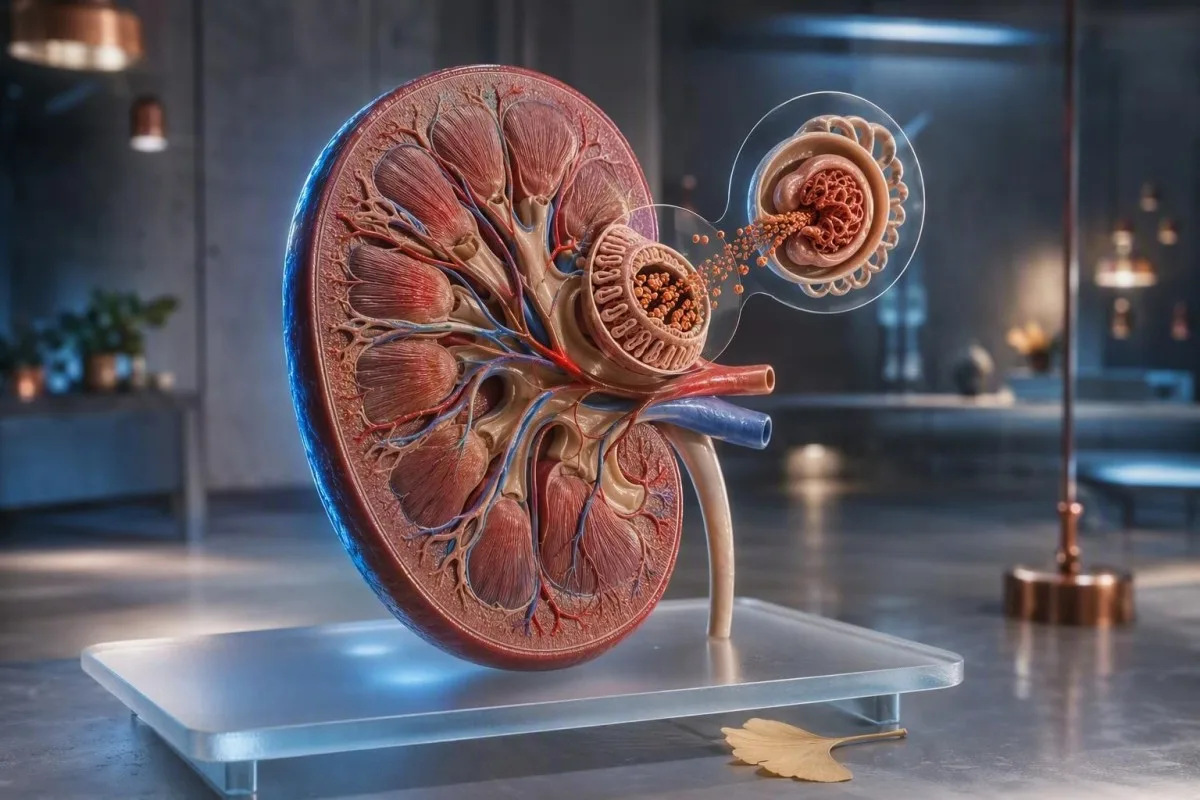
ពពុះមួយចំនួនបន្ទាប់ពីទឹកនោមហូរលឿនជារឿងរូបវិទ្យាជាទូទៅ។ ពពុះដែលគ្របដណ្តប់ចានបង្គន់ម្តងហើយម្តងទៀត បន្តបន្ទាប់ពីលាងសម្អាត ឬអមដោយការហើម គឺត្រូវការតេស្តអាល់ប៊ុយមីនក្នុងទឹកនោមជាជាងការស្មាន។.


- ពពុះខ្លីៗ ដែលបាត់ក្នុងរយៈពេលប៉ុន្មានវិនាទីជាទូទៅឆ្លុះបញ្ចាំងពីល្បឿនទឹកនោម កាកសំណល់សម្អាតបង្គន់ ឬទឹកនោមខាប់ជាជាងជំងឺតម្រងនោម។.
- ទឹកនោមមានពពុះជាប់រហូត កាន់តែគួរឱ្យព្រួយបារម្ភនៅពេលដែលស្រទាប់ពណ៌សក្រាស់នៅរយៈពេល ១-២ នាទីក្នុងពេលជាច្រើនលើក។.
- ACR ក្នុងទឹកនោម ក្រោម 3 mg/mmol (30 mg/g) គឺជាការបញ្ចេញអាល់ប៊ុយមីនធម្មតាទៅបង្កើនតិចតួចចំពោះមនុស្សពេញវ័យភាគច្រើន។.
- អាល់ប៊ុយមីនុរីយ៉ា នៃ 3-30 mg/mmol (30-300 mg/g) គួរត្រូវបានបញ្ជាក់ដោយការធ្វើសំណាកពេលព្រឹកដំបូងម្តងហើយម្តងទៀតក្នុងរយៈពេលយ៉ាងតិច 3 ខែ។.
- ACR លើសពី 30 mg/mmol (300 mg/g) គឺជាការបញ្ចេញអាល់ប៊ុយមីនក្នុងទឹកនោមយ៉ាងធ្ងន់ធ្ងរហើយតម្រូវឱ្យមានការវាយតម្លៃគ្លីនិកបន្ទាន់។.
- សញ្ញាព្រមាន (Red flags) រួមមានការហើមមុខ ឬជើង ឈាមដែលមើលឃើញ ពិបាកដកដង្ហើម បរិមាណទឹកនោមថយចុះ ក្តៅខ្លួន ឬមានផ្ទៃពោះដោយឈឺក្បាល និងសម្ពាធឈាមខ្ពស់។.
- ការប្រមូលសំណាកមានសារៈសំខាន់: ជៀសវាងការហាត់ប្រាណខ្លាំងក្លាអស់រយៈពេល ២៤ ម៉ោង ប្រើសំណាកទឹកនោមពេលព្រឹកកណ្ដាលដែលស្អាត ហើយប្រាប់គ្រូពេទ្យអំពីការមករដូវ ឬការឆ្លងមេរោគផ្លូវទឹកនោម។.
- ការធ្វើតេស្តឈាមជួយ: creatinine, eGFR, serum albumin, glucose, និង HbA1c បញ្ជាក់ថាតើប្រូតេអ៊ីនក្នុងទឹកនោមឆ្លុះបញ្ចាំងពីតម្រងនោម ជំងឺទឹកនោមផ្អែម ឬជំងឺទូទៅ។.
របៀបបែងចែកពពុះដែលមិនបង្កគ្រោះថ្នាក់ពីទឹកនោមដែលមានពពុះជាប់រហូត
មូលហេតុនៃទឹកនោមមានពពុះ មានចាប់ពីលំហូរលឿនវាយទឹក រហូតដល់អាល់ប៊ុយមីនលេចធ្លាយតាមតម្រងនោម។ ពពុះដែលគ្មានគ្រោះថ្នាក់មានទំហំធំ ថ្លា និងបាត់ទៅយ៉ាងឆាប់រហ័ស។ ពពុះដែលគួរឲ្យព្រួយបារម្ភមានសភាពល្អិត ពណ៌ស កើតឡើងវិញ និងមានរយៈពេលប្រហែល ១-២ នាទី ទោះបីជាចានស្អាតក៏ដោយ។.
ការតានតឹងផ្ទៃខាងលើពន្យល់ពីពពុះតែមួយដងភាគច្រើន។ លំហូរខ្លាំងពេលព្រឹក ការខ្វះជាតិទឹក សារធាតុរំលាយអាហារខ្លាំង ឬសំណល់ភ្នាក់ងារសម្អាតអាចចាប់ខ្យល់នៅផ្ទៃទឹកដោយមិនបាត់បង់ប្រូតេអ៊ីនឡើយ។ នេះជាការកើតឡើងជាទូទៅបន្ទាប់ពីការហោះហើរយូរ គ្រុនក្តៅ ឬការហាត់ប្រាណខ្លាំង។.
លំនាំមានសារៈសំខាន់ជាងការសង្កេតតែមួយលើក។ ក្នុងរយៈពេល ១៥ ឆ្នាំនៃការអនុវត្តន៍គ្លីនិករបស់ខ្ញុំ ខ្ញុំស្នើសុំអ្នកជំងឺឱ្យកត់សម្គាល់ពពុះក្នុងរយៈពេលបីថ្ងៃដាច់ដោយឡែកពីគ្នា ដោយប្រើចានស្អាតដែលមិនមានសារធាតុ bleaching ។ ស្រទាប់ពពុះល្អិតដែលអាចកើតឡើងវិញបានគឺជាហេតុផលដ៏ល្អសម្រាប់ការធ្វើតេស្តជាងឧប្បត្តិហេតុដែលមើលទៅគួរឱ្យកត់សម្គាល់បន្ទាប់ពីការហាត់ប្រាណ។.
ពពុះតែឯងមិនអាចធ្វើរោគវិនិច្ឆ័យ proteinuria បានទេពីព្រោះ phosphate, bile salts, semen, និងការរលាកផ្លូវទឹកនោម ក៏អាចផ្លាស់ប្តូរការតានតឹងផ្ទៃខាងលើបានដែរ។ ប្រសិនបើទឹកនោមមានសភាពពពក plutôt ជាងមានពពុះ ការធ្វើរោគវិនិច្ឆ័យខុសគ្នាគឺឆ្ពោះទៅរកគ្រីស្តាល់ កោសិកា ឬការឆ្លងមេរោគ។ មគ្គុទ្ទេសក៍របស់យើងទៅកាន់ សញ្ញាទឹកនោមពពក ជួយបែងចែកលំនាំទាំងនេះ។.
ច្បាប់សង្កេតផ្ទះសាមញ្ញ
កុំថតរូបចានបង្គន់ ឬព្យាយាមធ្វើតេស្ត “เขย่า” នៅផ្ទះ។ ផ្ទុយទៅវិញ សូមកត់សម្គាល់ថាតើពពុះកើតឡើងក្នុងចានស្អាតក្នុងរយៈពេលយ៉ាងតិច ៣ ថ្ងៃក្នុងចំណោម ៧ ថ្ងៃឬអត់ តើវាមានរយៈពេលលើសពី ១ នាទីឬអត់ ហើយថាតើមានការហើម ឬការផ្លាស់ប្តូរសម្ពាធឈាមឬអត់។ ព័ត៌មានលម្អិតទាំងនោះធ្វើឱ្យសំណើរបញ្ជូនទៅមន្ទីរពិសោធន៍មានប្រយោជន៍កាន់តែច្រើន។.
ហេតុអ្វីប្រូតេអ៊ីនក្នុងទឹកនោមអាចបង្កើតពពុះដែលមានស្ថិរភាព
ប្រូតេអ៊ីនទឹកនោមមានពពុះ ភាគច្រើនជាអាល់ប៊ុយមីន ដែលជាប្រូតេអ៊ីនដែលមានបន្ទុកអវិជ្ជមាន ដែលជាធម្មតាចតនៅក្នុងចរន្តឈាម។ នៅពេលដែលតម្រងនោម glomerular កាន់តែជ្រាបចូល អាល់ប៊ុយមីនធ្វើឱ្យការតានតឹងផ្ទៃខាងលើចុះទាប ហើយអាចបង្កើតពពុះតូចៗដែលស្ថិតស្ថេរ។.
មនុស្សពេញវ័យដែលមានសុខភាពល្អ ជាទូទៅបញ្ចេញអាល់ប៊ុយមីនតិចជាង 30 មីលីក្រាមក្នុងមួយថ្ងៃ ទោះបីជាការធ្វើតេស្ត dipstick ជាប្រចាំអាចរកមិនឃើញការបាត់បង់អាល់ប៊ុយមីនកម្រិតទាបក៏ដោយ។ អត្រាអាល់ប៊ុយមីន-creatinine ក្នុងទឹកនោម ដែលមានភាពរសើបជាង ឬ ACR កែតម្រូវអាល់ប៊ុយមីនសម្រាប់កំហាប់ទឹកនោម ហើយត្រូវបានជ្រើសរើសសម្រាប់ការត្រួតពិនិត្យដំបូង។.
អាល់ប៊ុយមីនមិនមែនជាប្រូតេអ៊ីនតែមួយគត់ដែលមានសារៈសំខាន់ទេ។ Light chains ពីជំងឺ plasma-cell, ប្រូតេអ៊ីន tubular បន្ទាប់ពីថ្នាំមួយចំនួន, និងប្រូតេអ៊ីនបណ្តោះអាសន្នក្នុងកំឡុងពេលគ្រុនក្តៅអាចគេចចេញពី dipstick ដែលត្រូវបានរចនាឡើងជាចម្បងសម្រាប់អាល់ប៊ុយមីន។ នេះជាមូលហេតុដែលបន្ទះតេស្តអវិជ្ជមានមិនអាចដោះស្រាយគ្រប់ករណីនៃពពុះដែលនៅជាប់បានទេ។.
លោកវេជ្ជបណ្ឌិត Thomas Klein ពិនិត្យលទ្ធផលទឹកនោម រួមជាមួយ creatinine ក្នុងឈាម, eGFR, albumin, និង glucose ជំនួសឱ្យការព្យាបាលរោគសញ្ញាដែលអាចមើលឃើញជាការធ្វើរោគវិនិច្ឆ័យ។ របស់យើង មគ្គុទេសក៍ប្រូតេអ៊ីនក្នុងសេរ៉ូម ពន្យល់ថាលទ្ធផលអាល់ប៊ុយមីនក្នុងឈាមទាប និង ACR ទឹកនោមខ្ពស់រួមគ្នាមានទម្ងន់ច្រើនជាងមួយណាតែមួយ។.
មូលហេតុទូទៅនៃទឹកនោមមានពពុះដែលមិនទាក់ទងនឹងតម្រងនោម
ពពុះទឹកនោមបណ្តោះអាសន្នភាគច្រើនមានការពន្យល់ដែលមិនទាក់ទងនឹងតម្រងនោម៖ ទឹកនោមខាប់ ការបញ្ចេញទឹកនោមលឿន ការបញ្ចេញទឹកកាមថ្មីៗ សំណល់សាប៊ូ គ្រុនក្តៅ ឬការហាត់ប្រាណខ្លាំង។ មូលហេតុទាំងនេះជាធម្មតាជាសះស្បើយក្នុងរយៈពេល ២៤-៤៨ ម៉ោង បន្ទាប់ពីការផ្តល់ជាតិទឹកធម្មតា និងការជាសះស្បើយ។.
ការខ្វះជាតិទឹកធ្វើឱ្យទឹកនោមមានពណ៌ងងឹត និងមានកំហាប់ខ្ពស់ជាងមុន ដូច្នេះពពុះអាចលេចឡើងក្រាស់ជាងសូម្បីតែនៅពេលដែលការបញ្ចេញអាល់ប៊ុយមីនមានលក្ខណៈធម្មតាក៏ដោយ។ ព្យាយាមរកទឹកនោមពណ៌លឿងស្លេកពេញមួយថ្ងៃបន្ទាប់ ជំនួសឱ្យការបង្ខំឱ្យផឹកទឹកច្រើនពេក។ ការផឹកទឹកជាច្រើនលីត្រយ៉ាងឆាប់រហ័សអាចបន្ថយជាតិសូដ្យូមក្នុងអ្នកដែលមានភាពងាយរងគ្រោះ។.
ការហាត់ប្រាណអាចបង្កើនអាល់ប៊ុយមីនក្នុងទឹកនោមជាបណ្តោះអាសន្ន។ ការប្រណាំង ១០ គីឡូម៉ែត្រ ការហាត់ប្រាណប្រភេទ resistance កម្រិតខ្ពស់ ឬការប៉ះពាល់នឹងកំដៅយូរអាចបង្កើតប្រូតេអ៊ីនលើសំណាកដែលប្រមូលបានភ្លាមៗបន្ទាប់មក។ នេះជាមូលហេតុដែលមន្ទីរពិសោធន៍ជាទូទៅណែនាំឱ្យជៀសវាងការហាត់ប្រាណខ្លាំងក្លាអស់រយៈពេល ២៤ ម៉ោងមុនពេលធ្វើតេស្ត ACR។.
មេជីវិតឈ្មោលក្នុងបំពង់បង្ហួរនោម បន្ទាប់ពីការបញ្ចេញទឹកកាម អាចបង្កើតពពុះបណ្តោះអាសន្ន និងបន្ទះតេស្តប្រូតេអ៊ីនវិជ្ជមានកម្រិតតិច។ ទឹកនោមពណ៌ផ្កាឈូក ឬពណ៌តែដែលអាចមើលឃើញ ផ្លាស់ប្តូរប្រធានបទទាំងមូល ហើយគួរតែត្រូវបានវាយតម្លៃដោយប្រើមគ្គុទ្ទេសក៍នេះទៅកាន់ ឈាមក្នុងទឹកនោម, ជាពិសេសបន្ទាប់ពីអាយុ ៤៥ ឆ្នាំ ឬចំពោះអ្នកណាម្នាក់ដែលធ្លាប់ជក់បារី។.
កាលណាពពុះជាប់រហូតបង្ហាញពីការបាត់បង់ប្រូតេអ៊ីនដែលទាក់ទងនឹងគ្លីនិក
ពពុះដែលនៅមានជាប់រហូត ទាមទារឱ្យធ្វើតេស្តប្រូតេអ៊ីនក្នុងទឹកនោម នៅពេលដែលវាលេចឡើងម្តងហើយម្តងទៀត ជាពិសេសនៅពេលដែលវាភ្ជាប់ជាមួយនឹងជំងឺទឹកនោមផ្អែម សម្ពាធឈាមខ្ពស់ ការហើម ឬការថយចុះ eGFR។ ការបាត់បង់អាល់ប៊ូមីននៅក្នុងទឹកនោមអាចជាសញ្ញាព្រមានដំបូងអំពីតម្រងនោម ទោះបីជាកម្រិត creatinine នៅតែស្ថិតក្នុងដែនកំណត់របស់មន្ទីរពិសោធន៍ក៏ដោយ។.
KDIGO កំណត់ ACR ក្រោម 3 mg/mmol ឬ 30 mg/g ថាជា A1; 3-30 mg/mmol ថាជា A2; និងលើសពី 30 mg/mmol ថាជា A3 albuminuria។ ប្រភេទទាំងនេះព្យាករណ៍ពីហានិភ័យនៃតម្រងនោម និងសរសៃឈាមបេះដូងបានត្រឹមត្រូវបំផុត នៅពេលដែលវាភ្ជាប់ជាមួយនឹង eGFR មិនមែនជាការប្រើប្រាស់តែមួយមុខ (KDIGO, 2024)។.
ជំងឺទឹកនោមផ្អែម និងជំងឺលើសឈាម គឺជាមូលហេតុរ៉ាំរ៉ៃទូទៅបំផុតនៃ albuminuria ទូទាំងពិភពលោក ប៉ុន្តែវាមិនមែនតែមួយទេ។ Glomerulonephritis, obesity-related glomerulopathy, lupus, pre-eclampsia, sleep apnoea, និងថ្នាំប្រឆាំងការរលាកមួយចំនួន ក៏អាចរួមចំណែកផងដែរ។ ការរកឃើញដែលនៅជាប់រហូត ទាមទារឱ្យគ្រូពេទ្យពិនិត្យយន្តការ។.
កាន់តេស្ទី គឺជា ឧបករណ៍វិភាគឈាម AI ដែលដាក់ creatinine, eGFR, serum albumin, glucose, និង HbA1c ក្នុងបរិបទបន្ត longitudinal តែមួយ។ វាមិនអាចវាស់ ACR ក្នុងទឹកនោមពីឈុតឈាមបានទេ ប៉ុន្តែវាអាចជួយកំណត់អត្តសញ្ញាណគំរូនៃជំងឺមេតាប៉ូលីស ឬតម្រងនោម ដែលធ្វើឱ្យលទ្ធផលទឹកនោមមានភាពបន្ទាន់កាន់តែខ្លាំង។.
តេស្តប្រូតេអ៊ីនក្នុងទឹកនោមមួយណាផ្តល់ចម្លើយបានល្អបំផុត
ការវាស់ ACR ក្នុងទឹកនោមពេលព្រឹកដំបូង គឺជាតេស្តដំបូងដ៏ល្អបំផុត សម្រាប់ការសង្ស័យថាមានការបាត់បង់អាល់ប៊ូមីនចំពោះមនុស្សពេញវ័យភាគច្រើន។ សមាមាត្រប្រូតេអ៊ីន-creatinine ឬ PCR មានប្រយោជន៍ នៅពេលដែលសង្ស័យថាមានប្រូតេអ៊ីនដែលមិនមែនជាអាល់ប៊ូមីន ឬ នៅពេលដែលតម្រូវការវាស់សរុបប្រូតេអ៊ីន។.
ACR ត្រូវបានរាយការណ៍ជា mg/mmol នៅចក្រភពអង់គ្លេស និងបណ្តាប្រទេសជាច្រើនទៀត ឬ mg/g នៅសហរដ្ឋអាមេរិក។ ACR 3 mg/mmol ស្មើនឹងប្រហែល 30 mg/g។ ការបម្លែងនេះមានសារៈសំខាន់ ដោយសារអ្នកជំងឺតែងតែយល់ច្រឡំឯកតាផ្សេងៗ ថាជាការផ្លាស់ប្តូរលទ្ធផលធំ។.
លទ្ធផលប្រូតេអ៊ីន dipstick នៃ trace ឬ 1+ គឺជាសញ្ញាវគ្គសិក្សា មិនមែនជាការវិនិច្ឆ័យទេ។ ទឹកនោមអាល់កាឡាំង ទឹកនោមខាប់ និងការប្រឡាក់ អាចបណ្តាលឱ្យមានលទ្ធផលវិជ្ជមានបោកបញ្ឆោត ខណៈពេលដែលទឹកនោមស្គម និងប្រូតេអ៊ីនដែលមិនមែនជាអាល់ប៊ូមីន អាចផ្តល់ភាពធូរស្រាលដោយឥតប្រយោជន៍។ ការធ្វើតេស្តបរិមាណ អាចដោះស្រាយភាពមិនប្រាកដប្រជានោះបាន។.
ការប្រមូលទឹកនោមរយៈពេល 24 ម៉ោង ឥឡូវនេះត្រូវបានបម្រុងទុកសម្រាប់ស្ថានភាពដែលបានជ្រើសរើស ដូចជាការបាត់បង់ប្រូតេអ៊ីនខ្ពស់ខ្លាំង ការវាយតម្លៃការមានផ្ទៃពោះ ឬសំណាកបំណែកមិនស៊ីគ្នា។ វាពិបាកក្នុងការប្រមូលមិនគ្រប់គ្រាន់ ដូច្នេះសូមអានការណែនាំជាក់ស្តែងរបស់យើង សម្រាប់ការប្រមូលទឹកនោមរយៈពេល 24 ម៉ោង មុនពេលចាប់ផ្តើម។.
របៀបប្រមូលសំណាកតេស្តប្រូតេអ៊ីនក្នុងទឹកនោមដោយត្រឹមត្រូវ
ការធ្វើតេស្តប្រូតេអ៊ីនក្នុងទឹកនោមត្រឹមត្រូវ ចាប់ផ្តើមជាមួយនឹងសំណាកទឹកនោមពេលព្រឹកកណ្តាលដែលស្អាត ដែលប្រមូលបានបន្ទាប់ពី 24 ម៉ោង ដោយគ្មានការហាត់ប្រាណខ្លាំង។ ទឹកនោមដំបូងបន្ទាប់ពីភ្ញាក់ពីគេង ត្រូវបានគេពេញចិត្ត ដោយសារតែឥរិយាបទ ការផ្តល់ជាតិទឹក និងសកម្មភាពពេលថ្ងៃ មានឥទ្ធិពលតិចតួចលើការបញ្ចេញអាល់ប៊ូមីន។.
លាងដៃ ប្រើធុងស្អាតដែលបានផ្គត់ផ្គង់ ចាប់ផ្តើមនោមចូលបង្គន់ បន្ទាប់មកចាប់យកផ្នែកកណ្តាល ដោយមិនប៉ះពាល់ខាងក្នុងធុង ឬគំរប។ ប្រគល់សំណាកឱ្យបានឆាប់រហ័ស។ ប្រសិនបើការយឺតយ៉ាវមិនអាចជៀសវាងបាន សូមធ្វើតាមការណែនាំអំពីការរក្សាសីតុណ្ហភាពក្នុងទូរទឹកកករបស់មន្ទីរពិសោធន៍ ជាជាងទុកវានៅក្នុងឡានក្តៅ។.
ពន្យាពេលការធ្វើតេស្តដែលមិនបន្ទាន់ ក្នុងអំឡុងពេលឆ្លងមេរោគផ្លូវទឹកនោមដែលមានរោគសញ្ញា ក្តៅខ្លួន រាគ រដូវ ឬក្នុងរយៈពេល 24 ម៉ោងបន្ទាប់ពីការហាត់ប្រាណខ្លាំង។ លក្ខខណ្ឌទាំងនេះអាចបង្កើនការបញ្ចេញអាល់ប៊ូមីនជាបណ្តោះអាសន្ន ខណៈពេលដែលការប្រឡាក់ដោយសាររដូវ ក៏អាចបង្កើតឈាម និងប្រូតេអ៊ីនដែលឃើញបានផងដែរ។; លទ្ធផល leukocyte esterase អាចបញ្ជាក់អត្តសញ្ញាណគំរូការឆ្លងមេរោគដែលអាចកើតមាន។.
Orthostatic proteinuria សមនឹងត្រូវបានលើកឡើង ជាពិសេសចំពោះក្មេងជំទង់ និងមនុស្សវ័យជំទង់។ ប្រូតេអ៊ីនដែលលេចឡើងក្នុងទឹកនោមពេលថ្ងៃ ប៉ុន្តែអវត្តមានពីសំណាកពេលព្រឹកដំបូង ជារឿយៗមិនបង្កគ្រោះថ្នាក់ទេ ទោះបីជាគ្រូពេទ្យគួរតែបញ្ជាក់លំនាំនេះ ជាជាងសន្មត់ថាវាក៏ដោយ។.
របៀបបកស្រាយលទ្ធផល ACR និងប្រូតេអ៊ីន-ក្រេអាទីនីន
ACR ក្រោម 3 mg/mmol ជាទូទៅផ្តល់ភាពធូរស្រាល ខណៈពេលដែល ACR ដែលត្រូវបានបញ្ជាក់ថា 3 mg/mmol ឬខ្ពស់ជាងនេះ តម្រូវឱ្យមានការតាមដានដោយផ្អែកលើហានិភ័យ។ សំណាកដែលកើនឡើងតែមួយដង មិនមែនបង្កើតជំងឺតម្រងនោមរ៉ាំរ៉ៃទេ ដោយសារតែការហាត់ប្រាណ ការឆ្លងមេរោគ និងការកើនឡើងជាតិស្ករ អាចបណ្តាលឱ្យមាន albuminuria ដែលមានរយៈពេលខ្លី។.
ចំពោះមនុស្សពេញវ័យដែលមិនមានជំងឺទឹកនោមផ្អែម ACR ដែលទើបតែកើនឡើង ជាទូទៅត្រូវបានធ្វើម្តងទៀត ដោយប្រើសំណាកពេលព្រឹកដំបូងក្នុងរយៈពេលពីរបីសប្តាហ៍។ ជំងឺតម្រងនោមរ៉ាំរ៉ៃ តម្រូវឱ្យមានភាពមិនប្រក្រតីដែលមានរយៈពេលយ៉ាងតិច 3 ខែ លុះត្រាតែមានការខូចខាតតម្រងនោមស្រួចស្រាវដែលច្បាស់លាស់ ឬប្រូតេអ៊ីនខ្ពស់ខ្លាំង ដែលតម្រូវឱ្យមានការពិនិត្យលឿនជាងមុន (KDIGO, 2024)។.
ACR លើសពី 70 mg/mmol ដែលប្រហែល 700 mg/g ជាទូទៅតម្រូវឱ្យមានការពិភាក្សាជាបន្ទាន់ជាមួយអ្នកឯកទេស ទោះបីជា eGFR នៅតែល្អក៏ដោយ ជាពិសេសមានឈាមក្នុងទឹកនោម។ Nephrotic-range proteinuria ជាទូទៅមាន PCR លើសពី 300 mg/mmol ឬការបញ្ចេញប្រូតេអ៊ីនលើសពី 3.5 g/ថ្ងៃ ដែលច្រើនតែអមដោយការហើម និងកម្រិតអាល់ប៊ូមីនក្នុងឈាមទាប។.
កាន់តេស្ទី គឺជា សេវាកម្មបកស្រាយការធ្វើតេស្តរបស់ AI lab ដែលអាចរៀបចំសូចនាករឈាមតម្រងនោមឆ្លងកាត់កាលបរិច្ឆេទ និងជូនដំណឹងអំពីនិន្នាការ eGFR ធ្លាក់ចុះ។ ការបកស្រាយនិន្នាការគាំទ្រ ប៉ុន្តែមិនដែលជំនួស ការពិនិត្យមីក្រូទស្សន៍ទឹកនោម ការបញ្ជាក់ ACR និងការពិនិត្យថ្នាំ ដោយគ្រូពេទ្យឡើយ។.
តេស្តឈាមដែលធ្វើឱ្យលទ្ធផលទឹកនោមមានពពុះមានអត្ថន័យ
Creatinine, eGFR, serum albumin, glucose, HbA1c, electrolytes, និង lipids ជួយពន្យល់ថាតើប្រូតេអ៊ីនក្នុងទឹកនោមឆ្លុះបញ្ចាំងពីការខូចខាតតម្រងនោម ឬបញ្ហាមេតាប៉ូលីសទូលំទូលាយជាងនេះ។ Creatinine ធម្មតា មិនបានបដិសេធ albuminuria ដំបូងឡើយ។.
eGFR ត្រូវបានគណនាពី creatinine និងធ្លាក់ចុះយឺតជាងការលេចធ្លាយអាល់ប៊ូមីនតិចតួច ចំពោះមនុស្សដែលមានជំងឺទឹកនោមផ្អែមច្រើននាក់។ eGFR ក្រោម 60 mL/min/1.73 m² រយៈពេល 3 ខែ ឬយូរជាងនេះ ធ្វើឱ្យលក្ខណៈវិនិច្ឆ័យមួយសម្រាប់ជំងឺតម្រងនោមរ៉ាំរ៉ៃ ប៉ុន្តែតម្លៃត្រូវតែបកស្រាយដោយអាយុ បរិមាណសាច់ដុំ និងជំងឺថ្មីៗ។.
កម្រិតអាល់ប៊ុយមីនក្នុងឈាមទាបជាងប្រហែល 35 g/L រួមជាមួយនឹងប្រូតេអ៊ីនក្នុងទឹកនោមច្រើន និងហើមកជើងថ្មី បង្កឱ្យមានការព្រួយបារម្ភពីការបាត់បង់ប្រូតេអ៊ីនក្នុងតម្រងនោមយ៉ាងខ្លាំង។ ផ្ទុយទៅវិញ អាល់ប៊ុយមីនខ្ពស់ជាមួយនឹងទឹកនោមខ្មៅច្រើនតែឆ្លុះបញ្ចាំងពីការខ្វះជាតិទឹក។ eGFR បន្ទាប់ពីការខ្វះជាតិទឹក ពន្យល់ថាហេតុអ្វីបានជាការធ្វើតេស្តឡើងវិញបន្ទាប់ពីជាសះស្បើយអាចជារឿងសមហេតុផល។.
សមាគមជំងឺទឹកនោមหวานអាមេរិកណែនាំឱ្យធ្វើតេស្ត UACR និង eGFR យ៉ាងហោចណាស់ប្រចាំឆ្នាំចំពោះអ្នកកើតជំងឺទឹកនោមหวานប្រភេទ 2 និងអ្នកកើតជំងឺទឹកនោមหวานប្រភេទ 1 ដែលមានរយៈពេល 5 ឆ្នាំឡើងទៅ (ADA Professional Practice Committee, 2024)។ HbA1c ប្រាប់យើងអំពីកម្រិតជាតិស្ករជាមធ្យម ប៉ុន្តែការកើនឡើងជាតិស្ករយ៉ាងខ្លាំងនៅតែអាចបង្កើនអាល់ប៊ុយមីនក្នុងទឹកនោមជាបណ្ដោះអាសន្នមុនពេល HbA1c ប្រែប្រួល។.
ថ្នាំ បំប៉ន និងជំងឺដែលអាចប៉ះពាល់ដល់ប្រូតេអ៊ីនក្នុងទឹកនោម
ថ្នាំបំបាត់ការឈឺចាប់ប្រឆាំងនឹងការរលាក លីចូម ការព្យាបាលជំងឺមហារីកមួយចំនួន និងការឆ្លងមេរោគធ្ងន់ធ្ងរអាចផ្លាស់ប្ដូរការច្រោះតម្រងនោម ឬការគ្រប់គ្រងប្រូតេអ៊ីនក្នុងបំពង់តម្រងនោម។ កុំបញ្ឈប់ការប្រើប្រាស់ថ្នាំតាមវេជ្ជបញ្ជាដោយសារតែទឹកនោមមានពពុះឡើយ។ សូមស្នើឱ្យធ្វើតេស្តទឹកនោម និងឈាមតម្រងនោមឡើងវិញ។.
ថ្នាំប្រឆាំងការរលាកដែលមិនមែនជាស្តេរ៉ូអ៊ីត (NSAIDs) ដូចជា ibuprofen និង naproxen អាចកាត់បន្ថយលំហូរឈាមទៅកាន់តម្រងនោម ជាពិសេសក្នុងអំឡុងពេលខ្វះជាតិទឹក ជំងឺខ្សោយបេះដូង ឬជំងឺតម្រងនោមរ៉ាំរ៉ៃដែលមានស្រាប់។ ហានិភ័យកើនឡើងនៅពេលដែល NSAID ត្រូវបានរួមបញ្ចូលជាមួយនឹងថ្នាំបញ្ចេញទឹកនោម និងថ្នាំទប់ស្កាត់ ACE ឬ ARB ដែលជាការផ្សំគ្នាដែលគ្រូពេទ្យខ្លះហៅថា “triple whammy”។”
ថ្នាំ SGLT2 អាចបណ្ដាលឱ្យមានការធ្លាក់ចុះ eGFR បន្តិចនៅដំណាក់កាលដំបូង ប៉ុន្តែជាធម្មតាវាកាត់បន្ថយអាល់ប៊ុយមីនក្នុងទឹកនោមតាមពេលវេលាចំពោះអ្នកជំងឺដែលបានជ្រើសរើសត្រឹមត្រូវ។ ការផ្លាស់ប្ដូរលំហូរឈាមដែលរំពឹងទុកនេះខុសពីការខូចខាតដែលរីករាលដាល។ សូមមើល ការផ្លាស់ប្ដូរ eGFR ជាមួយនឹងការព្យាបាល SGLT2 សម្រាប់ភាពខុសគ្នាជាក់ស្ដែង។.
វីតាមីន C កម្រិតខ្ពស់អាចរំខានដល់ការធ្វើតេស្តទឹកនោមដោយប្រើក្រដាសមួយចំនួន ខណៈពេលដែលសារធាតុក្រេអាទីនអាចធ្វើឱ្យការបកស្រាយលទ្ធផលក្រេអាទីនស្មុគស្មាញដោយមិនចាំបាច់បង្កគ្រោះថ្នាក់ដល់តម្រងនោមឡើយ។ សូមយកបញ្ជីថ្នាំតាមវេជ្ជបញ្ជា ថ្នាំបំបាត់ការឈឺចាប់ដែលទិញដោយគ្មានវេជ្ជបញ្ជា ម្សៅប្រូតេអ៊ីន និងផលិតផលពីរុក្ខជាតិទៅជាមួយអ្នកក្នុងពេលណាត់ជួប — ឈ្មោះ និងកម្រិតថ្នាំគឺសំខាន់។.
ជំងឺទឹកនោមផ្អែម និងសម្ពាធឈាមខ្ពស់: ការពិនិត្យហានិភ័យដែលផ្តល់ផលច្រើនបំផុត
ជំងឺទឹកនោមหวาน និងសម្ពាធឈាមខ្ពស់ធ្វើឱ្យពពុះទឹកនោមជាអចិន្ត្រៃយ៍កាន់តែមានសារសំខាន់ខាងវេជ្ជសាស្ត្រដោយសារតែទាំងពីរអាចបង្កឱ្យមានអាល់ប៊ុយមីនក្នុងទឹកនោមជាច្រើនឆ្នាំមុនពេលរោគសញ្ញាលេចឡើង។ សម្ពាធឈាមចាប់ពី 140/90 mmHg ឡើងទៅ និង ACR ចាប់ពី 3 mg/mmol ឡើងទៅគួរតែជំរុញឱ្យមានការពិនិត្យថែទាំបឋមជាប្រព័ន្ធ។.
ចំពោះមនុស្សជាច្រើនដែលមានជំងឺតម្រងនោមរ៉ាំរ៉ៃ និងអាល់ប៊ុយមីនក្នុងទឹកនោម គ្រូពេទ្យព្យាយាមសម្រេចបានសម្ពាធឈាមស៊ីស្តូលិកក្នុងការិយាល័យស្តង់ដារក្រោម 120 mmHg នៅពេលដែលអ្នកជំងឺអាចទ្រាំទ្របាន ទោះបីជាគោលដៅត្រូវបានកំណត់ជាលក្ខណៈបុគ្គលតាមអាយុ ហានិភ័យនៃការដួល ការមានផ្ទៃពោះ និងវិធីវាស់ក៏ដោយ។ ការវាស់នៅផ្ទះដែលធ្វើមិនត្រឹមត្រូវមិនគួរជំរុញឱ្យមានការផ្លាស់ប្ដូរថ្នាំតែឯងឡើយ។.
អាល់ប៊ុយមីនក្នុងទឹកនោមក៏ជាសញ្ញាហានិភ័យនៃជំងឺសរសៃឈាមផងដែរ។ មូលហេតុដែលយើងព្រួយបារម្ភអំពីការកើនឡើង ACR រួមជាមួយនឹងសម្ពាធឈាមខ្ពស់គឺដោយសារតែទាំងពីរបង្ហាញពីភាពតានតឹងលើស្រទាប់ក្នុងសរសៃឈាម និងតម្រងនោម ខណៈពេលដែលការរកឃើញណាមួយក្នុងអំឡុងពេលមានជំងឺស្រួចស្រាវអាចជាបណ្ដោះអាសន្ន។ មគ្គុទ្ទេសក៍តេស្តឈាមសម្ពាធឈាមខ្ពស់ បង្ហាញពីការធ្វើតេស្តបន្ថែមទូទៅ។.
កាន់តេស្ទី គឺជា វេទិកាបកស្រាយសូចនាករជីវសាស្ត្រដោយ AI ត្រូវបានប្រើនៅទូទាំងប្រទេស XXXX ដើម្បីប្រៀបធៀបជាតិស្ករ HbA1c សូចនាករតម្រងនោម និងនិន្នាការខ្លាញ់។ ចំពោះទឹកនោមមានពពុះជាអចិន្ត្រៃយ៍ ការធ្វើតេស្តបន្ទាប់ដែលពាក់ព័ន្ធនៅតែជាការធ្វើតេស្ត ACR ក្នុងទឹកនោមក្នុងមន្ទីរពិសោធន៍ ជាការល្អបំផុតដែលត្រូវបានពិនិត្យជាមួយក្រុមគ្រូពេទ្យដែលគ្រប់គ្រងសម្ពាធឈាម ឬជំងឺទឹកនោមหวาน។.
ទឹកនោមមានពពុះពេលមានផ្ទៃពោះ និងក្នុងកុមារតម្រូវឱ្យមានច្បាប់ខុសគ្នា
ទឹកនោមមានពពុះអំឡុងពេលមានផ្ទៃពោះទាមទារឱ្យមានការវាយតម្លៃនៅថ្ងៃតែមួយ ប្រសិនបើវាកើតឡើងជាមួយនឹងការឈឺក្បាល ការមើលឃើញផ្លាស់ប្ដូរ ការឈឺពោះផ្នែកខាងលើ ការហើមភ្លាមៗ ឬសម្ពាធឈាមខ្ពស់។ ប្រូតេអ៊ីនក្នុងទឹកនោមក្រោយពី 20 សប្ដាហ៍អាចជាផ្នែកមួយនៃជំងឺ pre-eclampsia ប៉ុន្តែរូបរាងតែឯងមិនដែលជាការធ្វើរោគវិនិច្ឆ័យទេ។.
ចំពោះស្ត្រីមានផ្ទៃពោះ អត្រាប្រូតេអ៊ីន-ក្រេអាទីន 30 mg/mmol ឬច្រើនជាងនេះ ឬ 300 mg នៃប្រូតេអ៊ីនក្នុងរយៈពេល 24 ម៉ោង គាំទ្រដល់ប្រូតេអ៊ីនក្នុងទឹកនោមយ៉ាងខ្លាំងក្នុងបរិបទគ្លីនិកសមស្រប។ គំរូទឹកនោមដែលមានរូបរាងធម្មតាមិនអាចច្រានចោលជំងឺ pre-eclampsia បានទេ ប្រសិនបើសម្ពាធឈាមមានកម្រិត 140/90 mmHg ឬខ្ពស់ជាងនេះជាមួយនឹងរោគសញ្ញាដែលគួរឱ្យព្រួយបារម្ភ។.
កុមារច្រើនតែមានប្រូតេអ៊ីនក្នុងទឹកនោមបណ្ដោះអាសន្នបន្ទាប់ពីមានគ្រុនក្ដៅ កីឡា ឬខ្វះជាតិទឹក។ ប្រូតេអ៊ីនជាអចិន្ត្រៃយ៍លើគំរូបី ការមានសម្ពាធឈាមខ្ពស់ ការហើម ឬឈាមក្នុងទឹកនោមទាមទារឱ្យមានការវាយតម្លៃដោយគ្រូពេទ្យកុមារ។ ការធ្វើតេស្តនៅពេលព្រឹកដំបូងជាពិសេសមានប្រយោជន៍សម្រាប់ការច្រានចោលប្រូតេអ៊ីនក្នុងទឹកនោមតាមឥរិយាបថចំពោះក្មេងជំទង់។.
ការផ្លាស់ប្ដូរអំឡុងពេលមានផ្ទៃពោះធ្វើឱ្យការច្រោះមានការប្រែប្រួល ដូច្នេះតម្លៃក្រេអាទីនដែលមើលទៅ “ធម្មតា” សម្រាប់មនុស្សពេញវ័យដែលមិនមានផ្ទៃពោះអាចមិនគួរឱ្យទុកចិត្តឡើយ។ មគ្គុទ្ទេសក៍របស់យើងសម្រាប់ តម្លៃ GFR ពេលមានផ្ទៃពោះ ផ្ដល់បរិបទ ប៉ុន្តែរោគសញ្ញាបន្ទាន់គួរតែទៅកាន់បន្ទប់ត្រៀមសម្ភពជាបន្ទាន់ ជាជាងការបកស្រាយតាមអ៊ីនធឺណិត។.
សញ្ញាព្រមាន: កាលណាទឹកនោមមានពពុះតម្រូវឱ្យមានការថែទាំវេជ្ជសាស្ត្របន្ទាន់
សូមស្វែងរកការវាយតម្លៃវេជ្ជសាស្ត្រជាបន្ទាន់សម្រាប់ទឹកនោមមានពពុះជាមួយនឹងការដកដង្ហើមខ្លី ការហើមជើង ឬមុខដែលកើនឡើងយ៉ាងឆាប់រហ័ស ការបន្ថយទឹកនោមយ៉ាងខ្លាំង ឈាមដែលមើលឃើញ គ្រុនក្ដៅជាមួយនឹងការឈឺចង្កេះ ឬរោគសញ្ញាព្រមានអំឡុងពេលមានផ្ទៃពោះ។ ការផ្សំគ្នានេះអាចបង្ហាញពីជំងឺតម្រងនោម បេះដូង ការឆ្លងមេរោគ ឬជំងឺទាក់ទងនឹងការមានផ្ទៃពោះយ៉ាងខ្លាំង។.
ការហើមមុខថ្មីពេលភ្ញាក់ពីគេង ស្បែកជើងតឹងនៅពេលល្ងាច និងការឡើងទម្ងន់លើសពី ២ គីឡូក្រាមក្នុងរយៈពេល ២-៣ ថ្ងៃ អាចបង្ហាញពីការរក្សាសារធាតុរាវ។ នៅពេលរោគសញ្ញាទាំងនោះកើតឡើងជាមួយពពុះជាប់លាប់ អ្នកជំនាញផ្នែកវេជ្ជសាស្រ្តពិនិត្យប្រូតេអ៊ីនក្នុងទឹកនោម creatinine, albumin, សម្ពាធឈាម និងជួនកាលពិនិត្យទ្រូងជាបន្ទាន់។.
ទឹកនោមពណ៌តែក្រោយពេលហាត់ប្រាណខ្លាំងជាមួយការឈឺសាច់ដុំធ្ងន់ធ្ងរ មិនមែនជាពពុះធម្មតាដែលមិនបង្កគ្រោះថ្នាក់ឡើយ។ វាអាចបង្ហាញពីការបញ្ចេញ myoglobin ហើយទាមទារការពិនិត្យឈាម និងទឹកនោមជាបន្ទាន់។ ដូចគ្នាទៅនឹងទឹកនោមពណ៌កូឡាដែលមានបរិមាណតិចតួច ដែលអាចបង្ហាញពីការហូរឈាមក្នុងក្រលៀន ឬការរងរបួសសាច់ដុំ។.
លោកវេជ្ជបណ្ឌិត Thomas Klein ណែនាំអ្នកជំងឺកុំឱ្យរង់ចាំលទ្ធផល dipstick នៅផ្ទះនៅពេលមានសញ្ញាគ្រោះថ្នាក់។ ចំពោះការប្រែពណ៌ទាក់ទងនឹងការហាត់ប្រាណ អត្ថបទរបស់យើងស្តីពី ជំងឺមានឈាមក្នុងទឹកនោមរបស់អត្តពលិក ពន្យល់ពីផ្នែកដែលមិនបង្កគ្រោះថ្នាក់ និងលក្ខណៈដែលមិនបង្កគ្រោះថ្នាក់។.
អ្នកជំនាញផ្នែកវេជ្ជសាស្ត្រធ្វើអ្វីបន្ទាប់ពីលទ្ធផលវិជ្ជមាននៃប្រូតេអ៊ីនក្នុងទឹកនោម
បន្ទាប់ពី ACR ឬ PCR វិជ្ជមាន អ្នកជំនាញផ្នែកវេជ្ជសាស្រ្តជាធម្មតាបញ្ជាក់លទ្ធផល វាស់សម្ពាធឈាម និង eGFR ពិនិត្យទឹកនោម sediment និងពិនិត្យរោគវិនិច្ឆ័យជំងឺទឹកនោមផ្អែម ថ្នាំ អាការៈជំងឺអូតូអ៊ុយមីន និងប្រវត្តិគ្រួសារ។ ជំហានបន្ទាប់អាស្រ័យលើបរិមាណ ភាពជាប់លាប់ និងឈាមដែលកើតឡើង ឬការច្រោះថយចុះ។.
ការពិនិត្យទឹកនោមក្រោមមីក្រូទស្សន៍អាចកំណត់អត្តសញ្ញាណកោសិកាឈាមក្រហម កោសិកាឈាមស និង casts ដែលលេខប្រូតេអ៊ីនតែមួយមិនអាចពន្យល់បាន។ Red-cell casts ឬ dysmorphic red cells បង្ហាញពីប្រភព glomerular និងបង្កើនការបញ្ជូនទៅអ្នកជំនាញខាងតម្រងនោម។ Hyaline casts ធម្មតាអាចកើតឡើងក្រោយពេលខ្វះជាតិទឹក ឬហាត់ប្រាណ ដូចដែលបានរៀបរាប់ក្នុង មគ្គុទ្ទេសក៍ hyaline casts របស់យើង.
ប្រសិនបើ albuminuria ត្រូវបានបញ្ជាក់ ការព្យាបាលជាធម្មតាផ្តោតលើមូលហេតុ៖ ការគ្រប់គ្រងសម្ពាធឈាម ការគ្រប់គ្រងជាតិស្ករ ការគាំទ្រផ្នែកទម្ងន់ និងការជក់បារី និងថ្នាំការពារតម្រងនោមនៅកន្លែងដែលបានបញ្ជាក់។ អ៊ុលត្រាសោនតម្រងនោម ការធ្វើតេស្តភាពស៊ាំ ការវិភាគឈាម electrophoresis ឬការធ្វើកោសល្យវិច័យតម្រងនោម គឺជាការធ្វើតេស្តដែលជ្រើសរើស មិនមែនជាផលវិបាកដោយស្វ័យប្រវត្តិនៃ dipstick 1+ តែមួយទេ។.
វិធីសាស្រ្តគ្លីនិករបស់ Kantesti ត្រូវបានពិនិត្យប្រឆាំងនឹងស្តង់ដារសុវត្ថិភាពដែលមានរចនាសម្ព័ន្ធ ហើយអ្នកអានអាចពិនិត្យ វិធីសាស្ត្រធ្វើឲ្យមានសុពលភាពផ្នែកវេជ្ជសាស្ត្ររបស់យើង. របស់យើង។ តួនាទីរបស់យើងគឺធ្វើឱ្យលទ្ធផលឈាមដែលមានស្រាប់ងាយស្រួលក្នុងការពិភាក្សា មិនមែនដើម្បីធ្វើរោគវិនិច្ឆ័យជំងឺ glomerular ពីការមើលឃើញរូបភាព ឬតម្លៃមន្ទីរពិសោធន៍តែមួយទេ។.
ផែនការជាក់ស្តែងរយៈពេលប្រាំពីរថ្ងៃសម្រាប់ពពុះជាប់រហូត
ចំពោះទឹកនោមមានពពុះជាប់លាប់ដោយគ្មានសញ្ញាគ្រោះថ្នាក់ សូមរៀបចំការធ្វើតេស្ត ACR ទឹកនោម និងការវិភាគទឹកនោមនៅមណ្ឌលសុខភាពបឋមក្នុងរយៈពេល ១-២ សប្តាហ៍ ជាពិសេសដោយប្រើសំណាកទឹកនោមពេលព្រឹក។ កត់ត្រាសម្ពាធឈាម ការផ្តល់ជាតិទឹក ការហាត់ប្រាណ ថ្នាំ និងថាតើពពុះមានរយៈពេលយូរជាង ១ នាទីរយៈពេលប្រាំពីរថ្ងៃដែរឬទេ។.
ថ្ងៃទី ១-៣៖ ផឹកទឹកធម្មតា ជៀសវាងការហាត់ប្រាណខ្លាំង ហើយសង្កេតតែក្នុងចានបង្គន់ស្អាតដោយគ្មានថ្នាំសម្អាតបន្ថែម។ កុំព្យាយាម “លាង” បញ្ហាចោលដោយទឹកច្រើនពេក។ គោលដៅគឺទទួលបានសំណាកតំណាង មិនមែនសំណាកដែលពន្យាដោយសិប្បនិម្មិតទេ។.
ថ្ងៃទី ៤-៧៖ ស្នើសុំការវិភាគទឹកនោម បូកនឹង ACR ហើយសួរថាតើ creatinine, eGFR, potassium, serum albumin, glucose, និង HbA1c សមស្របតាមកាលៈទេសៈរបស់អ្នកដែរឬទេ។ យកលទ្ធផលពីមុនមកជាមួយ ព្រោះការប្រែប្រួលពី ACR 2 ទៅ 8 mg/mmol មានន័យច្រើនជាងលេខណាមួយដោយគ្មានបរិបទ។; ការតាមដានលទ្ធផលជាបន្តបន្ទាប់ អាចជួយរៀបចំកាលបរិច្ឆេទ។.
គិតត្រឹមថ្ងៃទី ៤ ខែកញ្ញា ឆ្នាំ ២០២៦ សារដែលមានហេតុផលនៅតែគួរឱ្យទុកចិត្តប៉ុន្តែរឹងមាំ៖ ពពុះដាច់ដោយឡែកភាគច្រើនមិនបង្កគ្រោះថ្នាក់ទេ រីឯពពុះល្អិតៗដែលកើតឡើងវិញទាមទារការធ្វើតេស្តទឹកនោមជាបរិមាណ។ ប្រសិនបើអ្នកត្រូវការជំនួយក្នុងការរៀបចំសំណួរសម្រាប់គ្រូពេទ្យ ក្រុមប្រឹក្សាវេជ្ជសាស្ត្រ កំណត់ស្តង់ដារគ្លីនិកនៅពីក្រោយខ្លឹមសារអប់រំរបស់យើង។.
សំណួរដែលសួរញឹកញាប់
ទឹកនោមមានពពុះតែងតែជាសញ្ញានៃប្រូតេអ៊ីនក្នុងទឹកនោមដែរឬទេ?
ទេ នោមដែលមានពពុះមិនមែនតែងតែជាសញ្ញានៃការបាត់បង់ប្រូតេអ៊ីនទេ។ ការនោមលឿន ការខ្វះជាតិទឹក សំណល់សម្អាតបង្គន់ ការឡើងកម្ដៅ ការហាត់ប្រាណ និងទឹកកាមអាចបង្កើតពពុះដែលបាត់ក្នុងរយៈពេលប៉ុន្មានវិនាទី។ ពពុះសល្អិតដែលបន្តកើតមានឡើងវិញក្នុងរយៈពេលជាច្រើនថ្ងៃបង្ហាញពីការមានប្រូតេអ៊ីនក្នុងទឹកនោមច្រើនជាងមុន ហើយគួរពិនិត្យដោយប្រើសមាមាត្រអាល់ប៊ុយមីនក្នុងទឹកនោមទៅនឹងក្រេអាទីន។សមាមាត្រ ACR 3 mg/mmol ដែលស្មើនឹង 30 mg/g ឬខ្ពស់ជាងនេះត្រូវបានចាត់ទុកថាមិនប្រក្រតីគ្រប់គ្រាន់ដែលតម្រូវឱ្យមានបរិបទព្យាបាល និងច្រើនតែតម្រូវឱ្យធ្វើតេស្តឡើងវិញ។.
តើពពុះក្នុងទឹកនោមមានរយៈពេលប៉ុន្មានមុនខ្ញុំគួរបារម្ភ?
ពពុះដែលនៅតែជាស្រទាប់ក្រាស់ប្រហែល ១-២ នាទីជារឿយៗគឺគួរឱ្យព្រួយបារម្ភជាងពពុះធំដែលបាត់ទៅវិញយ៉ាងឆាប់រហ័ស។ រយៈពេលមិនមែនជាការធ្វើរោគវិនិច្ឆ័យទេ ព្រោះសារធាតុគីមីក្នុងបង្គន់ និងកំហាប់ទឹកនោមអាចផ្លាស់ប្តូរភាពស្ថិតស្ថេរនៃពពុះបាន។ ប្រសិនបើលំនាំនេះកើតឡើងម្តងទៀតរយៈពេល ៣ ថ្ងៃឬច្រើនជាងនេះ សូមរៀបចំការវិភាគទឹកនោម និងការពិនិត្យ ACR ទឹកនោមក្នុងរយៈពេល ១-២ សប្តាហ៍។ ស្វែងរកការព្យាបាលបន្ទាន់ឱ្យបានឆាប់ប្រសិនបើមានពពុះរួមជាមួយនឹងការហើម ការហូរឈាមដែលមើលឃើញ ពិបាកដកដង្ហើម ក្តៅខ្លួន ឬការបញ្ចេញទឹកនោមថយចុះ។.
តើខ្ញុំគួរស្នើឱ្យធ្វើតេស្តប្រូតេអ៊ីនក្នុងទឹកនោមអ្វី?
ការធ្វើតេស្ដដំបូងដ៏ល្អបំផុតសម្រាប់មនុស្សពេញវ័យភាគច្រើនគឺការវាស់សមាមាត្រអាល់ប៊ុយមីនទៅនឹងក្រេអាទីនីនក្នុងទឹកនោមពេលព្រឹកដែលហៅថា ACR ឬ UACR ។ ACR ក្រោម 3 mg/mmol ឬ 30 mg/g ជាធម្មតាគឺមានកម្រិតធម្មតាដល់កើនឡើងបន្តិចប៉ុណ្ណោះ ខណៈដែល 3-30 mg/mmol បង្ហាញពីអាល់ប៊ុយមីនក្នុងទឹកនោមក្នុងកម្រិតមធ្យម ។ សមាមាត្រប្រូតេអ៊ីនទៅនឹងក្រេអាទីនីនអាចត្រូវបានបន្ថែមនៅពេលដែលសង្ស័យថាមានការបាត់បង់ប្រូតេអ៊ីនសរុប ឬប្រូតេអ៊ីនដែលមិនមែនជាអាល់ប៊ុយមីន ។ ការធ្វើតេស្ដដោយប្រើបន្ទះត្រួតពិនិត្យជាទូទៅមានប្រយោជន៍ក្នុងការត្រួតពិនិត្យ ប៉ុន្តែវាមិនត្រឹមត្រូវដូច ACR ទេសម្រាប់ការបាត់បង់អាល់ប៊ុយមីនក្នុងកម្រិតទាប ។.
ទឹកខះធ្វើឲ្យនោមពពុះបានទេ?
បាទ/ចាស, ការខ្សោះជាតិទឹកអាចធ្វើឱ្យទឹកនោមប្រមូលផ្តុំកាន់តែច្រើន ហើយអាចបង្កើតពពុះ ឬស្នោរដែលមើលឃើញកាន់តែច្រើន ដោយមិនមានការបាត់បង់ប្រូតេអ៊ីនក្នុងតម្រងនោមជាប់លាប់។ វាជារឿយៗកើតឡើងជាមួយនឹងទឹកនោមពណ៌លឿងកាន់តែចាស់ ការស្រេកទឹក ការប៉ះពាល់នឹងកំដៅ ការក្អួត រាគ ឬរយៈពេលយូរដោយមិនបានផឹកទឹក។ ត្រលប់ទៅការទទួលទានសារធាតុរាវធម្មតាវិញរយៈពេល 24-48 ម៉ោង មុនពេលធ្វើតេស្តដែលមិនបន្ទាន់ ប៉ុន្តែសូមជៀសវាងការផឹកក្នុងបរិមាណច្រើនហួសហេតុត្រឹមតែដើម្បីធ្វើឱ្យលទ្ធផលកាន់តែស្រាល។ ប្រសិនបើពពុះនៅតែបន្តកើតមានឡើងវិញបន្ទាប់ពីការផ្តល់ជាតិទឹក សូមស្នើសុំធ្វើតេស្ត ACR ទឹកនោម។.
តើការហាត់ប្រាណអាចបណ្ដាលឲ្យមានប្រូតេអ៊ីន និងពពុះក្នុងទឹកនោមបានទេ?
ការហាត់ប្រាណយ៉ាងខ្លាំងអាចបណ្ដាលឱ្យមានជំងឺអាល់ប៊ុយមីននីបណ្ដោះអាសន្ន និងទឹកនោមព<em class.
កម្រិត ACR អ្វីខ្លះដែលបង្កគ្រោះថ្នាក់?
អាល់ប៊ុយមីនអ៊ុយរីន (ACR) ដែលខ្ពស់ជាង 30 mg/mmol ឬ 300 mg/g គឺជាអាល់ប៊ុយមីនអ៊ុយរីនដែលកើនឡើងយ៉ាងខ្លាំង ហើយតម្រូវឱ្យមានការវាយតម្លៃផ្នែកវេជ្ជសាស្ត្រជាបន្ទាន់ ជាពិសេសប្រសិនបើ eGFR ថយចុះ ឬទឹកនោមមានឈាម។ ACR ដែលខ្ពស់ជាង 70 mg/mmol ឬប្រហែល 700 mg/g ជាធម្មតាច្រើនតែបង្កឱ្យមានការពិភាក្សាជាបន្ទាន់ជាមួយអ្នកឯកទេស ទោះបីជាកម្រិត creatinine ធម្មតា។ ហានិភ័យត្រូវបានកំណត់ដោយការរួមបញ្ចូលគ្នានៃ ACR, eGFR, សម្ពាធឈាម, ស្ថានភាពជំងឺទឹកនោមផ្អែម, រោគសញ្ញា និងការវាស់ម្តងហើយម្តងទៀត។ តាមធម្មតា ACR ដែលកើនឡើងតែមួយដងគួរតែត្រូវបានបញ្ជាក់ លុះត្រាតែស្ថានភាពគ្លីនិកមានភាពបន្ទាន់។.
ទទួលការវិភាគឈាមដោយ AI ដែលមានថាមពលថ្ងៃនេះ
ចូលរួមជាមួយអ្នកប្រើប្រាស់ជាង 2 លាននាក់នៅទូទាំងពិភពលោក ដែលទុកចិត្ត Kantesti សម្រាប់ការវិភាគលទ្ធផលតេស្តមន្ទីរពិសោធន៍ភ្លាមៗ និងត្រឹមត្រូវ។ ផ្ទុកឡើងលទ្ធផលពិនិត្យឈាមរបស់អ្នក ហើយទទួលការបកស្រាយយ៉ាងទូលំទូលាយនៃសញ្ញាសម្គាល់ (biomarkers) 15,000+ ក្នុងរយៈពេលប៉ុន្មានវិនាទី។.
📚 ឯកសារស្រាវជ្រាវដែលបានយោង
Klein, T., Mitchell, S., & Weber, H. (2026). ក្របខ័ណ្ឌបញ្ជាក់សុពលភាពផ្នែកព្យាបាល v2.0 (ទំព័របញ្ជាក់សុពលភាពផ្នែកវេជ្ជសាស្ត្រ).។ ការស្រាវជ្រាវវេជ្ជសាស្ត្រដោយ AI របស់ Kantesti។.
Klein, T., Mitchell, S., & Weber, H. (2026). កម្មវិធីវិភាគឈាមដោយ AI៖ ការវិភាគលើការធ្វើតេស្តចំនួន 2.5M | របាយការណ៍សុខភាពសកល 2026.។ ការស្រាវជ្រាវវេជ្ជសាស្ត្រដោយ AI របស់ Kantesti។.
📖 ឯកសារយោងវេជ្ជសាស្ត្រខាងក្រៅ
Kidney Disease: Improving Global Outcomes (KDIGO) CKD Work Group (2024)។. ប្រការណែនាំអនុវត្តគ្លីនិក KDIGO ឆ្នាំ 2024 ស្ដីពីការវាយតម្លៃ និងការគ្រប់គ្រងជំងឺតម្រងនោមរ៉ាំរ៉ៃ.។ Kidney International.
គណៈកម្មាធិការអនុវត្តវិជ្ជាជីវៈរបស់សមាគមជំងឺទឹកនោមផ្អែមអាមេរិក (American Diabetes Association Professional Practice Committee) (2024)។. ជំងឺតម្រងនោមរ៉ាំរ៉ៃ និងការគ្រប់គ្រងហានិភ័យ៖ ស្តង់ដារនៃការថែទាំក្នុងជំងឺទឹកនោមផ្អែម—2024. Diabetes Care.
គណៈកម្មាធិការ ACOG ស្តីពីប័ណ្ណអនុវត្តន៍-សម្ភព (2020). សម្ពាធឈាមខ្ពស់ពេលមានផ្ទៃពោះ និងជំងឺPre-eclampsia៖ សេចក្តីណែនាំការអនុវត្តន៍របស់ ACOG លេខ ២២២.។ សម្ភព និងរោគស្ត្រី។.
⚕️ ការបដិសេធផ្នែកវេជ្ជសាស្ត្រ
អត្ថបទនេះមានគោលបំណងសម្រាប់ការអប់រំប៉ុណ្ណោះ ហើយមិនមែនជាការផ្តល់ដំបូន្មានផ្នែកវេជ្ជសាស្ត្រទេ។ សូមពិគ្រោះជាមួយអ្នកផ្តល់សេវាសុខភាពដែលមានសមត្ថភាពជានិច្ច សម្រាប់ការសម្រេចចិត្តអំពីការធ្វើរោគវិនិច្ឆ័យ និងការព្យាបាល។.
សញ្ញាទុកចិត្ត E-E-A-T
បទពិសោធន៍
ការពិនិត្យព្យាបាលដោយវេជ្ជបណ្ឌិតលើដំណើរការការបកស្រាយលទ្ធផលមន្ទីរពិសោធន៍។.
ជំនាញ
ផ្តោតលើវិទ្យាសាស្ត្រមន្ទីរពិសោធន៍ថា សញ្ញាសម្គាល់ (biomarkers) មានឥរិយាបថយ៉ាងដូចម្តេចក្នុងបរិបទព្យាបាល។.
ភាពមានសិទ្ធិអំណាច
សរសេរដោយវេជ្ជបណ្ឌិត Thomas Klein ជាមួយការពិនិត្យឡើងវិញដោយវេជ្ជបណ្ឌិត Sarah Mitchell និងសាស្ត្រាចារ្យវេជ្ជបណ្ឌិត Hans Weber។.
ភាពគួរឱ្យទុកចិត្ត
ការបកស្រាយដោយផ្អែកលើភស្តុតាង ជាមួយផ្លូវបន្តតាមដានច្បាស់លាស់ ដើម្បីកាត់បន្ថយការភ័យខ្លាច។.