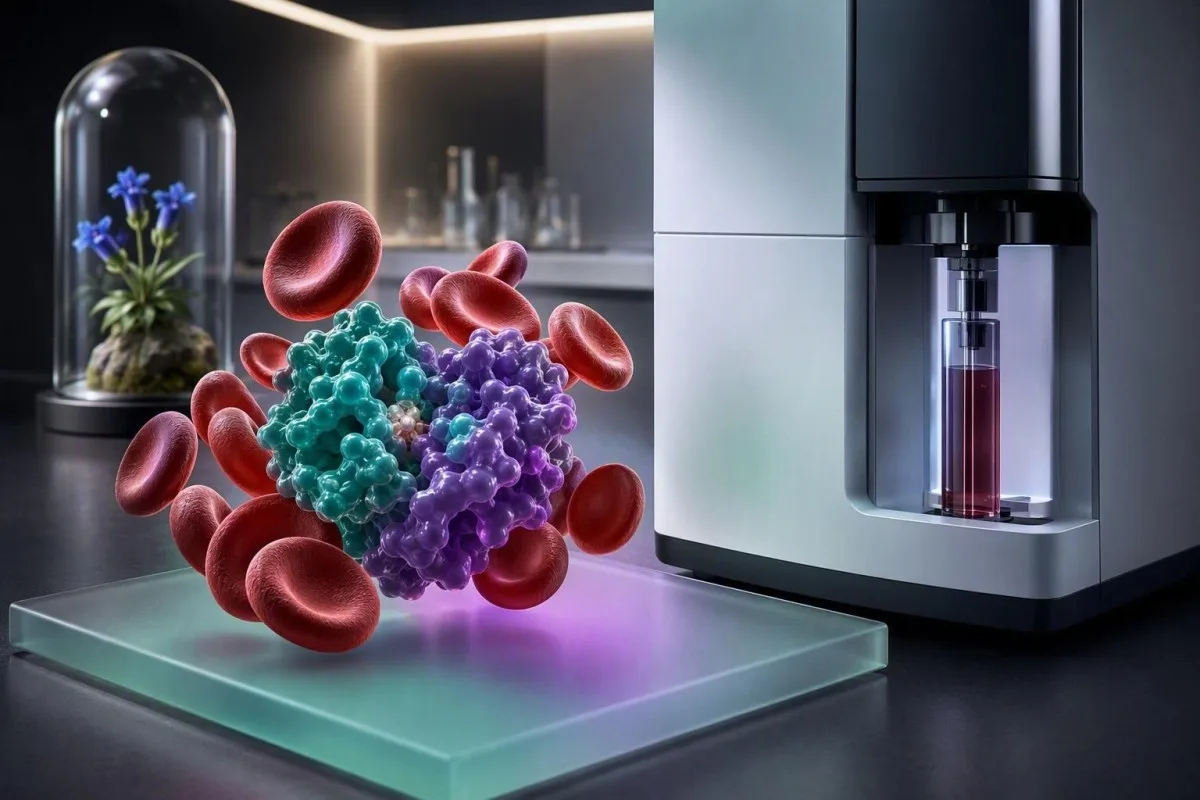
ჰემოგლობინის ზღვრულად მაღალი დონე ხშირად კონცენტრაციის ეფექტია, თუმცა განმეორებითი ანალიზი შეიძლება გამოავლინოს ჟანგბადის, ძილის, მედიკამენტების ან ძვლის ტვინის მნიშვნელოვანი კვალი. აი, როგორ განვასხვავებ უვნებელ ერთჯერად შედეგს იმ ნიმუშისგან, რომელიც სასწრაფო შეფასებას საჭიროებს.


- ოდნავ მომატებული ჰემოგლობინის მნიშვნელობა ჩვეულებრივ ასახავს დეჰიდრატაციას, სიმაღლეზე ზემოქმედებას, მოწევას ან ღამის განმავლობაში დაბალ ჟანგბადს, ვიდრე სისხლის კიბოს.
- ზრდასრულთა ზღვარი არის ჰემოგლობინი 16.5 გ/დლ-ზე მეტი მამაკაცებში ან 16.0 გ/დლ-ზე მეტი ქალებში, როდესაც ფასდება შესაძლო პოლიციტემია ვერა.
- განმეორებითი CBC ნორმალური დატენიანების და 24 საათის განმავლობაში ინტენსიური ვარჯიშის გარეშე ხშირად ყველაზე ინფორმაციული პირველი ნაბიჯია.
- სიმაღლის ეფექტი შეიძლება გაგრძელდეს კვირების განმავლობაში დაახლოებით 2500 მ-ზე მაღლა ყოფნის შემდეგ, განსაკუთრებით ხანგრძლივი ყოფნის შემდეგ.
- ძილის აპნოეს კვალი არის მუდმივი მაღალი ჰემოგლობინი ხმამაღალი ხვრინვით, ნანახი პაუზებით, დილის თავის ტკივილით ან დღისით ძილიანობით.
- სასწრაფო სიმპტომები მოიცავს ახალ ტკივილს გულმკერდის არეში, ერთმხრივ სისუსტეს, გულის წასვლას, მხედველობის დაკარგვას ან ქოშინს.
- JAK2 ტესტირება ჩვეულებრივ დაცულია მდგრადი მომატებისთვის, მას შემდეგ, რაც შეფასდება მიზეზები და დაბალი ჟანგბადის დრაივერები.
- ტენდენცია მნიშვნელოვანია ერთზე მეტი მონიშნული რიცხვი, რადგან თითოეული ლაბორატორია იყენებს საკუთარ საცნობარო ინტერვალს და ანალიზატორის მეთოდს.
რას ჩვეულებრივ ნიშნავს ჰემოგლობინის ზღვრულად მაღალი შედეგი
ოდნავ მომატებული ჰემოგლობინი ჩვეულებრივ ნიშნავს, რომ სინჯის თხევადი ნაწილი დროებით დაბალი იყო ან ორგანიზმმა მოერგო ჟანგბადის დაბალ დონეს; ერთი საეჭვო შედეგი იშვიათად მიუთითებს დაავადებაზე. სრული სისხლის ანალიზის, ან CBC-ის განმეორებითი ჩატარება ჩვეულებრივ პირობებში განასხვავებს ბევრ დროებით მომატებას სისხლის წითელი უჯრედების მუდმივი მატებისგან.
ჰემოგლობინი არის ჟანგბად-მზიდი ცილა სისხლის წითელი უჯრედების შიგნით, რომელიც ფიქსირდება გრამებში დეცილიტრზე, ან გ/დლ. პრაქტიკაში, 17.0 გ/დლ შედეგი მამაკაცისთვის, რომელსაც ჰქონდა ღებინება და ცოტა წყალი, ძალიან განსხვავებული კლინიკური პრობლემაა, ვიდრე 17.0 გ/დლ სამი კარგად დატენიანებული სინჯიდან ექვსი თვის ინტერვალით.
საეჭვო ჰემოგლობინის მნიშვნელობა დამოკიდებულია თანმხლებ ჰემატოკრიტზე, სისხლის წითელი უჯრედების რაოდენობაზე, საშუალო კორპუსკულარულ მოცულობაზე, ჟანგბადის ისტორიაზე, მედიკამენტებზე და ლაბორატორიულ ინტერვალზე, რომელიც დაბეჭდილია შედეგის გვერდით. CBC-ზე HGB-ის მნიშვნელობის გასაგებად, იხილეთ ჩვენი ჰემოგლობინის შედეგების სახელმძღვანელო.
როდესაც პანელს ვარჩევ, პანიკის ნაცვლად პროპორციას ვეძებ. მაღალი ჰემოგლობინი მაღალ ალბუმინთან, მაღალ საერთო ცილასთან და კონცენტრირებულ შარდთან ერთად მიუთითებს სითხის დაკარგვაზე; მაღალი ჰემოგლობინი ნორმალური ჰიდრატაციის მარკერებით და მზარდი თრომბოციტების რაოდენობით მოითხოვს უფრო დეტალურ გამოკვლევას.
კანტესტი არის AI სისხლის ტესტის ანალიზატორი რომელიც კითხულობს ჰემოგლობინს ჰემატოკრიტთან, სისხლის წითელი უჯრედების ინდექსებთან, თირკმელების მარკერებთან და წინა CBC-ებთან ერთად, ნაცვლად იმისა, რომ ერთი მაღალი დროშა დიაგნოზად ჩათვალოს. ჩვენი ბიომარკერის საცნობარო სახელმძღვანელო ეხმარება აეხსნას, თუ რატომ არის ლაბორატორიული დიაპაზონი მხოლოდ საწყისი წერტილი.
ჰემოგლობინის დიაპაზონები: რატომ აქვს მნიშვნელობა სქესს, სიმაღლეს და ლაბორატორიას
ზღვის დონის ზრდასრულ მამაკაცებში ჰემოგლობინის ტიპიური დიაპაზონებია დაახლოებით 13.5-დან 17.5 გ/დლ, ხოლო ზრდასრულ ქალებში, რომლებიც არ არიან ორსულად, 12.0-დან 15.5 გ/დლ, თუმცა ადგილობრივი ლაბორატორიული ინტერვალები განსხვავებულია. ზედა ზღვარს ოდნავ ზემოთ მდებარე დროშა ავტომატურად არ არის კლინიკურად საშიში.
ჯანმო-ს ანემიის დიაგნოსტიკური ჩარჩო არ არის შექმნილი ჰემოგლობინის ყოველი ზედა ზღვრის დასადგენად, ხოლო ზედა ზღვრები უფრო მეტად ლაბორატორიის მიხედვით განსხვავდება. ზოგიერთი ევროპული ლაბორატორია ქალებისთვის იყენებს ზედა საცნობარო ზღვარს დაახლოებით 15.7 გ/დლ, ხოლო სხვები 16.0 გ/დლ; ორივე შეიძლება იყოს ტექნიკურად სწორი, როდესაც დაფუძნებულია მათ ადგილობრივ პოპულაციაზე და ანალიზზე.
2016 წლის ჯანმო-ს კრიტერიუმები, რომლებიც გამოიყენება მიელოპროლიფერაციული ნეოპლაზმის შეფასებაში, ჰემოგლობინს ზემოთ 16.5 გ/დლ-ზე მეტია მამაკაცებში ან 16.0 გ/დლ-ზე მეტია ქალებში განიხილავს როგორც პოლიციტემია ვერას ერთ-ერთ შესაძლო მთავარ კრიტერიუმს, მაგრამ ეს კრიტერიუმი უნდა იყოს შერწყმული ძვლის ტვინის, JAK2 ან ერითროპოეტინის მტკიცებულებებთან (Arber et al., 2016). ეს არის კლინიკური მსჯელობის გამომწვევი, არა დიაგნოზი, რომელიც შეგიძლიათ გააკეთოთ პორტალის დროშის მიხედვით.
ორსულობა სურათს საპირისპირო მიმართულებით ცვლის, რადგან პლაზმის მოცულობა მნიშვნელოვნად იზრდება, ხშირად ჰემოგლობინის დონე 1-2 გ/დლ-ით იკლებს. ბავშვებს, მოზარდებს და მაღალმთიანეთში მცხოვრებ ადამიანებს სჭირდებათ ასაკობრივი და გარემოს მიხედვით სპეციფიკური შედარების დიაპაზონები; ჩვენი ახსნა სქესზე დაფუძნებული ლაბორატორიული ინტერვალები განმარტავს, თუ რატომ შეიძლება იყოს უნივერსალური სამიზნე მცდარი.
დროებითი კონცენტრაცია სისხლის წითელი უჯრედების ნამდვილი მატების წინააღმდეგ
დაკავშირებული ერითროციტოზი ნიშნავს, რომ ჰემოგლობინი მაღალი ჩანს, რადგან პლაზმის წყალი შემცირებულია, ხოლო აბსოლუტური ერითროციტოზი ნიშნავს, რომ სისხლის წითელი უჯრედების საერთო მასა ნამდვილად გაზრდილია. ჩემთვის ყველაზე ხშირად სასაზღვრო შედეგები არის დაკავშირებული, სანამ განმეორებითი ტესტირება არ დაამტკიცებს საპირისპირო.
1-2 კგ სითხის დაკარგვა ცხელების, დიარეის, ძლიერი ოფლიანობის, შარდმდენების ან ხანგრძლივი ფრენის გამო, შეიძლება დააკონცენტრიროს CBC ისე, რომ გადააჭარბოს ლაბორატორიულ ზღვარს. ჰემატოკრიტი და ჰემოგლობინი ხშირად ერთად იზრდება, ხოლო შარდოვანა ან BUN შეიძლება არაპროპორციულად გაიზარდოს, თუ დეჰიდრატაცია მნიშვნელოვანია.
ცილის შედეგები შეიძლება იყოს სასარგებლო გადამოწმება: მაღალი ალბუმინი ან საერთო ცილა მაღალი ჰემოგლობინის გვერდით მხარს უჭერს ჰემოკონცენტრაციას, თუმცა არცერთი აღმოჩენა არ ამტკიცებს მას. ჩვენი სახელმძღვანელო მაღალი ჰემატოკრიტის ნიმუშების შესახებ ხსნის, თუ რატომ უნდა წაიკითხოთ CBC-ს ორი მაჩვენებელი ერთად.
აბსოლუტური ერითროციტოზი ნაკლებად გავრცელებულია და შეიძლება იყოს მეორადი დაბალი ჟანგბადის, ჭარბი ერითროპოეტინის, გარკვეული მედიკამენტების ან ძვლის ტვინის მდგომარეობის გამო. სისხლის წითელი უჯრედების მასის გაზომვა არსებობს, მაგრამ ახლა იშვიათად გამოიყენება, რადგან სერიული CBC-ები, ჟანგბადის შეფასება, ერითროპოეტინი და მოლეკულური ტესტირება ჩვეულებრივ პასუხობენ კლინიკურ კითხვას.
როგორ მოვემზადოთ ჰემოგლობინის განმეორებითი ანალიზისთვის
განმეორებით გაიმეორეთ საზღვარზე მაღალი ჰემოგლობინი, როდესაც თავს კარგად გრძნობთ, ნორმალურად ხართ დატენიანებული და არ გაქვთ სითხის მწვავე დაკარგვა; ბევრი ექიმი ირჩევს 2-4 კვირას რუტინული გამეორებისთვის. ნუ დალევთ განზრახ ზედმეტ წყალს, რადგან ჭარბმა წყლის მიღებამ შეიძლება გამოიწვიოს საპირისპირო დამახინჯება.
24 საათით ადრე დალიეთ ჩვეული რაოდენობის სითხე, მოერიდეთ უჩვეულოდ მძიმე გამძლეობის ვარჯიშს და, თუ შესაძლებელია, მოერიდეთ საუნას ან სიცხის ზემოქმედებას. მარათონი, ინტენსიური CrossFit სესია ან მძიმე ფიზიკური შრომის დღე შეიძლება გარდამავალად შეცვალოს პლაზმის მოცულობა; იგივე პრინციპი ხსნის ზოგიერთ ცვლილებას, რომელიც ჩანს სპორტსმენების სისხლის ანალიზი.
უთხარით ექიმს დიარეის, ღებინების, ცხელების, ბოლო დროს მოგზაურობის მაღალ სიმაღლეზე, მოწევის ან აორთქლების, ტესტოსტერონის, შარდმდენების და SGLT2 დიაბეტის მედიკამენტების შესახებ. ეს დეტალები უფრო მეტად ცვლის ინტერპრეტაციას, ვიდრე მარხვის სტატუსი, რადგან მარხვა ზოგადად არ არის საჭირო CBC-სთვის, თუ სხვა დანიშნული ტესტები არ მოითხოვს მას.
შეეცადეთ გამოიყენოთ იგივე ლაბორატორია და დღის მსგავსი დრო, როდესაც მიჰყვებით მცირე ცვლილებას, როგორიცაა 16.1-დან 16.7 გ/დლ-მდე. ბიოლოგიური ცვალებადობა და ანალიზატორის ცვალებადობა რეალურია; ჩვენი სისხლის ანალიზის დროის სახელმძღვანელო ხსნის, თუ რატომ არ არის რიცხვითი განსხვავება ყოველთვის ბიოლოგიური ცვლილება.
სიმაღლემ შეიძლება გაზარდოს ჰემოგლობინი მოგზაურობიდან დიდი ხნის შემდეგაც
მაღალ სიმაღლეზე ცხოვრება ან ხანგრძლივი დროის გატარება ზრდის ჰემოგლობინს, რადგან ჟანგბადის დაბალი წნევა ასტიმულირებს ერითროპოეტინის გამომუშავებას თირკმელებში. ეფექტი ყველაზე შესამჩნევია დაახლოებით 2500 მ-ზე ზემოთ და შეიძლება დაუყოვნებლივ არ ნორმალიზდეს ზღვის დონეზე დაბრუნების შემდეგ.
შაბათ-კვირის სათხილამურო მოგზაურობა ნაკლებად სავარაუდოა, რომ აიხსნას დიდი ზრდა, ვიდრე რამდენიმე კვირა სიმაღლეზე, მაგრამ ინდივიდუალური პასუხი საკმაოდ განსხვავდება. ჩემი გამოცდილებით, პაციენტები ხშირად ივიწყებენ სამუშაო როტაციის, მაღალმთიანი სასწავლო ბლოკის ან ბოლო გადაადგილების ხსენებას, რადგან ისინი მოგზაურობას ლაბორატორიულ ექსპოზიციად არ თვლიან.
მაღალმთიანეთში მცხოვრებ ადამიანებს ზღვის დონის საცნობარო ნორმების მიღმა ძირითადი მაჩვენებლები შეიძლება ჰქონდეთ ძვლის ტვინის დარღვევის გარეშე. შესაბამისი კითხვაა, სტაბილურია თუ არა ეს მაჩვენებელი ამ ადამიანისთვის და მიუთითებს თუ არა ისეთი სიმპტომები, როგორიცაა თავის ტკივილი, ვარჯიშისადმი ტოლერანტობის დაქვეითება ან ძილის დარღვევა, ჰიპოქსიური სტრესის ჭარბად.
ნუ ეცდებით სიმაღლესთან დაკავშირებული ჰემოგლობინის შემცირებას დანიშნულებისამებრ გამოყენებული ასპირინით ან სისხლის დონაციით. ექიმმა ჯერ უნდა გადაწყვიტოს, არის თუ არა ეს მომატება მოსალოდნელი ადაპტაცია; ჩვენი ფოკუსირებული მიმოხილვა ჰემოგლობინის შესახებ სიმაღლეზე გთავაზობთ პრაქტიკულ ხელახალი ტესტირების ვადებს.
მოწევა, ნახშირბადის მონოქსიდი და მაღალი ჰემოგლობინი
მოწევამ შეიძლება გაზარდოს ჰემოგლობინი, რადგან ნახშირბადის მონოქსიდი ამცირებს ჟანგბადის ეფექტურ მიწოდებას და აიძულებს ორგანიზმს, შექმნას მეტი სისხლის წითელი უჯრედები. პულსოქსიმეტრის მაჩვენებელი შეიძლება ნორმალური ან მცდარად მაღალი ჩანდეს ნახშირბადის მონოქსიდით ზემოქმედებისას, ამიტომ სახლის ჟანგბადის ნორმალური მაჩვენებელი არ გამორიცხავს ამ მექანიზმს.
წვადი სიგარეტი ყველაზე აშკარა მიზეზია, მაგრამ ასევე მნიშვნელოვანია ნახშირის ზემოქმედება, ცუდად ვენტილირებადი საყოფაცხოვრებო ტექნიკა და ზოგიერთი სამუშაო ადგილი. ვაიპინგი, როგორც წესი, არ წარმოქმნის ნახშირბადის მონოქსიდს სიგარეტის დონეზე, თუმცა ნიკოტინთან დაკავშირებული ძილის დარღვევა და ორმაგი მოხმარება საკმარისად გავრცელებულია, რომ ორივეს შესახებ ვიკითხო, ვიდრე ერთი მეორეს გამორიცხავს.
ვენური ან არტერიული co-oximetry გაზომვა შეიძლება ამოიცნოს კარბოქსჰემოგლობინი, როდესაც ზემოქმედება სავარაუდოა. კარბოქსჰემოგლობინი ხშირად 21%-ზე ნაკლებია მწეველ მამაკაცებში და შეიძლება მიაღწიოს 5%-დან 10%-მდე რეგულარულ მწეველებში, თუმცა ბოლო სიგარეტიდან გასული დრო მნიშვნელოვნად ცვლის შედეგს.
მოწევის შეწყვეტის შემდეგ ჰემოგლობინის მუდმივი მომატება საჭიროებს ხელახალი შეფასებას, ნაცვლად იმისა, რომ შემთხვევით ვივარაუდოთ, რომ ეს ჯერ კიდევ თამბაქოსთან არის დაკავშირებული. სიახლე ქოშინი, გულმკერდის შებოჭილობა ან ხიხინი უნდა შეფასდეს კლინიკურად; ჩვენი ქოშინის სისხლის ანალიზის სახელმძღვანელო განმარტავს, თუ რომელი შედეგები შეიძლება დაემატოს კონტექსტს.
ძილის აპნოე: ღამის გამომწვევი მიზეზი, რომელიც ხშირად გამოგვრჩება
ობსტრუქციული ძილის აპნოე შეიძლება გამოიწვიოს ჰემოგლობინის მუდმივი მსუბუქი მომატება ღამის განმეორებითი ჟანგბადის დაქვეითების გამო, განსაკუთრებით მაშინ, როდესაც თან ახლავს დღისით დაღლილობა და ხმამაღალი ხვრინვა. საშუალო მატება, როგორც წესი, მოკრძალებულია, ამიტომ ძალიან მაღალი მაჩვენებელი არ უნდა მიეწეროს ძილის აპნოეს, სხვა მიზეზების შემოწმების გარეშე.
სასარგებლო სიმპტომთა ჯგუფია ხმამაღალი ჩვეული ხვრინვა, დაფიქსირებული სუნთქვის პაუზები, გაღვიძება დასვენების გარეშე, დილის თავის ტკივილი, რეზისტენტული ჰიპერტენზია და ძილიანობა მართვისას ან მშვიდად ჯდომისას. კისრის ზომა და სხეულის წონა შეიძლება ზრდიდეს რისკს, მაგრამ გამხდარ ადამიანებს და მენოპაუზის შემდგომ ქალებს ასევე შეიძლება ჰქონდეთ კლინიკურად მნიშვნელოვანი ძილის აპნოე.
2022 წლის სისტემატურმა მიმოხილვამ დაადგინა, რომ ობსტრუქციული ძილის აპნოე ასოცირდებოდა უფრო მაღალ ჰემატოკრიტთან, მაგრამ კლინიკურად მნიშვნელოვანი ერითროციტოზი იშვიათი იყო და უფრო მეტად უკავშირდებოდა მძიმე დაავადებას (Martelli et al., 2022). ეს დახვეწილობა მნიშვნელოვანია: ჰემოგლობინის 18.5 გ/დლ საჭიროებს უფრო ფართო შეფასებას, თუნდაც ადამიანი ხვრინავდეს.
კანტესტი არის AI ბიომარკერების ინტერპრეტაციის პლატფორმა რაც შეიძლება მიუთითებდეს განმეორებითი მაღალი ჰემოგლობინის, მაღალი ჰემატოკრიტის და მეტაბოლური ან არტერიული წნევის ნიშნების კომბინაციას ექიმის შემდგომი მეთვალყურეობისთვის. ცუდი ძილი შეიძლება უფრო მეტად იმოქმედოს, ვიდრე CBC, როგორც განხილულია ჩვენს ძილისა და ლაბორატორიული შედეგების მიმოხილვაში.
მედიკამენტები, ტესტოსტერონი და დანამატები, რომლებსაც შეუძლიათ ჰემოგლობინის გაზრდა
ტესტოსტერონის თერაპია არის ჰემოგლობინის მომატების საერთო მედიკამენტთან დაკავშირებული მიზეზი, რადგან ის ასტიმულირებს ერითროპოეზს და შეიძლება შეამციროს ჰეფციდინი, რითაც გაზრდის ხელმისაწვდომ რკინას. საინექციო ფორმულირებები, როგორც წესი, იწვევს უფრო დიდ პიკებს, ვიდრე ყოველდღიური ტრანსდერმული ვარიანტები.
ენდოკრინული საზოგადოება რეკომენდაციას იძლევა ჰემატოკრიტის შემოწმებას ბაზალურ დონეზე, ტესტოსტერონის თერაპიის 3-დან 6 თვის შემდეგ და შემდეგ წელიწადში ერთხელ; ჰემატოკრიტი ზემოთ 54% ზოგადად მოითხოვს მკურნალობის შეჩერებას და კონტრიბუტორ ჰიპოქსიის ან ძილის აპნოეს შეფასებას. მკურნალობის ზუსტი განახლების გეგმა უნდა იყოს ინდივიდუალიზებული დამნიშნველი ექიმის მიერ.
SGLT2 ინჰიბიტორები, რომლებიც გამოიყენება დიაბეტის, გულის უკმარისობის და თირკმელების დაავადების სამკურნალოდ, შეიძლება გაზარდოს ჰემატოკრიტი რამდენიმე პროცენტული პუნქტით პლაზმის მოცულობის ცვლილებებისა და ერითროპოეტინთან დაკავშირებული მექანიზმების გამო. დიურეტიკებს შეუძლიათ სინჯის კონცენტრირება, ხოლო ერითროპოეტინის ინექციები და ანაბოლური-ანდროგენული სტეროიდების გამოყენება შეიძლება გამოიწვიოს ნამდვილი სისხლის წითელი უჯრედების მატება.
ნუ შეწყვეტთ დანიშნულ მკურნალობას მხოლოდ ერთი შედეგის გამო, არამედ წარმოადგინეთ ზუსტი მედიკამენტებისა და დანამატების სია განსახილველად. დრო მნიშვნელოვანია, განსაკუთრებით ჰორმონების მომხმარებლებისთვის; იხილეთ ჩვენი სახელმძღვანელო ტესტოსტერონის მონიტორინგის ინტერვალები.
როდის საჭიროა ფილტვების, გულის ან თირკმელების დაავადებების გათვალისწინება
ჰემოგლობინის მუდმივად მაღალმა დონემ შეიძლება კომპენსატორული რეაქცია იყოს ქრონიკული ჟანგბადის დეფიციტის მიმართ, რომელიც გამოწვეულია ფილტვის დაავადებით, გულის გარკვეული პათოლოგიებით ან ძილის დროს სუნთქვის დარღვევით. თირკმელების დაავადებებმა ასევე შეიძლება გაზარდოს ერითროპოეტინის, ჰორმონის, რომელიც ძვლის ტვინს ეუბნება, რომ გამოიმუშაოს სისხლის წითელი უჯრედები, დონე.
ქრონიკული ობსტრუქციული ფილტვის დაავადება, ფილტვის ინსტიციური დაავადებები, სიმსუქნით გამოწვეული ჰიპოვენტილაცია და გულის შუნტები მარჯვნიდან მარცხნივ, ყველას შეუძლია წვლილი შეიტანოს, თუმცა ანამნეზი და ჟანგბადის გაზომვები, როგორც წესი, უფრო ძლიერ მინიშნებებს იძლევა, ვიდრე მხოლოდ CBC. დასვენების მდგომარეობაში ჟანგბადის გაჯერება ქვემოთ 92% ზღვის დონეზე საჭიროებს დროულ კლინიკურ შეფასებას, განსაკუთრებით მაშინ, როდესაც ის ახალია.
მომატებული ერითროპოეტინის დონე, როგორც წესი, მეორად ფაქტორს უჭერს მხარს, ხოლო ერითროპოეტინის დაბალი დონე შეიძლება ეჭვს აძლიერებდეს ძვლის ტვინის პირველადი პროცესის შესახებ. თირკმლის ვიზუალიზაცია ყოველთვის არ არის აუცილებელი ყოველი მსუბრ 'კლინიკოსებმა შეიძლება განიხილონ მისი გამოყენება, როდესაც ერითროპოეტინი მოულოდნელად მაღალია ან არსებობს შარდვის სიმპტომები, ტკივილი წელში ან თირკმლის ტესტების დარღვევები.
შეამოწმეთ კრეატინინი, eGFR, შარდის ანალიზი და არტერიული წნევა CBC-სთან ერთად, არა იზოლირებულად. ჩვენი თირკმლის დაავადების სტადიების სახელმძღვანელო განმარტავს, თუ რატომ საჭიროებს თირკმლის მარკერების განმეორებით გაზომვებსაც.
პოლიციტემია ვერა: როდესაც ძვლის ტვინის გამომწვევი მიზეზი სიიდან მაღლდება
პოლიციტემია ვერა არის იშვიათი ქრონიკული ძვლის ტვინის დარღვევა, რომლის დროსაც სისხლის წითელი უჯრედების გამომუშავება ავტონომიურია, როგორც წესი, JAK2 მუტაციით. უფრო სავარაუდო ხდება, როდესაც ჰემოგლობინი ან ჰემატოკრიტი რჩება მომატებული განმეორებითი ტესტირებისას და ერითროპოეტინი დაბალია.
2016 წლის WHO-ს ჩარჩო იყენებს ჰემოგლობინს 16.5 გ/დლ-ზე მეტს მამაკაცებში ან 16.0 გ/დლ-ზე მეტს ქალებში, ან ჰემატოკრიტს 49%-ზე და 48%-ზე მეტს შესაბამისად, როგორც ზღვარს პოლიციტემია ვერას შესაძლო გამოსაკვლევად (Arber et al., 2016). ამ ზღვრებს ზემოთ მყოფი ადამიანების უმეტესობას არ აქვს პოლიციტემია ვერა, ამიტომ განმეორებითი ტესტირება და ჟანგბადის ანამნეზი პირველ რიგში მოდის.
ქავილი ცხელი შხაპის შემდეგ, სახის სიწითლე, პოდაგრა, აუხსნელი შედედება, ელენთის გადიდების სიმპტომები, ან მაღალი თრომბოციტები და ლეიკოციტები ნიმუშს უფრო შემაშფოთებელს ხდის. მიუხედავად ამისა, ქავილი ხშირი და არასპეციფიკურია; მე მას არასდროს გამოვიყენებდი მარტო ძვლის ტვინის დაავადების მქონე ადამიანის დიაგნოსტიკისთვის.
JAK2 V617F ტესტირება ავლენს პოლიციტემია ვერას შემთხვევების დიდ უმრავლესობას, ხოლო JAK2 exon 12 ტესტირება შეიძლება ჩატარდეს, თუ ეჭვი რჩება. ჩვენი პოლიციტემიის სიმპტომების სახელმძღვანელოში აღწერს CBC, ერითროპოეტინს და მოლეკულურ თანმიმდევრობას, რომელიც გამოიყენება რუტინულ პრაქტიკაში.
როდის უნდა ინერვიულოთ ჰემოგლობინზე და მიმართოთ სასწრაფო დახმარებას
ოდნავ მომატებული ჰემოგლობინი სიმპტომების გარეშე, როგორც წესი, ამბულატორიული საკითხია, მაგრამ ნევროლოგიური სიმპტომები, გულმკერდის ტკივილი, მძიმე ქოშინი ან თრომბის ნიშნები საჭიროებს იმავე დღეს გადაუდებელ შეფასებას. რისკი მოდის მთელი კლინიკური სურათიდან, არა მხოლოდ რომელიმე კონკრეტული მონიშნული რიცხვიდან.
მიმართეთ სასწრაფო დახმარებას ცალმხრივი სისუსტის, მეტყველების გაძნელების, გულის წასვლის, მხედველობის ახალი დაკარგვის, მკერდის მჭრელი ტკივილის, სისხლიანი ხველის ან ფეხის შეშუპებისა და ტკივილის შემთხვევაში ქოშინით. ეს შეიძლება მიუთითებდეს სისხლძარღვთა მოვლენებზე, მიუხედავად იმისა, არის თუ არა ჰემოგლობინი 16.2 ან 19.0 გ/დლ.
ექიმის დროული შემოწმება დღის განმავლობაში გონივრულია განმეორებითი ჰემოგლობინის მომატების შემთხვევაში 18.5 გ/დლ მამაკაცებში ან 16.5 გ/დლ ქალებში, ან ჰემატოკრიტის მომატების შემთხვევაში 52% მამაკაცებში ან 48% ქალებში, განსაკუთრებით თავის ტკივილით, თავბრუსხვევით, შხაპის შემდეგ ქავილით ან თრომბოზის ანამნეზით. ეს არის პრაქტიკული ტრიაჟის წერტილები, არა WHO-ს დიაგნოსტიკური ჩარჩოს შემცვლელები.
Kantesti AI-ს შეუძლია CBC-ის ტრენდის ორგანიზება და თანმხლები თრომბოციტების, ლეიკოციტების, თირკმელების და რკინის აღმოჩენების ხაზგასმა, მაგრამ გადაუდებელი სიმპტომები ყოველთვის აღემატება ავტომატურ ინტერპრეტაციას. თუ შედედების სიმპტომები შეშფოთების ნაწილია, ჩვენი კოაგულაციის ტესტის სახელმძღვანელოთი განმარტავს, თუ რატომ არ გამორიცხავს სისხლის შედედების რუტინული ნორმალური დროები შედედებას.
ტესტები, რომლებსაც კლინიცისტები ხშირად იყენებენ მუდმივი მომატების შემდეგ
მდგრადი ამაღლებული ჰემოგლობინის პირველადი შეფასება ჩვეულებრივ მოიცავს განმეორებით CBC-ს, ჟანგბადის შეფასებას, შრატის ერითროპოეტინს, მედიკამენტების მიმოხილვას და მიზნობრივ JAK2-ის ტესტირებას, როდესაც ნიმუში ამას მოითხოვს. წესრიგი შექმნილია ერთჯერადი დეჰიდრატაციის ეფექტისთვის ძვირადღირებული ტესტირების თავიდან ასაცილებლად.
კლინიცისტმა შეიძლება მოითხოვოს პერიფერიული უჯრედის ნიმუშის მიმოხილვა, როდესაც ერითროციტების ფორმა, თრომბოციტების რაოდენობა ან ლეიკოციტების რაოდენობა უჩვეულოდ გამოიყურება. ფერიტინი და ტრანსფერინის გაჯერება შეიძლება სასარგებლო იყოს, რადგან რკინის დეფიციტმა შეიძლება შენიღბოს ერითროციტოზის ხარისხი იმით, რომ ერითროციტები უჩვეულოდ პატარაა; გამოიკვლიეთ რკინის კვლევის ინტერპრეტაცია შესაბამისი გაზომვებისთვის.
პულსოქსიმეტრია, ღამის ოქსიმეტრია, ოფიციალური ძილის კვლევა და კარბოქსიმოგლობინის ტესტირება არჩეულია ისტორიის მიხედვით და არა დაუფიქრებლად. ვინც ხმამაღლა ხვრინავს და აქვს ნორმალური დღის გაჯერება, ღამის კვლევა ხშირად უფრო მეტ სასარგებლო ინფორმაციას იძლევა, ვიდრე გულმკერდის სკანირება.
სისხლის სრული დათვლა უნდა წაიკითხოთ როგორც ნიმუში: მზარდი თრომბოციტები, ნეიტროფილები ან ბაზოფილები ცვლის დიფერენციალს, ხოლო იზოლირებული სტაბილური ჰემოგლობინი, როგორც წესი, ნაკლებად საგანგაშოა. Kantesti-ის კლინიკური მიდგომა ემორჩილება სამედიცინო ვალიდაციის სტანდარტები დიაგნოსტიკის პოლიციტემია ვერას მტკიცების ნაცვლად გადაწყვეტილების მხარდაჭერის კონტექსტის წარმოდგენით.
ოთხი გავრცელებული მცდარი წარმოდგენა მაღალ ჰემოგლობინზე
მაღალი ჰემოგლობინი არ ნიშნავს, რომ თქვენი სისხლი ავტომატურად არის “ძალიან სქელი” და წყლის ექსტრემალური რაოდენობით დალევა არ არის უსაფრთხო მკურნალობა. სიბლანტე დამოკიდებულია ჰემატოკრიტზე, პლაზმის ფაქტორებზე, ტემპერატურაზე, ნაკადზე და ძირითად მიზეზზე.
მცდარი წარმოდგენა პირველი: ყოველი მაღალი შედეგი ნიშნავს დეჰიდრატაციას. დეჰიდრატაცია ხშირია, მაგრამ მუდმივი ამაღლება ნორმალური ალბუმინით და ხვრინვის, მოწევის ან ტესტოსტერონის გამოყენების ისტორიით არ უნდა იყოს უგულებელყოფილი განმეორებითი CBC-ისა და მიზნობრივი მიმოხილვის გარეშე.
მცდარი წარმოდგენა მეორე: სისხლის დონაცია ყოველთვის წყვეტს პრობლემას. თერაპიული ვენესექცია სასარგებლოა შერჩეულ დიაგნოზირებულ პირობებში, მაგრამ დაუზუსტებელმა ხშირმა დონაციამ შეიძლება გამოიწვიოს რკინის დეფიციტი, დაღლილობა და მატყუარა ნორმალური ჰემოგლობინი, ხოლო ძირითადი მამოძრავებელი ფაქტორი აქტიური რჩება.
მცდარი წარმოდგენა მესამე: ერითროციტების ნორმალური რაოდენობა გამორიცხავს მნიშვნელოვან ერითროციტოზს. ჰემოგლობინი და ჰემატოკრიტი შეიძლება კვლავ ამაღლებული იყოს, როდესაც უჯრედები უფრო დიდია ან უფრო მდიდარია ჰემოგლობინით, ამიტომ MCV და MCH ინტერპრეტაცია დისკუსიაში შედის.
როგორ გავაკონტროლოთ ჰემოგლობინი ყოველგვარი ათწილადის დევნის გარეშე
პირადი ჰემოგლობინის ბაზისური დონე უფრო სასარგებლოა, ვიდრე ერთი ლაბორატორიული დროშა, როდესაც ნიმუშები შეგროვდა შედარებით პირობებში. ჩაწერეთ თარიღი, სიმაღლე, ავადმყოფობა, ჰიდრატაცია, ვარჯიში, მოწევის სტატუსი და შესაბამისი მედიკამენტების ცვლილებები თითოეული CBC-ის გვერდით.
15.6-დან 16.0 გ/დლ-მდე ცვლილება შეიძლება ასახავდეს ჩვეულებრივ ბიოლოგიურ და ანალიტიკურ ვარიაციას, ხოლო თანდათანობითი მატება 15.2-დან 17.4 გ/დლ-მდე ოთხ ნიმუშზე იმსახურებს ყურადღებას, მაშინაც კი, თუ თითოეული შედეგი მხოლოდ ოდნავ იყო მონიშნული. ცვლილების სიჩქარე და მიმართულება ხშირად უფრო მნიშვნელოვანია, ვიდრე ერთი ათწილადი.
კანტესტი არის AI-ზე დაფუძნებული სისხლის ანალიზის (blood test analysis) ხელსაწყო რომელიც ადარებს წინა ანგარიშებს და განსაზღვრავს მდგრად ჰემატოლოგიურ ნიმუშებს ლაბორატორიული ფორმატების მიხედვით. პაციენტები, რომლებიც იყენებენ ჩვენს ლონგიტუდინური შედეგის სახელმძღვანელო შეუძლიათ შეინარჩუნონ კონტექსტი, რომელიც სხვაგვარად ადვილად იკარგება შეხვედრებს შორის.
27 აგვისტოს, 2026 წლის მდგომარეობით, მე მაინც გირჩევთ ორიგინალი PDF ან მკაფიო ლაბორატორიული ფოტოსურათის მიტანას სამედიცინო ვიზიტზე, ხელით გადაწერილი შედეგის იმედის ნაცვლად. ერთეულები, საცნობარო ინტერვალები, ნიმუშის თარიღები და ანალიზატორის კომენტარები შეიძლება შეიცვალოს ინტერპრეტაცია.
პრაქტიკული მომდევნო ნაბიჯების გეგმა ოდნავ მაღალი შედეგისთვის
იზოლირებული მსუბუქი მომატებისთვის, დანიშნეთ განმეორებითი CBC 2-4 კვირაში ნორმალური ჰიდრატაციის პირობებში და განიხილეთ სტაბილური შედეგები თქვენს ექიმთან. უფრო ადრე მიმართეთ, თუ მნიშვნელობა ნათლად მაღალია, იზრდება ან თან ახლავს თრომბოზი, სუნთქვის ან ნევროლოგიური სიმპტომები.
პირველი ნაბიჯი მარტივია: გადაამოწმეთ შედეგი და ლაბორატორიის მითითებული დიაპაზონი, შემდეგ აღნიშნეთ ბოლო ავადმყოფობა, სითბური ზემოქმედება, ხანგრძლივი მოგზაურობა, სიმაღლე, მოწევა, ძილის სიმპტომები და მედიკამენტები. მეორე ნაბიჯი არის კარგად მომზადებული განმეორებითი CBC; მესამე ნაბიჯი არის მიზანმიმართული ტესტირება მხოლოდ იმ შემთხვევაში, თუ მომატება გრძელდება.
ჩემი პაციენტებისთვის ყველაზე პროდუქტიული შეხვედრის შეკითხვაა: “ეს არის შედარებითი, მეორადი ჟანგბადის ან მედიკამენტების გამო, თუ პოტენციურად პირველადი?” ეს ფორმულირება ექიმს აიძულებს ახსნას თავისი დასაბუთება და ხელს უწყობს უმიზნო კვლევის თავიდან აცილებას. A სრული CBC სურათის მიმოხილვა დაგეხმარებათ შესაბამისი კითხვების მომზადებაში.
Kantesti AI უზრუნველყოფს საგანმანათლებლო ინტერპრეტაციას და ტრენდის მხარდაჭერას, არა გადაუდებელ ან დიაგნოსტიკურ ზრუნვას. ჩვენი სამედიცინო შინაარსი განიხილება ექსპერტების მონაწილეობით სამედიცინო საკონსულტაციო საბჭო, და მე მოგიწოდებთ, რაც შეიძლება მალე მიმართოთ ექიმს, როდესაც სიმპტომები ან განმეორებითი მაღალი მაჩვენებლები სიტუაციას უფრო რუტინულს ხდის.
ხშირად დასმული კითხვები
რას ნიშნავს ჰემოგლობინის ოდნავ მომატებული დონე?
ჰემოგლობინის ოდნავ მომატებული დონე ჩვეულებრივ ნიშნავს ან დროებით კონცენტრაციას პლაზმის წყლის შემცირების გამო, ან სისხლის წითელი უჯრედების წარმოქმნის გაზრდას ჟანგბადის უკმარისობის საპასუხოდ. ზღვის დონეზე ჩვეულებრივი ნორმებია დაახლოებით 13.5-17.5 გ/დლ ზრდასრული მამაკაცებისთვის და 12.0-15.5 გ/დლ არამსუბუქი ზრდასრული ქალებისთვის, მაგრამ ანგარიშის ლაბორატორიული დიაპაზონი პრიორიტეტულია. ერთჯერადი მნიშვნელობა, როგორიცაა 16.1 გ/დლ, ჩვეულებრივ უნდა განმეორდეს ნორმალური ჰიდრატაციის პირობებში, სანამ მას ჩაითვევენ დაავადებად. მამაკაცებში 16.5 გ/დლ-ზე მეტი ან ქალებში 16.0 გ/დლ-ზე მეტი მუდმივი მნიშვნელობები საჭიროებს კლინიცისტის შეფასებას ერითროციტოზის გამო.
შეიძლება თუ არა დეჰიდრატაცია იწვევდეს ჰემოგლობინის მაღალ დონეს?
დიახ, დეჰიდრატაციამ შეიძლება გამოიწვიოს ჰემოგლობინის მაღალი მაჩვენებელი სისხლის თხევადი ნაწილის შემცირებით და თითოეულ დეცილიტრში სისხლის წითელი უჯრედების ცილების კონცენტრაციით. ცხელებამ, დიარეამ, ღებინებამ, შარდმდენებმა, მძიმე ვარჯიშმა, საუნის გამოყენებამ და ხანგრძლივმა ფრენებმა შეიძლება გამოიწვიოს მნიშვნელოვანი ცვლილება, რომელიც გადააჭარბებს ლაბორატორიის ზედა ზღვარს. მაღალი ჰემატოკრიტი პლუს მაღალი ალბუმინი ან მთლიანი ცილა ადასტურებს ჰემოკონცენტრაციას, თუმცა არ ამტკიცებს მას. CBC-ის გამეორება 2-4 კვირის შემდეგ ნორმალური სითხის მიღებით ხშირად ყველაზე უსაფრთხო გზაა იმის შესამოწმებლად, თუ აღნიშნული მაჩვენებელი შენარჩუნებულია.
როდის უნდა ვიდარდო ჰემოგლობინის მაღალი დონის გამო?
მაღალი ჰემოგლობინისას, რომელსაც თან ახლავს უეცარი გულმკერდის ტკივილი, სხეულის ერთ მხარეს სისუსტე, მეტყველების გაძნელება, გულის წასვლა, მხედველობის მწვავე დაქვეითება, ქოშინი ან ფეხის შეშუპება და ტკივილი, სასწრაფო სამედიცინო დახმარება უნდა მიიღოთ. არა-სასწრაფო განხილვისთვის, მამაკაცებში 18.5 გ/დლ-ზე ან ქალებში 16.5 გ/დლ-ზე მეტი განმეორებითი ჰემოგლობინი, განსაკუთრებით მაღალი ჰემატოკრიტის ან სიმპტომების თანხლებით, მოითხოვს ექიმის დროულ შეფასებას. ჯანმო-ს ზღვრები, რომლებსაც პოლიციტემია ვერას შესაძლო გამოსაკვლევად იყენებენ, არის მამაკაცებში 16.5 გ/დლ-ზე ან ქალებში 16.0 გ/დლ-ზე მეტი ჰემოგლობინი, თუმცა დიაგნოზი დამატებით მტკიცებულებებს საჭიროებს. სიმპტომები და დროთა განმავლობაში ტენდენცია უფრო ინფორმაციულია, ვიდრე ერთი ცალკეული მაჩვენებელი.
შეიძლება თუ არა ძილის აპნოემ მაღალი ჰემოგლობინი გამოიწვიოს?
ობსტრუქციულ ძილის აპნოემ შეიძლება გამოიწვიოს ჰემოგლობინის მსუბუქი მომატება, რადგან ღამის განმეორებითი ჟანგბადის დაქვეითება ასტიმულირებს ერითროპოეტინს და სისხლის წითელი უჯრედების წარმოქმნას. ხმამაღალი ხვრინვა, დაფიქსირებული სუნთქვის პაუზები, დილის თავის ტკივილი, დღისით ძილიანობა და რეზისტენტული მაღალი არტერიული წნევა ამ ახსნას უფრო სავარაუდოს ხდის. 2022 წლის მეტა-ანალიზმა აჩვენა, რომ ძილის აპნოე ასოცირდება ჰემატოკრიტის მომატებასთან, თუმცა კლინიკურად მნიშვნელოვანი ერითროციტოზი იშვიათია და ძირითადად უფრო მძიმე დაავადებებთან გვხვდება. ძილის კვლევა ან ღამის ჟანგბადის შეფასება შეიძლება უფრო სასარგებლო იყოს, ვიდრე დღისით ჟანგბადის მაჩვენებელი, როდესაც სიმპტომები მიუთითებს ძილის აპნოეზე.
ზრდის თუ არა მოწევა ჰემოგლობინს?
მოწევამ შეიძლება გაზარდოს ჰემოგლობინი, რადგან ჩასუნთქული ნახშირბადის მონოქსიდი უკავშირდება ჰემოგლობინს და ამცირებს ჟანგბადის გადასატანად ხელმისაწვდომი რაოდენობას. რეგულარულ მწეველებს შეიძლება ჰქონდეთ კარბოქსიმოგლობინის დონე დაახლოებით 5%-დან 10%-მდე, ხოლო არამწეველებში ხშირად 2%-ზე ნაკლები, თუმცა ეს რიცხვი იცვლება ექსპოზიციის დროის მიხედვით. პულსოქსიმეტრებმა შეიძლება შეცდომაში შეიყვანოს ნახშირბადის მონოქსიდით მოწამვლისას, რადგან ისინი საიმედოდ ვერ განასხვავებენ ჟანგბადით გამდიდრებულ ჰემოგლობინს კარბოქსიმოგლობინისგან. მოწევის შეწყვეტის შემდეგ მდგრადი მომატება უნდა გადაიხედოს და არ უნდა ჩაითვალოს უვნებლად.
რა გამოკვლევები ტარდება ჰემოგლობინის მუდმივი მომატებისთვის?
პერსისტენტური მაღალი ჰემოგლობინის გამოსაკვლევად, როგორც წესი, იწყებენ განმეორებით CBC-ს, ჟანგბადის გაჯერების შეფასებას, მედიკამენტების მიმოხილვას და შრატის ერითროპოეტინის დონის განსაზღვრას. ექიმებმა შეიძლება დაამატონ ღამის განმავლობაში ჟანგბადის ტესტირება, კარბოქსიმოგლობინის გაზომვა, თირკმელების ტესტები, რკინის კვლევები და JAK2 მუტაციის ტესტირება, როდესაც CBC-ს სურათი და კლინიკური ისტორია ამ ნაბიჯებს უწყობს ხელს. დაბალი ერითროპოეტინი განმეორებით ჰემოგლობინთან 16.5 გ/დლ-ზე მეტი მამაკაცებში ან 16.0 გ/დლ-ზე მეტი ქალებში, უფრო მეტად აჩენს შეშფოთებას ძვლის ტვინის პირველადი პროცესის შესახებ. ექიმი ირჩევს თანმიმდევრობას, რადგან დაუსაბუთებელმა ვიზუალიზაციამ და მოლეკულურმა ტესტებმა შეიძლება გამოიწვიოს ცრუ განგაში.
მიიღეთ AI-ით გაძლიერებული სისხლის ანალიზის განმარტება დღეს
შეუერთდით 2 მილიონზე მეტ მომხმარებელს მთელ მსოფლიოში, რომლებიც ენდობიან Kantesti-ს ლაბორატორიული ანალიზების მყისიერ და ზუსტ განმარტებაში. ატვირთეთ თქვენი სისხლის ანალიზის შედეგები და მიიღეთ 15,000+ ბიომარკერების ყოვლისმომცველი ინტერპრეტაცია წამებში.
📚 მითითებული კვლევითი პუბლიკაციები
კლაინი, ტ., მიტჩელი, ს., და ვებერი, ჰ. (2026). BUN/კრეატინინის თანაფარდობის ახსნა: თირკმლის ფუნქციის ტესტის სახელმძღვანელო. Kantesti AI სამედიცინო კვლევა.
კლაინი, ტ., მიტჩელი, ს., და ვებერი, ჰ. (2026). შარდში ურობილინოგენის ტესტი: სრული შარდის ანალიზის სახელმძღვანელო 2026. Kantesti AI სამედიცინო კვლევა.
📖 გარე სამედიცინო წყაროები
⚕️ სამედიცინო პასუხისმგებლობის შეზღუდვა
ეს სტატია მხოლოდ საგანმანათლებლო მიზნებისთვისაა და არ წარმოადგენს სამედიცინო რჩევას. დიაგნოზისა და მკურნალობის გადაწყვეტილებებისთვის ყოველთვის მიმართეთ კვალიფიციურ ჯანდაცვის სპეციალისტს.
E-E-A-T სანდოობის სიგნალები
გამოცდილება
ექიმის ხელმძღვანელობით კლინიკური მიმოხილვა ლაბორატორიული ინტერპრეტაციის სამუშაო პროცესებზე.
ექსპერტიზა
ლაბორატორიული მედიცინის აქცენტი იმაზე, როგორ იქცევიან ბიომარკერები კლინიკურ კონტექსტში.
ავტორიტეტულობა
დაწერილია დოქტორ თომას კლაინის მიერ, მიმოხილვა: დოქტორ სარა მიტჩელისა და პროფესორ დოქტორ ჰანს ვებერის მიერ.
სანდოობა
მტკიცებულებებზე დაფუძნებული ინტერპრეტაცია, მკაფიო შემდგომი ნაბიჯებით, რათა შემცირდეს განგაშის დონე.