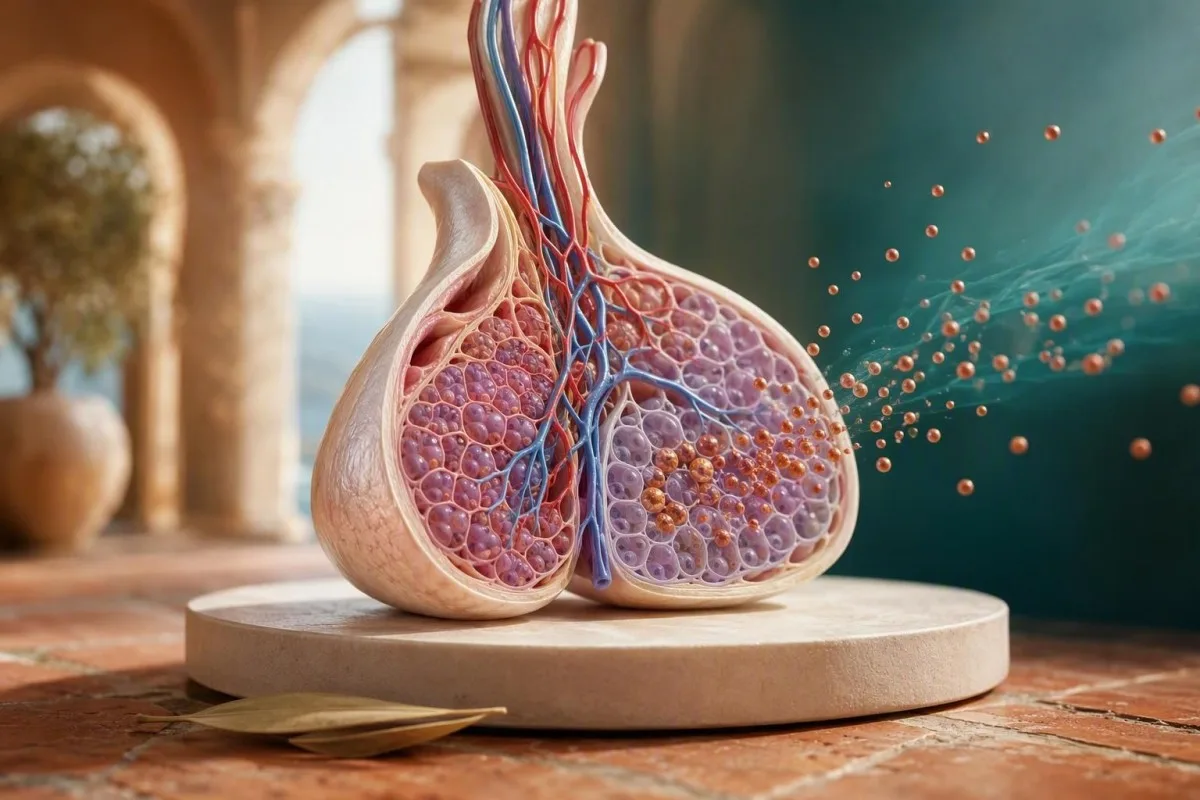
Asil prolaktin sing rada dhuwur biasane mung sauntara, nanging kahanan tes ulang lan pola gejala nemtokake apa bisa diawasi kanthi aman utawa kudu ditinjau dening endokrinolog.


- Kenaikan entheng biasane tegese asil prolaktin mung luwih dhuwur saka wates ndhuwur laboratorium pelapor, asring ing ngisor 50 ng/mL (kira-kira 1.060 mIU/L).
- Baleni dhisik nalika prolaktin 20-50 ng/mL lan ora ana gejala visual, sirah abot, utawa owah-owahan utama ing menstruasi utawa fungsi seksual.
- Ngaso penting amarga kuatir venepuncture, kurang turu, olahraga, stimulasi payudara, lan penyakit akut bisa ngunggahake prolaktin kanthi cepet.
- Tinjauan obat penting amarga antipsikotik, metoclopramide, domperidone, opioid, sawetara antidepresan, lan verapamil bisa ngunggahake prolaktin.
- Tes makroprolaktin migunani banget kanggo mundhak tetep kanthi sithik utawa tanpa gejala khas; iku ngenali kompleks prolaktin sing kurang aktif sacara biologis.
- Tingkat luwih saka 100 ng/mL pantes ditinjau endokrinologi luwih cepet, sanajan obat-obatan kadang-kadang bisa ngasilake nilai ing kisaran kasebut.
- Tinjauan mendesak dibutuhake kanggo sirah abot anyar, pangurangan pandelengan sisih, meteng kanthi gejala visual, utawa owah-owahan neurologis mendadak.
- Konteks ngalahake siji nomer: status meteng, fungsi tiroid, fungsi ginjel, wektu obatan, lan nilai sadurunge ngowahi interpretasi.
Apa sing biasane tegese asil prolaktin sing rada dhuwur
Tegesé prolaktin rada munggah biasane sinyalèw sementara tinimbang bukti kondisi pituitari: asil ing ngisor 50 ng/mL (kira-kira ing ngisor 1.060 mIU/L) umume mbutuhake tes ulang sing disiapake kanthi teliti. Aku Dr. Thomas Klein, lan ing tinjauan klinis, kombinasi nilai sing tepat, gejala, obat-obatan, kemungkinan meteng, lan kahanan njupuk sampel luwih penting tinimbang siji tandha laboratorium abang.
Umume laboratorium nyathet interval referensi wong diwasa sing ora meteng babagan 4-23 ng/mL ing wanita lan 3-15 ng/mL ing pria, nanging metode beda. Nilai 27 ng/mL ing wanita sing watesan ndhuwur laboratorium 23 ng/mL minangka asil prolaktin sing watesan, dudu diagnosis; unit bisa dikonversi kira-kira minangka 1 ng/mL = 21,2 mIU/L.
Dokter luwih prihatin nalika mundhak tetep, mundhak, utawa diiringi ora ana periode, galactorrhea, mandul, libido kurang, kangelan ereksi, lara sirah, utawa owah-owahan pandangan perifer. Nilai luwih saka 200 ng/mL luwih nuduhake adenoma pituitari sing ngasilake prolaktin tinimbang nilai 28 ng/mL, sanajan ora ana cutoff sing ngganteni penilaian klinis.
Kantesti iku sawijining Analisa tes getih AI sing nyelehake asil prolaktin ing jejere petunjuk tiroid, ginjel, ati, sing gegandhengan karo meteng, lan hormon seks tinimbang ngobati siji tandha minangka diagnosis. Pamaca sing ora yakin babagan tandha laboratorium uga bisa mriksa pandhuan kita babagan asil sing ngluwihi wates.
Kenapa laboratorium ora setuju
Imunoesay prolaktin ora bisa diganti: rong laboratorium bisa nglaporake nomer sing rada beda saka wong sing padha ing dina sing padha. Gunakake interval referensi sing dicetak ing jejere asil dhewe lan, nalika nglacak tren, coba gunakake laboratorium sing padha; iki uga sebabe mbandhingake asil antarane kunjungan mbutuhake luwih ati-ati tinimbang sing diarepake wong.
Sebab-sebab sing mung sauntara sing bisa ngunggahake prolaktin
Stres, gangguan turu, olahraga, stimulasi puting susu, aktivitas seksual, lan penyakit akut bisa nyebabake kenaikan prolaktin sing cepet. Nilai sing rada dhuwur sawise lelungan sing angel utawa wengi tanpa turu bisa normal tanpa perawatan.
Prolaktin dilepaskan ing denyut lan mundhak nalika turu, kanthi puncak asring kedadeyan ing wayah esuk. Sampel sing dijupuk sanalika sawise tangi, sawise giliran kerja wengi, utawa nalika prosedur sing nyebabake rasa sakit bisa uga kurang representatif tinimbang sampel awan sing istirahat.
Miturut pengalaman, pasien umur 31 taun sing kuwatir kanthi prolaktin 34 ng/mL sawise telung jam turu asring duwe asil mbaleni sing normal jam 10 esuk sawise lungguh meneng. Istirahat lungguh 15-30 menit sadurunge dijupuk ngurangi efek stres prosedur akut, lan ngindhari latihan sing kuat sajrone 24 jam iku masuk akal.
Demam sing mentas kedadeyan, kejang, ciloko dada, utawa malah stimulasi payudara utawa dada sing terus-terusan bisa nambah prolaktin. Yen tes sampeyan sawise lara, bandingake karo prinsip wektu ing pandhuan garis wektu tes getih, kita, tinimbang nganggep nomer kasebut nggambarake garis dasar jangka panjang sampeyan.
Carane ngulang tes prolaktin kanthi bener
Mbaleni prolaktin ing wayah esuk sing tenang, idealipun 2-3 jam sawise tangi lan sawise lungguh meneng 20-30 menit. Nguras ora dibutuhake sacara universal, nanging nguras sedina bisa nggawe panel mbaleni luwih gampang ditafsirake nalika glukosa utawa lipid uga diukur.
Kanggo tes mbaleni, hindari olahraga abot, jinis, stimulasi payudara, lan pemeriksaan dada sing ora perlu sadurunge 24 jam. Aja mandhegake obat sing diresepake dhewe; nanging, cathet jeneng obat, dosis, wektu dosis pungkasan, lan ngapa diresepake.
Panjaluk praktis marang dokter sampeyan yaiku: mbaleni prolaktin serum, tes meteng yen relevan, TSH lan free T4, lan kreatinin utawa eGFR nalika sababe ora jelas. Tes tiroid penting amarga hipotiroidisme primer bisa nambah hormon pelepas tirotropin lan sekunder nambah prolaktin; deleng jadwal tes ulang tiroid.
kita. Wektu mbaleni biasane 1-4 minggu kanggo asil sing ora dikarepke kanthi moderat nalika sampeyan ngrasa sehat, tinimbang sesuk. Tren bisa ditangkap kanthi jelas kanthi pemantauan lab longitudinal, utamane yen sampeyan nyimpen cathetan turu, dina siklus, lara, lan obat-obatan.
Obat-obatan sing umum nyebabake prolaktin rada dhuwur
Obat-obatan sing ngalangi dopamin kalebu panyebab umum saka elevasi prolaktin sing entheng nganti moderat. Pelaku utama yaiku obat antipsikotik lan anti-mual kayata metoclopramide lan domperidone.
Dopamin biasane nyegah pelepasan prolaktin pituitari, mula obat sing mblokir reseptor dopamin D2 bisa nambah level kanthi signifikan. Risperidone, amisulpride, haloperidol, metoclopramide, lan domperidone minangka conto umum; opioid, verapamil, lan sawetara SSRI bisa nyumbang kanthi moderat.
Tingkat sing ana gandhengane karo obat beda-beda banget: risperidone bisa ngasilake prolaktin ngluwihi 100 ng/mL, dene kenaikan sing ana gandhengane karo SSRI mung bisa 25-40 ng/mL. Alasan kita ora mung mandhegake obat amarga kambuh psikosis, mual parah, nyeri, utawa depresi bisa nyebabake risiko langsung sing luwih gedhe.
Kantesti AI minangka layanan interpretasi tes lab AI sing njaluk konteks obat nalika asil hormon ditandhani, nanging interpretasi kasebut ora bisa ngganti panyipta sing ngerti sebabe obat kasebut diwiwiti. Yen ana gejala sing ana gandhengane karo hormon, panel hormon kita njelasake asil panyarta sing biasane dideleng dening dokter.
Meteng, nyusoni, lan mundhake fisiologis sing normal
Kandhutan lan nyusoni bisa njalari prolaktin luwih dhuwur tinimbang watesan normal wong sing ora ngandhut lan ora diinterpretasikake nggunakake interval 3-23 ng/mL sing biasane. Tes meteng mula minangka langkah awal lan penting kanggo mundhak sing ora bisa dijelasake kanggo sapa wae sing bisa meteng.
Sajrone meteng, prolaktin biasane saya mundhak terus nganti 100-300 ng/mL kisaran ing akhir meteng, lan nyusoni njaga lonjakan intermiten. Nilai persis ora ngukur pasokan susu kanthi andal, mula ngoyak angka ing wong sing nyusoni arang migunani.
Obat sing ngandung estrogen lan siklus menstruasi normal bisa menehi kontribusi cilik, nanging arang banget bisa njelasake kenaikan gedhe sing tetep dhewe. Wektu siklus uga bisa nggawe rumit hormon sing gegandhengan kayata estradiol lan progesteron; panjelasan babagan variabilitas estradiol ing menopause nuduhake kenapa asil siji hormon seks arang-arang nemokake kabeh.
Ing wong sing nyoba ngandheg, hiperprolaktinemia sing terus-terusan bisa ngganggu ovulasi kanthi nyuda hormon gonadotropin-releasing. Iki relevan sacara klinis sanajan anggané mung 35-60 ng/mL, utamane nalika périodé wis arang.
Panyebab tiroid, ginjel, ati, lan tembok dada
Hipotiroidisme primer, penurunan pembersihan ginjel, penyakit ati kronis, lan stimulasi dinding dada kabeh bisa nambah prolaktin tanpa pertumbuhan hipofisis. Sababe iki biasane ditemokake liwat riwayat lan sawetara tes laboratorium sing ditargetake sadurunge pencitraan otak dipertimbangkan.
Hipotiroidisme primer sing katon jelas asring nuduhake biasane nuduhake, lan koreksi nganggo levothyroxine bisa normalake prolaktin sajrone minggu nganti wulan. Hipotiroidisme tengah duwe pola sing beda, mula TSH normal ora tansah ngrampungake pitakonan nalika T4 bebas kurang; wacan pandhuan kita babagan T4 bebas sing kurang kanthi TSH normal.
Penyakit ginjel kronis bisa nambah prolaktin liwat penurunan pembersihan lan regulasi dopamin sing malih; eGFR ing ngisor 60 mL/min/1.73 m² ndadekake panjelasan iki luwih bisa dipercaya. Penyakit ati minangka panjelasan sing terisolasi sing kurang umum, nanging disfungsi sintetik lan owah-owahan hormon seks bisa nyumbang.
Herpes zoster ing dada, operasi dada, luka bakar, lan iritasi mekanik sing terus-terusan wis disambungake karo kenaikan prolaktin amarga input saraf sensorik bisa ngrangsang jalur refleks. Iki minangka salah sawijining alasan kenapa dokter takon babagan ruam utawa operasi sing katon ora ana gandhengane karo asil hormon.
Kapan tes makroprolaktin minangka langkah sabanjure sing wicaksana
Tes makroprolaktin paling migunani nalika prolaktin tetep munggah nanging gejala ora ana utawa ora proporsional karo asil. Makroprolaktin biasane prolaktin sing terikat karo imunoglobulin lan duwe aktivitas biologis sing luwih sithik amarga ora bisa tekan reseptor kanthi apik.
Akeh pangukuran rutin ngitung makroprolaktin minangka prolaktin, nggawe asil sing katon dhuwur ing wong kanthi périodé normal, ora ana galactorrhea, lan ora ana gejala kesuburan utawa seksual. Laboratorium biasane nyaring nganggo presipitasi polietilen glikol; pemulihan prolaktin monomerik sing kurang ndhukung makroprolaktinemia.
Pedoman Endocrine Society nyaranake mriksa makroprolaktin ing hiperprolaktinemia tanpa gejala amarga bisa nyegah pencitraan lan perawatan sing ora perlu (Melmed et al., 2011). Prakiraan prevalensi sing diterbitake beda-beda banget gumantung saka assay lan populasi rujukan, nanging makroprolaktin katon kira-kira 10-25% saka wong sing dievaluasi amarga prolaktin mundhak.
Makroprolaktin dudu alesan kanggo nglirwakake gejala sing ana tenan; wong bisa duwe makroprolaktin ditambah masalah endokrin liyane. Kanggo bebaya assay sing luwih akeh, artikel kita babagan tes kualitatif vs. kuantitatif minangka pasangan sing migunani.
Apa sing dipriksa dhokter nalika mundhak tetep ana
Peningkatan prolaktin sing terus-terusan kudu dikonfirmasi lan ditaksir kanthi tes meteng nalika relevan, tinjauan obat, TSH/free T4, fungsi ginjal, lan makroprolaktin sadurunge nyana penyakit hipofisis. Asil mbaleni ing kisaran sing padha luwih informatif tinimbang asil tunggal sing terisolasi.
Riwayat sing fokus takon babagan wektu menstruasi, discharge susu, libido, fungsi ereksi, infertilitas, owah-owahan visual, nyeri sirah, kejang, gejala dada, lan saben resep, obat sing didol tanpa resep, lan zat rekreasi. Ing 15 taun praktik klinisku, dhaptar obat asring dadi petunjuk sing ilang—terutama nalika pesanan laboratorium dilebokake dening klinisi sing ora pati ngerti babagan resep psikiatri utawa gastrointestinal.
Prolaktin saka 50-100 ng/mL kanthi fungsi tiroid lan ginjal normal, ora ana penjelasan obat, lan ora ana makroprolaktin biasane mbutuhake input endokrinologi. Tinjauan manajemen klinis dening Serri lan kolega negesake identifikasi panyebab fisiologis lan farmakologis sadurunge pencitraan (Serri et al., 2003).
Kantesti kang standar validasi medis ndhukung interpretasi adhedhasar pola, nanging asil abnormal kudu dikonfirmasi liwat klinisi lan laboratorium pelaporan. Nggawa kronologi asil sing ringkes asring luwih migunani tinimbang mbaleni panel hormon gedhe sing ora ditargetake.
Kapan kudu kuwatir babagan prolaktin lan njaluk tinjauan darurat
Gejala visual anyar, nyeri sirah sing abot utawa cepet saya parah, owah-owahan neurologis, utawa peningkatan prolaktin sing ditandai lan terus-terusan mbutuhake evaluasi medis cepet. MRI biasane dianggep sawise panyebab umum sing bisa dibalekake disingkirake utawa nalika gejala nuduhake tekanan cedhak jalur optik.
MRI hipofisis ora dibutuhake kanthi otomatis kanggo nilai tunggal 29 ng/mL sawise stres. Luwih masuk akal kanthi peningkatan sing terus-terusan durung dingerteni, prolaktin luwih saka 100 ng/mL, amenore utawa hipogonadisme, utawa gejala massa hipofisis; nilai luwih saka 200 ng/mL ndadekake prolaktinoma luwih kamungkinan.
Hubungi saran klinis ing dina sing padha kanggo nyeri sirah sing kuat lan dumadakan kanthi gangguan visual, mutah, bingung, lemes, utawa pingsan. Fitur kasebut ora umum ing hiperprolaktinemia entheng biasa, nanging penting amarga apoplexy hipofisis lan penyakit neurologis liyane mbutuhake pengecualian cepet.
Kehilangan penglihatan periferal asring diwiwiti kanthi alus, mula wong nggambarake nabrak kusen lawang tinimbang wuta sing jelas. Tinjauan rinci babagan gejala prolaktin dhuwur nerangake kombinasi gejala apa sing ora kudu ngenteni tes ulang rutin.
Periode, kesuburan, lan kesehatan balung: kenapa gejala ngganti rencana
Prolaktin sing mundhak sithik luwih penting nalika ngganggu periode, ovulasi, kesuburan, utawa paparan estrogen. Hormon kasebut bisa nyuda sinyal reproduksi sing dibutuhake kanggo ovulasi reguler sanajan ora ana discharge susu sing dramatis.
Oligomenore tegese siklus luwih saka 35 dina, nalika amenore tegese ora ana getiha menstruasi sajrone 3 sasi ing wong sing sadurunge rutin; salah siji mbutuhake tinjauan klinis yen prolaktin mundhak. Tes meteng luwih dhisik amarga meteng awal luwih umum tinimbang kelainan hipofisis.
Kurang estrogen sajrone pirang-pirang wulan bisa nyuda kepadatan tulang, utamane nalika hiperprolaktinemia nyebabake amenore. Tugas langsung yaiku ora miwiti suplemen kanthi wuta nanging ngenali panyebab lan mulihake fungsi hormonal sing tepat; wanita sing nimbang perawatan bisa mriksa tes sadurunge HRT.
Galaktorea yaiku ngeculake susu sing ora ana gandhengane karo meteng utawa nyusoni, nanging ora perlu utawa cukup kanggo prolaktin dhuwur. Asil prolaktin normal ora ngilangi panyebab payudara lokal, lan asil sing mundhak ora ndadekake ngeculake otomatis mbebayani.
Prolaktin rada dhuwur ing pria: tandha-tandha sing ora digatekake
Ing wong lanang, prolaktin dhuwur sing terus-terusan bisa nyuda libido, ngruyang ereksi, nyuda testosteron, lan kadang mengaruhi kesuburan. Asil kudu ditafsirake kanthi panel testosteron esuk sing tepat wektune, ora mung prolaktin.
Kanggo wong lanang kanthi gejala seksual, dokter asring ngukur total testosteron ing antarane jam 7 nganti 11 esuk., kanthi SHBG lan testosteron bebas sing diitung yen perlu. Prolaktin bisa nyegah gonadotropin, ngasilake LH lan FSH sing kurang utawa ora normal kanthi ora tepat bebarengan karo testosteron sing kurang.
Wong lanang umur 42 taun kanthi prolaktin 31 ng/mL lan testosteron sing rada kurang bisa uga kurang turu, obesitas, efek obat, utawa disfungsi hipofisis—ora ana cara cepet siji. Penjelasan kita babagan testosteron bebas sing kurang nuduhake ngapa SHBG bisa radikal ngowahi interpretasi nilai total.
Kantesti iku sawijining platform interpretasi biomarker AI sing bisa mbandhingake prolaktin karo testosteron, LH, FSH, TSH, lan asil sadurunge, nanging ora kudu digunakake kanggo diagnosa lesi hipofisis. Gejala sing terus-terusan pantes dikonsultasikan karo dhokter umum utawa endokrin sanajan mundhake prolaktin moderat.
Masalah tes: biotin, efek kail, lan asil sing ngelir
Gangguan laboratorium arang banget nanging kudu dipertimbangkan nalika nomer prolaktin banget kontras karo gejala utawa temuan MRI. Biotin biasane luwih ngganggu sawetara immunoassay endokrin liyane tinimbang prolaktin, nanging saben suplemen isih kalebu ing riwayat panyuwunan laboratorium.
Efek kait dosis dhuwur bisa nyebabake asil prolaktin sing salah rendah nalika prolaktinoma gedhe banget ngasilake konsentrasi hormon sing luar biasa dhuwur sing ngilangi assay rong situs. Yen MRI nuduhake massa hipofisis gedhe nanging prolaktin mung mundhak sithik, laboratorium bisa ngencerake sampel lan mbaleni assay.
Dosis biotin saka 5-10 mg saben dina—lumrah ing produk rambut lan kuku—bisa ngganggu assay streptavidin-biotin sing dipilih. Kandhani dokter lan laboratorium babagan suplemen, lan tindakake saran laboratorium lokal babagan ngendhegake; pandhuan kita babagan suplemen sadurunge tes getih nerangake kenapa iki dudu aturan sing pas kanggo kabeh wong.
Antibodi heterofil minangka sumber liyane sing langka saka asil immunoassay sing nyasarke, utamane nalika nilai ora cocog karo gambaran klinis. Mbaleni ing laboratorium liyane utawa nggunakake metode assay alternatif bisa ngilangi keraguan tanpa ngalami pasien kanthi scan sing ora perlu.
Kahanan khusus: remaja, menopause, lan perawatan antipsikotik
Umur, status menopause, lan alesan kanggo obat pemblokiran dopamin ngganti ambang tumindak. Nilai prolaktin sing padha bisa ateges beda ing wong umur 16 taun kanthi pubertas sing telat, wong tuwa sing nyusoni, lan wong umur 62 taun sing njupuk perawatan antipsikotik.
Remaja butuh interpretasi endokrin pediatrik utawa remaja amarga pubertas, estabeleishment menstruasi, lan pertumbuhan ngganti konteks klinis. Tes prolaktin ing bocah-bocah arang banget dadi tes penyaringan rutin lan kudu disambung karo pitakonan gejala utawa obat tartamtu.
Sawise menopause, elevasi prolaktin ora dijelasake kanthi variasi siklus normal, mula nilai sing terus-terusan pantes ditinjau obat lan endokrin kanthi teliti. Gejala menopause bisa tumpang tindih karo gejala tiroid lan prolaktin; pandhuan kita babagan FSH sawise menopause mbantu misahake owah-owahan sing diarepake saka pola sing ora dikarepake.
Kanggo hiperprolaktinemia sing ana gandhengané karo antipsikotik, pangaturané kudu dienggo bareng karo panyeroti kesehatan mental. Pilihané bisa kalebu ngamati, nyetel dosis, utawa ngganti obat, nanging agonis dopamin kaya cabergoline bisa ngrusak gejala psikotik ing wong sing rentan lan ora kalebu tambahan.
Carane nyimpen tren prolaktin sing bisa digunakake dening dhokter sampeyan
Tren prolaktin sing migunani nyathet asil, kisaran laboratorium, wektu njupuk sampel, turu, status siklus utawa meteng, penyakit, lan obat-obatan. Telung nilai sing dijupuk ing kahanan sing beda bisa uga kurang migunani tinimbang rong nilai sing dijupuk kanthi konsisten.
Tulisen unit sing tepat amarga ng/mL lan mIU/L ora bisa dibandhingake langsung tanpa konversi, lan pertahankake interval referensi laboratorium. Cathet yen sampeyan wis olahraga, pasa, nyusoni, duwe hubungan seksual, ngombe obat, utawa turu kurang nyenyak sajrone 24 jam sadurunge.
Kantesti AI, sawijining Piranti analisis tes getih berbasis AI, bisa ngatur laporan historis lan nyorot asil sing owah ing panel laboratorium kira-kira 60 detik, nanging PDF asli lan kisaran laboratorium tetep dadi cathetan sumber. Kita lab kita nyathet rincian praktis sing nyegah alarm tren sing salah.
Yen sampeyan nuduhake asil karo anggota kulawarga utawa dokter, jaga kontrol idin lan akses. Wong sing ngatur cathetan rumah tangga bisa nggunakake saran babagan nuduhake nuduhake asil kulawarga sing aman tanpa ngowahi asil hormon dadi diagnosis kulawarga.
Jalur praktis 2026 sawise asil prolaktin sing entheng
Wiwit tanggal 28 Agustus 2026, cara praktis yaiku ngonfirmasi asil sing ora dikarepake kanthi entheng nalika ing kahanan standar, mriksa sababe sing bisa dibalik, njaluk makroprolaktin nalika tingkat mundhak tanpa gejala, lan ngrujuk nalika tingkat utawa gejala mbutuhake. Pendekatan iki ngindhari pemindaian MRI sing ora perlu lan penyakit endokrin sing kliwat.
Kanggo prolaktin ing ngisor 50 ng/mL, ora ana gejala peringatan abang, lan pemicu sementara sing jelas, mbaleni maneh ing 1-4 minggu sawise turu lan istirahat wis normal. Kanggo sing persisten 50-100 ng/mL, tinjau obat-obatan, status meteng, TSH/free T4, eGFR, lan makroprolaktin; kanggo nilai ing ndhuwur 100 ng/mL utawa gejala sing ngkhawatirake, atur penilaian endokrin sing luwih cepet.
Aturan praktis Dr. Thomas Klein iku prasaja: aja ngupaya nurunake prolaktin nganggo suplemen sadurunge sampeyan ngerti sebabe mundhak. Dokter lan peninjau kita kerja miturut standar sing dijelasake dening Dewan Penasehat Medis, lan para pamaca bisa ndeleng carane interpretasi pola bisa ditindakake ing pituduh teknologi AI.
Kanggo para pamaca sing njelajahi metodologi laboratorium sing gegandhengan, publikasi Kantesti kalebu Pandhuan Studi Wesi: TIBC, Kejenuhan Wesi & Kapasitas Ikat lan Kisaran Normal aPTT: D-Dimer, Pandhuan Pembekuan Getih Protein C; iki dudu pandhuan prolaktin, nanging njlèntrèhaké prinsip sing padha kanggo nginterpretasikaké nilai laboratorium ing konteks pengujiané. Link publikasi resmi disimpen ing ngisor iki kanggo transparansi.
Pitakonan sing Sering Ditakoni
Apa artine tingkat prolaktin sing borderline?
Tingkat prolaktin wates biasane tegese asil mung munggah sithik saka wates referensi ndhuwur laboratorium sampeyan, asring watara 25-50 ng/mL. Stres, olahraga bubar, turu kurang apik, stimulasi payudara, penyakit akut, lan obat-obatan bisa nyebabake tingkat kenaikan iki. Umume wong kanthi asil wates sing ora dikarepake lan tanpa gejala sing nggegirisi kudu mbaleni tes kasebut ing kondisi esuk sing luwih tenang sadurunge dipikirake pencitraan utawa perawatan. Kisaran laboratorium lan unit, biasane ng/mL utawa mIU/L, kudu ditinjau kanthi nilai sing pas.
Apa aku kudu kuwatir yen prolaktinku 30 ng/mL?
Tingkat prolaktin 30 ng/mL ing sawetara ngendi ing laboratorium wong diwasa sing ora ngandhut lan biasane dudu darurat dhewe. Klinisi bakal nimbang meteng, obat-obatan, turu, stres, fungsi tiroid, fungsi ginjel, gejala, lan apa sampel dijupuk sawise ngaso. Ngulang asil ing 1-4 minggu biasane cocog yen ora ana lara sirah sing abot, owah-owahan visual, utawa disfungsi menstruasi utawa seksual sing signifikan. Peninggian sing terus-terusan bisa mbutuhake tes makroprolaktin lan tinjauan endokrin.
Apa kuatir bisa nambah prolaktin ing tes getih?
Inggih, kuwatir ing sakupenge panglumpukake sampel bisa kanggo sauntara wektu ngunggahake prolaktin amarga prolaktin nanggapi stres fisik lan emosional. Lungguh meneng wae nganti 20-30 menit sadurunge nglumpukake lan njupuk tes 2-3 jam sawise tangi bakal njalari asil bolan luwih makili. Ngendhani olahraga abot, seseksan, lan rangsangan payudara nganti 24 jam luwih ngurangi owah-owahan sing bisa diwedeni. Kuwatir dhewe ora kena dikira nerangake asil sing isih dhuwur ing sampel bolan sing diklumpukake kanthi bener.
Kapan makroprolaktin kudu diuji?
Makroprolaktin kudu dipertimbangkan nalika prolaktin tetep dhuwur nalika tes ulang nanging gejala khas ora ana utawa entheng. Makroprolaktin kalebu prolaktin sing terikat karo imunoglobulin, lan tes rutin bisa ngitung sanajan aktivitas biologisé luwih murah. Laboratorium asring nggunakake presipitasi polietilen glikol kanggo ngira-ngira fraksi monomerik aktif. Tes bisa nyegah MRI hipofisis utawa perawatan sing ora perlu, utamane kanthi nilai sing persisten ing kisaran 25-100 ng/mL.
Tingkat prolaktin apa sing nuduhake tumor kelenjar pituitari?
Ora ana siji waé tingkat prolaktin sing bisa nggawe diagnosis tumor hipofisis, nanging tingkat sing terus-terusan luwih saka 100 ng/mL nambah kabutuhan kanggo evaluasi endokrin sawise obat lan sebab liyané wis dipriksa. Tingkat luwih saka 200 ng/mL luwih nuduhaké adenoma hipofisis sing ngasilaké prolaktin, sanajan obat sing ngalangi dopamin kadang-kadang bisa ngasilaké paningkatan sing ketara. Keputusan MRI uga gumantung ing lara sirah, gejala visual, disfungsi menstruasi utawa seksual, lan asil tes tiroid, meteng, ginjel, lan makroprolaktin. Tingkat 25-40 ng/mL waé luwih kerep sipaté sementara utawa sekunder tinimbang tumor hipofisis gedhé.
Apa aku bisa nurunake prolaktin sing rada dhuwur kanthi alami?
Sampeyan ora kudu nyoba ngobati prolaktin sing rada dhuwur kanthi suplemen sadurunge ngonfirmasi asil lan nemtokake sababe. Ningkatake turu, ngindhari olahraga sing abot sadurunge njupuk sampel bola-bali, lan nyuda stres sing bisa dihindari bisa mbantu nyegah kenaikan sementara sing ngrusak tes, nanging ora ngobati hiperprolaktinemia sing persisten amarga obat-obatan, tiroid, ginjel, utawa hipofisis. Aja mandheg antipsikotik, obat anti-mual, opioid, utawa antidepresan tanpa saran saka dokter sing menehi resep. Langkah sabanjure sing paling aman yaiku tes bola-bali sing wis disiapake kanthi bener lan tinjauan klinis sing ditargetake.
Entuk Analisis Tes Getih Berbasis AI Dina Iki
Gabung karo luwih saka 2 yuta pangguna ing saindenging jagad sing percaya Kantesti kanggo analisis tes lab sing instan lan akurat. Unggah asil tes getihmu lan tampa interpretasi lengkap saka 15,000+ biomarker sajrone sawetara detik.
📚 Publikasi Riset sing Dirujuk
Klein, T., Mitchell, S., & Weber, H. (2026). Pandhuan Studi Wesi: TIBC, Kejenuhan Wesi & Kapasitas Ikat. Riset Medis AI Kantesti.
Klein, T., Mitchell, S., & Weber, H. (2026). Kisaran Normal aPTT: D-Dimer, Pandhuan Pembekuan Getih Protein C. Riset Medis AI Kantesti.
📖 Referensi Medis Eksternal
Serri O et al. (2003). Diagnosis lan manajemen hiperprolaktinemia. CMAJ.
Gibney J et al. (2005). Dampak skrining makroprolaktin rutin ing praktik klinis. Journal of Clinical Endocrinology & Metabolism.
⚕️ Penafian Medis
Artikel iki mung kanggo tujuan edukasi lan ora dadi saran medis. Tansah konsultasi karo panyedhiya layanan kesehatan sing mumpuni kanggo keputusan diagnosis lan perawatan.
Sinyal Kepercayaan E-E-A-T
Pengalaman
Tinjauan klinis sing dipimpin dokter babagan alur kerja interpretasi lab.
Keahlian
Fokus kedokteran laboratorium babagan carane biomarker tumindak ing konteks klinis.
Kewibawaan
Ditulis dening Dr. Thomas Klein kanthi ditinjau dening Dr. Sarah Mitchell lan Prof. Dr. Hans Weber.
Kapercayan
Interpretasi adhedhasar bukti kanthi tindak lanjut sing cetha kanggo nyuda rasa kaget.