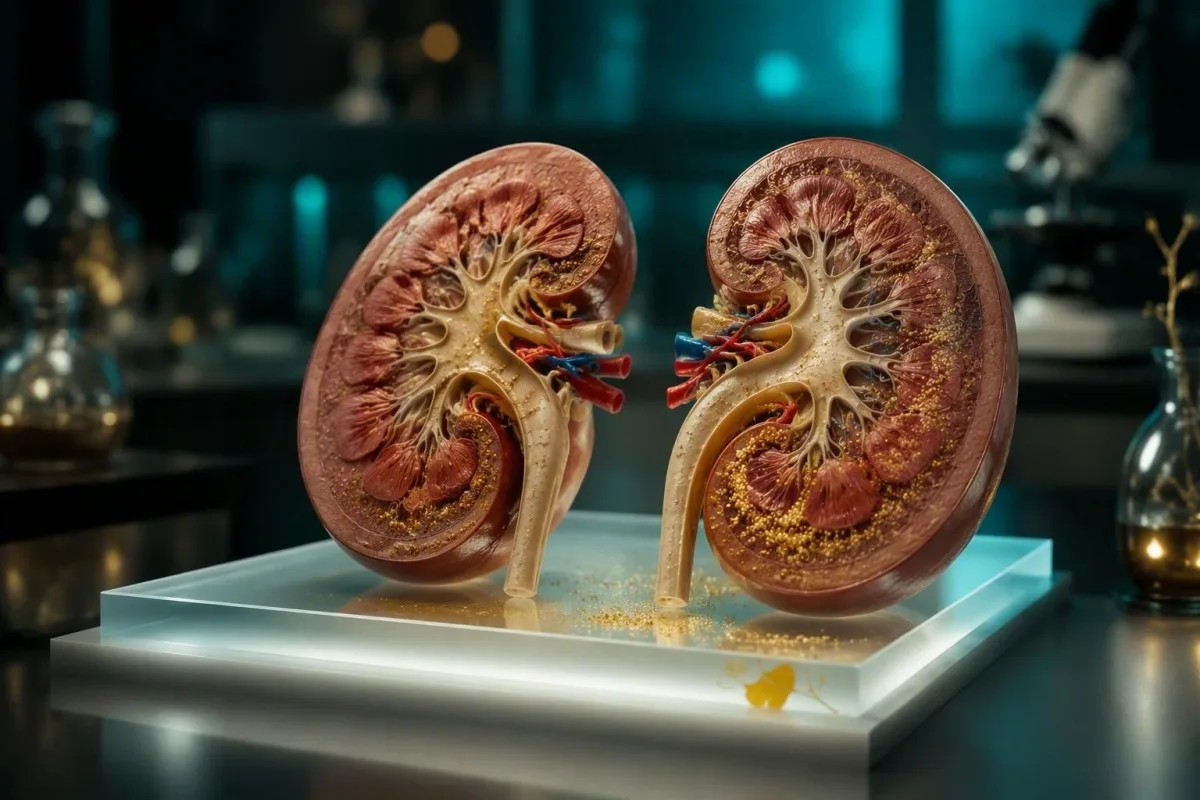
Flestir vægir hækkaðir fosfatgöngur valda engum einkennum en hátt fosfat með lágu kalki, nýrnabilun, alvarlegri máttleysi, ruglingi eða vöðvakrampa þarfnast tafarlauss klínísks mats. Talan skiptir minna máli en mynstur í kringum hana.

- Venjulega þögul: Fosfat hjá fullorðnum er almennt um 0,80-1,50 mmól/L (2,5-4,5 mg/dL) og lítil einangruð hækkun veldur oft engum einkennum.
- Brýnt mynstur: Fosfatgildi yfir 2,0 mmól/L (6,2 mg/dL) með lágu kalki, máttleysi, kippum, ruglingi eða minni þvagútfærslu þarfnast klínískrar ráðgjafar samdægur.
- Nýrnaábending: Viðvarandi offosfurlækning orsakast oftast af minni útskilnaði nýrna, sérstaklega þegar eGFR er undir 30 mL/min/1,73 m².
- Ekki meðhöndla sjálf/ur: Kalsíumuppbót getur verið óörugg þegar fosfat er hátt vegna þess að áhætta á útfellingu kalsíum-fosfats fer eftir báðum niðurstöðum.
- Falinn orsök: Erfið blóðsöfnun getur rænt frumueiningar og skapað ranglega hátt fosfatgildi; endurtekin próf geta leyst spurninguna.
- Krabbameinsmeðferðar neyðarástand: Hröð hækkun fosfats með kalíum-, þvagsýru- og kreatínín óeðlilegum getur bent til æxlissjúkdóms og krefst neyðarástands.
- bestu næstu rannsóknir: Endurtaka fosfat með kalki, albúmíni, kreatíníni/eGFR, magnesíum, bíkarbónati, barkalífsörvandi hormóni og lyfjagagnaskoðun.
Hvaða há fosfateinkenni þarfnast umönnunar núna?
Einkenni hátt fosfat eru sjaldan áberandi þegar hækkunin er væg, en alvarleg vanlíðan, sársaukafullir vöðvakrampar, dofi í kringum munninn, krampar, rugl, hjartsláttarónot eða markvert minni þvagmagn þarfnast skjótrar mats – sérstaklega ef vitað er um nýrnasjúkdóm. Niðurstaða ein og sér er ekki neyðarviðvörun; meðfylgjandi kalsíum, kalíum, nýrnastarfsemi og breytingarhraði ákvarða áhættuna.
Leitaðu tafarlaust á bráðamóttöku vegna krampa, yfirliðs, nýs rugls, alvarlegs andnauðar, stöðugra hjartsláttarónota eða mikillar máttleysis eftir fosfatafni. Þessi einkenni geta endurspeglað lágt jónað kalsíum, hátt kalíum, blóðsýringu eða nýrnabilun frekar en að fosfat virki eitt sér; hvert þeirra getur haft áhrif á hjarta- og taugavöðvastarfsemi innan klukkustunda.
Hringdu í lækni eða nýrnateymi sama dag ef fosfat er yfir 2,0 mmól/L (6,2 mg/dL), eða ef það hækkar hratt ásamt eGFR undir 30 ml/mín/1,73 m². Fólk sem fær krabbameinslyfjameðferð, meðferð við blóðkrabbameini eða í skilun ætti ekki að bíða eftir venjulegu eftirliti því hröð niðurbrot frumna getur losað fosfat og kalíum saman; sjá okkar leiðbeiningar um æxlislysis rannsóknir.
Eftir minni reynslu þarfnast kvíða manneskja með fosfat 1,55 mmól/L og án nýrnasjúkdóms sjaldan komu á bráðamóttöku. Manneskjan sem ég hef áhyggjur af er sú sem hefur 2,35 mmól/L, ógleði, minnkandi þvagmagn, kalsíum 1,82 mmól/L og skyndilega versnandi kreatínín – algjörlega önnur staða.
Ekki keyra sjálfur ef einkenni eru alvarleg
Krampar, yfirlið, alvarlegt rugl eða öryrkjandi krampar réttlæta að hringja á staðbundna neyðarþjónustu frekar en að bíða eftir útkalli á göngudeild. Takið með rannsóknarniðurstöður og lista yfir lyf, þar á meðal hægðalyf, hægðalyf, fæðubótarefni og krabbameinslyf.
Hvað þýðir elevated fosfatgildi raunverulega
Hyperphosphatemia þýðir fosfat yfir viðmiðunarmörkum rannsóknarstofu, almennt yfir 1,50 mmól/L eða 4,5 mg/dL hjá fullorðnum. Viðmiðunarmörk eru mismunandi eftir mælingaraðferð, aldri og tímasetningu, svo flókið er byrjunarstaður en ekki greining.
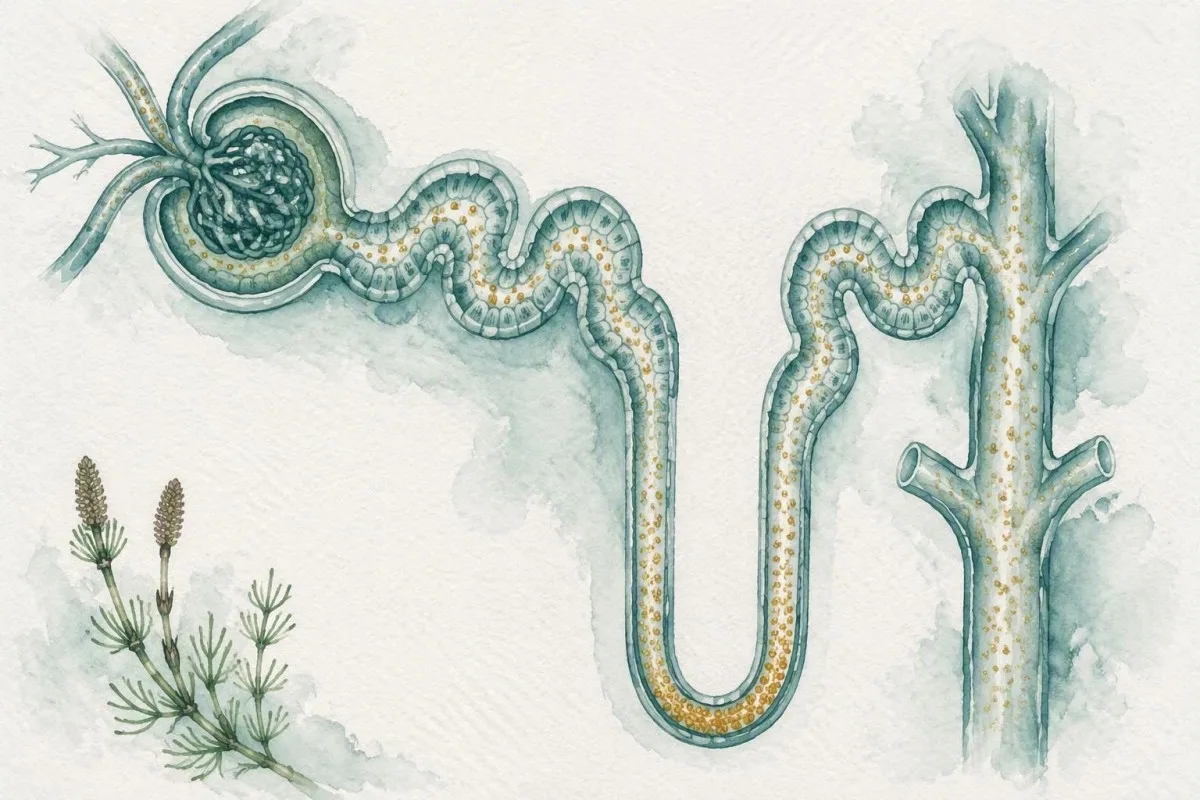
Fosfat er hlaðin steinefni sem er notað í ATP orkuflutningi, frumuhimnum, beinaminnri og sýru-basa stuðpúðun. Fullorðnir hafa almennt 0,80-1,50 mmól/L (2,5-4,5 mg/dL), en börn og unglingar hafa eðlilega hærri gildi vegna þess að vaxandi bein endurnýjar fosfat hratt.
Fastandi morgunsýni er oft æskilegt fyrir viðmiðunarmörk því fosfat fylgir daglegum takti og hefur tilhneigingu til að hækka yfir nóttina. Gildi 1,55 mmól/L eftir seint máltíð eða erfiða líkamsrækt er túlkað öðruvísi en 1,55 mmól/L á endurteknum föstu sýnum með lækkandi eGFR; okkar leiðbeiningar um fosfat viðmiðunarmörk útskýrir hvers vegna rannsóknarstofumerkingar þurfa samhengi.
Kantesti er AI blóðprufugreiningartæki sem les fosfat við hlið kalsíums, kreatíníns, eGFR, albúmíns og fyrri niðurstaðna frekar en að meðhöndla eina auðkennda línu sem úrskurð. Þessi áhersla á mynstur er sérstaklega gagnleg þegar einingar eru mismunandi á milli mmól/L og mg/dL.
Af hverju er væg offosfatlækning oft þögul
Einkenni vægtra of fosfata eru yfirleitt engin, því fosfat sjálft veldur ekki áreiðanlega skynjun við hóflega hækkun. Einkenni koma aðallega fram þegar fosfat lækkar kalsíumjónir, fylgir nýrnabilun eða hækkar hratt.
Fosfat getur bundist kalsíum, en heildarkalsíum getur samt virst eðlilegt á meðan líffræðilega virkt kalsíumjónir færast niður. Þess vegna eru náladofi, krampar eða karpopedal krampar upplýsandi en óljós þreyta þegar ákvarða á hvort steinefnaójafnvægi er klínískt virkt.
Gagnlegur hagnýtur greinarmunur: þreyta, höfuðverkur og léleg einbeiting eru óljós og ætti ekki sjálfkrafa að kenna um fosfat upp á 1,58 mmól/L. Hjá sjúklingi með langvarandi nýrnasjúkdóm verðskulda sömu einkenni víðtækari endurskoðun vegna blóðleysis, súrefnisskorts, þvagefna, lyfja og vökvastöðu; okkar leiðbeiningar um einkenni vegna lágs eGFR kortleggja viðvörunarmerki betur en fosfat eitt og sér.
Aðferð Dr. Thomas Klein er að spyrja hvað breyttist: bráð veikindi, þarmaundirbúningur sem inniheldur fosfat, ofþornun, ný meðferð með D-vítamíni, tímasetning skilunar, eða rannsakaður galla. Stöðugt einangrað niðurstaða yfir ár er ekki meðhöndluð eins og hröð hækkun yfir 48 klukkustundir.
Einkenni geta stafað af undirliggjandi ástandi
Minnkaður matarlyst, kláði, ógleði og svefntruflanir í langt gengnu nýrnasjúkdómi eru oft rakin til hárs fosfats á netinu, en þau eru ekki sérstök einkenni fosfats. Meðhöndlun aðeins á tölu getur misszt undirliggjandi nýrna- og bein-steinefnasjúkdómur.
Einkenni sem benda til kalsíum- eða rafskautssjúkdóma
Vöðvakrampar, kippir, náladofi, krampar, flogaköst og hjartsláttartruflanir eru há einkenni fosfats sem verðskulda hraðasta athygli, því þau geta bent til lækkunar á kalsíumjónum eða annarra samtímis saltajónaójafnvægis. Ný taugaeinkenni ætti aldrei að fylgjast með óformlega heima.
Einkenni lágs kalsíums byrja oft með náladofa í kringum varirnar eða fingurna, stirðleika í höndum, krampa í kálfum og kippum í andliti. Alvarleg blóðkalsíumlækkun getur lengt QT-bil á hjartalínuriti og valdið flogaköstum, þess vegna getur læknir beðið um kalsíumjónir frekar en að treysta eingöngu á leiðrétt heildarkalsíum; samanber okkar bráð merki um lágt kalsíum.
Brjóstverkur, hraður hjartsláttur eða tilfinning um sleppt högg er ekki viðurkennt áreiðanlegt einkenni fosfats eingöngu, en það þarf skjóta mat þegar kalíum er einnig hækkað. Kalíum yfir 6,0 mmól/L er almennt meðhöndlað sem bráð viðmiðun, þó breytingar á hjartalínuriti og hraði hækkunar skipti meira máli en einn skurður.
Kantesti AI túlkar an hækkað fosfatgildi með því að athuga tengd saltajónamynstur, þar á meðal kalíum, bíkarbónat, kalsíum og magnesíum. Það getur ekki komið í stað hjartalínurits, skoðunar eða bráða mats þegar einkenni benda til rafstöðugleika.
Kalsíum-fosfat vöran er ekki heimili útreikningur
Læknar íhuga stundum kalsíum-fosfat byrði í langt gengnu CKD, en nútíma meðferðarákvarðanir treysta ekki á eina vörumörkun í einangrun. KDIGO mælir með röð mats á fosfati, kalsíum og lifrarhormóni saman frekar en að elta eitt lífefnafræðilegt markmið (KDIGO CKD-MBD Update Work Group, 2017).
Hvenær er nýrnasjúkdómur líklegasta orsökin
Langvarandi nýrnasjúkdómur er algengasta orsök þráláts hárs fosfats hjá fullorðnum, vegna þess að starfhæfir nýrungar skilja út minna fosfat þegar GFR lækkar. Gildi haldast oft eðlileg þar til síðar á CKD vegna þess að FGF23 og lifrarhormón bæta upp um tíma.
Fosfat hækkar oft skýrar þegar eGFR fellur undir um 30 mL/mín/1,73 m², þó einstök tímasetning breytist með mataræði, leifar nýrnastarfsemi, lifrarhormóni og skilun. KDIGO's 2017 CKD-MBD leiðbeiningin ráðleggur að lækka hækkað fosfat í átt að eðlilegu bili í CKD, byggt á endurteknum mælingum frekar en fyrirbyggjandi meðferð á eðlilegri niðurstöðu (KDIGO CKD-MBD Update Work Group, 2017).
Í skilunarumönnun veltur for-skilunar fosfat talan einnig á bilinu frá síðustu lotu og hvort sýnið var tekið fyrir eða eftir meðferð. Að missa lotu, hægðatregða, slæm binditímasetning eða nýleg mataræðisbreyting getur fært fosfat verulega án þess að tákna varanlega nýja grunnlínu; sjá Yfirlit yfir stig langvinnrar nýrnasjúkdóms.
Kantesti er AI lífmerkjatúlkunarvettvangur sem getur sýnt þróun fosfats og eGFR yfir skýrslur, sem hjálpar sjúklingum að taka eftir viðvarandi mynstri áður en þeir fara í klíníska heimsókn. Yfirlit yfir þróun er gagnlegt, en skilgreiningar á skilunarmeðferð og fosfatbindandi lyf verða að vera hjá nýrnaþjálfateymi.
Hátt fosfat er ekki sönnun fyrir langvinnri nýrnasjúkdóm
Eðlilegt kreatínín útilokar ekki öll nýrnavandamál, en eitt hátt fosfatafgreiðslur tjáir ekki langvinna nýrnasjúkdóm heldur. Langvinnur nýrnasjúkdómur krefst vísbendinga um nýrnavandamál sem varir í að minnsta kosti 3 mánuði, venjulega túlkað með eGFR og þvagsýni með albúmíni.
Hröð fosfathækkun: frumusjúkdómar og neyðarástand
Hröð hækkun fosfats getur verið neyðartilvik þegar margar frumur brotna niður í einu, losandi innanfrumu fosfat, kalíum, úrat og kjarnsýrur í blóðrásina. Þetta mynstur er mest áhyggjuefni eftir kemómeðferð, við alvarlega maráverki eða við mikinn vefjaskaða.
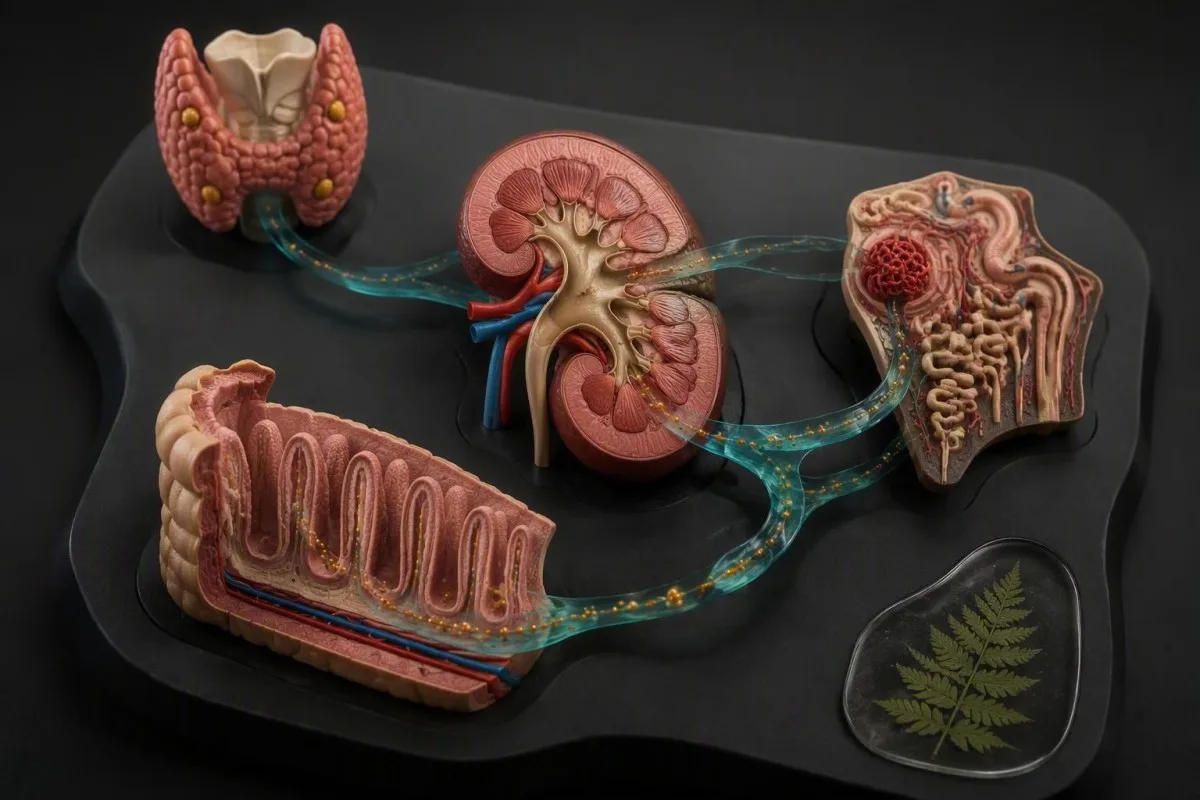
Æxlisrofheilkenni er klassískt metið í tengslum við krabbameinsmeðferð, sérstaklega í blóðkrabbameinum með mikla byrði, en það getur einstaka sinnum komið fram af sjálfu sér. Cairo-Bishop skilgreiningin notar fosfat á eða yfir 1,45 mmól/L (4,5 mg/dL) hjá fullorðnum eða 25% hækkun frá grunnlínu sem einn rannsóknarfræðilegt viðmið, túlkað með úrati, kalíum, kalsíum, tímasetningu og klínískum fylgikvillum (Cairo & Bishop, 2004).
Fullorðinn einstaklingur með útsetningu fyrir kemómeðferð auk uppkasta, máttleysis, minni þvagmyndunar, hjartsláttarónot eða ruglings ætti að leita neyðarmats frekar en að reyna að lækka fosfat með mataræði. Hættulegt vandamál er samsett efnaskiptakaskade - ofkalíumblóð, bráð nýrnaskemmd og kalkskortur - ekki aðeins fosfatgildið.
Aðrar bráðar orsakir eru rábdomýólýsa, alvarleg blóðlýsa, stórir brunasár og fosfat-innihaldandi þarmaundirbúningur eða hægðalyf. Nýr alvarlegur vöðvaverkur og dökk þvag eftir mikla áreynslu réttlætir tafarlausar prófanir fyrir kreatín kínasa, kreatínín, kalíum og fosfat; okkar leiðbeiningar um hættulegt hátt CK fjallar um þetta sérstaka en tengda neyðartilvik.
Af hverju einkenni geta komið seint
Rannsóknarfræðilega breytingin getur komið fram nokkrum klukkustundum áður en einkenni koma fram, sérstaklega eftir krabbameinsmeðferð. Þetta er ein ástæða þess að krabbameinslæknar skipuleggja endurteknar efnafræðilegar rannsóknir frekar en að bíða eftir að sjúklingur líði illa.
Hormón, D-vítamín og beinorsökir sem ber að huga að
Lág parathyroid hormón og óhófleg virkni D-vítamíns geta hækkað fosfat, vegna þess að bæði hafa venjulega áhrif á fosfatmeðferð í nýrum og frásog í görnum. Þessar orsakir eru sjaldgæfari en langvinnur nýrnasjúkdómur en skipta máli þegar nýrnastarfsemi er varðveitt.

Hypoparathyroidism veldur algengt samsetningu lágs kalsíums, hátt fosfats, náladofa, krampa og stundum sögu um háls aðgerð eða sjálfsofnæmissjúkdóm. PTH ætti að túlka við hliðina á kalsíum, magnesíum, 25-hýdroxývítamín D og nýrnastarfsemi; einangrað lágt PTH getur verið villandi ef kalsíum var ekki mælt samtímis.
D-vítamín eituráhrif valda venjulega háu kalsíumi fremur en háu fosfati, en calcitriol og tengd virk D-vítamín lyf geta hækkað bæði kalsíum og fosfat, sérstaklega í langvinnri nýrnastarfsemi. Ekki hætta ávísaðu calcitriol skyndilega án ráðlegginga, en tilkynna um fæðubótarefni og skammtabreytingar nákvæmlega; okkar leiðbeiningar um einkenni hárs D-vítamíns útskýrir viðvörunarmynstrið.
Sjaldgæfir arfgengir nýrnastarfsemi-fosfat-meðhöndlunarsjúkdómar eru til, en þeir eru ekki fyrsta skýringin á nýlega óeðlilegri niðurstöðu hjá fullorðnum. Að mínu mati svara lyfjaskrár og endurtekið sýni fleiri tilfellum en undarleg próf.
Beinumbrot er ekki það sama og sermisfosfat
Beinbrot eða hátt alkalískt fosfataskil á ekki sjálfkrafa að útskýra hátt fosfat. Beinabúskapur er kraftmikill, en sermisfosfat ræðst aðallega af útskilnaði í nýrum og hormónmerkjum; sjá okkar útskýring á ALP eftir beinbrot.
Mataræði, aukefni, fæðubótarefni og lyf
Mataræði eins og er sjaldan orsök merkilegs ofhperfosfatemíu hjá fólki með heilbrigð nýru, því heilbrgir nýru auka útskilnað fosfats eftir meira inntöku. Fosföt frá unnum matvælum, gosdrykkjum og bætiefnum skipta meira máli þegar nýrnastarfsemi er skert.
Lífrænt fosfat í baunum, hnetum, heilkornum, mjólkurvörum, fiski og kjöti frásogast misjafnlega; fosfat úr plöntufýtati er almennt síður frásoganlegt en fosfat úr aukefnum. Í langt gengiðri CKD leggja læknar oft fyrst áherslu á vel frásoganleg aukefni frekar en að útiloka allan næringarríkan próteinfæði án aðgreiningar.
Fosfat-ríkir hægðalyf, hreinsanir og undirbúningur þarmanna geta valdið hættulegri bráðri háfosfathækkun hjá eldra fólki, fólki með CKD og þeim sem taka lyf sem hafa áhrif á blóðflæði til nýrna. Látið lækninn vita um ACE hemlablokka, ARB, þvagræsingarlyf, NSAID, D-vítamínvörur og allar lausasölulyf áður en valið er undirbúningur fyrir ristilspeglun.
Byrjið ekki á kalk-bundið fosfatbindiefni eftir að hafa lesið eina niðurstöðu á netinu. KDIGO ráðleggur að takmarka skammt af kalk-bundnu bindiefni hjá fullorðnum sem fá fosfarlækkandi meðferð, að hluta til vegna þess að jákvætt kalkjafnvægi og æðakölkun eru raunverulegar áhyggjur í CKD (KDIGO CKD-MBD Update Work Group, 2017); okkar leiðbeiningar um öryggi nýrna-bætiefna bæta við hagnýtvarúðarráðstöfunum.
Lesið innihaldsefni, ekki markaðsskilaboð
Hráefnistölur eins og fosfórsýra, fosfat, pólýfosfat og pírofosfat geta auðkennt aukefni, þótt merkingar séu mismunandi á heimsvísu. Nýrnalæknir getur viðhaldið nægilegu próteini, kaloríum og menningarlegum matvælaviðmiðum á sama tíma og dregið er úr mest gefandi uppruna.
Gæti fosfatgöngin verið ranglega há?
Rönglega há fosfatniðurstaða getur komið fram þegar sýni er límosaríkt, vegna þess að frumueiningar innihalda fosfat sem getur lekið í sermi eða plasma eftir söfnun. Á óvart niðurstaða ætti að endurtaka áður en mikil meðferð er hafin nema einkenni eða tengdar óeðlilegar niðurstöður krefjist tafarlausra aðgerða.
Rannsóknarstofur merkja oft límosaríku, en ekki allir gráður af truflun sýnis gefa skýra athugasemd til sjúklings. Seinkað aðskilnaður, erfið söfnun, langur biðtími um tourniquet, eða grófur flutningur geta breytt efnafræðilegum niðurstöðum, og endurtekið hreint sýni getur verið gagnlegra en víðtæk skoðun á sjaldgæfum sjúkdómum.
Pseudohyperphosphatemia lýsir sér einnig með marktækri háþríglýseríðblóðfæði, háglóbúlínblóðfæði, eða sumum rannsaka-truflunum, þótt það sé óalgengt. Ef fosfat er hátt á meðan kalsíum, nýrnastarfsemi, klínískt ástand og endurtekin niðurstaða eru öll fullvissandi, spyrðu hvort rannsóknarstofan geti endurskoðað greiningarbilun; okkar endurprófunarleiðbeiningar eftir límosaríku útskýrir hvað ný söfnun getur skýrt.
Kantesti AI merkir ósamrýmanlegar niðurstöður til frekari athugunar en merkir ekki háa fosfatniðurstöðu sem skaðlausa eingöngu vegna þess að eitt gildi lítur út fyrir að vera úr samhengi. Öruggasta reglan er einföld: endurtaka óvænta væga niðurstöðu fljótt, á meðan aukaefni er strax ef einkenni eða nýrnamerkjastærðir eru áhyggjuefni.
Ekki þurra þig áður en þú prófar aftur
Mætið eðlilega vökvaðir nema læknirinn gefi aðrar leiðbeiningar, og forðist óvenju erfiða hreyfingu strax áður. Komið með fyrstu skýrsluna svo rannsóknarstofan og læknirinn geti borið saman aðferð, gæði sýnis og tímasetningu.
Próf sem læknar nota til að finna orsökina
Fyrsta eftirfylgni prófunarflokkur fyrir há fosfat inniheldur venjulega endurtekið fosfat, kalsíum, albúmín, kreatínín/eGFR, kalíum, bíkarbónat, magnesíum, og stundum jónað kalsíum. Réttar viðbótarprófanir fara eftir því hvort mynstrið bendir til CKD, lágs PTH, bráðs frumu-brots, eða rannsóknarstofu-galla.
PTH, 25-hýdroxývítamín D, basískur fosfatasi og þvagsfosfat geta hjálpað til við að greina hormónal gegn nýrnaorsökum. Í völdum tilfellum meta læknar endurupptöku þvagsfosfats, en þetta er ekki gagnlegt við óstöðuga bráða sjúkdóma eða áður en sermisniðurstaða er staðfest.
Ef nýrnaskemmdir eru til staðar, geta þvags albúmín-kreatínín hlutföll, þvagsýnisgreining, blóðþrýstingur, lyfjaskoðun og nýrnastarfsemi verið meira gefandi en endurtekið fosfat eitt. Kreatínín þarf túlkun í samhengi við vöðvamassa, fæði, vökvun og nýlega hreyfingu; skoðið okkar BUN og kreatínín leiðarvísir.
Kantesti'sir tau net greinir niðurstöður úr steinefnum, nýrum og sýru-jafnvægi í skipulagða spurningalista fyrir viðtal. Kantesti er AI-knúið blóðprófunargreiningartól ætlað til að styðja skilning á rannsóknarstofuprófum, ekki til að greina undirskjaldkirtilskvilla eða ávísa meðferð.
Komdu með lista
Lúðu með nákvæmu heiti og skammti af lyfjum í ávísun, fæðubótarefnum, sýrubindum, próteindufti, hægðalyfjum og hægðahreinsandi lyfjum. Í nýrnadeildarmeðferð getur samsetning vöru skipt jafn miklu og vöruflokkur.
Hvernig læknar lækka fosfat á öruggan hátt
Meðferð miðar að orsök hátt fosfatgildis frekar en að einfaldlega bæla gildið niður. Alvarlega hátt fosfatgildi getur kallað á innrennslisvökva, meðferð við lágu kalsíumgildi eða háu kalíumgildi, fosfatbindiefni og stundum skilun undir eftirliti sjúkrahúss.

Fyrir CKD felur meðferð almennt í sér ráðgjöf um mataræði, bætt skilun eftir þörfum og fosfatbindiefni sem tekin eru með máltíðum. Val bindiefnis er einstaklingsbundið: kalsíum-blandað efni, sevelamer, lantan, járn-blandað efni og önnur hafa mismunandi aukaverkanir, magn pillna, kostnað og áhrif á kalsíum.
Taktu aldrei fosfatbindiefni frá máltíðum og búist við sömu áhrifum; það virkar með því að binda fæðufosfat í meltingarveginum. Öfugt, að taka auka skammta getur valdið hægðatregðu, niðurgangi, kalsíumtruflunum eða milliverkunum við lyf eins og levótyroxín og sum sýklalyf.
52 ára sjúklingur sem ég ræddi við hafði fosfatgildi 1,92 mmól/L þrátt fyrir eðlilegt mataræði; vandamálið var að taka öll bindiefni tveimur tímum eftir máltíð til að forðast ógleði. Stillt tímabil með nýrnalæknisfræðingi – ekki róttækt takmarkað fæði – leiddi til öruggari og sjálfbærari áætlunar; okkar grein um gervigreindaröryggi í nýrnadagbók útskýrir hvers vegna ráðgjöf um mataræði verður að vera undir eftirliti lækna.
Hröð leiðrétting getur verið áhæ riskusöm
Meðferð við einkennum hypocalcaemia getur kallað á kalsíum, en óskynsamleg gjöf kalsíums getur aukið hættu á útfellingu kalsíums og fosfats þegar fosfat er mjög hátt. Neyðarlæknar vega skjótan öryggisþörf taugakerfis á móti þessari áhættu með því að endurtaka mælingar og fylgjast með hjartalínuriti.
Börn, meðganga og skilun: mismunandi reglur
Börn hafa eðlilega hærri fosfatgildi en fullorðnir, og skilunarsjúklingar þurfa einstaklingsbundin markmið og tímasetningu-meðvitaða túlkun. Gildi sem er hátt fyrir 45 ára gamlan einstakling getur verið eðlilegt á unglingsárum, en sama gildi hjá skilunarsjúklingi getur kallað á meðferðarúttekt.
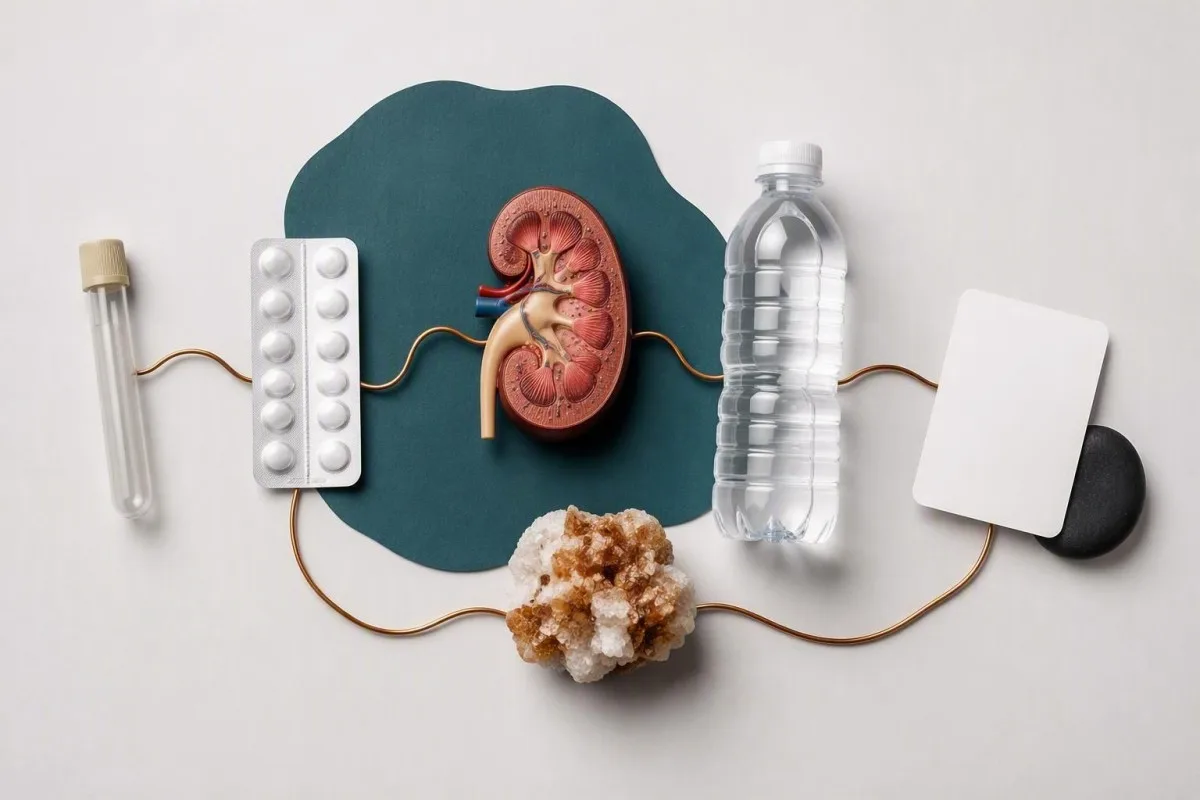
Viðmiðunarbil barna er mjög mismunandi eftir aldri og rannsóknarstofu, oft hærra en efri mörk fullorðinna á unglingsárum og við vaxtarkipp. Foreldrar ættu að nota bilið sem prentað er fyrir aldur barnsins, ekki fullorðins skerðingu á netinu; hátt fosfatgildi með lélegri fóðrun, sljóleika, uppköstum eða kippum krefst samt skjótrar barnalækningarráðgjafar.
Meðganga getur breytt nýrnastarfsemi og steinefnavísbendingum, en fosfat er ekki einleitt skimunarpróf fyrir meðgöngukomplikaðir. Alvarleg uppköst, minni þvagútskilun, alvarlegur höfuðverkur, sjónbreytingar eða bjúgur skulu metin út frá heildar læknisfræðilegu mati, ekki kennt um fosfatgildi.
Fyrir fólk í skilun skal túlkast niðurstöðu fyrir skilun út frá degi skilunarlotu, ómæltum lotum, leifta þvagútskilun og fylgni við bindiefni. Kantesti styður örugga langtímaúttekt, á meðan okkar læknisráðgjafaráð leggur áherslu á að nýrnateymi setji einstaklingsbundin meðferðarmarkmið.
Eldri fullorðnir þurfa lyfjaskoðun
Eldri fullorðnir verða fyrir óhóflegum áhrifum af fosfatríkum hægðavörum og bráðum nýrnaskaða vegna ofþornunar eða milliverkunarlyfja. Lyfjaskoðun eftir óeðlilega niðurstöðu er oft afkastameiri en róttæk breyting á mataræði.
Hvað á að gera fyrir næstu klínísku endurskoðun
Fyrir vægt, einkennalaust hátt fosfatgildi, pantið endurteknar rannsóknir og gefið samhengi frekar en að gera skyndilegar breytingar á mataræði eða fæðubótarefnum. Mjög gagnlegar upplýsingar eru tímasetning, fastandi staða, vökvainntaka, veikindi, hreyfing, lyf, nýrnaskjald, og fyrri niðurstöður.
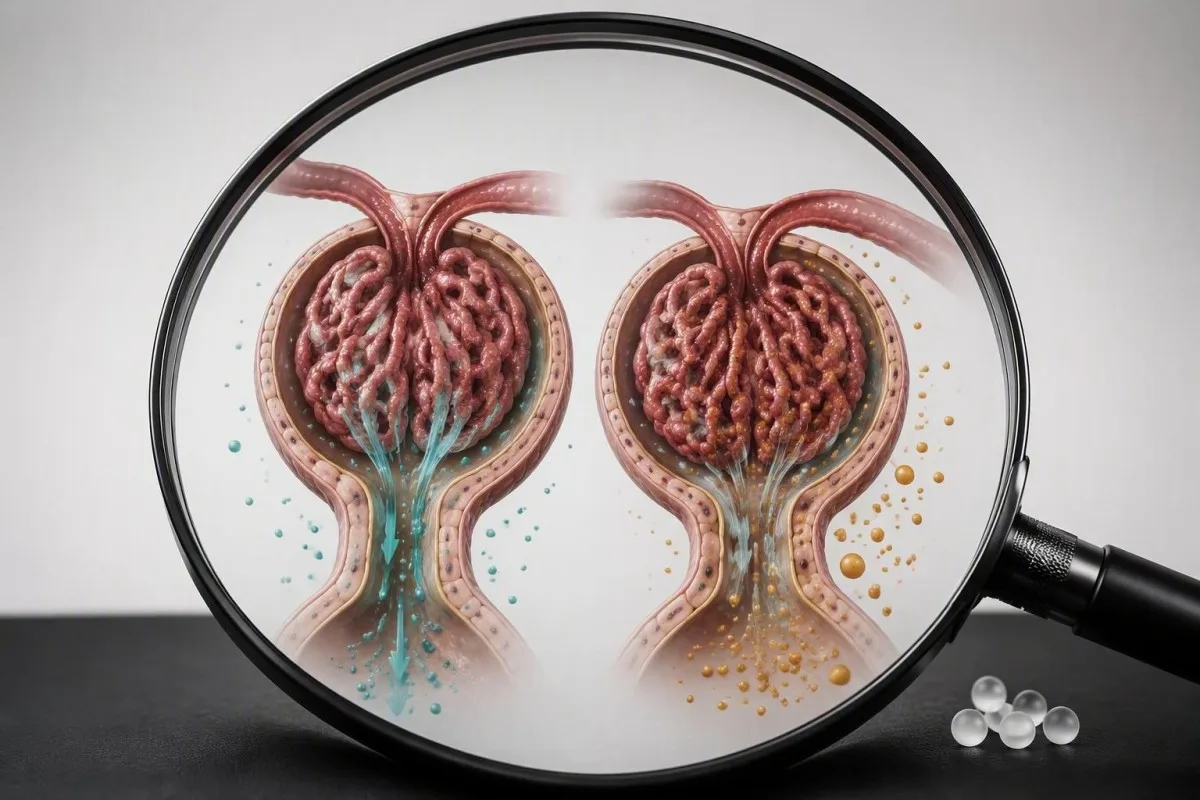
Skrifið niður hvort þú hafir farið í þarmahreinsun, stuðning, hægðalyf, krabbameinsmeðferð, mikla líkamsrækt, uppköstaveiki eða misst af skilun síðustu 7 daga. Biðjið um raunverulega fosfat einingu og viðmiðunarviðmið, því 1,8 mmól/L og 1,8 mg/dL eru algjörlega mismunandi klínísk gildi.
Beiðni um afrit af kalsíum, albúmíni, kreatíníni, eGFR, kalíum, bíkarbónati og magnesíum úr sömu blóðprufu. Læknir getur yfirleitt flokkað niðurstöðuna nákvæmari úr þessum hópi en úr fosfati eingöngu; okkar leiðarvísir fyrir raflausnapróf sýnir algengar samsetningar.
Frá og með 12. september 2026, myndi ég ráðleggja flestum einkennalausum fullorðnum með litla einangraða hækkun að hafa samband við sinn venjulega lækni innan daga, ekki mánaða. Ef skýrsla er erfið að lesa, Kantesti's aðferð við klínískt mat útskýrir hvernig gervigreind okkar skipuleggur upprunaleg gildi og óvissu til umræðu við hæfan fagmann.
Spurningar sem vert er að spyrja
Spyrðu hvort niðurstaðan hafi verið endurtekin, hvort sýnið hafi verið hemólýserað, hvort kalsíum hafi verið leiðrétt eða jónað, og hvort nýrnastarfsemi hafi breyst frá grunni. Þessar fjórar spurningar koma í veg fyrir bæði falskt öryggi og óþarfa kvíða.
Áætlun fyrir einkenni fyrst fyrir há fosfatgöngur
Flestir með örlítið hátt fosfat finna ekki fyrir neinu og þurfa staðfestingu auk orsakatengdrar greiningar; fólk með taugaeinkenni, vöðva-, hjarta- eða nýrnabilun þarf bráða aðhlynningu. Öruggasta viðbragðið er í réttu hlutfalli við fjölda, þróun, meðfylgjandi próf og hversu veikt viðkomandi er.
Notaðu neyðarþjónustu við krampa, yfirlið, alvarlega rugling, lamandi vöðvakrampa, alvarlegan máttleysi eða hjartsláttarónot með þekktri alvarlegri rafskautabreytingu. Leitaðu læknis sama dag vegna fosfats yfir 2,0 mmól/L (6,2 mg/dL), nýrrar oliguríu, virkrar krabbameinsmeðferðar, langt gengið CKD eða hratt breytandi niðurstöðu.
Fyrir óvissa einangraða niðurstöðu, endurtakið próf við venjulegar aðstæður og forðist sjálfsávísaða bindiefni, kalsíum eða róttæka próteinþrengingu. Markmiðið er ekki fullkomlega útlit skýrsla; það er að finna hvort nýrnastarfsemi, hormónastjórnun, bráð atvik, inntaka eða sýniskvalíti útskýrir breytinguna.
Dr. Thomas Klein mælir með að meðhöndla rannsóknarniðurstöðu sem klíníska vísbendingu, aldrei sem greiningu sem kemur frá appi eða leitarniðurstöðu. Okkar leiðarvísir fyrir gervigreindartækni útskýrir hvernig Kantesti AI varðveitir upprunaleg rannsóknargildi og undirstrikar spurningar fyrir læknisfræðilega endurskoðun fremur en að koma í stað læknishjálpar.
Niðurstaða
Hátt fosfat er venjulega merki um að leita víðar—sérstaklega að nýrnastarfsemi og kalsíum—ekki einkennagreining í sjálfu sér. Tímabundin endurskoðun er mest verðmæt þegar fjöldinn er merktur, hækkandi, ásamt óeðlilegum rafskautum eða ásamt raunverulegum einkennum.
Algengar spurningar
Hvernig líður manni þegar fosfatgildi eru há?
Hátt fosfat veldur venjulega engum sérstökum einkennum þegar hækkunin er væg, svo sem 1,51-1,80 mmól/L (4,6-5,6 mg/dL). Þegar fosfat hækkar verulega eða lækkar jónað kalsíum, getur fólk fengið náladofa í kringum munninn, vöðvakrampa, kippur, krampa í höndum, máttleysi eða krampa. Ógleði, kláði og þreyta tengjast oft meiri nýrnasjúkdómi eða öðru samhliða vandamáli en fosfati einu. Ný taugavandamál, hjartavandamál eða alvarleg vöðvavandamál þurfa bráða læknisfræðilega mati.
Er fosfatgildi upp á 1,6 mmól/L hættulegt?
Fosfatmagn 1,6 mmól/L, um það bil 5,0 mg/dL, er væg hækkun og er oft ekki strax hættulegt hjá heilbrigðum fullorðnum með eðlilegt kalsíum og nýrnastarfsemi. Það ætti samt að staðfesta og túlka með kreatíníni/eGFR, kalsíum, albúmíni, kalíum, bíkarbónati, lyfjum og sýniskvalíti. Þrálátar niðurstöður yfir rannsóknarviðmiði geta verið snemma vísbending um nýrna- eða hormónatengda fosfatjafnvægisleysi. Bráðsemi eykst ef einkenni koma fram, nýrnastarfsemi minnkar, eða fosfat hækkar yfir 2,0 mmól/L (6,2 mg/dL).
Hvenær á hátt fosfór að senda þig á bráðamóttöku?
Hátt fosfór réttlætir neyðarhjálp þegar það kemur fram með krampa, yfirlið, rugling, alvarlega vöðvakrampa, viðvarandi hjartsláttarónot, alvarlegan máttleysi eða verulega minnkaða þvagleysi. Neyðarmat er einnig viðeigandi eftir krabbameinsmeðferð eða alvarlega vöðvaskaða þegar fosfat hækkar ásamt kalíum, þvagsýru eða kreatíníni. Fosfatþéttni yfir 2,0 mmól/L (6,2 mg/dL) réttlætir læknisfræðilega ráðgjöf sama dag, jafnvel án einkenna, sérstaklega hjá sjúklingum með langvinna nýrnasjúkdóm. Neyðaráhættan stafar af öllu rafskauta- og nýrnastarfsmynstri, ekki fosfati einu.
Getur ofþornun valdið háu fosfati?
Vökvaskortur getur þétt rannsóknargildi og getur stuðlað að vægri hækkun á fosfati, en ekki ætti að gera ráð fyrir að það útskýri þráláta eða verulega hækkun. Vökvaskortur getur einnig dregið úr nýrnaperfusion og tímabundið versnað kreatínín, sem gerir niðurstöðuna klínískari fremur en minna. Eðlileg vökvun og endurtekið efnaflokkapróf getur hjálpað til við að skýra óvissa gildi. Alvarleg uppköst, niðurgangur, svimi, lítil þvagleysi eða lækkun á eGFR þarf læknisfræðilega endurskoðun fremur en eingöngu sjálfsstjórnun.
Getur mataræði valdið háu fosfati með eðlilegum nýrum?
Mataræði eitt veldur sjaldan mikilli ofurfosfatemíu þegar nýrnastarfsemi er eðlileg vegna þess að heilbrigð nýru auka útskilnað fosfats. Mjög frásoganleg ólífræn fosföt aukefni í unnum matvælum, kókódrykkjum, fæðubótarefnum og þarmahreinsunum verða áhrifameiri þegar eGFR minnkar. Þrálátt fosfat yfir 1,50 mmól/L (4,5 mg/dL) ætti að hvetja til endurskoðunar vegna nýrnasjúkdóma, lyfja, hormónaorsaka og rannsóknartruflana áður en settar eru strangar mataræðisþrengingar. Næringarfræðingur í nýrum getur sérsniðið breytingar án þess að skerða prótein- og kaloríuinntöku.
Hvaða próf eru athuguð við hátt fosfat?
Læknar endurtaka oft fosfat ásamt kalsíum, albúmíni, kreatíníni, eGFR, kalíum, bíkarbónati og magnesíum til að meta hátt fosfat á öruggan hátt. Parathyroid hormón, 25-hýdroxývítamín D, basískur fosfatasi, þvagrannsókn og þvagsfosfat geta verið bætt við þegar upphaflegt mynstur bendir til hormóna eða nýrnaorsaka. Jónað kalsíum er sérstaklega gagnlegt þegar náladofi, krampar, kippir eða krampar benda til líffræðilega virkrar blóðkalsíumlækkunar. Í grunuðu æxlisgreiningarheilkenni eru þvagsýra, kalíum, kreatínín, kalsíum, fosfat og þvagleysi metin bráðlega.
Fáðu AI-knúna greiningu á blóðprufum í dag
Vertu með yfir 2 milljónir notenda um allan heim sem treysta Kantesti fyrir tafarlausa og nákvæma greiningu á blóðprufum. Hladdu upp niðurstöðum blóðrannsókna þinna og fáðu yfirgripsmikla túlkun á 15,000+ lífmerkjum á sekúndum.
📚 Tilvísuð rannsóknarútgáfa
Klein, T., Mitchell, S., & Weber, H. (2026). Eðlilegt gildi aPTT: D-dímetri, prótein C, leiðbeiningar um blóðstorknun. Kantesti AI Medical Research.
Klein, T., Mitchell, S., & Weber, H. (2026). Leiðbeiningar um sermisprótein: Blóðprufa um glóbúlín, albúmín og A/G hlutfall. Kantesti AI Medical Research.
📖 Ytri læknisfræðilegar heimildir
⚕️ Fyrirvari vegna læknisfræðilegra mála
Þessi grein er eingöngu til fræðslu og felur ekki í sér læknisráðgjöf. Leitaðu alltaf til hæfs heilbrigðisstarfsmanns vegna ákvarðana um greiningu og meðferð.
E-E-A-T traustmerki
Reynsla
Læknastýrð klínísk yfirferð á vinnuferlum við túlkun rannsóknarniðurstaðna.
Sérþekking
Áhersla á rannsóknarstofulækningar: hvernig lífmarkarar hegða sér í klínísku samhengi.
Yfirvald
Skrifað af Dr. Thomas Klein með yfirferð Dr. Sarah Mitchell og próf. Dr. Hans Weber.
Traustleiki
Rökstudd túlkun byggð á gögnum með skýrum eftirfylgnileiðum til að draga úr ávörun.