په ډېریو مواردو کې د فاسفېټ لږ لوړوالی کومې نښې نه لري، خو په لوړ فاسفېټ سره په ټیټ کلسیم، د پښتورګو ناکامي، شدید ضعف، ګډوډي، یا د عضلاتو انقباض کې سمدستي طبي ارزونې ته اړتیا ده. شمیره له شاوخوا حالت څخه کمه مهمه ده.



- معمولا بې نښې: په بالغانو کې د فاسفېټ کچه معمولا شاوخوا 0.80-1.50 mmol/L (2.5-4.5 mg/dL) وي، او یوه کوچنۍ جلا زیاتوالی اکثره کومې نښې نه لري.
- بیړنی حالت (urgent pattern): په 2.0 mmol/L (6.2 mg/dL) څخه لوړه د فاسفېټ پایله چې ټیټ کلسیم، ضعف، ټکان، ګډوډي، یا د ادرار د وتلو کمښت ولري، د ورځې په ورځ طبي مشورې ته اړتیا لري.
- د پښتورګو نښه: دوامداره لوړ فاسفېټ اکثره د پښتورګو د اخراج د کمیدو له امله رامینځته کیږي، په ځانګړي توګه کله چې eGFR له 30 mL/min/1.73 m² څخه کم وي.
- پخپله درملنه مه کوئ: د کلسیم بشپړونکي کله چې فاسفېټ لوړ وي خوندي نه وي ځکه چې د کلسیم-فاسفېټ د جمع کیدو خطر په دواړو پایلو پورې تړاو لري.
- پټ لامل: د نمونې راایستلو ستونزمنه بڼه کولی شي د حجرو عناصر مات کړي او د فاسفېټ غلطه لوړه پایله رامنځته کړي؛ تکراري ازموینه کیدای شي پوښتنه حل کړي.
- د سرطان-درملنې بیړنی حالت: د فاسفېټ چټک لوړوالی د پوتاشیم، یورټ، او کریټینین غیر نورمالتیا سره د تومور د ماتیدو سنډروم نښه کولی شي او بیړنۍ پاملرنې ته اړتیا لري.
- غوره راتلونکې ازموینې: د فاسفېټ تکرار ازموینه د کلسیم، البومین، کریټینین/eGFR، مګنیزیم، بای کاربونیټ، پاراټایرایډ هورمون، او د درملو بیاکتنې سره.
د لوړ فاسفېټ کومې نښې اوس پاملرنې ته اړتیا لري؟
د فاسفیت لوړې نښې په ناڅاپي لوړتیا سره لږې دي, ، مګر شدید ضعف، دردناک عضلاتي درد، د خولې شاوخوا ټنګیدل، اختلاطات، ګډوډي، د سینې وهل، یا د ادرار دoutput کمیدل عاجل ارزونې ته اړتیا لري—په ځانګړي توګه د پښتورګو له پیژندل شوي ناروغۍ سره. یوازې یوه پایله د اضطراري تشخیص نه ده؛ ورسره موجود کلسیم، پوتاشیم، د پښتورګو فعالیت، او د بدلون سرعت خطر پریکړه کوي.
اوس مهال د اضطراري پاملرنې ته لاړ شئ که تاسو اختلاطات، بې هوښه کیدل، نوي ګډوډي، شدید ساه لنډۍ، دوامداره palpitations، یا شدید ضعف ولرئ وروسته له دې چې د فاسفیت پایله ترلاسه کړئ. دا نښې ښایي منعکس کړي د ionised کلسیم کمښت, ، لوړ پوتاشیم، اسیدوسس، یا د پښتورګو ناکامي د فاسفیت په پرتله چې یوازې عمل کوي؛ هر یو کولی شي په ساعتونو کې د زړه او عصبي فعالیت اغیزمن کړي.
که چیرې فاسفیت د 2.0 mmol/L (6.2 mg/dL) څخه لوړ وي، یا که دا په چټکۍ سره د 30 mL/min/1.73 m² څخه ښکته eGFR سره لوړیږي، په ورته ورځ کلینیک یا د پښتورګو ټیم سره اړیکه ونیسئ. هغه خلک چې کیموتراپي، د وینې سرطان درملنه، یا ډایالیسس ترلاسه کوي باید د منظم بیاکتنې لپاره انتظار ونه کړي ځکه چې د حجرو چټک ماتیدل کولی شي فاسفیت او پوتاشیم یوځای خوشې کړي؛ زموږ د تومور lysis لابراتوار لارښود.
وګورئ زما په کلینیکي تجربه کې، اندیښمن کس چې د فاسفیت 1.55 mmol/L او د پښتورګو هیڅ ناروغي نلري په ندرت سره د اضطراري څانګې ته د تګ اړتیا لري. هغه څوک چې زه یې په اړه اندیښمن یم هغه څوک دی چې د 2.35 mmol/L، زړه بدوالی، د ادرار حجم کمیدل، د کلسیم 1.82 mmol/L، او په ناڅاپي ډول خرابیدونکي کریټینین سره - یوه کاملا مختلف حالت.
لا تقود سيارتك بنفسك إذا كانت الأعراض شديدة
اختلاطات، بې هوښه کیدل، شدید ګډوډي، یا معلول کوونکي دردونه د ځنډول شوي بهرنیو ناروغیو د وینې ازموینې په پرتله محلي اضطراري خدماتو ته مستحق دي. د لابراتوار راپور او د اوسني درملو لیست راوړئ، په شمول د جلاب، انیما، بشپړونکي، او د سرطان درمل.
په لوړ فاسفېټ کې د لوړې کچې اصلي مانا څه ده
د هایپرفاسفیټیمیا معنی د فاسفیت لابراتوار د حوالې له وقفې څخه لوړ دی, ، په عام ډول د لویانو لپاره د 1.50 mmol/L یا 4.5 mg/dL څخه لوړ. د حوالې وقفې د ازموینې، عمر، او وخت له مخې توپیر لري، نو یوه نښه د تشخیص په پرتله یوه نقطه پیل ده.
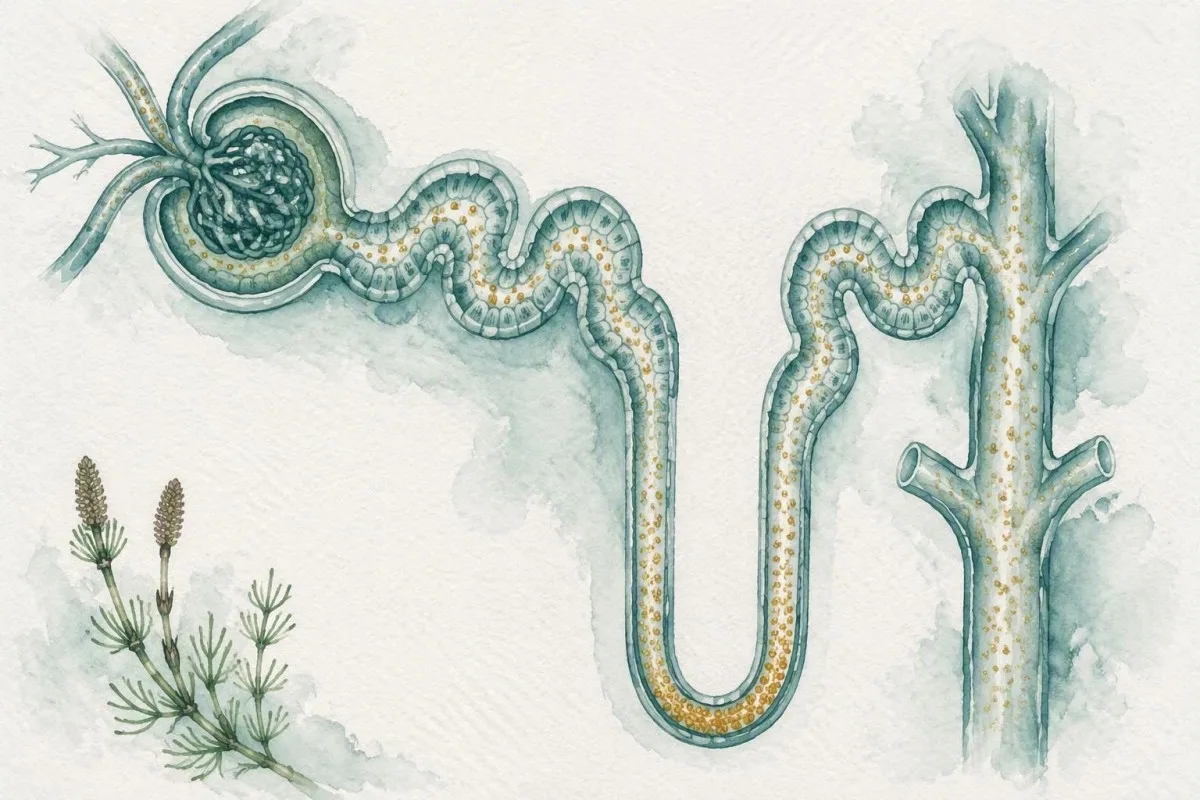
فاسفیت یو چارج شوی منرال دی چې په ATP انرژي لیږد، حجروي غشا، د هډوکي منرال، او د اسید-بیس بافر کولو کې کارول کیږي. لویان معمولا 0.80-1.50 mmol/L (2.5-4.5 mg/dL) وي، پداسې حال کې چې ماشومان او ځوانان په عادي ډول لوړ ارزښتونه لري ځکه چې وده کونکي هډوکي په چټکۍ سره فاسفیت بدلوي.
د معدې سهار نمونه اکثرا دграниتین پایلې لپاره غوره وي ځکه چې فاسفیت ورځني تال تعقیبوي او د شپې لوړیږي. د ناوخته خواړو یا سخت تمرین وروسته د 1.55 mmol/L ارزښت د تکرار شوي معدې نمونو سره د 1.55 mmol/L په پرتله په مختلف ډول تفسیر کیږي چې eGFR کم شوی؛ زموږ د فاسفیت د حوالې حد لارښود تشریح کوي چې ولې د لابراتوار “فلګ” (flags) ته شرایط/زمینه (context) اړتیا لري.
کانټیسټي یو دی د AI د وینې معاینې شنونکی چې فاسفیت د کلسیم، کریټینین، eGFR، البومین، او مخکینیو پایلو ترڅنګ لوستل کیږي د یو روښانه شوي کرښې د پریکړې په توګه درملنه نه کوي. هغه نمونې پر بنسټ طریقه په ځانګړي توګه ګټوره ده کله چې واحدونه د mmol/L او mg/dL ترمنځ توپیر لري.
ولې د فاسفېټ لږ زیاتوالی ډیری وخت بې نښې وي
د لوړ فاسفیټ نښې معمولا نه وي, ، ځکه چې فاسفیټ پخپله په اعتدال سره لوړیدو کې د باور وړ احساس نه رامینځته کوي. نښې په عمده توګه هغه وخت راپورته کیږي کله چې فاسفیټ د آئن شوي کلسیم کموي ، د پښتورګو د ناکامۍ سره مل وي ، یا په چټکۍ سره لوړ شي.
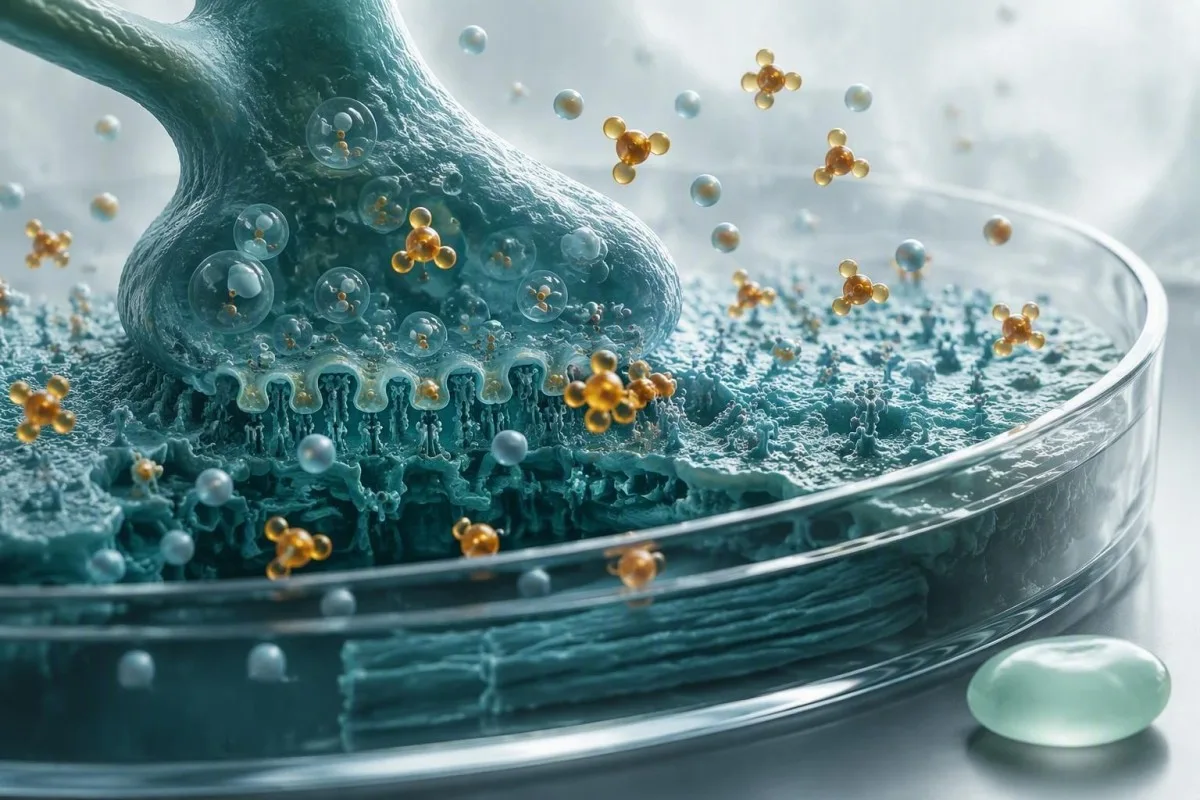
فاسفیټ کولی شي کلسیم سره پابند شي ، مګر ټول کلسیم لاهم نورمال ښکاري پداسې حال کې چې بایولوژیکي فعال آئن شوي کلسیم ښکته کیږي. له همدې امله ټیټیدل ، درد ، یا کارپوپډال سپاسم د معدني عدم توازن له امله د شکایتي ستړیا په پرتله ډیر معلوماتي دي.
یوه ګټوره عملي توپیر: ستړیا ، سر درد ، او د تمرکز نشتوالی غیر مشخص دي او باید په اوتوماتیک ډول د 1.58 ملي میترول / لیټ فاسفیټ ته ونه چارج شي. په هغه ناروغ کې چې د پښتورګو مزمنې ناروغي لري ، ورته نښې د وینې کمښت ، اسیدوسس ، یوریمیا ، درملو ، او مایع حالت لپاره پراخه بیاکتنې مستحق دي؛ زموږ د ټیټ eGFR نښو لارښود د فاسفیټ څخه په خپله ډیر ښه خبرداری نښې نقشوي.
د ډاکټر توماس کلین چلند دا دی چې پوښتنه وکړي څه بدل شوي: یوه حاد ناروغي ، د فاسفیټ لرونکي کولمو چمتووالي ، وچیدل ، د ویټامین D نوی درملنه ، د ډایالیز وخت ، یا لابراتواري آرټیفکټ. په کلونو کې یو مستحکم جلا پایله د 48 ساعتونو په اوږدو کې د چټک زیاتوالي په څیر نه مدیریت کیږي.
نښې ممکن د اصلي حالت له امله وي
د اشتها کمیدل ، خارش ، زړه بدوالی ، او د خوب اختلال په پرمختللي پښتورګو ناروغي کې اکثرا د لوړ فاسفیټ آنلاین ته منسوب کیږي ، مګر دا د فاسفیټ ځانګړي نښې ندي. یوازې د شمیرې درملنه کولی شي اصلي پښتورګو او معدني - هډوکي اختلال له لاسه ورکړي.
هغه نښې چې د کلسیم یا الکترولایټ پیچلتیاوې ښیې
د عضلاتو درد ، ټکان ، ټیټیدل ، سپاسم ، ضبط ، او د تال نښې د لوړ فاسفیټ نښې دي چې ترټولو چټک پاملرنې ته مستحق دي, ، ځکه چې دوی کولی شي د کلسیم کمیدل یا بل همغږي الکترولیت اختلال په ګوته کړي. نوې عصبي نښې هیڅکله په کور کې په تصادفي ډول نه څارل کیږي.
د ټیټ کلسیم نښې په شونډو یا ګوتو شاوخوا د سوري او ستنو سره پیل کیږي ، د لاس سټیفنس ، د خوسکي درد ، او د مخ ټکان. سخت هایپوکلیسیمیا کولی شي د ECG په QT وقفه وغځوي او ضبط رامینځته کړي ، له همدې امله یوه معالجه کونکي ممکن د corrected total calcium په پرتله د ionized calcium غوښتنه وکړي؛ زموږ پرتله کړئ د ټیټ کلسیم عاجل نښې.
د سینې ناراحتي ، د زړه ضربان ، یا د وهل شوي بیټ احساس د فاسفیټ له امله د باور وړ نښه نده ، مګر دا عاجل ارزونې ته اړتیا لري کله چې پوتاشیم هم لوړ وي. د 6.0 ملي میترول / لیټ څخه پورته پوتاشیم په عام ډول د اضطراري حد په توګه درملنه کیږي ، که څه هم د ECG بدلونونه او د زیاتوالي سرعت د یو واحد کټ آف څخه ډیر مهم دي.
Kantesti AI د د فاسفیټ کچه لوړه شوې د پوتاشیم ، بای کاربونیټ ، کلسیم ، او مګنیزیم په شمول د الکترولیت نمونو په چک کولو سره. دا نشي کولی د ECG ، معاینې ، یا اضطراري ارزونې ځای ونیسي کله چې نښې د بریښنایی بې ثباتۍ په ګوته کوي.
د کلسیم - فاسفیټ محصول د کور محاسبه نه ده
معالجونان ځینې وختونه په پرمختللي CKD کې د کلسیم - فاسفیټ بار په پام کې نیسي ، مګر د عصري درملو پریکړې یوازې په یوه محصول حد پورې نه تکیه کوي. KDIGO یوازې د یوه بایو کیمیکل هدف تعقیبولو په پرتله د فاسفیټ ، کلسیم ، او پاراټایرایډ هورمونونو د لړۍ ارزونې وړاندیز کوي (KDIGO CKD-MBD Update Work Group, 2017).
کله د پښتورګو ناروغي احتمالي لامل وي
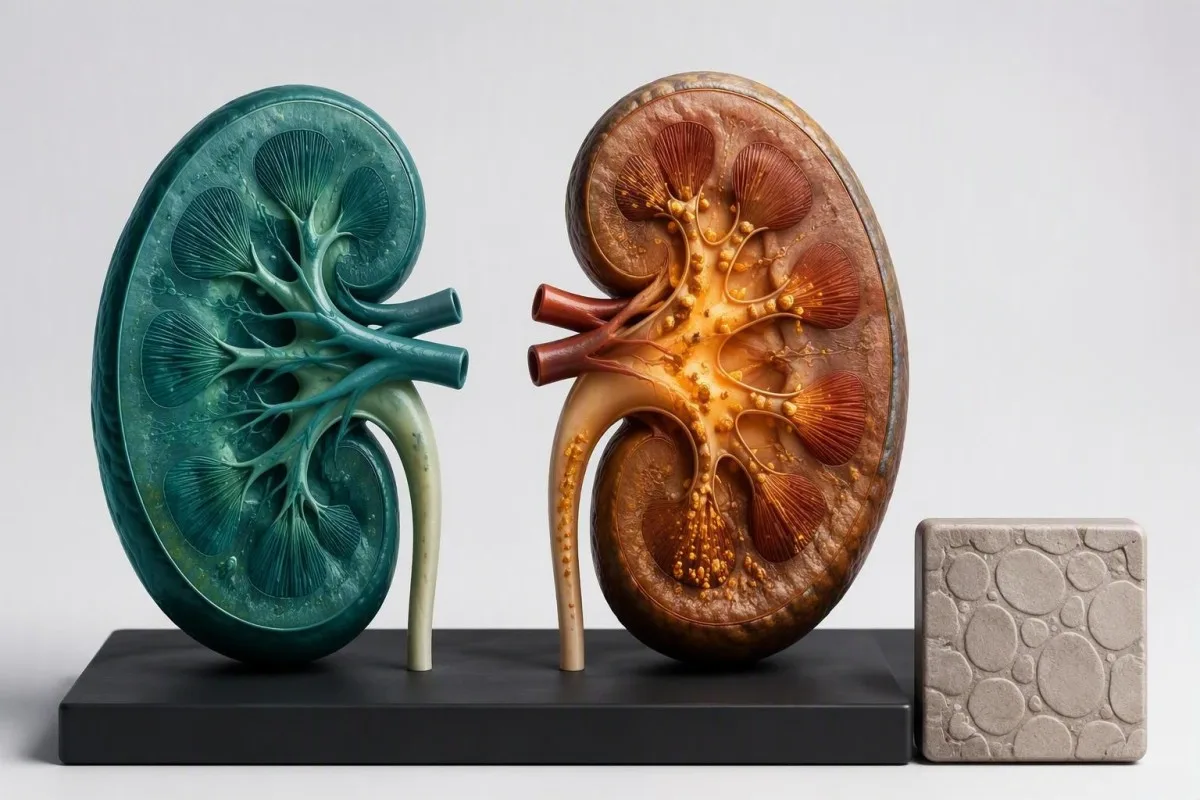
د پښتورګو مزمنه ناروغي په لویانو کې د دوامداره لوړ فاسفیټ ترټولو عام لامل دی, ، ځکه چې فعال نیفونونه د GFR کمیدو سره لږ فاسفیټ خارجوي. کچه اکثرا تر وروستي CKD پورې نورمال پاتې کیږي ځکه چې FGF23 او پاراټایرایډ هورمون د یو څه وخت لپاره تاوان ورکوي.
فاسفیټ په عام ډول د eGFR له 30 mL / min / 1.73 m² څخه ښکته کیدو سره ډیر روښانه کیږي ، که څه هم انفرادي وخت د رژیم ، پاتې پښتورګو فعالیت ، پاراټایرایډ هورمون ، او ډایالیز سره توپیر لري. KDIGO's 2017 CKD-MBD لارښود د CKD په پایله کې د فاسفیټ لوړیدو له عادي حد څخه ټیټولو ته مشوره ورکوي ، په تکراري اندازو باندې ولاړ ، د مخنیوي درملنې په پرتله (KDIGO CKD-MBD Update Work Group, 2017).
د ډایالیز پاملرنې کې ، د پری-ډایالیز فاسفیټ شمیره د وروستي ناستې راهیسې د تشې او ایا نمونه د درملنې دمخه یا وروسته اخیستل شوې وه پورې هم اړه لري. د ناستې له لاسه ورکول ، قبض ، د بانډر وخت نامناسب ، یا د رژیم وروستي بدلون کولی شي د تل پاتې نوي اساس استازیتوب کولو پرته په پراخه کچه فاسفیټ حرکت کړي؛ وګورئ د CKD مرحلو کتنه.
کانټیسټي یو دی د AI بایومارکر تفسیر پلیټفارم چې کولی شي په راپورونو کې د فاسفیټ او eGFR رجحانات وښیې ، له ناروغانو سره مرسته وکړي چې د کلینیکي لیدنې دمخه دوامداره نمونې وګوري. د رجحان بیاکتنه ګټوره ده ، مګر د ډیالیزس نسخې او فاسفیټ بانډرونه باید د پښتورګو له ټیم سره پاتې شي.
لوړ فاسفیټ د CKD ثبوت نه دی
نورمال کریټینین هره پښتورګي ستونزه نه ردوي ، مګر یو واحد لوړ فاسفیټ پایله هم CKD نه تشخیصوي. CKD د 3 میاشتو څخه د پښتورګو غیرمعمولیت شواهدو ته اړتیا لري ، معمولا د eGFR او پیشو البومین پایلو سره تفسیر کیږي.
د فاسفېټ چټک زیاتوالی: د حجرو ماتیدل او بیړني حالتونه
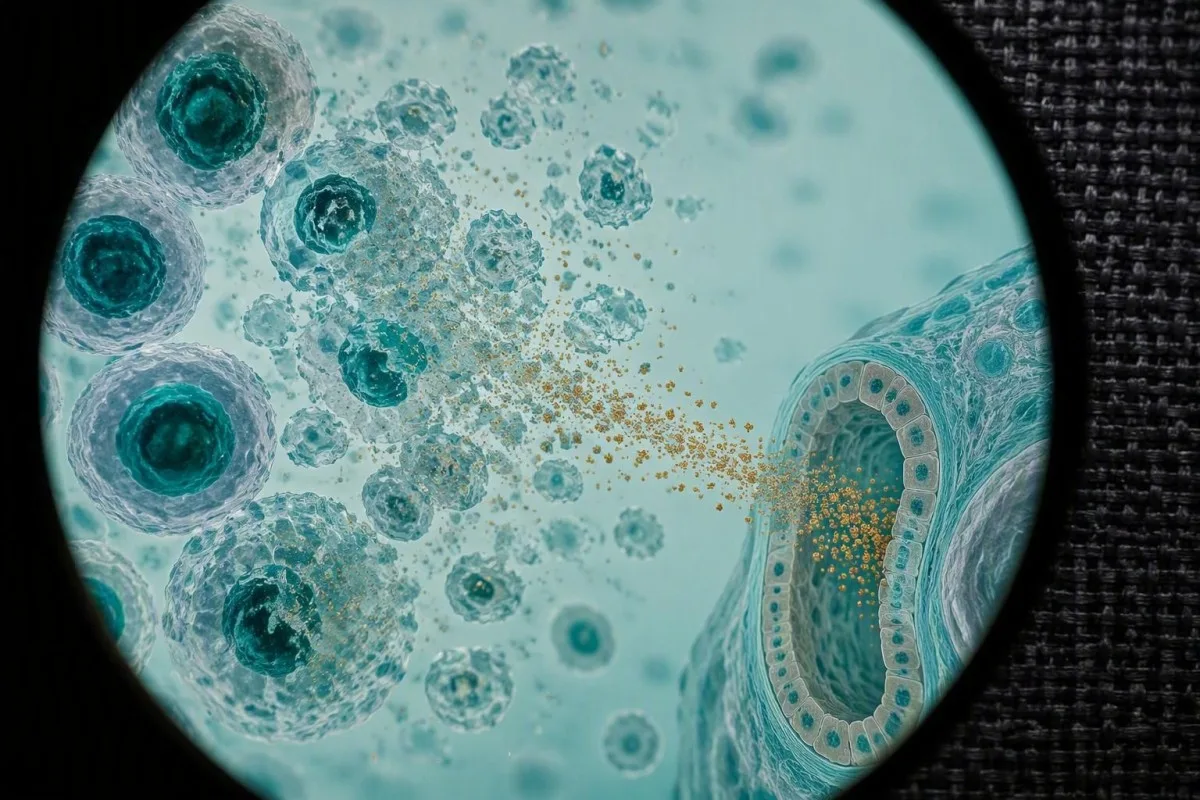
د فاسفیټ چټک لوړیدل یوه بیړني حالت کیدی شي کله چې ډیری حجرې په یوځل کې مات شي, ، داخلي فاسفیټ ، پوتاشیم ، یورات ، او نیوکلییک اسیدونه په گردش کې خوشې کوي. دا نمونې د کیموتراپي وروسته ، د شدید کرش ټپي کیدو په جریان کې ، یا د لوی نسج ټپي کیدو سره خورا اندیښمن دي.
د تومور lysis سنډروم په کلاسیک ډول د سرطان درملنې شاوخوا ارزول کیږي ، په ځانګړي توګه په لوړ بار لرونکي وینې سرطانونو کې ، مګر دا کله ناکله په ناڅاپي ډول پیښ کیدی شي. د قاهره-بشپ définisyon د بالغانو لپاره 1.45 ملي لیتر / L (4.5 mg/dL) یا له اساس څخه 25% لوړیدل د یو لابراتواري معیار په توګه د فاسفیټ کاروي ، د یورات ، پوتاشیم ، کلسیم ، وخت ، او کلینیکي پیچلتیاو سره تفسیر کیږي (قاهره او بشپ ، 2004).
یو بالغ چې د کیموتراپي سره مخ کیږي د کانګو ، ضعف ، کم شوي پیشو ، palpitations ، یا مغشوشتیا سره باید د رژیم له لارې د فاسفیټ کمولو هڅه کولو پرځای بیړنۍ ارزونې غوښتنه وکړي. خطرناک مسله د ګډ میټابولیک کاسکیډ دی - هایپرکلیمیا ، د پښتورګو شدید زیان ، او هایپوکلیسیمیا - نه یوازې د فاسفیټ ارزښت.
نور شدید لاملونه یې رابډومیولیسس ، شدید هیمولیسس ، لوی سوځیدنې ، او د فاسفیټ لرونکي کولمو چمتووالی یا انیماس شامل دي. له شدید تمرین وروسته نوي شدید عضلې درد او تیاره پیشو د کریټین کیناز ، کریټینین ، پوتاشیم ، او فاسفیټ لپاره عاجل ازموینې مستحق دي؛ زموږ د لوړ CK خطر لارښود دا جلا مګر اړوند بیړني حالت پوښي.
ولې علایم ناوخته راشي
لابراتواري بدلون ممکن د څو ساعتونو لخوا دمخه نښو ته راشي ، په ځانګړي توګه د سرطان درملنې وروسته. دا یو دلیل دی چې د انکولوژي ټیمونه تکراري کیمیا پینلونه مهالویش کوي پرځای د ناروغ نا آرامه کیدو انتظار.
د هورمون، ویټامین D، او هډوکي لاملونه چې باید په پام کې ونیول شي
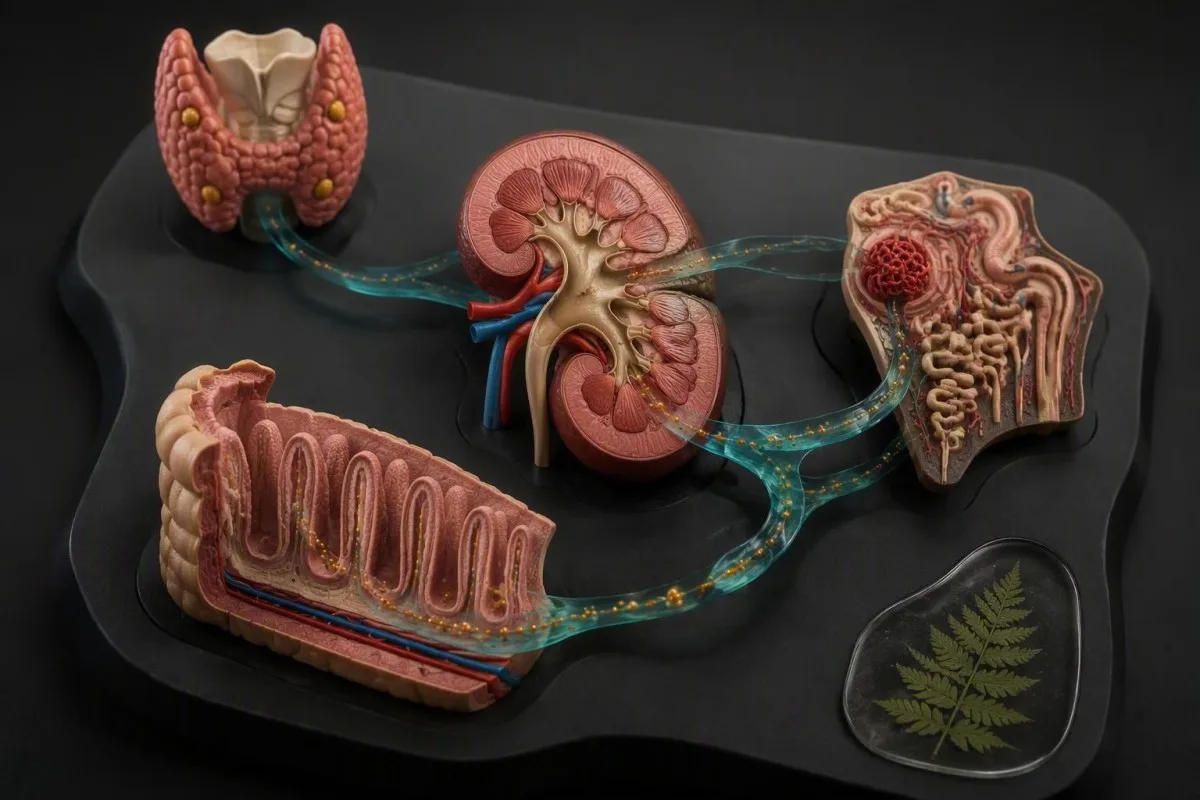
د پاراټایډ هورمون کمښت او د فعال ویټامین D فعالیت زیاتیدل کولی شي فاسفیټ لوړ کړي, ، ځکه چې دواړه په نورمال ډول د پښتورګو فاسفیټ اداره او د کولمو جذب اغیزه کوي. دا لاملونه د CKD په پرتله لږ عام دي مګر کله چې د پښتورګو فعالیت ساتل کیږي مهم دي.

هایپوپاراتیټیریوزم معمولا د کم کلسیم ، لوړ فاسفیټ ، ټنګلینګ ، درد ، او کله ناکله د غاړې جراحي یا آټو ایمون ناروغۍ تاریخ سره ترکیب رامینځته کوي. PTH باید د کلسیم ، مګنیزیم ، 25-hydroxyvitamin D ، او د پښتورګو فعالیت تر څنګ تفسیر شي؛ یو جلا ټیټ PTH کیدی شي غلط وي که چیرې کلسیم په ورته وخت کې ونه اندازه شي.
د ویټامین D زهرجن معمولا د فاسفیټ څخه ډیر د کلسیم لوړیدل لامل کیږي ، مګر کلسیټریول او اړوند فعال ویټامین D درمل کولی شي کلسیم او فاسفیټ دواړه لوړ کړي ، په ځانګړي توګه په CKD کې. مهرباني وکړئ د مشورې پرته په ناڅاپي ډول د نسخې کلسیټریول مه پریږدئ ، مګر د بشپړونکو او دوز بدلونونو په دقت سره راپور ورکړئ؛ زموږ د لوړ ویټامین D نښو لارښود د خبرداري بڼه تشریح کوي.
نادر میراثي د پښتورګو فاسفیټ اداره کولو اختلالات شتون لري ، مګر دوی د لومړني غیر معمولي بالغ پایلې لپاره لومړی توضیح نه دي. زما په تجربه کې ، د درملو تطبیق او تکراري نمونه د ختیاوي ازموینې په پرتله ډیر قضیې ځوابوي.
د هډوکي بدلول د سیرم فاسفیټ په څیر ندي
یوه درز یا لوړ الکلین فاسفاټس په اتوماتیک ډول لوړ فاسفیټ نه توضیح کوي. د هډوکو میتابولیزم متحرک دی ، مګر سیرم فاسفیټ په لویه کچه د پښتورګو اخراج او هورمونل سیګنالونو لخوا کنټرولیږي؛ زموږ وګورئ د فریکچر وروسته ALP توضیح.
خواړه، اضافه شوي توکي، بشپړونکي، او درمل
رژیم په تنهایي سره په خلکو کې د پښتورګو سره په ندرت سره د پام وړ هایپر فاسفیټمیا لامل کیږي, ، ځکه چې صحي پښتورګي د فاسفیټ د زیاتې مصرف وروسته د فاسفیټ اخراج زیاتوي. پروسس شوي خواړه د فاسفیټ اضافه کول، د کولا ډوله مشروبات، او اضافي درمل هغه وخت ډیر مهم دي کله چې د پښتورګو پاکوالی کم شي.
په لوبیا، مغز لرونکو، غلې دانو، لبنیاتو، کب او غوښو کې عضوي فاسفیټ په متغیر ډول جذب کیږي؛ د نباتاتو فایټیټ فاسفیټ معمولا د اضافه فاسفیټ په پرتله لږ جذب کیږي. په پرمختللي CKD کې، کلینیکونه اکثرا د لوړ جذب وړ اضافه کولو باندې لومړی تمرکز کوي پرته له دې چې په نامنظمه توګه ټول مغذي پروټین خواړه له منځه یوسي.
د فاسفیټ لرونکي جلابونه، انیما، او د کولمو چمتووالی کولی شي په زړو خلکو، د CKD لرونکو خلکو، او هغه کسانو کې چې د پښتورګو د وینې جریان اغیزه کوي درمل اخلي، خطرناک شدید هایپرفاسفاټیمیا رامینځته کړي. د کولونوسکوپي چمتووالي غوره کولو دمخه د ACE مخنیوی کونکو، ARBs، ډیوریتیکس، NSAIDs، ویټامین D محصولاتو، او د پلورنځي څخه پرته له ټولو تیاریو څخه ډاکټر ته خبر ورکړئ.
یوازې د انټرنیټ له لارې د یوې پایلې په لوستلو سره د کلسیم پر بنسټ د فاسفیټ باندرونو پیل مه کوئ. KDIGO د بالغانو په CKD-MBD تازه کاري ګروپ (2017) کې د فاسفیټ کمولو درملنه ترلاسه کوونکي بالغانو کې د کلسیم پر بنسټ باندر دوز محدودولو سپارښتنه کوي ، یوه برخه د مثبت کلسیم توازن او وینې رګونو د کلسیم کیدو له امله چې په CKD کې ریښتینې اندیښنې دي؛ زموږ د پښتورګو اضافي خوندیتوب لارښود عملي احتیاطي تدابیر اضافه کوي.
د اجزاوو لیست ولولئ، د بازارموندنې ادعاوې نه
د اجزاوو اصطلاحات لکه فاسفوریک اسید، فاسفیټ، پولی فاسفیټ، او پیروفاسفیټ کولی شي اضافه کونکي وپیژني، که څه هم لیبلونه په نړیواله کچه توپیر لري. د پښتورګو د رژیم متخصص کولی شي کافي پروټین، کالوري، او کلتوري خواړه غوره توبونه وساتي پداسې حال کې چې د لوړ حاصلاتو سرچینې کموي.
ایا د فاسفېټ پایله کیدای شي غلطه لوړه وي؟
کله چې نمونه حلیزه (haemolysed) وي، د فاسفیټ یوه درواغجنه لوړه پایله کیدی شي, ، ځکه چې د حجرو عناصر فاسفیټ لري چې د راټولولو وروسته سیرم یا پلازما ته لیک کیدی شي. یوه حیرانوونکې پایله باید د لوی درملنې دمخه تکرار شي پرته لدې چې نښې یا اړوند غیر معمولي حالتونه سمدستي اقدام ته اړتیا ولري.
لابراتوارونه اکثرا حلیزه (haemolysis) په نښه کوي، مګر د نمونې مداخلو هره درجه د ناروغ لپاره روښانه یادونه نه تولیدوي. ځنډنۍ جلا کول، ستونزمن راټولول، اوږدمهاله ټورنکیټ وخت، یا سخت ټرانسپورټ کولی شي د کیمیا پایلې بدل کړي، او یو تکراري پاک نمونه د نادر ناروغیو پراخه سکین په پرتله ډیره ګټوره کیدی شي.
په نادره توګه، دا د شدید هایپرلیپیډیمیا، هایپرګلوبولینیمیا، یا د اسای مداخلو سره هم تشریح شوي. که چیرې فاسفیټ لوړ وي پداسې حال کې چې کلسیم، د پښتورګو فعالیت، کلینیکي حالت، او تکراري پایله ټول ډاډمن وي، پوښتنه وکړئ چې ایا لابراتوار د تحلیلي مداخلو بیاکتنه کولی شي؛ زموږ د حلیزه وروسته د تکرار ازموینې لارښود تشریح کوي چې یو بیا ایستل څه روښانه کولی شي.
Kantesti AI د تعقیب لپاره متضاد پایلې په نښه کوي مګر د لوړ فاسفیټ پایلې ته یوازې له دې امله چې یوه ارزښت له ځای څخه بهر ښکاري، بې ضرر نه ګڼي. تر ټولو خوندي قاعده ساده ده: یوه غیر متوقع معتدله پایله ژر تکرار کړئ، پداسې حال کې چې سمدستي زیاتوالی راولي که نښې یا د پښتورګو نښې اندیښمن وي.
د بیا ازموینې دمخه په قصدي ډول د اوبو وچولو څخه ډډه وکړئ
تر هغه وخته چې ستاسو کلینیک مختلف لارښوونې نه درکړي، په عادي توګه هایډریټ شوي راشئ، او سمدستي دمخه په غیر معمولي ډول درانه تمرین څخه ډډه وکړئ. لومړۍ راپور راوړئ ترڅو لابراتوار او کلینیک وکولی شي میتود، د نمونې کیفیت، او وخت پرتله کړي.
هغه ازموینې چې ډاکټران د لامل موندلو لپاره کاروي
د لوړ فاسفیټ لپاره لومړی تعقیبي پینل معمولا تکراري فاسفیټ، کلسیم، البومین، کریټینین/eGFR، پوټاشیم، بای کاربونیټ، مګنیزیم، او کله ناکله ionized کلسیم شامل دي. د اضافي ازموینو سم انتخاب په دې پورې اړه لري چې ایا نمونې CKD، ټیټ PTH، د حجرو ناڅاپي ماتیدل، یا د لابراتوار یوه جعلي مداخله ښیې.
PTH، 25-hydroxyvitamin D، الکلین فاسفاټیس، او د ادرار فاسفیټ کولی شي د هورمونل او د پښتورګو د لاملونو ترمنځ توپیر کې مرسته وکړي. په غوره شوي قضیو کې، کلینیکونه د تیوبلر فاسفیټ بیا جذب ارزوي، مګر دا د بې ثباته شدید ناروغۍ پرمهال یا د سیرم پایلې تاییدولو دمخه ګټور ندي.
که چیرې د پښتورګو اختلال شتون ولري، د ادرار البومین-کریټینین نسبت، د ادرار ازموینه، د وینې فشار، د درملو بیاکتنه، او د پښتورګو عکس اخیستل ممکن د یوازې تکراري فاسفیټ څخه ډیر څرګند وي. کریټینین د عضلاتو ماس، رژیم، هایډریشن، او وروستي تمرین په شرایطو کې تفسیر ته اړتیا لري؛ زموږ بیاکتنه وکړئ BUN او کریټینین لارښود.
Kantesti's عصبي شبکې د معدني، پښتورګو، او اسید-بیس پایلې د ملاقات لپاره په یو منظم پوښتنو لیست کې ګروپ کوي. Kantesti یو د AI پر بنسټ د وینې ازموینې تحلیل وسیله د لابراتواري نمونو د پوهېدو لپاره ډیزاین شوی، د هایپوپاراتایروایډیزم تشخیص یا درملنې وړاندیز کولو لپاره نه.
بشپړه لیست راوړئ
د نسخې درملو، اضافي درملو، انټي اسیدونو، پروټین پاؤډر، جلابونو، او د کولمو چمتووالي دقیق نوم او دوز شامل کړئ. په د ینې طب کې، د یو محصول جوړښت د هغه د برانډ کټګورۍ په څیر مهم کیدی شي.
ډاکټران څنګه په خوندي ډول فاسفېټ کموي
درملنه د لوړ فاسفیټ لامل په نښه کوي، نه یوازې د شمیرې کمولو. شدید شدید هایپرفاسفیټیمیا ممکن د انټي وینیوس مایعاتو، د ټیټ کلسیم یا لوړ پوتاشیم درملنې، فاسفیټ باندرونو، او کله ناکله د روغتون تر څارنې لاندې ډایلیسس ته اړتیا ولري.

د CKD لپاره، درملنه معمولا د رژیم مشورې، د ډایلیسس د مناسبت ښه والی چیرته چې پلي کیږي، او د خواړو سره اخیستل شوي فاسفیټ باندرونه شامل دي. باندر انتخاب انفرادي دی: د کلسیم لرونکي اجنټان، سیولامر، لانتانوم، د اوسپنې پر بنسټ اجنټان، او نور د مختلفو اړخیزو اغیزو پروفایلونو، ګولیو بار، لګښتونو، او کلسیم اغیزو لري.
هیڅکله د خواړو څخه د فاسفیټ باندر لرې مه اخلئ او ورته ګټې تمه مه کوئ؛ دا په کولمو کې د رژیم فاسفیټ سره د تړلو سره کار کوي. برعکس، اضافي دوزونه اخیستل کولی شي د قبض، اسهال، کلسیم اختلالات، یا د درملو لکه لیووتیراکسین او ځینې انټي بیوټیکونو سره تعاملات رامینځته کړي.
یوه 52 کلنه ناروغه چې ما بیاکتنه وکړه د مناسب رژیم سره سره د 1.92 mmol/L فاسفیټ درلود؛ مسله دا وه چې د زړه بدوالي څخه مخنیوي لپاره د خواړو څخه دوه ساعته وروسته هر باندر خوراک اخیستل. د رینل فارمسیسټ سره د وخت تنظیم - په رادیکالي خواړه محدودولو سره نه - یو خوندي او ډیر پایښت لرونکی پلان تولید کړ؛ زموږ د پښتورګو د رژیم AI خوندیتوب مقاله تشریح کوي چې ولې د رژیم مشوره باید کلینیکي پلوه وڅارل شي.
چټک سمون کیدای شي خطرناک وي
د هایپوکلیسیمیا نښو درملنه ممکن کلسیم ته اړتیا ولري، مګر د کلسیم بې توپیره اداره کولی شي د کلسیم-فاسفیټ ترسیب خطر ډیر کړي کله چې فاسفیټ خورا لوړ وي. د بیړني حالت کلینیکران د تکراري پایلو او ECG نظارت په کارولو سره د عصبي عضلاتو سمدستي خوندیتوب د دې خطر په مقابل کې توازن لري.
ماشومان، امیندوارۍ، او ډایالیز: مختلف قواعد
ماشومان معمولا د لویانو په پرتله لوړ فاسفیټ کچه لري، او د ډایلیسس ناروغان انفرادي شوي اهداف او د وخت په پام کې نیولو سره تفسیر ته اړتیا لري. یوه شمیره چې د 45 کلن کس لپاره لوړه وي ممکن د ځوانۍ په جریان کې نورمال وي، پداسې حال کې چې په ډایلیسس ناروغ کې ورته شمیره ممکن د درملنې بیاکتنې ته اړتیا ولري.
د ماشومانو د حوالې وقفې په عمر او لابراتوار کې په پراخه کچه توپیر لري، او کله ناکله د ماشومتوب او ودې د سپورټ په جریان کې د لویانو پورتنۍ حدونه تیریږي. والدین باید د ماشوم د عمر لپاره چاپ شوي حد وکاروي، نه د لویانو انټرنیټ کټ آف؛ د ضعیف تغذیې، سستي، کانګې، یا تشنج سره لوړ فاسفیټ لاهم د ماشومانو د چټک مشورې مستحق دی.
امیندوارۍ کولی شي د پښتورګو فلټریشن او معدني میتابولیزم بدل کړي، مګر فاسفیټ د امیندوارۍ پیچلتیاو لپاره د سټینډ-اټون سکرینینګ ازموینه نده. دوامداره کانګې، د پیشاب کموالی، شدید سر درد، د لید بدلون، یا پړسوب باید د بشپړ کلینیکي انځور پر بنسټ و ارزول شي، نه د فاسفیټ سره منسوب شي.
د هغو خلکو لپاره چې په ډایلیسس دي، د ډایلیسس دمخه پایله باید د ډایلیسس دورې ورځ، له لاسه ورکړل شوي غونډې، د پاتې پیشاب تولید، او د باندر اطاعت سره تفسیر شي. Kantesti د خوندي اوږدمهاله بیاکتنې ملاتړ کوي، پداسې حال کې چې زموږ طبي مشورتي بورډ په دې ټینګار کوي چې د رینل ټیمونه انفرادي شوي درملنې اهداف ټاکي.
زاړه خلک د درملو له شک څخه خبر دي
زاړه خلک د فاسفیټ لرونکي کولمو محصولاتو او د ډیهایډریشن یا متقابل درملو له امله د شدید پښتورګو زیان څخه په غیر متناسب ډول اغیزمن کیږي. د غیر معمولي پایلې وروسته د درملو بیاکتنه اکثرا د شدید رژیم بدلون څخه ډیر ګټور وي.
له راتلونکي طبي بیاکتنې دمخه څه باید وکړئ
د نرم، علامتو پرته لوړ فاسفیټ کچې لپاره، د تکراري ازموینې ترتیب کړئ او د ناڅاپي رژیم یا اضافي بدلونونو کولو پرځای شرایط راوړئ. خورا ګټور توضیحات وخت، د روژې وضعیت، هایډریشن، ناروغي، تمرین، درمل، د پښتورګو تاریخ، او پخوانۍ پایلې دي.
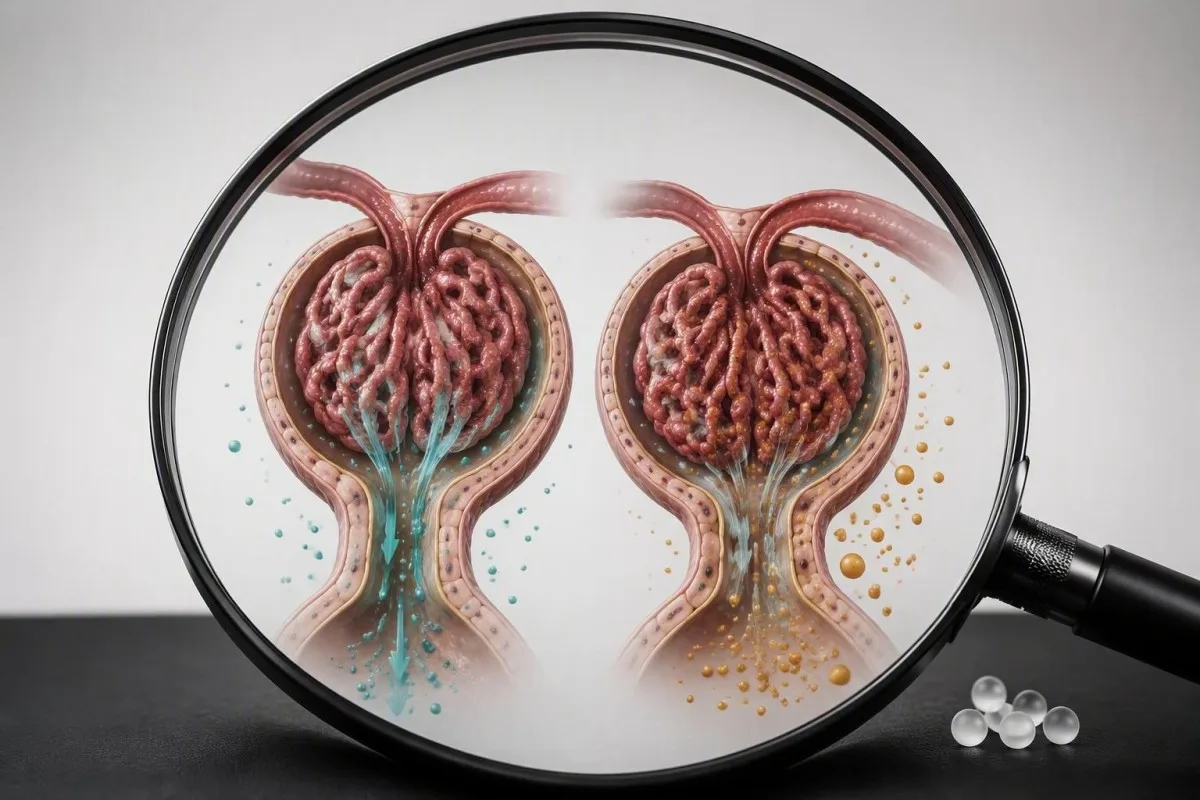
ولیکئ چې ایا تاسو د معدې پاکولو، انیما، جلاب، کیموتراپي، لوی تمرین، الټي، یا په تیرو 7 ورځو کې ډایالیسس له لاسه ورکړی. د فاسفیٹ اصلي واحد او د حوالې حد غوښتنه وکړئ، ځکه چې 1.8 mmol/L او 1.8 mg/dL په بشپړه توګه مختلف کلینیکي ارزښتونه لري.
د ورته نمونې څخه د کلسیم، البومین، کریټینین، eGFR، پوتاشیم، بای کاربونیټ، او مګنیزیم کاپي غوښتنه وکړئ. یو ډاکټر معمولا کولی شي د پایلې له دې ګروپ څخه د یوازې فاسفیٹ په پرتله ډیر دقیق قضاوت وکړي؛ زموږ د الکترولایټونو پینل لارښود عامو ترکیبونو ښکارندوی کوي.
د سپتمبر 12، 2026 پورې، زه به ډیری بې علامته بالغان ته د کوچني جلا شوي لوړوالي سره مشوره ورکړم چې په ورځو کې، نه په میاشتو کې، له خپل عادي کلینیک سره اړیکه ونیسي. که راپور لوستل ستونزمن وي،, د Kantesti کلینیکي اعتبار طریقه تشریح کوي چې زموږ AI څنګه د سرچینو ارزښتونه او ناڅرګندتیا د وړ مسلکي سره د بحث لپاره تنظیموي.
أسئلة تستحق طرحها
پوښتنه وکړئ چې ایا پایله تکرار شوې، ایا نمونه هیمولائز شوې وه، ایا کلسیم سم شوی یا ionized و، او ایا د پښتورګو فعالیت له اساس څخه بدل شوی دی. دا څلور پوښتنې اکثرا د غلط اطمینان او بې ځایه اندیښنې دواړه مخه نیسي.
د لوړ فاسفېټ پایلو لپاره د نښې-لومړي پلان
ډیری خلک چې لږ لوړ فاسفیٹ لري هیڅ احساس نه کوي او د تایید او د لامل تمرکز لرونکي بیاکتنې ته اړتیا لري؛ هغه خلک چې عصبي، عضلاتي، زړه، یا د پښتورګو د ناکامۍ نښې لري عاجل پاملرنې ته اړتیا لري. ترټولو خوندي غبرګون د شمیرې، رجحان، ملګري ازموینو، او دا چې شخص څومره ناخوښه دی متناسب دی.
د دورې، بې هوښۍ، شدید ګډوډي، معلول سپاسم، شدید ضعف، یا د زړه ضربان سره د تعرفې لوی غیر معمولي کیدو لپاره بیړني خدمات وکاروئ. د 2.0 mmol/L (6.2 mg/dL) څخه پورته فاسفیټ، نوي الیګوریا، فعال سرطان درملنه، پرمختللي CKD، یا په چټکۍ سره بدلون موندونکي پایلې لپاره د ورته ورځې طبي مشورې غوښتنه وکړئ.
د یوې حد د لرې پایلې لپاره، په عادي شرایطو کې د ازموینې تکرار کړئ او د ځان لخوا درمل شوي بندونکي، کلسیم، یا د پروټین سخت محدودیت څخه ډډه وکړئ. هدف د بشپړ ښکاري راپور نه دی؛ دا موندل دي چې ایا د پښتورګو پاکول، هورمونل تنظیم، یوه تیزه پیښه، مصرف، یا د نمونې کیفیت بدلون تشریح کوي.
ډاکټر توماس کلین د لابراتواري پایلې ته د کلینیکي نښې په توګه د چلند کولو سپارښتنه کوي، هیڅکله د اپلیکیشن یا لټون پایلې لخوا د تشخیص په توګه نه. زموږ د AI ټکنالوژۍ لارښود تشریح کوي چې څنګه Kantesti AI اصلي لابراتواري ارزښتونه ساتي او د طبي پاملرنې ځای په ځای کولو پرځای د کلینیکي بیاکتنې لپاره پوښتنې روښانه کوي.
لنډه پایله
لوړ فاسفیٹ معمولا یوه نښه ده چې پراخ لیدل کیږي - په ځانګړي توګه د پښتورګو د فعالیت او کلسیم په اړه - نه پخپله د نښې تشخیص. سمدستي بیاکتنه هغه وخت خورا ارزښتمنه ده کله چې شمیره په نښه کیږي، لوړیږي، د غیر معمولي الکترولیتونو سره جوړه شوې، یا د ریښتینې نښو سره.
پوښتل شوې پوښتنې
د لوړ فاسفیت احساس څنګه دی؟
لوړ فاسفیټ معمولا هیڅ ځانګړي نښې نه رامینځته کوي کله چې لوړوالی معتدل وي، لکه 1.51-1.80 mmol/L (4.6-5.6 mg/dL). کله چې فاسفیټ په پام وړ لوړ شي یا د ionized کلسیم کم کړي، خلک ممکن د خولې شاوخوا ټنګیدل، د عضلاتو درد، ټکان، د لاس سپاسم، ضعف، یا دورې رامینځته کړي. زړه بدوالی، خارش، او ستړیا اکثرا د پښتورګو د پرمختللي ناروغۍ یا د شته ستونزې سره تړاو لري نه یوازې د فاسفیټ سره. نوي عصبي، زړه، یا د شدید عضلاتو نښې عاجل طبي ارزونې ته اړتیا لري.
ایا د فاسفیت کچه ۱.۶ ملي مول/L خطرناکه ده؟
د 1.6 mmol/L، شاوخوا 5.0 mg/dL، د فاسفیټ کچه یو معتدل لوړوالی دی او په یو صحي بالغ کې د عادي کلسیم او پښتورګو د فعالیت سره اکثرا سمدستي خطرناک نه وي. دا لاهم باید د کریټینین/eGFR، کلسیم، البومین، پوتاشیم، بای کاربونیټ، درملو، او د نمونې کیفیت سره تایید او تشریح شي. د لابراتواري حد څخه پورته پایلې ممکن د پښتورګو یا هورمون پورې اړوند فاسفیټ عدم توازن لومړنۍ نښه وي. بیړتیا زیاتیږي که چیرې نښې رامینځته شي، د پښتورګو فعالیت کم شي، یا فاسفیټ له 2.0 mmol/L (6.2 mg/dL) څخه لوړ شي.
کله باید لوړ فاسفورس تاسو روغتون ته واستوي؟
لوړ فاسفورس د بیړني پاملرنې وړ دی کله چې دا د دورې، بې هوښۍ، ګډوډۍ، شدید عضلاتو سپاسم، دوامداره زړه ضربان، شدید ضعف، یا د پیشاب د تولید کمیدو سره پیښیږي. بیړنۍ ارزونه د کیموتراپي یا د عضلاتو لوی ټپ وروسته هم مناسبه ده کله چې فاسفورس د پوتاشیم، یورایټ، یا کریټینین سره لوړیږي. د 2.0 mmol/L (6.2 mg/dL) څخه پورته فاسفورس غلظت د نښو پرته حتی د ورته ورځې کلینیکي مشورې وړ دی، په ځانګړي توګه په مزمنه پښتورګو کې. د بیړني خطر د ټول الکترولیت او د پښتورګو د فعالیت نمونې څخه راځي، نه یوازې د فاسفورس څخه.
ایا تشدید کولی شي د فاسفیټ لوړیدل؟
وچیدل کولی شي لابراتواري ارزښتونه متمرکز کړي او د فاسفیټ معتدل لوړ شوي پایلې ته مرسته وکړي، مګر دا باید د دوامداره یا په نښه شوي لوړوالي تشریح کولو لپاره ونه منل شي. وچیدل ممکن د پښتورګو د پرفیوژن کمولو او په لنډمهاله توګه د کریټینین خرابیدو لامل شي، چې پایله یې له کمې برخې څخه ډیر کلینیکي اړوند کوي. عادي هایډریشن او د کیمیا پینل تکرار کولی شي د حد د ارزښت په روښانه کولو کې مرسته وکړي. شدید الټي، اسهال، سرخوږی، د پیشاب کم محصول، یا د eGFR کمښت د ځان مدیریت پرځای طبي بیاکتنې ته اړتیا لري.
ایا رژیم کولی شي د لوړ فاسفیټ لامل شي په نورمال پښتورګو سره؟
کله چې د پښتورګو فعالیت نورمال وي، ډیری وختونه یوازې خواړه د لوی هایپرفاسفاټیمیا لامل نه کیږي ځکه چې صحي پښتورګي فاسفیټ اخراج زیاتوي. په پروسس شوي خواړو، کولا ډوله مشروباتو، سپلیمنټونو، او د معدې چمتووالي کې خورا د جذب وړ غیر عضوي فاسفیټ اضافه کونکي هغه وخت ډیر مهم کیږي کله چې eGFR کم شي. د 1.50 mmol/L (4.5 mg/dL) څخه پورته دوامداره فاسفیټ باید د شدید رژیم محدودیتونو پلي کولو دمخه د پښتورګو د ناروغۍ، درملو، هورمونل لاملونو، او لابراتواري مداخلې لپاره بیاکتنه وهڅوي. د پښتورګو رژیم متخصص کولی شي د پروټین او کالوري مصرف له لاسه ورکولو پرته بدلونونه تنظیم کړي.
د لوړ فاسفیټ سره کوم ازموینې معاینه کیږي؟
کلینیکان معمولا د فاسفیټ سره کلسیم، البومین، کریټینین، eGFR، پوتاشیم، بای کاربونیټ، او مګنیزیم تکراروي ترڅو لوړ فاسفیټ په خوندي ډول ارزونه وکړي. د پاراټایرايډ هورمون، 25-hydroxyvitamin D، الکلین فاسفاټیس، پیشاب، او د پیشاب فاسفیټ ممکن اضافه شي کله چې لومړنۍ نښې د هورمونل یا د پښتورګو لامل په ګوته کړي. Ionized calcium په ځانګړې توګه ګټور دی کله چې ټنګیدل، درد، سپاسم، یا دورې د فعال هایپوکلیسیمیا نښې ښیې. د مشکوک تومور lysis سنډروم په صورت کې، یورایټ، پوتاشیم، کریټینین، کلسیم، فاسفیټ، او د پیشاب محصول په عاجل ډول ارزول کیږي.
همدا نن د AI په مرسته د وینې ازموینې تحلیل ترلاسه کړئ
له 2M+ څخه زیات کاروونکي په ټوله نړۍ کې زموږ په Kantesti باور لري چې د لابراتوار ازموینو تحلیل په فوري او دقیق ډول کوي. خپل د وینې ازموینې پایلې اپلوډ کړئ او په ثانیو کې د 15,000+ بایومارکرونو بشپړه تشریح ترلاسه کړئ.
📚 د څېړنې خپرونې چې حواله شوې دي
کلین، ټي، مېچېل، ایس، او وېبر، ایچ. (2026). د aPTT نورمال حد: D-Dimer، پروټین C د وینې د بندیدو لارښود. Kantesti د AI طبي څېړنه.
کلین، ټي، مېچېل، ایس، او وېبر، ایچ. (2026). د سیرم پروټین لارښود: ګلوبولین، البومین او د A/G تناسب د وینې معاینه. Kantesti د AI طبي څېړنه.
📖 بهرني طبي مراجع
د KDIGO CKD-MBD تازه ګروپ (2017). د KDIGO 2017 کلینیکي عمل لارښود د اوږدمهاله پښتورګو ناروغي—د منرال او هډوکي اختلال (CKD-MBD) د تشخیص، ارزونې، مخنیوي او درملنې لپاره. د Kidney International Supplements.
قاهر MS، بشپ M (2004). Tumour lysis syndrome: نوې درملنېزې تګلارې او طبقهبندي.د برتانیا د هیماتولوژي ژورنال.
⚕️ طبي ردونه
دا مقاله یوازې د زده کړې لپاره ده او طبي مشوره نه جوړوي. د تشخیص او درملنې د پرېکړو لپاره تل د وړ روغتیايي خدمت وړاندې کوونکي سره سلا وکړئ.
د E-E-A-T باور نښې
تجربه
د ډاکټر تر مشرۍ لاندې کلینیکي بیاکتنه د لابراتواري تفسیر د کاري بهیرونو لپاره.
تخصص
د لابراتواري طب تمرکز پر دې چې بایومارکرونه په کلینیکي شرایطو کې څنګه چلند کوي.
واک ورکول
د ډاکټر توماس کلاین له خوا لیکل شوی، د ډاکټر سارا میچل او پروف. ډاکټر هانس ویبر له خوا بیاکتنه.
اعتبار
د شواهدو پر بنسټ تفسیر د روښانه تعقیبي لارو چارو سره، تر څو اندیښنه کمه شي.