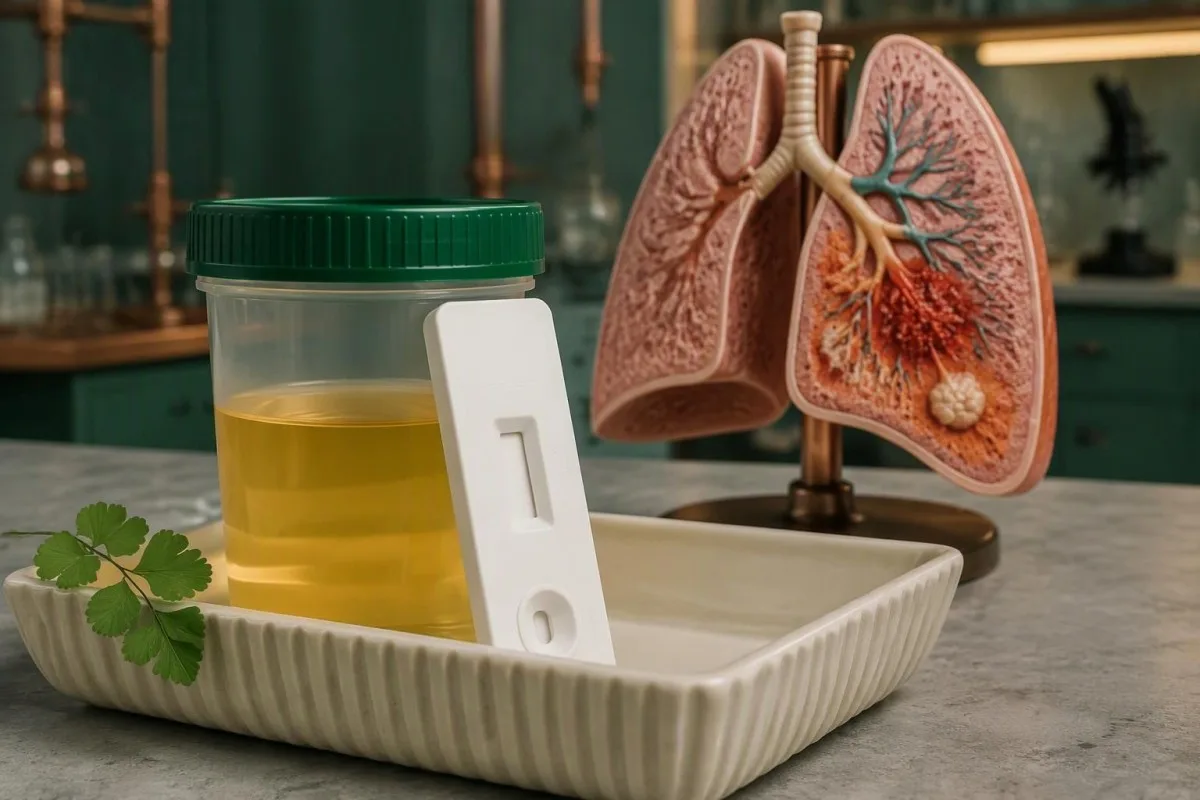
کله چې نښې او انځوریزې معاینې سینهبغل وښيي، په ادرار کې د لیجیونیلا د انټيجن مثبت نتیجه د لیجیونیرز ناروغۍ قوي ملاتړ کوي. ډېری ازموینې د لیجیونیلا نیوموفیلا د سیروګروپ ۱ پېژني؛ د تنفسي نمونې PCR یا کلتور هغه انتانات موندلی شي چې د ادرار ازموینه یې نه مومي، او له رغېدو وروسته د مثبتې پایلې دوام اړین نه دی چې د درملنې د ناکامۍ معنا ولري.

مهم ټکي
- مثبتې پایله په داسې ناروغۍ کې چې له دې سره سمون ولري، د لیجیونیلا سینهبغل په کلکه تاییدوي؛ معمولاً د لیجیونیلا نیوموفیلا د سیروګروپ ۱ پېژني، نه د لیجیونیلا ټول ډولونه.
- د ازموینې دقت د ۲۰۰۹ کال په یوه مېټاتحلیل کې حساسیت نږدې 74٪ او ځانګړتیا 99.1٪ وه، خو پایلې د ازموینې، د ناروغۍ د شدت او د څېړنې د طرحې له مخې بدلېدې.
- منفي پایله د لیجیونیرز ناروغي نه شي ردولی: یوه ازموینه چې حساسیت یې 74٪ وي، د هغې د کشف په محدوده کې له هرو ۱۰۰ انتاناتو څخه نږدې ۲۶ نه مومي.
- ګډه ازموینه دوه بشپړوونکې نمونې کاروي—ادرار او د تنفسي لارو له ښکته برخې څخه نمونه—ترڅو د موندنې کچه لوړه او د ناروغۍ د خپرېدو څېړنه پیاوړې کړي.
- د انټيجن دوام ښايي د اوونیو یا میاشتو لپاره د موندلو وړ پاتې شي؛ د درملنې له پای ته رسېدو ۴ اوونۍ وروسته مثبته پایله، په خپله، د ژوندیو پاتې شویو باکتریاوو ثبوت نه دی.
- د انټيبیوټیک درملنه په بېپیچلتیا لیجیونیلا سینهبغل کې ډېری وخت ۷–۱۰ ورځې دوام کوي، خو مناسب درمل او موده یې د ناروغۍ په کلینیکي شدت او د معافیت په وضعیت پورې اړه لري.
- بیړنۍ ارزونه د عادي هوا پر مهال د اکسیجن د اشباع کچې 92% یا تر هغې ټیټېدو سره د ساه لنډۍ د نوې نښې لپاره لازمه ده؛ د ساه اخیستلو سخته ستونزه یا د 90% یا تر هغې ټیټه کچه بیړنۍ پاملرنې ته اړتیا لري.
- ملګري د وینې ازموینې د لیجیونیلا د پېژندلو پر ځای عوارض ارزوي: د سوډیم کچه تر ۱۳۵ mmol/L ټیټه د وینې د سوډیم کموالی ښيي، نه د لیجیونیلا ځانګړې تشخیص.
په ادرار کې د لیجیونیلا د انټيجن مثبت نتیجه څه معنا لري؟
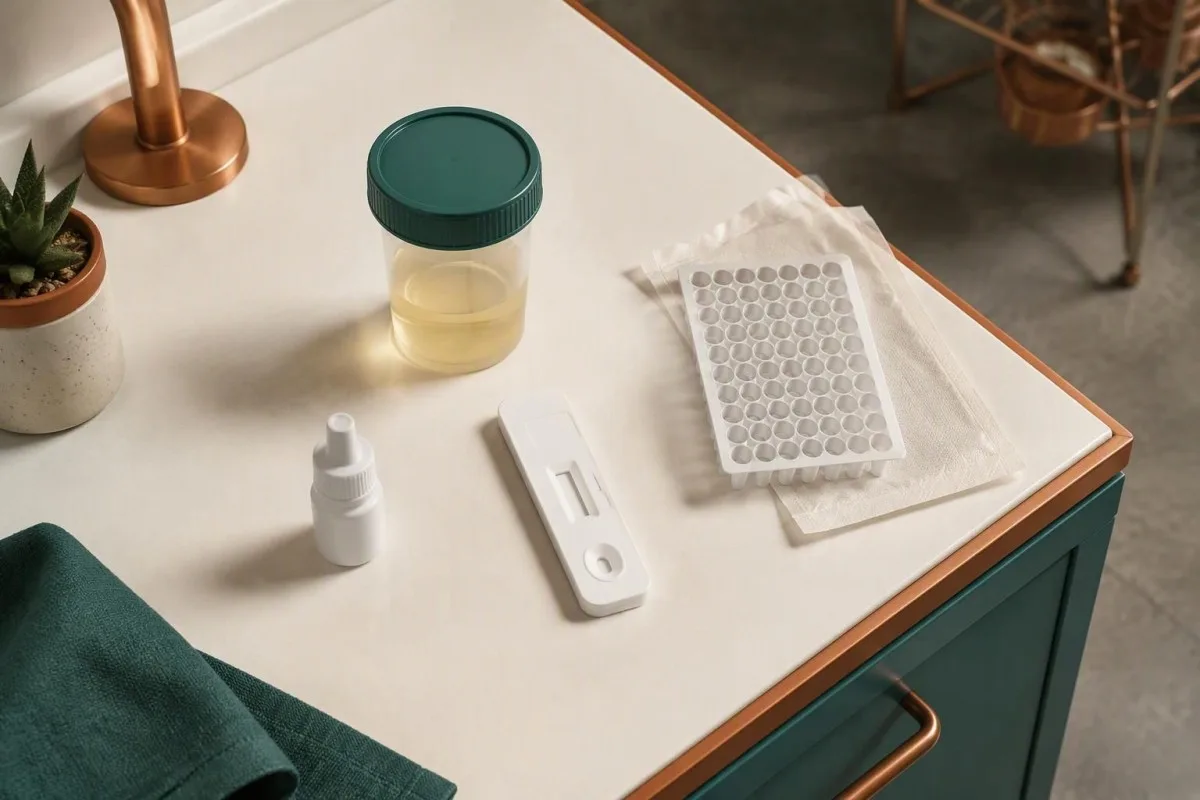
A د لیجیونیلا د ادرار انټيجن مثبت پایله دا معنا لري چې لابراتوار په ادرار کې د لیجیونیلا انټيجن موندلی، چې معمولاً له Legionella pneumophila serogroup 1. څخه وي. په هغه کس کې چې تبه، ټوخی، ساه لنډي او د انځوریزې معاینې له مخې تایید شوی سینهبغل ولري، دا پایله په کلکه د د لیجیونیر ناروغۍ ملاتړ کوي او باید پر وخت کلینیکي درملنه پیل شي.
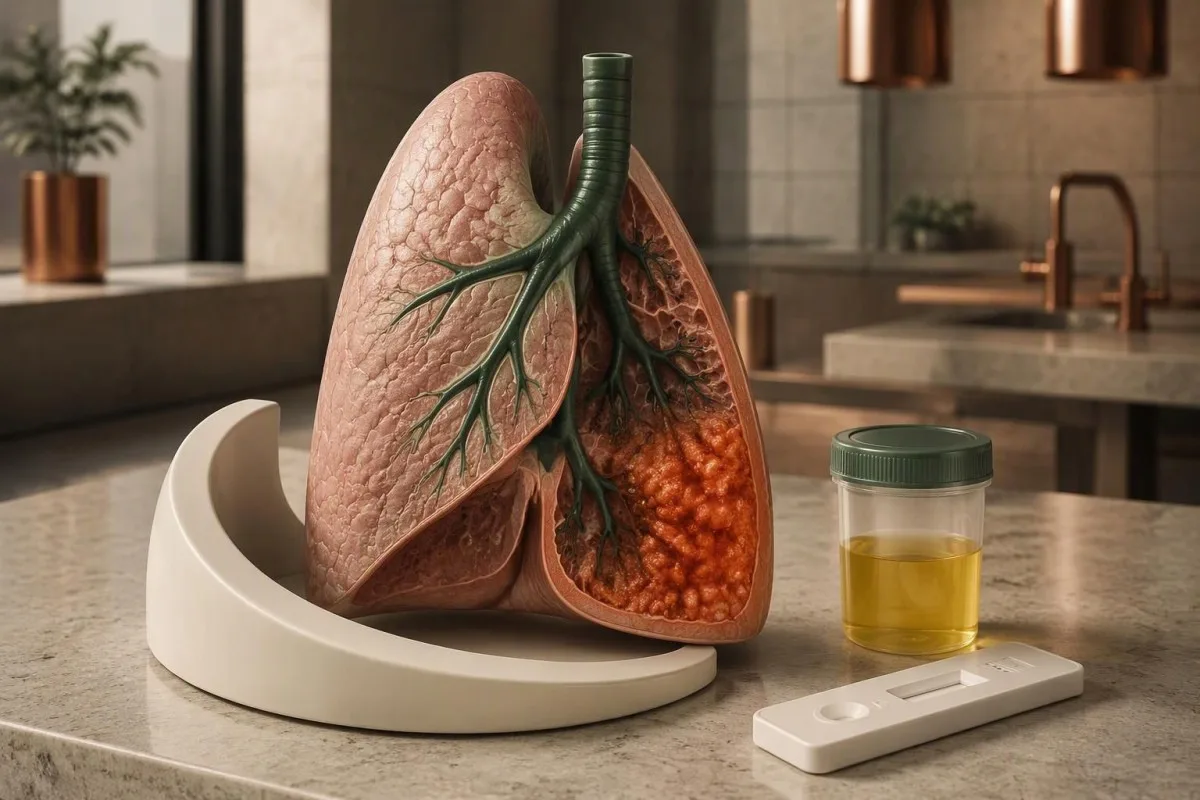
مثبته پایله د سینهبغل احتمالي لامل پېژني، نه یې شدت. د هغو دوو کسانو د اکسیجن اړتیا، د پښتورګو فعالیت او د درملنې ځای ښايي ډېر توپیر ولري چې د serogroup 1 پایله یې یو شان وي؛ ډاکټران د ټول کلینیکي انځور پر بنسټ پرېکړه کوي چې په کور کې درملنه وشي که ناروغ بستر شي.
د سینهبغل له نښو پرته نااټکل شوې مثبته پایله جلا بحث غواړي. هغه کس چې ۶ اوونۍ مخکې د لیجیونیر ناروغۍ درملنه شوې وي، ښايي لا هم انټيجن دفع کړي؛ خو هغه کس چې پخوانۍ ناروغي نه لري، ښايي د لابراتوار پایله له نښو، انځوریزو معایناتو او د ازموینې د احتمالي تداخل له مخې وکتل شي.
د فرضي بېلګې په توګه، یو ۵۸ کلن کس چې د بدن تودوخه یې ۳۹°C وي، په سږو کې نوی انفلتراټ ولري او انټيجن یې مثبت وي، څو موندنې لري چې ټولې یوې خوا ته اشاره کوي. په روغ کس کې د ادرار همدا پایله چې انځوریزه معاینه یې عادي وي، په خپله د سینهبغل نوې پېښه نه ثابتوي.
کانټیسټي یو دی د AI د وینې معاینې شنونکی چې د serogroup 1 سینهبغل د ارزونې ځای ناستی کېدو پرته د ملګرو لابراتواري موندنو په تشریح کې مرسته کوي؛ زموږ سازمان او هدف دا توپیر تشریح کوي. که د ساه اخیستلو نښې سمدستي اندېښنه وي، زموږ د ساه لنډۍ لارښود تشریح کوي چې ولې د لابراتوار پایلې د معاینې او د اکسیجن د کچې د اندازه کولو ځای نه شي نیولی.
ولې د سږو انتان د ادرار ازموینه مثبته کوي؟
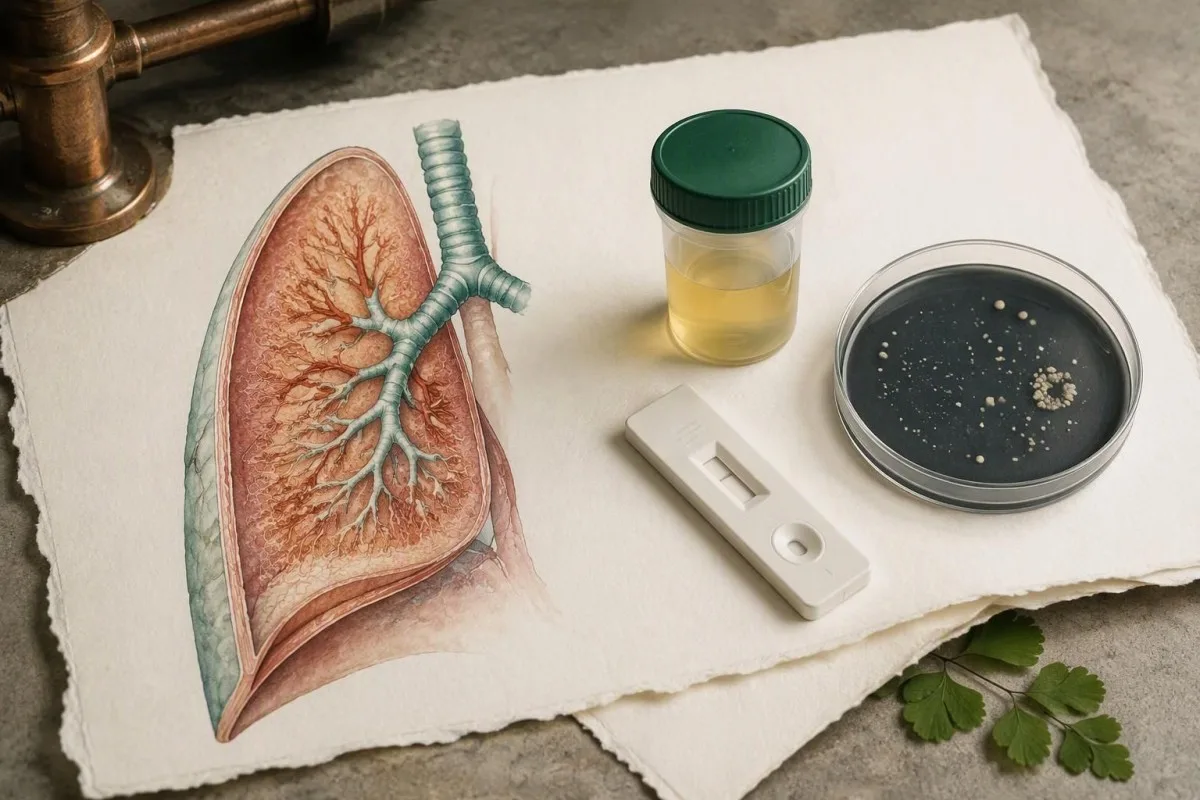
د د لیجیونیلا د ادرار انټيجن ازموینه هغه باکتریايي مواد کشفوي چې د ناروغۍ پر مهال ادرار ته دفع کېږي؛ دا ناروغي عموماً سږي اغېزمنوي. د serogroup 1 انټيجن مثبته پایله نه دا معنا نه لري چې لیجیونیلا د مثانې انتان رامنځته کوي، او د ادرار د معمول کلتور له مثبتې پایلې سره برابره نه ده.
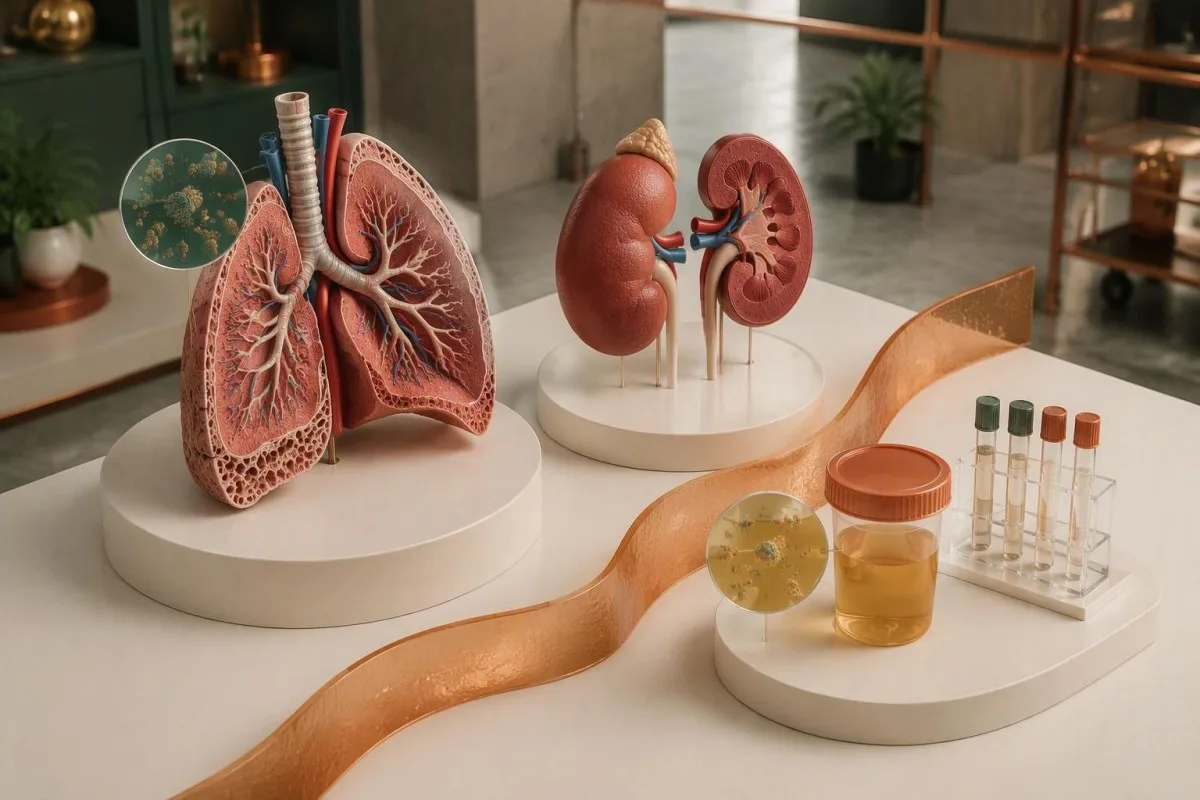
انټيجن د باکتریا یوه برخه ده چې ازموینه یې پېژني، نه دا ثبوت چې په ادرار کې ژوندي ژونديموجودات شته. د serogroup 1 هدف عموماً د باکتریا له سطحي لیپوپولیساکرایډ سره تړاو لري، چې د انټيبیوټیکونو له لارې د سږو ناروغي تر کنټرول وروسته هم د کشف وړ پاتې کېدای شي.
ډېری راپورونه#+#+#+#+ کیفی: detected or not detected, rather than a concentration in ng/mL. Our explanation of کیفی په پرتله کمي پایلې helps clarify why a positive flag cannot be converted into a bacterial count or a severity score.
A fresh urine specimen is generally sufficient; a 24-hour urine collection is not routinely required for this assay. Collection volume, storage conditions, and acceptance criteria depend on the laboratory, so follow the supplied instructions rather than borrowing preparation rules from unrelated urine tests.
Do not interpret cassette appearance as a treatment trend. Even when a laboratory uses a lateral-flow method, the apparent intensity of a signal is not a validated measure of pneumonia burden, and a stronger-looking result on day 7 cannot establish that treatment is failing.
ولې د ادرار ازموینه تر ډېره سیروګروپ ۱ پېژني؟
Most commonly used Legionella urine antigen assays are designed to recognize Legionella pneumophila serogroup 1, a major cause of Legionnaires’ disease. Their antibody targets do not reliably detect every other serogroup or Legionella species, so the test’s biological coverage is narrower than its name suggests.
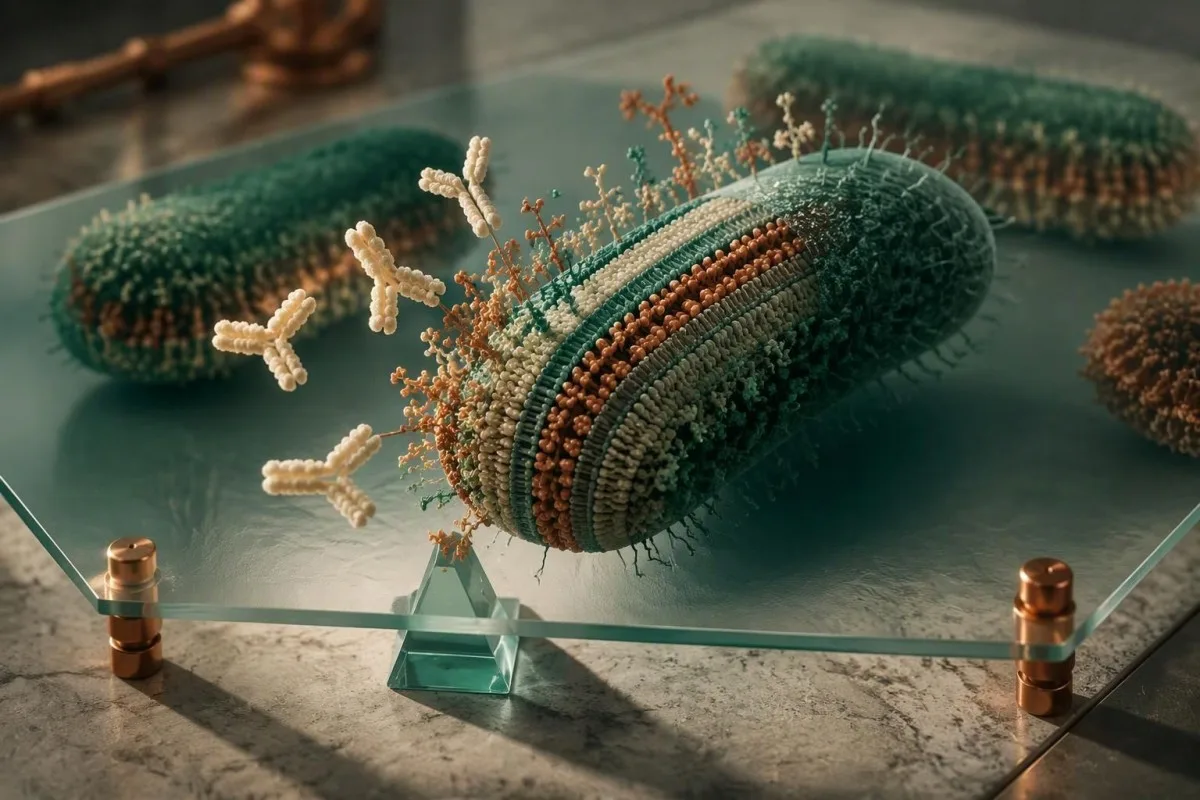
A serogroup is a grouping based on antigenic differences, not a stage of illness. Serogroup 1 does not mean early disease, a first infection, or a milder infection; it identifies a bacterial antigen pattern recognized by the test.
Other L. pneumophila serogroups and species such as Legionella longbeachae can cause pneumonia despite a negative standard urine antigen. Potting mix or compost exposure can be particularly relevant to L. longbeachae, while healthcare-associated disease may involve organisms outside the standard assay’s reliable detection scope.
Laboratories differ in their assays and reporting language. Ask whether the method specifically detects serogroup 1, whether a broader assay was used, and whether an additional respiratory test is pending; never assume an unfamiliar brand or a generic report heading proves broader coverage.
A negative narrow-target test should not redirect treatment solely because another pneumonia marker is positive. For example, a positive antibody result for a second organism may reflect timing or previous exposure rather than the cause of the current illness, as our Mycoplasma IgM interpretation تشریح کوي.
د لیجیونیلا د انټيجن ازموینه څومره دقیقه ده؟
Legionella antigen test accuracy is generally stronger for confirming than excluding the infection within the assay’s detection scope. A meta-analysis reported approximately 74% sensitivity او 99.1% specificity, but those pooled estimates are not a guarantee for every current assay or every patient population.
Shimada et al. reported these pooled figures in their 2009 Chest systematic review and meta-analysis. Sensitivity describes how often infected people test positive; specificity describes how often people without the target condition test negative, and neither figure alone tells an individual their probability of disease.
Consider a clearly hypothetical group of 10,000 people being tested, with a 5% prevalence of the target infection. Using 74% sensitivity and 99.1% specificity gives about 370 true positives and 86 false positives, so roughly 81% of positive results would represent the target infection under those assumptions.
Change only the hypothetical prevalence to 20%, and the same calculation gives about 1,480 true positives and 72 false positives—a positive predictive value near 95%. This is why a positive result is more convincing in someone with compatible pneumonia than in indiscriminate screening of well people.
Kantesti AI distinguishes the published 99.1% specificity estimate from the much broader question of whether a person currently has pneumonia. Our validation and clinical boundaries concern our interpretation methods; they do not certify the performance of a hospital’s Legionella assay or make false-positive results impossible.
ایا په ادرار کې د لیجیونیلا د انټيجن منفي نتیجه ناروغي نه شي موندلی؟
A negative Legionella urine antigen does not rule out Legionnaires’ disease, especially when the organism is outside serogroup 1 or clinical suspicion remains high. Early sampling and variation in antigen excretion can also contribute, so a lower respiratory PCR or culture may be needed.
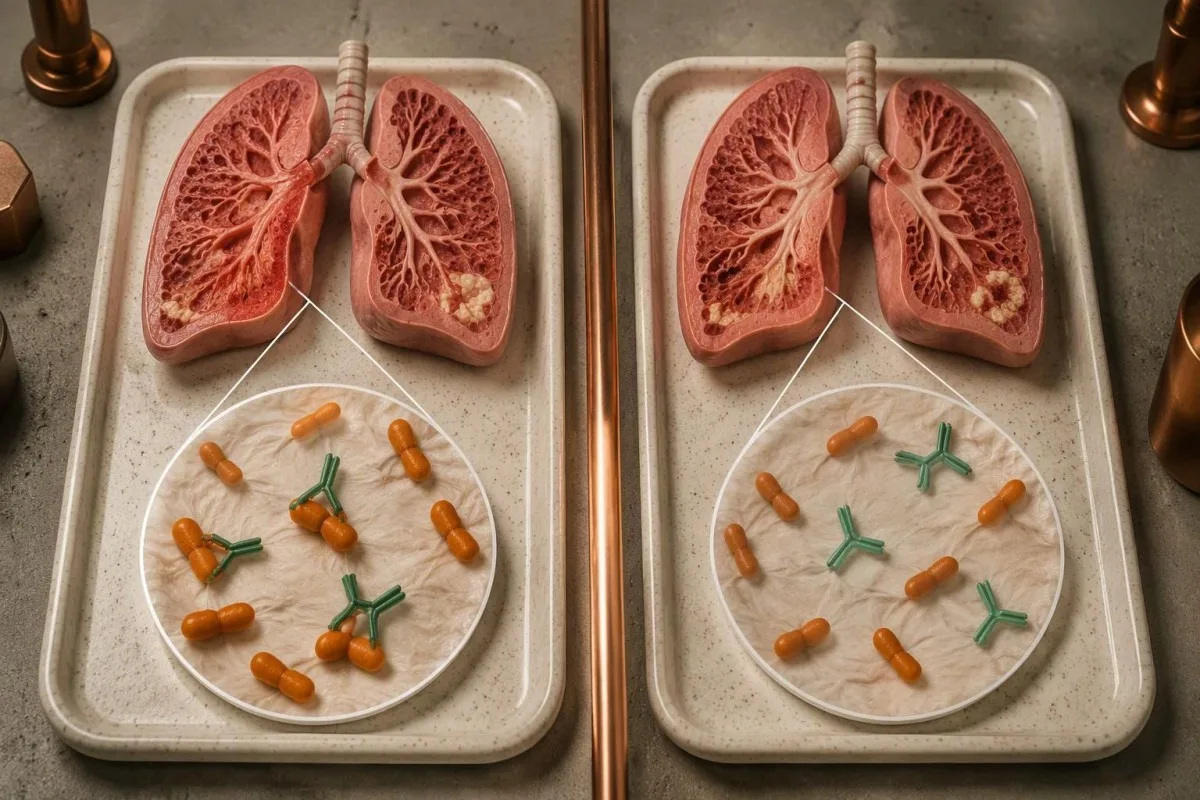
Using the pooled 74% sensitivity as an illustration, approximately 26 of 100 infections within the studied detection scope would be missed. That calculation does not include every infection caused by non-target species, so the test’s ability to exclude all Legionella pneumonia is more limited still.
A hypothetical 67-year-old with severe pneumonia after a hotel stay may need further Legionella testing despite a negative urine result on the first day of admission. The reason is not that travel proves the diagnosis; it raises suspicion enough that relying on one incomplete test could miss a treatable cause.
Repeating urine testing can sometimes be considered when timing or specimen quality is in doubt, but a second negative does not solve a serogroup mismatch. A respiratory assay with appropriate species coverage answers a different question and may add more value than repeatedly ordering the same urine method.
Sampling windows also affect other respiratory tests, although their exact rules differ from Legionella. Our respiratory PCR timing guide illustrates the broader principle: a negative result must be interpreted against specimen site, method, timing, and treatment rather than treated as a universal exclusion.
د تنفسي نمونې PCR او کلتور کله ګټور تمامېږي؟
Respiratory PCR and culture add value when pneumonia is severe, the urine result is negative despite suspicion, broader Legionella detection is needed, or an outbreak is being investigated. Collecting 2 complementary specimens—urine and a lower respiratory sample—can support both immediate diagnosis and public health investigation.
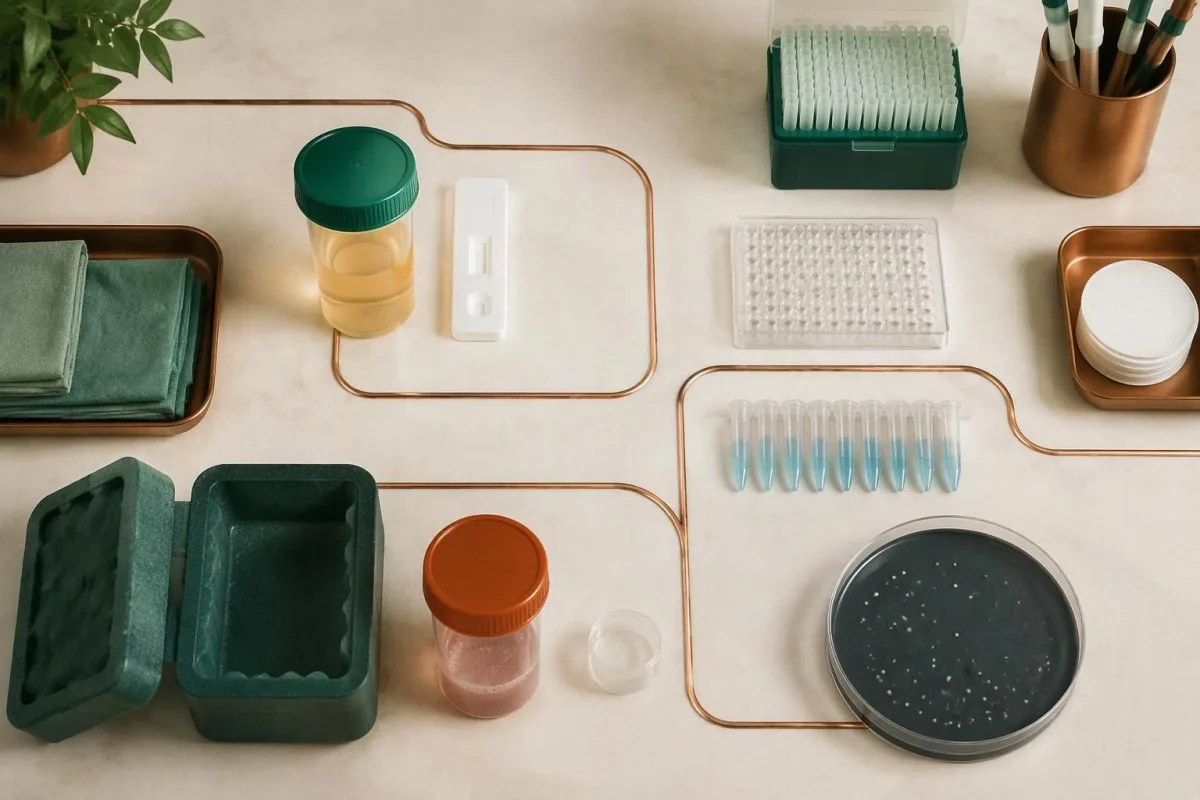
The 2019 ATS/IDSA community-acquired pneumonia guideline recommends Legionella urinary antigen testing plus lower respiratory culture or nucleic acid testing in severe pneumonia (Metlay et al., 2019). It also supports urinary antigen testing when epidemiological factors, such as recent travel or an outbreak association, make Legionella more likely.
PCR detects bacterial genetic material and can return sooner than culture, but its coverage depends on the exact assay. Some tests target L. pneumophila, others detect a broader Legionella group, and not every respiratory multiplex panel includes Legionella; ask what was actually tested rather than assuming a negative panel excludes serogroup 1.
Culture requires a respiratory specimen and special media, commonly buffered charcoal yeast extract, and may take several days. Its distinctive benefit is recovery of an organism that public health laboratories can compare with environmental isolates, whereas a urine antigen result alone cannot match an individual case to a particular water system.
Collect sputum before antibiotics when feasible, but do not delay necessary treatment to obtain it; laboratories may retain cultures for around 10 days before final reporting. Exposure details help guide additional investigations: water-associated illness testing او د Q تبې د انټيباډیو تفسیر explain different exposure-driven pathways, not substitute tests for Legionella.
د سوډیم، CRP او د پښتورګو پایلې څه مرسته کوي؟
Blood tests help assess the consequences of Legionella pneumonia, but no sodium, CRP, or white cell cutoff independently confirms it. Serum sodium below 135 mmol/L indicates hyponatremia; clinicians interpret that finding alongside hydration, glucose, medications, kidney function, and the respiratory illness.
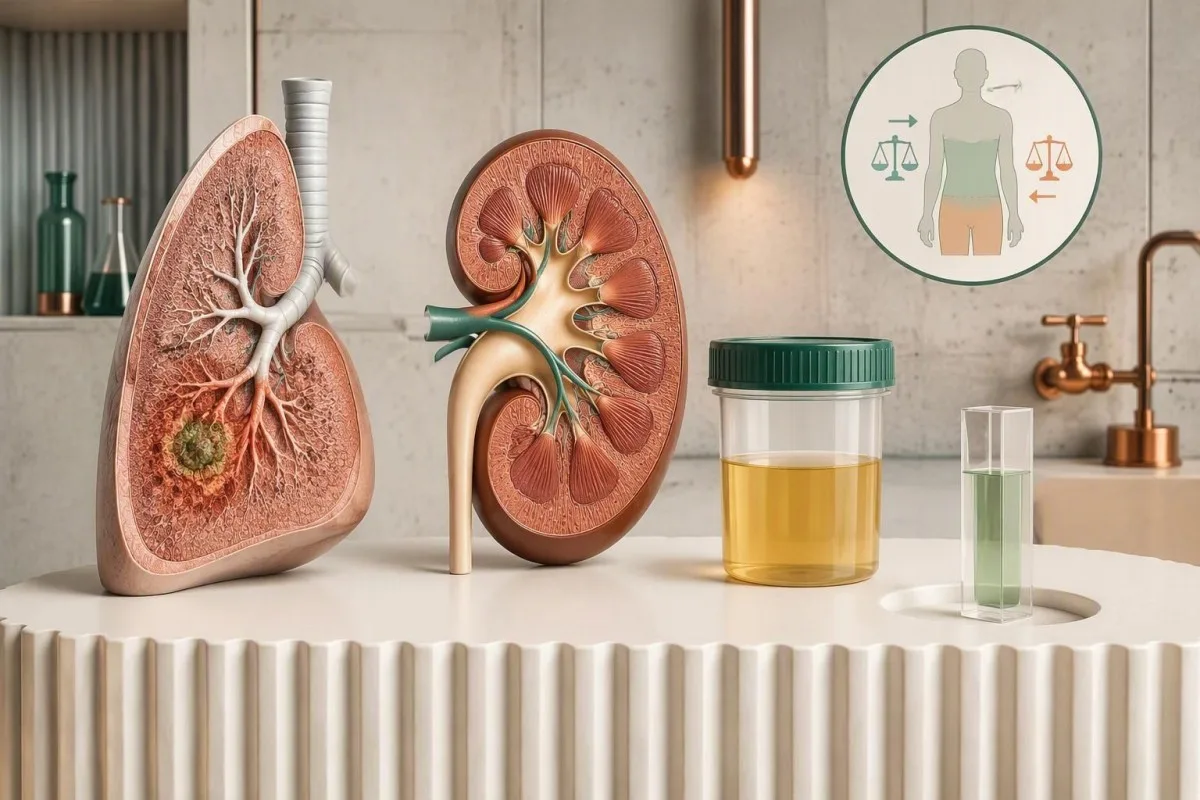
Low sodium does not automatically mean SIADH, and it does not specifically identify serogroup 1 disease. Vomiting, diarrhea, fluid intake, diuretics, and other illnesses can produce overlapping patterns; our د SIADH لابراتواري لارښود explains why osmolality and clinical volume assessment matter before choosing treatment.
Urine sodium may help investigate hyponatremia, but a value such as 40 mmol/L means different things after a diuretic dose than before treatment. Our urine sodium interpretation shows why urine chemistry should not be confused with the separate Legionella urinary antigen test.
A creatinine increase of at least 48 ساعتونو کې 0.3 mg/dL is one established criterion for acute kidney injury. Dehydration, sepsis, and medication effects may contribute during pneumonia, and our BUN او کریټینین لارښود explains why the ratio alone cannot determine the cause.
کانټیسټي یو دی د AI بایومارکر تفسیر پلیټفارم that can help contextualize a sodium of 129 mmol/L or a changing creatinine alongside other reported blood results. A hypothetical fall in CRP from 180 to 80 mg/L may support improvement, but worsening oxygenation overrides reassurance from that laboratory trend.
له مثبتې پایلې وروسته عموماً کومه درملنه کېږي؟
Compatible Legionella pneumonia usually requires an antibiotic active against an organism that multiplies inside cells, commonly azithromycin or a respiratory fluoroquinolone. Many uncomplicated cases receive about 7–10 ورځو of treatment, but severity, immune status, response, and medication safety determine the actual prescription.
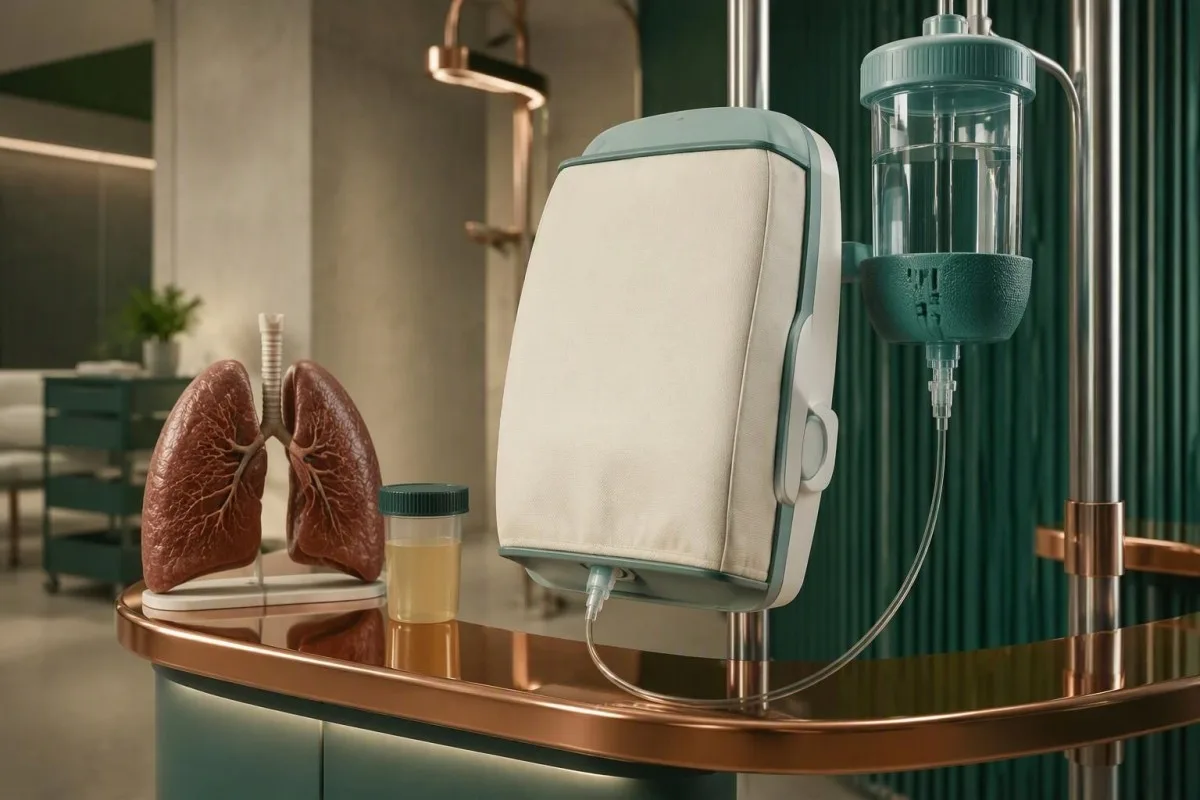
Common adult clinician-selected regimens include azithromycin 500 mg once daily or levofloxacin 750 mg once daily, given orally or intravenously as appropriate. These are examples, not instructions to self-treat; kidney function, pregnancy, interactions, local guidance, and the overall pneumonia regimen can change the choice.
A beta-lactam such as amoxicillin alone does not provide reliable treatment for Legionella pneumonia, because effective intracellular activity matters. A penicillin allergy does not automatically prevent use of the usual Legionella-active options, although other pneumonia coverage may be needed; our penicillin allergy reassessment guide explains that separate decision.
Levofloxacin generally requires dose adjustment when creatinine clearance is below 50 mL/min, while both commonly used drug classes require attention to QT prolongation and interacting medicines. People taking warfarin may need additional INR monitoring during illness or antibiotic treatment, as described in our antibiotics and INR guide.
Severe disease, complications, or substantial immunosuppression can justify longer courses, sometimes 14–21 days, rather than a fixed duration based on the urine result. Evidence comparing antibiotic choices is not definitive enough to declare one option best for every patient; clinical response and adverse-effect risk remain central.
ولې د درملنې وروسته د ادرار انټيجن مثبت پاتې کېدای شي؟
Persistent Legionella urinary antigen positivity does not necessarily mean treatment failure, because the test detects bacterial material rather than bacterial viability. Antigen can remain detectable for weeks and occasionally months, so a positive test 4 weeks after treatment must be interpreted against recovery and previous results.
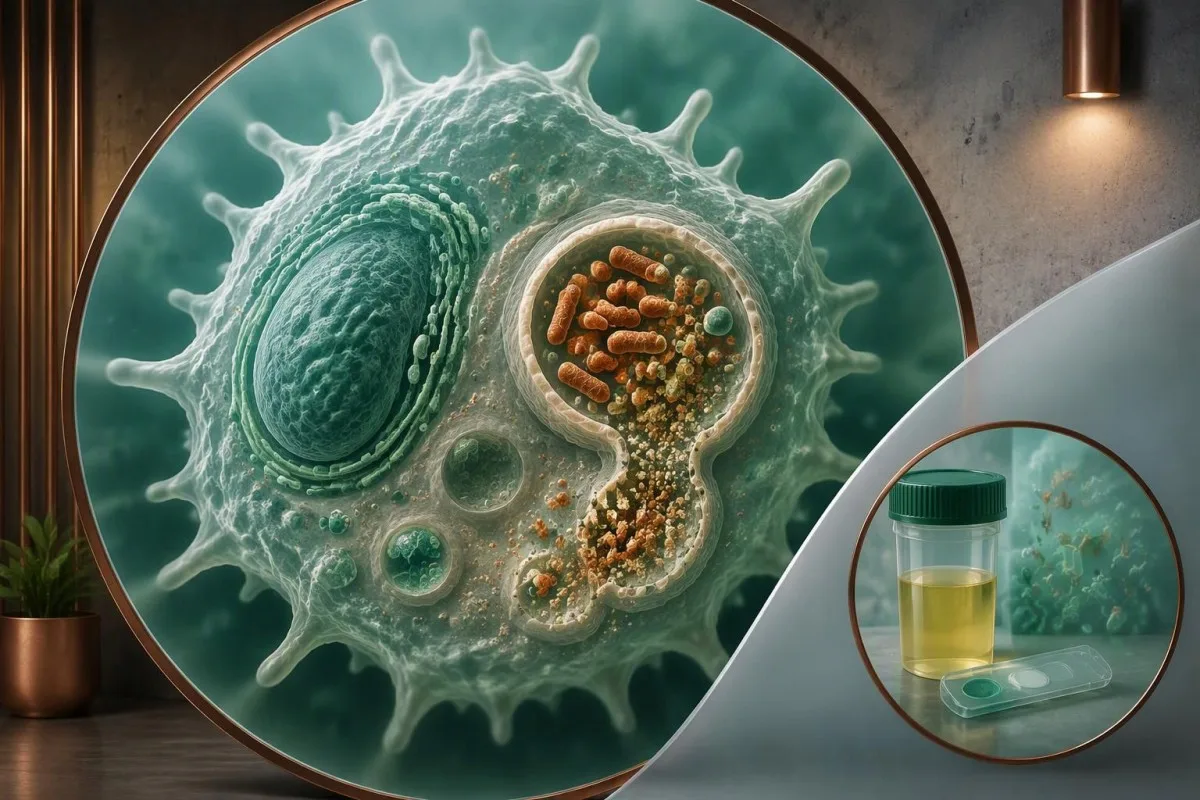
Kohler et al. documented prolonged urinary antigen excretion in د لیجیونیر ناروغۍ in the 1984 Journal of Clinical Microbiology paper on its onset and duration. The practical consequence is still relevant: antigen clearance and clinical recovery run on different timelines, and there is no universal day when every successful course produces a negative urine test.
For a hypothetical example, a 61-year-old completes a prescribed 10-day course, no longer has fever, and returns to their usual oxygen saturation. A positive urine antigen 3 weeks later, without new symptoms, is not sufficient reason to restart antibiotics or label the treatment unsuccessful.
Routine repeat urine antigen testing is generally not a test of cure. If symptoms recur at 6 weeks, clinicians reassess the lungs, oxygenation, treatment history, and possible alternative causes; the old antigen result cannot independently distinguish relapse, a new illness, or residual antigen excretion.
Kantesti separates a historical serogroup 1 antigen finding from companion blood-test trends rather than treating every positive flag as evidence of ongoing disease. Our guide to د روغتون له رخصتیدو وروسته پایلې explains why persistent abnormalities need context, especially when the patient is improving clinically.
ډاکټران رغېدل یا د درملنې ناکامي څنګه ارزوي؟
Clinicians judge Legionella treatment response using fever, breathing, oxygen requirements, circulation, function, and complications—not urine antigen clearance. Some improvement is often expected within 48–72 ساعتونو of effective treatment, but severe pneumonia can recover more slowly and deterioration at any time needs reassessment.
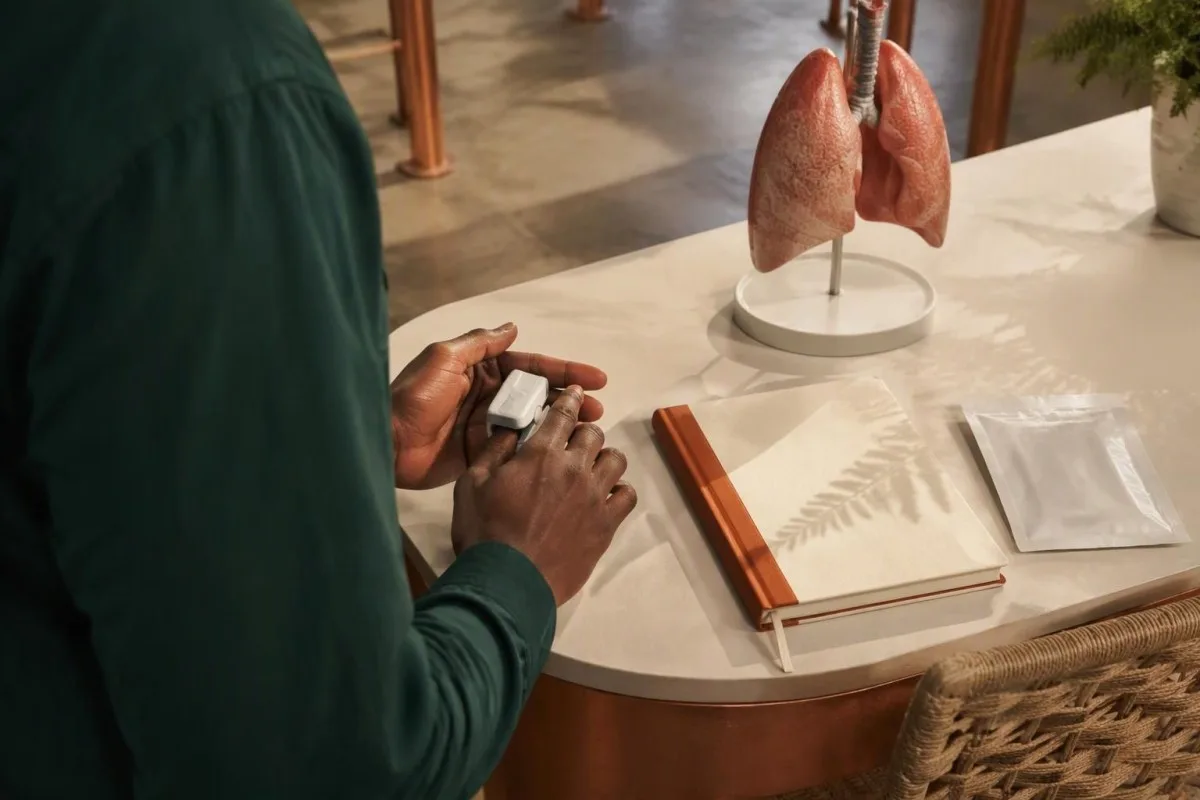
A lingering cough or reduced stamina at 2 weeks does not by itself establish persistent bacterial illness. Lung imaging can also lag behind clinical recovery for several weeks; clinicians interpret the direction of change, not just whether every symptom or radiographic opacity has disappeared.
Escalating oxygen needs, recurrent high fever, worsening blood pressure, or new confusion are more concerning than a persistently positive serogroup 1 antigen. Those changes may reflect an inadequate regimen, poor absorption, a complication, a second infection, or an alternative diagnosis rather than simple slow antigen clearance.
A hypothetical patient whose CRP falls from 160 to 70 mg/L but whose room-air oxygen saturation drops from 95% to 89% is not showing a safely reassuring overall pattern. The respiratory deterioration warrants urgent review even though one laboratory marker is improving.
Record the dates of symptoms, specimen collection, first effective antibiotic dose, and major changes in oxygen or fever. Our د لابراتوار د مهال ویش لارښود explains why comparing day 2 of treatment with day 10 is often more meaningful than comparing two isolated positive flags.
ایا مثبته ازموینه دا معنا لري چې تاسې ساري یاست؟
Legionnaires’ disease is usually acquired from inhaling contaminated water aerosols or, less often, aspirating contaminated water; routine person-to-person spread is not expected. Symptoms commonly begin له مخامخېدو ۲–۱۰ ورځې وروسته, and a positive urine antigen does not identify where exposure occurred or how contagious someone is.
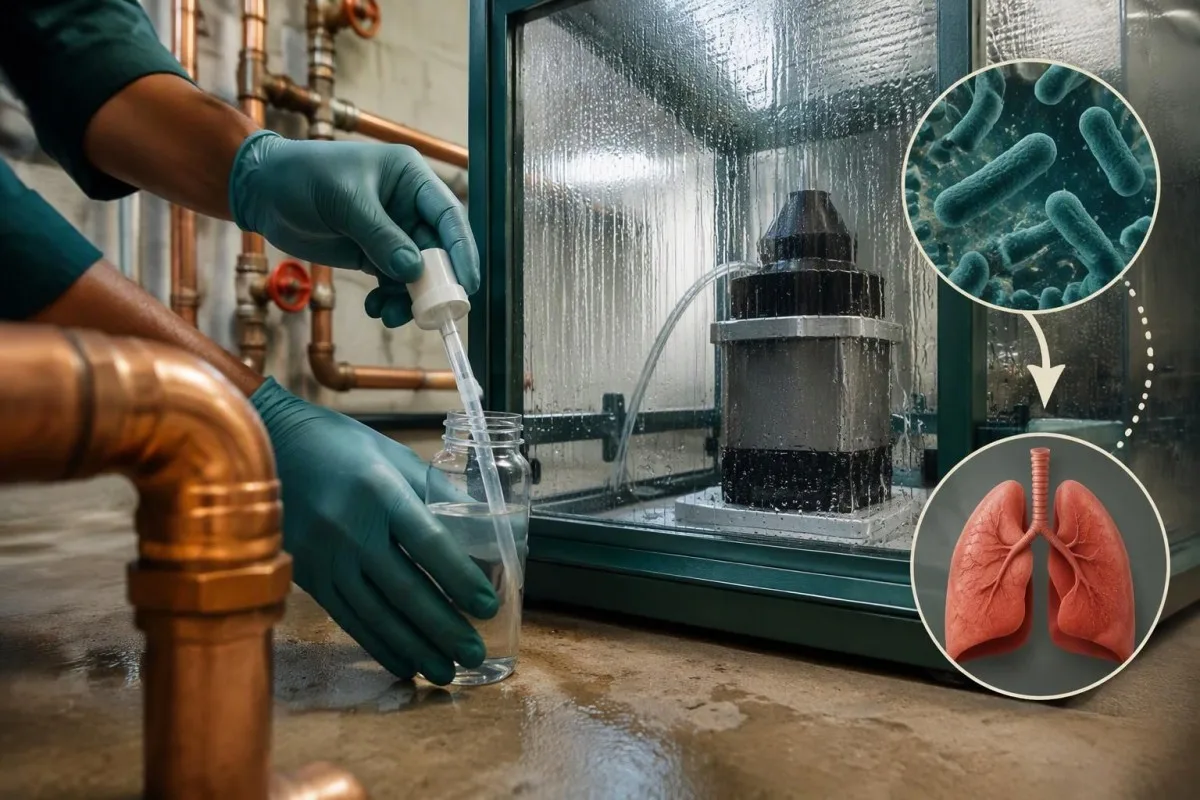
Showers, hot tubs, cooling towers, and complex building water systems can create relevant aerosols, but finding one of these exposures does not prove its source. For a person with a serogroup 1 result, public health investigators may need travel dates, accommodation details, healthcare stays, and other potentially shared exposures.
An exposure history usually starts with the 10 days before symptom onset, although investigators may ask about a longer interval in selected situations. Keep dates rather than relying on memory alone; the same hotel visit can be relevant or irrelevant depending on when symptoms began.
Family members do not usually need antibiotics or urine testing simply because one household member has Legionnaires’ disease. A relative who develops fever and cough after the same 3-day hotel stay, however, needs assessment because the two people may share an environmental exposure rather than have infected each other.
Persistent antigen does not establish ongoing transmission risk. That differs from some gastrointestinal viruses, where contagiousness after symptoms can be a separate concern; our norovirus recovery and transmission guide describes a different organism and should not be used to set isolation rules for Legionella.
کومې نښې بېړنۍ یا عاجلې پاملرنې ته اړتیا لري؟
A positive Legionella urine antigen with new breathlessness, confusion, fainting, or deteriorating oxygenation needs urgent medical assessment. For most adults without an individualized oxygen target, room-air saturation at or below 92% warrants prompt review; severe breathing difficulty or saturation at or below 90% needs emergency attention.
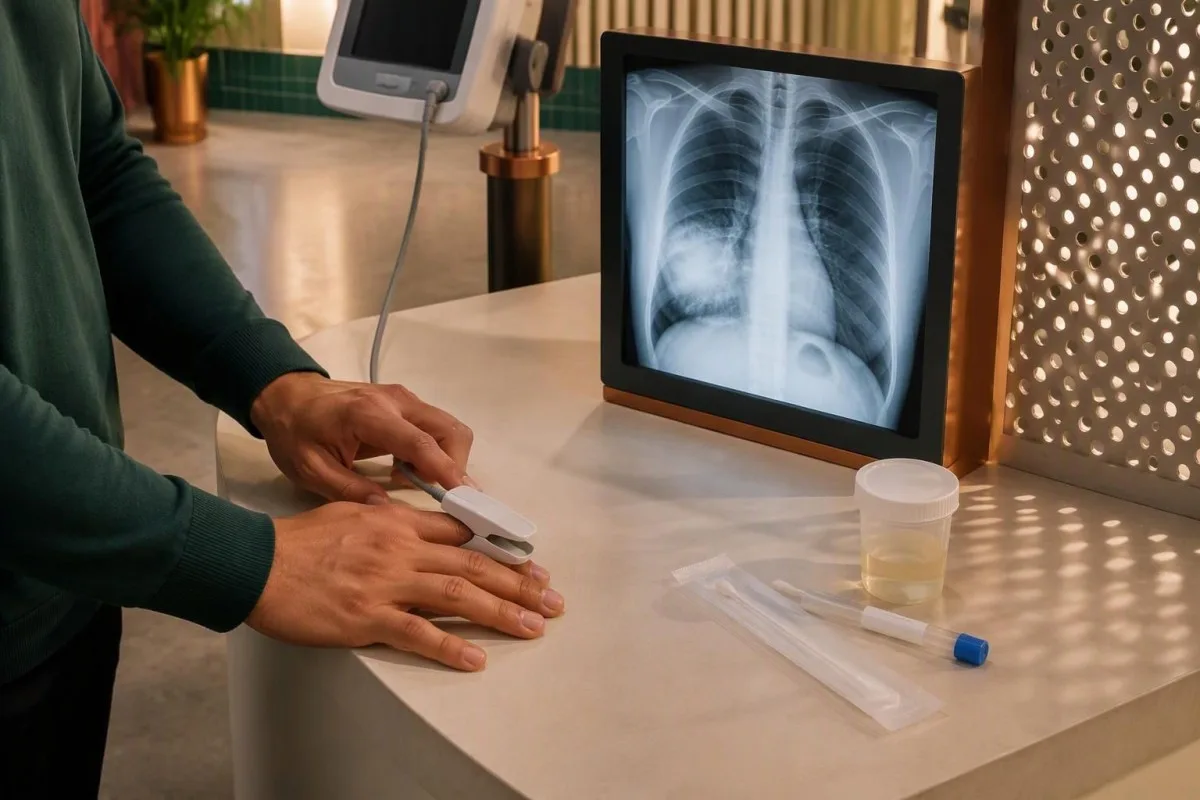
Do not wait for another laboratory result if breathing is rapidly worsening. A respiratory rate of 30 breaths per minute or more, new confusion, or systolic blood pressure below ۹۰ mmHg څخه ټیټ can indicate serious pneumonia or circulatory compromise and should prompt immediate clinical evaluation.
Home pulse oximeters have limitations, including motion, cold hands, nail coverings, and performance differences across skin pigmentation. Repeat an unexpected reading after resting and warming the hand, but do not use a seemingly normal value such as 95% to dismiss severe breathlessness, blue-gray lips, or altered awareness.
Some people with chronic respiratory disease have a prescribed oxygen target of 88–92%, so their usual care plan matters. A new need for more oxygen, a significant fall from baseline, or worsening symptoms remains concerning even when the reading is inside that target interval.
Hospitals may use an کې د کاربن ډای اکسایډ زیاتوالی when they need more detail about oxygen, carbon dioxide, or acid–base status. Our د شریانونو د وینې د ګاز لارښود explains why these measurements answer severity questions that a serogroup 1 urine antigen cannot.
AI څنګه له خوندي پلوه د تعقیبي پاملرنې په تنظیم کې مرسته کولی شي؟
AI can help explain companion blood tests and organize questions, but it cannot independently diagnose Legionella pneumonia or determine treatment success from 1 urine result. Keep the antigen report, specimen date, respiratory test status, prescribed treatment, and symptom timeline together for discussion with the treating team.
کانټیسټي یو دی AI د وینې ازموینې تشریح پلیټفارم that helps make companion results, such as sodium of 130 mmol/L or a changing creatinine, easier to understand. Our د AI ټکنالوژۍ لارښود explains the interpretation workflow, but blood-test analysis is not validation of a Legionella urine assay.
Preserve units, reference intervals, collection dates, and any comments about serogroup 1 coverage. A sodium result of 130 mmol/L before intravenous fluids and another result of 136 mmol/L afterward represent a treatment-linked sequence; removing dates can make the explanation less reliable.
Useful follow-up questions include whether pneumonia was demonstrated, whether the antibiotic covers Legionella, and whether a respiratory PCR or culture was collected. A 7-day prescription may be entirely appropriate in one clinical setting and insufficient in another, so ask about the reasoning rather than comparing duration alone.
Kantesti AI cannot assess your current oxygen requirement, hear lung findings, or confirm whether a recurring positive at week 4 represents residual antigen. Our د AI تشریح خوندیتوب لارښود describes source checking and escalation boundaries; contact your clinician for treatment changes instead of acting on an automated explanation.
کوم شواهد د دې تفسیر ملاتړ کوي؟
The clinical interpretation rests on 3 complementary evidence sources: a urinary antigen accuracy meta-analysis, adult pneumonia guidance, and research documenting prolonged antigen excretion. The separate publications listed below describe broader blood-test interpretation topics and should not be mistaken for clinical validation of Legionella diagnosis or treatment.
Shimada et al. (2009) provide the approximately 74% sensitivity and 99.1% specificity estimates used in the worked examples. Those values come from pooled studies with different methods and patient populations, so they are useful for understanding uncertainty rather than predicting an exact result for an individual laboratory.
Metlay et al. (2019) address adult community-acquired pneumonia and support paired Legionella testing in severe disease. The guideline does not turn a positive antigen into a severity score, and its recommendations should not be transferred unchanged to children, every immunocompromised patient, or every healthcare-associated case.
Kohler et al. (1984) show why persistent antigen must be separated from bacterial viability and treatment response. A positive result at 4 اونیو کې needs a symptom-based reassessment if the person is unwell, but the duration alone cannot establish failure; this is a diagnostic limitation, not permission to ignore recurrent pneumonia.
The 2 Kantesti publications below are platform-related resources, not independent Legionella treatment trials; our د طبي محتوا معیارونه explain how educational claims should be distinguished from diagnostic evidence. The accompanying RDW and CBC resource concerns red-cell measurements, which may appear on a hospital report but do not confirm Legionnaires’ disease.
پرله پسې پوښتل شوي پوښتنې
ایا د لېجیونیلا د ادرار د انټيجن مثبت نتیجه د لېجیونیر ناروغي تاییدوي؟
0 د Legionella د ادرار مثبت انټيجن هغه مهال د لیجیونیر ناروغۍ په کلکه تاییدوي چې کس ورسره سمون لرونکې نښې او د سینهبغل شواهد ولري. ډېری معیاري ازموینې په اصل کې د Legionella pneumophila د سیروګروپ ۱ پېژني، نه د Legionella هر ډول. د ۲۰۰۹ کال یوه مېټا-تحلیل شاوخوا ۹۹.۱۱TP54T ځانګړتیا راپور کړې، خو ناسم مثبتې پایلې او له پخوانۍ ناروغۍ وروسته د انټيجن پاتې کېدل لا هم ممکن دي. له سینهبغل پرته ناڅاپي پایله د اتومات درملنې پر ځای کلینیکي او لابراتواري ارزونې ته اړتیا لري.
ایا د ادرار د انټيجن د منفي پایلې سره هم د لیجنییرز ناروغي لرلای شم؟
0 هو، د لیجیونیلا په ادرار کې د انټيجن منفي پایله د لیجیونیرز ناروغي نه ردوي. ازموینه ښايي هغه سروګروپونه یا ډولونه ونه مومي چې هدف یې نه وي، او یوې مېټا-تحلیل شاوخوا 74% حساسیت د څېړل شوي تشخیصي ساحې دننه راپور کړی. د همدې فرضونو له مخې، دغه حساسیت به له هرو ۱۰۰ هدفګرځول شوو انتاناتو څخه شاوخوا ۲۶ له پامه وغورځوي. د ساهلارو PCR یا کلتور هغه مهال ارزښت زیاتوي چې سینهبغل شدید وي یا شک لا هم لوړ وي.
د لیجیونیلا د ادرار انټيجن څومره موده مثبت پاتې کېدای شي؟
د Legionella د ادرار انټيجن تر حادې ناروغۍ وروسته د څو اوونیو او کله ناکله د څو میاشتو لپاره د تشخیص وړ پاتې کېدای شي. له درملنې 4 اوونۍ وروسته مثبته پایله کېدای شي د ژوندي پاتې میکروبونو پر ځای د باکتریاوو پاتې شوني وښيي. د منفي کېدو لپاره کومه ثابته عمومي ورځ نشته، او د ادرار د انټيجن معمول ازموینه عموماً د درملنې د بشپړېدو د تایید ازموینه نه ده. د تبې بېرته راګرځېدل، د ساه اخیستلو خرابېدل، یا د اکسیجن د اړتیا زیاتېدل، د انټيجن له پایلې پرته، بیا ارزونې ته اړتیا لري.
0 ایا که زما د انټيجن پایله لا هم مثبته وي، ایا د انټيبیوټیکونو بل کورس ته اړتیا لرم؟
0 دوامداره د لیجیونیلا د ادرار د انټيجن مثبتوالی په یوازې ځان د انټيبیوټیکونو د بیا پیلولو دلیل نه دی. د ډېرو غیر پېچلو پېښو درملنه شاوخوا 7–10 ورځې وي، خو معالج ډاکټر مناسبه موده د ناروغۍ د شدت، معافیتي حالت او ځواب له مخې ټاکي. هغه کس چې د ناروغۍ حالت یې په کلینیکي توګه ښه کېږي، کېدای شي د درملنې له ناکامۍ پرته هم د انټيجن مثبتوالی ولري. نوې یا مخ په خرابېدو نښې د طبي ارزونې غوښتنه کوي، نه دا چې د انټيبیوټیک پرېکړه یوازې د ادرار د تکراري ازموینې پر بنسټ وشي.
ولې د ادرار د انټيجن له مثبتې پایلې وروسته د تنفسي PCR یا کلتور غوښتنه کېږي؟
0 د تنفسي PCR یا کلتور هغه معلومات برابرولای شي چې د ادرار مثبت انټيجن یې نه شي برابرولای؛ لکه د پراخو ناروغیوزېږوونکو موجوداتو تشخیص یا د وبا د څېړنې لپاره د یوه جلا شوي میکروب ترلاسه کول. د ۲۰۱۹ کال د ATS/IDSA لارښود په شدیدې ټولنیزې ترلاسه شوې سینهبغل کې د ادرار انټيجن ترڅنګ د ټیټې تنفسي لارې کلتور یا د نوکلیک اسید ازموینه سپارښتنه کوي. د PCR د تشخیص ساحه پر ازموینې پورې تړلې ده، او کلتور ښايي څو ورځې وخت ونیسي. د نمونو دا ۲ ډولونه یو بل بشپړوي، نو د تنفسي نمونې راټولول لا هم ګټور کېدای شي، حتی کله چې د ادرار پایله له مخکې مثبته وي.
ایا په ادرار کې د انټيجن په ازموینه کې د لېجیونېلا شتون د ادرار د لارې عفونت معنا لري؟
0 د لیجیونېلا د ادرار د انټيجن مثبت نتیجه عموماً د باکتریا هغه مواد څرګندوي چې د سږو د ناروغۍ پر مهال له بدن څخه دفع کېږي، نه د مثانې انتان. معیاري ازموینې عموماً د لیجیونیلا نیوموفیلا د ۱ سیروګروپ انټيجن پېژني او دا نه ښيي چې ژوندي باکتریاوې په ادرار کې وده کوي. د ادرار معمول کلتور او د ادرار د انټيجن ازموینه بېلابېلو پوښتنو ته ځواب وايي. هغه څوک چې تازه ساه لنډي ولري او د اکسیجن اشباع یې په 92% یا تر دې ټیټه وي، باید د تنفسي ناروغۍ لپاره ژر طبي ارزونه وغواړي، نه دا چې نتیجه د معمول UTI په توګه تعبیر کړي.
د وینې ازموینې پایلې څنګه ولولئ
خپل لابراتواري راپور پورته کړئ، او د Kantesti AI به په څو ثانیو کې هر بایومارکر په ساده ژبه تشریح کړي. په ټوله نړۍ کې له 2 میلیونو څخه زیاتو کسانو ترې کار اخیستی.
ماخذونه
- کلاین، ټي.، میچل، ایس.، او وېبر، ایچ. (۲۰۲۶). د AI وینې د ازموینې شنونکی: 2.5M ازموینې تحلیل شوې | د نړیوال روغتیا راپور 2026. د Kantesti AI طبي څېړنه. د دفاع وزارت
- کلاین، ټي.، میچل، ایس.، او وېبر، ایچ. (۲۰۲۶). د RDW د وینې ازموینه: د RDW-CV، MCV او MCHC بشپړ لارښود. د Kantesti AI طبي څېړنه. د دفاع وزارت
- Shimada T et al. (2009). Systematic review and metaanalysis: urinary antigen tests for Legionellosis. Chest.
- Metlay JP et al. (2019). Diagnosis and Treatment of Adults with Community-acquired Pneumonia. An Official Clinical Practice Guideline of the American Thoracic Society and Infectious Diseases Society of America. American Journal of Respiratory and Critical Care Medicine. د دفاع وزارت
- Kohler RB et al. (1984). Onset and duration of urinary antigen excretion in Legionnaires disease. Journal of Clinical Microbiology.
- ۲ میلیونه+تحلیل شوې ازموینې
- 127+هېوادونه
- 100+ژبې
د طبي ټیم په اړه


د E-E-A-T باور نښې
تجربه
د ډاکټر تر مشرۍ لاندې کلینیکي بیاکتنه د لابراتواري تفسیر د کاري بهیرونو لپاره.
تخصص
د لابراتواري طب تمرکز پر دې چې بایومارکرونه په کلینیکي شرایطو کې څنګه چلند کوي.
واک ورکول
د ډاکټر توماس کلاین له خوا طبي بیاکتنه شوې، د ډاکټر سارا میچل او پروفیسور ډاکټر هانس وېبر په مرسته.
اعتبار
د شواهدو پر بنسټ تفسیر د روښانه تعقیبي لارو چارو سره، تر څو اندیښنه کمه شي.
طبي سلبِ مسئولیت
دا مقاله یوازې د زده کړې لپاره ده او طبي مشوره نه جوړوي. د تشخیص او درملنې د پرېکړو لپاره تل د وړ روغتیايي خدمت وړاندې کوونکي سره سلا وکړئ.
خپور شوی · له تحریري ټیم سره اړیکه ونیسئ
خپروونکی یې Kantesti Ltd دی، چې په انګلستان او وېلز کې ثبت شوی، د شرکت شمېره. 17090423, ، لندن، بریتانیا.
