د پروټین S ټیټ فعالیت په خپله د پروټین S ارثي کمښت نه ثابتوي. امیندوارۍ، استروجن، وارفرین، حاد ناروغي او د ازموینې د طریقې اغېزې پایله تشریح کولای شي؛ د فعالیت او ازاد انټيجن ګډه ازموینه، چې د ډاکټر له خوا په ټاکلو شرایطو کې تکرار شي، مرسته کوي روښانه کړي چې ایا کموالی دوام لري.

مهم ټکي
- یوه ټیټه پایله د پروټین S ارثي کمښت نه شي ثابتولای، په ځانګړې توګه د امیندوارۍ، حادې ناروغۍ یا د وینې د ټینګېدو ضد درملنې پر مهال.
- د فعالیت سلنې د ازموینې د کالیبرېټر په پرتله فعالیت بیانوي؛ د 45% فعالیت دا معنا نه لري چې د وینې لخته کېدو احتمال 45% دی.
- ازاد پروټین S انټيجن د ازادو پروټینونو زېرمه اندازه کوي، چې په عادي ډول د بدن په دوران کې د ټول پروټین S نږدې 40% جوړوي، نه دا چې د هغه فعالیتي وړتیا وارزوي.
- امیندوارۍ ازموینه فزیولوژیکي کموالی ښودلای شي؛ تشخیصي بیاارزونه عموماً تر زېږون وروسته لږ تر لږه تر 6 اونیو پورې ځنډول کېږي، او کله ناکله تر دې هم ډېر.
- وارفرین (Warfarin) په رښتینې توګه پروټین S راکموي، ځکه پروټین S پر ویټامین K پورې تړلی دی؛ حتی د ازاد انټيجن ازموینه هم د درملنې پر مهال د درملنې پرته بنسټیزه کچه په باوري ډول نه شي معلومولای.
- د ارزونې لاسوهنه فعالیت په ناسم ډول ټیټ یا لوړ ښودلای شي. د وینې د ټینګېدو مستقیم خوراکي ضد درمل په هغو ازموینو کې چې د وینې د ټینګېدو پر بنسټ دي او اغېزمنېدلی شي، عموماً په ناسم ډول لوړې پایلې رامنځته کوي او ښايي کمښت پټ کړي.
- له لختې وروسته د ازموینې تکرار عموماً، که ازموینه اړینه وي، د وینې د ټینګېدو ضد درملو له 3 میاشتو درملنې وروسته پورې ځنډول کېږي؛ د درملو او ازموینې ترتیبات ډاکټران ټاکي.
- د درملو خوندیتوب لومړی باید په پام کې ونیول شي: د لابراتوار د لا کره پایلې ترلاسه کولو لپاره د وینې د ټینګېدو ضد درمل، د اسټروجن درملنه یا نور تجویز شوي درمل په خپل سر هېڅکله مه بندوئ.
ایا د پروټین S ټیټ فعالیت د ارثي کمښت معنا لري؟
د پروټین S ټیټ فعالیت ارثي یا اکتسابي کېدای شي، یا د ازموینې د طریقې له امله په ناسم ډول ټیټ وښودل شي. یوه غیرطبیعي پایله دا احتمالونه نه شي سره بېلولای: د ټول عمر لپاره د تشخیص تر ټاکلو مخکې باید امیندوارۍ، د اسټروجن کارول، وارفارین، وروستۍ ترومبوز او شدیده ناروغي په پام کې ونیول شي، او فعالیت معمولاً د ازاد انټيجن تر څنګ تفسیر ته اړتیا لري.
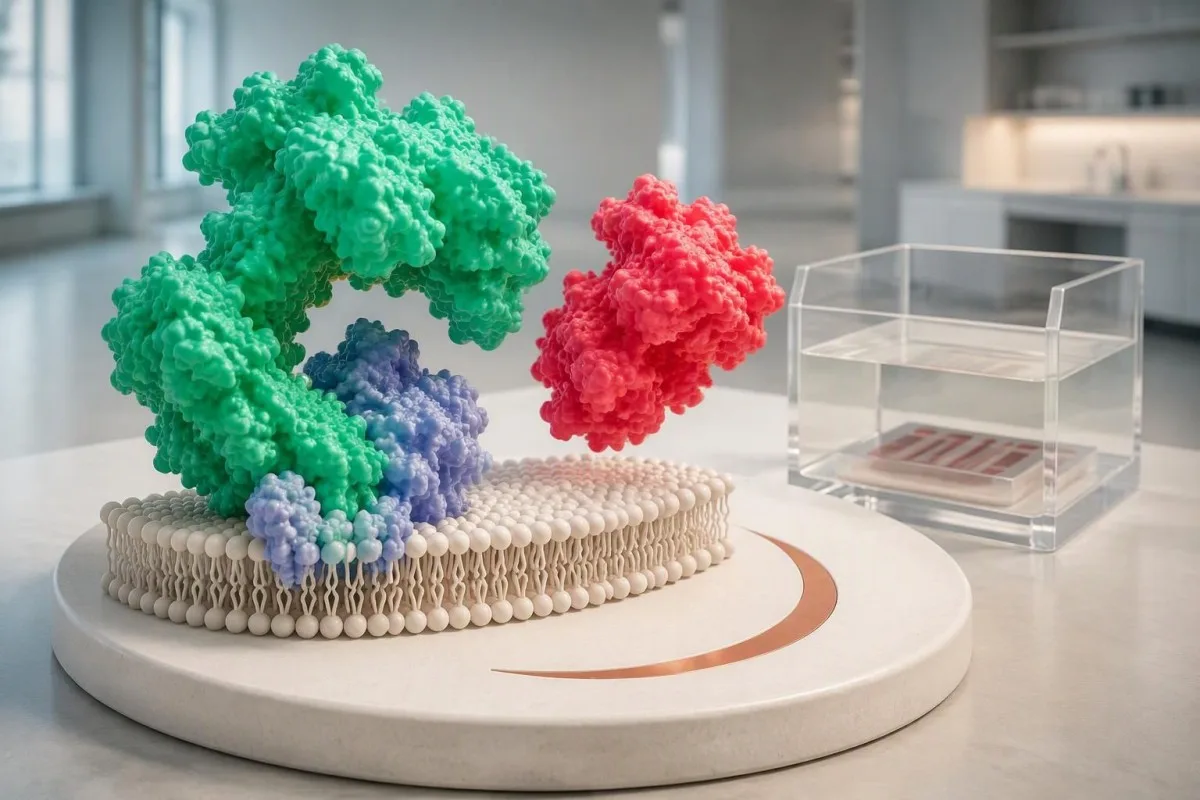
پروټین S د فکتورونو Va او VIIIa د غیرفعالولو په ملاتړ سره له فعال شوي پروټین C سره مرسته کوي چې د وینې ټینګېدل محدود کړي. د دې غلظت په کیمیاوي پینل کې د ټول پروټین له اندازهګیرۍ سره یو شان نه دی؛ د ټول پروټین 7.0 g/dL کچه د پروټین S د فعالیت په اړه هېڅ ګټور اټکل نه وړاندې کوي، ځکه ازموینې په بشپړه توګه بېلابېل بیولوژیکي مقدارونه اندازه کوي.
یوه جلا نښه د ارزونې پیل دی، نه وروستۍ پرېکړه. د یوه فرضي کس لپاره چې فعالیت یې د لابراتوار د 60% ټیټ حد په پرتله 48% دی، بله پوښتنه دا ده چې ایا نمونه د امیندوارۍ، درملو د درملنې یا ناروغۍ پر مهال اخیستل شوې وه—نه دا چې ایا دا شمېره په خپله د جنیټیکي اختلال ثبوت دی؛ زموږ د حد څخه بهر نتیجه لارښود دا توپیر تشریح کوي.
Kantesti د وینې د ازموینو یو د AI شنونکی دی چې د پروټین S پایلې، راپور شوي حدونه او اړوند شرایط منظموي، نه دا چې 1 نښه شوې پایله د تشخیص په توګه وګڼي. زموږ د شرکت پېژندنه د دې ښوونیز خدمت تر شا سازمان تشریح کوي؛ د ارثي کمښت تایید لا هم د ډاکټر تر لارښوونې لاندې د لابراتواري ارزونې او کله ناکله د متخصص له خوا جنیټیکي ارزونې ته اړتیا لري.
د فعالیت سلنه او حدود باید څنګه ولوستل شي؟
د پروټین S فعالیت معمولاً د ازموینې د مرجع فعالیت د سلنې په توګه راپور کېږي، نه د ترومبوز د احتمال د سلنې په توګه. مرجع واټنونه د لابراتوار، طریقې، عمر او هورموني شرایطو له مخې توپیر لري؛ د لویانو لپاره د 60–150% په څېر واټن یوازې یوه بېلګه ده، نه یو نړیوال تشخیصي حد.

د پروټین S د 45% فعالیت په دې ازموینه کې د فعالیت د کمښت معنا لري، نه دا چې ستاسو د وینې د دوران 45% برخه بنده شوې ده. سلنې د غلظت له واحدونو لکه mg/L سره هم توپیر لري، نو د فعالیت پایله له انټيجن غلظت سره په مستقیم ډول د شمېرو له مخې نه شي پرتله کېدای؛ دا توپیر د نورو هغو ازموینو په څېر دی مقداري لابراتواري اندازه چې بېلابېل ځانګړتیاوې اندازه کوي.
سرحدي ارزښتونه په ځانګړې توګه په ډېر احتیاط سره ارزونې ته اړتیا لري. په یوه فرضي لابراتوار کې چې 60% یې ټیټ حد وي، د 58% او 61% پایلې د نښې په دوو بېلابېلو خواوو کې راځي، سره له دې چې یوازې 3 سلنهټکي واټن لري؛ تحلیلي بدلون، بیولوژیکي نوسان او د ازموینې بېلابېل ریجنټونه ښايي دا توپیر بې له دې چې د لختې په خطر کې مانادار بدلون وي، تشریح کړي.
د پروټین S داسې یوه یوازینۍ سلنه نشته چې په خپلواکه توګه وټاکي ایا د وینې د ټینګېدو ضد درملو ته اړتیا شته که نه. د 25% پایله د لږ کم شوي ارزښت په پرتله ډېرې پاملرنې ته اړتیا لري، خو د اکتسابي کموالي پر مهال هم رامنځته کېدای شي؛ پرېکړې د تایید، د لختې د مخینې، لامل کېدونکو عواملو او د وینېبهېدنې د خطر له مخې کېږي، نه دا چې 1 عددي حد د درملو د پیل لپاره محرک وبلل شي.
| کچه | حد | مانا یې څه ده |
|---|---|---|
| د لویانو په یوه تشریحي واټن کې | د 60–150% فعالیت | یوازې د بېلګې لپاره. د راپور ورکوونکي لابراتوار هغه واټن وکاروئ چې د عمر او شرایطو لپاره مناسب وي؛ کله ناکله د وینې د ټینګېدو ضد درملو مداخله کوونکی اغېز کمښت پټولای شي. |
| د دې تشریحي واټن څخه ټیټ | د <60% فعالیت | د شرایطو بیاکتنې او، چې مناسب وي، د تایید غوښتنه کوي. دا د ارثي کمښت تشخیص نه ثابتوي. |
| د ازاد انټيجن پایله | Laboratory-specific % or concentration units | Measures the unbound protein pool. Do not apply an activity reference interval to an antigen result. |
| Pregnancy or childhood result | Population- and method-specific | A nonpregnant adult interval may be inappropriate. Diagnostic interpretation may need specialist advice. |
د فعالیت او ازاد پروټین S انټيجن ګډې پایلې څه ښيي؟
Activity testing measures functional performance, while free protein S antigen measures the available unbound protein pool. Approximately 40% of circulating protein S is free and the remainder is bound mainly to C4b-binding protein; comparing these measurements helps identify a quantitative reduction, a possible functional defect or a misleading activity result.
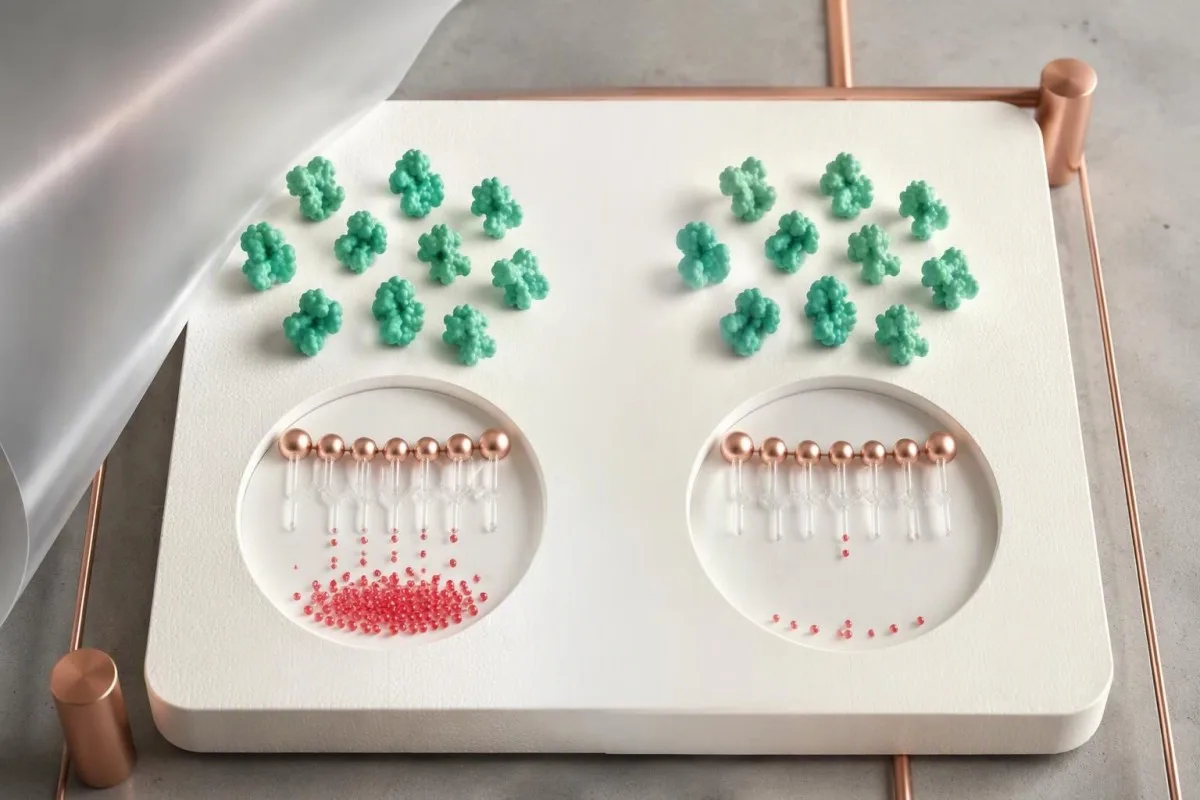
Type I protein S deficiency classically produces low total antigen, low free antigen and low activity; type III produces normal total antigen with low free antigen and activity. These 2 patterns can occur within the same family and are not necessarily separate biological diseases; total antigen alone can therefore miss a clinically relevant reduction in the free pool.
Type II protein S deficiency classically shows reduced activity despite normal free and total antigen. This uncommon pattern is not diagnosed from 1 discordant sample, because factor V Leiden and other assay problems can imitate functional deficiency; laboratories may repeat the activity using another method before considering a genuinely dysfunctional protein.
Paired results clarify the next step but do not identify the cause by themselves. For example, activity of 42% with free antigen of 38% could reflect either inherited quantitative deficiency or an acquired reduction, while activity of 42% with normal free antigen raises a different set of questions; our coagulation marker overview explains why complementary tests are interpreted together.
ولې امیندوارۍ د پروټین S پایلې راټیټوي؟
Pregnancy physiologically lowers free protein S and often protein S activity, so a low pregnancy result cannot reliably establish inherited deficiency. Changes can begin early and become more pronounced later; the British Society for Haematology identifies pregnancy and the puerperium as confounders of protein S testing (Arachchillage et al., 2022).

A nonpregnant reference interval can create a misleading diagnosis during pregnancy. In a hypothetical second-trimester sample, activity of 43% and free antigen of 36% may both be flagged, but their agreement does not remove the pregnancy effect; both tests can reflect the same physiological reduction, just as د امیندوارۍ فیریټین تفسیر requires pregnancy-specific context.
Reassessment for inherited protein S deficiency is commonly postponed until at least 6 weeks after delivery, and some services prefer 12 weeks or longer. Six weeks is not a guarantee of an unaffected baseline: recovery, continuing illness, a recent clot and newly started estrogen contraception can all influence whether a postpartum sample is suitable.
Protein S testing does not decide pregnancy anticoagulation by itself. When reviewing 2 pregnancy measurements, Kantesti AI can help distinguish activity from antigen on the report, but pregnancy prophylaxis requires obstetric and thrombosis assessment based on prior venous thromboembolism, family history and other risks; a low pregnancy value alone also does not establish the cause of a miscarriage.
ایا د استروجن لرونکې د حمل مخنیوي درمل یا HRT ټیټه پایله رامنځته کولای شي؟
Estrogen-containing contraception and oral estrogen therapy can lower free protein S and protein S activity without an inherited defect. The change is biological rather than merely a laboratory artifact; a result collected during estrogen use may therefore describe the treatment-associated state, not the person's untreated baseline.

The exact preparation matters more than the word contraception. A combined pill containing 30 micrograms of ethinylestradiol is not equivalent to a progestogen-only pill, and a contraceptive patch is not equivalent to a transdermal menopausal estrogen patch; hormone results during contraception require the active ingredients and route, not just the brand name.
Transdermal menopausal estrogen generally has less effect on hepatic coagulation pathways than oral estrogen, but this does not make every transdermal hormonal product risk-free. Evidence about clot risk and evidence about a specific protein S assay are different questions; an activity of 52% during treatment cannot be corrected mathematically by subtracting a standard estrogen effect.
There is no universally reliable 1-week estrogen washout for protein S diagnosis. If confirmation would change care, the prescribing clinician can discuss timing, alternative contraception and whether treatment should change at all; our pre-HRT testing considerations support that conversation, but never stop prescribed hormones independently just to remove a laboratory flag.
ولې وارفرین د پروټین S فعالیت راټیټوي؟
Warfarin lowers protein S because protein S is a vitamin K-dependent anticoagulant protein. This is an expected treatment effect rather than proof of inherited deficiency; free antigen can also be reduced, so replacing an activity test with antigen testing does not reliably reveal the untreated baseline during warfarin therapy.

A therapeutic INR does not make protein S testing diagnostically reliable during warfarin treatment. For a hypothetical patient taking 5 mg daily with an INR of 2.4 and activity of 31%, the low activity may be medication related; the meaning of an INR concerns anticoagulant monitoring, not confirmation of inherited protein S deficiency.
When an off-warfarin measurement is genuinely needed, laboratories commonly require at least 2 weeks after discontinuation, sometimes longer according to local policy and the clinical situation. That interval is not an instruction to stop treatment: a hematologist or anticoagulation clinician must decide whether interruption is safe, whether an alternative is needed and which assay remains interpretable.
Vitamin K deficiency can also reduce protein S, but supplements should not be used to self-correct an unexplained result. Taking even 1 new vitamin K-containing supplement can alter warfarin management; keep dietary intake reasonably consistent and discuss changes with the anticoagulation team, using our د ویټامین K خواړه لارښود for food context rather than as a deficiency treatment plan.
کومې ناروغۍ کولای شي په لنډمهاله توګه پروټین S راکم کړي؟
Severe infection, disseminated intravascular coagulation, liver disease, nephrotic syndrome and recent thrombosis can reduce protein S measurements. Some reductions resolve with recovery, while others persist because the underlying condition persists; a low result during hospitalization therefore cannot be classified as inherited from 1 sample.
Disseminated intravascular coagulation can reduce natural anticoagulants while other coagulation markers change simultaneously. A hypothetical combination of protein S activity at 35%, platelets at 65 × 10^9/L and a prolonged prothrombin time calls for assessment of the acute illness, not immediate genetic labeling; our DIC laboratory pattern guide explains why multiple abnormal findings matter together.
The liver contributes to protein S production, but an isolated ALT of 75 IU/L does not prove that liver dysfunction caused a low protein S result. Clinicians look for impaired synthesis and the broader clinical picture, including albumin, bilirubin and coagulation results; modest enzyme elevation and advanced synthetic failure are different processes, with very different implications for interpretation.
Nephrotic-range protein loss can produce acquired protein S abnormalities, especially in the free fraction. An albumin of 2.2 g/dL with substantial urinary protein loss changes the interpretation of activity at 44%; persistent foamy urine assessment may help identify a reason to investigate renal protein loss, although bubbles alone neither diagnose nephrotic syndrome nor explain protein S.
د ازموینې لاسوهنه څنګه د پروټین S پایلې ګمراه کوونکې کولای شي؟
Clot-based protein S activity assays can report falsely low or falsely high results because medications and other coagulation abnormalities alter the endpoint. Direct oral anticoagulants often falsely increase activity in susceptible assays, whereas factor V Leiden can falsely decrease it; the direction and magnitude depend on the assay design.
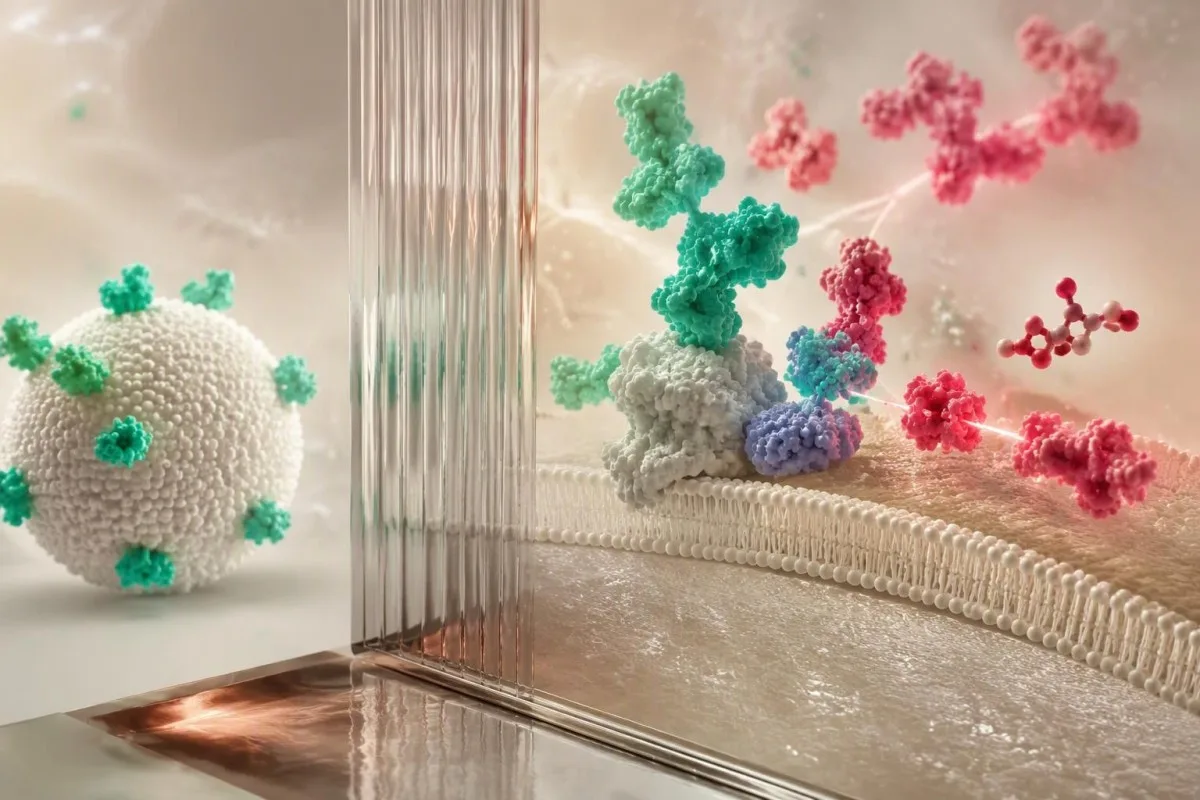
Factor V Leiden can interfere with some protein S activity assays by altering the activated protein C-dependent reaction. A hypothetical activity of 46% with normal free antigen could therefore mimic type II deficiency; the factor V Leiden result and the laboratory's assay characteristics should be reviewed before concluding that 2 inherited disorders coexist.
Direct oral anticoagulants can conceal deficiency rather than explain a low number. For example, an apparently normal activity of 110% during rivaroxaban treatment may be falsely increased in a susceptible clot-based method; lupus anticoagulant, high factor VIII and heparin can also complicate interpretation, so lupus anticoagulant testing and protein S testing need coordinated laboratory advice.
Kantesti is an AI lab test interpretation service that can place 2 discordant measurements—activity and free antigen—side by side for discussion, but cannot determine reagent interference from the numbers alone. Free antigen immunoassays generally avoid clot-endpoint interference, yet they still cannot remove warfarin's biological effect; the BSH guideline specifically lists medication- and assay-related confounders (Arachchillage et al., 2022).
ایا د نمونې اخیستل یا سمبالول ټیټه پایله رامنځته کولای شي؟
Collection and handling problems can distort protein S testing, particularly functional assays that depend on correctly prepared citrated plasma. The laboratory should check tube filling, citrate balance, processing and sample quality before a discordant result becomes a diagnosis; repeating a technically unsuitable sample answers a different question from confirming inherited deficiency.
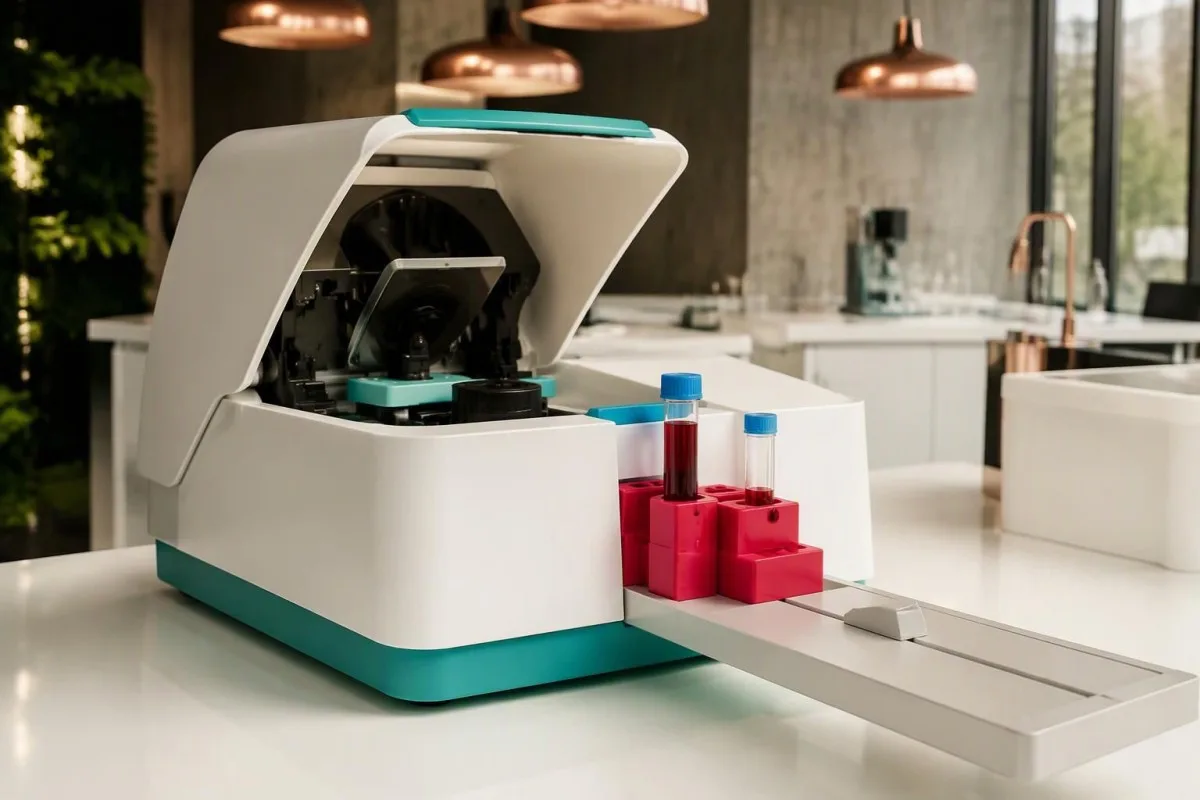
Standard coagulation collection uses approximately 9 parts sample to 1 part citrate anticoagulant. Underfilling changes that ratio and can distort clot-based measurements; tube-cap colors vary internationally, so the fill line and laboratory instructions matter more than recognizing a particular color, and a rejected specimen should not be interpreted as if its numerical result were trustworthy.
A hematocrit above 55% generally requires laboratory-directed adjustment of citrate volume for coagulation testing. A hypothetical patient with a hematocrit of 58% needs that issue addressed before a low functional result is taken at face value; otherwise, excess citrate relative to plasma can affect the assay even when the collection tube appears adequately filled.
Hemolysis, lipemia and delayed processing can affect methods differently, so there is no universal correction factor for a protein S result of 49%. Ask whether the laboratory accepted the specimen and whether it recommends recollection; our hemolysis interference guide explains why a sample-quality warning may affect some reported analytes but not others.
د ډاکټر تر لارښوونې لاندې د ازموینې تکرارول څه وخت مناسب دي؟
Repeat protein S testing is appropriate when the first result was confounded, borderline or unexpected and confirmation could change care. After acute thrombosis, the British Society for Haematology recommends testing natural anticoagulant deficiencies only after 3 months of anticoagulation when indicated, with medication-related interference addressed separately (Arachchillage et al., 2022).
Three months of anticoagulation is a testing-timing recommendation, not permission to stop anticoagulants at 3 months. Treatment duration depends on the clot and the patient's risks, while assay suitability depends on the medication; clinicians may defer testing, choose an antigen assay or seek specialist laboratory methods without interrupting necessary protection.
Pregnancy, warfarin and acute illness each require a different reassessment plan. Common examples include at least 6 weeks postpartum, at least 2 weeks after clinician-approved warfarin discontinuation, or testing after recovery from significant illness; none is a universal washout schedule, and an unconfounded repeat may need to be postponed further if several influences overlap.
Kantesti's trend analysis can help display 2 measurements, but comparison is strongest when the method, laboratory and clinical conditions are comparable. Record pregnancy stage, illness dates, medicines and the exact timing of the last anticoagulant dose for the clinician; our د لابراتوار د مهال ویش لارښود explains why elapsed time alone does not establish that a change is biological.
کوم عوامل د پروټین S ارثي کمښت ډېر محتملوي؟
Inherited protein S deficiency becomes more likely when low results persist under suitable testing conditions and fit a personal or family history of venous thrombosis. A pathogenic PROS1 variant can support the diagnosis, but genetic testing is selective; 1 low activity result, especially during treatment or pregnancy, is insufficient.

Most inherited protein S deficiency associated with a single pathogenic PROS1 variant follows an autosomal dominant inheritance pattern. Each child has a 50% chance of inheriting that variant, not a 50% certainty of developing a clot; penetrance varies, and relatives with the same variant can have different protein measurements and clinical histories.
A first venous clot at age 28 with several affected close relatives raises more suspicion than an incidental borderline result at age 72 during pneumonia. Age is not a diagnostic cutoff, however: absence of family history does not exclude inheritance, and the BSH guideline recommends genetic testing for phenotypically identified deficiencies when the result would influence management (Arachchillage et al., 2022).
Family screening should be selective rather than a broad panel for every relative. Testing an unaffected first-degree relative may be useful if the result would change estrogen decisions or prophylaxis during high-risk periods; our د خطر پر بنسټ د کورنۍ ازموینې لارښود explains why testing plans should follow a confirmed family diagnosis instead of expanding from 1 uncertain laboratory flag.
ایا ټیټه پایله دا معنا لري چې همدا اوس مو د وینې لخته ده؟
Low protein S activity does not diagnose an existing deep vein thrombosis or pulmonary embolism. Confirmed inherited deficiency increases susceptibility to venous thrombosis, but current symptoms require the usual urgent assessment; the BSH guideline describes an approximately 5–7-fold increased first-event risk for heterozygous protein C or protein S deficiency (Arachchillage et al., 2022).
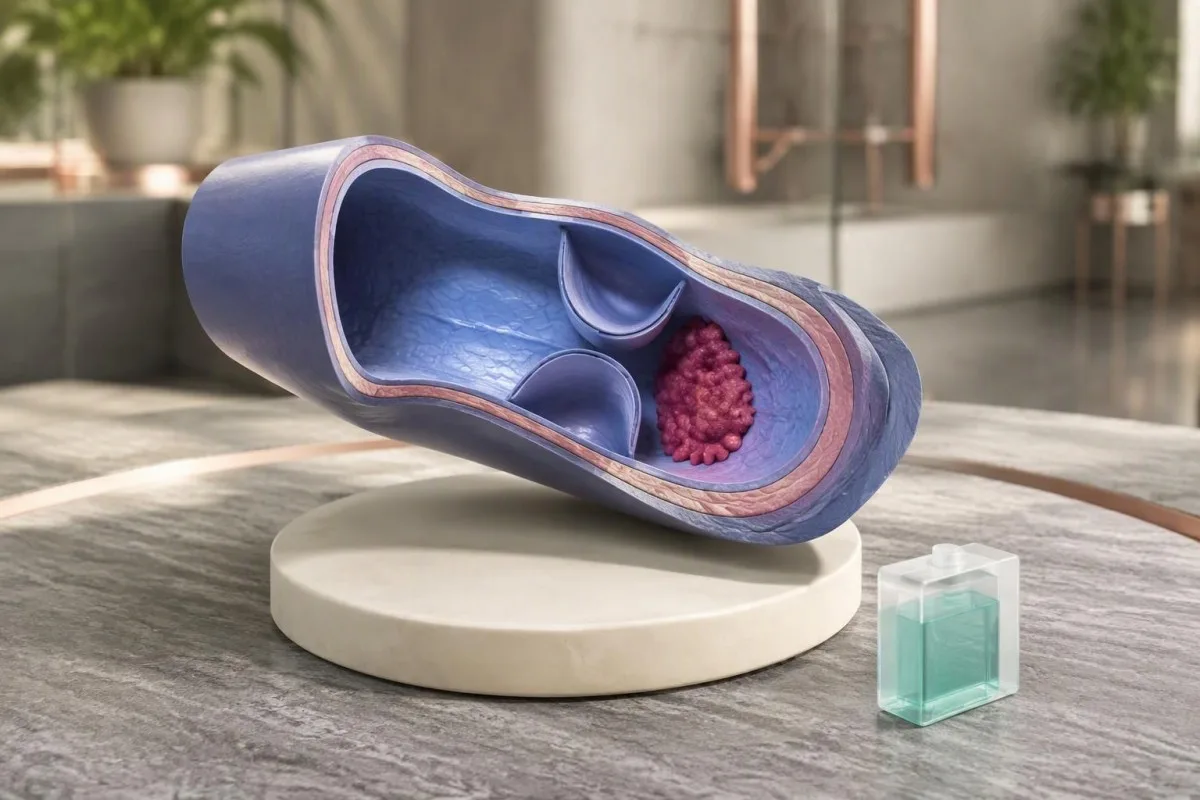
A 5–7-fold relative risk is not a 50–70% absolute probability of thrombosis. Absolute risk varies with age, family ascertainment, prior events and exposures such as surgery or estrogen; a person without symptoms should not interpret a low protein S value as evidence that a clot is silently present or start an anticoagulant independently.
Sudden unexplained breathlessness, chest pain, coughing blood or collapse requires emergency evaluation; new one-sided leg swelling or pain needs urgent assessment for deep vein thrombosis. A normal activity of 95% does not rule out either condition, and normal PT or aPTT also cannot exclude thrombophilia; our د وینې د ټینګېدو د ازموینو د محدودیتونو explain that common misconception.
A confirmed protein S deficiency does not automatically require lifelong anticoagulation in someone who has never had thrombosis. The ASH 2023 guideline discourages testing unprovoked VTE solely to determine duration but conditionally supports testing in selected hormonal or nonsurgical provoked scenarios; those latter recommendations rely on very low-certainty evidence, so 1 label cannot replace individualized decisions (Middeldorp et al., 2023).
راتلونکې کلینیکي کتنې ته باید څه درسره یوسئ؟
Bring the complete report, medication list, collection date and relevant clot or pregnancy history—not just the low protein S activity number. The most useful appointment establishes whether the result is interpretable, whether free antigen was measured and whether confirmation would change treatment; 3 focused questions often prevent unnecessary retesting.

Ask: Was the activity method vulnerable to my medication; was free antigen measured; and what would a confirmed deficiency change? For a hypothetical person with activity of 47% and free antigen of 41% while taking warfarin, both results may remain treatment-confounded; ordering a larger thrombophilia panel immediately does not solve the underlying baseline problem.
A different hypothetical pattern—activity of 47%, normal free antigen and known factor V Leiden—first raises an assay question rather than establishing type II deficiency. A third pattern, with activity of 39% and free antigen of 35% persisting on suitably timed samples without an acquired explanation, makes specialist evaluation more reasonable; these examples are illustrations, not diagnostic algorithms.
Kantesti can help organize these 3 patterns for discussion, but the clinician and testing laboratory must decide whether another assay or repeat specimen is needed. Our کلینیکي تایید چوکاټ. describes the role of evaluation and oversight; bring actual reference intervals and units, and do not rely on a cropped screenshot that omits the method or sample comments.
د څېړنیزو شواهدو او د AI د تفسیر محدودیتونه
Clinical guidelines support context-sensitive protein S testing, but neither a laboratory flag nor an AI explanation confirms inherited deficiency. Kantesti is an AI blood test interpretation platform that helps explain activity and antigen results together; the diagnosis still depends on appropriate testing conditions, reproducibility and clinical assessment rather than 1 automated interpretation.
The 2022 BSH and 2023 ASH recommendations address different testing decisions, and neither recommends indiscriminate thrombophilia screening. BSH emphasizes validity and whether findings would change management, while ASH conditionally supports testing in some selected VTE scenarios using very low-certainty evidence; their differences reflect clinical questions and modeling assumptions, not proof that every low result needs genetic testing.
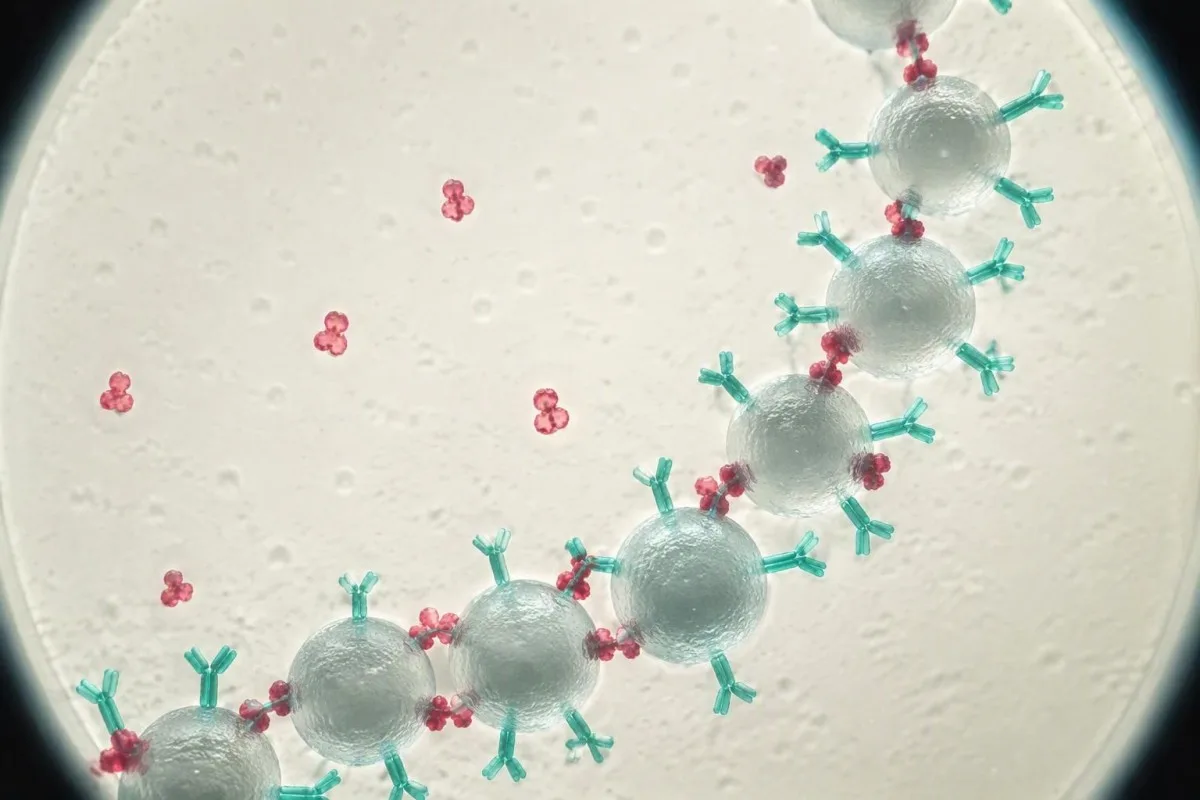
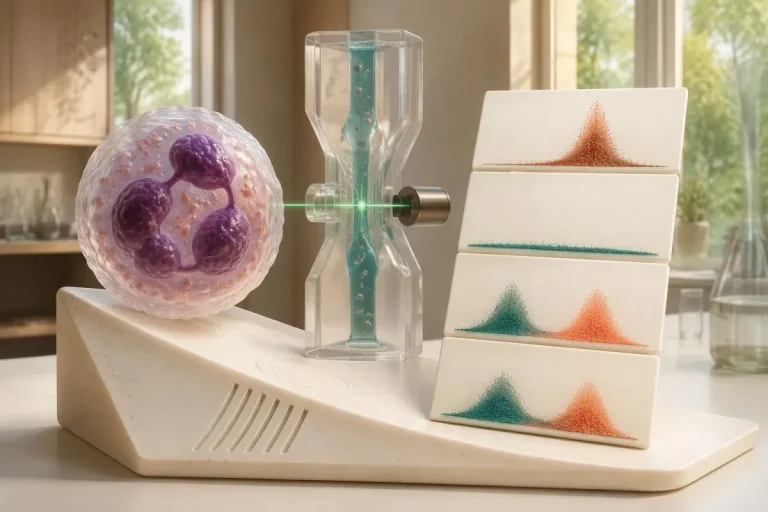
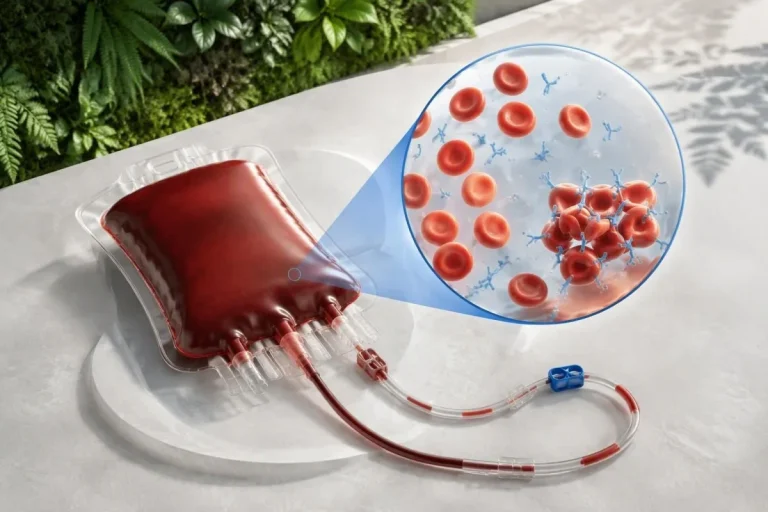
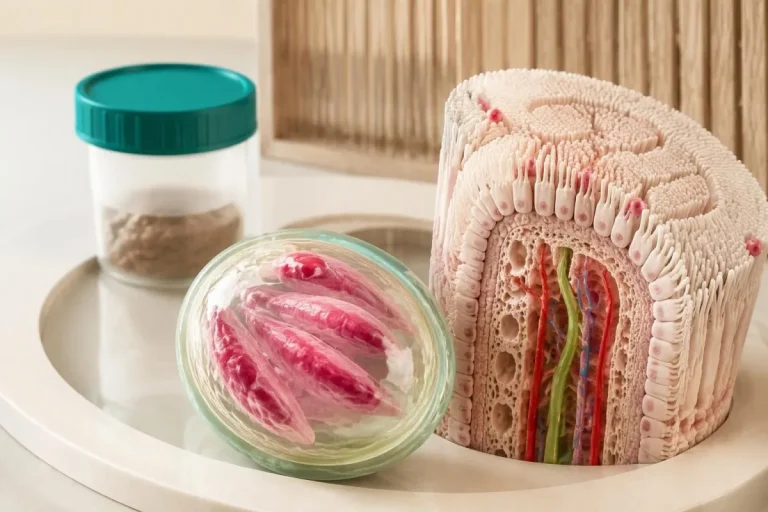
Protein S is not diagnosed by routine tissue microscopy, and the molecular illustrations here are educational models rather than images of an individual's deficiency. Our شرح تقنية الذكاء الاصطناعي describes the interpretation workflow; the hormonal health research overview supplies broader context but does not provide a validated protein S cutoff or a medication washout protocol.
The 2 Kantesti research publications listed below are Figshare-hosted materials covering hormonal health and multilingual clinical decision-support engineering; neither establishes diagnostic accuracy for inherited protein S deficiency. Repository hosting and DOI assignment do not establish peer review or protein S-specific clinical validation; our د طبي محتوا معیارونه explain why educational claims should remain separate from disease-specific evidence.
پرله پسې پوښتل شوي پوښتنې
ایا د پروټین S ټیټ فعالیت لنډمهاله کېدای شي؟
0 د پروټین S ټیټ فعالیت د امیندوارۍ، د اسټروجن د استعمال، د وارفارین د درملنې، د شدیدې ناروغۍ یا د ترومبوز له رغېدو پر مهال موقتي کېدای شي. د 45% په څېر پایله په خپله نه شي کولای موقتي کموالی له ارثي کمښت څخه جلا کړي. فعالیت او د پروټین S د آزاد انټيجن کچه باید په ګډه وارزول شي، او ازموینه دې هغه مهال تکرار شي چې ډاکټر شرایط مناسب وګڼي. د درملو له درملنې پرته د پایلې ترلاسه کولو لپاره، د ډاکټر له سلا پرته درمل مه بندوئ.
0 د پروټین S د فعالیت او د آزاد پروټین S انټيجن ترمنځ څه توپیر دی؟
د پروټین S د فعالیت ازموینه یې فعاله کړنه اندازه کوي، په داسې حال کې چې د آزاد پروټین S انټيجن د نهتړل شوي پروټین اندازه معلوموي. د دوران په حال کې د پروټین S نږدې 40% آزاد وي، او پاتې برخه یې تر ډېره د C4b-تړونکي پروټین سره تړلې وي. د فعالیت ټیټوالی له ټیټ آزاد انټيجن سره په ارثي او اکتسابي کمیتي کموالیو دواړو کې رامنځته کېدای شي. د فعالیت ټیټوالی له عادي آزاد انټيجن سره ښايي د فعالي عیب یا د ازموینې د مداخلې څرګندونه وکړي، نو دا بڼه تایید ته اړتیا لري.
ایا د پروټین S ټیټ فعالیت د امیندوارۍ پر مهال عادي دی؟
0 د امیندوارۍ پر مهال د بدن فزیولوژیکي بدلونونه د ازاد پروټین S کچه او ډېری وخت د پروټین S فعالیت راټیټوي، نو د امیندوارۍ پر مهال ټیټه پایله په باوري ډول ارثي کمښت نه تشخیصوي. د 40% ارزښت باید د امیندوارۍ له پړاو، د ازموینې له طریقې او د ازموینې له کلینیکي دلیل سره په تړاو وارزول شي، نه یوازې د هغو لویانو له نورمالې کچې سره چې امیندواره نه وي. د تشخیص بیا ارزونه عموماً لږ تر لږه تر زېږون وروسته ۶ اوونیو پورې ځنډول کېږي، او کله ناکله ۱۲ اوونۍ یا تر دې هم ډېر. د امیندوارۍ پر مهال د وینې د ټینګېدو ضد درملو پرېکړې د لخته کېدو پر مخینې او نورو خطرونو پورې تړلې دي، نه یوازې د پروټین S پر ارزښت.
د وارفارین تر کارولو وروسته، د پروټین S ازموینه څومره وخت وروسته کېدای شي؟
ډېر لابراتوارونه د وارفرین له بندولو وروسته لږ تر لږه ۲ اوونۍ انتظار غواړي، مخکې له دې چې د پروټین S له درملنې مخکېنۍ کچه وارزوي، خو د سیمې غوښتنې او کلینیکي شرایط توپیر لري. وارفرین د پروټین S فعالیت او انټيجن دواړه کمولای شي، ځکه پروټین S د ویټامین K پورې تړلی دی. د انتظار دا موده د وینې د ټینګېدو ضد درملو د درولو اجازه نه ده. د نسخې ورکوونکی کلینیسین باید پرېکړه وکړي چې ایا درمل درول خوندي دي، ایا ازموینې ته اړتیا شته او که بله لاره غوره ده.
ایا اپیکسابان یا ریواروکسابان د پروټین S د فعالیت پر ازموینه اغېز کولی شي؟
اپیکسابان او ریواروکسابان د پروټین S د فعالیت په هغو ازموینو کې چې د لخته کېدو پر بنسټ ولاړې وي، مداخله کولی شي؛ دا کار ډېری وخت د حقیقي کمښت پر ځای د فعالیت په کچه کې د ناسم زیاتوالي لامل کېږي. له همدې امله، یوه ظاهراً عادي پایله لکه 100% ښايي د پروټین S د فعالیت اصلي ټیټه کچه رد نه کړي. د ازاد انټيجن معافیتي ازموینې عموماً د لخته کېدو د پایټکي له اغېز څخه ډډه کوي، خو لابراتوار باید وښيي چې کومه طریقه مناسبه ده. د ازموینې لپاره د چمتووالي په موخه د انټيکوګولانټ درملو دوزونه مه پرېږدئ او مه یې بندوئ، مګر دا چې د درملو نسخهلیکونکی ډاکټر په څرګنده توګه د خوندي پلان لارښوونه وکړي.
د وینې د لخته کېدو وروسته باید د S پروټین ټیټ فعالیت کله بیا وازمویل شي؟
کله چې د حاد ترومبوز وروسته ازموینې ته اړتیا وي، د هیماتولوژۍ لپاره د بریتانیا ټولنه سپارښتنه کوي چې د طبیعي ضدانعقاد د کمښتونو له ازموینې مخکې د انتيکوګولیشن تر ۳ میاشتو پورې انتظار وشي. د درملو مداخله بیا هم باید جلا وڅېړل شي، نو د ۳ میاشتو پوره کېدل د هرې فعالیتي ازموینې د باور وړ کېدو معنا نه لري. تکراري ازموینه هغه وخت تر ټولو ګټوره ده چې پایله د درملنې پر پرېکړه اغېز کولای شي او لومړنۍ نمونه د مداخلې له امله مغشوشه یا نااټکل شوې وي. د تکراري ازموینې لپاره باید درملنه په خپل سر بنده نه شي.
0 د پروټین S کمښت دا معنا لري چې زه باید ټول عمر د وینې نری کوونکي درمل وکاروم؟
Confirmed protein S deficiency does not automatically mean lifelong anticoagulation, especially in someone who has never had venous thrombosis. The approximately 5–7-fold relative first-event risk described for heterozygous protein C or protein S deficiency is not an individual's absolute probability of a clot. Decisions depend on previous events, provoking factors, bleeding risk and whether prophylaxis is needed during high-risk periods. A single low activity result should not be used to start, stop or extend anticoagulant treatment independently.
د وینې ازموینې پایلې څنګه ولولئ
خپل لابراتواري راپور پورته کړئ، او د Kantesti AI به په څو ثانیو کې هر بایومارکر په ساده ژبه تشریح کړي. په ټوله نړۍ کې له 2 میلیونو څخه زیاتو کسانو ترې کار اخیستی.
ماخذونه
- کلاین، ټي.، میچل، ایس.، او وېبر، ایچ. (۲۰۲۶). Women's Health Guide: Ovulation, Menopause & Hormonal Symptoms. د Kantesti AI طبي څېړنه. د دفاع وزارت
- کلاین، ټي.، میچل، ایس.، او وېبر، ایچ. (۲۰۲۶). Multilingual AI Assisted Clinical Decision Support for Early Hantavirus Triage: Design, Engineering Validation, and Real-World Deployment Across 50,000 Interpreted Blood Test Reports. د Kantesti AI طبي څېړنه. د دفاع وزارت
- Arachchillage DJ et al. (2022). Thrombophilia testing: A British Society for Haematology guideline. British Journal of Haematology. د دفاع وزارت
- Middeldorp S et al. (2023). American Society of Hematology 2023 guidelines for management of venous thromboembolism: thrombophilia testing. Blood Advances. د دفاع وزارت
- ۲ میلیونه+تحلیل شوې ازموینې
- 127+هېوادونه
- 100+ژبې
د طبي ټیم په اړه


د E-E-A-T باور نښې
تجربه
د ډاکټر تر مشرۍ لاندې کلینیکي بیاکتنه د لابراتواري تفسیر د کاري بهیرونو لپاره.
تخصص
د لابراتواري طب تمرکز پر دې چې بایومارکرونه په کلینیکي شرایطو کې څنګه چلند کوي.
واک ورکول
د ډاکټر توماس کلاین له خوا طبي بیاکتنه شوې، د ډاکټر سارا میچل او پروفیسور ډاکټر هانس وېبر په مرسته.
اعتبار
د شواهدو پر بنسټ تفسیر د روښانه تعقیبي لارو چارو سره، تر څو اندیښنه کمه شي.
طبي سلبِ مسئولیت
دا مقاله یوازې د زده کړې لپاره ده او طبي مشوره نه جوړوي. د تشخیص او درملنې د پرېکړو لپاره تل د وړ روغتیايي خدمت وړاندې کوونکي سره سلا وکړئ.
خپور شوی · له تحریري ټیم سره اړیکه ونیسئ
خپروونکی یې Kantesti Ltd دی، چې په انګلستان او وېلز کې ثبت شوی، د شرکت شمېره. 17090423, ، لندن، بریتانیا.
