Բարձր ֆոսֆատի մեծ մասի թեթև բարձրացումները ախտանիշներ չեն առաջացնում, սակայն ցածր կալցիումի, երիկամային անբավարարության, ուժեղ թուլության, շփոթության կամ մկանային սպազմերի հետ կապված բարձր ֆոսֆատը պահանջում է շտապ կլինիկական գնահատում: Թիվը ավելի քիչ է կարևոր, քան դրա շրջապատող պատկերը:.


- Սովորաբար անախտանիշ: Մեծահասակների ֆոսֆատը սովորաբար կազմում է մոտ 0.80-1.50 մմոլ/լ (2.5-4.5 մգ/դլ), և մի փոքր մեկուսացած բարձրացումը հաճախ ախտանիշներ չի առաջացնում:.
- Արտակարգ օրինաչափություն: Ֆոսֆատի արդյունքը 2.0 մմոլ/լ (6.2 մգ/դլ) բարձր, ցածր կալցիումի, թուլության, դողերի, շփոթության կամ միզարձակության նվազման դեպքում, պահանջում է նույն օրվա կլինիկական խորհրդատվություն:.
- Երիկամների հուշում: Կայուն հիպերֆոսֆատեմիան ամենից հաճախ պայմանավորված է երիկամային արտազատման նվազմամբ, հատկապես, երբ eGFR-ը 30 մլ/րոպե/1.73 մ²-ից ցածր է:.
- Մի՛ ինքնաբուժեք: Կալցիումի հավելումները կարող են անապահով լինել, երբ ֆոսֆատը բարձր է, քանի որ կալցիում-ֆոսֆատային նստվածքի ռիսկը կախված է երկու արդյունքներից:.
- Թաքնված պատճառ: Նմուշի դժվար նմուշառումը կարող է քայքայել բջջային տարրերը և ստեղծել կեղծ բարձր ֆոսֆատի արդյունք. կրկնակի թեստավորումը կարող է պարզել հարցը:.
- Քիմիոթերապիայի շտապ իրավիճակ: Ֆոսֆատի արագ բարձրացումը կալիումի, միզաթթվի և կրեատինինի աննորմալությունների հետ կարող է ազդարարել ուռուցքի լիզիսի համախտանիշի մասին և պահանջում է շտապ բուժօգնություն:.
- Հաջորդ լավագույն հետազոտությունները: Կրկնեք ֆոսֆատը կալցիումի, ալբումինի, կրեատինինի/eGFR, մագնեզիումի, բիկարբոնատի, పారాథైరాయిడ్ հորմոնի և դեղորայքի վերանայմամբ:.
Որո՞նք են բարձր ֆոսֆատի այն ախտանիշները, որոնք հիմա խնամք են պահանջում:
Ֆոսֆատի բարձր մակարդակի ախտանիշները հազվադեպ են, երբ բարձրացումը չափավոր է, սակայն ուժեղ թուլությունը, ցավոտ մկանային սպազմերը, շուրթերի շուրջ ծակծկոցը, ցնցումները, շփոթությունը, կրծքավանդակի թրթռոցը կամ միզարձակության զգալի նվազումը հրատապ գնահատման կարիք ունեն, հատկապես երիկամների հայտնի հիվանդությունների դեպքում։ Միայն արդյունքը չէ, որ հրատապ ախտորոշում է; ուղեկցող կալցիումը, կալիումը, երիկամների ֆունկցիան և փոփոխության արագությունը որոշում են ռիսկը։.
Անմիջապես դիմեք շտապ օգնության, եթե ունեք ցնցումներ, ուշագնացություն, նոր շփոթություն, շնչահեղձություն, կայուն սրտխփոց կամ զգալի թուլություն ֆոսֆատի արդյունքից հետո։ Այս ախտանիշները կարող են արտացոլել ցածր իոնացված կալցիում, բարձր կալիում, ացիդոզ կամ երիկամային անբավարարություն, այլ ոչ թե ֆոսֆատի մենակ ազդեցություն; յուրաքանչյուրը կարող է ազդել սրտի և նյարդամկանային ֆունկցիայի վրա ժամերի ընթացքում։.
Զանգահարեք բժշկին կամ երիկամային թիմին նույն օրը, եթե ֆոսֆատը 2.0 մմոլ/լ (6.2 մգ/դլ) -ից բարձր է, կամ եթե այն արագորեն բարձրանում է eGFR-ի 30 մլ/րոպե/1.73 մ²-ից ցածր։ Քիմիոթերապիա, արյան քաղցկեղի բուժում կամ դիալիզ ստացող մարդիկ չպետք է սպասեն սովորական վերանայմանը, քանի որ բջիջների արագ քայքայումը կարող է միասին ազատել ֆոսֆատ և կալիում; տես մեր ուռուցքային լիզիսի լաբորատոր ուղեցույցը.
Իմ կլինիկական փորձով, անհանգստացած մարդը, ում ֆոսֆատը 1.55 մմոլ/լ է և ով չունի երիկամային հիվանդություն, հազվադեպ է կարիք ունենում շտապ օգնության բաժանմունք այցելելու։ Մարդը, որի մասին ես մտահոգվում եմ, այն է, ով ունի 2.35 մմոլ/լ, սրտխառնոց, միզի ծավալի նվազում, կալցիում 1.82 մմոլ/լ և կտրուկ վատթարացող կրեատինին - լիովին տարբեր իրավիճակ։.
Մի վարեք ինքներդ, եթե ախտանիշները ծանր են
Ցնցումները, կոլապսը, ուժեղ շփոթությունը կամ հաշմանդամություն առաջացնող սպազմերը արդարացնում են տեղական շտապ ծառայությունների դիմելը, այլ ոչ թե ուշացած ամբուլատոր արյան թեստը։ Հետը վերցրեք լաբորատորիայի զեկույցը և դեղորայքի ընթացիկ ցուցակը, ներառյալ լուծողականները, հոգնաները, հավելումները և քաղցկեղի դեղերը։.
Ի՞նչ է իրականում նշանակում ֆոսֆատի բարձր մակարդակը:
Հիպերֆոսֆատեմիան նշանակում է լաբորատոր հղման միջակայքից բարձր ֆոսֆատ, սովորաբար մեծահասակների մոտ 1.50 մմոլ/լ կամ 4.5 մգ/դլ-ից բարձր։ Հղման միջակայքերը տարբերվում են վերլուծության, տարիքի և ժամկետի համաձայն, ուստի դրոշակը ախտորոշման փոխարեն սկզբնական կետ է։.
Ֆոսֆատը լիցքավորված հանքանյութ է, որն օգտագործվում է ATP էներգիայի փոխանցման, բջջային թաղանթների, ոսկրային հանքանյութերի և թթվահիմնային բուֆերային համակարգերի մեջ։ Մեծահասակները սովորաբար ունեն 0.80-1.50 մմոլ/լ (2.5-4.5 մգ/դլ), մինչդեռ երեխաներն ու դեռահասները սովորաբար ավելի բարձր արժեքներ ունեն, քանի որ աճող ոսկորը արագորեն վերափոխում է ֆոսֆատը։.
Առավոտյան քաղցած նմուշը հաճախ նախընտրելի է սահմանային արդյունքի համար, քանի որ ֆոսֆատը հետևում է օրական ռիթմին և հակված է բարձրանալ գիշերվա ընթացքում։ 1.55 մմոլ/լ արժեքը ուշ ընդունած կերակուրից կամ ուժեղ ֆիզիկական ակտիվությունից հետո մեկնաբանվում է տարբեր կերպ, քան 1.55 մմոլ/լ կրկնվող քաղցած արյան նմուշների վրա՝ նվազող eGFR-ով; մեր ֆոսֆատի հղման միջակայքի ուղեցույցը բացատրում է, թե ինչու լաբորատոր «նշումները» համատեքստի կարիք ունեն։.
Կանտեստին մի է AI արյան անալիզատոր , որը կարդում է ֆոսֆատը կալցիումի, կրեատինինի, eGFR-ի, ալբումինի և նախորդ արդյունքների կողքին, այլ ոչ թե մեկ ընդգծված տողը համարելով վճռաբեր։ Այս օրինաչափության վրա հիմնված մոտեցումը հատկապես օգտակար է, երբ միավորները տարբերվում են mmol/L-ի և mg/dL-ի միջև։.
Ինչու է թեթև հիպերֆոսֆատեմիան հաճախ անախտանիշ:
Դեֆիցիտային հիպերֆոսֆատեմիայի ախտանիշները սովորաբար բացակայում են, քանի որ ֆոսֆատը ինքնին համեստ բարձրացումների ժամանակ հուսալիորեն չի առաջացնում զգացողություն։ Ախտանիշները հիմնականում ի հայտ են գալիս, երբ ֆոսֆատը նվազեցնում է իոնացված կալցիումը, ուղեկցվում է երիկամային անբավարարությամբ կամ կտրուկ բարձրանում է։.
Ֆոսֆատը կարող է կապել կալցիումը, սակայն ընդհանուր կալցիումը դեռ կարող է նորմալ թվալ, մինչդեռ կենսաբանորեն ակտիվ իոնացված կալցիումը նվազում է։ Ահա թե ինչու են ցնցումները, ցավերը կամ ափսեի սպազմերը ավելի տեղեկատվական, քան անորոշ հոգնածությունը, երբ որոշվում է, թե արդյոք հանքային անհավասարակշռությունը կլինիկական ակտիվ է։.
Օգտակար պրակտիկ տարբերակում. հոգնածությունը, գլխացավը և կենտրոնացման խանգարումը ոչ-հատուկ են, և դրանք չպետք է ավտոմատ կերպով վերագրվեն 1,58 մմոլ/լ ֆոսֆատին։ Քրոնիկ երիկամային հիվանդություն ունեցող հիվանդի մոտ այդ նույն ախտանիշները արժանի են ավելի լայն վերանայման՝ անեմիայի, ացիդոզի, ուրեմիայի, դեղորայքի և հեղուկի վիճակի համար. մեր eGFR ախտանիշների ուղեցույցը ավելի լավ է քարտեզագրում նախազգուշացնող նշանները, քան միայն ֆոսֆատը։.
Դոկտոր Թոմաս Քլայնի մոտեցումն է հարցնել, թե ինչ է փոխվել. սուր հիվանդություն, ֆոսֆատ պարունակող աղիքային պատրաստուկ, դեհիդրատացիա, վիտամին D-ի նոր բուժում, դիալիզի ժամկետ, կամ լաբորատոր արտեֆակտ։ Մի քանի տարվա ընթացքում կայուն մեկուսացված արդյունքը չի կառավարվում, ինչպես 48 ժամվա ընթացքում կտրուկ բարձրացումը։.
Ախտանիշները կարող են պայմանավորված լինել հիմքում ընկած վիճակով
Քաղցի նվազում, քոր, սրտխառնոց և քնի խանգարումներ երիկամային հիվանդության առաջադեմ փուլերում հաճախ վերագրվում են բարձր ֆոսֆատին առցանց, սակայն դրանք ֆոսֆատի ոչ-հատուկ ախտանիշներ չեն։ Միայն թվի բուժումը կարող է բաց թողնել հիմքում ընկած երիկամային և հանքային-ոսկրային խանգարումը։.
Ախտանիշներ, որոնք ենթադրում են կալցիումի կամ էլեկտրոլիտների բարդություններ:
Մկանային ցավերը, ջղաձգումները, ցնցումները, կծկումները, ցնցումները և ռիթմի ախտանիշները բարձր ֆոսֆատի ախտանիշներն են, որոնք արժանի են ամենաարագ ուշադրությանը, քանի որ դրանք կարող են ազդարարել իոնացված կալցիումի անկումը կամ էլեկտրոլիտային մեկ այլ միաժամանակյա խանգարում։ Նյարդաբանական նոր ախտանիշները երբեք չպետք է պատահականորեն հետևվեն տանը։.
Ցածր կալցիումի ախտանիշները հաճախ սկսվում են շուրթերի կամ մատների շուրջ «քորոցներ և ասեղներ», ձեռքերի կոշտություն, սրունքների ցավեր և դեմքի ջղաձգումներ։ Ծանր հիպոկալցեմիան կարող է երկարացնել ECG-ի QT միջակայքը և առաջացնել ցնցումներ, այդ իսկ պատճառով է, որ բժիշկը կարող է խնդրել իոնացված կալցիումի չափումը, այլ ոչ թե միայն ուղղված ընդհանուր կալցիումին հույս դնելով; համեմատեք մեր ցածր կալցիումի շտապ նշանները.
Կրծքավանդակի անհանգստությունը, սրտի արագ բաբախյունը կամ բաց թողնված բաբախյունի զգացողությունը ֆոսֆատի միայնակ հուսալի ախտանիշ չեն, սակայն դրանք շտապ գնահատման կարիք ունեն, երբ կալիումը նույնպես բարձրացած է։ 6,0 մմոլ/լ-ից բարձր կալիումը սովորաբար համարվում է շտապ շեմ, չնայած ECG-ի փոփոխությունները և բարձրացման արագությունը ավելի կարևոր են, քան մեկ կտրվածքը։.
Kantesti AI-ն մեկնաբանում է LH-ն՝ բարձրացած ֆոսֆատի մակարդակ ստուգելով կապակցված էլեկտրոլիտների նախշերը, ներառյալ կալիումը, բիկարբոնատը, կալցիումը և մագնեզիումը։ Այն չի կարող փոխարինել ECG-ին, զննումը կամ շտապ գնահատումը, երբ ախտանիշները վկայում են էլեկտրական անկայունության մասին։.
Կալցիում-ֆոսֆատ արտադրյալը տնային հաշվարկ չէ
Բժիշկները երբեմն հաշվի են առնում կալցիում-ֆոսֆատային բեռը CKD-ի առաջադեմ փուլերում, սակայն ժամանակակից բուժման որոշումները չեն հիմնվում մեկ արտադրյալի շեմի վրա։ KDIGO-ն խորհուրդ է տալիս ֆոսֆատի, կալցիումի և պարաթիրեոիդ հորմոնի շարքային գնահատում միասին, այլ ոչ թե մեկ կենսաքիմիական թիրախի հետապնդում (KDIGO CKD-MBD Update Work Group, 2017):.
Ե՞րբ երիկամային հիվանդությունը հավանական պատճառն է:
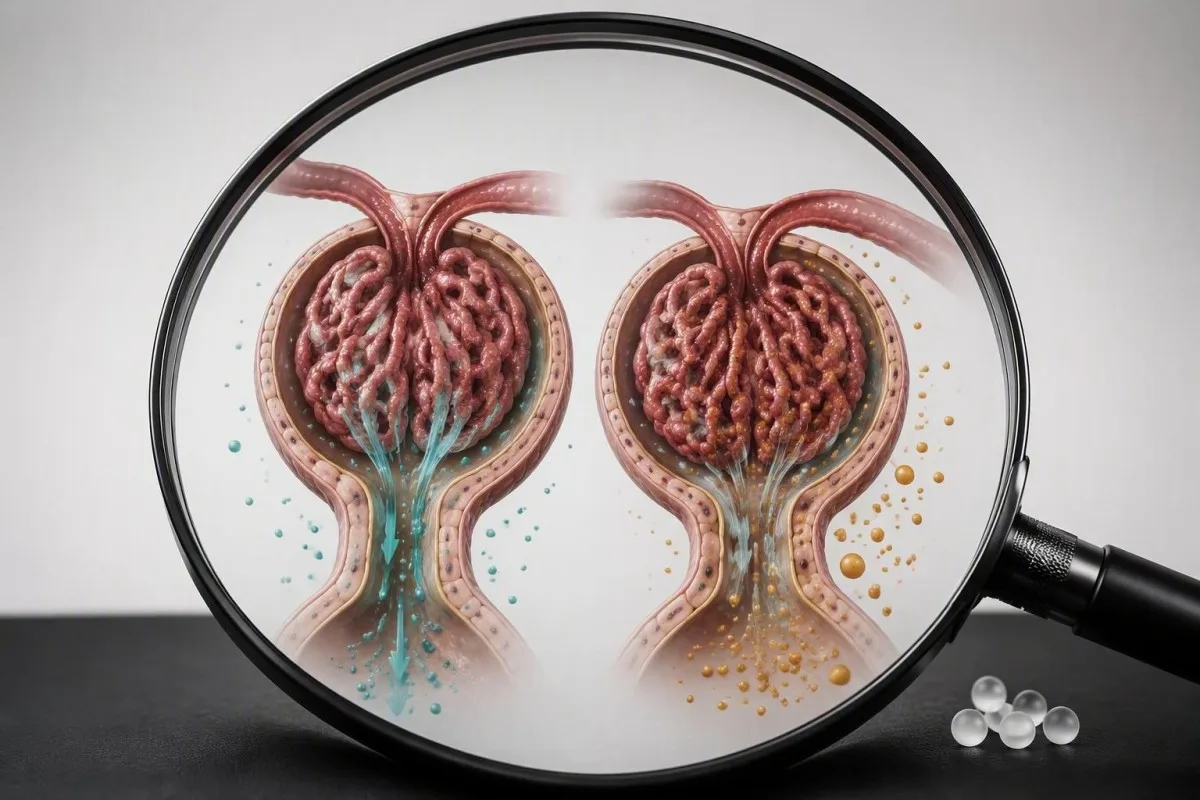
Քրոնիկ երիկամային հիվանդությունը մեծահասակների մոտ ֆոսֆատի մշտական բարձր մակարդակի ամենատարածված պատճառն է, քանի որ ֆունկցիոնալ նեֆրոնները ավելի քիչ ֆոսֆատ են արտազատում, երբ GFR-ը նվազում է։ Մակարդակները հաճախ մնում են նորմալ մինչև ավելի ուշ CKD-ի փուլը, քանի որ FGF23-ը և պարաթիրեոիդ հորմոնը ժամանակի ընթացքում փոխհատուցում են։.
Ֆոսֆատը սովորաբար ավելի պարզ է բարձրանում, երբ eGFR-ը նվազում է մինչև մոտ 30 մլ/րոպե/1.73 մ², թեև անհատական ժամկետները տարբերվում են դիետայի, մնացած երիկամային ֆունկցիայի, պարաթիրեոիդ հորմոնի և դիալիզի հետ։ KDIGO-ի 2017թ. CKD-MBD ուղեցույցը խորհուրդ է տալիս CKD-ում բարձրացած ֆոսֆատը նվազեցնել մինչև նորմալ միջակայք՝ հիմնվելով կանխարգելիչ բուժման կամ նորմալ արդյունքի վրա (KDIGO CKD-MBD Update Work Group, 2017):.
Դիալիզային խնամքի ժամանակ նախադիալիզային ֆոսֆատի թիվը նույնպես կախված է վերջին նստաշրջանից անցած ժամանակահատվածից և նմուշառումը կատարվել է թե՞ մինչև, թե՞ բուժումից հետո։ Նիստը բաց թողնելը, փորկապությունը, կապիչի վատ ժամանակացույցը կամ վերջին դիետայի փոփոխությունը կարող են զգալիորեն տեղափոխել ֆոսֆատը՝ առանց մշտական նոր բազային գծի ներկայացման; տես CKD-ի փուլերի ակնարկ.
Կանտեստին մի է AI բիոմարկերների մեկնաբանման հարթակ որը կարող է ցուցադրել ֆոսֆատի և eGFR-ի միտումները զեկույցներում՝ օգնելով հիվանդներին նկատել մշտական օրինաչափություն՝ մինչև կլինիկական այցելությունը: Միտումների վերանայումը օգտակար է, սակայն դիալիզի նշանակումները և ֆոսֆատային կապող միջոցները պետք է մնան երիկամաբանական թիմի մոտ:.
Ֆոսֆատի բարձր մակարդակը CKD-ի ապացույց չէ
Կրեատինինի նորմալ մակարդակը չի բացառում երիկամների բոլոր խնդիրները, սակայն ֆոսֆատի մեկ բարձր արդյունքը նույնպես CKD չի ախտորոշում: CKD-ն պահանջում է երիկամների անոմալիայի ապացույց, որը տևում է առնվազն 3 ամիս, սովորաբար մեկնաբանվում է eGFR-ի և միզային ալբումինի արդյունքների հետ:.
Ֆոսֆատի արագ բարձրացում. բջիջների քայքայում և շտապ իրավիճակներ:
Ֆոսֆատի արագ բարձրացումը կարող է լինել արտակարգ իրավիճակ, երբ բջիջները միաժամանակ շատ են քայքայվում, բջջային ֆոսֆատը, կալիումը,ուրատը և նուկլեինաթթուները արյան շրջանառության մեջ: Այս օրինաչափությունը առավել մտահոգիչ է քիմիոթերապիայից հետո, ծանր քայքայման վնասվածքի կամ հյուսվածքների մեծ վնասվածքի ժամանակ:.
Ուռուցքային քայքայման համախտանիշը դասականորեն գնահատվում է քաղցկեղի բուժման շուրջ, հատկապես բարձր բեռնվածությամբ արյան քաղցկեղների դեպքում, սակայն այն կարող է երբեմն առաջանալ ինքնաբերաբար: Cairo-Bishop-ի սահմանումը որպես մեկ լաբորատոր չափանիշ օգտագործում է ֆոսֆատը 1,45 մմոլ/լ (4,5 մգ/դլ) կամ ավելի բարձր մեծահասակների մոտ կամ 25%-ով բարձրացում ելակետային մակարդակից, որը մեկնաբանվում է ուրատի, կալիումի, կալցիումի, ժամանակի և կլինիկական բարդությունների հետ (Cairo & Bishop, 2004):.
Քիմիոթերապիա ստացած մեծահասակը, որն ունի փսխում, թուլություն, միզարձակության նվազում, պալպիտացիա կամ շփոթվածություն, պետք է դիմի շտապ օգնության, այլ ոչ թե փորձի ֆոսֆատը իջեցնել սննդակարգով: Վտանգավոր խնդիրը համակցված նյութափոխանակային կասկադն է՝ հիպերկալեմիա, երիկամների սուր անբավարարություն և հիպոկալցեմիա, այլ ոչ թե պարզապես ֆոսֆատի մակարդակը:.
Այլ սուր պատճառները ներառում են ռաբդոմիոլիզ, ծանր հեմոլիզ, մեծ այրվածքներ և ֆոսֆատ պարունակող աղիքային պատրաստուկներ կամ հոգնաներ: Արտասովոր ծանրաբեռնվածությունից հետո նոր ծանր մկանային ցավը և մուգ միզամուտը հրատապ թեստավորում են պահանջում կրեատին կինազի, կրեատինինի, կալիումի և ֆոսֆատի համար; մեր Բարձր CK վտանգի ուղեցույցը ընդգրկում է այս առանձին, բայց փոխկապակցված արտակարգ իրավիճակը:.
Ինչու ախտանիշները կարող են ուշանալ
Լաբորատոր փոփոխությունը կարող է նախորդել ախտանիշներին մի քանի ժամով, հատկապես քաղցկեղի թերապիայից հետո: Սա պատճառներից մեկն է, որ ուռուցքաբանական թիմերը նախատեսում են կրկնակի քիմիական պանելներ՝ մինչև հիվանդի վատ զգալը սպասելը:.
Հորմոնալ, վիտամին D-ի և ոսկրային պատճառներ, որոնք պետք է հաշվի առնել:
Պարաթիրեոիդ հորմոնի ցածր մակարդակը և վիտամին D-ի ակտիվության ավելորդությունը կարող են բարձրացնել ֆոսֆատը, քանի որ երկուսն էլ սովորաբար ազդում են երիկամների ֆոսֆատի մշակման և աղիքային ներծծման վրա: Այս պատճառները ավելի քիչ տարածված են, քան CKD-ն, բայց կարևոր են, երբ երիկամների գործառույթը պահպանված է:.

Հիպոպարաթիրեոիդիզմը սովորաբար առաջացնում է ցածր կալցիումի, բարձր ֆոսֆատի, ծակծկոցի, կծկումների համադրություն, երբեմն վահանաձև գեղձի վիրահատության կամ աուտոիմունային հիվանդության պատմություն: PTH-ը պետք է մեկնաբանվի կալցիումի, մագնեզիումի, 25-հիդրօքսիվիտամին D-ի և երիկամների ֆունկցիայի կողքին. մեկուսացված ցածր PTH-ը կարող է մոլորեցնող լինել, եթե կալցիումը միաժամանակ չի չափվել:.
Վիտամին D-ի թունավորումը սովորաբար ավելի շատ բարձր կալցիում է առաջացնում, քան բարձր ֆոսֆատը, բայց կալցիտրիոլը և վիտամին D-ի ակտիվ դեղամիջոցները կարող են բարձրացնել ինչպես կալցիումը, այնպես էլ ֆոսֆատը, հատկապես CKD-ում: Մի դադարեցրեք նշանակված կալցիտրիոլը հանկարծակի առանց խորհրդի, բայց ճշգրիտ զեկուցեք լրացումները և չափաբաժնի փոփոխությունները; մեր Բարձր վիտամին D ախտանիշների ուղեցույցը բացատրում է նախազգուշացնող օրինաչափությունը։.
Կան հազվագյուտ ժառանգական երիկամային ֆոսֆատի մշակման խանգարումներ, սակայն դրանք առաջին բացատրությունը չեն մեծահասակների մոտ նոր անոմալիայի արդյունքի համար: Իմ փորձով, դեղորայքի վերանայումը և կրկնակի նմուշը ավելի շատ դեպքեր են լուծում, քան էկզոտիկ թեստավորումը:.
Ոսկրերի շրջանառությունը նույնը չէ, ինչպես շիճուկային ֆոսֆատը
Կոտրվածքը կամ ալկալային ֆոսֆատազի բարձր մակարդակը ավտոմատ կերպով չեն բացատրում ֆոսֆատի բարձր մակարդակը: Ոսկրերի նյութափոխանակությունը դինամիկ է, բայց շիճուկային ֆոսֆատը հիմնականում կառավարվում է երիկամների արտազատման և հորմոնալ ազդանշանների կողմից; տես մեր Կոտրվածքից հետո ALP-ի բացատրությունը.
Սննդակարգ, հավելումներ, վիտամիններ և դեղորայք:
Սովորական երիկամներ ունեցող մարդկանց մոտ միայն սննդակարգը հազվադեպ է առաջացնում նշանակալի հիպերֆոսֆատեմիա, քանի որ առողջ երիկամները բարձրացնում են ֆոսֆատի արտազատումը ավելի բարձր ընդունումից հետո։ Մշակված մթերքների ֆոսֆատային հավելումները, կոլայի նման ըմպելիքները և հավելումները ավելի շատ նշանակություն ունեն, երբ երիկամների մաքրումը նվազում է։.
Բոբերի, ընկույզի, ամբողջական հացահատիկի, կաթնամթերքի, ձկան և մսի մեջ պարունակվող օրգանական ֆոսֆատը փոփոխականորեն կլանվում է; բուսական ֆիտատային ֆոսֆատը ընդհանուր առմամբ ավելի քիչ է կլանվում, քան հավելումային ֆոսֆատը։ առաջադեմ CKD-ում, կլինիցիստները հաճախ նախ հաշվի են առնում բարձր կլանվող հավելումները, այլ ոչ թե անխտիր հեռացնում բոլոր սննդարար սպիտակուցային մթերքները։.
Ֆոսֆատ պարունակող լուծողականները, հոգնաները և աղիքային պատրաստուկները կարող են վտանգավոր սուր հիպերֆոսֆատեմիա առաջացնել տարեց մարդկանց, CKD ունեցող մարդկանց և երիկամների պերֆուզիան վնասող դեղամիջոցներ ընդունողների մոտ։ Պատվիրողին հայտնեք ACE inhibitors, ARBs, diuretics, NSAIDs, վիտամին D-ի արտադրանքի և բոլոր ոչ-դեղատոմսային պատրաստուկների մասին, նախքան կոլոնոսկոպիայի պատրաստուկ ընտրելը։.
միայն մեկ առցանց արդյունք կարդալուց հետո մի սկսեք կալցիում-հիմքով ֆոսֆատային կապիչներ։ KDIGO-ն խորհուրդ է տալիս սահմանափակել կալցիում-հիմքով կապիչների չափաբաժինը չափահասների մոտ, ովքեր ստանում են ֆոսֆատ-իջեցնող բուժում, մասամբ այն պատճառով, որ դրական կալցիումի հաշվեկշիռը և անոթային կալցիֆիկացումը իրական մտահոգություններ են CKD-ում (KDIGO CKD-MBD Update Work Group, 2017); մեր երիկամների հավելումների անվտանգության ուղեցույցը ավելացնում է գործնական նախազգուշացումներ։.
Կարդացեք բաղադրիչները, ոչ թե շուկայավարման պնդումները
Բաղադրիչների տերմինները, ինչպիսիք են ֆոսֆորաթթու, ֆոսֆատ, պոլիֆոսֆատ և պիրոֆոսֆատ, կարող են նույնացնել հավելումները, չնայած պիտակները տարբերվում են միջազգայնորեն։ Ռենալ դիետոլոգը կարող է պահպանել բավարար սպիտակուց, կալորիաներ և մշակութային սննդի նախապատվություններ՝ միաժամանակ նվազեցնելով ամենաբարձր եկամտաբեր աղբյուրները։.
Կարո՞ղ է ֆոսֆատի արդյունքը կեղծ բարձր լինել:
Ֆոսֆատի կեղծ բարձր արդյունքը կարող է առաջանալ, երբ նմուշը հեմոլիզացված է, քանի որ բջջային տարրերը պարունակում են ֆոսֆատ, որը կարող է արտահոսել շիճուկ կամ պլազմա հավաքումից հետո։ Ակնկալիքից դուրս արդյունքը պետք է կրկնվի մինչև հիմնական բուժումը, եթե ախտանիշները կամ կապված անոմալիաները չպահանջեն անհապաղ գործողություն։.
Լաբորատորիաները հաճախ նշում են հեմոլիզը, բայց ոչ նմուշի միջամտության յուրաքանչյուր աստիճանը հստակ հիվանդի համար նախատեսված գրություն չի ստեղծում։ Ուշացած անջատումը, դժվարին հավաքումը, երկարատև տուրնիկետի ժամանակահատվածը կամ կոպիտ տրանսպորտը կարող են փոխել քիմիայի արդյունքները, և կրկնակի մաքուր նմուշը կարող է ավելի օգտակար լինել, քան հազվագյուտ հիվանդությունների լայն սկանավորումը։.
Պսևդոհիպերֆոսֆատեմիա նկարագրվում է նաև նշանակալի հիպերլիպիդեմիայի, հիպերգլոբուլինեմիայի կամ որոշ անալիզային միջամտությունների դեպքում, չնայած այն հազվադեպ է։ Եթե ֆոսֆատը բարձր է, մինչդեռ կալցիումը, երիկամների ֆունկցիան, կլինիկական վիճակը և կրկնակի արդյունքը բոլորը հուսադրող են, հարցրեք, թե արդյոք լաբորատորիան կարող է վերանայել վերլուծական միջամտությունը; մեր կրկնակի թեստը հեմոլիզից հետո ուղեցույցը բացատրում է, թե ինչ կարող է պարզել վերաթեքումը։.
Kantesti AI-ն դիսկորդանտ արդյունքները նշում է հետագա հետևման համար, բայց չի պիտակավորում ֆոսֆատի բարձր արդյունքը որպես անվնաս, միայն այն պատճառով, որ մեկ արժեքը դուրս է տեղից։ Ամենաանվտանգ կանոնը պարզ է. շուտ կրկնել անսպասելի մեղմ արդյունքը, մինչդեռ անհապաղ սրել, եթե ախտանիշները կամ երիկամների մարկերները մտահոգիչ են։.
Մի միտումնային դեհիդրատացիա վերաթեստավորումից առաջ
Մոտեցեք նորմալ հիդրատացված, եթե ձեր բժիշկը չի տվել այլ հրահանգներ, և խուսափեք անսովոր ծանր վարժություններից անմիջապես առաջ։ Բերեք առաջին զեկույցը, որպեսզի լաբորատորիան և բժիշկը կարողանան համեմատել մեթոդը, նմուշի որակը և ժամկետը։.
Ուսումնասիրություններ, որոնք կլինիցիստները օգտագործում են պատճառը գտնելու համար:
Բարձր ֆոսֆատի առաջին հետևող պանելը սովորաբար ներառում է ֆոսֆատի, կալցիումի, ալբումինի, կրեատինինի/eGFR-ի, կալիումի, բիկարբոնատի, մագնեզիումի և երբեմն իոնացված կալցիումի կրկնակի ստուգում։. Լրացուցիչ ճիշտ թեստերը կախված են նրանից, թե արդյոք պատկերը ենթադրում է CKD, ցածր PTH, բջիջների սուր քայքայում կամ լաբորատոր արտեֆակտ։.
PTH, 25-հիդրոքսիվիտամին D, ալկալայն ֆոսֆատազա և միզային ֆոսֆատը կարող են օգնել տարբերակել հորմոնալը երիկամային պատճառներից։ Ընտրված դեպքերում կլինիցիստները գնահատում են երիկամային ֆոսֆատի ռեաբսորբցիան, բայց դա օգտակար չէ անկայուն սուր հիվանդության ժամանակ կամ մինչև շիճուկի արդյունքը հաստատելը։.
Եթե առկա է երիկամների դիսֆունկցիա, միզային ալբումին-կրեատինին հարաբերակցությունը, միզաքննությունը, արյան ճնշումը, դեղորայքի վերանայումը և երիկամների պատկերը կարող են ավելի շատ բացահայտող լինել, քան միայն կրկնակի ֆոսֆատը։ Կրեատինինը պետք է մեկնաբանվի մկանային զանգվածի, դիետայի, հիդրատացիայի և վերջին վարժությունների համատեքստում; վերանայեք մեր BUN և կրեատինինի ուղեցույցը.
Kantesti-ի նեյրոնային ցանցը խմբավորում է հանքային, երիկամային և թթվա-հիմքային արդյունքները ռացիոնալ հարցերի ցուցակում նշանակման համար։ Kantesti-ը AI-ով աշխատող արյան թեստի վերլուծության գործիք նախատեսված է լաբորատոր պատկերացումները հասկանալու համար, ոչ թե հիպոպարաթիրեոզ ախտորոշելու կամ բուժում նշանակելու համար։.
Բերեք ամբողջական ցուցակ
Ներառեք նշանակված դեղերի, հավելումների, հակաթթուների, սպիտակուցային փոշիների, լուծողականների և աղիքային պատրաստուկների ճշգրիտ անվանումը և չափաբաժինը։ Երիկամների բժշկության մեջ ապրանքի ձևակերպումը կարող է նշանակություն ունենալ այնքան, որքան նրա ապրանքանիշի կատեգորիան։.
Ինչպես կլինիցիստները անվտանգորեն իջեցնում են ֆոսֆատը:
Բուժումը ուղղված է ֆոսֆատի բարձրության պատճառին, այլ ոչ թե պարզապես թվի ճնշմանը։. Ֆոսֆատի սուր ծանր հիպերֆոսֆատեմիան կարող է պահանջել ներերակային հեղուկներ, ցածր կալցիումի կամ բարձր կալիումի բուժում, ֆոսֆատային կապիչներ, և երբեմն դիալիզ՝ հիվանդանոցային հսկողության ներքո։.

Քրոնիկ երիկամային հիվանդության (CKD) դեպքում բուժումը սովորաբար ներառում է սննդային խորհրդատվություն, բարելավված դիալիզի պատշաճություն (երբ ռելևանտ է) և ֆոսֆատային կապիչներ, որոնք ընդունվում են ուտեստների հետ: Կապիչի ընտրությունը անհատական է. կալցիում պարունակող միջոցներ, սևելամեր, լանթան, երկաթի վրա հիմնված միջոցներ և այլն ունեն տարբեր կողմնակի ազդեցություններ, հաբերի բեռ, ծախսեր և կալցիումի հետևանքներ։.
Երբեք ֆոսֆատային կապիչը մի ընդունեք ուտեստներից առանձին և մի ակնկալեք նույն օգուտը; այն աշխատում է սննդային ֆոսֆատը աղիքներում կապելու միջոցով։ Ընդհակառակը, լրացուցիչ չափաբաժիններ ընդունելը կարող է առաջացնել փորկապություն, փորլուծություն, կալցիումի խանգարումներ կամ փոխազդեցություններ այնպիսի դեղերի հետ, ինչպիսիք են լևոթիրոքսինը և որոշ հակաբիոտիկներ։.
Ես դիտարկել եմ 52-ամյա հիվանդ, ում ֆոսֆատը կազմել է 1.92 մմոլ/լ, չնայած պատշաճ սննդակարգին; խնդիրը կայանում էր նրանում, որ նա ընդունում էր յուրաքանչյուր կապիչի չափաբաժին ուտելուց երկու ժամ անց՝ սրտխառնոցից խուսափելու համար։ Ծառայողական ֆարմակոլոգի նրա ժամանակացույցի ճշգրտումը - ոչ թե կտրուկ սահմանափակելով սնունդը - ստեղծեց ավելի անվտանգ և կայուն պլան; մեր երիկամային դիետայի AI անվտանգության հոդվածը բացատրում է, թե ինչու սննդային խորհուրդները պետք է մնան կլինիկապես վերահսկվող։.
Արագ ուղղումը կարող է ռիսկային լինել
Հիպոկալցեմիայի ախտանիշների բուժումը կարող է պահանջել կալցիում, բայց կալցիումի անխտրական մուտքը կարող է մեծացնել կալցիում-ֆոսֆատային նստվածքի ռիսկը, երբ ֆոսֆատը շատ բարձր է: Արտակարգ իրավիճակների բժիշկները հավասարակշռում են անմիջական նյարդամկանային անվտանգությունը այս ռիսկի դեմ՝ օգտագործելով կրկնվող արդյունքներ և ԷԿԳ մոնիտորինգ։.
Երեխաները, հղիությունը և դիալիզը. տարբեր կանոններ:
Երեխաները սովորաբար ավելի բարձր ֆոսֆատի մակարդակ ունեն, քան մեծահասակները, իսկ դիալիզով հիվանդները պահանջում են անհատականացված թիրախներ և ժամանակից կախված մեկնաբանություն։. 45-ամյա մարդու համար բարձր թվացող թիվը կարող է նորմալ լինել պատանեկության շրջանում, մինչդեռ նույն թիվը դիալիզով հիվանդի մոտ կարող է պահանջել բուժման վերանայում։.
Մանկական հղման ժամկետները զգալիորեն տարբերվում են ըստ տարիքի և լաբորատորիայի, հաճախ գերազանցելով մեծահասակների վերին սահմանները վաղ մանկության և աճի ժամանակ։ Ծնողները պետք է օգտագործեն երեխայի տարիքի համար տպված միջակայքը, ոչ թե մեծահասակների ինտերնետային կտրվածքը; բարձր ֆոսֆատը թույլ կերակրման, լethargy, փսխում կամ twitching-ի դեպքում դեռևս արժե արագ մանկաբարձական խորհուրդ։.
Հղիությունը կարող է փոխել երիկամների զտումը և հանքային նյութափոխանակությունը, սակայն ֆոսֆատը հղիության բարդությունների համար ինքնուրույն սկրինինգային թեստ չէ։ Կայուն փսխումը, մեզի արտադրության նվազումը, ուժեղ գլխացավը, տեսողության փոփոխությունը կամ այտուցը պետք է գնահատվեն ամբողջական կլինիկական պատկերի հիման վրա, ոչ թե վերագրվեն ֆոսֆատին։.
Դիալիզով հիվանդների համար նախադիալիզային արդյունքը պետք է մեկնաբանվի դիալիզային ցիկլի օրվա, բաց թողնված նիստերի, մնացորդային մեզի արտադրության և կապիչի պահպանման հետ։ Kantesti-ը աջակցում է անվտանգ երկարաժամկետ վերանայմանը, մինչդեռ մեր բժշկական խորհրդատվական խորհուրդը շեշտում է, որ երիկամային թիմերը սահմանում են անհատականացված բուժման նպատակներ։.
Տարեցները կարիք ունեն դեղերի ստուգման
Տարեցները ոչ համաչափ տուժում են ֆոսֆատ պարունակող աղիքային միջոցներից և սուր երիկամային վնասվածքից՝ ջրազրկման կամ փոխազդող դեղերի պատճառով։ Անբնական արդյունքից հետո դեղորայքի վերանայումը հաճախ ավելի արդյունավետ է, քան սննդակարգի կտրուկ փոփոխությունը։.
Ի՞նչ անել մինչև ձեր հաջորդ կլինիկական զննումը:
Թեթև, առանց ախտանիշների բարձրացած ֆոսֆատի մակարդակի դեպքում, պայմանավորվեք կրկնակի թեստավորման համար և բերեք համատեքստ, այլ ոչ թե կատարեք կտրուկ սննդային կամ հավելյալ փոփոխություններ։. Ամենաօգտակար մանրամասները ներառում են ժամանակը, պահքի վիճակը, հիդրացիան, հիվանդությունը, ֆիզիկական ակտիվությունը, դեղամիջոցները, երիկամների պատմությունը և նախորդ արդյունքները։.
Նշեք՝ արդյոք նախորդ 7 օրվա ընթացքում ունեցել եք աղիքների նախապատրաստում, հոգնա, լուծողական, քիմիոթերապիա, լուրջ ֆիզիկական ակտիվություն, փսխման հիվանդություն կամ բաց թողած դիալիզ։ Խնդրեք իրական ֆոսֆատի միավորը և հղման միջակայքը, քանի որ 1.8 մմոլ/լ և 1.8 մգ/դլ արժեքները կտրուկ տարբերվում են կլինիկական առումով։.
Խնդրեք նույն արյան նմուշից կալցիումի, ալբումինի, կրեատինինի, eGFR, կալիումի, բիկարբոնատի և մագնիումի պատճենները։ Մի շարք արդյունքներից բժիշկը սովորաբար ավելի ճիշտ կարող է գնահատել, քան միայն ֆոսֆատը։ էլեկտրոլիտների վահանակը ցույց է տալիս տարածված համակցությունները։.
12 թվականի սեպտեմբերի 2026-ից, ես կխորհուրդ տարի՝ մեծահասակների մեծամասնությանը, ովքեր ասիմպտոմատիկ են, և ունեն թույլ մեկուսացված բարձրացում, կապ հաստատել իրենց սովորական բժշկի հետ օրերի, ոչ թե ամիսների ընթացքում։ Եթե զեկույցը դժվար է կարդացվում, Kantesti-ի կլինիկական վավերացման մոտեցումը բացատրում է, թե ինչպես է մեր AI-ը կազմակերպում աղբյուրի արժեքները և անորոշությունը՝ որակյալ մասնագետի հետ քննարկման համար։.
Հարցեր, որոնց արժե անդրադառնալ
Հարցրեք՝ արդյոք արդյունքը կրկնվել է, արդյոք նմուշը հեմոլիզացված է եղել, արդյոք կալցիումը շտկվել է, թե իոնացված, և արդյոք երիկամների գործառույթը փոխվել է նախնական մակարդակից։ Այս չորս հարցերը հաճախ կանխում են ինչպես կեղծ անհանգստությունը, այնպես էլ անհարկի ահը։.
Ախտանիշներից ելնելով պլան՝ բարձր ֆոսֆատի արդյունքների համար:
Ֆոսֆատի մակարդակը մի փոքր բարձր ունեցող մարդկանց մեծ մասը ոչինչ չի զգում և իրենց անհրաժեշտ է հաստատում, ինչպես նաև պատճառահետևանքային վերանայում. նյարդաբանական, մկանային, սրտային կամ երիկամային անբավարարության ախտանիշներ ունեցող մարդիկ հրատապ օգնության կարիք ունեն։. Ամենաանվտանգ պատասխանը համաչափ է թվին, միտումին, ուղեկցող թեստերին և նրան, թե որքան վատ է մարդը։.
Օգտագործեք շտապ օգնության ծառայությունները ցնցումների, անկման, ծանր շփոթության, հաշմանդամություն առաջացնող սպազմերի, ծանր թուլության կամ հայտնի լուրջ էլեկտրոլիտային անոմալիայով պալպիտացիաների համար։ Դիմեք նույն օրվա բժշկական խորհրդատվության համար, եթե ֆոսֆատը 2.0 մմոլ/լ (6.2 մգ/դլ) է, ունեք նոր օլիգուրիա, ակտիվ քաղցկեղի բուժում, երիկամային քրոնիկ հիվանդության առաջադեմ փուլ կամ արագ փոփոխվող արդյունք։.
Սահմանային մեկուսացված արդյունքի դեպքում, կրկնեք թեստավորումը սովորական պայմաններում և խուսափեք ինքնաբուժմամբ կապող նյութերից, կալցիումից կամ սպիտակուցների կտրուկ սահմանափակումից։ Նպատակը կատարյալ թվացող զեկույցը չէ. դա պարզելն է, թե արդյոք երիկամների մաքրումը, հորմոնալ կարգավորումը, սուր իրադարձը, ընդունումը, թե նմուշի որակը բացատրում են փոփոխությունը։.
Դոկտոր Թոմաս Քլայնը խորհուրդ է տալիս լաբորատոր արդյունքը դիտարկել որպես կլինիկական հուշում, երբեք որպես հավելվածի կամ որոնման արդյունքի կողմից տրված ախտորոշում։ Մեր AI տեխնոլոգիայի ուղեցույց նկարագրում է, թե ինչպես է Kantesti AI-ը պահպանում օրիգինալ լաբորատոր արժեքները և ընդգծում հարցերը բժշկական վերանայման համար՝ բժշկական օգնությունը փոխարինելու փոխարեն։.
Եզրակացություն
Ֆոսֆատի բարձր մակարդակը սովորաբար ազդանշան է ավելի լայն նայելու՝ հատկապես երիկամների գործառույթի և կալցիումի վրա, ոչ թե ինքնին ախտանիշների ախտորոշում։ Հրատապ վերանայումն առավել արժեքավոր է, երբ թիվը նշանակալից է, աճում է, զուգորդվում է անոմալ էլեկտրոլիտների հետ կամ ուղեկցվում է իրական ախտանիշներով։.
Հաճախակի տրվող հարցեր
Բարձր ֆոսֆատն ինչպե՞ս է զգացվում։
Ֆոսֆատի բարձր մակարդակը սովորաբար չի առաջացնում որոշակի ախտանիշներ, երբ բարձրացումը մեղմ է, օրինակ՝ 1.51-1.80 մմոլ/լ (4.6-5.6 մգ/դլ)։ Երբ ֆոսֆատը զգալիորեն բարձրանում է կամ իջեցնում իոնացված կալցիումը, մարդիկ կարող են զարգացնել շուրթերի շուրջ ծակծկոց, մկանային ցավեր, ցնցումներ, ձեռքերի սպազմեր, թուլություն կամ ցնցումներ։.
1.6 մմոլ/լ ֆոսֆատի մակարդակն ապահո՞վ է:
1.6 մմոլ/լ (մոտ 5.0 մգ/դլ) ֆոսֆատի մակարդը մեղմ բարձրացում է և հաճախ անմիջական վտանգ չի ներկայացնում առողջ չափահասի մոտ՝ նորմալ կալցիումի և երիկամների ֆունկցիայի դեպքում։ Այնուամենայնիվ, պետք է հաստատվի և մեկնաբանվի կրեատինինի/eGFR-ի, կալցիումի, ալբումինի, կալիումի, բիկարբոնատի, դեղերի և նմուշի որակի հետ մեկտեղ։ Լաբորատոր ցուցանիշներից բարձր պարբերաբար արդյունքները կարող են լինել երիկամների կամ հորմոնալ ֆոսֆատային անհավասարակշռության վաղ նշան։ Շտապայնությունն ավելանում է, եթե ախտանիշներ են առաջանում, երիկամների ֆունկցիան վատթարանում է, կամ ֆոսֆատը բարձրանում է 2.0 մմոլ/լ (6.2 մգ/դլ) ից։.
Ե՞րբ պետք է բարձր ֆոսֆորը ձեզ ուղարկի շտապ օգնություն։
Ֆոսֆորի բարձր մակարդը շտապ բուժօգնության կարիք է առաջացնում, երբ այն ուղեկցվում է ցնցումներով, ուշաթափությամբ, շփոթվածությամբ, մկանների ուժեղ սպազմերով, կայուն սրտխփոցով, ուժեղ թուլությամբ կամ զգալիորեն նվազած մեզի արտադրությամբ։ Շտապ գնահատումը նույնպես անհրաժեշտ է քիմիոթերապիայից կամ մկանների լուրջ վնասվածքից հետո, երբ ֆոսֆատը բարձրանում է կալիումի, միզաթթվի կամ կրեատինինի հետ միասին։ 2.0 մմոլ/լ (6.2 մգ/դլ) ից բարձր ֆոսֆատի կոնցենտրացիան, նույնիսկ առանց ախտանիշների, պահանջում է նույն օրվա բժշկական խորհրդատվություն, հատկապես քրոնիկ երիկամային հիվանդության դեպքում։ Շտապ վտանգը ծագում է էլեկտրոլիտների և երիկամների ֆունկցիայի ամբողջական պատկերից, ոչ թե միայն ֆոսֆատից։.
Բարձր ֆոսֆատը կարող է պայմանավորված լինել ջրազրկմամբ։
Ջրազրկումը կարող է խտացնել լաբորատոր արժեքները և նպաստել ֆոսֆատի մակարդի մեղմ բարձրացմանը, սակայն չպետք է ենթադրել, որ այն բացատրում է մշտական կամ զգալի բարձրացումը։ Ջրազրկումը նույնպես կարող է նվազեցնել երիկամների պերֆուզիան և ժամանակավորապես վատթարացնել կրեատինինը, ինչը արդյունքն ավելի շատ է դարձնում կլինիկորեն նշանակալի, քան պակաս։ Նորմալ հիդրացիան և կրկնակի քիմիական պանելը կարող են օգնել պարզաբանել սահմանային արժեքը։ Ծանր փսխումը, լուծը, գլխապտույտը, մեզի քանակի նվազումը կամ eGFR-ի անկումը պահանջում են բժշկական վերահսկողություն, այլ ոչ թե միայն ինքնուրույն կառավարում։.
Դիետան կարո՞ղ է բարձր ֆոսֆատ առաջացնել նորմալ երիկամներով։
Միայն սննդակարգը հազվադեպ է պատճառում հիպերֆոսֆատեմիայի լուրջ դեպքեր, երբ երիկամների ֆունկցիան նորմալ է, քանի որ առողջ երիկամները մեծացնում են ֆոսֆատի արտազատումը։ Վերամշակված մթերքներում, կոլա-տիպի ըմպելիքներում, հավելումներում և աղիքային պատրաստություններում պարունակվող բարձր կլանվող անօրգանական ֆոսֆատային հավելումները ավելի մեծ նշանակություն են ձեռք բերում, երբ eGFR-ը նվազում է։ 1.50 մմոլ/լ (4.5 մգ/դլ) ից բարձր ֆոսֆատի մակարդը պետք է դիտարկվի երիկամային հիվանդության, դեղերի, հորմոնալ պատճառների և լաբորատոր միջամտության համար՝ նախքան սահմանափակ սննդային սահմանափակումներ կիրառելը։ Ռենտգենաբանական դիետոլոգը կարող է հարմարեցնել փոփոխությունները՝ չվնասելով սպիտակուցի և կալորիաների ընդունումը։.
Որո՞նք են բարձր ֆոսֆատի դեպքում ստուգվող թեստերը։
Կլինիցիստները սովորաբար կրկնում են ֆոսֆատը կալցիումի, ալբումինի, կրեատինինի, eGFR-ի, կալիումի, բիկարբոնատի և մագնեզիումի հետ՝ բարձր ֆոսֆատը անվտանգ գնահատելու համար։ Պարանիտերոիդ հորմոնը, 25-հիդրօքսիվիտամին D-ն, հիմնային ֆոսֆատազան, մեզի ընդհանուր վերլուծությունը և մեզի ֆոսֆատը կարող են ավելացվել, երբ սկզբնական պատկերը ենթադրում է հորմոնալ կամ երիկամային պատճառ։ Իոնացված կալցիումը հատկապես օգտակար է, երբ ծայրամասային ցավը, կծկումները, սպազմերը կամ ցնցումները ենթադրում են կենսաբանորեն ակտիվ հիպոկալցեմիա։ Ենթադրվող ուռուցքային լիզիսի համախտանիշի դեպքում շտապ գնահատվում են միզաթթուն, կալիումը, կրեատինինը, կալցիումը, ֆոսֆատը և մեզի արտադրությունը։.
Ստացեք AI-ով աշխատող արյան անալիզի վերլուծություն այսօր
Միացեք ավելի քան 2 միլիոն օգտատերերի ամբողջ աշխարհում, ովքեր վստահում են Kantesti-ին՝ լաբորատոր թեստերի ակնթարթային, ճշգրիտ վերլուծության համար։ Վերբեռնեք ձեր արյան անալիզի արդյունքները և ստացեք 15,000+ բիոմարկերների համապարփակ մեկնաբանություն վայրկյանների ընթացքում։.
📚 Հղված հետազոտական հրապարակումներ
Klein, T., Mitchell, S., & Weber, H. (2026). aPTT-ի նորմալ միջակայքը. D-դիմեր, սպիտակուց C արյան մակարդման ուղեցույց.։ Kantesti AI Medical Research.
Klein, T., Mitchell, S., & Weber, H. (2026). Արյան շիճուկի սպիտակուցների ուղեցույց. գլոբուլինների, ալբումինի և A/G հարաբերակցության արյան ստուգում.։ Kantesti AI Medical Research.
📖 Արտաքին բժշկական հղումներ
⚕️ Բժշկական հրաժարում
Այս հոդվածը միայն կրթական նպատակների համար է և չի հանդիսանում բժշկական խորհրդատվություն։ Ախտորոշման և բուժման որոշումների համար միշտ խորհրդակցեք որակավորված բուժաշխատողի հետ։.
E-E-A-T վստահության ազդանշաններ
Փորձառություն
Բժշկի կողմից ղեկավարվող կլինիկական վերանայում՝ լաբորատոր մեկնաբանության աշխատանքային հոսքերի համար։.
Մասնագիտություն
Լաբորատոր բժշկության կենտրոնացում՝ այն բանի վրա, թե ինչպես են բիոմարկերները դրսևորվում կլինիկական համատեքստում։.
Հեղինակություն
Գրված է դոկտոր Թոմաս Քլայնի կողմից՝ դոկտոր Սառա Միթչելի և պրոֆեսոր դոկտոր Հանս Վեբերի կողմից վերանայմամբ։.
Հուսալիություն
Ապացույցների վրա հիմնված մեկնաբանություն՝ հստակ հետագա քայլերի ուղիներով՝ ահազանգերը նվազեցնելու համար։.