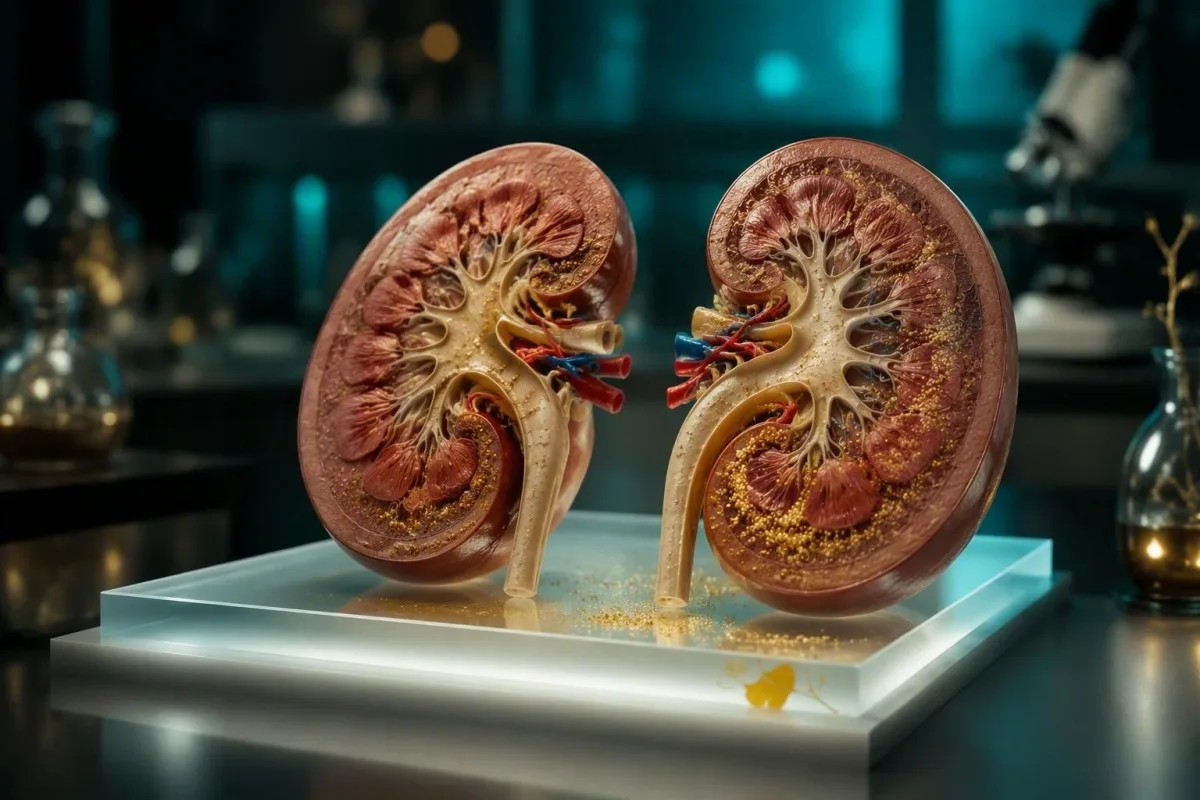
گهڻو ڪري بيشڪ وڌايل فاسفيٽ جا نتيجا ڪنهن به علامت جو سبب نه بڻجن ٿا، پر گهٽ ڪلسيم، گردي جي ناڪامي، سخت ڪمزوري، مونجهارو، يا عضلات جي اسپاسم سان وڌايل فاسفيٽ کي فوري ڪلينڪل تشخيص جي ضرورت آهي. انگ ان جي چوڌاري نموني کان گهٽ اهميت رکي ٿو.



- عام طور تي خاموش: بالغن جو فاسفيٽ عام طور تي 0.80-1.50 mmol/L (2.5-4.5 mg/dL) هوندو آهي، ۽ هڪ ننڍي الڳ واڌ اڪثر ڪري ڪنهن به علامت جو سبب نه بڻجي ٿي.
- تڪڙي خطري وارو نمونو: 2.0 mmol/L (6.2 mg/dL) کان مٿي فاسفيٽ جو نتيجو گهٽ ڪلسيم، ڪمزوري، ڇڪڻ، مونجهارو، يا گهٽ پيشاب جي خارج ٿيڻ سان ڏينهن جي ساڳئي وقت ڪلينڪل صلاح جي ضرورت آهي.
- گردن جي ڪم جي نشاني: مسلسل هائپر فاسفيٽيميا اڪثر ڪري گهٽيل گردي جي اخراج جي ڪري ٿي، خاص طور تي جڏهن eGFR 30 mL/min/1.73 m² کان گهٽ هجي.
- پاڻمرادو علاج نه ڪريو: ڪلسيم سپليمينٽس جڏهن فاسفيٽ وڌيڪ هجي ته غير محفوظ ٿي سگهن ٿا ڇاڪاڻ ته ڪلسيم-فاسفيٽ جمع ٿيڻ جو خطرو ٻنهي نتيجن تي منحصر آهي.
- لڪيل سبب: هڪ مشڪل نموني جي کلاڻ سيلولر عنصرن کي ٽوڙي سگهي ٿي ۽ ڪوڙو وڌايل فاسفيٽ جو نتيجو پيدا ڪري سگهي ٿي؛ ورجائي ٽيسٽ سوال کي حل ڪري سگهي ٿي.
- ڪينسر جي علاج جي ايمرجنسي: پوٽاشيم، يوريٽ، ۽ ڪريٽينين جي غير معمولي شين سان گڏ تيز رفتار سان وڌندڙ فاسفيٽ ٽيومر ليزس سنڊروم جو اشارو ڏئي سگهي ٿو ۽ ان کي ايمرجنسي سنڀال جي ضرورت آهي.
- بهترين ايندڙ ٽيسٽون: ڪلسيم، البومن، ڪريٽينين/eGFR، ميگنيشيم، بائيڪاربونيٽ، پيراٿائرائڊ هارمون، ۽ دوائن جي جائزي سان فاسفيٽ ورجايو.
ڪهڙيون وڌايل فاسفيٽ جون علامتون هاڻي سنڀال جي ضرورت رکن ٿيون؟
فاسفورس جي گهڻي سطح جي علامتون گهٽ هجڻ جي صورت ۾ غير معمولي هونديون آهن, ، پر شديد ڪمزوري، دردناڪ عضلاتي اسپاسم، وات جي چوڌاري ٽنگڻ، دورا، مونجهارو، سينه ڌڙڪڻ، يا گهٽ پيشاب جي پيداوار جي حالت ۾ فوري طور تي تشخيص جي ضرورت آهي—خاص ڪري گردن جي بيماري جي صورت ۾. صرف هڪ نتيجو ايمرجنسي تشخيص نه آهي؛ گڏيل ڪلسيم، پوٽاشيم، گردي جي ڪم، ۽ تبديلي جي شرح خطري جو تعين ڪن ٿا.
دوري جي سرگرمي، بي هوشي، نئين مونجهاري، سانس جي شديد تڪليف، مسلسل ڌڙڪڻ، يا فاسفورس جي نتيجي کان پوءِ شديد ڪمزوري جي صورت ۾ فوري طور تي ايمرجنسي ڪيئر ڏانهن وڃو. اهي علامتون ظاهر ڪري سگھن ٿيون گهٽ آئنائيزڊ ڪلسيم, ، اعلي پوٽاشيم، ايسڊوسس، يا گردي جي ناڪامي جي بدران اڪيلو فاسفورس جو عمل؛ هر هڪ ڪلاڪن اندر دل ۽ نيورومسڪيولر ڪم کي متاثر ڪري سگهي ٿو.
ڪلينڪ يا رينل ٽيم کي ساڳئي ڏينهن ڪال ڪريو جيڪڏهن فاسفورس 2.0 mmol/L (6.2 mg/dL) کان مٿي آهي، يا جيڪڏهن اهو 30 mL/min/1.73 m² کان گهٽ eGFR سان تيزي سان وڌي رهيو آهي. ڪيموٿراپي، بلڊ ڪينسر جي علاج، يا ڊائلسز حاصل ڪندڙ ماڻهن کي معمول جي جائزي جو انتظار نه ڪرڻ گهرجي ڇاڪاڻ ته تيز سيل ڀڃڻ گڏيل طور تي فاسفورس ۽ پوٽاشيم کي خارج ڪري سگهي ٿو؛ اسان جي ٽمور ليزس ليب ٽاپ گائيڊ.
منهنجي ڪلينڪل تجربي ۾، 1.55 mmol/L جي فاسفورس ۽ گردن جي بيماري کان سواءِ پريشان ماڻهوءَ کي گهٽ ئي ايمرجنسي ڊپارٽمينٽ ۾ وڃڻ جي ضرورت پوندي آهي. جنهن ماڻهوءَ بابت مون کي پرواهه آهي اهو 2.35 mmol/L، متلي، پيشاب جي مقدار ۾ گهٽتائي، 1.82 mmol/L جي ڪلسيم، ۽ گهٽجڻ واري ڪريٽينين سان گڏوگڏ آهي - اهو هڪ مڪمل طور تي مختلف صورتحال آهي.
No se conduzca si los síntomas son graves.
دورا، گهٽتائي، شديد مونجهارو، يا معذور ڪرڻ وارا اسپاسم ٻاهرئين مريضن جي ب blood ٽيسٽ جي بدران مقامي ايمرجنسي خدمتن جي حقدار آهن. ليبارٽري رپورٽ ۽ دوائن جي موجوده لسٽ کڻي اچو، جن ۾ لوزيٽو، انيما، سپليمينٽس، ۽ ڪينسر جي دوائون شامل آهن.
وڌايل فاسفيٽ جي سطح حقيقت ۾ ڇا مطلب آهي
هاپر فاسفيٽيميا جو مطلب آهي ليبارٽري جي حوالي جي فاصلي کان مٿي فاسفورس, ، عام طور تي بالغن ۾ 1.50 mmol/L يا 4.5 mg/dL کان مٿي. حوالي جي حدون ايسي، عمر، ۽ وقت جي لحاظ کان مختلف هونديون آهن، تنهنڪري هڪ پرچم تشخيص جي بدران شروعاتي نقطو آهي.
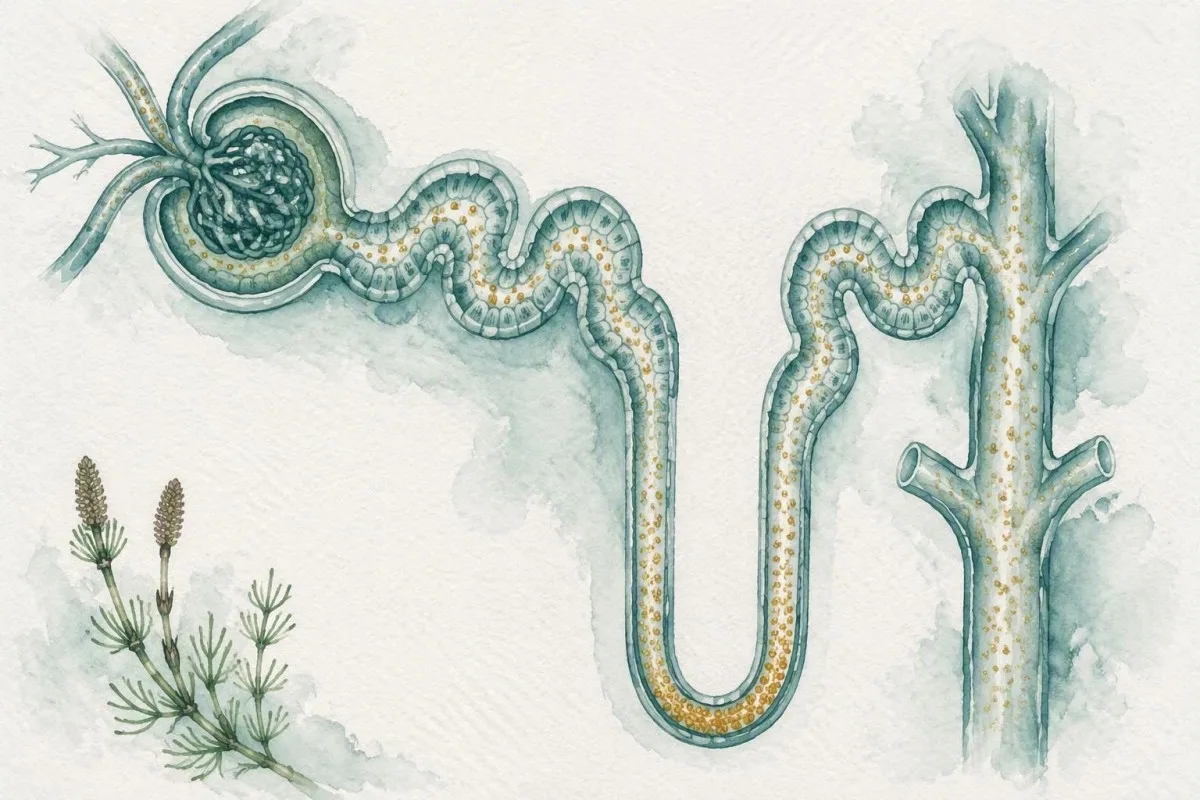
فاسفورس هڪ چارج ٿيل معدني آهي جيڪو ATP توانائي جي منتقلي، سيل جھلي، هڏن جي معدنيات، ۽ ايسڊ-بيس بفرنگ ۾ استعمال ٿئي ٿو. بالغن ۾ عام طور تي 0.80-1.50 mmol/L (2.5-4.5 mg/dL) هوندي آهي، جڏهن ته ٻارن ۽ نوجوانن ۾ عام طور تي وڌيڪ قدر هوندا آهن ڇاڪاڻ ته وڌندڙ هڏيون تيزي سان فاسفورس کي تبديل ڪن ٿيون.
حد ۾ نتيجي لاءِ عام طور تي روزو رکڻ صبح جو نمونو ترجيح ڏني ويندي آهي ڇاڪاڻ ته فاسفورس روزاني جي تال جي پيروي ڪري ٿو ۽ رات جو وڌڻ لڳي ٿو. رات جي ماني يا سخت مشق کان پوءِ 1.55 mmol/L جو قدر گهٽجڻ واري eGFR سان گڏ بار بار روزو رکڻ جي ڀيٽ ۾ مختلف طور تي سمجهيو ويندو آهي؛ اسان جي فاسفورس ريفرنس رينج گائيڊ ٻڌائي ٿو ته ليبارٽري جا فليگ (laboratory flags) context ڇو گهرن ٿا.
ڪينٽيسٽي هڪ آهي اي آءِ بلڊ ٽيسٽ اينالائيزر جيڪو ڪلسيم، ڪريٽينين، eGFR، البومين، ۽ اڳئين نتيجن جي ڀرسان فاسفورس پڙهي ٿو، هڪ نمايان لائن کي فيصلي جي طور تي علاج ڪرڻ جي بدران. اهو نمونو تي ٻڌل طريقو خاص طور تي مفيد آهي جڏهن يونٽ mmol/L ۽ mg/dL جي وچ ۾ مختلف هوندا آهن.
هلڪي هائپر فاسفيٽيميا اڪثر خاموش ڇو رهي ٿي
هائپر فاسفیٽيميا جي شديد علامتون معمولاً غائب هونديون آهن, ، ڇاڪاڻ ته فاسفٽ پاڻ به معتدل واڌ جي وقت تي قابل اعتماد احساس پيدا نٿو ڪري. علامتون گهڻو ڪري تڏهن ظاهر ٿين ٿيون جڏهن فاسفٽ آئنائيزڊ ڪلسيم کي گهٽائي ٿو، گردن جي ناڪامي سان گڏ هوندو آهي، يا تيزيءَ سان وڌندو آهي.
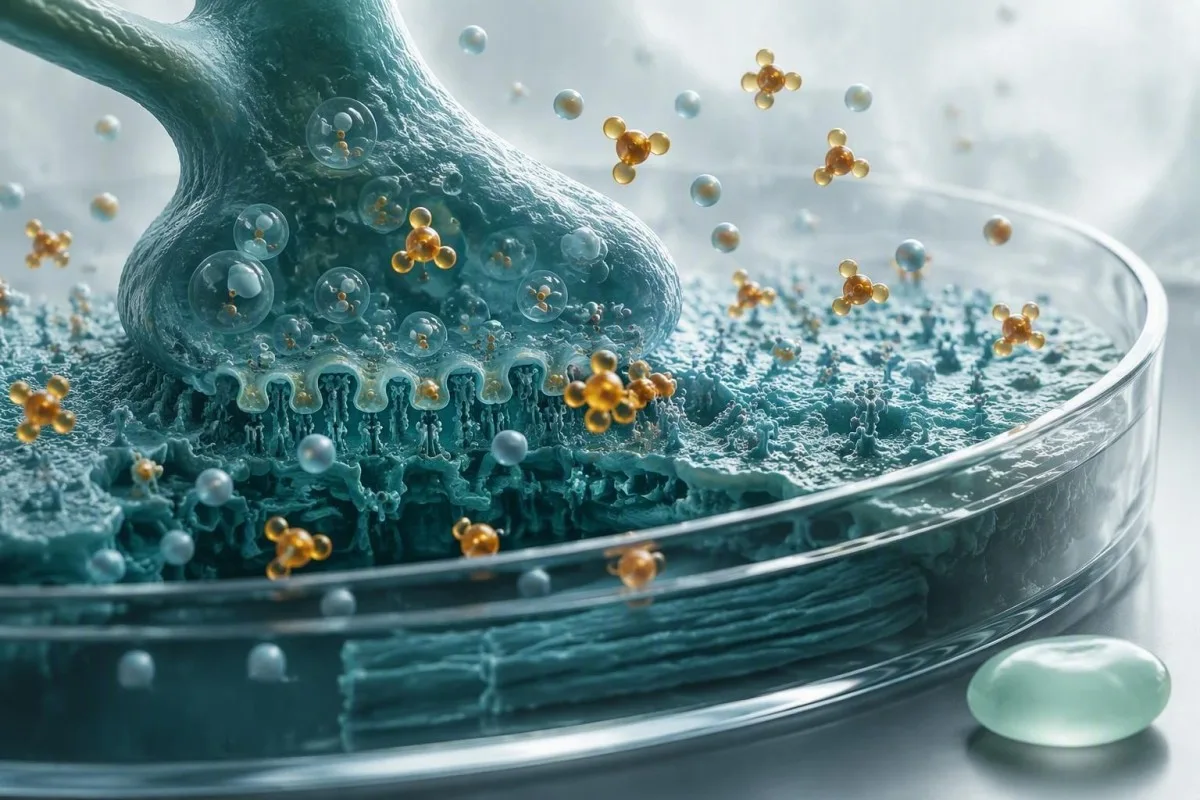
فاسفٽ ڪلسيم سان ڳنڍجي سگهي ٿو، پر ڪل ڪلسيم اڃا به عام نظر اچي سگهي ٿو جڏهن ته حياتياتي طور فعال آئنائيزڊ ڪلسيم گهٽجي ويندو آهي. اهو ئي سبب آهي ته ٽنگڻ، درد، يا ڪارپوپاڊل اسپاسم معدني عدم توازن ڪلينيڪل طور فعال آهي يا نه، اهو فيصلو ڪرڻ ۾ بيڪار ٿڪاوٽ کان وڌيڪ معلوماتي آهن.
هڪ مفيد عملي فرق: ٿڪاوٽ، سر درد، ۽ گهٽ توجهه غير مخصوص آهن ۽ ان کي پاڻمرادو 1.58 mmol/L جي فاسفٽ تي نه ڌڪڻ گهرجي. دائمي گردن جي بيماري ۾ مبتلا مريض ۾، اهي ئي علامتون انيميا، ايسڊوسس، يوريميا، دوائن، ۽ سيال جي حالت جي وسيع جائزي جي لائق آهن؛ اسان جي گهٽ eGFR علامت گائيڊ اڪيلو فاسفٽ کان بهتر وارننگ سائنز جو نقشو ٺاهي ٿو.
ڊاڪٽر ٿامس ڪلين جو طريقو اهو پڇڻ آهي ته ڇا تبديل ٿيو: هڪ تيز بيماري، فاسفٽ تي مشتمل آنڊن جي تياري، خشڪي، نئين وٽامن ڊي جو علاج، ڊائلسز جو وقت، يا ليبارٽري آرٽيفڪٽ. سالن کان مستحڪم الڳ نتيجو 48 ڪلاڪن ۾ تيز واڌ وانگر منظم نٿو ڪيو وڃي.
علامتون بنيادي حالت جي ڪري ٿي سگهن ٿيون
گهٽتائي، خارش، الٽي، ۽ ننڊ ۾ رڪاوٽ، جيڪي گردن جي بيماري ۾ هجن ٿيون، اهي اڪثر ڪري اعلي فاسفٽ آن لائن سان منسوب ڪيا ويندا آهن، پر اهي مخصوص فاسفٽ علامتون نه آهن. صرف نمبر جو علاج ڪرڻ سان بنيادي گردي ۽ معدني-هڏن جي بيماري غائب ٿي سگهي ٿي.
اهي علامتون جيڪي ڪلسيم يا اليڪٽرولائيٽ جي پيچيدگين جو اشارو ڏين ٿيون
عضلات جي درد، ڇڪ، ٽنگڻ، اسپاسم، دوري، ۽ تال جون علامتون اعلي فاسفٽ علامتون آهن جن کي تيز ترين ڌيان ڏيڻ جي لائق آهي, ، ڇاڪاڻ ته اهي گهٽجندڙ آئنائيزڊ ڪلسيم يا ٻئي ساڳئي وقت اليڪٽرولائٽ عدم توازن جو اشارو ڏئي سگهن ٿا. نيون نيورولوجيڪل علامتون گهر ۾ ڪڏهن به آرام سان نگراني نه ڪرڻ گهرجن.
گهٽ ڪلسيم جون علامتون اڪثر ہونٽن يا آڱرين جي چوڌاري پن-۽-سئي، هٿن جي سختي، ڪلهن جي تڪليف، ۽ چهري جي ڇڪ سان شروع ٿين ٿيون. شديد هائپوڪلسيميا ECG تي QT وقفي کي وڌائي سگهي ٿو ۽ دوري کي وڌائي سگهي ٿو، اهو ئي سبب آهي ته هڪ ڪلينيڪل غير آئنائيزڊ ڪلسيم جي بدران صرف درست ٿيل ڪل ڪلسيم تي ڀروسو ڪرڻ جي بدران آئنائيزڊ ڪلسيم جي درخواست ڪري سگهي ٿو؛ اسان جي مقابلي ۾ گهٽ ڪلسيم جي تڪڙي علامتون.
سينه ۾ تڪليف، دل جو تيز ڌڙڪڻ، يا ڌڙڪن جو احساس فاسفٽ اڪيلو جي ڪا به قابل اعتماد علامت نه آهي، پر ان کي تڪڙي تشخيص جي ضرورت آهي جڏهن پوٽاشيم به وڌي وڃي. 6.0 mmol/L کان مٿي پوٽاشيم کي عام طور تي تڪڙي حد طور علاج ڪيو ويندو آهي، جيتوڻيڪ ECG تبديليون ۽ واڌ جي رفتار هڪ واحد ڪٽ آف کان وڌيڪ اهم آهن.
Kantesti AI هڪ وڌيل فاسفٽ ليول پوٽاشيم، بائي ڪاربونيٽ، ڪلسيم، ۽ ميگنيشيم سميت لاڳاپيل اليڪٽرولائٽ نمونن کي جانچڻ سان. اهو ECG، معائنو، يا تڪڙي تشخيص کي تبديل نٿو ڪري سگهي جڏهن علامتون برقي عدم استحڪام جو اشارو ڏين ٿيون.
ڪلسيم-فاسفٽ پروڊڪٽ گهر جي حساب نه آهي
ڪلينيڪل ماهر ڪڏهن ڪڏهن ترقي يافته CKD ۾ ڪلسيم-فاسفٽ بوجھ تي غور ڪندا آهن، پر جديد علاج جا فيصلا اڪيلو ڪنهن به پروڊڪٽ جي حد تي ڀروسو نه ڪندا آهن. KDIGO سيريل فاسفٽ، ڪلسيم، ۽ پيراٿائرائڊ هارمون جي جائزي جي سفارش ڪري ٿو، نه ته هڪ بائيو ڪيميڪل ٽارگيٽ جو تعاقب ڪرڻ بجاءِ (KDIGO CKD-MBD اپڊيٽ ورڪ گروپ، 2017).
جڏهن گردي جي بيماري ممڪن سبب آهي
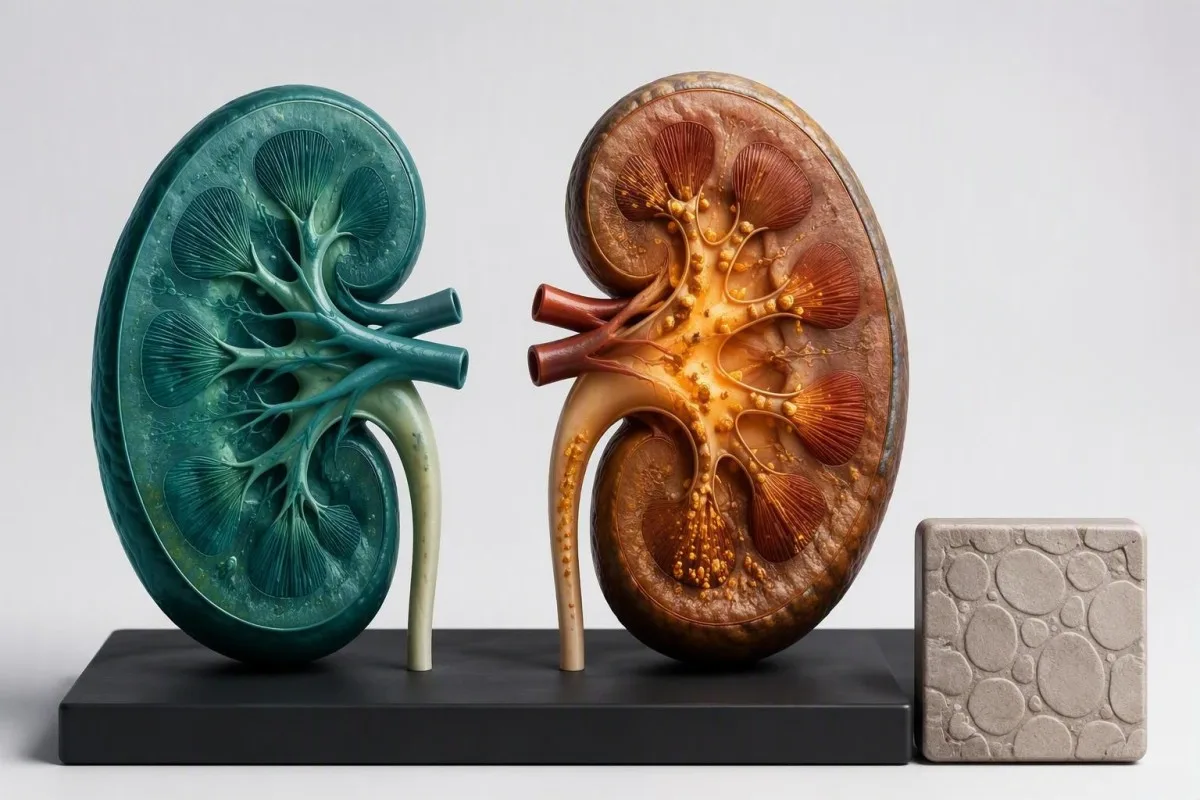
دائمي گردن جي بيماري بالغن ۾ مسلسل اعلي فاسفٽ جو سڀ کان عام سبب آهي, ، ڇاڪاڻ ته ڪم ڪندڙ نيفرون GFR گهٽجڻ سان گهٽ فاسفٽ خارج ڪن ٿا. سطحون اڪثر ڪري دير واري CKD تائين معمول تي رهي ٿي ڇو ته FGF23 ۽ پيراٿائرائڊ هارمون ڪجهه وقت لاءِ معاوضو ڏين ٿا.
فاسفٽ عام طور تي گهٽ واضح طور تي وڌندو آهي جڏهن eGFR اٽڪل 30 mL/min/1.73 m² کان گهٽجي وڃي ٿو، جيتوڻيڪ انفرادي وقت غذا، باقي گردي جي فعل، پيراٿائرائڊ هارمون، ۽ ڊائلسز سان مختلف ٿئي ٿو. KDIGO جي 2017 CKD-MBD گائيڊلائن CKD ۾ اعلي فاسفٽ کي معمول جي رينج ڏانهن گهٽائڻ جي صلاح ڏئي ٿي، بار بار ماپ جي بنياد تي نه ته معمول جي نتيجي جي روڪٿام واري علاج جي (KDIGO CKD-MBD اپڊيٽ ورڪ گروپ، 2017).
ڊائلسز جي سنڀال ۾، پري-ڊائلسز فاسفٽ نمبر پڻ آخري سيشن کان وٺي خال تي ۽ نموني علاج کان اڳ يا بعد ۾ ورتو ويو هو يا نه، ان تي منحصر هوندو آهي. هڪ سيشن غائب ڪرڻ، قبض، بائنڊر جي غلط وقت، يا تازو غذا ۾ تبديلي مستقل نئين بنيادي لائن جي نمائندگي ڪرڻ کان سواءِ فاسفٽ کي وڏي حد تائين منتقل ڪري سگهي ٿي؛ ڏسو CKD جي مرحلن جو جائزو.
ڪينٽيسٽي هڪ آهي AI بايو مارڪر تشريحي پليٽ فارم جيڪو رپورٽن ۾ فاسفٽ ۽ eGFR جي رجحانات کي ظاهر ڪري سگهي ٿو، مريضن کي ڪلينڪ جي دوري کان اڳ مستقل نمونو نوٽ ڪرڻ ۾ مدد ڪري ٿو. رجحان جو جائزو مفيد آهي، پر ڊائلسز جي ريڪارڊ ۽ فاسفٽ بائنڊر کي رينل ٽيم سان گڏ رهڻ گهرجي.
اعلي فاسفٽ CKD جو ثبوت ناهي
عام ڪريٽينين هر گردي جي مسئلي کي خارج نٿو ڪري، پر هڪ واحد اعلي فاسفٽ نتيجو CKD جو پڻ تشخيص نٿو ڪري. CKD کي 3 مهينن کان گهٽ ۾ گهٽ 3 مهينن تائين گردي جي غير معمولي حالت جو ثبوت گهرجي، جيڪو عام طور تي eGFR ۽ پيشاب جي البومين جي نتيجن سان سمجهيو ويندو آهي.
تيز فاسفيٽ جي واڌ: سيل جي ٽٽڻ ۽ ايمرجنسيون
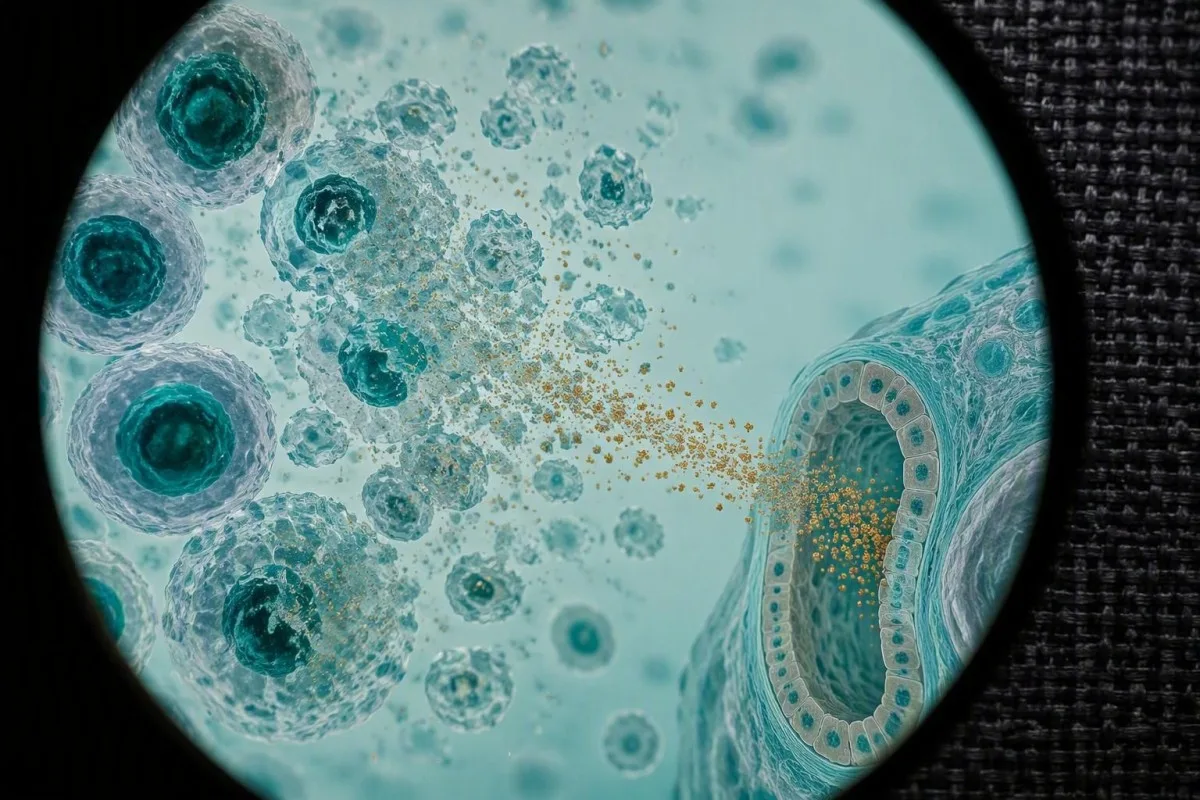
فاسفٽ ۾ تيز واڌ هڪ ايمرجنسي ٿي سگهي ٿي جڏهن گهڻا سيل هڪ ئي وقت ڀڄي وڃن, intracellular فاسفٽ، پوٽاشيم، يوريٽ، ۽ نيوڪليڪ ايسڊس کي گردش ۾ جاري ڪندي. هي نمونو ڪيموٿراپي کان پوء، سخت ڪرش انجري دوران، يا وڏي ٽشيون انجري سان تمام گهڻو پريشان ڪندڙ آهي.
ٽيومر ليزس سنڊروم ڪينسر جي علاج جي چوڌاري ڪلاسيڪل طور تي اندازو ڪيو ويندو آهي، خاص طور تي اعلي-بوجھ رت جي ڪينسر ۾، پر اهو ڪڏهن ڪڏهن خود بخود ٿي سگهي ٿو. قاهره-بشپ جي تعريف بالغن ۾ 1.45 mmol/L (4.5 mg/dL) يا ان کان مٿي فاسفٽ يا بيس لائن کان 25% جي اضافي کي ليبارٽري معيارن مان هڪ طور استعمال ڪري ٿي، جيڪو يوريٽ، پوٽاشيم، ڪلسيم، وقت، ۽ ڪلينڪل پيچيدگين (قاهره ۽ بشپ، 2004) سان سمجهيو ويندو آهي.
ڪيموٿراپي جي نمائش سان گڏ الٽي، ڪمزوري، گهٽ پيشاب، ڌڙڪن، يا مونجهارو سان گڏ هڪ بالغ کي ڊائٽ ذريعي فاسفٽ کي گهٽائڻ جي ڪوشش ڪرڻ بجاءِ ايمرجنسي تشخيص طلب ڪرڻ گهرجي. خطرناڪ مسئلو گڏيل ميٽابولڪ ڪاسڪيڊ آهي - هائپرڪالميا، تيز گردي جي زخم، ۽ هائپوڪلسيميا - نه صرف فاسفٽ جي قيمت.
ٻين تيز سببن ۾ ريبڊوميوليسس، سخت هيموليسس، وڏيون جلن، ۽ فاسفٽ تي مشتمل آنڊن جي تياري يا انيماس شامل آهن. انتهائي محنت کان پوء نئين سخت عضلات جي درد ۽ ڪارو پيشاب creatine kinase، creatinine، potassium، ۽ phosphate لاء فوري جانچ جي لائق آهي؛ اسان جو اعلي CK خطرناڪ گائيڊ هن الڳ پر لاڳاپيل ايمرجنسي کي ڍڪي ٿو.
علامتون دير سان ڇو اچي سگهن ٿيون
ليبارٽري تبديلي علامتن کان ڪيترائي ڪلاڪ اڳ ٿي سگهي ٿي، خاص طور تي ڪينسر جي علاج کان پوء. هي هڪ سبب آهي جو آنڪولوجي ٽيمون ٻيهر ڪيمسٽري پينل شيڊول ڪن ٿيون بدران مريض جي بيمار محسوس ٿيڻ جو انتظار ڪرڻ.
هارمون، وٽامن ڊي، ۽ هڏا جا سبب جن تي غور ڪرڻ گهرجي
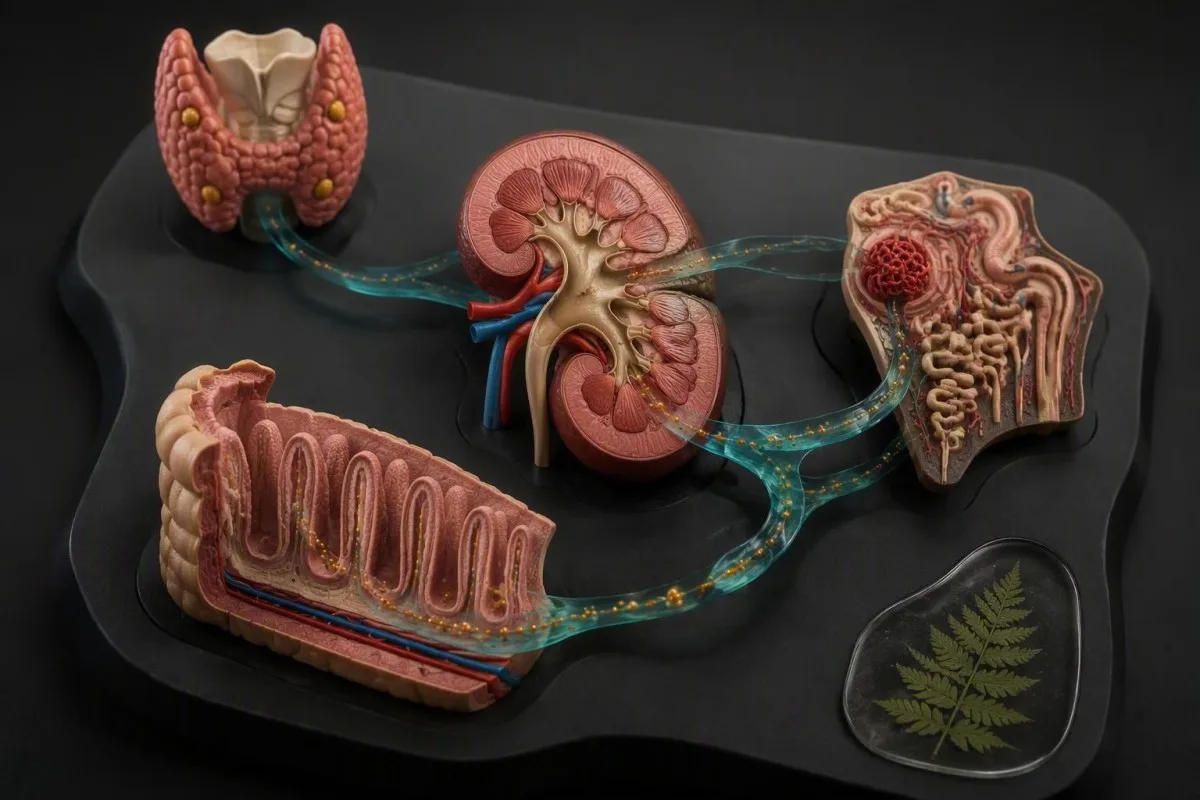
گهٽ پيراٿائيرائڊ هارمون ۽ گهڻي سرگرم وٽامن ڊي سرگرمي فاسفٽ وڌائي سگهي ٿي, ڇاڪاڻ ته ٻئي عام طور تي گردي جي فاسفٽ کي سنڀالڻ ۽ آنڊن جي جذب کي متاثر ڪن ٿا. اهي سبب CKD کان گهٽ عام آهن پر اهم آهن جڏهن گردي جي ڪم کي محفوظ ڪيو وڃي.

هائپوپاراٿائيرائڊزم عام طور تي گهٽ ڪلسيم، اعلي فاسفٽ، ٽنگلنگ، درد، ۽ ڪڏهن ڪڏهن ڳچي جي سرجري يا autoimmune بيماري جي تاريخ جو مجموعو پيدا ڪري ٿو. PTH کي ڪلسيم، ميگنيشيم، 25-hydroxyvitamin D، ۽ گردي جي ڪم جي ڀرسان سمجهيو وڃي؛ هڪ اڪيلو گهٽ PTH گمراهه ڪندڙ ٿي سگهي ٿو جيڪڏهن ڪلسيم ساڳئي وقت نه ماپيو ويو هجي.
وٽامن ڊي جي زهر عام طور تي فاسفٽ جي ڀيٽ ۾ اعلي ڪلسيم وڌيڪ نمايان طور تي سبب بڻائيندو آهي، پر ڪلسيٽريول ۽ لاڳاپيل سرگرم وٽامن ڊي جون دوائون ڪلسيم ۽ فاسفٽ ٻنهي کي وڌائي سگهن ٿيون، خاص طور تي CKD ۾. صلاح کان سواء مقرر ڪيل ڪلسيٽريول کي اوچتو بند نه ڪريو، پر سپليمنٽس ۽ دوز جي تبديلين کي درست طور تي ٻڌايو؛ اسان جو اعلي وٽامن ڊي جي علامتن جو گائيڊ خبرداري واري نموني (warning pattern) جي وضاحت ڪئي وئي آهي.
نادر موروثي رينل فاسفٽ-سنڀالڻ وارا خرابي موجود آهن، پر اهي نئين غير معمولي بالغن جي نتيجي لاء پهرين وضاحت نه آهن. منهنجي تجربي ۾، دوا جي سميلن ۽ ٻيهر نموني وڌيڪ ڪيسن کي غير معمولي ٽيسٽنگ کان وڌيڪ جواب ڏئي ٿو.
هڏي جي مٽاسٽا سيرم فاسفٽ جي برابر ناهي
فریکچر يا اعلي الڪائن فاسفاٽيس خود بخود اعلي فاسفٽ نه ٿو بيان ڪري. هڏي جي ميٽابولزم متحرڪ آهي، پر سيرم فاسفٽ غالب طور تي رينل اخراج ۽ هارمونل سگنلن طرفان حڪمراني ڪيو ويندو آهي؛ اسان جو ڏسو فریکچر کان پوء ALP جي وضاحت.
کاڌو، اضافو، سپليمينٽ، ۽ دوائون
عام ڪڊني واري ماڻهن ۾ صرف غذا تمام گهٽ هائپر فاسفٽيميا جو سبب بڻجي ٿي, ڇاڪاڻ ته صحت مند گرديون وڌايل فياسٽيڪ کائڻ کانپوءِ فاسفيٽ خارج ڪرڻ وڌائين ٿيون. پروسيس ٿيل کاڌي جا فاسفيٽ اضافا، کولا قسم جا مشروبات، ۽ سپليمنٽس گهڻو اهم آهن جڏهن گردي جي صفائي گهٽجي وڃي.
ڀاڄيون، ڊرائي فروٽ، سڄو اناج، کير جون شيون، مڇي، ۽ گوشت ۾ موجود عضوياتي فاسفيٽ مختلف طرح سان جذب ٿيندو آهي؛ ٻوٽن جو فائيٽيٽ فاسفيٽ عام طور تي اضافي فاسفيٽ کان گهٽ جذب ٿيندڙ هوندو آهي. ترقي يافته CKD ۾، ڊاڪٽر اڪثر ڪري اعليٰ جذب ٿيندڙ اضافن تي پهريان ڌيان ڏيندا آهن، نه ته سڀني غذائيت واري پروٽين کاڌي کي بي ترتيب ختم ڪرڻ.
فاسفيٽ تي مشتمل جلاب، انيما، ۽ آنڊن جي تياري پراڻن ماڻهن، CKD وارن ماڻهن، ۽ گردي جي پرفيوژن کي متاثر ڪندڙ دوائون وٺندڙن ۾ خطرناڪ تيز هائپر فاسفيٽيميا جو سبب بڻجي سگهي ٿي. ڪولونوسڪپي جي تياري چونڊڻ کان اڳ ACE inhibitor، ARBs، diuretics، NSAIDs، وٽامن ڊي پروڊڪٽس، ۽ سمورين اوور-دي-ڪائونٽر تيارين جي باري ۾ ڊاڪٽر کي ٻڌايو.
صرف هڪ نتيجو آن لائن پڙهي ڪري ڪلسيم تي ٻڌل فاسفيٽ بائنڊرز شروع نه ڪريو. KDIGO سفارش ڪري ٿو ته فاسفيٽ گهٽائڻ واري علاج تي بالغن ۾ ڪلسيم تي ٻڌل بائنڊر جي دوز کي محدود ڪيو وڃي، جزوي طور تي ڇاڪاڻ ته مثبت ڪلسيم توازن ۽ رت جي نالن جي ڪلسيفيڪيشن CKD ۾ حقيقي خدشا آهن (KDIGO CKD-MBD Update Work Group, 2017)؛ اسان جو گردي جي سپليمينٽ سيفتي گائيڊ عملي احتياط شامل ڪري ٿو.
مارڪيٽنگ دعوائن بدران اجزاء پڙهو
فاسفورڪ ايسڊ، فاسفيٽ، پولي فاسفيٽ، ۽ پيرو فاسفيٽ جهڙا اجزاء جا نالا اضافن کي سڃاڻي سگهن ٿا، جيتوڻيڪ ليبل عالمي سطح تي مختلف آهن. هڪ رينل ڊائٽيشن پروٽين، کیلوريون، ۽ ثقافتي کاڌي جي ترجيحن کي برقرار رکي سگهي ٿو جڏهن ته اعليٰ پيداوار وارن ذريعن کي گهٽايو وڃي.
ڇا فاسفيٽ جو نتيجو ڪوڙو وڌيڪ ٿي سگهي ٿو؟
نموني جي هيمولائيز ٿيڻ سبب فاسفيٽ جو نتيجو ڪوڙو اعليٰ اچي سگهي ٿو, ، ڇاڪاڻ ته سيلولر عنصرن ۾ فاسفيٽ هوندو آهي جيڪو گڏ ڪرڻ کانپوءِ سيرم يا پلازما ۾ نڪري سگهي ٿو. ڪنهن به حيرت انگيز نتيجي کي وڏي علاج کان اڳ ورجائي ڏسڻ گهرجي، جيستائين علامتون يا لاڳاپيل غير معمولي حالتون فوري عمل جو مطالبو ڪن.
ليبارٽريون اڪثر هيموليسس کي ظاهر ڪنديون آهن، پر نموني جي مداخلت جي هر درجي ۾ واضح طور تي مريض کي ڏسڻ واري نوٽ نه هوندي آهي. دير سان الڳ ڪرڻ، گڏ ڪرڻ ۾ مشڪل، ٽورنيڪٽ جو ڊگهو وقت، يا سخت ٽرانسپورٽ ڪيميٽري جي نتيجن کي تبديل ڪري سگهي ٿو، ۽ هڪ ٻيو صاف نمونو نادر بيمارين جي وسيع اسڪين کان وڌيڪ مفيد ٿي سگهي ٿو.
گهڻي ليپيڊيميا، گهڻي گلوبلنيما، يا ڪجهه ايسائي مداخلتن سان به گڏ سوڊو هائپر فاسفيٽيميا جو بيان ڪيو ويو آهي، جيتوڻيڪ اهو غير معمولي آهي. جيڪڏهن فاسفيٽ اعليٰ آهي جڏهن ته ڪلسيم، گردي جي ڪم، ڪلينڪل حالت، ۽ ورجايو ويو نتيجو سڀ اطمينان بخش آهن، پڇو ته ڇا ليب پارٽ análitica مداخلت جو جائزو وٺي سگهي ٿي؛ اسان جي هيموليسس کانپوءِ ٻيهر ٽيسٽ جو گائيڊ وضاحت ڪري ٿو ته ڇا ٻيهر رت وٺڻ سان واضح ٿي سگهي ٿو.
Kantesti AI فالو اپ لاءِ متضاد نتيجن کي ڳولي ٿو پر صرف ان ڪري ته هڪ قدر سڀني کان ٻاهر لڳي ٿو، ان ڪري اعليٰ فاسفيٽ جي نتيجي کي بي ضرر قرار نٿو ڏئي. سڀ کان محفوظ اصول سادو آهي: هڪ غير متوقع معمولي نتيجو جلدي ٻيهر ڪريو، جڏهن ته علامتون يا گردي جا مارڪر پريشان ڪندڙ هجن ته فوري طور تي وڌايو وڃي.
ٻيهر ٽيسٽ ڪرڻ کان اڳ ارادي طور تي ڊي ڊريٽ نه ڪريو
جيستائين توهان جو ڊاڪٽر مختلف هدايتون نه ڏئي، تڏهن تائين عام طور تي هائيڊريٽڊ ٿي اچو، ۽ ان کان فوري طور تي اڳ غير معمولي طور تي سخت مشق کان پاسو ڪريو. پهرين رپورٽ آڻو ته جيئن ليبارٽري ۽ ڊاڪٽر طريقو، نموني جي معيار، ۽ وقت جو مقابلو ڪري سگهن.
اهي ٽيسٽ جيڪي ڪلينڪ استعمال ڪن ٿا سبب ڳولڻ لاءِ
اعليٰ فاسفيٽ لاءِ پهرين فالو اپ پينل ۾ عام طور تي ريپيٽ فاسفيٽ، ڪلسيم، البومين، ڪريٽينين/eGFR، پوٽاشيم، بائي ڪاربونيٽ، ميگنيشيم، ۽ ڪڏهن ڪڏهن آئنائيزڊ ڪلسيم شامل هوندا آهن. اضافي ٽيسٽن جو درست نمونو ان تي منحصر آهي ته ڇا نمونو CKD، گهٽ PTH، تيز سيل ٽوٽڻ، يا ليبارٽري آرٽيفيڪٽ جو مشورو ڏئي ٿو.
PTH، 25-hydroxyvitamin D، الڪالائن فاسفيٽيز، ۽ پيشاب جو فاسفيٽ هرمونل بمقابله رينل سببن کي ممتاز ڪرڻ ۾ مدد ڪري سگهن ٿا. چونڊيل ڪيسن ۾، ڊاڪٽر ٽيوبولر فاسفيٽ جي ٻيهر جذب ٿيڻ جو اندازو لڳائيندا آهن، پر اهو غير مستحڪم تيز بيماري دوران يا سيرم جي نتيجي جي تصديق کان اڳ ڪارآمد ناهي.
جيڪڏهن گردي جي خرابين موجود هجي، ته پيشاب ۾ البومين-ڪريٽينين جو تناسب، پيشاب جو تجزيو، بلڊ پريشر، دوائن جو جائزو، ۽ رينل تصوير شايد صرف وري ورجايو وڃي ته وڌيڪ ظاهر ڪندڙ هجن. ڪريٽينين کي عضلاتي ماس، غذا، هائيڊريشن، ۽ تازي مشق جي حوالي سان سمجهڻ جي ضرورت آهي؛ اسان جو جائزو وٺو BUN ۽ creatinine گائيڊ.
Kantesti جو نيورل نيٽورڪ معدنيات، گردي، ۽ ايسڊ-بيس نتيجن کي ملاقات لاءِ هڪ منظم سوال لسٽ ۾ گروپن ۾ رکي ٿو. Kantesti هڪ AI-powered رت جي ٽيسٽ تجزيي جو اوزار ليبارٽري جي نمونن کي سمجهڻ ۾ مدد لاءِ ٺهيل آهي، نه ته هائيپوپاراتيرائڊزم جو تشخيص ڪرڻ يا علاج تجويز ڪرڻ لاءِ.
هڪ مڪمل لسٽ آڻيو
تجويز ڪيل دوائن، سپليمنٽس، اينٽيڊس، پروٽين پاؤڊر، لوزيٽيز، ۽ آنڊن جي تيارين جو صحيح نالو ۽ دوز شامل ڪريو. گردن جي طب ۾، هڪ پراڊڪٽ جي فارموليشن پنهنجي برانڊ ڪيٽيگري جيتري اهميت رکي سگهي ٿي.
ڪلينڪ فاسفيٽ کي محفوظ طريقي سان ڪيئن گهٽ ڪن ٿا
علاج سادي طور تي نمبر کي دٻائڻ بجاءِ اعلي فاسفيٽ جي سبب کي نشانو بڻائيندو آهي. تيز شديد هائپر فاسفيٽيميا ۾ انٽرا وينس فلوئڊز، گهٽ ڪيلشيم يا اعلي پوٽاشيم جو علاج، فاسفيٽ بائنڊر، ۽ ڪڏهن ڪڏهن اسپتال جي نگراني هيٺ ڊائليسس جي ضرورت ٿي سگهي ٿي.

CKD لاءِ، علاج ۾ عام طور تي غذا جي مشاورت، جتي لاڳاپيل هجي اتي ڊائليسس جي مناسبت ۾ بهتري، ۽ کاڌي سان گڏ ورتا ويندڙ فاسفيٽ بائنڊر شامل آهن. بائنڊر جو انتخاب انفرادي آهي: ڪيلشيم واري ايجنٽ، سيولامر، لينٿانم، آئرن تي ٻڌل ايجنٽ، ۽ ٻين ۾ مختلف ضمني اثرات، گوليون جو بار، قيمتون، ۽ ڪيلشيم جي اثرات آهن.
ڪڏهن به فاسفيٽ بائنڊر کي کاڌي کان پري نه وٺو ۽ ساڳئي فائدو جي اميد نه ڪريو؛ اهو آنڊن ۾ کاڌي جي فاسفيٽ کي بائنڊ ڪندي ڪم ڪري ٿو. ان جي برعڪس، اضافي doses وٺڻ سان قبض، دست، ڪيلشيم جي خرابي، يا دوائن جهڙوڪ ليويٿيروڪسين ۽ ڪجهه اينٽي بايوٽيڪس سان ڀيٽڻ جو سبب بڻجي سگهي ٿو.
52 سالن جي مريض جو آئون جائزو ورتم، ان جي فاسفيٽ 1.92 mmol/L هئي جيتوڻيڪ هڪ مناسب غذا جي باوجود؛ مسئلو اهو هو ته بدبوء کان بچڻ لاءِ هر بائنڊر dose کاڌي کان ٻه ڪلاڪ پوءِ وٺڻ. گردن جي فارماسسٽ سان وقت ترتيب ڏيڻ - کاڌي کي رادڪل طور تي محدود ڪرڻ نه - هڪ محفوظ ۽ وڌيڪ پائيدار منصوبو پيدا ڪيو؛ اسان جو گردي جي غذا AI حفاظت جو مضمون وضاحت ڪري ٿو ته غذا جو مشورو طبي نگراني هيٺ ڇو رهڻ گهرجي.
تيز درستي خطري سان ڀريل ٿي سگهي ٿي
هائپوڪلسيميا جي علامتن جو علاج ڪيلشيم جي ضرورت پيش ڪري سگهي ٿو، پر بي حساب ڪيلشيم جي انتظام سان ڪيلشيم-فاسفيٽ جي ڇاپي جي خطري ۾ اضافو ٿي سگهي ٿو جڏهن فاسفيٽ تمام گهڻو هجي. ايمرجنسي ڪلينڪ وارن کي اعصابي حفاظت ۽ هن خطري جي وچ ۾ بارگينگ ڪرڻي پوندي آهي، تکراري نتيجن ۽ ECG نگراني استعمال ڪندي.
ٻار، حمل، ۽ ڊائلسز: مختلف ضابطا
ٻارن ۾ عام طور تي بالغن جي ڀيٽ ۾ فاسفيٽ جي سطح وڌيڪ هوندي آهي، ۽ ڊائليسس جي مريضن کي انفرادي ٽارگيٽ ۽ وقت جي آگاهي سمجهڻ جي ضرورت هوندي آهي. 45 سالن جي فرد لاءِ اعليٰ نمبر کن adolescents دوران معمول جو هجي، جڏهن ته ڊائليسس جي مريض ۾ ساڳيو نمبر علاج جي جائزي جي ضرورت پيش ڪري سگهي ٿو.
ٻارن جي حوالي سان فاصلو عمر ۽ ليبارٽري جي لحاظ کان تمام گهڻو مختلف ٿي سگهي ٿو، اڪثر ڪري ننڍي ٻارن ۽ واڌ جي وقت ۾ بالغن جي مٿئين حدن کان وڌيڪ. والدين کي ٻار جي عمر لاءِ ڇپيل حد استعمال ڪرڻ گهرجي، نه ته بالغن جي انٽرنيٽ ڪٽ آف؛ خراب کاڌو، سست رفتاري، الٽي، يا تشنج سان گڏ اعلي فاسفيٽ اڃا تائين فوري طور تي ٻارن جي صلاح جي لائق آهي.
حمل گردن جي فلٽريشن ۽ معدنيات جي ميٽابولزم کي تبديل ڪري سگهي ٿو، پر فاسفيٽ حمل جي پيچيدگين لاءِ هڪ الڳ اسڪريننگ ٽيسٽ ناهي. مسلسل الٽي، پيشاب جي گھٽتائي، شديد سر درد، بصري تبديلي، يا سوزش جو جائزو مڪمل ڪلينڪل تصوير جي بنياد تي ورتو وڃي، نه ته فاسفيٽ جي ڪري.
ڊائليسس تي ماڻهن لاءِ، ڊائليسس جي چڪر جي ڏينهن، غائب سيشن، باقي پيشاب جي پيداوار، ۽ بائنڊر جي پيروي سان ڊائليسس کان اڳ جي نتيجي جو جائزو ورتو وڃي. Kantesti محفوظ طريقي سان طولي جائزو جي حمايت ڪري ٿو، جڏهن ته اسان جو طبي صلاحڪار بورڊ اصرار ڪري ٿو ته گردي جي ٽيمن انفرادي علاج جا مقصد مقرر ڪن.
وڏي عمر جي ماڻهن کي دوائن جي جانچ جي ضرورت آهي
وڏي عمر جا ماڻهو فاسفيٽ تي مشتمل آنڊن جي شين ۽ خشڪي يا ڀيٽي وارين دوائن کان تيز گردن جي زخمن کان غير متناسب طور تي متاثر ٿين ٿا. غير معمولي نتيجي کان پوءِ دوائن جو جائزو اڪثر ڪري شديد غذا جي تبديلي کان وڌيڪ ڪارآمد هوندو آهي.
توهان جي ايندڙ ڪلينڪل جائزي کان اڳ ڇا ڪرڻو آهي
اعتدال پسند، علامتن کان پاڪ اعلي فاسفيٽ جي سطح لاء، تيز غذا يا سپليمنٽس جي تبديلي ڪرڻ جي بدران تکراري ٽيسٽ جو بندوبست ڪريو ۽ حوالي سان آڻيو. سڀ کان وڌيڪ ڪارائتو تفصيل وقت، روزه جي حالت، هائيڊريشن، بيماري، ورزش، دوائون، گردي جي تاريخ، ۽ اڳئين نتيجن آهن.
لکھیو ته ڇا توهان گذريل 7 ڏينهن ۾ باؤل جي تياري، انيما، لئڪسٽو، ڪيموٿراپي، وڏي مشق، الٽي واري بيماري، يا ڊائليسز جي ياد ڪئي. حقيقي فاسفيٽ يونٽ ۽ ريفرنس رينج لاءِ پڇو، ڇو ته 1.8 mmol/L ۽ 1.8 mg/dL رادين ۾ مختلف ڪلينڪل قدر آهن.
ساڳئي ڊرا مان ڪلسيم، البومن، ڪريٽينائن، eGFR، پوٽاشيم، بائيڪاربونيٽ، ۽ ميگنيشيم جي ڪاپيون گهرو. هڪ ڊاڪٽر عام طور تي هن ڪلسٽر مان نتيجي کي فاسفيٽ کان وڌيڪ درست طور تي ٽرائج ڪري سگهي ٿو؛ اسان جو اليڪٽرولائيٽ پينل گائيڊ عام گڏيل حالتن (combinations) کي ڏيکاري ٿي.
سيپٽمبر 12، 2026 تائين، مان گهڻو ڪري بي علامتي بالغن کي ننڍي الڳ اڀار سان صلاح ڏيان ٿو ته هو ڏينهن ۾، مهينن ۾ نه، پنهنجي عام ڪلينڪ سان رابطو ڪن. جيڪڏهن رپورٽ پڙهڻ ڏکيو آهي،, Kantesti جو ڪلينڪل تصديق جو طريقو وضاحت ڪري ٿو ته اسان جو AI بحث لاءِ ذريعن جي قيمتن ۽ عدم اعتماد کي ڪيئن منظم ڪري ٿو هڪ لائق پروفيسر سان.
Su'aalo mudan in la weydiiyo
پڇو ته ڇا نتيجو ورجايو ويو، ڇا نموني هيموليزڊ هو، ڇا ڪلسيم درست ڪيو ويو يا آئنائيزڊ ڪيو ويو، ۽ ڇا ڪ kidneyي جي فنڪشن ۾ بنيادي تبديلي آئي آهي. اهي چار سوال اڪثر ڪري غلط اطمينان ۽ غير ضروري الارم ٻنهي کي روڪيندا آهن.
وڌايل فاسفيٽ جي نتيجن لاءِ علامت-پهرين منصوبو
گهڻا ماڻهو ٿورو اعلي فاسفيٽ سان ڪجهه به محسوس نٿا ڪن ۽ تصديق ۽ هڪ سبب-مرڪوز جائزي جي ضرورت آهي؛ نيورولوجيڪل، عضلات، دل، يا گردڪ جي ناڪامي جي علامن وارن ماڻهن کي تڪڙي سنڀال جي ضرورت آهي. سڀ کان محفوظ جواب انگ، رجحان، ساٿي ٽيسٽ، ۽ ماڻهو ڪيترو بيمار آهي، جي تناسب ۾ آهي.
seizures، collapse، سخت confusion، disabling spasms، سخت weakness، يا palpitations جنھن ۾ وڏي electrolyte abnormality ڄاڻايل ھجي، انھن لاءِ ايمرجنسي خدمتون استعمال ڪريو. 2.0 mmol/L (6.2 mg/dL) کان مٿي فاسفيٽ، نئين oliguria، فعال ڪينسر جي علاج، ترقي يافته CKD، يا تيزيء سان تبديل ٿيندڙ نتيجي لاءِ ساڳئي ڏينهن طبي مشوري جي طلب ڪريو.
هڪ سرحد تي الڳ نتيجي لاءِ، عام حالتن ۾ ٽيسٽ ورجايو ۽ خود-نسخہ بائينڊرز، ڪلسيم، يا سخت پروٽين جي پابندي کان پاسو ڪريو. مقصد هڪ ڀرپور ڏسڻ واري رپورٽ نه آهي؛ اهو ڳولڻ آهي ته ڇا رينل ڪليئرنس، هرمونل ريگيوليشن، هڪ تيز واقعو، انٽيڪ، يا نموني جي معيار تبديلي جي وضاحت ڪري ٿو.
ڊاڪٽر ٿامس ڪلين جي سفارش آهي ته هڪ ليبارٽري نتيجي کي ڪلينڪل اشارو طور سمجهيو وڃي، ڪڏهن به ڊاڪٽر يا ڳولا جي نتيجي طرفان ڏنل تشخيص نه. اسان جو AI ٽيڪنالاجي گائيڊ وضاحت ڪري ٿو ته Kantesti AI اصل ليبارٽري قدر ڪيئن محفوظ ڪري ٿو ۽ ڪلينڪل جائزي لاءِ سوالن کي اجاگر ڪري ٿو بجاءِ طبي سنڀال کي تبديل ڪرڻ جي.
نچوڙ
اعلي فاسفيٽ عام طور تي وسيع طور تي ڏسڻ جو اشارو آهي - خاص طور تي گردڪ جي فنڪشن ۽ ڪلسيم تي - پاڻ ۾ ڪا به علامتي تشخيص نه آهي. تڪڙي جائزي سڀ کان وڌيڪ قيمتي آهي جڏهن نمبر نشان لڳل هجي، وڌي رهيو هجي، غير معمولي electrolytes سان جوڙيل هجي، يا حقيقي علامتن سان گڏ هجي.
وچان وچان سوال ڪرڻ
اعلي فاسفورس جو احساس ڪيئن ٿيندو آهي؟
اعلي فاسفيٽ عام طور تي ڪا به خاص علامتون نه وجهي جڏهن اڀار معتدل هجي، جهڙوڪ 1.51-1.80 mmol/L (4.6-5.6 mg/dL). جڏهن فاسفيٽ گهڻو وڌي ٿو يا آئنائيزڊ ڪلسيم گهٽجي ٿو، ماڻهن ۾ وات جي چوڌاري ٽنگڻ، عضلات جا درد، ڇڪڻ، هٿن جا درد، ڪمزوري، يا seizures ٿي سگهن ٿا. الٽي، خارش، ۽ ٿڪاوٽ اڪثر ڪري ترقي يافته گردڪ جي بيماري يا ٻين سان گڏ مسئلي سان لاڳاپيل هونديون آهن بجاءِ اڪيلو فاسفيٽ جي. نيون نيورولوجيڪل، ڪارڊيڪ، يا سخت عضلات جون علامتون تڪڙي طبي جائزي جي ضرورت آهي.
1.6 mmol/L فاسفيٽ جي سطح خطرناڪ آهي؟
1.6 mmol/L جي فاسفيٽ سطح، تقريباً 5.0 mg/dL، هڪ معتدل اڀار آهي ۽ عام طور تي ڪلسيم ۽ گردڪ جي فنڪشن ۾ صحتمند بالغن ۾ فوري طور تي خطرناڪ ناهي. اهو اڃا تائين تصديق ڪيو وڃي ۽ ڪريٽينائن/eGFR، ڪلسيم، البومن، پوٽاشيم، بائيڪاربونيٽ، دوائن، ۽ نموني جي معيار سان تشڪيل ڪيو وڃي. ليبارٽري رينج کان مٿي مسلسل نتيجا گردڪ يا هارمون سان لاڳاپيل فاسفيٽ عدم توازن جو شروعاتي اشارو ٿي سگهن ٿا. تڪڙ وڌي ٿي جيڪڏهن علامتون ظاهر ٿين، گردڪ جي فنڪشن گهٽجي رهي آهي، يا فاسفيٽ 2.0 mmol/L (6.2 mg/dL) کان مٿي وڌي ٿو.
اعلي فاسفورس کي ڪڏهن هنگامي ڪمري ۾ وڃڻ گهرجي؟
اعلي فاسفورس ايمرجنسي جي سنڀال جي لائق آهي جڏهن اهو seizures، بي هوشي، confusion، سخت عضلات جي درد، مستقل palpitations، سخت ڪمزوري، يا تمام گهٽ پيشاب جي پيداوار سان ٿئي ٿو. ايمرجنسي جائزي پڻ ڪيموٿراپي يا وڏي عضلات جي زخم کان پوء مناسب آهي جڏهن فاسفيٽ پوٽاشيم، urate، يا creatinine سان گڏ وڌي ٿو. 2.0 mmol/L (6.2 mg/dL) کان مٿي فاسفيٽ ڪنسنٽريشن ساڳئي ڏينهن ڪلينڪل مشوري جي لائق آهي، علامتن کان سواء، خاص طور تي دائمي گردڪ جي بيماري ۾. ايمرجنسي خطرو سڄي electrolyte ۽ گردڪ-فنڪشن جي نموني مان اچي ٿو، اڪيلو فاسفيٽ مان نه.
ڇا پاڻي جي کوٽ ڪري فاسفيٽ وڌي سگھي ٿو؟
Dehydration ليبارٽري قدرن کي ڪنسنٽريٽ ڪري سگهي ٿو ۽ ٿورڙي وڌايل فاسفيٽ جي نتيجي ۾ حصو وٺي سگهي ٿو، پر ان کي مسلسل يا وڏي اڀار جي وضاحت ڪرڻ جو فرض نه ڪيو وڃي. Dehydration پڻ گردڪ جي پرفيوژن کي گهٽائي سگهي ٿو ۽ عارضي طور تي ڪريٽينائن کي خراب ڪري سگهي ٿو، جيڪو نتيجي کي ڪلينڪل طور تي وڌيڪ لاڳاپيل بڻائي ٿو نه ته گهٽ. عام هائيڊريشن ۽ هڪ ريپيٽ ڪيمسٽري پينل هڪ سرحد تي قدر کي واضح ڪرڻ ۾ مدد ڪري سگهي ٿو. سخت الٽي، دست، چڪر، گهٽ پيشاب جي پيداوار، يا eGFR جي گهٽتائي خود-انتظام کان سواء طبي جائزي جي ضرورت آهي.
ڇا غذا عام گردن سان اعلي فاسفٽ سبب بڻجي سگهي ٿي؟
جڏهن گردڪ جي فنڪشن عام هجي ته اڪيلو غذا نادر ئي وڏي هائپر فاسفيٽيميا جو سبب بڻجي ٿي ڇو ته صحتمند گردڪ فاسفيٽ جي اخراج کي وڌائيندا آهن. پروسيس ٿيل کاڌي، ڪولا-قسم جي مشروبات، سپليمينٽس، ۽ باؤل جي تياري ۾ اعلي جذب ٿيندڙ غير نامياتي فاسفيٽ additives وڌيڪ اهم ٿي ويندا آهن جڏهن eGFR گهٽجي ويندو آهي. 1.50 mmol/L (4.5 mg/dL) کان مٿي مسلسل فاسفيٽ گردڪ جي بيماري، دوائن، هرمونل سببن، ۽ ليبارٽري مداخلت لاء جائزي کي تڪڙو ڪرڻ گهرجي ان کان اڳ جو سخت غذا جي پابندي لاڳو ڪئي وڃي. هڪ رينل ڊائٽيشين پروٽين ۽ ڪيلوري جي انٽيڪ کي سمجھوتو ڪرڻ کان سواء تبديليون تيار ڪري سگهي ٿو.
اعلي فاسفيٽ سان ڪهڙا ٽيسٽ چيڪ ڪيا ويندا آهن؟
ڪلينڪ عام طور تي اعلي فاسفيٽ کي محفوظ طور تي جائزو وٺڻ لاء ڪلسيم، البومن، ڪريٽينائن، eGFR، پوٽاشيم، بائيڪاربونيٽ، ۽ ميگنيشيم سان گڏ فاسفيٽ ورجائي ٿو. پيراٿائيرائڊ هارمون، 25-hydroxyvitamin D، الڪائن فاسفيٽس، پيشاب جي تحليل، ۽ پيشاب جي فاسفيٽ شامل ڪري سگھجن ٿا جڏهن ابتدائي نمونو هرمونل يا رينل سبب جو شڪي بڻائي ٿو. آئنائيزڊ ڪلسيم خاص طور تي مفيد آهي جڏهن ٽنگڻ، درد، درد، يا seizures حياتياتي طور تي فعال هائپوڪلسيميا جو شڪي بڻائين. شڪي ٽومر ليزس سنڊروم ۾، urate، پوٽاشيم، ڪريٽينائن، ڪلسيم، فاسفيٽ، ۽ پيشاب جي پيداوار جو تڪڙو جائزو ورتو وڃي ٿو.
اڄ ئي AI-طاقتور خون جي جاچ جو تجزيو حاصل ڪريو
دنيا ڀر ۾ 2 ملين کان وڌيڪ استعمال ڪندڙن ۾ شامل ٿيو جيڪي فوري ۽ درست ليب ٽيسٽ تجزيو لاءِ Kantesti تي ڀروسو ڪن ٿا. پنهنجا خون جي جاچ جا نتيجا اپلوڊ ڪريو ۽ سيڪنڊن ۾ 15,000+ بائيو مارڪرز جي جامع تشريح حاصل ڪريو.
📚 حوالا ڏنل تحقيقي اشاعتون
ڪلين، ٽي.، مچل، ايس.، ۽ ويبر، ايڇ. (2026). aPTT نارمل رينج: ڊي-ڊائمر، پروٽين سي بلڊ ڪلوٽنگ گائيڊ. Kantesti AI Medical Research.
ڪلين، ٽي.، مچل، ايس.، ۽ ويبر، ايڇ. (2026). سيرم پروٽين گائيڊ: گلوبولين، البومين ۽ اي/جي تناسب بلڊ ٽيسٽ. Kantesti AI Medical Research.
📖 ٻاهرين طبي حوالا
⚕️ طبي دستبرداري
هي آرٽيڪل صرف تعليمي مقصدن لاءِ آهي ۽ طبي مشورو نٿو بڻجي. تشخيص ۽ علاج جي فيصلن لاءِ هميشه ڪنهن قابل صحت فراهم ڪندڙ سان صلاح ڪريو.
E-E-A-T اعتماد جا سگنل
تجربو
ڊاڪٽر جي نگرانيءَ هيٺ ليبارٽري نتيجن جي تشريح واري عمل جو جائزو.
ماهر
ليبارٽري دوائن جو ڌيان ان ڳالهه تي ته بايو مارڪرز ڪلينڪل حوالي سان ڪيئن رويو ڏيکارين ٿا.
اختيار
ڊاڪٽر ٿامس ڪلين لکيو، ۽ ڊاڪٽر ساره مچل ۽ پروف. ڊاڪٽر هانس ويبر طرفان جائزو ورتل.
اعتبار
ثبوتن تي ٻڌل تشريح، جنهن سان خبرداري گهٽائڻ لاءِ واضح پيرويءَ جا رستا موجود هجن.