كۆپىنچە ئازراق ئېشىپ كەتكەن فوسفات نەتىجىلىرى ھېچقانداق ئالامەتنى كەلتۈرۈپ چىقارمايدۇ، لېكىن تۆۋەن كالتىي، بۆرەك كېسەللىكى، ئېغىر ئىممۇنىتېت كەمچىللىكى، كېسەللىك، ياكى مۇسكۇل تارتقۇچ بار يۇقىرى فوسفات جىددىي كلىنىكىلىق باھالاشنى تەلەپ قىلىدۇ. بۇ سان ئەتراپىدىكى ئورۇننى ئوخشاشلا مۇھىم.

- ئادەتتە جىمجىت: قۇراما-يىگىتلەرنىڭ فوسفاتى ئادەتتە 0.80-1.50 mmol/L (2.5-4.5 mg/dL) ئەتراپىدا بولىدۇ، ۋە كىچىك ئايرىم بىر كۆتۈرۈلۈش كۆپىنچە ئالامەتنى كەلتۈرۈپ چىقارمايدۇ.
- جىددىي ئەندىزە: تۆۋەن كالتىي، ئىممۇنىتېت كەمچىللىكى، چىش چىشلەش، بىلىش، ياكى شۇ يەردىكى سۈيدۈك چىقىرىشنى ئازايتىش بىلەن فوسفات نەتىجىسى 2.0 mmol/L (6.2 mg/dL) دىن يۇقىرى بولسا، شۇ كۈنى كلىنىكىلىق مەسلىھەتنى تەلەپ قىلىدۇ.
- بۆرەك ئىشارىتى: داۋاملىشىۋاتقان يۇقىرى فوسفات كېسەللىكى كۆپىنچە بۆرەك ئاجراتمىسىنىڭ ئازىيىشىدىن كېلىپ چىقىدۇ، بولۇپمۇ eGFR 30 mL/min/1.73 m² دىن تۆۋەن بولغاندا.
- ئۆزىڭىزچە داۋالىماڭ: كالتىي تولۇقلاش دورىلىرى فوسفات يۇقىرى بولغاندا بىخەتەر بولماسلىقى مۇمكىن، چۈنكى كالتىي-فوسفات ئامبىرى خەۋىپى ھەر ئىككى نەتىجىگە باغلىق.
- يوشۇرۇن سەۋەب: قىيىن ئەۋرىشكە تارتىش ھۈجەيرىلەرنى پارچىلىشى مۇمكىن ۋە يالغانچىلىق قىلىپ فوسفات نەتىجىسىنى يۇقىرى كۆرسىتىشى مۇمكىن؛ قايتا تەكشۈرۈش بۇ سوئالنى ھەل قىلالايدۇ.
- راك بېشى بېشىدىكى جىددىي ئەھۋال: قوزغىلاڭ، ئۈرۈمچى، ۋە كرېئېئاتىنىن ئۆزگىرىشلىرى بىلەن تېز كۆتۈرۈلگەن فوسفات تۈمۈر لىئېس سىستېمىسىنى كۆرسىتىشى ۋە جىددىي خىزمەتنى تەلەپ قىلىشى مۇمكىن.
- ئەڭ ياخشى كېيىنكى تەكشۈرۈشلەر: كالتىي، ئالبۇمىن، كرېئېئاتىنىن/eGFR، ماگنىي، بىكاربونات، پاراتىروئىد ھورمىنى، ۋە دورا تەكشۈرۈشى بىلەن فوسفاتنى قايتا تەكشۈرۈڭ.
يۇقىرى فوسفاتنىڭ قايسى ئالامەتلىرى جىددىي پەرۋىگە موھتاج؟
يۇقىرى فوسفاتتىن بولغان ئەلامەتلەر ئاز بولىدۇ، گەرچە كۈچسىزلىنىش، ئاغرىقلىق مۇسكۇل قىسقىچالىقى، ئېغىز ئەتراپىدا چىملىنىش، ئىسماق، چۈشەنمەسلىك، جىددىي خاراكتېرلىك چاقناپ تۇرۇش ياكى شۈلۈك چىقىرىش مىقدارىنىڭ زور دەرىجىدە ئازىيىشى كۆزنى يۇمۇپ ئاچقۇچە تەكشۈرۈشنى تەلەپ قىلىدۇ - بولۇپمۇ بۆرەك كېسىلى بارلاردا. بىر نەتىجە ئۆزىلا جىددىي داۋالاشنى كۆرسىتىپ بەرمەيدۇ؛ بىللە بولغان كالتسىي، كالىي، بۆرەك ئىقتىدارى ۋە ئۆزگىرىش سۈرئىتى خەتەرنى بەلگىلەيدۇ., ، لېكىن كۈچسىزلىنىش، ئاغرىقلىق مۇسكۇل قىسقىچالىقى، ئېغىز ئەتراپىدا چىملىنىش، ئىسماق، چۈشەنمەسلىك، جىددىي خاراكتېرلىك چاقناپ تۇرۇش ياكى شۈلۈك چىقىرىش مىقدارىنىڭ زور دەرىجىدە ئازىيىشى كۆزنى يۇمۇپ ئاچقۇچە تەكشۈرۈشنى تەلەپ قىلىدۇ — بولۇپمۇ بۆرەك كېسىلى بارلاردا. بىر نەتىجە ئۆزىلا جىددىي داۋالاشنى كۆرسىتىپ بەرمەيدۇ؛ بىللە بولغان كالتسىي، كالىي، بۆرەك ئىقتىدارى ۋە ئۆزگىرىش سۈرئىتى خەتەرنى بەلگىلەيدۇ.
فوسفات نەتىجىسىدىن كېيىن ئىسمائىل، ھوشىدىن كېتىش، يېڭى چۈشەنمەسلىك، جىددىي خاراكتېرلىك نەپەس قىيىن بولۇش، توختىماي قىينىلىش ياكى غايەت زور كۈچسىزلىنىش قاتارلىق ئەھۋاللارغا دەرھال جىددىي قۇتقۇزۇشقا بېرىڭ. بۇ ئەللامەتلەر تۆۋەن ئىئونلۇق كالتسىي, ، يۇقىرى كالىي، قان ئىچىدىكى قىژىللىق ياكى بۆرەك ئىشلىمەسلىكنى ئەكسىيەتتۇرىدۇ، بۇ فوسفاتنىڭ يالغۇز تەسىر قىلىشىدىن كۆپ بولىدۇ؛ ھەر بىرى ئۆزگىچە كارىي ۋە ئۆتكۈر مېڭە ئىقتىدارىغا بىر نەچچە سائەت ئىچىدە تەسىر قىلالايدۇ.
ئەگەر فوسفات 2.0 mmol/L (6.2 mg/dL) دىن يۇقىرى بولسا ياكى eGFR 30 mL/min/1.73 m² دىن تۆۋەن بولغاندا تېز سۈرئەتتە ئۆرلەپ بارسا، شۇ كۈنىلا دوختۇر ياكى بۆرەك گۇرۇپپىسىغا تېلېفون قىلىڭ. خىمايى، قان راكىنى داۋالاش ياكى دىئالىزغا ئېلىۋاتقانلار جەدۋەلنى كۈتۈپ تۇرماسلىقى كېرەك، چۈنكى ھۈجەيرىلەرنىڭ تېز پارچىلىنىشى فوسفات ۋە كالىيغا بىرلا ۋاقىتتا قويۇپ بېرىشى مۇمكىن؛ بىزنىڭ تومۇر لىزا دوكلاتى.
نى كۆرۈڭ. مېنىڭ كلىنىكىلىق تەجرىبەم بويىچە، فوسفاتى 1.55 mmol/L بولۇپ، بۆرەك كېسىلى يوق، ئەنسىرەيدىغان كىشىنىڭ جىددىي قۇتقۇزۇش بۆلۈمىگە بېرىشى كەم تېپىلىدۇ. مەن ئەنسىرەيدىغان كىشى 2.35 mmol/L، كۆڭلىنى يۇتۇش، شۈلۈك مىقدارىنىڭ ئازىيىشى، كالتسىي 1.82 mmol/L ۋە كرېتىننىڭ تۇيۇقسىز ناچارلاشقان كىشى بولۇپ، بۇ پۈتۈنلەي باشقا بىر ۋەزىيەت.
Toyiimanga bw'okka nga obulumi bwe bwa nnanda.
ئىسماق، ھوشىدىن كېتىش، جىددىي خاراكتېرلىك چۈشەنمەسلىك ياكى چەكلەنگەن مۇسكۇل قىسقىچالىقى يەرلىك جىددىي قۇتقۇزۇش مۇلازىمىتىنى تەلەپ قىلىدۇ، تەسكە توختىماي سىرتقى قان تەكشۈرۈشتىن ياخشى. دوكلات ۋە ھازىرقى دورا تىزىملىكىنى، ئىچ سۈرۈش دورىسى، تېرىش، قوشۇمچە مەھسۇلاتلار ۋە راك دورىلىرىنى ئۆز ئىچىگە ئالىدۇ.
ئېشىپ كەتكەن فوسفات سەۋىيىسىنىڭ ھەقىقىي مەنىسى
راك يۇقىرى فوسفاتلىق قانلىق, ، كۆپىنچە ياشانغانلاردا 1.50 mmol/L ياكى 4.5 mg/dL دىن يۇقىرى. تەكشۈرۈش دائىرىسى ئۆلچەش ئۈسكىنىسى، يېشى ۋە ۋاقتىغا قاراپ ئوخشىمايدۇ، شۇڭا بىر بەلگە دىئاگنوزنىڭ باشلىنىشى، دىئاگنوز ئەمەس.
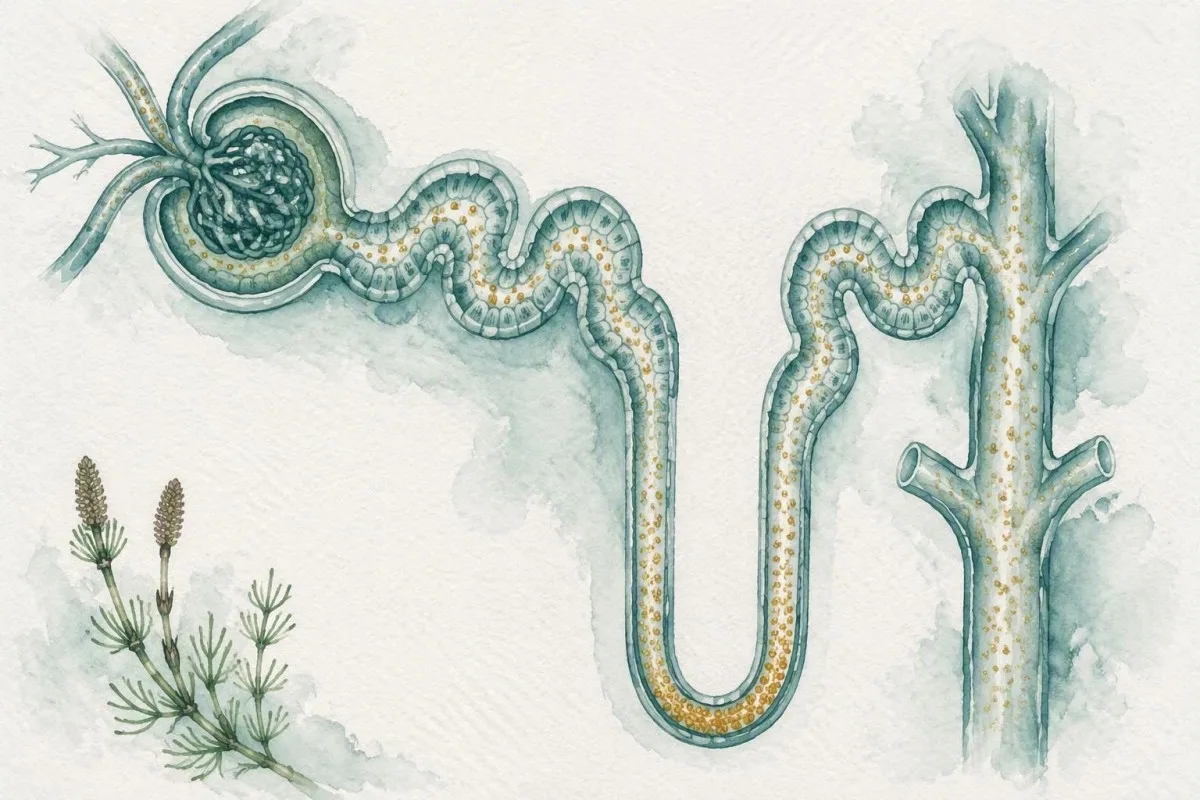
فوسفات ATP ئېنېرگىيە يۆتكىلىشى، ھۈجەيرە پەردىلىرى، سۆڭەك مىنېرالى ۋە قان-ئىچكى قىژىللىقنى ساقلاش ئۈچۈن ئىشلىتىلىدىغان تەنھەركەت مىنېرالى. ياشانغانلاردا ئادەتتە 0.80-1.50 mmol/L (2.5-4.5 mg/dL) ئەتراپىدا بولىدۇ، بالىلار ۋە ئۆسمە ياشلاردا ئۆسۈش سۆڭىكى فوسفاتنى تېز سۈرئەتتە ئالماشتۇرىدىغانلىقتىن يۇقىرى بولىدۇ.
قورساقنى ئاچقاندا ئەتىگەنلىك ئەۋرىشكە بىر قەدەر تەڭپۇڭلۇق نەتىجىگە نىسبەتەن ياخشىراق بولۇشى مۇمكىن، چۈنكى فوسفات كۈندىلىك رىتىمنى ئەگىشىدۇ ۋە كېچىدە ئۆرلەشكە مايىل. كېچىكىپ تاماق يېگەندىن كېيىن ياكى جىددىي تەنھەركەت قىلغاندىن كېيىن 1.55 mmol/L قىممىتى ئۆستۈرۈلگەن قورساقنى ئاچقاندا 1.55 mmol/L دىن پەرقلىق چۈشەندۈرۈلىدۇ؛ بىزنىڭ فوسفات دائىرىسى قوللانمىسى تەجرىبىخانا (laboratory) بەلگىلىرىنىڭ (flags) نېمىشقا context (ئەھۋال-ئارقا كۆرۈنۈش) لازىملىقىنى چۈشەندۈرىدۇ.
كانتېستى بىر AI قان تەكشۈرۈش ئانالىزچىسى . بۇ مەن بىر سىزىلغان سىزىقنى ھۆكۈم قىلىش بىلەن سېلىشتۇرغاندا، كالتسىي، كرېتىن، eGFR، ئالبۇمىن ۋە ئىلگىرىكى نەتىجىلەرگە قارشى فوسفاتنى كۆرسىتىدىغان. بۇ ئەندىزە ئاساس قىلىنغان ئۇسۇل، ئۆلچەملىك ئۆلچەم mmol/L بىلەن mg/dL ئارىسىدا ئوخشىمايدىغان بولسا، ئالاھىدە پايدىلىق.
نېمىشقا ئازراق يۇقىرى فوسفات كېسەللىكى ھەمىشە جىمجىت بولىدۇ
تۆخ ياكى ئالاھىيەتسىز ئىشقارىي سىياسەتنىڭ ئالامەتلىرى ئادەتتە كۆرۈلمەيدۇ, ، چۈنكى ئىشقارىي ئۆزى مۆلچەرلەنگەن سەۋىيىدە ئىشەنچلىك ھالەتنى ساقلاپ قالالمايدۇ. ئالامەتلەر ئاساسلىقى ئىشقارىي ھېسابلاشچان كالتىيمنى تۆۋەنلىتىدىغان، بۆرەك كېسەللىكىگە چېتىشلىق بولىدىغان ياكى تۇيۇقسىز ئۆرلەيدىغان ۋاقىتتا كۆرۈلىدۇ.
ئىشقارىي كالتىي بىلەن باغلىنىشى مۇمكىن، ئەمما ئومۇمىي كالتىي نورمال كۆرۈنۈشى مۇمكىن، ھالبۇكى بىئولوگىيىلىك پائال ھېسابلاشچان كالتىي تۆۋەنلەيدۇ. شۇڭا، مىنېرال تەڭپۇڭسىزلىقنىڭ كلىنىكىلىق جەھەتتىن پائال تەكشۈرۈشىگە قارىغاندا، يېرىم تىكلىنىش، قىسىش ياكى كارپوپېدال ئىسپاسمىغا ئوخشاش بەزى ئالامەتلەر تېخىمۇ پايدىلىق.
پايدىلىق ئەمەلىي پەرقلەندۈرۈش: ھورۇنلۇق، باش ئاغرىقى ۋە مىجەزىنى ساقلاش قاتارلىقلار مەلۇم ئەمەس، شۇڭا 1.58 mmol/L ئىشقارىيغا سەۋەب بولمىلىققا ئۇلاشماستىن. ئۆسمىگە ئەگەشكەن بۆرەك كېسەللىكلىرى بار بىماردا، بۇ خىل ئالامەتلەر قان كەمچىللىكى، قان تومۇر، يۆتەل، دورا ۋە سۇيۇقلۇق ھالىتىنى تېخىمۇ كېڭەيتىپ تەكشۈرۈشنى تەلەپ قىلىدۇ؛ بىزنىڭ تۆۋەن eGFR ئالامەتلىرى قوللانمىسى ئىشقارىيغا قارىغاندا تېخىمۇ ياخشى خەتەر سىگنالىنى كۆرسىتىدۇ.
دوكتور توماس كلایننىڭ يېقىنلىشىشى ئۆزگەردى: ئۆتكۈر كېسەللىك، ئىشقارىي ئىچ كەمەر، سۇسلىشىش، يېڭى D تىپلىق ۋىتامىن داۋالاش، دىئالىز ۋاقتى، ياكى تەجرىبىخانىدىكى خاتالىق. يىللاردىن بۇيانقى مۇقىم نەتىجە 48 سائەت ئىچىدە تۇيۇقسىز ئۆرلەپ كەتكەنگە ئوخشاش داۋالاشقا بولمايدۇ.
ئالامەتلەر ئاساسىي شارائىت بىلەن كەلتۈرۈپ چىقىرىلىشى مۇمكىن
بۆرەك كېسەللىكىنىڭ ئىلغار باسقۇچىدىكى ئىشتىھا تۆۋەنلەش، قېچىش، كۆڭۈل ئېلىش ۋە ئۇخلاش، ئادەتتە يۇقىرى ئىشقارىيغا باغلىنىدۇ، ئەمما ئۇلار ئىشقارىينىڭ ئالاھىدە ئالامەتلىرى ئەمەس. پەقەت رەقەمنى داۋالاش ئاساسىي بۆرەك ۋە مىنېرال-سۆڭەك كېسەللىكىنى قولدىن بېرىپ قويۇشى مۇمكىن.
كالتىي ياكى ئېلېكترولىت كومپىيۇتېرىنىڭ كومپىيۇتېرىنى كۆرسىتىدىغان ئالامەتلەر
مۇسكۇل قىسىش، تىترەش، تىكلىنىش، ئىسپاسم، تۇتۇلۇش ۋە رىتىم ئالامەتلىرى ئەڭ تېز دىققەت قىلىشقا ئەرزىيدىغان يۇقىرى ئىشقارىي ئالامەتلىرى, ، چۈنكى ئۇلار ھېسابلاشچان كالتىيىنىڭ تۆۋەنلىشى ياكى باشقا تەڭشەشچان ئېلېكترولىت تەڭپۇڭسىزلىقىنى كۆرسىتىشى مۇمكىن. يېڭى نېرۋا ئۆتكۈزۈش ئالامەتلىرى ئەزەلدىن ئۆيدە ھالسىز تەكشۈرۈلمەسلىكى كېرەك.
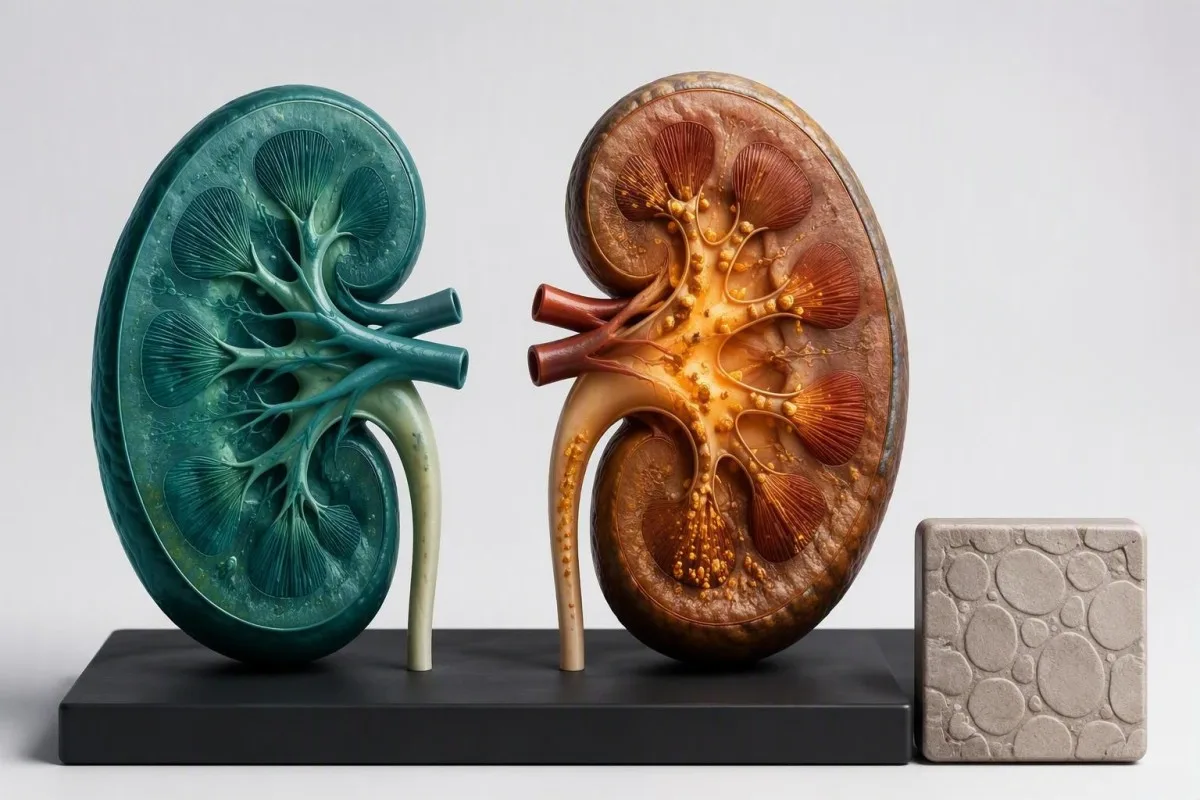
كالتىي كەمچىللىكىنىڭ ئالامەتلىرى ئادەتتە لېۋىيە ياكى بارماقنى تىكلىتىش، قولنى قاتتىقلاشتۇرۇش، پۇتىنى قاتتىقلاشتۇرۇش ۋە يۈزنى تىكلىتىش بىلەن باشلىنىدۇ. ئېغىر گىپوكالتىمىيە ECG دا QT ئارىلىقىنى ئۇزارتالايدۇ ۋە تۇتۇلۇشنى كەلتۈرۈپ چىقىرىدۇ، شۇڭا كلىنىك خادىملىرى نورمال ئومۇمىي كالتىيغا تايانماستىن ھېسابلاشچان كالتىيغا ئېرىشەلەيدۇ؛ بىزنىڭ تۆۋەن كالتىي جىددىي ئالامەتلىرىنى سېلىشتۇرۇڭ.
دىققەت قىلىشقا ئەرزىيدىغان يۈرەك سېزىمى، تېز يۈرەك ياكى ئېتىكىنى تاشلاپ قويۇش سېزىمى پەقەت ئىشقارىينىڭ ئۆزىنىڭ ئىشەنچلىك ئالامىتى ئەمەس، ئەمما پوتاسسىيۇم يەنە ئۆرلىگەندە جىددىي تەكشۈرۈشنى تەلەپ قىلىدۇ. 6.0 mmol/Lدىن يۇقىرى پوتاسسىيۇم ئادەتتە جىددىي ھالەتكە قارشى تۇرۇش كۈچى دەپ قارىلىدۇ، گەرچە ECG ئۆزگىرىشى ۋە ئۆرلىشىنىڭ تېزلىكى بىرلا چەكلىمىدىن مۇھىم.
Kantesti AI قان تەكشۈرۈش نەتىجىسىنى قانداق ئوقۇش نى يۇقىرى ئىشقارىي سەۋىيىسى پوتاسسىيۇم، بېيكاربوننات، كالتىي ۋە ماگنىي قاتارلىق ئېلېكترولىت ئەندىزىسىنى تەكشۈرۈش ئارقىلىق. ECG، تەكشۈرۈش ياكى ئۆتكۈر مۇقىمسىزلىقنى كۆرسىتىدىغان ئالامەتلەرگە قارىغاندا، جىددىي تەكشۈرۈشنى ئالماشتۇرۇشقا بولمايدۇ.
كالتىي-ئىشقارىي مەھسۇلاتى ئۆيدە ھېسابلاش ئەمەس
كلىنىك خادىملىرى بەزىدە ئىلغار CKD دا كالتىي-ئىشقارىي يۈكىنى ئويلايدۇ، ئەمما زامانىۋى داۋالاش قارارى بىر مەھسۇلات چەكلىمىسىگە تايانمايدۇ. KDIGO 2017-يىلدىكى CKD-MBD يېڭىلاش گۇرۇپپىسى تەۋسىيە قىلىدىغان، بىر خىمىيىلىك نىشاننى ئەمەس، بەلكى ئىشقارىي، كالتىي ۋە پاراتىروئىد ھورمىنىنى بىرلا ۋاقىتتا قايتا-قايتا باھالاشقا تايىنىدۇ.
قاچان بۆرەك كېسەللىكى ئەڭ مۇمكىن بولغان سەۋەب
ئۆسمىگە ئەگەشكەن بۆرەك كېسەللىكى ياشلاردا ئۇزۇنغا سوزۇلغان يۇقىرى ئىشقارىينىڭ ئەڭ كۆپ ئۇچرايدىغان سەۋەبى, ، چۈنچۈك فۇنكسىيەسى بار بۆرەكچە ئىشقارىينى چىقىرىپ تاشلايدىغانلىقتىن GFR تۆۋەنلەيدۇ. FGF23 ۋە پاراتىروئىد ھورمىنى بىر مەزگىلگە قەدەر ئۆتىگەندە، كېيىنكى CKD غىچە سەۋىيىسى نورمال قالىدۇ.
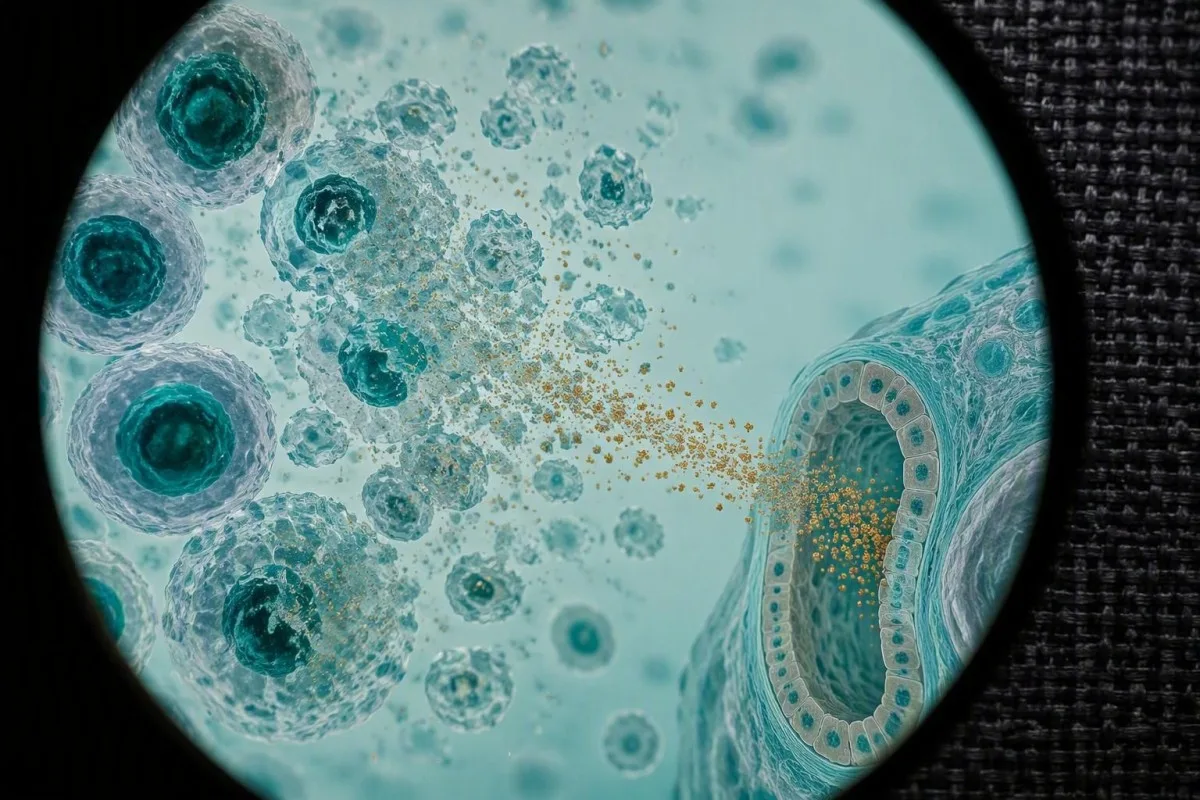
ئىشقارىي ئادەتتە eGFR 30 ml/min/1.73 m² تۆۋەنلەپ كەتكەندە تېخىمۇ روشكەن ھالدا ئۆرلەيدۇ، گەرچە شەخسىي ۋاقتى يىمەك-ئىچمەك، قالدۇق بۆرەك فۇنكسىيەسى، پاراتىروئىد ھورمىنى ۋە دىئالىزغا باغلىق. KDIGO نىڭ 2017-يىلدىكى CKD-MBD يېڭىلاش قوللانمىسى CKD دا يۇقىرى ئىشقارىينى نورمال دائىرىگە يېقىنلاشتۇرۇشنى تەۋسىيە قىلىدۇ، بۇ نورمال نەتىجىنى ئالدىنى ئېلىش داۋالاش بىلەن ئەمەس، بەلكى قايتا-قايتا ئۆلچەش ئاساسىدا (KDIGO CKD-MBD يېڭىلاش گۇرۇپپىسى، 2017).
دىئالىز كۆڭۈل بۆلۈشىدە، دىئالىزدىن بۇرۇنقى ئىشقارىي رەقەمى ئاخىرقى جىددىي ھالەتتىن بېرى يىراقلىققا ۋە ئەۋرەكنى داۋالاشتىن بۇرۇن ياكى كېيىن ئېلىنغانغا باغلىق. جىددىي ھالەتنى قولدىن بېرىش، ئىچ قېتىش، ياخشى ياكى قىسقا ۋاقتى، ياكى يېقىنقى يىمەك-ئىچمەك ئۆزگىرىشى ئىشقارىينى كۆرۈنەرلىك ئۆزگەرتەلەيدۇ، بۇ دائىملىق يېڭى بازارنى كۆرسەتمەي تۇرۇپ؛ كۆرۈڭ CKD سەۋىيىلىرىگە ئومۇمىي كۆزەت.
كانتېستى بىر AI بىئوماركر ئىزاھلاش سۇپىسى بۇ دوكلاتلاردا فوسفات ۋە eGFR يۈزلىنىشىنى كۆرسىتەلەيدۇ، كېسەللىك ئۆز-ئۆزىنى تەكشۈرۈشتىن بۇرۇن كېسەللىرىنىڭ داۋاملىق ئەندىزىسىنى بايقاشقا ياردەم بېرىدۇ. يۈزلىنىشنى تەكشۈرۈش پايدىلىق، ئەمما دىيالىز پروگراممىلىرى ۋە فوسفات باغلىغۇچىلار تېرە گۇرۇپپىسىدا ساقلىنىشى كېرەك.
يۇقىرى فوسفات CKD نىڭ ئىسپاتى ئەمەس
نورمال كرىياتىنى ھەر قانداق بۆرەك مەسىلىسىنى ئۆز ئىچىگە ئالمايدۇ، گەرچە بىر قېتىم يۇقىرى فوسفات نەتىجىسى CKD نى دىياگنوز قىلالمايدۇ. CKD ئاز دېگەندە 3 ئاي داۋاملاشقان بۆرەك نورمالسىزلىقىنىڭ ئىسپاتىنى تەلەپ قىلىدۇ، بۇ ئادەتتە eGFR ۋە سۈيدۈك ئالبۇمىن نەتىجىلىرى بىلەن ئىزاھلىنىدۇ.
تېز فوسفاتنىڭ كۆتۈرۈلۈشى: ھۈجەيرە پارچىلىنىشى ۋە جىددىي ئەھۋال
فوسفاتنىڭ تېز ئېشىشى نۇرغۇن ھۈجەيرىلەر بىرلا ۋاقىتتا پارچىلىنىپ كەتسە خەتەرلىك بولىدۇ, ، ھۈجەيرە ئىچىدىكى فوسفات، كالىي، ئۇرات ۋە يادرولۇق كىسلاتالارنى قان ئايلىنىشىغا قويۇپ بېرىدۇ. بۇ ئەندىزە خىمو-تىراپىيەدىن كېيىن، ئېغىر چۈشكۈنلۈك زەخىملىنىش ياكى چوڭ توقۇما زەخىمىدە ئەڭ كۆپ كۆرۈلىدۇ.
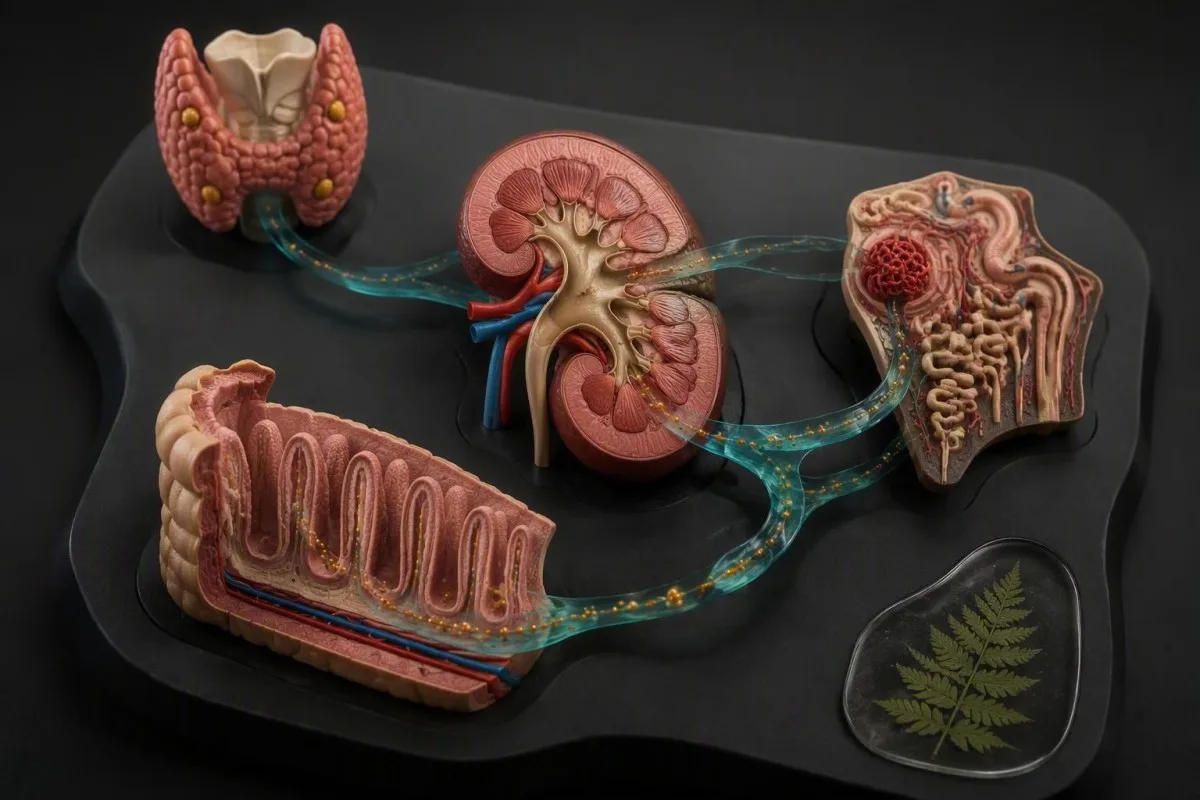
قان تومۇرى لىس سىندىروپى ئادەتتە راكنى داۋالاش ئەتراپىدا باھالاپ، بولۇپمۇ يۇقىرى مىقداردىكى قان راكىدا كۆرۈلىدۇ، ئەمما ئۇ بەزىدە ئۆزلۈكىدىن كۆرۈلۈشى مۇمكىن. كاير-بىشاپ تdefinitions 1.45 mmol/L (4.5 mg/dL) ياكى ئۇنىڭدىن يۇقىرى فوسفاتنى ياكى تىپىك ئۆزگىرىش 25% غا باراۋەر دەپ قارايدۇ، بۇ ئۇرات، كالىي، كالتسىي، ۋاقىت ۋە كلىنىكىلىق قىيىنچىلىقلار (كايرى ۋە بىشاپ، 2004) بىلەن ئىزاھلىنىدۇ.
خىمو-تىراپىيەگە دۇچ كەلگەن، قۇسۇش، ئىمىنىيەتسىزلىك، سۈيدۈك ئېشىشى، يۈرەك سىلكىنىش ياكى چۈش كۆرۈش ئەندىشىسى بار چوڭلار فوسفاتنى يېمەك-ئىچمەك ئارقىلىق تۆۋەنلەشكە تىرىشىشتىن بۇرۇن جىددىي باھالاشنى تەلەپ قىلىشى كېرەك. خەتەرلىك مەسىلە بىرلەشمە مېتابولىزم كاسكىدى - ھىپركالېمىيە، ئۆتكۈر بۆرەك زەخىمى ۋە ھىپوكالتسېمىيە - پەقەت فوسفات قىممىتىلا ئەمەس.
باشقا ئۆتكۈر سەۋەبلەر رابدومىيولىز، ئېغىر ھېمۇلىزم، چوڭ كۆيۈش ۋە فوسفات ئۆز ئىچىگە ئالغان ئۈچەي تەييارلىقى ياكى قوۋۇقنى ئۆز ئىچىگە ئالىدۇ. يېڭى ئېغىر مۇسكۇل ئاغرىقى ۋە قاراڭغۇ سۈيدۈك يېنىك مەشقتىن كېيىن كراتىنىن كىنازا، كرىياتىنىن، كالىي ۋە فوسفاتنى تېز سىناققا ئىگە بولۇشنى تەلەپ قىلىدۇ؛ بىزنىڭ يۇقىرى CK خەتىرىدىن ساقلاندۇرۇش قوللانمىسى بۇ ئايرىم، ئەمما مۇناسىۋەتلىك خەتەرنى ئۆز ئىچىگە ئالىدۇ.
نېمىشقا سىملار كېچىكىپ كېلىشى مۇمكىن
لاپاس ئۆزگىرىشى سىملاردىن نەچچە سائەت بۇرۇن يۈز بېرىشى مۇمكىن، بولۇپمۇ راكنى داۋالاشتىن كېيىن. بۇ ئونكولوگىيە گۇرۇپپىلىرىنىڭ بىمارلار ئاغرىق ھېس قىلىشنى ساقلاپ ئۆزگەرگەن خىمىيىلىك تاختىلارنى قاتتىق تەكشۈرۈشىنىڭ بىر سەۋەبى.
ھورمون، ۋىتامىن D، ۋە سۆڭەك سەۋەبلىرىنى ئويلىنىش
تۆۋەن پاراتىروئىد ھورممونى ۋە يۇقىرى ئاكتىپ ۋىتامىن D پائالىيىتى فوسفاتنى ئاشۇرالايدۇ, ، چۈنكى ھەر ئىككىسى نورمالدا بۆرەك فوسفات بىر تەرەپ قىلىش ۋە ئۈچەي سۈمۈرۈلۈشىنى تەسىر قىلىدۇ. بۇ سەۋەبلەر CKD غا قارىغاندا ئاز ئۇچرايدۇ، ئەمما بۆرەك فۇنكسىيەسى ساقلانغاندا مۇھىم.

ھىپوپاراتىروئىدىزم ئادەتتە تۆۋەن كالتسىي، يۇقىرى فوسفات، تىكلىنىش، قىسىلىش ۋە بەزىدە بوغماي.
ۋىتامىن D زەھەرلىنىشى ئادەتتە يۇقىرى كالتسىيغا قارىغاندا يۇقىرى فوسفاتنى پەيدا قىلىدۇ ، ئەمما كالتسىيول ۋە ئۇنىڭغا قوشۇمچە ۋىتامىن D دورىلىرى ھەر ئىككىسىنى كالتسىي ۋە فوسفاتنى ئاشۇرالايدۇ ، بولۇپمۇ CKD دا. زاكاز قىلىنغان كالتسىيولنى دوختۇرنىڭ كۆرسەتمىسىز جىددىي توختاتماڭ ، ئەمما قوشۇمچە يېمەكلىكلەر ۋە دورا مىقدارىنىڭ ئۆزگىرىشىنى توغرا خەۋەر قىلىڭ. يۇقىرى ۋىتامىن D كېسەللىك سىنىپى ئاگاھلاندۇرۇش ئەندىزىسىنى چۈشەندۈرىدۇ.
ئاز ئۇچرايدىغان ئىرسىيەت بىرەيلەن فوسفاتنى بىر تەرەپ قىلىش قالايمىقانچىلىقى بار ، ئەمما ئۇلار يېقىنقى چىققان قۇرامىغا يەتكەنلەرنىڭ نەتىجىسىنىڭ بىرىنچى چۈشەندۈرۈشى ئەمەس. مېنىڭ تەجرىبەم بىز سىناق قىلىشنى سىناشتىن ياخشى چۈشەندۈرىدۇ.
سۆڭەك ئايلىنىشى قان فوسفاتى بىلەن ئوخشاش ئەمەس
سۆڭەك سۇنۇش ياكى يۇقىرى ئالkaline فوسفاتاز سۆڭەك سۇنۇشى يۇقىرى فوسفاتنى ئاپتوماتىك چۈشەندۈرمەيدۇ. سۆڭەك مېتابولىزمى دىنامىك ، ئەمما قان فوسفاتى ئاساسلىقى بىرەيلەننىڭ قويۇپ بېرىشى ۋە ھورمونلۇق سىگناللار بىلەن باشقۇرىدۇ. سۆڭەك سۇنۇشىدىن كېيىن ALP چۈشەندۈرۈشى.
يېمەك-ئىچمەك، قوشۇمچە، تولۇقلاش، ۋە دورىلار
نورمال بىرەيلەنلەرنىڭ تۇرمۇشىدا يۇقىرى فوسفاتنى ساقايتىدىغان يېمەكلىك ئاز, ، چۈنكى ساغلام بىرەيلەنلەر يۇقىرى ئىستېمالدىن كېيىن فوسفات قويۇپ بېرىشنى ئاشۇرىدۇ. پىششىقلاپ ئىشلەنگەن يېمەكلىك فوسفات قوشۇمچە يېمەكلىكلىرى ، كولا تىپىدىكى ئىچىملىكلەر ۋە قوشۇمچە يېمەكلىكلەر بىرەيلەننىڭ بىرەيلەننىڭ قوبۇل قىلىشى تۆۋەنلىگەندە مۇھىم.
ياڭا ، يېڭى ، تولۇق دان ، سۈت مەھسۇلاتلىرى ، بېلىق ۋە گۆش كۆلىمىدىكى فوسفاتنى قوبۇل قىلىش مىقدارى ئوخشىمايدۇ. ئۆسۈملۈك فىتان فوسفاتى ئادەتتە قوشۇمچە فوسفاتتىن قوبۇل قىلىشچان. ئىلغار CKD دا ، كلىنىك خادىملىرى دائىم ئاددىي ئوزۇقلۇق ئاقسىللىق يېمەكلىكلەرنى چىقىرىۋېتىشتىن بۇرۇن يۇقىرى قوبۇل قىلىشچان قوشۇمچە يېمەكلىكلەرگە ئەھمىيەت بېرىدۇ.
فوسفات بار ھەزىم قىلىش ۋاسىتىلىرى ، ھەيز ئىچىملىكى ۋە بوغۇمىنى تەييارلاش ياشانغانلار ، CKD بىلەن كىشىلەر ۋە بىرەيلەننىڭ قۇۋۋىتىنى تەسىر قىلىدىغان دورىلارنى ئىستېمال قىلىدىغانلاردا خەتەرلىك ئۆتكۈر فوسفاتنى كەلتۈرۈپ چىقىرىشى مۇمكىن. كولونوسكوپىيە تەييارلىقى تاللانغاندىن بۇرۇن ACE ئىنگىبىتورلىرى ، ARBs ، دىيورېتىكلار ، NSAIDs ، ۋىتامىن D مەھسۇلاتلىرى ۋە بارلىق سېتىۋېلىشقا بولىدىغان تەييارلىقلارنى دوختۇرغا خەۋەر قىلىڭ.
بىرلا نەتىجىنى توردا ئوقۇغاندىن كېيىن كالتسىيغا ئاساسلانغان فوسفاتنى باغلاش دورىسىنى باشلىماڭ. KDIGO ياشانغانلارغا فوسفاتنى تۆۋەنلىتىدىغان داۋالاشنى قوبۇل قىلىدىغانلارغا كالتسىيغا ئاساسلانغان باغلاش دورىسىنى چەكلەشنى تەۋسىيە قىلىدۇ ، بۇ قىسمەن ئاكتىپ كالتسىي مىقدارى ۋە قان تومۇر يۈزلىنىشى CKD (KDIGO CKD-MBD يېڭىلاش خىزمەت گۇرۇپپىسى ، 2017) دىكى ھەقىقىي ئەندىشىلەر. بىرەيلەن قوشۇمچە يېمەكلىك بىخەتەرلىك رەھبىرى ئەمەلىي ئىشلارنى قوشىدۇ.
خەت نىشانىنى ئوقۇڭ ، خەت نىشانىنى ئوقۇڭ
فوسفور كىسلاتاسى ، فوسفات ، كۆپ فوسفات ۋە پىرو فوسفات قاتارلىق قوشۇمچە ئىنگرېدىئېنتلارنى بىر تەرەپ قىلغۇچىنى ئىشلەتكىلى بولىدۇ ، گەرچە بەلگىلەر خەلقئارالىق بولۇپمۇ ئوخشىمايدۇ. بىر بىرەيلەن دىيېتولوگى ئوزۇقلۇق ، كالتسىي ۋە مەدەنىي يېمەكلىك تاللاشلىرىنى ساقلاپ قالالايدۇ ، شۇنىڭ بىلەن بىر ۋاقىتتا ئەڭ يۇقىرى مەنبەنى ئازايتىدۇ.
فوسفات نەتىجىسى يالغانچىلىق قىلالامدۇ؟
يالغانچىلىق بىلەن يۇقىرى فوسفات نەتىجىسى ئەگەر مىسال ھېمىلىي بولسا, ، چۈنكى ھۈجەيرە پارچىلىرى فوسفاتنى ئۆز ئىچىگە ئالىدۇ ، ئۇلار توپلىغاندىن كېيىن قان ياكى قانغا ئۆتۈشى مۇمكىن. ھەيران قالارلىق نەتىجىنى چوڭ داۋالاشتىن بۇرۇن تەكرارلاش كېرەك ، ئەگەر سىنىپ ۋە مۇناسىۋەتلىك anomalies تەلەپ قىلىدىغان بولسا.
تەجرىبىخانىلار ھېمىلىينى دائىم بەلگە قىلىدۇ ، ئەمما ھەر بىر مىسال توسالغۇنى ھەر بىر كىشىلىك كۆرسەتمىگە ئايلاندۇرمايدۇ. كېچىكىپ ئايرىلىش ، قىيىن توپلاش ، ئۇزۇن ۋاقىت تورنىكېت ۋاقتى ياكى قاتتىق توشۇش خىزمىتىنى ئۆزگەرتىدۇ ، ھەمدە رېئال پاكىتلىق مىسال نادان كېسەللىكنىڭ چوڭ تەكشۈرۈشىدىن پايدىلىق بولىدۇ.
ھەر خىل ھەر خىل قان ، قان يۈزلىنىشى ياكى بەزى سىناق توسالغۇلىرى بىلەن تەڭ يۇقىرى فوسفاتنى ئاشۇرۇشى مۇمكىن ، گەرچە ئۇ ئاز ئۇچرايدىغان بولسىمۇ. ئەگەر فوسفات كالتسىي ، بىرەيلەننىڭ فۇنكىتسىيىسى ، كلىنىك ھالىتى ۋە رېئال نەتىجى بىلەن بىرگە بولسا ، تەجرىبىخانىنىڭ ئانالىتىك توسالغۇنى تەكشۈرەلەمدىگەنلىكىنى سوراپ بېقىڭ. ھېمىلىدىن كېيىن تەكرار سىنىپ رەھبىرى بىر قايتا سىزىشنىڭ نېمىلەرنى ئېنىقلايدىغانلىقىنى چۈشەندۈرىدۇ.
Kantesti AI كېيىنكى تەكشۈرۈش ئۈچۈن ئوخشاش بولمىغان نەتىجىلەرنى سىنايدۇ ، ئەمما بىر قىممەت ھەقسىز كۆرۈنگەنلىكى ئۈچۈن يۇقىرى فوسفات نەتىجىسىنى زىيانسىز دەپ بەلگە قىلمايدۇ. ئەڭ بىخەتەر قائىدە ئاددىي: يېقىنقى ئۆتكۈر نەتىجىنى تەكرارلاڭ ، ئەگەر سىنىپ ياكى بىرەيلەننىڭ كۆرسەتكۈچى خەتەرلىك بولسا دەرھال كۆتۈرۈڭ.
قايتا سىناشتىن بۇرۇن سۇيۇقلاشماڭ
ئۆزىڭىزنى ئادەتتىكى ھايدا ئاپىرىڭ، ئەگەر كېسەللىك باشقۇرغۇچىڭىز باشقىچە بۇيرۇق بەرمىگەن بولسا، ۋە ئۇنىڭدىن بۇرۇنلا ئالاھىدە ئېغىر چېنىقىشتىن ساقلىنىڭ. تۇنجى دوكلاتنى ئېلىپ كېلىڭ، شۇنداق بولغاندا تەجرىبىخانا ۋە كېسەللىك باشقۇرغۇچى ئۇسۇل، ئەۋلەك سۈپىتى ۋە ۋاقتىنى سېلىشتۇرالايدۇ.
كلىنىكلار سەۋەبىنى تېپىشتا ئىشلىتىدىغان تەكشۈرۈشلەر
يۇقىرى فوسفات ئۈچۈن تۇنجى داۋالاش گۇرۇپپىسىغا ئادەتتە فوسفات، كالتسىي، ئالبومىن، كرېئېئاتىنىن/eGFR، كالىي، بېيكارمونات، ماگنىي، ۋە بەزىدە ئېنىق كالتسىي قاتارلىقلارنى تەكرارلاش كىرسىدۇ. توغرا قوشۇمچە تەكشۈرۈشلەرگە زەنجىرسىمان بۆرەك كېسەللىكى، تۆۋەن PTH، ئۆلچەملىك ھۈجەيرە پارچىلىنىشى، ياكى تەجرىبىخانا خاتالىقىنىڭ بار-يوقلۇقىغا باغلىق.
PTH، 25-ھىدروكسىۋىتامىن D، ئىشقارلىق فوسفاتاز، ۋە ئىچ سۈيىدىكى فوسفات ھورمونلۇق سەۋەبلەرنى بۆرەك سەۋەبلىرىدىن پەرقلەندۈرۈشكە ياردەم بېرىدۇ. تاللانغان ئەھۋاللاردا، كېسەللىك باشقۇرغۇچىلار بۆرەك سۈزگۈچ فوسفاتنى قايتا سۈمۈرۈشنى باھالايدۇ، ئەمما بۇ توغرىمۇ-توغرا بولمىغان ئۆتكۈر كېسەللىك جەريانىدا ياكى قان سۇيۇقلۇقى نەتىجىسىنى ئىسپاتلاش ئارقىلىق پايدىلىق بولمايدۇ.
بۆرەك ئىقتىدارى تۆۋەنلەش كۆرۈلگەن بولسا، ئىچ سۈيىدىكى ئالبومىن-كرېئېئاتىنىن نىسبىتى، ئىچ سۈيىنى تەكشۈرۈش، قان بېسىمى، دورا تەكشۈرۈش، ۋە بۆرەك رەسىملىرى پەقەت فوسفاتنى تەكرارلاشتىن كۆپرەك پايدىلىق بولۇشى مۇمكىن. كرېئېئاتىنىننى مۇسكۇل بوشلۇقى، تاماق، ھايدا، ۋە يېقىنقى چېنىقىش جەريانىدا چۈشەندۈرۈش كېرەك؛ بىزنىڭ BUN ۋە كراتىن يېتەكچىمىز.
Kantesti نىڭ نېرۋا تورى مىنېرال، بۆرەك، ۋە كىسلاتا-ئىشقار نەتىجىلىرىنى تۇراقلىق سوئال تىزىملىكىگە توپلايدۇ. Kantesti بولسا AI ئارقىلىق قوزغىتىلغان قان تەكشۈرۈش تەھلىل قورالى تەجرىبىخانا ئەندىزىلىرىنى چۈشىنىشنى قوللاش ئۈچۈن لايىھەلەنگەن، ھىپوپاراتىروئىدىزمنى دىياگنوز قويۇش ياكى داۋالاشنى تەۋسىيە قىلىش ئۈچۈن ئەمەس.
تولۇق تىزىملىكنى ئېلىپ كېلىڭ
دورىلارنىڭ، قوشۇمچە مەھسۇلاتلارنىڭ، ئاشقازان دورىلىرىنىڭ، ئاقسىل پاراشوكلارنىڭ، ئىچ سۈرۈشنىڭ، ۋە ئىچ ئاغرىتىشنىڭ ئېنىق ئىسمى ۋە مىقدارىنى ئۆز ئىچىگە ئالىدۇ. بۆرەك داۋالاشتا، بىر مەھسۇلاتنىڭ قۇرۇلۇشى ئۇنىڭ ماركا تۈرىگە ئوخشاش مۇھىم بولىدۇ.
كلىنىكلار فوسفاتنى قانداق قىلىپ بىخەتەر تۆۋەنلىتىدۇ
داۋالاش پەقەت رەقەمنى تېزلىتىش ئورنىغا يۇقىرى فوسفاتنىڭ سەۋەبىنى نىشان قىلىدۇ. ئۆتكۈر ئېغىر گىپېر فوسفاتېمىيە ئۆتكۈر سۇيۇقلۇقى، تۆۋەن كالتسىي ياكى يۇقىرى كالىي، فوسفات باغلىغۇچىلىرى، ۋە بەزىدە دوختۇرخانا نازارىتى ئاستىدا دىيالىزنى تەلەپ قىلىشى مۇمكىن.

CKD ئۈچۈن، داۋالاش ئادەتتە يېمەك-ئىچمەك مەسلىھەتلىرى، دىيالىزنىڭ ئەھمىيىتىنى ياخشىلىش (ئەگەر مۇناسىۋەتلىك بولسا)، ۋە تاماق بىلەن بىللە قوبۇل قىلىنغان فوسفات باغلىغۇچىلىرىنى ئۆز ئىچىگە ئالىدۇ. باغلىغۇچى تاللاشى ئۆزىگە خاس: كالتسىي ئۆز ئىچىگە ئالغان ۋاكالەتچىلەر، سېۋېلايېر، لانتان، تۆمۈر ئاساسىدىكى ۋاكالەتچىلەر، ۋە باشقىلارنىڭ ئوخشىمىغان يان تەرەپلىرى، دورا قاچىلاش، تەننەرخى، ۋە كالتسىي تەسىرى بار.
تاماقتىن ئايرىم فوسفات باغلىغۇچىنى ئەزەلدىن قوبۇل قىلماڭ ۋە ئوخشاش نەتىجىنى ساقلىماڭ؛ ئۇ ئاشقازاندا تاماقتىكى فوسفاتنى باغلاش ئارقىلىق ئىشلەيدۇ. تەتۈرىي، قوشۇمچە مىقدارنى قوبۇل قىلماق سۈرۈش، دىيافورا، كالتسىي قالايمىقانچىلىقى، ياكى لېۋوثيروكسىن ۋە بەزى ئانتىبىئوتىكلارغا ئوخشاش دورىلار بىلەن ئۆز-ئارا تەسىر قىلالايدۇ.
مەن تەكشۈرگەن 52 ياشلىق بىمارنىڭ راھەت تۇرمۇشىغا قارىماي فوسفاتى 1.92 mmol/L ئىدى؛ مەسىلە ھەر بىر باغلىغۇچىنى ھەزىم قىلماسلىق ئۈچۈن تاماقتىن ئىككى سائەت كېيىن قوبۇل قىلىش ئىدى. يېمەك-ئىچمەكنى رادىكال چەكلىمەي، بۆرەك پارماكچىسى بىلەن ۋاقتىنى تەڭشەش - بىخەتەر ۋە تېخىمۇ ئىمكانىيەتلىك ئۇزۇن مۇددەت پىلاننى ئىشلەپ چىقاردى؛ بىزنىڭ بۆرەك يېمەك-ئىچمەك سۈنئىي ئەقىل بىخەتەرلىك ماقالىسى نېمىشقا يېمەك-ئىچمەك كۆرسەتمىسىنىڭ كلېنىكىلىق نازارەت قىلىنىدىغانلىقىنى چۈشەندۈرىدۇ.
تېز تۈزەش خەتەرلىك بولۇشى مۇمكىن
ھىپوكالتسېمىيەنىڭ simptomlarını dałaış kalsiy talap qılış mümkin, lekin kalsiyning o'zboshimchalik bilen berilishi, fosphat juda yuqarı bolğanda kalsiy-fosphat cho'kmiligi xavfini arturıshı mümkin. G'eyri-adiy këlīnïkçilər bu xavfqa qarshi te'zda neyromuskul yashashni tenglashturıdı, takrar natijelər we EKG nazareti.
بالىلار، ھامىلدارلىق، ۋە دىيالىز: ئوخشىمىغان قائىدىلەر
بالىلاردا ئادەتتە فوسفات مىقدارى چوڭلاردىنمۇ يۇقىرى بولىدۇ، ھەمدە دىيالىز بىمارلىرى ئۆزىگە خاس نىشانلارنى ۋە ۋاقتىغا قاراپ چۈشەندۈرۈشنى تەلەپ قىلىدۇ. 45 ياشلىق بىر ئادەم ئۈچۈن يۇقىرى رەقەم يېڭى تۇغۇلغان بوۋاقتىكى نورمال ھالەتتە بولۇشى مۇمكىن، شۇنىڭ بىلەن بىر ۋاقىتتا، دىيالىز بىمارىدىكى ئوخشاش رەقەم داۋالاشنى تەكشۈرۈشنى تەلەپ قىلىشى مۇمكىن.
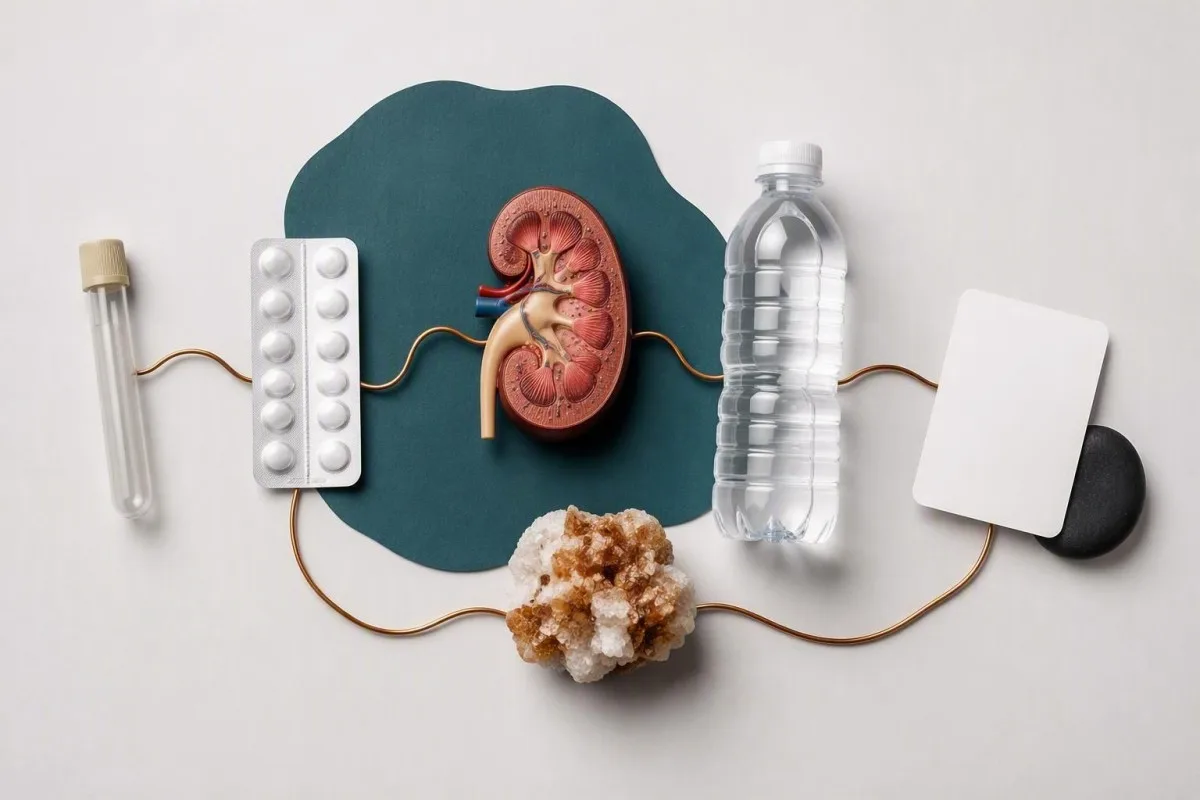
بالىلارغا ئىشلىتىلىدىغان دائىرىلەر ياشقا ۋە تەجرىبىخاناغا قاراپ زور دەرىجىدە ئوخشىمايدۇ، ھەمىشە بوۋاقلىق ۋە ئۆسۈش دەۋرىدە چوڭلارنىڭ يۇقىرى چېكىدىن ئېشىپ كېتىدۇ. ئاتا-ئانىلار بالىنىڭ يېشىغا ماس كېلىدىغان دائىرىنى ئىشلىتىشى كېرەك، چوڭلارنىڭ توردا چىققان مىقدارىنى ئەمەس؛ تاماق يېمەسلىك، ھالىتىزلىق، قۇسۇش، ياكى تىترەش بىلەن بىللە كەلگەن يۇقىرى فوسفات يەنىلا تېزدىن بالىلارنى كۆزىتىشنى تەلەپ قىلىدۇ.
ھامىلدارلىق بۆرەك سۈزۈلۈشى ۋە مىنېرال مېتابولىزمنى ئۆزگەرتىشى مۇمكىن، ئەمما فوسفات ھامىلدارلىقنىڭ خىرىسلارنى تەكشۈرۈش ئۈچۈن مۇستەقىل سىناق ئەمەس. دائىملىق قۇسۇش، سۈيۈك مىقدارىنى ئازايتىش، باش ئاغرىش، كۆرۈش ئۆزگىرىشى، ياكى ئىششىق قاتارلىقلارنى تولۇق كلېنىكىلىق رەسىملەرگە ئاساسەن تەكشۈرۈش كېرەك، فوسفاتقا باغلىماي.
dialysisغا بولغان كىشىلەر ئۈچۈن, dialysisدىن بۇرۇنقى نەتىجىنى dialysis مۇساپىسىنىڭ كۈنى, تاشلىۋېتىلگەن sessionلار, قالدۇق سۈيدۈك چىقىرىش, ۋە binder نى چىڭ تۇتۇش بىلەن چۈشەندۈرۈش كېرەك. Kantesti x نىۋا سۆزلىشىش بىلەن قوللايدۇ, بىزنىڭ داۋالاش مەسلىھەتچىلەر ھەيئىتى تاشقى مۇھىت كوماندىنىڭ خاسلاشتۇرۇلغان داۋالاش نىشانىنى تىكلەيدىغانلىقىنى تەكىتلەيدۇ.
قېرىلارنىڭ دورا تەكشۈرۈشىگە موھتاج
قېرىلار فوسفات بار ئۈچەي مەھسۇلاتلىرى ۋە سۇيۇقسىزلىق ياكى دورا ئالماشتۇرۇشدىن كېلىپ چىققان ئۆتكۈر بۆرەك زەخملىنىشىدىن ناھايىتى كۆپ زىيانكەشلىككە ئۇچرايدۇ. ئابونېنتتىن كېيىنكى دورا تەكشۈرۈشى دائىم ئاشقۇن يىمەك-ئىچمەك ئۆزگەرتىشتىن پايدىلىق.
كېيىنكى كلىنىكىلىق تەكشۈرۈش ئۈچۈن يىغىنغا نېمە قىلىش كېرەك
سۇس, سىملىق بولمىغان يۇقىرى فوسفات سەۋىيىسى ئۈچۈن, قايتا تەكشۈرۈشنى تەرتىپلەپ, تۇيۇقسىز يىمەك-ئىچمەك ياكى تولۇقلىما بېرىش ئۆزگەرتىش ئورنىغا مىقدارنى ئېلىپ كېلىڭ. ئەڭ پايدىلىق تەپسىلاتلار ۋاقتى, تۇنجى تۈكۈرۈك, سۇيۇقلۇق, كېسەللىك, چېنىقىش, دورا, بۆرەك تارىخى, ۋە ئىلگىرىكى نەتىجىلەر.
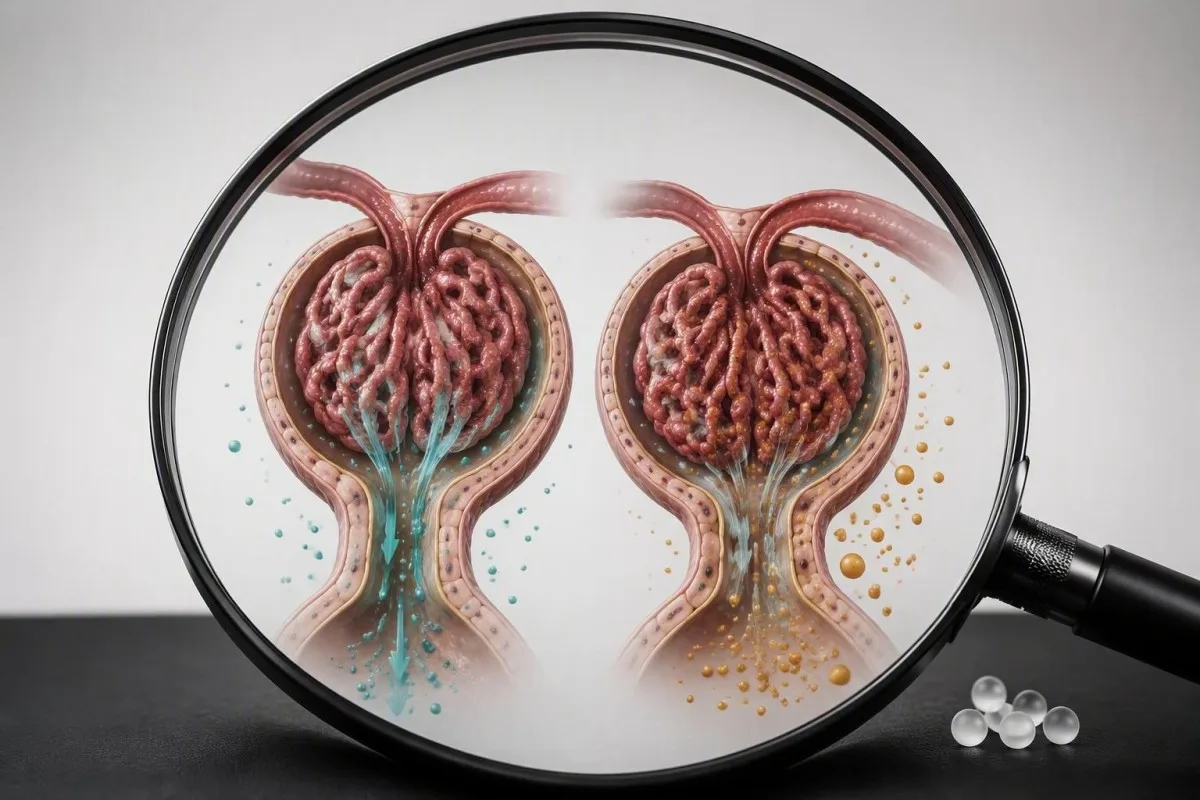
ئۆزىڭىزدە ئۈچەي تەييارلىقى, قورامىقى, لېكسىيە, خىموگېن, چوڭ چېنىقىش, قۇسۇش, ياكى ئالدىنقى 7 كۈن ئىچىدە dialysisنى تاشلىۋەتتىمۇ يازغان. ھەقىقىي فوسفات قوراللىرى ۋە زىيارەت دائىرىسىنى تەلەپ قىلىڭ, چۈنكى 1.8 mmol/L ۋە 1.8 mg/dL نۇپۇسى ھەقىقىي ئوخشىمىغان كلىنىك قىممەتلەر.
شۇ يەردىن كەلگەن كالتسىي, ئالبۇمىن, كرېئېنىن, eGFR, كاۋا, بېكارت, ۋە ماگنىي توپلىمىنىڭ كۆپەيگەن نۇسخىلىرىنى تەلەپ قىلىڭ. دوختۇر ئادەتتە بۇ توپتىن فوسفاتدىن كۆپرەك ئۆزىگە باغلىق بولىدۇ; بىزنىڭ ئېلېكترو لىت (تۇز) تەكشۈرۈش تاختىسى چۈشەندۈرۈشىمىز كۆپ ئۇچرايدىغان بىرىكمىلەرنى كۆرسىتىدۇ.
2026-يىلى 9-ئاينىڭ 12-كۈنىدىن باشلاپ, ئاز بولمىغان كىچىك يۇقىرى كۆتۈرۈلگەن كىچىك ياشتىكى كىشىلەرنىڭ كۈنلەردە, ئايلاردىن كېيىن ئەمەس, ئۆزلىرىنىڭ ئادەتتىكى كلىنىك خادىمىغا تېلىفون قىلىشىنى تەۋسىيە قىلىمەن. ئەگەر دوكلاتنى ئوقۇش قىيىن بولسا, Kantesti نىڭ كلىنىك جەزملەشتۈرۈش ئۇسۇلى بىزنىڭ AI سۈزگۈچى قىممەتلەرنى ۋە سۈزگۈچىگە سېلىشتىن بۇرۇنقى مۇزاكىرە ئۈچۈن قىممەتلەرنى ۋە سۈزگۈچىنى قانداق تەشكىللەيدىغانلىقىنى چۈشەندۈرىدۇ.
Ebibuuzo ebikozesa
نەتىجىنىڭ قايتا تەكشۈرۈلگەنلىكىنى, ئەۋلادنىڭ ھەملىك بولغانلىقىنى, كالتسىينىڭ تۈزەلگەن ياكى ئىئونلۇق بولغانلىقىنى, ۋە بۆرەك فۇنكىسىيەسىنىڭ بازىدىن ئۆزگەنگەنلىكىنى سوراڭ. بۇ تۆت سوئال دائىم خاتا خاتىرجەم بولۇشتىن ۋە زىيانسىز ھەددىدىن ساقلايدۇ.
يۇقىرى فوسفات نەتىجىسى ئۈچۈن ئالامەت بىلەن باشلايدىغان پىلان
كۆپىنچە كىشىلەر سۇس يۇقىرى فوسفاتنى ھېس قىلمايدۇ ۋە جەزملەشتۈرۈش ۋە سەۋەبىگە توغرىلانغان تەكشۈرۈشنى تەلەپ قىلىدۇ; neurological, مۇسكۇل,cardiac, ياكى بۆرەك كاساللىقى سىملىرى بار كىشىلەر ئالدىنقى قاتتىق قۇتقۇزۇشنى تەلەپ قىلىدۇ. ئەڭ بىخەتەر جاۋاب ساندىكى, تەرەققىياتى, ھەمراھى تەكشۈرۈشى, ۋە كىشىنىڭ قانچىلىك ناچار ئىكەنلىكىگە ماس كېلىدۇ.
ھۇجۇملار, غۇلىش, قاتتىق غۇلىش, توختىماي چىڭ تۇتۇش, قاتتىق قورقۇنچ, ياكى چوڭ ئېلېكترولىت ئابونېنتى بار يۈرەك سىملىرى ئۈچۈن جىددى پەرۋىشنى ئىشلىتىڭ. 2.0 mmol/L (6.2 mg/dL) دىن يۇقىرى فوسفات, يېڭى سىياسەت, ئاكتىپ راكنى داۋالاش, ئىلغار CKD, ياكى تېز ئۆزگىرىدىغان نەتىجىلەر ئۈچۈن شۇ كۈنىدىكى تىببىي مەسلىھەتنى تەلەپ قىلىڭ.
سۇس بىر گېنىرالىزاتسىيە نەتىجىسى ئۈچۈن, ئادەتتىكى شارائىتتا قايتا تەكشۈرۈشنى ۋە ئۆز-ئۆزىگە بېرىلگەن تومۇر, كالتسىي, ياكى جىددى يېمەكلىك چەكلەشدىن ساقلىنىڭ. نىشان ياخشى كۆرۈنىدىغان دوكلات ئەمەس; بۇ بۆرەك ئېنىقلاش, ھورمونلۇق تەڭشەش, ئۆتكۈر ۋەقە, كىرىش, ياكى ئەۋلاد سۈپىتىنىڭ ئۆزگىرىشنى چۈشەندۈرگەنلىكىنى تاپماق.
دوكتور توماس كلىنىك نى كلىنىك بىر ئامىل دەپ قارايدىغانلىقىنى تەۋسىيە قىلىدۇ, ئەزەلدىن بىر دىئاگنوز ئەمەس, بىر قول ياكى تەكشۈرۈش نەتىجىسى بىلەن تەمىنلەنگەن. بىزنىڭ AI تېخنىكىسى يېتەكچىسى Kantesti AI نىڭ ئەسلى لაბوراتورىيە قىممەتلىرىنى ساقلاپ قالىدىغانلىقىنى ۋە تىببىي خىزمەتنىڭ ئورنىنى ئالماستىن, تىببىي خادىملار تەكشۈرۈشى ئۈچۈن سوئاللاردىن بىرنى نۇرلاندۇرۇدىغانلىقىنى چۈشەندۈرىدۇ.
خۇلاسىسى
يۇقىرى فوسفات دائىم بىر بەلگە, بولۇپمۇ بۆرەك فۇنكىسىيەسى ۋە كالتسىيغا قاراپ - ئۆزىنىڭ بىر سىملىق دىئاگنوزى ئەمەس. نومۇر كۆرۈنەرلىك, ئۆسۈپ يېتىلىۋاتقان, ئابونېنتلىق ئېلېكترولىت بىلەن جۈپلەشكەن, ياكى ھەقىقىي سىملار بىلەن بىرگە بولغاندا, بالدۇرقى تەكشۈرۈش ئەڭ قىممەتلىك.
دائىم سورايدىغان سوئاللار
يۇقىرى فوسفاتنىڭ ھېسسىياتى قانداق بولىدۇ؟
يۇقىرى فوسفات دائىم سىملىق بولمىغان سىملارنى كەلتۈرۈپ چىقىرىدۇ, مەسىلەن 1.51-1.80 mmol/L (4.6-5.6 mg/dL) غا يۇقىرى بولغاندا. فوسفات كۆرۈنەرلىك ئۆسسە ياكى ئىئونلۇق كالتسىينى تۆۋەنلەتسە, كىشىلەر ئاغىزىنى تىترەش, مۇسكۇل قورقۇنچى, چىش-چىش, قول قورقۇنچى, قورقۇنچ, ياكى ھۇجۇملارنى كۆرۈشى مۇمكىن. كۆڭۈل ئېلىش, قىچىشىش, ۋە ھالى يىتىش فىوسفاتنىڭ ئۆزىدىن كۆرە ئىلغار بۆرەك كېسەللىكى ياكى باشقا قوشۇمچە مەسىلىلەر بىلەن تېخىمۇ كۆپ باغلىنىشلىق. يېڭى neurological, cardiac, ياكى قاتتىق مۇسكۇل سىملىرى جىددى تىببىي باھالاشنى تەلەپ قىلىدۇ.
1.6 mmol/L فوسفات سەۋىيىسى خەتەملىكمۇ؟
1.6 mmol/L, تەخمىنەن 5.0 mg/dL, بىر سۇس كۆتۈرۈلۈش بولۇپ, ساغلام قۇراما ياشتىكى كىشىلەر ئۈچۈن كرېئېنىن/eGFR, كالتسىي, ئالبۇمىن, كاۋا, بېكارت, دورا, ۋە ئەۋلاد سۈپىتى بىلەن جەزملەشتۈرۈلۈشى ۋە چۈشەندۈرۈلۈشى كېرەك. دائىم لაბوراتورىيە دائىرىسىدىن يۇقىرى نەتىجىلەر بۆرەك ياكى ھورمونغا مۇناسىۋەتلىك فوسفات تەڭپۇڭسىزلىقىنى باشتىن-بۇرۇن چۈشەندۈرگىلى بولىدۇ. سىملار پەيدا بولسا, بۆرەك فۇنكىسىيەسى تۆۋەنلەۋاتسا, ياكى فوسفات 2.0 mmol/L (6.2 mg/dL) دىن يۇقىرى كۆتۈرۈلسە, جىددىيەت كۆپىيىدۇ.
يۇقىرى فوسفور قاچاندا جىددىي قۇتقۇزۇشقا يېتەكچىلىك قىلىدۇ؟
يۇقىرى فوسفور جىددىي قۇتقۇزۇشنى تەلەپ قىلىدۇ, ھۇجۇم, غۇلىش, غۇلىش, قاتتىق مۇسكۇل قورقۇنچى, توختىماي يۈرەك سىملىرى, قاتتىق قورقۇنچ, ياكى سۈيدۈك مىقدارىنىڭ كۆرۈنەرلىك تۆۋەنلىشى بىلەن يۈز بەرگەندە. خىموگېن ياكى چوڭ مۇسكۇل يارىسىدىن كېيىن, فوسفور كاۋا, ئۇرات, ياكى كرېئېنىن بىلەن بىرگە ئۆسسە, جىددىي باھالاشمۇ ماس كېلىدۇ. 2.0 mmol/L (6.2 mg/dL) دىن يۇقىرى فوسفات مەزمۇنى سەۋەبسىزمۇ شۇ كۈنىدىكى كلىنىك مەسلىھەتنى لايىق كۆرىدۇ, بولۇپمۇ خاراكتېرلىك بۆرەك كېسەللىكىدە. جىددىي خەتەر پۈتۈن ئېلېكترولىت ۋە بۆرەك فۇنكىسىيەسىنىڭ رەسىمىدىن كېلىدۇ, فوسفاتتىن ئەمەس.
سۇيۇقلۇق تېپىش aşırı فوسفاتنى كەلتۈرۈپ چىقىرىشى مۇمكىنمۇ؟
سۇيۇقلۇق زەھەرلىك قىممەتلەرنى مەركەزلەشتۈرەلەيدۇ ۋە سۇس كۆتۈرۈلگەن فوسفات نەتىجىسىگە تۆھپە قوشالايدۇ, ئەمما ئۇ دائىمىي ياكى كۆرۈنەرلىك كۆتۈرۈلۈشنى چۈشەندۈرگەن دەپ پەرەز قىلماسلىق كېرەك. سۇيۇقلۇق يەنە بۆرەك قان ئايلىنىشىنى ئازايتىپ, كرېئېنىننى ۋاقىتلىق ناچارلاشتۇرالايدۇ, بۇ نەتىجىنى كلىنىك جەھەتتىن تېخىمۇ مۇھىم قىلىدۇ. نورمال سۇيۇقلۇق ۋە قايتا تەكشۈرۈش خىمىيىلىك جەدىۋىلى سۇس قىممەتنى ئايدىڭلاشتۇرۇشقا ياردەم بېرىدۇ. قاتتىق قۇسۇش, تەڭشەش, باش ئاغرىش, سۈيدۈك مىقدارىنىڭ تۆۋەنلىشى, ياكى eGFR نىڭ تۆۋەنلىشى ئۆز-ئۆزىگە تاقابىل تۇرۇشتىن باشقا تىببىي كۈرەش تەلەپ قىلىدۇ.
يۇقىرى فوسفاتنى نورمال بۆرەك بىلەن يېمەكلىك كەلتۈرۈپ چىقىرالامدۇ؟
ساغلام بۆرەك فوسفاتنى كۆپرەك چىقىرىدىغانلىقتىن, ساغلام بۆرەك فۇنكىسىيەسى بار كىشىلەردە يېمەكلىك بىر ئۆزى كىچىك hiperfosfatemia نى كەلتۈرۈپ چىقىرىدۇ. پىششىق ئىشلەنگەن يېمەكلىكلەردە, كولا-تىپىدىكى ئىچىملىكلەردە, تولۇقلىمادا ۋە ئۈچەي تەييارلىقلىرىدا يۇقىرى سۈمۈرگۈچى ئىسپىرتسىز فوسفات قوشۇمچىلىرى eGFR تۆۋەنلەيدىغان بولسا تېخىمۇ مۇھىم بولىدۇ. 1.50 mmol/L (4.5 mg/dL) دىن يۇقىرى دائىملىق فوسفات بۆرەك كېسەللىكى, دورا, ھورمونلۇق سەۋەبلەر, ۋە لაბوراتورىيە ئارىلىشىشلارنى ئېغىر يىمەكلىك چەكلەشدىن بۇرۇن تەكشۈرۈشنى تەلەپ قىلىدۇ. بۆرەك دىئېتتىتستى خىزمەت ۋە كالورىيەلىك قوبۇل قىلماي ئۆزگەرتىش تولۇقلاپ بېرەلەيدۇ.
يۇقىرى فوسفات بىلەن تەكشۈرۈلىدىغان سىناقلار قايسىلار؟
3-560879-005 clinicians commonly repeat phosphate with calcium, albumin, creatinine, eGFR, potassium, bicarbonate, and magnesium to assess high phosphate safely. Parathyroid hormone, 25-hydroxyvitamin D, alkaline phosphatase, urinalysis, and urinary phosphate may be added when the initial pattern suggests a hormonal or renal cause. Ionised calcium is especially useful when tingling, cramps, spasms, or seizures suggest biologically active hypocalcaemia. In suspected tumour lysis syndrome, urate, potassium, creatinine, calcium, phosphate, and urine output are assessed urgently.
بۈگۈنلا AI بىلەن قان تەكشۈرۈش تەھلىلى ئېلىڭ
دۇنيادىكى 2 مىليوندىن ئارتۇق ئىشلەتكۈچى Kantesti نى دەرھال، توغرا تەجرىبىخانا تەھلىلى ئۈچۈن ئىشەنچ قىلىدۇ. قان تەكشۈرۈش نەتىجىڭىزنى يوللاپ، 15,000+ بىئوماركىرلىرىنىڭ تولۇق چۈشەندۈرۈشىنى بىر نەچچە سېكۇنتتا ئېلىڭ.
📚 پايدىلىنىلغان تەتقىقات ئېلانلىرى
Klein, T., Mitchell, S., & Weber, H. (2026). aPTT نورمال دائىرىسى: D-Dimer، C ئاقسىلى قان ئۇيۇش قوللانمىسى. Kantesti AI Medical Research.
Klein, T., Mitchell, S., & Weber, H. (2026). قان زەردابى ئاقسىلى قوللانمىسى: گلوبۇلىن، ئالبۇمىن ۋە A/G نىسبىتى قان تەكشۈرۈشى. Kantesti AI Medical Research.
📖 تاشقى داۋالاش پايدىلىنىش ماتېرىياللىرى
⚕️ تېببىي ئەسكەرتىش
بۇ ماقالە پەقەت تەربىيە-ئوقۇتۇش مەقسىتى ئۈچۈن بولۇپ، داۋالاش مەسلىھەتىنى تەشكىل قىلمايدۇ. دىئاگنوز قويۇش ۋە داۋالاش قارارلىرى ئۈچۈن ھەمىشە لاياقەتلىك ساغلاملىق مۇلازىمىتى تەمىنلىگۈچى بىلەن مەسلىھەتلىشىڭ.
E-E-A-T ئىشەنچ سىگناللىرى
تەجرىبە
دوختۇر رەھبەرلىكىدىكى لابوراتورىيە تەبىرىنى چۈشەندۈرۈش خىزمەت ئېقىملىرىنى بالىياتقۇچلۇق تەكشۈرۈش.
مۇتەخەسسىسلىك
بىئوماركىرلارنىڭ كىلىنىكىلىق مۇھىتتا قانداق ھەرىكەت قىلىدىغانلىقىغا مەركەزلەشكەن لابوراتورىيە تېبابىتى.
ھوقۇقدارلىق
دوكتور توماس كلېين تەرىپىدىن يېزىلغان، دوكتور سارا ميتچېل ۋە پروف. دوكتور ھانس ۋېبېر تەرىپىدىن تەكشۈرۈلگەن.
ئىشەنچلىكلىك
ئاگاھلاندۇرۇشنى ئازايتىش ئۈچۈن ئېنىق كېيىنكى قەدەملەر بىلەن ئىسپات-ئاساسلىق تەبىر.