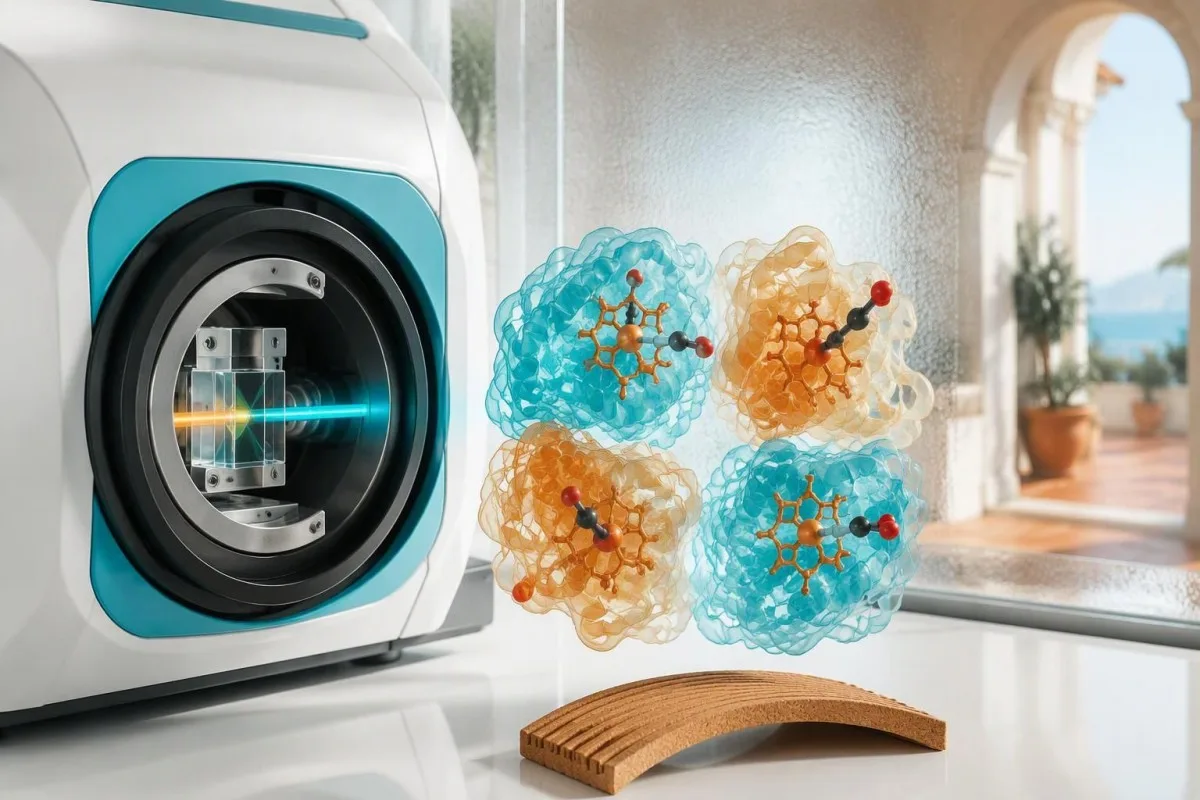
בדיקת קרבוקסי־המוגלובין מודדת פחמן חד-חמצני הקשור להמוגלובין. עישון עשוי להעלות את התוצאה, ואילו דגימה מאוחרת או חמצן עשויים להוריד אותה; תוצאה תקינה או מד סטורציה תקין אינם יכולים לשלול הרעלה.


- הערכה דחופה קודם לאחוזים: חשד לחשיפה המלווה בכאב ראש, סחרחורת, הקאות, בלבול, כאבים בחזה או התמוטטות מחייב פנייה דחופה לקבלת עזרה רפואית.
- בדיקת קרבוקסי־המוגלובין התוצאות מציינות את אחוז ההמוגלובין הנושא פחמן חד-חמצני; הבדיקה אינה מודדת ישירות פגיעה במוח או בלב.
- תוצאות אצל לא-מעשנים הן בדרך כלל מתחת ל-2%; ה-CDC מחשיב תוצאה של 2% ומעלה כתומכת בחשיפה אצל לא-מעשן כאשר ההיסטוריה מתאימה.
- עליות הקשורות לעישון הן לרוב סביב 3–8%, אם כי הערכים משתנים; ערך מעל 9% אצל מעשן תומך מאוד בחשש נוסף לחשיפה לפחמן חד-חמצני.
- דגימה מאוחרת עלולה להחמיץ את שיא הרמה הקודם, משום שרמת הקרבוקסי־המוגלובין יורדת בדרך כלל, לאחר הפסקת החשיפה, עם זמן מחצית חיים של כ-4–6 שעות באוויר החדר.
- טיפול בחמצן מקצר את זמן מחצית החיים לכ־60–90 דקות עם חמצן בריכוז גבוה, ולכן תוצאה נמוכה בבית החולים עשויה להתקבל לאחר חשיפה משמעותית.
- אוקסימטריית דופק עשויה להציג 98–100% במהלך הרעלת פחמן חד־חמצני, משום שמכשירים סטנדרטיים בעלי 2 אורכי גל אינם יכולים להבחין באופן אמין בין קרבוקסי־המוגלובין לאוקסי־המוגלובין.
- התייעצות לגבי טיפול בתא לחץ עשויה להתאים בערכים שמעל לכ־25–30%, אך ממצאים נוירולוגיים, פגיעה לבבית, אובדן הכרה והיריון עשויים להיות חשובים יותר מהמספר.
מה למעשה מודדת בדיקת קרבוקסי־המוגלובין?
A בדיקת קרבוקסי־המוגלובין מודדת את אחוז ההמוגלובין הקשור לפחמן חד־חמצני, בדרך כלל באמצעות קו־אוקסימטריה במעבדה. תוצאות גבוהות תומכות בחשיפה, אך עישון מעלה את ערך הבסיס וחמצן או דגימה מאוחרת מורידים את המדידה; חשד להרעלה מחייב הערכה דחופה המבוססת על התסמינים, גם כאשר התוצאה נמוכה מ־2% או כשמד האוקסימטריה תקין.
קרבוקסיהמוגלובין, המקוצר COHb, אינו אותה מדידה כמו ריכוז ההמוגלובין בספירת דם מלאה: תוצאה של 12% פירושה שכ־12% מההמוגלובין שנמדד נמצא בצורת COHb, ולא שריכוז ההמוגלובין ירד ב־12%. המדריך שלנו השוואת המוגלובין והמטוקריט מסביר את ההבחנה הנפרדת הזו.
פחמן חד־חמצני נקשר להמוגלובין בזיקה גבוהה בערך פי 200–250 מזו של חמצן, וגם מקשה על שחרור החמצן שנותר לרקמות. Rose ואח' מתארים השפעות נוספות על תפקוד המיטוכונדריה ועל מסלולים דלקתיים, המסייעות להסביר מדוע ירידה באחוז אינה מעידה בהכרח על התאוששות המוח והלב (Rose et al., 2017).
קנטסטי הוא מנתח בדיקות דם בינה מלאכותית שיכול לסייע בהבנת אחוז COHb מדווח לצד טווח הייחוס של המעבדה; המדריך שלנו לטרמינולוגיית סמנים ביולוגיים מספק הקשר רחב יותר. אני Thomas Klein, MD, המנהל הרפואי הראשי של Kantesti, והגישה שלי מתחילה ב־3 שאלות: היכן התרחשה החשיפה, אילו תסמינים הופיעו ומתי החל מתן החמצן — ולא בשאלה אם הדוח מסומן באדום.
אילו תסמינים מחייבים טיפול חירום לפני קבלת התוצאה?
חשד לחשיפה לפחמן חד־חמצני עם תסמינים מחייב הערכה דחופה, ללא קשר לתוצאת COHb. כאב ראש, סחרחורת, בחילה, הקאה, חולשה חריגה, בלבול, קוצר נשימה, כאב בחזה או עילפון מעוררים דאגה; אפילו קריאת אוקסימטר של 99% אינה הופכת את צירוף התסמינים הזה לבטוח.
צאו מהסביבה החשודה והתקשרו לשירותי החירום כשאתם באוויר צח — 999 או 112 בבריטניה, 911 בארצות הברית, או המספר המקומי במקום אחר. אל תחזרו פנימה כדי לבדוק את המכשיר, להשתיק אזעקה או לקחת חפצים, ואל תנהגו בעצמכם אם אתם מסוחררים או מבולבלים; אנשי החירום יכולים לבדוק את המבנה בלי ליצור נפגע נוסף.
כששני אנשים מפתחים כאב ראש או בחילה באותו חדר, סיבה סביבתית משותפת נעשית סבירה הרבה יותר משני מקרי מיגרנה שאינם קשורים זה לזה. תסמינים שמשתפרים בחוץ וחוזרים בפנים הם רמז נוסף, אך השיפור אינו בדיקת בטיחות ביתית: החשיפה לפחמן חד־חמצני עלולה להימשך גם כשהאדם מרגיש טוב יותר באופן זמני.
כאב בחזה לאחר חשיפה מחייב הערכה לבבית, ולא רק מדידת COHb נוספת; המדריך שלנו לבדיקות דחופות לכאב בחזה מסביר מדוע אק״ג וטרופונין עונים על שאלות שונות. נבחן מקרה היפותטי של אדם בן 52 עם לחץ בחזה לאחר שימוש בגנרטור: תוצאת COHb של 4% לאחר מתן חמצן אינה מבטלת את הצורך לבדוק אם נגרמה פגיעה בשריר הלב.
אילו רמות קרבוקסי־המוגלובין תומכות בחשיפה ל-CO?
רמת קרבוקסי־המוגלובין נמוכה בדרך כלל מ־2% אצל לא־מעשנים, ואילו עישון עשוי להוביל לערכי בסיס גבוהים יותר. ה־CDC קובע שרמה של 2% אצל לא־מעשן או מעל 9% אצל מעשן תומכת מאוד בהרעלת פחמן חד־חמצני כאשר היסטוריית החשיפה מתאימה; אלה רמזים אבחוניים, לא דרגות חומרה (CDC, 2024).
A laboratory reference interval and an emergency decision threshold serve different purposes: some laboratories list a nonsmoker upper limit near 1.5%, while others allow approximately 2–3%. A printed normal flag therefore cannot substitute for the clinical history; our out-of-range results explanation describes why reference intervals are not universal safety boundaries.
High carboxyhemoglobin levels establish that more hemoglobin is carrying carbon monoxide, but a result of 18% does not predict a particular symptom set or guarantee a better outcome than 28%. Exposure duration, age, anemia, underlying cardiac disease, and oxygen given before sampling all weaken a simple percentage-to-severity relationship.
The approximately 25–30% range is commonly used as one reason to discuss hyperbaric treatment, not as a line below which emergency care is unnecessary. A symptomatic nonsmoker at 6% may need substantial investigation, whereas an otherwise stable smoker at 6% needs careful source and timing assessment rather than an automatic poisoning label.
כיצד יש לפרש רמות קרבוקסי־המוגלובין אצל מעשנים?
Carboxyhemoglobin levels in smokers are often around 3–8%, but smoking intensity, inhalation depth, and time since the last cigarette create substantial variation. Values approaching or exceeding 10% can occur with smoking, yet a symptomatic smoker must still be assessed for an additional environmental exposure.
Combustion produces carbon monoxide; nicotine itself is not the cause of an elevated COHb percentage. Cigarettes, cigars, combustible cannabis, and charcoal-heated waterpipes can contribute, whereas nicotine replacement without combustion does not create the same exposure mechanism—so asking only whether someone uses nicotine can misclassify a result of 7%.
A single cigarette count cannot reliably predict COHb because 10 cigarettes smoked across a day are not equivalent to intensive smoking immediately before collection. This is a timing problem, similar in principle—but not in detection window—to our PEth sampling and exposure guide; COHb usually changes over hours, not weeks.
Persistent smoking-related carbon monoxide exposure can also contribute to a higher hemoglobin concentration over time, but that CBC finding does not quantify today's COHb; see our mildly elevated hemoglobin discussion. If a smoker has a COHb result of 8% and their nonsmoking partner has 5% with similar headaches, the household pattern should outweigh the temptation to blame tobacco alone.
מדוע דגימה מאוחרת עלולה להמעיט בהערכת החשיפה?
Carboxyhemoglobin falls after exposure stops, so a sample collected several hours later can underestimate the earlier level. Its room-air elimination half-life is commonly about 4–6 hours, although ventilation, continued exposure, and individual physiology alter that estimate (Rose et al., 2017).
A half-life means that the excess burden falls by roughly half over that interval under the assumed conditions; it is not the time required for complete clearance. In a simplified example starting at 20%, a 5-hour half-life would leave about 10% after 5 hours and 5% after 10 hours, ignoring baseline production and any new exposure.
The useful timestamp is when the person actually left the exposure, not just when they arrived at hospital: a 3-hour journey, an ambulance wait, and time receiving oxygen can all shift the reading. Our מדריך לתזמון בדיקות דם explains why chronology can carry more information than the difference between two flagged values.
Back-calculating a precise peak from one late sample is usually unreliable because the earlier concentration, oxygen delivery, breathing pattern, and ongoing source are unknown. A result of 1.8% measured the following morning cannot prove that exposure was trivial the previous evening, and it should never overrule a convincing history of collapse or confusion.
כיצד טיפול בחמצן משנה את תוצאת הבדיקה?
High-concentration oxygen accelerates carbon monoxide elimination, often shortening the COHb half-life to approximately 60–90 minutes. Oxygen should not be delayed to obtain an untreated sample; clinicians document treatment timing and interpret the later percentage in that context.
An ambulance sample and a hospital sample taken 90 minutes apart may differ sharply even if both laboratories are accurate. Using a deliberately simplified 90-minute half-life, 20% would become approximately 10% after 90 minutes and 5% after 3 hours of effective high-concentration oxygen; that illustration is not a method for reconstructing an individual patient's peak.
The CDC recommends 100% oxygen until symptoms resolve, commonly for about 4–5 hours, with repeated neurological assessment rather than a percentage-only stopping rule (CDC, 2024). Oxygen delivery must be supervised because a prescribed concentration, mask fit, reservoir inflation, and the patient's ventilation are not interchangeable; an ordinary low-flow nasal cannula does not reproduce every high-concentration treatment assumption.
קנטסטי הוא פלטפורמת פענוח בדיקות דם של AI that can help explain why a post-treatment value differs from an earlier report, but our approximately 60-second interpretation is not emergency assessment. Our post-hospital result changes guide also separates biochemical improvement from clinical recovery—a distinction that matters when headache improves but memory or balance remains abnormal.
מדוע מד סטורציה עשוי להראות תוצאה תקינה בעת הרעלת CO?
Normal pulse oximetry cannot exclude carbon monoxide poisoning because standard 2-wavelength pulse oximeters cannot reliably separate carboxyhemoglobin from oxyhemoglobin. A display of 98–100% can therefore look reassuring while oxygen delivery to tissues is impaired.
Arterial oxygen pressure, or PaO2, may also remain normal because it measures dissolved oxygen rather than the proportion of hemoglobin blocked by carbon monoxide. A hypothetical PaO2 of 95 mmHg does not show that hemoglobin is carrying and releasing oxygen normally; our arterial blood gas interpretation guide explains the separate measurements.
A blood gas report may show an oxygen saturation calculated from PaO2 rather than one directly measured by co-oximetry, and the calculated number can miss abnormal hemoglobin species. Some analyzers also report functional saturation separately from fractional oxyhemoglobin, so a number near 99% must be read with the measurement method—not merely the label 'saturation.'
Specialized pulse CO-oximeters use additional wavelengths, but their readings are not reliable enough to rule out poisoning when symptoms and exposure suggest it. Another hemoglobin disorder produces a different pulse-oximetry pattern, described in our methemoglobin testing explanation; neither disorder should be diagnosed or dismissed from 1 fingertip reading.
האם דגימה ורידית מספיקה, והאם נדרש צום?
Venous blood is usually suitable for measuring carboxyhemoglobin by co-oximetry, and fasting is not required. An arterial sample may still be needed to answer other respiratory or acid–base questions, but a 12-hour fast or an arterial puncture is not a prerequisite for exposure testing.
The request must specifically include COHb or co-oximetry: a complete blood count, routine chemistry panel, or ordinary blood gas without that capability does not automatically test for carbon monoxide. A report with 20 routine markers can therefore contain no useful exposure measurement, even when hemoglobin, glucose, and electrolytes are all normal.
Collection containers and handling requirements depend on the laboratory's validated analyzer, commonly using heparinized whole blood kept sealed and processed promptly. Our sample quality and hemolysis guide explains why a specimen warning requires laboratory input; clinicians should not invent a numerical correction for a COHb result of 6% from a compromised sample.
The request should carry 4 pieces of context: exposure-stop time, collection time, oxygen-start time, and recent combustible smoking history. If a report merely says 'COHb 3.2%' without those details, the percentage can be analytically correct while its clinical meaning remains uncertain—especially after pre-hospital treatment.
מה עוד נכלל באבחון הרעלת פחמן חד-חמצני?
Carbon monoxide poisoning diagnosis combines exposure history, symptoms, examination, and COHb, rather than relying on one result. ECG, troponin, blood gas measurements, glucose, and lactate may identify complications or alternative explanations; their selection depends on the presentation, not a fixed 1-size-fits-all panel.
An elevated lactate can reflect impaired oxygen use, seizures, shock, or other illness, so a lactate of 5 mmol/L does not prove carbon monoxide exposure. Our lactate timing and handling guide explains an additional problem: specimen delays can distort a marker that clinicians are already interpreting in a complex emergency.
Troponin measures myocardial injury, not carbon monoxide binding, and a normal initial value does not settle every chest-pain evaluation. Our troponin interpretation and limits guide discusses that distinction; when COHb has fallen from 24% to 4%, an abnormal ECG or rising troponin still deserves attention rather than being dismissed as yesterday's exposure.
Fire exposure can involve several hazards at once, including airway injury and cyanide, while severe anemia or low glucose may worsen symptoms without producing high COHb. Carbon monoxide is odorless and colorless, so identifying 1 competing explanation—such as a viral illness—does not rule out a faulty heater when several occupants become unwell together.
מדוע היריון, ילדות ומחלות לב משנים את מידת הדחיפות?
Pregnancy, childhood, anemia, and underlying cardiac disease can increase concern at a given COHb percentage. A maternal result of 5% after oxygen cannot establish fetal safety, and a child or adult with limited oxygen-delivery reserve may need urgent assessment despite a comparatively modest measured elevation.
Fetal hemoglobin binds carbon monoxide avidly, and fetal clearance can lag behind maternal clearance, so maternal improvement and a lower maternal COHb do not guarantee recovery in both patients. The CDC strongly favors hyperbaric oxygen during pregnancy, including less severe poisoning, although the treating team must obtain specialist advice rather than apply a universal 10% maternal cutoff (CDC, 2024).
Children may present with nonspecific vomiting, sleepiness, irritability, or poor feeding rather than describing a headache; 2 affected siblings should prompt a shared-exposure assessment. Our children's result interpretation limits explain why an adult reference interval and a reassuring automated comment are not substitutes for pediatric assessment.
Anemia reduces total oxygen-carrying capacity before any carbon monoxide is added, while coronary disease limits the heart's ability to compensate for reduced delivery. For example, COHb of 8% in someone with hemoglobin of 8 g/dL is not physiologically equivalent to 8% in someone with hemoglobin of 15 g/dL; the percentage alone hides that difference.
מתי שוקלים טיפול בחמצן היפרברי, ועד כמה התועלת ודאית?
Hyperbaric oxygen is considered for selected serious carbon monoxide exposures, including neurological impairment, loss of consciousness, cardiac involvement, severe acidosis, pregnancy, or COHb above approximately 25–30%. No single threshold decides treatment, and evidence about preventing delayed neurological problems remains mixed.
Hyperbaric oxygen can shorten COHb elimination to roughly 20–30 minutes under treatment conditions, but faster clearance is not automatically proof of better long-term outcomes. Clinicians must consider safe transfer, chamber availability, potential pressure-related complications, and whether another urgent problem requires treatment where the patient already is.
Weaver et al.'s randomized trial enrolled 152 patients and reported cognitive sequelae at 6 weeks in 25.0% of the hyperbaric group versus 46.1% of the comparison group (Weaver et al., 2002). That approximately 21-percentage-point difference came from a specific treatment protocol and study population; it should not be presented as a guaranteed benefit for every mild exposure.
Different trials and treatment protocols have produced inconsistent findings, as discussed by Rose et al. (2017), which is why honest counseling includes uncertainty rather than promising that a chamber prevents all later problems. Our ועדה מייעצת רפואית provides information about clinical oversight, but an urgent toxicology or hyperbaric consultation—not a website review—must guide an individual patient with 1 episode of collapse or persistent confusion.
מה צריך לקרות לאחר שיפור בתסמינים וב-COHb?
Follow-up is needed because delayed neurological symptoms can appear after apparent recovery, even when COHb has returned to baseline. The CDC recommends warning discharged patients about these problems and repeating medical and neurological assessment at approximately 2 weeks; new confusion, weakness, seizures, or chest pain needs earlier urgent care.
Delayed problems may include memory difficulty, reduced attention, personality change, altered walking, or new problems managing ordinary tasks, emerging over days to weeks. A COHb of 1% during that later period does not exclude an exposure-related complication because the test measures current carbon monoxide binding, not persistent injury from an earlier event.
Persistent breathlessness also needs reassessment rather than being assumed to be anxiety; our מדריך לבדיקת קוצר נשימה describes why cardiac, pulmonary, and hematologic causes require different investigations. A practical discharge record should preserve at least 3 details: the earliest COHb, treatment received, and the planned follow-up date.
The source must be made safe before anyone returns: do not run a generator indoors, in a garage, or near openings, even with doors open. CDC prevention advice places portable generators at least 20 feet—about 6 metres—from doors, windows, and vents; working carbon monoxide alarms add protection but cannot replace appliance servicing or professional building clearance.
כיצד AI יכול לסייע בפירוש דוח COHb לאחר טיפול חירום?
AI can help explain a documented COHb result after emergency assessment, but it cannot establish that a home is safe, examine neurological function, or rule out poisoning. A report showing 1.5% after 3 hours of oxygen needs a different explanation from the same percentage collected before treatment.
קנטסטי הוא כלי לניתוח בדיקות דם מבוסס AI that accepts laboratory PDFs or photos and helps explain reported values alongside their reference intervals. Before sharing a document, check identifiers and permissions using our result upload privacy checklist; for this test, supplying 4 timing and exposure details is more useful than uploading only a cropped percentage.
Kantesti's role is education and follow-up support, not a carbon monoxide emergency service; our company and clinical mission describes the organization behind that work. If symptoms remain after a result falls from 16% to 2%, the useful next step is clinician reassessment—not repeated uploads until an interpretation sounds reassuring.
For readers checking how interpretation works, our מדריך טכנולוגיית פענוח ה-AI explains the broader approach without making a COHb-specific emergency validation claim. My editorial rule as Thomas Klein, MD, is simple: 1 laboratory percentage should never overrule a convincing exposure history, ongoing symptoms, or a clinician's concern about brain or heart injury.
אילו מחקרים תומכים בעצה זו, ועל מה המדריכים המקושרים?
The carbon monoxide advice here is supported by CDC clinical guidance, Rose et al.'s 2017 review, and Weaver et al.'s 2002 trial, listed separately below. As of October 20, 2026, the 2 additional Zenodo guides listed here are related educational publications—not carbon monoxide studies or evidence validating emergency AI triage.
Clinical guidance, randomized trials, reviews, and educational repositories answer different questions; a DOI identifies a publication but does not itself establish peer review or clinical effectiveness. Our technical and clinical validation overview should be read within its stated scope, and neither of the 2 Zenodo publications below establishes sensitivity for excluding carbon monoxide poisoning.
Kantesti. (ל.ת.). בדיקת דם ל-C3/C4 ומדריך לטיטר ANA. Zenodo. This publication concerns complement and autoimmune testing, not COHb; חיפוש כותרת ב-ResearchGate ו חיפוש כותרת ב-Academia.edu are discovery links, not claims of verified repository copies, and the DOI is supplied in the publication list below.
Kantesti. (ל.ת.). בדיקת דם לנגיף ניפה: מדריך לגילוי ואבחון מוקדם 2026. Zenodo. This publication concerns viral testing rather than carbon monoxide; חיפוש פרסומים ב-ResearchGate ו חיפוש פרסומים ב-Academia.edu provide title-based discovery, while its DOI appears below and should not be interpreted as evidence for COHb treatment thresholds.
שאלות נפוצות
מהי רמה תקינה של קרבוקסיהמוגלובין?
קרבוקסי־המוגלובין הוא בדרך כלל מתחת ל־2% אצל מי שאינם מעשנים, אם כי טווחי הייחוס במעבדות שונים. אצל מעשנים הערכים הם לעיתים קרובות סביב 3–8%, ומשתנים בהתאם לשימוש לאחרונה בטבק לבעירה. ה־CDC רואה בערך של 2% אצל מי שאינו מעשן או בערך מעל 9% אצל מעשן ממצא התומך מאוד בחשיפה, כאשר ההיסטוריה מתאימה. תוצאה תקינה לאחר דגימה מאוחרת או מתן חמצן אינה שוללת חשיפה משמעותית מוקדמת יותר.
האם עישון עלול לגרום לרמות גבוהות של קרבוקסי-המוגלובין?
עישון של מוצרים הנשרפים בתהליך העישון יכול להעלות את רמת הקרבוקסיהמוגלובין, לעיתים קרובות לכ־3–8% ולפעמים אף יותר. סיגריות, סיגרים, קנאביס הנשרף ונרגילות המחוממות בפחם יכולים כולם לתרום לפחמן חד־חמצני. שימוש בתחליפי ניקוטין ללא בעירה אינו גורם לאותו מנגנון. מעשן עם תסמינים ותוצאה של 8% עדיין זקוק להערכה כדי לבדוק אם יש מקור נוסף, במיוחד כשאנשים אחרים באותו בניין חשים ברע.
האם קריאה תקינה במד סטורציה יכולה לשלול הרעלת פחמן חד-חמצני?
קריאה תקינה באוקסימטר דופק אינה יכולה לשלול הרעלת פחמן חד־חמצני. מכשירים סטנדרטיים בעלי שני אורכי גל אינם מסוגלים להבחין באופן מהימן בין קרבוקסי־המוגלובין לאוקסי־המוגלובין, ולכן הם עשויים להציג 98–100% למרות פגיעה באספקת החמצן. גם לחץ חמצן תקין בדם עורקי אינו שולל הרעלה, משום שהוא מודד חמצן מומס ולא המוגלובין הקשור לפחמן חד־חמצני. חשד לחשיפה המלווה בתסמינים מחייב הערכה דחופה ובדיקת קו־אוקסימטריה מעבדתית מתאימה.
0 כמה מהר חמצן מוריד את רמת הקרבוקסיהמוגלובין?
חמצן בריכוז גבוה מקצר בדרך כלל את זמן מחצית החיים של קרבוקסיהמוגלובין לכ־60–90 דקות, לעומת כ־4–6 שעות בנשימת אוויר חדר לאחר סיום החשיפה. אלה ערכים משוערים, ולא מחשבון אישי לפינוי. דגימה שנאספה לאחר כמה שעות של מתן חמצן עשויה להציג ערך נמוך בהרבה מערך השיא המוקדם יותר. אין לעכב מתן חמצן כדי לשמר תוצאה של בדיקה ללא טיפול.
איזו רמת קרבוקסי-המוגלובין מחייבת טיפול בחמצן היפרברי?
רמת קרבוקסיהמוגלובין מעל כ־25–30% היא סיבה נפוצה להתייעצות לגבי טיפול בחמצן היפרברי, אך אינה הקריטריון היחיד. אובדן הכרה, ליקוי נוירולוגי, פגיעה לבבית, חמצת חמורה או היריון עשויים להצדיק הערכה של מומחה גם ברמות נמוכות יותר. הראיות ליעילות הטיפול אינן חד־משמעיות, וההחלטות תלויות גם בתזמון, בבטיחות ההעברה ובזמינות תא לחץ. ערך הנמוך מ־25% אינו הופך חשיפה תסמינית לבטוחה.
האם ניתן לפספס הרעלת פחמן חד-חמצני בבדיקת דם שנערכת באיחור?
בדיקת קרבוקסי־המוגלובין שנערכת באיחור עלולה להחמיץ את שיא הרמה המוקדם יותר, משום שהרמה יורדת לאחר הפסקת החשיפה. זמן מחצית החיים באוויר חדר הוא בדרך כלל כ־4–6 שעות, וחמצן בריכוז גבוה מוריד אותה מהר יותר. תוצאה של 1–2% למחרת בבוקר אינה שוללת חשיפה משמעותית בערב הקודם. לכן, רופאים מסתמכים על היסטוריית החשיפה, התסמינים, ציר הזמן של הטיפול והבדיקה, ולא על תוצאה מאוחרת אחת בלבד.
קבל ניתוח בדיקות דם מבוסס בינה מלאכותית כבר היום
הצטרף ליותר מ-2 מיליון משתמשים ברחבי העולם שסומכים על Kantesti לצורך ניתוח מיידי ומדויק של בדיקות מעבדה. העלה את תוצאות בדיקות הדם שלך וקבל פרשנות מקיפה של ביומרקרים של 15,000+ בתוך שניות.
📚 פרסומי מחקר עם הפניות
Klein, T., Mitchell, S., & Weber, H. (2026). מדריך בדיקת דם משלים C3 C4 ו-ANA: טיטר. מחקר רפואי של Kantesti בינה מלאכותית.
Klein, T., Mitchell, S., & Weber, H. (2026). בדיקת דם לנגיף ניפה: מדריך לגילוי ואבחון מוקדם 2026. מחקר רפואי של Kantesti בינה מלאכותית.
📖 הפניות רפואיות חיצוניות
Centers for Disease Control and Prevention (2024). Clinical Guidance for Carbon Monoxide Poisoning Following Disasters and Severe Weather. CDC Carbon Monoxide Poisoning Clinical Guidance.
⚕️ הצהרת אחריות רפואית
מאמר זה מיועד למטרות חינוכיות בלבד ואינו מהווה ייעוץ רפואי. תמיד יש להתייעץ עם גורם מוסמך בתחום הבריאות לצורך החלטות אבחון וטיפול.
אותות אמון E-E-A-T
הִתנַסוּת
סקירה קלינית בהובלת רופא של תהליכי עבודה לפענוח בדיקות מעבדה.
מוּמחִיוּת
רפואה מעבדתית מתמקדת באופן שבו סמנים ביולוגיים מתנהגים בהקשר קליני.
סמכותיות
נכתב על ידי ד״ר תומאס קליין, עם סקירה על ידי ד״ר שרה מיטשל ופרופ׳ ד״ר האנס וובר.
אֲמִינוּת
פרשנות מבוססת-ראיות עם מסלולי המשך ברורים כדי להפחית בהלה.