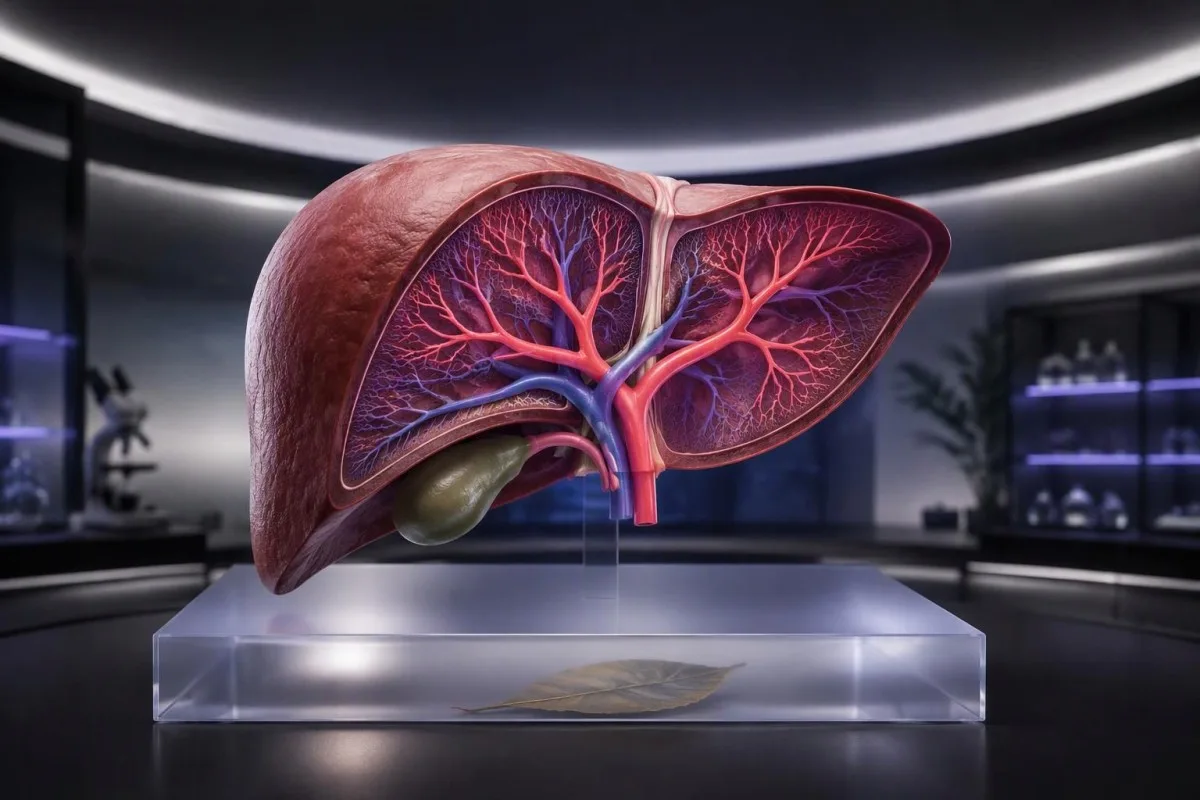
Unha GGT lixeiramente elevada adoita ser unha pista contextual máis que un diagnóstico. A pregunta útil é se é illada, persistente, crecente ou se combina cun patrón preocupante nas probas hepáticas.


- GGT na marxe adoita significar un valor inferior a 2 veces o límite superior do laboratorio, especialmente cando a ALT, a AST, a FA, a bilirrubina, a albúmina e o INR son normais.
- Rangos típicos varían segundo o laboratorio; moitos laboratorios para adultos usan aproximadamente 5-36 U/L para mulleres e 8-61 U/L para homes.
- Cando repetir a proba adoita ser de 4 a 12 semanas despois de revisar o consumo de alcohol, medicamentos, suplementos, enfermidades recentes e factores de risco metabólico.
- GGT máis FA a elevación apunta máis firmemente cara a unha fonte hepática ou do conduto biliar que unha elevación da FA por si soa.
- Urxencias é necesario para ictericia, febre con dor na parte superior dereita do abdome, confusión, vómitos persistentes, feces negras ou urina moi escura con feces pálidas.
- Contexto do alcohol importa, pero a GGT non pode diagnosticar o consumo de alcol nin estimar de forma fiable a cantidade que bebe unha persoa.
- elevación persistente durante máis de 6 meses, resultados crecentes ou bilirrubina, ALP, ALT, recuento de plaquetas ou INR anormais, requiren unha avaliación dirixida por un médico.
- Non suspenda as prescricións unicamente por mor da GGT; revise primeiro os posibles efectos dos medicamentos co prescriptor.
O que adoita significar un resultado de GGT na marxe
Significado dunha GGT límite: un resultado illado lixeiramente por riba do rango do seu laboratorio raramente é unha emerxencia e adoita normalizarse despois dunha proba de repetición en 4-12 semanas. Merece atención cando persiste, aumenta ou ocorre con ALT, ALP, bilirrubina anormais, síntomas ou función sintética hepática reducida. A partir do 30 de setembro de 2026, non diagnosticaría enfermidades hepáticas unicamente pola GGT.
GGT, ou gamma-glutamil transferase, é unha enzima concentrada nas células do revestimento das vías biliares e tamén se atopa no ril, páncreas e outros tecidos. Un aumento moderado é sensible ao estrés das células hepáticas e á indución enzimática, pero non é específico dunha enfermidade en particular. Para unha base de linguaxe sinxela, consulte a nosa guía de do que significa GGT.
No meu traballo clínico, o patrón máis tranquilizador é unha GGT de 45 U/L cun límite superior local de 40 U/L, ALT, AST, ALP, bilirrubina, albumina, plaquetas normais e sen síntomas. O Dr. Thomas Klein xeralmente consideraríao como un sinal de seguimento, non como un veredicto. Os laboratorios establecen intervalos de referencia a partir de poboacións locais, polo que o rango impreso no seu informe ten prioridade sobre un corte xenérico de internet.
Kantesti é un Analizador de análises de sangue con IA que mostra GGT xunto co resto do panel hepático, resultados anteriores, medicamentos e factores de risco reportados. Un único indicador fóra de rango pode esperarse estatisticamente: un intervalo de referencia abarca aproximadamente o 95% dunha poboación sa seleccionada, deixando aproximadamente 1 de cada 20 resultados fóra do mesmo por deseño.
Por que “límite” non ten un número universal
Os médicos a miúdo chaman á GGT lixeiramente elevada cando está por debaixo de 2 veces o límite superior normal (ULN) do laboratorio, pero esta é unha convención práctica máis que un limiar de enfermidade. Un valor de 70 U/L pode ser trivial nun laboratorio e máis significativo noutro, especialmente para unha muller cuxo ULN local é de 35 U/L.
Rangos de GGT, diferenzas sexuais e grao de elevación
Os intervalos de referencia de GGT en adultos adoitan rondar os 5-36 U/L para mulleres e 8-61 U/L para homes, pero os laboratorios difiren substancialmente. Un resultado inferior a 2 veces o ULN xérase xeralmente cun contexto e probas de repetición en lugar de imaxes inmediatas nunha persoa sa.
A GGT mídese como actividade enzimática, normalmente U/L ou UI/L, e os resultados dependen da temperatura e do método do ensaio. Algúns laboratorios europeos utilizan límites superiores máis baixos específicos para cada sexo, mentres que a obesidade, a idade e a exposición regular ao alcol poden desprazar as distribucións da poboación cara arriba. Compare os resultados só despois de comprobar se o laboratorio e o rango de referencia cambiaron entre visitas.
O grao de elevación importa menos que os seus acompañantes. Unha GGT de 90 U/L con ALP de 240 U/L é máis preocupante para colestase que unha GGT de 90 U/L con ALP e bilirrubina totalmente normais. A nosa detallada guía de rangos de GGT explica por que o mesmo número pode producir diferentes plans de seguimento.
Un resultado de GGT por si só non mide fibrose, reserva hepática ou risco de cancro. A albumina, o INR, a bilirrubina, o recuento de plaquetas, a imaxe e as puntuacións de fibrose responden a preguntas diferentes; esta distinción evita moita alarma innecesaria.
Ler a GGT xunto coa ALT, a FA, a bilirrubina e as plaquetas
GGT is most informative when compared with ALP, ALT, AST, bilirubin, albumin, INR, and platelets. GGT plus raised ALP supports a hepatobiliary source of ALP, whereas isolated GGT elevation is often nonspecific.
ALT and AST rise primarily with hepatocellular injury, while ALP and GGT often rise with reduced bile flow or enzyme induction. The American College of Gastroenterology guideline recommends confirming abnormal liver chemistries and reviewing the pattern before extensive testing (Kwo et al., 2017). For a useful overview, read que inclúe un panel hepático.
O/A ratio R helps clinicians describe a mixed picture: divide ALT/ALT ULN by ALP/ALP ULN. An R ratio above 5 is hepatocellular, below 2 is cholestatic, and 2-5 is mixed; GGT is supportive but does not enter the calculation. This is one reason a normal ALT does not automatically make an elevated ALP harmless.
Platelets below 150 × 10⁹/L, low albumin, or prolonged INR can signal reduced liver reserve or portal-hypertension risk in the right setting. Those results carry more immediate weight than an isolated GGT of 55 U/L. A normal bilirubin also does not rule out early chronic liver disease, so trend data matter.
Causas comúns reversibles dunha GGT lixeiramente elevada
Alcohol exposure, metabolic fatty liver, recent medication changes, and enzyme-inducing medicines are the commonest explanations for a mildly elevated GGT. Short-term illness and unreported supplements can also matter, which is why a careful history often beats a broad test list.
A recent heavy drinking episode can raise GGT, but the response varies dramatically among individuals. GGT may remain elevated for weeks after alcohol reduction because its biological half-life is often estimated around 14-26 days. For a realistic view of recovery patterns, review blood markers after quitting alcohol.
Metabolic dysfunction-associated steatotic liver disease, now called MASLD, is a leading cause of persistent mild liver-enzyme abnormalities. Central weight gain, triglycerides of 150 mg/dL or more, prediabetes, type 2 diabetes, sleep apnoea, and hypertension make this explanation more likely even when ALT is normal.
I also ask about viral illness, recent surgery, fast weight loss, and high-intensity exercise, although exercise is a much stronger explanation for AST and creatine kinase than for isolated GGT. A 52-year-old endurance athlete with AST 89 U/L after a race needs CK and repeat testing; that is a different scenario from GGT 89 U/L with ALP elevation.
Alcohol e GGT: contexto útil, non un detector de mentiras
GGT can rise with regular alcohol exposure, but it cannot prove drinking, quantify intake, or distinguish alcohol-related liver disease from MASLD. A normal GGT also does not exclude risky alcohol use.
In practice, I ask about drinks per week, binge episodes, alcohol-free days, and whether intake changed during the month before testing. The UK low-risk guidance advises not regularly exceeding 14 units per week, spread over 3 or more days; it is a risk-reduction threshold, not a guarantee of normal liver tests.
A 2024 EASL-EASD-EASO guideline treats alcohol intake and metabolic risk as overlapping contributors rather than mutually exclusive labels (EASL-EASD-EASO, 2024). That is clinically sensible: a person can have MASLD, alcohol-related injury, and medication effects at the same time. Our EtG testing guide explains why a direct alcohol biomarker answers a different question from GGT.
If alcohol may be contributing, a 4-8 week alcohol-free interval followed by repeat liver tests can be informative when medically safe and personally feasible. Do not attempt abrupt unsupervised cessation if you drink daily and have had tremor, sweating, seizures, hallucinations, or severe withdrawal before; urgent medical advice is safer.
Efectos de medicamentos e suplementos que paga a pena comprobar
Several medicines can raise GGT through liver enzyme induction or drug-related liver injury, but patients should not stop prescribed treatment because of one mildly abnormal result. The safe next step is a medication reconciliation with the clinician or pharmacist who knows why each medicine was prescribed.
Classic enzyme-inducing anticonvulsants include phenytoin, phenobarbital, and carbamazepine; they may elevate GGT without clinically important liver damage. Some antibiotics, antifungals, antiretrovirals, statins, hormonal therapies, and immunomodulating medicines can alter liver tests through different mechanisms. Timing is the clue: a rise appearing 2-12 weeks after a new agent deserves prompt review.
Supplements deserve the same scrutiny as prescriptions. Concentrated green-tea extract, anabolic agents, high-dose niacin, multi-ingredient “detox” products, and poorly regulated bodybuilding products have all been linked to liver injury. See our practical review of liver-health supplements before assuming a product marketed as natural is benign.
Bring photographs of labels, not just product names; formulations change and doses are easily forgotten. A clinician may repeat ALT, AST, ALP, bilirubin, and INR sooner—within days to 2 weeks—if symptoms appear or a suspected drug reaction coincides with ALT more than 3 times ULN.
Cando unha GGT na marxe apunta a un risco metabólico hepático
Borderline GGT can accompany MASLD, particularly when waist circumference, triglycerides, glucose, blood pressure, or ALT are also abnormal. It is not a diagnostic test for fatty liver, and normal enzymes do not exclude liver fat or fibrosis.
MASLD is diagnosed from evidence of liver steatosis plus one or more cardiometabolic risk factors after considering alcohol and other causes. The 2024 EASL-EASD-EASO guideline recommends structured fibrosis risk assessment in people with metabolic risk, rather than relying on liver enzymes alone (EASL-EASD-EASO, 2024). Our guía de probas MASLD sets out the usual laboratory and imaging sequence.
O/A Puntuación FIB-4 uses age, AST, ALT, and platelets; in adults under 65, a value below 1.3 generally indicates low risk of advanced fibrosis in primary-care triage. FIB-4 is less reliable during acute illness, in people younger than 35, and in people over 65, where age inflates the score. Use a explicación do FIB-4 rather than calculating from partial labs.
Kantesti é un plataforma de interpretación de análise de sangue de IA that can place GGT alongside fasting glucose, HbA1c, triglycerides, HDL cholesterol, ALT, platelets, and prior results. That pattern recognition is useful for a clinician conversation, but ultrasound or elastography—not AI alone—assesses steatosis and fibrosis.
Canto tempo esperar antes de repetir a proba de GGT
For isolated, mildly elevated GGT without symptoms, repeating a complete liver panel in 4-12 semanas is a reasonable practical interval. Retest sooner when GGT is rising quickly, another liver value is abnormal, a new medicine is involved, or symptoms develop.
Use the same laboratory where possible and repeat GGT, ALT, AST, ALP, total and direct bilirubin, albumin, and CBC with platelets. Fasting is not mandatory for GGT itself, though it can help if glucose and triglycerides are being assessed simultaneously. Avoid trying to “beat” the test with extreme dieting, dehydration, or unapproved supplements.
For the cleanest comparison, document alcohol intake for the preceding 4 weeks, new medicines, supplement doses, illness, and major exercise. A repeat test after a stable routine is more useful than one drawn immediately after a holiday, infection, or crash diet. Our guía de tempo de exames de sangue explains why day-to-day variation can be real.
A fall toward the reference range after removing an obvious trigger is reassuring, though it does not automatically establish cause and effect. A persistent result over 6 months should prompt a more deliberate work-up, even if you feel perfectly well.
Cando preocuparse pola GGT e buscar atención urxente
An elevated GGT becomes urgent because of symptoms or a dangerous liver pattern, not because of a single universal GGT number. Same-day assessment is appropriate for jaundice, fever with right-upper abdominal pain, confusion, severe itching with dark urine, or persistent vomiting.
Seek emergency care for yellow eyes or skin with fever, severe abdominal pain, confusion, fainting, vomiting blood, or black tarry stool. These features can reflect bile-duct obstruction, severe hepatitis, infection, gastrointestinal bleeding, or liver failure; waiting for a repeat GGT would be the wrong move. Review our warning signs for bilirrubina alta.
Contact a clinician promptly, usually within days, if bilirubin is above range, ALP is more than 1.5 times ULN, ALT or AST exceeds 3 times ULN, or GGT rises on serial tests. There is no validated emergency cutoff such as “GGT 200 U/L”; a painless GGT of 200 U/L may be less urgent than GGT 80 U/L with fever and jaundice.
Pregnancy deserves a lower threshold for assessment. Itching of the palms or soles, jaundice, or elevated bile acids in pregnancy needs same-day maternity advice because the relevant test is serum bile acids, not GGT alone; see bile-acid urgency.
Que poden comprobar os clínicos despois dunha elevación persistente da GGT
Persistent GGT elevation usually leads to a targeted history, repeat liver panel, metabolic assessment, viral hepatitis testing when risk supports it, and ultrasound or fibrosis testing when indicated. Broad “liver screens” are not necessary for every result just above range.
Initial evaluation commonly covers alcohol, medicines, body-weight history, diabetes risk, family history, travel, viral exposure, and symptoms. Hepatitis B surface antigen and hepatitis C antibody testing are appropriate when risk factors, unexplained abnormalities, or local screening recommendations support them. Read about hepatitis C symptom patterns if exposure is a concern.
Ultrasound is useful for gallstones, bile-duct dilation, liver texture, and obvious structural change, but it cannot reliably stage mild fibrosis. Transient elastography, often known as FibroScan, estimates stiffness in kilopascals and can complement FIB-4; our FibroScan guide explains why fasting and technical quality affect results.
Autoimmune markers, ferritin and transferrin saturation, coeliac testing, alpha-1 antitrypsin testing, or ceruloplasmin are selected by age, pattern, and history—not ordered reflexively. The ACG guideline supports targeted investigation because indiscriminate testing creates false positives and anxiety (Kwo et al., 2017).
GGT, enfermidade da vesícula biliar e patróns de colestase
GGT helps confirm that an elevated ALP probably comes from the liver or bile ducts rather than bone. It does not diagnose gallstones, cholecystitis, or bile-duct blockage without symptoms, bilirubin results, imaging, and clinical examination.
A cholestatic pattern usually means ALP is disproportionately elevated relative to ALT, often with GGT elevation. Direct bilirubin can rise when bile flow is impaired, causing dark urine and pale stool; these features are more actionable than GGT alone. Our guía de patrón de colestase compares the usual laboratory combinations.
Gallstone-related obstruction may cause fluctuating pain under the right ribs, nausea, fever, or jaundice, although painless obstruction also occurs. A normal GGT does not rule out an acute stone event early in its course, and a high GGT cannot tell whether a stone is currently present. Ultrasound is often the first imaging test.
ALP can rise from bone turnover, healing fractures, vitamin D deficiency, pregnancy, and Paget disease. If ALP is high but GGT is normal, clinicians often look beyond the liver; our piece on ALP despois dunha fractura gives a useful example.
Catro conceptos erróneos sobre unha GGT lixeiramente elevada
A slightly elevated GGT does not automatically mean alcohol misuse, cirrhosis, or a blocked bile duct. It is also not a liver “detox score,” and lowering the number without finding the context is not a meaningful treatment goal.
Misconception one: “Normal ALT means my liver is definitely fine.” Normal ALT is reassuring but does not exclude steatosis or fibrosis, particularly in diabetes and obesity. This is why fibrosis risk tools use age, platelets, and AST as well as ALT.
Misconception two: “GGT is an alcohol test.” It is not. In my experience, patients are often relieved to hear that GGT is an enzyme-induction marker with many causes, while clinicians still need an honest, nonjudgmental alcohol history to interpret it correctly.
Misconception three: “A supplement can safely normalize it.” Supplements may themselves be the cause, and there is no proven over-the-counter product that treats unexplained elevated GGT. Kantesti AI highlights supplement-related possibilities and result trends, but a clinician should assess persistent abnormalities; our normas de validación médica describe the limits of AI-supported interpretation.
Uso seguro de tendencias e interpretación con IA
A GGT trend is more useful than a single borderline result when tests are taken under comparable conditions. AI can organize the pattern and prompt questions, but it cannot examine you, verify a medicine history, or replace ultrasound, elastography, or urgent assessment.
Kantesti é un Ferramenta de análise de probas de sangue impulsada por IA designed to compare GGT with ALT, AST, ALP, bilirubin, platelets, glucose, and lipids rather than treating a red flag as a diagnosis. In a stable outpatient, a change from 42 to 44 U/L may be ordinary biological and analytical variation; a rise from 42 to 140 U/L alongside ALP and bilirubin changes is not.
Before uploading or sharing results, check the exact unit, reference interval, collection date, fasting status, and whether the report contains a hemolysis or lipemia comment. A blood-test PDF checklist can prevent a transcription error from becoming a health worry.
Dr. Thomas Klein’s practical rule is simple: use an interpretation to prepare for care, not to delay it. If you have red-flag symptoms, contact urgent services rather than waiting for a trend analysis or another home-based decision.
Preguntas para levar a unha cita de seguimento da GGT
The best follow-up question is not “How do I lower GGT?” but “What pattern do my full liver tests show, and what is the safest next step?” Bringing prior results and a complete medication list can shorten the path to an answer.
Ask whether your elevation is isolated, whether ALP suggests a bile-duct pattern, and whether bilirubin, albumin, INR, or platelets alter the level of concern. Ask what date to retest and which tests will be repeated. A clinician should be able to explain why a 4-week, 8-week, or immediate repeat is being chosen.
Ask whether your alcohol, medicine, supplement, metabolic, viral, or family history changes the investigation. If fibrosis risk is relevant, ask whether FIB-4 or elastography is appropriate rather than requesting every available blood test. Our consello asesor médico supports the clinical-review principles behind these patient safety prompts.
Keep a copy of each report. Persistent mild abnormalities are often solved by sequence—repeat panel, targeted history, then selective imaging—not by panic or by ignoring the result. If jaundice, fever, severe pain, confusion, dark urine with pale stools, or vomiting develops, seek same-day medical assessment.
Preguntas frecuentes
Que significa un nivel de GGT límite?
Un nivel de GGT na fronteira normalmente significa que a encímaa está xusto por riba do límite de referencia superior do seu laboratorio, a miúdo menos de 2 veces ese límite. Cando ALT, AST, ALP, bilirrubina, albúmina, INR, plaquetas e síntomas son normais, este patrón adoita revisarse en 4-12 semanas en lugar de tratarse como unha emerxencia. A exposición ao alcohol, o risco metabólico hepático, os medicamentos e os suplementos son explicacións frecuentes. A elevación persistente durante máis de 6 meses ou unha tendencia crecente require unha avaliación dirixida por un médico.
Canto debe ser elevado o GGT antes de preocuparme?
There is no single GGT number that defines an emergency because urgency depends more on symptoms and other liver results. A GGT above 2 times the laboratory upper limit, especially with ALP elevation, abnormal bilirubin, or ALT and AST above 3 times ULN, should prompt timely clinical review. Jaundice, fever, right-upper abdominal pain, confusion, dark urine, pale stools, or persistent vomiting require same-day medical assessment regardless of the GGT value. An isolated GGT of 60 U/L can be less concerning than GGT of 45 U/L with jaundice.
Pode o alcohol causar unha GGT lixeiramente elevada?
A exposición regular ao alcol pode aumentar a GGT, pero a GGT non pode demostrar o uso de alcol nin medir canto bebe unha persoa. A enzima pode permanecer elevada durante semanas despois da redución do alcol porque a súa semivida estimada adoita ser de 14 a 26 días. Un intervalo libre de alcol de 4 a 8 semanas seguido dun panel hepático repetido pode ser útil cando sexa seguro e factible. As persoas con risco de abstinencia de alcol deben buscar asesoramento médico antes de deixar de consumir alcol diariamente de forma abrupta.
Debería facer xaxún antes de repetir unha proba de GGT?
Fasting is not usually required for a GGT test, because GGT is not strongly affected by a standard meal. If the repeat blood draw also includes fasting glucose, triglycerides, or insulin, your clinician may request an 8-12 hour fast for those markers. Use the same laboratory where possible and document alcohol intake, new medicines, supplements, illness, and major exercise in the preceding weeks. Consistent conditions make a GGT trend more interpretable.
Pode o fígado graso causar GGT alta con ALT normal?
MASLD can occur with elevated GGT and normal ALT, and normal liver enzymes do not exclude steatosis or fibrosis. Metabolic clues include diabetes or prediabetes, triglycerides of 150 mg/dL or higher, low HDL cholesterol, high blood pressure, and increased waist circumference. FIB-4 uses age, AST, ALT, and platelets to estimate advanced-fibrosis risk, while ultrasound or elastography assesses liver structure. The 2024 EASL-EASD-EASO guideline supports structured fibrosis assessment in people with metabolic risk.
Poden os medicamentos aumentar o GGT?
Medicines can raise GGT through enzyme induction or drug-related liver injury, and older anticonvulsants such as phenytoin, phenobarbital, and carbamazepine are classic examples. Antibiotics, antifungals, antiretrovirals, statins, hormones, and herbal or bodybuilding products can also alter liver tests in some people. Do not stop a prescribed medicine because of a borderline GGT result without consulting the prescriber. A rise within 2-12 weeks of starting a new product is a useful timing clue for clinical review.
Obtén hoxe unha análise de sangue con IA
Únete a máis de 2 millóns de usuarios en todo o mundo que confían en Kantesti para obter unha análise instantánea e precisa das análises de laboratorio. Carga os teus resultados de análise de sangue e recibe unha interpretación completa de biomarcadores de 15,000+ en segundos.
📚 Publicacións de investigación citadas
Klein, T., Mitchell, S., & Weber, H. (2026). Kantesti LTD. (2026). Analizador de análise de sangue con IA: 2.5M probas analizadas | Informe global de saúde 2026. Zenodo.. Kantesti Investigación médica con IA.
Klein, T., Mitchell, S., & Weber, H. (2026). Kantesti LTD. (2026). Proba de sangue RDW: guía completa de RDW-CV, MCV e MCHC. Zenodo.. Kantesti Investigación médica con IA.
📖 Referencias médicas externas
⚕️ Aviso médico
Este artigo é só para fins educativos e non constitúe asesoramento médico. Consulta sempre un/ha profesional sanitario/a cualificado/a para decisións de diagnóstico e tratamento.
Sinais de confianza E-E-A-T
Experiencia
Revisión clínica dirixida por un médico dos fluxos de interpretación de análises.
Experiencia
Foco en medicina de laboratorio sobre como se comportan os biomarcadores no contexto clínico.
Autoridade
Escrito polo Dr. Thomas Klein, con revisión da Dra. Sarah Mitchell e do Prof. Dr. Hans Weber.
Fiabilidade
Interpretación baseada en evidencias con vías de seguimento claras para reducir a alarma.