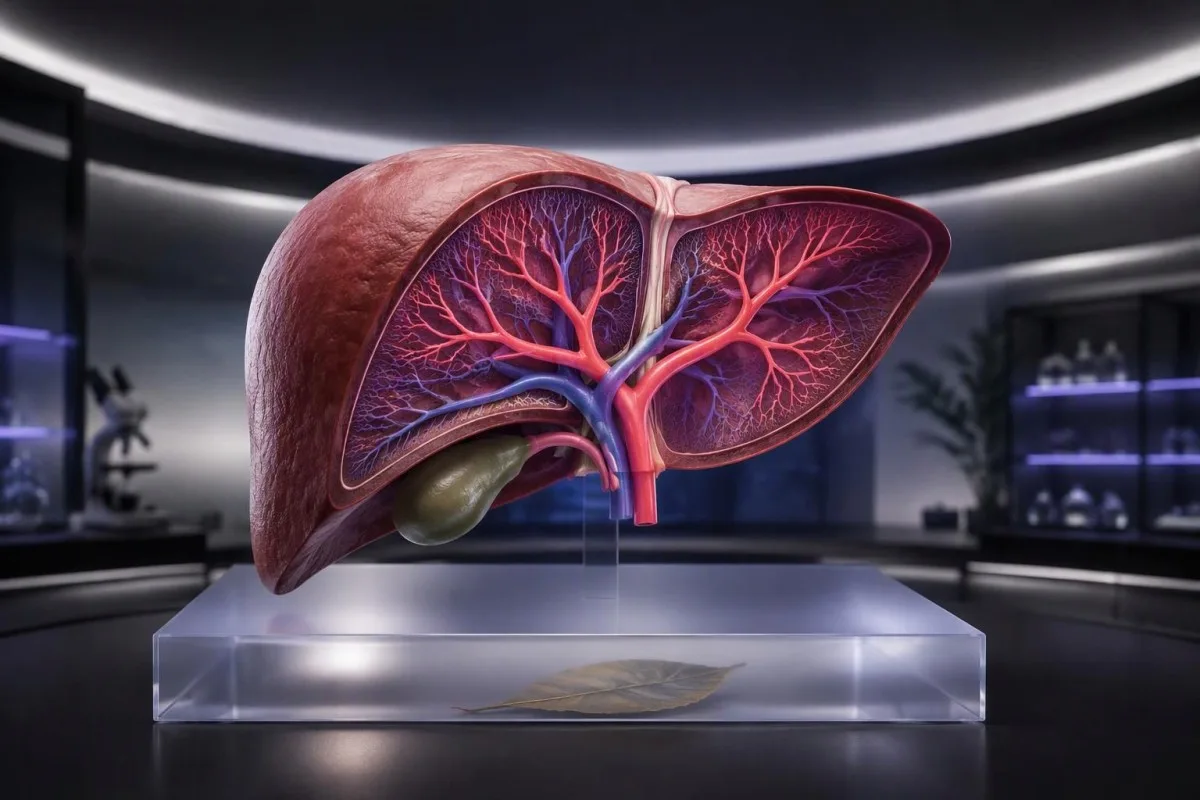
A mildly raised GGT is usually a context clue rather than a diagnosis. The useful question is whether it is isolated, persistent, rising, or paired with a concerning liver-test pattern.


- Borderline GGT usually means a value less than 2 times the laboratory upper limit, especially when ALT, AST, ALP, bilirubin, albumin, and INR are normal.
- Typical ranges vary by laboratory; many adult laboratories use roughly 5-36 U/L for women and 8-61 U/L for men.
- Timing sa retest is commonly 4-12 weeks after reviewing alcohol, medicines, supplements, recent illness, and metabolic risk factors.
- GGT plus ALP elevation points more strongly toward a liver or bile-duct source than an ALP elevation alone.
- Urgent care is needed for jaundice, fever with right-upper abdominal pain, confusion, persistent vomiting, black stools, or very dark urine with pale stools.
- Alcohol context matters, but GGT cannot diagnose alcohol use or reliably estimate how much a person drinks.
- padayon nga pagtaas for more than 6 months, rising results, or abnormal bilirubin, ALP, ALT, platelet count, or INR warrants clinician-led evaluation.
- Do not stop prescriptions because of GGT alone; review possible medication effects with the prescriber first.
What a borderline GGT result usually means
Borderline GGT meaning: an isolated result just above your laboratory range is rarely an emergency and often settles after a repeat test in 4-12 weeks. It deserves attention when it persists, rises, or occurs with abnormal ALT, ALP, bilirubin, symptoms, or reduced liver synthetic function. As of September 30, 2026, I would not diagnose liver disease from GGT alone.
GGT, or gamma-glutamyl transferase, is an enzyme concentrated in bile-duct lining cells and also found in kidney, pancreas, and other tissues. A modest rise is sensitive to liver-cell stress and enzyme induction, but it is not specific for a particular disease. For a plain-language foundation, see our guide to sa gipasabot sa GGT.
In my clinical work, the most reassuring pattern is GGT 45 U/L with a local upper limit of 40 U/L, normal ALT, AST, ALP, bilirubin, albumin, platelets, and no symptoms. Dr. Thomas Klein would generally frame that as a follow-up signal, not a verdict. Laboratories set reference intervals from local populations, so the printed range on your report outranks a generic internet cutoff.
Si Kantesti usa ka AI blood test analyzer that reads GGT beside the rest of the liver panel, previous results, medicines, and reported risk factors. A single out-of-range flag can be statistically expected: a reference interval captures about 95% of a selected healthy population, leaving roughly 1 in 20 results outside it by design.
Why “borderline” has no universal number
Clinicians commonly call GGT mildly elevated when it is below 2 times the laboratory upper limit of normal (ULN), but this is a practical convention rather than a disease threshold. A value of 70 U/L can be trivial in one laboratory and more meaningful in another, particularly for a woman whose local ULN is 35 U/L.
GGT ranges, sex differences, and degree of elevation
Adult GGT reference intervals commonly run near 5-36 U/L for women and 8-61 U/L for men, but laboratories differ substantially. A result under 2 times ULN is usually managed with context and repeat testing rather than immediate imaging in a well person.
GGT is measured as enzyme activity, usually U/L o IU/L, and results depend on the assay temperature and method. Some European laboratories use lower sex-specific upper limits, while obesity, age, and regular alcohol exposure can shift population distributions upward. Compare results only after checking whether the laboratory and reference range changed between visits.
The degree of elevation matters less than its companions. GGT 90 U/L with ALP 240 U/L is more concerning for cholestasis than GGT 90 U/L with entirely normal ALP and bilirubin. Our detailed GGT range guide explains why the same number can produce different follow-up plans.
A GGT result alone does not measure fibrosis, liver reserve, or cancer risk. Albumin, INR, bilirubin, platelet count, imaging, and fibrosis scores answer different questions; this distinction prevents a lot of unnecessary alarm.
Read GGT with ALT, ALP, bilirubin, and platelets
GGT is most informative when compared with ALP, ALT, AST, bilirubin, albumin, INR, and platelets. GGT plus raised ALP supports a hepatobiliary source of ALP, whereas isolated GGT elevation is often nonspecific.
ALT and AST rise primarily with hepatocellular injury, while ALP and GGT often rise with reduced bile flow or enzyme induction. The American College of Gastroenterology guideline recommends confirming abnormal liver chemistries and reviewing the pattern before extensive testing (Kwo et al., 2017). For a useful overview, read unsay gilakip sa liver panel.
Ang R ratio helps clinicians describe a mixed picture: divide ALT/ALT ULN by ALP/ALP ULN. An R ratio above 5 is hepatocellular, below 2 is cholestatic, and 2-5 is mixed; GGT is supportive but does not enter the calculation. This is one reason a normal ALT does not automatically make an elevated ALP harmless.
Platelets below 150 × 10⁹/L, low albumin, or prolonged INR can signal reduced liver reserve or portal-hypertension risk in the right setting. Those results carry more immediate weight than an isolated GGT of 55 U/L. A normal bilirubin also does not rule out early chronic liver disease, so trend data matter.
Common reversible causes of a mildly elevated GGT
Alcohol exposure, metabolic fatty liver, recent medication changes, and enzyme-inducing medicines are the commonest explanations for a mildly elevated GGT. Short-term illness and unreported supplements can also matter, which is why a careful history often beats a broad test list.
A recent heavy drinking episode can raise GGT, but the response varies dramatically among individuals. GGT may remain elevated for weeks after alcohol reduction because its biological half-life is often estimated around 14-26 days. For a realistic view of recovery patterns, review blood markers after quitting alcohol.
Metabolic dysfunction-associated steatotic liver disease, now called ang MASLD, is a leading cause of persistent mild liver-enzyme abnormalities. Central weight gain, triglycerides of 150 mg/dL or more, prediabetes, type 2 diabetes, sleep apnoea, and hypertension make this explanation more likely even when ALT is normal.
I also ask about viral illness, recent surgery, fast weight loss, and high-intensity exercise, although exercise is a much stronger explanation for AST and creatine kinase than for isolated GGT. A 52-year-old endurance athlete with AST 89 U/L after a race needs CK and repeat testing; that is a different scenario from GGT 89 U/L with ALP elevation.
Alcohol and GGT: useful context, not a lie detector
GGT can rise with regular alcohol exposure, but it cannot prove drinking, quantify intake, or distinguish alcohol-related liver disease from MASLD. A normal GGT also does not exclude risky alcohol use.
In practice, I ask about drinks per week, binge episodes, alcohol-free days, and whether intake changed during the month before testing. The UK low-risk guidance advises not regularly exceeding 14 units per week, spread over 3 or more days; it is a risk-reduction threshold, not a guarantee of normal liver tests.
A 2024 EASL-EASD-EASO guideline treats alcohol intake and metabolic risk as overlapping contributors rather than mutually exclusive labels (EASL-EASD-EASO, 2024). That is clinically sensible: a person can have MASLD, alcohol-related injury, and medication effects at the same time. Our EtG testing guide explains why a direct alcohol biomarker answers a different question from GGT.
If alcohol may be contributing, a 4-8 week alcohol-free interval followed by repeat liver tests can be informative when medically safe and personally feasible. Do not attempt abrupt unsupervised cessation if you drink daily and have had tremor, sweating, seizures, hallucinations, or severe withdrawal before; urgent medical advice is safer.
Medication and supplement effects worth checking
Several medicines can raise GGT through liver enzyme induction or drug-related liver injury, but patients should not stop prescribed treatment because of one mildly abnormal result. The safe next step is a medication reconciliation with the clinician or pharmacist who knows why each medicine was prescribed.
Classic enzyme-inducing anticonvulsants include phenytoin, phenobarbital, and carbamazepine; they may elevate GGT without clinically important liver damage. Some antibiotics, antifungals, antiretrovirals, statins, hormonal therapies, and immunomodulating medicines can alter liver tests through different mechanisms. Timing is the clue: a rise appearing 2-12 weeks after a new agent deserves prompt review.
Supplements deserve the same scrutiny as prescriptions. Concentrated green-tea extract, anabolic agents, high-dose niacin, multi-ingredient “detox” products, and poorly regulated bodybuilding products have all been linked to liver injury. See our practical review of liver-health supplements before assuming a product marketed as natural is benign.
Bring photographs of labels, not just product names; formulations change and doses are easily forgotten. A clinician may repeat ALT, AST, ALP, bilirubin, and INR sooner—within days to 2 weeks—if symptoms appear or a suspected drug reaction coincides with ALT more than 3 times ULN.
When borderline GGT points toward metabolic liver risk
Borderline GGT can accompany MASLD, particularly when waist circumference, triglycerides, glucose, blood pressure, or ALT are also abnormal. It is not a diagnostic test for fatty liver, and normal enzymes do not exclude liver fat or fibrosis.
MASLD is diagnosed from evidence of liver steatosis plus one or more cardiometabolic risk factors after considering alcohol and other causes. The 2024 EASL-EASD-EASO guideline recommends structured fibrosis risk assessment in people with metabolic risk, rather than relying on liver enzymes alone (EASL-EASD-EASO, 2024). Our giya sa MASLD testing sets out the usual laboratory and imaging sequence.
Ang FIB-4 score uses age, AST, ALT, and platelets; in adults under 65, a value below 1.3 generally indicates low risk of advanced fibrosis in primary-care triage. FIB-4 is less reliable during acute illness, in people younger than 35, and in people over 65, where age inflates the score. Use a Katin-awan sa FIB-4 rather than calculating from partial labs.
Si Kantesti usa ka AI pagsabot sa resulta sa blood test platform that can place GGT alongside fasting glucose, HbA1c, triglycerides, HDL cholesterol, ALT, platelets, and prior results. That pattern recognition is useful for a clinician conversation, but ultrasound or elastography—not AI alone—assesses steatosis and fibrosis.
How long to wait before retesting GGT
For isolated, mildly elevated GGT without symptoms, repeating a complete liver panel in 4-12 ka semana is a reasonable practical interval. Retest sooner when GGT is rising quickly, another liver value is abnormal, a new medicine is involved, or symptoms develop.
Use the same laboratory where possible and repeat GGT, ALT, AST, ALP, total and direct bilirubin, albumin, and CBC with platelets. Fasting is not mandatory for GGT itself, though it can help if glucose and triglycerides are being assessed simultaneously. Avoid trying to “beat” the test with extreme dieting, dehydration, or unapproved supplements.
For the cleanest comparison, document alcohol intake for the preceding 4 weeks, new medicines, supplement doses, illness, and major exercise. A repeat test after a stable routine is more useful than one drawn immediately after a holiday, infection, or crash diet. Our giya sa pag-iskedyul sa blood test explains why day-to-day variation can be real.
A fall toward the reference range after removing an obvious trigger is reassuring, though it does not automatically establish cause and effect. A persistent result over 6 months should prompt a more deliberate work-up, even if you feel perfectly well.
When to worry about GGT and seek urgent care
An elevated GGT becomes urgent because of symptoms or a dangerous liver pattern, not because of a single universal GGT number. Same-day assessment is appropriate for jaundice, fever with right-upper abdominal pain, confusion, severe itching with dark urine, or persistent vomiting.
Seek emergency care for yellow eyes or skin with fever, severe abdominal pain, confusion, fainting, vomiting blood, or black tarry stool. These features can reflect bile-duct obstruction, severe hepatitis, infection, gastrointestinal bleeding, or liver failure; waiting for a repeat GGT would be the wrong move. Review our warning signs for taas nga bilirubin.
Contact a clinician promptly, usually within days, if bilirubin is above range, ALP is more than 1.5 times ULN, ALT or AST exceeds 3 times ULN, or GGT rises on serial tests. There is no validated emergency cutoff such as “GGT 200 U/L”; a painless GGT of 200 U/L may be less urgent than GGT 80 U/L with fever and jaundice.
Pregnancy deserves a lower threshold for assessment. Itching of the palms or soles, jaundice, or elevated bile acids in pregnancy needs same-day maternity advice because the relevant test is serum bile acids, not GGT alone; see bile-acid urgency.
What clinicians may check after persistent GGT elevation
Persistent GGT elevation usually leads to a targeted history, repeat liver panel, metabolic assessment, viral hepatitis testing when risk supports it, and ultrasound or fibrosis testing when indicated. Broad “liver screens” are not necessary for every result just above range.
Initial evaluation commonly covers alcohol, medicines, body-weight history, diabetes risk, family history, travel, viral exposure, and symptoms. Hepatitis B surface antigen and hepatitis C antibody testing are appropriate when risk factors, unexplained abnormalities, or local screening recommendations support them. Read about hepatitis C symptom patterns if exposure is a concern.
Ultrasound is useful for gallstones, bile-duct dilation, liver texture, and obvious structural change, but it cannot reliably stage mild fibrosis. Transient elastography, often known as FibroScan, estimates stiffness in kilopascals and can complement FIB-4; our FibroScan guide explains why fasting and technical quality affect results.
Autoimmune markers, ferritin and transferrin saturation, coeliac testing, alpha-1 antitrypsin testing, or ceruloplasmin are selected by age, pattern, and history—not ordered reflexively. The ACG guideline supports targeted investigation because indiscriminate testing creates false positives and anxiety (Kwo et al., 2017).
GGT, gallbladder disease, and cholestasis patterns
GGT helps confirm that an elevated ALP probably comes from the liver or bile ducts rather than bone. It does not diagnose gallstones, cholecystitis, or bile-duct blockage without symptoms, bilirubin results, imaging, and clinical examination.
A cholestatic pattern usually means ALP is disproportionately elevated relative to ALT, often with GGT elevation. Direct bilirubin can rise when bile flow is impaired, causing dark urine and pale stool; these features are more actionable than GGT alone. Our giya sa cholestasis pattern compares the usual laboratory combinations.
Gallstone-related obstruction may cause fluctuating pain under the right ribs, nausea, fever, or jaundice, although painless obstruction also occurs. A normal GGT does not rule out an acute stone event early in its course, and a high GGT cannot tell whether a stone is currently present. Ultrasound is often the first imaging test.
ALP can rise from bone turnover, healing fractures, vitamin D deficiency, pregnancy, and Paget disease. If ALP is high but GGT is normal, clinicians often look beyond the liver; our piece on ALP human sa usa ka bali gives a useful example.
Four misconceptions about a slightly elevated GGT
A slightly elevated GGT does not automatically mean alcohol misuse, cirrhosis, or a blocked bile duct. It is also not a liver “detox score,” and lowering the number without finding the context is not a meaningful treatment goal.
Misconception one: “Normal ALT means my liver is definitely fine.” Normal ALT is reassuring but does not exclude steatosis or fibrosis, particularly in diabetes and obesity. This is why fibrosis risk tools use age, platelets, and AST as well as ALT.
Misconception two: “GGT is an alcohol test.” It is not. In my experience, patients are often relieved to hear that GGT is an enzyme-induction marker with many causes, while clinicians still need an honest, nonjudgmental alcohol history to interpret it correctly.
Misconception three: “A supplement can safely normalize it.” Supplements may themselves be the cause, and there is no proven over-the-counter product that treats unexplained elevated GGT. Kantesti AI highlights supplement-related possibilities and result trends, but a clinician should assess persistent abnormalities; our mga sumbanan sa medikal nga pag-validate describe the limits of AI-supported interpretation.
Using trends and AI interpretation safely
A GGT trend is more useful than a single borderline result when tests are taken under comparable conditions. AI can organize the pattern and prompt questions, but it cannot examine you, verify a medicine history, or replace ultrasound, elastography, or urgent assessment.
Si Kantesti usa ka AI-powered blood test analysis tool designed to compare GGT with ALT, AST, ALP, bilirubin, platelets, glucose, and lipids rather than treating a red flag as a diagnosis. In a stable outpatient, a change from 42 to 44 U/L may be ordinary biological and analytical variation; a rise from 42 to 140 U/L alongside ALP and bilirubin changes is not.
Before uploading or sharing results, check the exact unit, reference interval, collection date, fasting status, and whether the report contains a hemolysis or lipemia comment. A blood-test PDF checklist can prevent a transcription error from becoming a health worry.
Dr. Thomas Klein’s practical rule is simple: use an interpretation to prepare for care, not to delay it. If you have red-flag symptoms, contact urgent services rather than waiting for a trend analysis or another home-based decision.
Questions to take to a GGT follow-up appointment
The best follow-up question is not “How do I lower GGT?” but “What pattern do my full liver tests show, and what is the safest next step?” Bringing prior results and a complete medication list can shorten the path to an answer.
Ask whether your elevation is isolated, whether ALP suggests a bile-duct pattern, and whether bilirubin, albumin, INR, or platelets alter the level of concern. Ask what date to retest and which tests will be repeated. A clinician should be able to explain why a 4-week, 8-week, or immediate repeat is being chosen.
Ask whether your alcohol, medicine, supplement, metabolic, viral, or family history changes the investigation. If fibrosis risk is relevant, ask whether FIB-4 or elastography is appropriate rather than requesting every available blood test. Our medical advisory board supports the clinical-review principles behind these patient safety prompts.
Keep a copy of each report. Persistent mild abnormalities are often solved by sequence—repeat panel, targeted history, then selective imaging—not by panic or by ignoring the result. If jaundice, fever, severe pain, confusion, dark urine with pale stools, or vomiting develops, seek same-day medical assessment.
Kanunay nga Gipangutana nga mga Pangutana
Unsay gipasabut sa borderline nga GGT level?
Ang borderline nga lebel sa GGT kasagaran nagpasabot nga ang enzyme kay gamay ra nga labaw sa labing taas nga limitasyon sa imong laboratoryo, kasagaran dili mosobra sa 2 ka pilo nianang limitaha. Kung ang ALT, AST, ALP, bilirubin, albumin, INR, platelets, ug mga sintomas normal, kining pattern kasagarang i-recheck sa 4-12 ka semana imbes nga itrato isip emerhensya. Ang exposure sa alkohol, risgo sa metabolic sa atay, mga tambal, ug mga suplemento sagad nga mga katin-awan. Ang padayon nga pagtaas sulod sa kapin sa 6 ka bulan o ang pataas nga trend nanginahanglan ug pagsusi sa doktor.
Unsa ka taas ang GGT aron angay nako mabalaka?
There is no single GGT number that defines an emergency because urgency depends more on symptoms and other liver results. A GGT above 2 times the laboratory upper limit, especially with ALP elevation, abnormal bilirubin, or ALT and AST above 3 times ULN, should prompt timely clinical review. Jaundice, fever, right-upper abdominal pain, confusion, dark urine, pale stools, or persistent vomiting require same-day medical assessment regardless of the GGT value. An isolated GGT of 60 U/L can be less concerning than GGT of 45 U/L with jaundice.
Makahatag ba ang alkohol ug gamay nga taas nga GGT?
Ang regular nga pag-inom og alkohol makapataas sa GGT, apan ang GGT dili makapamatuod sa paggamit og alkohol o makasukod kon unsa kadaghan ang imnon sa usa ka tawo. Ang enzyme mahimong magpabilin nga taas sulod sa mga semana human maminusan ang alkohol tungod kay ang gibanabana nga katunga sa kinabuhi niini kasagaran mga 14-26 ka adlaw. Ang 4-8 ka semana nga paglikay sa alkohol nga gisundan sa balik nga liver panel mahimong makatabang kon luwas ug mahimo. Ang mga tawo nga nameligro sa alcohol withdrawal kinahanglan mangayo ug tambag medikal sa dili pa kalit nga hunongon ang adlaw-adlaw nga pag-inom og alkohol.
Kinahanglan ba kong magpuasa sa dili pa balikon ang usa ka GGT test?
Fasting is not usually required for a GGT test, because GGT is not strongly affected by a standard meal. If the repeat blood draw also includes fasting glucose, triglycerides, or insulin, your clinician may request an 8-12 hour fast for those markers. Use the same laboratory where possible and document alcohol intake, new medicines, supplements, illness, and major exercise in the preceding weeks. Consistent conditions make a GGT trend more interpretable.
Makapahinungod ba ang tambok nga atay og taas nga GGT bisan normal ang ALT?
MASLD can occur with elevated GGT and normal ALT, and normal liver enzymes do not exclude steatosis or fibrosis. Metabolic clues include diabetes or prediabetes, triglycerides of 150 mg/dL or higher, low HDL cholesterol, high blood pressure, and increased waist circumference. FIB-4 uses age, AST, ALT, and platelets to estimate advanced-fibrosis risk, while ultrasound or elastography assesses liver structure. The 2024 EASL-EASD-EASO guideline supports structured fibrosis assessment in people with metabolic risk.
Can medications raise GGT?
Medicines can raise GGT through enzyme induction or drug-related liver injury, and older anticonvulsants such as phenytoin, phenobarbital, and carbamazepine are classic examples. Antibiotics, antifungals, antiretrovirals, statins, hormones, and herbal or bodybuilding products can also alter liver tests in some people. Do not stop a prescribed medicine because of a borderline GGT result without consulting the prescriber. A rise within 2-12 weeks of starting a new product is a useful timing clue for clinical review.
Karon na ang AI-Powered Blood Test Analysis
Apil sa kapin sa 2 milyon nga mga user sa tibuok kalibutan nga nagsalig sa Kantesti para sa dayon ug tukma nga pag-analisa sa lab test. I-upload ang imong resulta sa blood test ug makadawat og komprehensibong pagsabot sa 15,000+ nga mga biomarker sulod sa mga segundo.
📚 Mga Napangalan nga Research Publications
Klein, T., Mitchell, S., & Weber, H. (2026). Kantesti LTD. (2026). AI Blood Test Analyzer: 2.5M Pagsusi sa Pagsulay sa Dugo | Global Health Report 2026. Zenodo.. Kantesti AI Medical Research.
Klein, T., Mitchell, S., & Weber, H. (2026). Kantesti LTD. (2026). RDW Blood Test: Kumpletong Giya sa RDW-CV, MCV ug MCHC. Zenodo.. Kantesti AI Medical Research.
📖 Mga Panlabas nga Sanggunian sa Medisina
⚕️ Pagpasabot sa Medikal
Kini nga artikulo para sa katuyoan sa edukasyon ra ug dili kini mosangpot sa medikal nga tambag. Kanunay mokonsulta sa usa ka kwalipikado nga healthcare provider alang sa mga desisyon sa diagnosis ug pagtambal.
Mga E-E-A-T Trust Signals
Kasinatian
Pagsusi sa klinika nga gipangulohan sa doktor sa mga workflow sa interpretasyon sa lab.
Kahanas
Pokus sa medisina sa laboratoryo kung giunsa paglihok ang mga biomarker sa konteksto sa klinika.
Pagka-awtorisado
Gisulat ni Dr. Thomas Klein ug gisusi ni Dr. Sarah Mitchell ug Prof. Dr. Hans Weber.
Kasaligan
Interpretasyon nga base sa ebidensya, nga adunay klaro nga mga agianan sa sunod nga buhat aron makunhuran ang kabalaka.