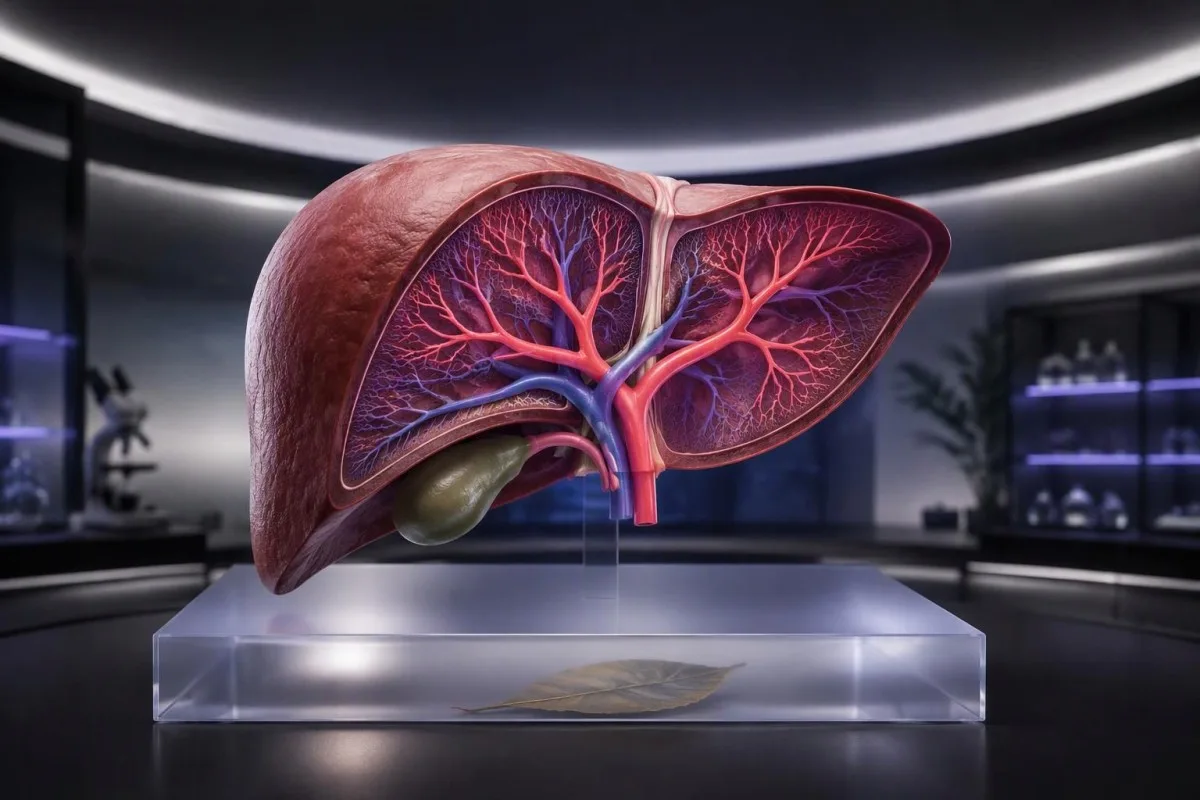
Una GGT ligeramente elevada suele ser una pista contextual más que un diagnóstico. La pregunta útil es si está aislada, es persistente, está aumentando o se acompaña de un patrón preocupante en las pruebas de función hepática.


- GGT en el límite suele significar un valor inferior a 2 veces el límite superior del laboratorio, especialmente cuando ALT, AST, ALP, bilirrubina, albúmina e INR son normales.
- Rangos típicos varían según el laboratorio; muchos laboratorios para adultos utilizan aproximadamente 5-36 U/L para mujeres y 8-61 U/L para hombres.
- Momento para repetir el análisis suele ser de 4 a 12 semanas después de revisar el consumo de alcohol, medicamentos, suplementos, enfermedades recientes y factores de riesgo metabólico.
- GGT más ALP la elevación apunta más firmemente hacia un origen hepático o de las vías biliares que una elevación de ALP por sí sola.
- Atención de urgencia es necesaria para ictericia, fiebre con dolor en la parte superior derecha del abdomen, confusión, vómitos persistentes, heces negras o orina muy oscura con heces pálidas.
- Contexto del alcohol importa, pero la GGT no puede diagnosticar el consumo de alcohol ni estimar de forma fiable cuánto bebe una persona.
- elevación persistente durante más de 6 meses, resultados crecientes o bilirrubina, ALP, ALT, recuento de plaquetas o INR anormales justifican una evaluación por parte de un médico.
- No suspenda los tratamientos solo por la GGT; revise primero los posibles efectos de la medicación con el médico prescriptor.
Lo que suele significar un resultado de GGT en el límite
Significado de una GGT límite: un resultado aislado justo por encima del rango de su laboratorio rara vez es una emergencia y a menudo se normaliza después de una prueba repetida en 4-12 semanas. Merece atención cuando persiste, aumenta o se produce con ALT, ALP, bilirrubina anormales, síntomas o función sintética hepática reducida. A partir del 30 de septiembre de 2026, no diagnosticaría enfermedades hepáticas solo con la GGT.
GGT, o gamma-glutamil transferasa, es una enzima concentrada en las células del revestimiento de los conductos biliares y que también se encuentra en el riñón, el páncreas y otros tejidos. Un aumento moderado es sensible al estrés de las células hepáticas y a la inducción de enzimas, pero no es específico de una enfermedad particular. Para una base de lenguaje claro, consulte nuestra guía de qué significa GGT.
En mi práctica clínica, el patrón más tranquilizador es una GGT de 45 U/L con un límite superior local de 40 U/L, ALT, AST, ALP, bilirrubina, albúmina, plaquetas normales y sin síntomas. El Dr. Thomas Klein generalmente lo consideraría una señal de seguimiento, no un veredicto. Los laboratorios establecen intervalos de referencia a partir de poblaciones locales, por lo que el rango impreso en su informe prevalece sobre un corte genérico de Internet.
Kantesti es un Analizador de sangre con inteligencia artificial que lee GGT junto con el resto del panel hepático, resultados anteriores, medicamentos y factores de riesgo reportados. Un solo indicador fuera de rango puede ser estadísticamente esperado: un intervalo de referencia captura aproximadamente el 95 % de una población sana seleccionada, dejando aproximadamente 1 de cada 20 resultados fuera de él por diseño.
Por qué “límite” no tiene un número universal
Los médicos suelen llamar a la GGT levemente elevada cuando está por debajo de 2 veces el límite superior normal (ULN) del laboratorio, pero esta es una convención práctica más que un umbral de enfermedad. Un valor de 70 U/L puede ser trivial en un laboratorio y más significativo en otro, particularmente para una mujer cuyo ULN local es de 35 U/L.
Rangos de GGT, diferencias de sexo y grado de elevación
Los intervalos de referencia de GGT en adultos suelen rondar los 5-36 U/L para mujeres y 8-61 U/L para hombres, pero los laboratorios difieren sustancialmente. Un resultado inferior a 2 veces el ULN generalmente se maneja con contexto y pruebas repetidas en lugar de imágenes inmediatas en una persona sana.
La GGT se mide como actividad enzimática, generalmente U/L o UI/L, y los resultados dependen de la temperatura y el método del ensayo. Algunos laboratorios europeos utilizan límites superiores específicos de sexo más bajos, mientras que la obesidad, la edad y la exposición regular al alcohol pueden aumentar las distribuciones de la población. Compare los resultados solo después de comprobar si el laboratorio y el rango de referencia cambiaron entre visitas.
El grado de elevación importa menos que sus acompañantes. Una GGT de 90 U/L con una ALP de 240 U/L es más preocupante para colestasis que una GGT de 90 U/L con ALP y bilirrubina completamente normales. Nuestro detallado guía de rangos de GGT explica por qué el mismo número puede generar diferentes planes de seguimiento.
Un resultado de GGT por sí solo no mide la fibrosis, la reserva hepática o el riesgo de cáncer. La albúmina, el INR, la bilirrubina, el recuento de plaquetas, las imágenes y las puntuaciones de fibrosis responden a preguntas diferentes; esta distinción evita mucha alarma innecesaria.
Leer la GGT junto con ALT, ALP, bilirrubina y plaquetas
GGT is most informative when compared with ALP, ALT, AST, bilirubin, albumin, INR, and platelets. GGT plus raised ALP supports a hepatobiliary source of ALP, whereas isolated GGT elevation is often nonspecific.
ALT and AST rise primarily with hepatocellular injury, while ALP and GGT often rise with reduced bile flow or enzyme induction. The American College of Gastroenterology guideline recommends confirming abnormal liver chemistries and reviewing the pattern before extensive testing (Kwo et al., 2017). For a useful overview, read qué incluye un panel hepático.
El cociente R helps clinicians describe a mixed picture: divide ALT/ALT ULN by ALP/ALP ULN. An R ratio above 5 is hepatocellular, below 2 is cholestatic, and 2-5 is mixed; GGT is supportive but does not enter the calculation. This is one reason a normal ALT does not automatically make an elevated ALP harmless.
Platelets below 150 × 10⁹/L, low albumin, or prolonged INR can signal reduced liver reserve or portal-hypertension risk in the right setting. Those results carry more immediate weight than an isolated GGT of 55 U/L. A normal bilirubin also does not rule out early chronic liver disease, so trend data matter.
Causas comunes reversibles de una GGT ligeramente elevada
Alcohol exposure, metabolic fatty liver, recent medication changes, and enzyme-inducing medicines are the commonest explanations for a mildly elevated GGT. Short-term illness and unreported supplements can also matter, which is why a careful history often beats a broad test list.
A recent heavy drinking episode can raise GGT, but the response varies dramatically among individuals. GGT may remain elevated for weeks after alcohol reduction because its biological half-life is often estimated around 14-26 days. For a realistic view of recovery patterns, review blood markers after quitting alcohol.
Metabolic dysfunction-associated steatotic liver disease, now called MASLD, is a leading cause of persistent mild liver-enzyme abnormalities. Central weight gain, triglycerides of 150 mg/dL or more, prediabetes, type 2 diabetes, sleep apnoea, and hypertension make this explanation more likely even when ALT is normal.
I also ask about viral illness, recent surgery, fast weight loss, and high-intensity exercise, although exercise is a much stronger explanation for AST and creatine kinase than for isolated GGT. A 52-year-old endurance athlete with AST 89 U/L after a race needs CK and repeat testing; that is a different scenario from GGT 89 U/L with ALP elevation.
Alcohol y GGT: contexto útil, no un detector de mentiras
GGT can rise with regular alcohol exposure, but it cannot prove drinking, quantify intake, or distinguish alcohol-related liver disease from MASLD. A normal GGT also does not exclude risky alcohol use.
In practice, I ask about drinks per week, binge episodes, alcohol-free days, and whether intake changed during the month before testing. The UK low-risk guidance advises not regularly exceeding 14 units per week, spread over 3 or more days; it is a risk-reduction threshold, not a guarantee of normal liver tests.
A 2024 EASL-EASD-EASO guideline treats alcohol intake and metabolic risk as overlapping contributors rather than mutually exclusive labels (EASL-EASD-EASO, 2024). That is clinically sensible: a person can have MASLD, alcohol-related injury, and medication effects at the same time. Our EtG testing guide explains why a direct alcohol biomarker answers a different question from GGT.
If alcohol may be contributing, a 4-8 week alcohol-free interval followed by repeat liver tests can be informative when medically safe and personally feasible. Do not attempt abrupt unsupervised cessation if you drink daily and have had tremor, sweating, seizures, hallucinations, or severe withdrawal before; urgent medical advice is safer.
Efectos de medicamentos y suplementos que vale la pena comprobar
Several medicines can raise GGT through liver enzyme induction or drug-related liver injury, but patients should not stop prescribed treatment because of one mildly abnormal result. The safe next step is a medication reconciliation with the clinician or pharmacist who knows why each medicine was prescribed.
Classic enzyme-inducing anticonvulsants include phenytoin, phenobarbital, and carbamazepine; they may elevate GGT without clinically important liver damage. Some antibiotics, antifungals, antiretrovirals, statins, hormonal therapies, and immunomodulating medicines can alter liver tests through different mechanisms. Timing is the clue: a rise appearing 2-12 weeks after a new agent deserves prompt review.
Supplements deserve the same scrutiny as prescriptions. Concentrated green-tea extract, anabolic agents, high-dose niacin, multi-ingredient “detox” products, and poorly regulated bodybuilding products have all been linked to liver injury. See our practical review of liver-health supplements before assuming a product marketed as natural is benign.
Bring photographs of labels, not just product names; formulations change and doses are easily forgotten. A clinician may repeat ALT, AST, ALP, bilirubin, and INR sooner—within days to 2 weeks—if symptoms appear or a suspected drug reaction coincides with ALT more than 3 times ULN.
Cuándo la GGT en el límite apunta a un riesgo metabólico hepático
Borderline GGT can accompany MASLD, particularly when waist circumference, triglycerides, glucose, blood pressure, or ALT are also abnormal. It is not a diagnostic test for fatty liver, and normal enzymes do not exclude liver fat or fibrosis.
MASLD is diagnosed from evidence of liver steatosis plus one or more cardiometabolic risk factors after considering alcohol and other causes. The 2024 EASL-EASD-EASO guideline recommends structured fibrosis risk assessment in people with metabolic risk, rather than relying on liver enzymes alone (EASL-EASD-EASO, 2024). Our guía de pruebas de MASLD sets out the usual laboratory and imaging sequence.
El Puntuación FIB-4 uses age, AST, ALT, and platelets; in adults under 65, a value below 1.3 generally indicates low risk of advanced fibrosis in primary-care triage. FIB-4 is less reliable during acute illness, in people younger than 35, and in people over 65, where age inflates the score. Use a de FIB-4 rather than calculating from partial labs.
Kantesti es un plataforma de interpretación análisis de sangre de AI that can place GGT alongside fasting glucose, HbA1c, triglycerides, HDL cholesterol, ALT, platelets, and prior results. That pattern recognition is useful for a clinician conversation, but ultrasound or elastography—not AI alone—assesses steatosis and fibrosis.
Cuánto tiempo esperar antes de volver a realizar la prueba de GGT
For isolated, mildly elevated GGT without symptoms, repeating a complete liver panel in 4-12 semanas is a reasonable practical interval. Retest sooner when GGT is rising quickly, another liver value is abnormal, a new medicine is involved, or symptoms develop.
Use the same laboratory where possible and repeat GGT, ALT, AST, ALP, total and direct bilirubin, albumin, and CBC with platelets. Fasting is not mandatory for GGT itself, though it can help if glucose and triglycerides are being assessed simultaneously. Avoid trying to “beat” the test with extreme dieting, dehydration, or unapproved supplements.
For the cleanest comparison, document alcohol intake for the preceding 4 weeks, new medicines, supplement doses, illness, and major exercise. A repeat test after a stable routine is more useful than one drawn immediately after a holiday, infection, or crash diet. Our guía de tiempo de prueba de sangre explains why day-to-day variation can be real.
A fall toward the reference range after removing an obvious trigger is reassuring, though it does not automatically establish cause and effect. A persistent result over 6 months should prompt a more deliberate work-up, even if you feel perfectly well.
Cuándo preocuparse por la GGT y buscar atención urgente
An elevated GGT becomes urgent because of symptoms or a dangerous liver pattern, not because of a single universal GGT number. Same-day assessment is appropriate for jaundice, fever with right-upper abdominal pain, confusion, severe itching with dark urine, or persistent vomiting.
Seek emergency care for yellow eyes or skin with fever, severe abdominal pain, confusion, fainting, vomiting blood, or black tarry stool. These features can reflect bile-duct obstruction, severe hepatitis, infection, gastrointestinal bleeding, or liver failure; waiting for a repeat GGT would be the wrong move. Review our warning signs for bilirrubina alta.
Contact a clinician promptly, usually within days, if bilirubin is above range, ALP is more than 1.5 times ULN, ALT or AST exceeds 3 times ULN, or GGT rises on serial tests. There is no validated emergency cutoff such as “GGT 200 U/L”; a painless GGT of 200 U/L may be less urgent than GGT 80 U/L with fever and jaundice.
Pregnancy deserves a lower threshold for assessment. Itching of the palms or soles, jaundice, or elevated bile acids in pregnancy needs same-day maternity advice because the relevant test is serum bile acids, not GGT alone; see bile-acid urgency.
Qué pueden comprobar los médicos tras una elevación persistente de la GGT
Persistent GGT elevation usually leads to a targeted history, repeat liver panel, metabolic assessment, viral hepatitis testing when risk supports it, and ultrasound or fibrosis testing when indicated. Broad “liver screens” are not necessary for every result just above range.
Initial evaluation commonly covers alcohol, medicines, body-weight history, diabetes risk, family history, travel, viral exposure, and symptoms. Hepatitis B surface antigen and hepatitis C antibody testing are appropriate when risk factors, unexplained abnormalities, or local screening recommendations support them. Read about hepatitis C symptom patterns if exposure is a concern.
Ultrasound is useful for gallstones, bile-duct dilation, liver texture, and obvious structural change, but it cannot reliably stage mild fibrosis. Transient elastography, often known as FibroScan, estimates stiffness in kilopascals and can complement FIB-4; our FibroScan guide explains why fasting and technical quality affect results.
Autoimmune markers, ferritin and transferrin saturation, coeliac testing, alpha-1 antitrypsin testing, or ceruloplasmin are selected by age, pattern, and history—not ordered reflexively. The ACG guideline supports targeted investigation because indiscriminate testing creates false positives and anxiety (Kwo et al., 2017).
GGT, enfermedad de la vesícula biliar y patrones de colestasis
GGT helps confirm that an elevated ALP probably comes from the liver or bile ducts rather than bone. It does not diagnose gallstones, cholecystitis, or bile-duct blockage without symptoms, bilirubin results, imaging, and clinical examination.
A cholestatic pattern usually means ALP is disproportionately elevated relative to ALT, often with GGT elevation. Direct bilirubin can rise when bile flow is impaired, causing dark urine and pale stool; these features are more actionable than GGT alone. Our guía del patrón de colestasis compares the usual laboratory combinations.
Gallstone-related obstruction may cause fluctuating pain under the right ribs, nausea, fever, or jaundice, although painless obstruction also occurs. A normal GGT does not rule out an acute stone event early in its course, and a high GGT cannot tell whether a stone is currently present. Ultrasound is often the first imaging test.
ALP can rise from bone turnover, healing fractures, vitamin D deficiency, pregnancy, and Paget disease. If ALP is high but GGT is normal, clinicians often look beyond the liver; our piece on ALP después de una fractura gives a useful example.
Cuatro ideas erróneas sobre una GGT ligeramente elevada
A slightly elevated GGT does not automatically mean alcohol misuse, cirrhosis, or a blocked bile duct. It is also not a liver “detox score,” and lowering the number without finding the context is not a meaningful treatment goal.
Misconception one: “Normal ALT means my liver is definitely fine.” Normal ALT is reassuring but does not exclude steatosis or fibrosis, particularly in diabetes and obesity. This is why fibrosis risk tools use age, platelets, and AST as well as ALT.
Misconception two: “GGT is an alcohol test.” It is not. In my experience, patients are often relieved to hear that GGT is an enzyme-induction marker with many causes, while clinicians still need an honest, nonjudgmental alcohol history to interpret it correctly.
Misconception three: “A supplement can safely normalize it.” Supplements may themselves be the cause, and there is no proven over-the-counter product that treats unexplained elevated GGT. Kantesti AI highlights supplement-related possibilities and result trends, but a clinician should assess persistent abnormalities; our normas de validación médica describe the limits of AI-supported interpretation.
Uso seguro de tendencias e interpretación por IA
A GGT trend is more useful than a single borderline result when tests are taken under comparable conditions. AI can organize the pattern and prompt questions, but it cannot examine you, verify a medicine history, or replace ultrasound, elastography, or urgent assessment.
Kantesti es un Herramienta de análisis de pruebas de sangre con IA designed to compare GGT with ALT, AST, ALP, bilirubin, platelets, glucose, and lipids rather than treating a red flag as a diagnosis. In a stable outpatient, a change from 42 to 44 U/L may be ordinary biological and analytical variation; a rise from 42 to 140 U/L alongside ALP and bilirubin changes is not.
Before uploading or sharing results, check the exact unit, reference interval, collection date, fasting status, and whether the report contains a hemolysis or lipemia comment. A blood-test PDF checklist can prevent a transcription error from becoming a health worry.
Dr. Thomas Klein’s practical rule is simple: use an interpretation to prepare for care, not to delay it. If you have red-flag symptoms, contact urgent services rather than waiting for a trend analysis or another home-based decision.
Preguntas para una cita de seguimiento de la GGT
The best follow-up question is not “How do I lower GGT?” but “What pattern do my full liver tests show, and what is the safest next step?” Bringing prior results and a complete medication list can shorten the path to an answer.
Ask whether your elevation is isolated, whether ALP suggests a bile-duct pattern, and whether bilirubin, albumin, INR, or platelets alter the level of concern. Ask what date to retest and which tests will be repeated. A clinician should be able to explain why a 4-week, 8-week, or immediate repeat is being chosen.
Ask whether your alcohol, medicine, supplement, metabolic, viral, or family history changes the investigation. If fibrosis risk is relevant, ask whether FIB-4 or elastography is appropriate rather than requesting every available blood test. Our consejo médico asesor supports the clinical-review principles behind these patient safety prompts.
Keep a copy of each report. Persistent mild abnormalities are often solved by sequence—repeat panel, targeted history, then selective imaging—not by panic or by ignoring the result. If jaundice, fever, severe pain, confusion, dark urine with pale stools, or vomiting develops, seek same-day medical assessment.
Preguntas frecuentes
¿Qué significa un nivel de GGT límite?
Un nivel de GGT límite generalmente significa que la enzima está justo por encima del límite de referencia superior de su laboratorio, a menudo menos de 2 veces ese límite. Cuando ALT, AST, ALP, bilirrubina, albúmina, INR, plaquetas y síntomas son normales, este patrón se vuelve a comprobar comúnmente en 4-12 semanas en lugar de tratarse como una emergencia. La exposición al alcohol, el riesgo metabólico hepático, los medicamentos y los suplementos son explicaciones frecuentes. La elevación persistente durante más de 6 meses o una tendencia creciente necesita una evaluación dirigida por un médico.
¿Qué tan alto tiene que estar la GGT antes de que deba preocuparme?
There is no single GGT number that defines an emergency because urgency depends more on symptoms and other liver results. A GGT above 2 times the laboratory upper limit, especially with ALP elevation, abnormal bilirubin, or ALT and AST above 3 times ULN, should prompt timely clinical review. Jaundice, fever, right-upper abdominal pain, confusion, dark urine, pale stools, or persistent vomiting require same-day medical assessment regardless of the GGT value. An isolated GGT of 60 U/L can be less concerning than GGT of 45 U/L with jaundice.
¿Puede el alcohol causar un GGT ligeramente elevado?
La exposición regular al alcohol puede elevar la GGT, pero la GGT no puede probar el uso de alcohol ni medir cuánto bebe una persona. La enzima puede permanecer elevada durante semanas después de la reducción del consumo de alcohol porque su vida media estimada suele ser de aproximadamente 14 a 26 días. Un intervalo de 4 a 8 semanas sin alcohol seguido de un panel hepático repetido puede ser útil cuando sea seguro y factible. Las personas en riesgo de abstinencia de alcohol deben buscar asesoramiento médico antes de suspender abruptamente el consumo diario de alcohol.
¿Debo ayunar antes de repetir una prueba de GGT?
Fasting is not usually required for a GGT test, because GGT is not strongly affected by a standard meal. If the repeat blood draw also includes fasting glucose, triglycerides, or insulin, your clinician may request an 8-12 hour fast for those markers. Use the same laboratory where possible and document alcohol intake, new medicines, supplements, illness, and major exercise in the preceding weeks. Consistent conditions make a GGT trend more interpretable.
¿Puede el hígado graso causar un GGT alto con ALT normal?
MASLD can occur with elevated GGT and normal ALT, and normal liver enzymes do not exclude steatosis or fibrosis. Metabolic clues include diabetes or prediabetes, triglycerides of 150 mg/dL or higher, low HDL cholesterol, high blood pressure, and increased waist circumference. FIB-4 uses age, AST, ALT, and platelets to estimate advanced-fibrosis risk, while ultrasound or elastography assesses liver structure. The 2024 EASL-EASD-EASO guideline supports structured fibrosis assessment in people with metabolic risk.
¿Pueden los medicamentos aumentar la GGT?
Medicines can raise GGT through enzyme induction or drug-related liver injury, and older anticonvulsants such as phenytoin, phenobarbital, and carbamazepine are classic examples. Antibiotics, antifungals, antiretrovirals, statins, hormones, and herbal or bodybuilding products can also alter liver tests in some people. Do not stop a prescribed medicine because of a borderline GGT result without consulting the prescriber. A rise within 2-12 weeks of starting a new product is a useful timing clue for clinical review.
Obtén hoy un análisis de sangre con IA
Únete a más de 2 millones de usuarios en todo el mundo que confían en Kantesti para el análisis instantáneo y preciso de pruebas de laboratorio. Sube tus resultados de análisis de sangre y recibe una interpretación completa de los biomarcadores de 15,000+ en segundos.
📚 Publicaciones de investigación citadas
Klein, T., Mitchell, S., & Weber, H. (2026). Kantesti LTD. (2026). Analizador de análisis de sangre con IA: 2.5M pruebas analizadas | Informe global de salud 2026. Zenodo.. Investigación médica con IA de Kantesti.
Klein, T., Mitchell, S., & Weber, H. (2026). Kantesti LTD. (2026). Prueba de sangre RDW: guía completa de RDW-CV, MCV y MCHC. Zenodo.. Investigación médica con IA de Kantesti.
📖 Referencias médicas externas
⚕️ Descargo de responsabilidad médica
Este artículo es solo con fines educativos y no constituye asesoramiento médico. Consulta siempre a un profesional sanitario cualificado para decisiones de diagnóstico y tratamiento.
Señales de confianza E-E-A-T
Experiencia
Revisión clínica dirigida por un médico de los flujos de interpretación de análisis.
Pericia
Enfoque en medicina de laboratorio sobre cómo se comportan los biomarcadores en el contexto clínico.
Autoridad
Escrito por el Dr. Thomas Klein, con revisión de la Dra. Sarah Mitchell y el Prof. Dr. Hans Weber.
Integridad
Interpretación basada en la evidencia con vías de seguimiento claras para reducir la alarma.