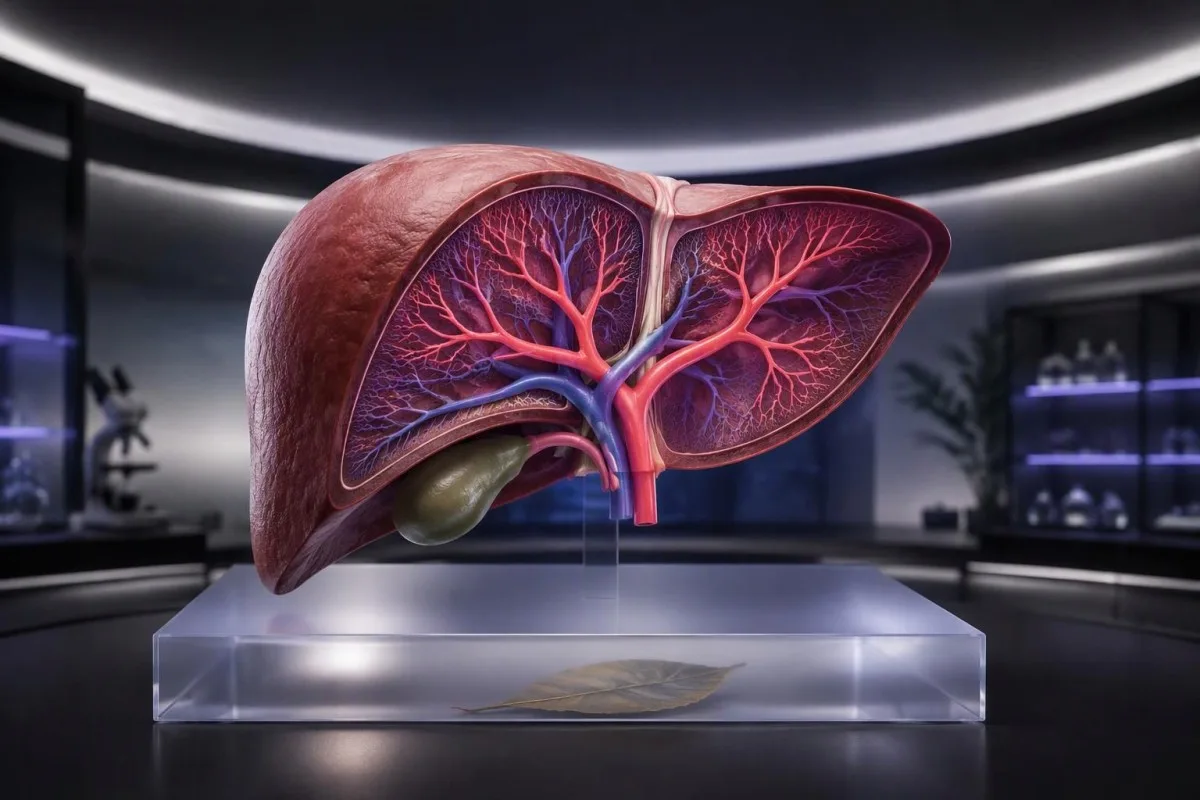
GGT maila bat altxatzea, normalean, testuinguruko arrasto bat da, ez diagnostiko bat. Galdera erabilgarria da ea isolatuta, iraunkorra, goranzkoa edo kezka sortzen duen gibel-test ereduekin parekatuta dagoen.


- GGT mugakidea normalean laborategiko goiko mugaren 2 aldiz baino gutxiagoko balioa esan nahi du, batez ere ALT, AST, ALP, bilirrubina, albumina eta INR normalak direnean.
- Tarte tipikoak laborategiaren arabera aldatzen dira; helduentzako laborategi askok emakumezkoentzat 5-36 U/L eta gizonezkoentzat 8-61 U/L erabiltzen dituzte gutxi gorabehera.
- Berriro probatzeko unea alkoholaren, botiken, osagarrien, azken gaixotasunaren eta arrisku metabolikoen faktoreen berrikuspena egin eta 4-12 aste ingurura izaten da.
- GGT eta ALP altxatzeak gibel edo behazun-bidearen jatorria adierazten du ALP altxatzeak bakarrik baino gehiago.
- Lehen mailako arreta azkarra beharrezkoa da jaundice, eskuineko goiko sabeleko minarekin sukarra, nahasmena, etengabeko oka, aulki beltzak edo aulki zurbilekin gernu oso iluna izanez gero.
- Alkoholaren testuingurua dira kontuan hartzekoak, baina GGT-k ezin du diagnostikatu alkoholaren erabilera edo fidagarritasunez estimatu pertsona batek zenbat edaten duen.
- Gorakada iraunkorra 6 hilabete baino gehiagotan, emaitza gorakorrekin, edo bilirubina, ALP, ALT, plaketen kopurua edo INR anormalekin, medikuaren ebaluazioa behar da.
- Ez utzi errezetak etenik GGT dela eta bakarrik; berrikusi botiken balizko eraginak medikuarekin lehenik.
GGTren emaitza mugakide batek normalean esan nahi duena
GGTren esanahi mugakidea: GGTren isurketaren jatorri anatomiko nagusiak gibela eta behazun-bideak dira.
gamma-glutamil transferasa , entzima bat da behazun-bideko zelulen estalduran kontzentratua eta giltzurrunetan, pankreasan eta beste ehun batzuetan ere aurkitzen dena. Gorakada txiki bat gibeleko zelulen estresaren eta entzimen indukzioaren sentikorra da, baina ez da zehatza gaixotasun jakin baterako. Oinarri sinple bat izateko, ikusi gure gida, Nire lan klinikoan, eredu lasaigarriena GGT 45 U/L da, 40 U/L-ko goiko muga duena, ALT, AST, ALP, bilirubina, albumina, plaketak normalak eta sintomarik gabe. Thomas Klein doktoreak jarraipenerako seinaletzat hartuko luke, ez epaiarekin. Laborategiek tokiko populazioetatik ateratako erreferentzia tarteak ezartzen dituzte, beraz, zure txostenean dagoen tarte inprimatuak Interneteko edozein mozketa gainditzen du. zer esan nahi duen GGT.
GGT irakurtzen duena gibeleko panelaren gainerakoekin, aurreko emaitzekin, botikekin eta jakinarazitako arrisku-faktoreekin batera. Balio bat tarteaz kanpo egotea estatistikoki espero daiteke: erreferentzia tarte batek populazio osasuntsu baten hartzen du, diseinuaren arabera, gutxi gorabehera 20tik 1 emaitza kanpo utziz.
Kantesti bat da. AI odol-analisi analizatzailea Zergatik "mugakideak" ez du zenbaki unibertsalik.
Mediku klinikoek GGT deitzen diote
apur bat altxatua laborategiko gehienezko balio normalaren (ULN) 2 aldiz baino gutxiago denean, baina hau ohiko hitzarmen praktiko bat da, ez gaixotasunaren atari bat. 70 U/L-ko balio bat hutsala izan daiteke laborategi batean eta esanguratsuagoa beste batean, batez ere emakume batentzat, zeinaren tokiko ULN 35 U/L den. GGT helduen erreferentzia tarteak normalean 5-36 U/L inguruan egoten dira emakumezkoentzat eta 8-61 U/L gizonezkoentzat, baina laborategiek nabarmen desberdintzen dute. ULN baino 2 aldiz txikiagoa den emaitza normalean testuinguruarekin eta proba errepikatuarekin kudeatzen da, balizko pertsona batean berehalako irudikapenaren ordez.
GGT tarteak, sexuen arteko aldeak eta altueraren maila
Entzima kimikoen analizatzaileek GGT jarduera neurtzen dute laborategiko lagin batean.
, eta emaitzak saiakuntza-tenperaturaren eta metodoaren araberakoak dira. Europako laborategi batzuek sexuaren araberako goiko mugak baxuagoak erabiltzen dituzte, eta obesitateak, adinak eta alkoholaren eragin erregularrak populazioaren banaketak gorantz alda ditzakete. Konparatu emaitzak laborategia eta erreferentzia tartea bisiten artean aldatu diren egiaztatu ondoren soilik. U/L edo IU/L, Altueraren mailak gutxiago du axola bere laguntzaileek baino. GGT 90 U/L eta ALP 240 U/L kolestasiarentzat kezka handiagoa da GGT 90 U/L eta ALP eta bilirubina guztiz normalak izatea baino. Gure xehea.
azaltzen du zergatik zenbaki berdinak jarraipen-plan desberdinak sor ditzakeen. GGT tartearen gida GGTren emaitza bakarrak ez du fibrosia, gibeleko erreserba edo minbiziaren arriskua neurtzen. Albuminak, INR, bilirubinak, plaketen kopuruak, irudikapenek eta fibrosi puntuazioek galdera desberdinak erantzuten dituzte; bereizketa honek alferrikako izua ekiditen du.
Sarritan 5-36 U/L emakumezkoentzat; 8-61 U/L gizonezkoentzat.
Irakurri GGT ALT, ALP, bilirrubina eta plaketekin
GGT informatiboena denean ALP, ALT, AST, bilirrubina, albumina, INR eta plaketekin alderatuta. GGT gehi ALP altxatuak ALPren hepatobiliar-iturria onartzen du, aldiz, GGT bakartutako igoera ez-espezifikoa izaten da.
ALT eta AST gorakadak batez ere kalte hepatozelularrarekin gertatzen dira, aldiz, ALP eta GGT maiz goratzen dira behazun-fluxu murriztuarekin edo entzima-indukzioarekin. American College of Gastroenterology-ren jarraibideak kimika hepatiko anomaloak baieztatzea eta eredua berrikustea gomendatzen du proba zabalak egin aurretik (Kwo et al., 2017). Ikuspegi erabilgarri bat lortzeko, irakurri zer barne hartzen duen gibeleko panel batek.
The R ratioa medikuei egoera mistoa deskribatzen laguntzen die: banatu ALT/ALT ULN ALP/ALP ULN arabera. 5etik gorako R ratioa hepatozelularra da, 2tik beherakoa kolestatikoa da, eta 2-5koa mistoa; GGT lagungarria da baina ez da kalkuluan sartzen. Hori da arrazoi bat zergatik ALT normalak ez duen automatikoki ALP altxatua kaltegabe bihurtzen.
Plaketak 150 × 10⁹/L azpitik, albumina baxua edo INR luzea gibel-erreserba murriztua edo hipertentsio porta-ren arriskua adieraz dezakete egoera egokian. Emaitza horiek pisua dute GGT 55 U/L bakartu bat baino berehalakoago. Bilirrubina normalak ere ez du kroniko-gibeleko gaixotasun goiztiarra baztertzen, beraz, joera-datuek garrantzia dute.
GGT maila apur bat igota duten kausa arruntenak, iraungarriak
Alkoholaren esposizioa, gibel koiotsu metabolikoa, azken medikazio-aldaketak eta entzima-induktore diren botikak dira GGT apur bat altxatuaren azalpen ohikoenak. Epe laburreko gaixotasunak eta salatu gabeko osagarriek ere axola dezakete, horregatik historia zaindu batek proba-zerrenda zabala baino hobe izaten du.
Alkohol-kontsumo handiko azken pasarte batek GGT igo dezake, baina erantzuna nabarmen aldatzen da pertsonen artean. GGT altxatuta egon daiteke aste batzuetan alkohol-murrizketaren ondoren, bere erdi-bizitza biologikoa 14-26 egun ingurukoa izan ohi baita. Berreskuratze-ereduen ikuspegi errealista bat lortzeko, berrikusi odol-markak alkohola utzi ondoren.
Disfuntzio metabolikoari lotutako gibel koiotsu-eritasuna, orain MASLD, deitua, gibel-entzimen anomalia iraunkorren arrazoi nagusietako bat da. Pisu-zentralaren irabazia, triglizeridoak 150 mg/dL edo gehiago, prediabetesa, 2. motako diabetesa, loa-apnea eta hipertentsioak azalpen hau probableago egiten dute ALT normala denean ere.
Gainera, gaixotasun biralak, azken ebakuntzak, pisu-galera azkarra eta intentsitate handiko ariketak galdetzen ditut, nahiz eta ariketa AST eta kreatina kinasa baino arrazoi indartsuagoa den GGT bakartu batentzat. 50 kilometroko lasterketa baten ondoren AST 89 U/L dituen 52 urteko kirolari bati CK eta berriro probatzea behar zaio; hori GGT 89 U/L ALP altxatuarekin dagoen egoera bat baino desberdina da.
Alkohola eta GGT: testuinguru erabilgarria, ez gezurren detektagailua
GGT goratu egin daiteke alkoholaren ohiko esposizioarekin, baina ezin du edatea frogatu, ezta kontsumoa kuantifikatu, ezta alkoholarekin lotutako gibel-gaixotasuna MASLD-tik bereizi ere. GGT normalak ere ez du baztertzen arrisku-alkohol-erabilera.
Praktikan, astean edari kopurua, asteburuko mozkorraldiak, alkoholik gabeko egunak eta probak egin aurreko hilean kontsumoak aldatu ote duen galdetzen dut. Erresuma Batuko arrisku baxuko jarraibideek ez dute gomendatzen ohikoan gainditzea astean 14 unitate, spread over 3 or more days; it is a risk-reduction threshold, not a guarantee of normal liver tests.
A 2024 EASL-EASD-EASO guideline treats alcohol intake and metabolic risk as overlapping contributors rather than mutually exclusive labels (EASL-EASD-EASO, 2024). That is clinically sensible: a person can have MASLD, alcohol-related injury, and medication effects at the same time. Our EtG testing guide explains why a direct alcohol biomarker answers a different question from GGT.
If alcohol may be contributing, a 4-8 week alcohol-free interval followed by repeat liver tests can be informative when medically safe and personally feasible. Do not attempt abrupt unsupervised cessation if you drink daily and have had tremor, sweating, seizures, hallucinations, or severe withdrawal before; urgent medical advice is safer.
Egiaztatzeko merezi duten botiken eta osagarrien efektuak
Several medicines can raise GGT through liver enzyme induction or drug-related liver injury, but patients should not stop prescribed treatment because of one mildly abnormal result. The safe next step is a medication reconciliation with the clinician or pharmacist who knows why each medicine was prescribed.
Classic enzyme-inducing anticonvulsants include phenytoin, phenobarbital, and carbamazepine; they may elevate GGT without clinically important liver damage. Some antibiotics, antifungals, antiretrovirals, statins, hormonal therapies, and immunomodulating medicines can alter liver tests through different mechanisms. Timing is the clue: a rise appearing 2-12 weeks after a new agent deserves prompt review.
Supplements deserve the same scrutiny as prescriptions. Concentrated green-tea extract, anabolic agents, high-dose niacin, multi-ingredient “detox” products, and poorly regulated bodybuilding products have all been linked to liver injury. See our practical review of liver-health supplements before assuming a product marketed as natural is benign.
Bring photographs of labels, not just product names; formulations change and doses are easily forgotten. A clinician may repeat ALT, AST, ALP, bilirubin, and INR sooner—within days to 2 weeks—if symptoms appear or a suspected drug reaction coincides with ALT more than 3 times ULN.
GGT mugakideak arrisku metabolikoaren gibel-arriskua adierazten duenean
Borderline GGT can accompany MASLD, particularly when waist circumference, triglycerides, glucose, blood pressure, or ALT are also abnormal. It is not a diagnostic test for fatty liver, and normal enzymes do not exclude liver fat or fibrosis.
MASLD is diagnosed from evidence of liver steatosis plus one or more cardiometabolic risk factors after considering alcohol and other causes. The 2024 EASL-EASD-EASO guideline recommends structured fibrosis risk assessment in people with metabolic risk, rather than relying on liver enzymes alone (EASL-EASD-EASO, 2024). Our MASLD proben gida sets out the usual laboratory and imaging sequence.
The FIB-4 puntuazioa uses age, AST, ALT, and platelets; in adults under 65, a value below 1.3 generally indicates low risk of advanced fibrosis in primary-care triage. FIB-4 is less reliable during acute illness, in people younger than 35, and in people over 65, where age inflates the score. Use a FIB-4 azalpena rather than calculating from partial labs.
Kantesti bat da. AI odol-analisien interpretazio-plataforma that can place GGT alongside fasting glucose, HbA1c, triglycerides, HDL cholesterol, ALT, platelets, and prior results. That pattern recognition is useful for a clinician conversation, but ultrasound or elastography—not AI alone—assesses steatosis and fibrosis.
Zenbat denbora itxaron behar da GGT berriro aztertu aurretik
For isolated, mildly elevated GGT without symptoms, repeating a complete liver panel in 4-12 astean is a reasonable practical interval. Retest sooner when GGT is rising quickly, another liver value is abnormal, a new medicine is involved, or symptoms develop.
Use the same laboratory where possible and repeat GGT, ALT, AST, ALP, total and direct bilirubin, albumin, and CBC with platelets. Fasting is not mandatory for GGT itself, though it can help if glucose and triglycerides are being assessed simultaneously. Avoid trying to “beat” the test with extreme dieting, dehydration, or unapproved supplements.
For the cleanest comparison, document alcohol intake for the preceding 4 weeks, new medicines, supplement doses, illness, and major exercise. A repeat test after a stable routine is more useful than one drawn immediately after a holiday, infection, or crash diet. Our odol-analisia egiteko gida explains why day-to-day variation can be real.
A fall toward the reference range after removing an obvious trigger is reassuring, though it does not automatically establish cause and effect. A persistent result over 6 months should prompt a more deliberate work-up, even if you feel perfectly well.
Noiz kezkatu GGTren inguruan eta noiz eskatu arreta berezia
An elevated GGT becomes urgent because of symptoms or a dangerous liver pattern, not because of a single universal GGT number. Same-day assessment is appropriate for jaundice, fever with right-upper abdominal pain, confusion, severe itching with dark urine, or persistent vomiting.
Seek emergency care for yellow eyes or skin with fever, severe abdominal pain, confusion, fainting, vomiting blood, or black tarry stool. These features can reflect bile-duct obstruction, severe hepatitis, infection, gastrointestinal bleeding, or liver failure; waiting for a repeat GGT would be the wrong move. Review our warning signs for bilirrubina altua.
Contact a clinician promptly, usually within days, if bilirubin is above range, ALP is more than 1.5 times ULN, ALT or AST exceeds 3 times ULN, or GGT rises on serial tests. There is no validated emergency cutoff such as “GGT 200 U/L”; a painless GGT of 200 U/L may be less urgent than GGT 80 U/L with fever and jaundice.
Pregnancy deserves a lower threshold for assessment. Itching of the palms or soles, jaundice, or elevated bile acids in pregnancy needs same-day maternity advice because the relevant test is serum bile acids, not GGT alone; see bile-acid urgency.
GGTren altuera iraunkorraren ondoren klinikoek zer egin dezaketen
Persistent GGT elevation usually leads to a targeted history, repeat liver panel, metabolic assessment, viral hepatitis testing when risk supports it, and ultrasound or fibrosis testing when indicated. Broad “liver screens” are not necessary for every result just above range.
Initial evaluation commonly covers alcohol, medicines, body-weight history, diabetes risk, family history, travel, viral exposure, and symptoms. Hepatitis B surface antigen and hepatitis C antibody testing are appropriate when risk factors, unexplained abnormalities, or local screening recommendations support them. Read about hepatitis C symptom patterns if exposure is a concern.
Ultrasound is useful for gallstones, bile-duct dilation, liver texture, and obvious structural change, but it cannot reliably stage mild fibrosis. Transient elastography, often known as FibroScan, estimates stiffness in kilopascals and can complement FIB-4; our FibroScan guide explains why fasting and technical quality affect results.
Autoimmune markers, ferritin and transferrin saturation, coeliac testing, alpha-1 antitrypsin testing, or ceruloplasmin are selected by age, pattern, and history—not ordered reflexively. The ACG guideline supports targeted investigation because indiscriminate testing creates false positives and anxiety (Kwo et al., 2017).
GGT, behazun-maskuriaren gaixotasuna eta kolestasi ereduak
GGT helps confirm that an elevated ALP probably comes from the liver or bile ducts rather than bone. It does not diagnose gallstones, cholecystitis, or bile-duct blockage without symptoms, bilirubin results, imaging, and clinical examination.
A cholestatic pattern usually means ALP is disproportionately elevated relative to ALT, often with GGT elevation. Direct bilirubin can rise when bile flow is impaired, causing dark urine and pale stool; these features are more actionable than GGT alone. Our kolestasi-ereduaren gida compares the usual laboratory combinations.
Gallstone-related obstruction may cause fluctuating pain under the right ribs, nausea, fever, or jaundice, although painless obstruction also occurs. A normal GGT does not rule out an acute stone event early in its course, and a high GGT cannot tell whether a stone is currently present. Ultrasound is often the first imaging test.
ALP can rise from bone turnover, healing fractures, vitamin D deficiency, pregnancy, and Paget disease. If ALP is high but GGT is normal, clinicians often look beyond the liver; our piece on Haustura baten ondoren ALP gives a useful example.
GGT apur bat altxatuta egotearen inguruko lau gaizki-ulertu
A slightly elevated GGT does not automatically mean alcohol misuse, cirrhosis, or a blocked bile duct. It is also not a liver “detox score,” and lowering the number without finding the context is not a meaningful treatment goal.
Misconception one: “Normal ALT means my liver is definitely fine.” Normal ALT is reassuring but does not exclude steatosis or fibrosis, particularly in diabetes and obesity. This is why fibrosis risk tools use age, platelets, and AST as well as ALT.
Misconception two: “GGT is an alcohol test.” It is not. In my experience, patients are often relieved to hear that GGT is an enzyme-induction marker with many causes, while clinicians still need an honest, nonjudgmental alcohol history to interpret it correctly.
Misconception three: “A supplement can safely normalize it.” Supplements may themselves be the cause, and there is no proven over-the-counter product that treats unexplained elevated GGT. Kantesti AI highlights supplement-related possibilities and result trends, but a clinician should assess persistent abnormalities; our baliozkotze medikoko estandarrak describe the limits of AI-supported interpretation.
Joerak eta AIren interpretazioa segurtasunez erabiltzea
A GGT trend is more useful than a single borderline result when tests are taken under comparable conditions. AI can organize the pattern and prompt questions, but it cannot examine you, verify a medicine history, or replace ultrasound, elastography, or urgent assessment.
Kantesti bat da. AI bidezko odol-analisien analisi-tresna designed to compare GGT with ALT, AST, ALP, bilirubin, platelets, glucose, and lipids rather than treating a red flag as a diagnosis. In a stable outpatient, a change from 42 to 44 U/L may be ordinary biological and analytical variation; a rise from 42 to 140 U/L alongside ALP and bilirubin changes is not.
Before uploading or sharing results, check the exact unit, reference interval, collection date, fasting status, and whether the report contains a hemolysis or lipemia comment. A blood-test PDF checklist can prevent a transcription error from becoming a health worry.
Dr. Thomas Klein’s practical rule is simple: use an interpretation to prepare for care, not to delay it. If you have red-flag symptoms, contact urgent services rather than waiting for a trend analysis or another home-based decision.
GGTren jarraipen-hitzordura eraman beharreko galderak
The best follow-up question is not “How do I lower GGT?” but “What pattern do my full liver tests show, and what is the safest next step?” Bringing prior results and a complete medication list can shorten the path to an answer.
Ask whether your elevation is isolated, whether ALP suggests a bile-duct pattern, and whether bilirubin, albumin, INR, or platelets alter the level of concern. Ask what date to retest and which tests will be repeated. A clinician should be able to explain why a 4-week, 8-week, or immediate repeat is being chosen.
Ask whether your alcohol, medicine, supplement, metabolic, viral, or family history changes the investigation. If fibrosis risk is relevant, ask whether FIB-4 or elastography is appropriate rather than requesting every available blood test. Our aholku-batzorde medikoa supports the clinical-review principles behind these patient safety prompts.
Keep a copy of each report. Persistent mild abnormalities are often solved by sequence—repeat panel, targeted history, then selective imaging—not by panic or by ignoring the result. If jaundice, fever, severe pain, confusion, dark urine with pale stools, or vomiting develops, seek same-day medical assessment.
Maiz egiten diren galderak
Zer esan nahi du GGT maila sinesgaitz batek?
GGT maila muga-mugakoa denean, entzima hori zure laborategiko erreferentziazko gehienezko mugaren gainetik dagoela esan ohi du, sarritan muga horren 2 aldiz baino gutxiago. ALT, AST, ALP, bilirrubina, albumina, INR, plaketak eta sintomak normalak direnean, patroi hori ohikoan 4-12 astetan berriro egiaztatzen da larrialdi gisa tratatu beharrean. Alkohol esposizioa, gibeleko arrisku metabolikoa, botikak eta osagarriak dira azalpen ohikoak. 6 hilabetetik gorako etengabeko igoerak edo goranzko joerak medikuaren ebaluazioa behar du.
Zenbat GGT egon behar du kezkatu baino lehen?
There is no single GGT number that defines an emergency because urgency depends more on symptoms and other liver results. A GGT above 2 times the laboratory upper limit, especially with ALP elevation, abnormal bilirubin, or ALT and AST above 3 times ULN, should prompt timely clinical review. Jaundice, fever, right-upper abdominal pain, confusion, dark urine, pale stools, or persistent vomiting require same-day medical assessment regardless of the GGT value. An isolated GGT of 60 U/L can be less concerning than GGT of 45 U/L with jaundice.
Alkohola GGT apur bat altxatuta egotea eragin dezake?
Alkohola aldizka hartzeak GGT maila igo dezake, baina GGTk ezin du frogatu alkohola erabili denik edo pertsona batek zenbat edaten duen. Entzima altu egon daiteke asteetan zehar alkohola gutxitu ondoren, bere batez besteko erdi-bizitza 14-26 egunekoa baita. 4-8 asteko alkoholik gabeko tarte bat eta gero gibel-panel bat egitea baliagarria izan daiteke, segurua eta bideragarria denean. Alkohola eten ondoren abstinentzia-sintomak izateko arriskuan dauden pertsonek mediku-aholkuak bilatu beharko lituzkete eguneroko alkohola bat-batean eten aurretik.
GGT proba bat berriz egin aurretik, barau egin behar dut?
Fasting is not usually required for a GGT test, because GGT is not strongly affected by a standard meal. If the repeat blood draw also includes fasting glucose, triglycerides, or insulin, your clinician may request an 8-12 hour fast for those markers. Use the same laboratory where possible and document alcohol intake, new medicines, supplements, illness, and major exercise in the preceding weeks. Consistent conditions make a GGT trend more interpretable.
Gibeleko gantzak eragin al dezake GGT altua, ALT normala izanda ere?
MASLD can occur with elevated GGT and normal ALT, and normal liver enzymes do not exclude steatosis or fibrosis. Metabolic clues include diabetes or prediabetes, triglycerides of 150 mg/dL or higher, low HDL cholesterol, high blood pressure, and increased waist circumference. FIB-4 uses age, AST, ALT, and platelets to estimate advanced-fibrosis risk, while ultrasound or elastography assesses liver structure. The 2024 EASL-EASD-EASO guideline supports structured fibrosis assessment in people with metabolic risk.
Ahal dute botikek GGT-a igotzea?
Medicines can raise GGT through enzyme induction or drug-related liver injury, and older anticonvulsants such as phenytoin, phenobarbital, and carbamazepine are classic examples. Antibiotics, antifungals, antiretrovirals, statins, hormones, and herbal or bodybuilding products can also alter liver tests in some people. Do not stop a prescribed medicine because of a borderline GGT result without consulting the prescriber. A rise within 2-12 weeks of starting a new product is a useful timing clue for clinical review.
Lortu gaur AI bidezko odol-analisien analisia
Batu mundu osoko 2 milioi erabiltzaile baino gehiagok Kantesti-n konfiantza dutenak, laborategiko analisiak berehala eta zehaztasunez aztertzeko. Igo zure odol-analisien emaitzak eta jaso 15,000+ biomarkatzaileen interpretazio integrala segundo gutxitan.
📚 Erreferentziatutako ikerketa-argitalpenak
Klein, T., Mitchell, S., & Weber, H. (2026). Kantesti LTD. (2026). AI Odol Analizatzailea: 2.5M Analizatutako Testak | Osasun Globalaren Txostena 2026. Zenodo.. Kantesti AI Medical Research.
Klein, T., Mitchell, S., & Weber, H. (2026). Kantesti LTD. (2026). RDW Odol-analisia: RDW-CV, MCV eta MCHC-rako gida osoa. Zenodo.. Kantesti AI Medical Research.
📖 Kanpoko erreferentzia medikoak
⚕️ Ohar medikoa
Artikulu hau hezkuntza-helburuetarako da soilik eta ez du mediku-aholkurik ematen. Diagnostiko- eta tratamendu-erabakietarako, beti kontsultatu osasun-profesional kualifikatu bati.
E-E-A-T Konfiantza-seinaleak
Esperientzia
Medikuek gidatutako berrikuspen klinikoa laborategiko interpretazioaren lan-fluxuei buruz.
Espezializazioa
Laborategiko medikuntzaren ikuspegia biomarkatzaileek testuinguru klinikoan nola jokatzen duten aztertzean.
Autoritatea
Dr. Thomas Klein-ek idatzia, eta Dr. Sarah Mitchell eta Prof. Dr. Hans Weber-ek berrikusia.
Fidagarritasuna
Ebidentzian oinarritutako interpretazioa, alarma murrizteko jarraipen-bide argiekin.