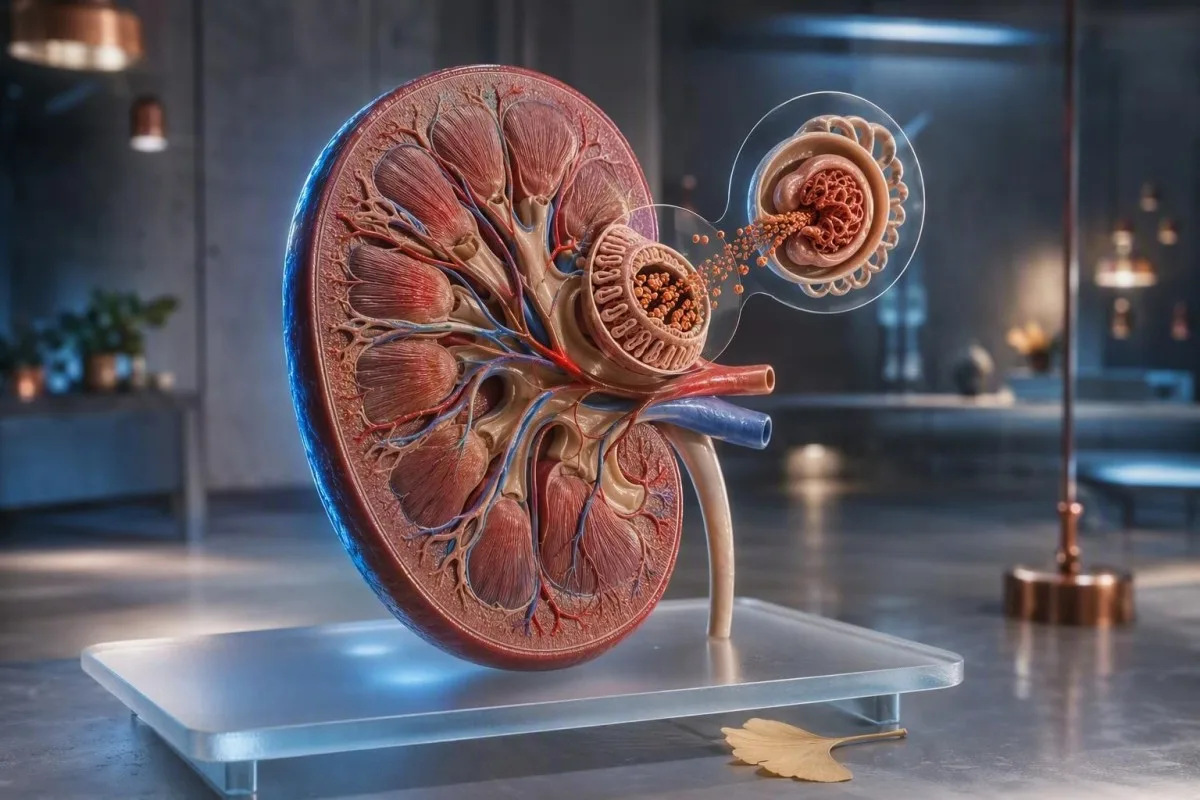
Nogle få bobler efter en hurtig urinstråle er normalt fysik. Skum, der gentagne gange dækker kummen, varer ved efter skylning, eller ledsages af hævelse, fortjener en urinalbumintest frem for gætværk.


- Korte bobler der forsvinder inden for sekunder afspejler almindeligvis urinhastighed, rester af toiletrens eller koncentreret urin snarere end nyresygdom.
- Vedvarende skummende urin er mere bekymrende, når et tæt hvidt lag forbliver i 1-2 minutter ved gentagne lejligheder.
- Urin ACR under 3 mg/mmol (30 mg/g) er normal til let øget albuminudskillelse hos de fleste voksne.
- Albuminuri på 3-30 mg/mmol (30-300 mg/g) bør bekræftes med gentagne tidlige morgenprøver over mindst 3 måneder.
- ACR over 30 mg/mmol (300 mg/g) er alvorligt øget albuminuri og kræver hurtig klinisk vurdering.
- Røde flag inkluderer hævelse i ansigt eller ben, synligt blod, åndenød, nedsat urinproduktion, feber eller graviditet med hovedpine og forhøjet blodtryk.
- Indsamling betyder noget: undgå hård motion i 24 timer, brug en ren midtstråleprøve om morgenen, og informer lægen om menstruation eller en urinvejsinfektion.
- Blodprøver hjælper: kreatinin, eGFR, serumalbumin, glukose og HbA1c afklarer, om urinen protein afspejler nyre-, diabetes- eller systemsygdom.
Sådan skelner man mellem ufarlige bobler og vedvarende skummende urin
Årsager til skummende urin spænder fra en hurtig stråle, der rammer vandet, til albumin, der lækker gennem nyrefilteret. Harmløse bobler er store, klare og forsvinder hurtigt; bekymrende skum er finere, hvidt, tilbagevendende og varer ca. 1-2 minutter trods en ren skål.
Overfladespænding forklarer de fleste engangsbobler. En kraftig første morgensstråle, dehydrering, koncentrerede opløste stoffer eller rester af rengøringsmiddel kan fange luft på vandoverfladen uden noget proteintab; dette er især almindeligt efter en lang flyrejse, feber eller en hård træning.
Mønsteret betyder mere end en enkelt observation. I mine 15 års kliniske praksis beder jeg patienter om at bemærke skum på tre separate dage ved hjælp af en ren, ubleget skål; et gentageligt fint skumlag er en bedre grund til at teste end en dramatisk udseende episode efter motion.
Skum alene kan ikke diagnosticere proteinuri, da fosfat, galdesalte, sæd og urinvejsbetændelse også kan ændre overfladespændingen. Hvis urinen er uklar snarere end skummende, skifter differentialet mod krystaller, celler eller infektion; vores guide til uklar urin ledetråde hjælper med at adskille disse mønstre.
En simpel hjemmeobservationsregel
Fotografer ikke toiletskålen eller prøv hjemmelavede “ryste-tests.” Bemærk i stedet, om skum forekommer i en ren skål på mindst 3 ud af 7 dage, om det varer længere end 1 minut, og om hævelse eller blodtryksændringer er til stede. Disse detaljer gør laboratorieanmodningen meget mere nyttig.
Hvorfor protein i urinen kan skabe stabilt skum
Skummende urinprotein er oftest albumin, et negativt ladet protein, der normalt forbliver i blodbanen. Når den glomerulære filtrering bliver mere permeabel, sænker albumin overfladespændingen og kan skabe små, stabile bobler.
En sund voksen udskiller generelt mindre end 30 mg albumin pr. dag, selvom en rutinemæssig teststrimmel måske ikke opdager lavt albumin tab. Den mere følsomme urin albumin-kreatinin-ratio, eller ACR, korrigerer albumin for urinens koncentration og foretrækkes til indledende screening.
Albumin er ikke det eneste protein, der betyder noget. Lette kæder fra plasmacellesygdomme, tubulære proteiner efter visse lægemidler og forbigående proteiner under feber kan undslippe en teststrimmel designet primært til albumin; dette er grunden til, at en negativ strimmel ikke afgør alle tilfælde af vedvarende skum.
Dr. Thomas Klein gennemgår urinresultater sammen med serumkreatinin, eGFR, albumin og glukose snarere end at behandle et visuelt symptom som en diagnose. Vores guide til serumproteiner forklarer, hvorfor et lavt blodalbuminresultat og en forhøjet urin ACR sammen vejer tungere end enten alene.
Almindelige årsager til skummende urin, der ikke skyldes nyrerne
Det meste forbigående skummende urin har en ikke-nyre-relateret forklaring: koncentreret urin, hurtig vandladning, nylig ejakulation, sæberester, feber eller anstrengende motion. Disse årsager forsvinder normalt inden for 24-48 timer efter normal hydrering og restitution.
Dehydrering gør urinen mørkere og mere koncentreret, så bobler kan virke tættere, selv når albuminudskillelsen er normal. Sigt efter bleg-halmfarvet urin over den næste dag snarere end at tvinge for store mængder væske; at drikke flere liter hurtigt kan i sig selv sænke natrium hos modtagelige personer.
Motion kan forbigående øge urinalbumin. Et 10-kilometer løb, en højintensiv modstandssession eller langvarig varmeeksponering kan producere protein på en prøve indsamlet umiddelbart efter, hvilket er grunden til, at laboratorier almindeligvis råder til at undgå kraftig motion i 24 timer før ACR-testning.
Sæd i urinrøret efter ejakulation kan producere forbigående bobler og en svagt positiv proteinstrip. Synligt pink eller te-farvet urin ændrer spørgsmålet helt og bør vurderes ved hjælp af denne guide til blod i urinen, især efter 45-årsalderen eller hos personer med eksponering for rygning.
Hvornår vedvarende skum indikerer klinisk relevant proteintab
Vedvarende skum kræver urintest for proteiner, når det forekommer gentagne gange, og især når det kombineres med diabetes, forhøjet blodtryk, hævelse eller nedsat eGFR. Albuminuri kan være et tidligt advarselstegn på nyresygdom, selv når kreatinin forbliver inden for laboratorieområdet.
KDIGO definerer ACR under 3 mg/mmol, eller 30 mg/g, som A1; 3-30 mg/mmol som A2; og over 30 mg/mmol som A3 albuminuri. Kategorierne forudsiger nyre- og kardiovaskulær risiko mest nøjagtigt, når de kombineres med eGFR, og bruges ikke isoleret (KDIGO, 2024).
Diabetes og hypertension er de mest almindelige kroniske drivkræfter bag albuminuri globalt, men de er ikke de eneste. Glomerulonephritis, fedme-relateret glomerulopati, lupus, præeklampsi, søvnapnø og visse antiinflammatoriske lægemidler kan også bidrage; vedvarende fund kræver en kliniker til at udrede mekanismen.
Kantesti er en AI blodprøveanalysator der placerer kreatinin, eGFR, serumalbumin, glukose og HbA1c i en samlet, langsgående kontekst. Det kan ikke måle urin ACR fra en blodprøve, men det kan hjælpe med at identificere det metaboliske eller renale mønster, der gør et urinresultat mere presserende.
Hvilke urintest for protein besvarer spørgsmålet bedst
En morgenurin ACR er den bedste første test for mistænkt albuminudskillelse hos de fleste voksne. Et protein-kreatinin-forhold, eller PCR, er nyttigt, når ikke-albumin-protein mistænkes, eller når totalt protein skal kvantificeres.
ACR rapporteres som mg/mmol i Storbritannien og mange andre lande, eller mg/g i USA. En ACR på 3 mg/mmol svarer til ca. 30 mg/g; denne konvertering er vigtig, fordi patienter undertiden forveksler de forskellige enheder med en stor ændring i resultatet.
Et dipstick-proteintestresultat på spor eller 1+ er en screeningsindikation, ikke en diagnose. Alkalisk urin, koncentreret urin og kontaminering kan give misvisende positive resultater, mens fortyndet urin og ikke-albumin-proteiner kan give falsk tryghed; kvantitativ test afklarer denne usikkerhed.
En 24-timers opsamling er nu forbeholdt udvalgte situationer, såsom meget stort proteintab, vurdering af graviditet eller inkonsistente spotprøver. Det er let at opsamle for lidt, så læs vores praktiske guide til 24-timers urinopsamling før du starter en.
Sådan indsamles urinprøver til proteintestning nøjagtigt
Nøjagtig urintest for proteiner starter med en ren morgenmidstråleprøve indsamlet efter 24 timer uden hård motion. Den første urin efter opvågning foretrækkes, fordi kropsholdning, hydrering og daglig aktivitet har mindre indflydelse på albuminudskillelsen.
Vask hænder, brug den medfølgende sterile beholder, begynd at tisse i toilettet, og fang derefter den midterste del uden at røre indersiden af beholderen eller låget. Lever prøven hurtigt; hvis forsinkelse er uundgåelig, følg laboratoriets køleinstruktioner i stedet for at efterlade den i en varm bil.
Udsæt ikke-akut testning under en symptomatisk urinvejsinfektion, feber, diarré, menstruation eller inden for 24 timer efter kraftig motion. Disse tilstande kan midlertidigt øge albuminudskillelsen, mens menstruationskontaminering også kan skabe synligt blod og protein; leukocytesterase-resultater kan afklare et muligt infektionsmønster.
Ortostatisk proteinuri fortjener en omtale, især hos teenagere og unge voksne. Protein, der udskilles i dagurin, men som er fraværende i en morgenprøve, er ofte godartet, selvom en kliniker bør bekræfte mønsteret i stedet for at antage det.
Sådan fortolkes ACR- og protein-kreatinin-resultater
ACR under 3 mg/mmol er normalt betryggende, mens en bekræftet ACR på 3 mg/mmol eller højere kræver risikobaseret opfølgning. En forhøjet prøve etablerer ikke kronisk nyresygdom, fordi motion, infektion og blodsukkerstigninger kan forårsage kortvarig albuminuri.
For voksne uden diabetes gentages en nyforhøjet ACR almindeligvis ved hjælp af en morgenprøve inden for uger. Kronisk nyresygdom kræver abnormaliteter til stede i mindst 3 måneder, medmindre der er klar akut nyreskade eller markant forhøjet protein, der kræver hurtigere vurdering (KDIGO, 2024).
En ACR over 70 mg/mmol, ca. 700 mg/g, berettiger normalt til en presserende specialistdiskussion, selvom eGFR er bevaret, især med blod i urinen. Proteinuri i nefrotisk område er generelt PCR over 300 mg/mmol eller proteinudskillelse over 3,5 g/dag, ofte ledsaget af ødem og lavt serumalbumin.
Kantesti er en AI lab testfortolkningsservice der kan organisere renale blodmarkører på tværs af datoer og markere en faldende eGFR-tendens. Trendfortolkning understøtter, men erstatter aldrig, en klinikers urintalkopi, ACR-bekræftelse og medicingennemgang.
Blodprøver, der gør resultater for skummende urin meningsfulde
Kreatinin, eGFR, serumalbumin, glukose, HbA1c, elektrolytter og lipider hjælper med at forklare, om urinprotein afspejler nyrefiltreringsskade eller en bredere metabolisk lidelse. Normalt kreatinin udelukker ikke tidlig albuminuri.
eGFR beregnes ud fra kreatinin og falder senere end mild albuminlækage hos mange mennesker med diabetes. En eGFR under 60 mL/min/1,73 m² i 3 måneder eller længere opfylder ét kriterium for kronisk nyresygdom, men værdier skal fortolkes i forhold til alder, muskelmasse og nylig sygdom.
Lavt serumalbumin under ca. 35 g/L sammen med kraftig urinstofprotein og ny hævelse af anklerne giver anledning til bekymring for betydeligt proteintab gennem nyrerne. Omvendt afspejler højt albumin med mørk urin oftere dehydrering; vores eGFR-vejledning efter dehydrering forklarer, hvorfor genundersøgelse efter bedring kan være fornuftig.
American Diabetes Association anbefaler mindst årlig UACR- og eGFR-test ved type 2-diabetes og ved type 1-diabetes, der varer 5 år eller mere (ADA Professional Practice Committee, 2024). HbA1c fortæller os om gennemsnitlig glykæmi, men en skarp stigning i glukose kan stadig forbigående øge urin albumin, før HbA1c ændrer sig.
Medicin, kosttilskud og sygdomme, der kan påvirke protein i urinen
Antiinflammatoriske smertestillende midler, lithium, nogle kræftbehandlinger og alvorlige infektioner kan ændre nyrefiltrering eller tubulær proteinhåndtering. Stop ikke ordineret medicin udelukkende, fordi urinen ser skummende ud; bed om en urinanalyse og en nyreblodprøveundersøgelse.
NSAID'er som ibuprofen og naproxen kan reducere blodgennemstrømningen i nyrerne, især under dehydrering, hjertesvigt eller eksisterende CKD. Risikoen stiger, når et NSAID kombineres med et diuretikum og en ACE-hæmmer eller ARB, en kombination som klinikere undertiden kalder “trippeldræberen”.”
SGLT2-medicin kan medføre et lille tidligt eGFR-dyk, men reducerer normalt albuminuri over tid hos passende udvalgte patienter. Det forventede hæmodynamiske skift er forskelligt fra progressiv skade; se eGFR-ændringer med SGLT2-behandling for de praktiske forskelle.
Høj dosis C-vitamin kan forstyrre visse urinstrips, mens kreatin kan komplicere fortolkningen af kreatinin uden nødvendigvis at skade nyrerne. Medbring en komplet liste over receptpligtig medicin, håndkøbssmertestillende midler, proteinpulvere og naturlægemidler til aftalen — navne og doser er vigtige.
Diabetes og blodtryk: risikotjek med højest udbytte
Diabetes og forhøjet blodtryk gør vedvarende skum mere klinisk signifikant, fordi begge kan forårsage albuminuri år, før symptomerne viser sig. Blodtryk på eller over 140/90 mmHg og ACR på eller over 3 mg/mmol bør udløse en struktureret primærplejeundersøgelse.
For mange personer med CKD og albuminuri sigter klinikere efter et standardiseret blodtryk i hvile på under 120 mmHg, når det tåles, selvom målene skal individualiseres efter alder, faldrisiko, graviditet og målemetode. Hjemmemålinger, der er taget forkert, bør ikke alene udløse medicinændringer.
Albuminuri er også en markør for vaskulær risiko. Årsagen til, at vi bekymrer os om ACR-forhøjelse plus højt blodtryk, er, at de tilsammen tyder på endotel- og glomerulær stress, hvorimod enhver af disse fund engang under akut sygdom kan være forbigående; vores guide til laboratorieundersøgelse af hypertension beskriver den bredere opfølgning.
Kantesti er en AI-biomarkørfortolkningsplatform anvendes i 127+ lande til at sammenligne glukose, HbA1c, nyremarkører og lipidtrends. Ved vedvarende skummende urin forbliver den relevante næste test en laboratoriebaseret urin ACR, ideelt set gennemgået med det samme kliniske team, der håndterer blodtrykket eller diabetes.
Skummende urin under graviditet og hos børn kræver andre regler
Skummende urin under graviditet kræver vurdering samme dag, hvis det forekommer med hovedpine, synsændring, smerter i øvre del af maven, pludselig hævelse eller forhøjet blodtryk. Proteinuri efter 20 uger kan være en del af præeklampsi, men udseendet alene er aldrig diagnostisk.
Under graviditet understøtter et protein-kreatinin-forhold på 30 mg/mmol eller mere, eller 300 mg protein over 24 timer, signifikant proteinuri i den passende kliniske sammenhæng. En almindeligt udseende urinprøve kan ikke udelukke præeklampsi, hvis blodtrykket er 140/90 mmHg eller højere med bekymrende symptomer.
Børn har ofte midlertidig proteinuri efter feber, sport eller dehydrering. Vedvarende protein på tre prøver, højt blodtryk, ødem eller blod i urinen kræver pædiatrisk vurdering; test om morgenen er især nyttig til at udelukke postural proteinuri hos teenagere.
Graviditet ændrer filtreringen, så kreatininværdier, der ser “normale” ud for ikke-gravide voksne, er måske ikke betryggende. Vores guide til GFR-værdier under graviditet giver kontekst, men akutte symptomer bør henvises direkte til modtagelsen for barsel snarere end en online fortolkning.
Røde flag: hvornår skummende urin kræver akut lægehjælp
Søg akut lægelig vurdering ved skummende urin med åndenød, hurtigt stigende hævelse i ben eller ansigt, markant nedsat urinmængde, synligt blod, feber med smerter i flanken eller advarselssymptomer under graviditet. Disse kombinationer kan indikere alvorlig nyre-, hjerte-, infektions- eller graviditetsrelateret sygdom.
Ny hævelse i ansigtet ved opvågning, stramme sko om aftenen og en vægtøgning på mere end 2 kg på 2-3 dage kan afspejle væskeretention. Når disse symptomer ledsager vedvarende skum, kontrollerer klinikere urinen for protein, kreatinin, albumin, blodtryk og nogle gange hurtigt lungefund.
Te-farvet urin efter intens motion med svære muskelsmerter er ikke typisk godartet skum; det kan signalere myoglobinfrigørelse og kræver akut blod- og urintestning. Det samme gælder for cola-farvet urin med nedsat udskillelse, hvilket kan afspejle glomerulær blødning eller muskelskade.
Dr. Thomas Klein råder patienter til ikke at vente på et hjemme-dipstick-resultat, når der er faresignaler. For anstrengelsesrelaterede farveændringer forklarer vores artikel om løbernes hæmaturi den godartede ende af spektret og de træk, der ikke er godartede.
Hvad klinikere gør efter et positivt resultat for protein i urinen
Efter en positiv ACR eller PCR bekræfter klinikere normalt resultatet, måler blodtrykket og eGFR, undersøger urinsediment og gennemgår diabetes, medicin, autoimmune symptomer og familiehistorik. Det næste skridt afhænger af mængden, vedholdenheden og ledsagende blod eller nedsat filtrering.
Urinmikroskopi kan identificere røde blodlegemer, hvide blodlegemer og cylindre, som et proteintal alene ikke kan forklare. Røde cellecylindre eller dysmorfe røde blodlegemer antyder en glomerulær kilde og fremskynder henvisning til nefrologi; simple hyaline cylindre kan forekomme efter dehydrering eller motion, som beskrevet i vores guide til hyaline cylindre.
Hvis albuminuri bekræftes, rettes behandlingen normalt mod årsagen: blodtrykskontrol, blodsukkerstyring, støtte til vægt og rygeophør og nyrebeskyttende medicin, hvor det er indiceret. Nyreultralyd, immunologiske tests, serumelektroforese eller nyrebiopsi er selektive tests – ikke automatiske konsekvenser af en enkelt 1+ dipstick.
Kantesti's kliniske metoder gennemgås mod strukturerede sikkerhedsstandarder, og læserne kan se vores medicinske valideringsmetode. Vores rolle er at gøre eksisterende blodresultater lettere at diskutere, ikke at diagnosticere en glomerulær lidelse ud fra et billede eller en enkelt laboratorieværdi.
En praktisk syvdagesplan for vedvarende skum
For vedvarende skummende urin uden faresignaler, arranger en primærklinisk urinanalyse og ACR inden for 1-2 uger, helst ved hjælp af en morgenprøve. Registrer blodtryk, hydrering, motion, medicin og om skummet varer længere end 1 minut i syv dage.
Dag 1-3: hydrer normalt, undgå intens motion, og observer kun i en ren toiletkumme uden tilsat rengøringsmiddel. Forsøg ikke at “skylle problemet væk” med overdrevent vand; målet er en repræsentativ prøve, ikke en kunstigt fortyndet en.
Dag 4-7: bestil urinanalyse plus ACR, og spørg, om kreatinin, eGFR, kalium, serumalbumin, glukose og HbA1c er passende for dine omstændigheder. Medbring tidligere resultater, da en ændring fra ACR 2 til 8 mg/mmol har større betydning end et enkelt tal uden kontekst; langsgående resultatsporing kan hjælpe med at organisere datoer.
Fra den 4. september 2026 forbliver det fornuftige budskab beroligende, men fast: de fleste isolerede bobler er harmløse, mens gentaget fint skum fortjener en kvantitativ urintest. Hvis du har brug for hjælp til at forberede spørgsmål til en kliniker, er vores medicinske rådgivningsteam sætter de kliniske standarder bag vores undervisningsindhold.
Ofte stillede spørgsmål
Er skummende urin altid et tegn på protein i urinen?
Nej, skummende urin er ikke altid et tegn på proteintab. En hurtig stråle, dehydrering, rester af toiletrens, feber, motion og sæd kan skabe bobler, der forsvinder inden for få sekunder. Vedvarende, fint hvidt skum, der gentages over flere dage, er mere suggestivt for proteinuri og bør undersøges med en urin-albumin/kreatinin-ratio. En ACR på 3 mg/mmol, svarende til 30 mg/g, eller højere anses for unormalt nok til at kræve klinisk kontekst og ofte gentagne tests.
Hvor længe bør skum i urinen vare, før jeg skal være bekymret?
Skum, der ved gentagne lejligheder forbliver som et tæt lag i cirka 1-2 minutter, er mere bekymrende end store bobler, der forsvinder hurtigt. Varighed er ikke en diagnostisk test, da toiletkemikalier og urinens koncentration kan ændre boblernes stabilitet. Hvis mønsteret gentager sig på 3 eller flere dage, skal der arrangeres urinanalyse og en urin ACR inden for 1-2 uger. Søg akut lægehjælp hurtigere, hvis skum optræder sammen med hævelse, synligt blod, åndenød, feber eller nedsat urinproduktion.
Hvilken urinproteintest skal jeg bede om?
Den bedste første test for de fleste voksne er et tidlig morgen urin albumin-kreatinin-forhold, kaldet ACR eller UACR. ACR under 3 mg/mmol, eller 30 mg/g, er generelt normal til let forhøjet, mens 3-30 mg/mmol indikerer moderat forhøjet albuminuri. Et protein-kreatinin-forhold kan tilføjes, når der er mistanke om totalt eller ikke-albumin protein tab. En rutinemæssig stix-test er nyttig til screening, men er mindre nøjagtig end ACR til albumin tab på lavt niveau.
Kan dehydrering forårsage skummende urin?
Ja, dehydrering kan gøre urinen mere koncentreret og skabe mere synlige bobler eller skum uden vedvarende proteintab fra nyrerne. Det forekommer ofte med mørkere gult urin, tørst, varmeeksponering, opkastning, diarré eller en lang periode uden at drikke. Gå tilbage til normal væskeindtagelse i 24-48 timer før en ikke-haster test, men undgå at drikke store mængder blot for at fortynde resultatet. Hvis skummet fortsætter efter hydrering, anmod om ACR-test af urin.
Kan motion forårsage protein og skum i urinen?
Anstrengt motion kan forårsage midlertidig albuminuri og skummende urin, især efter løb, tung styrketræning, udholdenhedsarrangementer eller motion i varme. Effekten forsvinder normalt inden for 24-48 timer, hvilket er grunden til, at en ACR-prøve ideelt set bør indsamles efter at have undgået kraftig motion i 24 timer. Vedvarende proteinuri på en morgenprøve efter restitution er mindre sandsynlig at kunne forklares alene ved motion. Mørk eller cola-farvet urin med alvorlige muskelsmerter kræver akut medicinsk vurdering.
Hvilket ACR-niveau er farligt?
En ACR over 30 mg/mmol, eller 300 mg/g, er alvorligt forøget albuminuri og kræver hurtig lægelig vurdering, især hvis eGFR er nedsat, eller urinen indeholder blod. En ACR over 70 mg/mmol, ca. 700 mg/g, udløser ofte en presserende specialistdiskussion, selvom kreatinin er normal. Risikoen bestemmes af kombinationen af ACR, eGFR, blodtryk, diabetesstatus, symptomer og gentagne målinger. En enkelt forhøjet ACR bør normalt bekræftes, medmindre den kliniske situation er akut.
Få AI-drevet blodprøveanalyse i dag
Bliv en del af over 2 millioner brugere på verdensplan, som har tillid til Kantesti for øjeblikkelig og præcis analyse af laboratorieprøver. Upload dine blodprøveresultater, og få en omfattende forstå blodprøveresultater af 15,000+-biomarkører på få sekunder.
📚 Refererede forskningspublikationer
Klein, T., Mitchell, S., & Weber, H. (2026). Klinisk valideringsramme v2.0 (Medical Validation Page). Kantesti AI Medical Research.
Klein, T., Mitchell, S., & Weber, H. (2026). AI Blood Test Analyzer: 2.5M tests analyseret | Global Health Report 2026. Kantesti AI Medical Research.
📖 Eksterne medicinske referencer
⚕️ Medicinsk ansvarsfraskrivelse
Denne artikel er kun til undervisningsformål og udgør ikke lægelig rådgivning. Rådfør dig altid med en kvalificeret sundhedsprofessionel for beslutninger om diagnose og behandling.
E-E-A-T Trust Signals
Erfaring
Lægefagligt ledet klinisk gennemgang af arbejdsgange til laboratorietolkning.
Ekspertise
Fokus på laboratoriemedicin på, hvordan biomarkører opfører sig i klinisk kontekst.
Autoritet
Skrevet af Dr. Thomas Klein med gennemgang af Dr. Sarah Mitchell og Prof. Dr. Hans Weber.
Troværdighed
Evidensbaseret fortolkning med klare opfølgningsspor for at reducere alarm.