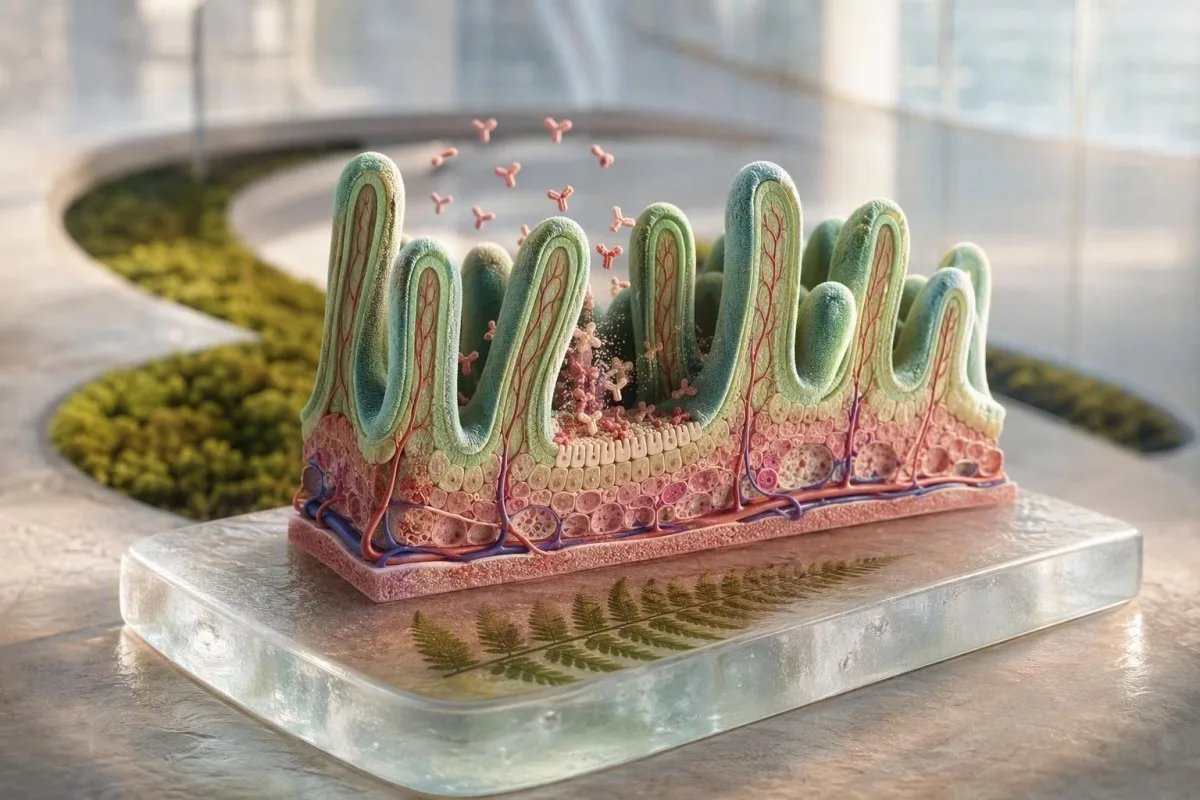
Per a una prova de sang celíaca fiable, la majoria dels adults que han estat sense gluten necessiten aproximadament 3–6 g de gluten diàriament durant almenys 6 setmanes; un repte de 12 setmanes ofereix la resposta més clara quan és tolerable. No reinicieu el gluten sols si teniu reaccions greus, pèrdua de pes substancial, preocupacions durant l'embaràs o un diagnòstic confirmat previ de malaltia celíaca.


- Repte mínim: 3–6 g de gluten diari, aproximadament 1–2 llesques de pa de blat, és un objectiu pràctic per a adults abans de repetir la serologia celíaca.
- Durada preferida: 12 setmanes d'exposició diària al gluten milloren la probabilitat que una prova de sang celíaca i una biòpsia detectin la malaltia després de l'evitació del gluten.
- Repte curt: 3 g diaris durant 2 setmanes poden provocar canvis en la biòpsia en alguns adults, però un resultat negatiu després de només 2 setmanes no exclou de manera fiable la malaltia celíaca.
- tTG-IgA: Un tTG-IgA negatiu pot ser falsament tranquil·litzador quan la ingesta de gluten és baixa o la IgA total és deficient.
- IgA total: La IgA sèrica total s'ha de mesurar juntament amb la tTG-IgA; la deficiència de IgA requereix proves basades en IgG.
- No us feu un repte a vosaltres mateixos: Els infants, les persones embarassades, les persones amb reaccions greus prèvies i aquelles amb desnutrició important necessiten una planificació dirigida per un professional de la salut.
- Proves HLA: Un HLA-DQ2 i HLA-DQ8 negatius fan que la malaltia celíaca sigui molt improbable i de vegades pot evitar un repte de gluten.
- No interrompre prematurament: Continueu menjant gluten fins que el professional de la salut confirmi que les proves de sang i, si cal, l'endoscòpia s'han completat.
Per què l'evitació del gluten pot fer que una prova de sang celíaca sigui negativa
A la prova de sang de celiaquia pot esdevenir negativa després de la restricció del gluten perquè el senyal immunitari que mesura s'atenuen quan s'eliminen el blat, l'ordi i el sègol. En termes pràctics, un tTG-IgA negatiu mentre es fa una dieta sense gluten no descarta la malaltia celíaca; pot simplement indicar que el sistema immunitari ja no està sent provocat.
El tTG-IgA detecta una resposta d'anticossos, no una empremta permanent de la malaltia celíaca. Les concentracions d'anticossos sovint cauen en poques setmanes o mesos amb una dieta estricta sense gluten, mentre que la cicatrització intestinal pot continuar durant molt més temps. La guia de l'American College of Gastroenterology del 2023 afirma que la serologia diagnòstica s'ha de realitzar mentre el pacient menja gluten (Rubio-Tapia et al., 2023).
Veig aquest patró regularment: algú elimina el gluten durant 8 mesos, se sent una mica millor, després rep un resultat normal de tTG-IgA i se li diu que la malaltia celíaca està exclosa. Aquesta conclusió no és segura sense conèixer la seva ingesta de gluten; un fals negatiu de tTG-IgA és més probable quan l'exposició ja s'ha aturat. La nostra guia relacionada sobre pitfalls de la IgA baixa i la celiaquia explica la segona raó principal per la qual la serologia pot passar per alt la malaltia.
Kantesti és una Analitzador de sang amb IA que llegeix el tTG-IgA juntament amb la IgA total, l'hemoglobina, la ferritina, el folat, la vitamina B12 i les enzimes hepàtiques en lloc de tractar un anticòs negatiu com a diagnòstic final. La deficiència de ferro o un ALT inesperadament alt pot mantenir la malaltia celíaca sobre la taula fins i tot quan un resultat d'anticòs és normal.
El mecanisme importa. Pèptids de gluten arriben a la part superior de l'intestí prim, la transglutaminasa tissular els modifica, i les vies immunitàries susceptibles HLA-DQ2 o HLA-DQ8 generen anticossos; elimineu el desencadenant i la resposta d'anticossos mesurable pot calmar-se. Això és biologia, no un error de la prova.
El malentès comú
Sentir-se millor després d'evitar el pa no és diagnòstic per si sol. Els símptomes poden millorar a causa de menys carbohidrats fermentables, una menor ingesta d'aliments ultraprocessats, l'evitació d'al·lèrgia al blat o sensibilitat al gluten no celíaca; només proves degudament programades poden distingir aquestes possibilitats.
Quines proves celíaques requereixen gluten a la dieta?
El tTG-IgA, l'EMA-IgA, els anticossos del pèptid de gliadina deamidada i la biòpsia duodenal són més fiables quan s'està menjant gluten. Les proves genètiques HLA-DQ2/DQ8 són diferents: segueixen sent vàlides tant si una persona menja gluten com si no.
El tTG-IgA és la prova de sang de celiaquia de primera línia habitual en adults i nens a partir de 2 anys. Molts laboratoris informen valors inferiors a 10-15 U/mL com a negatius, però el límit superior del normal és específic de l'assaig, de manera que l'interval de referència propi del laboratori regeix la interpretació. L'EMA-IgA és altament específica i s'utilitza sovint per confirmar un tTG-IgA fortament positiu.
La IgA sèrica total pertany a la mateixa sol·licitud que el tTG-IgA. La deficiència selectiva d'IgA es produeix aproximadament en 1 de cada 400 a 1 de cada 700 persones en moltes poblacions occidentals i pot produir un tTG-IgA negatiu malgrat la malaltia celíaca; aleshores, les proves DGP o tTG basades en IgG són apropiades. A guia de proves qualitatives versus quantitatives pot ajudar els lectors a identificar si un informe proporciona un valor mesurat o només una marca positiva/negativa.
La biòpsia duodenal avalua l'arquitectura vellosa i els limfòcits intraepitelials, però els canvis mucosos també poden millorar després de la retirada del gluten. En adults, una serologia positiva generalment condueix a una endoscòpia superior abans de comprometre's a una restricció de per vida; la biòpsia segueix sent particularment útil quan els resultats són discordants.
No confongueu un panell d'intolerància alimentària amb la serologia celíaca. Els panells d'aliments IgG no diagnostiquen la malaltia celíaca, i una prova casolana no pot substituir l'avaluació total d'IgA, un assaig d'anticossos validat o la interpretació d'un especialista.
Proves que segueixen sent útils quan s'evita el gluten
L'absència d'HLA-DQ2 o HLA-DQ8 té un valor predictiu negatiu molt alt perquè gairebé totes les persones amb malaltia celíaca porten un d'aquests haplòtims. Un resultat HLA positiu és comú i no diagnostica la malaltia celíaca; aproximadament el 30-40% de moltes poblacions porta DQ2 o DQ8, però només al voltant del 1% desenvolupa malaltia celíaca.
Quant gluten és suficient per a un repte de gluten?
Un desafiament pràctic de gluten en adults és de 3-6 g de gluten al dia, equivalent a aproximadament 1-2 llesques normals de pa de blat, per a proves diagnòstiques. Més menjar no és necessàriament millor; la consistència importa més que forçar una dosi gran que faci que la persona s'aturi al cap de diversos dies.
Una llesca de pa de blat típic conté aproximadament 2-3 g de gluten, mentre que un bagel estàndard pot contenir 4-7 g i una tassa de pasta normal cuita aproximadament 2-4 g, depenent de la recepta i la porció. La civada no és un aliment de desafiament fiable perquè la civada certificada sense gluten conté gluten negligible i la civada convencional varia en contaminació.
La revisió de Leonard i col·legues recomana almenys 3-6 g diaris durant més de 12 setmanes quan es tolera un desafiament més llarg, especialment si l'objectiu és excloure de manera fiable la malaltia després de mesos o anys sense gluten (Leonard et al., 2023). Alguns clínics utilitzen 10 g diaris, però aquesta quantitat és més difícil de mantenir i no s'ha demostrat que sigui necessària per a tots els adults.
Una rutina útil és un aliment que conté gluten a l'esmorzar i un al dinar, en lloc d'un àpat nocturn gran. Registreu el producte, la porció aproximada, els símptomes i els dies perduts; aquest diari proporciona al gastroenteròleg informació molt millor que un record vague d'haver menjat “un pa”.”
Per a un context més ampli sobre el significat dels marcadors de laboratori junts, el nostre guia de referència de biomarcadors explica per què la ferritina i els índexs de glòbuls vermells sovint es revisen juntament amb els anticossos celíacs.
La dosi són grams de gluten, no pes d'aliment
Una porció de 50 g de pa no són 50 g de gluten. El contingut de gluten varia amb la farina, la hidratació, la recepta i el processament, per això els clínics normalment prescriuen equivalents alimentaris en lloc de demanar als pacients que pesin proteïna de gluten aïllada.
Quant de temps ha de durar un repte de gluten abans de fer les proves?
Sis setmanes és un mínim raonable per a molts adults, mentre que 12 setmanes proporcionen un desafiament més fiable després d'una llarga absència de gluten. Un desafiament de 2 setmanes pot donar suport al diagnòstic si les proves es tornen positives, però un resultat negatiu després de només 14 dies no pot excloure de manera segura la malaltia celíaca.
La durada necessària depèn de l'edat, la dieta prèvia, la resposta immunològica i si el clínic planeja només serologia o biòpsia. En un petit estudi en adults, 3 g de gluten diaris durant 14 dies van induir canvis histològics diagnòstics en molts participants, però les respostes d'anticossos van anar per darrere; aquesta bretxa és la raó per la qual els protocols curts poden passar per alt casos.
A 31 d'agost de 2026, generalment discuteixo un pla de 12 setmanes amb adults que han menjat poc o gens de gluten durant diversos mesos, amb proves de sang al voltant de la setmana 6 i de nou a prop de la setmana 12 si el primer resultat és negatiu. El Dr. Thomas Klein, el nostre director mèdic, observa el retard diagnòstic més evitable quan un pacient reprèn el gluten només durant un cap de setmana abans d'una extracció de sang.
Si els símptomes es tornen inacceptables, poseu-vos en contacte amb el metge que va demanar la prova en lloc de deixar-ho de manera silenciosa. Poden avançar les proves de sang, organitzar una endoscòpia abans, o reconsiderar si les proves HLA poden respondre a la pregunta sense una exposició prolongada. Un guia de calendari de la prova de sang és útil per entendre per què els canvis relacionats amb la dieta no apareixen de manera instantània en els resultats de laboratori.
Mantingueu el repte de gluten fins a l'extracció de sang i, si el resultat dels anticossos és positiu o la sospita continua alta, fins que l'equip d'endoscòpia indiqui el contrari. Aturar-se després d'un resultat sanguini positiu però abans de la biòpsia pot reduir el senyal intestinal visible.
Un calendari realista
Les setmanes 1-2 estableixen l'exposició diària i identifiquen els símptomes precoços. Les setmanes 3-6 són quan una extracció de sang inicial pot ser útil; les setmanes 7-12 milloren la sensibilitat per a persones els anticossos de les quals augmenten lentament, particularment després d'una restricció a llarg termini.
El repte de gluten en nens i adolescents requereix un pla diferent
Els nens no haurien de començar un repte de gluten sense consell pediàtric, ja que el creixement, la nutrició, la càrrega de símptomes i la possibilitat d'un diagnòstic sense biòpsia alteren el pla. Un nen que creix malament o perd pes necessita una avaluació primer, no un repte de pa "fes-ho tu mateix".
Per als nens amb valors de tTG-IgA molt alts, almenys 10 vegades el límit superior del rang normal de la prova, més un EMA-IgA positiu en una segona mostra, la guia ESPGHAN permet el diagnòstic sense biòpsia en casos seleccionats sota atenció especialitzada pediàtrica (Husby et al., 2020). Aquest camí requereix una ingesta activa de gluten en el moment de la prova.
No es pot assumir que un nen en edat preescolar pugui tolerar la mateixa dosi absoluta que un adult de 75 kg. Els pediatres sovint treballen a partir de racions diàries normals i la dieta habitual del nen, i després monitoritzen el pes, la velocitat d'alçada, la hidratació, el patró fecal i l'assistència escolar; l'objectiu mai ha de ser una competició de resistència als símptomes.
La deficiència de ferro, el creixement lineal lent, les úlceres bucals recurrents, els canvis a l'esmalt i la pubertat retardada poden ser pistes celíaques fins i tot sense diarrea. Els pares poden revisar l'estudi més ampli a la nostra guia de proves de creixement infantil, però una prova de creixement d'hormona de creixement normal no exclou la malabsorció intestinal.
Si un nen ja ha tingut una resposta convincent a una dieta lliure de gluten, la família hauria de preguntar si la tipificació HLA o la reintroducció supervisada és el camí menys disruptiu. He après a prendre's seriosament l'ansietat familiar aquí: els àpats poden esdevenir tensos molt ràpidament.
Planificació escolar i dietètica
Un pla escrit ha d'identificar quins àpats contenen gluten i com es gestionaran els símptomes durant l'horari escolar. Canviar repetidament la dosi, canviar a aliments sense gluten o permetre només una exposició ocasional els caps de setmana fa que el resultat final sigui molt més difícil d'interpretar.
Què passa si heu estat sense gluten durant anys?
Després d'anys amb una dieta lliure de gluten, les proves d'anticossos poden romandre negatives a menys que l'exposició al gluten sigui prou sostinguda per reactivar la resposta immunològica. Aquest és el grup per al qual un repte supervisat per un metge de 12 setmanes, o primer una prova HLA, sol ser el més sensat.
Com més temps ha estat absent el gluten, menys útil és un tTG-IgA puntual. Alguns pacients necessiten més de 6 setmanes abans que tornin els anticossos mesurables, i una prova negativa a la setmana 6 s'ha d'interpretar en funció de la dosi realment menjada, no simplement del calendari.
La malaltia celíaca pot deixar una empremta en l'historial de laboratori: dèficit de ferritina, saturació de transferrina baixa, dèficit de folat, recompte de plaquetes elevat, dèficit de vitamina D o elevació lleu inexplicable de les transaminases. Ningú és diagnòstic per si sol, però el conjunt augmenta la probabilitat pre-test; consulteu la nostra guia detallada guia d'estudis del ferro per a la diferència entre reserves de ferro esgotades i ferro sèric baix relacionat amb la inflamació.
Kantesti és una servei d’interpretació de proves del laboratori d’IA que ajuda els usuaris a col·locar un panell antic i un de nou un al costat de l'altre, incloent-hi valors d'hemoglobina, MCV, ferritina, albúmina i anticossos. No pot diagnosticar la malaltia celíaca, però una línia de temps pot ajudar un metge a veure si les anomalies nutricionals van precedir la restricció de la dieta.
Una prova celíaca negativa prèvia no resol els problemes si es va realitzar després de retirar el gluten. Demaneu l'informe original, el valor exacte de l'anticòs, IgA total i quanta quantitat de gluten menjàveu durant les 6-12 setmanes abans del mostreig.
Per què la nutrició pot semblar normal
La ferritina normal no descarta la malaltia celíaca. La ferritina augmenta amb la inflamació i el dany hepàtic, de manera que una ferritina de 70 µg/L pot coexistir amb una disponibilitat de ferro restringida quan la proteïna C reactiva està elevada; la saturació de transferrina afegeix un context útil.
Quan no s'ha de fer un repte de gluten sense consell mèdic?
No reinicieu el gluten pel vostre compte si prèviament us va causar deshidratació, desmais, vòmits greus, pèrdua ràpida de pes, complicacions de l'embaràs o atenció hospitalària. Un pla supervisat també és més segur per a nens, persones amb diabetis que utilitzen insulina i qualsevol persona amb recaiguda coneguda o sospitada de trastorn alimentari.
La malaltia celíaca en si rarament causa una reacció anafilàctica immediata, de manera que les plaques d'abella ràpides, sibilàncies, opressió a la gola o col·lapse després de la ingesta de blat suggereixen una possible al·lèrgia al blat i requereixen una avaluació d'al·lèrgia en lloc d'un desafiament de gluten. Les proves de celiaquia i les proves d'al·lèrgia responen a preguntes diferents, i confondre-les pot ser perillós.
Busqueu una revisió clínica ràpida abans d'un desafiament si teniu més d'un 5% de pèrdua de pes corporal involuntària en 1 mes, vòmits persistents, femtes negres, dolor abdominal intens o símptomes de deshidratació com una producció d'orina molt baixa i marejos. Aquests no són “proves” esperades que el gluten funcioni; són motius per reavaluar.
L'embaràs mereix un tractament separat perquè tant la malaltia celíaca no tractada com les dietes restrictives poden afectar el ferro, el folat i l'augment de pes. Contacteu amb un metge a través de la nostra via de contacte mèdic o el vostre equip d'atenció obstètrica abans de reintroduir deliberadament el gluten.
Les persones amb un diagnòstic de malaltia celíaca confirmat per biòpsia prèvia normalment no necessiten un desafiament de gluten per tornar-lo a provar. L'excepció és un dubte genuí sobre un diagnòstic antic, millor gestionat per un gastroenteròleg que pugui revisar la patologia original i els registres d'anticossos.
Símptomes urgents
Sibilàncies noves, inflor facial, confusió, incapacitat per retenir líquids durant 12-24 hores, desmais o signes de sagnat gastrointestinal necessiten una avaluació mèdica urgent. No continueu l'exposició dietètica per “completar la prova” quan hi hagi símptomes d'alarma.
La genètica HLA pot prevenir un repte de gluten innecessari?
Les proves negatives d'HLA-DQ2 i HLA-DQ8 fan que la malaltia celíaca sigui molt improbable i sovint poden estalviar un desafiament de gluten. Un resultat positiu només mostra susceptibilitat genètica, de manera que no pot confirmar la malaltia celíaca ni explicar els símptomes per si sol.
Més de l'95% de les persones amb malaltia celíaca porten HLA-DQ2.5, DQ2.2 o DQ8, tot i que la terminologia varia lleugerament entre laboratoris. La prova és més útil quan algú ja està sense gluten, quan no hi ha registres antics disponibles o quan la càrrega esperada de la reintroducció és alta.
Un resultat HLA positiu és comú: al voltant del 30–40% de les persones porten un genotip compatible, mentre que només aproximadament el 1% desenvolupa malaltia celíaca. Aquesta discrepància és el motiu pel qual les proves genètiques han de guiar la propera decisió, no esdevenir un diagnòstic imprès en una llista de problemes.
La IA Kantesti utilitza un plataforma d’interpretació de biomarcadors per IA enfocament per marcar quan es va recollir un panell d'anticossos després de l'evitació del gluten i quan falta un resultat de IgA total; les proves genètiques encara requereixen la sol·licitud i interpretació del metge. Les nostres publicació de principis de validació clínica expliquen per què les marques contextuals no són substituts de les decisions diagnòstiques.
En la meva experiència, les proves HLA són especialment valuoses per a persones que han deixat el gluten a causa de símptomes vagues i ara temen un llarg repte. Un resultat negatiu pot tancar un bucle difícil; un resultat positiu simplement significa que la conversa continua.
Els gens no prediuen la gravetat
El tipus HLA no prediu de manera fiable si els símptomes seran lleus, si hi ha canvis vellosos presents o si una persona desenvoluparà la malaltia celíaca més endavant. Els familiars de primer grau amb gens compatibles encara poden necessitar una avaluació clínica periòdica si emergeixen símptomes o deficiències de nutrients.
Com completar el repte sense subdosificació accidental
L'exposició diària consistent al gluten és més útil diagnòsticament que els àpats grans ocasionals. Trieu dos o tres aliments familiars que continguin blat, estimeu el seu contingut de gluten i eviteu canviar a versions sense gluten un cop comenci el repte.
Un patró senzill de 3-6 g podria ser una llesca de pa torrat de blat a l'esmorzar i una petita porció de pasta normal o galetes més tard al dia. Comproveu les etiquetes de blat, sègol o ordi; el pa de massa mare fet de blat encara conté gluten, i el pa “artesà” no és automàticament baix en gluten.
La cervesa, les salses, les fregidores compartides i els aliments processats creen incertesa, per la qual cosa són fonts primàries pobres per a un repte mesurat. Un sol aliment previsible proporciona una història d'exposició més neta i facilita la identificació de si els símptomes es correlacionen amb la dosi.
No comenceu dietes d'eliminació no relacionades, probiòtics, productes d'alta fibra o nous laxants en la mateixa finestra de 6-12 setmanes si podeu evitar-ho. Poden canviar els símptomes intestinals i fer que l'experiència viscuda sigui difícil d'interpretar; la nostra guia d' aliments que modifiquen les proves intestinals cobreix aquest problema pràctic.
Un diari d'aliments ha d'incloure la data, l'aliment, la porció aproximada, la freqüència intestinal, els símptomes abdominals i les dosis perdudes. No cal que sigui perfecte; tres entrades clares al dia són molt més útils que intentar registrar cada engruna.
Civada i repte de gluten
La civada certificada sense gluten no és una font de gluten a efectes diagnòstics. La civada convencional pot estar contaminada de manera imprevisible, cosa que la fa inadequada per a un repte dissenyat per establir una dosi coneguda.
Quins símptomes s'esperen i com es poden gestionar de forma segura?
La inflor, les deposicions soltes, la fatiga, el malestar abdominal, el mal de cap i la boira mental poden recórrer durant un repte de gluten, però els símptomes greus haurien de provocar una revisió clínica en lloc d'estoïcisme. Els símptomes per si sols ni proven ni refuten la malaltia celíaca perquè s'encavalquen amb la síndrome de l'intestí irritable i altres afeccions intestinals.
Utilitzeu mesures de suport que no eliminin el gluten: líquids regulars, solució de rehidratació oral per a la diarrea, àpats més petits i son previsible. Un medicament antidiarreic pot ser raonable per a alguns adults, però pregunteu al metge primer si teniu febre, sang a les femtes, dolor intens o un nou diagnòstic en investigació.
Eviteu interpretar cada símptoma com a dany intestinal. Una persona amb sensibilitat intestinal funcional pot sentir-se pitjor poques hores després d'un àpat de blat perquè els fructans fermenten ràpidament, mentre que la producció de tTG-IgA i el canvi vellós es produeixen a través d'un procés immunològic diferent. La nostra guia de proves de sang per a la diarrea descriu quan els símptomes de femtes necessiten una investigació més àmplia.
Si la fatiga esdevé prominent, reviseu la hidratació, la ingesta de calories, l'estat del ferro i el son en lloc d'assumir una única causa. El Dr. Thomas Klein ha vist pacients que s'han espantat innecessàriament per un canvi modest en les plaquetes o en l'ALT durant les proves; les tendències i el quadre clínic complet importen més que un sol resultat borderline.
Pareu i busqueu assessorament per a la incapacitat persistent per treballar o assistir a l'escola, diarrea nocturna recurrent, marejos que empitjoren o deshidratació clara. Un repte mèdicament escurçat que captura evidències serològiques o de biòpsia útils és millor que no pas continuar fins que el pla col·lapsi.
Canvien els probiòtics la prova?
No hi ha proves fiables que un probiòtic de venda lliure preveni la producció d'anticossos celíacs durant un repte de gluten. Començar-ne un a mig repte encara pot confondre el seguiment dels símptomes, així que normalment aconsello mantenir els suplements estables llevat que un metge recomani un canvi.
Com preparar-se per a la presa de sang celíaca
Una anàlisi de sang per celiaquia normalment no requereix dejuni, però sí que requereix una ingesta continuada de gluten i el panell d'anticossos correcte. Continueu la dosi diària de gluten acordada fins al dia abans i, llevat que el vostre metge digui el contrari, fins al matí de la mostra.
Pregunteu si la sol·licitud inclou tTG-IgA i IgA sèrica total; es poden afegir EMA-IgA, DGP-IgG o tTG-IgG per a casos seleccionats. Els laboratoris utilitzen diferents mètodes i unitats, de manera que un valor de 18 U/mL no es pot interpretar sense el seu límit superior de normalitat específic de l'assaig.
El dejuni és innecessari per a les proves d'anticossos, encara que un panell associat de lípids, glucosa o ferro pot tenir instruccions de preparació separades. La biotina normalment no afecta la serologia celíaca estàndard de la manera que pot distorsionar alguns immunoassajos hormonals, però llisteu tots els suplements i medicaments a la sol·licitud.
Kantesti és una Eina d’anàlisi d’analítica de sang impulsada per IA que pot ajudar els lectors a transcriure un PDF de laboratori amb precisió i identificar la IgA total que falta, però no s'ha d'utilitzar per autodiagnosticar-se a partir d'una captura de pantalla. Abans de pujar, utilitzeu la nostra llista de verificació de precisió de PDF per comprovar les unitats, les dates i els rangs de referència.
Anoteu el nombre de setmanes de repte i la font d'alimentació diària habitual abans de la cita. “Sense gluten durant un any, després una llesca de torrada diària durant 7 setmanes” és clínicament accionable; “vaig menjar gluten de vegades” no ho és.
Notes sobre medicaments
No deixeu de prendre medicaments prescrits simplement per preparar-vos per a la serologia celíaca. La teràpia immunosupressora pot reduir les respostes d'anticossos, per la qual cosa els fàrmacs com els corticoides sistèmics, els biològics o els medicaments post-trasplantament s'han de documentar i discutir amb l'especialista que sol·licita la prova.
Com interpretar els resultats després d'un repte de gluten
Un tTG-IgA positiu durant un repte de gluten adequat dóna un fort suport a la malaltia celíaca, mentre que un resultat negatiu només és tranquil·litzador si la dosi, la durada, la IgA total i la sospita clínica són totes apropiades. Els resultats s'han d'interpretar abans que es torni a retirar el gluten.
Un resultat de tTG-IgA per sobre del límit superior del laboratori no és automàticament un diagnòstic final en adults perquè es poden produir falsos positius amb malaltia hepàtica autoimmune, diabetis tipus 1 i altres condicions inflamatòries. La confirmació per EMA-IgA i la biòpsia duodenal sovint clarifiquen el quadre, especialment per a valors lleugerament positius.
Un tTG-IgA negatiu després de només 2 setmanes d'1 llesca de pa diària no és una prova d'exclusió adequada per a la majoria de la gent. L'evidència està honestament barrejada sobre un punt de tall universal, però 3–6 g diaris durant 6–12 setmanes és molt més informatiu que l'exposició intermitent.
Comproveu el context nutricional. Ferritina baixa per sota 15–30 µg/L dóna suport a les reserves de ferro disminuïdes en molts adults, encara que els estats inflamatoris poden emmascarar la deficiència; la nostra guia explica per què tots dos marcadors són importants junts.
La IA de Kantesti pot organitzar els resultats canviants d'anticossos i nutrients de manera cronològica, però un panell celíac positiu ha de ser revisat pel metge que pot organitzar la confirmació. No comenci una dieta estricta permanent basant-se exclusivament en un resultat positiu no verificat si encara es preveu una biòpsia.
Malaltia celíaca seronegativa
La malaltia celíaca seronegativa és poc comuna però real. Quan l'atròfia vellosa, el tipus HLA compatible, la malabsorció i una resposta a l'exclusió del gluten s'alineen malgrat anticossos negatius, un gastroenteròleg també ha d'excloure infeccions, efectes de medicaments, trastorns immunitaris i altres causes de lesió vellosa.
Quan cal una endoscòpia després de la prova de sang celíaca?
La majoria d'adults amb serologia celíaca positiva haurien de continuar amb gluten i sotmetre's a una endoscòpia superior amb múltiples biòpsies duodenals abans de fer un diagnòstic de per vida. L'endoscòpia també és útil quan els anticossos són negatius però la pèrdua de pes, l'anèmia o els antecedents familiars mantenen la sospita alta.
La malaltia dispersa és una raó per la qual la presa de mostres és important. Els gastroenteròlegs obtenen comunament almenys quatre mostres del duodè distal i una o dues del bulb, perquè les anomalies poden ser més visibles en una localització que en una altra; una única mostra pot passar per alt el diagnòstic.
Continueu el repte fins que l'endoscopista autoritzi específicament a parar. Els pacients de vegades reben un resultat positiu d'anticossos, ho celebren tornant immediatament a menjar sense gluten i arriben setmanes després amb canvis mucosals menys evidents, una font evitable d'ambigüitat.
L'endoscòpia també pot investigar alternatives com ara malaltia inflamatòria intestinal, colitis microscòpica, malaltia pèptica o altres trastorns de malabsorció quan els símptomes no encaixen perfectament. Si hi ha símptomes de l'intestí gruixut o sagnat rectal, la nostra guia de seguiment de calprotectina fecal explica per què es pot sol·licitar un marcador fecal per separat.
Una biòpsia normal després d'un repte clarament adequat i una serologia negativa fan que la malaltia celíaca activa sigui poc probable, però la interpretació final depèn de la qualitat de la patologia, la documentació del repte, l'estat HLA i els diagnòstics competitius. Aquesta és una d'aquelles àrees on el context és més important que un sol número.
Diagnòstic sense biòpsia en adults
Alguns serveis per a adults poden diagnosticar pacients seleccionats sense biòpsia quan tTG-IgA és molt alta i EMA-IgA és positiva, però aquesta no és una pràctica universal. Els protocols locals, les preferències del pacient, l'edat i les conseqüències d'un diagnòstic de per vida són importants.
Un pla preparat per al metge per a la vostra propera cita
Porteu una dosi de gluten per escrit, la data d'inici del repte, un diari de símptomes, resultats celíacs antics i antecedents familiars a la cita. Aquests cinc detalls permeten a un metge jutjar si la vostra anàlisi de sang per a la celiaquia era interpretable i si cal repetir-la, demanar tipatge HLA o organitzar una endoscòpia.
Feu quatre preguntes directes: Es va fer la meva prova després d'una exposició suficient al gluten? Es va mesurar la IgA total? Necessito proves HLA-DQ2/DQ8? Hauria de continuar amb gluten fins a l'endoscòpia? Això evita l'error comú però costós de sortir d'una consulta amb un resultat “negatiu” que mai va ser capaç d'excloure la malaltia.
Si es confirma el diagnòstic, la derivació a un dietista amb experiència en celiaquia és tan valuosa com la prescripció inicial per evitar el gluten. Les reavaluacions nutricionals inclouen comunament hemograma complet, ferritina, folat, vitamina B12, vitamina D, enzims hepàtics i de vegades zinc o coure, segons els símptomes i els dèficits de base.
La IA de Kantesti ajuda els usuaris a preservar el context de laboratori longitudinal al llarg d'un estudi diagnòstic, mentre que el nostre liderat per metges Consell Assessor Mèdic dóna suport als estàndards clínics que hi ha darrere del contingut educatiu. L'eina és útil per preparar preguntes, no per substituir l'atenció gastroenterològica.
La qüestió és: no us affresseu amb la prova. Un repte diari mesurat, normalment de 3-6 g de gluten durant 6-12 setmanes, us ofereix la millor possibilitat d'obtenir una resposta que encara serà fiable d'aquí a anys.
Què desar als vostres registres
Guardeu els PDF de laboratori, els informes de patologia, les imatges de les endoscòpies, les notes del dietista i la data exacta en què es va deixar el gluten després de les proves. Aquests registres eviten reptes repetits més endavant i són especialment útils si l'atenció canvia de país o de professional.
Preguntes freqüents
Quanta gluten hauria de menjar abans d'una anàlisi de sang per celiaquia?
La majoria dels adults haurien de menjar aproximadament 3-6 g de gluten diàriament abans d'una anàlisi de sang per a la celiaquia, que equival aproximadament a 1-2 llesques de pa de blat normal. Una font d'aliment diària constant és millor que els àpats copiosos ocasionals, ja que la producció d'anticossos depèn de l'exposició continuada. Alguns especialistes prescriuen 10 g diaris, però quantitats més elevades poden empitjorar els símptomes i no són necessàries per a totes les persones. Els nens necessiten un pla individualitzat d'un professional pediàtric.
Quant de temps he de menjar gluten abans de fer les proves de celiaquia?
Un repte de gluten d'una durada d'almenys 6 setmanes s'utilitza habitualment per a una anàlisi de sang de celiaquia, mentre que 12 setmanes ofereix una estratègia d'exclusió més fiable després d'una evasió prolongada del gluten. Un repte de 2 setmanes de vegades pot fer que els resultats de la biòpsia siguin positius, però una prova d'anticossos negativa després de només 14 dies no descarta la celiaquia. La durada correcta depèn de la restricció prèvia de gluten, la dosi diària, els símptomes i si s'ha de fer una endoscòpia. Continueu menjant gluten fins que el professional confirmi que les proves s'han completat.
Pot una dieta sense gluten causar un fals negatiu de la tTG-IgA?
Sí, una dieta lliure de gluten pot causar un fals negatiu de tTG-IgA, ja que el tTG-IgA mesura una resposta immune que disminueix quan s'elimina el gluten de la dieta. Els nivells d'anticossos poden disminuir en poques setmanes o mesos, de manera que un resultat normal no és fiable si la ingesta de gluten ha estat baixa. La IgA sèrica total s'hauria de comprovar juntament amb el tTG-IgA, ja que la deficiència de IgA també pot produir un resultat falsament negatiu. Les proves HLA-DQ2/DQ8 poden ajudar a decidir si un repte és necessari quan algú ja està lliure de gluten.
Una llesca de pa al dia és suficient per a un repte de gluten?
Una llesca normal de pa de blat proporciona aproximadament 2-3 g de gluten, de manera que pot estar al límit inferior d'una dosi de repte, però no sempre és suficient per si sola. Molts professionals tenen com a objectiu 3-6 g diaris, sovint aconseguits amb una llesca de pa més un altre aliment previsible de blat. El repte normalment hauria de durar 6-12 setmanes en lloc de només uns pocs dies. El vostre professional hauria d'ajustar la dosi si els símptomes, l'edat, la mida corporal o el risc nutricional fan que aquest pla no sigui adequat.
Hauria de tornar a introduir el gluten si ja tinc la malaltia celíaca confirmada per biòpsia?
No, les persones amb un diagnòstic de celiaquia confirmat prèviament per biòpsia normalment no haurien de tornar a introduir gluten només per repetir una anàlisi de sang per a la celiaquia. Els informes de patologia i serologia originals són normalment suficients, i la reexposició deliberada pot causar símptomes innecessaris i dany nutricional. Un especialista pot considerar una reavaluació supervisada només quan el diagnòstic original és realment incert o no hi ha registres disponibles. Qualsevol persona amb reaccions prèvies greus hauria de buscar assessorament mèdic abans de canviar la dieta.
Puc fer dejú abans d'una anàlisi de sang per a la celiaquia?
No cal dejuni per a les proves de tTG-IgA, EMA-IgA, IgA total o la majoria de proves d'anticossos per a la celiaquia. Hauríeu de continuar el repte de gluten acordat fins al dia abans de la prova i normalment el dia de la mostra, tret que el professional que ho hagi ordenat indiqui instruccions diferents. Si s'ordenen estudis de ferro, glucosa en dejú o lípids a la mateixa visita, aquestes proves poden tenir requisits de preparació separats. Porteu els detalls de la vostra dosi de gluten i la durada del repte a la cita.
Obteniu avui una anàlisi de sang amb IA
Uneix-te a més de 2 milions d’usuaris a tot el món que confien en Kantesti per a una anàlisi instantània i precisa de proves de laboratori. Pengeu els vostres resultats d’anàlisi de sang i rebeu una interpretació completa de biomarcadors 15,000+ en segons.
📚 Publicacions de recerca citades
Klein, T., Mitchell, S., & Weber, H. (2026). Guia d'estudis del ferro: TIBC, saturació de ferro i capacitat d'unió. Kantesti Recerca mèdica amb IA.
Klein, T., Mitchell, S., & Weber, H. (2026). Rang normal de l'aPTT: dímer D, proteïna C Guia de coagulació sanguínia. Kantesti Recerca mèdica amb IA.
📖 Referències mèdiques externes
⚕️ Avís mèdic
Aquest article és només per a finalitats educatives i no constitueix assessorament mèdic. Consulteu sempre un professional sanitari qualificat per a decisions de diagnòstic i tractament.
Senyals de confiança E-E-A-T
Experiència
Revisió clínica liderada per metges dels fluxos de treball d’interpretació de laboratori.
Experiència
Enfocament en medicina de laboratori sobre com es comporten els biomarcadors en context clínic.
Autoritat
Escrit pel Dr. Thomas Klein amb revisió de la Dra. Sarah Mitchell i el Prof. Dr. Hans Weber.
Fiabilitat
Interpretació basada en l’evidència amb vies de seguiment clares per reduir l’alarma.