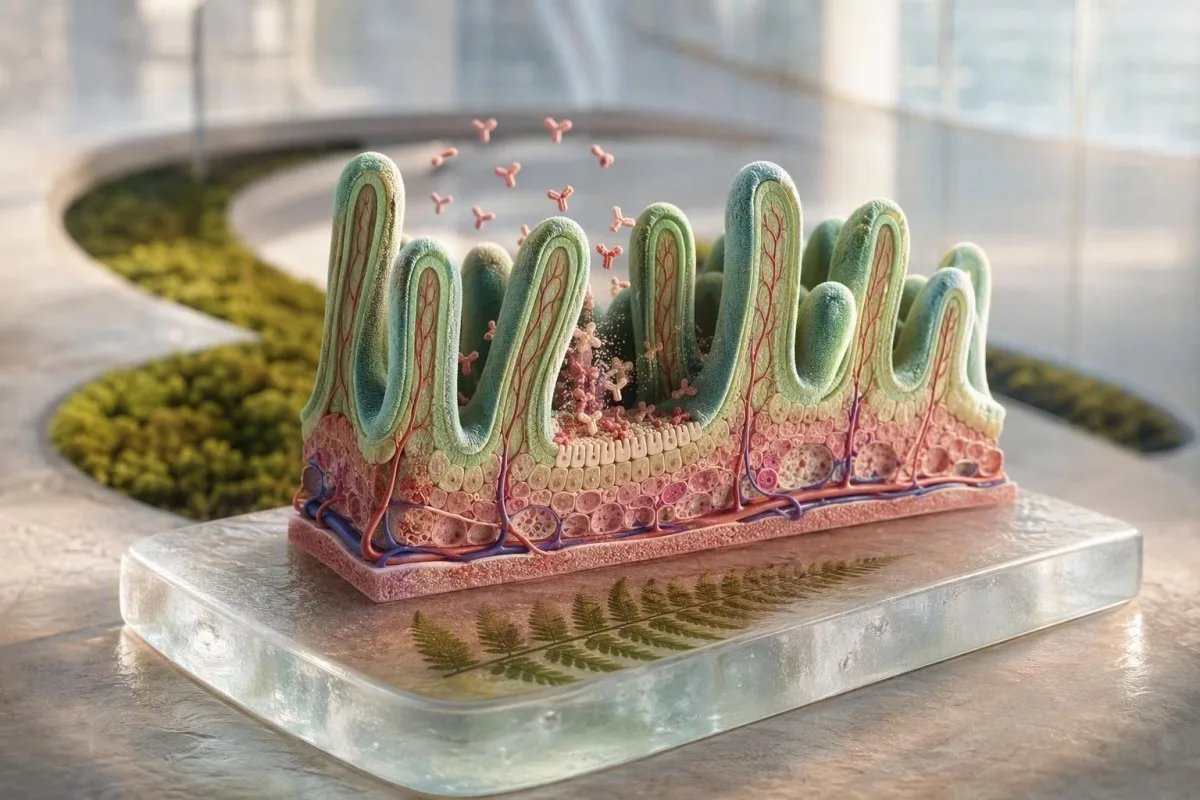
একটি নির্ভরযোগ্য সিলিয়াক রক্ত পরীক্ষার জন্য, যারা গ্লুটেন-মুক্ত হয়েছেন এমন বেশিরভাগ প্রাপ্তবয়স্কদের জন্য কমপক্ষে ৬ সপ্তাহ ধরে প্রতিদিন প্রায় ৩-৬ গ্রাম গ্লুটেন প্রয়োজন; সহ্য করার মতো হলে ১২ সপ্তাহের চ্যালেঞ্জ সবচেয়ে স্পষ্ট উত্তর দেয়। যদি আপনার গুরুতর প্রতিক্রিয়া, উল্লেখযোগ্য ওজন হ্রাস, গর্ভাবস্থার উদ্বেগ, বা সিলিয়াক রোগের পূর্বনিশ্চিত রোগ নির্ণয় থাকে তবে একা গ্লুটেন পুনরায় শুরু করবেন না।.


- ন্যূনতম চ্যালেঞ্জ: প্রতিদিন ৩-৬ গ্রাম গ্লুটেন, প্রায় ১-২ টুকরো গমের রুটি, পুনরায় সিলিয়াক সেরোলজি করার আগে প্রাপ্তবয়স্কদের জন্য একটি কার্যকর লক্ষ্য।.
- পছন্দের সময়কাল: প্রতিদিন ১২ সপ্তাহ ধরে গ্লুটেন গ্রহণ করলে গ্লুটেন পরিহারের পর সিলিয়াক রক্ত পরীক্ষা এবং বায়োপসি রোগ সনাক্ত করার সম্ভাবনা বাড়ে।.
- সংক্ষিপ্ত চ্যালেঞ্জ: ২ সপ্তাহের জন্য প্রতিদিন ৩ গ্রাম কিছু প্রাপ্তবয়স্কদের মধ্যে বায়োপসি পরিবর্তন ঘটাতে পারে, তবে মাত্র ২ সপ্তাহ পরে নেতিবাচক ফলাফল নির্ভরযোগ্যভাবে সিলিয়াক রোগকে বাদ দেয় না।.
- tTG-IgA: কম গ্লুটেন গ্রহণ বা মোট IgA ঘাটতি থাকলে একটি নেতিবাচক tTG-IgA মিথ্যা আশ্বাসের কারণ হতে পারে।.
- মোট IgA: tTG-IgA এর পাশাপাশি মোট সিরাম IgA পরিমাপ করা উচিত; IgA ঘাটতির জন্য IgG-ভিত্তিক পরীক্ষার প্রয়োজন।.
- স্ব-চ্যালেঞ্জ করবেন না: শিশু, গর্ভবতী ব্যক্তি, পূর্ববর্তী গুরুতর প্রতিক্রিয়ার ইতিহাসযুক্ত ব্যক্তি এবং উল্লেখযোগ্য অপুষ্টিতে ভোগা ব্যক্তিদের চিকিৎসকের তত্ত্বাবধানে পরিকল্পনা প্রয়োজন।.
- HLA টেস্টিং: নেতিবাচক HLA-DQ2 এবং HLA-DQ8 থাকলে সিলিয়াক রোগ হওয়ার সম্ভাবনা খুব কম এবং কখনও কখনও এটি গ্লুটেন চ্যালেঞ্জ এড়াতে সাহায্য করতে পারে।.
- তাড়াতাড়ি বন্ধ করবেন না: রক্ত পরীক্ষা এবং প্রয়োজন হলে এন্ডোস্কোপি সম্পন্ন হয়েছে কিনা তা চিকিৎসক নিশ্চিত না করা পর্যন্ত গ্লুটেন খাওয়া চালিয়ে যান।.
গ্লুটেন পরিহার করলে কেন সিলিয়াক রক্ত পরীক্ষা নেতিবাচক হতে পারে
A সিলিয়াক রক্ত পরীক্ষা গ্লুটেন বিধিনিষেধের পর নেতিবাচক হতে পারে কারণ এটি যে ইমিউন সিগন্যাল পরিমাপ করে তা গম, বার্লি এবং রাই সরিয়ে ফেললে ক্ষীণ হয়ে যায়। ব্যবহারিক দিক থেকে, গ্লুটেন-মুক্ত থাকাকালীন নেতিবাচক tTG-IgA সিলিয়াক রোগকে বাতিল করে না; এটি কেবল দেখাতে পারে যে ইমিউন সিস্টেম আর উদ্দীপিত হচ্ছে না।.
tTG-IgA একটি অ্যান্টিবডি প্রতিক্রিয়া সনাক্ত করে, সিলিয়াক রোগের একটি স্থায়ী ছাপ নয়।. কঠোর গ্লুটেন-মুক্ত ডায়েটে কয়েক সপ্তাহ থেকে কয়েক মাসের মধ্যে অ্যান্টিবডির ঘনত্ব প্রায়শই কমে যায়, যখন অন্ত্রের নিরাময় অনেক দীর্ঘ সময় ধরে চলতে পারে। 2023 সালের আমেরিকান কলেজ অফ গ্যাস্ট্রোএন্টারোলজির নির্দেশিকা বলে যে রোগীর গ্লুটেন খাওয়ার সময় রোগ নির্ণয়ের সেরোলজি করা উচিত (Rubio-Tapia et al., 2023)।.
আমি নিয়মিতভাবে এই প্যাটার্নটি দেখি: কেউ ৮ মাস ধরে গ্লুটেন বাদ দেয়, কিছুটা সুস্থ বোধ করে, তারপরে একটি স্বাভাবিক tTG-IgA ফলাফল পায় এবং তাকে বলা হয় সিলিয়াক রোগ বাতিল করা হয়েছে। তাদের গ্লুটেন গ্রহণ না জেনে এই সিদ্ধান্তে আসা নিরাপদ নয়; এক্সপোজার ইতিমধ্যে বন্ধ হয়ে গেলে tTG-IgA ফলস নেগেটিভ হওয়ার সম্ভাবনা বেশি. । আমাদের সম্পর্কিত গাইড কম IgA এবং সিলিয়াক রোগ নির্ণয়ের ত্রুটি ব্যাখ্যা করে কেন দ্বিতীয় প্রধান কারণ সেরোলজি রোগ মিস করতে পারে।.
কান্তেস্তি হল একটি এআই রক্ত পরীক্ষা বিশ্লেষক যা tTG-IgA কে মোট IgA, হিমোগ্লোবিন, ফেরিটিন, ফোলেট, ভিটামিন B12 এবং লিভার এনজাইমের সাথে একত্রে পড়ে, একটি নেতিবাচক অ্যান্টিবডিকে চূড়ান্ত রোগ নির্ণয় হিসাবে গণ্য না করে। আয়রনের অভাব বা অপ্রত্যাশিতভাবে উচ্চ ALT একটি স্বাভাবিক অ্যান্টিবডি ফলাফল থাকা সত্ত্বেও সিলিয়াক রোগকে বিবেচনায় রাখতে পারে।.
প্রক্রিয়াটি গুরুত্বপূর্ণ। গ্লুটেন পেপটাইডগুলি উপরের ক্ষুদ্রান্ত্রে পৌঁছায়, টিস্যু ট্রান্সগ্লুটামিনেজ সেগুলিকে পরিবর্তন করে এবং সংবেদনশীল HLA-DQ2 বা HLA-DQ8 ইমিউন পথগুলি অ্যান্টিবডি তৈরি করে; ট্রিগার সরিয়ে ফেললে পরিমাপযোগ্য অ্যান্টিবডি প্রতিক্রিয়া শান্ত হতে পারে। এটা জীববিজ্ঞান, পরীক্ষার ব্যর্থতা নয়।.
সাধারণ ভুল ধারণা
রুটি এড়িয়ে চলার পর ভালো লাগা নিজে থেকে রোগ নির্ণয়কারী নয়। উপসর্গগুলি কম ফারমেন্টেবল কার্বোহাইড্রেট, কম আল্ট্রা-প্রসেসড ফুড গ্রহণ, গমের অ্যালার্জি এড়ানো বা নন-সিলিয়াক গ্লুটেন সংবেদনশীলতার কারণে উন্নত হতে পারে; কেবল সঠিকভাবে সময়মতো পরীক্ষা এই সম্ভাবনাগুলি পার্থক্য করতে পারে।.
কোন সিলিয়াক পরীক্ষাগুলিতে খাদ্যতালিকায় গ্লুটেন প্রয়োজন?
tTG-IgA, EMA-IgA, ডিঅ্যামিডেটেড গ্লিয়াডিন পেপটাইড অ্যান্টিবডি এবং ডুওডেনাল বায়োপসি গ্লুটেন খাওয়ার সময় সবচেয়ে নির্ভরযোগ্য।. HLA-DQ2/DQ8 জেনেটিক টেস্টিং ভিন্ন: এটি বৈধ থাকে ব্যক্তি গ্লুটেন খাচ্ছে কিনা তা নির্বিশেষে।.
tTG-IgA প্রাপ্তবয়স্ক এবং ২ বছর বা তার বেশি বয়সী শিশুদের জন্য সাধারণ প্রথম-সারির সিলিয়াক রক্ত পরীক্ষা।. অনেক পরীক্ষাগার ১০-১৫ U/mL এর নিচের মানগুলিকে নেতিবাচক হিসাবে রিপোর্ট করে, তবে স্বাভাবিকের উপরের সীমা পরীক্ষার-নির্দিষ্ট, তাই পরীক্ষাগারের নিজস্ব রেফারেন্স ব্যবধান ব্যাখ্যা নিয়ন্ত্রণ করে। EMA-IgA অত্যন্ত নির্দিষ্ট এবং প্রায়শই একটি দৃঢ়ভাবে ইতিবাচক tTG-IgA নিশ্চিত করতে ব্যবহৃত হয়।.
মোট সিরাম IgA, tTG-IgA এর সাথে একই অনুরোধে অন্তর্ভুক্ত করা উচিত।. সিলেক্টেভ IgA ডেফিসিয়েন্সি প্রায় 1 জনের মধ্যে 400 থেকে 1 জনের মধ্যে 700 জনের মধ্যে দেখা যায় অনেক পশ্চিমা জনগোষ্ঠীর মধ্যে এবং এটি সিলিয়াক রোগের সত্ত্বেও নেতিবাচক tTG-IgA তৈরি করতে পারে; IgG-ভিত্তিক DGP বা tTG টেস্টিং তখন উপযুক্ত। A গুণগত বনাম পরিমাণগত পরীক্ষার নির্দেশিকা পাঠকদের সনাক্ত করতে সাহায্য করতে পারে যে কোনও প্রতিবেদন একটি পরিমাপিত মান সরবরাহ করে নাকি কেবল একটি ইতিবাচক/নেতিবাচক পতাকা।.
ডুওডেনাল বায়োপসি ভিলাস আর্কিটেকচার এবং ইন্ট্রাইপিথেলিয়াল লিম্ফোসাইটগুলি মূল্যায়ন করে, তবে গ্লুটেন প্রত্যাহার করার পরেও মিউকোসাল পরিবর্তনগুলি উন্নত হতে পারে। প্রাপ্তবয়স্কদের মধ্যে, ইতিবাচক সেরোলজি সাধারণত আজীবন বিধিনিষেধের প্রতিশ্রুতির আগে আপার এন্ডোস্কোপির দিকে পরিচালিত করে; ফলাফলগুলি যখন অসঙ্গত হয় তখন বায়োপসি বিশেষভাবে উপযোগী থাকে।.
ফুড ইনটলারেন্স প্যানেলকে সিলিয়াক সেরোলজির সাথে গুলিয়ে ফেলবেন না। IgG ফুড প্যানেলগুলি সিলিয়াক রোগ নির্ণয় করে না, এবং একটি হোম টেস্ট মোট IgA মূল্যায়ন, একটি বৈধ অ্যান্টিবডি অ্যাস বা বিশেষজ্ঞ ব্যাখ্যার বিকল্প হতে পারে না।.
গ্লুটেন-মুক্ত থাকাকালীন দরকারী পরীক্ষাগুলি
HLA-DQ2 বা HLA-DQ8 এর অনুপস্থিতি খুব উচ্চ নেতিবাচক ভবিষ্যদ্বাণীমূলক মান ধারণ করে কারণ সিলিয়াক রোগে আক্রান্ত প্রায় সকল ব্যক্তির কাছে এই হ্যাপ্লোটাইপগুলির একটি থাকে। একটি ইতিবাচক HLA ফলাফল সাধারণ এবং এটি সিলিয়াক রোগ নির্ণয় করে না; প্রায় 30-40% অনেক জনগোষ্ঠীর মধ্যে DQ2 বা DQ8 বহন করে কিন্তু প্রায় 1% সিলিয়াক রোগ তৈরি করে।.
গ্লুটেন চ্যালেঞ্জের জন্য কতটা গ্লুটেন যথেষ্ট?
প্রাপ্তবয়স্কদের জন্য একটি ব্যবহারিক গ্লুটেন চ্যালেঞ্জ হল প্রতিদিন 3–6 গ্রাম গ্লুটেন, যা ডায়াগনস্টিক পরীক্ষার জন্য প্রায় 1–2 টি সাধারণ পনির রুটির সমান। বেশি খাবার necessarily ভাল নয়; সামঞ্জস্যতা বেশি গুরুত্বপূর্ণ কারণ এমন একটি বড় ডোজ জোর করে যা ব্যক্তিকে কয়েক দিন পরে থামিয়ে দেয়।.
সাধারণ পনির রুটির একটি টুকরাতে প্রায় 2–3 গ্রাম গ্লুটেন থাকে, যখন একটি স্ট্যান্ডার্ড ব্যাগেল 4–7 গ্রাম এবং এক কাপ রান্না করা নিয়মিত পাস্তা প্রায় 2–4 গ্রাম ধারণ করতে পারে, রেসিপি এবং পরিবেশনের উপর নির্ভর করে। ওটস একটি নির্ভরযোগ্য চ্যালেঞ্জ খাবার নয় কারণ প্রত্যয়িত গ্লুটেন-মুক্ত ওটসে নগণ্য গ্লুটেন থাকে এবং প্রচলিত ওটসে দূষণের তারতম্য থাকে।.
লিওনার্ড এবং সহকর্মীদের দ্বারা পর্যালোচনা সুপারিশ করে কমপক্ষে 3–6 গ্রাম দৈনিক 12 সপ্তাহের বেশি সময় ধরে যখন একটি দীর্ঘ চ্যালেঞ্জ সহ্য করা হয়, বিশেষ করে যদি লক্ষ্য কয়েক মাস বা বছর গ্লুটেন-মুক্ত থাকার পরে রোগকে আত্মবিশ্বাসের সাথে বাদ দেওয়া হয় (Leonard et al., 2023)। কিছু চিকিৎসক প্রতিদিন 10 গ্রাম ব্যবহার করেন, তবে সেই পরিমাণ বজায় রাখা কঠিন এবং প্রতিটি প্রাপ্তবয়স্কের জন্য এটি প্রয়োজনীয় বলে প্রমাণিত হয়নি।.
একটি দরকারী রুটিন হল সকালে একটি গ্লুটেন-যুক্ত খাবার এবং দুপুরের খাবারে একটি, রাতের খাবারের একটি বড় খাবারের পরিবর্তে। পণ্য, আনুমানিক পরিবেশন, উপসর্গ এবং বাদ দেওয়া দিনগুলি রেকর্ড করুন; সেই ডায়েরি গ্যাস্ট্রোএন্টারোলজিস্টকে “কিছু রুটি” খাওয়ার একটি অস্পষ্ট স্মৃতির চেয়ে অনেক ভালো তথ্য দেয়।”
ল্যাবরেটরি মার্কারগুলি একসাথে কী বোঝায় তার বৃহত্তর প্রেক্ষাপটের জন্য, আমাদের বায়োমার্কার রেফারেন্স গাইড ব্যাখ্যা করে কেন ফেরিটিন এবং লোহিত রক্তকণিকা সূচকগুলি প্রায়শই সিলিয়াক অ্যান্টিবডির পাশাপাশি পর্যালোচনা করা হয়।.
ডোজ হল গ্লুটেন গ্রাম, খাবারের ওজন নয়
50 গ্রাম রুটি 50 গ্রাম গ্লুটেন নয়। গ্লুটেনের পরিমাণ ময়দা, হাইড্রেশন, রেসিপি এবং প্রক্রিয়াকরণের সাথে পরিবর্তিত হয়, এই কারণেই চিকিৎসকরা সাধারণত বিচ্ছিন্ন গ্লুটেন প্রোটিন ওজন করার জন্য রোগীদের জিজ্ঞাসা করার পরিবর্তে খাবারের সমতুল্য নির্ধারণ করেন।.
পরীক্ষার আগে গ্লুটেন চ্যালেঞ্জ কতক্ষণ স্থায়ী হওয়া উচিত?
অনেক প্রাপ্তবয়স্কদের জন্য ছয় সপ্তাহ একটি যুক্তিসঙ্গত সর্বনিম্ন, যখন 12 সপ্তাহ দীর্ঘ গ্লুটেন এড়ানোর পরে একটি আরও নির্ভরযোগ্য চ্যালেঞ্জ সরবরাহ করে।. 2-সপ্তাহের চ্যালেঞ্জ রোগ নির্ণয়কে সমর্থন করতে পারে যদি পরীক্ষাগুলি ইতিবাচক হয়, কিন্তু মাত্র 14 দিন পরে একটি নেতিবাচক ফলাফল নিরাপদে সিলিয়াক রোগকে বাদ দিতে পারে না।.
প্রয়োজনীয় সময়কাল বয়স, পূর্ববর্তী খাদ্যাভ্যাস, ইমিউন প্রতিক্রিয়া, এবং সারোলজির উপর ভিত্তি করে বা বায়োপসির উপর নির্ভর করে। একটি ছোট প্রাপ্তবয়স্ক সমীক্ষায়, 14 দিনের জন্য প্রতিদিন 3 গ্রাম গ্লুটেন অনেক অংশগ্রহণকারীর মধ্যে ডায়াগনস্টিক হিস্টোলজিক্যাল পরিবর্তন প্ররোচিত করেছিল, তবুও অ্যান্টিবডি প্রতিক্রিয়া পিছিয়ে ছিল; সেই ব্যবধানের কারণেই সংক্ষিপ্ত প্রোটোকলগুলি কেসগুলি মিস করতে পারে।.
৩১শে আগস্ট, ২০২৬ পর্যন্ত, আমি সাধারণত ১২ সপ্তাহের পরিকল্পনা আলোচনা করি প্রাপ্তবয়স্কদের সাথে যারা কয়েক মাস ধরে খুব কম বা একেবারেই গ্লুটেন খাননি, প্রায় ৬ সপ্তাহের মাথায় রক্ত পরীক্ষা এবং প্রথম ফলাফল নেতিবাচক হলে আবার ১২ সপ্তাহের কাছাকাছি পরীক্ষা করা হয়। আমাদের চিফ মেডিকেল অফিসার, ডঃ থমাস ক্লেইন, সবচেয়ে এড়ানো যায় এমন ডায়াগনস্টিক বিলম্ব দেখতে পান যখন একজন রোগী রক্ত পরীক্ষার আগে কেবল এক সপ্তাহান্তের জন্য গ্লুটেন পুনরায় গ্রহণ করেন।.
যদি উপসর্গগুলি অসহনীয় হয়ে ওঠে, তবে গোপনে বন্ধ করার পরিবর্তে অর্ডারকারী চিকিৎসকের সাথে যোগাযোগ করুন। তারা রক্ত পরীক্ষা এগিয়ে আনতে পারে, এন্ডোস্কোপি দ্রুত সম্পন্ন করতে পারে, বা দীর্ঘ সময় ধরে এক্সপোজার ছাড়াই এইচএলএ টেস্টিং প্রশ্নটির উত্তর দিতে পারে কিনা তা পুনর্বিবেচনা করতে পারে। রক্ত পরীক্ষার সময় নির্ধারণ নির্দেশিকা কেন খাদ্য-সম্পর্কিত পরিবর্তনগুলি তাৎক্ষণিকভাবে ল্যাবরেটরি ফলাফলে উপস্থিত হয় না তা বোঝার জন্য সহায়ক।.
রক্ত পরীক্ষা পর্যন্ত গ্লুটেন চ্যালেঞ্জ চালিয়ে যান এবং, যদি অ্যান্টিবডি ফলাফল ইতিবাচক হয় বা সন্দেহ বেশি থাকে, তাহলে এন্ডোস্কোপি দল অন্যথায় না বলা পর্যন্ত। একটি ইতিবাচক রক্ত ফলাফলের পরে কিন্তু বায়োপসির আগে বন্ধ করা দৃশ্যমান অন্ত্রের সংকেত কমাতে পারে।.
একটি বাস্তবসম্মত ক্যালেন্ডার
সপ্তাহ ১-২ দৈনিক এক্সপোজার স্থাপন করে এবং প্রাথমিক উপসর্গগুলি চিহ্নিত করে। সপ্তাহ ৩-৬ হল যখন প্রাথমিক রক্ত পরীক্ষা দরকারী হতে পারে; সপ্তাহ ৭-১২ যাদের অ্যান্টিবডি ধীরে ধীরে বৃদ্ধি পায়, বিশেষ করে দীর্ঘমেয়াদী নিষেধাজ্ঞার পরে তাদের জন্য সংবেদনশীলতা উন্নত করে।.
শিশু এবং কিশোর-কিশোরীদের মধ্যে গ্লুটেন চ্যালেঞ্জের জন্য একটি ভিন্ন পরিকল্পনার প্রয়োজন
শিশুদের পেডিয়াট্রিক পরামর্শ ছাড়া গ্লুটেন চ্যালেঞ্জ শুরু করা উচিত নয়, কারণ বৃদ্ধি, পুষ্টি, উপসর্গের বোঝা এবং বায়োপসি-মুক্ত রোগ নির্ণয়ের সম্ভাবনা সবই পরিকল্পনা পরিবর্তন করে।. একটি শিশু যে খারাপভাবে বাড়ছে বা ওজন হারাচ্ছে তার প্রথমে মূল্যায়ন প্রয়োজন, একটি স্ব-প্রশিক্ষিত রুটি চ্যালেঞ্জ নয়।.
খুব উচ্চ tTG-IgA মানযুক্ত শিশুদের জন্য—কমপক্ষে স্বাভাবিকের চেয়ে ১০ গুণ বেশি—দ্বিতীয় নমুনায় একটি ইতিবাচক EMA-IgA সহ, ESPGHAN নির্দেশিকা নির্বাচিত ক্ষেত্রে পেডিয়াট্রিক বিশেষজ্ঞের তত্ত্বাবধানে বায়োপসি ছাড়াই রোগ নির্ণয়ের অনুমতি দেয় (Husby et al., 2020)। এই পথের জন্য পরীক্ষার সময় সক্রিয় গ্লুটেন গ্রহণ প্রয়োজন।.
একজন প্রিস্কুল শিশুকে ৭৫০ কেজি প্রাপ্তবয়স্কের মতো একই ডোজ সহ্য করতে পারবে বলে ধরে নেওয়া যায় না। পেডিয়াট্রিক বিশেষজ্ঞরা প্রায়শই সাধারণ দৈনিক পরিবেশন এবং শিশুর স্বাভাবিক খাদ্য থেকে কাজ করেন, তারপর ওজন, উচ্চতার বেগ, জলয়োজন, মল প্যাটার্ন এবং স্কুল উপস্থিতি পর্যবেক্ষণ করেন; লক্ষ্য কখনই উপসর্গের সহনশীলতার প্রতিযোগিতা হওয়া উচিত নয়।.
আয়রনের ঘাটতি, ধীর রৈখিক বৃদ্ধি, বারবার মুখের ঘা, এনামেলের পরিবর্তন, এবং বিলম্বিত বয়ঃসন্ধি ডায়রিয়া ছাড়াই সিলিয়াক রোগের সূত্র হতে পারে। বাবা-মায়েরা আমাদের শিশু বৃদ্ধি পরীক্ষা নির্দেশিকা, -তে বিস্তৃত ওয়ার্ক-আপ পর্যালোচনা করতে পারেন, কিন্তু একটি স্বাভাবিক বৃদ্ধি-হরমোন স্ক্রিন অন্ত্রের ম্যালঅ্যাবসর্পশনকে বাদ দেয় না।.
যদি কোনও শিশু ইতিমধ্যেই গ্লুটেন-মুক্ত খাদ্যে একটি বিশ্বাসযোগ্য প্রতিক্রিয়া দেখিয়ে থাকে, তবে পরিবারকে জিজ্ঞাসা করা উচিত যে এইচএলএ টাইপিং বা তত্ত্বাবধানে পুনরায় প্রবর্তন সবচেয়ে কম বিঘ্নিত পথ কিনা। আমি এখানে পারিবারিক উদ্বেগ গুরুত্ব সহকারে নিতে শিখেছি—খাবারের সময় খুব দ্রুত সমস্যাযুক্ত হতে পারে।.
স্কুল এবং খাদ্য পরিকল্পনা
একটি লিখিত পরিকল্পনায় কোন খাবারগুলিতে গ্লুটেন থাকে এবং স্কুল চলাকালীন উপসর্গগুলি কীভাবে পরিচালনা করা হবে তা চিহ্নিত করা উচিত। বারবার ডোজ পরিবর্তন করা, গ্লুটেন-মুক্ত খাবারে পরিবর্তন করা, বা কেবল মাঝে মাঝে সপ্তাহান্তের এক্সপোজার অনুমতি দিলে চূড়ান্ত ফলাফল ব্যাখ্যা করা অনেক কঠিন হয়ে পড়ে।.
যদি আপনি বছরের পর বছর গ্লুটেন-মুক্ত থাকেন তাহলে কী হবে?
বছরের পর বছর গ্লুটেন-মুক্ত খাদ্যের পর, অ্যান্টিবডি টেস্টিং নেতিবাচক থাকতে পারে যদি না গ্লুটেন এক্সপোজার ইমিউন প্রতিক্রিয়া পুনরায় সক্রিয় করার জন্য যথেষ্ট দীর্ঘস্থায়ী হয়।. এই দলটি হল যাদের জন্য ১২ সপ্তাহের চিকিৎসকের তত্ত্বাবধানে চ্যালেঞ্জ, অথবা প্রথমে এইচএলএ টেস্টিং, সাধারণত সবচেয়ে যুক্তিযুক্ত।.
গ্লুটেন যত বেশি দিন অনুপস্থিত থাকে, একটি এককালীন tTG-IgA তত কম দরকারী হয়। কিছু রোগীর পরিমাপযোগ্য অ্যান্টিবডি ফিরে আসার আগে ৬ সপ্তাহের বেশি সময় প্রয়োজন, এবং ৬ সপ্তাহে একটি নেতিবাচক পরীক্ষা কেবল ক্যালেন্ডারের বিপরীতে নয়, আসলে খাওয়া ডোজের বিপরীতে ব্যাখ্যা করা উচিত।.
সেলিয়াক রোগ ল্যাবরেটরি ইতিহাসে একটি চিহ্ন রেখে যেতে পারে: কম ফেরিটিন, কম ট্রান্সফারিন স্যাচুরেশন, ফোলেট ডেফিসিয়েন্সি, উচ্চ প্লেটলেট সংখ্যা, কম ভিটামিন ডি, বা ব্যাখ্যাতীত হালকা ট্রান্সএমিনেজ বৃদ্ধি। কোনটিই একা রোগ নির্ণয়কারী নয়, তবে এইগুলির সমষ্টি পরীক্ষা-পূর্ব সম্ভাবনা বাড়িয়ে তোলে; আমাদের বিস্তারিত দেখুন লোহা গবেষণা নির্দেশিকা আয়রনের ঘাটতি এবং প্রদাহ-সম্পর্কিত কম সিরাম আয়রনের মধ্যে পার্থক্য জানার জন্য।.
কান্তেস্তি হল একটি AI ল্যাব টেস্ট ইন্টারপ্রিটেশন সার্ভিসে যা ব্যবহারকারীদের হিমোগ্লোবিন, MCV, ফেরিটিন, অ্যালবুমিন এবং অ্যান্টিবডি মান সহ একটি পুরানো এবং নতুন প্যানেল পাশাপাশি তুলনা করতে সাহায্য করে। এটি সেলিয়াক রোগ নির্ণয় করতে পারে না, তবে একটি টাইমলাইন একজন চিকিৎসককে দেখতে সাহায্য করতে পারে যে খাদ্যতালিকাগত বিধিনিষেধের আগে পুষ্টির অস্বাভাবিকতা ছিল কিনা।.
পূর্বে সেলিয়াক পরীক্ষা নেতিবাচক হলেও, গ্লুটেন বাদ দেওয়ার পরে করা হলে তা নিশ্চিতভাবে কিছু বলে না। মূল রিপোর্ট, সঠিক অ্যান্টিবডি মান, মোট IgA এবং নমুনা সংগ্রহের ৬-১২ সপ্তাহ আগে আপনি কতটা গ্লুটেন খাচ্ছিলেন তা জানতে চান।.
পুষ্টি কেন স্বাভাবিক দেখাতে পারে
স্বাভাবিক ফেরিটিন সেলিয়াক রোগকে বাতিল করে না। ফেরিটিন প্রদাহ এবং লিভারের আঘাতের সাথে বৃদ্ধি পায়, তাই C-রিঅ্যাকটিভ প্রোটিন বেশি হলে ৭০ µg/L ফেরিটিন আয়রনের ঘাটতির সাথে সহাবস্থান করতে পারে; ট্রান্সফারিন স্যাচুরেশন দরকারী প্রসঙ্গ যোগ করে।.
কখন চিকিৎসকের পরামর্শ ছাড়া গ্লুটেন চ্যালেঞ্জের চেষ্টা করা উচিত নয়?
যদি পূর্বে পানিশূন্যতা, অজ্ঞান হয়ে যাওয়া, গুরুতর বমি, দ্রুত ওজন হ্রাস, গর্ভাবস্থার জটিলতা বা হাসপাতালে ভর্তির কারণ হয়ে থাকে, তবে নিজে নিজে গ্লুটেন পুনরায় শুরু করবেন না।. শিশুদের জন্য, ইনসুলিন ব্যবহারকারী ডায়াবেটিস রোগীদের জন্য এবং পরিচিত বা সন্দেহজনক খাওয়ার ব্যাধির পুনরায় প্রকাশের জন্য একটি তত্ত্বাবধানে থাকা পরিকল্পনাও নিরাপদ।.
সেলিয়াক রোগ নিজে খুব কমই তাৎক্ষণিক অ্যানাফাইল্যাকটিক প্রতিক্রিয়া সৃষ্টি করে, তাই গম খাওয়ার পরে দ্রুত আমবাত, শ্বাসকষ্ট, গলা ব্যথা বা পতন হলে সম্ভাব্য গমের অ্যালার্জি বোঝায় এবং সেলিয়াক পরীক্ষার পরিবর্তে অ্যালার্জি মূল্যায়ন প্রয়োজন। সেলিয়াক পরীক্ষা এবং অ্যালার্জি পরীক্ষা ভিন্ন প্রশ্নের উত্তর দেয়, এবং এদের গুলিয়ে ফেলা বিপজ্জনক হতে পারে।.
চ্যালেঞ্জের আগে যদি আপনার ১ মাসে ৫১% এর বেশি অনিচ্ছাকৃত ওজন হ্রাস হয়, ক্রমাগত বমি, কালো মল, পেটে তীব্র ব্যথা, অথবা পানিশূন্যতার লক্ষণ যেমন খুব কম প্রস্রাব এবং মাথা ঘোরা থাকে তবে অবিলম্বে ক্লিনিকাল পর্যালোচনা করুন। এগুলি গ্লুটেন কাজ করছে “প্রমাণ” নয়; এগুলি পুনরায় মূল্যায়নের কারণ।.
গর্ভাবস্থার জন্য আলাদাভাবে যত্ন নেওয়া উচিত কারণ অপরিশোধিত সেলিয়াক রোগ এবং সীমাবদ্ধ খাদ্য উভয়ই আয়রন, ফোলেট এবং ওজন বৃদ্ধিতে প্রভাব ফেলতে পারে। আমাদের মাধ্যমে একজন চিকিৎসকের সাথে যোগাযোগ করুন মেডিকেল যোগাযোগ পথ অথবা গ্লুটেন ইচ্ছাকৃতভাবে পুনরায় চালু করার আগে আপনার প্রসূতি দলের সাথে যোগাযোগ করুন।.
পূর্বে বায়োপসি-নিশ্চিত সেলিয়াক রোগ নির্ণয় করা ব্যক্তিদের সাধারণত এটি আবার প্রমাণ করার জন্য গ্লুটেন চ্যালেঞ্জের প্রয়োজন হয় না। ব্যতিক্রম হল পুরানো রোগ নির্ণয় সম্পর্কে প্রকৃত সন্দেহ, যা একজন গ্যাস্ট্রোএন্টারোলজিস্ট দ্বারা সবচেয়ে ভালোভাবে পরিচালিত হয় যিনি মূল প্যাথলজি এবং অ্যান্টিবডি রেকর্ড পর্যালোচনা করতে পারেন।.
জরুরি লক্ষণ
নতুন শ্বাসকষ্ট, মুখ ফোলা, বিভ্রান্তি, ১২-২৪ ঘন্টার জন্য তরল ধরে রাখতে অক্ষমতা, অজ্ঞান হয়ে যাওয়া, বা গ্যাস্ট্রোইনটেস্টাইনাল রক্তপাতের লক্ষণগুলির জন্য জরুরি চিকিৎসা মূল্যায়ন প্রয়োজন। লাল-পতাকা লক্ষণ উপস্থিত থাকলে “পরীক্ষা সম্পূর্ণ করার জন্য” খাদ্যতালিকা গ্রহণ অব্যাহত রাখবেন না।.
HLA জেনেটিক্স কি অপ্রয়োজনীয় গ্লুটেন চ্যালেঞ্জ প্রতিরোধ করতে পারে?
নেতিবাচক HLA-DQ2 এবং HLA-DQ8 পরীক্ষা সেলিয়াক রোগকে খুব অসম্ভাব্য করে তোলে এবং প্রায়শই গ্লুটেন চ্যালেঞ্জ এড়াতে পারে।. একটি ইতিবাচক ফলাফল শুধুমাত্র জেনেটিক সংবেদনশীলতা দেখায়, তাই এটি সেলিয়াক রোগ নিশ্চিত করতে পারে না বা নিজে থেকে উপসর্গ ব্যাখ্যা করতে পারে না।.
সেলিয়াক রোগের আক্রান্তদের ১/২ এর বেশি HLA-DQ2.5, DQ2.2, বা DQ8 বহন করে, যদিও ল্যাবরেটরিগুলির মধ্যে পরিভাষা কিছুটা ভিন্ন। এই পরীক্ষাটি সবচেয়ে উপযোগী যখন কেউ ইতিমধ্যে গ্লুটেন-মুক্ত, যখন পুরানো রেকর্ড উপলব্ধ নয়, বা যখন পুনরায় চালু করার প্রত্যাশিত বোঝা বেশি।.
একটি ইতিবাচক HLA ফলাফল সাধারণ: প্রায় 30–40% মানুষ একটি সামঞ্জস্যপূর্ণ জিনোটাইপ বহন করে, যেখানে মাত্র প্রায় 1% সেলিয়াক রোগ বিকশিত হয়। সেই অমিলের কারণেই জেনেটিক টেস্টিং পরবর্তী সিদ্ধান্তকে পথ দেখানো উচিত, এটি একটি সমস্যা তালিকায় মুদ্রিত রোগ নির্ণয় না হয়ে।.
Kantesti AI ব্যবহার করে AI বায়োমার্কার ব্যাখ্যা প্ল্যাটফর্ম একটি পদ্ধতি যা গ্লুটেন বর্জন করার পরে কখন অ্যান্টিবডি প্যানেল সংগ্রহ করা হয়েছিল এবং কখন মোট-IgA ফলাফল অনুপস্থিত তা চিহ্নিত করে; জেনেটিক পরীক্ষার জন্য এখনও ডাক্তারের অর্ডার এবং ব্যাখ্যার প্রয়োজন। আমাদের ক্লিনিকাল বৈধতা নীতির সাথে সঙ্গতিপূর্ণ ব্যাখ্যা করে কেন প্রাসঙ্গিক ফ্ল্যাগগুলি রোগ নির্ণয়ের সিদ্ধান্তের বিকল্প নয়।.
আমার অভিজ্ঞতায়, এইচএলএ (HLA) টেস্টিং বিশেষভাবে তাদের জন্য মূল্যবান যারা অস্পষ্ট উপসর্গের কারণে গ্লুটেন খাওয়া বন্ধ করে দিয়েছেন এবং এখন একটি দীর্ঘ পরীক্ষার (challenge) ভয় পাচ্ছেন। একটি নেতিবাচক ফলাফল একটি কঠিন অধ্যায়ের সমাপ্তি ঘটাতে পারে; একটি ইতিবাচক ফলাফল কেবল আলোচনার ধারাবাহিকতা বোঝায়।.
জিন রোগের তীব্রতা পূর্বাভাস দেয় না
এইচএলএ (HLA) টাইপ নির্ভরযোগ্যভাবে পূর্বাভাস দেয় না যে উপসর্গগুলি হালকা হবে কিনা, ভিলাসের পরিবর্তন আছে কিনা, বা ভবিষ্যতে সিলিয়াক রোগ হবে কিনা। প্রথম-ডিগ্রী আত্মীয় যাদের সামঞ্জস্যপূর্ণ জিন আছে তাদের উপসর্গ বা পুষ্টির ঘাটতি দেখা দিলে পর্যায়ক্রমিক ক্লিনিকাল মূল্যায়নের প্রয়োজন হতে পারে।.
দুর্ঘটনাক্রমে কম ডোজ গ্রহণ ছাড়াই চ্যালেঞ্জটি কীভাবে সম্পন্ন করবেন
মাঝে মাঝে বড় খাবারের চেয়ে নিয়মিত প্রতিদিন গ্লুটেন গ্রহণ রোগ নির্ণয়ের জন্য বেশি উপযোগী।. দুটি বা তিনটি পরিচিত গমযুক্ত খাবার বেছে নিন, তাদের গ্লুটেন সামগ্রী অনুমান করুন এবং চ্যালেঞ্জ শুরু হওয়ার পরে গ্লুটেন-মুক্ত সংস্করণে পরিবর্তন করা এড়িয়ে চলুন।.
একটি সাধারণ 3-6 গ্রাম প্যাটার্ন হতে পারে সকালের নাস্তায় এক টুকরো গমের টোস্ট এবং দিনের পরের দিকে নিয়মিত পাস্তা বা ক্র্যাকারগুলির একটি ছোট পরিবেশন। গম, রাই বা বার্লির জন্য লেবেল পরীক্ষা করুন; গম থেকে তৈরি সাওয়ারডো (sourdough) তে এখনও গ্লুটেন থাকে, এবং “আর্টিজান” (artisan) রুটি স্বয়ংক্রিয়ভাবে কম গ্লুটেনযুক্ত নয়।.
বিয়ার, সস, শেয়ার করা ফ্রায়ার (fryer) এবং প্রক্রিয়াজাত খাবার অনিশ্চয়তা তৈরি করে, তাই পরিমাপ করা চ্যালেঞ্জের জন্য এগুলি দুর্বল প্রাথমিক উৎস। একটি একক পূর্বাভাসযোগ্য খাদ্য একটি পরিষ্কার এক্সপোজার ইতিহাস দেয় এবং উপসর্গগুলি ডোজের সাথে সামঞ্জস্যপূর্ণ কিনা তা চিহ্নিত করা সহজ করে তোলে।.
যদি সম্ভব হয় তবে একই 6-12 সপ্তাহের মধ্যে অযৌক্তিক এলিমিনেশন ডায়েট (elimination diets), প্রোবায়োটিক (probiotics), উচ্চ-ডোজ ফাইবার পণ্য (high-dose fibre products) বা নতুন ল্যাক্সেটিভ (laxatives) শুরু করবেন না। তারা অন্ত্রের উপসর্গ পরিবর্তন করতে পারে এবং অভিজ্ঞ জীবনকে ব্যাখ্যা করা কঠিন করে তুলতে পারে; আমাদের খাদ্য যা অন্ত্রের পরীক্ষা পরিবর্তন করে এই ব্যবহারিক সমস্যাটি আলোচনা করে।.
একটি খাদ্য ডায়েরিতে তারিখ, খাদ্য, আনুমানিক পরিমাণ, মলত্যাগের ফ্রিকোয়েন্সি, পেটের উপসর্গ এবং বাদ পড়া ডোজ অন্তর্ভুক্ত করা উচিত। এটি নিখুঁত হওয়ার দরকার নেই—প্রতিদিন তিনটি স্পষ্ট এন্ট্রি প্রতিটি ক্রাম্ব রেকর্ড করার চেষ্টা করার চেয়ে অনেক বেশি উপযোগী।.
ওটস (Oats) এবং গ্লুটেন চ্যালেঞ্জ
রোগ নির্ণয়ের উদ্দেশ্যে প্রত্যয়িত গ্লুটেন-মুক্ত ওটস গ্লুটেনের উৎস নয়। প্রচলিত ওটস অনির্দিষ্টভাবে দূষিত হতে পারে, যা একটি জানা ডোজ প্রতিষ্ঠা করার জন্য ডিজাইন করা চ্যালেঞ্জের জন্য অনুপযুক্ত করে তোলে।.
কী কী উপসর্গ প্রত্যাশিত, এবং কীভাবে নিরাপদে সেগুলি পরিচালনা করা যায়?
একটি গ্লুটেন চ্যালেঞ্জের সময় ফোলাভাব, আলগা মল, ক্লান্তি, পেটে অস্বস্তি, মাথাব্যথা এবং ব্রেইন ফগ (brain fog) ফিরে আসতে পারে, তবে গুরুতর উপসর্গগুলি সহনশীলতার পরিবর্তে ক্লিনিকাল পর্যালোচনার জন্য ট্রিগার করা উচিত।. শুধুমাত্র উপসর্গগুলি সিলিয়াক রোগ প্রমাণ বা অপ্রমাণ করে না কারণ সেগুলি ইরিটেবল বাওয়েল সিনড্রোম (irritable bowel syndrome) এবং অন্যান্য অন্ত্রের রোগের সাথে ওভারল্যাপ করে।.
গ্লুটেন অপসারণ করে না এমন সহায়ক ব্যবস্থা ব্যবহার করুন: নিয়মিত তরল, ডায়রিয়ার জন্য ওরাল রিহাইড্রেশন সলিউশন (oral rehydration solution), ছোট খাবার এবং নিয়মিত ঘুম। কিছু প্রাপ্তবয়স্কদের জন্য একটি অ্যান্টি-ডায়রিয়াল (anti-diarrhoeal) ওষুধ যুক্তিসঙ্গত হতে পারে, তবে জ্বর, মলের মধ্যে রক্ত, তীব্র ব্যথা বা তদন্তাধীন নতুন রোগ নির্ণয় থাকলে আগে ডাক্তারের সাথে জিজ্ঞাসা করুন।.
প্রতিটি উপসর্গকে অন্ত্রের ক্ষতি হিসাবে ব্যাখ্যা করা এড়িয়ে চলুন। কার্যকরী অন্ত্রের সংবেদনশীলতাযুক্ত একজন ব্যক্তি একটি গমের খাবারের কয়েক ঘণ্টার মধ্যে খারাপ বোধ করতে পারে কারণ ফ্রুকটানগুলি (fructans) দ্রুত গাঁজন করে, যেখানে tTG-IgA উৎপাদন এবং ভিলাসের পরিবর্তন একটি ভিন্ন ইমিউন প্রক্রিয়ার মাধ্যমে ঘটে। আমাদের ডায়রিয়ার জন্য রক্ত পরীক্ষার গাইড রূপরেখা দেয় কখন মলের উপসর্গগুলির জন্য আরও ব্যাপক অনুসন্ধানের প্রয়োজন।.
যদি ক্লান্তি বেশি মনে হয়, তবে একটি মাত্র কারণ অনুমান করার পরিবর্তে হাইড্রেশন, ক্যালোরি গ্রহণ, আয়রনের অবস্থা এবং ঘুমের দিকে মনোযোগ দিন। ডঃ থমাস ক্লেইন দেখেছেন যে রোগীরা পরীক্ষার সময় প্লেটলেট বা ALT-এর সামান্য পরিবর্তনে অপ্রয়োজনীয়ভাবে ভীত হয়ে পড়েন; একটি একাকী বর্ডারলাইন ফলাফলের চেয়ে প্রবণতা এবং সম্পূর্ণ ক্লিনিকাল চিত্র বেশি গুরুত্বপূর্ণ।.
অবিরাম কাজ করতে বা স্কুলে যেতে অক্ষমতা, বারবার রাতের বেলার ডায়রিয়া, মাথা ঘোরা বেড়ে যাওয়া, বা সুস্পষ্ট ডিহাইড্রেশন হলে থামা এবং পরামর্শ নেওয়া উচিত। উপকারী সেরোলজি বা বায়োপসি প্রমাণ সংগ্রহ করার জন্য একটি চিকিৎসাগতভাবে সংক্ষিপ্ত চ্যালেঞ্জ, পরিকল্পনা ভেঙে না যাওয়া পর্যন্ত চালিয়ে যাওয়ার চেয়ে ভালো।.
প্রোবায়োটিক কি পরীক্ষা পরিবর্তন করে?
গ্লুটেন চ্যালেঞ্জের সময় ওভার-দ্য-কাউন্টার প্রোবায়োটিক সিলিয়াক অ্যান্টিবডি উৎপাদন প্রতিরোধ করে এমন কোনো নির্ভরযোগ্য প্রমাণ নেই। চ্যালেঞ্জের মাঝামাঝি সময়ে একটি শুরু করলে উপসর্গ ট্র্যাকিংকে বিভ্রান্ত করতে পারে, তাই আমি সাধারণত পরিপূরকগুলি স্থির রাখার পরামর্শ দিই যদি না কোনো চিকিত্সক পরিবর্তনের পরামর্শ দেন।.
সিলিয়াক রক্ত সংগ্রহের জন্য কীভাবে প্রস্তুতি নেবেন
সিলিয়াক রোগের রক্ত পরীক্ষার জন্য সাধারণত উপবাসের প্রয়োজন হয় না, তবে এর জন্য ক্রমাগত গ্লুটেন গ্রহণ এবং সঠিক অ্যান্টিবডি প্যানেল প্রয়োজন।. পরীক্ষার আগের দিন এবং, যদি আপনার চিকিত্সক অন্যথা না বলেন, পরীক্ষার সকাল পর্যন্ত সম্মত দৈনিক গ্লুটেন ডোজ চালিয়ে যান।.
জিজ্ঞাসা করুন যে অর্ডারে অন্তর্ভুক্ত আছে কিনা tTG-IgA এবং মোট সিরাম IgA; EMA-IgA, DGP-IgG, বা tTG-IgG নির্বাচিত ক্ষেত্রে যুক্ত করা যেতে পারে। ল্যাবরেটরিগুলি বিভিন্ন পদ্ধতি এবং ইউনিট ব্যবহার করে, তাই 18 U/mL এর মান এর অ্যাসে-স্পেসিফিক আপার লিমিট অফ নরমাল ছাড়া ব্যাখ্যা করা যায় না।.
অ্যান্টিবডি পরীক্ষার জন্য উপবাসের প্রয়োজন নেই, যদিও একটি আনুষঙ্গিক লিপিড, গ্লুকোজ, বা আয়রন প্যানেলের জন্য পৃথক প্রস্তুতি নির্দেশাবলী থাকতে পারে। বায়োটিন সাধারণত স্ট্যান্ডার্ড সিলিয়াক সেরোলজিকে প্রভাবিত করে না যেভাবে এটি কিছু হরমোন ইমিউনোঅ্যাসেগুলিকে বিকৃত করতে পারে, তবে অনুরোধে সমস্ত সম্পূরক এবং ওষুধগুলি তালিকাভুক্ত করুন।.
কান্তেস্তি হল একটি AI-চালিত রক্ত পরীক্ষা বিশ্লেষণ টুল যা পাঠকদের একটি ল্যাবরেটরি PDF সঠিকভাবে ট্রান্সক্রাইব করতে এবং অনুপস্থিত মোট IgA শনাক্ত করতে সাহায্য করতে পারে, তবে এটি একটি স্ক্রিনশট থেকে স্ব-নির্ণয়ের জন্য ব্যবহার করা উচিত নয়। আপলোড করার আগে, আমাদের PDF নির্ভুলতা চেকলিস্ট ব্যবহার করে ইউনিট, তারিখ এবং রেফারেন্স রেঞ্জ পরীক্ষা করুন।.
অ্যাপয়েন্টমেন্টের আগে চ্যালেঞ্জের সপ্তাহ সংখ্যা এবং সাধারণ দৈনিক খাদ্যের উৎস লিখে রাখুন। “এক বছরের জন্য গ্লুটেন-মুক্ত, তারপর ৭ সপ্তাহের জন্য প্রতিদিন এক টুকরো টোস্ট” ক্লিনিক্যালি কার্যকরী; “আমি মাঝে মাঝে গ্লুটেন খেতাম” তা নয়।.
ওষুধের নোট
সিলিয়াক সেরোলজির জন্য প্রস্তুতি নিতে প্রেসক্রিপশন করা ওষুধ বন্ধ করবেন না। ইমিউনোসাপ্রেসিভ থেরাপি অ্যান্টিবডি প্রতিক্রিয়া কমাতে পারে, তাই সিস্টেমিক কর্টিকোস্টেরয়েড, বায়োলজিকস, বা পোস্ট-ট্রান্সপ্ল্যান্ট ওষুধের মতো ওষুধগুলি নথিভুক্ত করা উচিত এবং অর্ডারকারী বিশেষজ্ঞের সাথে আলোচনা করা উচিত।.
গ্লুটেন চ্যালেঞ্জের পরে ফলাফলগুলি কীভাবে ব্যাখ্যা করবেন
একটি পর্যাপ্ত গ্লুটেন চ্যালেঞ্জের সময় একটি পজিটিভ tTG-IgA সিলিয়াক রোগকে দৃঢ়ভাবে সমর্থন করে, যখন একটি নেগেটিভ ফলাফল কেবলমাত্র আশ্বাসযোগ্য যদি ডোজ, সময়কাল, মোট IgA, এবং ক্লিনিকাল সন্দেহ সবই উপযুক্ত হয়।. গ্লুটেন আবার বন্ধ করার আগে ফলাফল ব্যাখ্যা করা উচিত।.
প্রাপ্তবয়স্কদের জন্য একটি ল্যাবরেটরির উপরের সীমার উপরে একটি tTG-IgA ফলাফল স্বয়ংক্রিয়ভাবে চূড়ান্ত নির্ণয় নয় কারণ অটোইমিউন লিভার ডিজিজ, টাইপ 1 ডায়াবেটিস এবং অন্যান্য প্রদাহজনক অবস্থার সাথে মিথ্যা পজিটিভ ঘটতে পারে। EMA-IgA নিশ্চিতকরণ এবং ডুওডেনাল বায়োপসি প্রায়শই চিত্রটিকে স্পষ্ট করে, বিশেষ করে কম-পজিটিভ মানের জন্য।.
প্রতিদিন ১ টুকরো রুটি ২ সপ্তাহ ধরে খাওয়ার পর একটি নেগেটিভ tTG-IgA বেশিরভাগ মানুষের জন্য একটি অপর্যাপ্ত বর্জন পরীক্ষা নয়। একটি সর্বজনীন কাটঅফের উপর প্রমাণ সত্যই মিশ্রিত, তবে প্রতিদিন ৩-৬ গ্রাম ৬-১২ সপ্তাহ ধরে মাঝে মাঝে এক্সপোজারের চেয়ে অনেক বেশি তথ্যপূর্ণ।.
পুষ্টির প্রসঙ্গ পরীক্ষা করুন। কম ফেরিটিন below ১৫–৩০ µg/L অনেক প্রাপ্তবয়স্কদের মধ্যে আয়রনের ঘাটতি পূরণে সহায়ক, যদিও প্রদাহজনিত অবস্থা ঘাটতি লুকাতে পারে; আমাদের ফেরিটিন এবং CRP নির্দেশ করে ব্যাখ্যা করে কেন উভয় মার্কার একসাথেই গুরুত্বপূর্ণ।.
Kantesti AI পরিবর্তনশীল অ্যান্টিবডি এবং পুষ্টির ফলাফলকে কালানুক্রমিকভাবে সাজাতে পারে, তবে একটি পজিটিভ সিলিয়াক প্যানেল ক্লিনিশিয়ান দ্বারা পর্যালোচনা করা উচিত যিনি নিশ্চিতকরণের ব্যবস্থা করতে পারেন। যদি বায়োপসি এখনও পরিকল্পিত থাকে তবে যাচাই না হওয়া একটি কম-পজিটিভ ফলাফলের উপর ভিত্তি করে স্থায়ী কঠোর খাদ্যাভ্যাস গ্রহণ করবেন না।.
সেরোনেগেটিভ সিলিয়াক ডিজিজ
সেরোনেগেটিভ সিলিয়াক ডিজিজ বিরল কিন্তু বাস্তব। যখন ভিলায় অ্যাট্রোফি, সামঞ্জস্যপূর্ণ HLA টাইপ, ম্যালএবসোর্পশন, এবং অ্যান্টিবডি নেগেটিভ থাকা সত্ত্বেও গ্লুটেন অপসারণে প্রতিক্রিয়া দেখা যায়, তখন একজন গ্যাস্ট্রোএন্টারোলজিস্টকে অবশ্যই সংক্রমণ, ওষুধের প্রভাব, প্রতিরোধ ব্যবস্থা এবং ভিলায় আঘাতের অন্যান্য কারণগুলিও বাতিল করতে হবে।.
সিলিয়াক রক্ত পরীক্ষার পরে কখন এন্ডোস্কোপি প্রয়োজন?
পজিটিভ সিলিয়াক সেরোলজির বেশিরভাগ প্রাপ্তবয়স্কদের আজীবন রোগ নির্ণয়ের আগে গ্লুটেন চালিয়ে যাওয়া উচিত এবং একাধিক ডিওডেনাল বায়োপসি সহ উপরের এন্ডোস্কোপি করানো উচিত।. ওজন হ্রাস, অ্যানিমিয়া, বা পারিবারিক ইতিহাস সন্দেহ উচ্চ রাখলে অ্যান্টিবডি নেগেটিভ হলেও এন্ডোস্কোপি দরকারী।.
প্যাচি রোগ একটি কারণ কেন স্যাম্পলিং গুরুত্বপূর্ণ। গ্যাস্ট্রোএন্টারোলজিস্টরা সাধারণত কমপক্ষে ডিস্টাল ডিওডেনাম থেকে চারটি নমুনা এবং বাল্ব থেকে একটি বা দুটি, সংগ্রহ করেন, কারণ অস্বাভাবিকতা এক স্থানে অন্য স্থানের চেয়ে বেশি স্পষ্ট হতে পারে; একটি একক নমুনা রোগ নির্ণয় মিস করতে পারে।.
এন্ডোস্কোপিস্ট নির্দিষ্টভাবে বন্ধ করার অনুমতি না দেওয়া পর্যন্ত চ্যালেঞ্জ চালিয়ে যান। রোগীরা কখনও কখনও একটি পজিটিভ অ্যান্টিবডি ফলাফল পান, অবিলম্বে গ্লুটেন-মুক্ত খাওয়া শুরু করে উদযাপন করেন, এবং সপ্তাহ পরে কম স্পষ্ট মিউকোসাল পরিবর্তন নিয়ে আসেন—অস্পষ্টতার একটি এড়ানো যায় এমন উৎস।.
এন্ডোস্কোপি প্রদাহজনক পেটের রোগ, মাইক্রোস্কোপিক কোলাইটিস, পেপটিক ডিজিজ, বা অন্যান্য ম্যালএবসোর্টিভ ডিসঅর্ডারের মতো বিকল্পগুলিও তদন্ত করতে পারে যখন উপসর্গগুলি সঠিকভাবে মেলে না। যদি নিম্ন-অন্ত্রের উপসর্গ বা মলদ্বারে রক্তপাত উপস্থিত থাকে, তবে আমাদের ফিকাল ক্যালপ্রোটেক্টিন ফলো-আপ গাইড ব্যাখ্যা করে কেন একটি মলের মার্কার আলাদাভাবে অনুরোধ করা হতে পারে।.
একটি সুস্পষ্ট পর্যাপ্ত চ্যালেঞ্জ এবং নেগেটিভ সেরোলজির পরে একটি স্বাভাবিক বায়োপসি সক্রিয় সিলিয়াক রোগকে असंभावित করে তোলে, তবে চূড়ান্ত ব্যাখ্যা প্যাথলজি গুণমান, চ্যালেঞ্জ ডকুমেন্টেশন, HLA স্ট্যাটাস এবং প্রতিযোগী রোগ নির্ণয়ের উপর নির্ভর করে। এটি এমন একটি ক্ষেত্র যেখানে কোনও একক সংখ্যার চেয়ে প্রসঙ্গ বেশি গুরুত্বপূর্ণ।.
প্রাপ্তবয়স্কদের মধ্যে বায়োপসি-মুক্ত রোগ নির্ণয়
কিছু প্রাপ্তবয়স্ক পরিষেবা নির্বাচিত রোগীদের বায়োপসি ছাড়াই নির্ণয় করতে পারে যখন tTG-IgA খুব বেশি এবং EMA-IgA পজিটিভ থাকে, তবে এটি সার্বজনীন অনুশীলন নয়। স্থানীয় প্রোটোকল, রোগীর পছন্দ, বয়স এবং আজীবন রোগ নির্ণয়ের ফলাফল—সবই গুরুত্বপূর্ণ।.
আপনার পরবর্তী অ্যাপয়েন্টমেন্টের জন্য একটি ক্লিনিকাল-প্রস্তুত পরিকল্পনা
অ্যাপয়েন্টমেন্টে একটি লিখিত গ্লুটেন ডোজ, চ্যালেঞ্জ শুরুর তারিখ, উপসর্গ ডায়েরি, পুরানো সিলিয়াক ফলাফল এবং পারিবারিক ইতিহাস নিয়ে আসুন।. এই পাঁচটি বিবরণ একজন ক্লিনিশিয়ানকে বিচার করতে দেয় যে আপনার সিলিয়াক রক্ত পরীক্ষা ব্যাখ্যাযোগ্য ছিল কিনা এবং আবার পরীক্ষা করা উচিত কিনা, HLA টাইপিং অর্ডার করা উচিত কিনা, বা এন্ডোস্কোপির ব্যবস্থা করা উচিত কিনা।.
চারটি সরাসরি প্রশ্ন জিজ্ঞাসা করুন: আমার পরীক্ষা কি যথেষ্ট গ্লুটেন এক্সপোজারের পরে করা হয়েছিল? মোট IgA পরিমাপ করা হয়েছিল? আমার কি HLA-DQ2/DQ8 টেস্টিং প্রয়োজন? এন্ডোস্কোপি পর্যন্ত আমার কি গ্লুটেন চালিয়ে যাওয়া উচিত? এটি সাধারণ কিন্তু ব্যয়বহুল ভুল এড়িয়ে যায় যেখানে রোগ নির্ণয় থেকে “নেগেটিভ” ফলাফল নিয়ে পরামর্শ ত্যাগ করা হয় যা রোগকে বাতিল করতে সক্ষম ছিল না।.
যদি রোগ নির্ণয় নিশ্চিত হয়, তবে সিলিয়াক বিশেষজ্ঞের সাথে একজন ডায়েটিশিয়ানের রেফারেল গ্লুটেন এড়ানোর প্রাথমিক প্রেসক্রিপশনের মতোই মূল্যবান। পুষ্টির পুনঃপরীক্ষার মধ্যে সাধারণত সিবিসি পরীক্ষা, ফেরিটিন, ফোলেট, ভিটামিন বি১২, ভিটামিন ডি, লিভার এনজাইম, এবং কখনও কখনও জিঙ্ক বা কপার অন্তর্ভুক্ত থাকে, যা উপসর্গ এবং বেসলাইন ঘাটতির উপর ভিত্তি করে।.
Kantesti AI ব্যবহারকারীদের একটি ডায়াগনস্টিক ওয়ার্ক-আপ জুড়ে লঙ্গিটিউডিনাল ল্যাবরেটরি কনটেক্সট সংরক্ষণ করতে সাহায্য করে, যখন আমাদের চিকিৎসক-নেতৃত্বাধীন মেডিকেল উপদেষ্টা বোর্ড শিক্ষামূলক বিষয়বস্তুর পেছনের ক্লিনিকাল মানগুলিকে সমর্থন করে। সরঞ্জামটি প্রশ্ন প্রস্তুত করার জন্য দরকারী, গ্যাস্ট্রোএন্টারোলজির যত্নের প্রতিস্থাপন করার জন্য নয়।.
মূল কথা: পরীক্ষা করতে তাড়াহুড়ো করবেন না। সাধারণত ৩-৬ গ্রাম গ্লুটেন ৬-১২ সপ্তাহের জন্য একটি পরিমাপ করা দৈনিক চ্যালেঞ্জ, আপনাকে এমন একটি উত্তর পাওয়ার সেরা সুযোগ দেয় যা বছরের পর বছর ধরে বিশ্বস্ত থাকবে।.
আপনার রেকর্ডে কী সংরক্ষণ করবেন
ল্যাবরেটরি পিডিএফ, প্যাথলজি রিপোর্ট, এন্ডোস্কোপি ছবি, ডায়েটিশিয়ান নোট এবং পরীক্ষার পরে গ্লুটেন বন্ধ করার সঠিক তারিখ সংরক্ষণ করুন। এই রেকর্ডগুলি পরবর্তীতে পুনরাবৃত্তি চ্যালেঞ্জ প্রতিরোধ করে এবং বিশেষ করে সহায়ক হয় যদি যত্ন দেশ বা চিকিৎসক পরিবর্তন করে।.
সচরাচর জিজ্ঞাস্য
সিলায়েক রক্ত পরীক্ষার আগে আমার কতটা গ্লুটেন খাওয়া উচিত?
বেশিরভাগ প্রাপ্তবয়স্কদের সেলিয়াক রক্ত পরীক্ষার আগে প্রতিদিন প্রায় ৩-৬ গ্রাম গ্লুটেন খাওয়া উচিত, যা প্রায় ১-২ টুকরো সাধারণ গমের রুটি। Antibody production depends on ongoing exposure (অ্যান্টিবডি উৎপাদন চলমান এক্সপোজারের উপর নির্ভর করে), তাই একটি ধারাবাহিক দৈনিক খাদ্য উৎস মাঝে মাঝে বড় খাবারের চেয়ে ভাল। কিছু বিশেষজ্ঞ দৈনিক ১০ গ্রাম নির্ধারণ করেন, তবে বেশি পরিমাণে উপসর্গ খারাপ হতে পারে এবং প্রত্যেকের জন্য প্রয়োজন হয় না। শিশুদের পেডিয়াট্রিক ক্লিনিক থেকে একটি স্বতন্ত্র পরিকল্পনা প্রয়োজন।.
সিলিয়াক রোগের পরীক্ষার জন্য আমাকে কতদিন গ্লুটেন খেতে হবে?
সেলিয়াক রক্ত পরীক্ষার জন্য সাধারণত অন্তত ৬ সপ্তাহ ধরে গ্লুটেন চ্যালেঞ্জ ব্যবহার করা হয়, যখন ১২ সপ্তাহ ধরে গ্লুটেন এড়িয়ে চলার পরে আরও নির্ভরযোগ্য বাদ দেওয়ার কৌশল প্রদান করে। একটি ২-সপ্তাহের চ্যালেঞ্জ কখনও কখনও বায়োপসি ফলাফল ইতিবাচক করতে পারে, তবে মাত্র ১৪ দিন পরে একটি নেতিবাচক অ্যান্টিবডি পরীক্ষা সেলিয়াক রোগকে বাতিল করে না। সঠিক সময়কাল পূর্ববর্তী গ্লুটেন বিধিনিষেধ, দৈনিক ডোজ, উপসর্গ এবং এন্ডোস্কোপি পরিকল্পিত কিনা তার উপর নির্ভর করে। যতক্ষণ না চিকিৎসক পরীক্ষা সম্পন্ন হয়েছে বলে নিশ্চিত করেন ততক্ষণ গ্লুটেন খাওয়া চালিয়ে যান।.
গ্লুটেন-মুক্ত থাকা কি tTG-IgA পরীক্ষার ফল ভুলভাবে নেগেটিভ দেখাতে পারে?
হ্যাঁ, গ্লুটেন-মুক্ত ডায়েট tTG-IgA false negative (মিথ্যা নেতিবাচক) হতে পারে কারণ tTG-IgA একটি ইমিউন প্রতিক্রিয়া পরিমাপ করে যা ডায়েটারি গ্লুটেন অপসারণ করা হলে হ্রাস পায়। Antibody levels (অ্যান্টিবডি স্তর) কয়েক সপ্তাহ থেকে কয়েক মাসের মধ্যে কমে যেতে পারে, তাই যদি গ্লুটেন গ্রহণ কম থাকে তবে স্বাভাবিক ফলাফল নির্ভরযোগ্য নয়। IgA-এর অভাবও একটি মিথ্যা নেতিবাচক ফলাফল তৈরি করতে পারে, তাই tTG-IgA-এর সাথে মোট সিরাম IgA পরীক্ষা করা উচিত। যখন কেউ ইতিমধ্যেই গ্লুটেন-মুক্ত থাকে তখন চ্যালেঞ্জের প্রয়োজন আছে কিনা তা নির্ধারণ করতে HLA-DQ2/DQ8 টেস্টিং সাহায্য করতে পারে।.
এক টুকরো পাউরুটি কি দৈনিক ভিত্তিতে গ্লুটেন চ্যালেঞ্জের জন্য যথেষ্ট?
এক টুকরো সাধারণ গমের রুটিতে প্রায় ২-৩ গ্রাম গ্লুটেন থাকে, তাই এটি একটি চ্যালেঞ্জ ডোজের নিম্ন প্রান্তে থাকতে পারে তবে একা সবসময় যথেষ্ট নাও হতে পারে। অনেক ডাক্তার দৈনিক ৩-৬ গ্রাম লক্ষ্য করেন, যা প্রায়শই এক টুকরো রুটি এবং অন্য একটি অনুমানযোগ্য গমের খাবার দ্বারা অর্জন করা হয়। চ্যালেঞ্জটি কয়েক দিনের পরিবর্তে সাধারণত ৬-১২ সপ্তাহ স্থায়ী হওয়া উচিত। আপনার চিকিৎসক উপসর্গ, বয়স, শরীরের আকার, বা পুষ্টির ঝুঁকি যদি সেই পরিকল্পনাকে অনুপযুক্ত করে তোলে তবে ডোজ সামঞ্জস্য করবেন।.
আমার বায়োপসি-প্রমাণিত সিলিয়াক রোগ থাকলে আমার কি গ্লুটেন আবার খাওয়া উচিত?
না, পূর্বে বায়োপসি-নিশ্চিত সেলিয়াক রোগ নির্ণয় করা ব্যক্তিদের সাধারণত সেলিয়াক রক্ত পরীক্ষার জন্য গ্লুটেন পুনরায় শুরু করা উচিত নয়। মূল প্যাথলজি এবং সেরোলজি রিপোর্টগুলি সাধারণত যথেষ্ট, এবং ইচ্ছাকৃতভাবে পুনরায় এক্সপোজার অপ্রয়োজনীয় উপসর্গ এবং পুষ্টির ক্ষতি ঘটাতে পারে। একজন বিশেষজ্ঞ শুধুমাত্র তখনই তত্ত্বাবধানে পুনঃমূল্যায়ন বিবেচনা করতে পারেন যখন মূল রোগ নির্ণয় সত্যিই অনিশ্চিত বা রেকর্ড উপলব্ধ না থাকে। গুরুতর পূর্ববর্তী প্রতিক্রিয়াযুক্ত যে কাউকে ডায়েট পরিবর্তন করার আগে চিকিৎসকের পরামর্শ নেওয়া উচিত।.
সিলিয়াক রোগের রক্ত পরীক্ষার আগে কি আমি উপোস থাকতে পারি?
tTG-IgA, EMA-IgA, মোট IgA, বা বেশিরভাগ সেলিয়াক অ্যান্টিবডি পরীক্ষার জন্য উপবাসের প্রয়োজন নেই। আপনি পরীক্ষার আগের দিন পর্যন্ত সম্মত গ্লুটেন চ্যালেঞ্জ চালিয়ে যাবেন এবং সাধারণত নমুনার দিনেও, যদি না অর্ডারকারী চিকিৎসক ভিন্ন নির্দেশনা দেন। যদি একই ভিজিটে আয়রন স্টাডি, ফাস্টিং গ্লুকোজ, বা লিপিড অর্ডার করা হয়, তবে সেই পরীক্ষাগুলির জন্য আলাদা প্রস্তুতির প্রয়োজনীয়তা থাকতে পারে। অ্যাপয়েন্টমেন্টে আপনার গ্লুটেন ডোজ এবং চ্যালেঞ্জের সময়কালের বিবরণ নিয়ে আসুন।.
আজই এআই-চালিত রক্ত পরীক্ষার বিশ্লেষণ পান
বিশ্বজুড়ে 2 মিলিয়নেরও বেশি ব্যবহারকারীকে সাথে নিন যারা তাত্ক্ষণিক ও নির্ভুল ল্যাব টেস্ট বিশ্লেষণের জন্য Kantesti-কে বিশ্বাস করেন। আপনার রক্ত পরীক্ষার রিপোর্ট আপলোড করুন এবং কয়েক সেকেন্ডের মধ্যে 15,000+ বায়োমার্কারগুলোর ব্যাপক ব্যাখ্যা পান।.
📚 উদ্ধৃত গবেষণা প্রকাশনা
Klein, T., Mitchell, S., & Weber, H. (2026)।. লৌহ অধ্যয়ন নির্দেশিকা: TIBC, লৌহ স্যাচুরেশন এবং বাঁধাই ক্ষমতা.। Kantesti এআই মেডিক্যাল রিসার্চ।.
Klein, T., Mitchell, S., & Weber, H. (2026)।. aPTT স্বাভাবিক পরিসর: D-Dimer, প্রোটিন C রক্ত জমাট বাঁধার নির্দেশিকা.। Kantesti এআই মেডিক্যাল রিসার্চ।.
📖 বাহ্যিক চিকিৎসা সংক্রান্ত রেফারেন্স
⚕️ মেডিকেল ডিসক্লেমার
এই প্রবন্ধটি কেবল শিক্ষামূলক উদ্দেশ্যে এবং এটি চিকিৎসা পরামর্শ হিসেবে গণ্য হয় না। রোগ নির্ণয় ও চিকিৎসা সিদ্ধান্তের জন্য সর্বদা একজন যোগ্য স্বাস্থ্যসেবা প্রদানকারীর সাথে পরামর্শ করুন।.
E-E-A-T বিশ্বাসযোগ্যতার সংকেত
অভিজ্ঞতা
চিকিৎসক-নেতৃত্বাধীন ল্যাব ব্যাখ্যা কর্মপ্রবাহের ক্লিনিক্যাল পর্যালোচনা।.
দক্ষতা
ক্লিনিকাল প্রেক্ষাপটে বায়োমার্কারগুলো কীভাবে আচরণ করে, সেটির ওপর ল্যাবরেটরি মেডিসিনের ফোকাস।.
কর্তৃত্ব
ড. থমাস ক্লেইন লিখেছেন; পর্যালোচনা করেছেন ড. সারাহ মিচেল এবং প্রফ. ড. হান্স ওয়েবার।.
বিশ্বাসযোগ্যতা
প্রমাণভিত্তিক ব্যাখ্যা, যাতে সতর্কতা কমাতে স্পষ্ট পরবর্তী পদক্ষেপের পথ থাকে।.