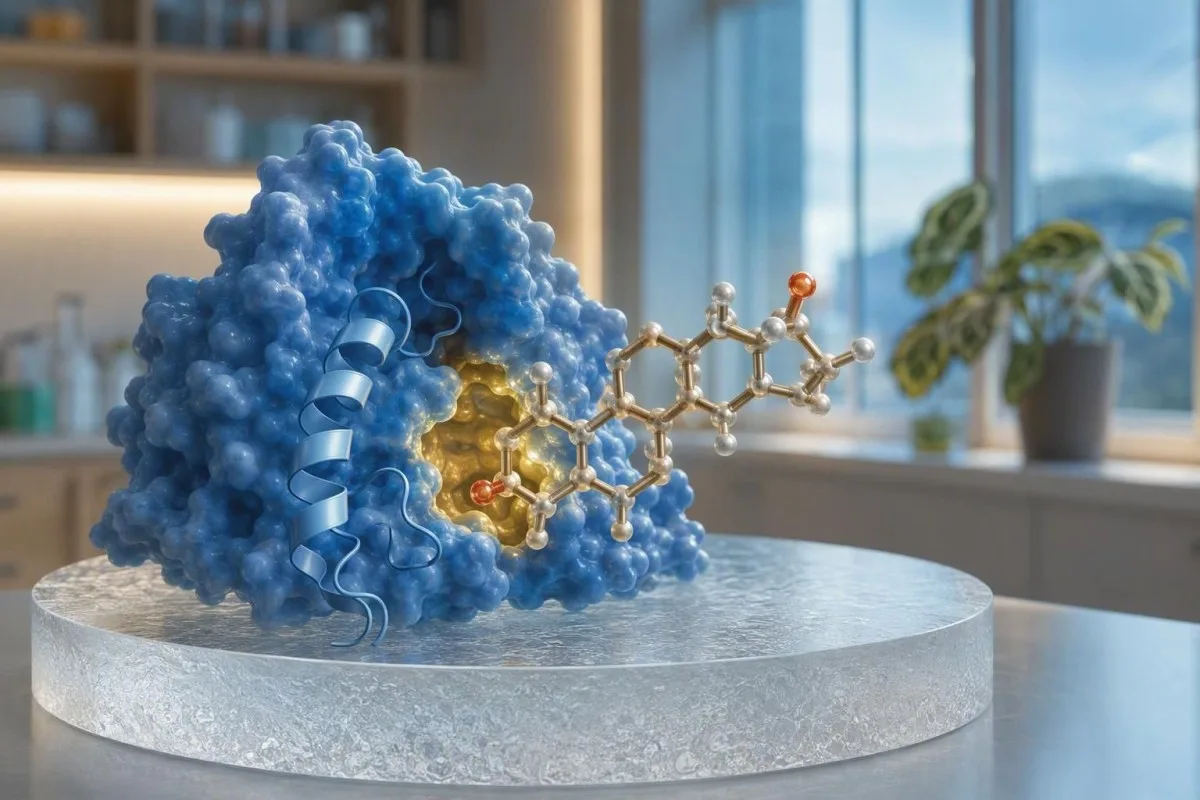
Единичното изследване на естрадиол рядко определя къде се намирате по време на менопауза. Неговото значение зависи от менструалния цикъл, използвания метод, хормоналната терапия, симптомите и най-вече от вашата тенденция.


- Единичен резултат: Естрадиолът може да варира от под 20 pg/mL до над 100 pg/mL в късна перименопауза, така че еднократно вземане на кръв не може надеждно да определи етапа на менопаузата.
- След менопауза: Нелекуваният естрадиол често е под 20–30 pg/mL след менопауза, но методът и референтният интервал на всяка лаборатория са от значение.
- Контекст на FSH: FSH над 25–30 IU/L подкрепя намаляващата овариална активност, но FSH също варира и не е необходим за диагностициране на менопауза след 45-годишна възраст.
- Време на HRT: Пероралният и трансдермалният естрадиол дават различни лабораторни модели; резултатът е интерпретируем само когато дозата, начинът на приложение и времето след приложение са известни.
- Първо симптомитеГорещи вълни, нарушения на съня, вагинални симптоми и промени в цикъла обикновено насочват грижите по-полезно от рутинното изследване на естрадиол.
- Последващо проследяванеПовтарянето на тест при същите условия е по-смислено от сравняването на несвързани вземания на кръв, разделени от месеци.
- БезопасностНово кървене след 12 месеца без менструация изисква клинична оценка, независимо от резултата на естрадиол.
Защо единичното изследване на естрадиол рядко определя менопаузата
Естрадиолът при менопауза е труден за интерпретация от една проба, защото яйчниковото производство става нередовно, преди в крайна сметка да се установи на ниска базална стойност. Стойност може да изглежда “предменопаузална” една седмица и ниска следващата, без нито един от резултатите да е грешен.
В късна перименопауза, 48-годишна жена може да има естрадиол от 18 pg/mL един месец и 140 pg/mL следващия; прекъсващата фоликуларна активност обяснява колебанието. Менопаузата се диагностицира клинично след 12 последователни месеца без менструация когато няма друга вероятна причина, а не от единичен резултат на естрадиол (NICE, 2024).
Когато преглеждам панел, първо питам дали лицето е имало кървене през предходните 60 дни, дали е имало хистеректомия, дали използва хормони и какво е измерила лабораторията. Kantesti е AI анализатор на кръвни тестове, който поставя естрадиола наравно с FSH, LH, подробности за медикаментите и предишни резултати, вместо да третира флаг като диагноза.
Практическото правило на д-р Томас Клайн е просто: едно число придобива значение само когато условията на вземане на пробата са известни. Ако сравнявате доклади, запазете датата на вземане, информацията за цикъла, дозата на продукта и времето на приложение; нашият водач за лабораторни тенденции обяснява защо този запис често има по-голямо значение от цвета на референтния диапазон.
Лабораторният диапазон не е диагноза за менопауза
Референтните интервали описват резултати, наблюдавани в избрана популация; те не разделят всяко лице в перименопауза от всяко лице в цикъл. Резултат в рамките на интервала за фоликуларна фаза на лабораторията може все още да се появи по време на ановулаторна перименопауза, особено след 45 години.
Какво причинява флуктуациите на естрадиола при перименопауза?
Флуктуациите на естрадиола в перименопауза възникват, когато яйчниковите фоликули реагират непредсказуемо на променящата се FSH стимулация. Овулацията става по-малко постоянна, но производството на естроген не спада по права линия.
В началото на прехода по-малкото реактивни фоликули могат да предизвикат по-висока продукция на FSH, въпреки че един оставащ фоликул все още може да произвежда значителен естрадиол. В кохортата SWAN естрадиолът не спада гладко до по-късния преход, докато FSH се повишава най-рязко около последната менструация (Randolph et al., 2003).
Работата е там, че полуживотът на естрадиола в циркулацията е кратък — приблизително 13 до 17 часа— докато биологичните последици от променящото се сигнално предаване на рецепторите, загубата на сън и терморегулацията могат да продължат. Това несъответствие помага да се обясни защо човек може да има нисък сутрешен резултат, но да докладва, че горещите вълни от миналата седмица са временно отшумели.
Промяна в теглото, тютюнопушене, заболяване на щитовидната жлеза, високи нива на пролактин, химиотерапия и операция на яйчниците могат да променят очаквания модел. За контекст относно друг често непознат гонадотропин, вижте нашето обяснение за високи резултати на LH.
Нива на естрадиол при менопауза: полезни диапазони и ограничения на метода
Нелекуваният постменопаузален естрадиол обикновено е под 20–30 pg/mL, което е еквивалентно на около 73–110 pmol/L, но няма единичен праг, който да доказва менопауза. Лабораторният метод е особено важен при ниски концентрации.
Много лаборатории докладват естрадиол при възрастни в pg/mL; умножете по 3.671, за да преобразувате в pmol/L. Резултат от 10 pg/mL се равнява на около 37 pmol/L, докато 50 pg/mL се равнява на около 184 pmol/L — объркването с мерните единици е изненадващо често срещан източник на ненужна тревога.
Рутинните имуноанализи могат да бъдат по-малко прецизни при концентрации под приблизително 20 pg/mL, когато кръстосаната реактивност и разликите в калибрирането имат значение. Течната хроматография–тандемна масспектрометрия, често наричана LC-MS/MS, може да бъде предпочитана, когато много нисък резултат би променил лечението, въпреки че достъпът варира в зависимост от лабораторията.
Kantesti AI чете посочения от лабораторията интервал и единици, преди да сравни резултата с вашата история; нашият справочник за биомаркери обяснява защо флагът „извън норма“ е подкана за контекст, а не присъда.
Кога трябва да се изследва естрадиолът за смислен резултат?
Тестването за естрадиол е най-интерпретируемо, когато клиничният въпрос и условията на вземане на проби са посочени преди вземането. За много хора над 45 години с типични симптоми и променящи се менструации, рутинното тестване не е необходимо за диагностициране на перименопауза.
Ако все още се появяват цикли и тестването се използва по конкретна причина, клиницистите често документират деня от цикъла и могат да събират хормони в началото на цикъла около дните 2 до 5. Тази конвенция е полезна главно за въпроси, свързани с репродуктивната ендокринология; тя не превръща резултат от флуктуираща перименопауза в сигурност.
За повторно тестване използвайте същата лаборатория, подобно време на деня и подобна връзка с доза естрадиол или смяна на пластира. Сравнение, направено след безсънна нощ, остро заболяване или промяна в медикаментите, изисква предпазливост, подобно на проблемите с времето в нашия хронология на кръвно изследване.
Биотинът обикновено не причинява драматична интерференция с естрадиола, наблюдавана при някои тиреоидни анализи, но добавките все пак трябва да бъдат посочени в заявката. Екипът за вземане на проби също трябва да бъде информиран за вагиналния естроген, пелети, гелове, пластири, таблетки и комбинирани препарати.
Какво означава нисък естрадиол след менопауза?
Ниският естрадиол след менопауза обикновено отразява очакваното намаляване на производството на естроген от яйчниците и сам по себе си не е спешен случай или цел на лечението. Естронът, произведен в периферните тъкани, става по-значимият циркулиращ естроген след менопауза.
Нелекуван резултат на естрадиол под 20 pg/mL е често срещан години след последния цикъл, а много здрави хора имат стойности под прага за докладване на анализа. Ниският естрадиол не измерва “колко тежка” е менопаузата, нито прогнозира точната честота на горещите вълни.
Това, което заслужава внимание, е профилът на последствията: неприятна вагинална сухота, повтарящ се уринарен дискомфорт, горещи вълни, нарушаващи съня, фрактури при ниска травма или бърза загуба на костна маса могат да променят разговора. Северноамериканското общество по менопауза заявява, че хормоналната терапия остава най-ефективното лечение за вазомоторни симптоми и генитоуринарен синдром, когато няма противопоказания (NAMS, 2022).
Нисък резултат при някой по-млад от 40 години с липсващи цикли е различен и може да породи опасения за първична овариална недостатъчност; това изисква незабавна оценка от клиницист. За подробности относно нивото на симптомите, вижте улики за нисък естрадиол.
Защо симптомите и естрадиолът често не съвпадат
Горещите вълни и нарушеният сън отразяват бърза промяна в естрогена и терморегулацията на мозъка, а не просто ниска стойност на естрадиола. Двама души с еднакъв резултат от 15 pg/mL могат да имат много различни симптоми.
52-годишна пациентка в моя клиника имаше естрадиол от 62 pg/mL, но се будеше обляна в пот четири нощи седмично; предходният ѝ резултат, направен шест седмици по-рано, беше 14 pg/mL. Моделът предполагаше нестабилност, а не противоречие, и лечението беше фокусирано върху тежестта на симптомите, съня, сърдечно-съдовата история и предпочитанията.
Вагиналната сухота, болка при полов акт, уринарна спешност и повтарящи се уринарни симптоми могат да продължат въпреки “нормален” серумен резултат на естрадиола, защото локалното тъканно излагане и отговорът на рецепторите имат значение. Локалният вагинален естроген обикновено води до ниско системно излагане, но изборът все пак заслужава индивидуално обсъждане при хора с анамнеза за естроген-чувствителен рак.
Палпитации, тремор, загуба на тегло, треска и обливащи пот не са автоматично менопауза. Внимателен клиницист може да провери функцията на щитовидната жлеза, глюкозата, пълната кръвна картина и ефектите от медикаментите; нашият ръководство за диференциална диагноза на горещи вълни обхваща полезните изключвания.
Как да тълкуваме естрадиола с FSH и LH
Висок FSH при нисък или вариращ естрадиол подкрепя намалена овариална обратна връзка, но комбинацията не може да датира менопаузата точно. FSH над около 25–30 IU/L е често срещан в късен преход и постменопауза, въпреки че стойностите могат временно да паднат след пик на естрадиола.
FSH се освобождава на пулсации и може да варира значително между вземанията; единична стойност от 9 IU/L не изключва перименопауза при 49-годишна жена с пропуснати цикли. Обратно, FSH над 40 IU/L е често срещан след менопаузата, но не трябва да се използва самостоятелно за обяснение на всеки симптом.
NICE препоръчва да не се използват естрадиол, AMH, инхибин А, инхибин В или брой антрални фоликули за диагностициране на менопауза при хора на възраст 45 или повече години с типични симптоми и промяна в цикъла. Тестването става по-полезно при възможна ранна менопауза, възможна първична овариална недостатъчност или когато лечението замъглява историята (NICE, 2024).
Kantesti AI е платформа за кръвни изследвания тълкуване, която сравнява естрадиол, FSH, LH, пролактин и тиреоидни маркери като подредена по време схема. Читатели, на които е казано, че техният FSH е “висок”, могат да прегледат нюансите в нашия пътеводител за FSH след менопауза.
Как хормоналната терапия променя резултатите от естрадиол
Хормоналната терапия може да повиши, понижи или да накара измереното ниво на естрадиол да изглежда непоследователно, в зависимост от формулировката, дозата, начина на приложение и метода на анализ. Резултат по време на терапия никога не трябва да се сравнява директно с референтни стойности за необработени пациенти след менопауза.
Трансдермалните 17β-естрадиолови пластири обикновено започват с 25 до 50 микрограма на ден, докато геловете и спрейовете имат различни профили на абсорбция. Пероралният естрадиол претърпява метаболизъм при първо преминаване през черния дроб и повишава естрона по-силно, така че същият клиничен ефект не гарантира еднаква концентрация на естрадиол в серума.
Ако гелът е приложен малко преди вземане на проба, измереният резултат може да бъде по-висок от проба, взета точно преди следващата доза. Случайно пренасяне на гел близо до мястото за вземане на проба рядко може да доведе до забележимо висока стойност; повторното тестване с внимателно боравене е разумно, преди да се увеличи терапията.
Комбинираните орални контрацептиви, тиболон, селективните естрогенни рецепторни модулатори и някои комбинирани продукти правят интерпретацията още по-трудна. Нашата статия за тестове за естроген при употреба на контрацепция обяснява защо ендогенният естрадиол може да бъде потиснат или слабо представен.
Трябва ли нивата на естрадиол да ръководят дозата HRT?
За повечето хормонални терапии при менопауза, контролът на симптомите и безопасността – а не целевото ниво на естрадиол – ръководят корекцията на дозата. Няма универсално одобрено целево ниво на естрадиол в серума, което да гарантира облекчение или да предотврати загуба на костна маса при всеки пациент.
Изявлението на NAMS от 2022 г. препоръчва индивидуализирана терапия, използваща подходящата доза, продължителност, режим и начин на приложение, с периодична преоценка (NAMS, 2022). На практика много клиницисти преоценяват след 8 до 12 седмици, като дават достатъчно време симптомите на горещи вълни и нежеланите реакции да се проявят.
Ниското ниво при пластир не означава автоматично, че дозата трябва да се увеличи. Първо проверявам залепването, ротацията на мястото на приложение, времето на дозиране, новите лекарства, историята на мигрена, контрола на кръвното налягане, тютюнопушенето, необяснимото кървене и дали симптомите действително остават смущаващи.
Kantesti’s ръководство за хормоналното здраве на жените помага на потребителите да подготвят кратка времева линия със симптоми и лабораторни резултати за предписващия лекар. Тя не може да замести решението на клинициста относно HRT, особено при анамнеза за тромбоза, инсулт, рак на гърдата или активно чернодробно заболяване.
Кога естрадиолът и кървенето изискват по-бърз преглед
Всяко вагинално кървене след 12 месеца без менструация изисква медицинска оценка, дори когато естрадиолът е нисък, висок или недостъпен. Естрадиолът не може да изключи структурни, ендометриални, цервикални, свързани с лекарства или други причини за кървене.
Кървене при непрекъсната комбинирана хормонозаместителна терапия (ХЗТ) може да се появи през първите 3 до 6 месеца, но ново, обилно, продължително или повтарящо се кървене трябва да се докладва, а не да се приема за нормално. Следващата стъпка може да включва преглед на медикаментите, гинекологичен преглед, ултразвук или вземане на проби по преценка на специалист, в зависимост от анамнезата.
Потърсете спешна помощ при много обилно кървене с прималяване, болка в гърдите, задух или силна болка в таза. Серумна стойност на естрадиол от 12 pg/mL не прави тези симптоми безопасни за наблюдение у дома.
Хората често търсят първо обяснение на хормоналния дисбаланс, което е разбираемо. Нашето ръководство за симптоми на CA-125 и подуване на корема обяснява защо триажът, базиран на симптомите, е по-безопасен от използването на туморен маркер или естрадиол като тест за скрининг.
Кои други кръвни изследвания са важни по време на менопауза?
Естрадиолът не измерва кардиометаболитен риск, заболявания на щитовидната жлеза, анемия или костна плътност, така че проследяването при менопауза трябва да бъде водено от риска, а не от хормонален панел. Кръвното налягане, липидите, глюкозата и подходящият скрининг обикновено добавят повече полезна информация.
LDL холестеролът има тенденция да се повишава по време на менопаузата, докато промените в естрадиола могат да допринесат, но не обясняват всеки липиден резултат. Гладен или негладен липиден панел, HbA1c, кръвно налягане, статус на тютюнопушене и семейна анамнеза създават много по-полезна сърдечно-съдова картина отколкото само естрадиол.
Проверете изследване на щитовидната жлеза, когато симптомите включват продължителни палпитации, силна непоносимост към топлина, запек или необяснима промяна в теглото; хипотиреоидизмът и хипертиреоидизмът могат да се припокриват с менопаузата. Изследванията на желязото са разумни след продължителни обилни менструации, особено ако феритинът е под 30 ng/mL, което често подкрепя изчерпани запаси от желязо в правилния контекст.
За по-широка базова линия, вижте пред-ХЗТ тестове след 40 и нашия преглед на променящи се биомаркери на менопаузата.
Какво означава нисък естрадиол за здравето на костите
Естрогенният спад ускорява костния ремоделиране, но серумният резултат от естрадиол не може да диагностицира остеопороза или да замести оценка на риска от фрактури. DEXA сканирането измерва костната минерална плътност директно и е релевантният тест, когато е показан скрининг.
Най-бързата загуба на костна маса често настъпва около последната менструация, като проучванията оценяват приблизително 2% до 3% загуба на костна маса годишно по време на прехода при някои жени. Фрактури при ниска травма, продължителна употреба на глюкокортикоиди, телесно тегло под 57 кг, родителска фрактура на тазобедрената става, тютюнопушене и ранна менопауза увеличават притесненията.
Калцият и витамин D не са заместители на оценката на риска от фрактури. Възрастните като цяло се нуждаят от 1000 до 1200 mg/ден калций от храна и добавки общо, докато дозирането на витамин D трябва да бъде индивидуализирано за дефицит, бъбречно заболяване, малабсорбция и контекст на медикаментите.
Д-р Томас Клайн съветва да се зададе въпросът “Нужда ли ми е от DEXA или FRAX?”, вместо да се опитвате да повишите лабораторната стойност на естрадиола. Силовите тренировки и адекватният протеин също са важни; нашият базови силови тренировки за жени над 50 години предлага практична отправна точка.
Как да повторим теста за естрадиол, без да създаваме шум
Повторното изследване на естрадиол е най-полезно, когато се извършва при умишлено съответстващи условия и се назначава, за да се отговори на конкретен клиничен въпрос. Случайното серийно тестване на всеки няколко седмици обикновено създава тревожност, а не яснота.
Преди повторно вземане на кръв запишете точната дата, час, лаборатория, продукт за естрадиол, доза, начин на приложение, последна доза, ден за смяна на лепенката, менструално кървене и остро заболяване. За трансдермален продукт, попитайте предписващия лекар дали предпочита вземане на проба в определен момент от интервала на дозиране, вместо вие да избирате.
Избягвайте нанасянето на гел близо до предполагаемата зона за вземане на проба и информирайте лабораторията за всички хормони. Ако резултатът е силно несъответстващ — като например >200 pg/mL при някой, който не използва системен естроген — потвърждението с повторно тестване или различен метод за анализ може да бъде по-информативно от незабавните заключения.
Kantesti може да организира датирани PDF файлове и снимки в изглед за сравнение, докато нашият паралелен наръчник за резултати обяснява кои разлики вероятно са реални спрямо обичайните биологични вариации.
Кога резултатите от естрадиол изискват преглед от клиницист
Прегледът от лекар е подходящ при липса на менструация преди 45-годишна възраст, неочаквано постоянно повишаване на естрадиола, ново постменопаузално кървене или симптоми, които не отговарят на типичен менопаузален модел. Спешните симптоми трябва да бъдат оценени спешно, а не управлявани чрез повторно хормонално тестване.
Възможна първична овариална недостатъчност изисква оценка, когато менструацията спре преди възрастта 40; оценката може да включва повторно тестване на FSH на интервали от поне 4 до 6 седмици, тест за бременност, когато е приложимо, и оценка за генетични, автоимунни или свързани с лечението причини. Тази диагноза има последици за костното, сърдечно-съдовото, репродуктивното и емоционалното здраве.
Назначете бърз преглед при постоянно силно главоболие с промени в зрението, галакторея, изразени андрогенни симптоми или несъответстващ модел на естрадиол/FSH; тези находки могат да сочат извън обикновената менопауза. Не спирайте предписаната терапия рязко само защото приложение или една лабораторна стойност изглежда притеснителна.
Kantesti е AI платформа за интерпретация на биомаркери, предназначена да подчертава тенденциите на естрадиола и последващите въпроси, а не да диагностицира менопауза или да предписва лечение. Нашите клинични стандарти и лекарски надзор са описани в медицинско валидиране, а читателите могат да се запознаят с Медицински консултативен съвет отговорните за принципите на прегледа. Към 26 август 2026 г. най-безопасната интерпретация остава разговор, който съчетава симптоми, история на кървене, експозиция на лечение и тенденции.
Често задавани въпроси
Какви са нормалните нива на естрадиол след менопауза?
Нелекуваният естрадиол след менопаузата обикновено е под 20–30 pg/mL, или под около 73–110 pmol/L, въпреки че лабораторният метод определя обхвата, който може да бъде докладван. Ниска стойност се очаква след спада в яйчниковото производство на естроген и сама по себе си не поставя диагноза остеопороза, не обяснява всеки симптом или не изисква лечение. Естрадиолът трябва да се интерпретира заедно с менструалната анамнеза, употребата на медикаменти, симптомите и собствения референтен интервал на лабораторията. Хората, използващи хормонална терапия, не трябва да сравняват резултата си директно с референтните диапазони за нелекувани жени в постменопауза.
Може ли естрадиолът да бъде висок по време на перименопауза?
Да, естрадиолът може временно да надвиши 100 pg/mL или 367 pmol/L по време на перименопаузата, тъй като останалите фоликули все още могат да произвеждат значителни количества естроген периодично. Високият резултат може да съпътства пропуснати менструации, горещи вълни и повишен FSH, тъй като хормоналната продукция е неправилна, а не постоянно намаляваща. Един висок резултат на естрадиол не изключва перименопауза. Устойчиво повишен естрадиол над 200 pg/mL без предписан естроген заслужава преглед от клиницист в контекст.
Трябва ли да изследвам естрадиол, за да потвърдя менопаузата?
Тестването за естрадиол обикновено не е необходимо за потвърждаване на менопауза при хора на възраст 45 или повече години, които имат типични симптоми и 12 месеца без менструация. Насоките на NICE препоръчват клинична диагноза на менопауза в тази ситуация, вместо да се разчита на тестване за естрадиол, AMH или FSH. Тестването може да бъде полезно, когато менструацията спира преди 45-годишна възраст, когато диагнозата е несигурна или когато се обмисля друго ендокринно заболяване. Хормоналната контрацепция и хормоналната заместителна терапия (HRT) могат да направят лабораторното потвърждение по-малко надеждно.
Защо естрадиолът ми е нисък, а FSH е нормален?
Нисък резултат за естрадиол при изглеждащ нормален ФСХ може да се получи, тъй като и двата хормона се освобождават и регулират динамично, особено по време на перименопаузата. ФСХ може да бъде временно потиснат след скорошен естрогенен пик, а единично измерване може да пропусне по-широкия преход. Медикаменти, хормонална контрацепция, хипофизни състояния и разлики в лабораторните методи също могат да повлияят на модела. Повторен тест при съвпадащи условия може да помогне, когато резултатът би променил клиничното управление.
Каква трябва да бъде целта ми за ниво на естрадиол при хормонозаместителна терапия?
Няма универсално целево ниво на естрадиол за хормонозаместителна терапия (ХЗТ) при менопауза, тъй като облекчаването на симптомите, страничните ефекти, начинът на приложение и индивидуалният риск са по-клинично значими от единична серумна концентрация. Трансдермална естрадиол лепенка от 25–50 микрограма/ден може да осигури ефективно лечение за много хора, но измерените стойности варират значително в зависимост от времето и абсорбцията. Клиницистите обикновено преоценяват симптомите и безопасността след около 8–12 седмици, вместо да увеличават терапията единствено с цел достигане на определена стойност. Решенията за дозировката изискват преценка от предписващия лекар, особено при необяснимо кървене, мигрена, анамнеза за тромбоза или анамнеза за рак, чувствителен към естроген.
Причинява ли ниският естрадиол след менопаузата остеопороза?
Ниският естрадиол допринася за по-бързо ремоделиране на костта след менопаузата, но не диагностицира остеопороза и не може самостоятелно да количествено определи риска от фрактури. Някои жени губят около 2% до 3% от костната минерална плътност годишно около последната менструация, особено когато присъстват допълнителни рискове. DEXA сканиране директно измерва костната минерална плътност, докато FRAX оценява вероятността от фрактура, използвайки възрастта и клинични фактори. Попитайте клинициста за DEXA по-рано, ако менопаузата е настъпила преди 45-годишна възраст, е имало фрактура при ниско-травматично събитие или се използва дългосрочно лечение със стероиди.
Вземете анализ на кръвен тест с ИИ още днес
Присъединете се към над 2M+ потребители по целия свят, които се доверяват на Kantesti за моментален и точен анализ на лабораторни тестове. Качете резултатите от вашия кръвен тест и получете цялостно тълкуване на биомаркерите 15,000+ за секунди.
📚 Публикации от изследвания с препратки
Klein, T., Mitchell, S., & Weber, H. (2026). Kantesti Research Team. (2026). RDW Blood Test: Complete Guide to RDW-CV, MCV & MCHC. Zenodo. https://doi.org/10.5281/zenodo.18202598. Kantesti AI Medical Research.
Klein, T., Mitchell, S., & Weber, H. (2026). Kantesti Research Team. (2026). BUN/Creatinine Ratio Explained: бъбречни функционални тестове Guide. Zenodo. https://doi.org/10.5281/zenodo.18207872. Kantesti AI Medical Research.
📖 Външни медицински източници
Национален институт за здравеопазване и грижи (NICE) (2024). Менопауза: диагноза и управление (NG23). NICE Guideline.
⚕️ Медицинска декларация
Тази статия е само с образователна цел и не представлява медицински съвет. Винаги се консултирайте с квалифициран медицински специалист за решения относно диагностика и лечение.
Сигнали за доверие E-E-A-T
Опит
Медицински преглед, воден от лекар, на работните процеси за интерпретация на лабораторни резултати.
Експертиза
Фокус в лабораторната медицина върху това как се държат биомаркерите в клиничен контекст.
Авторитетност
Написано от д-р Томас Клайн, с преглед от д-р Сара Мичъл и проф. д-р Ханс Вебер.
Надеждност
Интерпретация, основана на доказателства, с ясни последващи стъпки за намаляване на тревогата.