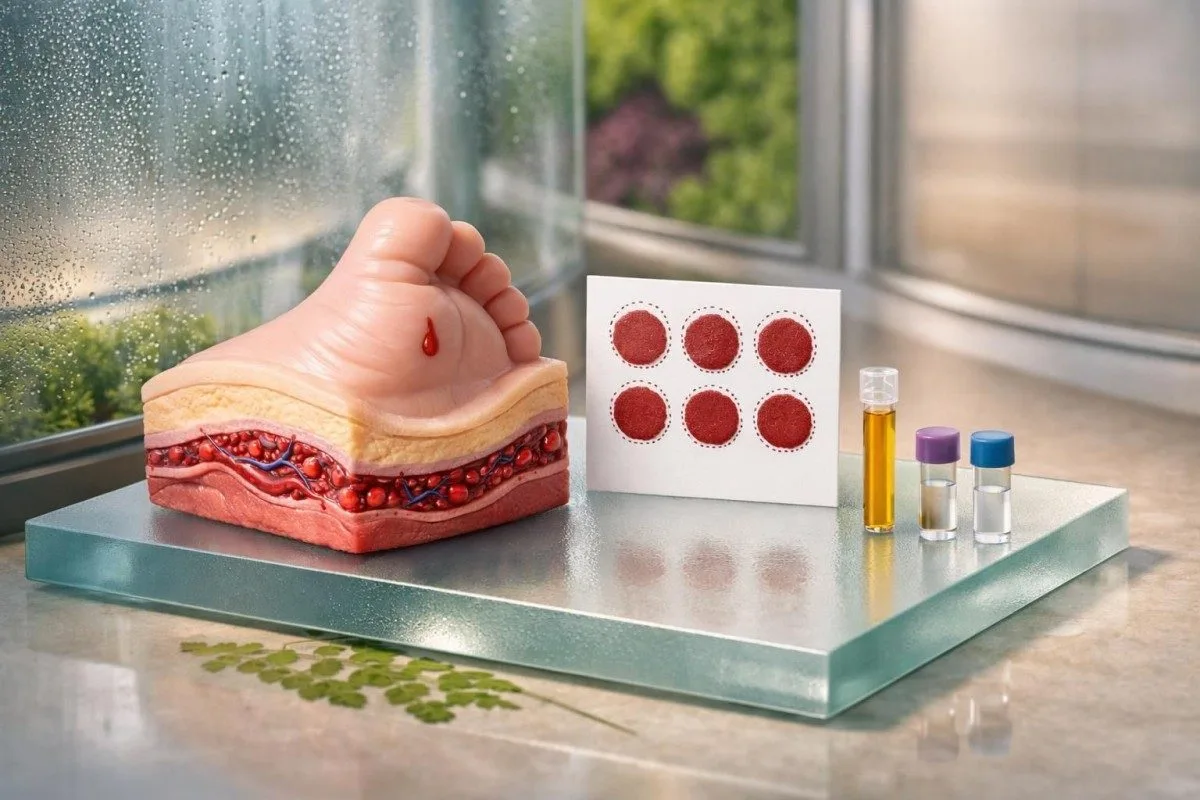
বেছিভাগ শিশুৱে অভিভাৱকে আশা কৰাতকৈ কম তেজ পৰীক্ষা কৰে, কিন্তু সময়ে সকলো সলনি কৰে। জন্মৰ পিছৰ প্ৰথম কেইদিনত হিল-প্ৰিক স্ক্ৰিনিং, বিলিৰুবিন, আৰু তেজৰ ধৰণে সঁচাকৈ কি বুজায়—সেয়া ইয়াত দিয়া হৈছে।.


- হিল-প্ৰিক স্ক্ৰিন সাধাৰণতে সংগ্ৰহ কৰা হয় 24-48 ঘণ্টাৰ আশে-পাশে সৰ্বোচ্চ (peak) হয় বহুতো আমেৰিকান চিকিৎসালয়ত, কিন্তু সাধাৰণ UK তেজৰ দাগ সাধাৰণতে কৰা হয় দিন 5.
- পুনৰ হিল-প্ৰিক সাধাৰণতে হয় যদি প্ৰথম কাৰ্ডখন তোলা হৈছিল আগতে 24 ঘণ্টা, ঠিকমতে তেজে ভৰোৱা নাছিল, বা প্ৰভাৱিত হৈছিল ৰক্ত সঞ্চালন অথবা TPN ৰ দ্বাৰা.
- বিলিৰুবিন ব্যাখ্যা কৰিব লাগিব ঘণ্টাত বয়স, ৰ দ্বাৰা, কেৱল কেলেণ্ডাৰ দিনৰ দ্বাৰা নহয়; 1 mg/dL = 17.1 µmol/L.
- আৰম্ভণিৰ জণ্ডিচ প্ৰথমতে 24 ঘণ্টা অস্বাভাৱিক আৰু একে দিনাই শিশু বিশেষজ্ঞৰ পৰ্যালোচনাৰ প্ৰয়োজন।.
- ডাইৰেক্ট বিলিৰুবিন ওপৰত 1.0 mg/dL নবজাতকৰ ক্ষেত্ৰত যিটো অস্বাভাৱিক, সেইটো ক’লেষ্টেছিছৰ বাবে মূল্যায়ন কৰিবলৈ প্ৰেৰণা দিব লাগে।.
- তেজৰ গোট (ব্লাড টাইপ) আৰু DAT এইবোৰ লক্ষ্যভিত্তিক পৰীক্ষা; সকলো শিশুৰ বাবে নিয়মিত নহয়। মাতৃৰ এন্টিবডি বা আৰম্ভণিৰ জণ্ডিচে হিম’লাইছিছৰ ইংগিত দিলে এইবোৰ বিশেষকৈ গুৰুত্বপূৰ্ণ।.
- পজিটিভ নবজাতক স্ক্ৰীন ই কোনো নিৰ্ণয় (ডায়াগন’ছিছ) নহয়; সাধাৰণতে নিশ্চিতকৰণমূলক পৰীক্ষা তাৰ পিছত সাধাৰণতে ঘণ্টাৰ পৰা দিনলৈ বিকাৰৰ ওপৰত নিৰ্ভৰ কৰি অনুসৰণ কৰা হয়।.
- তৎক্ষণাৎ মনোযোগৰ (Urgent) বিপদ সংকেত ইয়াৰ ভিতৰত বেয়া খোৱা, নিস্তেজতা, বমি, তাপমাত্রাৰ অস্থিৰতা, বা চিকিৎসাৰ সীমাৰেখাত/তাৰ ওপৰত বিলিৰুবিনৰ মান থাকিব পাৰে।.
জীৱনৰ প্ৰথম কেইদিনত নবজাতকে কি কি তেজ পৰীক্ষা কৰে?
নবজাতকৰ তেজ পৰীক্ষা সাধাৰণতে তিনি ভাগত ভাগ কৰিব পাৰি: এটা হীল-প্ৰিক নবজাতক তেজ স্ক্ৰীনিং নমুনা, এটা বিলিৰুবিন জণ্ডিচ পৰীক্ষা, আৰু তেজৰ গোট/DAT পৰীক্ষা, যেতিয়া মাতৃৰ তেজৰ গোট বা শিশুৰ লক্ষণে হিম’লাইছিছৰ আশংকা সৃষ্টি কৰে। বহু US চিকিৎসালয়ত হীল-প্ৰিক পেনেল লোৱা হয় ২৪ৰ পৰা ৪৮ ঘণ্টালৈ বৃদ্ধি কৰিব পাৰে; UK ত নিয়মিত ব্লাড স্পট সাধাৰণতে কৰা হয় দিন 5. । বিলিৰুবিন প্ৰায়ে ডিসচাৰ্জৰ আগতে বা ২৪ৰ পৰা ৭২ ঘণ্টা. ত পৰীক্ষা কৰা হয়। বেছিভাগ সুস্থ শিশুৰ নহয় ডাঙৰ ভেনাছ পেনেলৰ প্ৰয়োজন নহয়। অভিভাৱকসকলে পিছলৈ মুক্ত কৰা ফলাফলসমূহ সংগঠিত কৰিব পাৰে কান্টেষ্টি এ আই. । যদি আপুনি প্ৰি-নেটেল পটভূমি জানিব বিচাৰে, তেন্তে সেইবোৰক আগৰ প্ৰি-নেটেল পৰীক্ষাৰ সময়সূচীৰ সৈতে তুলনা কৰক.
বহু অভিভাৱকৰ বাবে প্ৰথম আশ্চৰ্য্য কথাটো হ’ল—এটা সুস্থ টাৰ্ম নবজাতকৰ সাধাৰণতে প্ৰাপ্তবয়স্কসকলে আশা কৰা তুলনাত কম তেজ পৰীক্ষা থাকে। মই Thomas Klein, MD, আৰু postnatal rounds ত মই সাধাৰণতে বুজাই দিওঁ যে এই পৰীক্ষাবোৰ এলোমেলি অনুসন্ধান কৰিবলৈ নহয়; প্ৰথম ৭২ ঘণ্টা, ত নীৰৱ সমস্যাবোৰ ধৰা পেলাবলৈ বাছনি কৰা হয়। আমাৰ দল at আমাৰ বিষয়ে সেই নিৰ্দিষ্ট প্ৰশ্নটোৰ ওপৰতেই আমি আমাৰ শিক্ষা গঢ়ি তুলিছোঁ, কিয়নো ই প্ৰায় প্ৰতিখন ডিসচাৰ্জ দিনতেই আহে।.
বিলিৰুবিন পৰীক্ষা ছালৰ মিটাৰ (skin meter) ৰে আৰম্ভ হ’ব পাৰে আৰু পঢ়া উচ্চ হ’লে, শিশুটি 24 ঘণ্টা বয়স কম হ’লে, বা ঘাঁহ/ঘা লাগি নীলা দাগ (bruising) আৰু দুৰ্বল খুৱাই দিয়া (poor feeding) ৰ বাবে সংখ্যাটো কম বিশ্বাসযোগ্য হ’লে তেতিয়া ছিৰামলৈ (serum) আগবাঢ়িব পাৰে। বয়সভিত্তিক প্ৰসংগ জানিব বিচাৰিলে, আমাৰ বয়সভিত্তিক বিলিৰুবিন গাইডে কিয় ব্যাখ্যা কৰে যে 10 mg/dL তেতিয়া স্বাভাৱিক হ’ব পাৰে ৭২ ঘণ্টা কিন্তু 18 ঘণ্টাত.
তেজৰ গোট (blood type) আৰু ডাইৰেক্ট এন্টিগ্ল’বুলিন টেষ্ট (direct antiglobulin test), যাক বহু সময়ত DAT অথবা Coombs, বুলি কোৱা হয়, বহুতো ইউনিটত সৰ্বজনীন নহৈ নিৰ্দিষ্ট ক্ষেত্ৰতহে লক্ষ্য কৰি কৰা হয়। যিসকল অভিভাৱকে প’ৰ্টেলৰ জৰিয়তে ফলাফল পায়, তেওঁলোকে প্ৰথমে সংগ্ৰহৰ সময় (collection time), তাৰ পিছত একক (units), তাৰ পিছত মন্তব্যৰ শাৰী (comment line) পঢ়িব লাগে; এই ক্ৰমটো বুজিবলৈ আমাৰ গাইডে সহায় কৰে। তেজ পৰীক্ষাৰ ফলাফল অনলাইনত সহায়ক হয় সেই অনুক্ৰমৰ বাবে।.
হিল-প্ৰিক নবজাতক তেজ স্ক্ৰিনিং: তেজৰ দাগে সঁচাকৈ কি পৰীক্ষা কৰে
হিল-প্ৰিক নবজাতক তেজ স্ক্ৰিনিং (Heel-prick newborn blood screening) লক্ষণ দেখা দিয়াৰ আগতেই বিৰল কিন্তু গুৰুতৰ ৰোগ চিনাক্ত কৰে, আৰু সঠিক তালিকাখন দেশ আৰু অঞ্চল অনুসৰি ভিন্ন হয়। আমেৰিকাত বহুতো চিকিৎসালয়ে ২৪ৰ পৰা ৪৮ ঘণ্টালৈ বৃদ্ধি কৰিব পাৰে; ত সংগ্ৰহ কৰে; যুক্তৰাজ্যত সাধাৰণতে ৰুটিন তেজৰ দাগ (routine blood spot) দিন 5. ত লোৱা হয়। 24 ঘণ্টা ৰ আগতে সংগ্ৰহ কৰা নমুনা পুনৰ ল’বলগীয়া হোৱাৰ সম্ভাৱনা বহু বেছি।.
বেছিভাগ অভিভাৱকে ভাবে যে হিল-প্ৰিক এটাই এটা ৰোগ পৰীক্ষা কৰে। ই সাধাৰণতে টেণ্ডেম মেছ স্পেক্ট্ৰ’মেট্ৰি (tandem mass spectrometry), ইমিউন’এছেই (immunoassay), আৰু সম্পৰ্কীয় পদ্ধতি ব্যৱহাৰ কৰি কেইবাটাও analyte ধৰণৰ ওপৰত সমীক্ষা কৰে, সেয়ে এটা কাৰ্ডে থাইৰয়ড, এমিন’এচিড (amino-acid), ফেটি-এচিড (fatty-acid), হিম’গ্ল’বিন (hemoglobin), আৰু cystic-fibrosis সমস্যাও স্ক্ৰিন কৰিব পাৰে। Watson et al., 2006 এ আমেৰিকাৰ বাবে একেধৰণৰ (US uniform) পেনেলৰ ভিত্তি স্থাপন কৰিছিল, কিন্তু 21 এপ্ৰিল, 2026 লৈকে বাস্তৱ ৰাজ্যভিত্তিক তালিকাসমূহ এতিয়াও বেলেগ বেলেগ; সেইটোৱেই এটা কাৰণ যে হিল-প্ৰিক মানক প্ৰাপ্তবয়স্ক-ধৰণৰ পেনেল (standard adult-style panel).
ৰ তুলনাত বহু বেছি বিস্তৃত।. 17-হাইড্ৰ’ক্সিপ্ৰ’জেষ্টেৰ’ন অতি চাপত থকা শিশুৰ ক্ষেত্ৰত বেছি দেখা দিব পাৰে, টি এছ এইচ বেছি সোনকালে সংগ্ৰহ কৰিলে বিভ্ৰান্তিকৰ হ’ব পাৰে, আৰু cystic fibrosis স্ক্ৰিনিং যিটো ভিত্তি কৰি কৰা হয় ইমিউন’ৰিঅেক্টিভ ট্ৰাইপচিন’জেন ই এটা ৰোগ নিৰ্ণয় নহয়। যদি সংক্ষিপ্ত ৰূপবোৰ অস্পষ্ট যেন লাগে, তেন্তে আমাৰ তেজ পৰীক্ষাৰ সংক্ষিপ্ত ৰূপৰ গাইড এ সেই চুটি ৰূপবোৰ বুজাই দিয়ে যিবোৰ অভিভাৱকে ফলাফল পত্ৰত দেখা পায়।.
বহু ৱেবছাইটে এৰি দিয়া এটা বিৱৰণ ইয়াত আছে: নিজে কাৰ্ডখনেই বিফল হ’ব পাৰে। স্তৰিত, জমাট বান্ধা, বা কেৱল আংশিকভাৱে কাগজত তিয়াই যোৱা শুকান দাগ বেছিভাগ সময়ে নাকচ কৰা হয়, আৰু দাতা ৰক্তকণিকা পোৱা এটা শিশুৰ পিছত পুনৰ পৰীক্ষা লাগিব পাৰে কাৰণ স্ক্ৰিনে শিশুৰ নিজৰ হিম’গ্ল’বিনৰ ধৰণটো মিছ কৰিব পাৰে। আমাৰ চিকিৎসকসকলে মেডিকেল এডভাইজাৰী ব’ৰ্ড Kantesti ত পৰিয়ালবোৰক বুজাই ক’বলৈ বহু সময় দিয়ে যে পুনৰ কাৰ্ড দিয়া সাধাৰণ মান-নিয়ন্ত্ৰণ (quality control), বেয়া খবৰ নহয়।.
কিয় কেতিয়াবা দ্বিতীয়টো গোড়ালিৰ (heel) খোঁচা লোৱা নিয়মিত
সংগ্ৰহৰ পিছত দ্বিতীয় স্ক্ৰিন দিয়া নিয়মিত, 24 ঘণ্টা, উল্লেখযোগ্য ৰক্ত সঞ্চালনৰ (transfusion) পিছত, বা TPN ৰ দ্বাৰা এমিন’ এচিডৰ (amino acid) সূচকবোৰ বিকৃত কৰিলে। বহু অভিভাৱকক ডিসচাৰ্জৰ পিছত প্ৰথম ফলাফল কোৱা হয়, সাধাৰণতে ৩ ৰ পৰা ৭ দিনলৈ, সেইবাবে আৰম্ভণিৰ পৰাই অনুমান কৰিব পৰা আছিল যদিও পুনৰ অনুৰোধ হঠাৎ যেন লাগিব পাৰে।.
বিলিৰুবিন পৰীক্ষা আৰু নবজাতক জণ্ডিচ: কেতিয়া সংখ্যাটোৱে গুৰুত্ব পায়
বিলিৰুবিন সাধাৰণতে 24 ৰ পৰা 72 ঘণ্টাৰ ভিতৰত পৰীক্ষা কৰা হয়, বা তাৰ আগতেই যদি শিশুটি হালধীয়া (yellow) দেখা যায় তেন্তে আগতেই। সংখ্যাটোৱে কেৱল শিশুটোৰ ঘণ্টাত বয়স, গৰ্ভকাল (gestational age), আৰু ঝুঁকিৰ কাৰকবোৰৰ সৈতে মিলি অৰ্থ পায়। 18 ঘণ্টাত ত হালধীয়া হোৱা নবজাতক এজন 78 ঘণ্টাত থকা এজনৰ পৰা একেবাৰে বেলেগ ৰোগী।.
AAP আৰু NICE দুয়োৱে মুঠ বিলিৰুবিন সকলোৰে বাবে একেটা স্বাভাৱিক সীমাৰ পৰিৱৰ্তে বয়সভিত্তিক সীমা (age-specific thresholds) অনুসৰি ব্যাখ্যা কৰে। 2022 AAP নিৰ্দেশিকাই ট্ৰান্সকিউটেনিয়াছ (transcutaneous) পঢ়া ফ’ট’থেৰাপি (phototherapy) সীমাৰ 3 mg/dL ভিতৰত থাকিলে বা ছালৰ পঢ়া 15 mg/dL বা তাতকৈ বেছি হ’লে ছিৰাম বিলিৰুবিন (serum bilirubin) পৰামৰ্শ দিয়ে (Kemper et al., 2022); আমাৰ বিলিৰুবিন অনুসৰণ (follow-up) গাইডে তাৰ পিছত কি হয় সেইটো বুজাই দিয়ে।.
A ডাইৰেক্ট বিলিৰুবিন ওপৰত 1.0 mg/dL হালধীয়া নবজাতকত অস্বাভাৱিক (abnormal) হয় আৰু ক’লেষ্টেছিছ (cholestasis)ৰ বাবে তৎক্ষণাৎ মূল্যায়ন লাগে, যদিও মুঠ বিলিৰুবিন (total bilirubin) নাটকীয় নহয়। এটা ব্যৱহাৰিক কৌশল: 1 mg/dL সমান 17.1 µmol/L, সেয়ে মুঠ বিলিৰুবিন হ’ব পাৰে 12 mg/dL প্ৰায় 205 µmol/L. প’ৰ্টেলত প্ৰাপ্তবয়স্কৰ স্বাভাৱিক মানৰ বেণ্ড চাই থকা অভিভাৱকসকলে আমাৰ এই লেখাটোৰ পৰা বহু উপকাৰ পায়— তliminal lab values.
প্ৰথমতে জণ্ডিছ (জৌণ্ডিছ) দেখা দিলে আমি বেছিকৈ চিন্তিত হওঁ— 24 ঘণ্টা, যেতিয়া বিলিৰুবিন প্ৰায় প্ৰতি ঘণ্টাত 0.3 mg/dL প্ৰথম দিনতকৈ বেছি দ্ৰুতভাৱে বৃদ্ধি পায়, বা ঘণ্টাই 0.2 mg/dL বেছি দ্ৰুতভাৱে বৃদ্ধি পায় তাৰ পিছত। NICE, 2023 আৰু Kemper et al., 2022 দুয়োটাই ঘণ্টাত বয়সক গুৰুত্ব দিয়ে, কিয়নো 36-সপ্তাহৰ শিশু 30 ঘণ্টাত আৰু এটা 40-সপ্তাহৰ শিশু ৭২ ঘণ্টা শিশুৰ সৈতে একে ধৰণৰ ঝুঁকিৰ বক্ৰতা (risk curve) ভাগ নকৰে। কিছুমান ইউৰোপীয় লেবৰেটৰীয়ে এতিয়াও ডাইৰেক্ট বিলিৰুবিনৰ বাবে পুৰণি নিয়মৰ কথা উল্লেখ কৰে, কিন্তু মোৰ অভিজ্ঞতাত সেইটোলৈ অপেক্ষা কৰিলে ক’লেষ্টেছিছ (cholestasis) চিনাক্তকৰণ দেৰিকৈ হ’ব পাৰে। 20% মুঠ প্ৰত্যক্ষ বিলিৰুবিনৰ বাবে নিয়ম, কিন্তু মোৰ অভিজ্ঞতা মতে তাৰ বাবে অপেক্ষা কৰিলে কলিষ্টাছিছ ধৰা পেলাবলৈ পলম হ’ব পাৰে।.
ছিৰাম বিলিৰুবিন বনাম ছালৰ বিলিৰুবিন
ছালৰ বিলিৰুবিন মিটাৰসমূহ উৎকৃষ্ট স্ক্ৰীনিং সঁজুলি, বিশেষকৈ ডিসচাৰ্জৰ আগতে, কিন্তু চিকিৎসাৰ সীমা (treatment thresholds) ও ফ’ট’থেৰাপিৰ সময়ত ছিৰামেই সিদ্ধান্ত লোৱাৰ পৰীক্ষা। ব্যৱহাৰিক কাৰণটো সৰল: 14 ৰ পৰা 16 mg/dL পৰ্যন্ত এটা চিকিৎসা সিদ্ধান্ত ল’বলৈ এনে নিখুঁততা লাগে যিটো কেতিয়াবা ট্ৰান্সকিউটেনিয়াছ (transcutaneous) অনুমানে সদায় দিব নোৱাৰে।.
তেজৰ ধৰণ, Rh, আৰু Coombs পৰীক্ষা: কোনে পায় আৰু কিয়
তেজৰ গোট (Blood type) আৰু Coombs পৰীক্ষা সকলো নতুন জন্ম হোৱা শিশুৰ বাবে স্বয়ংক্ৰিয় নহয়। সাধাৰণতে এইবোৰ অর্ডাৰ কৰা হয় যেতিয়া মাতৃৰ O টাইপ, Rh-negative, হয়, অ্যান্টিবডি স্ক্ৰীন পজিটিভ হয়, বা শিশুৱে আগতেই জণ্ডিছ, ফ্যাকাশ (pallor), বা ৰক্তহীনতা (anemia) বিকাশ কৰে।.
এই পদক্ষেপৰ বাবে নাভিৰ তেজ বহু সময়তে যথেষ্ট, সেয়ে অভিভাৱকসকলে আন এটা নমুনা ব্যৱহাৰ হোৱা কথাও হয়তো নাজানিব। সাধাৰণ পৰিস্থিতি হ’ল মাতৃৰ টাইপ O আৰু শিশুটি— A বা B, যাৰ ফলত ABO অসামঞ্জস্যতা সৃষ্টি হয় যিয়ে আৰম্ভণিতে তেজৰ বিলিৰুবিন বৃদ্ধি কৰিব পাৰে; আমাৰ নবজাতকৰ তেজৰ ধৰণৰ নিৰ্দেশিকা এই ধৰণটোৰ চাৰিওফালে থকা হেমাট’লজি সংকেতসমূহ বুজাই দিয়ে।.
এটা পজিটিভ DAT এন্টিবডি-সঞ্চালিত হিম’লাইচিছক সমৰ্থন কৰে, কিন্তু ই তীব্ৰতা ভালদৰে পূৰ্বানুমান কৰিব নোৱাৰে। মই DAT-পজিটিভ শিশুক কেৱল অতিৰিক্ত বিলিৰুবিন পৰীক্ষাৰ প্ৰয়োজন হোৱা দেখিছোঁ, আৰু মই ABO অসামঞ্জস্যতাৰ পৰা স্পষ্ট হিম’লাইচিছ থকা DAT-নেগেটিভ শিশুও দেখিছোঁ। উঠি থকা ৰেটিকুলোচাইটৰ সংখ্যা আৰু নামি থকা হিম’গ্ল’বিনে প্ৰায়ে কেৱল Coombs ফলাফলতকৈ গতি (pace) বেছি বুজায়, সেইবাবেই আমাৰ ৰেটিকুলোচাইট কাউণ্ট গাইডে সহায় কৰে যেতিয়া ৰক্তহীনতা (anemia) ছবিখনত আহে।.
Rh ৰোগ এতিয়া কম দেখা যায় কাৰণ anti-D প্ৰফাইলেক্সিছ কাম কৰে, কিন্তু ই সম্পূৰ্ণকৈ নোহোৱা হোৱা নাই, আৰু anti-E দৰে non-D এন্টিবডিয়ে anti-c অথবা এতিয়াও গুৰুত্ব ৰাখিব পাৰে। সেইবাবেই আমি শিশুৰ ABO ধৰণত থমকি নাথাকি মাতৃৰ এন্টিবডি স্ক্ৰীণৰ বিষয়ে সুধোঁ। আমি আগতীয়া জণ্ডিচৰ সৈতে ৰক্তহীনতা (anemia) লৈ চিন্তা কৰোঁ কাৰণ দুয়োটাই একেলগে সক্ৰিয় ৰঙা তেজকোষৰ ভাঙোন (red-cell breakdown) চলি থকাৰ ইংগিত দিয়ে, আনহাতে কেৱল মৃদু জণ্ডিচ প্ৰায়ে শাৰীৰিক (physiological) হয়। অস্বাভাৱিক নবজাতক ফলাফলৰ পিছত সাধাৰণতে দেখা যায়, আৰু এটা পুনৰ পৰীক্ষাই.
কোনবোৰ অস্বাভাৱিক নবজাতক ফলাফল পুনৰাবৃত্তি কৰা হয় — আৰু কিয়
পুনৰ পৰীক্ষা মানে নিৰ্ণয় নিশ্চিত হয়। নমুনা অতি সোনকালে লোৱা হৈছিল, কাৰ্ডৰ গুণমান বেয়া আছিল, মানটো cutoff ৰ ওচৰত বহি আছে, বা NICU-ৰ কাৰক যেনে transfusion আৰু TPN এ স্ক্ৰীণক বিকৃত কৰিব পাৰে—সেইবাবেই লেব’ৰেটৰীয়ে পুনৰ কৰে। নহয় বহুতো পুনৰ heel-prick অনুৰোধ নমুনাৰ গুণমান বা সময়ৰ বাবে হয়, ৰোগৰ বাবে নহয়।.
নিশ্চিতকৰণ পৰীক্ষা আৰম্ভণিৰ তৎক্ষণাৎ চিকিৎসা নহয়। সীমান্তীয় congenital hypothyroidism স্ক্ৰীণ সাধাৰণতে serum, লৈ যায়, আৰু সীমান্তীয় metabolic marker-সমূহে প্ৰায়ে পুনৰ dried spot বা plasma amino acids লৈ যায়। যিসকল অভিভাৱকে বুজিব বিচাৰে যে কোনো মান ওপৰলৈ বা তললৈ সলনি হৈ আছে নে নাই, তেওঁলোকে আমাৰ টি এছ এইচ আৰু মুক্ত T4 ভিতৰত ২৪ৰ পৰা ৭২ ঘণ্টা, লেব’ৰেটৰী তুলনা গাইডত যুক্তিটো চাব পাৰে। Transfusions সময়সূচীক একেবাৰে স্পষ্ট ধৰণে সলনি কৰে। যদি স্ক্ৰীণৰ আগতে দাতাৰ ৰঙা তেজকোষ দিয়া হৈছিল, তেন্তে hemoglobinopathy পৰীক্ষা প্ৰায়.
90 ৰ পৰা 120 দিন পিছত পুনৰ কৰিব লাগিব পাৰে, কাৰণ দাতাৰ কোষে সাময়িকভাৱে sickle cell বা অন্য hemoglobin ভেৰিয়েণ্টক ঢাকি ৰাখিব পাৰে। আমাৰ এই দেৰিকৈ হোৱা পুনৰ পৰীক্ষাসমূহ ঠিকঠাক ৰাখিবলৈ উপযোগী। ৰক্ত পৰীক্ষা ইতিহাস সহায়িকা Bilirubin পুনৰ পৰীক্ষা বহু বেগে হয়। যেতিয়া কোনো মান চিকিৎসাৰ ৰেখাৰ কেইটামান mg/dL ভিতৰত থাকে, তেতিয়া বেছিভাগ nursery-তে.
4 ৰ পৰা 24 ঘণ্টাৰ ভিতৰত পুনৰ পৰীক্ষা কৰে, অহা সপ্তাহত নহয়, আৰু খাদ্য গ্ৰহণৰ গুণমানে সেই সময়সীমাৰ সৰু দিশটো বহু সময়ত নিৰ্ধাৰণ কৰে। Kantesti-ৰ আমাৰ বিশ্লেষণ কাৰ্যপ্ৰবাহত, ধাৰা (trend) আৰু শিশুৰ বয়স ঘণ্টাত কিমান—এই দুয়োটাই এটা একক ৰঙা-হাইলাইট কৰা সংখ্যাতকৈ বহু বেছি ক’ব পাৰে।, অহা সপ্তাহত নহয়, আৰু খোৱাৰ মান প্ৰায়ে সেই সময়সীমাৰ চুটি অংশ নিৰ্ধাৰণ কৰে। Kantesti ত আমাৰ বিশ্লেষণ কৰ্ম প্ৰবাহত, ধাৰা আৰু ঘণ্টাৰ ভিতৰত শিশুৰ বয়স এটা একক ৰঙা-হাইলাইট কৰা সংখ্যাতকৈ বহুত বেছি কয়।.
NICU ৰ পুনৰ পৰীক্ষা প্ৰায়ে প্ৰট’কলৰ ভিতৰতে অন্তৰ্ভুক্ত কৰা থাকে
অকাল জন্ম, IV পুষ্টি, আৰু অসুস্থতাই শিশুটি স্থিৰ থাকিলেও পুনৰ স্ক্ৰিনিং অধিক সাধাৰণ কৰি তোলে। কিছুমান ইউনিটে পুনৰ পৰীক্ষা কৰে ২ সপ্তাহ বা প্ৰায় ৩৬ সপ্তাহ সংশোধিত বয়সত কাৰণ প্ৰিমেচুৰ শিশুত বিলম্বিত অন্তঃস্ৰাৱীয় পৰিৱৰ্তন আৰু ভুল-ধনাত্মক বিপাকীয় সূচক সাধাৰণ।.
কেতিয়া অস্বাভাৱিক নবজাতক তেজ পৰীক্ষাৰ বাবে তৎক্ষণাৎ একে দিনাই ফ’ল’আপৰ প্ৰয়োজন হয়
তৎক্ষণাৎ অনুসৰণ (Urgent follow-up) প্ৰয়োজন হয় প্ৰথম ২৪ ঘণ্টাত হোৱা jaundice, ত জণ্ডিছৰ বাবে—চিকিৎসাৰ সীমা সমান বা তাতকৈ ওপৰৰ বিলিৰুবিন, অস্বাভাৱিক নবজাতক স্ক্ৰিনিং আৰু লক্ষণসমূহ, বা যিকোনো শিশু যি টোপনি/নিদ্ৰালু, জগাবলৈ কষ্ট, বমি, বা ভালদৰে খাই নাথাকে। বেছিভাগ ধনাত্মক স্ক্ৰিনিং কাৰ্ড নিজে নিজে মধ্যৰাতিৰ তৎক্ষণাৎ জরুরি অৱস্থা নহয়, কিন্তু লক্ষণে ছবিখন দ্ৰুত সলনি কৰে।.
সতৰ্ক সংকেত (red flags) যথেষ্ট নিৰ্দিষ্ট: জণ্ডিছৰ আগতে 24 ঘণ্টা, টোপনি বাঢ়ি যোৱা, দুৰ্বল চোষণ, উচ্চ স্বৰৰ কান্দোন, পিঠি/কোমৰ বেঁকা কৰি ধৰা (arching), তাপমাত্রাৰ অস্থিৰতা, বা মূত্ৰ আৰু পায়খানাৰ আউটপুট কম। সেই লক্ষণসমূহে মধ্যমীয়া বিলিৰুবিন সমস্যাকো এটা জরুরি অৱস্থালৈ ৰূপান্তৰ কৰিব পাৰে, সেয়েহে আমাৰ তেজৰ পৰীক্ষাৰ লক্ষণ ডিকোডাৰ কেৱল লেবৰেটৰীৰ নম্বৰ নহয়—আচৰণ আৰু খোৱাৰ ওপৰত আৰম্ভ হয়।.
বিপাকীয় স্ক্ৰিনৰ বাবে বিপদজনক সংমিশ্ৰণ হৈছে ধনাত্মক ফলাফলৰ সৈতে বমি, দ্ৰুত শ্বাস-প্ৰশ্বাস, খিঁচুনি, বা ঢিলা/শিথিলতা (limpness) দৰে লক্ষণ। খোৱাৰ পিছত প্ৰায় নতুন Martin-Hopkins গণনা আৰু সৰাসৰি LDL পৰীক্ষাই জটিল পেনেলত সহায় কৰে, কিন্তু সকলো লেব’ৰেটৰীয়ে ইয়াক ব্যৱহাৰ নকৰে। ঠিক এই কাৰণেই কিছুমান ইউৰোপীয় লেব’ৰেটৰীয়ে উপবাস নকৰাকৈ নমুনাত non-HDL দ্ৰুতকৈ উজ্জ্বল কৰি দেখুৱায়। তকৈ তলত স্থায়ীভাৱে গ্লুক’জ থাকিলে নবজাতকত তৎক্ষণাৎ চিকিৎসক/ক্লিনিচিয়ানৰ পৰ্যালোচনা প্ৰয়োজন, আৰু ৰ বাবে ধনাত্মক স্ক্ৰিন, MSUD, অথবা ইউৰিয়া চাইকল বিকাৰসমূহ ফেটি-এচিড অক্সিডেচন বিকাৰসমূহ.
কনজুগেটেড জণ্ডিছৰ নিজস্ব সতৰ্ক ঘণ্টা আছে।. ডাইৰেক্ট বিলিৰুবিন ওপৰত 1.0 mg/dL, বিশেষকৈ ফ্যাকুৱা পায়খানা বা গাঢ় মূত্ৰৰ সৈতে, সাধাৰণতে নিৰাপদ/নিরীহ নবজাতক জণ্ডিছৰ কাহিনী নহয় আৰু ৰুটিন ভিজিটলৈ অপেক্ষা কৰা উচিত নহয়।.
কিয় সময়, খুৱাই দিয়া, অকাল জন্ম, আৰু তেজ সঞ্চালনে নবজাতকৰ ফলাফল সলনি কৰে
সময়ৰ পৰিৱৰ্তনে ব্যাখ্যাৰ ওপৰত প্ৰভাৱ পেলায় কিয়নো নবজাতকৰ শাৰীৰবৃত্তি ঘণ্টা ঘণ্টাকৈ সলনি হয়। অকাল জন্ম, আঘাতজনিত নীলা দাগ, পলমকৈ খুৱাই দিয়া, ৰেড-চেল ট্ৰান্সফিউজন, আৰু টোটেল পেৰেণ্টেৰেল নিউট্ৰিশ্যনে সকলোবোৰে স্ক্ৰিনিং সূচকসমূহ যথেষ্ট পৰিমাণে সলনি কৰিব পাৰে, যাতে ফলাফলটো প্ৰসংগ নোহোৱাকৈ পঢ়িলে ভুল সতৰ্কতা বা এৰি যোৱা সংকেত দুয়োটাই হ’ব পাৰে।.
অকাল জন্মে বহুতো সূচকক ওচৰচাপৰিকৈ সলনি কৰি দিয়ে।. 17-হাইড্ৰ’ক্সিপ্ৰ’জেষ্টেৰ’ন অকাল শিশুত বিখ্যাতভাৱে বেছি থাকে, যাৰ ফলত ভুল-ধনাত্মক (false-positive) অংগজাতীয় এড্ৰিনেল হাইপাৰপ্লেছিয়া স্ক্ৰিনিং বৃদ্ধি পায়, আৰু কিছুমান ইউনিটে থাইৰয়ড স্ক্ৰিনিং পুনৰাবৃত্তি কৰে কাৰণ পলমকৈ TSH বৃদ্ধি আশা কৰাতকৈ পিছত দেখা দিব পাৰে। এইটো এটা ক্লাছিক উদাহৰণ যে ছপা ব্যাণ্ডে কেনেকৈ বিভ্ৰান্ত কৰিব পাৰে—যিদৰে আমি কিয় স্বাভাৱিক সীমাই আপোনাক ভুলাব পাৰে.
খুৱাই দিয়া আৰু IV পুষ্টিও গুৰুত্বপূৰ্ণ। দুৰ্বল মাতৃ-দুধ স্থানান্তৰে পায়খানা (stooling) পলম কৰায় আৰু এণ্টেৰ’হেপেটিক বিলিৰুবিন পুনঃচক্ৰণ বৃদ্ধি কৰে, আনহাতে TPN ৰ দ্বাৰা এ এমিন’ এচিডৰ ফলাফলক যথেষ্ট বেঁকা কৰিব পাৰে, যাতে খুৱাই দিয়া স্থাপন হোৱাৰ পিছত নবজাতক স্ক্ৰিন পুনৰাবৃত্তি কৰিবলগীয়া হয়। অভিভাৱকসকলে প্ৰায়ে আচৰিত হয় যে এটা ফলাফল কাৰিকৰীভাৱে অস্বাভাৱিক হ’ব পাৰে কিন্তু শাৰীৰবৃত্তীয়ভাৱে বুজাব পৰা—সেইবাবেই আমাৰ তেজ ৰসায়ন (blood chemistry) সম্পৰ্কীয় আভাস এ প্ৰসংগক বাৰে বাৰে গুৰুত্ব দিছে।.
ট্ৰান্সফিউশ্বনবোৰেই ডাঙৰ বিভ্ৰান্তিকাৰী (confounder) যিটো মানুহে পাহৰি যায়। দাতাৰ কোষে সাময়িকভাৱে স্ক্ৰিনত হিম’গ্ল’বিনৰ দেখা-ধৰণ স্বাভাৱিক কৰি তুলিব পাৰে, আৰু ফ’ট’থেৰাপিয়ে ছালৰ বিলিৰুবিন মিটাৰসমূহক উন্মুক্ত ছালৰ ওপৰত কম নিৰ্ভৰযোগ্য কৰি তুলিব পাৰে। বাস্তৱত, মই টাইমষ্টেম্প, খুৱাই দিয়াৰ কাহিনী, আৰু চিকিৎসাৰ সময়সূচীক এনালাইট নিজতকৈও বেছি বিশ্বাস কৰোঁ।.
মিছা সতৰ্কবাণী অতিমাত্ৰা ধৰি নোলোৱাকৈ অভিভাৱকে কেনেকৈ ৰিপ’ৰ্ট পঢ়িব পাৰে
অভিভাৱকে নবজাতকৰ ফলাফলক প্ৰাপ্তবয়স্কৰ লেবৰেটৰিৰ দৰে নহয়কৈ পঢ়িব লাগে. । প্ৰথম প্ৰশ্নসমূহ হ’ল শিশুটোৰ ঘণ্টাত বয়স, নমুনাটো কেপিলাৰী নে ছিৰাম (serum) আছিল, আৰু প্ৰতিবেদনখনত, স্ক্ৰিন পজিটিভ সীমান্তীয় (borderline), বুলি কোৱা হৈছে নে নাই—আমি ফলাফলটো সাৰাংশ কৰিবলৈ চেষ্টা কৰাৰ আগতেই সেই প্ৰসংগমূলক সূত্ৰবোৰ পঢ়িবলৈ ৱৰ্কফ্ল’টো গঢ়ি দিছোঁ।, অথবা আৰম্ভণিৰ তৎক্ষণাৎ চিকিৎসা নহয়। সীমান্তীয় congenital hypothyroidism স্ক্ৰীণ সাধাৰণতে serum. ৰ ব্যৱহাৰকাৰীৰ বাবে সেই কাম কৰিব পাৰে। আমাৰ কান্টেষ্টি এ আই ব্লাড টেষ্ট এনালাইজাৰ, আমি ফলাফল সাৰাংশ কৰাৰ চেষ্টা কৰাৰ আগতে সেই প্ৰাসংগিক সূচকবোৰ পঢ়িবলৈ কাৰ্য প্ৰবাহ নিৰ্মাণ কৰিলোঁ।.
প্ৰাপ্তবয়স্কৰ প’ৰ্টেলৰ সীমা এটা ফান্দ। মুঠ বিলিৰুবিনৰ 7 mg/dL বেছিভাগ প্ৰাপ্তবয়স্কৰ সীমাৰ ওপৰত, কিন্তু ই এটা ২-ৰ পৰা ৩-দিনীয়া পূৰ্ণমেয়াদী শিশুৰ ক্ষেত্ৰত স্বাভাৱিক হ’ব পাৰে; কিন্তু একে সংখ্যাই ১২ ঘণ্টা ত বেলেগ কথা। Kantesti-লৈ আপলোড কৰা বহল পৰিসৰৰ ৰিপ’ৰ্টসমূহৰ মাজত, প্ৰাপ্তবয়স্ক-সীমাৰ বিভ্ৰান্তি হৈছে অভিভাৱকে সাধাৰণ নবজাতকৰ ধাৰা বিপদজনক বুলি ভাবাৰ অন্যতম সাধাৰণ কাৰণ; বয়স-সংবেদনশীল সেই যুক্তিটো আমাৰ চিকিৎসা বৈধতা মানদণ্ড.
এককবোৰে অভিভাৱকক সদায়েই বিপদত পেলায়। যদি ৰিপ’ৰ্টে µmol/L, ভাগ কৰক 17.1 ব্যৱহাৰ কৰি অনুমান কৰে মিলিগ্ৰাম/ডেচিলিটাৰ; যদি mg/dL ব্যৱহাৰ কৰে, তেন্তে 17.1 ব্যৱহাৰ কৰি অনুমান কৰে µmol/L. গুণ কৰক। লেব’ৰেটৰী PDF আপলোড কৰা পৰিয়ালৰ বাবে, আমাৰ তেজ পৰীক্ষাৰ ফলাফল কেনেকৈ পঢ়িব দেখুৱায় যে সংগ্ৰহৰ সময় আৰু নমুনাৰ ধৰণে পঢ়াটো কেনেকৈ সলনি কৰে।.
মই, Thomas Klein, MD, নবজাতকৰ ৰিপ’ৰ্ট পৰ্যালোচনা কৰোঁতে ৰঙা আইকনৰ আগতে মই screen শব্দটো চাই। এখন স্ক্ৰিনে আপোনাক ঝুঁকি দেখুৱায়, নিৰ্ণয় নহয়। যদি আপোনাৰ হাতত লেব’ৰেটৰী শ্বীটৰ কেৱল ফোনৰ ছবি থাকে, আমাৰ ফটো স্কেন এক্সপ্লেইনাৰ দেখুৱায় AI-এ সুৰক্ষিতভাৱে কি কি অনুমান কৰিব পাৰে আৰু কি কি নোৱাৰে — আৰু কিয় যিকোনো নিদ্ৰালু বা জণ্ডিছ থকা নবজাতকৰ আগতে বাস্তৱ-জগতৰ চিকিৎসা যত্নৰ প্ৰয়োজন হয়।.
অস্বাভাৱিক নবজাতক ফলাফলৰ পিছত আপোনাৰ শিশু বিশেষজ্ঞক কি কি প্ৰশ্ন সুধিব
এটা অস্বাভাৱিক নবজাতকৰ ফলাফলৰ পিছত, পৰৱৰ্তী সৰ্বোত্তম পদক্ষেপ হৈছে আপোনাৰ শিশু বিশেষজ্ঞৰ সৈতে এটা চুটি, নিৰ্দিষ্ট কল। সুধিব: কি অস্বাভাৱিক আছিল, কাটঅফৰ পৰা কিমান দূৰত আছিল, ফলাফলটো screen বা diagnostic test, আছিল নে নহয়, আৰু পুনৰাবৃত্তি বা নিশ্চিতকৰণৰ নমুনা ঠিক কেতিয়া দিব লাগিব।.
প্ৰথমে এই চাৰিটা কথা সুধিব: ঠিক কোনটো analyte অস্বাভাৱিক আছিল, কাটঅফৰ পৰা কিমান দূৰত আছিল, এইটো এটা screen বা diagnostic test, আছিল নে নহয়, আৰু পৰৱৰ্তী নমুনা কেতিয়া ল’ব লাগিব। আমি আৰু অধিক অনুসৰণ-ব্যাখ্যাতা কান্টেষ্টি ব্লগ, ত ৰাখিছোঁ, কিন্তু কেৱল এই চাৰিটা প্ৰশ্নেই বহু বিভ্ৰান্তি ৰোধ কৰে।.
তাৰ পিছত সুধিব: কিহে তৎক্ষণাৎতা (urgency) সলনি কৰে। অভিভাৱকসকলে জনা উচিত যে দুৰ্বল খোৱা (poor feeding), প্ৰায় 3 ৰ পৰা 4 প্ৰথম কেইদিনৰ পিছত ভিজা ডাইপাৰ কম হোৱা, বাৰে বাৰে বমি হোৱা, বা বুকু বা ভৰি অধিক হালধীয়া দেখা পোৱা—এইবোৰ থাকিলে কাইলৈৰ পৰিৱৰ্তে আজিয়েই এপয়ণ্টমেণ্ট লওক। যদি আপুনি পুনৰ পৰীক্ষাৰ বাবে অপেক্ষা কৰি আছে, তেন্তে আমাৰ লেখাটো তেজ পৰীক্ষাৰ ফলাফল কিমান সময়ত আহে এ বাস্তৱসন্মত আশা-ধাৰণা স্থাপন কৰাত সহায় কৰে।.
ডিচচাৰ্জ সামাৰী, মাতৃৰ তেজৰ ধৰণ, যিকোনো ফ’ট’থেৰাপি ৰেকৰ্ড, আৰু খুৱাই দিয়াৰ তালিকা আনিব। NICU শিশুৰ ক্ষেত্ৰত, নমুনা লোৱাৰ সময়ত TPN চলি আছিল নে নাছিল—সেইটো আৰু ট্ৰান্সফিউজনৰ তাৰিখসমূহ যোগ কৰক; এই দুটা তথ্যেই সীমান্তীয় স্ক্ৰিনসমূহ মই অভিভাৱকে আশা কৰাতকৈ বেছি সাৱধানে কেনেকৈ ব্যাখ্যা কৰোঁ সেয়া সলনি কৰে।.
Kantesti এ কেনেকৈ নবজাতকৰ ফলাফল সংগঠিত কৰে — আৰু ইয়াৰ পিচত থকা গৱেষণাৰ পথ
কান্টেষ্টি অভিভাৱকসকলক মুক্তি দিয়া নবজাতকৰ তেজৰ পৰীক্ষাৰ ৰিপ’ৰ্টসমূহ সংগঠিত কৰাত, একক ৰূপান্তৰ কৰাত, আৰু পুনৰ পৰীক্ষাৰ মানসমূহ অনুসৰণ কৰাত সহায় কৰিব পাৰে, কিন্তু তৎক্ষণাৎ নবজাতক সম্পৰ্কীয় সিদ্ধান্তবোৰ এতিয়াও শিশুৰ চিকিৎসক বা ইমাৰ্জেন্সি বিভাগৰেই। আমাৰ ভূমিকা হৈছে ফলাফল ওলোৱাৰ পিছত অনুবাদ আৰু ধাৰা চিনাক্তকৰণ—বিলিৰুবিন ন’ম’গ্ৰাম বা বিপাকীয় বিশেষজ্ঞক সলনি কৰা নহয়।.
এই পাৰ্থক্যটো গুৰুত্বপূৰ্ণ। আমাৰ চিকিৎসকসকলে ক্লিনিকেল প্ৰেক্টিচত AI তেজ পৰীক্ষা বিশ্লেষণ এনেকৈ গঢ়ি তুলিছে যাতে উচ্চ-ঝুঁকিৰ লক্ষণ আৰু বয়স-সংবেদনশীল শিশুৰ ফলাফলসমূহ সাৱধানে চোৱা হয়, সাধাৰণ প্ৰাপ্তবয়স্ক নিয়মলৈ সমান কৰি দিয়া নহয়।.
২১ এপ্ৰিল, ২০২৬ তাৰিখলৈকে, এআই-চালিত তেজ পৰীক্ষাৰ ব্যাখ্যা ত কান্টেষ্টি কেৱল ২০ লাখ ব্যৱহাৰকাৰী ইমূৰৰ পৰা সিমূৰলৈ ১২৭+ দেশ আৰু ৭৫+ ভাষা, তকৈও বেছি কাম কৰে, আৰু আমাৰ ব্যৱস্থাই প্ৰায় 60 ছেকেণ্ডত. সময়ত এটা PDF বা ফটো পঢ়িব পাৰে। আমাৰ CE Mark, HIPAA, GDPR, আৰু ISO 27001 নিয়ন্ত্ৰণসমূহ গুৰুত্বপূৰ্ণ কাৰণ নবজাতকৰ তেজৰ পৰীক্ষাৰ ৰিপ’ৰ্টসমূহ সংবেদনশীল পাৰিবাৰিক তথ্য, আৰু যদিও আমাৰ ব্যৱস্থাই 15,000+ বায়’মাৰ্কাৰ, বিশ্লেষণ কৰিব পাৰে, নবজাতকৰ ক্ষেত্ৰত সাধাৰণতে কামটো একক ৰূপান্তৰ, ধাৰা তুলনা, আৰু অধিক স্পষ্ট অনুসৰণৰ প্ৰশ্নসমূহৰ ওপৰতেই থাকে।.
যদি আপোনাৰ শিশুৰ চিকিৎসকে ইতিমধ্যে ৰিপ’ৰ্টটো মুক্তি দিছে আৰু শিশুটি ভালেই আছে, তেন্তে আপুনি বিনামূলীয়া তেজ পৰীক্ষা পৰ্যালোচনা চেষ্টা কৰিব পাৰে—সৰল ভাষাত বুজাবলৈ। আৰু যদি ফলাফল তৎক্ষণাৎ গুৰুত্বপূৰ্ণ হয় বা শিশুটো অসুস্থ যেন লাগে, তেন্তে এপটো এৰি ক্লিনিকেল টিমক ফোন কৰক—ঠিক সেইটোৱেই মই মোৰ নিজৰ পৰিয়ালক ক’ম।.
গৱেষণা পথ আৰু তেজৰ পৰীক্ষা-সাক্ষৰতাৰ ধাৰা
তলত DOI-ট্ৰেক কৰা দুটা Kantesti প্ৰকাশনা দিয়া হৈছে যিয়ে দেখুৱাইছে যে আমি নিওনেট’ল’জিৰ বাহিৰত তেজৰ পৰীক্ষা শিক্ষা কেনেকৈ নথিভুক্ত কৰোঁ। এইবোৰ নবজাতক স্ক্ৰিনিং অধ্যয়নৰ তুলনাত অধিক বিস্তৃত তেজ-ব্যাখ্যা সম্পৰ্কীয় কাগজ—কিন্তু ড° থমাছ ক্লেইন, MD, আৰু আমাৰ পৰ্যালোচকসকলে ইয়াত একে ধৰণৰ অভ্যাস ব্যৱহাৰ কৰে: স্পষ্ট একক, নাম দিয়া উদ্ধৃতি, আৰু কাট-অফ ক’ত প্ৰসংগভেদে নিৰ্ভৰ কৰে তাত সৎ অনিশ্চয়তা।.
সঘনাই সোধা প্ৰশ্ন
জন্মৰ ঠিক পিছতেই নবজাতকসকলে কেনেধৰণৰ তেজ পৰীক্ষা কৰায়?
বহু সুস্থ নবজাতকে গোড়ালিৰে খোঁচ মাৰি সংগ্ৰহ কৰা স্ক্ৰিনিং নমুনা দিয়া হয়, জণ্ডিচ থাকিলে বিলিৰুবিন পৰীক্ষা কৰা হয় বা ডিচাৰ্জৰ আগতে স্ক্ৰিনিং কৰিবলগীয়া হ’লে কৰা হয়, আৰু মাতৃৰ তেজৰ গোট বা লক্ষণে চিন্তা উত্থাপন কৰিলে মাথোঁ তেজৰ গোট বা DAT কৰা হয়। বহু আমেৰিকান চিকিৎসালয়ত গোড়ালিৰ খোঁচৰ নমুনা ২৪ৰ পৰা ৪৮ ঘণ্টাৰ ভিতৰত সংগ্ৰহ কৰা হয়, আনহাতে যুক্তৰাজ্যত সাধাৰণতে দিন ৫ত ৰুটিন ব্লাড স্পট কৰা হয়। গ্লুক’জ, সম্পূৰ্ণ তেজ গণনা (CBC), বা কালচাৰ আদি অতিৰিক্ত পৰীক্ষা লক্ষণভিত্তিক—সকলোৰে বাবে একে ধৰণে নহয়। সুস্থ পূৰ্ণমেয়াদী শিশুৰ বাবে ডাঙৰ শিৰাৰ (ভেনাস) পেনেল ৰুটিন নহয়।.
নবজাতকৰ বাবে হিল প্ৰিক পৰীক্ষা সাধাৰণতে কেতিয়া কৰা হয়?
নবজাতকৰ বাবে হিল প্ৰিক পৰীক্ষা সাধাৰণতে বহু US চিকিৎসালয়ত ২৪ৰ পৰা ৪৮ ঘণ্টা বয়সৰ ভিতৰত সংগ্ৰহ কৰা হয়। UK ত, নিয়মীয়া নবজাতকৰ ৰক্তৰ দাগ সাধাৰণতে ৫ম দিনত কৰা হয়। ২৪ ঘণ্টাৰ আগতে লোৱা নমুনাই কিছুমান ৰোগ ধৰা পেলাব নোৱাৰা বা অস্পষ্ট হোৱাৰ সম্ভাৱনা বেছি, বিশেষকৈ আৰম্ভণিৰ থাইৰয়ড বা বিপাকীয় (metabolic) পৰিৱর্তনৰ ক্ষেত্ৰত; সেয়ে আগতীয়াকৈ ছুটি পোৱাৰ পিছত পুনৰ পৰীক্ষা কৰাটো সাধাৰণ। বহু কাৰ্যসূচীয়ে কেন্দ্ৰীভূত স্ক্ৰিনিং লেবৰেটৰী ব্যৱহাৰ কৰাৰ বাবে ফলাফলসমূহ প্ৰায় ৩ৰ পৰা ৭ দিনৰ ভিতৰত ঘূৰি আহে।.
মোৰ শিশুৰ নবজাতক স্ক্ৰিনিং কিয় পুনৰ লাগিব?
এটা সাধাৰণতে পুনৰ নবজাতক স্ক্ৰীনিং অনুৰোধ কৰা হয় কাৰণ সময় বা নমুনাৰ গুণগত মানৰ সমস্যা হ’ব পাৰে, ৰোগ নিশ্চিত হোৱা বাবে নহয়। প্ৰথম নমুনা যদি ২৪ ঘণ্টাৰ আগতে লোৱা হৈছিল, শুকান দাগবোৰ স্তৰীকৃত (layered) হৈছিল বা পৰ্যাপ্তকৈ ভৰ্তি (underfilled) হোৱা নাছিল, শিশুটি অকালতে জন্মিছিল, বা তেজ সঞ্চালন (transfusion) আৰু TPN এ বিশ্লেষ্য পদাৰ্থ (analytes) বিকৃত কৰিব পাৰিছিল—তেন্তে কাৰ্ড পুনৰ দিয়া হ’ব পাৰে। কিছুমান শিশুৰ দ্বিতীয় স্ক্ৰীনিং ২ সপ্তাহ পিছত, বা তেজ সঞ্চালনৰ পিছত ৯০ৰ পৰা ১২০ দিন পৰ্যন্তও লাগিব পাৰে—কিহে পৰীক্ষা কৰা হৈছিল তাৰ ওপৰত নিৰ্ভৰ কৰি। পুনৰ অনুৰোধ প্ৰথমতে গুণগত মান নিয়ন্ত্ৰণ (quality control) আৰু পিছতহে নিৰ্ণয় (diagnosis)ৰ বাবে।.
সকলো জণ্ডিছত ভোগা নবজাতকৰ বাবে কি ছিৰাম বিলিৰুবিন তেজ পৰীক্ষা কৰাটো প্ৰয়োজন?
সকলো জণ্ডিছত ভোগা নবজাতকক তৎক্ষণাৎ তেজৰ বিলিৰুবিনৰ প্ৰয়োজন নহয়, কিয়নো বহুতো চিকিৎসালয়ে প্ৰথমে ট্ৰান্সকিউটেনিয়াছ মিটাৰৰ সহায়ত স্ক্ৰিনিং কৰে। ২০২২ চনৰ AAP নিৰ্দেশিকা অনুসৰি, ট্ৰান্সকিউটেনিয়াছ মানটো ফটোথেৰাপিৰ সীমাৰ ৩ mg/dL ভিতৰত থাকিলে বা ছালৰ পঢ়া ১৫ mg/dL বা তাতকৈ বেছি হ’লে তেজৰ বিলিৰুবিন সংগ্ৰহ কৰিব লাগে। প্ৰথম ২৪ ঘণ্টাৰ ভিতৰত জণ্ডিছ দেখা দিলে, ফটোথেৰাপিৰ সময়ত দেখা দিলে, বা হিম’লাইছ সন্দেহ হ’লে তেজ পৰীক্ষা কৰাটোও পছন্দ কৰা হয়। সংখ্যাটো সদায় কেৱল কেলেণ্ডাৰ দিনৰ ওপৰত নহয়, ঘণ্টাত বয়স অনুসৰি ব্যাখ্যা কৰিব লাগিব।.
সকলো নবজাতকৰ তেজৰ গোট (blood type) পৰীক্ষা কৰা হয়নে?
নাই, সকলো নবজাতকৰ ক্ষেত্ৰত নিয়মীয়াকৈ তেজৰ ৰক্তগোট (blood type) পৰীক্ষা কৰা নহয়। শিশুৰ ABO, Rh, আৰু DAT পৰীক্ষা বেছিভাগ সময়তে আদেশ কৰা হয় যেতিয়া মাতৃৰ ৰক্তগোট O হয়, Rh-নেগেটিভ হয়, অ্যান্টিবডি স্ক্ৰীন পজিটিভ হয়, অথবা শিশুৰ আৰম্ভণিতে জণ্ডিচ (jaundice), ফ্যাকাশে ভাব (pallor), বা ৰক্তহীনতা (anemia) দেখা যায়। বহু সময়ত নাভিৰ তেজ (cord blood) ব্যৱহাৰ কৰা হয়, সেয়ে অভিভাৱকে পৃথককৈ তেজ সংগ্ৰহ কৰা দেখা নাপাব পাৰে। পজিটিভ DAT এ অ্যান্টিবডি-সম্পৰ্কীয় হিম’লাইছিছ (hemolysis) সমৰ্থন কৰে, কিন্তু কেৱল এইটোৱে নিজে নিজে জণ্ডিচ কিমান বেছি ভয়ংকৰ হ’ব সেয়া আগতীয়াকৈ ভৱিষ্যদ্বাণী নকৰে।.
কোনবোৰ অস্বাভাৱিক নবজাতকৰ ফলাফলক তৎক্ষণাৎ চিকিৎসা সহায়তা লাগিব?
প্ৰথম ২৪ ঘণ্টাৰ ভিতৰত জণ্ডিচৰ বাবে, চিকিৎসাৰ সীমাৰেখাত বা তাতকৈ বেছি বিলিৰুবিন থাকিলে, ১.০ mg/dL ৰ ওপৰত ডাইৰেক্ট বিলিৰুবিন থাকিলে, বা কোনো অস্বাভাৱিক স্ক্ৰীনৰ সৈতে দুৰ্বল খোৱা, নিস্তেজতা, বমি, ঢিলা/দুৰ্বল গতি, বা খিঁচনিৰ দৰে লক্ষণ থাকিলে তৎক্ষণাৎ চিকিৎসা সহায়তা প্ৰয়োজন। প্ৰথম দিনত প্ৰায় ০.৩ mg/dL প্ৰতি ঘণ্টাৰ ওপৰত বিলিৰুবিন দ্ৰুতভাৱে বৃদ্ধি পোৱাটো হিম’লাইছিছৰ বাবে আন এটা বিপদ সংকেত। খুৱাই দিয়াৰ পিছতো নবজাতকত প্ৰায় ৪৫ mg/dL ৰ তলত স্থায়ীভাৱে গ্লুক’জ কম থাকিলে তাও তৎক্ষণাৎ চিকিৎসকক পৰ্যালোচনা কৰাটো উচিত। লক্ষণে লেবৰেটৰীৰ সংখ্যাৰ দৰে একেই গুৰুত্ব বহন কৰে।.
Kantesti এ মোক মোৰ শিশুৰ নবজাতক তেজৰ পৰীক্ষাৰ ৰিপ’ৰ্ট বুজাত সহায় কৰিব পাৰেনে?
হয়, Kantesti এ মুক্তি দিয়া নবজাতকৰ তেজ পৰীক্ষাৰ প্ৰতিবেদনসমূহ সজাই তুলিবলৈ, mg/dL আৰু µmol/L দৰে একক ৰূপান্তৰ কৰিবলৈ, আৰু সময়ৰ লগে লগে পুনৰাবৃত্ত মানসমূহ তুলনা কৰিবলৈ সহায় কৰিব পাৰে। আমাৰ ব্যৱস্থা আটাইতকৈ উপযোগী হয় যেতিয়া শিশুটি স্থিৰ থাকে আৰু ফলাফলটো আগতেই আছে, কাৰণ মূল কাম হৈছে অনুবাদ আৰু ধাৰা (trend) পৰ্যালোচনা—জৰুৰী ত্ৰিয়াজ (emergency triage) নহয়। অভিভাৱকসকলে চিকিৎসা সিদ্ধান্তৰ বাবে তথাপিও তেওঁলোকৰ শিশু বিশেষজ্ঞ দলৰ সহায় ল’ব লাগিব, বিশেষকৈ যদি শিশুটো জণ্ডিছ (জৌণ্ডিছ)ত ভুগি আছে, টোপনি/নিদ্ৰালু যেন লাগে, ভালদৰে খুৱাব নোৱাৰা হয়, বা বিপৰীত/অস্বাভাৱিক বিপাকীয় স্ক্ৰীণ (metabolic screen) আছে। তৎক্ষণাৎ নবজাতকজনিত পৰিস্থিতিত, প্ৰথমে চিকিৎসা সেবা আহে আৰু AI এ অপেক্ষা কৰিব লাগে।.
স্থানান্তৰ বা পেডিয়াট্ৰিশিয়ান সলনি কৰাৰ পিছত মই মোৰ শিশুটোৰ আনুষ্ঠানিক নৱজাতক স্ক্রীনিংৰ ফলাফল কেনেকৈ পাম?
আপোনাৰ শিশুটো য’ত জন্ম হৈছিল, সেই ৰাজ্য বা আঞ্চলিক নৱজাতক-স্ক্রীনিং কাৰ্যসূচীৰ সৈতে যোগাযোগ কৰক, অথবা জন্মৰ সময়ৰ চিকিৎসালয় আৰু মূল পেডিয়াট্ৰিশিয়ানক প্ৰতিবেদনখন পঠাবলৈ কওক। নতুন পেডিয়াট্ৰিশিয়ানক এটা প্ৰতিলিপি দিয়ক, কাৰণ সাধাৰণ স্ক্রীনে পিছলৈ লক্ষণ ওলালে মূল্যায়নৰ বিকল্প নহয়।.
মোৰ শিশুক নবজাতক স্ক্ৰীন সংগ্ৰহ কৰাৰ আগতেই ছুটি দিয়া হৈছিল—তেনে হলে মই কি কৰিব লাগে?
শিশুক আগতেই ওলাই গৈ থাকিলে সাধাৰণতে পৰৱৰ্তী ২৪ ঘণ্টাৰ ভিতৰত সংগ্ৰহৰ ব্যৱস্থা কৰিবলৈ সেই দিনাই আপোনাৰ জন্ম-হাস্পতাল, মিডৱাইফ, বা শিশু বিশেষজ্ঞক ফোন কৰক। আপোনাৰ শিশুৱে ভাল দেখা দিলেও এপয়ণ্টমেণ্টটো বজাই ৰাখক, কিয়নো বহুতো স্ক্ৰীন কৰা অৱস্থাত আৰম্ভণিতে লক্ষণ নাথাকে।.
মোৰ শিশুটি পিছলৈ অসুস্থ হলে স্বাভাৱিক নবজাতক স্ক্ৰিনে কোনো ৰোগ এৰি যাব পাৰে নেকি?
হয়, স্বাভাৱিক স্ক্ৰিনে স্ক্ৰিন কৰা ৰোগসমূহৰ সম্ভাৱনা যথেষ্ট কমায়, কিন্তু সকলো নবজাতকজনিত অসুখক সম্পূৰ্ণৰূপে নাকচ নকৰে। বেয়া খোৱা, অস্বাভাৱিকভাৱে বেছি টোপনি, বাৰম্বাৰ বমি, শ্বাস-প্ৰশ্বাসত কষ্ট, বা জ্বৰ থাকিলে সোনকালে আপোনাৰ শিশু বিশেষজ্ঞক ফোন কৰক।.
আজিয়েই AI-চালিত তেজ পৰীক্ষাৰ বিশ্লেষণ লাভ কৰক
বিশ্বজুৰি ২ মিলিয়নতকৈ অধিক ব্যৱহাৰকাৰীয়ে বিশ্বাস কৰা Kantesti-ত যোগদান কৰক—তাৎক্ষণিক আৰু সঠিক লেব পৰীক্ষাৰ বিশ্লেষণৰ বাবে। আপোনাৰ তেজ পৰীক্ষাৰ ফলাফল আপলোড কৰক আৰু কেইছেকেণ্ডমানৰ ভিতৰতে 15,000+ বায়’মাৰ্কাৰৰ সম্পূৰ্ণ ব্যাখ্যা লাভ কৰক।.
📚 উদ্ধৃত গৱেষণা প্ৰকাশনা
Klein, T., Mitchell, S., & Weber, H. (2026)।. ছিৰাম প্ৰটিন গাইড: গ্ল’বিউলিন, এলবুমিন আৰু এ/জি অনুপাত তেজৰ পৰীক্ষা.। Kantesti AI Medical Research.
Klein, T., Mitchell, S., & Weber, H. (2026)।. C3 C4 কমপ্লিমেন্ট ব্লাড টেষ্ট আৰু ANA টাইটাৰ গাইড.। Kantesti AI Medical Research.
📖 বাহ্যিক চিকিৎসা সম্পৰ্কীয় উৎসসমূহ
জাতীয় স্বাস্থ্য আৰু যত্ন উৎকৰ্ষ প্ৰতিষ্ঠান (২০২৩)।. 28 দিনৰ তলৰ নবজাতক শিশুৰ জণ্ডিচ. NICE Guideline CG98.
Watson MS আদি। (2006). নৱজাতকৰ পৰীক্ষা: এক সুসংগত পৰীক্ষা প benel আৰু ব্যৱস্থাৰ দিশত.। Genetics in Medicine.
⚕️ চিকিৎসা অস্বীকাৰ
এই লেখাটো কেৱল শিক্ষামূলক উদ্দেশ্যৰ বাবে, আৰু ই চিকিৎসাজনিত পৰামৰ্শ নহয়। ৰোগ নিৰ্ণয় আৰু চিকিৎসাৰ সিদ্ধান্তৰ বাবে সদায় যোগ্য স্বাস্থ্যসেৱা বিশেষজ্ঞৰ সৈতে পৰামৰ্শ কৰক।.
E-E-A-T বিশ্বাস সংকেত
অভিজ্ঞতা
চিকিৎসক-নিৰ্দেশিত লেব ব্যাখ্যা কাৰ্যপ্ৰবাহৰ ক্লিনিকেল পৰ্যালোচনা।.
বিশেষজ্ঞতা
ক্লিনিকেল পৰিপ্ৰেক্ষিতত বায়’মাৰ্কাৰসমূহ কেনেকৈ আচৰণ কৰে—সেই বিষয়ে লেবৰেটৰী মেডিচিনৰ গুৰুত্ব।.
কৰ্তৃত্বশীলতা
ড° থমাছ ক্লেইনৰ দ্বাৰা লিখিত; ড° ছাৰাহ মিচেল আৰু প্ৰফ. ড° হান্স ৱেবাৰৰ দ্বাৰা পৰ্যালোচনা।.
বিশ্বাসযোগ্যতা
স্পষ্ট অনুসৰণ পথৰ সৈতে প্ৰমাণ-ভিত্তিক ব্যাখ্যা—আতংক কমাবলৈ।.