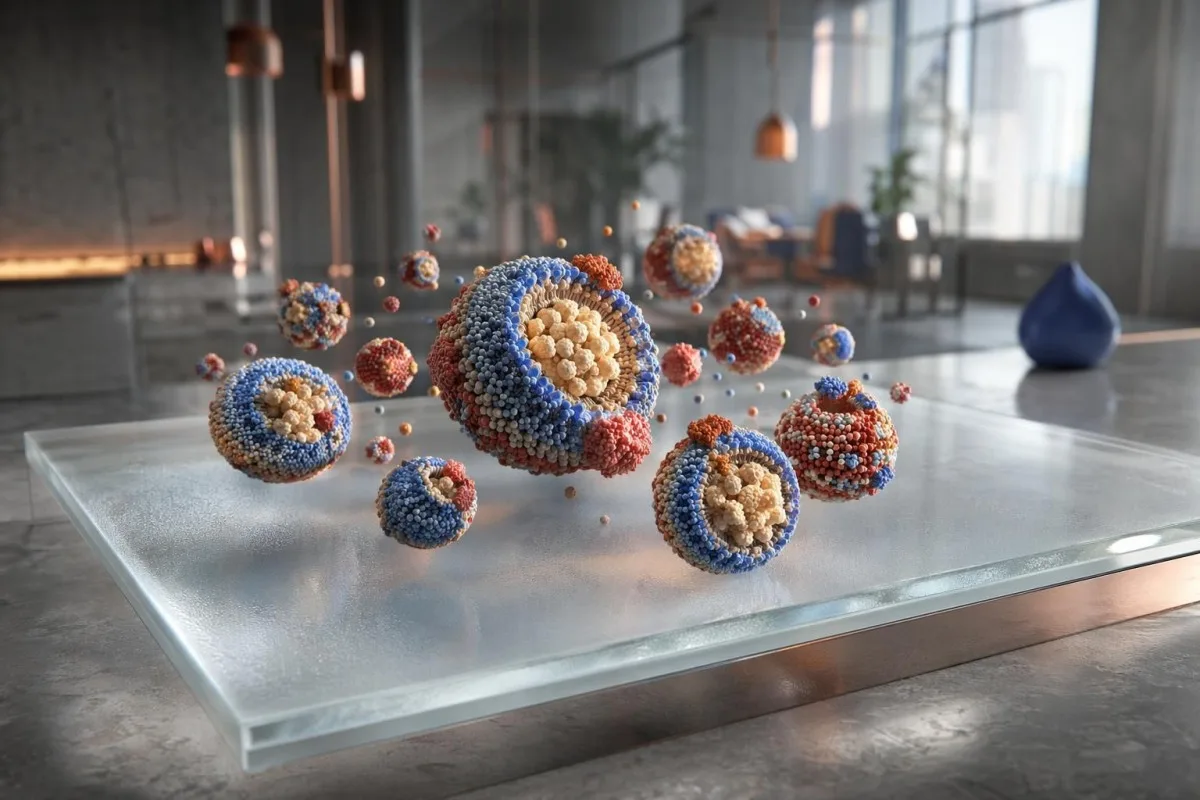
LDL cholesterol ভালদৰে দেখা যাব পাৰে যদিও triglyceride-rich কণিকাই এতিয়াও ধমনীজনিত (artery) ঝুঁকি বহন কৰে। Remnant cholesterol হৈছে বহুতো সাধাৰণ lipid panel-ত লুকাই থকা সোনকালে ধৰা পৰা সূত্ৰ।.


- Remnant cholesterol সাধাৰণতে total cholesterol minus LDL cholesterol minus HDL cholesterol হিচাপে একে একক (units) ব্যৱহাৰ কৰি অনুমান কৰা হয়।.
- ট্ৰাইগ্লিচাৰাইড 150 mg/dL fasting বা 175 mg/dL non-fasting ৰ ওপৰত থাকিলে বহু সময়ত remnant কণিকাই অধিক ঘনিষ্ঠভাৱে পৰীক্ষা কৰাৰ যোগ্য বুলি বুজায়।.
- এটা ব্যৱহাৰিক উচ্চ-ঝুঁকিৰ সূত্ৰ হৈছে remnant cholesterol প্ৰায় 30 mg/dL বা তাতকৈ বেছি, যদিও নিৰ্দেশিকাসমূহে এটা একক (universal) cutoff ব্যৱহাৰ নকৰে।.
- এল ডি এল কলেষ্টেৰল ভালদৰে দেখা যাব পাৰে কাৰণ ই LDL কণিকাৰ ভিতৰৰ cholesterol জোখে, VLDL, IDL, বা chylomicron remnants ৰ ভিতৰৰ cholesterol নহয়।.
- নন- HDL কলেষ্টেৰল HDL cholesterol বাদ দি total cholesterol ৰ সমান হয় আৰু এটা সহজ সংখ্যাত LDL আৰু remnant কণিকাক একেলগে ধৰে।.
- ApoB triglycerides 200 mg/dL ৰ ওপৰত থাকিলে ই বহু সময়ত উপযোগী হয়, কাৰণ ই তেওঁলোকৰ cholesterol load অনুমান কৰাৰ পৰিৱর্তে atherogenic কণিকাক গণনা কৰে।.
- গণনা কৰা LDL triglycerides বাঢ়িলে কম বিশ্বাসযোগ্য হৈ পৰে, বিশেষকৈ 400 mg/dL ৰ ওপৰত, যেতিয়া বহুতো লেবৰেটৰীয়ে direct LDL পদ্ধতিলৈ সলনি কৰে।.
- জীৱনশৈলীৰ পৰিৱর্তন 20-50% ৰ দ্বাৰা triglycerides কমালে বহু সময়ত remnant cholesterol ও কমে, বিশেষকৈ ওজন কমোৱা, alcohol কমোৱা, আৰু কম refined carbohydrate intake কৰাৰ ফলত।.
triglycerides বেছি হ’লে remnant cholesterol এ আপোনাক কি কয়
Remnant cholesterol এটা standard lipid panel ৰ পৰা total cholesterol minus LDL cholesterol minus HDL cholesterol হিচাপে অনুমান কৰা হয়। যেতিয়া ট্ৰাইগ্লিচাৰাইড বৃদ্ধি পায়, এই অবশিষ্ট (leftover) কোলেষ্টেৰল বেছিভাগ সময় VLDL, IDL আৰু chylomicron remnant কণাৰ প্ৰতিফলন হয়—যিবোৰ LDL কোলেষ্টেৰল গ্ৰহণযোগ্য যেন দেখালেও ধমনীৰ বেৰত প্ৰৱেশ কৰিব পাৰে। Kantesti হৈছে এটা AI ৰক্ত পৰীক্ষা বিশ্লেষক যিয়ে বিশেষজ্ঞৰ lipid পৰীক্ষাৰ অপেক্ষা নকৰাকৈ সাধাৰণ lipid ফলাফলৰ পৰা এই ধৰণটো পঢ়ে।.
১৬ জুন, ২০২৬ তাৰিখলৈ, বহুতো লেবৰেটৰী ৰিপ’ৰ্টত remnant cholesterol ছপা নহয়, কিন্তু total cholesterol, LDL-C, আৰু HDL-C থাকিলে গাণিতিক হিচাপটো ১০ ছেকেণ্ডত হয়। আপোনাৰ total cholesterol যদি ১৯০ mg/dL, LDL-C যদি ৯৫ mg/dL, আৰু HDL-C যদি ৪৫ mg/dL হয়, তেন্তে অনুমানিক remnant cholesterol হ’ব ৫০ mg/dL।.
মই Thomas Klein, MD, আৰু মই এই ধৰণটো বহু সময়েই দেখা পাওঁ: LDL-C ৯২ mg/dL থকা ৪৮ বছৰীয়া এজনক নিশ্চিত যেন লাগে, কিন্তু triglycerides ২৪০ mg/dL আৰু remnant cholesterol হিচাপ কৰিলে ৪২ mg/dL ওলায়। এইটো LDL-কেৱল পঢ়াৰ দৰে একে ধৰণৰ ঝুঁকিৰ কাহিনী নহয়—সেয়ে বুজাটো লিপিড পেনেলৰ মূল কথা (basics) ফলাফলটো ফাইলত থোৱাৰ আগতেই গুৰুত্বপূৰ্ণ।.
আমি কিয় ইয়াক গুৰুত্ব দিওঁ—সেই ক্লিনিকেল কাৰণটো সহজ, কিন্তু সহজে এৰি যোৱা হয়। triglyceride-সমৃদ্ধ কণাই কোলেষ্টেৰল ধমনীৰ বেৰত কঢ়িয়াই নিব পাৰে; LDL-C ৯০ mg/dL এ দেখুৱাই নিদিয়ে যে remnants বেছি থাকিলে artery-ত প্ৰৱেশ কৰা কণাৰ সামগ্ৰিক চাপ কম।.
lipid panel ৰ পৰা remnant cholesterol কেনেকৈ গণনা কৰিব
Remnant cholesterol হিচাপ কৰা হয় total cholesterol minus LDL-C minus HDL-C হিচাপে, আৰু mg/dL বা mmol/L—যেতিয়ালৈকে তিনিওটা মান একে একক ব্যৱহাৰ কৰে। shortcut টোও non-HDL cholesterol minus LDL-C, কাৰণ non-HDL ত ইতিমধ্যে LDL আৰু remnant কণা দুয়োটা অন্তৰ্ভুক্ত থাকে।.
এই সূত্ৰ ব্যৱহাৰ কৰক: remnant-C = total cholesterol - LDL-C - HDL-C। mmol/L ত, total cholesterol ৫.২, LDL-C ২.৬, আৰু HDL-C ১.১ হলে remnant cholesterol হয় ১.৫ mmol/L—যিটো ৩৮.৬৭ ৰে গুণ কৰিলে প্ৰায় ৫৮ mg/dL হয়।.
একক মিশ্ৰণ নকৰিব। মই এতিয়াও দেখা পাওঁ—কিছুমান ৰোগীয়ে mg/dL ত US-ধৰণৰ triglyceride ফলাফলক UK বা ইউৰোপীয় কোলেষ্টেৰল ফলাফল (mmol/L) ৰ সৈতে তুলনা কৰে; এই একেটা ভুলে ২ গুণীয়া এটা ভুৱা ঝুঁকি সলনি সৃষ্টি কৰিব পাৰে, সেয়ে নিশ্চিত কৰক একেবাৰে এই মাথাব্যথাখন কভাৰ কৰে। হিচাপ কৰাৰ আগতে।.
ফলাফলটো এটা অনুমান, কণাৰ অংশ (particle fraction) সরাসৰি মাপা নহয়। যদি আপোনাৰ LDL-C Friedewald equation ৰে গণনা কৰা হয়, তেন্তে remnant cholesterol এ সেই equation ৰ কিছুমান ভুলো উত্তৰাধিকাৰী হয়—বিশেষকৈ triglycerides ২০০ mg/dL ৰ ওপৰত থাকিলে।.
কিয় LDL ভালদৰে দেখা যাব পাৰে যদিও remnant ৰ ঝুঁকি বেছি হৈ থাকে
এল ডি এল কলেষ্টেৰল গ্ৰহণযোগ্য যেন দেখাব পাৰে, কাৰণ ই LDL কণাৰ ভিতৰত থকা কোলেষ্টেৰল মাপে; আনহাতে remnant cholesterol মাপে triglyceride-সমৃদ্ধ কণাৰ ভিতৰত থকা কোলেষ্টেৰল। এজনৰ LDL-C ১০০ mg/dL ৰ তলত থাকিলেও triglycerides ২০০-৪০০ mg/dL হ’লে non-LDL atherogenic চাপ উচ্চ থাকিব পাৰে।.
Varbo আৰু সহকৰ্মীসকলৰ ২০১৩ চনৰ JACC অধ্যয়নে জিনগতভাৱে বৃদ্ধি পোৱা remnant cholesterol ক অধিক ischemic heart disease ঝুঁকিৰ সৈতে সংযোগ কৰিছিল, যিয়ে এই ধাৰণাক সমৰ্থন কৰে যে remnants কেৱল নিৰ্দোষ দৰ্শক (innocent bystanders) নহয় (Varbo et al., 2013)। ক্লিনিকত মই এই ফলাফলক stand-alone diagnosis হিচাপে নহয়, বৰং এটা risk clue হিচাপে ব্যৱহাৰ কৰোঁ।.
LDL-C হৈছে কোলেষ্টেৰলৰ ভৰ (mass) মাপ, কণাৰ সংখ্যা (particle count) নহয়। triglycerides বৃদ্ধি হ’লে লিভাৰে বেছিকৈ VLDL কণা মুক্ত কৰে; triglycerides আংশিকভাৱে আঁতৰোৱাৰ পিছত সৰু remnant কণা থাকে আৰু সেইবোৰ বিশেষকৈ কোলেষ্টেৰল-সমৃদ্ধ হ’ব পাৰে।.
Kantesti AI এ LDL-C আৰু triglyceride ৰ মাজৰ অমিল (mismatch) ধৰা পেলায়, কাৰণ remnant cholesterol বেছিভাগ সময়েই কিয় non-HDL কলেষ্টেৰল LDL-C লক্ষ্যৰ ওচৰত যেন দেখালেও উচ্চ হৈ থাকে—সেইটো বুজায়। LDL-C ৯৫ mg/dL থকা non-HDL-C ১৫৫ mg/dL এ LDL আৰু HDL ৰ বাহিৰত প্ৰায় ৬০ mg/dL কোলেষ্টেৰল থকা বুলি সূচায়।.
remnant cholesterol ৰ সংখ্যাবোৰ সাধাৰণতে কি বুজায়
Remnant cholesterol প্ৰায় ২০ mg/dL ৰ তলত থাকিলে বেছিভাগ সময় নিশ্চিতকাৰী (reassuring), ২০-২৯ mg/dL সীমান্তৱৰ্তী (borderline), আৰু ৩০ mg/dL বা তাতকৈ বেছি হলে cardiometabolic risk পৰ্যালোচনা কৰাৰ বাবে এটা ব্যৱহাৰিক সংকেত। একে এটা বিশ্বজনীন (universal) ডায়াগন’ষ্টিক cutoff নাই, সেয়ে চিকিৎসকসকলে এই সংখ্যাটোক triglycerides, ApoB, diabetes risk, আৰু পৰিয়ালৰ ইতিহাসৰ সৈতে ব্যাখ্যা কৰে।.
European Society of Cardiology আৰু European Atherosclerosis Society এ triglyceride-সমৃদ্ধ lipoproteins আৰু remnant cholesterol ক atherogenic dyslipidaemia ৰ অংশ হিচাপে আলোচনা কৰে—বিশেষকৈ insulin resistance আৰু type 2 diabetes ত (Mach et al., 2020)। বাস্তৱত, triglycerides ২১০ mg/dL থকা ৩৫ mg/dL ৰ remnant-C এ মোৰ দৃষ্টি আকৰ্ষণ কৰে, যদিও LDL-C ৮৮ mg/dL হয়।.
Reference intervals ভিন্ন হয়, কাৰণ খাবাৰৰ পিছত, ওজন বৃদ্ধি, মদ্যপান (alcohol intake), আৰু glycaemic control ৰ ফলত remnants সলনি হয়। ৬-১২ মাহৰ ভিতৰত স্থায়ীভাৱে বৃদ্ধি দেখুওৱা ৩টা ফলাফলৰ তুলনাত ৩১ mg/dL ৰ এটা একক remnant-C কম তথ্যবহুল।.
যদি আপুনি আপোনাৰ ফলাফলটো ছপা হোৱা কলেষ্টেৰলৰ পৰিসীমা, ৰ সৈতে তুলনা কৰি আছে, তেন্তে মনত ৰাখক—বেছিভাগ লেব টেবুলে total cholesterol, LDL-C, HDL-C, আৰু triglycerides ৰ ওপৰত গুৰুত্ব দিয়ে। Remnant cholesterol সাধাৰণতে চিকিৎসকে গণনা কৰা এটা risk clue, লেবৰেটৰী-ফ্লেগ কৰা কোনো অস্বাভাৱিকতা নহয়।.
fasting অৱস্থা আৰু LDL পদ্ধতিয়ে কেনেকৈ অনুমান সলনি কৰে
উপবাস অৱস্থা ই LDL-C বা HDL-C তকৈ ট্ৰাইগ্লিচাৰাইড বেছি সলনি কৰে, সেয়েহে ৰিম্ন্যান্ট কোলেষ্টেৰল আহাৰৰ পিছত বৃদ্ধি পাব পাৰে। উপবাস নোহোৱা অৱস্থাত 175 mg/dL ৰ ওপৰৰ ট্ৰাইগ্লিচাৰাইডৰ ফলাফল এতিয়াও ক্লিনিকেলভাৱে তাৎপৰ্যপূর্ণ, কিন্তু সীমান্তীয় ৰিম্ন্যান্ট মান হলে চিকিৎসা সলনি হ’ব নে নহ’ব সেইটো নিৰ্ণয় কৰিবলৈ উপবাস কৰি পুনৰ পৰীক্ষা কৰাটো উত্তম।.
উচ্চ-ফেট আহাৰৰ পিছত 190 mg/dL ৰ উপবাস নোহোৱা ট্ৰাইগ্লিচাৰাইড ফলাফল আশা কৰিব পাৰি, কিন্তু ই অৰ্থহীন নহয়। 2018 AHA/ACC কোলেষ্টেৰল গাইডলাইনে 175 mg/dL বা তাতকৈ অধিক স্থায়ীভাৱে উচ্চ ট্ৰাইগ্লিচাৰাইডক ঝুঁকি-বৃদ্ধিকাৰী কাৰক হিচাপে তালিকাভুক্ত কৰিছে (Grundy et al., 2019)।.
LDL গণনাৰ পদ্ধতি গুৰুত্বপূৰ্ণ। Friedewald সমীকৰণে VLDL-C ক ট্ৰাইগ্লিচাৰাইডক 5 ৰে ভাগ কৰি (mg/dL ত) অনুমান কৰে, কিন্তু ট্ৰাইগ্লিচাৰাইড 200 mg/dL ৰ ওপৰত উঠিলে এই ধাৰণাৰ শক্তি কমে আৰু প্ৰায়ে 400 mg/dL ৰ ওপৰত বিফল হয়।.
আপোনাৰ remnant-C অতি বেছি যেন লাগিলে, পেনেলখন উপবাস আছিল নে নাই, non-fasting আছিল নে নাই, direct LDL নে calculated LDL আছিল নে নাই—সেইটো পৰীক্ষা কৰক; আমাৰ উপবাসৰ নিয়ম গাইডে ব্যাখ্যা কৰে কোনবোৰ লেব ভেলু খোৱাৰ পিছত সলনি হয়। মোৰ অভিজ্ঞতাত, 10-12 ঘণ্টা উপবাসৰ পিছত পুনৰ এটা fasting lipid panel কৰিলেই বহু সীমান্তীয় ধাঁধা সমাধান হয়।.
উচ্চ remnant এ metabolism সম্পৰ্কে কি সূচায়
উচ্চ ৰিম্ন্যান্ট কোলেষ্টেৰল সঘনাই ইনচুলিন ৰেজিষ্টেন্স, ভিছাৰাল ফেট, ফ্যাটি লিভাৰ ফিজিঅ’লজি, অতিমাত্ৰা মদ্যপান, বা ঠিকমতে নিয়ন্ত্ৰণ নোহোৱা ডায়েবেটিছক সূচায়। সাধাৰণতে এই ধৰণটোত থাকে—150 mg/dL ৰ ওপৰৰ ট্ৰাইগ্লিচাৰাইড, পুৰুষৰ ক্ষেত্ৰত 40 mg/dL ৰ তলত HDL-C বা মহিলাৰ ক্ষেত্ৰত 50 mg/dL ৰ তলত HDL-C, আৰু প্ৰায় 30 mg/dL ৰ ওপৰত remnant-C।.
লিভাৰে অতিমাত্ৰা কাৰ্ব’হাইড্ৰেট আৰু ফেটি এচিডৰ যোগান VLDL কণিকাত পেকেজ কৰে। যান-জঁট বেছি হলে প্ৰথমে ট্ৰাইগ্লিচাৰাইড বৃদ্ধি পায়, তাৰ পিছত ৰিম্ন্যান্ট কোলেষ্টেৰল অনুসৰণ কৰে, আৰু ডায়েবেটিছ দেখা দিয়াৰ আগলৈ বহু বছৰ 94 mg/dL ত উপবাস গ্লুক’জ স্থিৰ হৈ থাকিব পাৰে।.
Kantesti এ সঘনাই লাখ লাখ ব্যাখ্যা কৰা পেনেলৰ মাজত একে ধৰণৰ ক্লাষ্টাৰ দেখা পায়: ট্ৰাইগ্লিচাৰাইড 180-350 mg/dL, ALT সামান্য বেছি 35-55 IU/L, HDL-C কম, আৰু HbA1c 5.6-6.2% ধূসৰ অঞ্চলত। সেই ক্লাষ্টাৰেই কিয় মই কেৱল বাটাৰ খোৱাৰ কথা নহয়—কোমৰৰ পৰিৱর্তন, স্লীপ এপনিয়া, মদ্যপান, আৰু সন্ধিয়াৰ স্নেকিং সম্পৰ্কে সোধোঁ।.
যদি A1c স্বাভাবিক কিন্তু ৰিম্ন্যান্ট বেছি থাকে, তেন্তে এটা ইনচুলিন ৰেজিষ্টেন্স পৰীক্ষাৰ সৈতে তুলনা কৰক আপোনাৰ চিকিৎসকৰ সৈতে আলোচনা কৰক। Fasting insulin, waist-to-height ratio, আৰু triglyceride-to-HDL ratio এ গ্লুক’জে এটা ডায়াগন’ষ্টিক সীমা অতিক্ৰম কৰাৰ আগতেই 2-5 বছৰৰ আগতেই ঝুঁকি উন্মোচন কৰিব পাৰে।.
কোনবোৰ follow-up সূচকে remnant cholesterol ৰ ঝুঁকি স্পষ্ট কৰে
ApoB আৰু non-HDL কোলেষ্টেৰল—ৰিম্ন্যান্ট কোলেষ্টেৰল বেছি থাকিলে এই দুটা আটাইতকৈ উপযোগী follow-up মাৰ্কাৰ। ApoB এ এথেৰ’জেনিক কণিকাৰ সংখ্যা গণনা কৰে, আনহাতে non-HDL-C এ সকলো non-HDL কণিকাই বহন কৰা কোলেষ্টেৰলক মাপে—LDL, VLDL, IDL, আৰু ৰিম্ন্যান্টসমূহকে ধৰি।.
2018 AHA/ACC গাইডলাইনে কয় যে ট্ৰাইগ্লিচাৰাইড 200 mg/dL বা তাতকৈ অধিক হ’লে ApoB ঝুঁকি-বৃদ্ধিকাৰী কাৰক হিচাপে সহায়ক হ’ব পাৰে, আৰু ApoB 130 mg/dL বা তাতকৈ অধিকক elevated বুলি ধৰা হয় (Grundy et al., 2019)। মই সাধাৰণতে দেখোঁ যে LDL-C আৰু ট্ৰাইগ্লিচাৰাইডে ভিন্ন কাহিনী ক’লে ApoB আটাইতকৈ স্পষ্টতা আনে।.
Non-HDL-C ৰ এটা সৰল লক্ষ্য-যুক্তি আছে: ই সাধাৰণতে LDL-C লক্ষ্যতকৈ প্ৰায় 30 mg/dL বেছি লক্ষ্য কৰা হয়। উদাহৰণস্বৰূপ, যদি এজন চিকিৎসকে LDL-C 100 mg/dL ৰ তলত ৰাখিব বিচাৰে, তেন্তে মিল থকা non-HDL-C লক্ষ্য প্ৰায়ে 130 mg/dL ৰ তলত থাকে।.
৩০ mg/dLৰ ওপৰৰ remnant-C থকা লোকসকলৰ বাবে, ApoB interpretation সাধাৰণতে এটা বহল advanced lipid panel অর্ডাৰ কৰাতকৈ অধিক কাৰ্যকৰী হয়। LDL particle number এও মূল্য যোগ কৰিব পাৰে, কিন্তু ApoB সস্তা, মানকীকৃত, আৰু প্ৰতি ৩-৬ মাহত অনুসৰণ কৰাটো সহজ।.
কোনে remnant cholesterol ৰ প্ৰতি অধিক মনোযোগ দিব লাগে
Remnant cholesterol তেজ পৰীক্ষাৰ ফলাফলত অধিক মনোযোগ দিয়া উচিত—বিশেষকৈ টাইপ ২ ডায়েবেটিছ, মেটাবলিক ছিণ্ড্ৰম, ক্ৰনিক কিডনি ডিজিজ, অকালতে হোৱা পৰিয়ালৰ হৃদৰোগ, মেন’পজ-সম্পৰ্কীয় লিপিডৰ পৰিৱৰ্তন, বা ১৭৫ mg/dLৰ ওপৰত ট্ৰাইগ্লিচাৰাইড স্থায়ীভাৱে থাকিলে। এই গোটসমূহে LDL-C চিকিৎসা সফল যেন দেখিলেও বহু সময়ত অবশিষ্ট (residual) ঝুঁকি বহন কৰে।.
মেন’পজত প্ৰৱেশ কৰা মহিলাসকলে LDL-C ১০-২০ mg/dL বৃদ্ধি পোৱা আৰু ট্ৰাইগ্লিচাৰাইড ১৫-৩০১TP54T বৃদ্ধি পোৱা দেখা পাব পাৰে, কিন্তু remnant কাহিনীটো বহু সময়ত এৰাই যোৱা হয় কাৰণ লেবৰেটৰী ৰিপ’ৰ্টত এতিয়াও LDLকেই বেছি গুৰুত্ব দিয়া থাকে। মই ৫৪ বছৰীয়া এগৰাকী মহিলাক দেখিছোঁ—তেওঁৰ LDL-C আছিল ১০৪ mg/dL আৰু ট্ৰাইগ্লিচাৰাইড আছিল ২৬৫ mg/dL, কিন্তু তেওঁৰ remnant-C আছিল ৪৮ mg/dL, যাৰ ফলত আলোচনা সম্পূৰ্ণভাৱে সলনি হৈছিল।.
কিডনি ৰোগে আন এটা স্তৰ যোগ কৰে। ১.৭৩ m² প্ৰতি ৪৫-৫৯ mL/min/1.73 m²ৰ eGFRতো ট্ৰাইগ্লিচাৰাইড-সমৃদ্ধ লিপ’প্ৰ’টিনৰ ক্লিয়াৰেন্স সলনি কৰিব পাৰে, সেয়ে ক্ৰনিক কিডনি ডিজিজত ৩৫ mg/dL remnant-C এটা কম ঝুঁকিৰ ২৫ বছৰীয়া ক্ৰীড়াবিদৰ একে সংখ্যাৰ সৈতে একে নহয়।.
আমাৰ গাইড মহিলাৰ হৃদৰোগৰ সূচকসমূহ নিয়মিত যত্নত কমকৈ অর্ডাৰ কৰা কেইবাটাও লিপিড সংকেত সামৰি লয়। এই অধিক ঝুঁকিৰ গোটসমূহত, ট্ৰাইগ্লিচাৰাইড ২০০ mg/dLৰ ওপৰত থাকিলে ১০০ mg/dLৰ তলৰ এটা একক LDL-C মানত মই কমেই নিশ্চিত হওঁ।.
triglycerides কমাই remnant cholesterol কেনেকৈ কমাব
ট্ৰাইগ্লিচাৰাইড কমোৱা সাধাৰণতে remnant cholesterolো কমায়, কিয়নো বেছিভাগ remnant-C অতিৰিক্ততা আহে ট্ৰাইগ্লিচাৰাইড-সমৃদ্ধ লিপ’প্ৰ’টিনৰ বিপাকৰ পৰা। ৫-১TP45T ওজন কমোৱা, এলক’হল কমোৱা, কম পৰিশোধিত কাৰ্ব’হাইড্ৰেট, আৰু নিয়মিত এৰ’বিক কাৰ্যকলাপে সঁহাৰি দিয়া ৰোগীসকলত ট্ৰাইগ্লিচাৰাইড প্ৰায় ২০-৫০১TP54T কমাব পাৰে।.
মই দেখা আটাইতকৈ দ্ৰুত non-drug পৰিৱৰ্তনটো হৈছে এলক’হল কমোৱা। কিছুমান ৰোগীৰ বাবে, নিশা ২টা পানীয় বন্ধ কৰিলে ৪-৮ সপ্তাহৰ ভিতৰত ট্ৰাইগ্লিচাৰাইড ৩১০ mg/dLৰ পৰা ১৭০ mg/dLলৈ নামি যায়, আৰু remnant cholesterolো সমান্তৰালভাৱে কমে।.
কাৰ্ব’হাইড্ৰেটৰ গুণগত মান বহু লোকৰ ধাৰণাতকৈ বেছি গুৰুত্বপূৰ্ণ। মিঠা পানীয়, ফলৰ ৰস, বগা চাউলৰ পৰিমাণ, আৰু নিশাৰ শেষৰ স্নেকছক উচ্চ-প্ৰ’টিন আহাৰ আৰু আঁহ (fibre)ৰ সৈতে সলনি কৰিলে hepatic VLDL উৎপাদন ২-৬ সপ্তাহৰ ভিতৰত কমাব পাৰি, বিশেষকৈ বেছিভাগ ক্ষেত্ৰত বেছলাইন ট্ৰাইগ্লিচাৰাইড ২০০ mg/dLৰ ওপৰত থাকিলে।.
খাদ্য পৰিকল্পনা বাস্তৱসন্মত হ’ব লাগে, শাস্তিমূলক নহয়। আমাৰ ট্ৰাইগ্লিচাৰাইড কমোৱা খাদ্যসমূহ গাইডে ৬-১২ সপ্তাহৰ ভিতৰত সাধাৰণতে পুনৰ lipid panel সলনি কৰিব পৰা পৰিৱৰ্তনসমূহত গুৰুত্ব দিয়ে: তেলযুক্ত মাছ, ডাল, ওটছ, বাদাম, অলিভ অয়েল, আৰু কমকৈ লিকুইড চুগাৰ।.
কেতিয়া triglycerides কেৱল ঝুঁকিপূৰ্ণ নহয়, তৎক্ষণাৎ (urgent) হৈ পৰে
ট্ৰাইগ্লিচাৰাইড ৫০০ mg/dLৰ ওপৰত থাকিলে মূল চিন্তা কেৱল ধমনী-ঝুঁকিৰ পৰা সলনি হৈ সম্ভাৱ্য pancreatitis ঝুঁকিলৈ যায়, আৰু বহু ক্ষেত্ৰত ১০০০ mg/dLৰ ওপৰৰ স্তৰক চিকিৎসাজনিত তৎকালীনতা (medical urgency) হিচাপে ধৰা হয়। Remnant cholesterol হৃদযন্ত্ৰীয় ব্যাখ্যাত উপযোগী, কিন্তু অতি উচ্চ ট্ৰাইগ্লিচাৰাইডৰ বাবে বেলেগ ধৰণৰ সুৰক্ষা সম্পৰ্কীয় আলোচনা লাগে।.
৬৫০ mg/dL ট্ৰাইগ্লিচাৰাইডৰ ফলাফল কেৱল “বেয়া cholesterolৰ দিন” নহয়। মই পেটৰ বিষ, নিয়ন্ত্ৰণহীন ডায়েবেটিছ, এলক’হল বিংজ, গৰ্ভাৱস্থা, কিডনি ৰোগ, hypothyroidism, আৰু oral oestrogens, isotretinoin, steroids, আৰু কিছুমান antipsychotics দৰে ঔষধৰ বিষয়ে সুধোঁ।.
৪০০ mg/dLৰ ওপৰত ট্ৰাইগ্লিচাৰাইড থাকিলে গণনা কৰা LDL-C দমন (suppressed) হ’ব পাৰে বা উপলব্ধ নাথাকিব পাৰে, সেয়ে remnant-C গণনা অবিশ্বাস্য হৈ পৰিব পাৰে। সেই সময়ত direct LDL-C, ApoB, পুনৰ fasting পৰীক্ষা, আৰু তৎক্ষণাৎ ট্ৰাইগ্লিচাৰাইড কমোৱাৰ পদক্ষেপক অগ্ৰাধিকাৰ দিয়া হয়।.
আমাৰ উচ্চ ট্ৰাইগ্লিচাৰাইড গাইড pancreatitisৰ সীমা (thresholds) অধিক গভীৰভাৱে বুজায়। যদি ট্ৰাইগ্লিচাৰাইড ১০০০ mg/dLৰ ওপৰত থাকে, মই কেৱল জীৱনশৈলী (lifestyle)ৰ বাবে ৩ মাহ অপেক্ষা নকৰোঁ; সাধাৰণতে clinician-directed চিকিৎসা দ্ৰুতভাৱে লাগিব।.
Kantesti AI এ lipid panels ক’নটেক্সটত কেনেকৈ পঢ়ে
Kantesti হৈছে এটা AI তেজ পৰীক্ষাৰ ফলাফল ব্যাখ্যা প্লেটফৰ্ম যিয়ে total cholesterol, LDL-C, HDL-C, triglycerides, non-HDL-C, glucose markers, liver enzymes, kidney function, আৰু medication context একেলগে বিশ্লেষণ কৰে। ইয়াৰ গুৰুত্ব আছে কিয়নো remnant cholesterol এটা pattern-সম্পৰ্কীয় সংকেত, কেৱল এটা একক সংখ্যা নহয়।.
Kantestiৰ neural network এ remnant-C ৩২ mg/dL মানৰ পৰা হৃদৰোগ নিৰ্ণয় নকৰে। ই এই সংমিশ্ৰণটো চিনাক্ত কৰে: triglycerides 220 mg/dL, HDL-C 38 mg/dL, ALT 46 IU/L, HbA1c 5.9%, আৰু ১২ মাহৰ ধাৰাবাহিকভাৱে বৃদ্ধি পোৱা trend।.
এই পাৰ্থক্যটো ক্লিনিকেলভাৱে গুৰুত্বপূৰ্ণ। ৮২ mg/dL ট্ৰাইগ্লিচাৰাইড আৰু ১৬০ mg/dL LDL-C থকা উচ্চ-চৰ্বিযুক্ত খাদ্যত থকা এটা পাতল endurance athlete এজনৰ সৈতে ২৮০ mg/dL ট্ৰাইগ্লিচাৰাইড, ৪৫ mg/dL remnant-C, আৰু ১১২ mg/dL fasting glucose থকা কোনোবা এজনৰ আলোচনা একে নহয়।.
ইঞ্জিনিয়াৰিং দিশ বিচৰা পাঠকৰ বাবে, আমাৰ AI প্রযুক্তি গাইড biomarker ব্যাখ্যা কেনেকৈ গঠন কৰোঁ, trend চিনাক্তকৰণ, আৰু সুৰক্ষা সম্পৰ্কীয় সতৰ্কবাণী (safety prompts) কেনেকৈ দিওঁ—সেয়া বুজায়। লক্ষ্য হৈছে clinicianক সলনি কৰা নহয়; পৰৱৰ্তী এপয়ণ্টমেণ্টটো অধিক নিখুঁত কৰা।.
উচ্চ remnant ফলাফল পোৱাৰ পিছত আপোনাৰ ডাক্তৰক কি সুধিব
উচ্চ remnant cholesterol ৰ অনুমান ৪টা বাস্তৱিক প্ৰশ্ন উত্থাপন কৰিব লাগে: নমুনাটো fasting আছিল নে, LDL-C গণনা কৰা নে direct, ঝুঁকি নিৰ্দেশ কৰিবলৈ ApoB নে non-HDL-C ব্যৱহাৰ কৰা উচিত, আৰু কিমান দিনৰ retest interval যুক্তিসংগত। আটাইতকৈ স্থিতিশীল ৰোগীসকলে targeted পৰিৱর্তনৰ ৬-১২ সপ্তাহৰ পিছত fasting lipid panel পুনৰাবৃত্তি কৰিব পাৰে।.
কেৱল lab flag নহয়—আচল সংখ্যাবোৰ আনক। মই total cholesterol, LDL-C, HDL-C, triglycerides, non-HDL-C (মুদ্ৰিত থাকিলে), HbA1c বা fasting glucose, ALT, TSH, creatinine বা eGFR, আৰু যিকোনো lipid medication ৰ ড’জ দেখিবলৈ ভাল পাওঁ।.
আপোনাৰ risk category লক্ষ্য (target) সলনি কৰে নে সুধক। ৩৮ বছৰীয়া এজনৰ ক্ষেত্ৰত—পৰিয়ালৰ ইতিহাস নাই আৰু remnant-C ৩১ mg/dL—তেতিয়া lifestyle আৰু পুনৰ পৰীক্ষা লাগিব পাৰে; কিন্তু ৬২ বছৰীয়া এজনৰ ক্ষেত্ৰত—ডায়েবেটিছ আৰু আগতে coronary stent আছিল—একেই remnant মান থকাৰ পিছতো medication intensification লাগিব পাৰে।.
retest interval টো intervention ৰ সৈতে মিলি থাকিব লাগে। আমাৰ পৰীক্ষা-ফ্ৰিকুৱেন্সি গাইড বাস্তৱিক সময়সূচী দিয়ে; triglyceride-কেন্দ্ৰিক খাদ্য পৰিৱর্তনৰ বাবে ৬-১২ সপ্তাহ সাধাৰণতে যথেষ্ট, কিন্তু medication ড’জৰ পৰিৱর্তনে প্ৰায়েই clinician-নিৰ্দিষ্ট monitoring লাগে।.
সাধাৰণ ভুল যিবোৰে remnant cholesterol বিভ্ৰান্তিকৰ কৰি তোলে
Remnant cholesterol LDL-C ভুল হলে, একক (units) মিহলি হলে, triglycerides অতি বেছি হলে, বা ফলটো clinical context নোহোৱাকৈ বিচাৰ কৰিলে বিভ্ৰান্তিকৰ হৈ পৰে। আটাইতকৈ সাধাৰণ ভুলটো হ’ল—LDL-C ১০০ mg/dL ৰ তলত বুলি ধৰি লোৱা যে artery-সম্পৰ্কীয় সকলো lipid ঝুঁকি নিয়ন্ত্ৰিত হৈ গৈছে।.
দ্বিতীয় ভুলটো হ’ল acute illness চলি থকা সময়ত remnant গণনা কৰা। সংক্রমণ, অস্ত্ৰোপচাৰ, তীব্ৰ ব্যায়াম, বা steroid course ৰ পিছত triglycerides ৩০-১০০% লৈ জপিয়াই উঠিব পাৰে, যিয়ে সাময়িকভাৱে remnant-C বৃদ্ধি কৰিব পাৰে—কিন্তু আপোনাৰ স্বাভাৱিক baseline প্ৰতিনিধিত্ব নকৰিবও পাৰে।.
তৃতীয় ভুলটো হ’ল thyroid আৰু glucose ৰ সংকেত উপেক্ষা কৰা। TSH ৬-১০ mIU/L থকা মৃদু hypothyroidism এ LDL-C আৰু triglycerides বৃদ্ধি কৰিব পাৰে, আৰু আৰম্ভণিৰ insulin resistance এ A1c ৬.৫% ত উপনীত হোৱাৰ আগতেই triglycerides বৃদ্ধি কৰিব পাৰে।.
Thomas Klein, MD এ আটাইতকৈ ডাঙৰ ভুলবোৰ দেখা পায় যেতিয়া ৰোগীয়ে এটা lab ৰ পৰা direct LDL-C ফলাফল আন এটা lab ৰ পৰা গণনা কৰা LDL-C ফলাফলৰ সৈতে তুলনা কৰে। যদি triglycerides বেছি হয় বা LDL অস্বাভাৱিকভাৱে কম যেন লাগে, আমাৰ LDL পোনপটীয়াকৈ পৰীক্ষা গাইডে ব্যাখ্যা কৰে কেতিয়া direct measurement এ false reassurance ৰ পৰা বিৰত ৰাখিব পাৰে।.
Kantesti গৱেষণা নোট আৰু চিকিৎসা পৰ্যালোচনা মানদণ্ড
Kantesti হৈছে 2M+ জন লোকৰ বাবে 127+ দেশত ব্যৱহৃত এটা AI biomarker interpretation platform, আৰু আমাৰ lipid সম্পৰ্কীয় লেখাবোৰ physician oversight ৰ সৈতে লিখা হয়—generic wellness copy হিচাপে উৎপন্ন নহয়। remnant cholesterol ৰ ক্ষেত্ৰত, তাৰ অৰ্থ হ’ল গণনাটো স্পষ্টকৈ দেখুওৱা হয়, অনিশ্চয়তাক নামকৰণ কৰা হয়, আৰু safety thresholds ক্ৰমাগতভাৱে routine risk আলোচনা ৰ পৰা পৃথক কৰা হয়।.
এই লেখাখন Kantesti ৰ editorial process অনুসৰি চিকিৎসাগতভাৱে পৰ্যালোচনা কৰা হৈছিল, আৰু আমাৰ মেডিকেল এডভাইজাৰী ব’ৰ্ড. থমাছ ক্লেইন, MD-এ ২৮ জুলাই, ২০২৬ তাৰিখে ক্লিনিকেল থ্ৰেছহ’ল্ডসমূহ শেষবাৰৰ বাবে পৰ্যালোচনা কৰিছিল, য’ত ১৭৫, ৫০০, আৰু ১০০০ mg/dL ৰ ট্ৰাইগ্লিচাৰাইড কাটঅফ অন্তৰ্ভুক্ত আছিল।.
আমাৰ interpretation workflow নথিভুক্ত চিকিৎসাগত বৈধতা মানদণ্ড ৰ সৈতে মিলি আছে আৰু patient education ক diagnosis ৰ পৰা পৃথক কৰে। ৪০ mg/dL ৰ এটা remnant-C অনুমানে বয়স, ইতিহাস, লক্ষণ, medication, আৰু সামগ্ৰিক cardiovascular risk নোহোৱাকৈ স্বয়ংক্ৰিয় চিকিৎসা আৰম্ভ কৰাৰ বদলে ভাল প্ৰশ্ন উত্থাপন কৰিব লাগে।.
Kantesti Ltd। (2026)। ইউৰিন টেষ্টত Urobilinogen: সম্পূৰ্ণ ইউৰিন এনালাইছিছ গাইড 2026। Zenodo।. DOI; ৰিচাৰ্চগেট; Academia.edu. Related methods সমূহ আমাৰ urinalysis methods guide.
Kantesti Ltd। (2026)। Iron studies গাইড: TIBC, iron saturation আৰু binding capacity। Zenodo।. DOI; ৰিচাৰ্চগেট; Academia.edu. ত সাৰাংশ হিচাপে দিয়া হৈছে। একেই lab-interpretation শৃংখলাবদ্ধতা আমাৰ লোহাৰ অধ্যয়ন গাইড, তো দেখা যায়, য’ত এটা একক marker কেতিয়াও সমগ্ৰ clinical কাহিনী হিচাপে ধৰা নহয়।.
সঘনাই সোধা প্ৰশ্ন
মোৰ লিপিড পেনেলৰ পৰা মই ৰেম্নেণ্ট ক’লেষ্টেৰল কেনেকৈ গণনা কৰিম?
অবশিষ্ট কোলেষ্টেৰল (remnant cholesterol) গণনা কৰা হয় মুঠ কোলেষ্টেৰল (total cholesterol) ৰ পৰা LDL কোলেষ্টেৰল (LDL cholesterol) আৰু HDL কোলেষ্টেৰল (HDL cholesterol) বিয়োগ কৰি, সকলো একে একক (units) ব্যৱহাৰ কৰি। উদাহৰণস্বৰূপে, মুঠ কোলেষ্টেৰল 200 mg/dL, LDL-C 110 mg/dL, আৰু HDL-C 50 mg/dL হলে remnant cholesterol 40 mg/dL হয়। আপুনি ইয়াক non-HDL cholesterol ৰ পৰা LDL-C বিয়োগ কৰিও গণনা কৰিব পাৰে। ট্ৰাইগ্লিচাৰাইড (triglycerides) অতি বেছি হলে বা LDL-C ভুলকৈ গণনা কৰা হলে অনুমানটো কম বিশ্বাসযোগ্য হয়।.
কোন অবশিষ্ট কোলেষ্টেৰলৰ পৰিমাণক উচ্চ বুলি গণ্য কৰা হয়?
কোনো সার্বজনীন অবশিষ্ট কোলেষ্টেৰল কাট-অফ নাই, কিন্তু বহু চিকিৎসকে প্ৰায় ৩০ mg/dL বা তাতকৈ অধিকক তাৎপৰ্যপূর্ণ ঝুঁকিৰ সূত্ৰ হিচাপে গণ্য কৰে, বিশেষকৈ যেতিয়া ট্ৰাইগ্লিচাৰাইড 150-175 mg/dL ৰ ওপৰত থাকে। ApoB আৰু non-HDL কোলেষ্টেৰল দুয়োটাও অনুকূল হ’লে ২০ mg/dL ৰ তলৰ মান বহু সময়ত আশ্বস্তকাৰী হয়। ৫০ mg/dL বা তাতকৈ অধিক মানক ডায়েবেটিছৰ ঝুঁকি, কিডনিৰ কাৰ্যক্ষমতা, পৰিয়ালৰ ইতিহাস, আৰু ঔষধৰ প্ৰসংগৰ সৈতে সাৱধানে পৰ্যালোচনা কৰা উচিত। ক্লিনিকেল সিদ্ধান্ত যদি তৎক্ষণাৎ নালাগে, তেন্তে সাধাৰণতে এটা ফলাফলক পুনৰ লিপিড পেনেলৰ জৰিয়তে নিশ্চিত কৰা উচিত।.
LDL কোলেষ্টেৰল স্বাভাবিক হ’লেও remnant কোলেষ্টেৰল উচ্চ হ’ব পাৰেনে?
হয়, LDL কোলেষ্টেৰল ১০০ mg/dL ৰ তলতো থাকিব পাৰে যদিও ৰেম্নেণ্ট কোলেষ্টেৰল উচ্চ থাকে, কাৰণ এই ২টা মানে ভিন্ন ভিন্ন লিপিড অংশ (compartments) জুখে। LDL-C এ LDL কণাৰ ভিতৰৰ কোলেষ্টেৰলক প্ৰতিফলিত কৰে, আনহাতে remnant-C এ ট্ৰাইগ্লিচাৰাইড-সমৃদ্ধ VLDL, IDL, আৰু কাইলোমাইক্রন ৰেম্নেণ্টৰ ভিতৰৰ কোলেষ্টেৰলক প্ৰতিফলিত কৰে। এই ধৰণটো সাধাৰণতে ট্ৰাইগ্লিচাৰাইড ২০০-৪০০ mg/dL আৰু HDL-C কম থাকিলে দেখা যায়। ApoB বা non-HDL কোলেষ্টেৰলে এথেৰ’জেনিক কণাৰ (atherogenic particle) বোজা এতিয়াও উচ্চ নে নাই সেইটো স্পষ্ট কৰাত সহায় কৰিব পাৰে।.
ট্রাইগ্লিচাৰাইডসমূহ কি ৰেম্নেণ্ট ক’লেষ্টেৰলৰ সৈতে একে?
ট্রাইগ্লিসাৰাইড আৰু ৰেম্নেণ্ট ক’লেষ্টেৰল সম্পৰ্কিত কিন্তু একে নহয়। ট্রাইগ্লিসাৰাইড হৈছে লিপ’প্ৰ’টিনৰ ভিতৰত বহন কৰা চৰ্বি, আনহাতে ৰেম্নেণ্ট ক’লেষ্টেৰল হৈছে আংশিকভাৱে প্ৰক্ৰিয়াজাত ট্রাইগ্লিসাৰাইড-সমৃদ্ধ কণাৰ ভিতৰত বহন কৰা ক’লেষ্টেৰল। ফাষ্টিং অৱস্থাত 150 mg/dLৰ ওপৰৰ বা নন-ফাষ্টিং অৱস্থাত 175 mg/dLৰ ওপৰৰ ট্রাইগ্লিসাৰাইড ফলাফল বহু সময়ত অধিক ৰেম্নেণ্ট কণা উপস্থিত থাকিব পাৰে বুলি সূচায়। ৰেম্নেণ্ট গণনাই উচ্চ ট্রাইগ্লিসাৰাইড ফলাফলক ধমনী-ঝুঁকি সম্পৰ্কীয় ভাষালৈ ৰূপান্তৰ কৰাত সহায় কৰে।.
ৰেম্ন্যান্ট ক’লেষ্টেৰল পৰীক্ষা কৰাৰ আগতে মই উপবাস কৰিব লাগিবনে?
নিয়মিত লিপিড পেনেলৰ বাবে সদায় উপবাসৰ প্ৰয়োজন নহয়, কিন্তু ট্ৰাইগ্লিচাৰাইড বা ৰেম্নেণ্ট ক’লেষ্টেৰল সীমান্তৱৰ্তী বা অস্বাভাৱিকভাৱে বেছি হ’লে ই সহায় কৰিব পাৰে। ১০–১২ ঘণ্টাৰ উপবাসে আহাৰৰ সৈতে সম্পৰ্কিত ট্ৰাইগ্লিচাৰাইডৰ ওঠ-পোৰ কমায় আৰু পুনৰ তুলনা অধিক পৰিষ্কাৰ কৰে। ১৭৫ mg/dL ৰ ওপৰৰ উপবাস নকৰাকৈ থকা ট্ৰাইগ্লিচাৰাইডে তথাপিও হৃদ্-মেটাবলিক (cardiometabolic) ঝুঁকি বৃদ্ধি হোৱা সূচাব পাৰে। যদি ট্ৰাইগ্লিচাৰাইড ৪০০ mg/dL ৰ ওপৰত থাকে, তেন্তে চিকিৎসকসকলে প্ৰায়েই উপবাসৰ সৈতে পুনৰ পৰীক্ষা কৰে আৰু প্ৰত্যক্ষ LDL-C বা ApoB বিবেচনা কৰে।.
প্রাকৃতিকভাৱে অবশিষ্ট কোলেষ্টেৰল কেনেকৈ কমাব পাৰোঁ?
অধিকাংশ মানুহে ওজন কমোৱা, মদ্যপান কমোৱা, কম পৰিশোধিত কাৰ্ব’হাইড্ৰেট গ্ৰহণ কৰা, আৰু নিয়মিত এৰ’বিক ব্যায়াম কৰাৰ জৰিয়তে ট্ৰাইগ্লিচাৰাইড কমাই অৱশিষ্ট ক’লেষ্টেৰল কমায়। শৰীৰৰ ওজনৰ 5-10% হেৰুৱালে বহুতো ইনচুলিন-প্ৰতিৰোধী ৰোগীৰ ক্ষেত্ৰত ট্ৰাইগ্লিচাৰাইড প্ৰায় 20% হ্ৰাস কৰিব পাৰে। মদ্যপান বন্ধ কৰিলে, যেতিয়া মদ্যপানেই মূল চালিকা শক্তি হয়, তেতিয়া 4-8 সপ্তাহৰ ভিতৰত ডাঙৰ হ্ৰাস দেখা যাব পাৰে। 6-12 সপ্তাহৰ পিছত পুনৰ ফাষ্টিং লিপিড পেনেল পৰীক্ষা কৰাটো পৰিৱর্তনটো কাম কৰি আছে নে নাই চাবলৈ ব্যৱহাৰিক উপায়।.
ৰেম্নেণ্ট ক’লেষ্টেৰল বৃদ্ধি কৰিব পাৰেনে—ঔষধ বা চিকিৎসাজনিত অৱস্থা?
হয়। ডায়েবেটিছ বা ইনচুলিন ৰেজিষ্টেন্স, কম সক্ৰিয় থাইৰয়েড, কিডনি বা লিভাৰৰ ৰোগ, মদ্যপান, আৰু ষ্টেৰয়ড বা কিছুমান এণ্টিপ্সাইক’টিকৰ দৰে ঔষধে ট্ৰাইগ্লিচাৰাইড-সমৃদ্ধ কণিকা বৃদ্ধি কৰিব পাৰে। আপোনাৰ ঔষধৰ তালিকা আৰু লিপিড ফলাফল আপোনাৰ চিকিৎসকৰ ওচৰলৈ লৈ যাওক, কিয়নো মূল কাৰণটো চিকিৎসা কৰিলে পেটাৰ্নটো উন্নত হ’ব পাৰে।.
আজিয়েই AI-চালিত তেজ পৰীক্ষাৰ বিশ্লেষণ লাভ কৰক
বিশ্বজুৰি ২ মিলিয়নতকৈ অধিক ব্যৱহাৰকাৰীয়ে বিশ্বাস কৰা Kantesti-ত যোগদান কৰক—তাৎক্ষণিক আৰু সঠিক লেব পৰীক্ষাৰ বিশ্লেষণৰ বাবে। আপোনাৰ তেজ পৰীক্ষাৰ ফলাফল আপলোড কৰক আৰু কেইছেকেণ্ডমানৰ ভিতৰতে 15,000+ বায়’মাৰ্কাৰৰ সম্পূৰ্ণ ব্যাখ্যা লাভ কৰক।.
📚 উদ্ধৃত গৱেষণা প্ৰকাশনা
Klein, T., Mitchell, S., & Weber, H. (2026)।. মূত্ৰ পৰীক্ষাত ইউৰ’বিলিন’জেন: সম্পূৰ্ণ মূত্ৰ বিশ্লেষণ গাইড 2026.। Kantesti AI Medical Research.
Klein, T., Mitchell, S., & Weber, H. (2026)।. আইৰন ষ্টাডিজ গাইড: টি আই বি চি, আইৰন চেচুৰেচন আৰু বান্ধনি ক্ষমতা.। Kantesti AI Medical Research.
📖 বাহ্যিক চিকিৎসা সম্পৰ্কীয় উৎসসমূহ
⚕️ চিকিৎসা অস্বীকাৰ
এই লেখাটো কেৱল শিক্ষামূলক উদ্দেশ্যৰ বাবে, আৰু ই চিকিৎসাজনিত পৰামৰ্শ নহয়। ৰোগ নিৰ্ণয় আৰু চিকিৎসাৰ সিদ্ধান্তৰ বাবে সদায় যোগ্য স্বাস্থ্যসেৱা বিশেষজ্ঞৰ সৈতে পৰামৰ্শ কৰক।.
E-E-A-T বিশ্বাস সংকেত
অভিজ্ঞতা
চিকিৎসক-নিৰ্দেশিত লেব ব্যাখ্যা কাৰ্যপ্ৰবাহৰ ক্লিনিকেল পৰ্যালোচনা।.
বিশেষজ্ঞতা
ক্লিনিকেল পৰিপ্ৰেক্ষিতত বায়’মাৰ্কাৰসমূহ কেনেকৈ আচৰণ কৰে—সেই বিষয়ে লেবৰেটৰী মেডিচিনৰ গুৰুত্ব।.
কৰ্তৃত্বশীলতা
ড° থমাছ ক্লেইনৰ দ্বাৰা লিখিত; ড° ছাৰাহ মিচেল আৰু প্ৰফ. ড° হান্স ৱেবাৰৰ দ্বাৰা পৰ্যালোচনা।.
বিশ্বাসযোগ্যতা
স্পষ্ট অনুসৰণ পথৰ সৈতে প্ৰমাণ-ভিত্তিক ব্যাখ্যা—আতংক কমাবলৈ।.