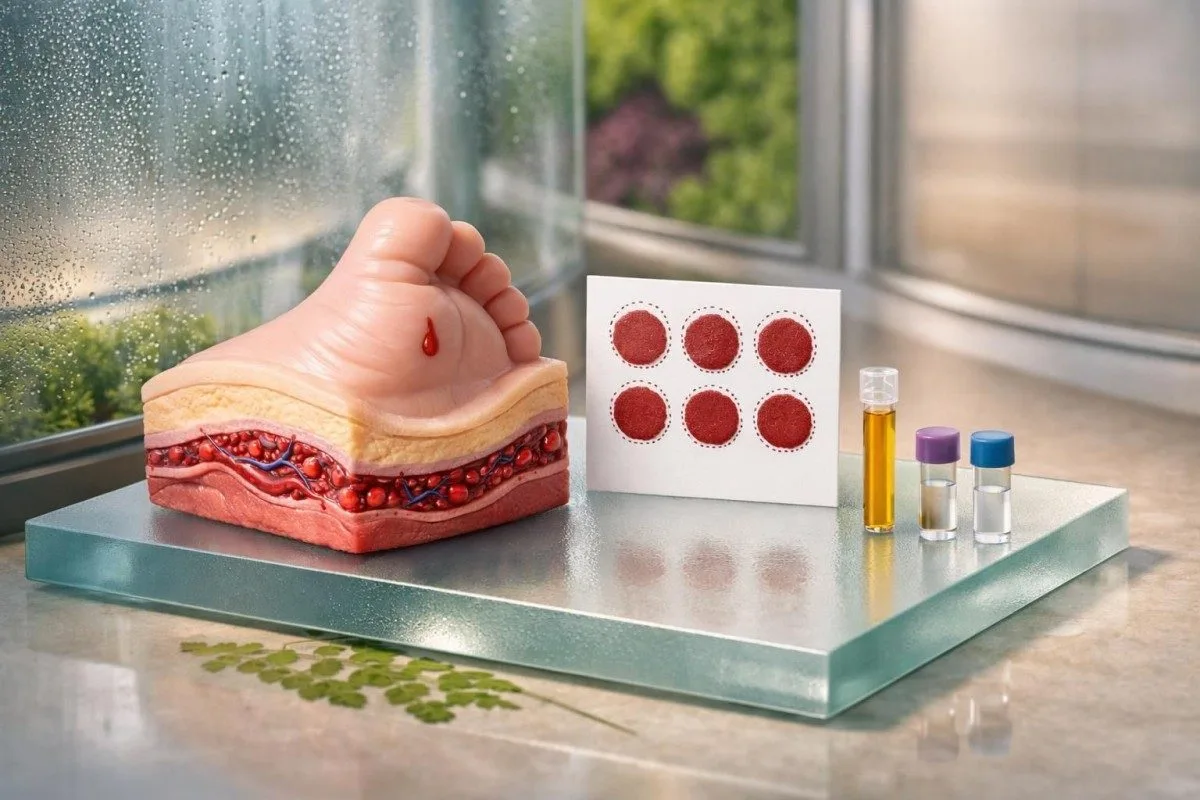
كۆپىنچە بوۋاقلار ئاتا-ئانىلارنىڭ ئويلىغىنىدىنمۇ ئاز قان تەكشۈرۈشى قىلىدۇ، ئەمما ۋاقىت ھەممىنى ئۆزگەرتىدۇ. تۆۋەندىكىسى تۇغۇلغاندىن كېيىنكى دەسلەپكى كۈنلەردە پاشا-ئېچىش (پاشا-ئېچىپ قان ئېلىش) ئارقىلىق ئېلىنغان تەكشۈرۈش، بىليروبىن ۋە قان تۈرىنىڭ ئەمەلىي مەنىسى.


- پاشا-ئېچىش ئېكرانى ئادەتتە 24-48 سائەت ئەتراپىدا ئەڭ يۇقىرى چوققىغا چىقىدۇ نۇرغۇن ئامېرىكا دوختۇرخانىلىرىدا ئېلىنىدۇ، ئەمما ئەنگلىيەدىكى ئادەتتىكى قان داغى كۆپىنچە كۈنى قىلىنىدۇ.
- پاشا-ئېچىشنى قايتا قىلىش بىرىنچى كارتا 24 سائەت, دىن بۇرۇن ئېلىنغان بولسا، ياخشى تويۇنمىغان بولسا ياكى قان كۆچۈرۈش ياكى TPN تەسىر قىلغان بولسا كۆپ ئۇچرايدۇ.
- بىليروبىن چوقۇم سائەت بويىچە ياش, تەرىپىدىن چۈشەندۈرۈلۈشى كېرەك، كالېندار كۈنى بويىچە ئەمەس؛; 1 mg/d L = 17.1 µmol/L.
- بالدۇر سېرىقلىق دەسلەپكى 24 سائەت نورمالسىز بولۇپ، ئوخشاش كۈنىلا بالىلار دوختۇرى تەرىپىدىن كۆرۈپ-باھالاشنى تەلەپ قىلىدۇ.
- بىۋاسىتە بىليروبىن يۇقىرى 1.0 mg/dL يېڭى تۇغۇلغان بوۋاقتا نورمالسىز بولۇپ، خولېستازنى تەكشۈرۈپ باھالاشقا سەۋەب بولۇشى كېرەك.
- قان گۇرۇپپىسى ۋە DAT نىشانلىق تەكشۈرۈشلەر بولۇپ، ھەر بىر بوۋاق ئۈچۈن ئادەتتىكى تەرتىپ ئەمەس؛ ئۇلار ئەڭ كۆپ ئانىلىق ئانتىتېلا ياكى بالدۇر سېرىقلىق (جاندىس) قان پارچىلىنىشنى (ھېمولېز) گۇمان قىلغاندا مۇھىم بولىدۇ.
- مۇسبەت يېڭى تۇغۇلغانلارنى تەكشۈرۈش نەتىجىسى دىئاگنوز دېگەنلىك ئەمەس؛ دەلىللەش خاراكتېرلىك تەكشۈرۈش ئادەتتە ئىچىدە سائەتتىن كۈنلەرگىچە بۇزۇلۇش/ئىمكانىيەتسىزلىككە (ئىمكانىيەتسىز كېسەلگە) باغلىق.
- جىددىي قىزىل بايراقلار تۆۋەن يېيىش، ھوشسىزلىق، قۇسۇش، تېمپېراتۇرا مۇقىمسىزلىقى ياكى داۋالاش بوسۇغىسىغا تەڭ ياكى ئۇنىڭدىن يۇقىرى بولغان بىليروبىن قىممىتىنى ئۆز ئىچىگە ئالىدۇ.
تۇغۇلغاندىن كېيىنكى دەسلەپكى كۈنلەردە يېڭى تۇغۇلغان بوۋاقلار قايسى قان تەكشۈرۈشىنى قىلىدۇ؟
يېڭى تۇغۇلغان بوۋاقلارنىڭ قان تەكشۈرۈشلىرى ئادەتتە ئۈچ خىل تۈركۈمگە بۆلىنىدۇ: a تاپانچە-ئېلىپ تەكشۈرۈلىدىغان يېڭى تۇغۇلغانلار قان تەكشۈرۈش ئەۋرىشكىسى ، a بىليروبىن سېرىقلىقنى (جاندىسنى) تەكشۈرۈش، ۋە قان گۇرۇپپىسى/DAT ئانىسىنىڭ قان گۇرۇپپىسى ياكى بوۋاقنىڭ كېسەللىك ئالامەتلىرى قان پارچىلىنىشنى (ھېمولېز) گۇمان قىلغاندا ئېلىپ بېرىلىدىغان تەكشۈرۈش. ئامېرىكىدىكى نۇرغۇن دوختۇرخانىلاردا تاپانچە-ئېلىپ تەكشۈرۈش گۇرۇپپىسى 24 تىن 48 سائەتكىچە; دە ئېلىنىدۇ؛ ئەنگىلىيەدە ئادەتتىكى قان نۇقتىسى كۆپىنچە كۈنى قىلىنىدۇ. دە ئېلىپ بېرىلىدۇ. بىليروبىن ئادەتتە دوختۇرخانىدىن چىقىشتىن بۇرۇن ياكى 24 تىن 72 سائەتكىچە توختىتىپ تۇرۇش كېرەكمۇ-يوقلۇقىنى سوراڭ.. دە تەكشۈرۈلىدۇ. كۆپىنچە ساغلام بوۋاقلارغا ئەمەس چوڭ كۆلەمدىكى چوڭ تومۇر قان گۇرۇپپىسى لازىم بولمايدۇ. ئاتا-ئانىلار كېيىنچە ئېلان قىلىنغان نەتىجىلەرنى Kantesti AI. بىلەن تەشكىللەپ كۆرەلەيدۇ. ئەگەر سىزگە ھامىلەلىكتىكى ئارقا كۆرۈنۈشنى بىلدۈرمەكچى بولسىڭىز، ئۇلارنى ئىلگىرىكى ھامىلەلىكتىكى تەكشۈرۈش ۋاقىت جەدۋىلى بىلەن سېلىشتۇرۇڭ..
نۇرغۇن ئاتا-ئانىلار ئۈچۈن تۇنجى ھەيران قالارلىق ئىش شۇكى، ساغلام مۇددەتلىك يېڭى تۇغۇلغان بوۋاق ئادەتتە چوڭلارنىڭ ئويلىغىنىدىن قان تەكشۈرۈشى ئاز بولىدۇ. مەن دوكتور توماس كلېين، MD، ۋە تۇغۇلغاندىن كېيىنكى ئايلانما تەكشۈرۈشلەردە ئادەتتە بۇ تەكشۈرۈشلەرنىڭ ئىختىيارسىز ئىزدەش ئۈچۈن ئەمەس، بەلكى دەسلەپكى كەم دېگەندە 72 سائەت, دە كۆرۈنمەيدىغان مەسىلىلەرنى تۇتۇش ئۈچۈن تاللىنىدىغانلىقىنى چۈشەندۈرۈپ ئۆتىمەن. بىزنىڭ گۇرۇپپىمىز بىز ھەققىدە بىز بۇ تەلەپكە ئاساسەن تەربىيەمىزنى شەكىللەندۈردۇق، چۈنكى ئۇ ھەر قېتىم دېسچارج كۈنىدە دېگۈدەك كۆپ قېتىم ئۇچرايدۇ.
بىليروبىن تەكشۈرۈشى تېرە مېتىرىدىن باشلىنىپ، ئوقۇش يۇقىرى چىققاندا، بوۋاق 24 سائەت ياشى كىچىك بولسا ياكى كۆكرەك/كۆكەرگەن يېرى ۋە ئوزۇق يېتەرسىزلىكى ساننىڭ ئىشەنچىلىك دەرىجىسىنى تۆۋەنلىتىۋەتسە، زەرداب (سېرۇم) غا ئۆتۈشى مۇمكىن. ئەگەر ياشقا خاس ئەھۋالنى بىلگۈڭىز كەلسە، بىزنىڭ ياش بويىچە بىليروبىن يېتەكچىمىز نېمە ئۈچۈن ئومۇمىي بىليروبىننىڭ 10 mg/dL بەزىدە كەم دېگەندە 72 سائەت نورمالدەك كۆرۈنىدىغان بولسىمۇ، ئەمما 18 سائەت.
دە كۆپلا ئەندىشىلىك بولىدىغانلىقىنى چۈشەندۈرىدۇ. قان گۇرۇپپىسى ۋە بىۋاسىتە ئانتىگلوبۇلىن تەكشۈرۈشى، كۆپىنچە ياكى DAT, Coombs قان تەكشۈرۈش نەتىجىسىنى توردا كۆرۈش بۇ تەرتىپنى چۈشىنىشكە ياردەم بېرىدۇ.
پاشا-ئېچىش ئارقىلىق يېڭى تۇغۇلغان بوۋاقلارنىڭ قان تەكشۈرۈشى: قان داغى ئەمەلىيەتتە نېمىنى تەكشۈرىدۇ
تاپاقتىن ئېلىنغان يېڭى تۇغۇلغان بوۋاق قېنىنى تەكشۈرۈش ئالامەتلەر كۆرۈلۈشتىن بۇرۇن ناھايىتى ئاز ئۇچرايدىغان، ئەمما ئېغىر كېسەللىكلەرنى ئىزدەيدۇ؛ ئېنىق تىزىملىك دۆلەت ۋە رايونغا باغلىق. ئامېرىكىدا نۇرغۇن دوختۇرخانىلار 24 تىن 48 سائەتكىچە; دە توپلايدۇ؛ ئەنگىلىيەدە ئادەتتىكى قان نۇقتىسى ئادەتتە كۈنى قىلىنىدۇ. دە ئېلىنىدۇ. 24 سائەت دىن بۇرۇن توپلانغان ئەۋرىشكە قايتا تەكشۈرۈش ئېھتىياجى تېخىمۇ كۆپ بولىدۇ.
كۆپىنچە ئاتا-ئانىلار تاپاقتىن سىناش بىرلا كېسەللىكنى تەكشۈرىدۇ دەپ ئويلايدۇ. ئۇ ئادەتتە قوشۇمچە ماسسا سپېكتروسكوپى، ئىممۇنى تەكشۈرۈش (immunoassay) ۋە مۇناسىۋەتلىك ئۇسۇللار ئارقىلىق بىر نەچچە ئانالىت ئەندىزىسىنى تەكشۈرىدۇ؛ شۇڭا بىر كارتا قالقانسىمان بەز، ئامىنو كىسلاتا، ماي كىسلاتاسى، گېموگلوبىن ۋە سىستىك فىبروز مەسىلىلىرىنى تەكشۈرەلەيدۇ. Watson قاتارلىقلار، 2006-يىلى ئامېرىكىدىكى بىردەك سەپ (uniform panel) ئۈچۈن ئاساس سالغان، ئەمما 2026-يىلى 21-ئاپرېلغىچە، دۆلەتلەرنىڭ ئەمەلىي تىزىملىكلىرى يەنىلا ئوخشىمايدۇ؛ بۇ تاپاقتىن سىناشنىڭ ئادەتتىكى چوڭلارچە سەپ (panel) دىن خېلى كەڭ بولۇشىدىكى بىر سەۋەب..
يالغان مۇسبەت نەتىجىلەر بالدۇر تۇغۇلغان ۋە NICU بوۋاقلىرىدا توپلىنىدۇ. 17-گىدروكىسىپروگېستېرون بېسىمغا ئۇچرىغان بوۋاقلاردا يۇقىرى چىقىپ كېتىشى مۇمكىن،, TSH نى ئاساس قىلغان سىستىك فىبروزنى تەكشۈرۈش… ئىممۇنىتېت رېئاكسىيەسى بار تىرىپسینوگېن دىئاگنوز ئەمەس. ئەگەر قىسقارتىلمىلار سىزگە چۈشەنچىسىز تۇيۇلسا، بىز قان تەكشۈرۈش قىسقارتىلمىلىرى يېتەكچىسى نەتىجە خېتىدە ئاتا-ئانىلار كۆرۈدىغان قىسقا شەكىللەرنى يېشىپ بېرىمىز.
نۇرغۇن تور بېكەتلەر ئۆتۈپ كېتىدىغان بىر تەپسىلات: تەكشۈرۈش كارتىسىنىڭ ئۆزىمۇ مەغلۇپ بولالايدۇ. قۇرۇپ قالغان داغ قەۋەتلىنىپ قالسا، ئۇيۇشۇپ قالسا ياكى قەغەزگە پەقەت قىسمەن سىڭىپ كەتكەن بولسا، ئۇ دائىم رەت قىلىنىدۇ؛ شۇنداقلا ئىئانە قىلىنغان قىزىل قان ھۈجەيرىسىنى ئالغان بوۋاق كېيىنچە قايتا تەكشۈرۈشقا ئېھتىياجلىق بولۇشى مۇمكىن، چۈنكى ئېكران بوۋاقنىڭ ئۆزىدىكى گېموگلوبىن ئەندىزىسىنى چۈشۈرۈپ قالماسلىقى مۇمكىن. بىزنىڭ داۋالاش مەسلىھەتچىلەر كومىتېتى Kantesti دىكى دوختۇرلىرىمىز ئائىلىلەرنى خاتىرجەم قىلىشقا نۇرغۇن ۋاقىت سەرپ قىلىدۇ: قايتا كارتىنى تەكشۈرۈش كۆپ ئۇچرايدىغان سۈپەت كونترول قىلىش، يامان خەۋەر ئەمەس.
نېمىشقا ئىككىنچى پاشا-پۇت (پاشا) تومۇرىنى چاقىپ ئېلىش بەزىدە ئادەتتىكى ئىش؟
يىغىپ ئېلىنغاندىن كېيىن، 24 سائەت, ، مۇھىم دەرىجىدە قان قۇيۇلغاندىن كېيىن ياكى TPN تەسىر قىلغان بولسا كۆپ ئۇچرايدۇ ئامىنو كىسلاتا بەلگىلىرىنى بۇزۇپ كۆرسەتكەندە ئىككىنچى ئېكران ئادەتتىكى ئىش. 3 تىن 7 كۈن, دا، يەنى ئادەتتە.
بىليروبىننى تەكشۈرۈش ۋە يېڭى تۇغۇلغان بوۋاقلار سېرىقلىق كېسىلى: ساننىڭ قاچان ئەھمىيەتلىك بولىدىغانلىقى
بىليروبىن بوۋاقنىڭ 24 دىن 72 سائەتكىچە بولغان ئارىلىقتا تەكشۈرۈلىدۇ, ، ياكى بوۋاق شۇنىڭدىن بۇرۇن سېرىق كۆرۈنسە تېخىمۇ بالدۇر. سان پەقەت بوۋاقنىڭ سائەت بويىچە ياش, ، ھامىلىدارلىق يېشى ۋە خەتەر ئامىللىرى بىلەن بىللە مەنىلىك بولىدۇ. 18 سائەت دا سېرىقلىققا گىرىپتار يېڭى تۇغۇلغان بوۋاق 78 سائەتتىكىدىن پۈتۈنلەي باشقا بىمار..
AAP ۋە NICE ھەممىگە نىسبەتەن بىرلا «نورمال دائىرە» بىلەن ئەمەس، بەلكى ياشقا خاس بوسۇغا ئارقىلىق ئومۇمىي بىليروبىن نى چۈشەندۈرىدۇ. 2022-يىلدىكى AAP يېتەكچىلىكىدە، تېرىدىن ئوقۇش فوتوتېراپىيە بوسۇغىسىغا 3 mg/dL يېقىن بولغاندا ياكى تېرىدىن ئوقۇش HDL ياكى ئۇنىڭدىن يۇقىرى بولغاندا (Kemper et al., 2022) زەرداب بىليروبىن تەۋسىيە قىلىنىدۇ؛ بىزنىڭ بىليروبىننى كېيىنكى قېتىم ئىز قوغلاش يېتەكچىمىز كېيىنكى قەدەمدە نېمە ئىش بولىدىغانلىقىنى چۈشەندۈرىدۇ.
A بىۋاسىتە بىليروبىن يۇقىرى 1.0 mg/dL سېرىقلىققا گىرىپتار يېڭى تۇغۇلغان بوۋاقتا نورمالسىز بولۇپ، ئومۇمىي بىليروبىن ھەيران قالارلىق دەرىجىدە بولمىسىمۇ، خولېستاز ئۈچۈن دەرھال باھالاشقا موھتاج. بىر ئەمەلىي ئۇسۇل: نى ئىشلىتىدۇ. 1 mg/dL 17.1 µmol/L غا تەڭ., ، شۇڭا ئومۇمىي بىليروبىن of 12 mg/dL تەخمىنەن 205 مىكرو مول/ل. ئاتا-ئانىلار پورتالدا كۆپىنچە قۇرامىغا يەتكەنلەرنىڭ پايدىلىنىش دائىرىسى بەلۋاغلىرىغا قاراپ قالغاندا، بىزنىڭ بۇ ماقالىمىزدىن پايدىلىنىشى مۇمكىن: چېگرىلىق تەزىم قىممەت.
ئەڭ كۆپ ئەندىشە قىلىدىغان ئەھۋال — تۇغۇلۇشتىن بۇرۇنقى دەسلەپكى مەزگىلدە سېرىقلىق (جاندىس) كۆرۈلگەندە، بولۇپمۇ 24 سائەت, دە، بىليروبىن تەخمىنەن ھەر سائەتتە 0.3 mg/dL دىن تېز كۆتۈرۈلگەندە ياكى سائىتىگە 0.2 mg/dL دىن تېز كۆتۈرۈلگەندە. شۇنىڭدىن كېيىن. NICE, 2023 ۋە Kemper et al., 2022 ھەر ئىككىسى سائەت بويىچە ياشنى تەكىتلەيدۇ، چۈنكى 36 ھەپتىلىك بوۋاق 30 سائەتتە ۋە بىر 40 ھەپتىلىك بوۋاق كەم دېگەندە 72 سائەت بوۋاق بىلەن ئوخشاش خەتەر ئەگرى سىزىقىنى ئورتاقلاشمايدۇ. بەزى ياۋروپا تەجرىبىخانىلىرى يەنىلا بىۋاسىتە بىليروبىن ئۈچۈن كونا قائىدىنى تىلغا ئالىدۇ، ئەمما مېنىڭ تەجرىبەمگە ئاساسلانغاندا، ئۇنى ساقلاش خولېستازنى تونۇشنى ئاستىلىتىپ قويىدۇ. 20% ئومۇمىي زەرداب بىليروبىن بىلەن تېرە بىليروبىن.
زەرداب بىليروبىن بىلەن تېرە بىليروبىن
تېرە بىليروبىن ئۆلچەش ئەسۋابلىرى ناھايىتى ياخشى سىيرىش (screening) قوراللىرى، بولۇپمۇ چىقىرىۋېتىشتىن بۇرۇن، ئەمما داۋالاش بوسۇغىسىغا يېقىن ياكى فوتوتېرەپىيە جەريانىدا زەرداب داۋالاش قارارىنى چىقىرىدىغان سىناق ھېسابلىنىدۇ. ئەمەلىي سەۋەب ئاددىي: بوسۇغىدا 14 دىن 16 mg/dL گىچە بولغان داۋالاش قارارى، بەزىدە تېرە ئارقىلىق مۆلچەر قىلىش ئۇنچە ئېنىقلىق بىلەن تەمىنلىيەلمەيدۇ.
قان تۈرى، Rh ۋە Coombs تەكشۈرۈشى: كىمگە قىلىنىدۇ ۋە نېمىشقا
قان تىپى ۋە Coombs سىنىقى ھەر بىر يېڭى تۇغۇلغان بوۋاققا ئاپتوماتىك قىلىنمايدۇ. ئۇ كۆپىنچە ئانا O تىپ, Rh-مانفىي, بولغاندا، ئانتىتېلا تەكشۈرۈش نەتىجىسى مۇسبەت بولغاندا ياكى بوۋاق بالدۇر سېرىقلىق، رەڭگى سۇسلىشىش (pallor) ياكى ئانېمىيە تەرەققىي قىلغاندا تەلەپ قىلىنىدۇ.
قان تومۇر قېنى بۇ باسقۇچ ئۈچۈن دائىم يېتەرلىك بولىدۇ، شۇڭا ئاتا-ئانىلار ھەتتا باشقا بىر ئەۋرىشكىنىڭ ئىشلىتىلىۋاتقانلىقىنىمۇ سەزمەسلىكى مۇمكىن. كۆپ ئۇچرايدىغان ئەھۋال ئانانىڭ O تىپى بىلەن بوۋاقنىڭ ... A يا B, ، ABO ماسلاشماسلىقىنى كەلتۈرۈپ چىقىرىپ، بالدۇر بىليروبىننىڭ كۆپىيىشىگە سەۋەب بولالايدۇ؛ بىزنىڭ يېڭى تۇغۇلغان بوۋاقلارنىڭ قان تىپلىرى يېتەكچىسى بۇ ئەندىزە ئەتراپىدىكى گېماتولوگىيەلىك ئىشارەتلەرنى چۈشەندۈرىدۇ.
مۇسبەت قان گۇرۇپپىسى ۋە بىۋاسىتە ئانتىگلوبۇلىن تەكشۈرۈشى، كۆپىنچە ئانتىتېلا ۋاسىتىلىك گېمولىزنى قوللايدۇ، ئەمما ئۇ ئېغىرلىق دەرىجىسىنى ناھايىتى ياخشى ئالدىن پەرەز قىلمايدۇ. مەن DAT-مۇسبەت بوۋاقلارنىڭ پەقەت قوشۇمچە بىليروبىن تەكشۈرۈشىدىن باشقا نەرسە لازىم بولمىغانلىقىنى كۆردۈم، يەنە مەن ABO ماسلاشماسلىقىدىن ئېنىق گېمولىز بار DAT-مەنپىي بوۋاقلارنىمۇ كۆردۈم. كۆپىيىۋاتقان رېتىكۇلوسىت سانى ۋە تۆۋەنلەۋاتقان ھېموگلوبىن كۆپىنچە بىزگە Coombs نەتىجىسىنىڭ ئۆزىدىنمۇ كۆپرەك ئۇچۇر بېرىدۇ؛ شۇڭا بىزنىڭ رتېكۇلوكىت سانى (reticulocyte count) يېتەكچىسى ئانېمىيە كۆرۈنۈشكە كىرگەندە ياردەم بېرىدۇ.
Rh كېسىلى ھازىر ئانتى-D ئالدىنى ئېلىش (prophylaxis) ئىشلەۋاتقانلىقى ئۈچۈن ئاز ئۇچرايدۇ، ئەمما ئۇ يوقاپ كەتمىگەن؛ شۇنداقلا anti-c ياكى anti-E قاتارلىق D بولمىغان ئانتىتېلالارمۇ يەنىلا مۇھىم بولالايدۇ. شۇڭا بىز بوۋاقنىڭ ABO تىپى بىلەنلا توختاپ قالماي، ئانانىڭ ئانتىتېلا تەكشۈرۈش (screen) نى سورايمىز. بىز بالدۇر يارۇغلىق (jaundice) بىلەن ئانېمىيەدىن ئەنسىرەيدىغان سەۋەب شۇكى، بۇ ئىككىسى بىرگە كەلگەندە ئاكتىپ قىزىل قان ھۈجەيرىسىنىڭ پارچىلىنىشىنى كۆرسىتىدۇ؛ بىراق پەقەت يېنىك دەرىجىدىكى يارۇغلىقنىڭ ئۆزى كۆپىنچە فىزىئولوگىيەلىك بولىدۇ.
قايسى نورمالسىز نەتىجىلەر قايتا تەكشۈرۈلىدۇ — ۋە نېمىشقا
قايتا تەكشۈرۈش نورمالسىز يېڭى تۇغۇلغان نەتىجىدىن كېيىن كۆپ ئۇچرايدۇ، قايتا تەكشۈرۈش ئەمەس دىئاگنوزنىڭ جەزملەنگەنلىكىنى بىلدۈرمەيدۇ. تەجرىبىخانىلار ئەگەر ئەۋرىشكە بەك بالدۇر ئېلىنغان بولسا، كارتا سۈپىتى ناچار بولسا، قىممەت چېگراغا (cutoff) يېقىن ئولتۇرۇپ قالسا ياكى NICU ئامىللىرى (مەسىلەن قان قۇيۇش ۋە TPN) تەكشۈرۈشنى بۇرمىلاپ قويىدىغان بولسا قايتا تەكرارلايدۇ.
كۆپىنچە نورمالسىز screen لارنى جەزملەشتۈرگۈچى تەكشۈرۈش, ، دەرھال داۋالاش ئەمەس. چېگرادىن سەل يۇقىرى/تۆۋەن كەلگەن تۇغما تىروئىد يېتىشمەسلىكىنى تەكشۈرۈش ئادەتتە TSH ۋە ئەركىن T4 نى تۆۋەنلەتەلەيدۇ 24 تىن 72 سائەتكىچە توختىتىپ تۇرۇش كېرەكمۇ-يوقلۇقىنى سوراڭ., نى كەلتۈرۈپ چىقىرىدۇ، چېگرادىن سەل يۇقىرى/تۆۋەن بولغان مېتابولىزىم بەلگىلىرى كۆپىنچە قايتا قۇرۇتۇلغان داغ (dried spot) ياكى پلازما ئامىنو كىسلاتالىرىنى تەكرار تەكشۈرۈشكە ئېلىپ كېلىدۇ. قىممەتنىڭ يۇقىرى-تۆۋەن بولۇپ ئۆزگىرىۋاتقان-ئۆزگەرمەيدىغانلىقىنى چۈشەنمەكچى بولغان ئاتا-ئانىلار بىزنىڭ تەجرىبىخانا سېلىشتۇرۇش يېتەكچىسىدىكى لوگىكىنى كۆرەلەيدۇ..
قان قۇيۇش (Transfusions) ۋاقىت جەدۋىلىنى ناھايىتى ئېنىق شەكىلدە ئۆزگەرتىدۇ. ئەگەر donor نىڭ قىزىل قان ھۈجەيرىلىرى screen دىن بۇرۇن بېرىلگەن بولسا، ھېموگلوبىن كېسەللىكىنى تەكشۈرۈشنى تەخمىنەن 90 دىن 120 كۈن كېيىن قايتا قىلىشقا توغرا كېلىشى مۇمكىن، چۈنكى donor ھۈجەيرىلىرى ۋاقىتلىق ھالدا سىكلې-سېل (sickle cell) ياكى باشقا ھېموگلوبىن تۈرلىرىنى يوشۇرۇپ قويالايدۇ. بىزنىڭ قان تەكشۈرۈش تارىخى سىزگە بۇ كېچىكتۈرۈلگەن قايتا تەكشۈرۈشلەرنى توغرا رەتلەشتە پايدىلىق.
بىليروبىننى قايتا تەكشۈرۈش تېخىمۇ تېز بولىدۇ. ئەگەر بىر قىممەت داۋالاش لىنىيەسىدىن بىر نەچچە mg/dL ئىچىدە ئولتۇرۇپ قالسا، كۆپىنچە بوۋاقلار ئامبۇلاتورىيىلىرى (nurseries) كېلەر ھەپتە ئەمەس، بەلكى 4 دىن 24 سائەت, ئىچىدە قايتا تەكشۈرىدۇ؛ بۇ كۆزنەكنىڭ قىسقا ئۇچىنى كۆپىنچە ئوزۇقلاندۇرۇش سۈپىتى بەلگىلەيدۇ. بىزنىڭ Kantesti دىكى تەھلىل خىزمەت ئېقىمىمىزدا، يۈزلىنىش (trend) ۋە بوۋاقنىڭ سائەت ھېسابىدىكى يېشى سىزگە بىرلا قىزىل رەڭلىك ساندىنمۇ كۆپ نەرسىنى بىلدۈرىدۇ.
NICU تەكرار تەكشۈرۈشلەر ھەمىشە كېلىشىمگە قوشۇپ قويۇلىدۇ
بالدۇر تۇغۇلۇش، IV ئوزۇقلاندۇرۇش ۋە كېسەللىك تەكرار ئېكراننى تېخىمۇ كۆپ ئۇچرىتىدۇ، ھەتتا بوۋاق مۇقىم بولسىمۇ. بەزى بۆلۈملەر تەكرار قىلىدۇ 2 ھەپتە ياكى ئەتراپىدا قايتا تەكشۈرىمەن. 36 ھەپتە تۈزىتىلگەن ياشتا چۈنكى بالدۇر تۇغۇلغان بوۋاقلاردا كېچىكىپ كېلىدىغان ئىچكى ئاجراتما ئۆزگىرىشلەر ۋە يالغان-مۇسبەت مېتابولىزم بەلگىلىرى كۆپ ئۇچرايدۇ.
نورمالسىز يېڭى تۇغۇلغان بوۋاقلارنىڭ قان تەكشۈرۈش نەتىجىسى قاچان ئالدىنقى كۈنىلا (ئوخشاش كۈندە) جىددىي ئىز قوغلاشنى تەلەپ قىلىدۇ
جىددىي كېيىنكى تەكشۈرۈش بوغماق (سارغىيىش) ئۈچۈن لازىم ، تەخمىنەن, ، داۋالاش بوسۇغىسىغا تەڭ ياكى ئۇنىڭدىن يۇقىرى بولغان بىليروبىن، نورمالسىز يېڭى تۇغۇلغانلار ئېكرانى + كېسەللىك ئالامەتلىرى، ياكى ھەر قانداق بوۋاق ئۇيقۇچان، ئويغىتىش تەس، قۇسۇش، ياكى ياخشى ئوزۇقلانماسلىق بولسا. كۆپىنچە مۇسبەت ئېكران كارتىلىرى ئۆز ئالدىغا «تۈن ئوتتۇرىسىدىكى جىددىي ئەھۋال» ئەمەس، ئەمما ئالامەتلەر كۆرۈنۈشنى تېز ئۆزگەرتىدۇ.
«قىزىل بايراق» لار خېلى ئېنىق: بوغماق (سارغىيىش) 24 سائەت, دىن بۇرۇن، ئۇيقۇچانلىقنىڭ كۈچىيىشى، ئاجىز سۈمۈرۈش، يۇقىرى ئاۋازلىق يىغلاش، ئارقىغا ئېگىلىش، تېمپېراتۇرا مۇقىمسىزلىقى، ياكى سۈيدۈك-نەجاسەت چىقىرىشىنىڭ تۆۋەن بولۇشى. بۇ ئالامەتلەر ئوتتۇرا دەرىجىلىك بىليروبىن مەسىلىسىنى جىددىي ئەھۋالغا ئايلاندۇرالايدۇ، شۇڭا بىزنىڭ قان تەكشۈرۈش ئالامەتلىرىنى دېكودلىغۇچ پەقەت تەجرىبىخانا نومۇرىدىنلا باشلانمايدۇ؛ ھەرىكەت ۋە ئوزۇقلاندۇرۇشتىن باشلىنىدۇ.
مېتابولىزم ئېكرانى ئۈچۈن، خەتەرلىك بىرىكمە — مۇسبەت نەتىجە + قۇسۇش، تېز نەپەس ئېلىش، تۇتقاقلىق، ياكى ھەرىكەتسىز/ئاجىزلىق (limpness) قاتارلىق ئالامەتلەر. ئوزۇقلاندۇرغاندىن كېيىن تەخمىنەن 45 mg/dL گە چۈشۈپ قالغان داۋاملىق قان قەندى (گلوكوز) يېڭى تۇغۇلغان بوۋاقتا دەرھال دوختۇر/كلېنىتسىست تەرىپىدىن تەكشۈرۈلۈشى كېرەك، ھەمدە ئۈچۈن مۇسبەت ئېكران, ئۇرېيە (ئۇرىيە) ھالقىسى قالايمىقانچىلىقى, ، ياكى ماي كىسلاتاسى ئوكسىدلىنىش قالايمىقانچىلىقى بوۋاق ئۆزىنى ياخشى ھېس قىلمايدىغاندەك كۆرۈنسە تېخىمۇ جىددىيلىشىدۇ.
باغلانغان بوغماق (conjugated jaundice) نىڭ ئۆزىگە خاس ئاگاھلاندۇرۇش قوڭغۇرىقى بار. بىۋاسىتە بىليروبىن يۇقىرى 1.0 mg/dL, ، بولۇپمۇ ئاقارغان نەجاسەت ياكى قېنىق سۈيدۈك بىلەن بىللە بولسا، ئادەتتىكى زىيانسىز يېڭى تۇغۇلغان بوغماق ھېكايىسى ئەمەس ۋە ئادەتتىكى قېتىملىق كۆرۈشنى ساقلىماسلىقى كېرەك.
ۋاقىت، ئوزۇقلاندۇرۇش، بالدۇر تۇغۇلۇش (prematurity) ۋە قان قۇيۇشلارنىڭ يېڭى تۇغۇلغان نەتىجىلەرنى قانداق ئۆزگەرتىدىغانلىقى
ۋاقىت ئۆزگىرىشىنىڭ تەبىرى چۈنكى يېڭى تۇغۇلغان بوۋاقنىڭ فىزىئولوگىيەسى ھەر سائەتتە ئۆزگىرىدۇ. بالدۇر تۇغۇلۇش، كۆكرەك/كۆكەرگەن جاراھەت، يېمەك كېچىكىش، قىزىل ھۈجەيرە ترانسفۇزىيىسى ۋە ئومۇمىي پارېنترال ئوزۇقلاندۇرۇشنىڭ ھەممىسى تەكشۈرۈش كۆرسەتكۈچلىرىنى يېتەرلىك دەرىجىدە يۆتكىيەلەيدۇ؛ نەتىجە ئىزدىھاسىز ئوقۇلسا يالغان ئاگاھلاندۇرۇش ياكى سىگنالنى قولدىن بېرىپ قويۇشنى كەلتۈرۈپ چىقىرىدۇ.
بالدۇر تۇغۇلۇش بىر قانچە كۆرسەتكۈچنى ئەتراپقا سۈرۈپ قويىدۇ. 17-گىدروكىسىپروگېستېرون بالدۇر تۇغۇلغان بوۋاقلاردا داڭلىق ھالدا يۇقىرى بولۇپ، يالغان-مۇسبەت تۇغما بۆرەك ئۈستى بېزى كېسەللىكى (congenital adrenal hyperplasia) تەكشۈرۈشلىرىنى كۆپەيتىدۇ؛ بەزى ئورۇنلار بولسا قالايمىقان كېچىكىپ قالغان TSH ئۆرلەش مۆلچەردىن كېيىن كۆرۈلۈپ قېلىشى مۇمكىن. بۇ بېسىلغان بەلگە نېمىشقا ئادەمنى ئازدۇرالايدىغانلىقىنىڭ تىپىك مىسالى؛ بىز بۇنى نورمال دائىرىلەر سىزنى ئالداپ قويالايدىغانلىقىنى.
يەنە بىر تەرەپتىن، يېمەك بېرىش ۋە IV ئوزۇقلاندۇرۇشنىڭمۇ رولى بار. سۈتنىڭ يۆتكىلىشى ناچار بولسا چوڭ تەرەت قىلىشنى كېچىكتۈرىدۇ ۋە ئېنتېرو-باۋىر (enterohepatic) بىليروبىننىڭ قايتا ئايلىنىشىنى ئاشۇرىدۇ؛ شۇنىڭ بىلەن بىللە TPN تەسىر قىلغان بولسا كۆپ ئۇچرايدۇ ئامىنو كىسلاتا نەتىجىلىرىنى يېتەرلىك دەرىجىدە يۆتكىۋېتىپ، يېڭى تۇغۇلغانلار تەكشۈرۈشىنى يەم-خەشەك ئورنىتىلغاندىن كېيىن قايتا قىلىشقا توغرا كېلىدۇ. ئاتا-ئانىلار ھەمىشە بىر نەتىجىنىڭ تېخنىكىلىق جەھەتتىن نورمالسىز بولسىمۇ، فىزىئولوگىيە جەھەتتىن چۈشەندۈرگىلى بولىدىغانلىقىدىن ھەيران قالىدۇ؛ شۇڭا بىزنىڭ قان خىمىيەسىگە ئومۇمىي چۈشەنچە داۋاملىق «context» نى تەكىتلەيمىز.
ترانسفۇزىيەلەر ئۇنتۇلۇپ قالىدىغان چوڭ قالايمىقان ئامىل. دونور ھۈجەيرىلىرى ۋاقىتلىق ھالدا ئېكراندا ھەمۇگلوبىننىڭ كۆرۈنۈشىنى نورماللاشتۇرۇپ قويالايدۇ؛ فوتوتېراپىيە بولسا تېرە بىليروبىن ئۆلچەگۈچلىرىنىڭ ئاشكارىلانغان تېرە ئۈستىدە ئىشەنچلىكلىكىنى تۆۋەنلىتىۋېتىدۇ. ئەمەلىيەتتە، مەن ۋاقىت تامغىسى، يېمەك بېرىش ھېكايىسى ۋە داۋالاش ۋاقىت لىنىيەسىنى ئانالىتنىڭ ئۆزىگە قارىغاندا تېخىمۇ كۆپ ئىشەنچلىك دەپ قارايمەن.
ئاتا-ئانىلار دوكلاتنى قانداق ئوقۇپ، يالغان ئاگاھلاندۇرۇشنى بەك كۆپ چاقىرىپ قويماسلىقى كېرەك
ئاتا-ئانىلار يېڭى تۇغۇلغانلارنىڭ نەتىجىلىرىنى چوڭلارنىڭ تەجرىبىخانە دوكلاتلىرىدىن باشقىچە ئوقۇشى كېرەك. ئالدى بىلەن بوۋاقنىڭ سائەت بويىچە ياش, ، ئەۋرىشكىنىڭ كاپىللارمۇ ياكى زەردابمۇ, ئىكەنلىكى، شۇنداقلا دوكلاتتا تەكشۈرۈش مۇسبەت, چېگرادىن ئازراق يانداش, ، ياكى جەزملەشتۈرگۈچى تەكشۈرۈش. دىكى ئىشلەتكۈچىلەر ئۈچۈن شۇنداق قىلىدۇ. بىزنىڭ Kantesti سۈنئىي ئەقىل قان تەكشۈرۈش ئانالىزاتورى, دەپ يېزىلغان-يېزىلمىگەنلىكى سورىلىدۇ؛ بىز نەتىجىنى خۇلاسىلەشكە ئۇرۇنۇشتىن بۇرۇن بۇ «context» ئىشارەتلىرىنى ئوقۇش ئۈچۈن خىزمەت ئېقىمىنى قۇردۇق.
چوڭلار پورتىلى دائىرىلىرى بىر تۇزاق. ئومۇمىي بىليروبىننىڭ 7 mg/dL كۆپىنچە چوڭلارنىڭ چېكىدىن يۇقىرى، ئەمما 2-3 كۈنلۈك مۇددەتلىك بوۋاقتا نورمال ئادەتكە ئايلىنىپ قالىدۇ؛ ئەمما ئوخشاش سان 12 سائەت بولسا باشقا بىر ئىش. Kantesti غا يوللانغان تېخىمۇ كەڭ دوكلاتلار ئارىسىدا، چوڭلار دائىرىسىدىكى قالايمىقانچىلىق ئاتا-ئانىلارنىڭ نورمال يېڭى تۇغۇلغان بوۋاقنىڭ ئۆزگىرىشىنى خەتەرلىك دەپ ئويلىشىدىكى ئەڭ كۆپ سەۋەبلەرنىڭ بىرى؛ بۇ ياشقا مۇناسىۋەتلىك لوگىكا بىزنىڭ داۋالاشنى دەلىللەش ئۆلچەملىرى.
بىرلىكلەر ئاتا-ئانىلارنى دائىم قالايمىقان قىلىدۇ. دوكلاتتا µmol/L, ، 17.1 نى ئىشلىتىپ mg / dL; نى مۆلچەرلەيدىغان بولسا؛ ئەگەر mg/dL ئىشلىتىلسە، ئۇنى 17.1 نى ئىشلىتىپ µmol/L. گە كۆپەيتىڭ. تەجرىبىخانا PDF لارىنى يوللايدىغان ئائىلىلەر ئۈچۈن، بىزنىڭ بىخەتەر PDF نى قانداق ئوقۇش يېتەكچىمىز توپلاش ۋاقتى ۋە ئەۋرىشكە تۈرىنىڭ ئوقۇشقا قانداق تەسىر قىلىدىغانلىقىنى كۆرسىتىدۇ.
مەن، دوكتور توماس كلېين، يېڭى تۇغۇلغان بوۋاق دوكلاتىنى تەكشۈرگەندە، قىزىل سىنبەلگىنى كۆرۈشتىن بۇرۇن سكرېن دېگەن سۆزنى ئىزدەيمەن. ئېكران سىزگە خەتەرنىلا كۆرسىتىدۇ، دىئاگنوزنى ئەمەس. ئەگەر سىزدە تەجرىبىخانا جەدۋىلىنىڭ پەقەت تېلېفون رەسىمىلا بولسا، بىزنىڭ رەسىم سىكانىرلاشنى چۈشەندۈرگۈچىسى AI نىڭ نېمىنى بىخەتەر ھالدا پەرەز قىلالايدىغانلىقى ۋە قىلالمايدىغانلىقىنى — شۇنداقلا نېمىشقا ھەتتا ئۇيقۇسىز ياكى سېرىقلىققا گىرىپتار بولغان يېڭى تۇغۇلغان بوۋاقمۇ ئالدى بىلەن ھەقىقىي دۇنيادىكى داۋالاش پەرۋىشىگە موھتاجلىقىنى كۆرسىتىدۇ.
نورمالسىز يېڭى تۇغۇلغان نەتىجىدىن كېيىن بالىلار دوختۇرىڭىزدىن سورايدىغان سوئاللار
يېڭى تۇغۇلغان بوۋاقنىڭ نەتىجىسى نورمالسىز چىققاندىن كېيىن، ئەڭ ياخشى كېيىنكى قەدەم — بالىلار دوختۇرلار گۇرۇپپىڭىز بىلەن قىسقا ۋە ئېنىق تېلېفون قىلىش. نېمە نورمالسىز بولغانلىقىنى، ئۇنىڭ چېكىدىن قانچىلىك يىراقلىقىنى، نەتىجىنىڭ سكرېن ياكى a دىئاگنوز قويۇش تەكشۈرۈشى, ئىكەنلىكىنى ۋە قاچان تەكرارلاش ياكى دەلىللەش ئەۋرىشكىسى كېلىدىغانلىقىنى سوراڭ.
ئالدى بىلەن تۆت نەرسىنى سوراڭ: قايسى ئېنىق ئانالىت نورمالسىز بولغانلىقى، ئۇنىڭ چېكىدىن قانچىلىك يىراقلىقى، بۇنىڭ سكرېن ياكى a دىئاگنوز قويۇش تەكشۈرۈشى, ئىكەنلىكى ۋە كېيىنكى ئەۋرىشكىنى قاچان ئېلىش كېرەكلىكى. بىزنىڭ Kantesti بىلوگى, دا يەنە كۆپ كېيىنكى چۈشەندۈرگۈچىلەر بار، ئەمما پەقەت شۇ تۆت سوئالنىڭ ئۆزىلا نۇرغۇن قالايمىقانچىلىقلارنى توسىدۇ.
ئاندىن ئالدىراشلىقنى نېمە ئۆزگەرتىدىغانلىقىنى سوراڭ. ئاتا-ئانىلار ناچار ئوزۇقلىنىش بار-يوقلۇقىنى، تەخمىنەن 3 تىن 4 گىچە تۇنجى كۈنلەردىن كېيىنكى نەم ئىشتانلار، توختىماي قۇسۇش، ياكى كۆكرەك ياكى پۇتلارنىڭ تېخىمۇ سېرىقلىشىشى بولسا، ئۇنداقتا ئۇچرىشىشنى ئەتەدىن بۈگۈنكىگە يۆتكەڭ. ئەگەر قايتا تەكشۈرۈشنى كۈتۈۋاتقان بولسىڭىز، بىزنىڭ ماقالىمىز قان تەكشۈرۈش نەتىجىلىرىنىڭ قانچىلىك ۋاقىتتا كېلىدىغانلىقى رېئال مۆلچەرنى بەلگىلەپ بېرىدۇ.
بۆلۈم خۇلاسىسىنى، ئانانىڭ قان تىپى (maternal blood type) نى، ھەر قانداق فوتوتەراپىيا خاتىرىسىنى ۋە يەم-خەشەك تىزىملىكىنى ئېلىپ كېلىڭ. NICU بوۋاقلىرى ئۈچۈن، ئەۋرىشەم ئېلىنغان ۋاقىتتا قان ئالماشتۇرۇش ۋاقتىنى ۋە TPN ئىشلىتىلىۋاتقان-ۋاتمىغانلىقىنى قوشۇڭ؛ بۇ ئىككى تەپسىل بوغۇز (borderline) ئېكرانلارنى مەن ئاتا-ئانىلار ئويلىغاندىنمۇ كۆپ قانداق چۈشەندۈرۈشىمگە تەسىر كۆرسىتىدۇ.
Kantesti قانداق قىلىپ يېڭى تۇغۇلغان نەتىجىلەرنى تەشكىللەيدۇ — ۋە ئۇنىڭ ئارقىسىدىكى تەتقىقات يولى
Kantesti ئاتا-ئانىلارنىڭ ئېلان قىلىنغان يېڭى تۇغۇلغان بوۋاقلارنىڭ تەجرىبىخانا دوكلاتلىرىنى تەشكىللەش، ئورۇنلارنى (units) ئۆزگەرتىش ۋە قايتا تەكشۈرۈش قىممەتلىرىنى ئىز قوغلاشقا ياردەم بېرەلەيدۇ، ئەمما جىددىي يېڭى تۇغۇلۇش قارارلىرى يەنىلا بوۋاقنىڭ دوختۇرى ياكى جىددىي قۇتقۇزۇش بۆلۈمىگە تەۋە. بىزنىڭ رولى نەتىجە بار بولغاندىن كېيىن تەرجىمە قىلىش ۋە يۈزلىنىشنى (trend) تونۇش؛ ئۇ bilirubin nomogram نى ياكى مېتابولىزىم مۇتەخەسسىسىنى ئالماشتۇرۇش ئەمەس.
بۇ پەرق مۇھىم. بىزنىڭ دوختۇرلىرىمىز بالىلاردا كلىنىكىلىق ئەمەلىيەتتە AI تەجرىبىخانا نەتىجىسىنى چۈشەندۈرۈش شۇنداق قىلىپ، خەۋپى يۇقىرى ئالامەتلەر ۋە يېشقا مۇناسىۋەتلىك بالىلار نەتىجىلىرىنى ئېھتىيات بىلەن بىر تەرەپ قىلىدۇ؛ ئۇلارنى ئادەتتىكى چوڭلار قائىدىلىرىگە ئوخشاشلاپ قويمايدۇ.
2026-يىلى 21-ئاپرېلغا قەدەر،, سۈنئىي ئەقىل ئارقىلىق قان تەكشۈرۈش چۈشەندۈرۈشى نى Kantesti دىن كۆپ 2 مىليون ئىشلەتكۈچى ئۇدۇلدىن 127+ دۆلەت ۋە 75+ تىل, ، بىزنىڭ سىستېمىمىز تەخمىنەن 60 سېكۇنتتا. ئىچىدە PDF ياكى رەسىمنى ئوقۇيالايدۇ. بىزنىڭ CE بەلگىسى، HIPAA، GDPR ۋە ISO 27001 كونتروللىرى مۇھىم، چۈنكى يېڭى تۇغۇلغان بوۋاقلارنىڭ تەجرىبىخانا دوكلاتلىرى سەزگۈر ئائىلە سانلىق مەلۇماتى؛ گەرچە بىزنىڭ سىستېمىمىز 15,000+ بىئوماركىرلىرى, نى تەھلىل قىلالىسىمۇ، يېڭى تۇغۇلغان بوۋاقلاردا ئىشلىتىش ئادەتتە ئورۇن ئۆزگەرتىش، يۈزلىنىشنى سېلىشتۇرۇش ۋە تېخىمۇ ئېنىق كېيىنكى سوئاللارغا مەركەزلەشكەن بولىدۇ.
ئەگەر بالىڭىزنىڭ دوختۇرى دوكلاتنى ئاللىقاچان ئېلان قىلغان ۋە بوۋاق ياخشى بولسا، ئاددىي تىلدىكى خۇلاسىسى ئۈچۈن ھەقسىز قان تەكشۈرۈش نەتىجىسىنى قانداق ئوقۇش نى سىناپ باقسىڭىز بولىدۇ. ئەگەر نەتىجە جىددىي بولسا ياكى بوۋاق ئۆزىنى ياخشى ھېس قىلمايدىغاندەك كۆرۈنسە، ئەپنى ئاتلاپ كلىنىكىلىق گۇرۇپپىغا تېلېفون قىلىڭ — مەنمۇ ئۆزۈم ئائىلەمگە دەل شۇنى دەيتتىم.
تەتقىقات ئىز-دەرىكى ۋە تەجرىبىخانا ساۋاتى
تۆۋەندە DOI ئارقىلىق ئىز قوغلىنىدىغان Kantesti نىڭ ئىككى پارچە نەشرى بار؛ ئۇلار بىزنىڭ يېڭى تۇغۇلۇش ئىلمىدىن (neonatology) سىرت تەجرىبىخانا تەلىم-تەربىيەسىنى قانداق ھۆججەتلەيدىغانلىقىمىزنى كۆرسىتىدۇ. بۇلار يېڭى تۇغۇلۇش ئېكرانى تەتقىقاتلىرىدىن كۆرە، تېخىمۇ كەڭ دائىرىلىك تەجرىبىخانا-چۈشەندۈرۈش ماقالىلىرى؛ ئەمما دوكتور توماس كلېين (MD) ۋە بىزنىڭ تەكشۈرگۈچىلىرىمىز بۇ يەردىمۇ ئوخشاش ئادەتلەرنى ئىشلىتىدۇ: ئېنىق ئورۇنلار، نام قويۇلغان پايدىلىنىشلەر (citations)، ۋە كېسىش نۇقتىسى (cutoff) ئەھۋالغا باغلىق بولغاندا سەمىمىي ئېنىقسىزلىك.
دائىم سورايدىغان سوئاللار
بوۋاق تۇغۇلغاندىن كېيىنلا قانداق قان تەكشۈرۈشلىرى قىلىنىدۇ؟
كۆپىنچە ساغلام يېڭى تۇغۇلغان بوۋاقلار پۇت بارمىقىدىن سىقىپ ئېلىنغان ئەۋرىشكە ئارقىلىق تەكشۈرۈشتىن ئۆتىدۇ؛ سېرىقلىق (jaundice) بولسا ياكى تۇغۇلۇپ چىقىشتىن بۇرۇن تەكشۈرۈش ۋاقتى توشسا، بىليروبىن تەكشۈرۈلىدۇ؛ ئانىسىنىڭ قان گۇرۇپپىسى ياكى ئالامەتلەر ئەندىشە پەيدا قىلسىلا قان گۇرۇپپىسى ياكى DAT قىلىنىدۇ. ئامېرىكىدىكى نۇرغۇن دوختۇرخانىلاردا پۇت بارمىقىدىن سىقىپ ئېلىنغان ئەۋرىشكە 24 دىن 48 سائەتكىچە يىغىلىدۇ، ئەنگلىيەدە بولسا ئادەتتىكى قان داغى ئادەتتە 5-كۈنى قىلىنىدۇ. قوشۇمچە تەكشۈرۈشلەر مەسىلەن گلوكوز، CBC ياكى مەدەنىيەت (cultures) بولسا ئالامەتكە ئاساسەن قىلىنىدۇ، ھەممە ئادەمدە ئومۇمەن قىلىنمايدۇ. ساغلام مۇددەتلىك (term) بوۋاق ئۈچۈن چوڭ كۆلەمدىكى تومۇر قان تەكشۈرۈش تىزىملىكى ئادەتتىكى ئىش ئەمەس.
يېڭى تۇغۇلغان بوۋاقلار ئۈچۈن تاپان تۆشۈكچىسى (heel prick) تەكشۈرۈشى ئادەتتە قاچان قىلىنىدۇ؟
يېڭى تۇغۇلغان بوۋاقلار ئۈچۈن ئېلىنغان پاشنىلىق تامچە (heel prick) تەكشۈرۈشى ئادەتتە ئامېرىكىدىكى نۇرغۇن دوختۇرخانىلاردا 24 تىن 48 سائەتكىچە بولغان يېشىدە ئېلىنىدۇ. ئەنگىلىيەدە بولسا ئادەتتىكى يېڭى تۇغۇلغان بوۋاقلارنىڭ قان داغى تەكشۈرۈشى كۆپىنچە 5-كۈنى قىلىنىدۇ. 24 سائەتتىن بۇرۇن ئېلىنغان ئەۋرىشكە بەزى كېسەللىكلەرنى چۈشۈرۈپ قويۇش ياكى ئۇلارنىڭ ئالامەتلىرىنى بۇلغاپ قويۇش ئېھتىماللىقىنى تېخىمۇ ئاشۇرىدۇ؛ بولۇپمۇ دەسلەپكى تىروئىد ياكى ماددا ئالماشتۇرۇش ئۆزگىرىشلىرىدە. شۇڭا دەسلەپكى چىقىرىۋېتىش (early discharge) دىن كېيىن قايتا تەكشۈرۈش كۆپ ئۇچرايدۇ. نەتىجىلەر كۆپىنچە 3 تىن 7 كۈن ئارىلىقىدا قايتىپ كېلىدۇ، چۈنكى نۇرغۇن پروگراممىلار مەركەزلىك تەكشۈرۈش تەجرىبىخانىلىرىنى ئىشلىتىدۇ.
نېمىشقا بالامنىڭ يېڭى تۇغۇلۇش ئېكرانى قايتا تەكشۈرۈشكە موھتاج بولىدۇ؟
قايتا يېڭى تۇغۇلغان بوۋاقلارنى تەكشۈرۈش كۆپىنچە ۋاقىتنىڭ توغرا بولماسلىقى ياكى ئەۋرىشكىنىڭ سۈپىتى سەۋەبىدىن تەلەپ قىلىنىدۇ، كېسەل جەزملەنگەنلىك ئۈچۈن ئەمەس. تۇنجى ئەۋرىشكە 24 سائەتتىن بۇرۇن ئېلىنغان بولسا، قۇرۇتۇلغان داغلار قەۋەتلىنىپ قالغان ياكى يېتەرلىك تولدۇرۇلمىغان بولسا، بوۋاق بالدۇر تۇغۇلغان بولسا، ياكى قان قۇيۇش ۋە TPN تەركىبلەرنى بۇرمىلاپ قويغان بولسا، كارتىلارنى قايتا تەكرارلىغىلى بولىدۇ. بەزى بوۋاقلار تەكشۈرۈلگەن نەرسىگە قاراپ، قان قۇيۇشتىن 2 ھەپتە كېيىن ياكى ھەتتا 90 تىن 120 كۈنگىچە كېيىن ئىككىنچى قېتىملىق تەكشۈرۈشنى ئېھتىياج قىلىدۇ. قايتا تەلەپ قىلىش ئالدى بىلەن سۈپەت كونترول قىلىش، كېيىنچە دىئاگنوز قويۇش.
ھەر بىر سېرىقلىق (جاندىس) بولغان يېڭى تۇغۇلغان بوۋاقنىڭ زەرداب بىليروبىن قان تەكشۈرۈشى لازىممۇ؟
ھەممە سارغىيىپ كەتكەن يېڭى تۇغۇلغان بوۋاقلارنىڭ دەرھال زەردابى بىليروبىن تەكشۈرۈشىگە ئېھتىياج يوق، چۈنكى نۇرغۇن دوختۇرخانىلار ئالدى بىلەن تېرە ئارقىلىق ئۆلچەش ئەسۋابى بىلەن تەكشۈرۈپ چىقىدۇ. 2022-يىلدىكى AAP يېتەكچىلىكىگە ئاساسەن، تېرە ئارقىلىق ئۆلچەنگەن قىممەت فوتوتېراپىيا بوسۇغىسىدىن 3 mg/dL ئىچىدە بولسا ياكى تېرە ئوقۇشى 15 mg/dL ياكى ئۇنىڭدىن يۇقىرى بولسا زەردابى بىليروبىن ئېلىنىشى كېرەك. يەنە سارغىيىش تۇغۇلغاندىن كېيىنكى دەسلەپكى 24 سائەت ئىچىدە كۆرۈلسە، فوتوتېراپىيا جەريانىدا كۆرۈلسە ياكى گېمولوپىزىم (hemolysis) گۇمان قىلىنسا، زەرداب تەكشۈرۈشىنى تاللاش ئەۋزەل. بۇ سان چوقۇم سائەت بويىچە (سائەتتە) يېشىگە ئاساسەن چۈشەندۈرۈلۈشى كېرەك، پەقەت كالېندار كۈنىگە قاراپلا ئەمەس.
بارلىق يېڭى تۇغۇلغان بوۋاقلارنىڭ قان گۇرۇپپىسى تەكشۈرۈلەمدۇ؟
ياق، بارلىق يېڭى تۇغۇلغان بوۋاقلارنىڭ قان گۇرۇپپىسى ئادەتتە دائىم تەكشۈرۈلۈپ تۇرمايدۇ. بوۋاقنىڭ ABO، Rh ۋە DAT تەكشۈرۈشى كۆپىنچە ئانا O تىپلىق بولغاندا، Rh-مانفىي بولغاندا، ئانىسىنىڭ ئانتىتېلا تەكشۈرۈش نەتىجىسى مۇسبەت چىققاندا ياكى بوۋاقتا بالدۇر سېرىقلىق، رەڭنىڭ سۇسلىشىشى (پاللور) ياكى ئانېمىيە كۆرۈلگەندە زاكاز قىلىنىدۇ. نالە قېنى (cord blood) كۆپ ئىشلىتىلىدۇ، شۇڭا ئاتا-ئانىلار ئايرىم ئەۋرىشكە ئېلىنغانلىقىنى سەزمەسلىكى مۇمكىن. مۇسبەت DAT ئانتىتېلا بىلەن مۇناسىۋەتلىك قان پارچىلىنىشنى قوللايدۇ، ئەمما ئۇ ئۆزىلا سېرىقلىقنىڭ قانچىلىك ئېغىرلىشىپ كېتىدىغانلىقىنى ئالدىن پەرەز قىلىپ بېرەلمەيدۇ.
قايسى نورمالسىز يېڭى تۇغۇلغان بوۋاقلارنىڭ نەتىجىلىرى جىددىي داۋالاش مۇلازىمىتىگە ئېھتىياجلىق؟
تۇغۇلغاندىن كېيىنكى دەسلەپكى 24 سائەت ئىچىدە سەۋرە (جاندىس) كۆرۈلسە، ياكى بىليروبىن داۋالاش بەلگىلەنگەن چېكىدىن يۇقىرى ياكى تەڭ بولسا، بىۋاسىتە بىليروبىن 1.0 mg/dL دىن يۇقىرى بولسا، ياكى ھەر قانداق نورمال بولمىغان تەكشۈرۈش نەتىجىسى بىلەن بىللە تۆۋەندىكى ئالامەتلەر مەۋجۇت بولسا دەرھال داۋالاشقا ئېھتىياج بار: يېمەكلىك يېمەسلىك (ناچار ئوزۇقلىنىش)، ھوشسىزلىق/سەل قاراش (لېتارگىيە)، قۇسۇش، بەدەننىڭ بوشاشقانلىقى (ئېڭىشسىز/ئېغىر بوشاشقان ھالەت)، ياكى تۇتقاقلىق. تۇغۇلغان كۈنىدە تەخمىنەن سائىتىگە 0.3 mg/dL دىن تېزراق بىليروبىن كۆتۈرۈلۈشمۇ قان پارچىلىنىش (ھېمولىز) ئۈچۈن يەنە بىر ئاگاھلاندۇرۇش بەلگىسى. ئوزۇقلىنىشتىن كېيىنمۇ تەخمىنەن 45 mg/dL دىن تۆۋەن قان قەندى (گلوكوز) داۋاملىق ساقلىنىپ قالسا، يېڭى تۇغۇلغان بوۋاقتا دەرھال دوختۇر/كلىنىكىست تەرىپىدىن تەكشۈرۈلۈشى كېرەك. ئالامەتلەر تەجرىبىخانا سانى (لابوروتورىيە نومۇرى) بىلەن ئوخشاشلا مۇھىم.
Kantesti مېنىڭ بالامنىڭ يېڭى تۇغۇلۇش تەجرىبىخانا دوكلاتىنى چۈشەندۈرۈپ بېرەلەمدۇ؟
ھەئە، Kantesti ئېلان قىلىنغان يېڭى تۇغۇلغان بوۋاقلارنىڭ تەجرىبىخانا دوكلاتلىرىنى تەرتىپكە سېلىپ، mg/dL ۋە µmol/L قاتارلىق بىرلىكلەرنى ئۆزگەرتىپ، ۋاقىتنىڭ ئۆتۈشىگە ئەگىشىپ قايتا-قايتا چىققان قىممەتلەرنى سېلىشتۇرۇپ بېرەلەيدۇ. بىزنىڭ سىستېمىمىز بوۋاق مۇقىم بولغاندا ۋە نەتىجە ئاللىقاچان مەۋجۇت بولغاندا ئەڭ پايدىلىق؛ چۈنكى ئاساسلىق ۋەزىپە تەرجىمە قىلىش ۋە يۈزلىنىشنى تەكشۈرۈش بولۇپ، جىددىي قۇتقۇزۇشنى ئالدىنقى ئورۇنغا قويۇش ئەمەس. ئاتا-ئانىلار داۋالاش قارارلىرى ئۈچۈن يەنىلا بالىلار دوختۇرلار گۇرۇپپىسىغا تايىنىشى كېرەك، بولۇپمۇ بوۋاق سارغىيىپ كەتكەن بولسا، ئۇيقۇچان بولۇپ قالسا، ئوزۇقلىنىش ياخشى بولمىسا ياكى مېتابولىك تەكشۈرۈش نەتىجىسى نورمالسىز بولسا. جىددىي يېڭى تۇغۇلۇش ئەھۋاللىرىدا، ئالدى بىلەن كلىنىكىلىق داۋالاش كېلىدۇ ۋە AI نىڭ ساقلىشى كېرەك.
تۇغۇلغان بوۋايممىنىڭ رەسمىي يېڭى تۇغۇلغان بوۋاقنى تەكشۈرۈش نەتىجىلىرىنى كۆچۈپ كەلگەندىن ياكى بالىلار دوختۇرىمىزنى ئالماشتۇرغاندا قانداق ئالىمەن؟
بوۋىقىڭىز تۇغۇلغان شىتات ياكى رايونلۇق يېڭى تۇغۇلغان بوۋاقلارنى تەكشۈرۈش پروگراممىسى بىلەن ئالاقىلىشىڭ، ياكى تۇغۇلغان دوختۇرخانا ۋە ئەسلىدىكى بالىلار دوختۇرىدىن دوكلات ئەۋەتىشنى تەلەپ قىلىڭ. كېيىنكى ۋاقىتتا كېسەللىك ئالامەتلىرى پەيدا بولغان تەقدىردە نورمال تەكشۈرۈش ئورنىنى ئالمايدىغانلىقتىن، يېڭى بالىلار دوختۇرىغا بىر كۆپەيتىپ بېرىڭ.
ئەگەر بوۋاقىم تۇغۇلۇشتىن كېيىنكى ئېكران (newborn screen) ئېلىنمىسۇن تۇرۇپلا دوختۇرخانىدىن چىقىرىۋېتىلگەن بولسا، مەن نېمە قىلىشىم كېرەك؟
شۇ كۈنىلا تۇغۇلۇش دوختۇرخانىڭىز، قابىلە (midwife) ياكى بالىلار دوختۇرىڭىزغا تېلېفون قىلىپ، ئەۋرىشكە ئېلىشنى تەشكىللەڭ؛ ئادەتتە بوۋاق بالدۇر چىققان بولسا كېيىنكى 24 سائەت ئىچىدە ئېلىنىدۇ. بوۋاقىڭىز ياخشى كۆرۈنسىمۇ، ئۇچرىشىشنى ساقلاڭ، چۈنكى ئېكران قىلىنغان نۇرغۇن كېسەللىكلەردە دەسلەپكى ئالامەت بولماسلىقى مۇمكىن.
نورمال يېڭى تۇغۇلغانلارنى تەكشۈرۈش كېيىن بالام كېسەل بولۇپ قالسا، بىرەر كېسەللىكنى قولدىن بېرىپ قويامدۇ؟
ھەئە، نورمال تەكشۈرۈش تەكشۈرۈلگەن كېسەللىكلەرنىڭ ئېھتىمالىنى زور دەرىجىدە تۆۋەنلىتىدۇ، ئەمما ئۇ ھەر بىر يېڭى تۇغۇلغانلار كېسەللىكىنى رەت قىلمايدۇ. ئەگەر بالا يېتەرلىك ئوزۇق يېمەي قالسا، ئادەتتىن تاشقىرى ئۇيقۇچان بولۇپ قالسا، قايتا-قايتا قۇسسا، نەپەس ئېلىشتا قىيىنچىلىق بولسا ياكى قىزىتمىسى چىقسا، دوختۇرىڭىزغا دەرھال تېلېفون قىلىڭ.
بۈگۈنلا AI بىلەن قان تەكشۈرۈش تەھلىلى ئېلىڭ
دۇنيادىكى 2 مىليوندىن ئارتۇق ئىشلەتكۈچى Kantesti نى دەرھال، توغرا تەجرىبىخانا تەھلىلى ئۈچۈن ئىشەنچ قىلىدۇ. قان تەكشۈرۈش نەتىجىڭىزنى يوللاپ، 15,000+ بىئوماركىرلىرىنىڭ تولۇق چۈشەندۈرۈشىنى بىر نەچچە سېكۇنتتا ئېلىڭ.
📚 پايدىلىنىلغان تەتقىقات ئېلانلىرى
Klein, T., Mitchell, S., & Weber, H. (2026). قان زەردابى ئاقسىلى قوللانمىسى: گلوبۇلىن، ئالبۇمىن ۋە A/G نىسبىتى قان تەكشۈرۈشى. Kantesti AI Medical Research.
Klein, T., Mitchell, S., & Weber, H. (2026). C3 C4 تولۇقلىما قان تەكشۈرۈش & ANA Titer قوللانمىسى. Kantesti AI Medical Research.
📖 تاشقى داۋالاش پايدىلىنىش ماتېرىياللىرى
ساغلاملىق ۋە پەرۋىش ئۈچۈن دۆلەتلىك ئىنستىتۇتى (National Institute for Health and Care Excellence) (2023). 28 كۈندىن تۆۋەن يېڭى تۇغۇلغان بوۋاقلاردا سارغىيىش. NICE يېتەكچىسى CG98.
Watson MS قاتارلىقلار. (2006). يېڭى تۇغۇلغان بوۋاقلارنى تەكشۈرۈش: بىر تۇتاش تەكشۈرۈش پارمېتىرى ۋە سىستېمىسىغا قاراپ. Genetics in Medicine.
⚕️ تېببىي ئەسكەرتىش
بۇ ماقالە پەقەت تەربىيە-ئوقۇتۇش مەقسىتى ئۈچۈن بولۇپ، داۋالاش مەسلىھەتىنى تەشكىل قىلمايدۇ. دىئاگنوز قويۇش ۋە داۋالاش قارارلىرى ئۈچۈن ھەمىشە لاياقەتلىك ساغلاملىق مۇلازىمىتى تەمىنلىگۈچى بىلەن مەسلىھەتلىشىڭ.
E-E-A-T ئىشەنچ سىگناللىرى
تەجرىبە
دوختۇر رەھبەرلىكىدىكى لابوراتورىيە تەبىرىنى چۈشەندۈرۈش خىزمەت ئېقىملىرىنى بالىياتقۇچلۇق تەكشۈرۈش.
مۇتەخەسسىسلىك
بىئوماركىرلارنىڭ كىلىنىكىلىق مۇھىتتا قانداق ھەرىكەت قىلىدىغانلىقىغا مەركەزلەشكەن لابوراتورىيە تېبابىتى.
ھوقۇقدارلىق
دوكتور توماس كلېين تەرىپىدىن يېزىلغان، دوكتور سارا ميتچېل ۋە پروف. دوكتور ھانس ۋېبېر تەرىپىدىن تەكشۈرۈلگەن.
ئىشەنچلىكلىك
ئاگاھلاندۇرۇشنى ئازايتىش ئۈچۈن ئېنىق كېيىنكى قەدەملەر بىلەن ئىسپات-ئاساسلىق تەبىر.