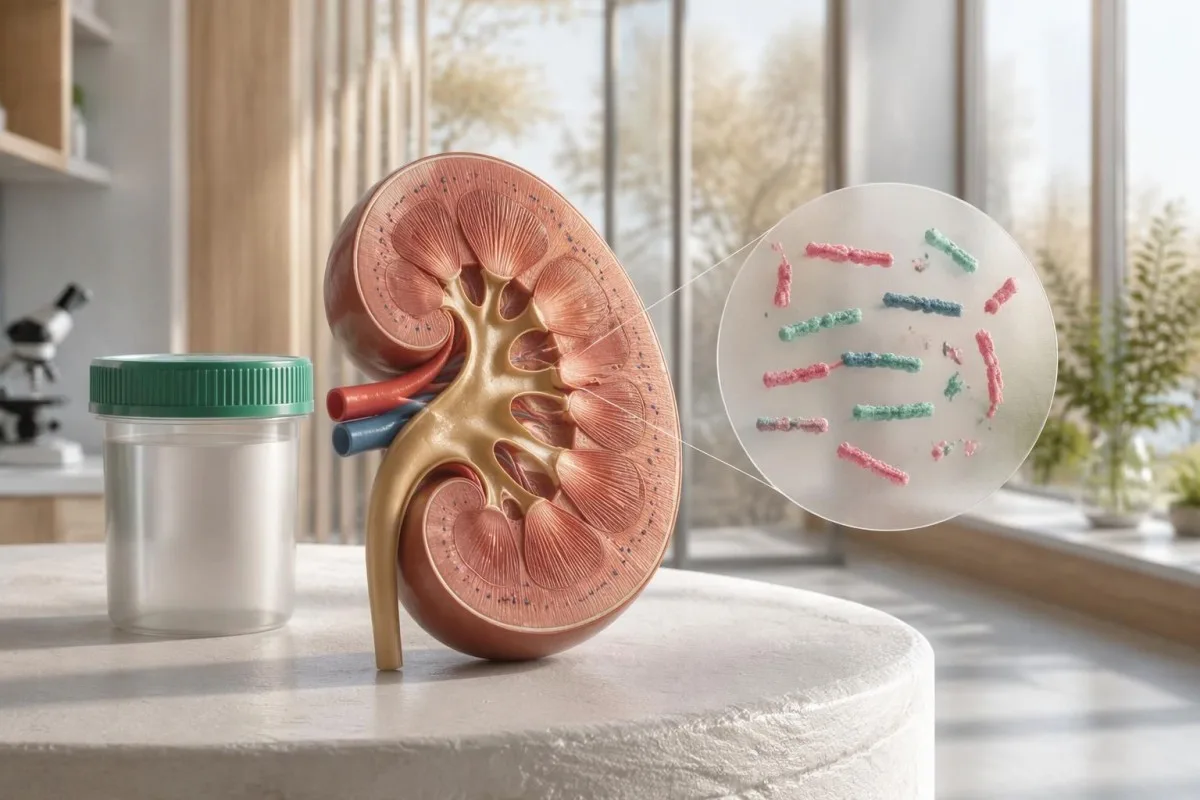
AlloSure measures donor-derived cell-free DNA released by a transplanted organ. An elevated result can indicate graft injury, but it does not confirm rejection; interpretation depends on the organ, timing, previous results, and other transplant tests.

Key takeaways
- AlloSure test results measure donor-derived cell-free DNA, usually reported as a percentage—not the percentage of your organ being rejected.
- Kidney thresholds commonly include 1.0% as an investigation trigger; values below 1.0% do not exclude every form of rejection.
- Heart thresholds often use approximately 0.2% in AlloSure surveillance protocols, rather than the kidney threshold of 1.0%.
- Lung interpretation may use thresholds around 1.0%, but single versus bilateral transplantation and the specific assay affect interpretation.
- Elevated donor-derived DNA can reflect rejection, graft infection, ischemic injury, or recent procedures; 1 abnormal result cannot identify the cause.
- Trends should include the absolute change: a rise from 0.2% to 0.6% is 0.4 percentage points and a 200% relative increase.
- Repeat testing may be appropriate for a stable recipient with an unexpected isolated elevation; there is no universal 7-day or 14-day retesting rule.
- Biopsy decisions depend on the whole pattern, including graft function, donor-specific antibodies, infection testing, and persistent elevations.
- Urgent symptoms such as fever of 38°C or higher, markedly reduced urine, or new breathlessness require prompt assessment regardless of the AlloSure value.
What do AlloSure test results actually tell you?
AlloSure test results estimate graft injury by measuring donor-derived cell-free DNA in the recipient’s circulation. A high result raises concern but does not diagnose rejection, and a low result cannot exclude every rejection type; kidney and heart protocols commonly investigate different levels, such as 1.0% and 0.2%.
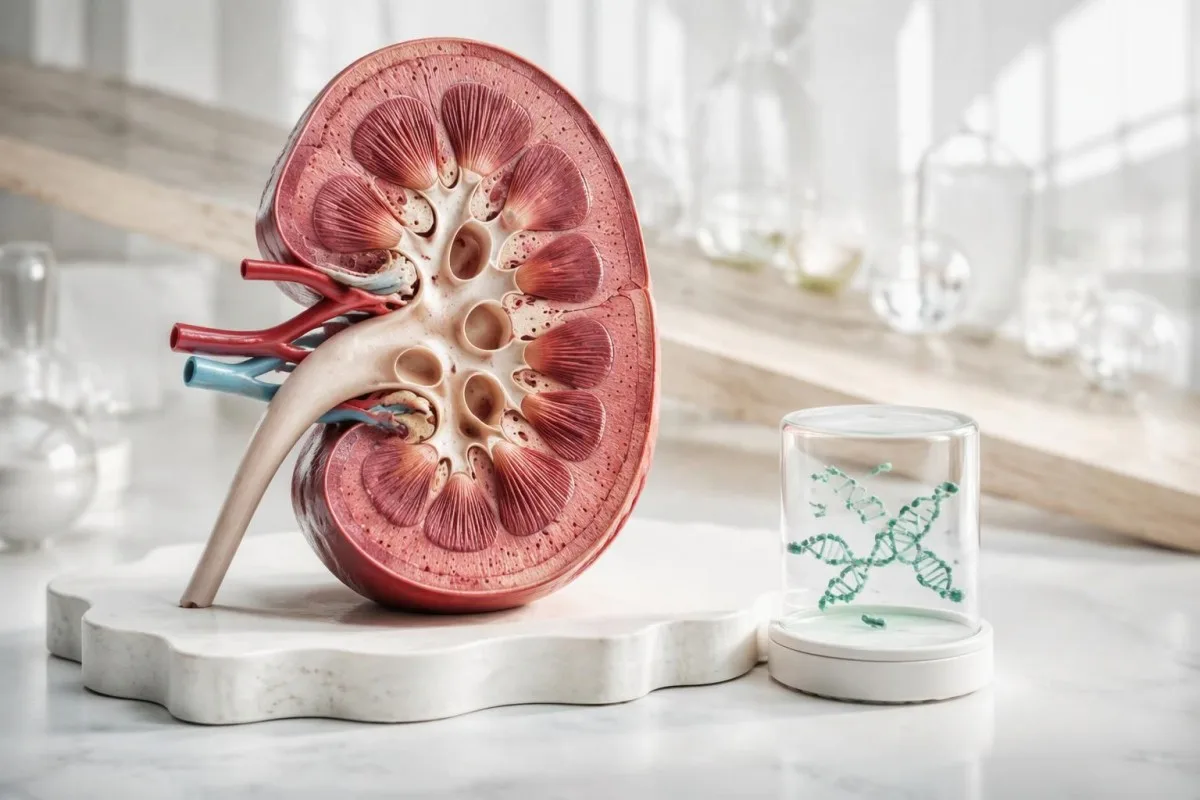
Donor-derived cell-free DNA, abbreviated dd-cfDNA, consists of small DNA fragments originating from cells of the transplanted organ. The test distinguishes donor-origin fragments from recipient-origin fragments using genetic differences, so a reported 0.7% describes the donor contribution to measured circulating cell-free DNA—not how much transplanted tissue has been damaged.
Rejection is an immune-mediated diagnosis, whereas dd-cfDNA is an injury signal that can have more than 1 explanation. The same elevation may prompt very different decisions when accompanied by new donor-specific antibodies, a positive graft-infection test, or a reassuring examination after a recent procedure; increasing immunosuppression without identifying the cause can be harmful.
For a hypothetical kidney recipient whose result increases from 0.3% to 1.2%, the useful question is not simply whether rejection has occurred. The transplant team needs the transplant date, recent creatinine and urine protein, medication exposure, infection results, and previous dd-cfDNA measurements before choosing between repeat testing and tissue assessment.
Kantesti is an AI blood test analyzer that can help explain the terminology surrounding AlloSure reports, but it cannot determine whether a graft is rejecting from 1 percentage alone. Our organization and purpose describe our educational role; transplant-specific interpretation and treatment decisions remain with the recipient’s transplant team.
Why the donor-derived DNA percentage can change
The dd-cfDNA percentage is a ratio, so it can change because donor DNA changes, recipient DNA changes, or both. A result of 1.0% is not an absolute donor-DNA concentration, and percentage-based results should not be treated as interchangeable with measurements reported in copies/mL.
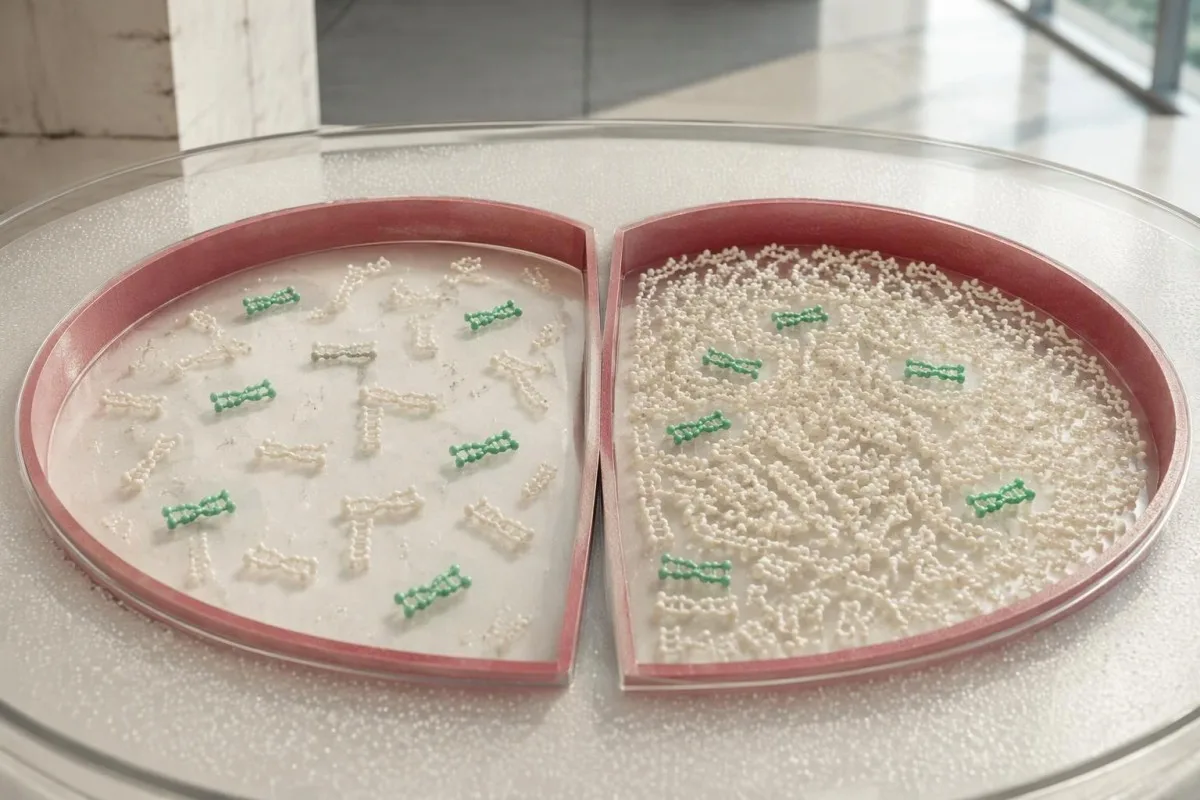
A simplified hypothetical mixture containing 10 donor fragments and 990 recipient fragments has a donor fraction of 1.0%. If donor fragments remain at 10 while recipient fragments fall to 490, the fraction becomes 2.0%; the percentage doubles even though the donor-fragment count has not increased in this teaching example.
Changes in recipient-derived cell-free DNA can complicate comparisons during systemic illness or changes in cellular turnover. Conversely, a large increase in recipient DNA can dilute the donor percentage, meaning a 0.4% result during illness does not necessarily carry exactly the same reassurance as 0.4% during a stable surveillance visit.
Fractional and absolute measurements answer related but different questions. Some dd-cfDNA approaches report an absolute quantity in copies/mL, while others emphasize a donor fraction; our guide to quantitative result formats explains why units and measurement methods must be checked before comparing 2 laboratory reports.
Kantesti’s educational interpretation should preserve the assay name, organ type, reported units, and collection dates rather than reducing every result to 1 generic normal range. Our AI interpretation methodology explains the broader interpretation workflow; it should not be mistaken for independent validation of an AlloSure-specific rejection algorithm.
What is the AlloSure rejection threshold for kidneys?
An AlloSure kidney result around or above 1.0% commonly prompts investigation for graft injury, but 1.0% is not a diagnostic boundary between rejection and no rejection. Values around 0.5% may also influence follow-up when they rise from baseline or occur alongside other concerning findings.
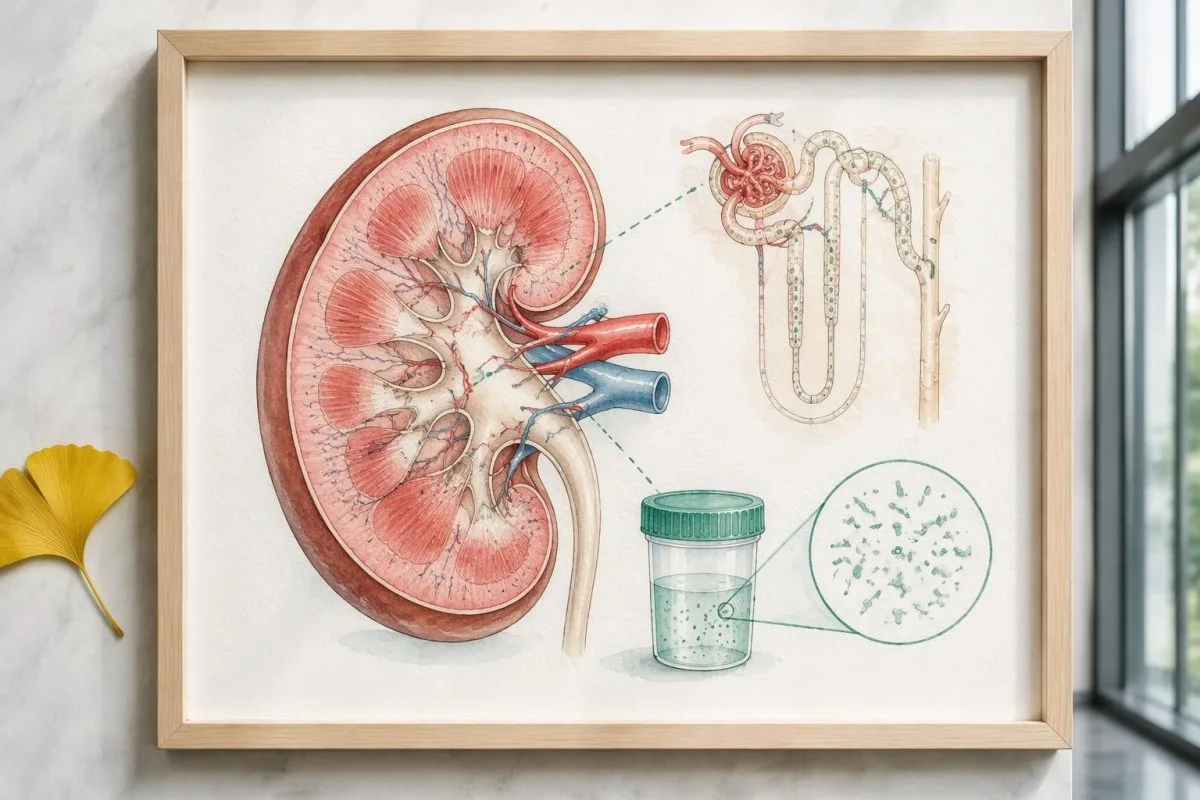
The DART study reported 59% sensitivity and 85% specificity for active kidney rejection at a 1.0% cutoff, with positive and negative predictive values of 61% and 84% in its biopsy-matched population (Bloom et al., 2017, Journal of the American Society of Nephrology). Those results explain why a low value is helpful but cannot close the diagnostic question.
Antibody-mediated rejection performed differently from the combined active-rejection endpoint in DART. At 1.0%, the reported negative predictive value for antibody-mediated rejection was 96%, but that figure does not mean that every recipient with a result below 1.0% has a 96% probability of being free from all graft disease.
A hypothetical recipient with a baseline of 0.15%, a new result of 0.65%, and increasing proteinuria deserves a different assessment from someone whose stable baseline has remained near 0.65%. New urinary findings may expose a problem before a major creatinine rise; urine sediment interpretation explains complementary clues without replacing transplant evaluation.
The 1.0% cutoff reflects a tested balance between missed rejection and false alarms—not a biological switch that turns on at exactly 1.00%. The categories below are discussion aids for kidney recipients outside the immediate postoperative period; they are not universal reference ranges, biopsy mandates, or emergency severity grades.
| Level | Range | What it means |
|---|---|---|
| Lower injury signal | <0.5% | Often reassuring with stable graft function, but does not exclude mild cellular rejection or other graft disorders. |
| Intermediate signal | 0.5% to <1.0% | Interpret against personal baseline, proteinuria, antibodies, infection testing, and collection timing. |
| Higher injury signal | ≥1.0% | Common investigation trigger in kidney protocols; rejection remains only one possible cause. |
How are AlloSure heart results interpreted?
AlloSure heart surveillance commonly uses a threshold around 0.2%, substantially lower than the kidney threshold of 1.0%. A low heart result can support a reassuring surveillance assessment, while an elevated value requires consideration of rejection, graft injury, symptoms, imaging, and the center’s protocol.
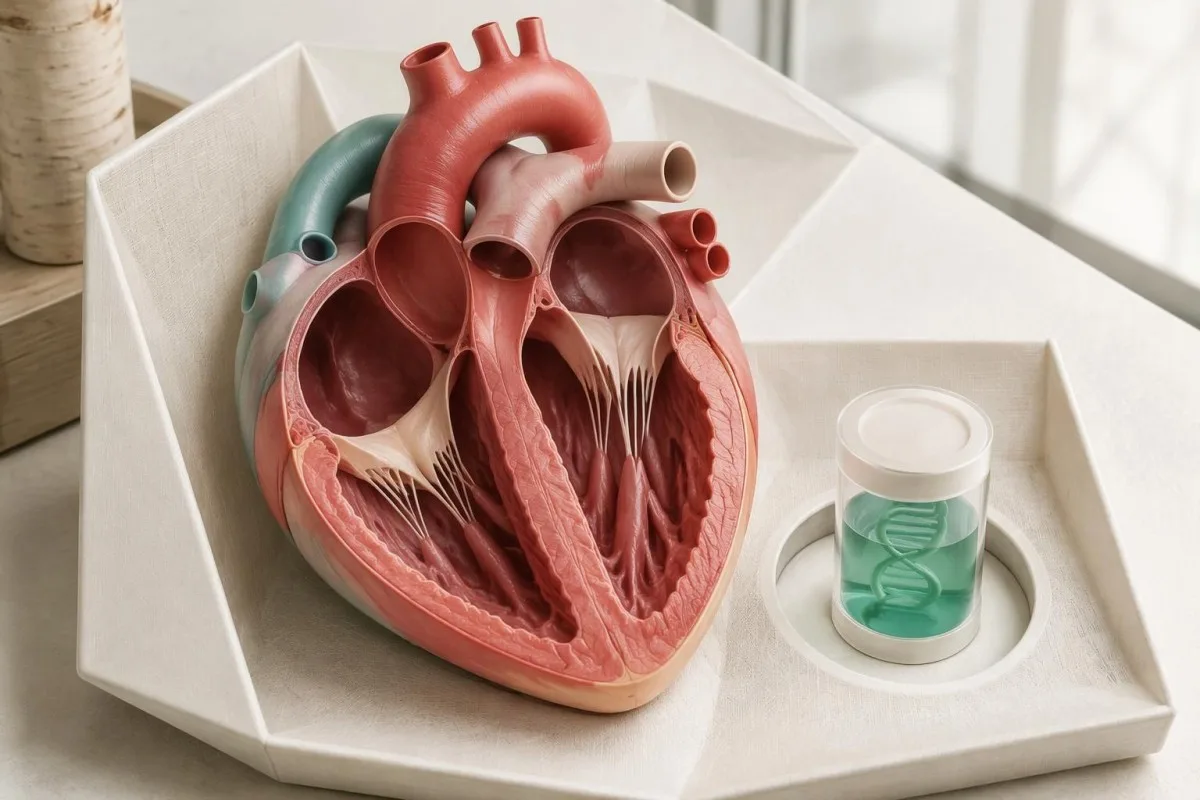
The prospective D-OAR study included 740 heart transplant recipients and evaluated a 0.2% dd-cfDNA threshold (Khush et al., 2019, American Journal of Transplantation). Reported sensitivity was 44%, specificity 80%, positive predictive value 8.9%, and negative predictive value 97.1%; the low positive predictive value shows why an abnormal screening result is not equivalent to confirmed rejection.
Predictive value depends on how common rejection is in the tested population. In stable surveillance, where rejection is relatively uncommon, many results above 0.2% will not correspond to biopsy-confirmed rejection; the same percentage in a recipient with new ventricular dysfunction or donor-specific antibodies deserves greater concern.
A hypothetical heart recipient with dd-cfDNA of 0.25%, unchanged echocardiography, and no symptoms may undergo a different follow-up pathway from a recipient with 0.25% and new shortness of breath. Troponin can provide another injury clue, but it is not rejection-specific either; our troponin interpretation guide explains that distinction.
The 0.2% threshold should never be borrowed automatically for another organ, and a below-threshold value should not override a concerning clinical examination. Heart transplant recipients can have rejection without obvious symptoms, so teams combine scheduled surveillance, graft-function assessment, and sometimes biopsy rather than relying on 1 laboratory marker.
Why lung transplant results need separate interpretation
Lung dd-cfDNA results require lung-specific thresholds and attention to single versus bilateral transplantation. Thresholds around 1.0% appear in lung studies and clinical protocols, but infection and other lung-graft injuries can also elevate the result, so bronchoscopy or tissue examination may still be needed.
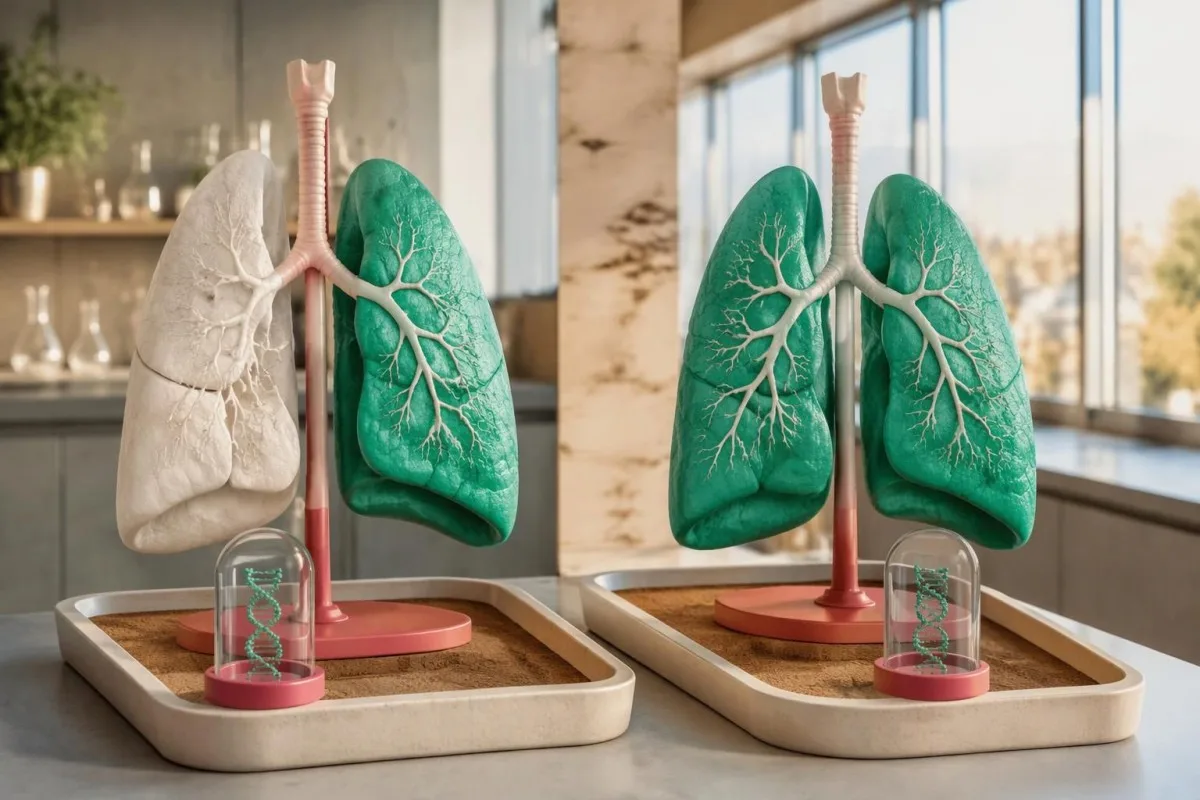
Jang et al. evaluated dd-cfDNA against acute lung rejection in a multicenter cohort published in the Journal of Heart and Lung Transplantation in 2021. Their findings support dd-cfDNA as a lung-graft injury biomarker, but research from 1 assay or analytic pipeline does not automatically establish an interchangeable AlloSure rejection threshold for every center.
A single transplanted lung contributes a different donor-tissue burden from 2 transplanted lungs. Some lung protocols account for this difference when interpreting the donor fraction, making it unsafe to compare a single-lung recipient’s raw 0.7% result directly with a bilateral recipient’s 0.7% result without checking the reporting method.
Respiratory infection can injure a lung graft and raise dd-cfDNA without establishing rejection. A positive organism test also needs its own clinical interpretation: Pneumocystis PCR context explains why detection alone may not distinguish colonization from pneumonia, particularly when 2 competing explanations for graft dysfunction remain possible.
A falling spirometry measurement, new oxygen requirement, or persistent cough can change the significance of a borderline donor-DNA result. Teams may assess respiratory samples and imaging alongside dd-cfDNA; fungal marker interpretation explains why serum and airway measurements cannot simply be substituted for 1 another.
Can kidney cutoffs be used after liver or multiple transplants?
Kidney AlloSure cutoffs should not be applied to liver transplantation or multiple-organ recipients without transplant-specific guidance. A kidney threshold of 1.0% was not designed as a universal limit for every graft, and more than 1 transplanted organ can complicate identification of the donor-DNA source.
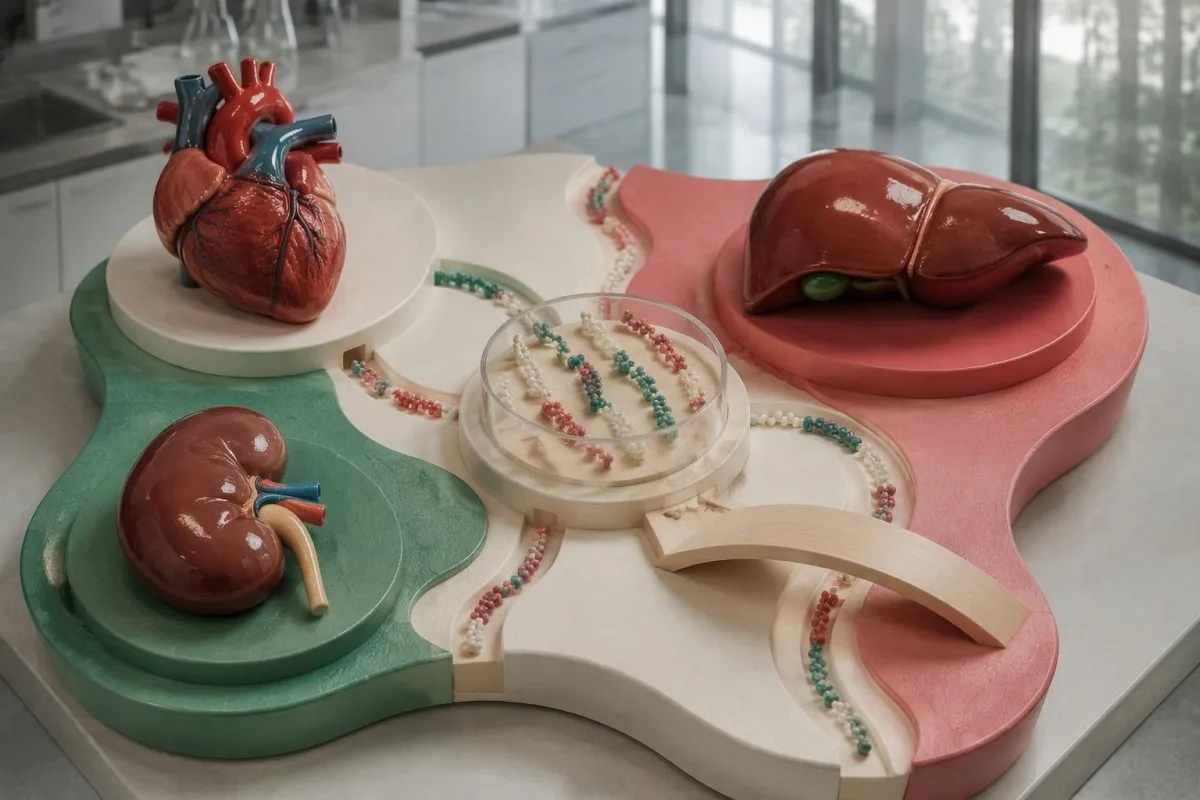
Liver tissue can contribute a different background donor-DNA fraction from kidney or heart tissue, especially early after transplantation. A result of 2.0% therefore cannot be labeled abnormal using a kidney table alone; the laboratory’s intended organ application, the specific assay, and the center’s liver surveillance protocol must be established first.
Multiple-organ transplantation can make an elevated donor fraction harder to localize. When 2 grafts originate from the same donor, their DNA contributions may not be separable by donor identity; when grafts come from different donors, whether the assay distinguishes them depends on its design and available genetic information.
A hypothetical combined liver-kidney recipient with elevated donor DNA and rising bilirubin needs evaluation of both grafts rather than automatic attribution to kidney rejection. Liver enzymes, bilirubin, and imaging provide different kinds of evidence; our liver panel explanation clarifies why 1 abnormal liver marker cannot identify the full cause.
A previous transplant can also matter if tissue from an earlier donor remains present, so the requisition should reflect the complete transplant history. Bring the dates and donor relationships for all grafts, not just the most recent operation; interpreting 1 percentage without that history can assign a signal to the wrong organ.
Why trends matter more than one isolated reading
Serial AlloSure results show whether an injury signal is new, persistent, increasing, or resolving. A rise from 0.2% to 0.6% is a 0.4-percentage-point increase and a 200% relative increase; neither calculation alone proves rejection or establishes that biopsy is required.
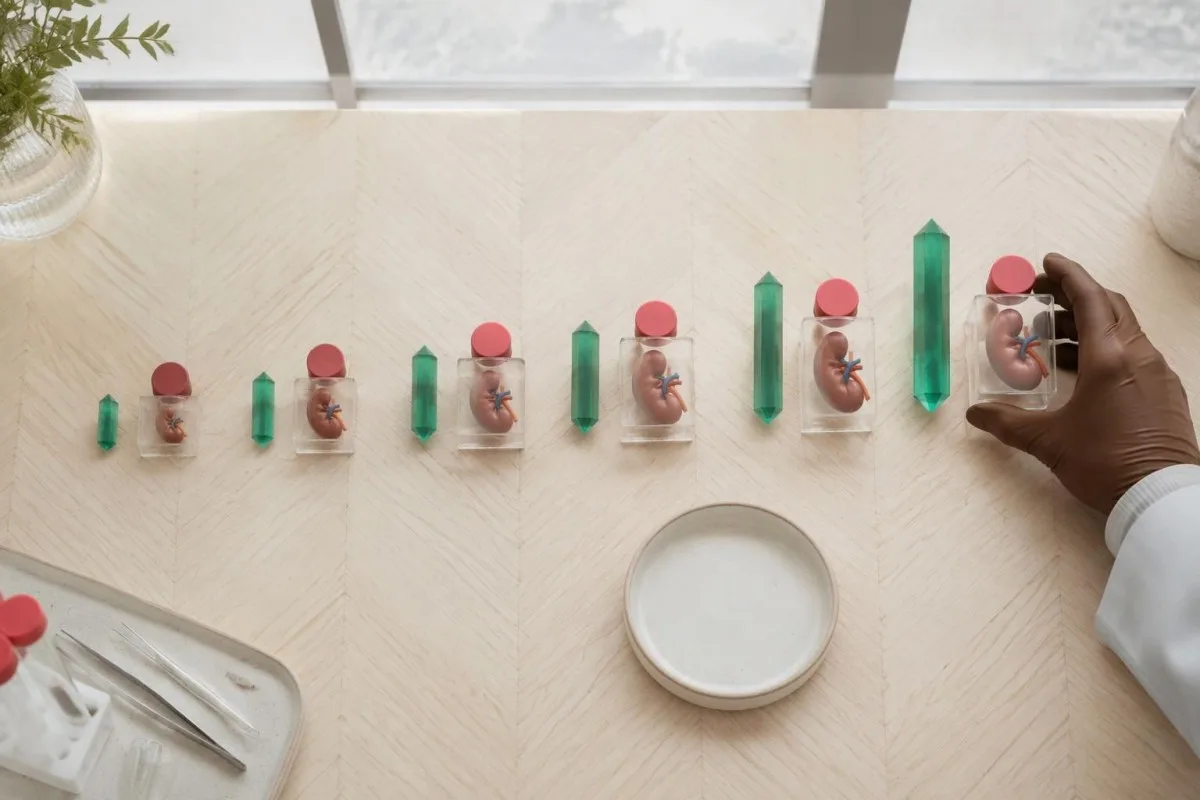
Absolute and relative changes tell different stories. A rise from 0.1% to 0.2% is a 100% relative increase but only 0.1 percentage points, whereas a rise from 1.0% to 2.0% has the same relative increase and a much larger absolute change; rounding near the assay’s lower range can exaggerate apparent percentage swings.
A sequence of 0.25%, 0.70%, and 1.10% is more concerning than a single 0.70% measurement when collection conditions and the clinical setting are comparable. However, timing still matters: our laboratory timeline guide explains why measurements separated by illness or medication changes are not perfectly controlled comparisons.
Kantesti is an AI blood test interpretation platform that can help organize dated laboratory trends alongside creatinine, urine protein, and medication-monitoring results. Our medication safety trend guide describes that workflow; even a neatly displayed 3-point trend cannot establish the cause of graft injury.
A falling result after treatment may support improvement, but it does not prove that the original diagnosis was rejection or that tissue changes have fully resolved. Ask the team whether the next decision depends on the dd-cfDNA trajectory, graft function, antibodies, or tissue findings; 2 markers can improve at different rates after the same intervention.
What can cause a high AlloSure result besides rejection?
A high AlloSure result can reflect graft infection, ischemic injury, postoperative tissue injury, or other damage without confirming rejection. For a kidney recipient, even a result above 1.0% requires investigation of alternative causes, particularly when viral testing or medication exposure points toward a different mechanism.
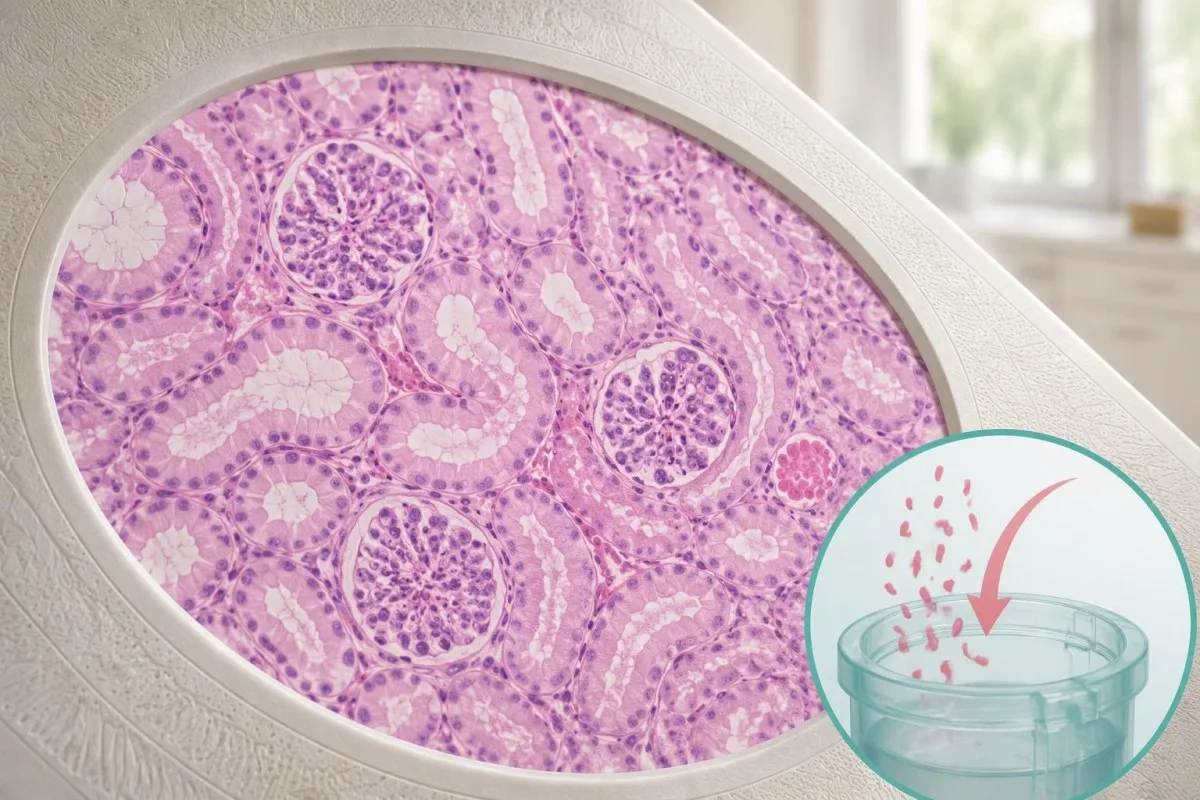
BK virus can injure a kidney graft and elevate dd-cfDNA. A result of 1.5% accompanied by significant BK viremia is not a safe basis for automatically increasing immunosuppression, because management of BK-associated injury can move in the opposite direction; our BK virus graft guide explains the distinction between urine detection and blood PCR.
CMV can also complicate transplant assessment, but antibody evidence of past exposure does not establish current graft infection. A report showing CMV IgG positive and IgM negative answers a different question from a quantitative CMV PCR; CMV antibody interpretation explains why these 2 test types should not be conflated.
Early postoperative injury can produce a donor-DNA rise before a stable personal baseline has formed. A result of 2.0% soon after transplantation therefore has a different context from 2.0% after months of stable measurements; the team considers recovery, delayed graft function, perfusion, and the expected postoperative trajectory rather than applying a long-term surveillance rule.
Some nonimmune graft disorders may raise dd-cfDNA, while others may cause dysfunction with little donor-DNA elevation; the relationship is not equally sensitive for every injury mechanism. Infection and rejection can also coexist, so finding 1 plausible alternative explanation does not automatically exclude the need for biopsy when function, antibodies, or the trend remain concerning.
Can rejection occur with a low AlloSure result?
Yes—rejection can occur with a low AlloSure result, particularly when the injury pattern releases relatively little donor DNA. In DART, the 1.0% kidney cutoff had 59% sensitivity for active rejection, meaning that below-threshold values could not reliably exclude every biopsy-defined rejection episode.
Mild T-cell–mediated rejection may generate a smaller donor-DNA signal than antibody-mediated rejection. The distinction matters because a value such as 0.3% can be reassuring in stable surveillance yet insufficient to dismiss new dysfunction, medication underexposure, or another strong clinical indication for tissue assessment.
Kidney disease can recur in a graft, and dd-cfDNA is not a complete screen for every recurrent glomerular disorder. A hypothetical recipient with 0.25% dd-cfDNA and new substantial proteinuria still needs a kidney workup; our kidney antibody and biopsy guide illustrates why disease-specific evidence answers questions that donor DNA cannot.
Kantesti should not translate a result below 1.0% into a definitive statement that rejection is absent. Our responsible AI boundaries explain why educational interpretation must acknowledge diagnostic uncertainty, especially when a specialist test has different performance across rejection subtypes and recipient populations.
Symptoms and function can override numerical reassurance: markedly reduced urine, new breathlessness, or rapid deterioration require assessment even when the result is 0.1%. A donor-DNA test samples 1 moment in a changing biological process, so a previously reassuring measurement cannot certify that the graft remains unchanged days or weeks later.
Which timing and sample details can change interpretation?
Collection timing, postoperative stage, recent procedures, and assay reporting details can change the meaning of an AlloSure result. Comparisons between 2 measurements are most useful when the transplant team knows whether both samples were collected under comparable conditions and before or after any graft-directed intervention.
Recent graft biopsy or another procedure may complicate interpretation of a subsequent injury marker, so many workflows collect dd-cfDNA before an invasive graft assessment when feasible. If your 0.8% sample was collected afterward, report the exact sequence; do not invent a universal waiting period, because the appropriate interval depends on the procedure and clinical circumstances.
AlloSure collection timing is not the same issue as an immunosuppressant trough. Tacrolimus levels are generally interpreted using a predose sample, while dd-cfDNA is an injury measurement; our tacrolimus timing guide explains why a drug level drawn 2 hours after a dose cannot be compared directly with a correctly timed trough.
A sample that fails quality checks is not equivalent to a low donor-DNA result. Confirm whether the report provides a measured percentage, a below-quantification statement, or no valid result, and retain any laboratory comments; differences between these 3 reporting situations can determine whether the next step is interpretation, clarification, or recollection.
When sharing a report with Kantesti, include the organ, transplant date, assay name, collection date, and relevant recent procedures, while removing information you do not wish to share. Our privacy and data practices explain report handling; do not assume a PDF containing 1 result supplies the transplant history needed for clinical interpretation.
Which other tests help explain an elevated result?
Transplant teams interpret elevated dd-cfDNA alongside graft function, donor-specific antibodies, infection testing, and immunosuppressant exposure. A kidney result of 1.2% paired with rising creatinine and new donor-specific antibodies suggests a different risk pattern from 1.2% with stable function and an identified graft infection.
Donor-specific antibodies, or DSA, indicate antibodies directed against donor antigens, but their presence does not independently prove antibody-mediated rejection. When DSA appears alongside dd-cfDNA above 1.0% and graft dysfunction, the combined pattern can justify tissue assessment; our positive antibody result guide explains why antibody detection and disease confirmation are separate steps.
Creatinine and dd-cfDNA measure different aspects of kidney graft health: creatinine reflects filtration indirectly, while donor DNA reflects cellular injury. A hypothetical creatinine rise from 1.2 to 1.8 mg/dL may result from several causes, and the BUN and creatinine guide explains why the accompanying chemistry pattern cannot diagnose rejection on its own.
Urine protein, urinalysis, ultrasound, and targeted PCR testing can help distinguish glomerular disease, obstruction, perfusion problems, and infection. A kidney recipient with new proteinuria and 0.6% dd-cfDNA may therefore need more investigation than a stable recipient with 0.9%; the percentage is only 1 component of the diagnostic picture.
Heart and lung recipients need organ-specific companion measurements, such as echocardiography or spirometry, rather than a kidney-centered checklist. Before a follow-up appointment, ask which 2 or 3 additional findings would most change the team’s interpretation; this focuses the discussion on decision-making instead of collecting unrelated laboratory tests.
When might the transplant team repeat AlloSure testing?
Repeat AlloSure testing may be appropriate when an elevation is unexpected, isolated, and accompanied by otherwise stable graft assessment. There is no universal rule to repeat every abnormal result after 7 or 14 days; the interval depends on the organ, degree of concern, competing causes, and whether waiting is clinically safe.
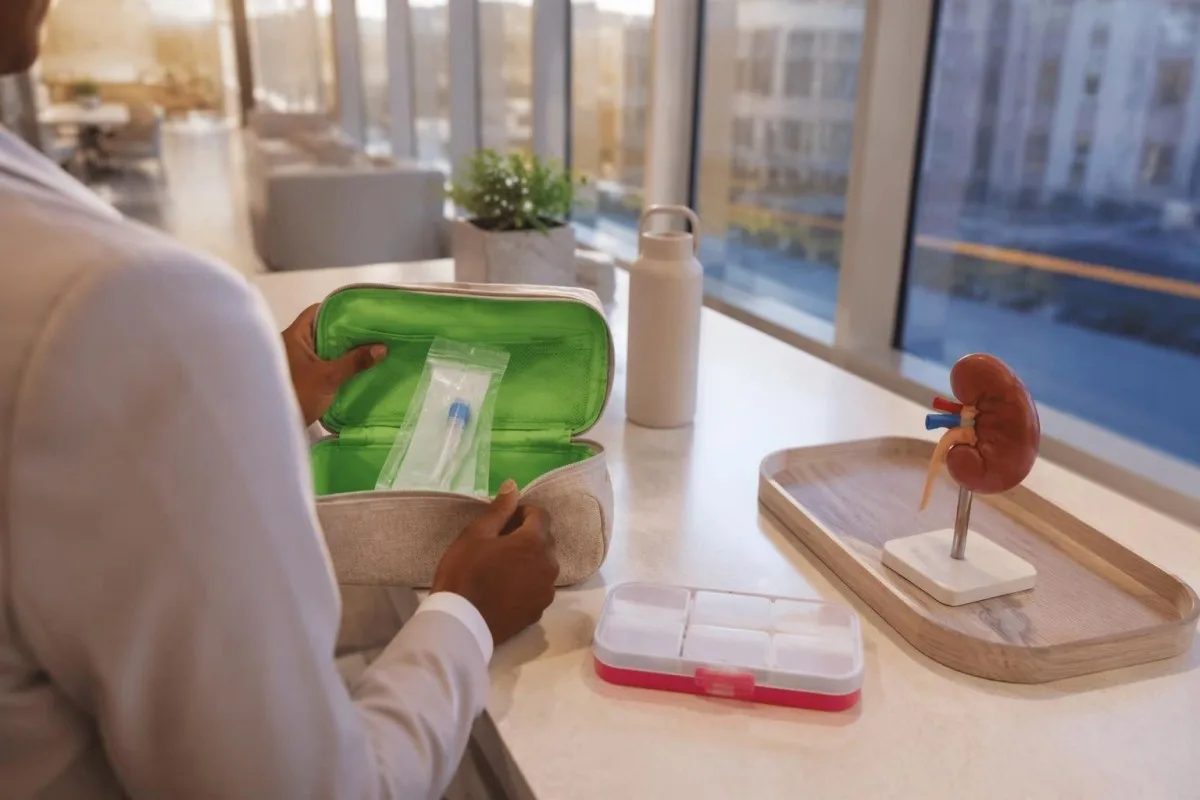
For a hypothetical kidney recipient with a new result of 0.7%, stable creatinine, no new proteinuria, and no concerning antibodies, the team may check collection details and repeat the measurement rather than proceed directly to biopsy. That is an individualized surveillance decision, not evidence that all results below 1.0% should be watched without further investigation.
Persistent elevation carries different weight from a transient rise. A repeat sequence of 1.1% and 1.3%, especially with worsening graft function, may lead to biopsy even when the initial result had a plausible temporary explanation; simply repeating the test indefinitely can delay identification of a treatable process.
Medication review can reveal underexposure, interactions, vomiting, or missed doses, but dd-cfDNA is not a dose calculator. Our everolimus monitoring guide explains why a correctly timed drug concentration and the recipient’s prescribed target matter; never increase or stop an immunosuppressant because of 1 donor-DNA result.
Contact the transplant team promptly for an unexpected elevated report, and follow its emergency instructions for symptoms rather than waiting for a repeat sample. Fever of 38°C or higher, markedly reduced urine, new oxygen needs, or inability to retain transplant medication can require same-day assessment; severe breathlessness, chest pain, or confusion warrants emergency care.
When is biopsy needed despite the DNA result?
Biopsy may be recommended when persistent dd-cfDNA elevation, graft dysfunction, new antibodies, or a concerning clinical course requires a tissue diagnosis. A kidney result above 1.0% does not automatically mandate biopsy, and a result below 1.0% does not cancel a biopsy that other findings justify.
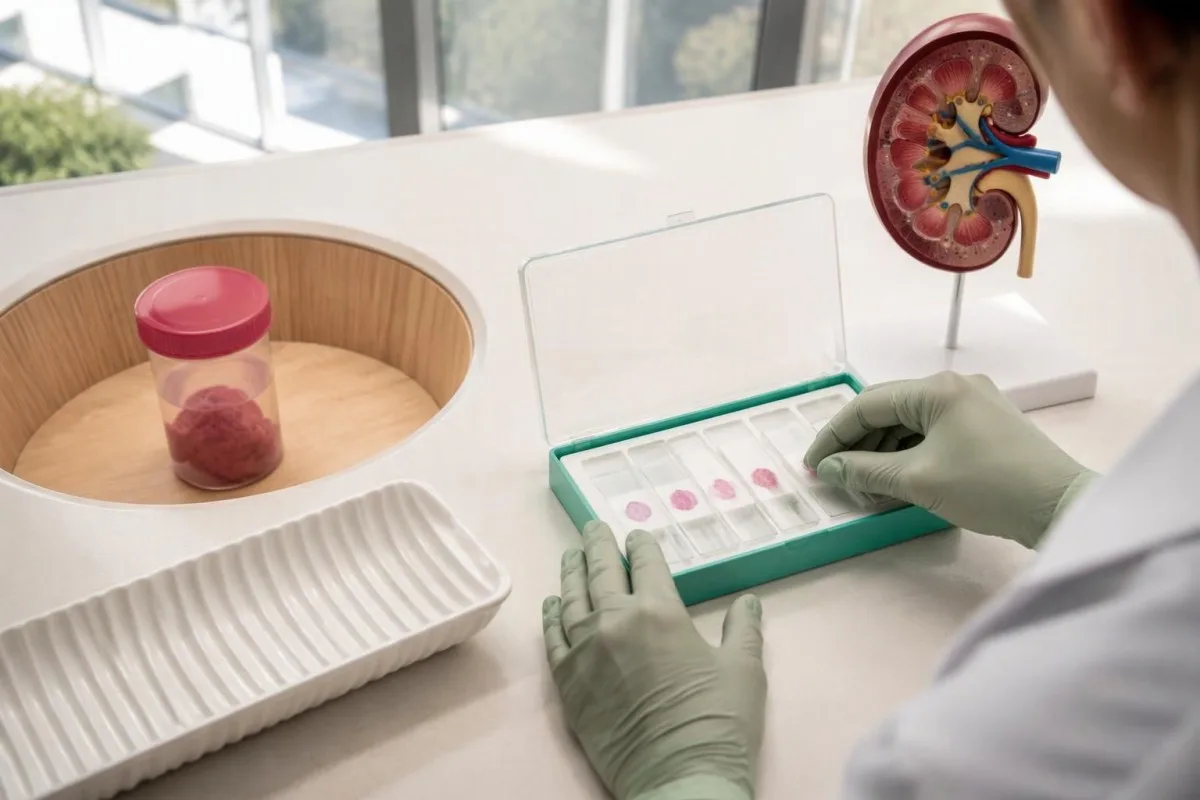
Biopsy can distinguish injury mechanisms that dd-cfDNA cannot identify, including cellular rejection, antibody-mediated rejection, and certain nonrejection disorders. Treatment differs between these diagnoses, so 2 recipients with the same 1.4% result may need different therapies after their tissue, antibody, and infection findings are considered together.
Tissue assessment is not perfect: sampling can miss focal changes, and pathology needs interpretation alongside the clinical picture. A discordance between 1.5% dd-cfDNA and a nondiagnostic biopsy should therefore lead to reconciliation of timing, sample adequacy, graft function, and alternative injury causes—not an automatic declaration that either test is wrong.
Biopsy planning includes bleeding-risk assessment, medication review, and organ-specific procedural considerations. A normal coagulation panel does not guarantee zero procedural risk; our coagulation testing guide explains the limits of these measurements, which are separate from the question of whether a donor-DNA value such as 0.9% indicates graft injury.
A useful pre-biopsy question is what treatment decision the tissue result could change and whether waiting for another dd-cfDNA result would be safe. Ask about the expected benefit, procedural risks, and alternatives in your own situation; neither a single percentage nor 1 reassuring companion test replaces that individualized discussion.
Research evidence and responsible report interpretation
AlloSure interpretation should rely on organ-specific clinical evidence, not on a generic AI accuracy claim. The 2017 kidney DART study, the 2019 heart D-OAR study, and the 2021 lung cohort below address different populations and endpoints; their thresholds and predictive values should not be pooled into 1 universal rejection rule.

Study population determines how useful a cutoff is. The 61% positive predictive value reported for active kidney rejection in DART and the 8.9% positive predictive value reported in heart D-OAR cannot be compared as if they were competing accuracy scores, because organ biology, rejection prevalence, sampling, and study endpoints differed.
Kantesti is an AI-powered blood test analysis tool that can support understanding of transplant reports while leaving diagnosis, biopsy decisions, and medication changes to the transplant team. Our validation and clinical standards explain the scope of our methodology; general interpretation benchmarks do not establish performance for a specific AlloSure result of 0.2% or 1.0%.
The 2 Zenodo publications listed below document our general validation framework and broader blood-test analysis reporting. They are not AlloSure clinical trials, are not evidence that our platform diagnoses transplant rejection, and should not be used to justify an organ-specific cutoff or replace the directly relevant external transplant references.
Before the next review, prepare 3 things: the complete report, a dated list of previous results, and a short record of symptoms, medication changes, and recent procedures. Ask the transplant team whether the present finding indicates a new injury signal, what alternative causes remain plausible, and which result would change the plan from surveillance to tissue assessment.
Frequently asked questions
Does a high AlloSure result mean my transplant is rejecting?
A high AlloSure result indicates an increased donor-derived DNA signal, not confirmed rejection. In kidney recipients, a result around or above 1.0% commonly prompts investigation, but graft infection, ischemic injury, and postoperative or procedure-related changes can also contribute. Transplant teams assess the result alongside function, antibodies, infection testing, and previous measurements. Biopsy may be needed when identifying the cause will change treatment.
What is a normal AlloSure result after a kidney transplant?
There is no single AlloSure percentage that guarantees a kidney graft is healthy. Values below 0.5% are often reassuring in stable recipients, while 0.5% to below 1.0% requires attention to baseline and companion findings; around 1.0% is a commonly used investigation threshold. These are interpretation aids rather than universal normal ranges. Mild cellular rejection or other graft disease can still occur below 1.0%.
Why is the AlloSure heart threshold lower than the kidney threshold?
AlloSure heart protocols commonly use a threshold around 0.2% because heart-specific validation and donor-DNA distributions differ from kidney transplantation. The D-OAR study evaluated 0.2% and reported a negative predictive value of 97.1% in its study population. The kidney threshold around 1.0% should not be substituted for a heart protocol. A heart result above 0.2% raises a question about graft injury but does not independently establish rejection.
Is an AlloSure result of 0.8% concerning?
An AlloSure result of 0.8% cannot be interpreted without knowing the transplanted organ and previous measurements. For a stable kidney recipient, 0.8% is below the commonly used 1.0% investigation threshold but may still be significant if the baseline was 0.2% or proteinuria has increased. For a heart recipient, 0.8% is above the approximately 0.2% threshold used in many protocols. The transplant team should interpret the complete report rather than applying another organ’s cutoff.
How soon should AlloSure be repeated after a high result?
There is no universal 7-day or 14-day AlloSure repeat-testing schedule for every elevated result. A transplant team may repeat an unexpected isolated elevation when function and the rest of the evaluation remain reassuring. Persistent elevation, new antibodies, worsening function, or concerning symptoms may justify biopsy or other testing instead of waiting. Fever of 38°C or higher or new graft-related symptoms should prompt assessment according to the transplant team’s emergency instructions.
Can AlloSure replace a transplant biopsy?
AlloSure cannot replace every transplant biopsy because donor-derived DNA identifies an injury signal rather than its tissue-level mechanism. A kidney result below 1.0% can support a reassuring assessment but does not exclude every form of rejection. Biopsy may distinguish cellular rejection, antibody-mediated rejection, infection-related injury, and other disorders that require different treatment. The transplant team decides whether tissue information is necessary for a safe management plan.
Should I change tacrolimus if my AlloSure result increases?
Do not change tacrolimus or another immunosuppressant solely because an AlloSure result increases. A rise from 0.3% to 1.2% could reflect rejection, graft infection, or another injury process, and these causes may require different treatment directions. The transplant team reviews a correctly timed drug level, medication adherence, interactions, graft function, and infection testing. If vomiting or illness prevents you from retaining prescribed transplant medication, contact the team promptly.
Get your blood test results explained
Upload your lab report and Kantesti's AI explains each biomarker in plain language within seconds. Used by more than 2 million people worldwide.
References
- Klein, T., Mitchell, S., & Weber, H. (2026). Clinical Validation Framework v2.0 (Medical Validation Page). Kantesti AI Medical Research. DOI
- Klein, T., Mitchell, S., & Weber, H. (2026). AI Blood Test Analyzer: 2.5M Tests Analyzed | Global Health Report 2026. Kantesti AI Medical Research. DOI
- Bloom RD et al. (2017). Cell-Free DNA and Active Rejection in Kidney Allografts. Journal of the American Society of Nephrology. DOI PubMed
- Khush KK et al. (2019). Noninvasive detection of graft injury after heart transplantation using donor-derived cell-free DNA: A prospective multicenter study. American Journal of Transplantation. DOI
- Jang MK et al. (2021). Donor-derived cell-free DNA accurately detects acute rejection in lung transplant patients, a multicenter cohort study. Journal of Heart and Lung Transplantation.
- 2M+Tests analysed
- 127+Countries
- 100+Languages
About the medical team


E-E-A-T Trust Signals
Experience
Physician-led clinical review of lab interpretation workflows.
Expertise
Laboratory medicine focus on how biomarkers behave in clinical context.
Authoritativeness
Medically reviewed by Dr. Thomas Klein, with contributions from Dr. Sarah Mitchell and Prof. Dr. Hans Weber.
Trustworthiness
Evidence-based interpretation with clear follow-up pathways to reduce alarm.



Medical disclaimer
This article is for educational purposes only and does not constitute medical advice. Always consult a qualified healthcare provider for diagnosis and treatment decisions.
Published · Contact the editorial team
Published by Kantesti Ltd, registered in England & Wales, company no. 17090423, London, United Kingdom.
