CE 筛查前的麸质激发试验剂量和持续时间

类别
文章
乳糜泻检测 实验室解读 2026年更新 面向患者的说明

为了获得可靠的乳糜泻血液检查结果,大多数已停止摄入麸质的成人需要每天摄入约 3-6 克麸质,持续至少 6 周;在耐受的情况下,进行为期 12 周的挑战可以提供最明确的答案。如果您有严重反应、体重显著减轻、怀孕顾虑或先前已被确诊患有乳糜泻,请勿自行恢复摄入麸质。.

📖 ~11分钟 📅
📝 发表: 🩺 医学审阅: ✅ 基于证据
⚡ 快速概要 v1.0 —
  1. 最低挑战量: 每天 3-6 克麸质,约等于 1-2 片小麦面包,是重复进行乳糜泻血清学检查前成人实际的目标摄入量。.
  2. 建议持续时间: 每天摄入麸质 12 周可以提高在回避麸质后,乳糜泻血液检查和活检能够检测出疾病的机会。.
  3. 短期挑战: 每天 3 克,持续 2 周,可能会在一些成人中引发活检变化,但仅 2 周后的阴性结果并不能可靠地排除乳糜泻。.
  4. tTG-IgA: 当麸质摄入量低或总 IgA 缺乏时,tTG-IgA 阴性结果可能具有虚假的令人安心的指示作用。.
  5. 总 IgA: 应同时测量总血清 IgA 和 tTG-IgA;IgA 缺乏需要进行基于 IgG 的检测。.
  6. 请勿自行挑战: 儿童、孕妇、有严重过敏史者以及有显著营养不良者需要由临床医生主导的计划。.
  7. HLA检测: HLA-DQ2和HLA-DQ8阴性使乳糜泻的可能性非常小,有时可以避免进行谷蛋白激发试验。.
  8. 不要过早停止: 继续摄入谷蛋白,直到临床医生确认血液检查和(如果需要)内窥镜检查已完成。.

为什么回避麸质会使乳糜泻血液检查呈阴性

A 乳糜泻血液检查在限制谷蛋白后可能变为阴性 因为当小麦、大麦和黑麦被去除时,它所测量的免疫信号会减弱。实际上,在无麸质饮食中tTG-IgA阴性并不排除乳糜泻;这可能仅仅表明免疫系统不再受到刺激。.

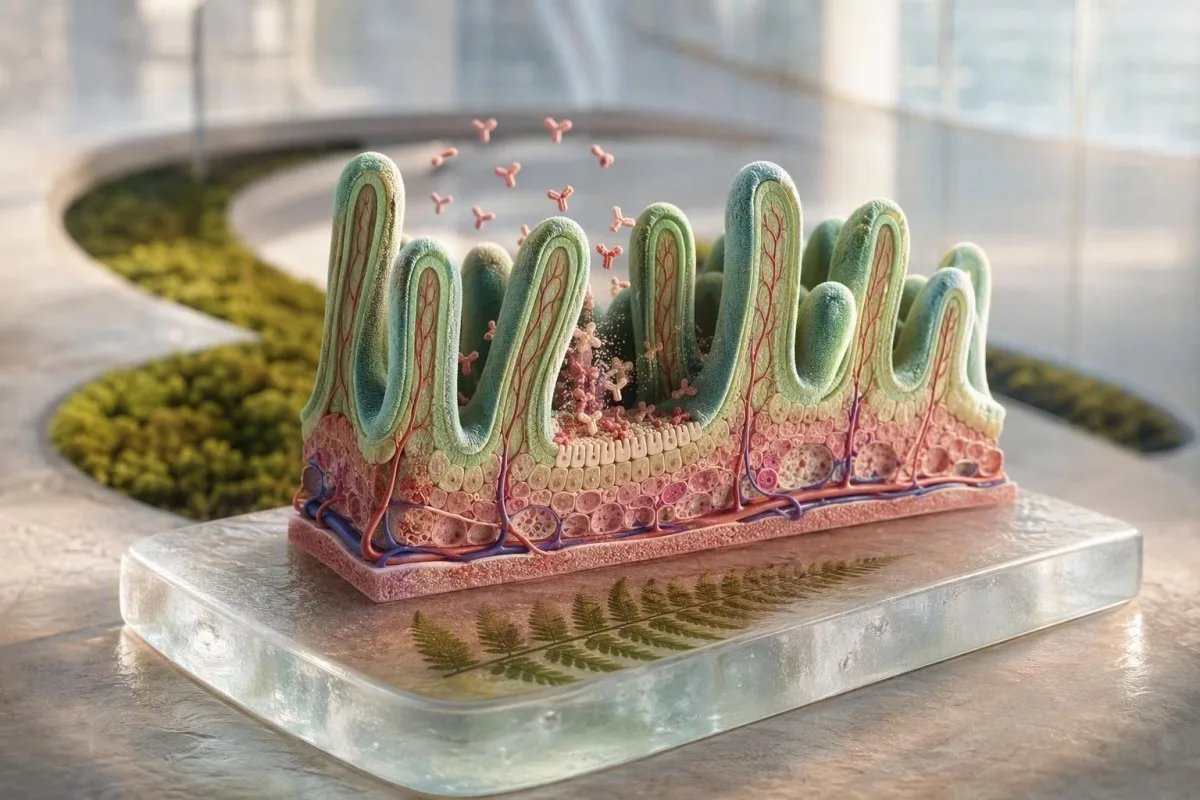
Celiac blood test hero showing small-intestinal villi and gluten immune response
图1: 小肠绒毛和抗体检测解释了谷蛋白暴露为何会影响诊断。.

tTG-IgA检测的是抗体反应,而不是乳糜泻的永久性标记。. 在严格的无麸质饮食下,抗体浓度通常在数周到数月内下降,而肠道愈合可能需要更长时间。2023年美国胃肠病学学会指南指出,诊断性血清学检查应在患者摄入谷蛋白时进行(Rubio-Tapia et al., 2023)。.

我经常看到这种情况:有人戒谷蛋白8个月,感觉好一些,然后tTG-IgA结果正常,被告知排除了乳糜泻。这种结论不安全,因为不知道他们的谷蛋白摄入量;; 在已经停止暴露的情况下,tTG-IgA假阴性的可能性更大. 。我们关于 低IgA和乳糜泻陷阱 的相关指南解释了血清学可能漏诊的第二个主要原因。.

Kantesti 是一个 人工智能血液检测分析仪 该检查会将tTG-IgA与总IgA、血红蛋白、铁蛋白、叶酸、维生素B12和肝酶一起读取,而不是将单一的阴性抗体结果视为最终诊断。即使一项抗体结果正常,缺铁或ALT异常升高也可能使乳糜泻的诊断仍需考虑。.

作用机制很重要。谷蛋白肽到达小肠上部,组织转谷氨酰胺酶对其进行修饰,易感HLA-DQ2或HLA-DQ8免疫通路产生抗体;去除触发因素,可测量的抗体反应就会减弱。这是生物学原理,不是检测失败。.

常见的误解

避免面包后感觉好转本身并不能确诊。症状可能因以下原因改善:可发酵碳水化合物减少、超加工食品摄入减少、避免小麦过敏原或非乳糜泻性麸质敏感;只有及时进行的检测才能区分这些可能性。.

哪些乳糜泻检查需要饮食中摄入麸质?

tTG-IgA、EMA-IgA、脱酰胺麦胶蛋白肽抗体和十二指肠活检在摄入谷蛋白时最可靠。. HLA-DQ2/DQ8基因检测不同:无论一个人是否摄入谷蛋白,它都有效。.

Laboratory immunoassay workflow for a celiac blood test with serum sample
图2: 血清学测定测量依赖于近期膳食谷蛋白暴露的抗体。.

tTG-IgA是成人和2岁及以上儿童通常的一线乳糜泻血液检查。. 许多实验室将低于10–15 U/mL的值报告为阴性,但正常上限因检测方法而异,因此实验室自身的参考范围决定了解释。EMA-IgA特异性很高,常用于确认tTG-IgA的强阳性结果。.

总血清IgA应与tTG-IgA一起申请检查。. Selective IgA deficiency occurs in roughly 1 in 400 to 1 in 700 people in many Western populations and can produce a negative tTG-IgA despite celiac disease; IgG-based DGP or tTG testing is then appropriate. A qualitative versus quantitative test guide can help readers spot whether a report provides a measured value or only a positive/negative flag.

Duodenal biopsy assesses villous architecture and intraepithelial lymphocytes, but mucosal changes can also improve after gluten withdrawal. In adults, positive serology generally leads to upper endoscopy before committing to lifelong restriction; biopsy remains particularly useful when results are discordant.

Do not confuse a food-intolerance panel with celiac serology. IgG food panels do not diagnose celiac disease, and a home test cannot replace total IgA assessment, a validated antibody assay, or specialist interpretation.

Tests that remain useful when gluten-free

HLA-DQ2 or HLA-DQ8 absence has a very high negative predictive value because almost all people with celiac disease carry one of these haplotypes. A positive HLA result is common and does not diagnose celiac disease; roughly 30–40% of many populations carry DQ2 or DQ8 but only about 1% develop celiac disease.

多少麸质才足以进行麸质挑战?

A practical adult gluten challenge is 3–6 g of gluten per day, equivalent to about 1–2 ordinary slices of wheat bread, for diagnostic testing. More food is not necessarily better; consistency matters more than forcing a large dose that makes the person stop after several days.

Measured wheat bread portions beside a clinical gluten challenge meal plan
图 3: Everyday wheat foods can supply a consistent gluten challenge dose.

One slice of typical wheat bread contains about 2–3 g of gluten, while a standard bagel may contain 4–7 g and one cup of cooked regular pasta about 2–4 g, depending on recipe and portion. Oats are not a dependable challenge food because certified gluten-free oats contain negligible gluten and conventional oats vary in contamination.

The review by Leonard and colleagues recommends at least 3–6 g daily for more than 12 weeks when a longer challenge is tolerated, especially if the goal is to confidently exclude disease after months or years gluten-free (Leonard et al., 2023). Some clinicians use 10 g daily, but that amount is harder to sustain and has not been proven necessary for every adult.

A useful routine is one gluten-containing item at breakfast and one at lunch, rather than one large evening meal. Record the product, approximate portion, symptoms, and missed days; that diary gives the gastroenterologist far better information than a vague recollection of eating “some bread.”

For broader context on what laboratory markers mean together, our 生物标志物参考指南 explains why ferritin and red-cell indices are often reviewed alongside celiac antibodies.

Dose is gluten grams, not food weight

A 50 g serving of bread is not 50 g of gluten. Gluten content varies with flour, hydration, recipe, and processing, which is why clinicians normally prescribe food equivalents rather than asking patients to weigh isolated gluten protein.

麸质挑战应持续多久才能进行检测?

Six weeks is a reasonable minimum for many adults, while 12 weeks provides a more dependable challenge after prolonged gluten avoidance. A 2-week challenge can support diagnosis if tests become positive, but a negative result after only 14 days cannot safely exclude celiac disease.

Calendar-based gluten challenge timeline beside a laboratory appointment plan
图 4: A sustained daily challenge is more informative than a brief burst of gluten.

The duration needed depends on age, previous diet, immune response, and whether the clinician plans serology alone or biopsy. In a small adult study, 3 g of gluten daily for 14 days induced diagnostic histologic changes in many participants, yet antibody responses lagged behind; that gap is why short protocols can miss cases.

As of August 31, 2026, I generally discuss a 12-week plan with adults who have eaten little or no gluten for several months, with blood testing at about week 6 and again near week 12 if the first result is negative. Dr. Thomas Klein, our Chief Medical Officer, sees the most avoidable diagnostic delay when a patient resumes gluten for only a weekend before a blood draw.

If symptoms become unacceptable, contact the ordering clinician rather than quietly stopping. They may bring blood tests forward, arrange endoscopy sooner, or reconsider whether HLA testing can answer the question without prolonged exposure. A 血液检测时间指南 is helpful for understanding why diet-related changes do not appear instantly in laboratory results.

Keep the gluten challenge going until the blood draw and, if the antibody result is positive or suspicion remains high, until the endoscopy team advises otherwise. Stopping after a positive blood result but before biopsy can reduce the visible intestinal signal.

A realistic calendar

Weeks 1–2 establish daily exposure and identify early symptoms. Weeks 3–6 are when an initial blood draw may be useful; weeks 7–12 improve sensitivity for people whose antibodies rise slowly, particularly after long-term restriction.

儿童和青少年的麸质挑战需要不同的计划

Children should not begin a gluten challenge without paediatric advice, because growth, nutrition, symptom burden, and the possibility of a no-biopsy diagnosis all alter the plan. A child who is growing poorly or losing weight needs assessment first, not a do-it-yourself bread challenge.

Paediatric gastroenterology consultation reviewing growth chart and celiac testing plan
图 5: Children need an individualized challenge plan that protects growth and nutrition.

For children with very high tTG-IgA values—at least 10 times the assay upper limit of normal—plus a positive EMA-IgA in a second sample, ESPGHAN guidance permits diagnosis without biopsy in selected cases under paediatric specialist care (Husby et al., 2020). That pathway requires active gluten intake at the time of testing.

A preschool child cannot be assumed to tolerate the same absolute dose as a 75 kg adult. Paediatric clinicians often work from ordinary daily servings and the child's usual diet, then monitor weight, height velocity, hydration, stool pattern, and school attendance; the target should never be a contest of symptom endurance.

Iron deficiency, slow linear growth, recurrent mouth ulcers, enamel changes, and delayed puberty may be celiac clues even without diarrhoea. Parents can review the broader work-up in our childhood growth testing guide, but a normal growth-hormone screen does not exclude intestinal malabsorption.

If a child has already had a convincing response to a gluten-free diet, the family should ask whether HLA typing or supervised reintroduction is the least disruptive path. I have learned to take family anxiety seriously here—mealtimes can become fraught very quickly.

School and dietary planning

A written plan should identify which meals contain gluten and how symptoms will be handled during school hours. Repeatedly changing the dose, swapping to gluten-free foods, or allowing only occasional weekend exposure makes the final result much harder to interpret.

如果您已多年不摄入麸质怎么办?

After years on a gluten-free diet, antibody testing may stay negative unless gluten exposure is sustained long enough to reactivate the immune response. This is the group for whom a 12-week clinician-supervised challenge, or HLA testing first, is usually most sensible.

Long-term gluten-free patient record paired with celiac serology and iron studies
图 6: Long-standing restriction can suppress antibodies while nutritional clues may persist.

The longer gluten has been absent, the less useful a one-off tTG-IgA becomes. Some patients need more than 6 weeks before measurable antibodies return, and a negative test at week 6 should be interpreted against the dose actually eaten, not simply the calendar.

Celiac disease can leave a trail in laboratory history: low ferritin, low transferrin saturation, folate deficiency, elevated platelet count, low vitamin D, or unexplained mild transaminase elevation. None is diagnostic alone, but the cluster raises pre-test probability; see our detailed 铁元素研究指南 for the difference between depleted iron stores and inflammation-related low serum iron.

Kantesti 是一个 AI 实验室检测解读服务 that helps users place an old and new panel side by side, including haemoglobin, MCV, ferritin, albumin, and antibody values. It cannot diagnose celiac disease, but a timeline can help a clinician see whether nutritional abnormalities predated dietary restriction.

A prior negative celiac test does not settle matters if it was performed after gluten removal. Ask for the original report, the exact antibody value, total IgA, and how much gluten you were eating during the 6–12 weeks before sampling.

Why nutrition may look normal

Normal ferritin does not rule out celiac disease. Ferritin rises with inflammation and liver injury, so a ferritin of 70 µg/L can coexist with restricted iron availability when C-reactive protein is elevated; transferrin saturation adds useful context.

何时应在没有医疗建议的情况下避免进行麸质挑战?

Do not restart gluten on your own if it previously caused dehydration, fainting, severe vomiting, rapid weight loss, pregnancy complications, or hospital care. A supervised plan is also safer for children, people with diabetes using insulin, and anyone with known or suspected eating-disorder relapse.

Gastroenterologist discussing supervised celiac testing options with a patient
图 7: Specialist discussion can prevent avoidable harm during gluten reintroduction.

Celiac disease itself rarely causes an immediate anaphylactic reaction, so rapid hives, wheeze, throat tightness, or collapse after wheat suggests possible wheat allergy and requires allergy assessment rather than a celiac challenge. Coeliac testing and allergy testing answer different questions, and confusing them can be dangerous.

Seek prompt clinical review before a challenge if you have more than 5% unintentional body-weight loss in 1 month, persistent vomiting, black stools, severe abdominal pain, or symptoms of dehydration such as very low urine output and dizziness. These are not expected “proof” that gluten is working; they are reasons to reassess.

Pregnancy deserves separate handling because untreated celiac disease and restrictive diets can both affect iron, folate, and weight gain. Contact a clinician through our medical contact pathway or your maternity team before deliberately reintroducing gluten.

People with a prior biopsy-confirmed celiac diagnosis normally do not need a gluten challenge to prove it again. The exception is a genuine doubt about an old diagnosis, best managed by a gastroenterologist who can review original pathology and antibody records.

伴随ALP升高的紧急症状包括

New wheeze, facial swelling, confusion, inability to keep fluids down for 12–24 hours, fainting, or signs of gastrointestinal bleeding need urgent medical assessment. Do not continue dietary exposure to “complete the test” when red-flag symptoms are present.

HLA 遗传学可以避免不必要的麸质挑战吗?

Negative HLA-DQ2 and HLA-DQ8 testing makes celiac disease very unlikely and can often spare a gluten challenge. A positive result only shows genetic susceptibility, so it cannot confirm celiac disease or explain symptoms by itself.

Genetic HLA susceptibility visualization linked to celiac disease testing decision
图 8: HLA testing can exclude celiac disease when susceptible variants are absent.

More than 95% of people with celiac disease carry HLA-DQ2.5, DQ2.2, or DQ8, although terminology differs slightly among laboratories. The test is most useful when someone is already gluten-free, when old records are unavailable, or when the expected burden of reintroduction is high.

A positive HLA result is common: around 30–40% of people carry a compatible genotype, while only roughly 1% develop celiac disease. That mismatch is why genetic testing should guide the next decision, not become a diagnosis printed on a problem list.

Kantesti AI uses a AI 生物标志物解读平台 approach to flag when an antibody panel was collected after gluten avoidance and when a total-IgA result is missing; genetic testing still needs clinician ordering and interpretation. Our 临床验证原则 explain why contextual flags are not substitutes for diagnostic decisions.

In my experience, HLA testing is especially valuable for people who stopped gluten because of vague symptoms and now dread a long challenge. A negative result can close a difficult loop; a positive result simply means the conversation continues.

Genes do not predict severity

HLA type does not reliably predict whether symptoms will be mild, whether villous changes are present, or whether a person will develop celiac disease later. First-degree relatives with compatible genes may still need periodic clinical assessment if symptoms or nutrient deficiencies emerge.

如何完成挑战而不发生意外剂量的不足

Consistent daily gluten exposure is more diagnostically useful than occasional large meals. Choose two or three familiar wheat-containing foods, estimate their gluten content, and avoid changing to gluten-free versions once the challenge begins.

Gluten-containing bread pasta and cereal arranged for a consistent celiac challenge
图 9: Regular wheat foods help maintain a stable daily gluten exposure pattern.

A simple 3–6 g pattern might be one slice of wheat toast at breakfast and a small serving of regular pasta or crackers later in the day. Check labels for wheat, rye, or barley; sourdough made from wheat still contains gluten, and “artisan” bread is not automatically low gluten.

Beer, sauces, shared fryers, and processed foods create uncertainty, so they are poor primary sources for a measured challenge. A single predictable food gives a cleaner exposure history and makes it easier to identify whether symptoms correlate with dose.

Do not start unrelated elimination diets, probiotics, high-dose fibre products, or new laxatives in the same 6–12 week window if you can avoid it. They may change bowel symptoms and make the lived experience difficult to interpret; our guide to foods that shift gut tests covers this practical issue.

A food diary should include date, food, approximate portion, bowel frequency, abdominal symptoms, and missed doses. It does not need to be perfect—three clear entries per day are far more useful than attempting to record every crumb.

Oats and gluten challenge

Certified gluten-free oats are not a gluten source for diagnostic purposes. Conventional oats can be contaminated unpredictably, which makes them unsuitable for a challenge designed to establish a known dose.

预期会出现哪些症状,以及如何安全地管理它们?

Bloating, loose stools, fatigue, abdominal discomfort, headache, and brain fog can recur during a gluten challenge, but severe symptoms should trigger clinical review rather than stoicism. Symptoms alone neither prove nor disprove celiac disease because they overlap with irritable bowel syndrome and other gut conditions.

Patient symptom diary and hydration supplies during a supervised gluten challenge
图 10: Tracking symptoms and hydration helps clinicians judge challenge tolerability and safety.

Use supportive measures that do not remove gluten: regular fluids, oral rehydration solution for diarrhoea, smaller meals, and predictable sleep. An anti-diarrhoeal medicine may be reasonable for some adults, but ask the clinician first if you have fever, blood in stool, severe pain, or a new diagnosis under investigation.

Avoid interpreting every symptom as intestinal damage. A person with functional bowel sensitivity may feel worse within hours of a wheat meal because fructans ferment rapidly, whereas tTG-IgA production and villous change occur through a different immune process. Our blood tests for diarrhoea guide outlines when stool symptoms need a broader work-up.

If fatigue becomes prominent, review hydration, calorie intake, iron status, and sleep rather than assuming a single cause. Dr. Thomas Klein has seen patients become unnecessarily frightened by a modest platelet or ALT shift during testing; trends and the full clinical picture matter more than a lone borderline result.

Stop and seek advice for persistent inability to work or attend school, repeated nocturnal diarrhoea, worsening dizziness, or clear dehydration. A medically shortened challenge that captures useful serology or biopsy evidence is better than pushing through until the plan collapses.

Do probiotics change the test?

There is no reliable evidence that an over-the-counter probiotic prevents celiac antibody production during a gluten challenge. Starting one mid-challenge can still confuse symptom tracking, so I usually advise keeping supplements stable unless a clinician recommends a change.

如何为乳糜泻抽血做准备

A celiac blood test usually does not require fasting, but it does require ongoing gluten intake and the correct antibody panel. Continue the agreed daily gluten dose through the day before and, unless your clinician says otherwise, through the morning of the sample.

Celiac serology sample preparation with requisition and immunoassay laboratory equipment
图 11: Correct test ordering and documented gluten intake improve serology interpretation.

Ask whether the order includes tTG-IgA and total serum IgA; EMA-IgA, DGP-IgG, or tTG-IgG may be added for selected cases. Laboratories use different methods and units, so a value of 18 U/mL cannot be interpreted without its assay-specific upper limit of normal.

Fasting is unnecessary for antibody testing, although an accompanying lipid, glucose, or iron panel may have separate preparation instructions. Biotin usually does not affect standard celiac serology in the way it can distort some hormone immunoassays, but list all supplements and medicines on the request.

Kantesti 是一个 基于 AI 的血液检测分析工具 that can help readers transcribe a laboratory PDF accurately and identify missing total IgA, but it should not be used to self-diagnose from a screenshot. Before upload, use our PDF accuracy checklist to check units, dates, and reference ranges.

Write down the number of challenge weeks and the usual daily food source before the appointment. “Gluten-free for a year, then one slice of toast daily for 7 weeks” is clinically actionable; “I ate gluten sometimes” is not.

Medication notes

Do not stop prescribed medicines merely to prepare for celiac serology. Immunosuppressive therapy can reduce antibody responses, so drugs such as systemic corticosteroids, biologics, or post-transplant medicines should be documented and discussed with the ordering specialist.

麸质挑战后如何解读结果

A positive tTG-IgA during an adequate gluten challenge strongly supports celiac disease, while a negative result is only reassuring if dose, duration, total IgA, and clinical suspicion are all appropriate. Results should be interpreted before gluten is withdrawn again.

Celiac serology results interpreted beside ferritin and complete blood count trends
图 12: Antibody results gain meaning when read with IgA status and nutritional markers.

A tTG-IgA result above the laboratory upper limit is not automatically a final diagnosis in adults because false positives can occur with autoimmune liver disease, type 1 diabetes, and other inflammatory conditions. EMA-IgA confirmation and duodenal biopsy often clarify the picture, especially for low-positive values.

A negative tTG-IgA after only 2 weeks of 1 slice of bread daily is not an adequate exclusion test for most people. The evidence is honestly mixed on one universal cutoff, but 3–6 g daily for 6–12 weeks is much more informative than intermittent exposure.

Check nutritional context. Low ferritin below 15–30 µg/L supports depleted iron stores in many adults, although inflammatory states can mask deficiency; our 铁蛋白和CRP用于指导 explains why both markers matter together.

Kantesti AI can organize changing antibody and nutrient results chronologically, but a positive celiac panel should be reviewed by the clinician who can arrange confirmation. Do not adopt a permanent strict diet based solely on an unverified low-positive result if biopsy is still planned.

Seronegative celiac disease

Seronegative celiac disease is uncommon but real. When villous atrophy, compatible HLA type, malabsorption, and a response to gluten withdrawal align despite negative antibodies, a gastroenterologist must also exclude infections, medication effects, immune disorders, and other causes of villous injury.

乳糜泻血液检查后何时需要内窥镜检查?

Most adults with positive celiac serology should continue gluten and undergo upper endoscopy with multiple duodenal biopsies before a lifelong diagnosis is made. Endoscopy is also useful when antibodies are negative but weight loss, anaemia, or family history keeps suspicion high.

Endoscopy preparation pathway for confirming celiac disease after positive serology
图 13: Duodenal sampling can confirm antibody findings and assess intestinal architecture.

Patchy disease is one reason sampling matters. Gastroenterologists commonly obtain at least four specimens from the distal duodenum and one or two from the bulb, because abnormalities may be more conspicuous in one location than another; a single sample can miss the diagnosis.

Continue the challenge until the endoscopist specifically authorizes stopping. Patients sometimes receive a positive antibody result, celebrate by returning to gluten-free eating immediately, and arrive weeks later with less obvious mucosal change—an avoidable source of ambiguity.

Endoscopy can also investigate alternatives such as inflammatory bowel disease, microscopic colitis, peptic disease, or other malabsorptive disorders when symptoms do not fit neatly. If lower-bowel symptoms or rectal bleeding are present, our fecal calprotectin follow-up guide explains why a stool marker may be requested separately.

A normal biopsy after a clearly adequate challenge and negative serology makes active celiac disease unlikely, but the final interpretation depends on pathology quality, challenge documentation, HLA status, and competing diagnoses. This is one of those areas where context matters more than any single number.

Biopsy-free diagnosis in adults

Some adult services may diagnose selected patients without biopsy when tTG-IgA is very high and EMA-IgA is positive, but this is not universal practice. Local protocols, patient preferences, age, and the consequences of a lifelong diagnosis all matter.

针对您下次就诊的、供临床医生使用的计划

Bring a written gluten dose, challenge start date, symptom diary, old celiac results, and family history to the appointment. These five details allow a clinician to judge whether your celiac blood test was interpretable and whether to test again, order HLA typing, or arrange endoscopy.

Organized celiac testing records and symptom diary prepared for gastroenterology review
图 14: Clear documentation helps clinicians choose between repeat serology, genetics, and endoscopy.

Ask four direct questions: Was my test performed after enough gluten exposure? Was total IgA measured? Do I need HLA-DQ2/DQ8 testing? Should I continue gluten until endoscopy? This avoids the common but costly mistake of leaving a consultation with a “negative” result that was never capable of excluding disease.

If diagnosis is confirmed, referral to a dietitian with celiac expertise is as valuable as the initial prescription to avoid gluten. Nutrient rechecks commonly include complete blood count, ferritin, folate, vitamin B12, vitamin D, liver enzymes, and sometimes zinc or copper, based on symptoms and baseline deficits.

Kantesti AI helps users preserve longitudinal laboratory context across a diagnostic work-up, while our physician-led 医疗顾问委员会 supports the clinical standards behind educational content. The tool is useful for preparing questions, not for replacing gastroenterology care.

Bottom line: do not rush the test. A measured daily challenge, usually 3–6 g of gluten for 6–12 weeks, gives you the best chance of obtaining an answer that will still be trusted years from now.

What to save in your records

Keep laboratory PDFs, pathology reports, endoscopy images, dietitian notes, and the exact date gluten was stopped after testing. These records prevent repeat challenges later and are especially helpful if care changes country or clinician.

常见问题

在做乳糜泻血液检查前,我应该摄入多少麸质?

Most adults should eat about 3–6 g of gluten daily before a celiac blood test, which is roughly 1–2 slices of ordinary wheat bread. A consistent daily food source is better than occasional large meals because antibody production depends on ongoing exposure. Some specialists prescribe 10 g daily, but higher amounts can worsen symptoms and are not required for every person. Children need an individualized plan from a paediatric clinician.

CE 疾病筛查前我需要吃多久的麸质?

A gluten challenge lasting at least 6 weeks is commonly used for a celiac blood test, while 12 weeks offers a more reliable exclusion strategy after prolonged gluten avoidance. A 2-week challenge can sometimes make biopsy findings positive, but a negative antibody test after only 14 days does not rule out celiac disease. The correct duration depends on prior gluten restriction, the daily dose, symptoms, and whether endoscopy is planned. Keep eating gluten until the clinician confirms testing is complete.

无麸质饮食会导致 tTG-IgA 假阴性吗?

Yes, a gluten-free diet can cause a tTG-IgA false negative because tTG-IgA measures an immune response that diminishes when dietary gluten is removed. Antibody levels may decline within weeks to months, so a normal result is not reliable if gluten intake has been low. Total serum IgA should be checked alongside tTG-IgA because IgA deficiency can also produce a falsely negative result. HLA-DQ2/DQ8 testing can help decide whether a challenge is necessary when someone is already gluten-free.

一片面包一天够做无麸质挑战吗?

One ordinary slice of wheat bread provides about 2–3 g of gluten, so it may be near the low end of a challenge dose but is not always enough by itself. Many clinicians aim for 3–6 g daily, often achieved by one slice of bread plus another predictable wheat food. The challenge should usually last 6–12 weeks rather than just a few days. Your clinician should adjust the dose if symptoms, age, body size, or nutritional risk make that plan unsuitable.

如果我已经确诊了乳糜泻,还应该重新摄入麸质吗?

No, people with a prior biopsy-confirmed celiac diagnosis usually should not restart gluten simply to repeat a celiac blood test. Original pathology and serology reports are normally sufficient, and deliberate re-exposure can cause unnecessary symptoms and nutritional harm. A specialist may consider a supervised reassessment only when the original diagnosis is genuinely uncertain or records are unavailable. Anyone with severe prior reactions should seek medical advice before changing diet.

腹腔疾病抽血检查前可以禁食吗?

Fasting is not required for tTG-IgA, EMA-IgA, total IgA, or most celiac antibody tests. You should continue the agreed gluten challenge through the day before testing and usually on the day of the sample unless the ordering clinician gives different instructions. If iron studies, fasting glucose, or lipids are ordered at the same visit, those tests may have separate preparation requirements. Bring details of your gluten dose and challenge duration to the appointment.

立即获取AI驱动的血液检测分析

加入全球超过2,000,000名用户,他们信任Kantesti进行即时、准确的检验分析。上传你的血液检查结果,并在几秒内获得对15,000+生物标志物的全面解读。.

📚 参考研究论文

1

Klein, T., Mitchell, S., & Weber, H. (2026). 铁研究指南:总铁结合力、铁饱和度和结合能力. Kantesti AI医学研究。.

2

Klein, T., Mitchell, S., & Weber, H. (2026). aPTT 正常范围:D-二聚体、蛋白 C 血液凝固指南. Kantesti AI医学研究。.

📖 外部医学参考资料

3

Rubio-Tapia A等。 (2023)。. Yel L (2010)。.。 American Journal of Gastroenterology.

4

Leonard MM et al. (2023). A Clinician's Guide to Gluten Challenge.。.

5

Husby S 等。(2020)。. 欧洲儿科胃肠病学、肝病学与营养学会关于诊断乳糜泻的指南 2020.。.

200万+测试分析
127+国家
75+语言

⚕️ 医疗免责声明

E-E-A-T信任信号

经验

由医生主导的临床审阅:实验室解读工作流程。.

📋

专业知识

实验室医学重点:生物标志物在临床情境中的表现。.

👤

权威

由 Thomas Klein 博士撰写,并由 Sarah Mitchell 博士与 Hans Weber 教授审阅。.

🛡️

可信度

基于循证的解读,并提供清晰的后续路径以减少警报。.

🏢 Kantesti LTD 在英格兰和威尔士注册 · 公司编号:. 17090423 英国伦敦 · kantesti.net
blank
作者:Prof. Dr. Thomas Klein

Thomas Klein 博士是获得美国内科医学委员会认证的临床血液科医生,担任 Kantesti AI 的首席医疗官。凭借超过 15 年的实验室医学经验,并对借助 AI 进行血液检查结果解读抱有浓厚兴趣,他致力于将新技术与日常临床实践相连接。他的研究兴趣包括生物标志物分析、临床决策支持研究以及针对特定人群的参考范围优化。作为 CMO,他为平台的内部基准评估提供临床输入,并对 Kantesti 教育报告的医疗质量提供临床监督。.

发表回复

您的邮箱地址不会被公开。 必填项已用 * 标注