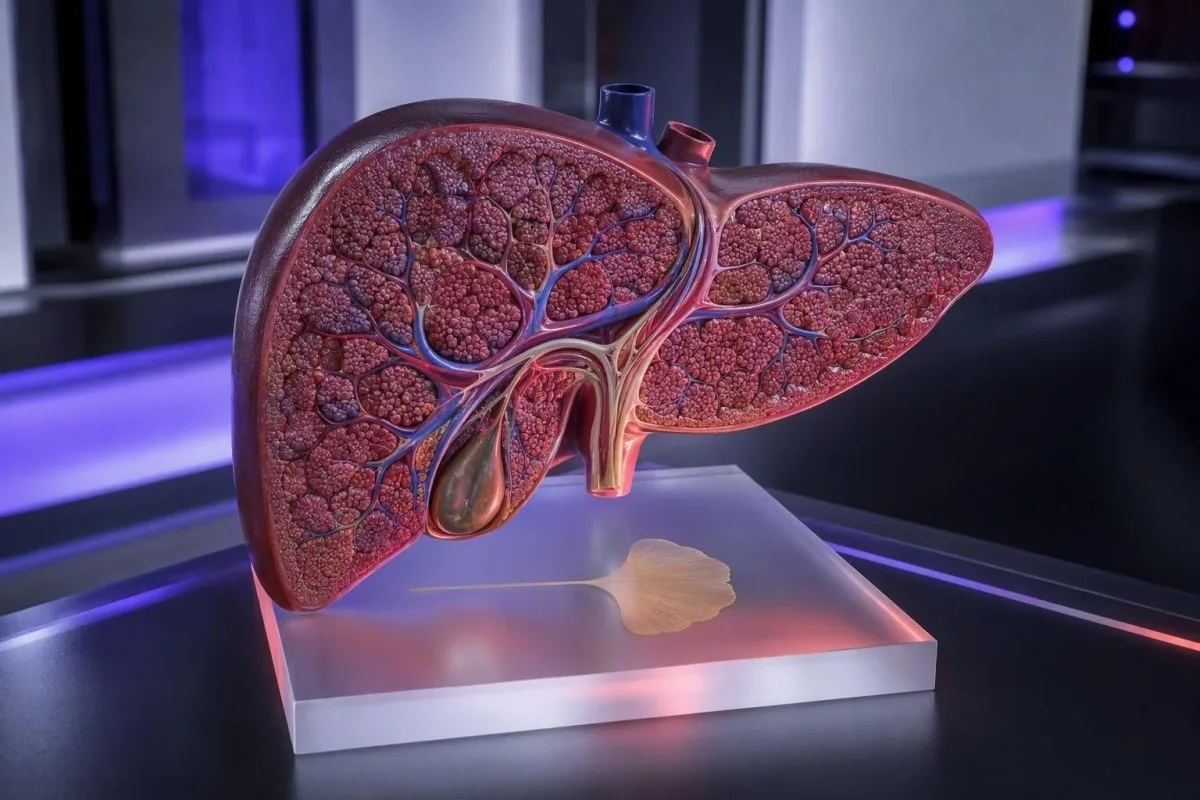
ALT ایک عام طور پر رپورٹ کیا جانے والا جگر کا انزائم ہے، لیکن یہ تشخیص کے بجائے خلیے کے تناؤ کا اشارہ ہے۔ اس کا مطلب اس کے حجم، پیٹرن، وقت اور آپ کے باقی جگر کے پینل سے آتا ہے۔.


- ALT کا مطلب: ALT ایلانائن امینو ٹرانسفیریز کے لیے ہے، جو IU/L میں ناپا جانے والا ایک انزائم ہے جو جگر کے خلیوں میں مرتکز ہوتا ہے۔.
- عام حد: بہت سی بالغ لیبارٹریز خواتین کے لیے 35 IU/L اور مردوں کے لیے 45 IU/L کی ALT اوپری حد استعمال کرتی ہیں، حالانکہ رپورٹ کی اپنی رینج فیصلہ کن ہے۔.
- ہلکی بلند ی: لیبارٹری کی اوپری حد سے 2 گنا سے کم ALT عام ہے اور اکثر گھبراہٹ کے بجائے منصوبہ بند دہرائی کی مستحق ہے۔.
- پیٹرن (نمونہ) اہمیت رکھتا ہے: زیادہ AST، ALP، GGT، بلیروبن، یا INR کے ساتھ ALT کا مطلب صرف ALT میں اضافہ سے مختلف ہے۔.
- ورزش کا اثر: بھاری مزاحمتی تربیت ALT اور AST کو 7 دن یا اس سے زیادہ عرصے تک بڑھا سکتی ہے، خاص طور پر جب creatine kinase بھی زیادہ ہو۔.
- ادویات کا جائزہ: Acetaminophen، statins، antibiotics، antiseizure drugs، supplements، اور herbal products ALT کو متاثر کر سکتے ہیں۔.
- فوری توجہ کی علامات: یرقان، الجھن، پیٹ کے اوپری دائیں حصے میں شدید درد، بار بار الٹیاں، یا بہت گہرا پیشاب ایک ہی دن طبی تشخیص کی ضرورت ہے۔.
- رجحان قدر: گرتا ہوا ALT ٹریگر ہٹانے کے بعد ایک الگ سے حد سے زیادہ حد کا نتیجہ کے مقابلے میں زیادہ اطمینان بخش ہوتا ہے۔.
خون کے ٹیسٹ پر ALT کا کیا مطلب ہے
ALT کا مخفف Alanine aminotransferase ہے, ، جو ایک انزائم ہے جو خلیات کو توانائی کے میٹابولزم کے دوران امینو گروپس منتقل کرنے میں مدد کرتا ہے۔ اس کی پیمائش اس لیے کی جاتی ہے کیونکہ جگر کے خلیات کے دباؤ یا چوٹ لگنے پر ALT خون میں شامل ہو جاتا ہے۔ یہ بذات خود جگر کو مستقل نقصان کا ثبوت نہیں ہے۔.
ALT بنیادی طور پر ہیپاٹوسائٹس کے اندر پایا جاتا ہے، جو جگر کے فعال خلیات ہیں، حالانکہ اسکیلیٹل مسل اور دیگر ٹشوز میں بھی اس کی تھوڑی مقدار پائی جاتی ہے۔ بلند نتیجہ کا مطلب ہے کہ نمونے میں متوقع سے زیادہ انزائم پہنچا ہے؛ یہ بغیر ساتھ میں شواہد کے چربی والے جگر، ہیپاٹائٹس، دوائیوں سے ہونے والی چوٹ، یا ورزش کی نشاندہی نہیں کر سکتا۔.
میری کلینیکل پریکٹس میں، سب سے پہلا مفید سوال یہ نہیں ہے کہ “یہ کتنا بلند ہے؟” بلکہ “کس بنیادی سطح اور دیگر کون سے مارکر کے مقابلے میں بلند ہے؟” نئی جم روٹین کے بعد 58 IU/L کا ALT، 65 µmol/L بلیروبن اور پیلی آنکھوں والے ALT 58 IU/L سے ایک مختلف مسئلہ ہے۔.
کنٹیسٹی ایک ہے۔ اے آئی بلڈ ٹیسٹ تجزیہ کار جو ALT کو AST، ALP، GGT، بلیروبن، البومن، پلیٹ لیٹ گنتی، ادویات، اور پچھلے نتائج کے ساتھ پڑھتا ہے بجائے اس کے کہ ایک جھنڈے والے قدر کو تشخیص کے طور پر علاج کیا جائے۔ متعلقہ پیمائشوں کے وسیع نقشے کے لیے، ہمارا دیکھیں بایومارکر گائیڈ.
پرانا نام SGPT کیوں ظاہر ہو سکتا ہے
کچھ رپورٹس میں اب بھی ALT کو “serum glutamic-pyruvic transaminase” کہا جاتا ہے یا SGPT. ۔ ALT اور SGPT ایک ہی انزائم ٹیسٹ کا حوالہ دیتے ہیں، حالانکہ جدید لیبارٹری رپورٹنگ میں عام طور پر ALT کا استعمال ہوتا ہے۔.
ڈاکٹر ایلانائن امینو ٹرانسفیریز کیوں ناپتے ہیں
معالجین ایک Alanine aminotransferase ٹیسٹ کا حکم دیتے ہیں تاکہ ہیپاٹوسیلولر تناؤ کا پتہ لگایا جا سکے، جگر کی معلوم بیماری کی نگرانی کی جا سکے، اور دوائیوں سے متعلق چوٹ کا پتہ لگایا جا سکے۔ ALT اکثر جگر کے پینل یا جامع میٹابولک پینل میں شامل ہوتا ہے، یہاں تک کہ جب کسی شخص میں کوئی علامات نہ ہوں۔.
ALT کی عام طور پر ذیابیطس یا لپڈ کے جائزوں کے دوران جانچ کی جاتی ہے کیونکہ میٹابولک ڈس فنکشن سے وابستہ سٹیٹوٹک جگر کی بیماری، جسے پہلے فیٹی لیور ڈیزیز کہا جاتا تھا، سالوں تک خاموش رہ سکتی ہے۔ 2023 AASLD رہنمائی میٹابولک رسک فیکٹرز اور غیر واضح جگر کے انزائم کی بلندی والے لوگوں کا سٹیٹوٹک جگر کی بیماری اور فائبروسس کے خطرے کے لیے جائزہ لینے کا مشورہ دیتی ہے (Rinella et al., 2023)۔.
ایک عام ALT اہم فائبروسس کو خارج نہیں کرتا، اور بلند ALT فائبروسس کے مرحلے کی پیمائش نہیں کرتا۔ میں نے مریض دیکھے ہیں جن کا ALT 24 IU/L تھا اور ماہر تشخیص پر معنی خیز سکارنگ تھی، خاص طور پر ٹائپ 2 ذیابیطس کے ساتھ؛ فائبروسس سکور اور امیجنگ ایک مختلف سوال کا جواب دیتے ہیں۔.
ALT کی نگرانی دوا میں تبدیلی کے بعد بھی عملی ہے، لیکن اسے سوچ سمجھ کر شیڈول کیا جانا چاہیے۔ ہماری گائیڈ سالانہ خون کے ٹیسٹ کی وضاحت کرتی ہے کہ ٹیسٹنگ کی فریکوئنسی کو صرف عادت کے بجائے خطرے، علامات اور علاج کی پیروی کرنی چاہیے۔.
ALT کی عام حدود اور لیب کٹ آف مختلف کیوں ہیں
بالغ ALT حوالہ رینج عام طور پر خواتین کے لیے تقریباً 7 سے 35 IU/L اور مردوں کے لیے 10 سے 45 IU/L تک ہوتی ہے، لیکن رینج ایس، آبادی اور لیبارٹری کے لحاظ سے مختلف ہوتی ہے۔ ہمیشہ اپنے نتائج کے ساتھ چھپی ہوئی اوپری حد استعمال کریں بجائے اس کے کہ انٹرنیٹ کی کٹ آف ویلیو استعمال کریں۔.
اوپری حد شماریاتی ہے، جو عام طور پر ایک حوالہ آبادی سے حاصل کی جاتی ہے، نہ کہ یہ ضمانت کہ اس سے نیچے کی ہر قدر مکمل طور پر صحت مند جگر کی عکاسی کرتی ہے۔ کچھ یورپی لیبارٹریز خواتین کے لیے 25 IU/L اور مردوں کے لیے 35 IU/L کے قریب صنفی مخصوص اوپری حدود استعمال کرتی ہیں، جو میٹابولک خطرے کو جلدی پہچان سکتی ہیں لیکن زیادہ حد سے زیادہ جھنڈے بھی پیدا کر سکتی ہیں۔.
نارمل اوپری حد سے دوگنی سے کم قدر کو اکثر ہلکی بلندی کہا جاتا ہے۔ 40 IU/L کی اوپری حد والی لیبارٹری کے لیے، ALT 55 سے 80 IU/L کو سیاق و سباق اور عام طور پر ایک دوبارہ جانچ کی ضرورت ہوتی ہے، جبکہ ALT 400 IU/L اوپری حد سے 10 گنا زیادہ ہے اور فوری طور پر تشویش پیدا کرتی ہے۔.
ڈاکٹر تھامس کلین مریضوں کو مشورہ دیتے ہیں کہ وہ پچھلے ہفتے کے لیبارٹری کا نام، اکائیاں، رینج، ڈرا کی تاریخ، الکحل کا استعمال، اور ورزش کو محفوظ کر لیں۔ یہ نتائج دوروں کے درمیان نتائج کے فرق کو کہیں زیادہ قابل تشریح بناتا ہے۔.
ALT اور AST مل کر کیسے کام کرتے ہیں
ALT اور AST کا بیک وقت تجزیہ کیا جانا چاہئے کیونکہ ALT جگر پر نسبتاً مرکوز ہے جبکہ AST کنکال اور دل کے پٹھوں میں بھی وافر مقدار میں ہوتا ہے۔ AST-to-ALT کا تناسب نمونے بتا سکتا ہے، لیکن یہ اکیلے الکحل سے متعلق بیماری یا سیروسس کا پتہ نہیں لگا سکتا۔.
جب ALT، AST سے زیادہ ہو جاتا ہے، تو معالج اکثر میٹابولک سٹیٹوسس، وائرل ہیپاٹائٹس، یا ادویات کے اثرات پر غور کرتے ہیں، حالانکہ بہت سے استثناء موجود ہیں۔ الکحل سے وابستہ جگر کی چوٹ میں 2 سے زیادہ AST:ALT کا تناسب ہو سکتا ہے، لیکن ایڈوانسڈ فائبروسس، پٹھوں کی چوٹ، اور شدید صدمے کے بعد کا وقت بھی تناسب کو تبدیل کر سکتا ہے۔.
ایک 52 سالہ میراتھن رنر جس میں ریس کے بعد AST 89 IU/L، ALT 61 IU/L، اور کریٹین کناز 1,450 IU/L ہے، اسے اس شخص سے مختلف بات چیت کی ضرورت ہوگی جس کے انزائم اور کریٹین کناز 90 IU/L وہی ہوں۔ جس کی وجہ سے ہم AST کے ساتھ ساتھ بلند CK کے بارے میں فکر مند ہیں وہ پٹھوں کا اخراج ہے؛ ALT اکیلے پٹھوں کے لیے کم مخصوص ہے لیکن بلند بھی ہو سکتا ہے۔.
اس فرق کے پٹھوں کے پہلو کے لیے، ہماری وضاحت پڑھیں بلند AST کی علامات. ۔ اگر جسمانی سرگرمی ایک ممکنہ محرک ہے، تو 7 دن تک غیر معمولی طور پر شدید تربیت سے پرہیز کریں جب تک کہ آپ کے معالج کے مشورے کے برخلاف نہ ہو۔.
ALP، GGT اور بلیروبن ALT کے معنی کو کیسے تبدیل کرتے ہیں
ALT ہیپاٹوسیلولر پیٹرن کی نشاندہی کرتا ہے، جبکہ الکلائن فاسفیٹیز، GGT، اور بلیروبن کولیسٹیسس یا पित्त کے بہاؤ میں رکاوٹ کی شناخت میں مدد کرتے ہیں۔ ALT کے ساتھ بلند ALP اور GGT کو سادہ فیٹی جگر فرض کرنے کے بجائے، पित्त نالی کی بیماری، ادویات کے اثرات، یا جگر کی سوزش پر غور کرنا چاہیے۔.
ایک معالج R تناسب کا حساب لگا سکتا ہے: ALT کو اس کی اوپری حد سے تقسیم کیا جاتا ہے، پھر ALP کو اس کی اوپری حد سے تقسیم کیا جاتا ہے۔ 5 یا اس سے زیادہ کا R تناسب ہیپاٹوسیلولر چوٹ کی حمایت کرتا ہے، 2 یا اس سے کم کولیسٹیٹک چوٹ کی حمایت کرتا ہے، اور 2 سے 5 مخلوط پیٹرن کی تجویز کرتا ہے؛ یہ ایک ترجیحی آلہ ہے، حتمی تشخیص نہیں۔.
GGT اس وقت مفید ہے جب ALP بلند ہو کیونکہ GGT کا بلند ہونا جگر کی نالی کے ذرائع کی حمایت کرتا ہے، جبکہ ALP ہڈیوں کے ٹرن اوور سے بھی بلند ہو سکتا ہے۔ لہذا، عام GGT کے ساتھ تنہا ALP کا اضافہ جگر کی امیجنگ کے بجائے ہڈیوں اور وٹامن ڈی کے سوالات کی طرف لے جا سکتا ہے۔.
سیاہ پیشاب، پیلے رنگ کا پاخانہ، خارش، بخار، یا بلند بلیروبن کے ساتھ پیلا یرقان “اگلی سالانہ جانچ کے لیے انتظار کریں” والی علامات نہیں ہیں۔ ہمارا cholestasis پیٹرن گائیڈ ان امتزاجات کی وضاحت کرتا ہے جن کا فوری جائزہ لیا جانا چاہئے۔.
ALT بڑھنے کی عام وجوہات
بلند ALT اکثر میٹابولک سٹیٹوٹک جگر کی بیماری، الکحل کے سامنے، وائرل ہیپاٹائٹس، ادویات کے اثرات، یا ورزش سے متعلق عارضی اضافے کی عکاسی کرتا ہے۔ ہر وجہ کا امکان جسمانی وزن، گلوکوز، ٹرائگلیسرائڈز، الکحل کے پیٹرن، سفر، ادویات، اور اضافے کے سائز کے ساتھ بدلتا ہے۔.
میٹابولک سٹیٹوٹک جگر کی بیماری خاص طور پر اس وقت ہونے کا امکان ہے جب ALT میں اضافہ سنٹرل وزن میں اضافے، 150 mg/dL سے زیادہ ٹرائگلیسرائیڈز، کم HDL کولیسٹرول، بلند فاسٹنگ گلوکوز، یا ٹائپ 2 ذیابیطس کے ساتھ ہوتا ہے۔ یہ چھوٹے جسم والے لوگوں میں بھی ہو سکتا ہے، خاص طور پر وزرل فیٹ، جینیات، سلیپ اپنیا، یا بعض ادویات کے ساتھ۔.
وائرل ہیپاٹائٹس کی جانچ نمائش اور خطرے پر منحصر ہے، نہ کہ صرف ALT پر۔ ہیپاٹائٹس B سرفیس اینٹیجن اور ہیپاٹائٹس C اینٹی باڈی کی تصدیقی RNA ٹیسٹنگ کے ساتھ ایک مرکوز تشخیص کا معیاری حصہ ہیں جب تاریخ، جغرافیہ، یا انزائم کا نمونہ اس کی حمایت کرتا ہے۔ ہمارا ہیپاٹائٹس C گائیڈ عام راستے کا احاطہ کرتا ہے۔.
کم عام لیکن اہم وجوہات میں ہیوموکرومیٹوسس، آٹوميون ہیپاٹائٹس، نوجوانوں میں ولسن کی بیماری، سیلیاک کی بیماری، اور الفا-1 اینٹی ٹرپسن کی کمی شامل ہیں۔ ڈاکٹر تھامس کلین نے ہر بلند ALT کو الکحل سے متعلق سمجھنے کے نقصان کو دیکھا ہے۔ ایک منظم ورک اپ زیادہ مہربان اور زیادہ درست ہے۔.
دوائیں اور سپلیمنٹس جو ALT کو بڑھا سکتے ہیں
ادویات اور سپلیمنٹس جگر کو براہ راست نقصان، بائل کے بہاؤ میں تبدیلی، میٹابولک اثرات، یا غیر متعلقہ اتفاق کے ذریعے ALT کو بڑھا سکتے ہیں۔ صرف ایک نتیجے کی وجہ سے تجویز کردہ دوا کو اچانک بند نہ کریں؛ تجویز کرنے والے سے رابطہ کریں جو دوا کے فائدے کا موازنہ نمونے اور رجحان کے ساتھ کر سکتا ہے۔.
ایسیٹامنفین، جسے پیراسیٹامول بھی کہا جاتا ہے، زیادہ مقدار میں ALT میں نمایاں اضافہ کر سکتا ہے اور بعض اوقات زیادہ تھراپیٹک نمائش میں ہلکی تبدیلیاں پیدا کر سکتا ہے۔ زیادہ تر بالغوں کے لیے، عام زیادہ سے زیادہ 4,000 ملی گرام روزانہ ہے، لیکن بہت سے معالج ایسے لوگوں کے لیے کم حد تجویز کرتے ہیں جو باقاعدگی سے شراب پیتے ہیں، جگر کی بیماری ہے، بوڑھے ہیں، یا مجموعہ سردی کی دوائیں استعمال کرتے ہیں۔.
سٹیٹنز ALT میں معمولی اضافہ پیدا کر سکتے ہیں، پھر بھی دل کی تکلیف سے متعلق جگر کو شدید نقصان نایاب ہے؛ بغیر مشورے کے قلبی دوا بند کرنا انزائم کے جھنڈے سے زیادہ خطرناک ہو سکتا ہے۔ ACG گائیڈ لائن وسیع جانچ سے پہلے غیر معمولی جگر کی کیمسٹری کی تصدیق کرنے اور احتیاط سے نسخے، اوور دی کاؤنٹر، اور سپلیمنٹ کی تاریخ لینے کی سفارش کرتی ہے (Kwo et al.، 2017)۔.
گرین ٹی ایکسٹریکٹ، انابولک مصنوعات، زیادہ مقدار میں وٹامن اے، متعدد اجزاء والے “ڈیٹوکس” پاؤڈر، اور غیر منظم باڈی بلڈنگ سپلیمنٹس خاص سوالات کے مستحق ہیں کیونکہ لیبل نامکمل ہو سکتے ہیں۔ نیا پروڈکٹ شامل کرنے سے پہلے ہماری عملی سپلیمنٹ سیفٹی گائیڈ کا جائزہ لیں۔.
کیا ورزش عارضی طور پر ALT کو بڑھا سکتی ہے؟
ہاں، شدید ورزش عارضی طور پر ALT کو بڑھا سکتی ہے، خاص طور پر نا واقف مزاحمتی تربیت، برداشت کے واقعات، یا پٹھوں کی چوٹ کے بعد۔ AST اور کریٹین کناز عام طور پر زیادہ نمایاں طور پر بڑھتے ہیں، اور قدریں ورزش کی شدت اور پٹھوں کے بڑے پیمانے پر منحصر 3 سے 10 دن تک ٹھیک ہونے میں لگ سکتی ہیں۔.
عام غلط فہمی یہ ہے کہ بلند ALT کا مطلب ہمیشہ جگر کو نقصان پہنچنا ہے۔ عملی طور پر، ایک سخت سیشن جس میں سنکی لفٹنگ شامل ہے - سست کم کرنے والی حرکتیں - AST، ALT، LDH، اور CK کو جگر کی اندرونی خرابی کے بغیر تبدیل کرنے کے لیے پٹھوں کی جھلیوں کو کافی حد تک متاثر کر سکتا ہے۔.
صاف دوبارہ جانچ کے لیے، میں عام طور پر مستحکم، صحت مند مریضوں سے 5 سے 7 دن تک شدید تربیت سے گریز کرنے، کئی دنوں تک شراب سے گریز کرنے، عام ہائیڈریشن رکھنے، اور جہاں ممکن ہو ایک ہی لیبارٹری استعمال کرنے کے لیے کہتا ہوں۔ یہ ان صورتوں میں مناسب نہیں ہے جہاں ریڈ فلیگ علامات ہوں یا ALT حد سے کئی گنا زیادہ ہو؛ ان صورتوں میں پہلے طبی مشورے کی ضرورت ہوتی ہے۔.
کنٹیسٹی ایک ہے۔ اے آئی سے چلنے والا خون کے ٹیسٹ کا تجزیہ کا آلہ 127+ ممالک میں استعمال کیا جاتا ہے جو ALT، AST، CK، اور پچھلی ڈراز کا موازنہ کر سکتا ہے تاکہ ورزش کے مطابق نمونے کو جھنڈا بنایا جا سکے بغیر اسے بے ضرر قرار دیے۔ کھلاڑی بھی جائزہ لے سکتے ہیں۔ میراتھن بلڈ ٹیسٹ ٹائمنگ.
وہ علامات جو ALT کے نتیجے کو زیادہ اہم بناتی ہیں
زیادہ تر ہلکے ALT میں اضافے سے کوئی علامات نہیں ہوتی ہیں، لیکن پیلیا، بہت گہرا پیشاب، ہلکا پاخانہ، شدید پیٹ کا درد، الجھن، آسانی سے زخم، یا مستقل الٹی کو فوری طبی تشخیص کی ضرورت ہوتی ہے۔ علامات اہم ہیں کیونکہ وہ بلیروبن کی خراب ہینڈلنگ، بائل کی رکاوٹ، شدید ہیپاٹائٹس، یا جگر کے مصنوعی فنکشن میں کمی کی نشاندہی کر سکتے ہیں۔.
پیلی آنکھوں یا جلد، الجھن، نئی نیند، دائیں پسلیوں کے نیچے درد کا تیزی سے بڑھنا، یا سیالوں کو اندر رکھنے میں ناکامی کے لیے اسی دن کی دیکھ بھال حاصل کریں۔ یہ علامات زیادہ وزن رکھتی ہیں جب ALT حد سے 5 گنا زیادہ ہو، بلیروبن بلند ہو، یا INR بڑھ جائے تو۔.
حمل تشویش کی حد کو بدل دیتا ہے: ہتھیلیوں یا پاؤں کے تلووں میں خارش، دائیں جانب پیٹ میں تکلیف، سر درد، بصری خلل، یا ہائی بلڈ پریشر کو فوری زچگی کی تشخیص کی ضرورت ہوتی ہے یہاں تک کہ جب ALT صرف معمولی طور پر بلند ہو۔ حمل سے متعلقہ حالات کے لیے معمول کے آؤٹ پیشنٹ جگر کی جانچ سے مختلف راستے کی ضرورت ہوتی ہے۔.
پیشاب کی تبدیلیاں سراغ شامل کر سکتی ہیں لیکن خود سے تشخیص نہیں کرتیں۔ ہماری مضمون گہرے پیشاب کی وجوہات پر پانی کی کمی اور ادویات کو بلیروبن سے متعلق وارننگ سائنز سے ممتاز کرنے میں مدد کرتا ہے۔.
غیر معمولی ALT کے نتیجے کے بعد عام طور پر کیا ہوتا ہے
ایک غیر معمولی ALT نتائج کے بعد، معالج عام طور پر نتائج کی تصدیق کرتے ہیں، نمائش کا جائزہ لیتے ہیں، اور بلندی کے سائز اور علامات کی بنیاد پر پینل کو دہراتے یا وسعت دیتے ہیں۔ ایک واحد معمولی نتیجہ اکثر ہفتوں سے لے کر چند مہینوں میں دہرانے کا باعث بنتا ہے، جبکہ نمایاں بلندی یا یرقان تیزی سے تشخیص کا باعث بنتا ہے۔.
ایک سمجھدار پہلی نظر میں الکحل کے نمونے، حالیہ بیماری، جسم کے وزن میں تبدیلی، سفر، خاندانی تاریخ، نسخے اور غیر نسخے والی دوائیں، سپلیمنٹس، اور پچھلے 7 دنوں میں ورزش شامل ہے۔ عام فالو اپ ٹیسٹوں میں AST، ALP، GGT، بلیروبن، البومن، مکمل خون کی گنتی، INR، ہیپاٹائٹس کی اسکریننگ، ٹرانسفرین سنترپتی کے ساتھ فیرٹِین، اور گلوکوز یا HbA1c شامل ہیں۔.
الٹراساؤنڈ اکثر اسٹیٹوسس، پتھری، पित्त نالیوں کی توسیع، یا ساختی تبدیلی کے لیے مفید ہوتا ہے، لیکن یہ ابتدائی فائبروسس کو قابل اعتماد طریقے سے درجہ بندی نہیں کرتا ہے۔ FIB-4 فائبروسس کے خطرے کا اندازہ لگانے کے لیے عمر، AST، ALT، اور پلیٹلیٹ کی گنتی کا استعمال کرتا ہے؛ یہ 35 سال سے کم عمر میں کم قابل اعتماد ہو جاتا ہے اور اسے شدید بیماری کے دوران استعمال نہیں کیا جانا چاہیے۔.
Kantesti AI ایک اے آئی لیب ٹیسٹ کی تشریح کی خدمت جو ان متعلقہ مارکروں اور طویل مدتی نتائج کو ایک معالج کے ساتھ بات چیت کے لیے منظم کرتا ہے۔ ہماری جگر کے پینل کی وضاحت کار ظاہر کرتی ہے کہ ہر فالو اپ جز کیا حصہ ڈالتا ہے۔.
ALT کے رجحانات ایک نمبر سے زیادہ مفید کیوں ہیں
ایک ALT رجحان اکثر ایک واحد نتیجے سے زیادہ معلوماتی ہوتا ہے کیونکہ یہ ظاہر کرتا ہے کہ سگنل حل ہو رہا ہے، مستقل ہے، یا تیز ہو رہا ہے۔ 6 ہفتوں کے بعد 72 سے 34 IU/L تک کی تبدیلی، 34 سے 72 IU/L کے برعکس، ایک مختلف کلینیکل پیغام دیتی ہے، حالانکہ دونوں اعداد لیبارٹری کٹ آف کے قریب ہو سکتے ہیں۔.
حیاتیاتی تغیر، ہائیڈریشن، ایسے تغیر، اور وقت نکالنے کے درمیان ALT کو modestly منتقل کر سکتے ہیں۔ ایک ہی لیبارٹری میں، دن کے ایک ہی وقت میں، اسی طرح کی سرگرمی اور الکحل کی نمائش کے بعد، دوبارہ نکالنے سے شور کم ہوتا ہے اور حقیقی تبدیلی کی شناخت آسان ہو جاتی ہے۔.
6 ماہ سے زیادہ عرصے تک مستقل بلندی، خاص طور پر ذیابیطس، موٹاپا، جگر کی بیماری کی خاندانی تاریخ، پلیٹلیٹ میں کمی، یا بلیروبن میں اضافے کے ساتھ، زیادہ دانستہ تشخیص کی مستحق ہے۔ اس کے برعکس، مکمل طور پر تشخیص شدہ مریض میں ایک مستحکم معمولی ALT کو بار بار وسیع ٹیسٹنگ کے ساتھ تعاقب کرنے کے بجائے نگرانی کی جا سکتی ہے۔.
Kantesti AI، بیماری کی ترقی کے طور پر 3 IU/L شفٹ کو سمجھنے کے بجائے، ساتھ والے AST، پلیٹلیٹ کی گنتی، بلیروبن، اور میٹابولک مارکروں کے ساتھ ALT رجحانوں کی تشریح کرتا ہے۔ ہماری طولانی جانچ گائیڈ ہر بار نکالنے کے بعد ریکارڈ کرنے کے قابل تفصیلات کے لیے دیکھیں۔.
ALT کے بارے میں غلط تصورات جو غلط فیصلوں کا باعث بن سکتے ہیں
ALT سختی کے معنی میں “جگر کے فنکشن ٹیسٹ” نہیں ہے کیونکہ یہ انزائم کے رساؤ کی پیمائش کرتا ہے، نہ کہ جگر کی البومن، جمنے والے عوامل، یا पित्त بنانے کی صلاحیت کو۔ البومن، INR، بلیروبن، پلیٹلیٹ کی گنتی، علامات، اور امیجنگ صرف ALT سے زیادہ ایک نتیجہ خیز کہانی بتا سکتے ہیں۔.
نارمل ALT، بھاری شراب نوشی، ذیابیطس، یا جگر کی بیماری کی مضبوط خاندانی تاریخ کو نظر انداز کرنے کی اجازت نہیں دیتا۔ اسی طرح، بلند ALT یہ ثابت نہیں کرتا کہ الکحل وجہ تھی؛ یہ مفروضہ اعتماد کو نقصان پہنچا سکتا ہے اور وائرل، آٹومون، جینیاتی، یا دواؤں سے متعلقہ حالات کی تشخیص میں تاخیر کر سکتا ہے۔.
“جگر کی ڈیٹاکس” ایک اور عام جال ہیں۔ جگر پہلے سے ہی میٹابولزم اور کلیئرنس کو سنبھالتا ہے، جبکہ جارحانہ روزہ، غیر منظم جڑی بوٹیاں، اور تیزی سے وزن میں کمی کبھی کبھی علامات یا لیبارٹری مارکروں کو خراب کر سکتی ہیں۔ تجارتی ڈیٹاکس رجیم کے لیے ثبوت ایمانداری سے ناقص ہیں۔.
اگر خوراک بحث کا حصہ ہے، تو معجزاتی مصنوعات کے بجائے پائیدار وزن میں تبدیلی، کافی پروٹین، فائبر، اور الٹرا پروسیسڈ فوڈ میں کمی پر توجہ مرکوز کریں۔ ہماری ثبوت پر مبنی جگر کے کھانے کی ہدایت نامہ ایک محفوظ ابتدائی نقطہ ہے۔.
بچوں، حمل اور زیادہ عمر میں ALT کی تشریح
بچوں، حمل، اور بوڑھے بالغوں میں ALT کی تشریح کے لیے عمر کے لحاظ سے مخصوص تناظر کی ضرورت ہوتی ہے کیونکہ حوالہ کی حدود اور ممکنہ وجوہات مختلف ہوتی ہیں۔ پیڈیاٹرک ALT کٹ آف اکثر بالغ لیبارٹری رینج سے کم ہوتے ہیں، اور حمل سے متعلق جگر کے علامات کے لیے ماہر کی قیادت میں تیزی سے تشخیص کی ضرورت ہوتی ہے۔.
بچوں میں، موٹاپے سے متعلق اسٹیٹوٹک جگر کی بیماری کو تیزی سے پہچانا جا رہا ہے، لیکن وائرل بیماریاں، پٹھوں کی خرابی، سیلیک بیماری، اور موروثی میٹابولک حالات تفریقی میں رہنا چاہیے۔ پیڈیاٹرک معالج کو مستقل ALT بلندی کی تشریح کرنی چاہیے بجائے اس کے کہ بالغ “40 IU/L سے کم ٹھیک ہے” سوچ کو لاگو کیا جائے۔.
حمل کے دوران، ALT کو عام طور پر غیر حاملہ حوالہ وقفے کے اندر رہنا چاہیے؛ ہائی بلڈ پریشر، کم پلیٹلیٹس، خارش، یا متلی کے ساتھ اضافہ کے لیے حمل سے متعلقہ خرابیوں کی فوری تشخیص کی ضرورت ہوتی ہے۔ البومن عام طور پر پلازما کے حجم میں اضافے کی وجہ سے گر جاتا ہے، لہذا البومن اور ALT کی تشریح ایک ہی منطق کے ساتھ نہیں کی جانی چاہیے۔.
بوڑھے بالغوں میں، متعدد ادویات اور کمزوری مکمل ادویات کے جائزے کی اہمیت کو بڑھاتی ہے۔ ہماری سینئر میڈیکیشن لیب گائیڈ اپوائنٹمنٹ کے وقت لانے کے لیے سوالات کا خاکہ پیش کرتا ہے۔.
ALT کے نتائج کے لیے AI تشریح کا محفوظ استعمال
AI ایک ALT نتیجہ کو منظم کرنے میں مدد کر سکتا ہے، لیکن یہ آپ کا معائنہ نہیں کر سکتا، علامات کی تصدیق نہیں کر سکتا، یا ممکنہ طور پر سنگین جگر کے نمونے کے لیے طبی تشخیص کا متبادل نہیں بن سکتا۔ سب سے محفوظ استعمال تیاری ہے: نمونہ کی شناخت کریں، اصل رپورٹ محفوظ کریں، اور ایک مستند معالج کے پاس معلوماتی سوالات لے کر جائیں۔.
5 ستمبر 2026 تک، Kantesti ایک AI خون کے ٹیسٹ کی رپورٹ کی تشریح ہے جو تقریباً 60 سیکنڈ میں اپ لوڈ شدہ لیبارٹری رپورٹس کا جائزہ لیتا ہے اور ALT کو متعلقہ اقدار، رجحان کی تاریخ، اور رپورٹ شدہ ادویات کے تناظر میں رکھتا ہے۔ اسے سوالات کے معیار کو بہتر بنانے کے لیے ڈیزائن کیا گیا ہے، نہ کہ تشخیص جاری کرنے یا علاج تجویز کرنے کے لیے۔.
درستگی کے لیے، چیک کریں کہ رپورٹ کی تصویر پڑھی جا سکتی ہے، یونٹس درست طور پر کیپچر کیے گئے ہیں، اور پچھلے سال کا نتیجہ آج کی قدر کے لیے غلط نہیں سمجھا گیا۔ Kantesti کا طبی طریقہ کار معالج کی نگرانی سے تشکیل پاتا ہے۔ قارئین ہمارے میڈیکل ویلیڈیشن معیار اور میڈیکل ایڈوائزری بورڈ کا جائزہ لے سکتے ہیں جب وہ فیصلہ کر رہے ہوں کہ AI سے تعاون یافتہ تشریح کو کیسے استعمال کیا جائے۔.
جائزہ کے لیے تین چیزیں لائیں: مکمل پینل، خوراک کے ساتھ ہر دوا اور سپلیمنٹ کی فہرست، اور الکحل، بیماری، سفر، اور شدید ورزش کا ایک ٹائم لائن۔ یہ معمولی تیاری اکثر غیر ضروری تشویش کو روکتی ہے اور ایک بامعنی نمونے کو چھوٹ جانے سے بچاتی ہے۔.
آپ کے اگلے ALT ٹیسٹ سے پہلے ایک عملی چیک لسٹ
منصوبہ بند ALT دوبارہ جانچ سے پہلے، اپنے معمول کو مستحکم رکھیں اور ان عوامل کو دستاویز کریں جو انزائمز کو تبدیل کر سکتے ہیں۔ جب طبی طور پر محفوظ ہو تو 5 سے 7 دن تک بھاری تربیت سے گریز کریں، کئی دنوں تک الکحل سے پرہیز کریں، اور مقرر کردہ ادویات کو اس وقت تک تبدیل نہ کریں جب تک کہ تجویز کرنے والا ڈاکٹر آپ کو نہ کہے۔.
ایسیٹامنفین یا پیراسیٹامول کے استعمال، اینٹی بائیوٹکس، نئی سپلیمنٹس، حالیہ بخار، گیسٹروئنٹرائٹس، ویکسین، روزہ، اور تیزی سے وزن میں تبدیلی کو ریکارڈ کریں۔ ALT کے لیے اکیلے عام طور پر روزہ رکھنے کی ضرورت نہیں ہوتی ہے، حالانکہ اگر اسی دورے پر گلوکوز، ٹرائگلیسرائڈز، یا دیگر ٹیسٹ کیے جا رہے ہوں تو اس کی درخواست کی جا سکتی ہے۔.
معالج سے پوچھیں کہ کیا دوبارہ ALT میں AST، ALP، GGT، بلیروبن، البومن، پلیٹلیٹس، اور CK شامل ہونا چاہیے۔ جواب اکثر پہلے نمونے پر منحصر ہوتا ہے۔ وزن اٹھانے کے بعد ALT کا 48 IU/L کا تنہا نمونہ بلیروبن 48 µmol/L کے ساتھ ALT 248 IU/L کے طور پر اسی کام کی ضرورت نہیں رکھتا ہے۔.
اگر آپ کو اپنی رپورٹ سے سوالات جمع کرنے میں مدد کی ضرورت ہے، تو ہمارا AI report accuracy checklist وزٹ سے پہلے مفید ہے۔ ہمارے کام کے بارے میں تنظیمی معلومات کے لیے، دیکھیں کنٹیسٹی کے بارے میں.
اکثر پوچھے گئے سوالات
لیب کے نتائج میں ALT کا کیا مطلب ہے؟
ALT کا مطلب ہے alanin aminotransferase، ایک انزائم جو زیادہ تر جگر کے خلیوں میں پایا جاتا ہے اور جسے بین الاقوامی یونٹس فی لیٹر (IU/L) میں ناپا جاتا ہے۔ بہت سے لیبارٹریز بالغ خواتین کے لیے 35 IU/L کے ارد گرد اور بالغ مردوں کے لیے 45 IU/L کی اوپری حد استعمال کرتی ہیں، حالانکہ انفرادی رپورٹ پر چھپا ہوا حوالہ وقفہ درست موازنہ کنندہ ہے۔ بلند ALT خلیوں کے تناؤ یا چوٹ کا اشارہ دیتا ہے لیکن خود سے اس کی وجہ کی نشاندہی نہیں کر سکتا۔ AST، ALP، GGT، بلیروبن، ادویات، الکحل، ورزش، اور علامات اس بات کا تعین کرتے ہیں کہ نتیجہ کا کیا مطلب ہے۔.
کیا ALT 50 IU/L زیادہ ہے؟
50 IU/L کا ALT، 35 یا 40 IU/L کی بالائی حد والے لیبارٹریوں میں معمولی طور پر بلند ہوتا ہے، لیکن یہ 55 IU/L کی بالائی حد والے کچھ لیبارٹریوں میں نارمل کے قریب ہے۔ 50 IU/L کے آس پاس کی قدر عام طور پر کم فوری ہوتی ہے جب بلیروبن، ALP، INR، اور علامات نارمل ہوں، حالانکہ اس کے لیے سیاق و سباق اور اکثر دہرانے کی ضرورت ہوتی ہے۔ حالیہ ویٹ لفٹنگ، الکحل، میٹابولک سٹیٹوسس، ادویات، اور سپلیمنٹس عام وضاحتیں ہیں۔ 6 ماہ سے زیادہ مستقل بلندی کے لیے ایک منظم طبی جائزے کی ضرورت ہوتی ہے۔.
کیا ورزش ALT کی سطحیں بڑھا سکتی ہے؟
سخت ورزش ALT، AST، LDH، اور creatine kinase کو بڑھا سکتی ہے کیونکہ شدید یا غیر مانوس مشقت کے بعد کنکال کے پٹھے انزائمز خارج کرتے ہیں۔ یہ اضافہ 3 سے 10 دن تک جاری رہ سکتا ہے، جس میں AST اور creatine kinase اکثر ALT سے زیادہ بڑھ جاتے ہیں۔ یہ واضح کرنے کے لیے کہ آیا ورزش نے حصہ ڈالا ہے، منصوبہ بند دہرائی سے 5 سے 7 دن پہلے غیر معمولی طور پر سخت سرگرمی سے گریز کرنا چاہیے۔ نمایاں ALT میں اضافہ، یرقان، شدید درد، یا سیاہ پیشاب کو اب بھی ورزش کو ذمہ دار سمجھنے کے بجائے فوری طبی مشورے کی ضرورت ہوتی ہے۔.
ALT یا AST میں سے کیا زیادہ اہم ہے؟
نہ ALT اور نہ ہی AST عالمی سطح پر زیادہ اہم ہے کیونکہ یہ جوڑی اکیلے کے مقابلے میں زیادہ معلومات فراہم کرتی ہے۔ ALT جگر پر زیادہ مرکوز ہے، جبکہ AST کنکالی پٹھوں میں بھی موجود ہوتا ہے اور ورزش یا پٹھوں کی چوٹ کے بعد نمایاں طور پر بڑھ سکتا ہے۔ alcohol-associated liver injury کے ساتھ AST-to-ALT کا تناسب 2 سے زیادہ ہو سکتا ہے، لیکن یہ تشخیصی نہیں ہے اور یہ advanced fibrosis یا muscle release کے ساتھ بھی ظاہر ہو سکتا ہے۔ ڈاکٹر GGT، ALP، bilirubin، creatine kinase، platelet count، اور clinical history کے ساتھ دونوں قدروں کی تشریح کرتے ہیں۔.
کب ایک بلند ALT کا نتیجہ فوری سمجھا جانا چاہیے؟
ALT کا نتیجہ جب لیبارٹری کی اوپری حد سے 5 گنا زیادہ ہو، تیزی سے بڑھے، یا یرقان، کنفیوژن، پیٹ کے دائیں اوپری حصے میں شدید درد، مسلسل الٹی، آسانی سے خراشیں لگنا، یا بہت گہرا پیشاب آنے کے ساتھ ظاہر ہو تو فوری تشخیص کی ضرورت ہوتی ہے۔ بلیروبن کا بلند ہونا، طول پذیر INR، کم گلوکوز، یا کم پلیٹلیٹس تشویش میں اضافہ کر سکتے ہیں کیونکہ وہ انزائم کے تنہا اخراج سے زیادہ کی نشاندہی کر سکتے ہیں۔ حمل سے متعلق خارش، سر درد، بصری علامات، یا ALT میں اضافے کے ساتھ بلند بلڈ پریشر کو فوری زچگی کی تشخیص کی ضرورت ہوتی ہے۔ اوپری حد سے 2 گنا کم تنہا معمولی نتیجہ کا عام طور پر کم فوری طور پر جائزہ لیا جاتا ہے لیکن اسے نظر انداز نہیں کرنا چاہیے۔.
کیا فیٹی لیور کی وجہ سے ALT بڑھ سکتا ہے؟
میٹابولک ڈس فنکشن سے وابستہ سٹیٹوٹک جگر کی بیماری ALT میں معمولی اضافہ کی ایک عام وجہ ہے، خاص طور پر جب ٹرائگلیسرائیڈز 150 mg/dL سے زیادہ ہوں، گلوکوز بڑھے، ٹائپ 2 ذیابیطس ہو، مرکزی وزن میں اضافہ ہو، یا HDL کولیسٹرول کم ہو۔ جگر کی چربی یا فائبروسس کے باوجود ALT معمول کا ہو سکتا ہے، لہذا معمول کا نتیجہ طبی لحاظ سے متعلقہ بیماری کو خارج نہیں کرتا ہے۔ 2023 AASLD رہنمائی میٹابولک خطرے کے عوامل اور غیر واضح انزائم کی بلندی والے لوگوں میں فائبروسس کے خطرے کی تشخیص کی حمایت کرتی ہے۔ پائیدار وزن کا انتظام، ذیابیطس کا کنٹرول، الکحل میں کمی، اور کلینشین کی ہدایت کے مطابق نگرانی ڈیٹاکس مصنوعات سے زیادہ شواہد پر مبنی ہے۔.
آج ہی اے آئی سے طاقتور خون کے ٹیسٹ کا تجزیہ حاصل کریں
دنیا بھر میں 2M+ صارفین میں شامل ہوں جو فوری اور درست لیب ٹیسٹ تجزیے کے لیے Kantesti پر بھروسہ کرتے ہیں۔ اپنے خون کے ٹیسٹ کے نتائج اپلوڈ کریں اور چند سیکنڈ میں 15,000+ بایومارکرز کی جامع تشریح حاصل کریں۔.
📚 حوالہ دی گئی تحقیقی اشاعتیں
کلائن، ٹی.، مچل، ایس.، اور ویبر، ایچ. (2026). B منفی بلڈ گروپ، LDH بلڈ ٹیسٹ اور ریٹیکولوسائٹ کاؤنٹ گائیڈ.۔ Kantesti اے آئی میڈیکل ریسرچ۔.
کلائن، ٹی.، مچل، ایس.، اور ویبر، ایچ. (2026). روزے کے بعد اسہال، پاخانہ میں سیاہ دھبے اور جی آئی گائیڈ 2026.۔ Kantesti اے آئی میڈیکل ریسرچ۔.
📖 بیرونی طبی حوالہ جات
⚕️ میڈیکل ڈس کلیمر
یہ مضمون صرف تعلیمی مقاصد کے لیے ہے اور طبی مشورہ نہیں ہے۔ تشخیص اور علاج کے فیصلوں کے لیے ہمیشہ کسی مستند صحت کے ماہر سے رجوع کریں۔.
E-E-A-T اعتماد کے اشارے
تجربہ
معالج کی قیادت میں لیب تشریح کے ورک فلو کا کلینیکل جائزہ۔.
مہارت
لیبارٹری میڈیسن کا فوکس یہ کہ بایومارکرز کلینیکل سیاق میں کیسے برتاؤ کرتے ہیں۔.
مستندیت
ڈاکٹر تھامس کلائن نے لکھا، ڈاکٹر سارہ مچل اور پروف. ڈاکٹر ہانس ویبر نے نظرثانی کی۔.
امانت داری
شواہد پر مبنی تشریح واضح فالو اپ راستوں کے ساتھ تاکہ گھبراہٹ کم ہو۔.