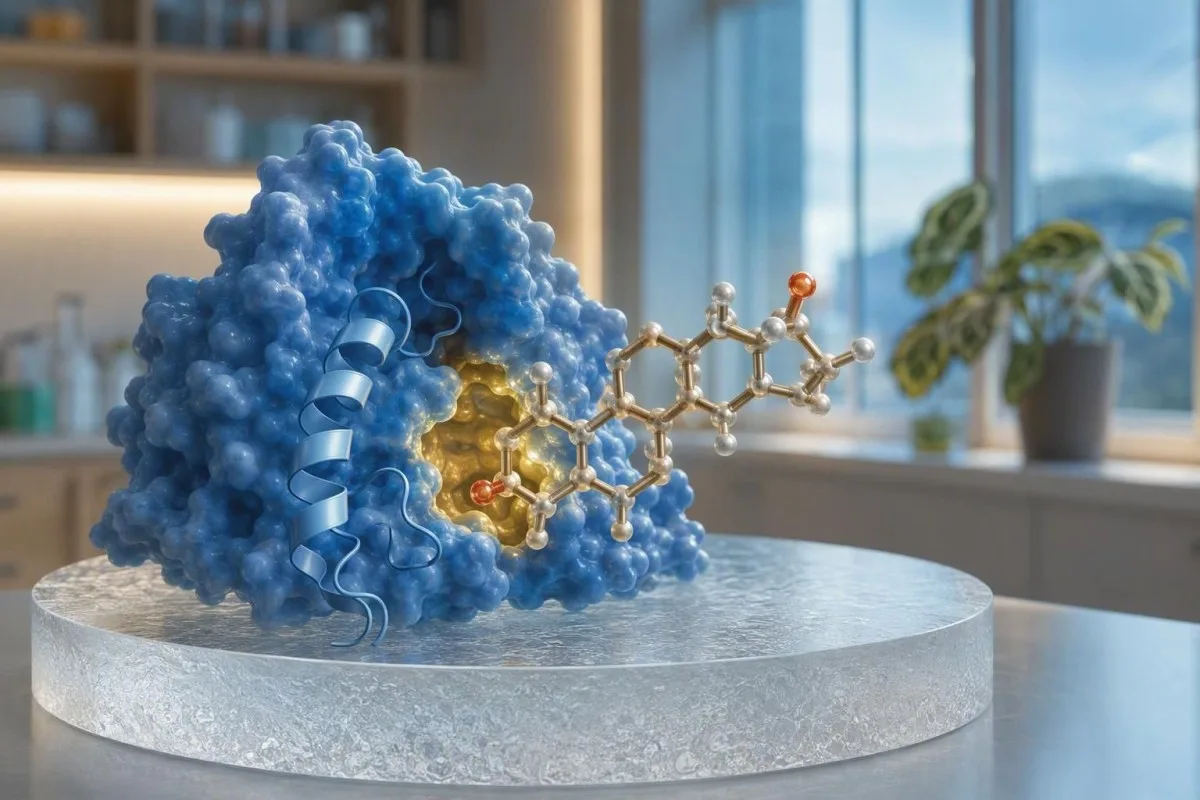
Окремий результат рівня естрадіолу рідко визначає, на якому етапі менопаузи ви перебуваєте. Його значення залежить від фази менструального циклу, використаного методу аналізу, гормональної терапії, симптомів і, понад усе, від динаміки показників.


- Окремий результат: Рівень естрадіолу може коливатися від менш ніж 20 пг/мл до понад 100 пг/мл під час пізньої перименопаузи, тому один забір крові не може надійно визначити стадію менопаузи.
- Після менопаузи: Нелікований естрадіол часто становить менш як 20–30 пг/мл після менопаузи, але метод та референтний інтервал кожної лабораторії мають значення.
- Контекст ФСГ: Рівень ФСГ вище 25–30 МО/л підтверджує зниження активності яєчників, однак ФСГ також коливається і не є обов'язковим для діагностики менопаузи після 45 років.
- Час прийому ЗГТ: Пероральний та трансдермальний естрадіол дають різні лабораторні патерни; результат можна інтерпретувати лише тоді, коли відомі доза, шлях введення та час, що минув з моменту застосування.
- Спочатку симптоми: Припливи, порушення сну, вагінальні симптоми та зміни циклу зазвичай керують лікуванням більш ефективно, ніж рутинне тестування на естрадіол.
- Подальше спостереження: Повторне проведення тесту за однакових умов є більш значущим, ніж порівняння непов'язаних аналізів, зроблених з різницею у місяці.
- Безпека: Нова кровотеча через 12 місяців без менструацій потребує клінічної оцінки, незалежно від результату естрадіолу.
Чому один результат естрадіолу рідко визначає менопаузу
Естрадіол у менопаузі важко інтерпретувати з одного зразка, оскільки вироблення яєчників стає нерегулярним, перш ніж врешті-решт встановиться на низькому базовому рівні. Значення може виглядати “пременопаузальним” на одному тижні і низьким на наступному, при цьому жоден результат не є неправильним.
У пізній перименопаузі 48-річна жінка може мати естрадіол 18 пг/мл в один місяць і 140 пг/мл в наступний; переміжна активність фолікулів пояснює коливання. Менопауза діагностується клінічно після 12 послідовних місяців без менструації коли інша причина малоймовірна, а не з одного результату естрадіолу (NICE, 2024).
Коли я переглядаю панель, я спочатку запитую, чи була у людини кровотеча протягом попередніх 60 днів, чи була їй проведена гістеректомія, чи вона приймає гормони, і що виміряла лабораторія. Kantesti — це аналізатор крові зі штучним інтелектом, який розміщує естрадіол поряд з ФСГ, ЛГ, деталями прийому ліків та попередніми результатами, а не розглядає прапорець як діагноз.
Практичне правило доктора Томаса Кляйна просте: число набуває значення лише тоді, коли відомі умови взяття зразка. Якщо ви порівнюєте звіти, збережіть дату забору, інформацію про цикл, дозу препарату та час прийому; наш посібник із динаміки показників лабораторії пояснює, чому ця інформація часто важливіша за колір в межах референсного діапазону.
Лабораторний діапазон не є діагнозом менопаузи
Референсні інтервали описують результати, спостережувані у вибраній популяції; вони не розділяють кожну людину в перименопаузі від кожної людини в циклі. Результат у межах фолікулярної фази лабораторного інтервалу все ще може виникнути під час ановуляторної перименопаузи, особливо після 45 років.
Що спричиняє коливання рівня естрадіолу під час перименопаузи?
Коливання естрадіолу в перименопаузі виникають, коли яєчникові фолікули непередбачувано реагують на зміну стимуляції ФСГ. Овуляція стає менш послідовною, але вироблення естрогену не падає по рівній прямій лінії.
На ранніх стадіях переходу менша кількість чутливих фолікулів може призвести до підвищення виходу ФСГ, однак один фолікул, що залишився, все ще може виробляти значну кількість естрадіолу. У когорті SWAN естрадіол не знижувався плавно до пізнього переходу, тоді як ФСГ найрізкіше зростав навколо останньої менструації (Randolph et al., 2003).
Справа в тому, що період напіввиведення естрадіолу в кровообігу короткий — приблизно 13 до 17 годин— тоді як біологічні наслідки зміни сигналізації рецепторів, втрати сну та терморегуляції можуть тривати. Ця невідповідність допомагає пояснити, чому людина може мати низький ранковий результат, але повідомляти, що напади минулого тижня тимчасово полегшилися.
Зміна ваги, куріння, захворювання щитоподібної залози, високий пролактин, хіміотерапія та хірургічне втручання на яєчниках можуть змінити очікувану картину. Щодо іншого часто неправильно зрозумілого гонадотропіну, див. наше пояснення високих результатів ЛГ.
Рівні естрадіолу під час менопаузи: корисні діапазони та обмеження методів аналізу
Нелікований постменопаузальний естрадіол зазвичай нижче 20–30 пг/мл, що еквівалентно приблизно 73–110 пмоль/л, але жоден окремий поріг не доводить менопаузу. Лабораторний метод є особливо важливим при низьких концентраціях.
Багато лабораторій вказують рівень естрадіолу дорослих у пг/мл; помножте на 3,671 для перетворення на пмоль/л. Результат 10 пг/мл дорівнює приблизно 37 пмоль/л, тоді як 50 пг/мл дорівнює приблизно 184 пмоль/л — плутанина одиниць вимірювання є напрочуд поширеним джерелом непотрібної тривоги.
Рутинні імуноаналізи можуть бути менш точними при концентраціях нижче приблизно 20 пг/мл, де мають значення перехресна реактивність та відмінності в калібруванні. Рідинна хроматографія – тандемна мас-спектрометрія, яку часто називають LC-MS/MS, може бути кращою, коли дуже низький результат змінить тактику лікування, хоча доступ до неї варіюється залежно від лабораторії.
Kantesti ШІ читає заявлений інтервал та одиниці вимірювання лабораторії перед порівнянням результату з вашою історією; наш довідник з біомаркерів пояснює, чому прапорець "поза межами норми" є спонуканням до контексту, а не вироком.
Коли слід визначати рівень естрадіолу для отримання значущого результату?
Тестування на естрадіол є найбільш інтерпретованим, коли клінічне запитання та умови забору зразка вказані до аналізу. Для багатьох людей старше 45 років з типовими симптомами та змінами менструації рутинне тестування не потрібне для діагностики перименопаузи.
Якщо цикли все ще відбуваються, і тестування використовується з певною метою, клініцисти часто документують день циклу та можуть брати ранні циклові гормони приблизно на 2–5. Ця конвенція в основному корисна для питань репродуктивної ендокринології; вона не перетворює мінливий перименопаузальний результат на впевненість.
Для повторного тестування використовуйте ту саму лабораторію, схожий час доби та схожий зв’язок з дозою естрадіолу або зміною пластиру. Порівняння, зроблене після безсонної ночі, гострого захворювання або зміни ліків, заслуговує на обережність, як і часові проблеми в нашому хронологічного треку аналізу крові.
Біотин зазвичай не спричиняє такого значного впливу на естрадіол, як деякі тиреоїдні аналізи, але добавки все одно слід вказувати в запиті. Команда збору також повинна знати про вагінальний естроген, пелети, гелі, пластирі, таблетки та складні препарати.
Що означає низький рівень естрадіолу після менопаузи?
Низький рівень естрадіолу після менопаузи зазвичай відображає очікуване зниження вироблення естрогену яєчниками і сам по собі не є надзвичайною ситуацією або мішенню для лікування. Естрон, вироблений у периферичних тканинах, стає більш вираженим циркулюючим естрогеном після менопаузи.
Нелікований результат естрадіолу нижче 20 пг/мл є поширеним через роки після останньої менструації, і багато здорових людей мають показники нижче порогового значення, яке повідомляє тест. Низький рівень естрадіолу не вимірює “наскільки серйозна” менопауза, і не передбачає точної частоти припливів.
Те, що заслуговує на увагу, це профіль наслідків: неприємна вагінальна сухість, повторний дискомфорт сечовивідних шляхів, припливи, що порушують сон, перелом при низькій травмі або швидка втрата кісткової маси можуть змінити розмову. Північноамериканське товариство менопаузи стверджує, що гормональна терапія залишається найефективнішим лікуванням вазомоторних симптомів та генітоуринарного синдрому, коли немає протипоказань (NAMS, 2022).
Низький результат у людини молодше 40 років з відсутніми періодами відрізняється і може викликати занепокоєння щодо первинної недостатності яєчників; це потребує термінової клінічної оцінки. Для детальної інформації про рівень симптомів див. ознаки низького рівня естрадіолу.
Чому симптоми та рівень естрадіолу часто не збігаються
Припливи та порушення сну відображають швидкі зміни естрогену та терморегуляцію мозку, а не просто низький рівень естрадіолу. Дві людини з однаковим результатом 15 pg/mL можуть мати дуже різні симптоми.
52-річна пацієнтка в моїй клініці мала рівень естрадіолу 62 pg/mL, але прокидалася, обливаючись потом чотири ночі на тиждень; її попередній результат, отриманий шість тижнів раніше, був 14 pg/mL. Шаблон вказував на мінливість, а не на протиріччя, і лікування було зосереджено на тяжкості симптомів, сні, серцево-судинному анамнезі та уподобаннях.
Вагінальна сухість, біль під час сексу, невідкладність сечовипускання та повторні симптоми сечовивідних шляхів можуть зберігатися, незважаючи на “нормальний” рівень естрадіолу в сироватці крові, оскільки місцевий вплив на тканини та реакція рецепторів мають значення. Місцевий вагінальний естроген зазвичай спричиняє низький системний вплив, але вибір все ще заслуговує на індивідуальне обговорення для людей з анамнезом естроген-залежного раку.
Прискорене серцебиття, тремтіння, втрата ваги, лихоманка та обливаючий піт не є автоматично менопаузою. Ретельний клініцист може перевірити функцію щитоподібної залози, рівень глюкози, повний аналіз крові та вплив ліків; наш посібник з диференціальної діагностики припливів охоплює корисні виключення.
Як інтерпретувати рівень естрадіолу разом з ФСГ та ЛГ
Високий рівень ФСГ з низьким або змінним рівнем естрадіолу підтримує знижений зворотний зв'язок яєчників, але комбінація не може точно датувати менопаузу. Рівень ФСГ вище приблизно 25–30 МО/л є поширеним у пізньому перехідному періоді та після менопаузи, хоча показники можуть тимчасово падати після сплеску естрадіолу.
ФСГ виділяється імпульсами і може суттєво змінюватися між заборами; один показник 9 МО/л не виключає перименопаузу у 49-річної жінки з пропущеними періодами. Навпаки, ФСГ вище 40 МО/л є поширеним після менопаузи, але не повинен використовуватися окремо для пояснення кожного симптому.
NICE радить не використовувати естрадіол, АМГ, інгібін А, інгібін В або кількість антральних фолікулів для виявлення менопаузи у жінок віком від 45 років із типовими симптомами та зміною циклу. Тестування стає більш корисним при можливій ранній менопаузі, можливій первинній недостатності яєчників або коли лікування ускладнює картину (NICE, 2024).
Kantesti AI — це платформа для розшифровка аналізу крові зі штучним інтелектом, яка порівнює естрадіол, ФСГ, ЛГ, пролактин та тиреоїдні маркери як відмічений часом патерн. Читачі, яким повідомили, що їхній ФСГ “високий”, можуть ознайомитися з нюансами в нашому посібнику щодо ФСГ у постменопаузі.
Як гормональна терапія змінює результати аналізу на естрадіол
Гормональна терапія може підвищувати, знижувати або робити виміряний естрадіол непослідовним залежно від форми випуску, дози, шляху введення та методу аналізу. Результат під час терапії ніколи не слід порівнювати безпосередньо з референтним діапазоном для нелікованої постменопаузи.
Трансдермальні пластирі 17β-естрадіолу зазвичай починаються з 25 до 50 мікрограмів на день, тоді як гелі та спреї мають різні профілі всмоктування. Пероральний естрадіол проходить метаболізм першого проходження в печінці та більш виражено підвищує естрон, тому однаковий клінічний ефект не гарантує однакової концентрації естрадіолу в сироватці крові.
Якщо гель було нанесено незадовго до забору крові, виміряний результат може бути вищим, ніж зразок, взятий безпосередньо перед наступною дозою. Випадкове потрапляння гелю поблизу місця забору крові рідко може призвести до вражаюче високого значення; повторне тестування з обережним поводженням є доцільним перед підвищенням дози терапії.
Комбіновані оральні контрацептиви, тіболон, селективні модулятори естрогенових рецепторів та деякі комбіновані продукти роблять інтерпретацію ще менш прямолінійною. Наша стаття про тести на естроген під час використання контрацепції пояснює, чому ендогенний естрадіол може бути пригнічений або погано представлений.
Чи слід керуватися рівнем естрадіолу при визначенні дози ЗГТ?
Для більшості менопаузальної гормональної терапії коригування дози керується контролем симптомів та безпекою, а не цільовим рівнем естрадіолу. Не існує універсально схваленого цільового рівня естрадіолу в сироватці крові, який би гарантував полегшення або запобігав втраті кісткової маси для кожного пацієнта.
Рекомендація NAMS від 2022 року пропонує індивідуалізовану терапію з використанням відповідної дози, тривалості, режиму та шляху введення, з періодичною переоцінкою (NAMS, 2022). На практиці багато клініцистів переоцінюють після 8–12 тижнів, надаючи достатньо часу для прояву судинних симптомів та побічних ефектів.
Низький рівень на пластирі не означає автоматичного збільшення дози. Спочатку я перевіряю адгезію, ротацію місця нанесення, час нанесення, нові ліки, історію мігрені, контроль артеріального тиску, куріння, незрозумілу кровотечу та те, чи залишаються симптоми обтяжливими.
Kantesti’s гіда з гормонального здоров’я жінок допомагає користувачам підготувати стислий часовий графік симптомів та лабораторних даних для лікаря. Вона не може замінити рішення клініциста щодо ЗГТ, особливо за наявності в анамнезі тромбозу, інсульту, раку молочної залози або активного захворювання печінки.
Коли рівень естрадіолу та кровотеча вимагають швидшого перегляду
Будь-яка вагінальна кровотеча через 12 місяців після припинення менструацій потребує медичної оцінки, навіть якщо рівень естрадіолу низький, високий або недоступний. Естрадіол не може виключити структурні, ендометріальні, шийкові, медикаментозні чи інші причини кровотечі.
Кровотеча при безперервній комбінованій ЗГТ може виникати протягом перших 3–6 місяців, але про нові, сильні, стійкі або повторювані кровотечі слід повідомляти, а не вважати їх нормою. Наступний крок може включати перегляд медикаментів, гінекологічний огляд, ультразвукове дослідження або взяття зразків під керівництвом фахівця, залежно від анамнезу.
Зверніться за невідкладною допомогою при дуже сильних кровотечах з запамороченням, болем у грудях, задишкою або сильним болем у тазу. Рівень естрадіолу в сироватці крові 12 пг/мл не робить ці симптоми безпечними для спостереження вдома.
Люди часто спочатку шукають гормональне пояснення, що зрозуміло. Наш посібник з симптомів CA-125 та здуття живота пояснює, чому сортування за симптомами безпечніше, ніж використання пухлинного маркера або естрадіолу як скринінгового тесту.
Які ще аналізи крові важливі під час менопаузи?
Естрадіол не вимірює кардіометаболічний ризик, захворювання щитоподібної залози, анемію або щільність кісткової тканини, тому подальше спостереження за менопаузою має базуватися на ризику, а не на гормональних панелях. Артеріальний тиск, ліпіди, глюкоза та відповідні скринінги зазвичай надають більше корисної інформації.
Холестерин ЛПНЩ має тенденцію до підвищення під час менопаузального переходу, тоді як зміни рівня естрадіолу можуть сприяти цьому, але не пояснюють кожен результат аналізу ліпідів. Ліпідна панель натщесерце або не натщесерце, HbA1c, артеріальний тиск, статус куріння та сімейний анамнез створюють набагато кориснішу картину серцево-судинної системи, ніж сам лише естрадіол.
Перевірте аналіз щитоподібної залози, коли симптоми включають стійке серцебиття, виражену непереносимість спеки, запор або незрозумілу зміну ваги; гіпотиреоз і гіпертиреоз можуть перетинатися з менопаузою. Дослідження заліза мають сенс після тривалих сильних менструацій, особливо якщо феритин нижче 30 нг/мл, що часто свідчить про виснажені запаси заліза в правильному контексті.
Для більш широкого базового рівня дивіться тести перед ГЗТ після 40 та наш огляд змінних біомаркерів менопаузи.
Що означає низький рівень естрадіолу для здоров'я кісток
Зниження рівня естрогену прискорює ремоделювання кісткової тканини, але результат аналізу естрадіолу в сироватці крові не може діагностувати остеопороз або замінити оцінку ризику переломів. Денситометрія кісток безпосередньо вимірює мінеральну щільність кісткової тканини і є відповідним тестом, коли показаний скринінг.
Найшвидша втрата кісткової маси часто відбувається приблизно під час останньої менструації, при цьому дослідження оцінюють приблизно 2% до 3% втрати кісткової тканини на рік під час переходу у деяких жінок. Переломи при низькій травмі, тривале застосування глюкокортикоїдів, маса тіла нижче 57 кг, перелом стегна у батьків, куріння та рання менопауза збільшують занепокоєння.
Кальцій та вітамін D не є заміною для оцінки ризику переломів. Дорослим загалом потрібно 1000-1200 мг/добу кальцію з їжі та добавок разом, тоді як дозування вітаміну D слід індивідуалізувати для дефіциту, захворювань нирок, мальабсорбції та контексту прийому ліків.
Доктор Томас Кляйн радить запитувати “Чи потрібна мені DEXA або FRAX?”, а не намагатися підвищити лабораторний рівень естрадіолу. Силові тренування та достатня кількість білка також важливі; наша жінок віком від 50 років: базова лінія сили пропонує практичну відправну точку.
Як повторити тест на естрадіол без створення "шуму"
Повторний тест на естрадіол є найбільш корисним, коли він зібраний за свідомо узгоджених умов і призначений для відповіді на конкретне клінічне питання. Випадкове серійне тестування кожні кілька тижнів зазвичай викликає тривогу, а не ясність.
Перед повторним забором крові запишіть точну дату, час, лабораторію, продукт естрадіолу, дозу, шлях введення, останню дозу, день зміни пластиру, менструальну кровотечу та гостре захворювання. Для трансдермального продукту запитайте лікаря, що призначив препарат, чи віддає перевагу він збору зразків у певну точку інтервалу дозування, а не вибір самостійно.
Уникайте нанесення гелю поблизу передбачуваної зони забору крові та повідомте лабораторію про всі гормони. Якщо результат значно розходиться – наприклад, >200 пг/мл у особи, яка не використовує системний естроген – підтвердження повторним тестуванням або іншим аналізом може бути більш інформативним, ніж негайні висновки.
Kantesti може організувати датовані PDF-файли та фотографії в режимі порівняння, тоді як наша посібник з порівняння результатів пояснює, які відмінності, ймовірно, є реальними, а які – звичайною біологічною варіацією.
Коли результати аналізу на естрадіол потребують перегляду лікарем
Огляд лікарем доцільний при відсутності менструацій до 45 років, несподіваному стійкому підвищенні естрадіолу, новій постменопаузальній кровотечі або симптомах, які не відповідають типовій менструальній картині. Екстрені симптоми слід оцінювати терміново, а не керувати ними за допомогою повторного гормонального тестування.
Можлива первинна недостатність яєчників потребує оцінки, коли менструації припиняються до віку 40; оцінка може включати повторне тестування ФСГ щонайменше з інтервалом 4-6 тижнів, тестування на вагітність, де це доречно, та оцінку генетичних, аутоімунних або пов'язаних з лікуванням причин. Цей діагноз має наслідки для кісток, серцево-судинної системи, фертильності та емоційного здоров'я.
Негайно направте на огляд при стійких сильних головних болях із зоровими змінами, галактореї, виражених андрогенних симптомах або розбіжностях у патерні естрадіол/ФСГ; ці знахідки можуть вказувати на щось більше, ніж звичайна менопауза. Не припиняйте призначену терапію раптово лише тому, що додаток або один лабораторний показник виглядає тривожно.
Kantesti – це платформа для інтерпретації біомаркерів ШІ, розроблена для висвітлення тенденцій естрадіолу та запитань щодо подальшого спостереження, а не для діагностики менопаузи чи призначення лікування. Наші клінічні стандарти та нагляд лікаря описані в медичне підтвердження, а читачі можуть познайомитися з медична консультативна рада відповідальними за принципи огляду. Станом на 26 серпня 2026 року найнадійнішою інтерпретацією залишається розмова, що поєднує симптоми, історію кровотеч, вплив лікування та тенденції.
Часті запитання
Який нормальний рівень естрадіолу після менопаузи?
Нелікований естрадіол після менопаузи зазвичай нижчий за 20–30 pg/mL або нижчий за приблизно 73–110 pmol/L, хоча лабораторний метод визначає діапазон звітності. Низьке значення очікується після зниження вироблення естрогену яєчниками, і саме по собі не діагностує остеопороз, не пояснює кожен симптом і не потребує лікування. Естрадіол слід інтерпретувати з урахуванням менструального анамнезу, прийому медикаментів, симптомів та власного референтного інтервалу лабораторії. Люди, які приймають гормональну терапію, не повинні порівнювати свої результати безпосередньо з діапазонами для нелікованих жінок у постменопаузі.
Чи може рівень естрадіолу бути високим під час перименопаузи?
Так, естрадіол може тимчасово перевищувати 100 пг/мл, або 367 пмоль/л, під час перименопаузи, оскільки наявні фолікули все ще можуть періодично виробляти значну кількість естрогену. Високий результат може співіснувати з пропущеними менструаціями, припливами жару та підвищеним ФСГ, оскільки гормональний викид є нерегулярним, а не стабільно знижується. Один високий результат естрадіолу не виключає перименопаузу. Стійкий рівень естрадіолу вище 200 пг/мл без призначеного естрогену заслуговує на розгляд клініциста в контексті.
Чи варто перевіряти естрадіол для підтвердження менопаузи?
Зазвичай тестування на естрадіол не потрібне для підтвердження менопаузи у осіб віком 45 років і старше з типовими симптомами та відсутністю менструацій протягом 12 місяців. Рекомендації NICE (National Institute for Health and Care Excellence) щодо діагностики менопаузи в такому випадку базуються на клінічних даних, а не на тестуванні рівня естрадіолу, АМГ (антимюллерового гормону) або ФСГ (фолікулостимулюючого гормону). Тестування може бути корисним, коли менструації припиняються до 45 років, коли діагноз невизначений, або коли розглядається інше ендокринне захворювання. Гормональна контрацепція та замісна гормональна терапія (ЗГТ) можуть знижувати надійність лабораторного підтвердження.
Чому мій естрадіол низький, а ФСГ нормальний?
Низький рівень естрадіолу при нормальному рівні ФСГ може виникнути через те, що обидва гормони вивільняються та регулюються динамічно, особливо під час перименопаузи. ФСГ може тимчасово пригнічуватися після нещодавнього сплеску естрогену, а поодиноке вимірювання може не зафіксувати ширший перехід. Медикаменти, гормональна контрацепція, стани гіпофіза та відмінності в лабораторних методах також можуть впливати на цей патерн. Повторний тест за ідентичних умов може допомогти, коли результат змінить клінічне лікування.
Який рівень естрадіолу слід прагнути досягти під час замісної гормональної терапії (ЗГТ)?
Немає універсального цільового рівня естрадіолу для замісної гормональної терапії (ЗГТ) у жінок в постменопаузі, оскільки полегшення симптомів, побічні ефекти, шлях введення лікування та індивідуальний ризик є більш клінічно значущими, ніж єдина концентрація в сироватці крові. Трансдермальний пластир з естрадіолом 25–50 мікрограмів/добу може забезпечити ефективне лікування для багатьох людей, проте виміряні значення сильно варіюють залежно від часу прийому та всмоктування. Клініцисти зазвичай переоцінюють симптоми та безпеку приблизно через 8–12 тижнів, а не збільшують терапію виключно для досягнення певного показника. Рішення щодо дозування вимагають консультації лікаря, особливо при незрозумілій кровотечі, мігрені, анамнезі тромбозу або анамнезі раку, чутливого до естрогену.
Чи викликає низький рівень естрадіолу після менопаузи остеопороз?
Низький рівень естрадіолу сприяє швидшому ремоделюванню кісток після менопаузи, але він не діагностує остеопороз і сам по собі не може кількісно оцінити ризик переломів. Деякі жінки втрачають близько 2% - 3% мінеральної щільності кісткової тканини на рік приблизно під час останньої менструації, особливо за наявності додаткових ризиків. Сканування DEXA безпосередньо вимірює мінеральну щільність кісток, тоді як FRAX оцінює ймовірність переломів за допомогою віку та клінічних факторів. Зверніться до лікаря раніше щодо DEXA, якщо менопауза настала до 45 років, стався перелом з низькою травмою або застосовується тривале лікування стероїдами.
Отримайте аналіз крові з підтримкою ШІ вже сьогодні
Приєднуйтесь до понад 2 мільйонів користувачів у всьому світі, які довіряють Kantesti для миттєвого та точного аналізу лабораторних тестів. Завантажте результати аналізу крові та отримайте комплексну інтерпретацію біомаркерів 15,000+ за секунди.
📚 Дослідження з посиланнями на публікації
Klein, T., Mitchell, S., & Weber, H. (2026). Kantesti Research Team. (2026). RDW Blood Test: Complete Guide to RDW-CV, MCV & MCHC. Zenodo. https://doi.org/10.5281/zenodo.18202598. Медичні дослідження ШІ Kantesti.
Klein, T., Mitchell, S., & Weber, H. (2026). Kantesti Research Team. (2026). BUN/Creatinine Ratio Explained: аналіз функції нирок Guide. Zenodo. https://doi.org/10.5281/zenodo.18207872. Медичні дослідження ШІ Kantesti.
📖 Зовнішні медичні посилання
Національний інститут здоров’я та передового досвіду у сфері охорони здоров’я (NICE) (2024). Менопауза: діагностика та лікування (NG23). NICE Guideline.
⚕️ Медична відмова від відповідальності
Ця стаття призначена лише для освітніх цілей і не становить медичної поради. Завжди консультуйтеся з кваліфікованим медичним працівником щодо рішень про діагностику та лікування.
Сигнали довіри E-E-A-T
Досвід
Лікарський клінічний огляд робочих процесів інтерпретації лабораторних показників.
Експертиза
Лабораторна медицина з акцентом на те, як біомаркери поводяться в клінічному контексті.
Авторитетність
Написано доктором Томасом Кляйном за редакційного перегляду докторки Сари Мітчелл і професора доктора Ганса Вебера.
Довірливість
Інтерпретація на основі доказів із чіткими шляхами подальших дій, щоб зменшити тривогу.