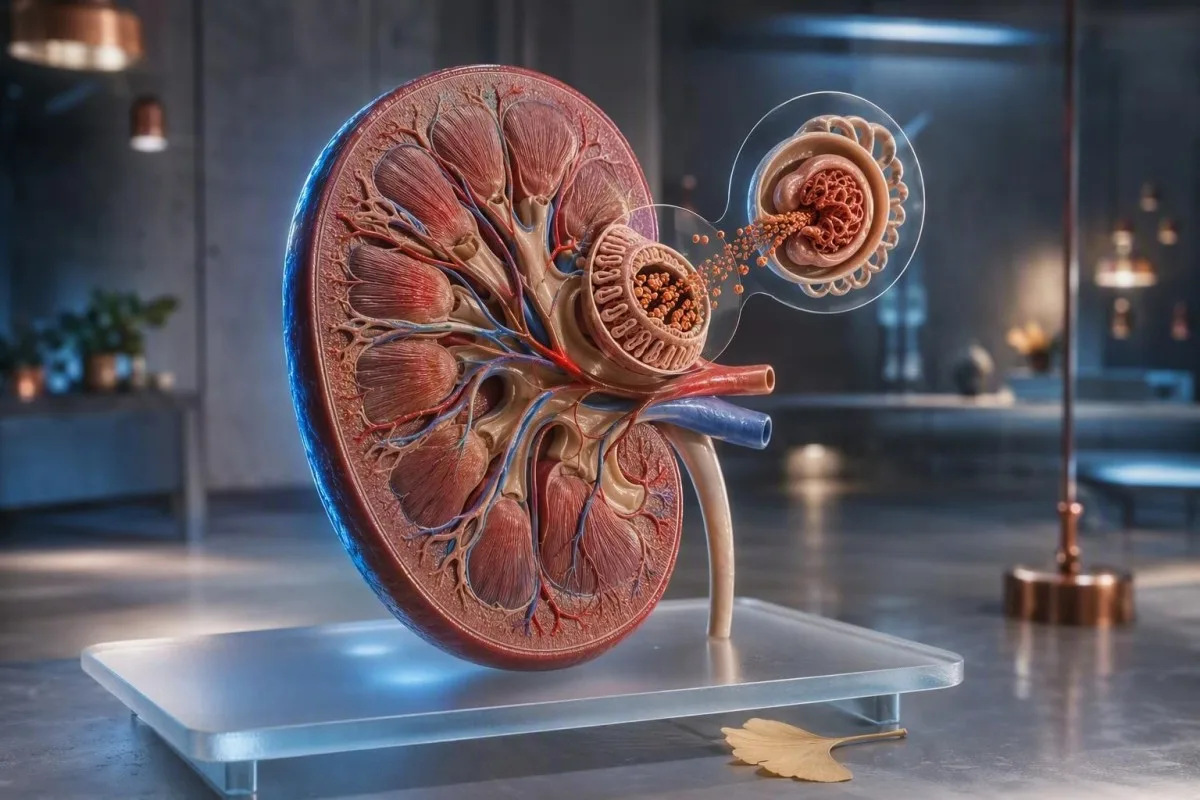
Ang ilang bula pagkatapos ng mabilis na pag-ihi ay karaniwang pisika lamang. Ang bula na paulit-ulit na bumabalot sa palanggana, nananatili pagkatapos banlawan, o kasama ng pamamaga ay nangangailangan ng *urine albumin test* kaysa sa panghuhula.


- Maikling mga bula na nawawala sa loob ng ilang segundo ay karaniwang nagpapakita ng bilis ng ihi, nalalabi ng panlinis ng inidoro, o concentrated na ihi kaysa sa sakit sa bato.
- Paulit-ulit na mabula na ihi ay mas nakakabahala kapag ang isang makapal na puting layer ay nananatili sa loob ng 1-2 minuto sa paulit-ulit na mga pagkakataon.
- Urine ACR mas mababa sa 3 mg/mmol (30 mg/g) ay normal hanggang bahagyang tumaas ang paglabas ng albumin sa karamihan ng matatanda.
- Albuminuria ng 3-30 mg/mmol (30-300 mg/g) ay dapat kumpirmahin sa pamamagitan ng pag-ulit ng mga unang sample sa umaga sa loob ng hindi bababa sa 3 buwan.
- ACR na mas mataas sa 30 mg/mmol (300 mg/g) ay malubhang tumaas na albuminuria at nangangailangan ng agarang klinikal na pagsusuri.
- Mga pulang bandila kasama ang pamamaga ng mukha o binti, nakikitang dugo, hirap sa paghinga, nabawasan na pag-ihi, lagnat, o pagbubuntis na may sakit ng ulo at mataas na presyon ng dugo.
- Mga bagay sa pagkolekta: iwasan ang mabigat na ehersisyo sa loob ng 24 na oras, gumamit ng malinis na midstream na sample sa umaga, at ipaalam sa doktor ang tungkol sa regla o impeksyon sa ihi (UTI).
- Nakakatulong ang mga pagsusuri sa dugo: ang creatinine, eGFR, serum albumin, glucose, at HbA1c ay naglilinaw kung ang protina sa ihi ay nagpapakita ng problema sa bato, diabetes, o sistematikong sakit.
Paano malalaman ang mga hindi nakakapinsalang bula mula sa paulit-ulit na mabula na ihi
Mga sanhi ng mabula na ihi mula sa mabilis na agos na tumatama sa tubig hanggang sa albumin na tumatagas sa filter ng bato. Ang mga hindi nakakapinsalang bula ay malalaki, malinaw, at mabilis na nawawala; ang bula na nakakabahala ay mas pino, puti, paulit-ulit, at nananatili ng humigit-kumulang 1-2 minuto kahit na malinis ang sisidlan.
Ang surface tension ang nagpapaliwanag sa karamihan ng mga pansamantalang bula. Ang malakas na unang agos sa umaga, pagka-dehydrate, mataas na konsentrasyon ng solute, o natirang panlinis ay maaaring makulong ang hangin sa ibabaw ng tubig nang walang pagkawala ng protina; ito ay karaniwan pagkatapos ng mahabang paglipad, lagnat, o mabigat na pag-eehersisyo.
Mas mahalaga ang pattern kaysa sa isang obserbasyon. Sa aking 15 taong klinikal na praktis, hinihiling ko sa mga pasyente na mapansin ang bula sa tatlong magkahiwalay na araw gamit ang malinis at hindi nabubulok na sisidlan; ang paulit-ulit na pinong patong ng bula ay mas magandang dahilan para magpa-test kaysa sa isang mukhang dramatikong pangyayari pagkatapos ng ehersisyo.
Ang bula lamang ay hindi makakapagdiagnose ng proteinuria dahil ang phosphate, bile salts, semilya, at pamamaga ng urinary tract ay maaari ding magbago ng surface tension. Kung ang ihi ay malabo sa halip na mabula, ang sanhi ay maaaring mga kristal, selula, o impeksyon; ang aming gabay sa mga palatandaan ng malabong ihi ay tumutulong sa paghihiwalay ng mga pattern na ito.
Isang simpleng tuntunin sa pagmamasid sa bahay
Huwag kuhanan ng litrato ang bowl ng inidoro o gumamit ng mga home “shake test.” Sa halip, tandaan kung ang bula ay lumilitaw sa malinis na bowl sa hindi bababa sa 3 sa loob ng 7 araw, kung ito ay tumatagal ng mahigit 1 minuto, at kung may pamamaga o pagbabago sa presyon ng dugo. Ang mga detalyeng iyon ay ginagawang mas kapaki-pakinabang ang kahilingan sa laboratoryo.
Bakit ang protina sa ihi ay maaaring lumikha ng matatag na bula
Ang mabula na protina sa ihi ay kadalasan ay albumin, isang protinang may negatibong karga na karaniwang nananatili sa daluyan ng dugo. Kapag ang glomerular filter ay naging mas malapros, pinapababa ng albumin ang surface tension at maaaring lumikha ng maliit, matatag na mga bula.
Ang isang malusog na nasa hustong gulang ay karaniwang naglalabas ng mas mababa sa 30 mg ng albumin bawat araw, bagaman ang isang karaniwang dipstick ay maaaring hindi makadetect ng mababang antas ng pagkawala ng albumin. Ang mas sensitibong urine albumin-to-creatinine ratio, o ACR, ay nagwawasto ng albumin para sa konsentrasyon ng ihi at mas pinipili para sa paunang screening.
Ang albumin ay hindi lamang ang protinang mahalaga. Ang light chains mula sa mga sakit sa plasma-cell, mga protina sa tubular pagkatapos ng ilang gamot, at pansamantalang protina sa panahon ng lagnat ay maaaring makalabas sa isang dipstick na pangunahing idinisenyo para sa albumin; ito ang dahilan kung bakit ang isang negatibong strip ay hindi nagtatapos sa bawat kaso ng patuloy na bula.
Sinusuri ni Dr. Thomas Klein ang mga natuklasan sa ihi kasama ang serum creatinine, eGFR, albumin, at glucose sa halip na ituring ang isang biswal na sintomas bilang diagnosis. Ang aming gabay sa serum protein ay nagpapaliwanag kung bakit ang mababang resulta ng albumin sa dugo at mataas na urine ACR na magkasama ay mas mabigat kaysa sa isa lamang.
Mga karaniwang sanhi ng mabula na ihi na hindi dahil sa bato
Karamihan sa pansamantalang mabula na ihi ay may hindi kaugnay na sanhi sa bato: mataas na konsentrasyon ng ihi, mabilis na pag-ihi, kamakailang paglabas ng semilya, residue ng sabon, lagnat, o matinding ehersisyo. Ang mga sanhing ito ay karaniwang nawawala sa loob ng 24-48 oras pagkatapos ng normal na hydration at paggaling.
Ang dehydration ay nagiging sanhi ng mas madilim at mas concentrated na ihi, kaya maaaring lumitaw na mas siksik ang mga bula kahit na normal ang paglalabas ng albumin. Layunin ang maputlang kulay-dayami na ihi sa susunod na araw sa halip na pilitin ang labis na likido; ang pag-inom ng ilang litro nang mabilis ay maaaring mismo ang magpababa ng sodium sa mga taong madaling kapitan nito.
Ang ehersisyo ay maaaring pansamantalang magpataas ng urinary albumin. Ang 10-kilometrong karera, mataas na intensity na resistance session, o matagal na pagkakalantad sa init ay maaaring magdulot ng protina sa isang sample na nakolekta kaagad pagkatapos, kaya naman karaniwang pinapayuhan ng mga laboratoryo ang pag-iwas sa masiglang ehersisyo sa loob ng 24 na oras bago ang ACR testing.
Ang semilya sa urethra pagkatapos ng paglabas ay maaaring lumikha ng pansamantalang mga bula at isang trace-positive protein strip. Ang nakikitang kulay-rosas o kulay-tsa na ihi ay lubusang nagbabago ng tanong at dapat suriin gamit ang gabay na ito sa dugo sa ihi, lalo na pagkatapos ng edad 45 o sa sinumang may exposure sa paninigarilyo.
Kailan nagpapahiwatig ang paulit-ulit na bula ng may kaugnayang klinikal na pagkawala ng protina
Ang palagiang bula ay nangangailangan ng pagsusuri sa protina sa ihi kapag ito ay paulit-ulit at lalo na kapag kasama ng diabetes, mataas na presyon ng dugo, pamamaga, o nabawasan ang eGFR. Ang albuminuria ay maaaring isang maagang babala sa bato kahit na nananatili ang creatinine sa loob ng saklaw ng laboratoryo.
Ang KDIGO ay nagtatakda ng ACR na mas mababa sa 3 mg/mmol, o 30 mg/g, bilang A1; 3-30 mg/mmol bilang A2; at higit sa 30 mg/mmol bilang A3 albuminuria. Ang mga kategorya ay mas tumpak na naghuhula ng panganib sa bato at cardiovascular kapag ipinapares sa eGFR, hindi ginagamit nang mag-isa (KDIGO, 2024).
Ang diabetes at altapresyon ang pinakakaraniwang sanhi ng albuminuria sa buong mundo, ngunit hindi lamang sila ang mga ito. Ang glomerulonephritis, obesity-related glomerulopathy, lupus, pre-eclampsia, sleep apnoea, at ilang anti-inflammatory na gamot ay maaari ring mag-ambag; ang mga paulit-ulit na natuklasan ay nangangailangan ng isang kliniko upang malaman ang mekanismo.
Si Kantesti ay isang AI blood test analyzer na naglalagay ng creatinine, eGFR, serum albumin, glucose, at HbA1c sa isang longitudinal na konteksto. Hindi nito kayang sukatin ang urine ACR mula sa isang blood panel, ngunit maaari itong makatulong na matukoy ang metabolic o renal pattern na nagpapahalaga sa isang urine result.
Aling mga *urine protein test* ang pinakamahusay na sumasagot sa tanong
Ang isang maagang umaga na spot urine ACR ay ang pinakamahusay na unang pagsusuri para sa pinaghihinalaang pagkawala ng albumin sa karamihan ng mga matatanda. Ang protein-creatinine ratio, o PCR, ay kapaki-pakinabang kapag pinaghihinalaan ang hindi-albumin na protina o kapag kailangang sukatin ang kabuuang protina.
Ang ACR ay iniuulat bilang mg/mmol sa UK at maraming iba pang bansa, o mg/g sa Estados Unidos. Ang isang ACR na 3 mg/mmol ay katumbas ng humigit-kumulang 30 mg/g; mahalaga ang conversion na ito dahil minsan nagkakamali ang mga pasyente sa magkaibang yunit para sa malaking pagbabago sa resulta.
Ang isang dipstick protein na resulta na trace o 1+ ay isang clue sa screening, hindi isang diagnosis. Ang alkaline na ihi, concentrated na ihi, at kontaminasyon ay maaaring magdulot ng mga nakaliligaw na positibo, habang ang dilute na ihi at hindi-albumin na protina ay maaaring magbigay ng maling kapanatagan; ang quantitative testing ay lumulutas sa kawalan ng katiyakan na iyon.
Ang 24-oras na koleksyon ay nakalaan na ngayon para sa mga piling sitwasyon, tulad ng napakataas na pagkawala ng protina, pagsusuri sa pagbubuntis, o mga hindi tugmang spot sample. Madali itong kulangin, kaya basahin ang aming praktikal gabay sa pangongolekta ng ihi sa loob ng 24 oras bago simulan ang isa.
Paano mangolekta ng ihi para sa *urine protein testing* nang wasto
Ang tumpak na pagsusuri sa protina sa ihi ay nagsisimula sa isang malinis na sample ng gitnang ihi sa umaga pagkatapos ng 24 oras na walang mabigat na ehersisyo. Mas pinipili ang unang ihi pagkatapos gumising dahil ang postura, hydration, at aktibidad sa araw ay may mas kaunting epekto sa excretion ng albumin.
Hugasan ang mga kamay, gamitin ang ibinigay na sterile container, simulan ang pag-ihi sa banyo, pagkatapos ay saluhin ang gitnang bahagi nang hindi hinahawakan ang loob ng lalagyan o takip. Ibigay agad ang sample; kung hindi maiiwasan ang pagkaantala, sundin ang mga tagubilin sa pagpapalamig ng laboratoryo sa halip na iwan ito sa mainit na sasakyan.
Ipagpaliban ang mga hindi kagyat na pagsusuri habang may sintomas na UTI, lagnat, pagtatae, regla, o sa loob ng 24 oras pagkatapos ng masiglang ehersisyo. Ang mga kondisyong ito ay maaaring pansamantalang magpataas ng albumin excretion, habang ang kontaminasyon sa regla ay maaari ding lumikha ng lumalabas na dugo at protina; mga resulta ng leukocyte esterase ay maaaring linawin ang posibleng pattern ng impeksyon.
Ang orthostatic proteinuria ay dapat banggitin, lalo na sa mga teenager at kabataan. Ang protina na lumalabas sa ihi sa araw ngunit wala sa unang sample sa umaga ay madalas na hindi nakakapinsala, bagaman dapat kumpirmahin ng isang kliniko ang pattern sa halip na ipagpalagay ito.
Paano bigyang-kahulugan ang mga resulta ng ACR at *protein-creatinine*
Ang ACR na mas mababa sa 3 mg/mmol ay karaniwang nakakapanatag, habang ang nakumpirmang ACR na 3 mg/mmol o mas mataas ay nangangailangan ng follow-up batay sa panganib. Ang isang mataas na sample ay hindi nagtatag ng talamak na sakit sa bato dahil ang ehersisyo, impeksyon, at mga spike ng glucose ay maaaring magdulot ng panandaliang albuminuria.
Para sa mga matatanda na walang diabetes, ang bagong mataas na ACR ay karaniwang inuulit gamit ang sample sa umaga sa loob ng ilang linggo. Ang talamak na sakit sa bato ay nangangailangan ng mga abnormalidad na naroroon sa loob ng hindi bababa sa 3 buwan, maliban kung may malinaw na talamak na pinsala sa bato o kapansin-pansing mataas na protina na nangangailangan ng mas mabilis na pagsusuri (KDIGO, 2024).
Ang ACR na higit sa 70 mg/mmol, humigit-kumulang 700 mg/g, ay karaniwang nangangailangan ng agarang konsultasyon sa espesyalista kahit na napanatili ang eGFR, lalo na kung may dugo sa ihi. Ang nephrotic-range proteinuria ay karaniwang PCR na higit sa 300 mg/mmol o pagkawala ng protina na higit sa 3.5 g/araw, na madalas sinasamahan ng pamamaga at mababang serum albumin.
Si Kantesti ay isang serbisyo ng AI lab test interpretation na maaaring mag-organisa ng mga marker ng dugo sa bato sa iba't ibang petsa at mag-flag ng pababang trend ng eGFR. Ang interpretasyon ng trend ay sumusuporta, ngunit hindi kailanman pumapalit, sa urine microscopy ng kliniko, kumpirmasyon ng ACR, at pagsusuri ng gamot.
Mga *blood test* na nagpapakahulugan sa mga resulta ng mabula na ihi
Ang Creatinine, eGFR, serum albumin, glucose, HbA1c, electrolytes, at lipids ay tumutulong na ipaliwanag kung ang protina sa ihi ay nagpapakita ng pinsala sa pag-filter ng bato o isang mas malawak na metabolic disorder. Ang normal na creatinine ay hindi nagbubukod sa maagang albuminuria.
Ang eGFR ay kinakalkula mula sa creatinine at nahuhuli kaysa sa banayad na pagtagas ng albumin sa maraming tao na may diabetes. Ang eGFR na mas mababa sa 60 mL/min/1.73 m² sa loob ng 3 buwan o higit pa ay nakakatugon sa isang pamantayan para sa talamak na sakit sa bato, ngunit ang mga halaga ay dapat bigyang-kahulugan batay sa edad, mass ng kalamnan, at kamakailang karamdaman.
Ang mababang serum albumin na mas mababa sa humigit-kumulang 35 g/L kasama ang malakas na protina sa ihi at bagong pamamaga ng bukong-bukong ay nagpapataas ng pag-aalala para sa malaking pagkawala ng protina sa bato. Sa kabilang banda, ang mataas na albumin na may madilim na ihi ay mas madalas na nagpapakita ng dehydration; ang aming gabay na ito sa eGFR pagkatapos ng dehydration ay nagpapaliwanag kung bakit ang muling pagsubok pagkatapos ng paggaling ay maaaring makatuwiran.
Inirerekomenda ng American Diabetes Association ang hindi bababa sa taunang pagsubok ng UACR at eGFR sa type 2 diabetes at sa type 1 diabetes na tumatagal ng 5 taon o higit pa (ADA Professional Practice Committee, 2024). Ang HbA1c ay nagsasabi sa atin tungkol sa average na glycaemia, ngunit ang matalim na pagtaas ng glucose ay maaari pa ring pansamantalang magpataas ng albumin sa ihi bago magbago ang HbA1c.
Mga gamot, suplemento, at sakit na maaaring makaapekto sa protina sa ihi
Ang mga gamot na panlaban sa pamamaga, lithium, ilang mga paggamot sa cancer, at malubhang impeksyon ay maaaring magpabago sa filtration ng bato o paghawak ng protina sa tubo. Huwag itigil ang iniresetang gamot dahil lamang sa mukhang mabula ang ihi; humingi ng pagsusuri sa ihi at dugo ng bato.
Ang mga NSAID tulad ng ibuprofen at naproxen ay maaaring magpababa ng daloy ng dugo sa bato, lalo na sa panahon ng dehydration, pagpalya ng puso, o umiiral na CKD. Ang panganib ay tumataas kapag ang isang NSAID ay pinagsama sa isang diuretic at isang ACE inhibitor o ARB, isang kombinasyon na kung minsan ay tinatawag ng mga clinician na “triple whammy.”
Maaaring magdulot ng maliit na maagang pagbaba ng eGFR ang mga gamot na SGLT2 ngunit karaniwang nagpapababa ng albuminuria sa paglipas ng panahon sa mga naaangkop na napiling pasyente. Ang inaasahang pagbabago sa hemodynamics na iyon ay iba sa progresibong pinsala; tingnan ang mga pagbabago sa eGFR sa paggamot ng SGLT2 para sa mga praktikal na pagkakaiba.
Ang mataas na dosis ng bitamina C ay maaaring makagambala sa ilang mga urine dipstick, habang ang creatine ay maaaring magpalala sa interpretasyon ng creatinine nang hindi kinakailangang makapinsala sa mga bato. Magdala ng kumpletong listahan ng mga iniresetang gamot, mga gamot na panlaban sa sakit na over-the-counter, mga protein powder, at mga produktong herbal sa appointment—mahalaga ang mga pangalan at dosis.
Diabetes at presyon ng dugo: ang mga pagsusuri sa panganib na may pinakamataas na pakinabang
Ang diabetes at hypertension ay nagiging mas makabuluhan sa klinikal ang patuloy na bula dahil pareho silang maaaring magdulot ng albuminuria mga taon bago lumitaw ang mga sintomas. Ang presyon ng dugo na 140/90 mmHg o mas mataas at ang ACR na 3 mg/mmol o mas mataas ay dapat mag-udyok ng isang naka-istrukturang primary-care review.
Para sa maraming tao na may CKD at albuminuria, ang mga clinician ay naglalayon para sa isang standardized office systolic blood pressure na mas mababa sa 120 mmHg kapag ito ay natatanggap, bagaman ang mga target ay dapat indibidwal para sa edad, panganib ng pagkahulog, pagbubuntis, at paraan ng pagsukat. Ang mga sukat sa bahay na hindi tama ang pagkuha ay hindi dapat mag-udyok ng pagbabago ng gamot lamang.
Ang albuminuria ay isa ring vascular risk marker. Ang dahilan kung bakit tayo nag-aalala tungkol sa pagtaas ng ACR kasama ang mataas na presyon ng dugo ay dahil magkasama silang nagpapahiwatig ng endothelial at glomerular stress, samantalang ang alinman sa mga natuklasan na nangyari nang isang beses sa panahon ng talamak na sakit ay maaaring pansamantala; ang aming gabay sa laboratoryo ng hypertension ay nagbabalangkas ng mas malawak na work-up.
Si Kantesti ay isang platform ng interpretasyon ng biomarker ng AI ginagamit sa buong 127+ na mga bansa upang ihambing ang mga trend ng glucose, HbA1c, mga marker ng bato, at lipid. Para sa patuloy na mabula na ihi, ang nauugnay na susunod na pagsubok ay nananatiling isang laboratory urine ACR, na mas mainam na suriin kasama ang parehong clinical team na namamahala sa presyon ng dugo o diabetes.
Ang mabula na ihi sa pagbubuntis at sa mga bata ay nangangailangan ng ibang mga patakaran
Ang mabula na ihi sa panahon ng pagbubuntis ay nangangailangan ng agarang pagsusuri kung ito ay nangyayari kasama ng sakit ng ulo, pagbabago sa paningin, sakit sa itaas na bahagi ng tiyan, biglaang pamamaga, o mataas na presyon ng dugo. Ang proteinuria pagkatapos ng 20 linggo ay maaaring bahagi ng pre-eclampsia, ngunit ang hitsura lamang ay hindi kailanman diagnostic.
Sa pagbubuntis, ang protein-creatinine ratio na 30 mg/mmol o higit pa, o 300 mg ng protina sa 24 na oras, ay sumusuporta sa makabuluhang proteinuria sa naaangkop na klinikal na setting. Ang isang normal na itsura ng sample ng ihi ay hindi maaaring ibukod ang pre-eclampsia kung ang presyon ng dugo ay 140/90 mmHg o mas mataas na may nakakabahalang mga sintomas.
Ang mga bata ay madalas na may pansamantalang proteinuria pagkatapos ng lagnat, ehersisyo, o dehydration. Ang patuloy na protina sa tatlong sample, mataas na presyon ng dugo, pamamaga, o dugo sa ihi ay nangangailangan ng pediatric assessment; ang pagsubok sa unang umaga ay lalong kapaki-pakinabang para sa pagbubukod ng postural proteinuria sa mga kabataan.
Ang mga pagbabago sa pagbubuntis sa filtration, kaya ang mga halaga ng creatinine na mukhang “normal” para sa mga hindi buntis na matatanda ay maaaring hindi nakakapanatag. Ang aming gabay sa ang mga halaga ng GFR sa pagbubuntis ay nagbibigay ng konteksto, ngunit ang mga kagyat na sintomas ay dapat pumunta nang direkta sa maternity triage sa halip na sa isang online na interpretasyon.
Mga babala: kailan nangangailangan ng agarang medikal na atensyon ang mabula na ihi
Humingi ng kagyat na medikal na pagsusuri para sa mabula na ihi na may hirap sa paghinga, mabilis na pagtaas ng pamamaga sa binti o mukha, kapansin-pansing pagbaba ng ihi, nakikitang dugo, lagnat na may sakit sa tagiliran, o mga sintomas ng babala sa pagbubuntis. Ang mga kombinasyong ito ay maaaring magpahiwatig ng malubhang sakit sa bato, puso, impeksyon, o may kaugnayan sa pagbubuntis.
Ang bagong pamamaga ng mukha sa paggising, masikip na sapatos sa pagtatapos ng araw, at pagtaas ng timbang na higit sa 2 kg sa loob ng 2-3 araw ay maaaring sumalamin sa pagpapanatili ng likido. Kapag ang mga sintomas na iyon ay sinasamahan ng patuloy na bula, sinusuri ng mga clinician ang protina sa ihi, creatinine, albumin, presyon ng dugo, at kung minsan ay mga natuklasan sa dibdib kaagad.
Ang kulay-tsa na ihi pagkatapos ng matinding ehersisyo na may malubhang pananakit ng kalamnan ay hindi tipikal na banayad na bula; maaari itong magpahiwatig ng paglabas ng myoglobin at nangangailangan ng kagyat na pagsusuri sa dugo at ihi. Ang parehong naaangkop sa kulay-cola na ihi na may nabawasan na output, na maaaring magpahiwatig ng pagdurugo ng glomerular o pinsala sa kalamnan.
Pinapayuhan ni Dr. Thomas Klein ang mga pasyente na huwag maghintay para sa resulta ng home dipstick kapag may mga red flag. Para sa mga pagbabago sa kulay na nauugnay sa pagsisikap, ang aming artikulo tungkol sa hemorrhegia sa runner ay nagpapaliwanag ng banayad na dulo ng spectrum at ang mga tampok na hindi banayad.
Ano ang ginagawa ng mga kliniko pagkatapos ng positibong resulta ng *urine protein*
Pagkatapos ng positibong ACR o PCR, kadalasang kinukumpirma ng mga clinician ang resulta, sinusukat ang presyon ng dugo at eGFR, sinusuri ang ihi sediment, at sinusuri ang diabetes, mga gamot, mga sintomas ng autoimmune, at kasaysayan ng pamilya. Ang susunod na hakbang ay depende sa dami, pagiging patuloy, at kasamang dugo o nabawasan na pagsasala.
Ang mikroskopiya ng ihi ay maaaring makakita ng mga pulang selula, puting selula, at mga cast na hindi maipaliwanag ng isang bilang ng protina lamang. Ang red-cell casts o dysmorphic red cells ay nagpapahiwatig ng isang glomerular source at nagpapabilis sa referral sa nephrology; ang mga simpleng hyaline casts ay maaaring mangyari pagkatapos ng dehydration o ehersisyo, tulad ng sakop sa aming gabay sa hyaline casts.
Kung nakumpirma ang albuminuria, kadalasang tinatarget ng paggamot ang sanhi: pagkontrol sa presyon ng dugo, pamamahala ng glucose, suporta sa timbang at paninigarilyo, at mga gamot na nagpoprotekta sa bato kung kinakailangan. Ang renal ultrasound, immune testing, serum electrophoresis, o kidney biopsy ay mga piling pagsusuri—hindi awtomatikong mga kahihinatnan ng isang 1+ dipstick.
Ang pamamaraang klinikal ng Kantesti ay sinusuri laban sa mga nakabalangkas na pamantayan sa kaligtasan, at maaaring suriin ng mga mambabasa ang aming pamamaraan ng pagpapatunay ng medikal. Ang aming tungkulin ay gawing mas madaling talakayin ang mga umiiral na resulta ng dugo, hindi upang mag-diagnose ng isang glomerular disorder mula sa isang imahe o isang solong halaga sa laboratoryo.
Isang praktikal na pitong-araw na plano para sa paulit-ulit na bula
Para sa patuloy na bula-bula na ihi na walang red flags, ayusin ang isang primary-care urine ACR at urinalysis sa loob ng 1-2 linggo, mas mainam gamit ang isang sample sa umaga. Itala ang presyon ng dugo, hydration, ehersisyo, mga gamot, at kung ang bula ay tumatagal ng higit sa 1 minuto sa loob ng pitong araw.
Araw 1-3: uminom ng normal na likido, iwasan ang matinding ehersisyo, at obserbahan lamang sa isang malinis na toilet bowl na walang dagdag na panlinis. Huwag subukang “banlawan” ang isyu ng labis na tubig; ang layunin ay isang representatibong sample, hindi isang artipisyal na diluted.
Araw 4-7: humiling ng urinalysis kasama ang ACR, at itanong kung ang creatinine, eGFR, potassium, serum albumin, glucose, at HbA1c ay naaangkop para sa iyong mga sitwasyon. Magdala ng mga nakaraang resulta dahil ang pagbabago mula sa ACR 2 hanggang 8 mg/mmol ay may mas malaking kahulugan kaysa sa alinmang numero na walang konteksto; pagsubaybay sa pangmatagalang resulta ay makakatulong sa pag-aayos ng mga petsa.
Simula noong Setyembre 4, 2026, ang makatuwirang mensahe ay nananatiling nakapagpapatibay-loob ngunit matatag: karamihan sa mga nakahiwalay na bula ay hindi nakakapinsala, habang ang paulit-ulit na pinong bula ay nararapat sa isang quantitative na pagsusuri ng ihi. Kung kailangan mo ng tulong sa paghahanda ng mga tanong para sa isang clinician, ang aming medical advisory team ay nagtatakda ng mga pamantayan sa klinikal sa likod ng aming nilalamang pang-edukasyon.
Mga Madalas Itanong
Palaging senyales ba ng protina sa ihi ang mabulaang ihi?
Hindi, ang may bula na ihi ay hindi palaging senyales ng pagkawala ng protina. Ang mabilis na pag-agos, pagka-dehydrate, residue mula sa panlinis ng inidoro, lagnat, ehersisyo, at semilya ay maaaring lumikha ng mga bula na nawawala sa loob ng ilang segundo. Ang paulit-ulit na manipis na puting bula na lumalabas sa ilang araw ay mas nagpapahiwatig ng proteinuria at dapat suriin gamit ang urine albumin-creatinine ratio. Ang ACR na 3 mg/mmol, katumbas ng 30 mg/g, o mas mataas ay itinuturing na abnormal na sapat upang mangailangan ng klinikal na konteksto at kadalasang pag-uulit ng pagsusuri.
Gaano katagal dapat manatili ang bula sa ihi bago ako mag-alala?
Ang bula na nananatiling siksik na layer sa humigit-kumulang 1-2 minuto sa paulit-ulit na pagkakataon ay mas nakakabahala kaysa sa malalaking bula na mabilis na nawawala. Ang tagal ay hindi isang diagnostic test dahil ang mga kemikal sa banyo at konsentrasyon ng ihi ay maaaring magbago sa katatagan ng bula. Kung ang pattern ay umuulit sa 3 o higit pang araw, magsikap na magkaroon ng urinalysis at urine ACR sa loob ng 1-2 linggo. Humingi ng agarang pangangalaga nang mas maaga kung ang bula ay kasama ng pamamaga, nakikitang dugo, kakapusan ng hininga, lagnat, o nabawasan ang output ng ihi.
Anong pagsusuri ng protina sa ihi ang dapat kong hilingin?
Ang pinakamahusay na unang pagsusuri para sa karamihan ng mga matatanda ay isang ratio ng albumin-creatinine sa ihi sa umaga, na tinatawag na ACR o UACR. Ang ACR na mas mababa sa 3 mg/mmol, o 30 mg/g, ay karaniwang normal hanggang bahagyang tumaas, habang ang 3-30 mg/mmol ay nagpapahiwatig ng katamtamang pagtaas ng albuminuria. Maaaring idagdag ang protein-creatinine ratio kapag pinaghihinalaan ang kabuuang pagkawala ng protina o non-albumin na protina. Ang karaniwang dipstick ay kapaki-pakinabang na screening ngunit hindi kasing tumpak ng ACR para sa mababang antas ng pagkawala ng albumin.
Ang dehydration ba ay maaaring maging sanhi ng mabula na ihi?
Oo, ang dehydration ay maaaring maging sanhi ng mas konsentradong ihi at maaaring lumikha ng mas nakikitang bula o foam nang walang patuloy na pagkawala ng protina sa bato. Kadalasan itong nangyayari kasabay ng mas madilim na dilaw na ihi, uhaw, pagkakalantad sa init, pagsusuka, pagtatae, o mahabang panahon na hindi pag-inom. Bumalik sa karaniwang pag-inom ng likido sa loob ng 24-48 oras bago ang isang hindi kagyat na pagsusuri, ngunit iwasan ang pag-inom ng labis na dami upang lamang mapalabnaw ang resulta. Kung magpapatuloy ang bula pagkatapos ng hydration, humiling ng urine ACR testing.
Maaari bang magdulot ng protina at bula sa ihi ang ehersisyo?
Ang mabigat na ehersisyo ay maaaring maging sanhi ng pansamantalang albuminuria at mabula na ihi, lalo na pagkatapos tumakbo, mabigat na resistance training, endurance events, o pag-eehersisyo sa init. Karaniwang nawawala ang epekto sa loob ng 24-48 oras, kaya naman ang isang ACR sample ay dapat na makolekta pagkatapos ng 24 oras na pag-iwas sa masiglang ehersisyo. Ang patuloy na proteinuria sa isang sample sa madaling araw pagkatapos ng paggaling ay hindi gaanong malamang na ipaliwanag ng ehersisyo lamang. Ang madilim o kulay-cola na ihi na may malubhang pananakit ng kalamnan ay nangangailangan ng agarang pagsusuri ng doktor.
Anong antas ng ACR ang mapanganib?
Ang ACR na higit sa 30 mg/mmol, o 300 mg/g, ay malubhang mataas na albuminuria at nangangailangan ng agarang pagsusuri ng doktor, lalo na kung ang eGFR ay nabawasan o may dugo ang ihi. Ang ACR na higit sa 70 mg/mmol, mga 700 mg/g, ay karaniwang nagdudulot ng agarang konsultasyon sa espesyalista kahit normal ang creatinine. Ang panganib ay natutukoy sa kumbinasyon ng ACR, eGFR, presyon ng dugo, kalagayan ng diabetes, mga sintomas, at paulit-ulit na pagsukat. Ang isang mataas na ACR ay karaniwang dapat kumpirmahin maliban kung ang kalagayang medikal ay apurahan.
Kumuha ng AI-Powered Blood Test Analysis Ngayon
Sumali sa mahigit 2 milyong user sa buong mundo na nagtitiwala sa Kantesti para sa agarang at tumpak na pagsusuri ng lab test. I-upload ang iyong resulta ng blood test at makakuha ng komprehensibong interpretasyon ng mga biomarker ng 15,000+ sa loob ng ilang segundo.
📚 Mga Sanggunian na Publikasyon sa Pananaliksik
Klein, T., Mitchell, S., & Weber, H. (2026). Clinical Validation Framework v2.0 (Medical Validation Page). Kantesti AI Medical Research.
Klein, T., Mitchell, S., & Weber, H. (2026). AI Blood Test Analyzer: 2.5M na mga pagsusuri ang sinuri | Global Health Report 2026. Kantesti AI Medical Research.
📖 Mga Panlabas na Sanggunian sa Medikal
⚕️ Pagtatanggi sa Medikal
Ang artikulong ito ay para sa mga layuning pang-edukasyon lamang at hindi ito bumubuo ng medikal na payo. Palaging kumonsulta sa isang kwalipikadong tagapagbigay ng pangangalagang pangkalusugan para sa mga desisyon sa diagnosis at paggamot.
Mga Signal ng Tiwala ng E-E-A-T
Karanasan
Pinamumunuan ng manggagamot na klinikal na pagsusuri ng mga daloy ng interpretasyon ng mga pagsusuri sa laboratoryo.
Kadalubhasaan
Pokus sa laboratoryong medisina kung paano kumikilos ang mga biomarker sa kontekstong klinikal.
Pagka-awtoridad
Isinulat ni Dr. Thomas Klein na may pagsusuri ni Dr. Sarah Mitchell at Prof. Dr. Hans Weber.
Pagiging Mapagkakatiwalaan
Interpretasyong nakabatay sa ebidensya na may malinaw na mga susunod na hakbang upang mabawasan ang pag-aalarma.